Author: AR Managing Editor

  • February 2025: Dr. Laura Estelle Loko Yeyinou – African Female Researcher of the Month

    February 2025: Dr. Laura Estelle Loko Yeyinou – African Female Researcher of the Month

    African Researchers AwardFebruary 2025: Dr. Laura Estelle Loko Yeyinou – African Female Researcher of the Month

    Dr. Yêyinou Laura Estelle Loko Yeyinou is a distinguished scientist whose groundbreaking contributions to zoology, genetics, and agricultural entomology have earned her international recognition. A dedicated researcher and educator, she serves as an Associate Professor at the Higher National School of Biosciences and Applied Biotechnologies (ENSBBA) of the National University of Sciences, Technologies, Engineering, and Mathematics (UNSTIM) in the Republic of Benin. In addition, she leads the Laboratory of Applied Entomology at ENSBBA, where she conducts pioneering research focused on ecological and sustainable methods for pest management and the conservation of Benin’s plant genetic resources.

    2024 TWAS-Abdool Karim Award in Biological Sciences

    Dr. Loko Yeyinou’s innovative work in biological pest control and plant genetic conservation has earned her the prestigious 2024 TWAS-Abdool Karim Award in Biological Sciences, which includes a USD 5,000 prize. This esteemed award recognizes her contributions to developing environmentally friendly biological control methods against insect pests and her role in enhancing the knowledge and preservation of plant genetic resources in Benin. Her work is instrumental in advancing sustainable agriculture and promoting food security in the face of climate change.

    A Stellar Scientific Career

    Dr. Loko Yeyinou’s research is centered on the development and implementation of innovative and ecological practices for integrated pest management in crops. By merging genetics and entomology, she explores cutting-edge solutions to minimize the impact of pests on agricultural productivity while ensuring sustainability. Her research has also highlighted the importance of underutilized crop species, which she advocates as essential to building resilience against climate change and strengthening food security.

    With a prolific academic record, Dr. Loko Yeyinou has authored over sixty scientific articles in prestigious international journals, contributing significantly to the body of knowledge in her field. Her expertise and leadership have also been recognized through numerous grants and fellowships, including:

    • 2023 OWSD-Elsevier Foundation Award for Early-Career Women Scientists in the Developing World
    • 2020 One Planet Fellowship
    • 2014 L’Oréal-UNESCO Regional Postdoctoral Fellowship for Women in Science (Sub-Saharan Africa)

    Educational Journey and Career Milestones

    Dr. Loko Yeyinou’s path to scientific excellence was shaped by perseverance and a passion for discovery. Born into a modest family, her parents—a rewinder operator and a shopkeeper—worked tirelessly to support the education of their four daughters. She obtained her high school diploma in 2002 and pursued her studies at the Higher National School in Yaoundé, Cameroon. In 2006, she graduated as a grade-one secondary school teacher specializing in life and earth sciences.

    While teaching, she simultaneously pursued a Bachelor’s degree in Animal Biology, followed by a Master’s degree in Animal Biology with a specialization in zoology at the University of Yaoundé I. Her determination to take on challenging academic programs was evident in her selection of a rigorous Master’s program, where she was among the few students willing to embrace the demanding coursework.

    In 2007, she returned to Benin and settled in Cotonou, where she continued her research and professional development. Her contributions to scientific knowledge and education have since positioned her as a leading figure in the scientific community of Benin and beyond.

    Commitment to Science and Society

    Beyond her academic and research excellence, Dr. Loko Yeyinou is deeply engaged in promoting scientific development and policy-making in Benin. She is an active member of several prestigious organizations, including:

    • The Academy of Young Scientists of Benin (AJSB)
    • The Agriculture, Education and Ethics Committees of the Benin National Academy of Sciences and Arts

    Despite her demanding career, she balances her professional and personal life with remarkable dedication. As a mother of five, she is an inspiration to young scientists, particularly women in STEM, proving that a successful career in science can be harmonized with family life.

    Vision for the Future

    Dr. Loko Yeyinou’s current research continues to explore the intersection of genetics and entomology to develop sustainable pest management strategies that are safe for human health and the environment. She remains committed to advocating for the conservation of Benin’s plant genetic resources, emphasizing the significance of neglected crops that can offer long-term solutions for climate adaptation and food security.

    Her contributions are not only shaping the future of agricultural science but also inspiring a new generation of scientists in Africa and beyond. Through her pioneering work and unwavering commitment to sustainable agriculture, Dr. Yêyinou Laura Estelle Loko Yeyinou is undoubtedly a trailblazer in her field, making lasting impacts on both science and society.
  • RegTech Africa Conference 2025: Shaping Africa’s Economic Future Through Innovation in Cross-Border Payments, Trade, and Investment

    RegTech Africa Conference 2025: Shaping Africa’s Economic Future Through Innovation in Cross-Border Payments, Trade, and Investment

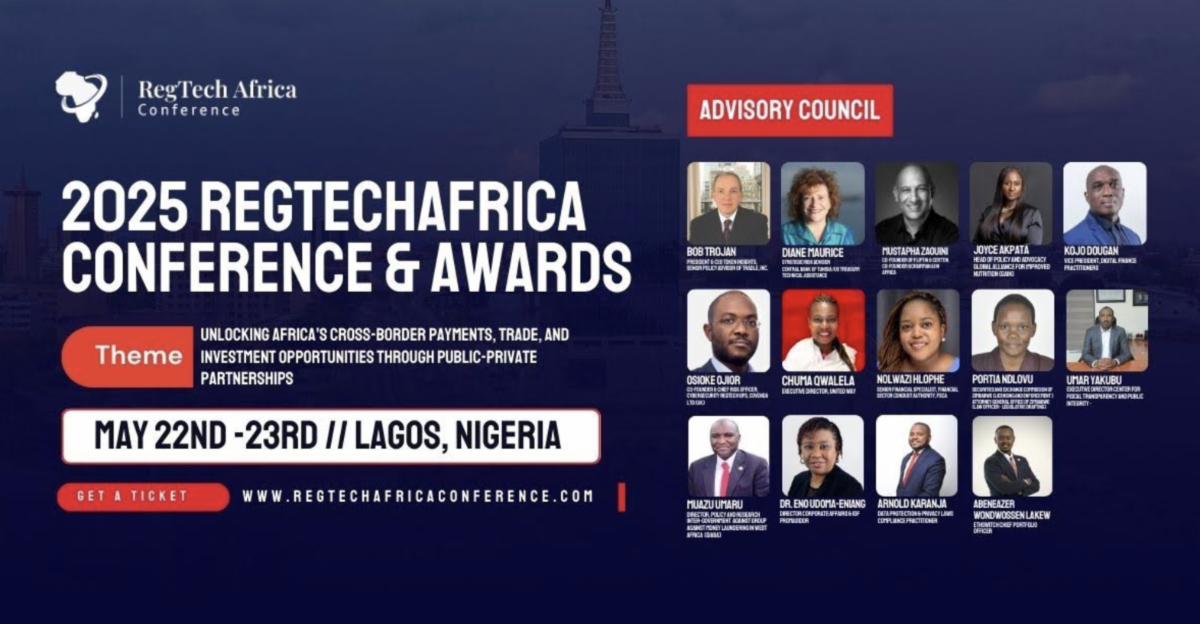
    LAGOS, Nigeria, 27th January /African Media Agency (AMA)/ – In a landmark move to enhance its strategic influence and effectiveness, the Organizing Committee of the RegTech Africa Conference has announced the expansion of its Advisory Council. The newly structured council will operate on three interconnected tiers—Global, Continental, and National—ensuring a well-rounded and impactful approach to Africa’s economic development. This strategic expansion aligns with the conference’s broader mission to drive regulatory innovation, financial inclusion, and economic transformation across the continent through strategic public-private sector collaboration.

    The expanded Advisory Council comprises an esteemed group of global experts, policymakers, and industry leaders dedicated to fostering innovation in regulatory technologies (RegTech). Their collective expertise will shape the discussions and outcomes of the 2025 RegTech Africa Conference and Awards, set to take place on May 22-23, 2025, at the prestigious Lagos Oriental Hotel in Lagos, Nigeria.

    The Theme: Unlocking Africa’s Cross-Border Payments, Trade, and Investment Potential

    Themed “Unlocking Africa’s Cross-Border Payments, Trade, and Investment Opportunities through Public-Private Partnerships,” the 2025 RegTech Africa Conference aims to address critical regulatory and economic challenges. As Africa moves towards deeper financial and economic integration, the conference will serve as a pivotal platform for dialogue and solution-driven collaboration between governments, regulatory bodies, financial institutions, and technology innovators.

    The Role and Composition of the Expanded Advisory Council

    The newly expanded Advisory Council is composed of thought leaders and decision-makers across key regions, reflecting the global nature of regulatory transformation and economic advancement. The tripartite structure ensures a multi-layered approach to addressing challenges and harnessing opportunities at different scales.

    1. Global Council – Shaping Strategic Oversight and International Policy

    This council consists of prominent global experts who provide high-level strategic oversight, sharing international best practices and regulatory innovations that can be tailored for Africa’s unique economic landscape. Members include:

    • Bob Trojan – Renowned authority on regulatory innovation.
    • Diane Maurice – Expert in global financial systems and compliance.
    • Mustapha Zaouini – Visionary in financial technology and cross-border trade.

    2. Continental Council – Addressing Africa-Specific Regulatory and Economic Needs

    Comprising leading voices from across Africa, this council ensures that the conference agenda remains rooted in Africa’s regulatory, financial, and economic realities. Members include:

    • Abeneazer Wondwossen Lakew – Advocate for Africa’s digital financial transformation.
    • Chuma Qwalela – Expert in trade facilitation and economic policy.
    • Osioke Ojior – Thought leader in RegTech and digital innovation.
    • Arnold Karanja – Specialist in regulatory compliance and trade infrastructure.
    • Portia Ndlovu – Champion of financial inclusion and investment.
    • Kofo Dougan – Innovator in cross-border payments and fintech solutions.
    • Nolwazi Hlophe – Leader in policy harmonization and economic integration.

    3. National Council – Enhancing Nigeria’s Role in Africa’s Economic Future

    Focusing on Nigeria as a key player in Africa’s financial ecosystem, this council brings together local experts committed to driving regulatory modernization and economic expansion. Members include:

    • Muazu Umaru – Advocate for regulatory modernization and financial ecosystems.
    • Umar Yakubu – Expert in compliance and anti-corruption frameworks.
    • Joyce Akpata – Leader in public-private sector collaboration.
    • Dr. Eno Udoma-Eniang – Innovator in economic development strategies.

    A Milestone in Africa’s Economic Integration and Financial Innovation

    The expansion of the Advisory Council marks a pivotal moment in the evolution of the RegTech Africa Conference. By integrating expertise from global, continental, and national levels, the conference is poised to drive meaningful regulatory advancements, shape financial policies, and foster actionable solutions for Africa’s economic integration.

    Cyril Okoroigwe, Organizing Committee Chairman, remarked:

    “Expanding our Advisory Council represents a significant step towards positioning Africa as a global leader in regulatory technology and economic transformation. By harnessing the collective expertise of industry pioneers, we will cultivate a conference that not only sparks critical discussions but also delivers tangible outcomes for Africa’s financial and trade ecosystems.”

    Why the 2025 RegTech Africa Conference Matters

    Africa’s economic landscape is rapidly evolving, with digital financial services, cross-border trade, and investment opportunities at the forefront. The 2025 RegTech Africa Conference will serve as a strategic convergence point for stakeholders seeking to harness technology and policy reforms to unlock the continent’s full economic potential.

    Key focus areas include:

    • Strengthening regulatory frameworks to foster cross-border financial transactions.
    • Leveraging public-private partnerships to drive sustainable economic growth.
    • Developing innovative RegTech solutions to enhance compliance and financial security.
    • Promoting seamless trade and investment flows across African nations.

    Join the Conversation: Engage, Collaborate, and Shape Africa’s Future

    The 2025 RegTech Africa Conference and Awards will bring together global decision-makers, industry leaders, and policymakers in a transformative exchange of ideas and solutions. With its expanded Advisory Council providing leadership and guidance, the conference is expected to set new benchmarks in regulatory transformation and economic policy harmonization.

    To learn more about the event, visit www.regtechafricaconference.com.

    Call for Partnerships and Sponsorships

    Governments, businesses, and investors are invited to partner with the conference to:

    • Gain unparalleled visibility and credibility on the global stage.
    • Demonstrate thought leadership in Africa’s economic transformation.
    • Build strategic alliances with key decision-makers and industry influencers.

    Olusanmi Graham Lawal, Director of Partnership, emphasized:

    “Partnering with the 2025 RegTech Africa Conference is an opportunity to be at the forefront of Africa’s economic evolution. This is more than an event—it is a movement towards a more integrated and prosperous Africa.”

    For sponsorship and partnership inquiries, contact info@regtechafrica.com.

    About RegTech Africa

    RegTech Africa is a pioneering organization committed to fostering innovation in regulatory technologies across the continent. Through its platforms for dialogue, knowledge sharing, and collaboration, RegTech Africa accelerates initiatives that enhance financial inclusion, economic growth, and regulatory efficiency across Africa.

  • 12th Annual Africa Sugar Conference 2025: Unlock Growth, Trade & Innovation in the Sugar Industry

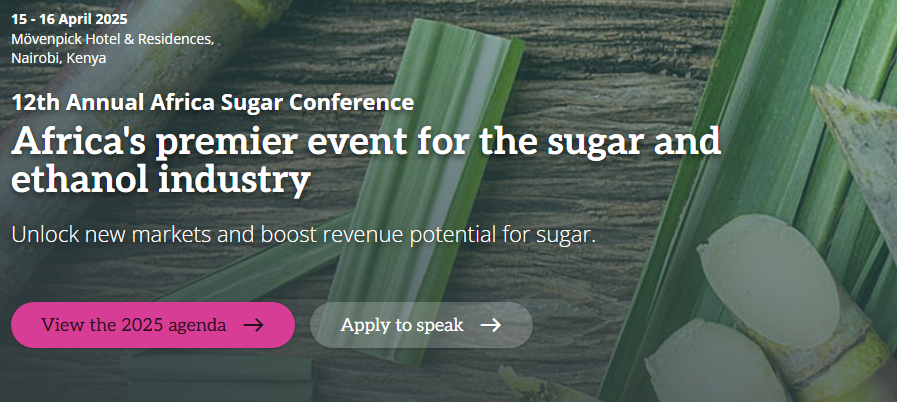
    12th Annual Africa Sugar Conference 2025: Unlock Growth, Trade & Innovation in the Sugar Industry

    📅 Date: 15 April 2025
    ⏰ Time: 08:00
    ⏳ Duration: 2 Days
    📍 Location: Nairobi, Kenya
    💰 Cost: $1399 – $1899
    👥 Organiser: Informa Connect
    🔗 Conference Website: 12th Annual Africa Sugar Conference

    Conference Overview

    The 12th Annual Africa Sugar Conference stands as the leading platform for the African sugar and ethanol industries, bringing together key stakeholders, industry leaders, policymakers, and investors. This conference serves as a strategic hub for businesses looking to expand into new markets, optimize production, and drive sustainable revenue growth.

    With Africa emerging as a critical player in the global sugar market, the event offers a unique opportunity to gain in-depth insights into the evolving landscape of sugar trade, investment trends, regulatory changes, and technological innovations shaping the sector in 2025.

    Attendees will engage in thought-provoking discussions, network with industry experts, and explore strategies for market expansion, revenue diversification, and sustainability in sugar production.

    Key Themes & Focus Areas

    🌍 Global Market Trends & Trade Dynamics

    • Analyze the latest global sugar trade trends, price forecasts, and Africa’s expanding role in international markets.
    • Examine how intra-African trade agreements—such as the AfCFTA—are creating new growth opportunities for African sugar producers.
    • Gain first-hand insights into investment trends and economic shifts shaping Africa’s sugar industry.

    🏛️ Regulation & Government Policy

    • Understand the implications of new international, regional, and national policies on sugar production, export, and trade.
    • Gain direct insights from government officials and policymakers on upcoming regulatory frameworks.
    • Learn from industry leaders who have successfully navigated policy shifts to ensure business growth and compliance.

    🔄 Diversification & Revenue Expansion

    • Explore the transformation of sugarcane into a multi-purpose resource powering the future of biofuels, bioelectricity, and sustainable packaging.
    • Unlock new revenue streams through value-added products, including pharmaceutical syrups, industrial ethanol, and clean energy solutions.
    • Discover case studies on ethanol’s role in clean cooking fuel and its impact on sustainable transport solutions.

    🌱 Sustainability & Climate Action

    • Learn global best practices in reducing the carbon footprint of sugar production.
    • Explore the role of bioethanol and renewable energy in enhancing operational efficiency and sustainability.
    • Discover how sugarcane contributes to carbon sequestration, soil health, and climate resilience, positioning the industry as a leader in sustainable agriculture.

    🤝 Regional Trade & Collaboration

    • Strengthen Africa’s position in the global sugar market through harmonized policies and enhanced cross-border trade collaborations.
    • Engage with national and pan-African organizations advocating for policy reforms and investment-friendly environments.
    • Foster strategic partnerships to improve regional competitiveness and supply chain efficiency.

    🚀 Investing in Innovation & Technology

    • Uncover cutting-edge innovations that are revolutionizing sugar production, refining, and waste management.
    • Address investment barriers and explore new funding opportunities for modernizing sugar mills and adopting renewable energy solutions.
    • Learn how smart technologies, AI-driven analytics, and automation are optimizing production, increasing efficiency, and ensuring sustainable growth.

    Why Attend?

    ✅ Gain first-hand insights from global sugar industry leaders and policy influencers.
    ✅ Discover new market opportunities and revenue streams for your business.
    ✅ Expand your professional network with key players across the sugar and ethanol sectors.
    ✅ Stay ahead of regulatory changes and policy developments affecting the industry.
    ✅ Explore the latest technological advancements in sugar production and trade.

    Who Should Attend?

    🔹 Sugar producers & refiners
    🔹 Ethanol & biofuel companies
    🔹 Investors & financial institutions
    🔹 Policymakers & regulatory bodies
    🔹 Agribusiness & sustainability experts
    🔹 Supply chain & logistics professionals

    This conference is the ultimate meeting ground for industry professionals looking to accelerate growth, innovate, and forge new partnerships in Africa’s thriving sugar and ethanol sectors.

    Join us in Nairobi and be part of the transformation shaping Africa’s sugar industry in 2025!

    🔗 Register now: Annual Africa Sugar Conference

  • UNESCO-Equatorial Guinea Fellowship 2025: Grants for Young African Women Scientists in Life Sciences

    UNESCO-Equatorial Guinea Fellowship 2025: Grants for Young African Women Scientists in Life Sciences

    Deadline for Applications: 31 March 2025

    Addressing Gender Disparities in African Scientific Research

    Women remain significantly underrepresented in the global research landscape, constituting only 33% of researchers worldwide, as highlighted in the UNESCO Science Report 2021. This disparity is even more pronounced in Sub-Saharan Africa, where women make up just 32% of researchers, according to the UNESCO Institute for Statistics. The imbalance is largely driven by a lack of funding, insufficient resources, and limited access to research opportunities for women in scientific fields. In 2015, scientific research expenditures in Africa accounted for a mere 1.01% of global spending, while African publications comprised only 3.5% of global scientific output in 2018. These factors hinder equitable participation and limit opportunities for African women in science.

    To bridge this gap, UNESCO and the Republic of Equatorial Guinea have launched the first-ever UNESCO-Equatorial Guinea Fellowship Programme for Young Women Scientists in Africa. This initiative is dedicated to empowering young African women scientists by fostering their careers and enhancing their contributions to life sciences. The programme provides targeted financial support and mentorship, ensuring that women have the resources and opportunities necessary to make meaningful contributions to scientific advancements on the continent.

    About the Fellowship Programme

    Established in 2024 by UNESCO’s Executive Board and funded by the Republic of Equatorial Guinea, the Young African Women Scientists Programme aims to encourage and promote the participation of outstanding female researchers in the life sciences. The programme will award two exceptional young women scientists annually, granting them financial resources to conduct cutting-edge research that contributes to the scientific and technological development of their respective countries.

    Each year, two laureates will receive a $25,000 grant each, totaling $50,000, to advance their research projects and bolster their scientific careers.

    Eligibility Criteria

    Candidates must meet the following requirements:

    • Hold African nationality and conduct research at a recognized institution or laboratory in Africa.
    • Be under 45 years of age at the time of application.
    • Possess a PhD in the life sciences.
    • Be actively engaged in scientific research that advances knowledge and contributes to sustainable development.

    Please Note: Only Governments of African Member States, in consultation with their National Commissions, are authorized to submit applications. Self-nominations will not be considered.

    Application Submission Process

    Applications must be pre-registered through the following online portal:
    👉 www.unesco.org/egip/account-request

    Once pre-registered, applicants will be invited to complete a comprehensive online submission form in English or French. The application must include:

    1. A research proposal outlining an innovative and achievable project within a one-year timeframe, considering available facilities.
    2. A detailed work plan specifying activities, objectives, expected outcomes, and a clear timeline for project completion.
    3. A comprehensive budget breakdown demonstrating how the $25,000 grant will be allocated (e.g., materials, equipment, travel, publication fees, etc.).
      • Grant disbursement:
        • $23,000 will be provided at the start of the project.
        • $2,000 will be disbursed upon submission of a final report detailing project results and fund usage.
    4. A summary of past research, including publications and supporting documents, with key scientific contributions highlighted.
    5. A detailed CV, listing academic qualifications, research experience, professional positions, and current work.
    6. One or two recommendation letters from a thesis supervisor or a peer in the research field (excluding individuals from the candidate’s immediate work environment).

    Incomplete applications will not be considered.

    Contact and Further Information

    For inquiries, please reach out to the Secretariat of the UNESCO-Equatorial Guinea International Prize for Research in the Life Sciences:
    📧 lifesciencesprize@unesco.org

    This prestigious fellowship represents a significant step forward in empowering African women scientists, promoting equitable access to resources, and ensuring a sustainable future driven by scientific excellence. By investing in these talented individuals, UNESCO and the Republic of Equatorial Guinea are shaping the next generation of female scientific leaders on the African continent.

    For more information, visit the official UNESCO website.

  • Empowering African Research Centers: PEP-Hewlett Initiative for Funding, Training, and Policy Impact in 2025

    Empowering African Research Centers: PEP-Hewlett Initiative for Funding, Training, and Policy Impact in 2025

    The Partnership for Economic Policy (PEP) is excited to announce a transformative initiative aimed at empowering African research centers. This program seeks to enhance the capacity of institutions involved in economic and social policy research to drive evidence-based policymaking and promote sustainable development across the continent.

    Introduction and Background

    PEP’s new initiative is specifically designed to address critical gaps in research capacity within African institutions. By providing both technical and financial support, the program aims to create a robust network of research centers capable of tackling pressing development challenges and influencing policymaking at local, national, and regional levels.

    As part of its broader mission, PEP supports research that fosters inclusive growth and sustainable development. This initiative reinforces its commitment to amplifying the role of African researchers in shaping impactful policy dialogues and decisions.

    Eligibility Criteria

    To qualify for this program, research centers must meet the following criteria:

    Geographic Location

    Centers must be based in one of the following East or West African countries:

    • West Africa: Benin, Burkina Faso, Côte d’Ivoire, Gambia, Ghana, Guinea, Guinea-Bissau, Liberia, Mali, Niger, Nigeria, Senegal, Sierra Leone, Togo.
    • East Africa: Burundi, Djibouti, Ethiopia, Kenya, Madagascar, Malawi, Rwanda, Uganda, United Republic of Tanzania, Zambia, Zimbabwe.

    Experience and Commitment

    • Proven expertise in conducting high-quality research and a history of working collaboratively with stakeholders, such as government agencies, development organizations, or academic institutions.
    • A strong focus on generating evidence-based recommendations to inform policymaking.

    Team Composition

    • A team of skilled researchers, including at least one senior researcher (female leads strongly encouraged) with substantial experience in engaging policymakers.
    • At least two team members must be female, and all team members must have a minimum of three years’ experience in policy research.

    Institutional Stability

    • Centers must demonstrate operational and financial stability to successfully execute proposed activities.
    Collaborative Agreement Requirement

    Selected research centers must formalize their participation by signing a Memorandum of Understanding (MOU) with a relevant government institution (e.g., ministry, department, or agency). This agreement will:

    • Ensure the research center provides real-time evidence and advisory support for policy decisions.
    • Require the government institution to participate in consultation meetings and an online course on evidence-informed policymaking.
    Program Details

    The initiative offers a comprehensive support package to bolster institutional capacity and foster collaboration:

    Duration and Structure

    • Program Length: Duration will depend on the scope of proposed activities.
    • Key Components:
      • Financial assistance for research projects and institutional capacity building.
      • Access to technical assistance through PEP’s global network of experts.
      • Tailored training workshops and mentorship programs.
      • Networking opportunities, including participation in international conferences organized by PEP.

    Grant and Financial Support

    • An initial cash grant of USD 60,000.
    • Additional grants of up to USD 28,500 to support activities such as capacity building, events, and travel.

    Cost of Participation

    • No application or participation fees are required.
    Application Requirements

    Eligible research centers must submit a detailed proposal, including the following components:

    1. Institutional Overview:
      • Description of the center’s experience in collaborating with government institutions for policy advisory work.
      • Overview of recent projects (within the last 2-3 years) involving government stakeholders, including challenges and outcomes.
    2. Core Research Focus:
      • Description of research themes and alignment with national development priorities.
      • Forecast of priority policy issues for the next 3-5 years.
    3. Collaboration Framework:
      • Identification of government institutions for potential MOU partnerships and evidence of pre-existing relationships.
    4. Motivational Statement:
      • Explanation of the center’s goals and expected benefits from participating in the initiative.
    5. Team Details:
      • CVs and motivational statements from at least four team members, including the senior researcher.
    6. Data Availability:
      • Information on potential data access challenges related to proposed research topics.
    Application Process

    Submission Steps:

    1. Download the mandatory application form from the PEP website.
    2. Complete the form, ensuring all required documents are included:
      • Detailed proposal.
      • Supporting documents, such as team CVs and motivational statements.
    3. Submit the completed application form via email to delfina.cerisoli@pep-net.org.
      • Email subject line: “Application for PEP-Hewlett-EIPM Program.”
      • Include the research center’s name, address, and contact information in the email body.

    Important Dates:

    • Application Deadline: February 28, 2025.
    • Early submissions are encouraged to avoid technical difficulties.
    About the PEP-Hewlett Initiative

    Supported by the William and Flora Hewlett Foundation, this initiative adopts a strategic approach to enable in-country research centers and their policy counterparts to collaborate on evidence-informed policymaking (EIP). It focuses on:

    • Enhancing research and advisory capabilities.
    • Establishing real-time policy advisory mechanisms.
    • Strengthening collaborative frameworks between research institutions and government bodies.

    Through learning-by-doing approaches, participating institutions will engage in training, mentorship, and evaluation to ensure real-world impact. Selected centers will work closely with government institutions to provide actionable evidence that responds to emerging policy challenges.

    Transform Research into Action

    Take the first step toward transforming research and policymaking in Africa. Apply now to join the PEP-Hewlett-EIPM program and make a lasting impact on your community and beyond!

    Learn More

    For additional information, visit the official PEP website.

  • Oldest Evidence of Multi-Component Arrow Poison Discovered in South Africa: A Breakthrough in Ancient Hunting Technology

    Oldest Evidence of Multi-Component Arrow Poison Discovered in South Africa: A Breakthrough in Ancient Hunting Technology

    In a groundbreaking study published on January 23, 2025, scientists revealed the oldest known evidence of a multi-component poison mix used in ancient hunting tools, uncovered in South Africa. This discovery, emerging from renewed investigations at the Kruger Cave site in the western Magaliesberg mountains, sheds new light on the sophistication of prehistoric pharmacological knowledge and hunting technologies.

    The Discovery of the Bone Arrowheads

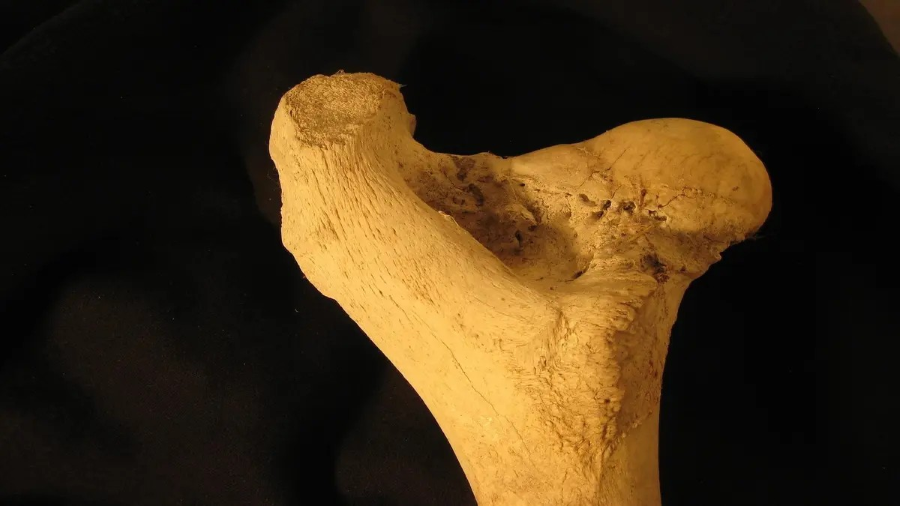
    The story begins in 1983, when archaeologists unearthed an intriguing femur bone at Kruger Cave, an important archaeological site located just 1.5 hours from Johannesburg. The bone, belonging to an antelope, was found to be 7,000 years old, with three meticulously modified bone arrowheads placed within its marrow cavity. At the time, the bone and other findings were stored at the University of the Witwatersrand’s Archaeology Department, awaiting further investigation.

    However, in 2022, a team of archaeologists, including Justin Bradfield, an expert from the University of Johannesburg, revisited the site. They sought to apply new techniques to further analyze the artefacts, suspecting that the femur contained more than just sediment and degraded marrow—potentially holding secrets of ancient hunting methods.

    The Role of Modern Technology in the Discovery

    Using modern micro-CT scanning technology, the researchers were able to generate high-resolution three-dimensional images of the femur. This technology, which utilizes thousands of X-rays to create detailed reconstructions of objects, revealed that the material surrounding the arrowheads was not ordinary archaeological sediment. Rather, it appeared to be foreign matter, potentially a mix of organic substances, suggesting that the femur had been intentionally filled with a complex concoction.

    Further chemical analysis of this material uncovered an unexpected surprise: the presence of two highly toxic cardiac glycosides, digitoxin and strophanthidin. These compounds, known to disrupt heart function, are historically associated with poisons used in bow hunting. Additionally, ricinoleic acid was identified, which is a byproduct of the breakdown of ricin—a potent toxin found in castor beans.

    The Oldest Confirmed Multi-Component Arrow Poison

    This analysis revealed that the femur contained the world’s oldest confirmed mixture of plant toxins used specifically to poison arrowheads. The discovery is significant, as it offers insight into the complexity of ancient pharmacological knowledge. The combination of digitoxin, strophanthidin, and ricinoleic acid indicates that ancient people were blending different plant-based toxins to create a more effective hunting poison. This sophisticated recipe shows an advanced understanding of plant properties and the ability to manipulate natural substances to achieve specific outcomes.

    Evidence of Trade and Long-Distance Plant Movement

    Interestingly, none of the plants that contain digitoxin and strophanthidin are native to the Kruger Cave area. This suggests that the people who lived there either traveled long distances to acquire these plants or engaged in trade networks to obtain the necessary ingredients for their poisons. While it is known that certain goods, such as seashells, were traded across vast distances in Africa long before 7,000 years ago, the movement of non-domestic plants is a new revelation in this context. This suggests that ancient societies were not only knowledgeable about the properties of plants but were also capable of sourcing them from distant locations.

    Implications for Ancient Knowledge and Cognitive Development

    The discovery provides a fascinating glimpse into the cognitive capabilities of early humans. The ability to create a complex mixture of toxins implies that the people who made this poison had an advanced understanding of botany and chemistry. This knowledge extended beyond mere survival; it involved the creation of tools (in this case, poisons for hunting) that could be used to manipulate the environment in highly strategic ways.

    In addition to being a technological advancement, the creation and use of poisons also reflects a deep cultural understanding of the natural world. The recipe may have been passed down through generations, integrating traditional pharmacology into the fabric of early societies.

    Comparison with Other Ancient Poison Evidence

    Although the use of poison in hunting dates back tens of thousands of years, this discovery is the oldest confirmed example of a multi-ingredient poison recipe. The earliest molecular evidence for poison use in southern Africa comes from a 24,000-year-old wooden spatula found at Border Cave, where traces of ricinoleic acid were detected. This was likely a single-component poison, unlike the complex mixture identified in Kruger Cave. Furthermore, other potential instances of arrow poisons have been found in 13,000-year-old deposits in Zanzibar, but no scientific testing was conducted to confirm the chemical composition of these substances.

    In a more recent study, another team analyzed a 1,000-year-old arrow from Kruger Cave. While the results confirmed the presence of cardiac glycoside byproducts, the sample was more degraded than the 7,000-year-old femur, suggesting that the latter had been better preserved, possibly due to the protective properties of the bone container.

    Conclusion

    This discovery underscores the advanced level of understanding early humans had of their environment, particularly regarding the use of plants for medicinal and hunting purposes. The ability to create a potent mixture of toxins for hunting weapons indicates a high level of cultural and cognitive development, providing valuable insights into the complexity of life during the early stages of human history. Moreover, it highlights the potential of modern technologies, such as micro-CT scanning and chemical analysis, to unlock secrets hidden in ancient artefacts, offering a richer understanding of our past.

  • Unlocking the Health Benefits of Bambara Groundnut: Antimicrobial Properties and Phytochemical Insights

    Unlocking the Health Benefits of Bambara Groundnut: Antimicrobial Properties and Phytochemical Insights

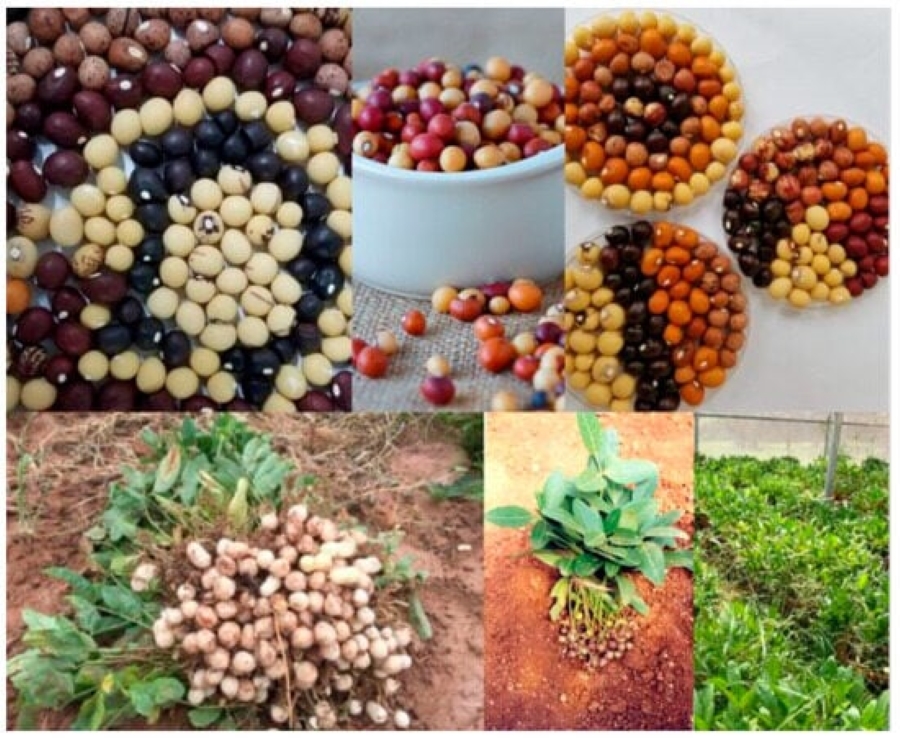
    A recent study by Sarki et al. (2025) titled “Antimicrobial and Phytochemical Evaluation of Vigna subterranean (L.) Verdc.(Bambara groundnut)” published in the Journal of Underutilized Legumes reveals that Bambara groundnut (Vigna subterranean) has significant antimicrobial properties and a rich phytochemical composition.

    Bambara groundnut exhibits significant antimicrobial properties and a rich phytochemical composition with health benefits. – Sarki et al. 2025

    The study explores the health potential of the Bambara groundnut, a legume with recognized nutritional and medicinal benefits. This research focuses on assessing its antimicrobial properties and phytochemical composition. Samples of the plant were collected, dried, and subjected to ethanol extraction. The resulting liquid extract was evaporated to dryness and analyzed through phytochemical screening and antimicrobial testing. The antimicrobial activity was evaluated against clinical bacterial strains (Pseudomonas aeruginosa, Escherichia coli, Staphylococcus aureus) and a fungal strain (Candida albicans), using Ciprofloxacin and Fluconazole as positive controls for antibacterial and antifungal assessments, respectively. Phytochemical analysis revealed the presence of steroids, alkaloids, tannins, saponins, and flavonoids, while anthraquinones were absent. The findings demonstrated that the extract’s antimicrobial efficacy is dose-dependent, with the highest inhibition zone observed at 1.5 mg/ml in both antibacterial and antifungal assays. Additionally, combining the plant extract with Ciprofloxacin significantly enhanced its antimicrobial activity against the tested isolates.

    How the Study was Conducted

    The authors employed samples of Bambara groundnut, which were then dried and ground into a fine powder. The powdered samples were subjected to an extraction process using ethanol. This involved soaking the powder in ethanol to extract the chemical components. The liquid extract obtained from the ethanol extraction was evaporated to dryness, resulting in a concentrated extract. The dried extract was then screened for various phytochemicals, including steroids, alkaloids, tannins, saponins, and flavonoids. Anthraquinone was found to be absent. The antimicrobial properties of the extract were tested against clinical bacterial strains (Pseudomonas aeruginosa, Escherichia coli, Staphylococcus aureus) and a fungus (Candida albicans). The effectiveness of the extract was evaluated using established protocols, with Ciprofloxacin and Fluconazole serving as positive controls for antibacterial and antifungal investigations, respectively. The study assessed the dose-dependent effectiveness of the extract, with the most significant inhibition zone observed at 1.5 mg/ml for both antibacterial and antifungal evaluations. The antimicrobial properties were further enhanced when the plant extracts were combined with Ciprofloxacin against the test isolates. This comprehensive approach allowed the researchers to evaluate the antimicrobial properties and phytochemical composition of Bambara groundnut, providing valuable insights into its potential health benefits and medicinal uses.

    What the Authors Found

    The authors found that the Bambara groundnut (Vigna subterranean) has significant antimicrobial properties and a rich phytochemical composition. Their analysis revealed the presence of steroids, alkaloids, tannins, saponins, and flavonoids, while anthraquinone was absent. The antimicrobial assessment showed that the ethanolic extract of the Bambara groundnut was effective against clinical bacterial strains (Pseudomonas aeruginosa, Escherichia coli, Staphylococcus aureus) and the fungus Candida albicans. The effectiveness of the extract was dose-dependent, with the most significant inhibition zone observed at 1.5 mg/ml for both antibacterial and antifungal evaluations. Additionally, the antimicrobial properties were enhanced when the plant extracts were combined with Ciprofloxacin against the test isolates.

    Why is this important?

    Health Benefits: The antimicrobial properties of Bambara groundnut suggest it could be used to treat or prevent infections caused by bacteria and fungi. This is particularly valuable in the context of increasing antibiotic resistance.

    Nutritional Value: Understanding the phytochemical composition of Bambara groundnut highlights its potential as a nutritious food source. The presence of compounds like steroids, alkaloids, tannins, saponins, and flavonoids indicates that it could offer various health benefits.

    Medicinal Uses: The study provides a scientific basis for the traditional medicinal uses of Bambara groundnut. By identifying its active components and their effects, it supports the development of new treatments and therapies.

    Agricultural Significance: Bambara groundnut is an underutilized crop with the potential to improve food security, especially in regions where it is traditionally grown. Promoting its cultivation could contribute to sustainable agriculture and economic development.

    What the Authors Recommended

    • The authors recommend further research to explore the full potential of Bambara groundnut (Vigna subterranean) due to its significant antimicrobial properties and rich phytochemical composition.
    • The authors recommend further studies to isolate and characterize the specific bioactive compounds responsible for the antimicrobial activity.
    • The authors advocate conducting clinical trials to evaluate the efficacy and safety of Bambara groundnut extracts in treating infections.
    • The authors emphasize promoting the cultivation of Bambara groundnut as a valuable crop for its nutritional and medicinal benefits.
    • In addition, developing new products, such as dietary supplements or pharmaceuticals, based on the bioactive compounds found in Bambara groundnut.

    In conclusion, the study by Sarki et al. highlights the remarkable antimicrobial potential and rich phytochemical composition of Bambara groundnut, underscoring its significance as both a medicinal and nutritional resource. The findings provide a scientific foundation for its traditional uses, offering promising avenues for developing new treatments, dietary supplements, and pharmaceutical applications. Furthermore, promoting the cultivation of this underutilized crop can contribute to sustainable agriculture, improved food security, and economic development, particularly in regions where it is traditionally grown. Future research, including the isolation of bioactive compounds and clinical trials, will be pivotal in fully realizing the health and medicinal benefits of Bambara groundnut.

  • Unveiling Genetic Diversity in the matK Gene: Phylogenetic Analysis and Protein Structure Insights in African Yam Bean and Related Legumes”

    Unveiling Genetic Diversity in the matK Gene: Phylogenetic Analysis and Protein Structure Insights in African Yam Bean and Related Legumes”

    A recent study by Edu et al. (2025) titled “Phylogenetic Analysis and Protein Structure Characterization of the matK Gene in Sphenostylis stenocarpa and Related Legumes,” published in the Journal of Underutilized Legumes, revealed genetic diversity in the matK gene among legumes, highlighting distinct phylogenetic clusters and structural protein variations.

    There is a significant genetic diversity and distinct phylogenetic clusters in the matK gene among African yam bean and legumes.– Edu et al. 2025

    The study delves into the genetic diversity and evolutionary relationships of the matK gene in Sphenostylis stenocarpa (African yam bean) and its related legume species. The matK gene, a chloroplast marker with a high substitution rate, is widely used in studying genetic diversity and species evolution. The authors retrieved nucleotide sequences for several leguminous species, including S. stenocarpa, Sphenostylis angustifolia, Vigna aconitifolia, Vigna angularis, Vigna umbellata, Vigna mungo, Cajanus cajan, Phaseolus vulgaris, and Glycine max from the NCBI database. The authors used MEGA 6 software with Clustal W alignments and 1000 bootstrap resampling to assess phylogenetic relationships. The secondary and tertiary structures of proteins of the matK gene were predicted using the GORIV and Phyre2 tools. The phylogenetic analysis revealed two primary clusters: one containing exclusively P. vulgaris with high bootstrap support and another encompassing the remaining legumes, further divided into sub-clusters with C. cajan distinct from Vigna species. Structural analysis showed that S. stenocarpa exhibited the highest percentage of alpha helix (36.54%), while C. cajan displayed the lowest alpha helix and highest random coil.

    How the Study was Conducted

    Researchers retrieved nucleotide sequences for several leguminous species, including S. stenocarpa, from the NCBI database. Using MEGA 6 software, the authors performed Clustal W alignments and 1000 bootstrap resampling to assess the phylogenetic relationships among the species. The secondary and tertiary structures of the matK gene proteins were predicted using the GORIV and Phyre2 tools.The phylogenetic analysis revealed two primary clusters, with one containing P. vulgaris and the other encompassing the remaining legumes. Structural analysis showed variations in the percentage of alpha helix and random coil among the species. This comprehensive approach helped the researchers understand the genetic diversity and evolutionary relationships of the matK gene in these legumes.

    What the Authors Found

    The authors found that the phylogenetic analysis revealed two primary clusters. One cluster contained only Phaseolus vulgaris, while the other included the remaining legume species. This second cluster was further divided into sub-clusters, with Cajanus cajan being distinct from the Vigna species. The structural analysis of the matK gene proteins showed that Sphenostylis stenocarpa had the highest percentage of alpha helix (36.54%), while Cajanus cajan had the lowest alpha helix and the highest random coil. The study highlighted the genetic diversity within the legume family, particularly in the matK gene, which is crucial for understanding the evolutionary relationships and potential for improvement of these species.

    Why is this important?

    Genetic Diversity: Understanding the genetic diversity of the matK gene in Sphenostylis stenocarpa and related legumes can help in the conservation and improvement of these species. Genetic diversity is crucial for the adaptability and resilience of plants to changing environmental conditions.

    Evolutionary Relationships: The phylogenetic analysis provides insights into the evolutionary relationships among different legume species. This knowledge can be used to trace the evolutionary history and identify potential genetic resources for breeding programs.

    Agricultural Improvement: By characterizing the protein structure of the matK gene, researchers can identify specific traits that may be beneficial for crop improvement. This can lead to the development of more resilient and productive legume varieties, which are essential for food security and sustainable agriculture.

    Scientific Knowledge: The study contributes to the broader scientific understanding of plant genetics and evolution. It provides valuable data that can be used in future research and helps to advance the field of plant biology.

    What the Authors Recommended

    The authors recommended further research to explore the genetic diversity and evolutionary relationships of other legume species. The authors also suggest that understanding the genetic makeup and protein structures of these plants can lead to the development of more resilient and productive legume varieties. This can have significant implications for agriculture, food security, and sustainable farming practices.

    In conclusion, the study by Edu et al. (2025) sheds light on the genetic diversity and evolutionary relationships of the matK gene in Sphenostylis stenocarpa and related legumes. By combining phylogenetic analysis and protein structure characterization, the research highlights distinct genetic clusters and structural variations, offering valuable insights into plant evolution and adaptability. These findings not only deepen our understanding of legume genetics but also provide a foundation for advancing agricultural practices, ensuring food security, and promoting sustainable farming. Future research in this area holds immense potential for the development of resilient and productive legume varieties.

  • Drought Stress Impact on Basella alba and Basella rubra: Key Findings and Agricultural Strategies

    Drought Stress Impact on Basella alba and Basella rubra: Key Findings and Agricultural Strategies

    A recent study by Oluwajobi et al. (2025) titled “Morphological and Biochemical Assessment of Basella alba Linn. and Basella rubra Roxb under Drought Stress,” published in the Journal of Underutilized Legumes reveals that drought stress significantly affected the morphological and biochemical characteristics of both Basella alba and Basella rubra.

    Drought stress significantly reduces the growth and biochemical properties of Basella alba and Basella rubra, affecting their resilience and productivity.– Oluwajobi et al. 2025

    The article explores the biochemical and morphological responses of Basella alba and Basella rubra to drought stress. The research was conducted in a screen house using sandy-loamy soil and four levels of drought regimes as treatments, along with a control experiment. The study found that drought stress led to a reduction in selected morphological characteristics such as the number of leaves per pot, plant height, leaf area, and stem girth. The study also revealed variations in the ability of these two vegetables to survive various water shortage regimes and the effects of water stress on their biochemical contents.

    How the Study was Conducted

    The study was conducted in a screen house at the Federal University Oye-Ekiti, Nigeria. Sandy-loamy soil was collected and used for planting Basella alba and Basella rubra seeds. The seeds were subjected to four levels of drought regimes: 5, 10, 15, and 20 days without water, along with a control group that was not starved of water at any point. Five replicates were set up for each treatment. The drought stress was introduced at 12 weeks after planting (WAP). Morphological parameters such as plant height, stem girth, leaf area, and the number of leaves per pot were measured. Biochemical parameters, including chlorophyll pigment extraction, protein content determination, lipid peroxidation, and proline content estimation, were also assessed. The study aimed to evaluate the morphological and biochemical responses of Basella alba and Basella rubra to drought stress and to establish the extent to which different regulatory processes, including growth and photosynthetic responses, are induced under drought conditions.

    What the Authors Found

    The authors found that drought stress significantly affected the morphological and biochemical characteristics of both Basella alba and Basella rubra. The authors posit that drought stress led to a reduction in the number of leaves per pot, plant height, leaf area, and stem girth. The control group, which was not subjected to drought stress, had higher values for these characteristics compared to the drought-exposed groups. The study observed an increase in carotene levels for both plants after 20 days of drought exposure. Additionally, the chlorophyll content (chlorophyll a and b) and carotenoid pigments decreased as the drought stress period increased.

    Why is this important?

    Agricultural Resilience: Understanding how Basella alba and Basella rubra respond to drought stress can help in developing strategies to improve the resilience of these crops. This is crucial for regions that frequently experience water shortages.

    Food Security: By identifying the drought tolerance mechanisms of these vegetables, the study contributes to efforts aimed at ensuring food security. Drought-resistant crops can provide a stable food supply even in adverse conditions.

    Nutritional Value: Basella alba and Basella rubra are known for their nutritional and medicinal properties. Enhancing their drought tolerance ensures that these valuable food sources remain available and accessible.

    Environmental Sustainability: The findings can inform sustainable agricultural practices by promoting the cultivation of crops that require less water, thereby conserving water resources and reducing the environmental impact of farming.

    Scientific Knowledge: The study adds to the body of knowledge on plant responses to abiotic stress, particularly drought. This information can be used in further research and breeding programs to develop more resilient crop varieties.

    What the Authors Recommended

    • The authors suggest conducting more research to explore the genetic and physiological mechanisms that contribute to drought tolerance in Basella alba and Basella rubra. This could help in developing more resilient crop varieties.
    • The authors recommend incorporating the findings into breeding programs to develop drought-resistant varieties of Basella alba and Basella rubra. This could enhance food security in regions prone to water shortages.
    • The study advises adopting agricultural practices that improve water use efficiency and soil moisture retention. This includes using mulching, drip irrigation, and other water-saving techniques.
    • The authors emphasize the need for policy support to promote the cultivation of drought-resistant crops. This could include providing incentives for farmers to adopt these crops and investing in research and development.
    • In addition, the authors recommend raising awareness and educating farmers about the benefits of cultivating drought-resistant crops and the best practices for managing water stress.

    In conclusion, the study by Oluwajobi et al. (2025) highlights the significant impact of drought stress on the morphological and biochemical characteristics of Basella alba and Basella rubra. By identifying key responses and tolerance mechanisms, this research provides valuable insights for enhancing crop resilience, ensuring food security, and promoting sustainable agricultural practices. With further exploration of genetic and physiological adaptations, combined with strategic policy and farmer education, these findings can pave the way for the development of drought-resistant crop varieties, ultimately contributing to global efforts in addressing the challenges of climate change and water scarcity.

  • Impact of Blockchain and Cryptocurrency on South African Banking: Challenges, Opportunities, and Recommendations

    Impact of Blockchain and Cryptocurrency on South African Banking: Challenges, Opportunities, and Recommendations

    A recent study by Sithole et al. (2025) titled “A Review of Blockchain and Cryptocurrency in the South African Banking” published in EOM Society International reveals that blockchain and cryptocurrency technologies have the potential to significantly impact the South African banking sector.

    Blockchain and cryptocurrency technologies have significant potential to impact South African banking, despite adoption challenges.– Sithole et al. 2025

    The article delves into blockchain and cryptocurrency in the South African banking sector. It explores the applications, trends, challenges, and innovations of blockchain technology and cryptocurrencies. The study aims to provide insights into how these technologies can bring value to the finance industry in South Africa. It also discusses the current state of blockchain and cryptocurrency adoption in the country, highlighting the challenges such as education and infrastructure readiness. The study is based on a literature review of sources from 2018 to 2022 and includes a survey of respondents’ views on the use of these technologies. The authors conclude that while South Africa has a long way to go in fully adopting blockchain and cryptocurrencies, there is hope for future adoption as the country continues to evolve.

    How the Study was Conducted

    The authors employed a comprehensive literature review and a survey. The authors reviewed 142 sources, including articles, reviews, conference papers, and journals, from 2018 to 2022. Out of these, 24 sources were identified as suitable for the study. The literature review focused on blockchain and cryptocurrency applications, trends, challenges, and innovations. Additionally, the study used a survey to collect data on respondents’ views on the use of blockchain and cryptocurrencies. The survey included questions about the respondents’ age, educational background, and their use of virtual currencies for economic transactions. The data collected from the survey helped to understand the current state of blockchain and cryptocurrency adoption in South Africa and the challenges faced in this process.

    What the Authors Found

    The authors found that blockchain and cryptocurrency technologies have the potential to significantly impact the South African banking sector. However, the adoption of these technologies is still in its early stages, and there are several challenges that need to be addressed. These challenges include a lack of education and awareness about blockchain and cryptocurrencies, as well as infrastructure readiness. The study also revealed that younger generations, particularly millennials and Generation Z, are more likely to be interested in and use blockchain and cryptocurrency technologies. The survey results showed that respondents with higher education levels were more likely to use these technologies.

    Why is this important?

    This study provides valuable insights into the potential impact of blockchain and cryptocurrency technologies on the South African banking sector. By understanding the current state of adoption, challenges, and opportunities, stakeholders can make informed decisions about implementing these technologies. The study highlights the need for education and infrastructure development to fully realize the benefits of blockchain and cryptocurrencies. Additionally, it offers a benchmark for other industries and countries looking to adopt similar technologies, contributing to the global understanding of blockchain and cryptocurrency applications.

    What the authors recommended

    The authors recommend several actions to enhance the adoption and implementation of blockchain and cryptocurrency technologies in South Africa:

    • Education and Awareness: Increasing education and awareness about blockchain and cryptocurrencies among the general public and within the financial sector. This includes integrating blockchain and cryptocurrency topics into educational curricula and providing training programs for professionals.
    • Infrastructure Development: Improving the technological infrastructure to support the adoption of blockchain and cryptocurrencies. This includes investing in reliable internet connectivity and cybersecurity measures to ensure safe and efficient transactions.
    • Regulatory Framework: Developing a clear and supportive regulatory framework that encourages innovation while protecting consumers. This involves collaboration between the government, financial institutions, and technology providers to create policies that foster the growth of blockchain and cryptocurrency technologies.
    • Public-Private Partnerships: Encouraging partnerships between the public and private sectors to drive the adoption of blockchain and cryptocurrencies. These partnerships can help leverage resources, expertise, and networks to promote the use of these technologies in various industries.
    • Research and Development: Supporting ongoing research and development in blockchain and cryptocurrency technologies. This includes funding research projects, fostering innovation hubs, and encouraging collaboration between academic institutions and industry players.

    In conclusion, while the adoption of blockchain and cryptocurrency technologies in the South African banking sector is still in its early stages, the potential for significant transformation is evident. The study highlights key challenges, such as the need for increased education, infrastructure development, and a clear regulatory framework. However, it also points to promising opportunities, particularly among younger generations and highly educated individuals. By addressing these challenges and fostering collaboration between the public and private sectors, South Africa can position itself as a leader in blockchain and cryptocurrency adoption, driving innovation and economic growth in the financial sector.