Author: AR Managing Editor

  • Tether and Quidax Partner to Boost Blockchain Education and Financial Inclusion in Africa

    Tether and Quidax Partner to Boost Blockchain Education and Financial Inclusion in Africa

    Quidax, one of Africa’s leading cryptocurrency exchanges, has joined forces with Tether, the global leader in digital asset technology, to spearhead an initiative aimed at enhancing blockchain education across the African continent. This strategic collaboration is designed to equip individuals and businesses with the knowledge and tools necessary to effectively leverage digital assets, with an initial focus on Nigeria and Ghana.

    Through this initiative, Quidax and Tether aspire to educate over 15,000 people on the intricacies of blockchain technology, Bitcoin, and stablecoins. The collaboration will roll out a comprehensive educational campaign encompassing financial literacy programs, expert-led discussions, interactive workshops, and community-driven engagement strategies. These efforts aim to demystify cryptocurrency, enabling users to navigate the digital asset landscape with confidence and security.

    Bridging the Knowledge Gap in Africa’s Crypto Economy

    As interest in cryptocurrency continues to rise across Africa, stablecoins such as USDT (Tether) have emerged as a critical solution for individuals and businesses seeking financial stability. Given the economic volatility that affects many African nations, USDT offers a secure means of preserving value and facilitating seamless cross-border transactions.

    “Stablecoins like USDT provide a reliable store of value and a frictionless way to conduct business transactions, especially in regions experiencing currency fluctuations,” stated Buchi Okoro, CEO of Quidax. “By partnering with Tether, we are addressing the knowledge gap that exists within the digital economy and ensuring that more people across Africa can benefit from blockchain technology.”

    Empowering Financial Inclusion Through Blockchain

    Tether, as the issuer of the most widely adopted stablecoin, remains committed to fostering financial education and promoting financial inclusion. The company recognizes Africa as one of the fastest-growing crypto markets, with Nigeria and Ghana standing out as key players in blockchain adoption. By collaborating with Quidax, Tether aims to empower individuals and businesses with essential financial knowledge that enables them to participate meaningfully in the digital economy.

    “At Tether, we believe financial education is the foundation for economic empowerment,” said Paolo Ardoino, CEO of Tether. “Africa is a hub of innovation and blockchain adoption, and we are dedicated to ensuring that individuals and businesses across the continent have access to the necessary tools and knowledge to navigate this evolving landscape. This partnership with Quidax represents a step toward building a more inclusive financial ecosystem.”

    The Role of Blockchain in Africa’s Economic Future

    The digital revolution in Africa is being propelled by technological advancements and a young, tech-savvy population eager to explore new financial opportunities. Blockchain technology, with its ability to provide secure, transparent, and decentralized financial solutions, has the potential to address many of the continent’s longstanding economic challenges.

    For small businesses, freelancers, and entrepreneurs, stablecoins and blockchain-based transactions present an opportunity to bypass traditional financial hurdles, such as high remittance fees and limited access to banking services. By providing education on these topics, Quidax and Tether seek to lay the groundwork for a more robust and accessible financial system that benefits everyday users, investors, and businesses alike.

    About Quidax

    Quidax is an African-founded cryptocurrency exchange that enables users to seamlessly buy, sell, store, and transfer digital assets. The platform also supports over-the-counter (OTC) trading and provides fintech companies with tools to integrate cryptocurrency services through a dedicated API. Since its official launch in 2018, Quidax has expanded its user base to more than 70 countries, positioning itself as a key player in Africa’s crypto ecosystem.

    About Tether

    Tether is a pioneering force in stablecoin technology, committed to revolutionizing the financial landscape through secure, accessible, and efficient digital assets. As the issuer of the largest and most transparent stablecoin in the market, Tether plays a vital role in fostering financial inclusion and resilience. By leveraging blockchain and peer-to-peer technology, Tether continues to build sustainable infrastructure that bridges the gap between traditional finance and decentralized finance, ultimately benefiting underserved communities worldwide.

    By joining forces to advance blockchain education, Quidax and Tether are paving the way for a more informed and financially empowered African population. Their shared mission is to harness the potential of digital assets to drive economic transformation and create a more inclusive financial future for all.

  • RegTech Africa Conference 2025: Transforming Fintech Innovation, Cross-Border Payments & Investments in Africa

    RegTech Africa Conference 2025: Transforming Fintech Innovation, Cross-Border Payments & Investments in Africa

    Transforming Africa’s Fintech Landscape through Regulatory Innovation

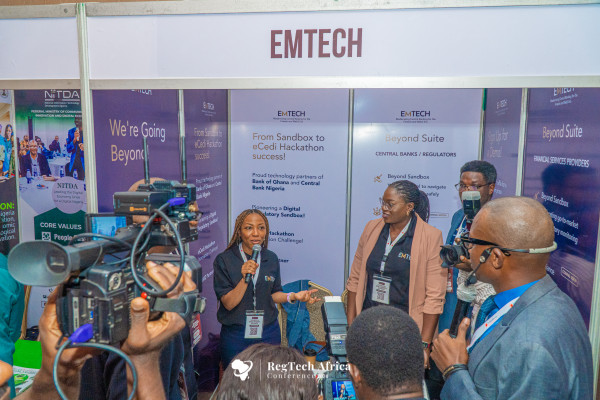
    Africa’s financial technology (fintech) sector is experiencing exponential growth, revolutionizing financial services and inclusion across the continent. However, with rapid expansion comes increasing regulatory complexities, infrastructure challenges, and cross-border payment inefficiencies. Addressing these pressing concerns, the RegTech Africa Conference 2025 (www.RegTechAfrica.com) stands as the definitive platform for stakeholders to navigate the evolving regulatory landscape and catalyze fintech innovation.

    About RegTech Africa Conference

    The RegTech Africa Conference is a premier platform dedicated to advancing regulatory technology across Africa. By fostering collaboration, knowledge-sharing, and policy development, the conference plays a pivotal role in accelerating financial inclusion, economic growth, and digital transformation on the continent.

    Event Details

    • Date: May 22–23, 2025
    • Location: Lagos, Nigeria
    • Theme: Unlocking Africa’s Cross-Border Payments, Trade, and Investment Opportunities through Public-Private Partnerships

    This year’s conference aims to be a pivotal moment for fintech startups, industry regulators, investors, and technology pioneers, bringing together thought leaders to foster collaboration and accelerate Africa’s digital financial transformation.

    RegTech: The Catalyst for a Thriving Fintech Ecosystem

    While fintech has played a crucial role in expanding financial access to millions across Africa, regulatory uncertainty, compliance costs, and outdated infrastructure remain significant barriers to sustainable growth. RegTech (regulatory technology) is emerging as the key enabler in mitigating these challenges, leveraging advanced technologies such as artificial intelligence (AI), blockchain, and big data analytics to enhance compliance, reduce risk, and promote financial stability.

    Cyril Okoroigwe, chairman of the organizing committee, underscores the importance of a balanced regulatory framework:

    “The fintech ecosystem cannot thrive in isolation. Startups need an enabling regulatory environment that fosters innovation while ensuring consumer protection and financial security. This conference is where regulation meets innovation, providing a roadmap for scalable, compliant, and impactful fintech solutions.”

    Why Fintech Startups and Stakeholders Must Attend

    1. Direct Access to Regulatory Insights

    For fintech startups, navigating regulatory requirements is as critical as developing innovative products. At RegTech Africa Conference 2025, startups will have an exclusive opportunity to interact directly with regulators, gaining insights into

    • Compliance strategies and evolving policies
    • Licensing and operational requirements
    • Regulatory frameworks designed to support fintech expansion

    2. Accelerating Cross-Border Expansion & Trade

    With the African Continental Free Trade Area (AfCFTA) coming into effect, seamless cross-border payments and trade facilitation are more essential than ever. The conference will explore:

    • Strategies for overcoming trade barriers
    • Enhancing payment interoperability across African markets
    • Leveraging fintech solutions for seamless intra-African commerce

    3. Unparalleled Networking & Investor Access

    A major hurdle for fintech startups is securing investment. This conference will connect entrepreneurs with venture capitalists, institutional investors, and financial executives actively seeking innovative fintech solutions.

    Joy Chibuzo, Director of Stakeholder Engagement at RegTech Africa, highlights the importance of regulatory clarity for investors:

    “Investors are keen to back startups that not only have groundbreaking solutions but also a clear pathway for regulatory compliance. This event is a melting pot where innovators, regulators, and investors align their interests to drive fintech success in Africa.”

    4. Strengthening Public-Private Sector Collaboration

    Startups often struggle with navigating regulatory roadblocks, but strategic collaborations with governments and financial institutions can provide a smoother pathway to market entry and expansion. The conference will facilitate:

    • Discussions on effective public-private partnerships
    • Insights from global best practices
    • Policy dialogues to align innovation with regulatory frameworks

    5. Showcasing Cutting-Edge Fintech Solutions

    For startups, visibility is paramount. The conference offers an exclusive platform to:

    • Demonstrate innovative products and services
    • Engage in thought leadership through panel discussions
    • Position brands at the forefront of Africa’s fintech revolution

    Seizing the Moment for Transformative Growth

    The RegTech Africa Conference 2025 extends an invitation to organizations, startups, investors, and policymakers who share the vision of a thriving African fintech ecosystem. Sponsorship opportunities at this premier event provide unparalleled brand visibility, networking potential, and engagement with industry leaders driving financial innovation.

    Sponsorship Benefits:

    • Brand Visibility: Prominent placement in event materials, digital platforms, and media coverage.
    • Strategic Networking: Engage with key decision-makers, innovators, and industry influencers.
    • Thought Leadership: Participate in panel discussions, workshops, and keynote sessions to position your brand at the industry’s forefront.
    • Customized Engagements: Tailored experiences to showcase products and services to a highly targeted audience.

    For sponsorship inquiries, contact: info@regtechafrica.com

    The Future is Now: A Call to Action for Africa’s Fintech Leaders

    The African fintech landscape is at a critical juncture. The RegTech Africa Conference 2025 is more than just an event—it is a movement shaping the future of digital finance. It brings together the best minds in fintech, regulation, and investment to forge sustainable solutions for Africa’s financial future.

    Cyril Okoroigwe concludes with a powerful call to action:

    “We are at the frontier of Africa’s fintech transformation. The future of financial services depends on collaboration between startups, investors, and regulators. Now is the time to build an ecosystem that fosters inclusion, security, and sustainable growth.”

    Register today and be a driving force in Africa’s fintech revolution.

    For more details and registration, visit: www.RegTechAfricaConference.com

  • The Rise of African Tech Startups: Opportunities, Challenges, and Solutions for Sustainable Growth

    The Rise of African Tech Startups: Opportunities, Challenges, and Solutions for Sustainable Growth

    Introduction

    Africa is undergoing a remarkable technological revolution, characterized by the rapid growth of its startup ecosystem. Fueled by a youthful and innovative population, increasing smartphone and internet penetration, and an entrepreneurial mindset, the continent has become a hotspot for technological innovation. Startups are disrupting traditional industries such as finance, agriculture, retail, healthcare, and education, reshaping economic landscapes and driving new waves of digital transformation.

    However, despite these promising advancements, African tech startups face significant challenges, including limited access to venture capital, complex regulatory environments, and infrastructural deficiencies. This article examines the vast opportunities available to African tech startups, the key obstacles hindering their success, and actionable solutions to build a thriving and sustainable startup ecosystem.

    Opportunities: Africa’s Digital Economy on the Rise

    1. Fintech as a Catalyst for Financial Inclusion

    Financial technology (fintech) has emerged as one of the most transformative sectors within Africa’s tech ecosystem. With over 60% of the continent’s population lacking access to traditional banking services, fintech startups are bridging the gap by providing digital payment solutions, mobile money services, and alternative lending platforms. Companies such as Flutterwave and Paystack in Nigeria, along with M-Pesa in Kenya, have revolutionized the way people transact, enabling seamless financial inclusion across urban and rural communities.

    The growing adoption of fintech solutions has also attracted significant investment, with fintech startups receiving the lion’s share of Africa’s startup funding. This trend underscores the critical role of digital financial services in shaping Africa’s economic future.

    2. Agritech: Transforming Agriculture Through Technology

    Agriculture remains the backbone of many African economies, employing over 60% of the workforce. However, the sector faces persistent challenges, including inefficient supply chains, limited market access, and post-harvest losses. Agritech startups are addressing these issues by leveraging technology to enhance productivity and streamline operations.

    For instance, Kenya’s Twiga Foods optimizes agricultural supply chains by directly connecting farmers with retailers, reducing post-harvest losses and ensuring fair prices. Nigeria’s Farmcrowdy empowers smallholder farmers by providing financial support and data-driven insights to improve yield efficiency. By integrating big data, artificial intelligence (AI), and mobile applications, agritech startups are unlocking new opportunities for Africa’s agricultural sector.

    3. The Expansion of E-Commerce and Digital Trade

    Africa’s e-commerce sector is experiencing exponential growth, driven by a burgeoning middle class and increased internet penetration. Online marketplaces like Jumia (Pan-African), Takealot (South Africa), and Konga (Nigeria) are reshaping the retail landscape, making goods and services more accessible to consumers across the continent.

    The growth of digital trade has also been facilitated by the rise of mobile payment systems and improvements in logistics infrastructure. As trust in online shopping increases and digital payment solutions become more widespread, e-commerce is set to play an even more significant role in Africa’s economic development.

    4. Government Initiatives Supporting Startups

    Recognizing the potential of the tech industry, several African governments have introduced policies to encourage startup growth. For example, Nigeria’s Startup Act (2022) provides tax relief, funding opportunities, and regulatory support for tech entrepreneurs, making the country an attractive destination for investors. Similarly, Egypt has launched several initiatives, including Startup Egypt and the Central Bank’s fintech programs, aimed at fostering entrepreneurship.

    By implementing startup-friendly policies, governments can create an enabling environment that supports innovation and investment in the tech sector.

    Challenges: Barriers Hindering the Growth of African Startups

    1. Limited Access to Venture Capital

    Despite Africa’s growing reputation as a technology hub, securing funding remains one of the biggest challenges for startups. While the continent attracted over $6 billion in startup funding in 2022, the majority of this capital was concentrated in a few countries—Nigeria, Kenya, South Africa, and Egypt—and largely dominated by fintech startups.

    Startups in Francophone Africa and smaller economies struggle to secure investment due to limited access to venture capital firms and angel investors. Early-stage funding is particularly scarce, making it difficult for startups to scale beyond the initial phase.

    2. Weak Regulatory Frameworks

    Inconsistent and unpredictable regulations pose significant challenges to tech startups in Africa. Many governments have yet to develop clear policies that support digital businesses. For instance, Nigeria’s ban on cryptocurrency transactions disrupted several fintech startups, while high taxation and bureaucratic red tape hinder growth in various industries.

    The lack of data protection laws and intellectual property (IP) rights further discourages innovation and foreign investment. Without clear and consistent regulations, startups face legal uncertainties that limit their ability to expand.

    3. Infrastructural and Connectivity Deficiencies

    Stable internet, reliable electricity, and efficient logistics networks are essential for the success of tech startups. However, many African countries still face significant infrastructural deficits, particularly in rural and semi-urban areas.

    High internet costs, frequent power outages, and underdeveloped transportation networks in countries like Ghana, Ethiopia, and Nigeria affect both startup operations and user adoption. Addressing these infrastructural challenges is crucial for enabling digital transformation across the continent.

    Solutions: Building a Stronger Tech Ecosystem

    1. Enhancing Access to Funding

    To bridge the financing gap, governments and private sector stakeholders should take the following measures:

    • Encourage local venture capital funds and startup-friendly financial policies.

    • Increase access to grants and tax incentives to support early-stage entrepreneurs.

    • Promote crowdfunding and angel investment networks to diversify funding sources.

    2. Establishing Clear Regulatory Frameworks

    Governments must develop transparent and consistent regulations to foster a conducive business environment. This includes:

    • Establishing regulatory sandboxes to test innovative business models before full-scale implementation.

    • Strengthening intellectual property laws to protect startups and encourage innovation.

    • Implementing data protection policies to boost investor confidence in digital businesses.

    3. Expanding Tech Hubs and Digital Skills Training

    Tech hubs play a crucial role in providing mentorship, co-working spaces, and networking opportunities for startups. Expanding existing hubs such as CcHub (Nigeria), iHub (Kenya), and Workshop17 (South Africa) can create a more collaborative and supportive tech ecosystem.

    Additionally, investment in STEM education and digital skills training will equip Africa’s youth with the expertise needed to thrive in the tech industry. Initiatives like Andela (Nigeria) and Moringa School (Kenya) have already demonstrated the impact of tech talent development.

    Conclusion: Africa’s Tech Future is Bright

    Africa’s tech startup ecosystem is a powerful engine for economic transformation, financial inclusion, and job creation. While challenges such as limited funding, regulatory inefficiencies, and infrastructure gaps remain, strategic investments and policy reforms can unlock long-term success.

    By fostering investor confidence, improving regulatory clarity, and expanding tech hubs, Africa can position itself as a global leader in innovation. The rise of African tech startups is not just a trend—it is the foundation for the continent’s digital and economic future.

  • Techno-Economic Optimization of Solar-Powered Green Hydrogen Production in Rural South Africa

    Techno-Economic Optimization of Solar-Powered Green Hydrogen Production in Rural South Africa

    A recent study by Lebepe et al. (2025) titled “Techno-economic optimisation modelling of a solar-powered hydrogen production system for green hydrogen generation,” published in Sustainable Energy Research by Springer Nature, reveals that the combination of monocrystalline solar panels and alkaline electrolysers provided the most economical solution.

    Using monocrystalline solar panels with alkaline electrolysers provides the most cost-effective solution for green hydrogen production in Limpopo. – Lebepe et al. 2025

    The study explores the techno-economic optimization and performance modeling of a solar-powered system to produce green hydrogen in rural Limpopo, South Africa. The goal is to make green hydrogen—a cleaner alternative to fossil fuels—more efficient and affordable. By comparing different configurations of solar panels and electrolysers (the equipment used to produce hydrogen from water via electricity), the researchers aim to find the most cost-effective and efficient setup for green hydrogen production. They employ advanced tools like HOMER software for modeling and sensitivity analysis, which helps test different variables like component efficiency and costs. This research is particularly valuable because it addresses challenges in settings with limited infrastructure and energy resources. It offers insights into deploying green hydrogen systems in off-grid areas, contributing to global energy security, sustainability, and the transition away from fossil fuels.

    How the Study was Conducted

    The authors configured and modeled the system using HOMER® Pro software. This included integrating solar panels and electrolysers to produce green hydrogen, which was stored in hydrogen tanks for various uses. Two types of solar panels (polycrystalline and monocrystalline) and two types of electrolysers (alkaline and solid oxide) were chosen based on their efficiency and cost-effectiveness. The software simulated different configurations to minimize costs like Net Present Cost (NPC) and Levelized Cost of Hydrogen (LCOH). Sensitivity analyses were conducted to evaluate the impact of variables like electrolyser efficiency and component costs. Limpopo was selected due to its abundant solar resources. Localized data, such as solar irradiance and economic parameters, were integrated into the model. The study identified the most cost-effective configuration, which involved monocrystalline solar panels and alkaline electrolysers. This setup achieved the lowest LCOH of 37.50 ZAR/kg (2.12 USD/kg).

    What the Authors Found

    The authors found that the combination of monocrystalline solar panels and alkaline electrolysers provided the most economical solution. It resulted in the lowest Levelized Cost of Hydrogen (LCOH) at 37.50 ZAR/kg (approximately 2.12 USD/kg) and a Net Present Cost (NPC) of ZAR 68 million (about USD 3.65 million).

    Why is this important

    Climate Action and Decarbonization: The research directly addresses the need to transition away from fossil fuels and reduce carbon dioxide emissions. Green hydrogen, produced using renewable energy, is a cleaner alternative to traditional hydrogen production, which often relies on fossil fuels.

    Energy Security and Sustainability: By focusing on off-grid areas like Limpopo, the study highlights how standalone systems can supply sustainable energy to rural regions with limited infrastructure. This supports energy security and makes clean energy accessible to underserved communities.

    Technological Advancement: The study contributes to optimizing green hydrogen systems by identifying cost-effective and efficient combinations of solar panels and electrolysers. This paves the way for improved technology and scalability in the future.

    Economic and Social Impact: Lowering the costs of green hydrogen production can make it viable for diverse applications across industries like transportation, manufacturing, and energy storage. This could create jobs, stimulate economic growth, and foster sustainable development.

    Global Energy Transition: Green hydrogen is expected to play a significant role in achieving net-zero emissions. Insights from studies like this guide investments, policy decisions, and infrastructure development for a greener and more sustainable future.

    What the Authors Recommended

    • The study recommends enhancing electrolyser efficiency and reducing costs for solar panels and electrolysers to make green hydrogen production more affordable.
    • Explore ways to lower the levelized cost of Hydrogen (LCOH) and Net Present Cost (NPC) through innovative system configurations and sensitivity analyses.
    • The study emphasizes tailoring green hydrogen systems to specific regions, like Limpopo, leveraging abundant solar resources for optimal performance.
    • Furthermore, the study advocates addressing fluctuating hydrogen demand and system scalability to ensure cost-effective deployment in diverse settings.
    • In addition, the authors emphasize promoting the use of green hydrogen across multiple sectors, including transportation, manufacturing, and energy storage, to support sustainable development.

    In conclusion, the study by Lebepe et al. (2025) provides valuable insights into optimizing solar-powered green hydrogen production, particularly in off-grid regions like Limpopo. By identifying the most cost-effective combination of monocrystalline solar panels and alkaline electrolysers, the research highlights a viable pathway for reducing hydrogen production costs and promoting energy sustainability. This work supports the global transition to cleaner energy sources, offering solutions that enhance energy security, drive technological advancements, and contribute to economic growth. As green hydrogen gains momentum in the fight against climate change, studies like this pave the way for a more sustainable and decarbonized future.

  • Green Hydrogen in Africa: Opportunities, Challenges, and the Path to a Sustainable Future

    Green Hydrogen in Africa: Opportunities, Challenges, and the Path to a Sustainable Future

    A recent study by Dagnachew et al. (2025) titled “A green hydrogen revolution in Africa remains elusive under current geopolitical realities,” published in Climate Policy, reveals that green hydrogen could provide cost-effective energy for transportation and industry, supporting Africa’s transition to a more sustainable economy.

    Africa has immense potential for green hydrogen production, but financial, technological, and geopolitical challenges must be addressed to ensure sustainable growth.– Dagnachew et al. 2025

    The study examines the opportunities and challenges of establishing a green hydrogen economy in Africa. With abundant renewable energy resources and vast land, Africa has the potential to become a key player in green hydrogen production, driving sustainable development and industrial growth. However, geopolitical constraints and extractive economic practices could limit the continent’s ability to fully leverage this potential.

    The study highlights both the opportunities and challenges of developing a green hydrogen economy in Africa. Green hydrogen has the potential to provide affordable and sustainable energy for industrial processes and transportation, positioning the continent as a key player in the global energy transition. Major projects in Namibia, Egypt, and Mauritania showcase Africa’s technical capabilities, while estimates from Africa’s Green Hydrogen Alliance suggest that large-scale hydrogen production could drive significant GDP growth and economic benefits.

    However, several challenges hinder progress. Limited access to finance, technology, infrastructure, and policy stability poses significant barriers to scaling up hydrogen initiatives. Additionally, extractive geopolitical practices could restrict Africa’s ability to establish an independent and competitive hydrogen market. To fully realize its potential, Africa must secure equitable global partnerships, advocate for technology transfer, and attract sustainable investment to empower local economies and build resilient hydrogen infrastructure.

    How the Study was Conducted

    The authors analyzed existing reports, such as those from the Africa Green Hydrogen Alliance (AGHA) and the European Investment Bank, to assess Africa’s potential in green hydrogen production. The authors examined specific projects in countries like Namibia, Egypt, and Mauritania to highlight ongoing efforts and challenges. The study reviewed current regulations, financial incentives, and geopolitical factors affecting green hydrogen development, and contributions from multiple institutions and experts provided a multidisciplinary perspective on the topic.

    What the Authors Found

    The study found that Africa holds immense potential for developing a green hydrogen economy, leveraging its vast renewable energy resources and land to produce green hydrogen. This could enable sustainable energy access, industrial development, and economic growth.

    Why is this important

    Climate Action: Green hydrogen can significantly reduce greenhouse gas emissions by providing a clean energy source for industries and transportation. This aligns with global efforts to combat climate change and limit global warming.

    Energy Sovereignty: Developing green hydrogen can help African nations reduce their dependence on imported fossil fuels, ensuring energy security and resilience.

    Economic Growth: Leveraging Africa’s vast renewable energy resources and land, green hydrogen projects could stimulate industrial development, create jobs, and boost GDP in many African countries.

    Global Role: By asserting itself as a key player in the global green hydrogen market, Africa could shape equitable partnerships and demand technology transfer, fostering sustainable development and innovation.

    Sustainable Development Goals: Green hydrogen has the potential to accelerate progress on goals like affordable and clean energy, decent work, economic growth, and reduced inequalities.

    What the Authors Recommended

    The authors make several key recommendations to unlock Africa’s potential in green hydrogen and ensure that it leads to sustainable and equitable development:

    • Governments should create robust regulations and financial support systems to promote the adoption of green hydrogen technologies.
    • Building local demand for green hydrogen will help create sustainable jobs, stimulate industrial growth, and ensure economic benefits remain within the continent.
    • African nations should work together and with global partners to develop and operate hydrogen infrastructure, leveraging shared resources and expertise.
    • African countries must demand fair and equitable global collaborations that promote technology transfer, knowledge sharing, and investment to empower local economies.
    • Efforts should focus on accessing the technologies required for green hydrogen production, ensuring that African nations are not left dependent on external players.
    • The green hydrogen revolution should align with Africa’s broader sustainable development goals, such as Agenda 2063, which envisions a self-empowered and sustainable continent.

    Africa has the potential to become a global leader in green hydrogen production, leveraging its abundant renewable energy resources to drive economic growth, industrialization, and sustainability. However, realizing this potential requires overcoming significant challenges, including financial constraints, policy instability, and geopolitical barriers. By fostering equitable partnerships, investing in infrastructure, and advocating for technology transfer, African nations can build a resilient and competitive hydrogen economy. With the right policies and strategic investments, green hydrogen can play a transformative role in Africa’s energy transition, ensuring a cleaner, more prosperous, and self-sufficient future for the continent.

  • Hydrogen as a Clean Energy Carrier: Advancements, Challenges, and Future Potential for Net-Zero Emissions

    Hydrogen as a Clean Energy Carrier: Advancements, Challenges, and Future Potential for Net-Zero Emissions

    A recent study by Akpasi et al. (2025) titled “Hydrogen as a clean energy carrier: advancements, challenges, and its role in a sustainable energy future,” published in Clean Energy, reveals that hydrogen has significant potential as a clean energy carrier, capable of replacing fossil fuels in key industries and supporting the global transition to net zero emissions

    Hydrogen has significant potential as a clean energy carrier, but its widespread adoption depends on overcoming cost, infrastructure, scalability, and safety challenges.– Akpasi et al. 2025

    Hydrogen is emerging as a pivotal clean energy carrier with the potential to replace fossil fuels in the transition to a sustainable energy future. This study explores advancements in hydrogen production, including electrolysis, steam methane reforming, and biomass gasification, with a particular focus on green hydrogen—produced using renewable energy sources like solar and wind—to minimize carbon emissions. It also examines the economic and environmental impact of hydrogen, assessing cost factors and its role in decarbonizing key sectors such as transportation and heavy industry.

    Infrastructure and technological challenges are crucial considerations, including the development of safe and efficient storage and distribution systems, as well as the need for supportive policies and international collaboration. Additionally, hydrogen’s role in stabilizing renewable energy grids, enhancing energy security, and promoting sustainable industrial practices highlights its transformative potential in the global energy transition. Looking ahead, the study underscores hydrogen’s significance in achieving net-zero emissions by 2050 and evaluates its feasibility as a large-scale alternative to fossil fuels. By providing a comprehensive review, this research offers valuable insights into hydrogen’s versatility and the ongoing global efforts to integrate it into a low-carbon energy system.

    How the Study was Conducted

    The study employed a comprehensive review methodology to analyze hydrogen’s role as a clean energy carrier. It encompassed a thorough literature review of existing research reports and case studies on hydrogen production methods, economic and environmental impacts, and technological advancements. Various techniques, including electrolysis, steam methane reforming, and biomass gasification, were compared to assess their efficiency, cost effectiveness, and sustainability.

    A comparative analysis was conducted to evaluate different hydrogen production technologies based on key factors such as production rates, carbon emissions, and government funding. Quantitative data analysis helped identify emerging trends and challenges in hydrogen adoption. Additionally, case studies provided insights into real-world applications across industries like transportation, energy storage, and heavy manufacturing.

    The study also assessed international policies and strategies supporting hydrogen infrastructure development, examining regulatory frameworks and incentives aimed at accelerating adoption. Furthermore, technological assessments identified barriers and opportunities for scaling up hydrogen production and distribution.

    By integrating these methodologies, the study offered a holistic perspective on hydrogen’s potential to drive the energy transition, addressing both opportunities and challenges in its widespread implementation.

    What the Authors Found

    The authors found that hydrogen has significant potential as a clean energy carrier, capable of replacing fossil fuels in key industries and supporting the global transition to net zero emissions. However, its widespread adoption depends on overcoming challenges related to cost, infrastructure, scalability, and safety, which require technological advancements, government policies, and international collaboration.

    Why is this important

    Environmental Impact: It highlights hydrogen’s role in reducing greenhouse gas emissions, which is essential for meeting global climate goals like net-zero emissions by 2050.

    Energy Transition: Hydrogen can act as a bridge in transitioning from fossil fuels to renewable energy, particularly in hard-to-decarbonize sectors like steel production, aviation, and shipping.

    Grid Stability: By storing excess renewable energy, hydrogen helps stabilize energy grids, ensuring a reliable and consistent energy supply.

    Economic Opportunities: The adoption of hydrogen technology fosters innovation, creates jobs, and opens new markets, contributing to global economic development.

    Global Collaboration: The study emphasizes the importance of international cooperation and supportive policies in scaling hydrogen infrastructure and technology.

    What the Authors Recommended

    • The authors provided several recommendations to accelerate the adoption of hydrogen as a clean energy carrier and overcome existing challenges:
    • Prioritize investment in renewable energy-based hydrogen production methods like electrolysis powered by solar, wind, and hydropower to reduce reliance on fossil fuel-derived hydrogen.
    • Develop extensive hydrogen storage and distribution systems, including pipelines and refueling stations, to facilitate its use across industries and transportation.
    • Strengthen global partnerships to share technology, knowledge, and resources that promote hydrogen adoption on a larger scale.
    • Governments should enact policies and regulations that incentivize hydrogen research, development, and deployment while also addressing safety and cost barriers.
    • Prioritize hydrogen applications in sectors like heavy manufacturing, aviation, shipping, and grid stabilization, where decarbonization remains challenging.
    • Invest in R&D to improve hydrogen production efficiency, lower costs, and develop scalable technologies and increase awareness of hydrogen’s benefits through educational initiatives, showcasing its role in achieving sustainability goals and addressing climate change.

    In conclusion, hydrogen stands at the forefront of the clean energy revolution, offering a viable pathway toward a sustainable, net-zero future. While challenges such as cost, infrastructure, and scalability remain, continued advancements in technology, strategic investments, and international collaboration can accelerate its adoption. By prioritizing green hydrogen production, enhancing storage and distribution systems, and fostering supportive policies, hydrogen can play a transformative role in decarbonizing industries, stabilizing energy grids, and driving economic growth. As the world transitions away from fossil fuels, hydrogen’s versatility and potential make it a critical component in building a cleaner, more resilient global energy system.

  • Taxation, Debt, and Employment in WAMZ: Key Insights for Sustainable Economic Growth

    Taxation, Debt, and Employment in WAMZ: Key Insights for Sustainable Economic Growth

    A recent study by Orji, E. C. (2024) titled “Economic Development Implications of Taxation and Fiscal Deficit in West African Monetary Zone (WAMZ)” published in the International Journal of Social Sciences and Management Research reveals that tax revenue boosts employment, while external debt and debt servicing hinder job creation, emphasizing the need for efficient fiscal management in WAMZ.

    Tax revenue boosts employment, while external debt and debt servicing hinder job creation, emphasizing the need for efficient fiscal management in WAMZ.– Orji, E. C. 2024

    The study explores the economic development implications of taxation and fiscal deficits in the West African Monetary Zone (WAMZ), with a focus on employment trends in Nigeria, Ghana, The Gambia, Liberia, Sierra Leone, and Guinea from 2005 to 2020. It examines how tax revenue, external debt, and debt servicing influence employment rates in these countries.

    Findings indicate that tax revenue positively impacts employment by providing governments with the necessary funds to invest in critical, job-generating sectors, thereby enhancing fiscal sustainability. However, external debt has a negative effect, as long-term borrowing does not translate into meaningful job creation. Additionally, debt servicing—repayment of interest and principal—further hampers employment by diverting financial resources away from productive investments. The study also highlights a unidirectional causal relationship between tax revenue and employment, reinforcing its importance in job creation.

    How the Study was Conducted

    The study adopted an ex post facto research design, utilizing secondary data from reputable sources such as the World Bank and OECD Statistics. Covering the period from 2005 to 2020, the analysis focused on the six WAMZ member countries—Nigeria, Ghana, The Gambia, Liberia, Sierra Leone, and Guinea—without any direct manipulation of the data.

    To examine the relationship between tax revenue, external debt, debt servicing, and employment, advanced statistical techniques were employed. The Panel Non-linear Autoregressive Distributed Lag (NARDL) model was used to capture asymmetric effects, while the Pedroni residual-based cointegration test established long-term relationships among the variables. Additionally, causality tests determined the directional influence of tax revenue on employment. Descriptive statistics and unit root tests ensured data reliability and integration properties. The findings revealed mixed integration and significant long-term relationships, highlighting the complex dynamics between fiscal variables and employment in the WAMZ region.

    What the Authors Found

    The study found that tax revenue positively influences employment by enabling government investment in key sectors, while long-term external borrowing and debt servicing negatively impact job creation by diverting resources from productive investments. Additionally, tax revenue exhibits a unidirectional causal relationship with employment, underscoring its role in shaping employment trends. The findings emphasize the need for improved tax revenue generation and efficient allocation of borrowed funds to enhance fiscal sustainability and employment opportunities in WAMZ countries.

    Why is this important

    Policy Guidance: The study offers insights for policymakers on optimizing tax revenue and effectively managing external debt to create jobs and improve fiscal sustainability.

    Addressing Unemployment: With unemployment being a persistent challenge in WAMZ countries, the study highlights actionable strategies like increasing tax revenue to invest in sectors that can generate employment.

    Debt Management: The findings expose the adverse effects of external borrowing and debt servicing on employment, emphasizing the need for responsible debt management and better allocation of borrowed funds.

    Economic Growth: By focusing on employment as a proxy for economic development, the study underscores the critical role of fiscal policies in achieving sustainable growth in developing economies.

    Regional Relevance: It specifically addresses the unique financial and economic conditions of WAMZ countries, making the recommendations particularly applicable and impactful for the region.

    What the Authors Recommended

    • The authors recommend that governments should implement policies to enhance tax collection and management. Increased tax revenue can provide the financial resources needed for investments in job-creating sectors.
    • External borrowing should be directed toward productive ventures that directly contribute to economic development and employment generation. Mismanagement of borrowed funds has been identified as a significant hindrance.
    • Policymakers need to adopt responsible debt management practices to reduce the negative impact of debt servicing on employment. This includes ensuring that borrowed funds are used efficiently and not diverted to unproductive expenditures.
    • In addition, the study advocates that strengthening fiscal policies to ensure financial stability and economic growth while minimizing reliance on debt is critical.

    In conclusion, the study underscores the critical role of tax revenue in fostering employment and economic development within the West African Monetary Zone (WAMZ). While taxation provides governments with the necessary resources to invest in job-creating sectors, excessive external borrowing and debt servicing hinder employment growth by diverting funds from productive investments. To achieve sustainable economic progress, policymakers must prioritize efficient tax collection, responsible debt management, and strategic allocation of financial resources. Strengthening fiscal policies will not only enhance employment opportunities but also promote long-term economic stability in the region.

  • Organosolv Fractionation: A Sustainable Biomass Pretreatment for High-Purity Bioenergy Production

    Organosolv Fractionation: A Sustainable Biomass Pretreatment for High-Purity Bioenergy Production

    A recent study by Bedru et al. (2025) titled “Efficient Biomass Fractionation via Organosolv for Sustainable Bioenergy Production: A Comprehensive Review,” published in the International Journal of Chemical Engineering, reveals that organosolv fractionation significantly enhances the conversion of biomass into high-purity components like cellulose, hemicellulose, and lignin.

    Organosolv fractionation significantly improves biomass conversion into high-purity cellulose, hemicellulose, and lignin, supporting sustainable bioenergy production and a circular bioeconomy.-Bedru et al. 2025

    The article explores the use of organosolv fractionation as a clean and efficient method for biomass pretreatment. It highlights how this process enhances biomass conversion into bioenergy and bio-based chemicals while adhering to green chemistry principles, such as solvent recovery and recycling.

    Biomass, consisting of materials like agricultural residues and forestry by-products, is presented as a renewable and carbon-neutral energy source. However, its complexity and the challenges of separating its main components—cellulose, hemicellulose, and lignin—necessitate efficient pretreatment methods. The article emphasizes that organosolv fractionation, which uses organic solvents for selective component separation, achieves high purity results and supports sustainable energy goals.

    The authors also compare this method to traditional pretreatment techniques, addressing its advantages and challenges, such as high operating costs and difficulties in scalability. It provides a comprehensive analysis of recent research, practical applications, and the role of organosolv fractionation in advancing the circular bioeconomy.

    How the Study was Conducted

    The study employed a systematic review methodology to analyze the efficiency of organosolv fractionation in biomass pretreatment. Researchers conducted a comprehensive search of scientific databases like Web of Science, Scopus, and Google Scholar, focusing on articles published between 2000 and 2024. They used specific keywords such as “organosolv fractionation,” “biomass pretreatment,” and “bioenergy” to identify relevant studies.

    Out of over 600 initial articles, a rigorous screening process narrowed the selection to 191 evidence-based studies. These studies were chosen based on their detailed methodologies and relevance to organosolv fractionation for bioenergy applications. The review also included quantitative analyses of performance metrics like recovery yields, solvent recycling efficiency, and component purity. This approach allowed the researchers to provide a comprehensive evaluation of organosolv fractionation, highlighting its potential for sustainable bioenergy production and its challenges, such as high operating costs and scalability issues.

    What the Authors Found

    The authors found that organosolv fractionation significantly enhances the conversion of biomass into high-purity components like cellulose, hemicellulose, and lignin. These components can be further processed into bioenergy and other value-added products, such as biopolymers, adhesives, and bio-based chemicals. They emphasized that this method aligns with green chemistry principles by facilitating solvent recovery and recycling, contributing to a circular bioeconomy.

    Why is this important

    This study is important because it addresses pressing global challenges, such as climate change, energy security, and resource sustainability. Organosolv fractionation offers a cleaner, greener way to utilize biomass for bioenergy and bio-based products, reducing our reliance on fossil fuels and lowering greenhouse gas emissions.

    By aligning with green chemistry principles, such as solvent recovery and recycling, this approach supports a circular bioeconomy. It not only benefits the environment but also has potential economic advantages by creating valuable products like biopolymers and adhesives.

    Furthermore, as the global demand for sustainable energy sources grows, innovations like organosolv fractionation are crucial for advancing renewable energy technologies and building a low-carbon future. This makes it a cornerstone of the transition towards a more sustainable world.

    What the Authors Recommended

    • The authors emphasized the need for further research to reduce the high operating costs and improve solvent recovery, which are current limitations of the process.
    • The study suggested optimizing process parameters to enhance sustainability and cost-efficiency and addressing the challenges related to the scalability of the process is critical for its industrial application.
    • The authors pointed out the potential of incorporating organosolv fractionation into integrated biorefineries to support a transition toward a low-carbon energy system.
    • In addition, the authors recommended focusing on the recovery and recycling of solvents to align with the principles of a circular bioeconomy.

    In conclusion, organosolv fractionation stands out as a highly efficient and sustainable method for biomass pretreatment, offering a cleaner pathway for bioenergy production and bio-based chemical synthesis. By enhancing the separation of high-purity cellulose, hemicellulose, and lignin, this process aligns with green chemistry principles, promoting solvent recovery and reducing environmental impact. While challenges such as high operating costs and scalability remain, continued research and technological advancements could pave the way for its broader industrial adoption. As the global demand for renewable energy grows, innovations like organosolv fractionation will play a vital role in building a low-carbon, sustainable future.

  • Sustainable Development in Sub-Saharan Africa: The Role of Continuous Engineering and Scientific Education

    Sustainable Development in Sub-Saharan Africa: The Role of Continuous Engineering and Scientific Education

    A recent study by Ukhurebor et al. (2025) titled “The role of continuous engineering and scientific education for sustainable development in Sub-Saharan Africa: Insights from Nigeria” published in Journal of Infrastructure, Policy and Development, reveals that while engineering and scientific advancements have significantly contributed to sustainable development, current practices often pose environmental threats.

    Engineering and scientific advancements have contributed to development, but current practices often harm the environment. – Ukhurebor et al. 2025

    The article explores the importance of continuous engineering and scientific education for sustainable development in Sub-Saharan Africa, with insights specifically from Nigeria. The study emphasizes the need for a paradigm shift in engineering and scientific practices to incorporate green technologies and promote sustainability. The study highlights the role of education in fostering innovative solutions to environmental challenges, advancing sustainable development, and ensuring a green economy. The study also discusses the ethical responsibilities of engineers and scientists in addressing pressing issues like climate change, resource depletion, and pollution. The article advocates for integrating sustainability into professional codes of ethics and educational curricula to prepare future generations for sustainable practices.

    How the Study was Conducted

    The study was conducted as a perspective review, analyzing existing literature and real-world events to evaluate the impact of engineering, scientific, and technological practices on sustainable development in Sub-Saharan Africa, particularly Nigeria. The authors critically examined past unsustainable strategies that contributed to environmental degradation and proposed integrating sustainability into professional codes of ethics and educational curricula.

    What the Authors Found

    The authors found that while engineering and scientific advancements have significantly contributed to sustainable development, current practices often pose environmental threats. They emphasized the need for a paradigm shift towards integrating green technologies and sustainable practices into engineering and scientific education. This shift would promote a green economy and address pressing challenges like climate change, resource depletion, and pollution.

    Why is this important

    The focus on continuous engineering and scientific education for sustainable development is essential because it addresses urgent challenges like environmental degradation, climate change, and resource depletion. Sub-Saharan Africa, including Nigeria, faces significant environmental and economic issues due to unsustainable practices. By prioritizing education and incorporating sustainable principles into professional ethics and curricula, this approach ensures that future generations of engineers and scientists are equipped to create innovative solutions that protect the environment and promote economic growth.

    Moreover, adopting green technologies and ethical practices contributes to a green economy, balancing societal needs with environmental health. This shift not only supports long-term development but also safeguards natural resources for future generations, creating a more equitable and sustainable world.

    What the Authors Recommended

    • The authors recommend integrating the TBL framework into the professional codes of ethics for engineers, emphasizing social, environmental, and economic accountability in decision-making.
    • The authors suggest incorporating courses on sustainability, green technologies, and ethics into engineering and scientific education. This aims to equip future professionals with the tools needed to balance economic growth with environmental preservation.
    • The study advocates for engineers and scientists to collaborate with professionals from other fields such as environmental science, economics, and sociology to effectively tackle sustainability challenges.
    • Encourage professionals to find creative and ethical solutions to conflicts between the needs of clients or employers and the broader community or environment.
    • Furthermore, the study stresses the importance of responsible exploration, exploitation, and management of natural resources to avoid further environmental degradation.
    • In addition, the authors call for a focus on strategies and practices that ensure sustainable growth without compromising the well-being of future generations.

    In conclusion, the study by Ukhurebor et al. (2025) underscores the critical role of continuous engineering and scientific education in driving sustainable development in Sub-Saharan Africa. By integrating sustainability principles into professional ethics and curricula, engineers and scientists can develop innovative solutions to pressing environmental challenges. Emphasizing green technologies, ethical decision-making, and interdisciplinary collaboration will not only foster economic growth but also ensure a healthier, more sustainable future for generations to come. Prioritizing education and responsible resource management is key to balancing development with environmental preservation, ultimately paving the way for a greener and more equitable world.

  • Under-Five Child Mortality in 30 African Countries: Key Predictors, Regional Disparities, and Policy Recommendations

    Under-Five Child Mortality in 30 African Countries: Key Predictors, Regional Disparities, and Policy Recommendations

    A recent study by Liyew et al. (2025) titled “Parametric modeling of under-5 children survival among 30 African countries: Lognormal accelerated failure time gamma shared frailty model,” published in PloS One, reveals that under-5 mortality varies across 30 African countries, influenced by maternal, health, child, and community factors, with regional and socioeconomic disparities evident.

    Under-five mortality in 30 African countries is driven by maternal, health, socioeconomic, and regional disparities, requiring targeted interventions.– Liyew et al. 2025

    This study examines the survival rates of children under five across 30 African countries and explores key factors influencing mortality. Analyzing data from 226,862 live births between 2014 and 2022, it employs a parametric survival regression model to identify significant predictors of child mortality. Findings reveal an overall under-five mortality rate of 37.55 per 1,000 live births, with the highest rates observed in Western Africa and the lowest in Northern Africa. Key determinants include maternal age, education, healthcare autonomy, antenatal care visits, mode of delivery, and child’s birth size. The study underscores the urgent need for targeted interventions addressing these factors to reduce child mortality and advance sustainable development goals in Africa.

    How the Study was Conducted

    The study utilized data from the Demographic and Health Surveys (DHS) conducted between 2014 and 2022 across 30 African countries to analyze child mortality. The target population comprised children under five years old, with data drawn from the Kids Record (KR) file, which contains detailed live birth records. A multistage cluster sampling technique was implemented to ensure a representative sample, using enumeration areas (EAs) and households as the primary and secondary units of analysis.

    The study focused on survival time as the dependent variable, while independent variables encompassed socio-economic, demographic, and maternal health factors such as maternal education, autonomy in healthcare decisions, and antenatal care visits. Descriptive statistics were applied to summarize the data, followed by survival analysis models to assess time-to-event outcomes. Specifically, a lognormal accelerated failure time (AFT) gamma shared frailty parametric survival regression was conducted to account for clustering effects and identify key predictors of child mortality.

    What the Authors Found

    The study on under-five mortality across 30 African countries found an overall mortality rate of 37.55 per 1,000 live births, with significant regional variations—highest in Western Africa and lowest in Northern Africa. Key predictors included maternal age, education, healthcare access, birth conditions, and community factors such as poverty and low education levels. Children from wealthier, urban households had better survival rates, while those born to younger, less-educated mothers with limited healthcare access faced higher risks.

    Why is this important?

    Addressing Public Health Priorities: Under-five child mortality is a critical indicator of a country’s overall health and development. By understanding its predictors, the study provides crucial insights for designing effective public health strategies to reduce child mortality.

    Informing Policy and Intervention: Identifying factors like maternal education, antenatal care, and community poverty equips policymakers and healthcare professionals with actionable data to develop targeted interventions that improve child survival rates.

    Sustainable Development Goals (SDGs): The study contributes to the global agenda of reducing under-five mortality to less than 25 per 1,000 live births by 2030 (SDG 3.2). It highlights areas where progress is lagging and where additional efforts are needed.

    Highlighting Inequalities: By uncovering disparities in child mortality rates across regions, socio-economic groups, and access to healthcare, the study emphasizes the need to address inequalities that undermine child health in many communities.

    Guidance for Resource Allocation: The findings can guide governments and organizations in allocating resources more effectively to the most vulnerable populations, ensuring that support reaches those who need it most.

    What the Authors Recommended

    • The authors recommend that policymakers should improve access to antenatal care services, ensuring at least four visits during pregnancy, and promote skilled attendance at childbirth and deliveries in healthcare facilities.
    • Enhance women’s autonomy in healthcare decision-making by promoting gender equality and empowering women through education and economic opportunities.
    • The study emphasizes that policymakers should focus on maternal education as a key factor in improving child survival rates. Programs that increase women’s access to education can have a profound impact.
    • Develop interventions that address the needs of high-risk groups, such as teenage mothers, low-income households, and rural communities.
    • Strengthen community-level healthcare initiatives, including education about child health, nutrition, and sanitation, as well as improve access to clean water and hygienic facilities to reduce disease transmission.
    • Policymakers should prioritize funding for maternal and child health programs and allocate resources to areas with the highest mortality rates, such as Western and Eastern Africa.
    • In addition, the study emphasizes establishing robust systems for tracking child health outcomes and evaluating the effectiveness of interventions.

    Reducing under-five mortality remains a critical public health challenge across Africa, with significant regional and socioeconomic disparities influencing child survival rates. This study highlights the urgent need for targeted interventions focusing on maternal education, healthcare access, and community development to improve child health outcomes. By addressing key determinants such as antenatal care, skilled birth attendance, and poverty alleviation, policymakers can take meaningful steps toward achieving the Sustainable Development Goal of reducing under-five mortality to less than 25 per 1,000 live births by 2030. Strengthening healthcare systems, empowering women, and prioritizing high-risk populations will be essential in ensuring that every child has a fair chance at life.