
Author: AR Managing Editor

  • May 2025: Professor Martin Thuo – African Male Researcher of the Month

    May 2025: Professor Martin Thuo – African Male Researcher of the Month

    African Researchers AwardMay 2025: Professor Martin Thuo – African Male Researcher of the Month

    Professor Martin Thuo
    Fellow of the African Academy of Sciences | Fellow of the National Academy of Inventors
    Recipient of the Viness Pillay Award for Applied Polymer Science and Technology (2025)
    Deputy Director, Center for Complex Particle Systems (COMPASS), NSF-STC, University of Michigan
    Faculty Member, Department of Materials Science and Engineering, North Carolina State University

    Profile Summary

    Professor Martin Thuo is a globally recognized materials scientist whose pioneering research has significantly shaped the fields of nanotechnology, thermodynamics, and applied polymer science. A dynamic academic, inventor, and research leader, Professor Thuo has consistently translated complex scientific challenges into transformative technologies addressing pressing global needs in energy, health, and environmental sustainability.

    In April 2025, Professor Thuo was elected as a Fellow of the African Academy of Sciences (AAS)—one of the continent’s most prestigious honors. This accolade celebrates his exceptional scientific contributions and leadership, especially his dedication to fostering innovation across Africa and empowering future generations of scientists through knowledge-sharing and collaborative research. The AAS Fellowship, awarded through a competitive and merit-based process, is a testament to Professor Thuo’s commitment to excellence and social impact in science.

    In the same year, Professor Thuo was named the recipient of the Viness Pillay Award for Applied Polymer Science and Technology, which will be presented at the IUPAC POLY-CHAR 2025 conference. This award recognizes groundbreaking advancements in the application of polymer science, and Professor Thuo’s work has stood out for its ingenuity, sustainability orientation, and potential for scalable industrial impact.

    Earlier in the year, he also joined the ranks of the National Academy of Inventors (NAI) as a Fellow, further reinforcing his role as a leading innovator at the intersection of academic research and real-world applications.

    Academic and Research Leadership

    Professor Thuo holds a faculty position at North Carolina State University’s Department of Materials Science and Engineering (MSE), where he is known for mentoring emerging scientists and leading cutting-edge research initiatives. His laboratory explores smart materials, micro/nano-fabrication, and responsive systems, with applications ranging from wearable electronics to sustainable energy storage.

    In addition to his role at NC State, Professor Thuo serves as Deputy Director of the Center for Complex Particle Systems (COMPASS), a National Science Foundation Science and Technology Center (NSF-STC) based at the University of Michigan. In this capacity, he helps define national research priorities and promotes interdisciplinary collaboration across institutions.

    Research Impact and Global Contributions

    Professor Thuo’s innovative work has led to numerous high-impact publications, patents, and technologies that have made substantial contributions in both academic and industrial settings. His research has been instrumental in designing low-cost, energy-efficient materials with applications in medical diagnostics, clean energy, environmental monitoring, and smart packaging.

    His commitment to global scientific development, especially across Africa, is evident in his collaborations with universities and institutions across the continent. Through the AAS Fellowship, he continues to champion scientific excellence and inclusive innovation as tools for addressing Africa’s grand challenges.

    Quotes and Recognition

    “Martin’s work continues to have a global impact, and his success is a testament to the excellence of our department and the research community at NC State.”
    Professor Donald Brenner, Head, NC State MSE Department

    Conclusion

    Professor Martin Thuo stands as a trailblazing scientist and innovator, whose honors—including his AAS and NAI Fellowships and the Viness Pillay Award—reflect not only his technical brilliance but also his commitment to using science as a force for societal good. His leadership in materials science continues to inspire a global network of researchers, innovators, and students striving to create a more sustainable and equitable future.

  • May 2025: Professor (Mrs.) Ibiyinka A. Fuwape – African Female Researcher of the Month

    May 2025: Professor (Mrs.) Ibiyinka A. Fuwape – African Female Researcher of the Month


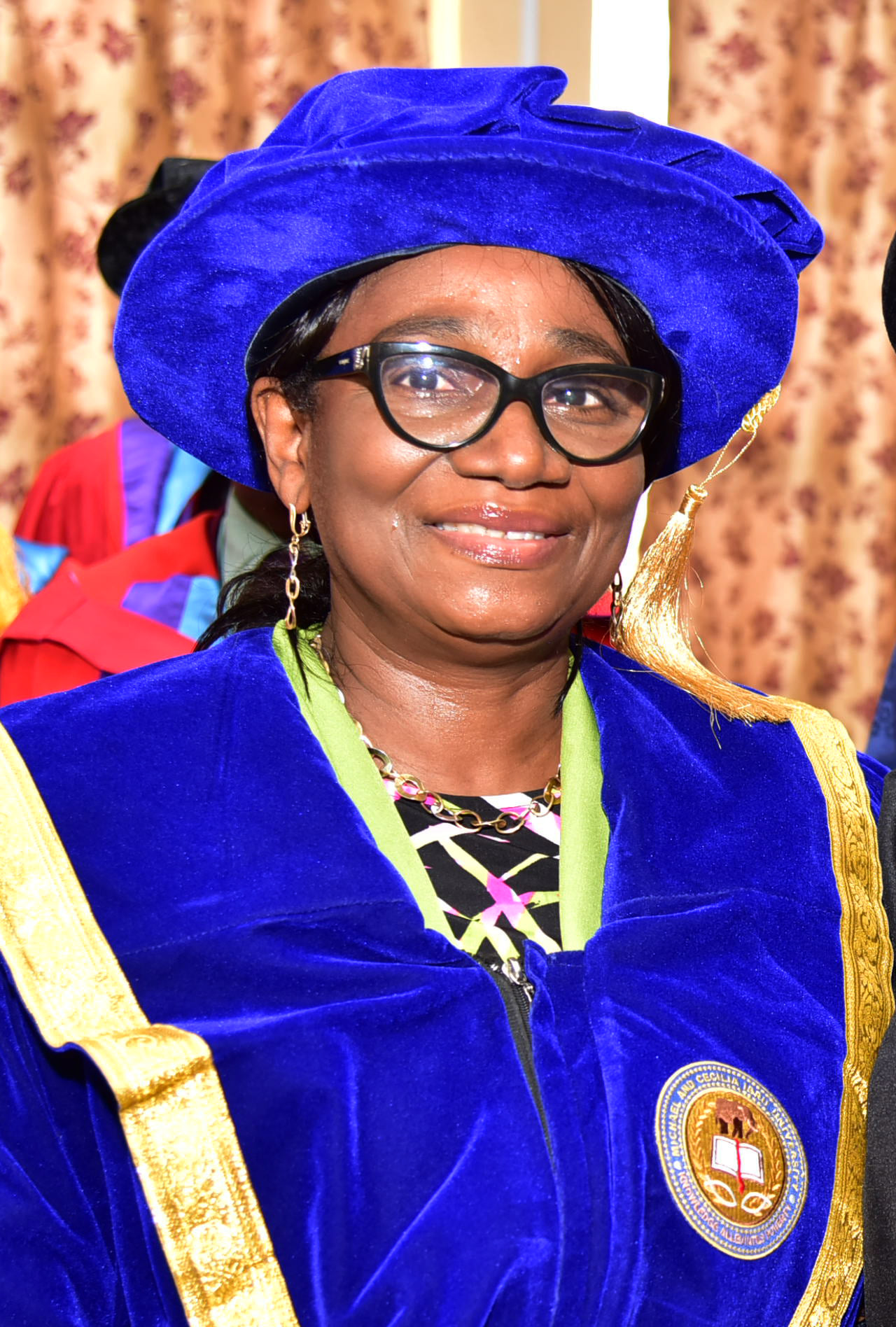
    Illustrative Image: May 2025: Professor (Mrs.) Ibiyinka A. Fuwape – African Female Researcher of the Month
    Image Source & Credit: Michael & Cecilia Ibru University
    Ownership and Usage Policy
    African Researchers AwardMay 2025: Professor (Mrs.) Ibiyinka A. Fuwape – African Female Researcher of the Month

    Overview

    Professor (Mrs.) Ibiyinka A. Fuwape is a distinguished Nigerian physicist, academic administrator, and advocate for women in science. A professor of physics with over three decades of experience, she has made groundbreaking contributions in nonlinear dynamics, atmospheric physics, climate change, and biophysics. Her remarkable research, leadership, and mentorship have earned her prestigious awards both nationally and internationally. She is the second substantive Vice-Chancellor of Michael and Cecilia Ibru University and a leading voice for gender equality in STEM across Africa.

    Early Life and Education

    Born in Lagos State on December 8, 1962, to the family of David Ademokun, Ibiyinka Fuwape began her academic journey at Reagan Memorial Baptist Girls Primary School, Yaba. She continued her secondary education at Methodist Girls’ High School, where she obtained her Ordinary Level certificate. From 1979 to 1981, she studied at Queen’s College, Yaba, earning her Higher School Certificate.

    Professor Fuwape proceeded to the University of Ibadan, where she distinguished herself academically. She graduated with a first-class Bachelor of Science degree in physics in 1984, emerging as the best graduating student in the entire university. She obtained her master’s degree in 1986 and her Ph.D. in theoretical physics in 1989 from the same institution.

    Academic and Professional Career

    Professor Fuwape began her academic career as an assistant lecturer at the Federal University of Technology, Akure (FUTA) in 1989. Over the years, she rose through the ranks, attaining full professorship in October 2003. At FUTA, she held several key academic and administrative positions, including

    • Acting Head and later Head of the Physics Department (for nine years)

    • Dean, School of Sciences (2011–2015)—the first person to serve in this capacity at the university

    • Member of the University Senate (2003–2017), and Chairman of the Senate during the 2014/2015 academic session

    • Winner of the Dean of the Year Award in 2012

    Her leadership journey reached a new milestone when she was appointed as the Vice-Chancellor of Michael and Cecilia Ibru University, a private institution committed to innovation and academic excellence.

    Research and Scientific Contributions

    Professor Fuwape is globally recognized for her pioneering research in

    • Nonlinear Dynamics and Chaos Theory

    • Coupled Oscillator Systems

    • Neuronal Systems and Biophysics

    • Lower and Upper Atmospheric Research

    • Climate Change and Air Quality Modelling

    Her current research focuses on the chaotic dynamics of the lower atmosphere, an area with significant implications for climate prediction, agriculture, and environmental policy. She heads the Condensed Matter Research Group at FUTA and has published over 100 peer-reviewed journal articles, book chapters, and conference papers.

    Her scientific excellence has led to collaborations with renowned institutions, including:

    • Abdus Salam International Centre for Theoretical Physics (ICTP), Trieste, Italy—Associate Member (1992–1996)

    • Ohio University, Athens, USA—Visiting Scholar (2007–2009)

    Awards and Recognitions

    Professor Fuwape has been consistently recognized for her outstanding academic and scientific achievements:

    • African Union Kwame Nkrumah Regional Award for Scientific Excellence (AUKNASE), 2020 Edition

      • Honoured for her high-impact research in climate change, biophysics, and air quality

      • Recognized as one of Africa’s foremost scientists whose work significantly contributes to sustainable development on the continent

    • Marshak Lectureship Award – American Physical Society (2018)

      • Delivered a notable lecture titled “Women in Physics in Nigeria and Other Sub-Saharan African Countries: Progress and Challenges”

    • Fellow, American Physical Society (2022)

      • Recognized for decades of leadership in advancing women in physics, and applying physics to solve societal issues in climate, finance, and agriculture

    • Fellow, Nigerian Institute of Physics and Nigerian Geophysical Society

    • Schlumberger Faculty for the Future Fellow (2006)

    Leadership in Promoting Women in Science

    A passionate advocate for gender equity in STEM, Professor Fuwape has worked tirelessly to empower women scientists in Nigeria and across Africa. Her leadership roles include:

    • Team Leader, International Union of Pure and Applied Physics (IUPAP) Working Group for Women in Physics—Nigeria (Since 2002)

    • President, Organization of Women in Science for the Developing World (OWSD), Nigeria Chapter (Since 2018)

    • Organizer of numerous workshops and mentorship programs for girls and women in STEM

    Through these platforms, she has mentored and inspired countless young women to pursue and excel in scientific careers.

    Board Memberships and Policy Contributions

    In addition to her academic and scientific engagements, Professor Fuwape contributes to educational policy and governance in Nigeria. She currently serves on the board of the Joint Admissions and Matriculation Board (JAMB) and chairs one of its subcommittees on examinations. She has also served on the governing councils of various Nigerian universities, influencing policy, quality assurance, and institutional development.

    Legacy and Impact

    Professor Ibiyinka Fuwape’s life work exemplifies the power of science for societal good. Her blend of rigorous academic research, policy advocacy, and passionate mentorship continues to impact generations of scientists, especially women in Africa. With her remarkable intellect, resilience, and commitment to excellence, she stands as a beacon of inspiration, raising the profile of African science and redefining possibilities for women in academia.

  • Barriers to Clinical Breast Examination in Sub-Saharan Africa: New Study Reveals Financial, Social, and Access Challenges

    Barriers to Clinical Breast Examination in Sub-Saharan Africa: New Study Reveals Financial, Social, and Access Challenges

    A recent study by Ayebeng et al. (2025) titled “Multifaceted barriers associated with clinical breast examination in sub-Saharan Africa: A multilevel analytical approach,” published in PloS one, reveals that CBE uptake is low in SSA due to financial, social, and access barriers, with unexpected trends linked to travel-alone challenges.

    Financial, social, and access barriers, including travel-alone challenges, significantly hinder clinical breast examination uptake in sub-Saharan Africa.– Ayebeng et al. 2025

    This study explores the barriers associated with clinical breast examination (CBE) uptake in seven sub-Saharan African (SSA) countries: Burkina Faso, Côte d’Ivoire, Ghana, Kenya, Mozambique, Senegal, and Tanzania. CBE is an essential screening method for early breast cancer detection, particularly in regions where advanced screening technologies like mammography are less accessible. The research utilizes data from recent Demographic and Health Surveys (DHS) to estimate the prevalence of CBE uptake, which was found to be low at 19.2%. It employs a multilevel analytical approach to examine how factors such as difficulty in getting permission, financial constraints, long distances to healthcare facilities, and challenges in traveling alone affect the likelihood of women undergoing CBE. The findings highlight significant barriers—such as financial constraints and geographic limitations—that reduce CBE participation but also reveal that women who face travel-alone barriers are more likely to undergo screening than those who do not.

    How the Study was Conducted

    This research conducted a secondary cross-sectional analysis using the most recent Demographic and Health Survey (DHS) data from seven sub-Saharan African (SSA) countries: Burkina Faso, Côte d’Ivoire, Ghana, Kenya, Mozambique, Senegal, and Tanzania. The focus was on examining the prevalence and barriers to clinical breast examination (CBE) uptake among women aged 25–49 years, a group selected due to their higher risk of breast cancer.

    Data Source and Sampling

    The DHS employed a standardized two-stage stratified sampling design. First, enumeration areas (clusters) were selected based on each country’s latest census data. Then, households were systematically sampled from these clusters. Within selected households, women aged 15–49 were surveyed on various health behaviors, including CBE uptake. For this study, a weighted analytic sample of 65,486 women aged 25–49 years was utilized.

    Methodology and Statistical Analysis

    The study estimated CBE uptake prevalence and assessed associated barriers using multilevel logistic regression modeling. Four models were constructed:

    Null Model – Baseline with no predictors

    Model I – Included only barrier-related variables

    Model II – Adjusted for individual-level factors (age, education, wealth)

    Models III & IV – Adjusted for both individual and community-level factors

    Adjusted odds ratios (aORs) and 95% confidence intervals (CIs) were reported. Both fixed and random effects analyses were conducted to evaluate influences at individual and community levels. Additionally, intra-class correlation coefficients (ICCs) and proportional change in variance (PCV) were calculated to assess community-level variation.

    What the Authors Found

    The study found that the uptake of clinical breast examination (CBE) in the seven sub-Saharan African (SSA) countries surveyed was low, at 19.2%. Several factors influenced this low screening rate, including financial constraints, distance to healthcare facilities, and difficulty in obtaining permission to access care.

    Why is this important

    Early Detection Saves Lives: Clinical breast examination (CBE) is a cost-effective screening method that can help detect breast abnormalities before they progress, allowing for timely intervention.

    Addressing Health Inequities: The study reveals financial, geographic, and social barriers that prevent women from accessing CBE, showing that low-income and rural populations are disproportionately affected.

    Policy Implications: Understanding these barriers can inform healthcare policies aimed at improving accessibility, such as integrating CBE into primary healthcare services, expanding mobile health initiatives, and reducing financial obstacles.

    Empowering Women’s Health Choices: The study emphasizes the importance of women’s autonomy in seeking medical care, as issues like needing permission to access healthcare directly impact screening uptake.

    What the Authors Recommended

    • The authors advocate that healthcare providers should deploy mobile clinics and outreach teams to deliver CBE services in underserved and remote areas, mitigating distance and transportation barriers.
    • Policymakers institutionalize CBE as a standard component of primary healthcare visits to ensure consistent and opportunistic screening, especially for women who do not actively seek it.
    • Launch culturally sensitive education campaigns and engage local leaders and healthcare workers to promote breast cancer awareness and the benefits of early screening.
    • Furthermore, the study emphasizes implementing subsidized or free screening programs and offering transportation support to reduce cost-related and travel-related obstacles for women.
    • In addition, advocate for national policies that prioritize breast cancer screening and foster partnerships between governments, NGOs, and healthcare providers to improve infrastructure and service delivery.

    In conclusion, the study by Ayebeng et al. (2025) sheds critical light on the multifaceted barriers hindering clinical breast examination uptake across sub-Saharan Africa. By revealing how financial hardship, limited access, and social constraints intersect to limit preventive healthcare, the research underscores the urgent need for targeted, culturally sensitive, and policy-driven interventions. Strengthening community outreach, integrating CBE into routine primary care, and empowering women through education and autonomy are essential steps toward improving early breast cancer detection and ultimately saving lives in underserved regions.

  • South Africans Prefer Decentralized, Digital HIV Prevention: Study Reveals PrEP Service Delivery Preferences

    South Africans Prefer Decentralized, Digital HIV Prevention: Study Reveals PrEP Service Delivery Preferences

    A recent study by Martin et al. (2025) titled “Preferences for Delivery of HIV Prevention Services Among Healthcare Users in South Africa: A Discrete Choice Experiment,” published in AIDS and Behavior, reveals that healthcare users in South Africa strongly preferred decentralized and self-led HIV prevention services.

    South Africans prefer decentralized, self-led HIV prevention services, emphasizing digital tools, convenience, and flexibility.

    – Martin et al. 2025

    This study explores healthcare users’ preferences for pre-exposure prophylaxis (PrEP) service delivery in South Africa, using a discrete choice experiment (DCE) to assess key components of the PrEP experience. Participants expressed strong support for decentralized, user-centered models of care. Specifically, they preferred receiving PrEP-related information through online platforms and social media (such as WhatsApp), initiating PrEP at accessible locations like pharmacies, mobile clinics, or pop-up sites, and collecting their medication from convenient community-based points such as vending machines or via home delivery. Users also favored self-testing for HIV over provider-administered tests, preferred less frequent follow-up appointments (every six months rather than every three), and valued digital communication between visits, including WhatsApp, Facebook groups, SMS, or phone calls. Overall, the findings highlight a clear demand for more flexible, self-led approaches to PrEP delivery, underscoring the need to tailor services to user preferences to enhance uptake and sustained adherence.

    How the Study was Conducted

    The authors conducted the research between November 2022 and February 2023 as a cross-sectional survey combined with a discrete choice experiment (DCE) to examine preferences for pre-exposure prophylaxis (PrEP) service delivery among HIV-negative individuals in South Africa. A total of 307 participants, aged 15 and older, were recruited from eight public primary care clinics across four geographical areas in three provinces—Eastern Cape, KwaZulu-Natal, and Gauteng. These sites were part of an ongoing initiative integrating PrEP into routine HIV prevention services.

    The DCE was designed to capture user preferences for various aspects of PrEP service delivery. Attributes were selected through a rigorous process that included a literature review, workshops, and in-depth interviews with adolescent girls, young women, and healthcare providers, followed by iterative feedback from a multidisciplinary team of technical experts, program implementers, and young people. Six key service components were evaluated: Source of information (online, WhatsApp, printed materials), PrEP initiation site (clinic, pharmacy, mobile clinic, pop-up site), Follow-up frequency (every three months vs. every six months), Medication pick-up point (clinic, pharmacy, vending machine, home delivery), HIV testing method (self-testing vs. provider-administered testing), Communication between appointments (WhatsApp/Facebook groups, phone calls, SMS).

    Participants were recruited through in-person outreach by fieldworkers who screened for eligibility and conducted interviews in English using a structured survey. The survey collected data on sociodemographic characteristics and sexual and reproductive health behaviors and included DCE decision-making tasks. Data were analyzed using generalized multinomial logistic models (G-MNL) to assess overall preferences, with subgroup analyses examining variations by gender, age, education, employment status, province, and prior PrEP use. Ethical approval was obtained from the University of the Witwatersrand and the World Health Organization’s Research Ethics Committee. Written informed consent was collected from all participants, who received ZAR100 (approximately $5.50 USD) as compensation for their time.

    What the Authors Found

    The study revealed a strong preference among healthcare users in South Africa for decentralized and self-led HIV prevention services, particularly in the delivery of pre-exposure prophylaxis (PrEP). Through a discrete choice experiment involving 307 HIV-negative individuals across primary care clinics in three provinces, key insights emerged on how users want PrEP services structured.

    Why is this important

    Improving Accessibility: Traditional clinic-based services often create barriers, such as long waiting times, inconvenient clinic hours, and transportation challenges. Decentralized options like pharmacies and home delivery increase convenience and reduce stigma.

    Enhancing Uptake and Adherence: People are more likely to start and continue using PrEP when they can access it conveniently and on their terms. Offering preferred pick-up locations and reducing follow-up burdens can improve long-term engagement.

    Supporting Public Health Goals: South Africa has a high burden of HIV, particularly among young people and key populations. Expanding self-testing and digital engagement can increase prevention efforts and lower new infections.

    Policy and Program Design: Findings from this study can guide health policymakers and program implementers to design user-centered HIV prevention strategies. By aligning PrEP services with people’s preferences, uptake and impact can be maximized.

    What the Authors Recommended

    The authors recommended expanding decentralized and self-led HIV prevention services to better align with user preferences. Their key recommendations include:

    • Leveraging Digital Health Tools—Providing PrEP information through online platforms and WhatsApp to improve accessibility and engagement.
    • Flexible PrEP Initiation and Pick-Up—Offering pharmacy-based PrEP initiation, home delivery, and vending machine collection to reduce clinic dependency.
    • Reducing Follow-Up Burden—Shifting to 6-Monthly Follow-Ups Instead of 3-Monthly Visits to Improve Adherence.
    • Promoting HIV Self-Testing—Encouraging self-testing over provider-led testing to enhance privacy and convenience.
    • Enhancing Communication Between Appointments— Using WhatsApp/Facebook groups, phone calls, and SMS to maintain engagement and support.

    In conclusion, this study highlights the growing demand for flexible, user-driven HIV prevention services in South Africa, with a strong preference for decentralized care models that incorporate digital tools and convenient access points. By aligning PrEP delivery with the preferences of healthcare users, such as utilizing online platforms, offering pharmacy-based initiation, and promoting self-testing, healthcare systems can enhance uptake, improve adherence, and contribute to broader public health goals. Tailoring services to meet these needs is essential for advancing HIV prevention efforts and ensuring better health outcomes across the country.

  • Unlocking South Africa’s Potential: Chemistry’s Role in Healthcare and Economic Growth

    Unlocking South Africa’s Potential: Chemistry’s Role in Healthcare and Economic Growth

    A recent study by Veale et al. (2025) titled “Chemistry as a Catalyst for Transforming the Health and Wealth of South Africa” published in Angewandte Chemie International Edition, reveals that chemistry plays a crucial role in South Africa’s healthcare and economic development, but the country faces significant challenges.

    Chemistry is vital to improving South Africa’s healthcare and economy, but greater investment and equity in research are urgently needed.– Veale et al. 2025

    The study examines the role of chemistry in South Africa’s unique history and current socio-economic landscape, particularly in relation to healthcare and biomedical research. The authors highlight how the country’s rich natural resources have driven chemical industrialization but also acknowledges the constraints imposed by its colonial past. The research underscores the importance of chemistry in addressing South Africa’s infectious disease burden, which disproportionately affects disadvantaged communities. The authors argue for increased investment in chemistry research and local pharmaceutical manufacturing to improve healthcare outcomes and drive economic growth. They also emphasize the need to integrate scientific advancements with South Africa’s socioeconomic realities to create a more sustainable and equitable future.
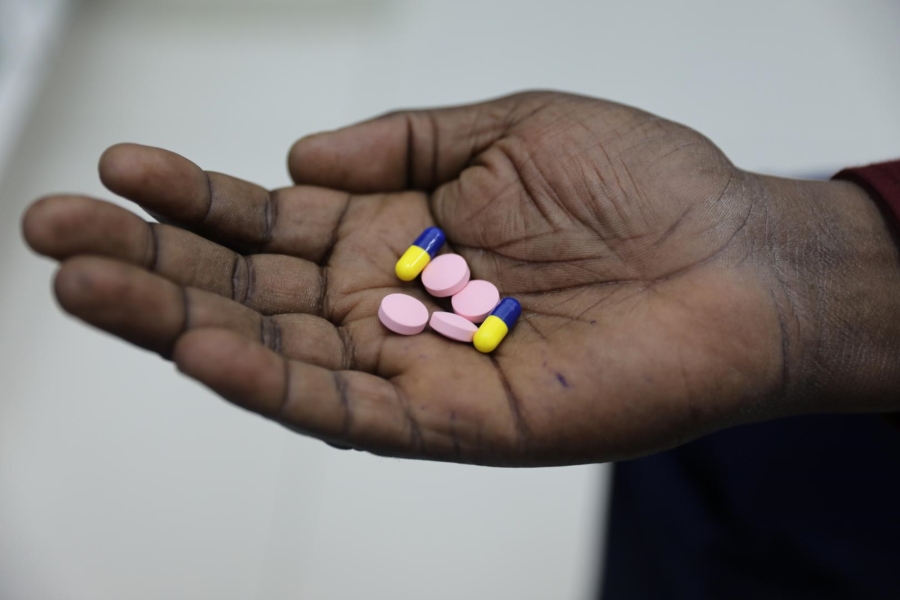
    How the Study was Conducted

    The study was conducted as a viewpoint article, meaning it presents a broad examination of South Africa’s chemistry landscape rather than following traditional experimental methodologies. The authors analyze historical, socioeconomic, and scientific factors influencing chemical research in the country. They draw from existing literature, government initiatives, and industry trends to highlight how chemistry plays a role in healthcare and economic development. The study also discusses how South African universities contribute to chemistry research, focusing on funding challenges, diversity issues, and infrastructure needs. It argues for increased investment in research and local pharmaceutical production to improve healthcare and drive economic growth.

    What the Authors Found

    The authors found that chemistry plays a crucial role in South Africa’s healthcare and economic development, but the country faces significant challenges. Despite its rich natural resources and strong research potential, deep sociopolitical inequalities limit access to healthcare and scientific opportunities, particularly for disadvantaged communities.

    One major finding is that South Africa’s infectious disease burden remains a critical issue, and chemistry-driven biomedical research could help combat it. However, local pharmaceutical manufacturing and research infrastructure require more investment to become globally competitive. The study highlights that while South African universities contribute meaningfully to research, historically disadvantaged institutions still struggle with limited resources and funding.

    Why is this important

    This study is important because it highlights the critical role of chemistry in addressing South Africa’s healthcare challenges and economic development. It emphasizes how scientific research, particularly in medicinal chemistry, can help combat the country’s high infectious disease burden while also fostering local pharmaceutical manufacturing and innovation.

    By focusing on chemistry-driven solutions, the study advocates for a more self-sufficient approach to medicine production, reducing reliance on international pharmaceutical imports. This not only improves healthcare access but also strengthens South Africa’s economy by creating job opportunities and boosting research capabilities.

    Additionally, the study underscores the importance of integrating scientific advancements with South Africa’s socioeconomic realities, ensuring that innovations are tailored to the country’s specific healthcare needs. It calls for increased investment in chemistry research and development to enhance local expertise and improve overall public health outcomes.

    What the Authors Recommended

    • The authors argue that tailored scientific advancements integrated with South Africa’s socioeconomic realities could lead to more sustainable healthcare improvements. They advocate for increased investment in chemistry research and development, particularly in local medicine production, to reduce dependence on international pharmaceutical imports.
    • Increased funding for chemistry research would help address healthcare challenges, especially in combating infectious diseases and developing South Africa’s capacity to produce medicines locally could reduce reliance on international imports and create economic opportunities.
    • More support is needed for historically disadvantaged institutions, ensuring equitable access to resources and research opportunities as well as expanding representation in drug development could help create treatments that are better suited for African populations.

    In conclusion, the study by Veale et al. underscores the transformative potential of chemistry in shaping a healthier and more economically resilient South Africa. By investing in local research, pharmaceutical manufacturing, and inclusive scientific development, the nation can address pressing health challenges while unlocking new avenues for innovation and growth. Bridging the gap between scientific progress and socioeconomic realities is essential for building a sustainable and equitable future for all South Africans.

  • Thalassemia in Sub-Saharan Africa: Epidemiology, Diagnosis, and Urgent Public Health Solutions in Malaria-Endemic Regions

    Thalassemia in Sub-Saharan Africa: Epidemiology, Diagnosis, and Urgent Public Health Solutions in Malaria-Endemic Regions

    A recent study by Obeagu, E. I. (2025) titled “Thalassemia in Sub-Saharan Africa: epidemiology, diagnosis, and management–a narrative review” published in Annals of Medicine and Surgery, reveals that thalassemia is a significant but underrecognized public health issue in Sub-Saharan Africa, particularly due to its genetic link to malaria-endemic regions.

    Thalassemia is a widespread but underdiagnosed public health issue in malaria-endemic Sub-Saharan Africa.

    This narrative review provides a comprehensive examination of thalassemia in Sub-Saharan Africa, highlighting its epidemiological patterns, diagnostic challenges, management strategies, and future directions for improving care. Thalassemia is a hereditary blood disorder characterized by reduced hemoglobin production, resulting in chronic anemia. In Sub-Saharan Africa, the condition is particularly prevalent due to genetic factors and the region’s historical exposure to malaria.

    Beta-thalassemia is notably common in malaria-endemic areas, where a genetic link between the disorder and malaria resistance has led to a high carrier rate. However, despite its widespread presence, thalassemia remains significantly underdiagnosed. This is largely due to limited healthcare infrastructure, low disease awareness, and a frequent misdiagnosis with other forms of anemia, such as iron deficiency anemia. Diagnostic tools such as hemoglobin electrophoresis and DNA testing are essential for accurate identification but are often underutilized. Financial and logistical constraints hinder access to these diagnostic methods in many parts of the region.

    Management of thalassemia presents further challenges. Blood transfusions and iron chelation therapy are the cornerstone treatments, yet both are not widely accessible due to resource limitations. Hematopoietic stem cell transplantation (HSCT), the only potential cure, is rarely an option in Sub-Saharan Africa due to its high cost and the scarcity of specialized medical centers. Additionally, preventive strategies such as genetic counseling and prenatal screening, which could help reduce the incidence of the disease, are still poorly developed and under-implemented. The review underscores several systemic obstacles including inadequate healthcare infrastructure, a shortage of trained healthcare professionals, and minimal public awareness. These factors contribute to delayed diagnoses and suboptimal patient care.

    How the Study was Conducted

    The author carried out an extensive literature search across several major electronic databases, including PubMed, Google Scholar, Scopus, Web of Science, and African Journals Online (AJOL). To ensure relevance and comprehensive coverage, they employed targeted keywords such as “Thalassemia AND Sub-Saharan Africa,” “Alpha-thalassemia AND malaria,” and “Diagnosis of thalassemia in resource-limited settings.” This approach helped capture a wide range of studies addressing the unique challenges and patterns of thalassemia in African contexts. The review focused on literature published between 2000 and 2024, ensuring the incorporation of up-to-date findings and perspectives. Included studies comprised peer-reviewed research articles, clinical guidelines, and case studies that explored the genetics, diagnosis, and management of thalassemia in Africa, with particular attention to the interplay between malaria and thalassemic mutations. Comparative studies involving non-African populations were considered only when they provided valuable insights relevant to the African setting. Excluded from the review were studies that focused solely on non-African populations without applicable findings, articles that lacked verifiable sources or access, and research on other hemoglobinopathies with no direct link to thalassemia. The data from the selected literature were systematically analyzed to extract and synthesize key findings. The researchers identified prevailing trends, gaps in knowledge, and persistent challenges related to the diagnosis and management of thalassemia. Special attention was given to the accessibility and effectiveness of healthcare services, as well as the influence of socioeconomic and infrastructural limitations. The review culminated in a set of informed recommendations aimed at enhancing screening programs, diagnostic accuracy, and treatment accessibility across Sub-Saharan Africa.

    What the Author Found

    The authors found that thalassemia is a significant but underrecognized public health issue in Sub-Saharan Africa, particularly due to its genetic link to malaria-endemic regions.

    Why is this important

    Public Health Relevance: Thalassemia significantly contributes to anemia-related complications and reduced life expectancy in Sub-Saharan Africa, yet remains underdiagnosed and poorly managed in malaria-endemic regions.

    Healthcare System Gaps: The study exposes major infrastructural weaknesses—including limited transfusion access, a shortage of trained professionals, and inadequate screening programs—that hinder effective diagnosis and treatment.

    Urgency of Genetic Counseling: It highlights the critical need for genetic screening and prenatal care to reduce the incidence of severe thalassemia through informed reproductive decisions.

    Policy and Funding Needs: The findings advocate for policy reforms, increased government investment, and integration of thalassemia care into national health agendas to improve access and awareness.

    Direction for Future Research and Innovation: The study encourages advancements in affordable diagnostics, better treatment options, and exploration of curative therapies like gene therapy and stem cell transplantation.

    What the Author Recommended

    • The study emphasizes improved early detection through expanded access to genetic testing, hemoglobin electrophoresis, trained healthcare personnel, and newborn screening programs.
    • The author advocate ensuring the availability of blood transfusions, iron chelation therapy, and hematopoietic stem cell transplantation by developing regional programs and specialized centers.
    • Launch education campaigns, introduce widespread genetic counseling, and encourage prenatal screening to reduce severe thalassemia cases.
    • Government should invest in healthcare facilities, train more specialists, and establish national policies that integrate thalassemia care into public health systems.
    • Advance genetic research, partner with international organizations for funding and expertise, and explore innovative treatments like gene therapy.

    In conclusion, thalassemia remains a significant yet underrecognized public health issue in Sub-Saharan Africa, particularly in malaria-endemic regions where genetic factors exacerbate its prevalence. Despite its widespread presence, challenges such as limited diagnostic resources, inadequate treatment options, and a lack of public awareness hinder effective management. To address this, urgent steps must be taken to improve early detection, expand access to specialized care, and invest in preventive strategies like genetic counseling and prenatal screening. Strengthening healthcare infrastructure, training professionals, and incorporating thalassemia care into national health agendas will be crucial in mitigating the impact of this disorder. With collaborative efforts and international support, there is hope for enhancing the quality of life for those affected by thalassemia in the region.

  • Call for Applications: Africa Research Excellence Fund (AREF) Research Development Fellowship Programme 2025/26

    Call for Applications: Africa Research Excellence Fund (AREF) Research Development Fellowship Programme 2025/26

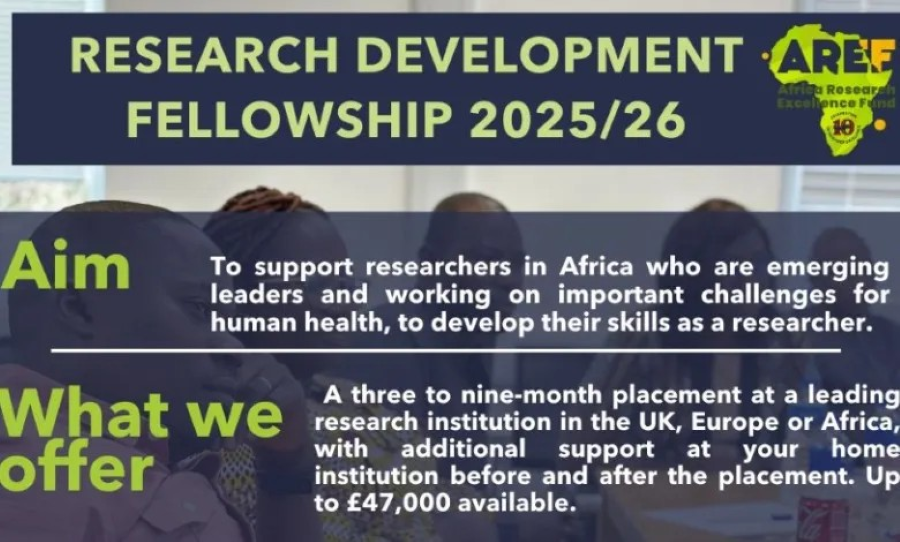
    The Africa Research Excellence Fund (AREF) is pleased to invite applications for the 2025/26 AREF Research Development Fellowship (RDF). This prestigious programme is a unique opportunity aimed at empowering the next generation of outstanding African researchers who are committed to improving health outcomes through high-quality, locally relevant scientific research.

    About the Fellowship Programme

    The AREF Research Development Fellowship is a capacity-building initiative designed to nurture early-career researchers based in Africa. It offers a transformative opportunity for these individuals to strengthen their research skills, build international networks, and engage in collaborative projects that have the potential to drive innovation in health research.

    The overarching goal of the fellowship is to bridge the capacity gap between African researchers and their international peers by providing access to advanced research environments, cutting-edge resources, and world-class mentorship. This initiative is an investment in Africa’s scientific future—cultivating leaders who will generate impactful research tailored to address the continent’s unique health challenges.

    What the Fellowship Offers

    Successful applicants will receive:

    • A fully funded placement of 3 to 9 months at a leading research institution in the UK, Europe, or Africa.

    • Continued mentorship and support before, during, and after the fellowship—ensuring that skills gained are integrated into the fellow’s home institution.

    • Funding of up to £47,000, which covers:

      • Research training

      • International travel

      • Accommodation and living expenses

      • Research consumables

      • Other related costs (excluding salary)

    This support allows researchers to immerse themselves in a high-quality research setting, gain hands-on experience, and return with enhanced capabilities to contribute to their institutions and the broader scientific community.

    Who Should Apply?

    The AREF RDF is open to:

    • Postdoctoral researchers and clinicians who are actively involved in research

    • Individuals with advanced degrees (e.g., PhD, MD, etc.)

    • Citizens of any African country who are currently employed by African-based institutions

    Please note: Applicants must ensure their eligibility by carefully reviewing the full criteria on the AREF portal before applying.

    How to Apply

    Interested researchers should follow these steps:

    1. Review the Application Documents
      Visit the AREF portal and read the following key documents thoroughly:

      • Scheme Information

      • Guidance on Completing the Application Form

      • AREF Terms and Conditions

    2. Prepare Your Application

      • Develop a strong research proposal aligned with the programme’s objectives.

      • Secure institutional support from both your employer and your proposed host institution. Their sponsorship is crucial.

    3. Submit Your Application
      Applications must be submitted via the official AREF portal:
      👉 https://programmes.aref-africa.org.uk/

    Application Deadline:
    27 June 2025 at 13:00 GMT

    Key Dates to Remember

    • Application Deadline: 27 June 2025 (13:00 GMT)

    • Outcome Notification: December 2025

    • Fellowship Start Period: Between June 2026 and December 2026

    Additional Information & Support

    • Applicants are strongly encouraged to engage with their employing organizations and potential host institutions early to ensure a robust and well-supported application.

    • AREF will be hosting information sessions to guide applicants through the process—details to be shared via their social platforms and newsletter.

    If you have any specific questions that aren’t answered in the scheme documents, please contact AREF directly via the Contact Us section on their portal. To guarantee a timely response, it is recommended that you reach out before 20 June 2025.

    Note from Global South Opportunities (GSO)

    This announcement is shared for informational purposes only. GSO is not involved in the application or selection process. All inquiries and applications must be directed to the Africa Research Excellence Fund via their official platform. GSO is unable to process applications or respond to application-related queries due to the volume of correspondence received.

  • Strengthening Urban Food Security in Africa: The Role of Urban Planning in Lesotho, Zimbabwe, and South Africa

    Strengthening Urban Food Security in Africa: The Role of Urban Planning in Lesotho, Zimbabwe, and South Africa

    A recent study by Matooane et al. (2025) titled “The Role of Urban Planning in Strengthening Urban Food Security in Africa: Insights from Lesotho, Zimbabwe and South Africa,” published in Urban Forum by Springer Nature, reveals that urban planning significantly impacts food security in African cities by addressing challenges like urban agriculture, infrastructure deficits, food distribution networks, and spatial inequalities.

    The article finds that urban planning significantly impacts food security in African cities by addressing agriculture, infrastructure, and inequalities.– Matooane et al. 2025

    This study examines how urban planning can enhance food security within African cities, specifically focusing on Lesotho, Zimbabwe, and South Africa. It explores the role of urban agriculture, food distribution networks, spatial inequalities in food access, and collaborative governance to address food insecurity, which is exacerbated by rapid urbanization, poverty, and climate change. The research provides a comparative analysis of these three countries, showing both the challenges and opportunities in urban planning for food systems. It emphasizes the importance of integrating food-sensitive planning into urban development, which includes zoning for urban agriculture, supporting food markets, and investing in infrastructure like transportation, water, and electricity to improve food access and distribution. Additionally, it highlights the need for participatory planning, where local communities and informal food market stakeholders are involved in decision-making.

    How the Study was Conducted

    The study employed a qualitative methodology based on a desktop review approach. This method involved systematically examining existing knowledge, policies, and literature related to urban planning and food security. The researchers focused on peer-reviewed academic articles, policy reports, government publications, and grey literature. They also consulted databases like Web of Science, Scopus, and Google Scholar, alongside reports from international organizations such as the United Nations, FAO, and the World Bank. The inclusion criteria emphasized studies within the African context, particularly those addressing urban planning practices and food security outcomes. The data was analyzed using thematic analysis, which involved identifying key themes, patterns, and trends. Emerging themes included urban food production, food markets and access, infrastructure, and planning for food distribution and climate change. Additionally, the study employed a comparative case study method to highlight similarities and differences between the selected countries—Lesotho, Zimbabwe, and South Africa. This approach provided valuable insights into how diverse urban planning practices impact food security in varying socio-political contexts.

    What the Authors Found

    The study found that urban planning significantly impacts food security in African cities by addressing challenges like urban agriculture, infrastructure deficits, food distribution networks, and spatial inequalities. The authors posit that urban agriculture remains largely underutilized across Lesotho, Zimbabwe, and South Africa due to zoning restrictions, water shortages, and infrastructure challenges. Its formal recognition in planning policies can enhance food security, especially for marginalized communities. In addition, poor infrastructure, including roads and storage facilities, exacerbates food spoilage and limits access in Zimbabwe and Lesotho. South Africa demonstrated better investments in agri-parks and cold storage facilities, though challenges persist.

    Why is this important

    Mitigating Hunger and Poverty: Food insecurity is a pressing issue that affects millions across Africa, exacerbating malnutrition, poverty, and inequality. Addressing food security through urban planning can help create more equitable access to nutritious food and alleviate these challenges.

    Resilience in the Face of Climate Change: Climate change is disrupting food systems worldwide, and African cities are particularly vulnerable. Urban planning can integrate climate-adaptive strategies, such as sustainable agriculture and resilient food distribution networks, to safeguard food security against environmental shocks.

    Sustainable Urban Development: Rapid urban growth often leads to overcrowded informal settlements with inadequate infrastructure. Integrating food-sensitive approaches into urban planning ensures that cities grow sustainably, balancing housing, infrastructure, and food production.

    Economic Empowerment: Urban food markets and agriculture provide livelihoods for many. By formally supporting these systems, cities can boost local economies, reduce unemployment, and empower marginalized communities.

    Public Health and Well-being: Inequitable access to food often leads to reliance on processed and unhealthy options. Proper urban planning promotes access to fresh produce, improving diets and overall public health.

    What the Authors Recommended

    • The authors suggest that policymakers should integrate food security into urban development policies, zoning regulations, and land use plans as well as designate zones for urban agriculture, community gardens, and local food markets, protecting these areas from encroachment.
    • The authors suggest that policymakers should prioritize investments in infrastructure that supports urban food systems, such as water supply, sanitation, electricity, and transport networks. Build facilities like agri-parks and food hubs to improve food storage, processing, and distribution efficiency.
    • Establish community engagement platforms like participatory budgeting to involve marginalized groups in urban planning and provide secure trading spaces and legal protections for informal food vendors.
    • Support urban and peri-urban agriculture to reduce reliance on external food sources and enhance resilience to climate change. Invest in flood-resistant roads, sustainable water-efficient irrigation, and renewable energy for food markets and storage.
    • Formalize and support food markets by improving infrastructure and services such as water, sanitation, and electricity. Leverage digital technologies to connect producers and consumers, reduce transaction costs, and enhance market transparency.
    • In addition, the authors advocate that policymakers should reform urban planning policies to include food security objectives at all levels as well as promote equitable land-use planning to reduce spatial inequalities in food access.

    In conclusion, integrating food-sensitive urban planning is crucial for enhancing food security in African cities. By addressing key challenges such as urban agriculture, infrastructure deficits, and spatial inequalities, cities in Lesotho, Zimbabwe, and South Africa can create more resilient, sustainable, and equitable food systems. Policymakers must prioritize investments in infrastructure, support urban agriculture, and foster participatory planning to ensure that all communities have access to nutritious food, especially in the face of climate change and rapid urbanization. With the right strategies, urban planning can play a transformative role in tackling food insecurity and promoting long-term urban sustainability across the continent.

  • AI and Blockchain Revolutionizing Housing and Infrastructure in Africa: Insights from Nigeria, Egypt, and South Africa

    AI and Blockchain Revolutionizing Housing and Infrastructure in Africa: Insights from Nigeria, Egypt, and South Africa

    A recent study by Owotemu, A. E., & Ibaru, A. (2025) titled “Technological Transformation in Infrastructure & Real Estate: Artificial Intelligence (AI), Blockchain (DLT), Project Management & Policy Implications across Leading Markets in Africa (Egypt, South-Africa & Nigeria)” published in the American Journal of Industrial and Business Management reveals that AI and blockchain technologies are significantly transforming the housing, infrastructure, and real estate sectors across Africa.

    AI and Blockchain are transforming Africa’s housing and infrastructure sectors by enhancing efficiency, affordability, sustainability, and inclusive real estate access.– Owotemu, A. E., & Ibaru, A. 2025

    The study focuses on the transformative impact of technologies like Artificial Intelligence (AI) and Blockchain (Distributed Ledger Technology) in infrastructure, real estate, and housing finance across Africa—specifically in Egypt, South Africa, and Nigeria. It examines how AI improves operational efficiency, enhances project management, and addresses challenges like housing affordability, accessibility, and sustainability. Key innovations explored include predictive analytics, generative AI, and computer vision.

    The research highlights AI applications such as automated credit scoring, property valuation using blockchain, and urban planning tools for building sustainable communities. It presents case studies of platforms like HouseAfrica and Empowa, which leverage technology to streamline real estate transactions and offer affordable housing. While the study underscores the economic potential of these advancements, it also addresses ethical considerations such as data bias, job displacement, and the need for transparent and inclusive policies.

    How the Study was Conducted

    The authors adopted a robust mixed-methods approach, integrating both qualitative and quantitative research techniques to explore the transformative impact of artificial intelligence (AI) and blockchain technologies on the housing, infrastructure, and real estate sectors in Africa, with a particular focus on Nigeria, Egypt, and South Africa.

    Data Collection Strategy

    The research drew on both secondary and primary data sources. Secondary data comprised over 100 peer-reviewed journal articles, 50 industry reports, government policies, and macroeconomic datasets spanning 2019 to 2023. These sources provided critical insights into the evolving trends and implications of AI and blockchain in housing finance, infrastructure development, and project management. In addition, surveys were administered to key stakeholders in the housing and real estate sectors. These surveys yielded both qualitative and quantitative data, capturing perspectives on AI adoption, accessibility of housing finance, and broader sectoral changes.

    Analytical Framework

    To interpret the qualitative data, thematic and content analysis techniques were applied, enabling the identification of recurring trends, barriers, and emerging opportunities linked to the integration of AI and blockchain. On the quantitative front, multiple regression models were employed to examine the relationship between AI adoption, housing finance accessibility, and affordability. The models controlled for relevant variables such as GDP growth rates and national housing policies to ensure precision.

    Sample Scope and Regional Focus

    Nigeria, Egypt, and South Africa were selected due to their pioneering roles in AI implementation on the continent. The selection was informed by their technological infrastructure, regulatory readiness, and prominence in African real estate markets.

    Ensuring Validity and Reliability

    To maintain the integrity of the study, the authors sourced data from reputable and authoritative platforms. Construct validity was reinforced by the use of clearly defined variables such as AI adoption rates and housing affordability indices. Triangulation of data sources enhanced the study’s reliability and reduced potential bias.

    What the Authors Found

    AI and blockchain technologies are significantly transforming the housing, infrastructure, and real estate sectors across Africa—especially in Nigeria, Egypt, and South Africa—by improving housing accessibility, streamlining property transactions, enhancing operational efficiency, promoting sustainability, and contributing to economic growth, while also presenting ethical and social challenges that require responsible governance.

    Why is this important

    Economic Impact: AI and blockchain technologies have the potential to revolutionize housing finance and infrastructure, potentially adding up to $1.2 trillion to Africa’s economy by 2030. These innovations foster efficiency, trust, and transparency in transactions while also streamlining project management.

    Tackling Housing Deficits: Affordable housing remains a pressing issue in Africa, with many people unable to access adequate housing finance due to traditional credit models. AI-driven tools can create inclusive credit systems for underserved populations, addressing housing affordability and accessibility challenges.

    Sustainability and Green Practices: By promoting sustainable development through AI and certifications like EDGE, this study aligns technology with environmental goals. Sustainable urban planning helps create more resilient and eco-friendly communities.

    Empowering Policymakers: The study provides insights into how AI and Blockchain can be integrated responsibly, highlighting the importance of transparent, ethical policies to avoid data biases and job displacement while ensuring inclusivity.

    Driving Innovation and Skills Development: Africa’s growing tech ecosystem stands to benefit from the adoption of advanced AI technologies, offering opportunities for workforce upskilling and the creation of new tech-driven roles.

    What the Authors Recommended

    • The authors recommend that governments should develop policies that encourage equitable access to housing finance and real estate opportunities. This includes adopting AI models that consider alternative data sources for underserved populations, such as utility payments.
    • Stakeholders should implement regulations to minimize risks such as data bias, privacy issues, and job displacement caused by AI adoption. Transparency and accountability are critical for responsible technology deployment.
    • The authors advocate that there’s a need for targeted training programs to upskill workers and equip them with expertise in AI, blockchain, and related technologies to prevent job displacement and foster innovation.
    • Real estate firms and financial institutions should adopt AI-driven tools like predictive analytics and generative AI to improve housing affordability and accessibility, and platforms like HouseAfrica and Empowa should be scaled up to streamline land title verification and real estate transactions, reducing fraud and inefficiencies.
    • Incorporate AI tools to support sustainable urban planning and green certifications, such as EDGE, ensuring environmentally friendly housing solutions.
    • AI and blockchain innovations should be tailored to meet the specific challenges and needs of African countries, recognizing regional variations in infrastructure, regulation, and demand.
    • Collaboration between governments, private enterprises, and technology providers is vital to foster innovation, drive investment, and scale technological adoption and continuous research is necessary to evaluate the long-term impacts of AI and Blockchain adoption and to identify emerging opportunities and challenges.

    In conclusion, the study by Owotemu and Ibaru underscores the transformative potential of AI and blockchain technologies in revolutionizing Africa’s housing, infrastructure, and real estate sectors. By enhancing efficiency, transparency, and accessibility, these innovations address longstanding challenges such as affordability and sustainability while opening doors to economic growth and technological advancement. However, realizing their full potential requires proactive policymaking, ethical considerations, inclusive frameworks, and continued collaboration among governments, private sectors, and tech innovators. As Africa strides into a digitally enabled future, the integration of AI and blockchain offers a powerful pathway toward smarter, more equitable, and resilient urban development.

  • April 2025: Professor Babafemi Akinade Badejo – African Male Researcher of the Month

    April 2025: Professor Babafemi Akinade Badejo – African Male Researcher of the Month

    African Researchers AwardApril 2025: Professor Babafemi Akinade Badejo – African Male Researcher of the Month

    Professor Babafemi Akinade Badejo stands as one of Africa’s most accomplished intellectuals and diplomats whose life and career reflect unwavering commitment to peacebuilding, governance, and African development. A Nigerian academic, lawyer, seasoned diplomat, and public intellectual, Professor Badejo has left an indelible mark across academia, international diplomacy, and policy development over the course of five decades.

    Early Life and Education

    Born on March 4, 1955, in Ijebu Ode, Ogun State, Nigeria, Babafemi Badejo embarked on his academic journey at Saint Saviours Primary School and Baptist Primary School in Ijebu Ode. He then proceeded to Ijebu Ode Grammar School, before gaining admission to the University of Lagos in 1973, where he earned his first degree in political science.

    His thirst for deeper knowledge led him to the United States, where he completed a Ph.D. in political science at the University of California, Los Angeles (UCLA) in 1982. Determined to integrate legal expertise into his academic and diplomatic pursuits, Badejo returned to Nigeria and earned an LL.B. from the University of Lagos. He was subsequently called to the Nigerian Bar on December 12, 1990, qualifying as a solicitor and advocate of the Supreme Court of Nigeria.

    Academic and Diplomatic Career

    Professor Badejo began his academic career as a lecturer at the University of Lagos, where he taught political science and mentored countless students. However, his journey soon took a transformative turn when he was invited to serve as Special Assistant to former Nigerian Head of State, President Olusegun Obasanjo, during his bid for the position of Secretary-General of the United Nations in 1991. This marked Badejo’s formal entry into international diplomacy.

    In 1996, he transitioned fully into peace operations with the United Nations, a role he would dutifully uphold for over two decades. During his tenure, he worked in some of the world’s most challenging conflict zones, including Somalia, Liberia, Guinea-Bissau, and Darfur (Sudan). He played a pivotal role as Deputy Special Representative of the UN Secretary-General (DSRSG) for Somalia, helping steer peace efforts in the region during a particularly volatile period. His 11-year stay in Nairobi, Kenya, at the UN Political Office for Somalia underscored his importance as a stabilizing force in East African diplomacy.

    After retiring from the UN in March 2017, Professor Badejo founded Yintab Strategy Consults (YSC), a strategic consulting firm focused on peacebuilding and governance reforms across Africa. Through this platform, he consulted for major continental bodies such as the African Union (AU), United Nations Economic Commission for Africa (UNECA), and ECOWAS, helping shape strategies for humanitarianism, security, and regional integration. Notably, he contributed to the operational design of the African Union Humanitarian Agency and advised on the ECOWAS 2050 Vision Programme.

    He also served as adviser to the Office of the Prime Minister of the Kingdom of Bahrain between 2018 and 2020 and was part of Bahrain’s delegation to the UN General Assembly. Currently, he advises H.E. José Ramos-Horta, President of Timor-Leste, on matters relating to Africa, further cementing his reputation as a global African diplomat.

    Research, Advocacy, and Publications

    Professor Badejo is a prolific author and influential public intellectual. His academic and journalistic contributions span issues of governance, corruption, leadership deficits, political economy, and democratic theory. Among his most celebrated works is the widely acclaimed Raila Odinga: An Enigma in Kenyan Politics (2006), a political biography that became a bestseller and a seminal text on Kenyan politics.

    His recent publications have introduced novel conceptual frameworks such as the Situational Quadruple Nexus Analysis, aimed at explaining the complex interactions between peace, security, development, human rights, and humanitarianism in Africa. In Nigerians’ Views on National Turmoil, he explores the intersection of these factors in Nigeria’s socio-political landscape.

    In his newest work, “Nigeria Corruption Perception Data”, Professor Badejo develops the 3x3x3 Approach to understanding the corruption epidemic in Nigeria—highlighting its entrenchment across the three arms of government, three tiers of government, and three sectors of society (public, private, and civil). He describes this form of systemic corruption as a “pandemic”, more pervasive than COVID-19 and dangerously normalized in Nigerian society.

    Professor Badejo also offers a critical lens on democratic governance in Africa. He challenges the simplistic conflation of civil rule with democracy, contending that Nigeria’s current political system fails to meet the basic tenets of democratic governance due to flawed elections, leadership gaps, and institutional weaknesses.

    Nelson Mandela Distinguished Africanist Award (2025)

    In a fitting tribute to his lifetime of service and scholarship, Professor Babafemi Badejo was conferred the 2025 Nelson Mandela Distinguished Africanist Award at a ceremony held at the University of Texas, Austin. The award, named after the iconic South African leader Nelson Mandela, honours individuals who have demonstrated enduring commitment to African liberation, human rights, freedom, and good governance.

    Past recipients include luminaries such as Professor Bonny Ibhawoh of McMaster University (2018) and Professor Abdul-Rasheed Na’Allah, Vice-Chancellor of the University of Abuja (2024). Professor Badejo joins this illustrious circle, with the award coinciding with his 70th birthday—a significant milestone marking decades of intellectual and diplomatic excellence.

    In his acceptance speech, Professor Badejo expressed deep gratitude, stating:

    “To be recognised in the name of Nelson Mandela—an enduring symbol of Ọmọluabi, Ubuntu, courage, resilience, justice, and African dignity—is truly remarkable.”

    Personal Life and Legacy

    Professor Badejo is married to Adejumoke Odusanya, and together they have raised four children and several grandchildren. They co-founded Yintab Private Academy, which offers comprehensive education from crèche to senior secondary school in Nigeria.

    An avid chess enthusiast, he established the Femi Badejo National Chess Tournament through the Femi Badejo Foundation, promoting strategic thinking and youth development across Nigeria.

    Conclusion

    Professor Babafemi A. Badejo exemplifies the ideal of the scholar-diplomat—one who not only interprets the world but actively works to change it. His extraordinary career across academia, diplomacy, and public service stands as a testament to what visionary leadership, intellectual courage, and a deep love for Africa can achieve.

    As he continues to mentor new generations of African thinkers and policymakers at Chrisland University, his legacy endures in classrooms, conflict zones, policy circles, and the hearts of those inspired by his life’s work.