Author: AR Managing Editor

  • Apply Now: Sweden-Latvia Cooperation Fund 2025 – Grants for Projects, Travel & Media

    Apply Now: Sweden-Latvia Cooperation Fund 2025 – Grants for Projects, Travel & Media

    Deadline: April 20, 2025

    The Sweden-Latvia Cooperation Fund Program invites applications for its 2025 funding cycle, offering financial support to projects aimed at strengthening and expanding bilateral relations between Sweden and Latvia. This initiative seeks to foster collaboration across various fields, ensuring dynamic and sustainable partnerships between individuals and organizations in both countries.

    Program Objectives

    The fund’s primary purpose is to enhance, diversify, and renew Swedish-Latvian relations by encouraging cross-border projects that promote innovation, cultural exchange, and social development. Special emphasis is placed on youth-focused networking and collaboration, though participation is not restricted by age. The goal is to create new connections that drive economic growth, social cohesion, and creative development.

    Funding Categories & Eligibility

    The Sweden-Latvia Cooperation Fund provides financial assistance through three distinct grant categories:

    1. Project Grants

    Designed for projects that emphasize joint development between Sweden and Latvia, these grants support:

    • New partnerships between organizations and individuals in the early stages of cooperation.
    • Projects that expand on existing collaborations funded by the foundation’s Travel or Media grants.
    • Initiatives that clearly outline a structured plan for Swedish-Latvian engagement and promote long-term impact.
    • Only activities taking place after funding approval are eligible, and all projects must be completed within one year of their start date, with final reports submitted within a month of project completion.

    2. Travel Grants

    Financial support is available for individuals and groups needing to travel between Sweden and Latvia for:

    • Initial meetings with potential partners to develop collaborative projects.
    • Research activities that align with the fund’s objectives.
    • Participation in relevant conferences, workshops, and meetings that contribute to bilateral cooperation.
    • Professional collaborations between Swedish and Latvian colleagues in various fields.

    3. Media Grants

    Aimed at revitalizing and expanding public interest in Swedish-Latvian relations, Media Grants support:

    • Journalists, bloggers, filmmakers, and media professionals—both freelance and employed—who create content focused on Sweden or Latvia for audiences in the respective country.
    • Coverage across multiple platforms, including newspapers, radio, TV, podcasts, web TV, and large-scale blogs.
    • Individuals or organizations that have already received a project grant and require additional media coverage to enhance their project’s visibility and reach.

    Who Can Apply?

    The program is open to a wide range of applicants, including:
    – Individuals
    – Working groups
    – Associations & non-profit organizations
    – Companies & enterprises

    Applicants do not need to be Swedish or Latvian citizens, but they must reside in either Sweden or Latvia to be eligible for funding.

    What the Fund Does NOT Support

    The Sweden-Latvia Cooperation Fund does not provide funding for:
    – Pre-existing projects that have already been completed or implemented.
    – School trips, study visits, or academic study programs.
    – Participation in general events such as sporting competitions or exhibitions without a    clear Swedish-Latvian collaboration component.

    Application Process & Timeline

    • Deadline for Submission: April 20, 2025
    • Project Start Date: Activities must commence only after funding approval.
    • Completion Timeline: All projects must be completed within one year of initiation.
    • Reporting Requirement: A final project report must be submitted no later than one month after completion.

    For further details and application guidelines, visit the Sweden-Latvia Cooperation Fund’s official website.

  • Emerging Contaminants and Sustainable Fuels: Impact on Environmental Health in Africa

    Emerging Contaminants and Sustainable Fuels: Impact on Environmental Health in Africa

    A recent study by Samsideen, S. A. (2025) titled “INVESTIGATING THE IMPACT OF EMERGING CONTAMINANTS AND SUSTAINABLE FUEL ALTERNATIVES ON ENVIRONMENTAL HEALTH IN AFRICA” published in the Crowther Journal of Arts and Humanities, reveals that emerging contaminants pose environmental and health risks, while sustainable fuel alternatives reduce pollution but present land-use challenges.

    Emerging contaminants harm environmental and human health, while sustainable fuel alternatives reduce pollution but pose land-use and food competition challenges.– Samsideen, S. A. 2025

    The study investigates the impact of emerging contaminants and sustainable fuel alternatives on environmental health in Africa. It delves into understanding how new and potentially hazardous substances (like chemicals and pollutants that were previously unknown or not considered significant) affect the environment. Additionally, it explores the role of sustainable fuel alternatives (such as biofuels or other renewable energy sources) in promoting better environmental health outcomes. The focus is to evaluate the effects these contaminants and fuels have on the ecosystem, human health, and overall sustainability in Africa. By addressing these factors, the study aims to provide insights and recommendations for mitigating negative impacts and promoting environmentally friendly practices.

    What the Author Found

    The study identified a wide range of emerging contaminants, including pharmaceuticals, personal care products, endocrine-disrupting chemicals, nanomaterials, and microplastics. These contaminants were found in various environmental media, such as water, soil, and air. The presence of these contaminants was linked to several adverse environmental and health effects. For example, endocrine-disrupting chemicals were found to cause hormonal imbalances in aquatic organisms, while microplastics were observed to accumulate in the food chain, posing risks to both wildlife and humans. The study evaluated the potential of sustainable fuel alternatives, such as biofuels, in reducing environmental pollution. It was found that these alternatives could significantly lower emissions of harmful pollutants compared to conventional fossil fuels. However, the production and use of biofuels also presented some challenges, such as land use changes and competition with food crops.

    Why is this important

    Understanding the impact of emerging contaminants and sustainable fuel alternatives on environmental health is critically important for several reasons:

    Human Health: Emerging contaminants, such as pharmaceuticals, endocrine disruptors, and microplastics, can have detrimental effects on human health. By identifying and mitigating these contaminants, we can reduce the risk of diseases and health conditions associated with exposure to harmful substances.

    Environmental Protection: These contaminants can harm ecosystems, affecting plants, animals, and microorganisms. Protecting the environment is essential for maintaining biodiversity and ensuring the sustainability of natural resources.

    Sustainable Development: Evaluating sustainable fuel alternatives, like biofuels, helps us transition away from fossil fuels, which contribute to climate change and air pollution. Promoting cleaner and renewable energy sources supports sustainable development and reduces our carbon footprint.

    Policy and Regulation: The study’s findings can inform policymakers and regulatory bodies, enabling them to implement effective regulations and policies to control the use and disposal of hazardous chemicals and promote environmentally friendly practices.

    Public Awareness: Raising awareness about emerging contaminants and sustainable fuel alternatives empowers individuals and communities to make informed decisions and adopt eco-friendly practices in their daily lives.

    Long-term Sustainability: By addressing these issues now, we can ensure a healthier and more sustainable future for generations to come. The study’s recommendations provide a roadmap for achieving environmental sustainability and protecting public health.

    What the Author Recommended

    • The author advocates implementing and enforcing stricter regulations on the use and disposal of hazardous chemicals to minimize their release into the environment.
    • Increase investment in research and development of cleaner technologies and sustainable practices to reduce the environmental impact of contaminants and promote the use of renewable energy sources.
    • Raise public awareness and educate communities about the risks associated with emerging contaminants and the benefits of sustainable fuel alternatives. This can empower individuals to make informed decisions and adopt eco-friendly practices.
    • Encourage policymakers to develop and support policies that promote the use of sustainable fuel alternatives, such as biofuels, and incentivize industries to adopt cleaner production processes.
    • Establish monitoring and assessment programs to track the presence and effects of emerging contaminants in the environment. This can help identify trends and inform future policy and regulatory decisions.
    • Foster collaboration and partnerships between governments, industries, researchers, and local communities to address environmental health challenges collectively. This can lead to more effective and comprehensive solutions.

    In conclusion, the study highlights the pressing need to address the environmental and health risks posed by emerging contaminants while promoting sustainable fuel alternatives. By implementing stricter regulations, investing in cleaner technologies, raising public awareness, and fostering collaboration, we can mitigate the harmful effects of these contaminants and transition toward a more sustainable future. Prioritizing environmental health not only protects ecosystems and human well-being but also paves the way for long-term sustainability and responsible resource management. Through informed policies and collective action, we can ensure a cleaner, healthier, and more resilient environment for future generations.

  • Cooperative Financial Literacy: Empowering Women for Economic Growth and Financial Inclusion

    Cooperative Financial Literacy: Empowering Women for Economic Growth and Financial Inclusion

    A recent study by Eseza et al. (2025) titled “The Influence of Cooperative Financial Literacy, Training and Advisory Strategies on Women’s Financial Empowerment: A Review” published in the Asian Journal of Economics, Business, and Accounting reveals that cooperative financial literacy initiatives play a crucial role in enhancing women’s financial knowledge, skills, and confidence, ultimately contributing to their financial empowerment.

    Cooperative financial literacy initiatives enhance women’s financial knowledge, skills, and confidence, leading to greater financial empowerment, inclusion, and economic growth.– Eseza et al. 2025

    This article examines the impact of cooperative financial literacy programs on women’s financial empowerment, particularly in rural areas. Financial empowerment is a crucial driver of gender equality and economic growth, aligning with sustainable development goals. Cooperatives, with over one billion members globally, play a vital role in fostering financial literacy and inclusion, providing accessible platforms to uplift women economically.

    Cooperative financial literacy initiatives significantly enhance women’s financial knowledge, skills, and confidence, enabling them to make informed financial decisions. Financially empowered women are more likely to invest in their families and communities, leading to improved health and education outcomes. However, women in developing economies still face considerable barriers to financial inclusion, highlighting the need for targeted strategies to address these challenges. This study provides evidence-based recommendations to shape financial literacy initiatives that contribute to economic stability, increased income, and gender equality through cooperative structures.

    How the Study was Conducted

    The authors employed a comprehensive review of existing literature, including peer-reviewed articles, reports, and gray literature. This helped them identify effective strategies, key influencing factors, and areas for future research. The study gathered data from various sources, focusing on cooperative financial literacy initiatives and their impact on women’s financial empowerment. The data included information on financial knowledge, skills, and confidence among women in rural areas. The authors used descriptive statistics to analyze the data. They examined the relationships between independent variables (cooperative financial literacy, training, and advisory strategies) and mediating variables (financial knowledge, financial attitude, and financial skills). These mediating variables were then linked to the dependent variable (financial empowerment of women). The study included an empirical review of existing research on the topic. This involved analyzing case studies and data from various regions, with a focus on developing economies. The authors developed a conceptual framework to illustrate the relationships between the variables. This framework helped them understand how cooperative financial literacy, training, and advisory strategies influence women’s financial empowerment.

    What the Authors Found

    The authors found that cooperative financial literacy initiatives play a crucial role in enhancing women’s financial knowledge, skills, and confidence, ultimately contributing to their financial empowerment. These programs equip women with essential financial concepts such as budgeting, saving, investing, and debt management, enabling them to make informed financial decisions.

    The study also posits that women who participate in financial literacy training develop greater confidence in handling financial matters and acquire practical skills that allow them to manage their finances effectively. This training also leads to increased savings rates, with financially literate women more likely to save money and invest in their businesses and families, fostering economic stability and growth. Additionally, financial empowerment has a ripple effect, as women who gain financial knowledge tend to invest in their families’ health and education, leading to improved health outcomes and higher education levels for their children, which benefits entire communities.

    Despite these advantages, women in developing economies continue to face significant barriers to financial inclusion, such as limited access to financial services, restrictive cultural norms, and inadequate financial infrastructure. Cooperatives, with their community-driven approach and extensive reach, are instrumental in overcoming these challenges by providing financial services, training, and advisory support, thereby promoting financial inclusion and empowerment.

    Why is this important?

    Economic Growth: Financially empowered women contribute significantly to economic growth. According to the World Bank, empowering women financially can boost economic growth by up to 12%. This is because financially literate and empowered women are more likely to invest in their businesses, families, and communities, leading to overall economic development.

    Poverty Reduction: Women’s financial empowerment plays a critical role in reducing poverty. Financially empowered women are better equipped to manage their resources, save for the future, and invest in income-generating activities. This helps lift families and communities out of poverty.

    Improved Health and Education: Financially empowered women are more likely to invest in their families’ health and education. Research by the International Labour Organization shows that financially empowered women lead to better health outcomes (15% increase) and higher education levels (20% increase) for their children.

    Gender Equality: Promoting women’s financial empowerment is essential for achieving gender equality. Financial literacy initiatives help bridge the gender gap in financial inclusion, providing women with the knowledge, skills, and confidence needed to participate fully in economic activities.

    Financial Inclusion: Despite the importance of financial empowerment, women in developing economies face significant barriers to financial inclusion. Cooperative financial literacy programs help address these barriers by providing women with access to financial services, training, and advisory support.

    Sustainable Development: Women’s financial empowerment is a critical component of achieving sustainable development goals. By promoting financial inclusion and literacy, we can work towards a more inclusive and sustainable future for all.

    Policy and Program Design: The findings from this study provide valuable insights for policymakers and practitioners. Evidence-based recommendations can inform the design and implementation of effective cooperative financial literacy programs, ensuring that they address the unique challenges faced by women in different regions.

    What the Authors Recommended

    • Policymakers and practitioners should focus on designing and implementing cooperative financial literacy programs that are tailored to the unique needs of women in different regions, and programs should address cultural, social, and economic barriers to financial inclusion and empowerment.
    • Enhance the capacity of cooperatives to deliver financial literacy training, advisory services, and support to women. This includes training cooperative staff and leaders to effectively manage and deliver these programs.
    • The study advocates that policymakers should utilize a community-based approach to reach women in rural areas. Cooperatives should engage community leaders and members to ensure the programs are relevant and accessible.
    • Policymakers and practitioners should incorporate technology, such as mobile banking and online training platforms, to improve access to financial literacy programs. This is particularly important in regions with limited infrastructure.
    • Establish monitoring and evaluation frameworks to assess the effectiveness of cooperative financial literacy programs. This will help identify best practices and areas for improvement.
    • Advocate for policies that support women’s financial empowerment and inclusion. This includes creating an enabling environment for cooperatives to operate effectively.
    • In addition, policymakers and practitioners should foster partnerships and collaboration between cooperatives, government agencies, non-governmental organizations, and the private sector. This will help leverage resources and expertise to enhance the impact of financial literacy programs.
    • Furthermore, policymakers and practitioners should focus on targeted efforts to improve financial inclusion among women, especially in regions with lower rates of financial literacy and inclusion.

    In conclusion, cooperative financial literacy initiatives are a powerful tool for enhancing women’s financial empowerment, particularly in developing economies. By equipping women with essential financial knowledge, skills, and confidence, these programs enable them to make informed decisions that drive economic growth, reduce poverty, and promote gender equality. Despite existing barriers, cooperatives provide an effective platform for fostering financial inclusion through training, advisory support, and accessible financial services. To maximize impact, policymakers and practitioners must implement targeted strategies, leverage technology, and foster collaboration across sectors. Investing in women’s financial literacy is not just a step toward individual empowerment—it is a catalyst for sustainable development and economic resilience for entire communities.

  • Breaking Barriers: Improving Cancer Care Access for Women in Africa

    Breaking Barriers: Improving Cancer Care Access for Women in Africa

    On the occasion of International Women’s Day, Dr. Zainab Shinkafi-Bagudu sheds light on the significant barriers that women in Africa face in accessing cancer care. Deep-rooted cultural beliefs, financial struggles, and inadequate healthcare infrastructure continue to hinder early diagnosis and treatment, ultimately leading to preventable deaths. However, with strategic interventions, community engagement, and stronger healthcare policies, substantial progress can be made to bridge the gap.

    The Persistent Challenges in Accessing Cancer Services

    Cultural Stigma and Misinformation

    One of the most pressing obstacles preventing women from seeking cancer care is cultural stigma. Diseases like cervical cancer are often shrouded in superstition and misinformation, leading to resistance against screening and vaccination programs. The fear and misconception that a cancer diagnosis equates to a death sentence prevent many women from seeking timely medical attention.

    Social Expectations and Gender Norms

    Even when women are aware of cancer risks, entrenched societal norms often deter them from prioritizing their health. Women, especially in traditional settings, are frequently the primary caregivers in their households. Given a choice between using limited financial resources for their own treatment or for their family’s welfare, they often prioritize the latter. Additionally, in many households, financial decisions rest with men, meaning that women require their husband’s approval before seeking medical care, which can lead to dangerous delays in treatment.

    Financial Constraints and the Cost of Care

    Economic barriers are another major hindrance to cancer care. In many African countries, healthcare services rely heavily on out-of-pocket payments. The cost of screening, diagnosis, and treatment is prohibitively high for many women, particularly those from low-income backgrounds. Without insurance coverage or subsidized treatment options, access to cancer care remains out of reach for many.

    Geographical and Logistical Challenges

    Physical access to cancer treatment centers is another challenge, especially for women in rural areas. In Nigeria, for example, around 80% of cancer patients must travel at least three hours to reach the nearest cancer center. The combination of transportation costs, accommodation expenses, and loss of income during treatment often makes seeking medical care an insurmountable challenge for many women.

    Strategies to Overcome These Challenges

    Community-Based Advocacy and Awareness Campaigns

    One of the most effective ways to combat cultural stigma and misinformation is through targeted community engagement. Working with traditional rulers, religious leaders, and male heads of households can help dismantle long-standing misconceptions about cancer. Conducting awareness programs in local languages and tailoring messages to resonate with community values increases the likelihood of acceptance and participation.

    Moreover, training local health advocates, religious leaders, and youth ambassadors to educate communities about the benefits of early detection and HPV vaccination has shown positive results in dispelling myths and encouraging preventive measures.

    Expanding Financial Accessibility to Cancer Care

    Governments and international organizations are making strides in easing the financial burden of cancer treatment by:

    • Expanding health insurance schemes to cover cancer treatments.
    • Subsidizing diagnostic tests and medications.
    • Increasing government funding for cancer research and healthcare infrastructure.
    • Partnering with international health organizations to provide affordable cancer treatment options.

    Such initiatives can significantly reduce out-of-pocket expenses, allowing more women to receive timely medical care without financial ruin.

    Enhancing Healthcare Infrastructure and Accessibility

    To improve access to cancer care, investments in healthcare infrastructure are crucial. Initiatives include:

    • Establishing more cancer screening and treatment centers in rural and underserved areas.
    • Deploying mobile screening units to bring healthcare services closer to communities.
    • Expanding telemedicine services to enable remote consultations and early diagnosis.
    • Strengthening supply chains to ensure the availability of essential medications and diagnostic tools.

    These measures not only improve accessibility but also ensure sustainability in cancer care services across Africa.

    Case Study: The Medicaid Cancer Foundation’s Impact

    The Medicaid Cancer Foundation, founded by Dr. Zainab Shinkafi-Bagudu, is at the forefront of breaking cultural and financial barriers to cancer care. The foundation works closely with local communities to:

    • Raise awareness about cancer screening and prevention.
    • Advocate for increased government investment in cancer care.
    • Facilitate the rollout of HPV vaccination programs.

    One of its landmark achievements is the successful implementation of Nigeria’s HPV vaccination program, which has reached over 13 million girls within a year. This initiative showcases the power of collaboration between governments, international organizations, and community leaders in driving large-scale healthcare interventions.

    Ensuring Sustainable Progress in Cancer Care

    While progress is being made, sustaining these efforts requires coordinated action at multiple levels. Key steps include:

    • Strengthening partnerships between governments, non-governmental organizations, and international bodies.
    • Encouraging research and innovation in cancer treatment and early detection technologies.
    • Streamlining bureaucratic processes to improve healthcare policy implementation.
    • Creating platforms where community-based organizations can effectively engage with policymakers.

    The Call to Action on International Women’s Day

    Dr. Zainab Shinkafi-Bagudu’s key message on International Women’s Day is clear: cancer care must be accessible, affordable, and stigma-free. While many successful programs have been implemented, long-term impact requires government policies that ensure continuity and sustainability. Every stakeholder, from policymakers to healthcare professionals to local community leaders, has a role to play in creating an ecosystem where women no longer face insurmountable barriers to essential cancer services.

    With collective efforts, African women can gain the access they need to life-saving cancer care, ultimately improving survival rates and fostering healthier communities.

  • Urgent Breast Cancer Crisis in Africa: WHO Calls for Better Screening & Treatment

    Urgent Breast Cancer Crisis in Africa: WHO Calls for Better Screening & Treatment

    Breast cancer remains a pressing health crisis in sub-Saharan Africa, with nearly half of those diagnosed succumbing to the disease. The World Health Organization (WHO) has raised alarms about the urgent need for improvements in early detection, treatment accessibility, and overall healthcare infrastructure to combat the rising mortality rates.

    The Global Impact of U.S. Withdrawal from WHO

    In recent years, global health efforts have been significantly affected by geopolitical shifts, including the U.S. decision to withdraw from WHO. The consequences of this withdrawal are still unfolding, but one clear implication is the reduced financial support for WHO-led health programs worldwide. In 2022-2023 alone, the U.S. contributed over $1 billion to WHO initiatives. This funding cut poses a severe threat to health programs, particularly in low- and middle-income countries, including those struggling with breast cancer care in Africa.

    For sub-Saharan Africa, where healthcare systems are already under immense strain, reduced international funding could exacerbate existing challenges, leading to higher mortality rates and less access to life-saving treatments.

    The State of Breast Cancer in Sub-Saharan Africa

    According to WHO data, there were 2.3 million new breast cancer cases globally in 2022, with over 666,000 resulting in death. Although sub-Saharan Africa accounts for only 6.4% of these cases, the region experiences disproportionately high mortality rates. Alarmingly, about 11% of all breast cancer-related deaths worldwide occurred in sub-Saharan Africa, highlighting the dire need for improved healthcare interventions.

    Despite having a lower overall incidence of breast cancer compared to regions like North America and Europe, women in sub-Saharan Africa face significantly higher fatality rates. Contributing factors include late-stage diagnoses, limited access to specialized care, and insufficient healthcare infrastructure. Without significant investment in screening and treatment, breast cancer deaths in the region could double by 2040.

    WHO’s Global Breast Cancer Initiative and Strategic Goals

    Recognizing the escalating crisis, WHO launched the Global Breast Cancer Initiative in 2021, aiming to reduce breast cancer mortality by 2.5% annually through 2040. If successful, this initiative could prevent approximately 2.5 million deaths. The strategy focuses on three main pillars:

    1. Public Awareness and Early Detection: Educating communities about the signs and symptoms of breast cancer, the importance of early detection, and lifestyle changes to minimize risk.
    2. Healthcare Workforce Training: Strengthening healthcare systems by training professionals to identify and refer cases promptly for appropriate treatment.
    3. Centralized Screening and Treatment: Establishing well-equipped, centralized care facilities to enhance early diagnosis and provide standardized treatment.

    Gaps in Screening and Treatment: A Regional Overview

    A WHO study assessing breast cancer management in 42 sub-Saharan African countries revealed widespread deficiencies in early detection, diagnosis, and treatment. Findings indicated that Eastern and Southern Africa, including countries such as Ethiopia, Kenya, and Zambia, had relatively stronger healthcare frameworks for breast cancer management compared to other regions.

    However, serious gaps remain:

    • Only five countries, including Algeria, Chad, and Kenya, have organized breast cancer screening programs.
    • Pathology services, crucial for accurate diagnosis, are scarce. Only Cabo Verde and Seychelles met the recommended standard of one pathology lab per 100,000 people.
    • Chemotherapy is available in most countries, but access to radiation therapy is significantly lower, with only 60% of surveyed nations having the necessary equipment.
    • Less than half of the countries have dedicated cancer centers.
    • Many nations lack standardized national treatment guidelines, leading to inconsistent care.

    The Urgent Need for National Cancer Control Plans

    To bridge these gaps, WHO has emphasized the necessity of National Cancer Control Plans (NCCPs)—comprehensive frameworks established and funded at the national level to guide cancer prevention, early detection, treatment, and palliative care. Currently, fewer than half of the surveyed countries, including Algeria, Ethiopia, and Mozambique, have implemented such plans.

    Since 2012, the International Cancer Control Partnership (ICCP), comprising WHO, the U.S. National Cancer Institute, and 23 other organizations, has been instrumental in assisting countries in developing these plans. Their efforts have led to a threefold increase in the number of nations with structured cancer control strategies. However, sustained political commitment and international cooperation are crucial to expanding these efforts and ensuring widespread, equitable access to breast cancer care.

    Moving Forward: A Call to Action

    The WHO report underscores the urgent need for governments and global health organizations to prioritize investment in breast cancer screening, diagnosis, and treatment. Strengthening healthcare infrastructure, increasing public awareness, and ensuring equitable access to care are vital steps in reversing the high mortality rates in sub-Saharan Africa.

    To prevent millions of avoidable deaths, decisive action must be taken to implement NCCPs, improve early detection initiatives, and expand access to life-saving treatments. The fight against breast cancer in Africa cannot wait—every delay costs lives.

  • Breast Cancer Burden in MENA: Impact of Diabetes, Smoking & Mortality Trends (1990-2019)

    Breast Cancer Burden in MENA: Impact of Diabetes, Smoking & Mortality Trends (1990-2019)

    A recent study by Shadmani et al. (2025) titled “Burden and mortality of breast cancer attributed to diabetes and smoking in women: a secondary analysis based on Global Burden of Disease 2019 in North Africa and the Middle East” published in BMJ open reveals that age-standardized mortality rates generally rose, with notable variations among countries.

    Breast cancer burden and mortality have risen in MENA, with diabetes, smoking, and passive smoking as key contributors. – Shadmani et al. 2025

    The study examines the burden and mortality of breast cancer (BC) attributed to diabetes, smoking, and passive smoking among women in the Middle East and North Africa (MENA) region from 1990 to 2019. As the second most common cancer worldwide, BC presents a significant health challenge, particularly in MENA countries. This research, based on Global Burden of Disease 2019 data, analyzes trends across 21 nations using disability-adjusted life years (DALYs) and mortality rates to assess disease impact over three decades.

    Findings reveal an overall increase in age-standardized DALYs due to BC, though a few countries, such as Kuwait, Bahrain, Jordan, and Turkey, experienced a decline. Similarly, age-standardized mortality rates generally rose, with notable variations among countries. Among the risk factors studied, diabetes emerged as the most influential contributor to the BC burden, followed by smoking and passive smoking.

    While BC incidence has risen in recent years, mortality rates have stabilized, likely due to improved early diagnosis and treatment. These results underscore the importance of country-specific data in shaping cancer control policies and resource distribution. Moreover, addressing modifiable risk factors through education, public health initiatives, and lifestyle interventions is crucial in reducing BC-related morbidity and mortality. The study provides critical insights for policymakers to enhance breast cancer prevention and treatment strategies across the MENA region.

    How the Study was Conducted

    The study utilized a secondary analysis of the Global Burden of Disease (GBD) 2019 data to assess the impact of key risk factors on breast cancer burden and mortality in the Middle East and North Africa (MENA) region. Using data from the GBD study, which provides comprehensive insights into 369 diseases and injuries across 204 countries and territories, researchers analyzed disability-adjusted life years (DALYs) and age-standardized mortality rates to quantify the overall health burden of breast cancer.

    Focusing on diabetes, smoking, and passive smoking as primary risk factors, the study employed the Population Attributable Fraction (PAF) metric to estimate the proportion of breast cancer burden attributable to these factors. Covering 20 MENA countries—including Algeria, Bahrain, Egypt, Iran, Iraq, Jordan, Kuwait, Lebanon, Libya, Morocco, Palestine, Oman, Qatar, Saudi Arabia, Syria, Tunisia, Turkey, UAE, Yemen, Afghanistan, and Sudan—the study examined trends from 1990 to 2019.

    Through trend analysis, researchers evaluated variations in age-standardized DALYs and mortality rates over the 30-year period, presenting data for each country while analyzing percent changes in disease burden. The findings underscored the significant contribution of diabetes, smoking, and passive smoking to breast cancer incidence and mortality in the region, emphasizing the urgent need for targeted cancer control interventions and lifestyle modifications to mitigate these risks.

    What the Authors Found

    The study revealed a significant rise in the burden and mortality of breast cancer in the MENA region from 1990 to 2019. Age-standardized DALYs increased from 395 to 473 per 100,000, while mortality rates rose from 12.3 to 15.2 per 100,000. Diabetes emerged as the most impactful risk factor, surpassing smoking and passive smoking in its contribution to breast cancer burden. While some countries, such as Kuwait, Bahrain, Jordan, and Turkey, showed a decline in DALY trends, others experienced an increase, with Lebanon having the highest burden and Syria the lowest.

    Why is this important?

    Rising Incidence: Breast cancer is one of the most common cancers among women globally, and its incidence is rising in the MENA region. The study highlights the increasing burden and mortality rates due to breast cancer, which necessitate urgent public health interventions.

    Diabetes, Smoking, and Passive Smoking: By identifying diabetes and smoking (including passive smoking) as significant risk factors, the study provides valuable insights into the contributors to breast cancer. Addressing these risk factors can help reduce the disease’s burden.

    Informed decision-making: Policymakers can use the study’s findings to make informed decisions about resource allocation and cancer control strategies. The study underscores the need for targeted interventions to address lifestyle-related risk factors, which can lead to more effective prevention and treatment programs.

    Variations Across Countries: The study’s detailed country-specific data allows for a better understanding of how breast cancer impacts different nations in the MENA region. This is crucial for tailoring interventions to each country’s unique context. The study also highlights the importance of improving the quality and completeness of data in some countries to better inform public health strategies.

    Trends Over Time: The analysis of trends over a 30-year period provides a comprehensive view of how the burden and mortality of breast cancer have evolved, which is essential for evaluating the effectiveness of past and current interventions.

    Promoting Healthier Lifestyles: The findings emphasize the need for educational and cultural initiatives to promote healthier lifestyles, reduce the prevalence of diabetes and smoking, and ultimately lower the risk of breast cancer.

    What the Authors Recommended

    • The authors emphasize the need to address diabetes, smoking, and passive smoking as significant risk factors for breast cancer. They recommend public health initiatives focused on reducing these risk factors through education, cultural initiatives, and lifestyle changes.
    • The study highlights the importance of early diagnosis and treatment of breast cancer. Improving access to screening programs and promoting awareness about the importance of early detection can lead to better outcomes.
    • The authors recommend developing country-specific cancer control interventions based on the unique needs and circumstances of each country in the MENA region. This approach can help allocate resources more effectively and target the most pressing issues.
    • Enhancing the quality and completeness of data in some countries is crucial. Better data collection will enable more accurate assessments and inform public health strategies more effectively.
    • The authors suggest promoting healthier lifestyles through educational programs and cultural initiatives. Addressing risk factors like diabetes and smoking can reduce the incidence of breast cancer.
    • Policymakers should use the study’s findings to make informed decisions about resource allocation, cancer control strategies, and public health interventions. The study provides valuable data to support these decisions.

    The study by Shadmani et al. (2025) provides crucial insights into the rising burden and mortality of breast cancer in the MENA region, highlighting the significant role of diabetes, smoking, and passive smoking as key risk factors. With age-standardized DALYs and mortality rates increasing over the past three decades, the findings underscore the urgent need for targeted public health interventions, enhanced screening programs, and lifestyle modifications. By prioritizing cancer prevention strategies, improving data collection, and implementing country-specific policies, policymakers can take meaningful steps to reduce breast cancer-related morbidity and mortality. Addressing modifiable risk factors and promoting healthier lifestyles will be essential in mitigating the impact of breast cancer and improving outcomes for women across the region.

  • Climate Change Adaptation for Invasive Crop Pest Control in Sub-Saharan Africa: Strategies, Challenges, and Future Solutions

    Climate Change Adaptation for Invasive Crop Pest Control in Sub-Saharan Africa: Strategies, Challenges, and Future Solutions

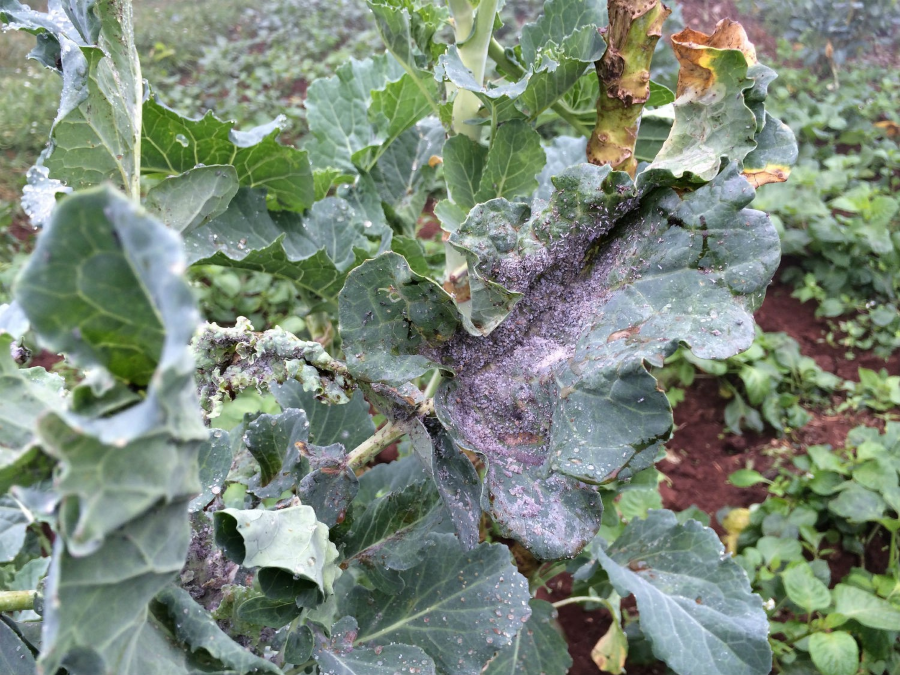
    A recent study by Assèdé et al. (2025) titled “Research progress on climate change adaptation strategies to control invasive crop pests in sub-Saharan Africa: a bibliometric and systematic review” published in Frontiers in Climate reveals that invasive pests, such as armyworms, fruit flies, and the coffee berry borer, pose significant threats to food security and farmer incomes by causing severe crop losses

    Climate-smart pest management, including IPM and agro-ecological practices, is essential for combating invasive pests in sub-Saharan Africa.– Assèdé et al. 2025

    The study provides a comprehensive analysis of research advancements in managing invasive crop pests within the context of climate change in sub-Saharan Africa. By employing bibliometric analysis, the study examines scientific publications from databases like Scopus, Dimensions, and Google Scholar, covering the period from 1991 to 2024.

    Invasive pests, such as armyworms, fruit flies, and the coffee berry borer, pose significant threats to food security and farmer incomes by causing severe crop losses. The study highlights various climate adaptation strategies to mitigate these threats, with a strong emphasis on integrated pest management (IPM), agro-ecological practices, and chemical control methods. IPM approaches include water harvesting, drip irrigation, planting resistant crop varieties, and enhancing production efficiency, while agro-ecological methods focus on reducing pest invasions through environmentally friendly techniques. Although chemical insecticides are sometimes used in emergencies, the research underscores the growing preference for biocontrol methods, agroforestry, and gender-inclusive pest management strategies.

    How the Study was Conducted

    The study employed a bibliometric and systematic review approach to evaluate research progress on climate change adaptation strategies for managing invasive crop pests in sub-Saharan Africa. Using Scopus, Dimensions, and Google Scholar databases, relevant literature was identified through key search terms such as “crop management,” “climate change,” and “adaptation,” focusing on publications from 1991 to 2024 in English or French. Selection criteria prioritized studies on integrated pest management and climate adaptation specifically within sub-Saharan Africa.

    The screening process, facilitated by the CADIMA platform, involved a two-phase inclusion/exclusion review. Initially, 103 papers were identified based on titles and abstracts, followed by a full-text review that refined the selection to 39 documents. A supplementary manual search on Google Scholar further expanded the dataset, culminating in 81 documents for final analysis.

    Data extraction and analysis included bibliometric and descriptive assessments using R software, examining publication trends, author influence, and regional contributions. Collaboration network analysis explored relationships among researchers and countries, while thematic analysis identified key research areas and their evolution over time. The study also assessed the impact of major invasive crop pests on agriculture and food security, alongside the effectiveness of various adaptation strategies such as integrated pest management, agro-ecological methods, and gender-responsive approaches. Additionally, gender-based differences in pest management adoption were analyzed, highlighting the role of social factors in adaptation strategies.

    What the Authors Found

    The authors found that invasive pests such as fall armyworms, fruit flies, and coffee berry borers cause extensive damage to crops, leading to significant yield losses and economic setbacks. These threats highlight the urgent need for effective pest management strategies. In addition, communities are employing various adaptation measures, including integrated pest management (IPM), water harvesting, drip irrigation, and planting resistant crop varieties to enhance agricultural resilience. Agro-ecological practices are proving effective in reducing pest invasions while preserving environmental sustainability. Although chemical insecticides are still used as emergency solutions, there is a notable shift toward biocontrol methods, agroforestry, and gender-specific pest management approaches.

    Why is this important?

    Food Security: Invasive crop pests can cause significant damage to crops, leading to substantial yield losses. Given the region’s heavy reliance on agriculture for food and livelihood, understanding and developing effective pest management strategies is crucial to ensuring food security and preventing hunger.

    Economic Impact: Agriculture is a significant part of the economy in sub-Saharan Africa, employing a large portion of the population. Crop losses due to pests directly affect farmers’ incomes and overall economic stability. Effective pest management strategies can mitigate these losses and support economic growth.

    Climate Change Adaptation: Climate change is exacerbating the challenges associated with pest management. Changing weather patterns can lead to the emergence of new pests and the spread of existing ones. The study’s focus on adaptation strategies helps communities prepare for and respond to these changes, enhancing their resilience.

    Sustainable Practices: The study highlights the importance of sustainable and innovative pest management practices, such as integrated pest management (IPM) and agro-ecological methods. These practices not only help control pests but also preserve the environment, promoting long-term agricultural sustainability.

    Gender Inclusivity: The study acknowledges the role of gender in pest management and the need for gender-specific approaches. By addressing the unique challenges faced by women in agriculture, the study promotes more inclusive and effective pest management strategies.

    Regional Disparities: Understanding regional disparities in research output and pest management practices helps identify gaps and areas that require more attention and resources. This knowledge can drive more targeted and effective interventions.

    Future Research: The study underscores the need for ongoing research to develop innovative and context-specific pest management strategies. This continuous effort is essential to stay ahead of evolving pest threats and changing climatic conditions.

    What the Authors Recommended

    • The study emphasizes promoting the widespread adoption of IPM practices, including water harvesting, drip irrigation, planting resistant crop varieties, and improving production efficiency, as well as providing training and resources to farmers to support the effective implementation of IPM strategies.
    • The authors advocate and encourage the use of agroecological practices that reduce pest invasions while preserving the environment, as well as developing policies and programs that promote sustainable agricultural practices and reduce reliance on chemical insecticides.
    • Conduct targeted research and development in regions with lower scientific output to address the specific pest management challenges they face and foster collaboration and knowledge exchange between regions to bridge the gap in research and implementation.
    • Incorporate gender perspectives into pest management strategies, recognizing the unique challenges and needs of women in agriculture, and provide training and support tailored to women farmers to ensure they have the resources and knowledge to effectively manage pests.
    • Invest in research and development of biocontrol methods and agroforestry practices that integrate pest management. Implement pilot projects to demonstrate the effectiveness of these approaches and encourage their adoption.
    • The study also emphasizes fostering regional and international scientific cooperation to enhance research and knowledge sharing on pest management and climate change adaptation.
    • In addition, develop collaborative projects and initiatives that bring together researchers, policymakers, and farmers to address the challenges posed by invasive crop pests.
    • Furthermore, conduct further research to assess farmers’ perceptions of the effectiveness of existing pest management practices and develop innovative and sustainable pest management strategies tailored to local contexts and climate change scenarios.

    Invasive crop pests pose a significant challenge to food security, economic stability, and agricultural sustainability in sub-Saharan Africa, a problem further intensified by climate change. This study highlights the importance of integrated pest management, agro-ecological practices, and biocontrol methods as sustainable solutions to mitigate these threats. Addressing regional disparities in research, fostering gender-inclusive strategies, and promoting scientific collaboration are crucial steps toward enhancing resilience against invasive pests. By investing in innovative, locally tailored adaptation measures, policymakers, researchers, and farmers can work together to secure a more sustainable and food-secure future for the region.

  • Key Drivers of Soil Fertility Management Adoption in Africa: How Innovativeness and Knowledge Shape Smallholder Farming

    Key Drivers of Soil Fertility Management Adoption in Africa: How Innovativeness and Knowledge Shape Smallholder Farming

    A recent study by Spurk et al. (2025) titled “Farmers’ innovativeness and positive affirmation as main drivers of adoption of soil fertility management practices—evidence across sites in Africa,” published in The Journal of Agricultural Education and Extension, reveals that individual factors, such as innovativeness, perception of soil fertility, and correct knowledge, are the strongest drivers of adoption, while socio-demographic and economic factors play a minimal role.

    Innovativeness, perception of soil fertility, and correct knowledge are the strongest drivers of soil fertility management adoption among smallholder farmers in sub-Saharan Africa. – Spurk et al. 2025

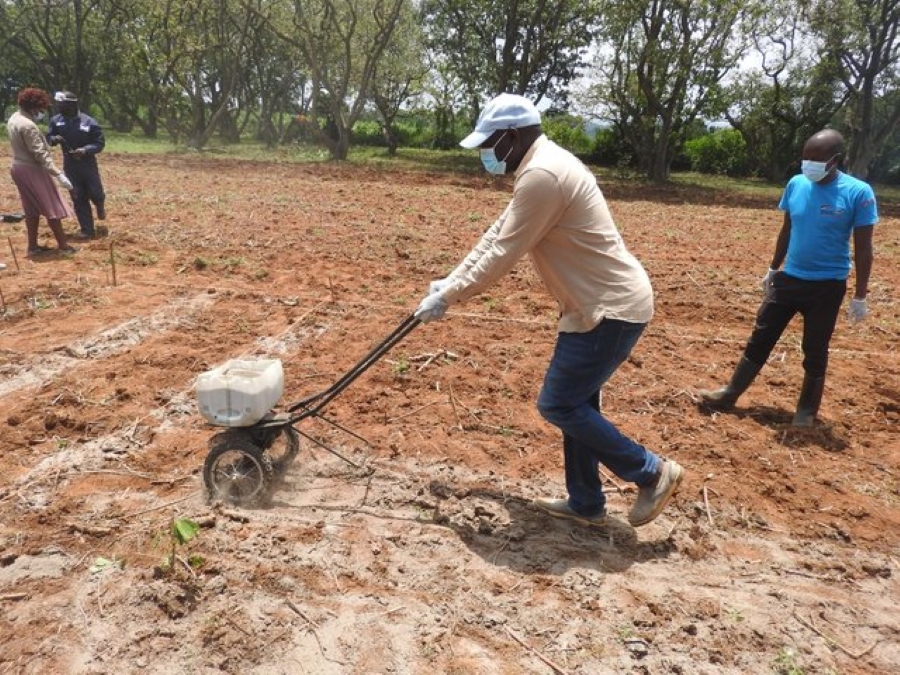
    The study explores key factors influencing smallholder farmers’ adoption of soil fertility management (SFM) practices in sub-Saharan Africa (SSA). Declining soil fertility poses a significant challenge to smallholder farming and food security in the region, making the adoption of effective SFM practices crucial. Using data from baseline and endline surveys with 1,870 smallholders across Ghana, Kenya, Mali, and Zambia—complemented by qualitative interviews—the study assesses economic, socio-demographic, individual, institutional, and informational influences on SFM adoption. Findings reveal that individual factors, such as innovativeness, perception of soil fertility, and correct knowledge, are the strongest drivers of adoption, while socio-demographic and economic factors play a minimal role. By highlighting the importance of intrinsic factors in driving agricultural innovation, this research offers valuable insights for promoting sustainable soil fertility practices and enhancing food security in SSA.

    How the Study was Conducted

    A panel study design was used, collecting data from the same group of 1,870 smallholder farmers across Ghana, Kenya, Mali, and Zambia at multiple points in time. This longitudinal approach allowed researchers to track changes in farming practices and attitudes.

    Data was gathered through baseline and endline surveys, covering diverse factors such as economic conditions, socio-demographics, individual characteristics, institutional influences, network dynamics, and information sources. Additionally, qualitative interviews were conducted with selected farmers to gain deeper insights into the personal and contextual factors affecting SFM adoption.

    The quantitative analysis involved logistic regression to examine the relationships between these factors and the likelihood of adopting SFM practices.

    What the Authors Found

    The authors found that individual factors, such as innovativeness, perception about soil fertility, and correct knowledge, play the most significant roles in the adoption of soil fertility management (SFM) practices among smallholder farmers in sub-Saharan Africa (SSA).

    Why is this important?

    The importance of this study lies in its potential to improve agricultural productivity and food security in sub-Saharan Africa (SSA) by addressing soil fertility issues. Here are a few key reasons why the findings of this study are significant:

    Agricultural Sustainability: Soil fertility is a critical factor for sustainable agriculture. By identifying the drivers of adoption for soil fertility management practices, this study provides valuable insights into how to promote practices that can restore and maintain soil health. This can lead to long-term agricultural sustainability in SSA.

    Enhanced Food Security: Improving soil fertility directly impacts crop yields and productivity. By encouraging the adoption of effective soil fertility management practices, the study contributes to enhancing food security in a region where many smallholder farmers rely on agriculture for their livelihoods.

    Targeted Communication Efforts: The study highlights the importance of targeting innovative farmers and utilizing high-quality messaging through various communication channels. This can lead to more effective dissemination of agricultural knowledge and practices, ensuring that the right information reaches the right people.

    Focus on Individual Factors: The study underscores the importance of intrinsic factors, such as innovativeness and correct knowledge, in driving adoption. This shift in focus from socio-demographic and economic factors to individual factors can lead to more personalized and impactful approaches in promoting agricultural innovations.

    Informing Policy and Programs: Policymakers, agricultural extension services, and development organizations can use the findings of this study to design and implement programs that effectively promote soil fertility management practices. This can lead to better resource allocation and more successful interventions.

    What the Authors Recommended

    • The authors recommended that communication efforts should primarily focus on innovative farmers, who are more likely to adopt new practices. Tailoring messages to this group can increase the uptake of soil fertility management (SFM) practices.
    • The authors advocate that the information and messages provided to farmers are of high quality. Accurate, clear, and relevant information is crucial for promoting the adoption of SFM practices.
    • Utilize various communication channels to reach farmers. This includes traditional methods like radio and extension services, as well as modern tools like mobile phones and social media. By using a diverse range of channels, the information can reach a broader audience.
    • Future research should concentrate on in-depth studies of individual factors such as innovativeness and correct knowledge. Understanding these factors better can help in designing more effective interventions.
    • In addition, policymakers, agricultural extension services, and development organizations should investigate the information environment of farmers to understand how they access and process information. This knowledge can inform strategies for delivering information more effectively.

    In conclusion, this study underscores the pivotal role of individual factors—such as innovativeness, perception of soil fertility, and correct knowledge—in driving the adoption of soil fertility management (SFM) practices among smallholder farmers in sub-Saharan Africa. While socio-demographic and economic factors play a minimal role, targeted communication strategies and high-quality information dissemination can significantly enhance adoption rates. By focusing on innovative farmers and leveraging diverse communication channels, policymakers and agricultural extension services can promote sustainable soil management practices, ultimately improving food security and agricultural resilience in the region. Moving forward, further research on individual adoption drivers can refine intervention strategies and contribute to long-term agricultural sustainability.

  • Life Cycle Assessment of Water & Wastewater Treatment in Africa: Environmental Impacts, Challenges & Sustainable Solutions

    Life Cycle Assessment of Water & Wastewater Treatment in Africa: Environmental Impacts, Challenges & Sustainable Solutions

    A recent study by Ogbu et al. (2025) titled “Towards environmentally sustainable water management in Africa: a comprehensive review of life cycle assessment studies in water and wastewater treatment” published in The International Journal of Life Cycle Assessment by Springer Nature reveals that LCA studies on W&WWT in Africa are concentrated in few countries, with global warming potential as the dominant impact due to fossil fuels.

    Life Cycle Assessment (LCA) studies on water and wastewater treatment in Africa are limited, with global warming potential driven by fossil fuel-based electricity as the dominant environmental impact.– Ogbu et al. 2025

    Water and wastewater treatment (W&WWT) are essential for sustainable development, yet their environmental impacts in Africa remain underexplored. A study published in The International Journal of Life Cycle Assessment provides a comprehensive evaluation of these impacts using the Life Cycle Assessment (LCA) methodology. By analyzing energy consumption, material use, and emissions across different water management systems, the review identifies key trends, challenges, and opportunities for improving sustainability in the sector.

    The study systematically reviews 41 original studies covering 131 scenarios that apply the ISO 14040/14044 LCA framework to W&WWT in Africa. Research is primarily concentrated in South Africa and Egypt, with limited representation from countries like Nigeria and Tunisia. Urban wastewater treatment is the most studied, while industrial and domestic wastewater treatment receive less attention, and water treatment studies are even scarcer. The ReCiPe and CML methodologies are the most commonly used for impact assessment, revealing that global warming potential and fossil fuel-based electricity generation are major environmental burdens.

    Key challenges include limited data availability, insufficient renewable energy integration, and a lack of material recovery efforts. Addressing these gaps is crucial for mitigating the sector’s environmental footprint. The review emphasizes the importance of incorporating LCA into engineering design, policy-making, and stakeholder engagement to drive sustainable water management. It calls for enhanced research, the establishment of performance standards, and the promotion of green innovations to foster environmentally responsible W&WWT practices across Africa.

    How the Study was Conducted

    This study conducted a systematic review of Life Cycle Assessment (LCA) studies on water and wastewater treatment (W&WWT) in Africa. Using the STARR-LCA checklist and PRISMA protocol, relevant articles were sourced from Web of Science, Scopus, and Google Scholar until October 10, 2024.

    The initial search identified 296 articles, which were filtered down to 41 studies covering 131 scenarios through a rigorous screening process. Studies were included if they applied the ISO 14040/14044 LCA methodology, assessed W&WWT processes with multiple impact categories, and considered resource recovery.

    Data extraction was performed using Covidence software, focusing on technical parameters (e.g., influent and effluent properties, treatment technology efficiency), methodological choices (e.g., system boundaries, LCIA methods, software used), and study typology (e.g., publication year, geographic distribution). The analysis revealed that most studies originated from South Africa and Egypt, emphasizing regional research trends in LCA-based sustainable water management.

    What the Authors Found

    The study highlights that Life Cycle Assessment (LCA) studies on water and wastewater treatment (W&WWT) in Africa are concentrated in a few countries, particularly South Africa and Egypt, while many other regions remain underrepresented. Additionally, it identifies global warming potential as the most significant environmental impact, largely driven by fossil fuel-based electricity use.

    Why is this important?

    1. Environmental Impact
    Water and wastewater treatment processes have significant environmental impacts. By using the Life Cycle Assessment (LCA) methodology, this study identifies the various environmental burdens, such as energy consumption, emissions, and resource depletion, associated with these processes. Understanding these impacts is crucial for developing strategies to mitigate negative effects and promote more sustainable practices.

    2. Water Scarcity
    Africa faces severe water scarcity issues exacerbated by population growth, urbanization, and climate change. Efficient and sustainable water management is essential for ensuring access to clean water for all. This study highlights the need for improved water treatment and management practices to address water scarcity challenges.

    3. Policy Development
    The study’s findings provide valuable insights for policymakers and stakeholders. By identifying gaps in data acquisition, renewable energy use, and resource recovery, the study offers concrete recommendations for policy development aimed at promoting sustainable water and wastewater treatment practices.

    4. Resource Recovery
    The potential for resource recovery from wastewater treatment processes is an emerging area of interest. This study emphasizes the importance of recovering valuable resources such as nutrients and biosolids, which can be reused in agriculture and other applications. This contributes to a circular economy and reduces the environmental footprint of treatment processes.

    5. Economic Benefits
    Sustainable water management practices can lead to economic benefits by reducing operational costs, increasing resource efficiency, and promoting innovation in the water sector. The study’s recommendations can help guide investments in green technologies and infrastructure, fostering economic growth and resilience.

    6. Public Health
    Proper treatment of water and wastewater is essential for safeguarding public health. By identifying the environmental impacts of different treatment processes, the study helps ensure that these processes do not inadvertently harm human health through pollution or contamination.

    7. Global Relevance
    While the study focuses on Africa, its findings have global relevance. Water scarcity and environmental sustainability are universal challenges, and the insights gained from this study can be applied to other regions facing similar issues. It also contributes to the global body of knowledge on sustainable water management.

    What the Authors Recommended

    • There’s a critical need to enhance data acquisition and storage systems to better understand the environmental impacts of water and wastewater treatment. Accurate data is essential for comprehensive Life Cycle Assessment (LCA) studies.
    • The study advocates for integrating renewable energy sources into water and wastewater treatment processes to reduce reliance on fossil fuels and mitigate adverse environmental impacts. This includes exploring solar, wind, and other renewable energy technologies.
    • Encouraging the recovery of valuable resources, such as nutrients and biosolids, from wastewater treatment processes is highlighted as a crucial step toward sustainability. This can contribute to a circular economy and reduce the environmental footprint of treatment facilities.
    • The authors emphasize the importance of involving stakeholders, including government agencies, industry players, and local communities, in the LCA process. Collaborative efforts can lead to better-informed decisions and more effective implementation of sustainable practices.
    • Incorporating LCA methodologies into the design and planning of water and wastewater treatment systems can help identify potential environmental impacts early on and optimize the sustainability of these systems.
    • The study calls for the development and enforcement of performance standards for green innovations in the water and wastewater sectors. These standards can guide the adoption of best practices and technologies that minimize environmental impacts.
    • Future research and policy development should focus on creating supportive frameworks that encourage sustainable water and wastewater treatment practices. Policies should address data collection, renewable energy integration, resource recovery, and stakeholder engagement.

    In conclusion, the study underscores the urgent need for sustainable water and wastewater treatment (W&WWT) practices in Africa. With global warming potential driven by fossil fuel dependence as a major environmental concern, integrating renewable energy, enhancing data acquisition, and promoting resource recovery are key steps toward reducing the sector’s footprint. Policymakers, researchers, and industry stakeholders must collaborate to implement green innovations, establish performance standards, and drive investment in sustainable water management solutions. By addressing these challenges, Africa can move toward a more resilient and environmentally responsible approach to water treatment, benefiting both people and the planet.

  • Africa’s Rare Earth Minerals Boom: Mining Growth, Global Impact & Economic Potential

    Africa’s Rare Earth Minerals Boom: Mining Growth, Global Impact & Economic Potential

    Analysis in Brief

    The year 2025 is expected to mark a turning point in Africa’s rare earth minerals industry, with the continent poised to take a more prominent role in the global supply chain. Forecasts indicate that Africa’s contribution to global rare earth mineral production could reach 10% within the next five years. This anticipated growth stems from the launch of new mining operations in Malawi, South Africa, and other countries, accelerating the exploitation of the continent’s vast untapped reserves.

    The Unique Nature of Rare Earth Minerals

    Although rare earth minerals are widely distributed throughout the Earth’s crust, they are rarely found in high enough concentrations to be economically viable for mining. China dominates the global market, currently producing 70% of the world’s rare earth supply due to its advantageous geological formations. However, Africa is home to substantial deposits of these minerals, with some estimates suggesting the continent holds nearly 30% of the world’s total reserves.

    In 2025, two major African mining projects—Songwe Hill in Malawi and Steenkampskraal in South Africa—are set to commence full-scale production. These projects represent significant progress in Africa’s ability to harness its mineral wealth, paving the way for greater contributions to the global supply of these critical resources.

    The Role of Rare Earth Minerals in Modern Technology

    Rare earth minerals contain 17 different elements that are vital to various high-tech applications. Their malleability and unique physical properties make them indispensable in numerous industries. These elements play a crucial role in:

    • Medical technology: used in MRI machines, laser scalpels, and certain pharmaceuticals.
    • Consumer electronics: essential components in mobile phones, computers, and tablets.
    • Aerospace and defense: critical for satellite communications, precision-guided weaponry, and aircraft manufacturing.
    • Green energy solutions: integral to the production of solar panels, electric vehicle batteries, and wind turbines, leading to their classification as transition minerals essential for shifting from fossil fuels to renewable energy sources.

    Africa’s Expanding Role in Global Mineral Markets

    While Africa possesses substantial reserves of critical minerals, the continent has yet to fully capitalize on the economic potential of these resources. According to estimates from the United Nations Conference on Trade and Development (UNCTAD), African nations are currently generating only 40% of the revenues they could potentially earn from their natural mineral wealth.

    Stabilized Prices and Favorable Market Conditions

    Despite China’s dominance in rare earth mineral production, its recent reduction in output—partly due to the rising domestic demand for humanoid robotics—has contributed to a 2% increase in global prices as of January 2025. This trend coincides with an increase in African mining investments, making the industry even more attractive to global investors.

    With worldwide demand for rare earth minerals projected to quadruple by 2030, Africa is well-positioned to benefit from this surge. New mines in Angola, Malawi, South Africa, and Tanzania are expected to become operational by 2029, collectively supplying an estimated 9% of the global market. This marks a significant leap from Africa’s negligible contribution of less than 1% in 2020.

    However, market fluctuations, such as oversupply and undersupply, will need to be carefully managed. For example, an early 2025 surplus of neodymium-praseodymium oxide—essential for electronic magnets—has led to a drastic reduction in production, from 5,400 tonnes in 2024 to just 500 tonnes in 2025. At the same time, the demand for neodymium and praseodymium for electric vehicles and wind turbines is projected to grow by 15% by the end of 2025, potentially creating supply shortages in the near future.

    Major African Producers of Critical Minerals

    Several African nations are already major players in the global mineral market:

    Producing Country Key Minerals Share of Global Production (%)
    South Africa Platinum 91%
    Yttrium 46%
    Chromium 35%
    Manganese 22%
    Vanadium 16%
    Morocco Phosphates 70%
    Democratic Republic of Congo Cobalt 60% (largest single reserve globally)
    Gabon Manganese Second largest global deposits, third-largest producer
    Guinea-Conakry Bauxite 23% (second-largest global producer)
    Mozambique Graphite 14% (fifth-largest global producer)
    Zimbabwe Lithium 20% (largest proven global deposits)
    Zambia Copper 4%

    Economic and Industrial Benefits of Rare Earth Mineral Production

    Despite China’s continued dominance, Africa’s emerging rare earth minerals industry presents a unique opportunity for economic growth and industrial expansion. Notably, in December 2024, China ceased exporting certain rare earth-based products to meet domestic demand, creating gaps in the global supply chain. While Western economies and manufacturers remain reliant on China, Africa has the potential to fill some of these gaps.

    African governments are increasingly focusing on refining and processing minerals domestically rather than exporting them in raw form. In 2023, Zimbabwe set a precedent by banning the export of unprocessed lithium, requiring foreign buyers to establish battery manufacturing facilities within the country. Similar policies could be adopted for rare earth elements to ensure Africa benefits from the entire value chain.

    Moreover, African nations are leveraging the African Continental Free Trade Area (AfCFTA) to build intra-continental partnerships aimed at developing downstream industries that can process and refine these minerals for domestic and international markets. This aligns with European and U.S. initiatives to reduce dependency on Chinese rare earth mineral supplies, further driving investment into Africa’s mining and refining sectors.

    Investment and Infrastructure Development

    Unlike many other mining projects in Africa, the continent’s rare earth mineral operations are largely controlled by Western corporations rather than Chinese entities. Major players include Mkango Resources, Pensana PLC, and Rainbow Rare Earths. Additionally, Australia’s Lindian Resources is expected to begin production in Malawi in 2025, while Ionic Rare Earths Limited is set to launch operations at Uganda’s Makuutu Rare Earths Project in 2026.

    Beyond mining and refining, the sector’s growth will have a ripple effect on other industries, generating jobs in logistics, transportation, and supply chain services. Improved rail and road infrastructure to support mining activities will further contribute to Africa’s long-term economic and industrial development.

    Key Takeaways:

    • Africa’s rare earth mineral production is set to increase from negligible levels in 2020 to 10% of global supply by 2030.
    • 2025 is a crucial growth year for the sector, with new mining projects launching across Southern Africa.
    • African policymakers aim to extract greater economic benefits by focusing on refining, manufacturing, and industrial development.
    • The global push for renewable energy and high-tech industries presents a lucrative opportunity for Africa’s rare earth mineral market.
    • Infrastructure improvements, job creation, and strategic foreign investments will play a critical role in securing Africa’s position in the global supply chain.

    As Africa continues to harness its vast mineral resources, the continent has the potential to become a key player in the global rare earth minerals industry, transforming its economic landscape while supporting the global transition to renewable energy and advanced technology.