Author: AR Managing Editor

  • Small High-Intensity Farms, Food Forests, and Gardens: A Sustainable Path to Food Security, Employment, and Climate Resilience in Namibia

    Small High-Intensity Farms, Food Forests, and Gardens: A Sustainable Path to Food Security, Employment, and Climate Resilience in Namibia

    Introduction

    As the world faces an increasing challenge of food insecurity, climate change, and economic instability, it is essential to find innovative, sustainable solutions to address these growing issues. One such approach is the implementation of small high-intensity farms, food forests, and gardens in every village. This model offers a sustainable path to food security, job creation, and a reliable source of income for rural communities. In stark contrast to industrial agriculture, which often leads to environmental degradation, economic disparity, and limited access to affordable food for the majority, these local, small-scale farming initiatives can be transformative for both individuals and nations.

    The Case Against Industrial Agriculture

    Industrial agriculture, dominated by large-scale monocropping systems, relies heavily on chemical fertilizers, pesticides, and high resource consumption. While it has been touted for its ability to produce large quantities of food, it has several significant drawbacks. Monoculture farming requires vast stretches of land, leading to deforestation, habitat loss, and a reduction in biodiversity. Over time, these practices degrade soil health and increase dependency on synthetic inputs, which harm the environment and increase costs for farmers. Moreover, industrial agriculture consolidates economic power in the hands of large agribusinesses, leaving small farmers unable to compete or access fair market prices.

    The consequences of this system extend beyond environmental degradation. Villagers, often the most vulnerable populations, are priced out of industrial food markets. While industrial food may be abundant, the local population struggles to afford it due to economic disparities. As such, a fundamental shift is needed to empower rural populations to become more self-sufficient and productive. This approach, involving the integration of small, sustainable farming systems, addresses not only food security but also the broader issue of economic inequality.

    The Power of Permaculture and Local Organic Farming

    Permaculture offers a holistic, sustainable farming approach that can revolutionize food production. Rather than relying on external inputs and chemical fertilizers, permaculture systems emphasize building healthy ecosystems where plants, animals, and microorganisms work together. For example, nitrogen-fixing plants like legumes can be strategically planted to enrich the soil for neighboring crops. This reduces dependency on artificial fertilizers and enhances soil fertility naturally.

    The use of permaculture techniques also improves energy efficiency. For instance, strategically placing water sources uphill can create gravity-fed irrigation systems, reducing the need for external energy inputs. Local organic farming, empowered by permaculture principles, strengthens local economies by reducing reliance on imported inputs and markets. Successful implementations, like those in Kenya’s Molo region, demonstrate the transformative power of permaculture. Farmers have doubled their yields through training and the adoption of these sustainable practices.

    Food Forests in Arid Regions

    In regions facing droughts and water scarcity, food forests present a viable solution. In Senegal, for example, food forests are thriving in arid regions similar to Namibia’s climate. By utilizing drought-resistant species and applying permaculture techniques, these forests provide year-round food while combating desertification and improving soil health. This model has successfully reduced dependency on traditional agriculture, fostering food security in even the harshest environments.

    One example is the Great Green Wall project in Senegal, which is helping to combat desertification by establishing food forests in the Sahel region. These forests employ drought-resistant trees such as baobab and moringa, providing both food and medicinal resources year-round. This layered approach allows for optimal use of land, with deep-rooted trees accessing groundwater and shallow-rooted vegetables benefiting from shade and moisture retention. Such food forests are also being implemented in Namibia, where they offer a model for enhancing food security in arid climates.

    Fodder Production for Livestock

    For livestock farmers, access to affordable, high-quality feed is a constant challenge. Local fodder production offers an innovative solution to this issue, reducing costs and improving livestock health. Hydroponic systems, which allow for the rapid growth of barley or sorghum, offer a way to produce nutrient-rich feed in just a few days. In northern Namibia, perennial grasses like Brachiaria are being used to improve milk yields and reduce overgrazing, further enhancing the sustainability of livestock farming.

    Additionally, plants like lucerne (alfalfa) and purslane offer drought-tolerant, high-nutrient feed for livestock, perfect for Namibia’s arid conditions. Water-based, fast-growing plants such as duckweed and azolla provide protein-rich supplements that thrive in minimal water, ensuring a sustainable feed supply for animals even in water-scarce regions. These systems not only improve livestock health but also reduce the need for expensive commercial feed, making farming more economically viable.

    Integrating Animals and Insects into Farming Systems

    Integrating animals such as chickens, goats, and pigs into farming systems creates a diverse ecosystem that benefits both crops and livestock. Chickens can help manage pests while also providing manure that fertilizes the soil. Goats and pigs contribute to land preparation, with their natural digging behaviors aiding in soil aeration and weed control. Insects like black soldier flies can also be utilized to convert organic waste into high-protein feed for poultry and fish, closing nutrient loops within the farming system and minimizing waste.

    Aquaponics: A Symbiotic System for Urban and Rural Areas

    Aquaponics, which combines fish farming with hydroponic crop cultivation, is an excellent solution for small-scale, sustainable food production. In Nairobi, rooftop aquaponics systems are providing both vegetables and fish for urban communities, creating a symbiotic relationship between fish and plants. The fish waste provides nutrients for the plants, and the plants help purify the water for the fish, dramatically reducing water use compared to traditional agriculture. This system not only conserves water but also increases food security by providing two food sources in a single closed-loop system.

    Aquaponics is also ideal for areas with limited access to arable land or water resources. By operating on minimal inputs, often with solar-powered pumps, aquaponics systems can function off-grid, making them suitable for remote or underdeveloped areas. The combination of fish and vegetables offers a diverse and nutritious food source, contributing to both food security and sustainable farming practices.

    Success Stories from Kenya and Zimbabwe

    The success of small high-intensity farms has been demonstrated in Kenya and Zimbabwe. In the Nyando Basin, farmers have adopted climate-smart agriculture, integrating crops, trees, and livestock to improve resilience to changing weather patterns. Similarly, Zimbabwe’s Chikukwa Ecological Land Use Community Trust has transformed degraded land into productive, biodiverse farms through permaculture, restoring food security and providing income for local communities. These examples underscore the potential of small farms to drive both environmental restoration and economic development.

    Urban Solutions: Greywater Food Circles

    Urban areas also stand to benefit from sustainable farming practices. In Windhoek, greywater food circles offer a simple yet effective solution for addressing water scarcity and food insecurity. These circular planting systems, often centered around fruit trees, reuse household wastewater from showers, sinks, and washing machines to irrigate food-producing plants. By making use of nutrient-rich greywater, these systems support the growth of vegetables, herbs, and fruit trees in urban backyards, maximizing water reuse and reducing waste. This sustainable urban agriculture solution helps enhance food production while conserving water resources in areas facing extreme water shortages.

    National Benefits of Small High-Intensity Farms for Namibia

    The widespread adoption of small high-intensity farms, food forests, and gardens across Namibia would have profound implications for the nation’s prosperity and sustainability. These systems offer numerous benefits, from improved nutrition and education outcomes to job creation and climate resilience.

    Nutritional Benefits and Improved Educational Outcomes

    Access to fresh, diverse, and organic food is critical for the health and cognitive development of children. Proper nutrition during childhood has been linked to better academic performance and improved attendance rates. By fostering the growth of small farms and food forests, Namibia can combat malnutrition and ensure that its youth are well-nourished, setting them up for success in school and life.

    Reducing Urbanization and Eradicating Poverty

    The decentralization of food production through small high-intensity farms reduces the pressure on urban centers, where overcrowding and poverty often lead to social instability. By creating employment opportunities in rural areas, these farms empower local communities and reduce the need for migration to cities. This helps alleviate urban poverty and fosters more balanced, regional development.

    Improving Health and Wellbeing

    In addition to the economic and nutritional benefits, engaging in farming can have significant mental health benefits. Working with the land, whether through planting, harvesting, or animal husbandry, fosters a connection to nature and provides a sense of purpose and achievement. This can reduce stress, anxiety, and depression, contributing to overall health and wellbeing. A healthier population, both physically and mentally, will reduce the burden on healthcare systems, leading to lower medical costs and improved public health outcomes.

    Fighting Climate Change: Enhancing Resilience to Drought and Flooding

    Namibia’s vulnerability to climate change, particularly its susceptibility to droughts and floods, can be mitigated by adopting small high-intensity farming systems. These systems, built on permaculture principles, are designed to be resilient to extreme weather events. Techniques such as rainwater harvesting, greywater reuse, soil conservation, and crop diversification increase the ability of these farms to adapt to changing weather patterns. The integration of trees and improved soil health also helps prevent flooding and combat desertification, ensuring consistent agricultural yields even in unpredictable conditions.

    Conclusion

    The adoption of small high-intensity farms, food forests, and gardens across Namibia offers a comprehensive, sustainable solution to many of the nation’s most pressing challenges. This approach not only secures food security and reduces poverty but also enhances education, public health, and climate resilience. By empowering rural communities and promoting sustainable farming practices, Namibia can create a prosperous, self-sufficient, and resilient future for its people. This model provides an opportunity for long-term national growth, ensuring that future generations inherit a thriving, equitable, and environmentally sustainable nation.

  • Can Agriculture 4.0 Transform Food Security and Curb Deforestation in Sub-Saharan Africa?

    Can Agriculture 4.0 Transform Food Security and Curb Deforestation in Sub-Saharan Africa?

    As sub-Saharan Africa (SSA) grapples with the dual challenge of feeding a rapidly growing population and preserving its shrinking natural ecosystems, agricultural policy discourse is increasingly focused on achieving food self-sufficiency. However, this goal must be balanced against the backdrop of extensive forest degradation, much of which is driven by the expansion of agricultural land.

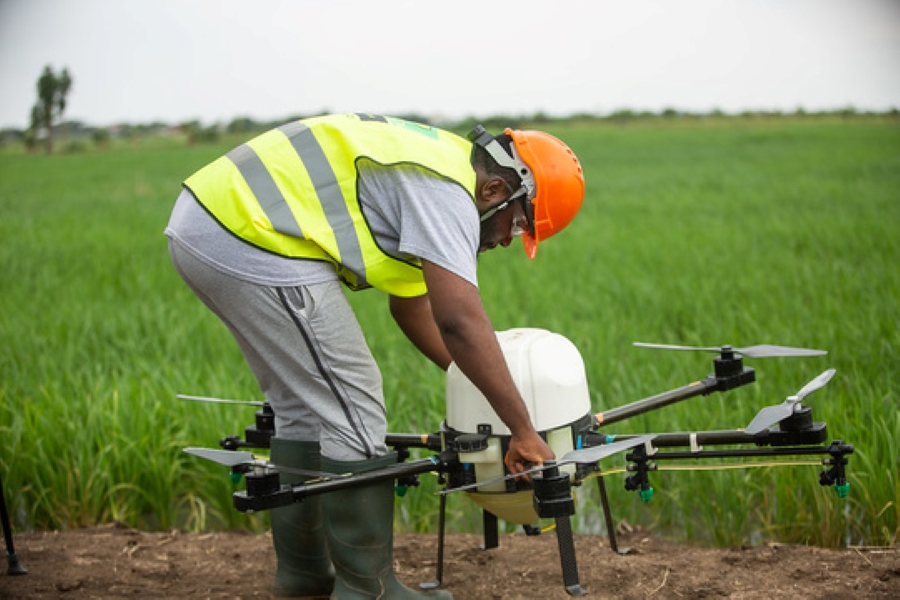
    A promising solution lies in the transformative potential of Agriculture 4.0—a suite of emerging technologies that includes precision farming, the Internet of Things (IoT), cloud computing, big data analytics, drones, robotics, and biotechnology innovations. While these technologies are often developed and applied in high-income countries (HICs), there is growing recognition of their relevance for low- and middle-income countries (LMICs), particularly in Africa.

    What is Agriculture 4.0?

    Agriculture 4.0 represents the next evolutionary phase of farming, characterized by the integration of digital technologies into every aspect of the agricultural value chain. These tools enable smarter, data-driven decisions—optimizing inputs, improving yields, and minimizing environmental impact.

    For instance:

    • Precision seeding ensures optimal plant spacing for higher yield density.

    • Soil mapping and diagnostics enable farmers to apply the right type and quantity of fertilizers and other inputs.

    • Drones assist in real-time crop monitoring and pest control.

    • Cloud-based data systems help farmers track and forecast weather patterns and crop growth.

    Collectively, these technologies have the potential to help SSA farmers produce more food on existing farmland, thereby reducing the pressure to clear forests and natural habitats for cultivation.

    Is Sub-Saharan Africa Ready for Agriculture 4.0?

    In their recent perspective paper, the authors examine SSA’s readiness for adopting Agriculture 4.0 across five critical dimensions:

    1. Scale—The potential to reach large numbers of smallholder farmers is limited by fragmentation and variability in farm size and location.

    2. Finance and Capital Investment—Access to affordable financing remains a barrier. Investment is required not only in technology but also in supporting infrastructure and services.

    3. Leapfrog Technologies and Digital Infrastructure—Although mobile penetration is increasing, many rural areas lack reliable internet connectivity and power supply.

    4. Institutions, Governance, and Ethics—Robust frameworks are needed to manage data privacy, ensure fair access, and uphold farmer rights, especially regarding land tenure and resource use.

    5. Education and Skills—There is a need for widespread farmer education and extension services to bridge the digital literacy gap and foster local innovation.

    Despite these hurdles, the authors find that significant potential exists for SSA to adopt smart farming technologies that boost food production without expanding cultivated areas.

    A Double-Edged Sword?

    Interestingly, while Agriculture 4.0 can promote more efficient and sustainable farming practices, it may also have unintended consequences. Increased profitability and productivity could make agriculture a more attractive livelihood, potentially incentivizing further land expansion unless carefully managed. This underscores the importance of coupling technological adoption with sound land governance and clear property rights.

    Moreover, ethical considerations around the use of data—especially when managed by third-party tech providers—raise concerns about transparency, farmer autonomy, and digital exclusion. There is also the risk that over-reliance on digital tools could disconnect farmers from the traditional, intuitive understanding of their landscapes, with potential repercussions for sustainability and resilience.

    A Path Forward

    Projects like Sentinel, which focuses on Ethiopia, Ghana, and Zambia, are working to address these complex interlinkages between food security, biodiversity conservation, and inequality reduction. By supporting integrated approaches to agricultural development, such initiatives aim to inform policies that foster equitable, environmentally sound, and technologically inclusive farming systems.

    The key question remains: Can sub-Saharan Africa harness the power of Agriculture 4.0 to meet its food demands without sacrificing its forests and biodiversity?

    The answer depends not just on technology itself, but on creating an enabling environment—through education, governance, infrastructure, and investment—that allows innovation to thrive in contextually appropriate, inclusive, and sustainable ways.

  • Technology Adoption in Sub-Saharan Africa: Boosting Smallholder Agricultural Productivity, Food Security, and Poverty Reduction

    Technology Adoption in Sub-Saharan Africa: Boosting Smallholder Agricultural Productivity, Food Security, and Poverty Reduction

    A study by Muzari et al. (2012) titled “The impacts of technology adoption on smallholder agricultural productivity in sub-Saharan Africa: A review,” published in the Journal of Sustainable Development, reveals that sub-Saharan Africa continues to face critical food production challenges driven by factors such as low rainfall, nutrient-poor soils, limited access to irrigation, and the slow uptake of modern farming technologies.

    Technology adoption can significantly boost smallholder productivity in sub-Saharan Africa, but success depends on access, support, and awareness.– Muzari et al. 2012

    This study explores how the adoption of agricultural technologies influences productivity, poverty reduction, and environmental sustainability among smallholder farmers in Sub-Saharan Africa. It highlights both the challenges impeding progress and the transformative potential of technology in enhancing agricultural outcomes.

    Sub-Saharan Africa continues to face critical food production challenges driven by factors such as low rainfall, nutrient-poor soils, limited access to irrigation, and the slow uptake of modern farming technologies. Smallholder farmers, who form the backbone of the region’s agriculture, often struggle with high input costs, limited resources, and inadequate institutional support. The study emphasizes that adopting improved agricultural technologies—such as high-yield crop varieties, advanced soil and water management techniques, and effective weed control—can significantly boost productivity. However, successful adoption largely depends on farmers’ awareness, access to assets, and the availability of supportive institutions and infrastructure.

    Interestingly, the research also acknowledges the value of traditional farming practices. Techniques like mixed cropping are highlighted as efficient and cost-effective under specific conditions, suggesting that blending modern and traditional methods could offer practical solutions. To promote wider technology adoption, the study recommends reducing the cost of agricultural inputs, increasing financial and institutional support, enhancing agricultural extension services, and investing in rural infrastructure. Ultimately, overcoming the barriers to technology adoption could play a pivotal role in improving agricultural productivity, reducing poverty, and ensuring food security across Sub-Saharan Africa.

    How the Study was Conducted

    The authors analyze existing literature to evaluate how adopting technology affects smallholder farming in the region. Rather than presenting new fieldwork, the authors synthesize data from various studies, reports, and experiences across sub-Saharan Africa. The study focuses on key factors that influence technology adoption, including assets, income, institutions, vulnerability, awareness, labor availability, and farmer innovativeness. By comparing traditional agricultural methods with modern technologies, the authors assess improvements in productivity and efficiency. Drawing on regional examples from multiple countries, the article offers a broad overview of both the challenges and potential benefits associated with agricultural technology adoption in sub-Saharan Africa.

    What the Authors Found

    The authors found that technology adoption has significant potential to improve agricultural productivity among smallholder farmers in sub-Saharan Africa, but the process is complex and influenced by multiple factors such as high costs of technologies, socioeconomic constraints, and limited infrastructure.

    Why is this important

    Improving Agricultural Productivity: Smallholder farmers form the backbone of agriculture in sub-Saharan Africa, but their productivity has remained low due to reliance on traditional methods and limited access to modern technologies. By adopting effective agricultural technologies, these farmers can produce more food, meet local demand, and reduce dependency on imports.

    Alleviating Poverty: Increased productivity can lead to higher income for smallholder farmers. As agriculture remains the primary livelihood for most rural populations in the region, technology adoption can provide a pathway out of poverty.

    Enhancing Food Security: With population growth and climate change putting pressure on food production, adopting efficient technologies is crucial for ensuring that people have access to affordable, nutritious food.

    Environmental Sustainability: The study also emphasizes the importance of integrating traditional practices with modern technologies. This approach can help maintain soil fertility, reduce environmental degradation, and promote sustainable farming.

    Social Equity: By identifying barriers to adoption—such as lack of access to credit, education, and institutional support—the study provides actionable recommendations to make technologies accessible to all farmers, especially women and those in disadvantaged communities.

    What the Authors Recommended

    The authors make several key recommendations to enhance technology adoption and agricultural productivity among smallholder farmers in sub-Saharan Africa:

    • Governments and stakeholders should reduce the costs of critical inputs like fertilizers, improved seeds, and equipment; it is essential to make them accessible to smallholder farmers.
    • Improving access to credit and offering tailored financial packages, especially for disadvantaged groups like women-headed households, is recommended.
    • Establishing effective research-extension linkages and providing in-service training for extension workers can ensure farmers receive updated and practical information.
    • Modern technologies should be designed to complement traditional practices, leveraging their efficiency and cost-effectiveness in resource-scarce environments.
    • Developing irrigation systems, better market access, and reliable transportation infrastructure is necessary to support farming activities.
    • Institutions providing finance, insurance, and market information should be empowered to deliver services effectively to rural farmers.
    • Introducing a holistic approach that combines multiple complementary technologies can encourage adoption and yield better results.
    • Governments and stakeholders should address gender disparities, cultural practices, and societal norms to ensure inclusive technology adoption.

    In conclusion, addressing the complex challenges facing smallholder agriculture in sub-Saharan Africa requires a strategic blend of modern technology and traditional practices. By lowering barriers to access, strengthening institutional support, and investing in infrastructure and education, stakeholders can unlock the transformative potential of agricultural innovation. Empowering farmers with the tools, knowledge, and resources they need will not only boost productivity and food security but also pave the way for long-term poverty reduction and sustainable development across the region.

  • Revolutionizing Disease Research: The Importance of Drosophila melanogaster as a Model Organism in Biomedical Studies

    Revolutionizing Disease Research: The Importance of Drosophila melanogaster as a Model Organism in Biomedical Studies

    A recent study by Obafemi et al. (2025) titled “Animal models in biomedical research: Relevance of Drosophila melanogaster” published in Heliyon, reveals that Drosophila melanogaster (the fruit fly) serves as an invaluable animal model for studying human diseases due to its genetic similarities with humans.

    Drosophila melanogaster serves as an invaluable model for studying human diseases due to genetic similarities.– Obafemi et al. 2025

    The study explores the use of animal models in biomedical research, focusing particularly on the relevance of Drosophila melanogaster (the fruit fly) as a model organism. It explains how animal models—ranging from simple organisms like nematodes to complex ones like non-human primates—have been crucial for understanding the mechanisms of human diseases and developing potential treatments. The study highlights that animal models are selected based on their genetic, physiological, and anatomical similarities to humans, though results are not always directly transferable to human conditions.

    Drosophila melanogaster is emphasized as a powerful model due to its unique qualities, such as ease of genetic manipulation, short lifespan, high fecundity, and conserved genetic pathways with humans. The study explores its role in investigating various diseases, including neurodegenerative disorders, cardiovascular conditions, metabolic syndromes, and immune system-related diseases. Fruit flies have also contributed significantly to discoveries in genetics and molecular biology, leading to groundbreaking insights into human health.

    How the Study was Conducted

    The study primarily involved a comprehensive review of existing research and scientific literature on the use of Drosophila melanogaster (fruit flies) as a model organism in biomedical research. The authors examined the genetic, physiological, and anatomical similarities between Drosophila and humans to justify its relevance as an animal model for studying human diseases.

    What the Authors Found

    The authors found that Drosophila melanogaster (the fruit fly) serves as an invaluable animal model for studying human diseases due to its genetic similarities with humans. Around 75% of human disease-related genes are conserved in Drosophila, making it an effective tool for exploring the molecular mechanisms of diseases and testing potential therapeutic interventions.

    Why is this important

    Understanding Human Diseases: With about 75% of human disease-related genes having counterparts in Drosophila, this model helps scientists unravel the genetic basis and progression of numerous illnesses, such as neurodegenerative disorders, cardiovascular diseases, and metabolic syndromes.

    Development of Treatments: By using Drosophila, researchers can test potential treatments and study their effects on disease mechanisms, leading to the development of safer and more effective therapeutic interventions.

    Cost and Efficiency: Fruit flies are cost-effective, easy to handle, and reproduce rapidly. This enables high-throughput studies and accelerates the pace of scientific discoveries.

    Reduced Reliance on Complex Models: Highlighting the utility of Drosophila provides an ethical and practical alternative to using higher animals in research, addressing concerns about animal welfare while still yielding valuable insights.

    Groundbreaking Discoveries: The study underscores how research with fruit flies has already led to major breakthroughs in genetics, molecular biology, and disease modeling, some of which have earned Nobel Prizes.

    What the Authors Recommended

    • The authors argue that the fruit fly can be used to model more human diseases, including rare genetic disorders, neurodegenerative conditions, cardiovascular diseases, and metabolic syndromes.
    • The authors suggest that techniques like the GAL4/UAS system should be exploited to create precise disease models and study gene functions.
    • Drosophila’s adaptability allows for high-throughput screening of potential therapeutic compounds, offering insights into drug efficacy and toxicity.
    • The authors also advocate that the innate immune system of Drosophila provides an excellent platform for investigating host-pathogen relationships, including mechanisms of disease and immune response.
    • Furthermore, its short lifespan, high fecundity, and ease of maintenance make it an ideal model for labs aiming to reduce research costs while maintaining impactful results.
    • In addition, the authors advocate for interdisciplinary collaborations to maximize the utility of Drosophila in understanding disease mechanisms and therapeutic approaches.

    In conclusion, Drosophila melanogaster stands as a powerful and cost-effective model organism that has significantly advanced our understanding of human diseases. Its genetic similarities to humans, coupled with its ease of manipulation and rapid life cycle, make it an invaluable tool for studying a wide range of conditions, from neurodegenerative disorders to metabolic diseases. The ability to test therapeutic interventions in fruit flies accelerates the development of potential treatments while also offering an ethical and efficient alternative to more complex animal models. As research continues to evolve, the fruit fly’s role in biomedical science is likely to expand, offering further breakthroughs in the fight against human diseases.

  • Empowering Genomics Research in Africa: Bioinformatics Workshop Boosts AMR Surveillance Skills Using Open Web Tools

    Empowering Genomics Research in Africa: Bioinformatics Workshop Boosts AMR Surveillance Skills Using Open Web Tools

    A recent study by Founou et al. (2025) titled “Enable, empower, succeed: a bioinformatics workshop harnessing open web-based tools for surveillance of bacterial antimicrobial resistance,” published in BMC microbiology by Springer Nature, reveals that the workshop significantly improved participants’ bioinformatics skills, confidence, and motivation, demonstrating effective capacity-building in resource-limited settings.

    A short, targeted bioinformatics workshop significantly improved participants’ skills, confidence, and capacity for AMR surveillance in resource-limited settings. -Founou et al. 2025

    This study focuses on building human capacity for genomics research in resource-constrained settings, specifically to address antimicrobial resistance (AMR)—a critical global health challenge. It highlights a three-day bioinformatics workshop conducted in Cameroon, aimed at equipping local researchers and health professionals with foundational bioinformatics skills. Participants learned to use accessible, web-based tools for analyzing genomic data, including prediction of AMR, phylogenetic analysis, and more. The ultimate goal of the workshop was to empower researchers to perform genomic surveillance of AMR even in settings with limited infrastructure and resources.

    The study emphasizes the importance of education, innovative training approaches, and regional collaboration to bridge gaps in bioinformatics expertise, especially in Africa. By leveraging open and freely available tools, the workshop proved effective in boosting participants’ confidence and skills in bioinformatics, ultimately contributing to AMR surveillance efforts.

    How the Study was Conducted

    To address the growing threat of antimicrobial resistance (AMR), a three-day bioinformatics workshop was organized in Cameroon, aimed at building local capacity for genomics research. Tailored for postgraduate students and professionals in the fields of biology and health sciences, the workshop focused on practical, learner-centered approaches designed specifically for resource-limited settings.

    Workshop Planning and Preparation

    The authors have undertaken comprehensive planning to ensure the workshop’s success, particularly in overcoming common challenges in low-resource environments. These included a shortage of trainers, language barriers, and infrastructure limitations. To tackle these, experienced bioinformatics trainers were recruited, bilingual facilitation (English and French) was provided, and accessible online tools were integrated into the training. Risk analysis and contingency plans were also developed to mitigate disruptions such as power outages and internet instability.

    Participant Recruitment

    An open call targeted researchers and health professionals with a background in biology and a demonstrated interest in AMR. From 86 applicants, 11 participants were selected based on academic merit, motivation to address AMR, and their potential to apply the acquired skills in their professional environments.

    Curriculum and Learning Approach

    The curriculum was designed to introduce participants to essential bioinformatics concepts and tools. Key topics included next-generation sequencing, phylogenetics, and the use of online bioinformatics resources. The training employed a mix of lectures, hands-on practical sessions, peer-to-peer learning, group discussions, and assessments to reinforce understanding and encourage collaboration.

    Workshop Delivery and Execution

    Conducted over three intensive days, the workshop required full attendance and active participation in practical assignments. To maximize accessibility, sessions were delivered in a hybrid format—both in-person and online—ensuring that all participants could benefit from the materials and instruction regardless of their location.

    Impact Assessment and Evaluation

    The authors assessed the effectiveness of the workshop through pre- and post-training surveys, which measured shifts in participants’ confidence and competence in key bioinformatics skills. In addition, feedback sessions and collaborative group projects provided valuable insights into the knowledge gained and its potential application in real-world research settings.

    What the Authors Found

    The study found that a short, well-structured, and learner-centered bioinformatics workshop can significantly enhance genomics research capacity in resource-limited settings by improving participants’ skills, confidence, and motivation to engage in AMR-related research.

    Why is this important

    Tackling AMR in Underprivileged Regions: AMR leads to treatment failures, increasing morbidity and mortality rates. In Western sub-Saharan Africa, 27.3 deaths per 100,000 lives are linked to AMR, yet surveillance and research are often inadequate.

    Bridging the Knowledge Gap: Many regions lack trained professionals in genomics and bioinformatics, critical for studying AMR. This workshop helps fill that gap, providing foundational skills to local researchers and enabling them to actively contribute to global health efforts.

    Promoting Sustainable Solutions: By utilizing freely accessible web-based tools, the workshop offers a cost-effective and scalable approach to capacity building, ensuring that even underfunded institutions can participate in genomic surveillance of AMR.

    Global Health Security: AMR is a global problem, and without comprehensive surveillance in every region, it cannot be effectively contained. Strengthening capabilities in Africa contributes to the global effort against this crisis, benefiting all regions.

    Long-Term Impact: The training not only enhances immediate skill sets but also inspires participants to continue their learning and even train others. This creates a ripple effect, gradually building a strong network of bioinformatics expertise.

    What the Authors Recommended

    Based on the outcomes of the workshop, the authors proposed several strategic recommendations to enhance bioinformatics capacity and support antimicrobial resistance (AMR) research in resource-constrained environments:

    • While web-based tools are suitable for introductory training, advanced bioinformatics analyses demand more powerful computing capabilities. Collaborating with local institutions to develop and maintain cluster-based infrastructure can provide researchers with reliable access to the computational resources needed for complex genomic work.
    • Short-term workshops are effective for foundational knowledge, but sustained training is necessary for deeper skill development. The authors recommend implementing extended training programs that cover intermediate and advanced bioinformatics topics, enabling participants to handle large-scale data analysis and sophisticated genomic research projects.
    • Building networks with African and global institutions can create opportunities for mentorship, resource sharing, and collaborative research. Such partnerships enhance the learning experience and promote long-term professional development for participants.
    • Establishing ongoing mentorship programs and encouraging the formation of communities of practice among participants can maintain momentum beyond the workshop. Supporting peer learning and enabling trained individuals to mentor others will help scale bioinformatics capacity across the region.
    • Unstable internet access remains a significant barrier. The authors suggest adopting hybrid learning models, incorporating offline-capable tools, and exploring local connectivity solutions to ensure that participants can engage with training content effectively, even in low-bandwidth environments.
    • To maximize engagement and inclusiveness, training materials and delivery should be both bilingual and culturally relevant. Providing resources in multiple languages—especially English and French—and considering local contexts ensures better comprehension and participation.

    In conclusion, the bioinformatics workshop detailed by Founou et al. (2025) serves as a powerful model for enhancing genomics research capacity in resource-limited settings. By equipping local researchers with practical skills and accessible tools, the initiative not only strengthens regional efforts against antimicrobial resistance but also contributes to the global fight against this growing health threat. Through strategic planning, inclusive training, and sustainable support systems, such programs can create lasting impact—empowering a new generation of scientists to drive innovation and improve health outcomes in their communities and beyond.

  • April 2025: Dr. Damaris Matoke-Muhia – African Female Researcher of the Month

    April 2025: Dr. Damaris Matoke-Muhia – African Female Researcher of the Month

    African Researchers AwardApril 2025: Dr. Damaris Matoke-Muhia – African Female Researcher of the Month

    Dr. Damaris Matoke-Muhia is a distinguished molecular biologist and biomedical research scientist dedicated to combating vector-borne diseases, particularly malaria. With a wealth of expertise in molecular medicine, vector control, and capacity building, she is at the forefront of innovative strategies to mitigate the burden of mosquito-borne diseases in Africa. She is also a passionate advocate for gender equality in science and has been instrumental in empowering women in the field of vector control.

    Academic and Professional Background

    Dr. Matoke-Muhia holds a PhD in molecular medicine and a master’s degree in biotechnology. Her advanced training and research have positioned her as a leading expert in the field of vector biology and disease prevention. With extensive experience in molecular research, entomology, and disease control strategies, she has played a significant role in advancing malaria vector surveillance and intervention strategies in Kenya and beyond.

    Pioneering Research and Field Work

    Dr. Matoke-Muhia’s work is multifaceted, encompassing both laboratory and field-based research. She specializes in mosquito behavior studies, insecticide resistance monitoring, and the exploration of innovative techniques for controlling malaria vectors. Through her work, she has conducted vital research on the effectiveness of vector control tools, surveyed mosquito breeding sites, and contributed to malaria parasite genotyping. Her efforts are critical in informing policies and strategies aimed at eliminating malaria and other vector-borne diseases in Africa.

    Leadership Role at PAMCA

    At the Pan-African Mosquito Control Association (PAMCA), Dr. Matoke-Muhia serves as the program manager for capacity building, gender mainstreaming, and career progression. In this role, she leads the Women in Vector Control (WiVC) program, which aims to strengthen the participation and leadership of women in the fight against malaria. Her commitment to addressing gender disparities in science has led to the convening of meetings that bring together women professionals from over 20 African countries to discuss and develop strategies to overcome cultural and professional barriers in vector control.

    Mentorship and Advocacy for Women in Science

    Dr. Matoke-Muhia is deeply committed to mentoring young career scientists, particularly women. She understands that gender discrimination remains a significant hurdle for women in STEM fields and actively works to create opportunities for women to excel in vector-borne disease research and public health leadership. Her advocacy ensures that women are not only included in scientific discussions but are also at the forefront of decision-making processes in the field.

    Selection for the Kofi Annan Global Health Leadership Programme

    In recognition of her exceptional contributions to public health and vector control, Dr. Matoke-Muhia was selected to join the prestigious Kofi Annan Global Health Leadership Programme. This program aims to equip senior public health professionals with the skills and competencies to lead transformative health initiatives across Africa. As a fellow, she will contribute to the development of a new public health order for the continent while mentoring and shaping the next generation of African public health leaders.

    Impact on Global Health and Future Aspirations

    Dr. Matoke-Muhia’s work extends beyond national borders, impacting global health initiatives aimed at malaria eradication. She actively collaborates with international health organizations, researchers, and policymakers to improve disease surveillance, develop sustainable vector control strategies, and enhance public health interventions. Her leadership in gender equity and capacity building continues to inspire many young scientists across Africa.

    Conclusion

    Dr. Damaris Matoke-Muhia’s contributions to vector-borne disease research, mentorship, and gender advocacy are exemplary. She has not only advanced scientific knowledge in malaria control but has also paved the way for women to rise to leadership positions in the field. As she continues her journey as a researcher, mentor, and leader, her impact on public health in Africa will undoubtedly leave a lasting legacy.

  • Africa’s Path to Self-Reliance: Lessons from U.S. Aid Cuts and Strategies for Sustainable Healthcare

    Africa’s Path to Self-Reliance: Lessons from U.S. Aid Cuts and Strategies for Sustainable Healthcare

    The abrupt termination of billions of dollars in U.S. foreign aid has sent shockwaves across Africa’s scientific and healthcare communities. With the cessation of 90% of all awards from the U.S. Agency for International Development (USAID) on 25 February, disease control programs have been halted, clinical trials disrupted, and thousands of local researchers and health workers displaced. As the ramifications of this decision unfold, it has sparked urgent discussions about Africa’s dependence on foreign donors and the need to establish self-sustaining health and scientific funding mechanisms.

    Salim Abdool Karim, director of the Centre for the AIDS Programme of Research in South Africa, describes the aid withdrawal as a wake-up call. “We have to become self-reliant. We cannot keep depending on foreign countries to fund essential programs,” he asserts. This sentiment is echoed by molecular biologist Christian Happi, who sees this crisis as an opportunity for African governments to take responsibility for healthcare funding. “Let this be a lesson. The era of waiting for external support must end.”

    The Devastating Impact of the Aid Cuts

    The U.S. had allocated approximately $12 billion in aid to sub-Saharan Africa in 2024, with a significant portion dedicated to health and humanitarian efforts. Programs such as the President’s Malaria Initiative (PMI), vital vaccination campaigns, and the President’s Emergency Plan for AIDS Relief (PEPFAR) have suffered severe setbacks. South Africa, which has the highest number of people living with HIV globally, stands to lose $439.5 million in PEPFAR funding this fiscal year alone. The abrupt withdrawal of funds is described by experts as “deliberately brutal, disruptive, and chaotic.”

    Africa’s reliance on foreign health aid extends beyond the U.S. The Global Fund to Fight AIDS, Tuberculosis, and Malaria allocates around 70% of its $5 billion annual budget to African nations. Gavi, the Vaccine Alliance, contributed approximately $1.2 billion in 2023 for vaccines targeting over 20 infectious diseases. These dependencies highlight the vulnerability of the continent’s healthcare systems when external funding streams are interrupted.

    A Legacy of Dependence and the Path to Self-Reliance

    Historically, many African nations inherited healthcare systems designed primarily for colonial administrators rather than the local population. This historical imbalance has persisted, with global health funders often directing investments toward high-profile diseases rather than holistic healthcare improvements. Francisca Mutapi, co-director of the Global Health Academy at the University of Edinburgh, argues that external funding has shaped Africa’s healthcare priorities, sometimes at the expense of comprehensive and locally-driven strategies. “When you lack self-determination, you end up following others’ agendas,” she notes.

    Furthermore, political and economic influences accompany foreign aid. Catherine Kyobutungi, executive director of the African Population and Health Research Center, observes that donor nations often wield aid as a political tool, shaping African policies to align with their strategic interests. “Foreign aid is not free; it comes with expectations and influence over domestic policies,” she says.

    Despite a 2001 pledge by African Union member states to allocate at least 15% of their national budgets to health, the average remains a mere 5.7% as of 2021. Waste and corruption have also eroded funds that could have bolstered domestic healthcare capacity, notes Nigerian virologist Oyewale Tomori.

    Strategies for Sustainable Health Financing in Africa

    While the crisis poses immediate challenges, it also presents an opportunity for African nations to adopt long-term solutions for sustainable healthcare financing. Some governments have already taken steps toward self-sufficiency. Nigeria has approved an additional $200 million in health funding to offset the shortfall from U.S. aid cuts, and Kenya, Botswana, and Cameroon have pledged to mobilize domestic resources for HIV care.

    Several strategic approaches could help African nations achieve financial autonomy in healthcare:

    1. Tax-Based Healthcare Financing: Countries can introduce new revenue-generating mechanisms such as tobacco taxes, modeled after Zimbabwe’s “AIDS levy,” which has funded HIV programs since 1999.
    2. Public-Private Partnerships: Collaborations between governments and private entities, such as Kenya’s 2015 agreement with GE Healthcare for radiology services, can enhance healthcare infrastructure.
    3. Regional Pharmaceutical Manufacturing: Africa’s reliance on imported medications makes it vulnerable to supply chain disruptions. Establishing regional pharmaceutical hubs with harmonized regulatory frameworks could reduce dependence on external drug sources.
    4. Philanthropic and Community-Based Funding: Encouraging African philanthropists and community-driven health initiatives could bridge funding gaps.
    5. Investment in Local Scientific Research: Strengthening research institutions and funding local innovations can ensure that Africa’s health challenges are addressed from within rather than relying on external solutions.

    Conclusion: Turning Crisis into Opportunity

    The withdrawal of U.S. aid, while devastating in the short term, underscores an urgent need for Africa to build resilient healthcare and scientific infrastructures. Moving forward, African nations must take decisive steps to secure independent health funding and foster homegrown solutions to public health challenges. The center of gravity for Africa’s health development should reside in Africa itself. As Happi aptly states, “We must solve our own crises. Our future depends on it.”

  • Why Africa Needs More Women Scientists to Tackle Health Challenges

    Why Africa Needs More Women Scientists to Tackle Health Challenges

    Africa faces enormous health challenges from the persistent threats of malaria and HIV to neglected tropical diseases and maternal health crises. Addressing these challenges requires an inclusive and diverse scientific workforce, yet women remain vastly underrepresented in health research.

    We are two African women scientists working in infectious disease and tropical medicine research. Over the course of our careers, we have led groundbreaking clinical trials, shaped policy, and contributed to life-saving diagnostic tools and treatments. We have mentored the next generation of African researchers, ensuring that the continent’s scientific progress continues.

    Despite these achievements, we often find ourselves among the few, if not the only, African women in decision-making rooms where critical policies and scientific breakthroughs are discussed. This gender imbalance is not just a matter of fairness—it directly impacts the quality and relevance of research.

    Women’s Underrepresentation in Research Has Dire Consequences

    Women make up only 31% of researchers in sub-Saharan Africa, according to a report by UN Women. This lack of representation creates critical blind spots in scientific inquiry and healthcare policy.

    Diseases such as schistosomiasis and soil-transmitted helminths, which have severe reproductive health consequences, are under-researched from a gender perspective. Similarly, while women constitute 64% of adults living with HIV in Africa, there remains a gap in research focused on sex-specific responses to treatment and prevention.

    One of the most glaring issues is the exclusion of women of childbearing age from clinical trials. This practice, based on outdated concerns about fetal health and legal liabilities, leaves many women without access to life-saving treatments or forces them to rely on limited or unsafe medical options. If science is to serve all of society, it must reflect the needs of all its members.

    The Systemic Barriers Women Face in Science

    African culture and societal norms significantly contribute to the gender disparity in science. Leadership—whether in politics, business, or academia—is still largely seen as a male domain. Many young girls are conditioned to be reserved, not to take up space, and to pursue supportive roles rather than leadership positions.

    Even when women do break into the field, structural barriers persist. A 2022 study found that women submit fewer grant applications than men, and when they do, they receive significantly less funding. In fact, 63% of research awards go to men, and grants awarded to men tend to be of higher monetary value than those given to women.

    Some African nations, including Ghana, Rwanda, and Mozambique, have attempted to address these disparities through hiring quotas and other policies. However, these efforts have not been enough to overcome entrenched cultural and systemic biases. Women in Africa continue to shoulder a disproportionate burden of domestic responsibilities, often juggling careers in science with unpaid care work and household duties. Without affordable childcare, flexible work policies, and a cultural shift toward recognizing women as leaders, many women either abandon their scientific careers or fail to advance.

    Accelerating Change: Solutions to Close the Gender Gap

    1. Mentorship and Career Support

    Mentorship is one of the most powerful tools for breaking barriers. Having role models and guidance can significantly change the trajectory of a woman’s career in science.

    Consider Dr. Loyce Faith Nangiro, a young Ugandan doctor who received the 2025 Women in Global Health Award. Despite significant obstacles in her education, she found mentors who not only guided her but also helped pay her tuition. Instead of staying in the city to build a comfortable career, she returned to Karamoja, Uganda, to work at a local hospital treating visceral leishmaniasis—one of the deadliest parasitic diseases after malaria.

    This story underscores the impact of mentorship. Initiatives such as the Women in Global Health Programme, the L’Oréal-UNESCO For Women in Science Programme, and the Mwele Malecela Mentorship Programme are providing opportunities for African women in science—but we need more.

    2. Male Allies and Institutional Support

    Advancing gender equity in science is not just a women’s fight. Male allies—mentors, colleagues, and policymakers—must actively support their female counterparts. This means advocating for women in hiring processes, ensuring fair distribution of research funding, and challenging biases in academic and research institutions.

    Research shows that women-led teams in science often produce more collaborative, innovative, and inclusive research. Institutions must take deliberate steps to increase female representation in leadership roles by offering leadership training, fair funding opportunities, and research grants specifically targeted at women-led projects.

    3. Representation and Visibility

    Women’s contributions to science must be celebrated and showcased. One of us leads Women in Vector Control, a program that highlights the work of female scientists tackling malaria and dengue. Research has shown that when women actively participate in disease vector control, community health improves.

    Platforms such as the Africa Health Agenda International Conference (AHAIC) are also playing a critical role by recognizing young African women who are solving major health challenges. The more women are seen in leadership positions, the more young girls will be inspired to enter the field.

    4. Gender Equality in Research and Funding

    Institutions must implement clear policies and targets for gender equity in hiring, research funding, and academic publishing. Grant-awarding bodies must track and report on gender disparities to ensure that women researchers are not sidelined.

    Research must also be more inclusive of women’s health needs, particularly in clinical trials. Women of childbearing age should no longer be automatically excluded from drug development research.

    Africa’s Scientific Future Depends on Women Scientists

    African women scientists have already demonstrated their ability to lead groundbreaking research and shape global health solutions. However, we cannot afford to wait another 133 years—the projected timeline for gender parity—to fully integrate women into Africa’s scientific workforce.

    If we are serious about solving Africa’s greatest health challenges, we must accelerate action now. By investing in mentorship, challenging institutional biases, amplifying female leadership, and ensuring equitable access to research funding, we can build a scientific ecosystem that truly serves Africa’s entire population.

    The future of African health research—and the lives it will save—depends on it.

    About the Authors

    Dr. Damaris Matoke-Muhia is a biotechnologist, a senior principal research scientist in infectious and neglected tropical diseases, and the Deputy Director of the Biotechnology Programme at the Kenya Medical Research Institute (KEMRI).

    Dr. Monique Wasunna is a physician, an infectious disease and tropical medicine specialist, and the Africa Ambassador for the Drugs for Neglected Diseases initiative (DNDi).

  • Scientists Sue Academic Publishers: Antitrust Lawsuit Challenges Unpaid Peer Review System

    Scientists Sue Academic Publishers: Antitrust Lawsuit Challenges Unpaid Peer Review System

    Introduction

    In a landmark legal move that underscores the mounting dissatisfaction among researchers with the academic publishing industry, four scientists have launched an antitrust lawsuit against six of the world’s largest academic publishers. The lawsuit, filed in the U.S. District Court for the Eastern District of New York, accuses Elsevier, John Wiley & Sons, Sage Publications, Springer Nature, Taylor & Francis, and Wolters Kluwer of engaging in exploitative practices that allegedly violate federal antitrust laws. The plaintiffs argue that these publishers have colluded to maintain a system that denies compensation to peer reviewers, restricts researchers’ rights to disseminate their own work, and enforces submission policies that limit competition.

    The Allegations: A System Rigged Against Researchers

    The lawsuit claims that the publishing giants operate an unfair and monopolistic system that leverages the labor of researchers while generating billions in revenue. Peer review, a cornerstone of scientific publishing, is conducted by researchers who assess and critique submitted manuscripts to ensure quality and validity. Despite the critical role peer reviewers play, they are not compensated for their labor, even though publishers charge institutions and individuals exorbitant fees for journal subscriptions and article processing.

    The scientists further contend that academic publishers have collectively agreed to

    • Deny payment to researchers for peer-review services.
    • Prohibit authors from submitting the same manuscript to multiple journals simultaneously, which reduces their bargaining power and delays the dissemination of research.
    • Impose confidentiality clauses that prevent researchers from discussing their submitted work openly.

    These practices, they argue, amount to an anticompetitive agreement that restricts academic freedom and exploits publicly funded research.

    A Legal Battle With Wide-Ranging Implications

    At the heart of the lawsuit is an accusation that these publishers, through their membership in the International Association of Scientific, Technical & Medical Publishers (STM), have conspired to maintain these restrictive policies. The STM’s 2013 document, International Ethical Principles for Scholarly Publication, is cited as direct evidence of this collusion, as it defines peer review as “voluntary work” and insists that researchers should participate as a form of scholarly obligation.

    The plaintiffs argue that this arrangement effectively forces academics into providing unpaid labor, while journal publishers reap extraordinary profit margins—some as high as 40%, exceeding those of corporate giants like Apple and Coca-Cola. They assert that such practices are harmful to the scientific community, delaying advancements in medicine, technology, and other fields by discouraging participation in the review process.

    The lawsuit demands that the court issue an injunction dismantling these publishing agreements and seeks financial damages for researchers who have conducted unpaid peer reviews since September 12, 2020. If the court certifies the case as a class-action lawsuit, the potential pool of claimants could include hundreds of thousands of researchers in the United States.

    Publishers Push Back

    The defendants have dismissed the claims as unfounded, arguing that the traditional structure of academic publishing is a long-standing and rational model that benefits the scientific community. In their legal filings, they contend that the STM’s guidelines are not evidence of collusion but rather a reflection of industry norms. Additionally, they argue that prohibiting simultaneous submissions is necessary to prevent journals from wasting editorial resources on manuscripts that could be accepted elsewhere.

    David Crotty, a former STM board member, dismissed the collusion claims, noting that he was unaware of the 2013 guidelines until they were cited in the lawsuit. In a blog post, he suggested that the accusations rely on speculative interpretations of standard industry practices rather than on demonstrable evidence of conspiracy.

    A Broader Crisis in Academic Publishing

    This lawsuit emerges amid growing dissatisfaction with the state of academic publishing. Over the past decade, researchers have voiced concerns about exorbitant journal fees, lack of access to publicly funded research, and the unsustainable burden placed on peer reviewers. Recent developments highlight the severity of these frustrations:

    • Since 2020, at least 28 editorial boards have resigned en masse in protest of publisher policies.
    • In 2019, the University of California system temporarily severed ties with Elsevier over open-access disputes, though a resolution was later reached in 2021.
    • More than 20,000 researchers have joined The Cost of Knowledge boycott, refusing to review or submit to Elsevier journals.
    • The 450 Movement, which demands $450 per peer review, has drawn attention but little support from publishers.

    Some scholars argue that the current publishing model stifles innovation and slows scientific progress. While journals are essential for verifying research quality, critics say that alternative models—such as open-access journals, preprint servers, and decentralized peer review platforms—could provide more equitable and transparent solutions.

    Looking Ahead: The Future of Peer Review

    Regardless of the lawsuit’s outcome, the debate over how peer reviewers should be compensated is likely to intensify. Some experts suggest alternative compensation models, such as:

    • Offering financial incentives for peer reviewers.
    • Providing academic credits or institutional recognition for peer review work.
    • Implementing systems that grant reviewers free journal access or discounted publication fees.

    Lisa Rasmussen, a bioethicist and editor-in-chief of Accountability in Research, warns that the current system is becoming unsustainable, as journals increasingly struggle to recruit reviewers. Some journals now contact as many as 40 experts to secure just two willing reviewers. If peer review remains an unpaid service, researchers may become less willing to participate, further straining the integrity of academic publishing.

    Conclusion

    The lawsuit against academic publishers highlights deeper structural problems within scientific publishing. Whether or not the plaintiffs prevail in court, the case has already ignited discussions on the fairness and sustainability of the current model. As the scientific community wrestles with these issues, new publishing paradigms may emerge that prioritize both research accessibility and fair compensation for scholarly labor.

  • Nigerian Journal of Life Sciences (NJLS) Indexed in AR Index: A Leading Open Access Journal in Life Sciences

    Nigerian Journal of Life Sciences (NJLS) Indexed in AR Index: A Leading Open Access Journal in Life Sciences

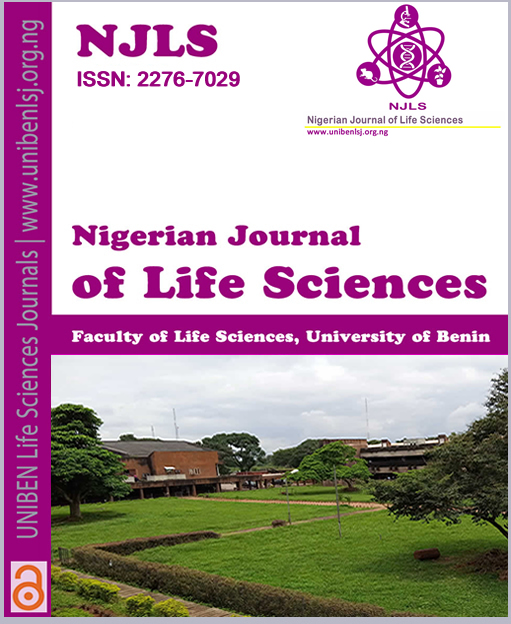
    The Nigerian Journal of Life Sciences (NJLS) has achieved a significant milestone by being indexed in the AR Index, an essential recognition in the world of academic publishing. This indexing highlights NJLS as a credible and valuable platform for scientific research and dissemination in the field of life sciences.

    About the Nigerian Journal of Life Sciences (NJLS)

    The Nigerian Journal of Life Sciences (ISSN: 2276-7029 for print, ISSN: 2814-2586 for online) is an official publication of the Faculty of Life Sciences at the University of Benin, Benin City, Nigeria. Established in 2011, NJLS is dedicated to the rapid publication of original research, review articles, and scientific investigations in various aspects of life sciences. The journal covers a broad spectrum of disciplines, including:

    • Biochemistry
    • Botany
    • Environmental Management and Toxicology
    • Microbiology
    • Optometry
    • Science Laboratory Technology
    • Zoology
    • Related fields such as Basic Medical Sciences and Agriculture

    AR Index Recognition and Its Importance

    The AR Index is a reputable academic indexing service that evaluates and lists high-quality journals. NJLS’s inclusion in the AR Index (AR Index Number: 981269) reinforces its commitment to academic excellence, rigorous peer review, and ethical publishing practices. Being indexed enhances the visibility and credibility of the journal, making it an attractive platform for researchers seeking to publish impactful scientific contributions.

    Open Access and Ethical Publishing

    NJLS follows an open access model under the Creative Commons Attribution 4.0 International License, ensuring that all published articles are freely available for researchers, scholars, and the general public. The journal operates a double-blinded peer review process, with a review duration of 1-2 months and up to two rounds of review per article. Ethical publishing is at the core of NJLS’s mission, ensuring transparency, integrity, and adherence to global academic standards.

    Submission and Publication Fees

    To sustain the quality and accessibility of the journal, NJLS charges the following fees:

    • Submission Fee: $20
    • Publication Fee: $100

    These fees contribute to maintaining the journal’s operations, supporting peer review processes, and ensuring open access to scientific knowledge.

    Journal Access and Contact Information

    NJLS maintains a robust online presence with a dedicated website where authors can submit manuscripts and access previously published articles.

    The journal is published semi-annually and welcomes high-quality research contributions from scholars across the globe. With a rigorous review system and an ethical publishing framework, NJLS continues to foster knowledge dissemination in life sciences.

    Conclusion

    The inclusion of the Nigerian Journal of Life Sciences in the AR Index marks a major milestone, affirming its status as a credible and authoritative academic journal. Researchers in the fields of biological and life sciences are encouraged to submit their original work to NJLS, benefiting from its wide readership, ethical standards, and commitment to scientific excellence.

    For scholars looking to publish their research in a well-respected, peer-reviewed, and indexed journal, NJLS provides an excellent opportunity to contribute to the global scientific community.

    Visit Indexed in AR Index