Author: AR Managing Editor

  • Leadership Strategies for Conflict Resolution and Peacebuilding in Africa: Insights for Sustainable Development

    Leadership Strategies for Conflict Resolution and Peacebuilding in Africa: Insights for Sustainable Development


    Illustrative Image: Leadership Strategies for Conflict Resolution and Peacebuilding in Africa: Insights for Sustainable Development
    Image Source & Credit: United Nation
    Ownership and Usage Policy

    A recent study by Ioryue, D. A. (2025) titled “Conflict Resolution and Peacebuilding: Leadership Strategies for Sustainable Development in Africa” published in Covenant University Journal of Politics and International Affairs reveals that effective leadership strategies play a crucial role in conflict resolution and peacebuilding in Africa.

    Effective, inclusive leadership is essential for resolving conflicts and promoting sustainable peace, development, and resilience across Africa’s diverse communities.
    – Ioryue, D. A. 2025

    The study explores the critical role of leadership in addressing conflict and promoting lasting peace across the continent. It investigates how effective governance, inclusive policies, and strategic diplomacy can serve as powerful tools in fostering sustainable development. By analyzing the root causes and impacts of conflict in Africa—including economic disparities, social tensions, and political instability—the research highlights the urgent need for transformative leadership. The study delves into various leadership strategies aimed at dispute mitigation and peace promotion, drawing on case studies of African leaders who have successfully navigated complex conflict situations. The study concludes that strong, inclusive, and visionary leadership is essential not only for conflict resolution but also for building resilient societies. The study also offers practical recommendations for peacebuilding initiatives that support long-term stability and sustainable growth across the continent.

    How the Study was Conducted

    This study adopted a qualitative research approach to explore leadership strategies for conflict resolution and peacebuilding in Africa. By emphasizing in-depth analysis over statistical data, the research aimed to uncover the nuanced dynamics of leadership in conflict-prone regions. The methodology was centered around an extensive literature review, the examination of relevant case studies, and thematic analysis. The literature review encompassed prior research, policy documents, and reports focused on conflict resolution, leadership, and sustainable development. Through this foundation, the study established a contextual understanding of the challenges and strategies in peacebuilding. Case studies were used to analyze real-world examples where effective leadership played a pivotal role in mitigating conflict and fostering peace. These case studies provided practical insights into successful interventions across the continent. Using thematic analysis, the research identified recurring patterns and key strategies that contribute to effective peacebuilding efforts. This method allowed for a comprehensive understanding of leadership practices that go beyond quantitative measures, highlighting the critical role of human agency, diplomacy, and contextual awareness in sustainable conflict resolution.

    What the Author Found

    The study found that effective leadership strategies play a crucial role in conflict resolution and peacebuilding in Africa. The author also posit that strong leadership helps mediate disputes, promote dialogue, and implement sustainable solutions to conflicts and peacebuilding efforts are more successful when leaders engage diverse stakeholders, including marginalized communities.

    Why is this important

    Prevents Cycles of Violence: Learning from past conflicts helps leaders implement strategies that prevent future unrest.

    Supports Economic Growth: Stability encourages investment and development, improving livelihoods.

    Strengthens Institutions: Peacebuilding enhances governance structures, making them more resilient.

    Promotes Social Harmony: Inclusive leadership fosters unity among different ethnic, religious, and political groups.

    Guides Policymakers: Provides valuable insights for designing policies that prioritize peace and development.

    What the Author Recommended

    • The author recommends that government should enhance education, training, and capacity-building for leaders, while promoting participatory governance that includes marginalized communities in decision-making processes.
    • The study emphasize that policymakers should implement policies that reduce poverty and unemployment, recognizing that economic empowerment is essential for lasting peace and conflict prevention.
    • Strengthen collaboration among African nations to exchange best practices, coordinate peace initiatives, and build a unified continental approach to peacebuilding.
    • Encourage dialogue, mediation, and the use of indigenous conflict resolution practices in conjunction with formal peacebuilding strategies.

    In conclusion, the study by Ioryue (2025) underscores the transformative power of effective, inclusive, and visionary leadership in resolving conflicts and fostering sustainable peace across Africa. By addressing root causes such as economic disparity and political instability, and by promoting participatory governance and regional cooperation, African leaders can build resilient societies equipped for long-term growth and harmony. The research not only provides a roadmap for policymakers and peacebuilders but also reinforces the critical role of leadership in shaping a peaceful and prosperous future for the continent.


  • How Nigerian Retailers Use Cryptocurrency for Cross-Border Trade with China: A Sociotechnical Perspective on Crypto Adoption in Developing Economies

    How Nigerian Retailers Use Cryptocurrency for Cross-Border Trade with China: A Sociotechnical Perspective on Crypto Adoption in Developing Economies


    Illustrative Image: How Nigerian Retailers Use Cryptocurrency for Cross-Border Trade with China: A Sociotechnical Perspective on Crypto Adoption in Developing Economies
    Image Source & Credit: Creditcoin
    Ownership and Usage Policy

    A recent study by David, M. J., & Addo, A. (2025) titled “Cryptocurrency use for cross-border payments: understanding the popularity of crypto among Nigerians importing from China” published in Information technology & people reveals that cryptocurrency adoption is a dynamic, sociotechnical process shaped by technology adaptation, actor coalitions, and complex contextual influences in developing economies.

    Cryptocurrency adoption in Nigeria is driven by sociotechnical dynamics, including economic instability, actor networks, and local adaptation strategies for trade.
    – David, M. J., & Addo, A. 2025

    This study explores the growing use of cryptocurrency for cross-border payments by Nigerian retailers importing goods from China, shedding light on an emerging trend in which developing countries exhibit higher rates of crypto adoption than many advanced economies—contrary to typical technology diffusion patterns. Using a qualitative case study approach informed by Actor-Network Theory (ANT), the research draws on two rounds of in-depth interviews with key stakeholders, including Nigerian importers, Chinese suppliers, crypto brokers, mediators, and informal exchangers. This sociotechnical lens enables the study to unpack the complex interplay of actors and forces that shape crypto use in this context. These insights challenge conventional, tech-centric narratives of crypto adoption. The study contributes a context-sensitive sociotechnical framework for understanding cryptocurrency adoption in developing economies, emphasizing relational processes over deterministic models. It offers valuable implications for policymakers, businesses, and development institutions aiming to design inclusive financial systems and address adoption challenges in similar regions. By centering the lived experiences and adaptive strategies of local actors, the research advances a deeper, more nuanced understanding of financial innovation in the Global South.

    How the Study was Conducted

    This study employed a qualitative case study approach to examine the use of cryptocurrency for cross-border payments by Nigerian retailers importing goods from China. Drawing on Actor-Network Theory (ANT), the research analyzed the complex relationships among the various human and non-human actors involved in cryptocurrency adoption. Data was collected through two rounds of interviews with key stakeholders, including Nigerian retailers who actively use cryptocurrencies for payments, Chinese suppliers accepting these payments, informal currency exchangers, and crypto brokers and mediators facilitating transactions. Using ANT as an analytical lens, the researchers explored how these actors—alongside non-human elements such as blockchain platforms and government regulations—interact and influence each other. The analysis revealed several key themes. First, cryptocurrency use in this context is marked by technology transformation, where users repurpose digital currencies beyond their original design to meet local needs. Second, strong coalitions among diverse actors—retailers, suppliers, exchangers, and brokers—are essential to enabling and sustaining crypto transactions. Finally, contextual factors, particularly Nigeria’s political and economic instability, significantly shape the adoption and adaptation of cryptocurrency technologies. Overall, the study offers empirical insights into how cryptocurrency adoption is negotiated and localized in developing economies.

    What the Authors Found

    The authors found that cryptocurrency adoption for cross-border payments in Nigeria is driven by several interconnected factors rather than just technological benefits. The findings reveal that cryptocurrency adoption is not merely a matter of technical utility, but a dynamic process driven by the transformation of existing technologies, the formation of strong coalitions among diverse actors, and the influence of intersecting political, economic, social, technological, and legal factors.

    Why is this important

    This study is important because it sheds light on the unexpectedly high adoption rates of cryptocurrency in developing countries, particularly in Nigeria. Unlike most technologies, which tend to be adopted more slowly in these regions, cryptocurrency is widely used for cross-border payments, especially by retailers importing from China.

    Challenges Existing Theories – The study moves beyond techno-deterministic views that assume adoption is purely based on technical advantages. Instead, it highlights sociotechnical factors like economic instability, distrust in financial institutions, and regulatory uncertainty.

    Financial Inclusion & Innovation – By exploring how retailers use crypto as a solution to foreign currency restrictions and high transaction costs, the study provides insights into how decentralized finance might bridge gaps in traditional banking systems.

    Policy & Development Implications – Governments and financial institutions interested in cryptocurrency regulation can learn from these findings to develop policies that support innovation while managing risks.

    Understanding Adoption in Volatile Markets – The study reveals how Nigerian retailers navigate cryptocurrency adoption amid inflation, currency instability, and complex trade relationships—offering lessons for other developing economies facing similar challenges.

    What the Authors Recommended

    • Policymakers and stakeholders should view cryptocurrency adoption not merely as a technological shift, but as a sociotechnical process shaped by economic instability, trade constraints, and regulatory gaps. This broader understanding can lead to more effective, context-sensitive policy development.
    • Governments should avoid blanket bans and instead create inclusive policies that acknowledge cryptocurrency’s role in facilitating cross-border trade. Regulatory strategies should be informed by the lived realities of users and designed to support innovation while ensuring financial stability.
    • Traditional financial institutions should study the practices of crypto brokers and informal exchangers to design flexible, low-cost cross-border payment systems. Banks can benefit by integrating blockchain-based remittance services tailored to the needs of small-scale retailers and informal traders.
    • Successful regulation requires recognizing the coalition of human and non-human actors involved in cryptocurrency use. Policymakers should engage retailers, brokers, suppliers, and intermediaries to ensure that new rules enhance, rather than disrupt, existing networks and practices.
    • Further empirical studies are needed to explore how cryptocurrencies are adapted across different socio-economic and cultural contexts. Special attention should be given to informal trading networks to uncover practical insights that can shape future financial inclusion and digital trade strategies.

    In conclusion, the study by David and Addo offers a groundbreaking perspective on cryptocurrency adoption in developing economies, highlighting the intricate sociotechnical dynamics at play. By focusing on the lived experiences of Nigerian retailers engaged in cross-border trade with China, the research challenges conventional technology diffusion models and emphasizes the importance of local agency, adaptive strategies, and context-specific conditions. These insights are crucial for policymakers, financial institutions, and development actors aiming to craft inclusive, effective solutions that harness the transformative potential of digital finance while addressing the unique challenges faced by the Global South.

  • Climate Change Adaptation and Disaster Risk Reduction in Africa: A Comprehensive PRISMA Review

    Climate Change Adaptation and Disaster Risk Reduction in Africa: A Comprehensive PRISMA Review


    Illustrative Image: Climate Change Adaptation and Disaster Risk Reduction in Africa: A Comprehensive PRISMA Review
    Image Source & Credit: East African Community.
    Ownership and Usage Policy

    A recent study by Saber et al. (2025) titled “A comprehensive review of climate change adaptation and disaster risk reduction in Africa” published in Journal of Water and Climate Change reveals that Africa is already experiencing significant impacts from climate change—such as extreme weather events, agricultural disruption, and land degradation

    Africa faces severe climate impacts, but adaptation efforts are hindered by weak institutions, limited funding, and insufficient regional cooperation.
    – Saber et al. 2025

    This study is a comprehensive review of climate change adaptation and disaster risk reduction (DRR) efforts across 12 African countries, including Uganda, Nigeria, Ghana, Sierra Leone, Senegal, Benin, Ethiopia, Comoros, Malawi, Mali, the Democratic Republic of Congo, and Kenya. Using the PRISMA framework, the researchers analyzed 257 peer-reviewed studies and identified key themes such as climate-related disasters, biophysical vulnerabilities, socio-economic impacts, national adaptation plans, and adaptation measures. The findings highlight how climate change has already affected these countries, with Uganda, Ethiopia, and Malawi facing severe flooding and droughts, while Mali and Senegal struggle with desertification. Agricultural challenges due to droughts are prevalent in Nigeria, Kenya, and Mali, necessitating resilient crops and improved irrigation methods. The study emphasizes regional cooperation, particularly for transboundary risks like Congo Basin floods, and underscores the importance of scaling up climate finance in countries like Ghana and Sierra Leone. Strengthening health systems to combat climate-sensitive diseases is also a major recommendation. Common barriers to effective adaptation and DRR include weak institutional capacity, limited funding, and low public awareness.

    How the Study was Conducted

    This study employed a systematic review methodology guided by the PRISMA framework (Preferred Reporting Items for Systematic Reviews and Meta-Analyses) to assess climate change adaptation and disaster risk reduction (DRR) efforts across 12 African countries: Uganda, Nigeria, Ghana, Sierra Leone, Senegal, Benin, Ethiopia, Comoros, Malawi, Mali, the Democratic Republic of Congo, and Kenya. These countries were selected to represent a broad spectrum of geographic, ecological, socio-economic, and political conditions—capturing varying degrees of vulnerability to climate-related hazards. An extensive literature search was conducted using multiple academic databases, including Scopus, Web of Science, Google Scholar, and ResearchGate. Carefully constructed search strings combined relevant keywords such as climate change adaptation, disaster risk reduction, and climate mitigation with Boolean operators (“AND,” “OR”) to narrow and refine results. The initial search identified 674 records. These were rigorously screened in several stages: Duplicates and irrelevant studies were removed, exclusions included non-peer-reviewed papers, book chapters, literature reviews, and unpublished documents.

    Data from the selected studies were extracted and categorized into key thematic areas: Climate-related disasters, such as floods, droughts, and extreme temperature events, biophysical vulnerabilities, examining the exposure of ecological and physical systems, Socio-economic impacts, assessing how climate stressors affect livelihoods, infrastructure, and economic stability, National Adaptation Plans (NAPs), evaluating the effectiveness and implementation of policy frameworks, Adaptation measures, identifying both successful strategies and the challenges encountered, Historical climate data, including trends in temperature and rainfall patterns, were also analyzed to contextualize the findings within each country.

    To ensure the validity and robustness of the review, thematic coding was employed for data organization. Additionally, citation tracking—both backward (references cited by included studies) and forward (studies citing the included ones)—was used to identify supplementary relevant literature. The entire review process followed the PRISMA flowchart, ensuring a systematic, transparent, and replicable approach to study selection and synthesis.

    What the Authors Found

    The authors found that Africa is already experiencing significant impacts from climate change—such as extreme weather events, agricultural disruption, and land degradation—but efforts to adapt and reduce disaster risk are hindered by limited funding, weak institutions, low public awareness, and fragmented regional cooperation. Addressing these barriers is critical for building resilience across the continent.

    Why is this important

    Protecting Lives and Livelihoods: Climate-related disasters—such as floods, droughts, and extreme heat—are already affecting millions of people across Africa. Without proper adaptation strategies, communities will continue to suffer from food insecurity, displacement, and economic hardship.

    Strengthening Climate Resilience: The study identifies gaps in disaster risk reduction (DRR), such as weak institutional capacity and limited funding, which hinder effective responses to climate threats. By addressing these challenges, governments and stakeholders can build stronger, more resilient communities.

    Informing Policy and Decision-Making: The research provides evidence-based insights into what works and what doesn’t in climate adaptation efforts. Policymakers can use these findings to implement more effective strategies tailored to local conditions.

    Encouraging Regional Cooperation: Many climate challenges—like transboundary floods and desertification—go beyond national borders. The study underscores the importance of countries working together to tackle shared risks through collaborative climate action.

    Advocating for Climate Finance: The study emphasizes the need to scale up climate finance, especially in countries like Ghana and Sierra Leone. Increased funding can support innovative adaptation projects, sustainable infrastructure, and community-based solutions.

    Promoting Sustainable Development: Addressing climate change is crucial for Africa’s long-term economic stability. Sustainable practices in agriculture, energy, and land use can help boost productivity, create jobs, and protect ecosystems.

    Raising Awareness: Public awareness and education play a key role in disaster preparedness and adaptation efforts. The findings stress the need for more community engagement to ensure people understand climate risks and take proactive measures.

    What the Authors Recommended

    • The authors advocate the need to invest in satellite-based monitoring, community observation networks, and improved meteorological services to provide timely and accurate forecasts for floods, droughts, and other climate-related hazards.
    • The authors emphasize the need to scale up funding for climate resilience projects, particularly in vulnerable countries, and improve access to international adaptation and mitigation finance mechanisms.
    • Enhance institutional frameworks and coordination between national and local governments to effectively implement and enforce climate and disaster risk policies.
    • The study also emphasizes support the adoption of drought-resistant crops, modern irrigation, agroforestry, and sustainable land-use practices to protect food security and combat desertification.
    • In addition, strengthen collaboration across borders to address shared climate risks, such as flooding in the Congo Basin, and encourage the exchange of best practices among African nations.
    • Furthermore, improve healthcare systems to address climate-sensitive diseases and launch grassroots education programs that engage communities in adaptation and disaster preparedness efforts.

    In conclusion, the study by Saber et al. (2025) provides a critical and timely analysis of climate change adaptation and disaster risk reduction across diverse African contexts. By highlighting both the urgent challenges and promising strategies, it underscores the need for increased investment, stronger institutions, regional cooperation, and community engagement. As the continent continues to face escalating climate threats, translating these insights into action will be essential for safeguarding livelihoods, enhancing resilience, and securing a sustainable future for all Africans.

  • New Fixed Point Approximations with C-Class Akram and Generalized MJ Contractions: Advances in Metric Space Theory and Iterative Convergence

    New Fixed Point Approximations with C-Class Akram and Generalized MJ Contractions: Advances in Metric Space Theory and Iterative Convergence


    Illustrative Image: New Fixed Point Approximations with C-Class Akram and Generalized MJ Contractions: Advances in Metric Space Theory and Iterative Convergence
    Image Source & Credit: Frontiers
    Ownership and Usage Policy

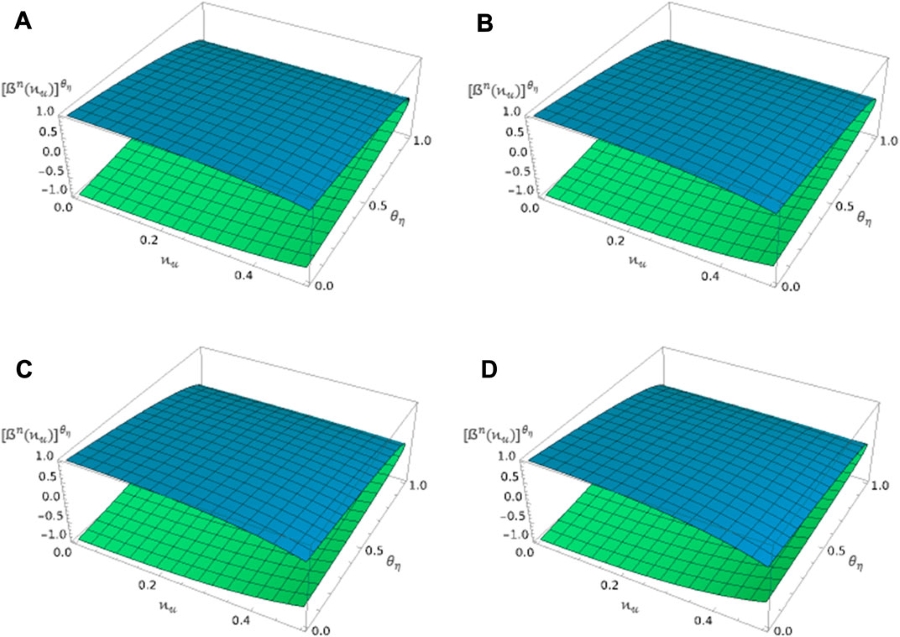
    A recent study by Omidire et al. (2025) titled “Approximating Fixed Point of Generalized C-class Contractivity Conditions” published in International Journal of Mathematical Sciences and Optimization: Theory and Applications reveals that the newly introduced contractivity conditions—C-Class Akram Contraction and C-Class Generalized MJ Contraction—successfully establish unique fixed points and unique common fixed points in metric spaces.

    C-Class Akram and Generalized MJ contractions guarantee unique fixed and common fixed point convergence in metric spaces.– Omidire et al. 2025

    This study focuses on approximating fixed points under novel contractivity conditions in metric spaces. It introduces two new types of contractivity conditions: C-Class Akram Contraction and C-Class Generalized MJ Contraction. The authors establish the convergence of Picard and Jungck iterations toward unique fixed points and unique common fixed points, respectively. Fixed point theory is a fundamental tool in mathematics, engineering, and other fields, as it helps solve complex nonlinear mathematical problems, such as optimization and differential equations. The study generalizes and extends several existing results in fixed point theory, incorporating concepts such as altering distance functions and C-class functions.

    How the Study was Conducted

    The study employed mathematical analysis and iterative methods within the framework of fixed point theory to introduce and investigate two novel contractivity conditions—C-Class Akram Contraction and C-Class Generalized MJ Contraction. By generalizing existing fixed point results, the researchers formulated new mathematical definitions and explored their properties in metric spaces.
    To validate their findings, the authors utilized rigorous proof techniques to establish the existence and uniqueness of fixed points under these new contractivity conditions. The authors also analyzed the convergence behavior of Picard and Jungck iterative schemes, demonstrating that these processes reliably approximated unique fixed points. Furthermore, the study included comparative analyses with existing theories, extending classical results and highlighting the improved applicability of the proposed conditions. These combined methods underscore the effectiveness of the new contractivity conditions and mark a meaningful advancement in fixed point approximations.

    What the Authors Found

    The authors introduced two novel contractivity conditions—C-Class Akram Contraction and C-Class Generalized MJ Contraction—which successfully establish the existence and uniqueness of fixed points and common fixed points in metric spaces. These results generalize and extend several classical fixed point theorems, including those of Banach, Jungck, Kannan, and Akram contractions. Furthermore, they demonstrated that Picard Iteration converges to a unique fixed point under the C-Class Akram Contraction, while Jungck Iteration converges to a unique common fixed point under the C-Class Generalized MJ Contraction. These findings enhance the stability and efficiency of iterative methods in solving nonlinear mathematical problems such as optimization and differential equations.

    Why is this important

    This study is important because it advances fixed point theory, a fundamental tool used in mathematics, engineering, and optimization.

    Enhancing Mathematical Techniques – The novel contractivity conditions improve existing fixed point results, making iterative methods more robust.

    Solving Real-World Problems – Fixed point methods help in solving complex nonlinear problems, such as differential equations, optimization, and computational simulations.

    Generalization of Existing Theorems – The research extends classical results like Banach’s contraction principle, making them applicable in broader scenarios.

    Applications in Engineering and Science – Fixed point theory plays a key role in areas like control systems, economics, physics, and artificial intelligence.

    Improving Algorithm Efficiency – The study establishes better conditions for convergence, making numerical methods more reliable.

    What the Authors Recommended

    The authors recommend further exploration of fixed point approximations under more generalized contractivity conditions in metric spaces. Specifically, they suggest:

    • Investigating other types of contractivity conditions beyond C-Class Akram Contraction and C-Class Generalized MJ Contraction to refine fixed point results. Testing the effectiveness of their proposed conditions in broader mathematical structures like Banach spaces or Hilbert spaces.
    • Exploring computational methods to apply these contractivity conditions for solving real-world problems in optimization, differential equations, and engineering.
    • Further comparing their findings with classical fixed point results to highlight improvements in convergence speed and accuracy.

    In conclusion, the study by Omidire et al. (2025) marks a significant advancement in fixed point theory by introducing novel contractivity conditions that ensure the existence and uniqueness of fixed points in metric spaces. Through rigorous mathematical analysis and iterative methods, the research not only generalizes classical results but also enhances the stability and efficiency of iterative schemes such as Picard and Jungck iterations. These findings have important implications for solving complex nonlinear problems across mathematics, engineering, and applied sciences, paving the way for future exploration and practical applications of fixed point approximations in diverse fields.

  • Inquiry-Based Teaching Boosts Geometry Learning: Study Shows Improved Student Understanding, Performance, and Attitudes

    Inquiry-Based Teaching Boosts Geometry Learning: Study Shows Improved Student Understanding, Performance, and Attitudes


    Illustrative Image: Inquiry-Based Teaching Boosts Geometry Learning: Study Shows Improved Student Understanding, Performance, and Attitudes
    Image Source & Credit: nature.com
    Ownership and Usage Policy

    A recent study by Kumazah, V., & Agyei, D. D. (2025) titled “Enhancing High School Geometry Learning with Inquiry-Based Teaching: Impact on Student Understanding, Performance, and Attitudes” published in the African Journal of Educational Studies in Mathematics and Sciences reveals inquiry-based teaching significantly enhanced students’ understanding, performance, and attitudes toward geometry.

    Inquiry-based teaching significantly improves high school students’ understanding, performance, and attitudes toward geometry through active, student-centered learning strategies.
    – Kumazah, V., & Agyei, D. D. 2025

    The article study investigates the influence of inquiry-based teaching methods on high school students’ comprehension, academic performance, and attitudes toward geometry. Rooted in constructivist learning theory and informed by the van Hiele model of geometric thought, the study employs a design-based research methodology framed within a descriptive case study. This dual-layered approach allows for both practical implementation and reflective analysis of the teaching intervention in a real classroom context. At the heart of the research is inquiry-based learning (IBL)—a pedagogical strategy that positions students as active participants in the learning process. Rather than passively receiving information, learners engage in questioning, exploring, and constructing their own understanding of geometric concepts through hands-on activities and collaborative problem-solving. This aligns with constructivist principles, which emphasize the importance of prior knowledge and cognitive engagement in the learning process. The van Hiele theory, which describes five hierarchical levels of geometric thinking—from visualization (Level 0) to rigor (Level 4)—serves as the theoretical backbone for assessing students’ cognitive development in geometry. The study found that through sustained exposure to inquiry-based teaching, many students advanced to higher van Hiele levels. This progression indicates a deeper conceptual grasp of geometric relationships and reasoning patterns. In terms of measurable outcomes, students exhibited marked improvements in their academic performance in geometry. Test scores and classroom assessments revealed that learners not only acquired better problem-solving skills but also demonstrated greater fluency in applying geometric principles to new situations. Moreover, the study documented a positive shift in student attitudes toward geometry. Learners expressed increased enthusiasm, motivation, and confidence in their abilities to tackle geometric problems. This attitudinal change is significant, as affective factors like self-efficacy and interest are known to play a pivotal role in sustained academic success.

    How the Study was Conducted

    The author’s study employed a design-based research approach within a descriptive case study framework to explore the effects of inquiry-based teaching on senior high school students’ understanding, performance, and attitudes toward geometry. Conducted in two Ghanaian high schools, the study involved eight in-service mathematics teachers (IMTs) and 87 students. The IMTs participated in professional development workshops focused on constructivist learning principles and the van Hiele theory of geometric thinking. These sessions equipped teachers with the skills to collaboratively design structured, inquiry-based lesson plans aligned with the Ghanaian Core Mathematics curriculum. Micro-teaching sessions were integral to the process, allowing for feedback-driven refinements before full implementation. In the classroom, teachers employed a range of inquiry-based strategies, including the use of essential questions, student-centered engagement activities, cooperative learning, and varied instructional resources. Lessons were delivered through iterative cycles, with strategies continuously refined based on classroom observations and feedback. To assess the impact of this instructional approach, both quantitative and qualitative data were collected. The Van Hiele Geometry Test (VHGT) measured students’ levels of geometric reasoning, the Geometry Achievement Test (GAT) evaluated performance, and the Geometry Attitude Scale (GAS) assessed students’ motivation and self-confidence. Additionally, classroom observations, interviews, and student feedback provided valuable qualitative insights.

    What the Authors Found

    The authors found that inquiry-based teaching significantly enhanced students’ understanding, performance, and attitudes toward geometry.

    Why is this important

    This study is important because it addresses a longstanding issue in mathematics education: students’ struggles with learning geometry effectively. Despite its significance in daily life, logical reasoning, and problem-solving, many students find geometry challenging due to its abstract nature. Traditional teaching methods often fail to engage students, leading to low performance and poor attitudes toward the subject.

    Improves Student Understanding: The study demonstrates that inquiry-based teaching significantly enhances students’ geometric thinking, enabling them to grasp complex concepts better.

    Boosts Performance: By applying student-centered learning strategies, students achieve higher scores in geometry assessments, indicating improved comprehension.

    Encourages Active Learning: Inquiry-based teaching shifts the classroom dynamic from teacher-led instruction to student exploration, fostering curiosity and engagement.

    Develops Positive Attitudes: The study highlights how this approach increases motivation and self-confidence, helping students overcome anxiety and frustration with geometry.

    Provides Educators with Effective Strategies: Teachers gain practical methods to enhance their instructional approach, leading to better learning outcomes across classrooms.

    Aligns with Global Educational Trends: Many educational researchers advocate for active learning methods, such as inquiry-based learning, to prepare students for real-world problem-solving.

    What the Authors Recommended

    • Mathematics educators should integrate inquiry-based strategies—such as essential questioning, collaborative learning, and active student engagement—into constructivist classrooms. This approach promotes deeper understanding and fosters a more student-centered learning environment.
    • Teachers should participate in ongoing training to design and implement effective inquiry-based lesson plans. Continuous professional development will enhance their pedagogical skills and improve student learning outcomes in geometry.
    • To boost student motivation and confidence, educators should employ a variety of instructional materials and activities that make geometry lessons interactive, relatable, and engaging.
    • Schools should utilize both formative and summative assessments—such as the Van Hiele Geometry Test (VHGT), Geometry Achievement Test (GAT), and Geometry Attitude Scale (GAS)—to monitor students’ geometric reasoning, performance, and attitudes effectively.
    • Educational policymakers should embed inquiry-based learning into the national mathematics curriculum. Schools must provide the necessary support for teachers to successfully adopt and sustain student-centered instructional approaches.

    In conclusion, the study by Kumazah and Agyei (2025) offers compelling evidence that inquiry-based teaching can significantly transform geometry education by enhancing students’ understanding, boosting academic performance, and fostering positive attitudes toward the subject. By grounding instruction in constructivist principles and the van Hiele model, and emphasizing active student participation, educators can create more engaging, effective learning environments. The findings underscore the need for continuous professional development, curriculum reform, and supportive school policies to fully realize the benefits of inquiry-based approaches in mathematics classrooms.

  • How Digital Governance and Data Management Are Revolutionizing Public Services Across Africa

    How Digital Governance and Data Management Are Revolutionizing Public Services Across Africa


    Illustrative Image: How Digital Governance and Data Management Are Revolutionizing Public Services Across Africa
    Image Source & Credit: African Land
    Ownership and Usage Policy

    In today’s interconnected world, data is often described as the “new oil” — a vital resource that drives innovation, efficiency, and economic growth. Nowhere is this transformation more apparent than in Africa, where a growing number of governments are embracing digital governance and investing in data management systems to reform public service delivery.

    From Kenya’s eCitizen portal to Nigeria’s expansive digital identity initiatives, a quiet revolution is underway — one that is redefining how African citizens interact with their governments, access essential services, and exercise civic rights. This digital transition offers promising opportunities, but it also presents challenges that require bold policies, innovative solutions, and inclusive strategies.

    The Evolution of Digital Governance in Africa

    Digital governance refers to the use of information and communication technologies (ICTs) to modernize public sector operations, promote transparency, and improve service delivery. In the African context — where many nations face issues such as bureaucratic inefficiencies, corruption, and limited infrastructure — digital governance is more than a convenience; it’s a necessity.

    One of the leading success stories is Kenya’s eCitizen platform, launched in 2014. It provides a unified portal for over 5,000 government services, including passport applications, business registrations, and driving licence renewals. By 2023, it had processed more than 100 million transactions — a clear sign of public uptake and efficiency gains. Citizens benefit not only from quicker services but also from reduced exposure to corrupt intermediaries.

    Rwanda’s Irembo platform offers a similarly compelling case. This integrated digital services portal handles everything from land transfers to birth certificates, reaching more than 90% of the population. These platforms showcase Africa’s ability to leapfrog traditional bureaucracies and move straight into digitally integrated public service ecosystems. Crucially, these digital tools are not just about automation. They are designed around user-centric principles and interoperable systems, ensuring that services are accessible, responsive, and connected across departments. However, the true enabler of these services is effective data management — the engine that powers this transformation.

    Data Management: The Hidden Backbone of Digital Transformation

    At the core of digital governance lies robust data management, which involves the systematic collection, storage, protection, analysis, and sharing of digital information. For African governments, data is essential for improving decision-making, planning resource allocation, and tracking service performance.

    One standout example is Nigeria’s National Identity Management Commission (NIMC), which has enrolled over 100 million people into its National Identification Number (NIN) system as of 2024. This database links individuals to public services, financial institutions, and electoral systems — enhancing fraud prevention, promoting inclusivity, and expanding access to critical services. Similarly, Ghana’s GhanaCard has revolutionized identity verification. By combining biometric data with a unified identification platform, the GhanaCard enables citizens to pay taxes, access healthcare, and engage with private-sector services using a single, secure identity.

    Beyond identity systems, data analytics is transforming public planning. In South Africa, predictive analytics helped manage resource distribution during the 2022 mpox outbreak. Real-time data on infections enabled the government to deploy healthcare workers and supplies more efficiently — showing how smart data use can improve responsiveness and outcomes. However, these advancements expose existing vulnerabilities, including cybersecurity risks, fragmented infrastructure, and limited digital literacy. To fully harness the potential of data-driven governance, African countries must overcome significant obstacles.

    Challenges to Scaling Digital Governance in Africa

    Despite impressive progress, Africa’s digital governance landscape faces several structural and systemic challenges:

    • Digital Divide: Around 60% of Africans still lack consistent internet access, with rural and marginalized communities the most affected. For instance, only 27% of Ethiopians were online in 2023. This limits access to digital services and deepens inequality.

    • Data Privacy and Security: With only 14 African countries having comprehensive data protection legislation, citizens face heightened risks. The 2021 data breach of Nigeria’s NIN database highlighted the urgent need for stronger cybersecurity frameworks and regulatory oversight.

    • Interoperability Challenges: Many governments continue to operate in siloed systems that do not communicate across departments. This lack of integration reduces efficiency and data quality, hindering cross-sectoral innovations.

    • Skills Gap: The digital transition depends on a skilled workforce, yet Africa is short about 2.5 million ICT professionals, according to a 2023 report. While training programs like Kenya’s Ajira Digital are commendable, broader capacity-building efforts are necessary across public and private sectors.

    Innovations and Policy Solutions

    Recognizing these challenges, African governments are adopting a variety of innovative approaches to bridge gaps and scale up digital transformation:

    • Public-Private Partnerships (PPPs): Collaborations between governments and tech companies are expanding access to internet and infrastructure. For example, Rwanda’s partnership with Starlink is bringing satellite-based broadband to remote communities.

    • Continental Strategies and Frameworks: The African Union’s Digital Transformation Strategy (2020–2030) calls for harmonized policies, interoperability, and cross-border data sharing. Initiatives like the Smart Africa Alliance aim to build a unified digital market across the continent.

    • Open Data Initiatives: Countries like Tunisia and Morocco have launched open government data portals, allowing citizens, researchers, and developers to access public datasets. These platforms foster innovation, improve transparency, and enable the creation of user-driven services.

    • Capacity Development: Nations such as Nigeria are investing in digital governance education. Programs like the Digital Economy and e-Governance Training for public officials aim to build institutional competence in data management and service delivery.

    Tangible Impact on Citizens’ Lives

    Digital governance is already reshaping public service delivery across Africa. In Uganda, the Mobile Vital Records System (VRS) has reduced birth registration times from several months to just a few days. This rapid documentation ensures that children can access school, healthcare, and legal protections sooner.

    In South Africa, the eFiling system has made tax submissions more efficient and transparent, boosting tax compliance by 20% since its rollout. Meanwhile, Ghana’s Public Sector Reform Strategy includes real-time dashboards for service performance monitoring, allowing citizens to track government commitments and hold officials accountable.

    Such digital tools not only enhance efficiency but also build public trust — an essential ingredient for democratic governance and sustainable development.

    The Road Ahead: Building an Inclusive Digital Future

    Africa’s digital governance journey is still in its early stages, but the direction is clear. The continent has the potential not only to catch up with global digital leaders but also to leapfrog traditional models and create context-specific innovations that serve its diverse populations.

    To succeed, governments must focus on:

    • Expanding digital infrastructure in rural and underserved areas.

    • Enacting and enforcing data protection and cybersecurity laws.

    • Encouraging regional cooperation for cross-border services.

    • Investing in education and digital skills development.

    • Designing inclusive services that reach women, youth, and marginalized groups.

    The OECD’s Digital Government Index shows that countries with strong data strategies, such as Norway, outperform global averages in citizen satisfaction and service efficiency. African nations can adopt similar principles while adapting them to local realities.

    Ultimately, the goal is not just to digitize government services but to transform governance itself — making it more inclusive, accountable, and responsive. Whether it’s a farmer in Malawi receiving agricultural subsidies via mobile phone or a student in Algeria applying for a government scholarship online, the future of African public services is digital — and it’s citizen-focused.

    Conclusion
    Digital governance and data management are no longer optional in Africa—they are essential. With strategic investments, citizen-first policies, and a commitment to digital equity, Africa can lead the way in creating resilient, data-driven societies. The path is challenging, but the promise is immense: an Africa where every citizen can access efficient, transparent, and empowering public services.

  • How Blasty Bough Brewing Uses Solar and Geothermal Energy to Brew Sustainable Beer

    How Blasty Bough Brewing Uses Solar and Geothermal Energy to Brew Sustainable Beer


    Illustrative Image: How Blasty Bough Brewing Uses Solar and Geothermal Energy to Brew Sustainable Beer
    Image Source & Credit: Triple Pundit
    Ownership and Usage Policy

    On a scenic farm in New Hampshire, where rolling fields meet red barns and sheep graze beneath rows of gleaming solar panels, Blasty Bough Brewing Company is redefining how beer is brewed — not just for taste, but for the planet. With the help of 182 solar panels and a geothermal energy system, this small craft brewery is turning one of the world’s oldest beverages into a modern-day symbol of environmental innovation.

    Welcome to 3p Happy Hour, where we spotlight forward-thinking beer, wine, and spirits brands that blend sustainability with craftsmanship — offering a refreshing alternative to business as usual.

    Brewing a Better Future

    Beer has long been associated with moments of relaxation — from summer barbecues to Friday night celebrations. Yet behind the cheerful clinking of glasses lies a process that’s traditionally resource-heavy. Brewing beer consumes a significant amount of energy, especially during critical stages like boiling the wort — the sweet, malty liquid that becomes beer — and later, in refrigeration and packaging. According to researchers, production alone accounts for roughly 26% of a beer’s greenhouse gas emissions.

    Recognizing this environmental footprint, Blasty Bough Brewing Company set out to make changes — big ones.

    The brewery partnered with ReVision Energy, a New Hampshire-based, employee-owned solar company, to install a robust solar array. These 182 panels now generate approximately 117,000 kilowatt-hours of electricity annually, enough to not only power the entire brewing operation but also fuel events like live music shows. That’s more than the brewery actually needs, producing an excess of 8,000 to 10,000 kWh each month — enough to run the average American home for a year.

    Solar-Powered and Sheep-Approved

    Beyond reducing utility costs, the solar array is cutting emissions significantly. Blasty Bough estimates it avoids about 69 tonnes of carbon dioxide emissions annually — the environmental equivalent of taking 15 gasoline-powered cars off the road each year. And there’s more: in a clever bit of agrivoltaic synergy, local sheep graze the grass beneath the panels, naturally maintaining the grounds and adding a layer of biodiversity to the installation.

    To help fund the project, Blasty Bough secured support from the USDA’s Rural Energy for America Program (REAP), which covered about a third of the installation costs. Although the program’s funding was frozen under the Trump administration — disrupting planned support for many rural energy projects — owner David Stewart was fortunate to have already received the grant. He financed the remainder himself, calling it an “investment, not a stranded cost”.

    The return has been tangible. Before going solar, the brewery’s monthly electricity bills ranged from $700 to $1,500. Today, with the sun powering its operations, those expenses have essentially disappeared — saving the business approximately $23,000 per year.

    Deep Roots, Cool Brews: Geothermal Innovation

    In addition to solar, Blasty Bough has adopted geothermal energy to further reduce its reliance on traditional utilities. Brewing beer typically requires rapid cooling of wort — a process usually achieved using refrigeration, which consumes both electricity and water. Instead, Blasty Bough uses the Earth’s stable underground temperature to cool the wort, reducing energy demand and conserving water.

    This integration of geothermal cooling is part of a growing movement to design closed-loop, regenerative systems in the craft beverage industry — a nod to both ancient traditions and cutting-edge innovation.

    Brewing Waste, Repurposed Gracefully

    Beer brewing inevitably creates waste: spent grain, excess water, leftover yeast and hops. But Blasty Bough sees waste not as a burden but as a resource.

    The brewery donates its spent grain — rich in protein and fiber — to local farmers as livestock feed. As for wastewater, instead of costly treatment or disposal, it’s used to irrigate the farm’s fields or added to compost piles, enriching the soil.

    What’s more, many of the ingredients used in Blasty Bough’s beers — from apples to dandelions to chamomile — are grown right on the farm. This not only reduces supply chain emissions but connects the brewing process directly to the land, reinforcing the brewery’s holistic approach to sustainability.

    A Taste of What’s to Come

    The American beer market is massive — valued at over $124 billion and projected to reach $147 billion by 2029, according to Statista. Within this competitive space, sustainability is becoming an increasingly important differentiator. Surveys show that consumers are willing to pay more for products with a lower environmental impact.

    Yet, as Stewart points out, it’s not just about marketing.

    “It’s like peeling an onion,” he explained. “People come for the beer. Then they discover it’s a cool destination. Then, when they peel back another layer, they realize how committed we are to doing things differently. Sustainability may not be the first reason they show up — but once they learn about it, they care.”

    Cheers to a Greener Glass

    Blasty Bough Brewing Company offers more than delicious IPAs and strong ales — it offers a model for what the future of brewing can look like: local, renewable, and responsible. From sunlit fermenters to geothermal-cooled wort, this is beer that not only quenches your thirst but also supports the planet.

    So next time you crack open a cold one, consider what’s behind the brew. If it’s powered by the sun, cooled by the Earth, and brewed with purpose, you might just be tasting the future — one sustainable sip at a time.

  • June 2025: Dr Khuthala Mnika – African Female Researcher of the Month

    June 2025: Dr Khuthala Mnika – African Female Researcher of the Month



    Illustrative Image: June 2025: Dr Khuthala Mnika – African Female Researcher of the Month
    Image Source & Credit: University of Cape Town
    Ownership and Usage Policy

    African Researchers AwardJune 2025: Dr Khuthala Mnika – African Female Researcher of the Month

    Dr Khuthala Mnika is an esteemed South African geneticist and researcher whose career has been deeply shaped by resilience, determination, and a profound commitment to advancing the understanding of genetic diseases in African populations. Currently a researcher and lecturer in the Division of Human Genetics at the University of Cape Town (UCT), Dr Mnika is also a Senior Medical Scientist at the National Health Laboratory Services (NHLS). Her work is central to addressing the gap in genetic research on African genomes—an area critically under-represented in global biomedical studies.

    With an impressive academic and research track record that includes seven publications (three as first author) in high-impact international journals, Dr Mnika is emerging as a leading figure in the field of human genetics and pharmacogenomics in Africa. Her research has significant implications for the development of precision medicine approaches in treating diseases like sickle cell disease and chronic kidney disease (CKD) among African populations.


    Early Life and Educational Journey

    Born and raised in Matatiele, a rural town in the Eastern Cape of South Africa, Dr Mnika’s journey to the scientific forefront was far from linear. Orphaned at age 11 and raised by her elder sister, she faced immense socio-economic hardships. Despite these challenges, she excelled academically, eventually securing funding to study genetics at the University of the Free State, where she earned her BSc and Honours degrees.

    Her path to research was not initially planned—she considered becoming a schoolteacher. However, after participating in the Dinaledi internship programme and subsequently the NRF research internship, she was placed in the research group of Professor Ambroise Wonkam at UCT (now GeneMAP: Genetic Medicine of African Populations). It was here that her passion for research was ignited and her potential recognized.


    Academic Credentials

    • BSc and Honours in Genetics – University of the Free State

    • Postgraduate Certificate in Education (PGCE) – Awarded funding but transitioned back into research

    • MSc in Human Genetics – University of Cape Town (upgraded to Ph.D. due to exceptional performance)

    • Ph.D. in Human Genetics (2020) – UCT

      • Thesis Title: Pharmacogenomics of Sickle Cell Disease: Pain and Drug Metabolism Associated Gene Variants and Hydroxyurea-Induced Post-Transcriptional Expression of miRNAs in an African Cohort


    Research Contributions and Scientific Impact

    Dr Mnika’s doctoral research addressed critical gaps in understanding how genetic variants in African populations influence treatment responses and complications in sickle cell disease (SCD). Her research offered insights into:

    • The genetic predisposition to complications such as stroke and acute chest syndrome.

    • Pharmacogenomic variants affecting pain susceptibility and response to drugs like hydroxyurea, commonly used in SCD management.

    • MicroRNA expression profiling to study drug-gene interactions in African patients.

    Her findings support the broader goal of implementing precision medicine strategies for African patients, a necessary shift given the unique genetic diversity across the continent. The study is also vital for developing more effective treatment regimens and diagnostic protocols for genetically linked diseases prevalent in Africa.

    In her postdoctoral and current research, Dr Mnika continues this trajectory, now focusing on the genetics of chronic kidney disease (CKD). Her aim is to understand the mutations that affect African populations—where CKD is often underdiagnosed, especially in children. Her work at UCT seeks to uncover the underlying genetic architecture that contributes to CKD risk in African individuals and how this knowledge can transform clinical diagnostic approaches.


    Professional Appointments and Leadership Roles

    • Senior Medical Scientist – NHLS, Division of Human Genetics

    • Lecturer & Researcher – UCT, Division of Human Genetics

    • Former Research Co-ordinator – University of the Witwatersrand / NHLS

    • Recipient of the Female Academic Leaders Fellowship (FALF) – University of the Witwatersrand


    Mentorship and Advocacy

    Beyond the lab, Dr Mnika is a passionate mentor and advocate for young African researchers, particularly women and students from underprivileged backgrounds. She strongly believes in creating enabling environments that offer both funding and mentorship to help emerging scientists navigate academic spaces.

    “We have dreams and potential, but the challenge comes in trying to navigate the spaces, find the opportunities and climb the ladder.”

    Her personal story of rising from hardship to academic excellence resonates with many aspiring scientists. She encourages them to “ask for help and apply for every opportunity,” emphasizing that support systems and mentorship networks are vital for success.


    Global Academic Recognition and Influence

    Dr Mnika’s work contributes to the global efforts to decolonize genomics and ensure ethnically inclusive medical research. As one of the few African researchers actively working in the field of pharmacogenomics and CKD in African populations, her scholarship is increasingly relevant in shaping international research agendas in genomic equity and precision health.

    Her research has been featured in high-impact journals and international conferences, highlighting her rising influence in:

    • Global Genomic Diversity Projects

    • Pharmacogenetics and Personalized Medicine Initiatives

    • Africa-focused Kidney Disease Research Networks

    She is a sought-after collaborator and a role model for African women in STEM, and her career continues to reflect the possibilities when talent meets opportunity, supported by visionary mentorship and institutional backing.


    Select Publications

    (First-author and co-author papers in high-impact journals)

    • Mnika, K., et al. (2020). Pharmacogenomics in African Sickle Cell Disease Patients.

    • Mnika, K., et al. (2021). Hydroxyurea-induced miRNA changes in African cohorts.

    • [Additional co-authored papers on SCD, CKD genetics, and African pharmacogenomics]


    Looking Ahead

    Dr Khuthala Mnika represents the new generation of African scientists whose work is reshaping global understanding of human health and disease. Through her commitment to scientific excellence, education equity, and genetic research tailored for Africa, she continues to forge a path not only for herself but for the next wave of African biomedical researchers.

    Her story underscores a powerful message:

    “Your past does not define your future. Focus on your future—and build it with knowledge, courage, and community.”

  • June 2025: Professor Nyerhovwo John Tonukari – African Male Researcher of the Month

    June 2025: Professor Nyerhovwo John Tonukari – African Male Researcher of the Month


    Illustrative Image: June 2025: Professor Nyerhovwo John Tonukari – African Male Researcher of the Month
    Image Source & Credit: Oasis Magazine
    Ownership and Usage Policy

    African Researchers AwardJune 2025: Professor Nyerhovwo John Tonukari – African Male Researcher of the Month

    Academic and Professional Background

    Born in the vibrant Urhobo community of Otorho Agbon in Ethiope East Local Government Area of Delta State, Nigeria, Professor Tonukari is the first son in a family of ten children. He exemplifies academic excellence and resilience. He received his early education in Sapele and later earned a First Class Honours degree in Biochemistry from the University of Maiduguri (transferred from Industrial Chemistry) and the University of Ibadan (U.I.), where he also completed his MSc in Biochemistry in 1990.

    In 2000, he was awarded a Ph.D. in biochemistry from Michigan State University, East Lansing, USA—a major milestone in a career characterized by global learning and international collaborations. His professional training includes

    • Protein Analysis at the University di Napoli, Italy (1992)

    • DNA Sequencing at Washington University, St. Louis, USA (1994)

    He is a recipient of the Rockefeller Foundation Fellowship (1994) and the Thoman Fellowship (1999–2000), highlighting his global recognition and excellence in scientific research.


    Scientific Contributions and Research Focus

    Professor Tonukari’s research spans a wide array of topics critical to sustainable agriculture, food biotechnology, and public health. His work showcases an exceptional understanding of both theoretical biochemistry and applied biotechnology.

    1. Cassava Biotechnology and Microbial Enzymes

    A major part of his research focuses on cassava fermentation and detoxification using fungi, particularly Aspergillus and Rhizopus species. His team has:

    • Isolated microbial α-amylases with applications in food, paper, textile, detergent, and pharmaceutical industries

    • Developed solid-state fermentation techniques to detoxify cassava and increase its protein content, enabling it to replace maize in broiler starter feed—a transformative step for Nigeria’s livestock industry

    • Highlighted cassava’s potential as a glucose source in sugar, alcohol, and feed industries

    2. Medicinal Plant Genomics and Bioactivity

    His current work on Vernonia amygdalina (bitter leaf) involves:

    • Characterizing genetic diversity through Rubisco gene sequencing

    • Determining antioxidant and antigenotoxic properties using Allium cepa assays
      This cutting-edge work blends molecular biology with traditional medicine, contributing to the formal validation of indigenous healing practices.


    Academic Leadership and Administrative Excellence

    Professor Tonukari has held multiple strategic roles at Delta State University (DELSU), Abraka, including

    • Dean, Faculty of Science (2020–2022)

    • Head, Department of Biochemistry

    • Acting Director, ICT (2010) and Pre-Degree Programme (2007–2010)

    He has been pivotal in shaping curricula, improving research infrastructure, and mentoring young scientists.

    Internationally, he worked as

    • Fungal Molecular Biologist (Strain improvement), James R. Randle Research Center, Archer Daniels Midland Co., USA

    • Associate Scientist, East Coast Fever Vaccine Project, International Livestock Research Institute (ILRI), Nairobi, Kenya

    • Research Associate, Biotechnology Unit, International Institute of Tropical Agriculture (IITA), Ibadan


    Publishing Pioneer and Advocate for Open Access

    In 2002, Professor Tonukari founded Academic Journals, one of the earliest African-owned open-access publishing platforms, offering free and unrestricted access to scientific research. As the editor of the African Journal of Biotechnology, he has

    • Championed open access to bridge the knowledge divide between developed and developing countries

    • Assisted several African journals in adopting the open-access model, increasing global visibility and citations for African researchers


    Entrepreneurship and Industry Impact

    As chairman of Tonukari Biotechnology Company, he has developed products with agricultural and industrial applications, including

    • Livestock feed derived from biotechnologically enhanced cassava

    • Collaboration with the DELSU piggery for feed supply

    • Local ownership and management of Sapele Times Newspaper, enhancing community engagement and youth development


    Public Service and National Development

    In recognition of his academic distinction and societal leadership, Professor Tonukari was appointed Honourable Commissioner for Higher Education, Delta State, by Governor Rt. Hon. Sheriff Oborevwori. In this role, he continues to

    • Reform tertiary education to meet global standards

    • Enhance STEM education and research productivity

    • Support technology-driven learning and quality assurance in academic institutions


    Affiliations and Recognition

    Professor Tonukari is a respected member of

    • Nigerian Society of Biochemistry and Molecular Biology

    • Biotechnology Society of Nigeria

    • International Society of African Biotechnologists and Bioscientists

    • Sapele Chamber of Commerce and Industry

    He has two patents, numerous publications and is widely respected for mentoring the next generation of African scientists.


    Conclusion: A Life of Purpose and Fulfillment

    Professor Nyerhovwo John Tonukari embodies the ideals of visionary leadership, scientific innovation, and public service. His legacy spans laboratories, lecture halls, publishing houses, and government offices. A man of profound intellect and integrity, he continues to inspire and impact lives—locally and globally. Through his unwavering commitment to purpose and excellence, Prof. Tonukari reminds us that greatness lies in service, innovation, and staying true to one’s calling.

  • June 2025: Paper of the Month by Thomas, C. G. – Synthetic braiding hair contains carcinogens like acrylonitrile and vinyl chloride, posing serious health risks to Black women: A review.

    June 2025: Paper of the Month by Thomas, C. G. – Synthetic braiding hair contains carcinogens like acrylonitrile and vinyl chloride, posing serious health risks to Black women: A review.


    Illustrative Image: June 2025: Paper of the Month by Thomas, C. G. – Synthetic braiding hair contains carcinogens like acrylonitrile and vinyl chloride, posing serious health risks to Black women: A review.
    Image Source & Credit: National Library of Medicine
    Ownership and Usage Policy

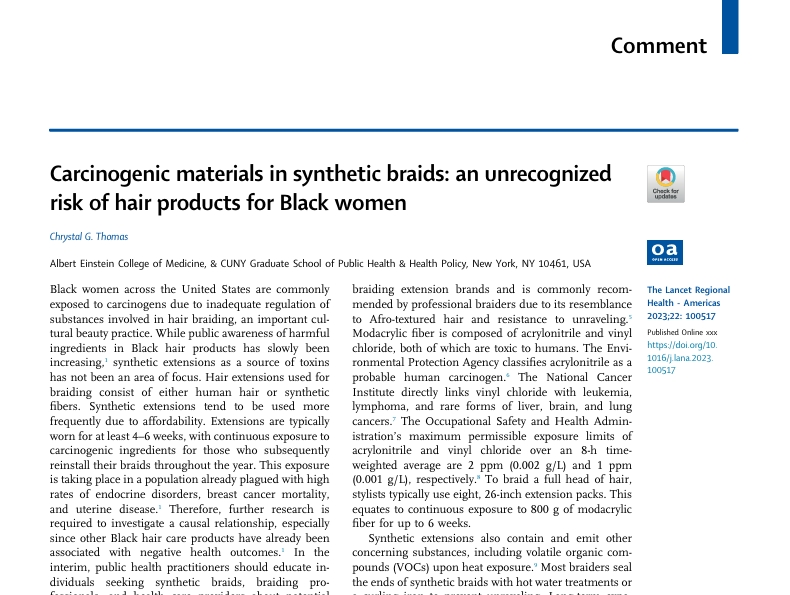
    African Researchers AwardA study by Thomas, C. G. (2023) titled “Carcinogenic materials in synthetic braids: an unrecognized risk of hair products for Black women” published in The Lancet Regional Health–Americas reveals that synthetic hair, particularly modacrylic fiber used in popular brands, contains acrylonitrile and vinyl chloride—both of which are known or probable carcinogens.

    Synthetic braiding hair contains carcinogens like acrylonitrile and vinyl chloride, posing serious health risks to Black women.– Thomas, C. G. 2023

    This study highlights an important and often overlooked health risk associated with synthetic hair braiding extensions, especially for Black women. The author discusses how these extensions, which are commonly used due to their affordability and resemblance to natural hair, may contain carcinogenic compounds such as acrylonitrile and vinyl chloride—substances linked to various forms of cancer. The research also points out other concerns, including exposure to volatile organic compounds (VOCs) when heat is applied to synthetic hair and the presence of flame retardant fibers, which have known adverse health effects. Given the popularity of synthetic braids among Black women in the United States and Africa, the study calls for increased research, regulation of synthetic hair products, and education for both consumers and professional braiders.

    What the Author Found

    The study identifies acrylonitrile and vinyl chloride, both of which are known carcinogens, as components of modacrylic fiber used in popular synthetic hair brands. Acrylonitrile is classified as a probable carcinogen by the U.S. Environmental Protection Agency, while vinyl chloride has been linked to leukemia and other rare forms of cancer. The author points out that Black women who wear synthetic braids for extended periods (often 4–6 weeks or more) are repeatedly exposed to these toxic substances. Professional braiders, who work with these materials for hours at a time, may also face health risks. The study also raises concerns about volatile organic compounds (VOCs), which can be released when heat is applied to synthetic hair (e.g., through hot water sealing or curling irons). These VOCs may exacerbate respiratory issues like asthma

    Why is this important

    Public Health Awareness: The study exposes carcinogenic compounds like acrylonitrile and vinyl chloride, found in popular synthetic braids. These chemicals have been linked to cancer, yet many consumers remain unaware of their presence in hair products.

    Consumer Safety & Regulation: Unlike cosmetics, synthetic hair extensions are poorly regulated, allowing harmful substances to enter the market without adequate scrutiny. The study calls for policy changes to establish safety standards.

    Disproportionate Impact on Black Communities: Synthetic braiding hair is widely used among Black women, many of whom install braids frequently for cultural and practical reasons. The exposure risk is higher because braids are worn for weeks, leading to prolonged contact with toxic fibers.

    Professional Braider Safety: Not only do consumers face risks—professional hair braiders, who handle synthetic hair daily, may experience increased exposure to harmful chemicals like VOCs (volatile organic compounds) released during styling.

    Call for Further Research & Advocacy: The study urges health professionals, researchers, and policymakers to investigate the potential health effects of synthetic hair more deeply and to educate consumers about safer alternatives.

    What the Authors Recommended

    • The author emphasises that consumers, professional braiders, and healthcare providers should be educated about the potential exposure to carcinogenic compounds in synthetic hair.
    • The study calls for stricter regulations on synthetic hair products, including bans on harmful flame retardants at the federal level, and more studies are needed to investigate the long-term health effects of synthetic hair, particularly in Black communities where usage is high.
    • Standardising cosmetology training to include information on the chemical composition of synthetic hair could help reduce exposure risks for both consumers and professional braiders.
    • In addition, the author emphasizes encouraging the development and use of non-toxic synthetic hair options or promoting natural hair alternatives.

    In conclusion, the study by Thomas (2023) sheds light on a critical yet underrecognized health issue affecting Black women and professional hair braiders: the presence of carcinogenic compounds in synthetic braiding hair. As these products continue to be widely used for cultural, aesthetic, and economic reasons, there is an urgent need for increased awareness, regulatory oversight, and safer alternatives. Addressing this issue not only protects consumer health but also promotes environmental justice and equity in the beauty industry.