Author: AR Managing Editor

  • Ultrapure Water Treatment Systems Market Forecast 2025–2033: Trends, Growth Drivers, Key Players, and Regional Insights

    Ultrapure Water Treatment Systems Market Forecast 2025–2033: Trends, Growth Drivers, Key Players, and Regional Insights


    Illustrative Image: Ultrapure Water Treatment Systems Market Forecast 2025–2033: Trends, Growth Drivers, Key Players, and Regional Insights
    Image Source & Credit: FMIBlog
    Ownership and Usage Policy

    Executive Summary

    The global ultrapure water treatment systems market, valued at USD 10.42 billion in 2024, is forecasted to reach USD 15.95 billion by 2033, expanding at a CAGR of 4.7%. Growth is driven primarily by increasing demand from the semiconductor and pharmaceutical sectors, stringent regulatory standards, and technological advancements in purification systems.


    1. Market Drivers, Opportunities, and Constraints

    Drivers:

    • Rising use of ultrapure water in semiconductor wafer fabrication and electronics cleaning.
    • High-quality water demand in pharmaceuticals for drug formulation and sterilization.
    • Growth in power generation facilities requiring high-purity boiler feedwater.

    Opportunities:

    • Emerging markets like India, Brazil, and Saudi Arabia are investing in industrial infrastructure and clean technologies.
    • Increased focus on water recycling and reuse across industries.
    • Integration of IoT and automation for real-time water quality monitoring.

    Constraints:

    • High capital and operational costs.
    • Complexity in system design and skilled labor requirements.
    • Low awareness in some developing economies.

    2. Market Size and Forecast (2021–2033)

    Year Market Size (USD Billion)
    2021 9.35
    2024 10.42
    2025 11.03
    2033 15.95

    CAGR (2025–2033): 4.7%


    3. Segmentation Overview

    By Technology:

    Technology Revenue Share (2024) CAGR (2025–2033)
    Reverse Osmosis (RO) 40.6% Moderate
    Electrode Deionization Fastest growing 7.9%
    Ion Exchange Notable ~4.5%
    Ultrafiltration Growing ~5.0%
    Others Minor < 4.0%

    By Application:

    Application Revenue Share (2024) CAGR (2025–2033)
    Cleaning 48.7% Steady
    Ingredient ~25% 6.0%
    Etching ~15% Moderate
    Others <10% Slow

    By End-use:

    End-use Revenue Share (2024) CAGR (2025–2033)
    Semiconductor 41.5% 5.4%
    Pharmaceuticals Growing 5.2%
    Power Gen. Notable ~4.3%
    F&B Moderate ~4.0%
    Healthcare Emerging ~5.0%

    4. Regional Market Insights

    Asia Pacific (2024 Market Share: 39.8%)

    • Dominant semiconductor industry in China, South Korea, Taiwan, and Japan.
    • Fast-growing pharmaceutical and microelectronics sectors.

    North America

    • U.S. holds 78.9% share in regional revenue (2024).
    • Regulatory support from FDA and EPA boosts market uptake.

    Europe

    • Germany, UK, and France are key players.
    • Focus on sustainability and biotech innovation.

    Middle East & Africa

    • Fastest CAGR, driven by Saudi Arabia’s Vision 2030 and investments in desalination and clean industry.

    Latin America

    • Demand emerging in Brazil and Argentina.
    • Opportunities from pharmaceutical and food safety regulations.

    Regional Market CAGR Forecast (2025–2033):

    Region CAGR (%)
    Middle East & Africa ~6.0
    Asia Pacific ~5.3
    North America ~4.6
    Europe ~4.2
    Latin America ~4.5

    5. Competitive Landscape

    The ultrapure water treatment market is moderately concentrated. Leading companies focus on innovation, partnerships, and acquisitions to boost product portfolios.

    Key Players:

    • TORAY INDUSTRIES, INC. – Pioneers in RO and eco-efficient membranes.
    • Danaher Corporation – Offers solutions through Pall and Trojan, including IoT-enabled purification.
    • Merck KGaA – Provides life science-focused ultrapure systems.
    • Others: Pentair, Eaton, Culligan Water, Veolia, 3M, Dupont, Suez, ECOLAB.

    Recent Developments:

    • Aquatech (2025) – Acquired Century Water to boost Southeast Asia presence.
    • Toray (2025) – Introduced CO₂-reducing ultrafiltration membrane.
    • Silanna Semiconductor (2024) – Implemented custom 3-stage ultrapure system in Brisbane.

    6. Innovation & Sustainability Trends

    • Emphasis on electrode ionization (EDI) for sustainable, chemical-free purification.
    • IoT and automation for real-time monitoring and predictive maintenance.
    • Green membranes reduce operational costs and environmental impact.

    7. Regulatory Framework

    • Standards from ASTM and USP mandate ultra-high water quality in pharma and electronics.
    • Global compliance pressure drives adoption and system modernization.

    Conclusion

    The ultrapure water treatment systems market is set for steady growth, fueled by semiconductor and pharmaceutical advancements, stringent regulations, and evolving sustainability demands. Asia Pacific remains the strongest growth region, while innovations in electrode ionization and IoT integration signal the industry’s shift towards smarter, greener technologies.


    [Figure 1: Ultrapure Water Market Growth Forecast (2023–2033)]

    USD Billion
    |
    |             *
    |           *   *
    |         *       *
    |       *           *
    |     *               *
    |   *                   *
    |_*_________________________> Years
     2023               2033

    For more detailed data tables and custom segment insights, request a sample or custom report from Grand View Research.


  • World Bank Water Strategy: Securing Water for People, Food, and Planet Through Innovation and Investment

    World Bank Water Strategy: Securing Water for People, Food, and Planet Through Innovation and Investment


    Illustrative Image: World Bank Water Strategy: Securing Water for People, Food, and Planet Through Innovation and Investment
    Image Source & Credit: Flickr
    Ownership and Usage Policy

    Water: The Cornerstone of Sustainable Development and Human Prosperity

    Water is the bedrock of life and a cornerstone for building a liveable planet. It is fundamental to human survival, agricultural productivity, economic advancement, and ecosystem stability. Yet, this invaluable resource is facing escalating threats from climate change, population growth, and poor management. The world is at a critical juncture: if we are to eradicate poverty and ensure a sustainable future, we must radically transform the way we manage, use, and value water.

    Recognizing this urgency, the World Bank has launched a comprehensive new global water strategy. This ambitious roadmap aims to secure water for people, for food, and for the planet—aligning with broader global development goals and climate adaptation efforts.

    Water Investment as a Driver of Economic Growth

    Water is far more than a natural resource—it is a vital economic input. It supports job creation, industrial output, public health, and gender equity. In regions where water access is stable and sustainable, productivity in agriculture, energy, and manufacturing flourishes. Conversely, water scarcity can devastate livelihoods, as demonstrated by Cape Town’s 2018 drought, which led to the loss of 20,000 agricultural jobs.

    Conversely, investments in water security create transformative opportunities. For instance, in the Democratic Republic of Congo, an expansive water access program is projected to generate approximately 30,000 jobs. Similarly, access to clean water and sanitation services alleviates public health burdens and enables women—who often bear the brunt of water collection responsibilities—to pursue education and employment.

    Ultimately, investing in water is investing in people. It’s about building resilient, inclusive economies that thrive under the pressures of climate variability and global economic shifts.

    Bridging the Financing Gap

    Securing universal access to safe water and sanitation is not just a policy challenge—it’s a financial one. Achieving the Sustainable Development Goals for water requires an estimated annual investment of $131–$140 billion, nearly double current levels. This financing challenge cannot be met by public resources alone. A bold, coordinated approach involving both the public and private sectors is essential.

    The World Bank’s flagship report, Funding a Water-Secure Future, underscores several systemic inefficiencies: low budget utilization, misallocated subsidies, and weak institutional capacity. Strengthening public institutions, introducing performance-based utility reforms, and deploying smart subsidies that benefit the poor can vastly improve sector performance and attract greater volumes of private and international capital.

    Unlocking the Power of Private Sector Innovation

    Private enterprises play an indispensable role in reimagining how we finance and deliver water services. Their ability to innovate—through advanced technologies, performance-based contracts, and blended finance models—offers promising solutions to longstanding water challenges.

    The World Bank is actively enabling this participation by improving regulatory environments, offering de-risking mechanisms, and fostering transparent governance. These initiatives not only reduce investor risk but also build the foundation for impactful, large-scale private sector engagement.

    Harnessing Innovation for Resilient Water Systems

    Technological innovation holds immense potential to revolutionize the water sector—but adoption has lagged, particularly in low- and middle-income countries. Only a fraction of water utilities currently utilize cutting-edge tools like artificial intelligence, predictive analytics, or digital twin modelling.

    Modern sensor technologies and data platforms could transform water quality monitoring, optimize distribution networks, and reduce waste. To accelerate progress, national policies must foster an innovation ecosystem—one that promotes research, scales viable solutions, and equips water professionals with the skills needed to adapt.

    By embedding innovation at the heart of water management, we can create smarter, more efficient, and climate-resilient water systems.

    A Global Strategy for Water Security

    The World Bank’s updated water strategy integrates its technical expertise, partnerships, and financial instruments to deliver water for three interconnected objectives:

    1. Water for People: Achieving universal access to water, sanitation, and hygiene (WASH) services.

    2. Water for Food: Enhancing water efficiency in agriculture to secure food systems and smallholder livelihoods.

    3. Water for Planet: Managing water resources sustainably to reduce risks and preserve ecosystems.

    Through its new Fast Track Water Security and Climate Adaptation program, the World Bank is scaling up and accelerating water solutions. This program fosters rapid innovation deployment and cross-sectoral partnerships—bridging public and private actors to confront water crises at scale.

    Transformative Impact in Action

    Indonesia: Irrigation Modernization for Agricultural Prosperity

    In Indonesia, the Strategic Irrigation Modernization and Urgent Rehabilitation Project is rehabilitating 250,000 hectares of irrigation systems across 10 provinces. By formalizing service delivery through transparent irrigation agreements, the initiative empowers 350,000 farmers to demand accountability, boosting productivity and incomes—vital for the over 3 million Indonesians reliant on agriculture.

    Brazil: Turning Crisis into Resilience

    After a decade-long drought, Brazil invested in proactive drought management with World Bank support. The Brazil Drought Monitor—now nationwide—relies on a coalition of federal and state actors to produce monthly drought maps, guiding timely policy responses. This system represents a model of scalable climate resilience infrastructure.

    India: The World’s Largest Dam Rehabilitation Program

    India’s ambitious dam rehabilitation initiative spans 500 dams with plans to improve all 6,200. These upgrades include Emergency Action Plans and stakeholder-inclusive safety protocols. Additionally, the project supports the creation of the world’s first postgraduate dam safety program—building national capacity for long-term water infrastructure stewardship.

    Sahel Region: Climate-Resilient Farming for Food Security

    In Africa’s Sahel region, where 99% of farmland is rainfed, the Sahel Irrigation Initiative is transforming agriculture. Using modern irrigation tools like drip systems and solar pumps, the project is improving the livelihoods of nearly 400,000 farmers. Stories like that of Fattah Hassan Dubaal in Chad—whose okra yields increased fiftyfold—demonstrate the power of reliable water access to uplift entire communities.

    Ethiopia: Menstrual Health, Sanitation, and Education

    The One WaSH National Program in Ethiopia has built 227 menstrual hygiene rooms in over 1,000 schools. These gender-sensitive facilities have significantly improved school attendance among girls. Addressing menstrual stigma and integrating hygiene education into school curricula are critical to inclusive education.

    Egypt: Expanding Rural Sanitation

    In Egypt, the Sustainable Rural Sanitation Services Program has already improved access for over 1 million people. By investing in treatment infrastructure and connecting more households to the sewer network, the project strengthens governance and service delivery in the sanitation sector. It also laid the groundwork for Egypt’s National Water and Sanitation Strategy.

    Toward a Water-Secure Future

    Water flows through every facet of human development. Ensuring its availability, quality, and sustainable use is not merely a technical challenge—it is a moral imperative and economic necessity. The World Bank, as the largest multilateral financier of water in developing countries, is mobilizing its $27 billion portfolio to catalyze change at scale.

    Through bold investments, institutional reform, and innovation, the new global water strategy seeks to deliver water solutions that empower people, nourish economies, and preserve the planet. Only through such integrated and accelerated efforts can we secure a future where water continues to sustain life, dignity, and development for all.

  • Climatic and Soil Factors Shaping Cotton Production in Ethiopia: Insights from Arba Minch, Wolkite, and Awassa

    Climatic and Soil Factors Shaping Cotton Production in Ethiopia: Insights from Arba Minch, Wolkite, and Awassa


    Illustrative Image: Climatic and Soil Factors Shaping Cotton Production in Ethiopia: Insights from Arba Minch, Wolkite, and Awassa
    Image Source & Credit: Apparel Inside
    Ownership and Usage Policy

    A recent study by Worku et al. (2024) titled “Analyze Climatic and Edaphic Factors for Ethiopia Cotton Production and Quality” published in Abyssinia Journal of Engineering and Computing reveals that cotton production in Ethiopia is significantly influenced by the interplay of climate

    Ethiopia’s cotton yield and quality are strongly influenced by region-specific climate and soil interactions, especially in Arba Minch.– Worku et al. 2024

    The study explores how environmental variables influence both the yield and quality of cotton in Ethiopia. Specifically, it investigates the combined effects of climatic conditions—such as temperature, rainfall, and humidity—and edaphic factors, including soil texture, fertility, pH, and moisture retention. By analyzing seasonal weather patterns and geographic differences, the study identifies which regions in Ethiopia offer the most favorable conditions for cotton cultivation. It also examines how specific soil properties interact with local climates to influence cotton growth and fiber quality. This research provides vital agricultural insights, offering evidence-based recommendations to improve cotton farming practices. By pinpointing optimal climate-soil combinations, it aims to enhance productivity, support sustainable agriculture, and inform national policy decisions that could boost Ethiopia’s cotton sector.

    How the Study was Conducted

    This study employed a structured and data-driven approach to explore how environmental conditions influence cotton yield and quality in Ethiopia. Focusing on three major cotton-producing regions—Wolkite, Awassa, and Arba Minch—the research aimed to uncover the key climatic and soil-related (edaphic) factors that shape successful cotton cultivation. To achieve this, the study integrated climatic data sourced from regional meteorological stations, covering variables such as temperature, rainfall, and relative humidity. Simultaneously, soil samples were collected across multiple sites within each region. These samples underwent laboratory analysis to determine crucial edaphic properties like soil texture, pH, electrical conductivity, cation exchange capacity, and organic matter content. Using robust statistical tools, the collected data were analyzed to evaluate the relationships between environmental variables and cotton yield and quality. The analysis pinpointed which soil and climatic conditions had the most significant impact on cotton performance. By comparing the environmental profiles of Wolkite, Awassa, and Arba Minch, the study was able to identify optimal regions for cotton production. This comparative evaluation helped highlight the areas most conducive to high-quality and high-yield cotton farming.

    What the Authors Found

    The study found that cotton production in Ethiopia is significantly influenced by the interplay of climate—especially rainfall and temperature—and soil properties such as pH, organic matter, and texture, with Arba Minch emerging as the most suitable region for high yield and quality due to its favorable environmental conditions.

    Why is this important

    Strategic Agricultural Planning: The study provides farmers and policymakers with data-driven insights to identify the most suitable regions, optimize planting strategies, and apply targeted soil treatments—reducing reliance on trial-and-error farming.

    Enhanced Cotton Productivity and Quality: Understanding how climate and soil affect cotton growth enables higher yields and better fiber quality, strengthening Ethiopia’s competitiveness in the global textile market.

    Sustainable Soil and Climate Management: By promoting climate-smart and soil-conscious farming practices, the study supports long-term sustainability, helping to prevent land degradation and adapt to changing weather patterns.

    Socioeconomic Benefits for Rural Communities: As a key cash crop, improved cotton performance can boost farmer incomes, generate rural employment, and reduce poverty, enhancing livelihoods across cotton-growing regions.

    Foundation for Future Innovation: The findings lay the groundwork for developing climate-resilient cotton varieties and offer a replicable model for optimizing other crops in Ethiopia and similar agro-ecological zones across Africa.

    What the Authors Recommended

    • The authors advocate promoting cotton farming in high-potential areas like Arba Minch, and implement site-specific strategies tailored to each region’s unique climatic and soil conditions—avoiding one-size-fits-all approaches.
    • The authors argue that farmers should employ regular soil testing and the use of organic amendments to improve fertility. Adjust pH and salinity levels through targeted interventions to enhance cotton yield and quality.
    • Align planting schedules with seasonal rainfall and temperature patterns. Incorporate weather forecasting tools into farm planning to minimize risks from climate variability.
    • In addition, develop training programs on climate-resilient and adaptive agronomic techniques. Ensure farmers are equipped with practical, location-specific knowledge to boost productivity.
    • Encourage policymakers to establish regionally tailored agricultural guidelines and invest in research and extension services to support knowledge dissemination and innovation in cotton-growing regions.

    In conclusion, the study by Worku et al. (2024) offers critical insights into the environmental dynamics that influence cotton production in Ethiopia, highlighting the synergistic role of climatic and edaphic factors. By identifying optimal regions like Arba Minch and recommending targeted, data-driven farming practices, the research paves the way for enhanced cotton productivity, improved fiber quality, and sustainable agricultural development. These findings not only support more efficient resource utilization but also empower farmers and policymakers to make informed decisions that can strengthen Ethiopia’s position in the global cotton market and uplift rural economies.

  • Yoruba Beliefs and Oral Health: Exploring the Spiritual and Cultural Significance of the Mouth in Indigenous Healthcare Practices

    Yoruba Beliefs and Oral Health: Exploring the Spiritual and Cultural Significance of the Mouth in Indigenous Healthcare Practices


    Illustrative Image: Yoruba Beliefs and Oral Health: Exploring the Spiritual and Cultural Significance of the Mouth in Indigenous Healthcare Practices
    Image Source & Credit: ACJOAU
    Ownership and Usage Policy

    A recent study by Alabi, T. O. (2024) titled “Mouth matters: Exploring the intersection of Yoruba cultural beliefs, metaphysical significance, and oral health practices” published in African Anthropologist, reveals that among the Yoruba, the mouth is not merely a biological organ but a spiritually potent entity intertwined with cultural identity, destiny, and oral health practices

    The Yoruba view the mouth as a sacred, spiritual organ, shaping oral health practices through deep cultural, symbolic, and metaphysical beliefs.
    – Alabi, T. O. 2024

    This study delves into how Yoruba cultural beliefs—particularly metaphysical and spiritual perspectives—influence oral health behaviors and practices. Drawing on both field data and literature, the research uncovers how the Yoruba people perceive the mouth as more than a biological organ. It is also a sacred vessel tied to speech, identity, destiny, and communal values. At the core of Yoruba thought is a concept of tripartite personhood, which defines the human being as comprising Ara (body), Emi (life force), and Ori (head or spiritual consciousness). This framework informs perceptions of health and illness, shaping how oral health is understood and managed within the culture. The metaphysical status of the mouth is central to this worldview. In Yoruba belief, the mouth possesses spiritual potency, capable of blessing, cursing, invoking, and sealing fate through spoken word. It serves both functional and symbolic purposes, and its care is often entwined with cultural rituals and spiritual responsibility.

    Traditional oral hygiene practices—such as the use of chewing sticks (pako) and herbal remedies—reflect this metaphysical understanding. These practices are passed down generations not merely for their health benefits but for their symbolic and spiritual significance. Interestingly, Yoruba cultural expressions often emphasize aesthetic and symbolic value over biomedical considerations. Proverbs and sayings highlight the beauty of white teeth and the social implications of speech yet reveal gaps in modern oral health knowledge. Despite these gaps, the research identifies a strong foundation for culturally informed health interventions. The study advocates for aligning oral health education with Yoruba cultural narratives, using familiar metaphors and beliefs to foster behavior change. Rather than dismissing traditional views, it calls for respectful integration—merging ancestral wisdom with modern science to promote sustainable, community-based oral health outcomes.

    How the Study was Conducted

    The study employed a mixed-methods approach, integrating both fieldwork (primary data) and textual analysis (secondary data) to investigate Yoruba cultural beliefs surrounding the mouth and oral health. The fieldwork took place in Ile-Ife, a city revered as the spiritual and historical heartland of the Yoruba people. Data collection was conducted part-time over ten days, from October 18 to 28, 2023, between 3:00 PM and 7:00 PM daily. A total of 58 adult Yoruba speakers (aged 30 and above) participated in the study. They were selected based on their fluency in the Yoruba language and their willingness to contribute. The fieldwork was facilitated by a postgraduate Yoruba Language student, referred to as “Mr. T,” who possessed expertise in Yoruba oral traditions. Through this process, 163 Yoruba proverbs and maxims referencing the mouth, teeth, lips, gums, and tongue were collected.

    After a rigorous data curation process, 71 duplicate expressions were removed, and 47 sayings were excluded due to their reference to animal or plant mouths or their irrelevance to human oral health. This resulted in a refined corpus of 24 items—16 proverbs and 8 maxims—that directly address Yoruba beliefs about the mouth. To explore the metaphysical and symbolic dimensions of these beliefs, four verses were also selected from Ijinle Ohun Enu Ifa (2006), a monograph by Wande Abimbola, which offers deep insights into the spiritual significance of body parts within the Ifa corpus. This textual analysis was complemented by academic literature, including relevant books and peer-reviewed journal articles, to provide a broader sociocultural and historical context.

    The method of suspicion interpretation was employed to uncover latent meanings, cultural subtexts, and metaphysical beliefs embedded in the traditional language. This interpretive lens proved particularly valuable in analyzing the symbolic and spiritual connotations found within oral expressions and religious texts. No personal or demographic data were collected during the study. Oral informed consent was obtained from all participants, and no formal ethical approval was required due to the non-invasive and culturally respectful nature of the research.

    What the Author Found

    The study reveals that among the Yoruba, the mouth is not merely a biological organ but a spiritually potent entity intertwined with cultural identity, destiny, and oral health practices—highlighting the need for culturally informed healthcare approaches that align with indigenous beliefs rather than override them.

    Why is this important

    Bridging Culture and Healthcare: The study emphasizes that traditional Yoruba beliefs deeply shape oral health behaviors. Culturally sensitive approaches—rather than dismissive ones—can enhance the effectiveness and acceptance of healthcare interventions.

    The Mouth as a Spiritual Power Center: Among the Yoruba, the mouth holds metaphysical significance as the source of àṣẹ (spiritual authority), not merely a biological organ. This belief can be harnessed to promote oral health in meaningful, resonant ways.

    Traditional Practices vs. Biomedical Gaps: While cultural practices like chewing sticks support oral hygiene, some beliefs downplay dental diseases. This reveals a need—and opportunity—for health education that respects tradition while addressing biomedical realities.

    Language, Belief, and Healing: Yoruba proverbs show that words are seen as powerful—capable of healing, cursing, or blessing. Public health messaging that reflects this worldview can better connect with and motivate local communities.

    Filling a Global Research Gap: This study contributes to the underexplored field of African cultural influences on oral health and supports global calls for culturally competent, community-based healthcare strategies.

    What the Author Recommended

    • The author advocates designing oral health programs using Yoruba metaphors, proverbs, and traditional narratives. Align messages with community values—spiritual, aesthetic, and cultural—rather than relying solely on biomedical language.
    • The study emphasizes partnership with respected figures such as traditional healers, elders, and spiritual leaders. Their cultural authority and trust can help bridge traditional beliefs and modern healthcare practices. Support the safe, evidence-based use of culturally accepted practices like chewing sticks and herbal remedies. Educate communities to differentiate between beneficial customs and potentially harmful ones.
    • The author also advocates fostering collaboration across fields—anthropology, dentistry, and public health—to explore how cultural beliefs shape oral health behaviors in Nigeria and other contexts.
    • In addition, use this analytical approach to decode symbolic meanings in oral traditions and religious texts. It helps uncover hidden cultural messages that influence health perceptions and practices.
    • Furthermore, portray the mouth not just as a site of disease or hygiene, but as a powerful source of identity, beauty, speech, and spiritual energy. Celebrating its holistic significance can make health messages more resonant and effective.

    In conclusion, Alabi’s study underscores the profound interconnection between culture, spirituality, and oral health within Yoruba society, revealing the mouth as a powerful symbol of identity, destiny, and sacred authority. By embracing these cultural dimensions rather than sidelining them, healthcare practitioners and policymakers can foster more inclusive, effective, and respectful oral health interventions. This culturally grounded approach not only enhances health outcomes but also affirms the value of indigenous knowledge systems in shaping sustainable, community-centered healthcare solutions.

  • Unlocking the Potential of Black Fonio Millet: Genetic Diversity and Nutritional Benefits for Sustainable Agriculture in Nigeria

    Unlocking the Potential of Black Fonio Millet: Genetic Diversity and Nutritional Benefits for Sustainable Agriculture in Nigeria


    Illustrative Image: Unlocking the Potential of Black Fonio Millet: Genetic Diversity and Nutritional Benefits for Sustainable Agriculture in Nigeria
    Image Source & Credit: FAO
    Ownership and Usage Policy


    A recent study by Nwogiji et al. (2025) titled “Genetic Diversity Analysis and Nutritional Profiling of Black Fonio Millet (Digitaria iburua Stapf) Revealed Genotypes with High Nutritional Value” published in the Journal of Underutilized Legumes reveals that there is significant variation of Black Fonio Millet across the different genotypes collected from Nigeria’s agro-ecological zones.

    Black Fonio Millet exhibits high genetic diversity and superior nutrition, making it a promising crop for food security and sustainability.
    – Nwogiji et al. 2025

    The study explores the untapped potential of Black Fonio Millet—an underutilized cereal crop traditionally cultivated in parts of Africa. Despite its marginal presence in modern agriculture, this research positions Black Fonio as a valuable asset for sustainable food systems and improved nutrition, particularly in regions like Nigeria. By analyzing various genotypes, the researchers assessed both genetic diversity and nutritional composition. The genetic analysis identified varieties with desirable traits such as disease resistance, drought tolerance, and high yield potential. Nutritional profiling revealed significant levels of protein, fiber, vitamins, and essential minerals in select genotypes. Ultimately, the study highlights genotypes that are not only genetically robust but also nutritionally superior—making them prime candidates for targeted breeding programs, food security initiatives, and healthier diets. With the right support, Black Fonio Millet could emerge as a key crop for nutritional resilience and agricultural sustainability.

    How the Study was Conducted

    The study on Black Fonio Millet (Digitaria iburua Stapf) combined both field and laboratory research methods to comprehensively investigate the crop’s genetic diversity and nutritional profile. Researchers gathered various Black Fonio Millet genotypes from diverse agro-ecological zones across Nigeria. This approach ensured broad representation of the crop’s genetic variability, reflecting the influence of different regional farming practices. Using molecular techniques—most likely involving markers such as RAPD (Random Amplified Polymorphic DNA) or SSR (Simple Sequence Repeats)—the researchers assessed the genetic differences among the collected genotypes. This analysis was crucial in identifying traits linked to resilience, adaptability, and overall suitability for cultivation. Grain samples from each genotype underwent thorough laboratory testing to determine key nutritional parameters, including protein content, crude fibre, and Carbohydrate levels, Essential minerals such as iron, zinc, and magnesium. These evaluations provided quantitative insights into the nutritional strengths of each genotype.
    The genetic and nutritional data were processed using statistical software to identify correlations between genetic traits and nutrient content. This enabled the classification of genotypes based on their potential for both agricultural performance and human nutrition.

    What the Authors Found

    The authors found significant variation across the different genotypes collected from Nigeria’s agro-ecological zones. This suggests strong potential for selecting and breeding varieties with desirable traits like drought resistance or higher yields. The authors also found that certain genotypes stood out for their high levels of protein and crude fiber, which are vital for a healthy diet

    Why is this important

    Nutrition on Another Level: Certain genotypes are rich in protein, fiber, and vital minerals like iron and zinc—ingredients that directly combat malnutrition, especially in vulnerable populations.

    Climate-Smart Agriculture: Genotypes revealed by the study show strong resilience to poor soils and tough conditions. That means farmers can rely on it even in regions where mainstream crops struggle.

    Breeding for the Future: With diverse genetic traits identified, breeders have the raw material to develop high-yield, climate-resistant varieties—building crops that are tailored to Nigeria’s ecological zones.

    Local Empowerment: Promoting Black Fonio Millet supports indigenous agriculture, revives cultural diets, and creates economic opportunities for smallholder farmers across Nigeria.

    Evidence-Based Planning: The detailed genetic and nutritional profiling gives governments, researchers, and organizations a data-rich foundation for policymaking, school feeding programs, and food security interventions.

    What the Authors Recommended

    • The authors advocate establishing conservation programs both in-field and in gene banks to protect the wide range of genotypes identified, especially those with high nutritional value.
    • The study emphasizes encouraging farmers and breeders to adopt the genotypes that showed outstanding nutritional and agronomic traits, pushing them into mainstream cultivation.
    • Invest in research to further improve selected genotypes through scientific breeding techniques for better yield, resilience, and adaptability.
    • Roll out educational programs that teach local farmers about the benefits of cultivating Black Fonio Millet and how to manage it effectively.
    • Build up infrastructure around processing, marketing, and distributing Fonio-based products to make them economically viable and attractive.
    • Make Black Fonio Millet part of strategic agricultural and nutrition policies, including school feeding programs and rural development initiatives.

    In conclusion, the study by Nwogiji et al. (2025) highlights Black Fonio Millet as a nutritionally rich and genetically diverse crop with immense potential to transform food systems in Nigeria and beyond. By leveraging its resilience, health benefits, and cultural significance, stakeholders can harness this underutilized cereal to promote sustainable agriculture, enhance nutrition, and empower local communities.

  • Unlocking the Power of Neglected Crops: How NUCS Can Transform Sustainable Food Security

    Unlocking the Power of Neglected Crops: How NUCS Can Transform Sustainable Food Security


    Illustrative Image: Unlocking the Power of Neglected Crops: How NUCS Can Transform Sustainable Food Security
    Image Source & Credit: MDPI
    Ownership and Usage Policy


    A recent study by Onawo, O. L., & Egboduku, W. O. (2025) titled “Highlighting the untapped potential of neglected and underutilized crop species for sustainable food security published in Journal of Underutilized Legumes, reveals that neglected and underutilized crop species (NUCS) have immense untapped potential to enhance sustainable food systems

    NUCS offer immense potential for sustainable food security through improved nutrition, climate resilience, and biodiversity, yet remain largely underutilized.
    – Onawo, O. L., and Egboduku, W. O. (2025

    This study sheds light on a critical yet often overlooked aspect of global agriculture and nutrition—the role of Neglected and Underutilized Crop Species (NUCS). These crops, which have traditionally been cultivated and consumed in various regions, have largely been pushed aside in favor of widely commercialized staples such as wheat, rice, and maize. The study argues that NUCS hold immense potential for advancing sustainable food security, particularly in regions facing the dual threats of climate change and economic instability. Unlike many mainstream crops, NUCS are typically well adapted to local environmental conditions, require fewer agricultural inputs, and can thrive in marginal soils, making them more environmentally sustainable. Beyond their agronomic resilience, NUCS are also vital from both cultural and nutritional standpoints. Rich in essential nutrients and often integral to local food traditions, these crops offer diverse dietary benefits. However, they remain significantly underfunded, under-researched, and undervalued in mainstream agricultural systems and policy frameworks. Importantly, the study calls for increased investment in research, development, and policy support for NUCS to unlock their full potential. Doing so would not only enhance agricultural biodiversity but also contribute to more resilient and locally driven food systems.

    How the Study was Conducted

    The study employed a desk review methodology; through an extensive literature review, the authors examined previously published studies and databases related to neglected and underutilized crop species (NUCS), with a focus on their production, nutritional value, and economic potential. A comparative analysis was conducted between NUCS and widely cultivated staple crops to assess the potential of NUCS in contributing to sustainable agriculture and resilient food systems. The study had a global scope, incorporating data from diverse regions where NUCS are traditionally grown—particularly in parts of Africa, Asia, and South America.

    What the Authors Found

    The authors found that neglected and underutilized crop species (NUCS) have immense untapped potential to enhance sustainable food systems—offering superior nutrition, climate resilience, and cultural value—but they remain overlooked due to research, policy, and funding gaps.

    Why is this important

    Food Security at Risk: With climate change, soil degradation, and growing populations, relying only on major staple crops is becoming increasingly risky. NUCS (Neglected and Underutilized Crop Species) offer an alternative that’s better suited to diverse local conditions.

    Boosting Nutrition: Many of these underused crops are rich in vitamins, minerals, and fiber. Reviving them can directly tackle malnutrition and hidden hunger.

    Climate Adaptation: NUCS are often hardy crops that thrive in drought-prone or low-input areas. Promoting them can support farming communities that struggle with increasingly unpredictable weather patterns.

    Preserving Biodiversity: Focusing on just a few global crops has eroded agrobiodiversity. Cultivating a wider range of species helps protect ecosystems and genetic resources.

    Empowering Local Economies & Cultures: These crops are part of traditional diets and farming practices. Supporting them can strengthen cultural identity, empower smallholder farmers, and open new markets.

    What the Authors Recommended

    • The authors advocate promoting the nutritional, environmental, and cultural benefits of NUCS through public campaigns, community outreach, and school programs to drive demand and adoption.
    • The study also emphasizes the push for dedicated government policies and increased funding for research, conservation, and the integration of NUCS into national and regional agricultural strategies.
    • Provide farmers with training, resources, and incentives to cultivate NUCS profitably, while improving access to quality seeds and local markets.
    • Incorporate NUCS into food aid programs, institutional procurement (like school meals), and climate-resilient farming practices to boost food security.
    • Invest in scientific research to enhance breeding, agronomic practices, and post-harvest processing—ensuring NUCS are viable, productive, and competitive.

    In conclusion, the study by Onawo and Egboduku (2025) underscores the urgent need to re-evaluate and reintegrate neglected and underutilized crop species (NUCS) into mainstream agriculture. As the world grapples with mounting food insecurity, climate challenges, and nutritional deficiencies, NUCS present a viable, sustainable, and culturally rich solution. Unlocking their full potential will require coordinated efforts across research, policy, and grassroots implementation. By investing in these overlooked crops, we can build more resilient food systems, empower local communities, and pave the way for a healthier, more food-secure future.

  • Stanford Biodesign Innovation Fellowship 2026

    Stanford Biodesign Innovation Fellowship 2026


    Illustrative Image: Stanford Biodesign Innovation Fellowship 2026
    Image Source & Credit: Mucuruzi
    Ownership and Usage Policy

    Are you ready to transform your career and make a lasting impact on global healthcare? The Stanford Biodesign Innovation Fellowship offers an unparalleled 10-month immersive experience designed for aspiring leaders and innovators in the health technology space. This world-renowned program teaches a rigorous, step-by-step approach to identifying unmet medical needs, designing and inventing novel solutions, and translating those ideas into real-world healthcare innovations.

    Whether you’re an engineer, clinician, entrepreneur, researcher, or business expert, the fellowship empowers you to work at the intersection of medicine, technology, and entrepreneurship—equipping you with the tools to shape the future of patient care.


    📌 What Is Stanford Biodesign?

    Stanford Biodesign is a global pioneer in health technology innovation education, based at the Mussallem Center for Health Technology Innovation at Stanford University, United States. The program is known for its biodesign process—a proven framework for need-driven innovation that blends design thinking, clinical immersion, market analysis, and engineering.

    The initiative has helped launch dozens of successful health tech startups, trained a global network of innovation leaders, and impacted healthcare systems worldwide.


    🎯 Aim and Benefits of the Fellowship

    The 2026 Biodesign Innovation Fellowship provides:

    • 💰 Monthly stipend and health benefits for the duration of the program

    • 🚀 Hands-on training in health technology innovation, from problem identification to prototyping and implementation

    • 🌍 Lifetime membership in the Stanford Biodesign global network

    • 🧠 Mentorship from world-class faculty, industry leaders, and successful entrepreneurs

    • 🏥 Exposure to clinical environments to identify real-world problems

    • 🛠️ Opportunities to build and launch your own healthcare start-up

    • 🎓 Potential to lead innovation programs in academia, industry, or the public sector


    👩‍🔬 Who Should Apply?

    The fellowship is open to exceptional early-career professionals from diverse fields, including:

    • Engineering (biomedical, mechanical, software, etc.)

    • Life sciences and biotechnology

    • Medicine, nursing, and allied health fields

    • Product design and human-centered design

    • Business, law, and health economics

    • Computer science and digital health

    Eligibility Requirements:

    • Applicants should possess an advanced degree (e.g., MD, PhD, MBA, MS) or substantial work experience in a related field.

    • Fellows are selected based on their demonstrated potential for leadership, passion for healthcare, collaborative spirit, and commitment to innovation.


    📝 Application Materials

    To apply, you will need to submit the following documents:

    • Curriculum Vitae (CV)

    • Academic Transcript

    • Proof of English Proficiency (if applicable)


    📅 Important Dates

    • Application Deadline: 28 July 2025

    • Program Start: Early 2026

    • Location: Stanford University, California, United States


    🔗 How to Apply

    Interested and qualified applicants should visit the official application portal:
    👉 biodesign.slideroom.com

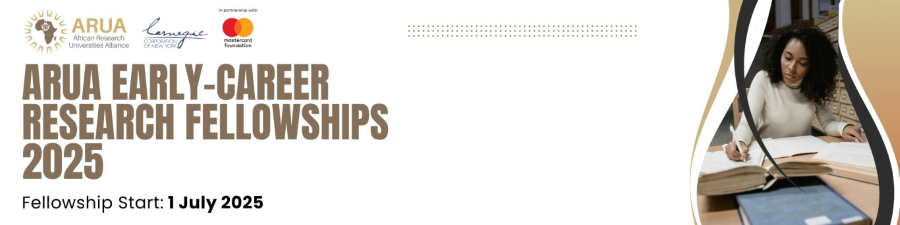
  • Call for Applications: ARUA Early-Career Research Fellowship Program 2025

    Call for Applications: ARUA Early-Career Research Fellowship Program 2025


    Illustrative Image: Call for Applications: ARUA Early-Career Research Fellowship Program 2025
    Image Source & Credit: ARUA
    Ownership and Usage Policy

    Application Deadline: 31 December 2025
    Fellowship Type: Postdoctoral Research Fellowship
    Funding Partners: Mastercard Foundation & Carnegie Corporation of New York
    Fellowship Duration: 6 months
    Stipend: $2,000/month + travel and accommodation support
    Number of Fellowships: 42
    Target: African Early-Career Researchers (with emphasis on women scholars)


    About the ARUA Fellowship Program

    The African Research Universities Alliance (ARUA), in partnership with the Mastercard Foundation and the Carnegie Corporation of New York, invites applications for its prestigious Early-Career Research Fellowship Program 2025. This unique opportunity is designed to support up to 42 promising early-career African researchers in conducting high-quality, globally competitive research in collaboration with ARUA’s 13 Centres of Excellence (CoEs).

    By facilitating focused research time away from teaching and administrative responsibilities, the fellowship empowers young researchers to deepen their scholarship, expand their networks, and strengthen their academic reputations.

    Each selected fellow will be embedded within one of the ARUA CoEs, hosted at a university in a different African country from the fellow’s home institution, to ensure meaningful cross-border collaboration and knowledge exchange.


    About ARUA

    The African Research Universities Alliance (ARUA) is a pan-African network of leading research universities dedicated to expanding the continent’s contribution to global knowledge through collaborative research and advanced graduate training. ARUA fosters academic excellence through the establishment of thematic Centres of Excellence (CoEs), which serve as hubs for innovative, interdisciplinary research addressing Africa’s most pressing development challenges.


    Fellowship Objectives

    The ARUA Fellowship is guided by three core objectives:

    1. Capacity Building: To strengthen the research skills and academic portfolios of emerging African scholars.

    2. International Collaboration: To foster cross-institutional and cross-country scholarly partnerships across the African continent.

    3. Research Excellence: To support the generation of cutting-edge, solution-oriented research aligned with the thematic focus of ARUA CoEs.


    Fellowship Benefits

    Successful fellows will receive:

    • A monthly stipend of $2,000 for six months.

    • Travel support, including a round-trip ticket to the host institution.

    • Modest accommodation support while based at the CoE.

    • A professional environment for developing independent research.


    Eligibility Criteria

    To be considered for the fellowship, applicants must:

    • Be African nationals.

    • Hold a PhD in a relevant field linked to one of the ARUA CoE thematic areas.

    • Have completed their PhD within the last 5 years.

    • Be below 35 years old at the time of application.

    • Be employed as a faculty or research staff at an ARUA member university.

    • Demonstrate a strong publication record and potential for research leadership.

    • Be available for 6 months full-time residency at the host institution.

    • Be actively involved in a project with existing data or materials that aligns with the host CoE’s research agenda.

    Note: At least 70% of fellowships will be awarded to female candidates, and women are strongly encouraged to apply.


    Selection Process

    The selection will be carried out by the Director of the respective ARUA Centre of Excellence in collaboration with the Deputy Vice-Chancellor of the host institution. Fellowship slots will be filled on a rolling basis.

    Priority Deadline for First Batch:

    • Apply by 15 May 2025 for early consideration.

    • Selected fellows will be notified by 1 June 2025 and expected to commence on 1 July 2025.

    Final deadline for all applications is 31 December 2025, subject to availability.


    Required Application Documents

    1. Cover Letter: Detailing motivations for applying, relevance of your background, your intended CoE host, and how the fellowship will enhance your career. Include visa needs and any previous engagement with the proposed host institution.

    2. Curriculum Vitae: Comprehensive CV with personal details, academic qualifications, research outputs, publication contributions, and contact details of two referees.

    3. Letter of Support: From your home institution, confirming your employment status, institutional support, and assurance of return after the fellowship.

    4. Proof of PhD Award.

    5. Research Concept Note (max 1,500 words): Describing your project, objectives, relevance to the host CoE, and available data/materials.

    6. Two Academic Writing Samples: Should not be dissertation chapters. If co-authored, clearly describe your contribution.


    How to Apply

    Submit your application via the official ARUA Fellowship portal:
    👉 www.arua.org

    Ensure all required documents are compiled in the appropriate format before submission. Incomplete applications will not be considered.


    Why Apply?

    The ARUA Early-Career Fellowship Program is a transformative opportunity for emerging African scholars to gain international research exposure, contribute meaningfully to solving Africa’s grand challenges, and position themselves for leadership in academia and policy.

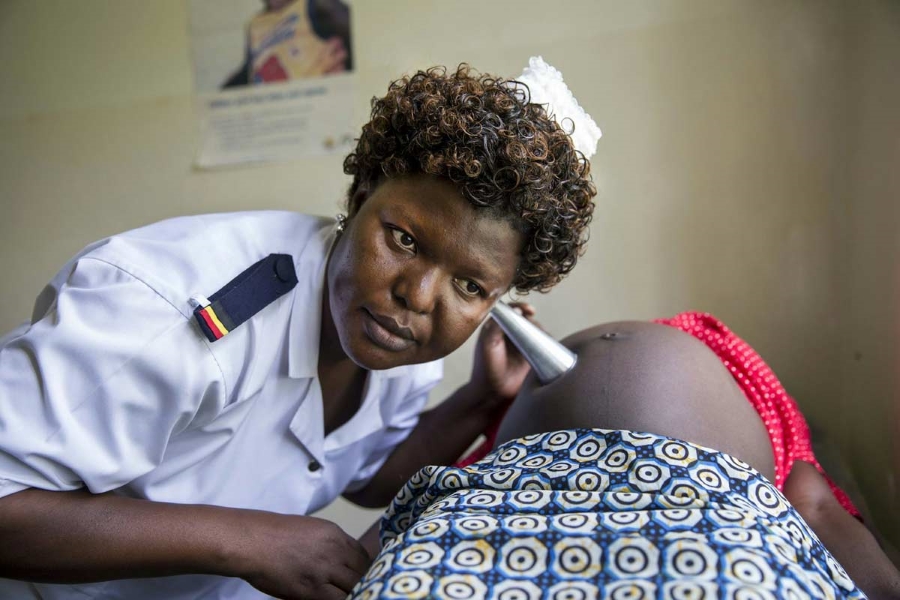
  • Low-Dose Calcium: A Breakthrough Strategy to Prevent Pre-Eclampsia in Sub-Saharan Africa

    Low-Dose Calcium: A Breakthrough Strategy to Prevent Pre-Eclampsia in Sub-Saharan Africa


    Illustrative Image: Low-Dose Calcium: A Breakthrough Strategy to Prevent Pre-Eclampsia in Sub-Saharan Africa
    Image Source & Credit: Gavi
    Ownership and Usage Policy

    A recent study by Kokori et al. (2025) titled “Optimising pre-eclampsia prevention: Embracing low-dose calcium in sub-Saharan Africa” published in International Journal of Gynecology & Obstetrics reveals that low-dose calcium supplementation (500 mg/day) could be a game-changing intervention for preventing pre-eclampsia in sub-Saharan Africa.

    Low-dose calcium supplementation (500 mg/day) is a practical, effective strategy to prevent pre-eclampsia in sub-Saharan African pregnancies.
    – Kokori et al. 2025

    A new study tackles a critical maternal health issue in sub-Saharan Africa: pre-eclampsia—a dangerous pregnancy complication linked to high blood pressure and organ damage. The authors advocate for a shift from the widely recommended high-dose calcium supplementation (1500–2000 mg/day) to a more practical, affordable low-dose alternative (500 mg/day) as a preventive measure.
    This proposed change could have a major impact in low-resource settings, where the cost, availability, and side effects of high-dose regimens often limit their effectiveness. The study highlights how low-dose calcium supplementation offers a safe, effective, and more feasible solution to reduce pre-eclampsia risk, especially in areas where access to prenatal care is limited. Evidence from Ghana, Nigeria, and Ethiopia shows a clear association between low maternal calcium levels and higher rates of pre-eclampsia. Compared to high-dose supplementation, the low-dose approach may offer similar protective benefits while enhancing compliance and lowering barriers to access.

    How the Study was Conducted

    The study employed a narrative review methodology, the study systematically gathered and critically analyzed existing research related to calcium supplementation and the prevention of pre-eclampsia in sub-Saharan Africa. To conduct this review, the authors searched multiple academic databases, including PubMed, Google Scholar, Cochrane Library, and Scopus. The search was limited to peer-reviewed articles published in English between 2000 and March 2024. Key search terms included: “pre-eclampsia,” “low-dose calcium,” “maternal health,” “sub-Saharan Africa,” and “nutritional interventions.”

    A wide range of literature was included based on specific inclusion criteria, encompassing:

    • Clinical trials
    • Observational studies
    • Systematic reviews
    • Reference lists from relevant papers

    The overarching aim of this approach was to evaluate the feasibility and effectiveness of low-dose calcium supplementation (500 mg/day) as an alternative to the high-dose standard. In doing so, the authors sought to compare outcomes between low- and high-dose calcium regimens and identify context-specific barriers and enablers to implementation, generate evidence-based insights to support policy and clinical decision-making that align with the region’s socioeconomic and healthcare challenges

    What the Authors Found

    The authors found compelling evidence that low-dose calcium supplementation (500 mg/day) could be a game-changing intervention for preventing pre-eclampsia in sub-Saharan Africa, with several key findings drawn from both global trials and regional data.

    Why is this important

    Maternal and Neonatal Survival: Pre-eclampsia is one of the leading causes of maternal and neonatal deaths in the region. It’s especially devastating in areas where access to quality healthcare is limited. Preventing it through something as simple and affordable as low-dose calcium could save countless lives.

    Practicality in Resource-Limited Settings: High-dose calcium has always been recommended—but it’s expensive, difficult to distribute, and often poorly tolerated. Low-dose calcium, in contrast, is cheaper, easier to take, and more widely acceptable, especially in regions where pregnant women may struggle with multiple health challenges and limited prenatal care.

    Scalability: If low-dose calcium proves as effective as high-dose (as some studies suggest), it means health ministries and aid organizations can scale up prevention programs faster, reaching more women without needing massive resources.

    Empowering Communities: The study also emphasizes the importance of awareness and education. By equipping healthcare workers and communities with the knowledge and tools to prevent pre-eclampsia, it promotes self-reliance and informed health choices.

    Advancing Equity: Ultimately, this is about closing the maternal health gap between rich and poor nations. It’s a move toward ensuring that where a woman lives doesn’t determine whether she survives pregnancy.

    What the Authors Recommended

    • The authors urge health systems across sub-Saharan Africa to incorporate 500 mg/day calcium supplementation into routine antenatal care, particularly in regions with low dietary calcium intake. This shift would make supplementation a proactive, standardized part of maternal health services.
    • Effective implementation hinges on awareness and understanding. The authors recommend training healthcare workers to communicate the benefits and safety of calcium supplementation using culturally appropriate messaging and running public awareness campaigns to demystify pre-eclampsia and reduce stigma or misinformation.
    • To enhance uptake, the authors call for practical innovations and supply chain improvements to develop cost-effective, user-friendly formulations like chewable or flavored tablets as well as to ensure consistent availability of low-dose calcium in clinics, especially in rural and underserved areas.
    • The study emphasizes the need for strong policy backing and financial support, including listing low-dose calcium on national essential medicines lists, incorporating it into maternal health policies and guidelines and subsidizing or offering free distribution through public health programs.
    • Recognizing Africa’s diverse cultural and healthcare contexts, the authors recommend tailoring interventions to local realities rather than adopting a one-size-fits-all approach. They also advocate for more local research on the effectiveness, safety, and adherence to low-dose calcium and exploring combination strategies with vitamin D or low-dose aspirin, especially for high-risk pregnancies.

    In conclusion, the study by Kokori et al. (2025) presents a compelling case for rethinking pre-eclampsia prevention strategies in sub-Saharan Africa by embracing low-dose calcium supplementation. With its affordability, ease of implementation, and strong potential to save maternal and neonatal lives, this approach offers a transformative solution tailored to the region’s healthcare realities. By aligning policy, education, and supply chains to support this shift, stakeholders can make significant strides toward equitable, sustainable maternal health outcomes across the continent.

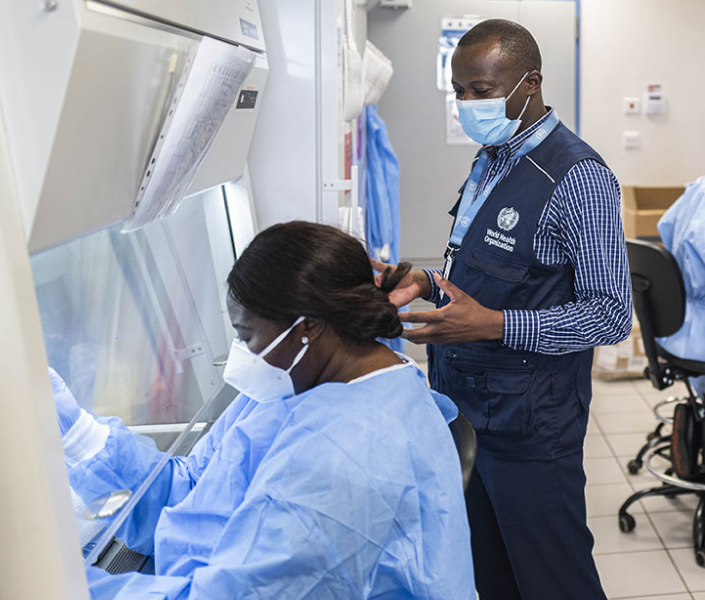
  • Tackling Africa’s Oral Health Crisis: How the Africa CDC Can Strengthen Systems, Workforce, and Access

    Tackling Africa’s Oral Health Crisis: How the Africa CDC Can Strengthen Systems, Workforce, and Access


    Illustrative Image: Tackling Africa’s Oral Health Crisis: How the Africa CDC Can Strengthen Systems, Workforce, and Access
    Image Source & Credit: WHO
    Ownership and Usage Policy

    A recent study by Foláyan et al. (2025) titled “Strengthening health systems to tackle oral diseases in Africa: Africa Centres for Disease Control and Prevention’s role” published in Frontiers in Public Health reveals that there is an acute shortage and uneven distribution of oral health professionals across the continent, with rural and low-income populations disproportionately underserved.

    Africa faces a severe shortage and unequal distribution of oral health professionals, leaving vulnerable populations underserved. – Foláyan et al. 2025

    This study focuses on the growing public health challenge of oral diseases in Africa and highlights the pivotal role the Africa Centres for Disease Control and Prevention (Africa CDC) can play in addressing it. Despite the high prevalence of oral conditions—like untreated caries, periodontal disease, oral cancers, and HIV-related lesions—oral health remains largely overlooked in national health strategies across the continent. Through a rapid review of 18 studies, the authors identified severe shortages and maldistribution of the oral health workforce, especially in rural areas. Many countries face significant gaps in dental education, infrastructure, and services. Vulnerable populations—such as women, children, people in poverty, and those in remote areas—are disproportionately affected due to systemic inequities in access and care. The paper calls for strategic integration of oral health into broader health systems and policies. Promising solutions include mobile dental units, expanded roles for mid-level providers like dental therapists, and strengthened education and retention incentives for oral health workers.

    How the Study was Conducted

    This study employed a rapid review methodology to assess the current state of oral health systems and workforce challenges across Africa. The researchers conducted a comprehensive literature search across multiple databases—EBSCO, PubMed, ProQuest, and ScienceDirect—using targeted keywords and Medical Subject Headings (MeSH) such as “oral health workforce”, “dental professional shortages”, “recruitment”, “retention”, and “Africa”. Out of 2,014 initially identified articles, duplicates were removed, and 1,069 studies were screened. Following a rigorous selection process, 18 studies were ultimately included based on their direct relevance to the size and distribution of the oral health workforce, retention strategies, access to care, and systemic outcomes.
    The inclusion criteria covered a range of study designs, including cohort studies, cross-sectional studies, and qualitative research, all focusing on oral health professionals such as dentists, hygienists, and dental therapists. Detailed data were extracted on authorship, publication year, geographic focus, study objectives, key findings, and recommendations. By synthesizing this body of evidence, the review mapped out critical systemic gaps and highlighted strategic interventions with the potential to transform oral health care delivery across the African continent.

    What the Authors Found

    The authors found that there is an acute shortage and uneven distribution of oral health professionals across the continent, with rural and low-income populations disproportionately underserved. For example, in Nigeria, only 20% of dentists serve rural areas, despite the majority of the population residing there. Contributing factors include limited dental training institutions, inadequate policy frameworks, and the confinement of services to emergency care. Vulnerable groups—such as children, women, and rural dwellers—face compounded barriers due to structural inequities and cultural constraints.

    Innovative interventions, including mobile dental clinics and the deployment of mid-level providers like dental therapists and hygienists, have shown promise in improving access and building local capacity. Programs such as Rwanda’s Human Resources for Health initiative demonstrate how international collaboration and localized training can address workforce deficits. The study emphasizes the need for stronger policies, better infrastructure, and the integration of oral health into broader universal health coverage (UHC) strategies to create sustainable change.

    Why is this important

    This study matters because it shines a spotlight on an often neglected crisis. Oral diseases affect nearly half a billion people in the WHO African Region, and they don’t just cause pain or tooth loss—they’re linked to systemic health conditions like heart disease, diabetes, and even complications in pregnancy. Yet, oral health remains sidelined in most national health plans.

    The findings underscore how poor access, workforce shortages, and fragmented systems leave vulnerable communities—children, women, and rural families—without basic care. This isn’t just a health issue; it’s a social justice issue.

    What’s powerful here is the potential for transformation. By involving the Africa CDC, the study calls for bold, system-wide integration of oral health into broader public health frameworks, including universal health coverage. It’s a chance to build resilient, community-orientated solutions that prevent disease before it starts—like mobile clinics, task-shifting, and inclusive policies.

    What the Authors Recommended

    • Governments should embed oral health within broader health strategies—especially universal health coverage (UHC) and non-communicable disease (NCD) frameworks—to secure dedicated funding, align policies, and strengthen infrastructure.
    • Expand and improve dental education, especially for mid-level providers like therapists and hygienists. Prioritize workforce retention, rural deployment, and incentives to address shortages and urban-rural disparities.
    • Invest in cost-effective models such as mobile clinics and school-based programs to improve access in underserved areas. These platforms can also provide local employment and hands-on training.
    • Utilize the Africa CDC’s leadership to coordinate data-driven policies, technical support, cross-border initiatives, and promote local production of essential oral health products in line with its “New Public Health Order.”
    • Develop targeted strategies for vulnerable groups—especially children, women, and rural communities—and implement robust systems for monitoring, evaluation, and stakeholder engagement across all levels of care.

    In conclusion, the study by Foláyan et al. (2025) brings urgent attention to the widespread neglect of oral health across Africa and outlines a clear roadmap for change. By integrating oral health into broader health systems, investing in workforce development, and leveraging the Africa CDC’s leadership, there is a powerful opportunity to close the care gap and promote equitable access for all—especially the most vulnerable. Strengthening oral health is not just a medical imperative; it’s a step toward justice, resilience, and a healthier future for the continent.