Author: AR Managing Editor

  • Call for Applications: 2025 CFI Digital Public Infrastructure (DPI) Research Grant — Up to $40,000 in Funding

    Call for Applications: 2025 CFI Digital Public Infrastructure (DPI) Research Grant — Up to $40,000 in Funding


    Illustrative Image: Call for Applications: 2025 CFI Digital Public Infrastructure (DPI) Research Grant — Up to $40,000 in Funding
    Image Source & Credit: Startupnews

    Ownership and Usage Policy

    The Center for Financial Inclusion (CFI) invites researchers, institutions, and cross-sector collaborators to apply for the 2025 Digital Public Infrastructure (DPI) Research Grant Program. This initiative offers up to $40,000 USD per grant to support innovative and policy-relevant research focused on the development, governance, and impact of digital public infrastructure globally.

    🌐 What is Digital Public Infrastructure (DPI)?

    Digital public infrastructure refers to the foundational digital systems that enable essential services such as digital identity, payments, and data exchange. DPI includes open, inclusive, and interoperable platforms that support service delivery in finance, health, education, and beyond. Well-implemented DPI can foster economic inclusion, innovation, and governance transparency—but it also raises complex questions around equity, sustainability, accountability, and trust.

    The 2025 CFI DPI Research Grant seeks to generate timely, evidence-based insights that help shape resilient, inclusive, and trusted DPI ecosystems in diverse country contexts.

    🔬 Research Focus Areas

    CFI is particularly interested in research projects that:

    • Evaluate User Outcomes: Investigate how services delivered via DPI platforms impact end-users, particularly in terms of accountability, consumer protection, trust, value creation, and innovation.

    • Sustainability & Scalability: Explore how DPI systems can evolve from donor-supported pilots to financially sustainable and institutionally embedded infrastructures that remain open and transparent.

    • Governance & Accountability: Analyze how emerging governance models — especially those involving the private sector — influence system interoperability, innovation, accountability, and public trust.

    • Consumer Protection & User-Centric Design: Highlight innovations that ensure user rights are protected, including grievance mechanisms, feedback loops, and user-centric monitoring tools.

    • Impact on Services Delivery: Assess the effects of DPI on the delivery of financial and non-financial services, and explore how it influences market dynamics, competition, and inclusion.

    • Comparative Insights: Draw lessons from advanced DPI implementations in countries like India and Brazil, using comparative methodologies to analyze adoption, governance, and impact.

    • Beyond Financial Access: Study how DPI drives broader socio-economic outcomes, extending the focus beyond financial inclusion to its role in education, healthcare, and social welfare systems.

    ✅ Eligibility Criteria

    • Open to independent researchers, academic institutions, think tanks, research organizations, and multi-stakeholder partnerships.

    • Encourages joint proposals and cross-institutional collaboration.

    • Projects must be country-focused, with a preference for:

      • Fieldwork or case studies in low- and middle-income countries.

      • Locally grounded research with strong policy relevance.

      • Comparative or multi-country studies with clear added value.

    Researchers based in the Global South or proposing work in these regions are especially encouraged to apply.

    💼 Grant Benefits & Support

    • Up to $40,000 USD in funding per research project, based on scope and methodology.

    • Research must be completed within six months of grant award.

    • Grantees will benefit from:

      • Opportunities to share findings with global policymakers, practitioners, and DPI stakeholders.

      • Participation in consultative gatherings, policy dialogues, and expert convenings.

      • Access to CFI’s platform for collaborative inquiry and international visibility.

    📩 How to Apply

    Interested applicants can [CLICK HERE TO APPLY] through the official application portal.

    For those passionate about shaping the next generation of inclusive and resilient infrastructure systems, this is a powerful opportunity to influence global practice through rigorous, field-informed research.

  • Allianz Climate Risk Research Award 2025 – Applications Now Open

    Allianz Climate Risk Research Award 2025 – Applications Now Open


    Illustrative Image: Allianz Climate Risk Research Award 2025 – Applications Now Open
    Image Source & Credit: allianz.com
    Ownership and Usage Policy

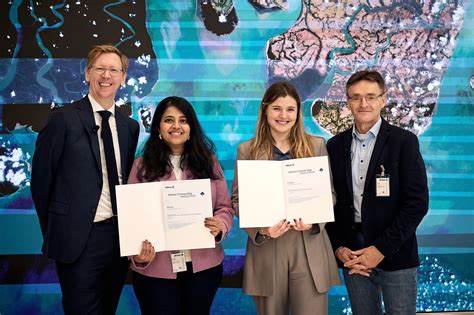
    Are you a PhD candidate, early-career researcher, or recent doctoral graduate working at the intersection of climate change and extreme weather events? The Allianz Climate Risk Research Award 2025 is a prestigious global opportunity designed to recognize and support young scientists who are addressing some of the most urgent environmental challenges of our time.

    🌍 About the Award

    Established in 2017, the Allianz Climate Risk Award aims to spotlight pioneering research that improves our understanding of climate change-related extreme weather events and explores innovative technological solutions to enhance resilience. This annual competition is an initiative of Allianz Re, the reinsurance unit of the Allianz Group, and encourages scientific excellence while fostering dialogue between academia and the insurance industry.

    The 2025 edition is open to PhD students, postdoctoral researchers, and recent PhD graduates (within two years of completing their degree). It provides a platform for emerging researchers to present their findings, connect with experts, and influence policy and practice in climate risk mitigation.

    🧠 Eligible Research Topics

    Applicants must focus on one or both of the following themes:

    • Understanding and mitigating risks associated with extreme weather events worsened by climate change (e.g., floods, hurricanes, and droughts).

    • Developing or applying technological solutions to improve community or infrastructure resilience in the face of these events.

    📝 Application Requirements

    Candidates must submit:

    • A non-technical essay (maximum 800 words) summarizing their research, its objectives, and its real-world impact. The essay should be accessible to a broad, non-specialist audience. (Examples can be found in the 2024 Compendium on the Allianz Re website.)

    • A CV outlining academic and research credentials.

    • A letter of recommendation from an academic advisor or supervisor.

    • Completed and signed application forms.

    • All documents should be sent via email to: climaterisk-award@allianz.com.

    ✈️ Key Benefits

    • Top 10 shortlisted applicants will be featured in an official Compendium published by Allianz Re, providing global exposure for their work.

    • Three finalists will receive fully funded travel to Munich, Germany, to present their research at the Allianz Climate Risk Award Event on December 2, 2025.

    • Cash prizes:

      • Winner: EUR 7,000

      • Runners-up: EUR 3,000 each

    • Opportunities for networking, collaboration, and communication with leaders in climate science, reinsurance, and policy.

    Finalists are expected to actively participate in media and communications related to the award, including interviews and online engagement.

    📅 Important Dates

    • Call for Applications Opens: July 1, 2025

    • Submission Deadline: August 31, 2025

    • Finalists Announced: Late September 2025

    • Award Ceremony: December 2, 2025, in Munich, Germany

    🔗 Learn More

    For further details, past winners, and inspiration from previous submissions, visit the official award page:
    👉 Allianz Climate Risk Research Award – Official Website

  • Optimal Sesame Cultivation: Why Sole Cropping Outperforms Intercropping with Maize, Soya Bean, and Cowpea in Nigeria’s Guinea Savanna

    Optimal Sesame Cultivation: Why Sole Cropping Outperforms Intercropping with Maize, Soya Bean, and Cowpea in Nigeria’s Guinea Savanna


    Illustrative Image: Optimal Sesame Cultivation: Why Sole Cropping Outperforms Intercropping with Maize, Soya Bean, and Cowpea in Nigeria’s Guinea Savanna
    Image Source & Credit: MDPI
    Ownership and Usage Policy

    A recent study by Oloniruha et al. (2024) titled “Evaluation of some growth and yield attributes of sesame (Sesamum indicum L.) intercropped with maize, soya bean and cowpea in Southern Guinea Savanna of Nigeria” published in the International Journal of Agriculture and Rural Development, SAAT FUTO, reveal that sesame achieved its highest growth and yield when grown as a sole crop, with intercropping significantly reducing its performance.

    Sesame grows best as a sole crop; intercropping, especially with maize, significantly reduces its growth, yield, and overall performance.
    -Oloniruha et al. 2024

    This study investigates the effects of intercropping on the growth and yield of sesame (Sesamum indicum L.) in the Southern Guinea Savanna of Nigeria, focusing on its performance when cultivated alongside maize, soya bean, and cowpea. The authors reveal that sesame achieved its highest growth and yield when grown as a sole crop, with intercropping significantly reducing its performance.
    Among the intercrop combinations, maize exerted the most suppressive effect on sesame, primarily due to shading and competition for essential nutrients. In contrast, soya bean and cowpea were found to be more compatible, causing less growth inhibition.
    Measurements of plant height, stem girth, number of leaves, and primary branches consistently showed superior development in sesame grown alone. Despite a local preference for intercropping, the study concludes that maize is not a suitable companion crop for sesame when sown simultaneously.

    How the Study was Conducted

    The experiment was conducted during the 2022 rainy season at the College of Agriculture, Kabba, Nigeria, to evaluate the growth and yield performance of sesame (Sesamum indicum L.) when intercropped with maize, soya bean, and cowpea. A Randomized Complete Block Design (RCBD) was used, consisting of four treatments: sole sesame (control), sesame + maize, sesame + soya bean, and sesame + cowpea. Each treatment was replicated three times to ensure statistical reliability.

    Planting and spacing arrangements were as follows:

    Sesame: 30 × 10 cm

    Maize: 75 × 25 cm

    Soya bean and cowpea: 50 × 10 cm

    All crops were sown simultaneously on well-prepared seed beds, and standard agronomic practices—including weeding, pest control, and fertilizer application—were uniformly applied across all treatments. Data collection occurred biweekly and included measurements of plant height, stem girth, number of leaves, and number of primary branches (at 12 weeks). Final seed yield was also recorded. For statistical analysis, data were processed using Analysis of Variance (ANOVA), and treatment means were compared using the Duncan Multiple Range Test (DMRT) to determine significance among the intercropping combinations.

    What the Authors Found

    The authors found that sole sesame significantly outperformed all intercropped treatments across all measured parameters, including plant height, stem girth, number of leaves, number of primary branches, and seed yield. Intercropping negatively affected sesame growth and yield, though the extent of suppression varied by companion crop. Sesame intercropped with maize experienced the most pronounced reduction in performance due to intense competition for nutrients and light. Maize’s tall canopy structure overshadowed sesame plants, limiting light interception and reducing photosynthetic activity.
    Conclusion

    Why is this important

    Guidance on Optimal Crop Combinations: The research provides crucial insights for farmers on selecting compatible intercrops. It highlights that while intercropping is widely practiced to maximize land use, maize significantly reduces sesame yield, making it an unsuitable partner. In contrast, soya bean and cowpea show better compatibility, offering more viable intercropping options.

    Enhanced Agricultural Productivity: Findings demonstrate that sole sesame cultivation yields the highest output, suggesting that monocropping may be more profitable under certain conditions. However, among intercrops, sesame with soya bean outperforms other combinations, indicating that legume-based systems can still support productivity.

    Land-Use Efficiency and Sustainability: In regions like Nigeria’s Southern Guinea Savanna, where land and soil fertility are limited, the study offers practical solutions. By identifying intercrops that minimize competition and enhance resource use, it supports more sustainable and efficient land management.

    Contribution to Food Security and Economic Growth: Sesame is a valuable cash crop, especially for oil production. Improved yield strategies through informed intercrop selection can increase farmer incomes and contribute to broader food security and economic development goals in sesame-growing regions.

    Scientific and Policy Relevance: The study provides a foundation for agricultural scientists to refine cropping recommendations and encourages further research into legume-sesame systems. It also equips policymakers with data to support sustainable farming practices and extension programs targeting yield optimization.

    What the Authors Recommended

    • Due to significant suppression of sesame growth from shading and nutrient competition, the authors advise farmers not to intercrop sesame with maize, as this combination consistently led to reduced yields.
    • Legumes like soya bean and cowpea demonstrated better compatibility with sesame. The authors recommend further investigation into sole cropping and intercropping systems involving these legumes to better understand their long-term impact on sesame productivity.
    • To enhance resource use efficiency, the study suggests evaluating intercropping systems using Land Equivalent Ratio (LER) and Land Equivalent Coefficient (LEC). These metrics can guide the selection of cropping systems that maximize yield per unit area.
    • Farmers should receive targeted guidance on optimal crop arrangements, planting schedules, spacing, and fertilization when intercropping sesame. Improved agronomic practices can help mitigate interspecies competition and improve sesame productivity in intercropping systems.

    In conclusion, this study underscores the importance of crop compatibility in intercropping systems, revealing that sole sesame cultivation delivers superior growth and yield, while maize significantly hampers its performance. For optimal productivity and sustainability, farmers are encouraged to consider legume companions like soya bean and cowpea or adopt sole cropping practices tailored to local conditions.

  • Frequent Weeding Boosts Maize and Groundnut Yields: New Study Highlights Optimal Timing for Sustainable Crop Productivity in Nigeria

    Frequent Weeding Boosts Maize and Groundnut Yields: New Study Highlights Optimal Timing for Sustainable Crop Productivity in Nigeria


    Illustrative Image: Frequent Weeding Boosts Maize and Groundnut Yields: New Study Highlights Optimal Timing for Sustainable Crop Productivity in Nigeria
    Image Source & Credit: Marion Aluoch/CIMMYT
    Ownership and Usage Policy

    A recent study by Egboduku, T., & Oroka, F. O. (2024) titled “Growth and yield performance of maize (Zea mays L.) and groundnut (Arachis hypogaea L.) to stage of supplementary weeding in Abraka, Delta State, Nigeria” published in the International Journal of Agriculture and Rural Development, ©SAAT FUTO, revealed that frequent weeding significantly improved both growth and yield parameters in maize and groundnut.

    Frequent weeding, especially between 3–6 weeks after planting, significantly boosts maize and groundnut growth, yield, and overall productivity.– Egboduku, T., & Oroka, F. O. 2024

    This study explores the effects of supplementary weeding on the growth and yield performance of maize (Zea mays) and groundnut (Arachis hypogaea) in Abraka, Delta State, Nigeria. Conducted at the Agricultural Teaching and Research Farm of Delta State University, the experiment aimed to determine how different weeding frequencies influence plant development, weed control, and crop productivity. Using a 5×4 factorial arrangement within a Randomized Complete Block Design (RCBD), the research evaluated various cropping patterns—sole maize, sole groundnut, and mixed planting at different ratios—combined with varying weeding intervals. Data on plant growth metrics such as height, number of leaves, leaf area, and branching (in groundnut) were collected at 3, 6, 9, and 12 weeks after planting. Results revealed that frequent weeding significantly improved both growth and yield parameters in maize and groundnut. Maize plots with regular weeding recorded the highest cob yield and overall productivity, while groundnut plants showed enhanced branching, pod weight, and total yield under similar weeding regimes. Notably, weeding during the critical window of 3 to 6 weeks after planting was most effective in promoting vigorous growth and optimizing yields, underscoring the importance of early and consistent weed management in crop cultivation.

    How the Study was Conducted

    This study was carried out at the Agricultural Teaching and Research Farm of Delta State University, Abraka, Nigeria, to investigate the effects of supplementary weeding on the growth and yield of maize (Zea mays) and groundnut (Arachis hypogaea). A 5 × 4 factorial experiment was laid out using a Randomized Complete Block Design (RCBD) with three replications. The total land area covered was 45 m × 13 m, with individual plots measuring 1 m × 1.5 m, separated by 0.5 m, while blocks were spaced 1.5 m apart.

    The cropping patterns evaluated included sole maize (planted at 90 × 30 cm spacing), sole groundnut (30 × 30 cm spacing), and maize-groundnut intercrops in 1:1, 1:2, and 1:3 ratios. Four weeding regimes were tested: No Weeding (NW), Frequent Weeding (FW), Weeding at 3 Weeks After Planting (3 WAP), and Weeding at 6 Weeks After Planting (6 WAP).

    Data collection focused on both growth and yield parameters. Growth parameters included plant height, number of leaves, leaf area, and number of branches (for groundnut), while yield parameters assessed were the number of cobs per maize plant, cob yield per treatment, weight of fresh and dry leaves, and the number and weight of groundnut pods.

    The data were analyzed using analysis of variance (ANOVA) in a factorial arrangement, and treatment means were separated using the Least Significant Difference (LSD) at a 0.05 probability level. Genstat software was employed for all statistical analyses.

    What the Authors Found

    The authors discovered that frequent weeding had a significant positive impact on the growth and yield of both maize (Zea mays) and groundnut (Arachis hypogaea). The study reveals that plots that received frequent weeding showed the tallest maize plants and the highest number of leaves compared to plots with limited or no weeding. In addition, for groundnut, frequent weeding led to more branches, which is a key indicator of plant vigor and productivity.

    Why is this important

    Enhancing Crop Productivity: The research demonstrates that frequent weeding significantly improves the growth and yield of maize and groundnut. By maintaining a 3- to 6-week weeding schedule, farmers can maximize plant development, reduce competition from weeds, and ultimately produce higher yields.

    Cost-Effective Weed Management: Weeds are a major problem in farming, as they compete for nutrients, water, and sunlight, reducing crop performance. While frequent weeding is labor-intensive, the study suggests that targeting key growth stages (3–6 weeks after planting) can achieve similar benefits without excessive labor costs.

    Strengthening Food Security: Since maize and groundnut are staple crops in Nigeria and many other regions, improving their yield potential helps boost food production and ensures greater economic benefits for farmers. This knowledge empowers farmers to make informed decisions that enhance food security.

    Supporting Sustainable Agriculture: Frequent weeding offers a natural method of weed control, reducing dependence on herbicides, which can harm soil health and the environment. The study promotes eco-friendly agricultural practices that contribute to sustainable farming.

    Applicability to Other Crops: Although focused on maize and groundnut, these findings can be applied to other crops with similar growth patterns, helping farmers optimize weed management strategies across different planting systems.

    What the Authors Recommended

    • The study identifies this period as the most critical for weed control, as it significantly enhances crop establishment and yield for both maize and groundnut.
    • While frequent weeding improves growth, it is labor-intensive. Focusing efforts within the 3–6 WAP window offers an efficient approach to maximize returns without incurring unnecessary labor costs.
    • Timely manual weeding during key growth stages can reduce reliance on herbicides, supporting soil health and biodiversity in line with sustainable agricultural goals.
    • Although this study centers on maize and groundnut, the recommended weeding schedule can be adapted to other crops with comparable growth characteristics for broader agricultural benefits.

    In conclusion, this study underscores the critical role of timely and frequent weeding—especially between 3 to 6 weeks after planting—in enhancing the growth and yield of maize and groundnut. By adopting these strategic weeding practices, farmers can achieve higher productivity, promote sustainable agriculture, and contribute meaningfully to food security and environmental preservation.

  • NIH Funding Cuts Threaten Global HIV and TB Research: South Africa Faces Collapse of Clinical Trials and Scientific Workforce

    NIH Funding Cuts Threaten Global HIV and TB Research: South Africa Faces Collapse of Clinical Trials and Scientific Workforce


    Illustrative Image: NIH Funding Cuts Threaten Global HIV and TB Research: South Africa Faces Collapse of Clinical Trials and Scientific Workforce
    Image Source & Credit: Health Policy Watch.
    Ownership and Usage Policy

    In a decision sending shockwaves through the global health community, the U.S. National Institutes of Health (NIH) have abruptly terminated their funding mechanisms for international research collaborations, bringing decades of critical HIV and tuberculosis (TB) research in South Africa to a sudden halt. This action, rooted in a new prohibition on “subawards” to foreign entities, has triggered the mass cancellation of NIH-supported clinical trials in South Africa, leaving research teams, patients, and institutions in crisis.

    South Africa stands at the epicenter of this upheaval. With one of the highest burdens of HIV and TB worldwide, the country has long served as a vital hub for global clinical research. At least 39 clinical research sites and nearly 50 trials—including 27 HIV trials and 20 TB trials—are now in jeopardy. These trials, many of which are multinational in scope, are not only instrumental to South Africa but are also foundational to international treatment strategies and public health outcomes.

    What’s at Stake: A Global Scientific Setback

    The termination of NIH subawards has immediate and far-reaching consequences. According to an analysis by the Treatment Action Group (TAG) and Médecins Sans Frontières (MSF), the cancellation of these trials could derail crucial advancements in:

    • TB treatment innovations, such as vaccines, improved drug regimens, and life-saving therapies for TB meningitis.

    • HIV prevention and cure research: including work on broadly neutralizing antibodies (bNAbs), HIV vaccines, pre-exposure prophylaxis (PrEP), and interventions tailored for women and children.

    South Africans constitute 30–50% of global trial participants, and in studies involving pregnant women and children, they make up an even larger share—50–90%. These numbers reflect not just the country’s burden of disease but also its central role in advancing global medical research.

    Each clinical trial participant represents an average investment of $12,000, and many studies have been ongoing for several years. Abrupt discontinuation risks squandering hundreds of millions in sunk costs, compromising long-term datasets, and potentially endangering patient safety due to unfinished treatment protocols.

    Research Institutions in Crisis

    Beyond the immediate implications for patients and data, the NIH cuts could cause a financial collapse in South Africa’s research ecosystem. Up to 30% of annual institutional income for universities and research centers may vanish, leading to mass retrenchments and operational paralysis.

    Professor Ntobeko Ntusi, head of the South African Medical Research Council (SAMRC), highlighted the particularly harsh impact on South African institutions, noting that they were selected for this research not through aid or charity but through competitive NIH grant processes based on scientific excellence.

    “We are already witnessing large-scale retrenchments,” Ntusi warned. “This is not just a funding issue—it’s an existential crisis for a generation of emerging scientists.”

    The ripple effect extends to hundreds of postgraduate and postdoctoral researchers, whose work and livelihoods are now uncertain. Without stable funding, their academic and professional futures are in peril.

    An Ethical and Regulatory Quagmire

    The sudden termination of grants poses an “ethical nightmare”, according to Professor Ian Sanne, co-principal investigator at the Wits HIV Research Group Clinical Trials Unit. Not only has his unit lost upwards of $180 million in NIH funding, but it must also comply with South African labor laws that prohibit abrupt staff dismissals, depleting reserves in the absence of transitional support from U.S. funders.

    In KwaZulu-Natal, one USAID-funded trial was ended without notifying participants, who were using ARV-infused microbicide rings for HIV prevention. The abrupt withdrawal of care presents severe ethical challenges, particularly for women at high risk of infection who were left without alternative interventions or follow-up care.

    Losing Infrastructure Built Over Decades

    South Africa’s research infrastructure has been developed over three decades with a cumulative NIH investment of nearly $2 billion. Leading institutions, such as the Desmond Tutu HIV Centre at the University of Cape Town, now face devastating losses. Its director, Prof. Linda-Gail Bekker, noted that her centre stands to lose $6.9 million of its current $10 million NIH funding and already forfeited a $45 million HIV vaccine grant from USAID earlier this year.

    “This funding loss threatens not only our staff—up to 50% of whom may be laid off—but also the global pipeline of new treatments and vaccines,” said Bekker, who recently presented pioneering work on long-acting injectable ARVs that demonstrated 100% efficacy in trial participants.

    The scale and quality of South African clinical research institutions have made them critical assets in global public health. Their rapid pivot to COVID-19 vaccine testing demonstrated their adaptability and capacity under crisis, offering a model for agile, high-quality research under pandemic conditions.

    Implications for Africa and Beyond

    The impact of South African science extends far beyond its borders. Dr Tom Ellman, director of MSF’s Southern Africa Medical Unit, emphasized that innovations developed in South Africa have been scaled across low-resource settings in Africa. From the Democratic Republic of Congo to Kenya, South African-derived treatment regimens have provided lifesaving care under the most difficult conditions.

    “The research we’ve used in Kinshasa and conflict zones like South Kivu wouldn’t have been possible without South African science,” said Ellman. “Losing this capability now, just when we are on the brink of ending the HIV and TB pandemics, is particularly cruel.”

    A Call for Immediate Action

    In response to the crisis, TAG, MSF, and the SAMRC have called for emergency support from global donors, foundations, and governments to prevent the collapse of essential research.

    While some funding entities have expressed willingness to help, most are staying anonymous for now. The priority, according to researchers, is to safeguard participant care, complete trials ethically, and preserve critical data. Any lapse in care, especially in interventions dealing with drug resistance or long-term outcomes, could lead to patient harm and compromise scientific integrity.

    “South African trial participants must be supported to complete treatments safely, and research sites must be able to complete data analysis,” TAG and MSF emphasized in their joint statement.

    Conclusion

    The NIH’s withdrawal of support from South African institutions has illuminated the fragile foundation upon which global health research is built. While South Africa has long carried the weight of global TB and HIV research, this decision threatens to upend not only years of scientific progress but the lives and health of millions worldwide.

    The urgency now is twofold: rescue the infrastructure that has supported decades of progress, and ensure that scientific collaboration across borders is not a casualty of shifting bureaucratic or political agendas.

  • Traditional Medicine Meets Modern Science: WHO’s 2025–2034 Global Integration Strategy

    Traditional Medicine Meets Modern Science: WHO’s 2025–2034 Global Integration Strategy


    Illustrative Image: Traditional Medicine Meets Modern Science: WHO’s 2025–2034 Global Integration Strategy
    Image Source & Credit: Herbal Education
    Ownership and Usage Policy

    In a landmark move that bridges millennia-old healing wisdom with 21st-century science, the World Health Organization (WHO) has formally approved a new strategy to integrate Traditional, Complementary, and Integrative Medicine (TCIM) into national healthcare systems worldwide. The strategy, endorsed during the 78th World Health Assembly in Geneva, lays out a roadmap for 2025 to 2034 that aims to standardize, regulate, and research traditional medicine while respecting its cultural origins.

    This decision represents a significant milestone for advocates of traditional medicine, particularly in regions such as Asia, Africa, the Middle East, and Latin America, where these practices are deeply woven into the fabric of everyday life. Iran hailed the strategy as a “visionary yet realistic roadmap,” recognizing the centuries-old medical traditions embedded in its own heritage.

    A Balancing Act: Tradition Meets Science

    While celebrating the cultural and historical significance of traditional medicine, WHO’s new strategy also emphasizes the necessity of aligning these practices with modern scientific evidence. The document positions traditional medicine as a “vast repository of accumulated knowledge,” but insists on evidence-based validation as a prerequisite for integration into formal healthcare systems.

    “The strategy seeks to harness the potential contribution of TCIM to health and well-being based on evidence,” the document states. “It is also designed to prevent misinformation, disinformation, and malinformation.”

    This dual commitment—honoring ancestral knowledge while ensuring scientific validity—highlights the delicate balance WHO must maintain. The European Union, which raised several concerns during the discussion, underscored the need to eliminate “harmful or inefficient practices” that may masquerade as legitimate alternative medicine. Poland, speaking on behalf of the EU’s 27 member states, emphasized that while traditional medicine can offer valuable insights, safety and efficacy must never be compromised.

    Global Use, Local Knowledge

    Over 80% of the global population across more than 170 of WHO’s 194 member states reportedly rely on some form of traditional medicine. Even in developed nations such as France and Canada, usage rates approach 50%. Many pharmaceutical products—up to 40%, according to WHO—trace their origins to traditional remedies, underscoring the significant yet underappreciated contribution of indigenous practices to modern medicine.

    “This strategy reflects an overdue recognition of the contribution of traditional medicine and Indigenous knowledge systems to global health,” said Dr. Bruce Aylward, WHO’s Assistant Director-General for Universal Health Coverage. He also reaffirmed WHO’s commitment to support nations in identifying culturally appropriate ways to integrate their traditional practices.

    Challenges Ahead: Regulation, Research, and Resources

    Despite the ambitious scope of the strategy, formidable challenges lie ahead. Chief among them is the task of building an evidence base for thousands of traditional practices that have historically been transmitted orally or codified outside Western scientific paradigms. Many forms of traditional medicine—such as acupuncture, certain herbs, and mindfulness—already have a solid scientific backing. However, others lack rigorous, peer-reviewed studies to support their efficacy or safety.

    Tido von Schoen-Angerer, President of the Traditional, Complementary and Integrative Healthcare Coalition (TCIH), highlighted the importance of cross-sectoral collaboration and the need to protect Indigenous epistemologies. He welcomed the inclusion of provisions to protect traditional knowledge and cultures, but cautioned that much of the sector still lacks adequate scientific validation.

    The civil society group Medicus Mundi International Network voiced concern that the strategy could inadvertently favor Western scientific standards at the expense of indigenous ways of knowing. “Centering ‘evidence-based’ validation risks displacing practices rooted in land, culture, and spirituality,” said a representative from the organization.

    Funding Gap: Big Ideas, Little Money

    Although the strategy encourages countries to develop national research agendas and allocate resources to traditional medicine, it falls short of making firm financial commitments. WHO itself is grappling with a $1.5 billion budget deficit, following substantial cuts to its core operations. As such, its role in the strategy is largely limited to providing technical support and developing regulatory guidelines.

    This financial gap is a critical issue. Without sufficient investment in clinical trials, pharmacological studies, and regulatory frameworks, the integration of traditional medicine into national healthcare systems may falter. For instance, India has committed $85 million over ten years to support the WHO Global Centre for Traditional Medicine in Jamnagar, but few other countries have followed suit.

    Historically, areas like women’s health and indigenous health have struggled to secure adequate funding. For comparison, only 10% of the U.S. National Institutes of Health (NIH) budget is directed toward women’s health research. A similar lack of investment in traditional medicine could jeopardize WHO’s ambitious goals.

    Setting Standards: A Global Challenge

    One of the strategy’s primary goals is the creation of a global regulatory and standardization framework for traditional medicine, both in oral and codified forms. However, harmonizing these diverse systems is a daunting task. Practices vary widely between regions, from traditional Chinese medicine and Ayurveda to African herbalism and Polynesian healing rituals.

    “We urge WHO to support countries in developing context-sensitive methodologies, including those that encompass non-codified and oral traditions, to ensure scientific rigour,” said a delegate from Thailand.

    The EU emphasized the importance of avoiding conflicts of interest when engaging with TCIM industries, urging WHO to adhere strictly to its Framework of Engagement with Non-State Actors (FENSA). Concerns about commercialization and industry influence are particularly acute, given recent scandals involving misleading health claims.

    Protecting Authenticity, Preventing Abuse

    Another key issue is ensuring that legitimate traditional practices are not undermined by fraud and exploitation. In countries like India, firms such as Patanjali have faced legal action for marketing unproven remedies under the guise of Ayurveda. Weak regulatory frameworks in many countries allow such companies to thrive while genuine traditional healers remain under-resourced and unrecognized.

    Small island nations such as Micronesia and Comoros stressed the importance of preserving indigenous knowledge systems, especially where TCIM is often the only accessible form of healthcare. “Our traditional medicine is rooted in local customs, indigenous knowledge and natural resources,” said a delegate from Micronesia. “We see these practices as important to supporting our health systems and advancing universal health coverage.”

    Thailand also argued for benefit-sharing mechanisms to ensure that any commercial gains from indigenous knowledge and biodiversity are fairly distributed—an ongoing point of contention with pharmaceutical corporations.


    Conclusion: Bridging Past and Future

    WHO’s Traditional Medicine Strategy 2025–2034 marks a pivotal shift in global health policy. By acknowledging the deep cultural roots and widespread use of traditional medicine while insisting on scientific validation, the organization is charting a path that seeks to balance respect for tradition with the rigor of evidence-based care.

    However, this path is fraught with complexity. The lack of funding, regulatory ambiguity, and epistemological clashes between Western science and indigenous knowledge pose significant hurdles. Success will depend not only on political will and scientific inquiry but also on a genuine commitment to equity, cultural sensitivity, and inclusion.

    The WHO has opened the door. It is now up to member states—and the global health community at large—to walk through it with care, collaboration, and conscience.
  • Traditional Medicinal Animals in Ethiopia: Ethnozoological Practices, Conservation, and Indigenous Healthcare Insights

    Traditional Medicinal Animals in Ethiopia: Ethnozoological Practices, Conservation, and Indigenous Healthcare Insights


    Illustrative Image: Traditional Medicinal Animals in Ethiopia: Ethnozoological Practices, Conservation, and Indigenous Healthcare Insights
    Image Source & Credit: GGA
    Ownership and Usage Policy

    A recent study by Lema et al. (2025) titled “Ethnozoological study of traditional medicinal animals used by indigenous people in Ethiopia: a review” published in traditional Medicine Research reveals that indigenous Ethiopian communities rely heavily on medicinal animals for healthcare, with approximately 80% of Ethiopians using traditional medicine.

    80% of Ethiopians use traditional medicine, heavily relying on medicinal animals for diverse healthcare needs.– Lema et al. 2025

    This study is a review of ethnozoological practices in Ethiopia, focusing on the use of traditional medicinal animals by indigenous communities. It explores how different ethnic groups utilize animal species and their by-products to treat various ailments, ranging from infections and wounds to chronic diseases. The study highlights the cultural significance of these practices and emphasizes the urgent need for documentation, as much of the knowledge is passed down orally and is at risk of being lost. Additionally, the study underscores the conservation concerns surrounding medicinal animals, pointing out that while they have been used for centuries, little attention has been paid to their protection. The authors advocates for the preservation of both biodiversity and indigenous knowledge, arguing that such documentation could aid in the development of modern medicine.

    How the Study was Conducted

    This review-based ethnozoological study compiles and analyzes data from 18 previously published articles on the traditional medicinal use of animals by indigenous communities across Ethiopia. Drawing from open-access scientific journals, the researchers conducted a systematic review of literature—primarily published in the last three years—to document the diversity of medicinal animal species, their therapeutic applications, and the cultural significance of these practices. The investigation spans various Ethiopian regions, including Oromia, Amhara, Tigray, the Southern Nations, Nationalities, and Peoples’ Region (SNNPR), and Benishangul-Gumuz. It highlights a wide array of animal species traditionally used in healing practices, with specific focus on body parts such as skin, bones, bile, and milk. These components are applied using culturally inherited methods for treating various ailments.

    What the Authors Found

    The authors found that indigenous Ethiopian communities rely heavily on medicinal animals for healthcare, with approximately 80% of Ethiopians using traditional medicine. The authors also revealed that various ethnic groups in Ethiopia use animals and their by-products (such as milk, bones, blood, and bile) to treat ailments including infections, wounds, chronic diseases, and spiritual afflictions. Traditional healing knowledge is passed down orally through generations, often within families. Traditional healers play a central role in preserving and applying these medicinal practices.

    Why is this important

    Preserving Indigenous Knowledge: Traditional healing practices in Ethiopia have been passed down orally for centuries. Without proper documentation, this valuable knowledge risks being lost. By reviewing and recording ethnozoological practices, the study ensures that future generations can access and learn from these traditions.

    Biodiversity Conservation: Many medicinal animal species face threats due to overexploitation and habitat destruction. The study highlights the need for conservation efforts to protect these species, ensuring they remain available for both traditional and potential modern medical applications.

    Health Benefits and Modern Medicine: Understanding how indigenous communities use animals for medicinal purposes can provide insights for modern pharmaceuticals. Some animal-based compounds have already contributed to medical advancements, and further research could lead to new treatments.

    Cultural and Societal Impact: Traditional healers play a crucial role in Ethiopian communities. By acknowledging their knowledge and contributions, the study fosters respect for indigenous healthcare systems and encourages collaboration between traditional and modern medicine.

    Policy Development: The findings of this study can guide policymakers in creating regulations that both protect medicinal animal species and support the integration of traditional medicine into formal healthcare systems.

    What the Authors Recommended

    • Traditional medicinal knowledge is primarily passed down orally, making it vulnerable to loss. The authors urge systematic documentation of healing practices, medicinal animal species, and their applications to safeguard this knowledge for future generations.
    • Overexploitation and habitat destruction threaten medicinal animal species. The study calls for conservation measures, including legal protections, sustainable harvesting practices, and community engagement to prevent species decline.
    • The authors advocate for scientific studies on medicinal animals to validate their effectiveness and explore potential applications in modern pharmaceuticals. Integrating traditional medicine with conventional healthcare could enhance treatment options.
    • Raising awareness among local communities about the importance of medicinal animal conservation and traditional healing knowledge is crucial. Educational programs can help promote sustainable use and respect for indigenous practices.
    • Governments and organizations should develop policies that regulate the use of medicinal animals, ensuring ethical sourcing and protection of endangered species. Establishing guidelines can also support traditional healers in safely practicing their craft.

    In conclusion, the study by Lema et al. (2025) provides a vital contribution to the understanding and preservation of Ethiopia’s rich ethnozoological heritage. By highlighting the extensive use of medicinal animals in traditional healthcare systems and the cultural knowledge surrounding them, the research underscores the urgency of documentation, conservation, and integration into modern medicine. Protecting both the biodiversity and the wisdom of indigenous communities not only safeguards cultural identity but also opens new avenues for sustainable healthcare innovations and policy development.

  • Call for Proposals: Become a Partner in Combating Climate Disinformation

    Call for Proposals: Become a Partner in Combating Climate Disinformation


    Illustrative Image: Call for Proposals: Become a Partner in Combating Climate Disinformation
    Image Source & Credit: The United Nation
    Ownership and Usage Policy

    Deadline to Apply: 7 July 2025
    Issued by: United Nations Educational, Scientific and Cultural Organization (UNESCO)

    In an era where accurate climate information is vital to global survival, UNESCO is launching a groundbreaking Call for Proposals aimed at tackling climate-related mis- and disinformation. This initiative—part of the Global Initiative on Information Integrity on Climate Change—seeks partnerships with not-for-profit organizations to strengthen the accuracy, integrity, and reach of information on climate change.

    With funding ranging from USD 30,000 to USD 150,000 per project, this initiative offers an opportunity for civil society actors, researchers, and communicators to transform strategic ideas into impactful, evidence-based interventions.

    🔍 Why This Matters: The Threat of Climate Disinformation

    Climate disinformation is not just a communication issue—it is a direct threat to global climate action. False or misleading narratives:

    • Undermine the scientific consensus on climate change;

    • Delay policy decisions and weaken public support for climate action;

    • Threaten the safety of scientists, journalists, and human rights defenders;

    • Obscure the truth in regions most affected by climate-related crises.

    Disinformation surrounding the climate crisis is particularly harmful in low- and lower-middle-income countries, where its impacts are felt most acutely yet are underrepresented in global research.

    🎯 Objectives of the Call

    This call invites proposals for innovative, scalable, and contextually sensitive initiatives that aim to:

    1. Uncover and analyze the mechanisms through which climate disinformation is generated, financed, and disseminated;

    2. Develop strategic communication campaigns that increase public understanding and trust in evidence-based climate information;

    3. Support investigative journalism that exposes climate disinformation and promotes accountability;

    4. Foster public resilience through credible science communication and media literacy initiatives;

    5. Enhance research focused on information ecosystems, especially within the Global South, including studies on conspiracy theories, algorithmic manipulation, and orchestrated information campaigns.

    By addressing both the content and the systems through which disinformation operates, UNESCO aims to catalyze a more truthful, coherent, and responsive climate dialogue.

    🏆 Who Can Apply?

    To be eligible, applicants must meet the following criteria:

    • Be legally registered as a not-for-profit entity (e.g., NGOs, academic institutions, civil society groups, investigative journalism organizations, or public-interest media) for at least two years prior to the deadline;

    • Be recognized or eligible to be recognized by UNESCO as implementation partners, responsible for managing resources and achieving defined outputs;

    • Demonstrate a track record of work in climate communication, research, or journalism;

    • Organizations from low- and lower-middle-income countries or those working extensively in these contexts are strongly encouraged to apply.

    Proposals are welcome in English, French, or Spanish.

    💡 What Will Be Funded?

    UNESCO will provide financial and strategic support for proposals that:

    • Advance in-depth research into the sources, financing, and spread of climate disinformation;

    • Create data-driven narratives that elevate scientific facts over myths;

    • Produce high-quality journalistic investigations that challenge misleading claims;

    • Support community-based projects that strengthen media and climate literacy;

    • Establish or expand regional and global networks working on climate communication.

    Beyond the financial support, selected projects will become part of a first-of-its-kind global network committed to promoting information integrity and shaping policy recommendations at local, national, and international levels.

    🌐 Strategic Relevance: Building Policy Foundations

    With the Paris Agreement’s Nationally Determined Contributions (NDCs) and COP30 in Brazil on the horizon, the need for factual public discourse and science-backed policy decisions has never been more urgent. This initiative aims to ensure that strategic climate communication is embedded in policymaking and civil society mobilization.

    By fostering trustworthy, transparent, and inclusive communication environments, UNESCO hopes to bridge the gap between climate science and public action—especially in regions facing compounded challenges from climate change, biodiversity loss, and pollution.

    📝 How to Apply

    Interested organizations can access the full call details, eligibility criteria, and application templates through the United Nations Global Marketplace (UNGM).

    🔁 Share the Opportunity

    UNESCO invites all stakeholders—researchers, media professionals, climate advocates, and international organizations—to amplify this call. Combating the climate crisis requires collective intelligence, transparent systems, and collaborative action against disinformation.

    Climate truth is a global good. Help us protect it.

    For more information, visit the UNESCO Climate Disinformation Program page.

  • Critical Review of Social Policy’s Role in Peacebuilding in MENA: Why It Matters but Isn’t Enough for Lasting Stability

    Critical Review of Social Policy’s Role in Peacebuilding in MENA: Why It Matters but Isn’t Enough for Lasting Stability

    A recent study by Jawad et al. (2025) titled “A critical review of the state-of-the-art on social policy, conflict and peace in the Middle East and North Africa region: Why social policy matters for peace and why it is also not enough” published in World Development reveals that social policy plays a crucial role in shaping peace in the Middle East and North Africa (MENA) region, but it is not enough on its own to ensure long-term stability.

    Social policy can support peace in MENA, but lasting stability requires integrated approaches addressing inequality, governance, and climate challenges.
    – Jawad et al. 2025

    This study critically examines the complex role of social policy in conflict and peacebuilding across the Middle East and North Africa (MENA) region. It highlights how social policies—encompassing welfare systems, social protection, and service delivery—can serve as both instruments for promoting peace and tools for political manipulation. When designed and implemented effectively, these policies can foster positive peace by addressing structural inequalities, promoting social justice, and encouraging cooperation. However, when misused, they can sustain negative peace—a fragile stability that masks unresolved grievances—by reinforcing social divisions, entrenching state control, and perpetuating marginalization. The study underscores the intersection of social policy with broader regional challenges such as climate change, economic disparity, and state fragility. These factors can intensify existing tensions and undermine peacebuilding efforts if not addressed holistically. While there are notable instances in the MENA region where social policy has contributed to reconciliation and stability, the overall record remains mixed, with many cases revealing its use for consolidating power rather than healing societies. Ultimately, the study argues that social policy alone cannot achieve lasting peace. It calls for stronger collaboration between social policy practitioners and security actors to design more integrated and sustainable peacebuilding strategies that move beyond surface-level solutions to tackle the root causes of conflict.

    How the Study was Conducted

    This study employed a comprehensive desk-based review to analyze the relationship between social policy and peacebuilding in the Middle East and North Africa (MENA) region. Drawing from a wide range of interdisciplinary sources, the research synthesized literature from academic databases such as Scopus, Web of Science, and Google Scholar, integrating insights from sociology, peace studies, international development, and conflict resolution. To ground the analysis in regional realities, the study incorporated data from the Arab Barometer Surveys, offering valuable perspectives on public attitudes toward peace and social policy. It also examined historical and political contexts, exploring how state formation, governance structures, and political dynamics have shaped the use and impact of social policies in conflict-affected settings. In-depth case studies of Syria, Yemen, and Sudan further enriched the analysis, revealing how social policy intersects with structural inequalities and climate change in ways that can either exacerbate or mitigate conflict. This multifaceted approach allowed for a nuanced understanding of social policy as both a potential driver of positive peace—through social justice and inclusion—and a mechanism for negative peace or political control.

    What the Authors Found

    The research underscores the pivotal yet limited role of social policy in fostering peace in the Middle East and North Africa (MENA) region. While social policies that enhance welfare, social protection, and service delivery can promote positive peace by reducing inequalities and strengthening social cohesion, they are not sufficient on their own to guarantee long-term stability. The study highlights that such policies can be politically manipulated, serving as tools for social control rather than genuine peacebuilding—resulting in hegemonic pacification rather than true reconciliation. Additionally, climate change and structural inequalities, compounded by state fragility, further complicate the effectiveness of social interventions.

    Why is this important

    Better Peacebuilding Strategies – Traditional approaches focus heavily on security and military interventions. This study argues that social policies can create stability by reducing inequalities, improving welfare, and promoting social cohesion.

    Understanding Hidden Risks – Factors like climate change, state fragility, and structural inequalities can worsen conflicts. A broader approach to peace must consider social and environmental risks, not just political stability.

    Preventing Conflict Instead of Just Managing It – Many policies aim to control violence without addressing underlying grievances. By studying social policy, experts can find ways to resolve tensions before they turn into full-scale conflicts.

    Improving Governance – Social policies can either support positive change or be manipulated for social control and political co-option. Recognizing this helps governments design fairer systems that genuinely improve lives.

    Creating Inclusive Peace Efforts – The study calls for greater collaboration between security policymakers and social welfare actors. A combined approach can build lasting peace, rather than just temporary stability.

    What the Authors Recommended

    • The authors argue that governments should prioritize welfare, social protection, and equitable service delivery to reduce inequalities that fuel conflict.
    • The study emphasizes that policymakers should ensure social policies promote justice, rather than being manipulated for political gain or hegemonic pacification.
    • Recognizing that climate change and state fragility worsen conflicts, policies must incorporate environmental and economic resilience into peace efforts.
    • The study further posits that security and social policy experts must work together to design long-term strategies that sustain peace, not just prevent violence.
    • In addition, peace-sensitive social policies should be tailored to specific conflicts, considering local grievances, governance structures, and historical injustices.

    In conclusion, the study by Jawad et al. (2025) provides a compelling analysis of the dual role social policy plays in both advancing and obstructing peace in the MENA region. While social policies have the potential to address deep-rooted inequalities and foster inclusive development, their effectiveness is limited without broader structural reforms and cross-sector collaboration. Sustainable peace requires more than welfare programs—it demands integrated strategies that confront environmental, political, and economic challenges head-on. By aligning social policy with genuine peacebuilding goals and partnering with security and governance actors, the region can move beyond temporary fixes toward lasting, transformative stability.

  • Youth Inclusion in Peacebuilding in Nigeria: Challenges, Opportunities, and Policy Recommendations for Sustainable Development

    Youth Inclusion in Peacebuilding in Nigeria: Challenges, Opportunities, and Policy Recommendations for Sustainable Development


    Illustrative Image: Youth Inclusion in Peacebuilding in Nigeria: Challenges, Opportunities, and Policy Recommendations for Sustainable Development
    Image Source & Credit: Interpeace
    Ownership and Usage Policy

    A recent study by Ibrahim, A. L., & Ibrahim, M. S. (2025) titled “The Prospects and Challenges of Youth Inclusion in Peace-Building for Sustainable Development in Nigeria” published in Dutse Journal of Peace and Conflict Resolution revealed that while there have been notable efforts to promote youth inclusion in peacebuilding in Nigeria, these efforts are hindered by several significant challenges.

    Youth inclusion in peacebuilding is crucial for Nigeria’s stability but faces major political and socio-economic challenges.– Ibrahim, A. L., & Ibrahim, M. S. 2025

    This study examines the role of young people in promoting peace and stability across the country. The authors highlights how Nigeria faces various conflicts—from insurgencies to communal clashes—that threaten its development. Given that youths make up a significant portion of the population, their engagement in peacebuilding is crucial. The study argues that while efforts have been made to involve youths in peace initiatives, several obstacles hinder their participation, including political exclusion, lack of funding, socio-economic challenges, and limited implementation of youth-focused peace frameworks. It emphasizes that deepening youth inclusion through peace education, capacity-building, and inclusive governance can significantly contribute to national stability.

    How the Study was Conducted

    The study adopted a qualitative research design, relying on secondary data sources such as journals, textbooks, reports, newspapers, and other internet materials. Instead of collecting new data through surveys or interviews, the researchers used content analysis to examine and interpret existing literature. This method allowed them to identify patterns, themes, and insights regarding youth inclusion in peacebuilding efforts in Nigeria. Additionally, the study was guided by structural-functional theory, which emphasizes how different societal components work together to maintain stability. The authors used this theoretical framework to explore how youth participation in peacebuilding contributes to national development and stability.

    What the Authors Found

    The study revealed that while there have been notable efforts to promote youth inclusion in peacebuilding in Nigeria, these efforts are hindered by several significant challenges. Key obstacles include political exclusion, marginalization, and inadequate funding, which collectively limit the ability of young people to participate effectively in peacebuilding initiatives. Socio-economic barriers, such as high unemployment rates, poverty, and limited access to education, further restrict youth engagement and contribution.

    Despite the existence of supportive policies like the National Action Plan on Youth, Peace, and Security, the implementation of these frameworks remains inconsistent across various states, undermining their effectiveness. Nonetheless, the study highlights the vast potential of young people in fostering national stability and development. If empowered through peace education, leadership training, and inclusive governance, youths can become vital agents of change.

    Why is this important

    This study is important because youth inclusion in peacebuilding is essential for Nigeria’s stability and sustainable development. Given that young people make up a large percentage of the population, their engagement in peace initiatives can significantly reduce conflicts, strengthen social cohesion, and foster national progress.

    Without active youth participation, the country risks ongoing violence, economic stagnation, and social disintegration. This study highlights both the potential and the challenges of youth involvement, offering solutions such as peace education, empowerment programs, and inclusive governance to harness their energy for positive change.

    Additionally, the research underscores how global frameworks like United Nations Security Council Resolution 2250 and Nigeria’s National Action Plan on Youth, Peace, and Security support youth-led peace efforts. Implementing these policies effectively can curb violence, create jobs, and promote national unity, leading to a more stable future.

    What the Authors Recommended

    • The authors recommeds that the federal and state governments should empower young people by increasing their involvement in decision-making processes.
    • The study emphasizes that governments should prioritize youth-related concerns as part of national and state development strategies, ensuring both short-term and long-term engagement.
    • States should domesticate and effectively implement policies that support youth-led peace initiatives.
    • Government agencies should enhance mechanisms for peacebuilding and conflict resolution, making them more accessible and effective for young people.
    • Additionally, creating strong networks and platforms for mobilizing youth participation in peacebuilding can foster sustained engagement and impact.

    In conclusion, the study by Ibrahim, A. L., & Ibrahim, M. S. underscores the vital role that Nigerian youth can play in achieving peace and sustainable development. While significant barriers such as political exclusion, inadequate funding, and socio-economic challenges persist, the potential of young people to drive positive change remains immense. By effectively implementing supportive policies, investing in peace education, and creating inclusive platforms for engagement, Nigeria can harness the energy, creativity, and resilience of its youth to build a more stable, united, and prosperous nation.