Author: AR Managing Editor

  • HIV Among Older Adults in Sub-Saharan Africa: New Study Reveals High Prevalence, Key Risk Factors, and Urgent Policy Gaps

    HIV Among Older Adults in Sub-Saharan Africa: New Study Reveals High Prevalence, Key Risk Factors, and Urgent Policy Gaps


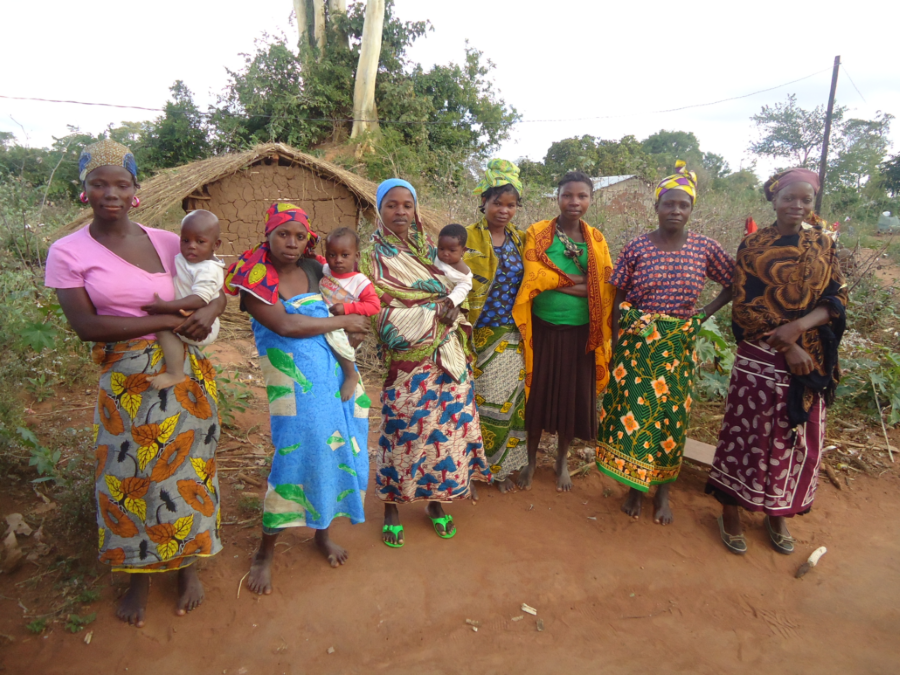
    Illustrative Image: HIV Among Older Adults in Sub-Saharan Africa: New Study Reveals High Prevalence, Key Risk Factors, and Urgent Policy Gaps
    Image Source & Credit: The Borgen Project
    Ownership and Usage Policy

    A recent study by Olubayo et al. (2025) titled “The prevalence, incidence, and sociodemographic risk factors of HIV among older adults in sub-Saharan Africa (AWI-Gen): a multicentre, longitudinal cohort study” published in The Lancet Healthy Longevity reveals that HIV remains highly prevalent among older adults in sub-Saharan Africa, with education, age, and rural residence significantly influencing risk.

    HIV Among Older Adults in Sub-Saharan Africa: New Study Reveals High Prevalence, Key Risk Factors, and Urgent Policy Gap– Olubayo et al. 2025

    This study, conducted as part of the Africa Wits–INDEPTH Partnership for Genomic Research (AWI-Gen), explores the prevalence, incidence, and sociodemographic risk factors of HIV among adults aged 40 years and older in sub-Saharan Africa. Drawing on nearly a decade of longitudinal data from multiple sites in Kenya and South Africa—spanning both urban and rural areas—the research provides critical insights into HIV trends and public health challenges faced by this growing demographic. Sociodemographic analysis revealed that individuals with lower education levels and those residing in rural areas faced a disproportionately higher burden of HIV compared to their urban counterparts. Despite improved awareness and reporting of HIV status over time, access to HIV-related healthcare services remains uneven, especially among older adults in underserved regions. While antiretroviral therapy (ART) coverage has expanded substantially between waves, gaps persist in treatment accessibility and health system responsiveness.

    How the Study was Conducted

    The study focused on adults aged 40 years and older. In Wave 1 (2013–2016), participants aged 40–60 were randomly selected from community-based populations to ensure balanced representation of men and women. Wave 2 (2019–2022) included follow-up of the original cohort as well as newly recruited individuals aged 40 and above. Data were gathered through structured interviews and questionnaire surveys, covering sociodemographic and health-related information. HIV testing was performed using point-of-care rapid diagnostic tests, with confirmatory testing for positive results. Participants also self-reported their HIV status and ART (antiretroviral therapy) use. Logistic regression models were applied to evaluate HIV prevalence and incidence, alongside potential risk factors. The analysis accounted for variables such as age, gender, education level, employment status, and urban vs. rural residence. Longitudinal tracking allowed for an assessment of trends in HIV status, treatment coverage, and awareness over time.

    What the Authors Found

    HIV prevalence remained high but stable, with 22.2% in Wave 1 and 21.8% in Wave 2 testing positive for HIV. Women and individuals aged 40–50 exhibited the highest prevalence, with notable differences between rural and urban populations. New infections occurred at a rate of 0.35 per 100 person-years, with older age offering some protection against HIV acquisition. Education emerged as a key determinant—participants with no formal education faced significantly higher HIV risks. Rural residents were also more vulnerable than their urban counterparts. Encouragingly, ART coverage improved markedly between waves, and self-reporting accuracy regarding HIV status increased, suggesting progress in awareness and treatment access.

    Why is this important

    Understanding an Underserved Population: Older adults (aged 50+ years) are increasingly living with HIV due to improved antiretroviral therapy (ART) coverage. However, most HIV prevention campaigns focus on younger populations, leaving educational gaps and limited healthcare resources for older adults. This study helps bridge that gap.

    Identifying Key Risk Factors: The research shows that women, individuals in rural areas, and those with no formal education face higher risks of HIV. Social and economic inequalities significantly impact access to HIV testing, treatment, and awareness, particularly for vulnerable groups.

    Tracking Progress in HIV Awareness: Self-reported HIV awareness increased from 55.5% (Wave 1) to 76.7% (Wave 2), showing progress in education and awareness campaigns. ART coverage also improved, but gaps remain that could prevent older adults from achieving optimal health outcomes.

    Shaping Future HIV Policies: By providing longitudinal data, this research helps policymakers understand how HIV prevalence and treatment trends evolve over time. It underscores the need for age-inclusive policies that ensure older populations are not neglected in global HIV response efforts.

    What the Authors Recommended

    • Tailored education programs should be developed to raise awareness about HIV risk among older populations, addressing widespread misconceptions. Integrating HIV prevention and education into routine healthcare services for ageing adults can improve outreach and early detection.
    • Expanding ART (antiretroviral therapy) coverage and improving healthcare infrastructure—particularly in rural and underserved areas—are essential. Training healthcare workers to provide age-sensitive, stigma-free care will help older adults access and adhere to HIV treatment more effectively.
    • Community-based support systems should be established to help older adults manage HIV. Special attention must be given to women and rural residents, who face heightened vulnerability. Providing financial, social, and psychological support can significantly enhance treatment adherence and quality of life.
    • Regular HIV testing should be promoted among older adults, alongside improved self-reporting tools to increase awareness of HIV status. Strengthening data systems will enable more accurate tracking of HIV trends and inform responsive interventions.
    • Governments should incorporate ageing populations into national HIV policies and strategies. Expanding research on HIV and ageing and fostering collaboration among governments, NGOs, and healthcare providers will be critical to delivering comprehensive care and reducing stigma among older adults.

    In conclusion, the study by Olubayo et al. (2025) highlights the persistent and complex challenges of HIV among older adults in sub-Saharan Africa, revealing critical sociodemographic disparities and healthcare gaps. As the population ages and ART continues to extend life expectancy, there is a pressing need to shift the focus of HIV interventions to include older adults. Addressing educational, geographic, and gender-based inequalities, while strengthening healthcare systems and community support, is essential for a more inclusive and effective HIV response. This research provides a vital foundation for policymakers, healthcare providers, and global health advocates to reimagine HIV prevention and care strategies for ageing populations.

  • Why South Africa’s Land Is Rising: Scientists Link Uplift to Drought and Climate Change

    Why South Africa’s Land Is Rising: Scientists Link Uplift to Drought and Climate Change


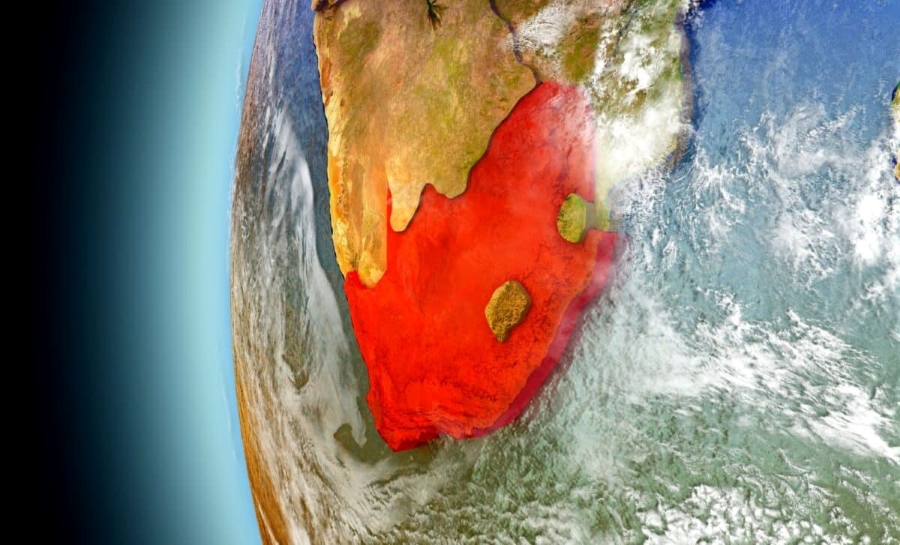
    Illustrative Image: Why South Africa’s Land Is Rising: Scientists Link Uplift to Drought and Climate Change
    Image Source & Credit: Tobias Fischer / Unsplash
    Ownership and Usage Policy

    South Africa’s Soils Are Rising—And Scientists Now Understand Why

    In an intriguing twist of nature, recent geophysical studies have confirmed that South Africa’s landmass is slowly but steadily rising above sea level. From 2012 to 2020, scientists recorded an uplift of around 6 millimeters—a subtle but significant change. This phenomenon, tracked through a network of high-precision GPS receivers across the country, had puzzled geologists for years. Now, new research suggests that the cause lies not deep within the Earth, but in the climate above it.

    Drought: The Unseen Force Lifting the Land

    According to a study led by researchers at Germany’s University of Bonn, published in the Journal of Geophysical Research, the culprit behind the rising ground is prolonged drought. Using a combination of ground-based GPS data and satellite imaging, the team established a strong correlation between regional water loss and land uplift.

    The mechanism is rooted in fundamental physics: water adds weight to the Earth’s crust. When significant amounts of water—whether from rain, rivers, groundwater, or soil moisture—are lost during droughts, the pressure on the Earth’s surface decreases. In response, the crust rebounds upward, much like a sponge decompressing after being squeezed.

    To trace this phenomenon, researchers analyzed historical precipitation patterns and combined them with data from the GRACE satellite, which measures variations in Earth’s gravitational field. GRACE is particularly adept at detecting changes in underground water storage. The results showed that areas suffering from severe water depletion experienced the most pronounced land uplift.

    “By monitoring variations in total water storage—which includes surface water, soil moisture, and groundwater—we’re able to observe how water mass loss influences Earth’s surface,” explained Dr. Christian Mielke from the German Institute for Geodesy and Geoinformation. In essence, less water means less weight, and less weight means the land can subtly lift.

    Climate Change: A Hidden Sculptor of Landscapes

    South Africa is no stranger to drought. The nation regularly experiences extended dry periods, with the 2018 Cape Town water crisis—dubbed “Day Zero”—serving as a stark reminder of its vulnerability. As climate change accelerates, such events are becoming more frequent and intense, reshaping not only the environment but the very land beneath our feet.

    The United Nations warns that Africa is warming faster than the global average, despite contributing only about 4% of global greenhouse gas emissions. This makes the continent disproportionately susceptible to climate-driven disruptions, including these unexpected geological shifts.

    Interestingly, earlier hypotheses attributed South Africa’s land uplift to deep-earth geological activity—specifically, a mantle plume, where superheated rock rises toward the surface. While such plumes can indeed elevate crustal regions, the new drought-centered findings present a more immediate and climate-relevant explanation.

    Implications for Infrastructure, Ecology, and Planetary Science

    The consequences of this slow uplift extend far beyond academic curiosity. Changes in land elevation—even at the millimeter scale—can alter water drainage patterns, disrupt agricultural systems, affect building foundations, and shift ecosystem balances.

    For example, rising land in a river basin might cause water to flow differently, potentially leading to localized flooding or soil erosion. Similarly, structural engineers may need to consider these micro-level movements when designing long-term infrastructure, especially in water-stressed regions.

    On a broader scale, the precision of GPS and satellite technologies—many initially developed for astronomy—now enables us to detect and analyze these terrestrial changes with unprecedented accuracy. These insights can help policymakers improve water resource management, guide urban planning, and build resilience against the hidden impacts of climate change.

    Moreover, studying the Earth’s response to water loss may provide analogues for other planets. Understanding how mass redistribution affects planetary crusts could enhance our interpretations of Martian topography or the icy moons of Jupiter and Saturn, where similar rebound mechanisms may occur.

    A Subtle Yet Profound Reminder

    While much of the public’s attention is drawn to dramatic climate events—raging wildfires, devastating hurricanes, or shrinking glaciers—this gradual geological rise in South Africa highlights a quieter, subtler transformation. It reminds us that climate change doesn’t just influence weather—it’s reshaping the planet itself.

    South Africa, with its intricate blend of climatic vulnerability and cutting-edge geophysical monitoring, is emerging as a natural laboratory for exploring the deep links between climate, geology, and planetary dynamics. As researchers continue to unlock the stories written in the land, we are reminded that even the ground beneath our feet is not immune to the consequences of a changing world.

  • South Africa’s Land Is Rising Due to Drought: New Research Reveals Surprising Cause of Uplift

    South Africa’s Land Is Rising Due to Drought: New Research Reveals Surprising Cause of Uplift


    Illustrative Image: South Africa’s Land Is Rising Due to Drought: New Research Reveals Surprising Cause of Uplift
    Image Source & Credit: Daily Galaxy
    Ownership and Usage Policy

    An Unexpected Discovery: Land Rising Above Sea Level

    South Africa is experiencing a curious geological phenomenon—its land is slowly but steadily rising from the ocean. For decades, geoscientists attributed such vertical land movement to deep Earth processes such as mantle plumes or convection, where hot material ascends from the Earth’s interior, creating upward pressure on the crust.

    However, new research led by geophysicists at the University of Bonn challenges that long-standing view. Instead, it appears that sustained droughts and the accompanying depletion of surface and groundwater are driving this surprising uplift.

    Shifting Paradigms: From Mantle Flow to Mass Loss

    Between 2012 and 2020, data collected from a network of permanent GPS stations across South Africa revealed vertical land movements of up to six millimeters in elevation, with average annual rises of nearly two millimeters. These GPS stations, which form part of a geodetic infrastructure designed to monitor Earth’s dynamic surface, provided highly accurate measurements of both vertical and horizontal displacements.

    Initially, these uplifts were interpreted as evidence of mantle dynamics—hot, buoyant rock ascending through the mantle and causing the overlying crust to bulge upward. However, inconsistencies in regional patterns and new satellite data pointed to an alternative explanation.

    According to Dr. Makan Karegar, a geodesy expert from the University of Bonn, a more plausible cause emerged: the loss of mass in the form of water. As groundwater and surface moisture diminish due to prolonged droughts, the weight pressing down on the Earth’s crust lessens, allowing it to rebound upward.

    The Elastic Rebound: How Drought Lifts the Land

    This phenomenon is governed by the principle of elastic isostasy—an idea rooted in geophysics that explains how the Earth’s crust behaves elastically when load conditions change. Similar to how a sponge or foam ball returns to its original shape once pressure is removed, Earth’s lithosphere can flex and rise when a substantial mass (like water) is lost.

    The process is subtle but measurable. Using data from the GRACE (Gravity Recovery and Climate Experiment) satellite mission, researchers confirmed that the mass loss from soil moisture, surface water, and aquifers coincides with the observed uplift. GRACE satellites detect changes in the Earth’s gravitational field, which fluctuate with variations in surface mass—especially water.

    However, GRACE data comes with a caveat: its spatial resolution spans hundreds of kilometers, meaning it captures broad regional trends rather than local ones. This is where ground-based GPS data proves invaluable, offering high-resolution insight into specific uplift zones, many of which match areas of severe water depletion.

    Drought as a Geophysical Force

    One of the most dramatic examples of this rebound occurred during South Africa’s 2015–2019 drought, a crisis that nearly brought Cape Town to “Day Zero”—the point at which the city would run out of water. Satellite imagery and GPS measurements show that during this time, land in the Western Cape rose significantly in response to the falling water table.

    The visual data illustrates a strong spatial correlation: regions shaded brown, indicating high water loss, are also the ones where GPS stations recorded the greatest uplift. The red triangles on these maps signify upward movement, while blue would indicate sinking—providing a striking visual confirmation of the drought-uplift relationship.

    A New Tool for Water Management and Climate Adaptation

    Beyond its scientific intrigue, this discovery has practical implications. Monitoring land uplift offers a novel, cost-effective tool for tracking water resource depletion, especially in regions vulnerable to climate change and drought.

    “By interpreting vertical ground movements, we can estimate changes in groundwater levels,” says Christian Mielke, another geophysicist involved in the study. “This provides indirect but highly valuable information about subsurface water loss, which is crucial for sustainable resource planning.”

    In regions with limited hydrological monitoring infrastructure, GPS-based uplift data could serve as an early warning system for declining aquifers. With climate models predicting more frequent and intense droughts globally, such tools are urgently needed.

    Conclusion: A Rising Land and a Sinking Realization

    What first appeared to be a mystery rooted deep within the Earth has turned out to be a sign of what’s happening above it—a response to water scarcity rather than seismic forces. South Africa’s rising land is a silent signal of an unfolding environmental crisis, one that could be echoed in arid regions across the globe.

    Understanding how droughts can reshape the very surface of the Earth opens up new pathways for environmental monitoring, climate adaptation, and resource management. As scientists refine these methods, GPS stations and satellite missions may become vital sentinels—not only for geophysical changes but for the state of our planet’s dwindling freshwater supplies.

  • IAEA and Morocco’s CNESTEN Renew Strategic Alliance to Boost Nuclear Technologies for Sustainable Development

    IAEA and Morocco’s CNESTEN Renew Strategic Alliance to Boost Nuclear Technologies for Sustainable Development


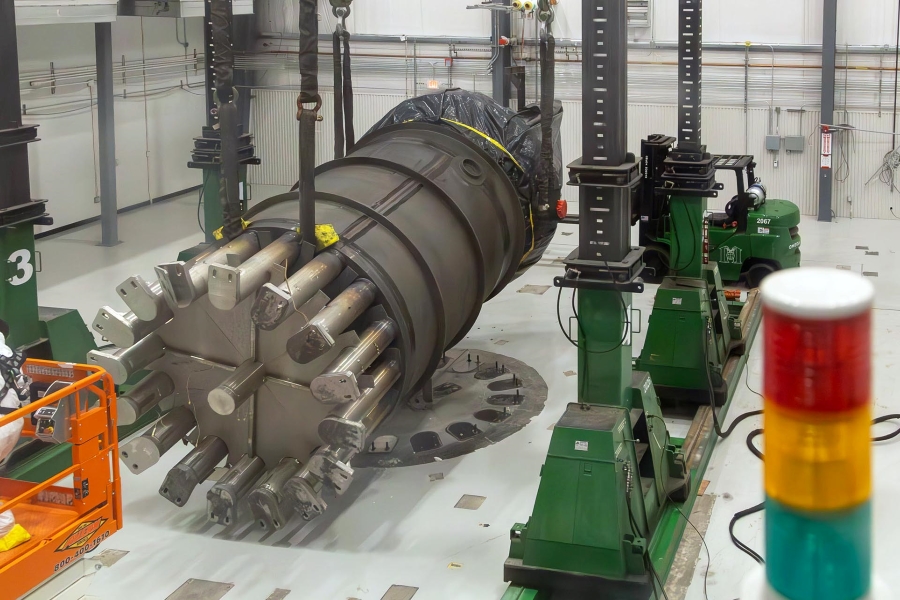
    Illustrative Image: IAEA and Morocco’s CNESTEN Renew Strategic Alliance to Boost Nuclear Technologies for Sustainable Development
    Image Source & Credit: enterprise.news
    Ownership and Usage Policy

    By Lucia Ortega and Hannah Affum, IAEA Department of Nuclear Sciences and Applications

    In a significant step toward bolstering sustainable development through nuclear science, the International Atomic Energy Agency (IAEA) has renewed its longstanding partnership with Morocco’s Centre National de l’Énergie, des Sciences et des Techniques Nucléaires (CNESTEN). The renewal agreement was formalized during a signing ceremony at the IAEA Headquarters, with Director General Rafael Mariano Grossi and CNESTEN Director General Hamid Marah officiating. This renewed collaboration, valid until 2029, reinforces both parties’ shared commitment to advancing nuclear and isotopic techniques in critical sectors such as water resource management, environmental monitoring, and industrial innovation.

    A Model of Regional Leadership in Nuclear Science

    CNESTEN, designated as an IAEA Collaborating Centre since 2015, has established itself as a hub of nuclear expertise in Africa. It operates under the Moroccan Ministry of Energy Transition and Sustainable Development and serves as a Regional Centre of Excellence under the African Regional Cooperative Agreement for Research, Development, and Training Related to Nuclear Science and Technology (AFRA). Through state-of-the-art laboratories and accredited research facilities—compliant with ISO/IEC 17025 standards—CNESTEN supports scientific advancement in isotopic hydrology, non-destructive testing, and radiometric analysis.

    Over the years, CNESTEN has contributed significantly to both national and continental development agendas. Its collaboration with the IAEA has led to the successful completion of eight national studies on water resources, enhancement of chemical and isotopic databases for more than 20 major Moroccan water basins, and active participation in three international coordinated research projects. These initiatives are critical in a region increasingly challenged by climate change and water scarcity.

    Expanding Regional and International Capacity

    The renewed agreement outlines two strategic work plans to be implemented through 2029:

    1. Promotion of Isotope Hydrology Tools

    The first work plan focuses on expanding the application of isotope hydrology techniques to manage water resources more efficiently. This will be facilitated through partnerships with national and regional institutions, as well as active participation in global networks like the Global Network of Isotopes in Precipitation (GNIP) and the Global Water Analysis Laboratory (GloWAL). These platforms enable researchers to trace the origins, movement, and age of water, offering critical insights for sustainable water governance. CNESTEN will also provide both foundational and advanced training in isotope and geochemical analysis, primarily in French, making its expertise more accessible to francophone African nations.

    In addition to training, CNESTEN will offer laboratory services in hydrochemistry and environmental isotope analysis, supporting IAEA-led technical cooperation projects across Africa and the Middle East. These analytical capabilities are crucial for evidence-based policymaking and adaptive water resource strategies.

    2. Harnessing Nuclear Technology for Industrial Applications

    The second work plan underscores the peaceful use of nuclear technologies to improve industrial operations. It aims to enhance the deployment of radioisotope and radiation-based methods in areas such as non-destructive testing (NDT), radiotracers, and sealed-source technologies. These techniques are vital for quality control, process optimization, and ensuring the safety and environmental sustainability of industrial activities.

    Notably, CNESTEN is also recognized by the Moroccan Confederation of Non-Destructive Testing as a national training and certification authority in NDT. This recognition enables CNESTEN to build local and regional capacity by training professionals in advanced nuclear inspection methods that are safer, more precise, and environmentally friendly.

    Building Human Capacity and Scientific Knowledge

    One of CNESTEN’s standout contributions has been in capacity building and knowledge dissemination. To date, the centre has organized over 90 specialized workshops and training programs, reaching hundreds of professionals from across Africa. It has also published more than 25 peer-reviewed scientific papers, significantly enriching the global nuclear knowledge base and reinforcing Africa’s role in the international nuclear science community.

    By renewing this partnership, the IAEA and CNESTEN reaffirm their mutual dedication to using nuclear science for peaceful and development-oriented purposes. The collaboration aligns with the United Nations Sustainable Development Goals (SDGs), particularly those related to clean water and sanitation (SDG 6), industry, innovation, and infrastructure (SDG 9), and climate action (SDG 13).

    Toward a Resilient, Technologically Empowered Africa

    The strategic partnership between the IAEA and CNESTEN serves as a model of effective international cooperation. It demonstrates how investment in scientific research, capacity building, and technical infrastructure can help countries respond to pressing environmental challenges while accelerating socio-economic growth. As CNESTEN continues to share its expertise and infrastructure with neighboring countries, Morocco is poised to solidify its role as a regional leader in the application of nuclear science for development.

    This renewed agreement is more than a continuation of past efforts—it is a visionary roadmap that positions nuclear science at the heart of Africa’s transformation agenda.

  • African Development Finance Journal (ADFJ) – A Leading AR-Indexed Platform for Financial Research in Africa

    African Development Finance Journal (ADFJ) – A Leading AR-Indexed Platform for Financial Research in Africa


    Illustrative Image: African Development Finance Journal (ADFJ) – A Leading AR-Indexed Platform for Financial Research in Africa
    Image Source & Credit: ADFJ
    Ownership and Usage Policy

    Introduction
    The African Development Finance Journal (ADFJ) has emerged as a prominent scholarly platform in Africa, providing high-quality research dissemination in financial management and development finance. As of May 2025, ADFJ proudly holds an ACTIVE listing in the AR Index (AR Index Number: 644406), reinforcing its credibility and global academic reach.

    About ADFJ
    Established in 2015, the African Development Finance Journal is published bimonthly by the Department of Finance and Accounting at the University of Nairobi, Kenya. It offers open-access, peer-reviewed content to researchers, academicians, practitioners, and students from around the world. ADFJ’s focus lies in enhancing and sharing knowledge within the broad disciplines of:

    • Financial Management

    • Corporate Finance

    • Public Finance

    • Development Finance

    • Financial Innovation and Risk Management

    The journal publishes diverse types of contributions, including theoretical and empirical research papers, review articles, case studies, literature reviews, technical notes, simulation models, and conceptual frameworks.

    AR Index Accreditation – A Mark of Quality
    Being listed in the AR Index affirms ADFJ’s commitment to scholarly excellence. This listing elevates the journal’s visibility, making it a preferred destination for authors looking for impactful and credible outlets. Researchers benefit from a robust review process (1–2 months, double-blind), rigorous publication ethics, and international exposure.

    Journal Features at a Glance

    • Frequency: Bi-monthly

    • Open Access: Yes (under Creative Commons license – CCO)

    • Review Type: Double-blinded

    • Review Duration: 1–2 months

    • Article Length: Up to 25 double-spaced pages

    • Publication Fee: $100 (No submission fee)

    • ISSN (Online): 2522-3186

    • Language: English (British or American standard)

    Why Publish with ADFJ?

    • Credibility: Backed by the University of Nairobi and indexed in the AR Index

    • Affordability: No submission fees and modest publication charges

    • Academic Rigor: Double-blind review and ethical publishing standards

    • Wide Reach: Open access ensures global visibility

    • Diverse Content: Welcomes a wide spectrum of research formats and topics

    Meet the Editorial Team
    ADFJ is spearheaded by Dr. Duncan Elly Ochieng, who serves as both the Journal Editor and Managing Editor. His stewardship ensures that the journal maintains the highest standards of academic integrity and scholarly value.

    Conclusion
    The African Development Finance Journal stands as a beacon for academic excellence in African financial research. Its AR Index listing affirms its role in shaping scholarly discourse across the continent and beyond. For academics and professionals seeking a respected, accessible, and ethical journal to publish their work, ADFJ offers an ideal platform to contribute to the global conversation on finance and development.

    For more details visit the AR Index 

  • Prototype Implementation of a Robotic Gamification Model to Boost Climate Change Literacy and Green Entrepreneurship in Sub-Saharan Africa

    Prototype Implementation of a Robotic Gamification Model to Boost Climate Change Literacy and Green Entrepreneurship in Sub-Saharan Africa


    Illustrative Image: Prototype Implementation of a Robotic Gamification Model to Boost Climate Change Literacy and Green Entrepreneurship in Sub-Saharan Africa
    Image Source & Credit: gamified.uk
    Ownership and Usage Policy

    A recent study by Oguta et al. (2025) titled “Prototype Implementation of a Robotic Gamification Model for Climate Change Literacy for Green Innovation and Entrepreneurship with Social Robot Nao” published in the Journal of Computing Sciences Research reveals that the Robotic Gamification Model for Climate Change Literacy (RGM-CCL4GIE) significantly improved learner engagement and motivation in climate change education within Sub-Saharan Africa (SSA).

    Combining robotics and gamification significantly improves learner engagement and motivation in climate change education across Sub-Saharan Africa.

    – Oguta, et al. 2025

    This study presents the development of the Robotic Gamification Model for Climate Change Literacy for Green Innovation and Entrepreneurship (RGM-CCL4GIE), designed to enhance climate change education and promote green entrepreneurship across Sub-Saharan Africa (SSA). The model leverages the power of robotics and gamification to foster sustained learner engagement and motivation—addressing the critical shortcomings of traditional educational approaches that often fail to maintain interest over time.

    How the Study was Conducted

    The study employed a Design Science Methodology (DSM) approach to develop, validate, and empirically test the Robotic Gamification Model for Climate Change Literacy for Green Innovation and Entrepreneurship (RGM-CCL4GIE). Researchers designed the gamified training model grounded in three theoretical frameworks to maximize motivation, engagement, and learning reinforcement: Self-Determination Theory to foster intrinsic motivation, Operant Conditioning Theory to reinforce learning behaviors, Mechanics-Dynamics-Aesthetics (MDA) Framework to enhance engagement and interaction. The prototype was implemented on the Moodle e-learning platform and integrated with the social robot Nao. Gamification elements such as leaderboards, badges, random rewards, and interactive robotic features were embedded to create an immersive learning experience.

    The system architecture comprised modular components supporting desktop learning and robotic interaction. To enable gamification, Moodle plugins like Level Up and Block Game were installed, facilitating interactive quizzes and reward mechanisms. The Nao robot was programmed via Choregraphe software to deliver personalized feedback, animations, and interactive dialogues, further enriching learner engagement. The prototype was tested with students undergoing climate change literacy training, who interacted with both the Moodle-based gamified platform and the Nao robot-enhanced sessions. Data were collected through surveys based on the Technology Acceptance Model (TAM), measuring learner motivation, engagement, and overall model effectiveness.

    What the Authors Found

    The authors found that the Robotic Gamification Model for Climate Change Literacy (RGM-CCL4GIE) significantly improved learner engagement and motivation in climate change education within Sub-Saharan Africa (SSA).

    Why is this important

    Overcoming Engagement Barriers: Traditional educational methods often struggle to keep learners engaged over time, especially in complex fields like climate change literacy. This study introduces gamification and robotics to make learning more interactive, engaging, and sustained.

    Advancing Climate Change Education: By integrating self-determination theory, operant conditioning, and the MDA framework, the model promotes long-term learning retention and motivation. It ensures that students remain interested and actively participate in climate change education.

    Supporting Green Innovation & Entrepreneurship: Educating students on climate change isn’t just about awareness—it’s about empowering them to create solutions. The model helps learners understand environmental issues while encouraging them to develop green entrepreneurship initiatives.

    Leveraging Technology for Learning: The study showcases how robots like Nao can enhance student interaction, provide personalized feedback, and create immersive learning experiences. This hybrid approach to education (gamification + robotics) could set a new standard for teaching dynamic subjects.

    Real-World Impact: By improving climate literacy, the study helps communities and policymakers in SSA make informed decisions about sustainability and green innovation. It contributes to broader climate change awareness and sustainable development goals.

    What the Authors Recommended

    • To maximize learner engagement, it is crucial to maintain a balanced integration of the Nao robot’s interactive features alongside gamification components. Over-reliance on either robotics or gamification alone may diminish the overall effectiveness of the learning experience.
    • The model should be designed for adaptability across diverse educational settings, allowing scalable implementation in various institutions. Special attention must be given to accessibility, particularly in Sub-Saharan Africa, where technological infrastructure can differ widely.
    • Ongoing collection and analysis of learner feedback through surveys and engagement metrics are essential. This continuous evaluation will help refine the model, ensuring it remains effective and responsive to learner needs.
    • Further research is encouraged to explore additional interactive technologies beyond the Nao robot and to investigate the long-term impacts of combining gamification and robotics on learner engagement and knowledge retention. Scaling the model should also be a priority for broader application.
    • The model offers a practical solution to enhance climate change literacy and green entrepreneurship education. Its widespread adoption can contribute significantly to raising climate awareness and advancing sustainable development goals across Sub-Saharan Africa.

    In conclusion, the Robotic Gamification Model for Climate Change Literacy (RGM-CCL4GIE) represents a groundbreaking approach to education in Sub-Saharan Africa by combining robotics and gamification to significantly enhance learner engagement and motivation. This innovative model not only addresses critical challenges in traditional climate change education but also empowers students to become active participants in green innovation and entrepreneurship. By leveraging cutting-edge technology and well-established motivational theories, the study offers a scalable and adaptable framework with the potential to transform climate literacy, support sustainable development goals, and foster a more environmentally conscious generation across the region.

  • Driving Industrialization in Africa: How Innovation and Global Value Chains Can Transform Economic Growth

    Driving Industrialization in Africa: How Innovation and Global Value Chains Can Transform Economic Growth


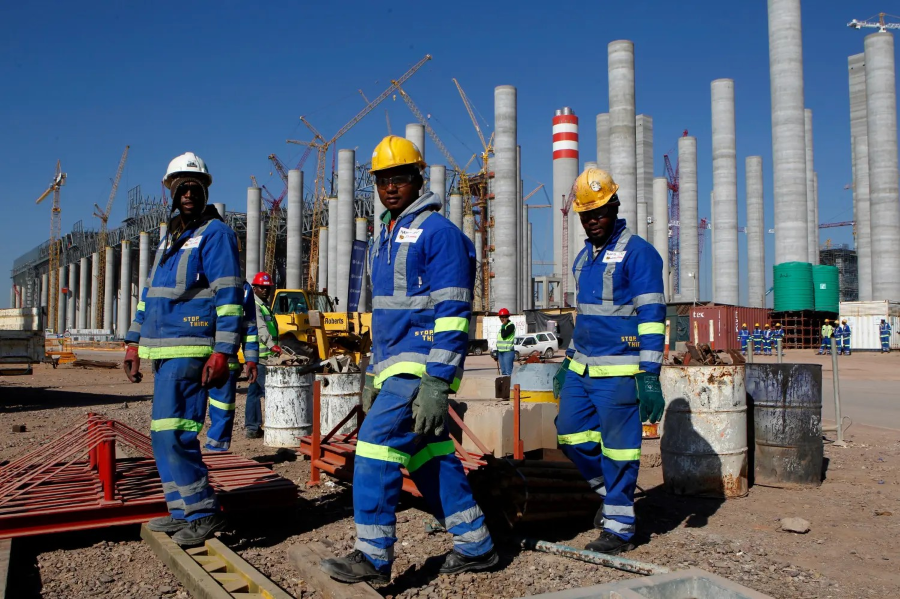
    Illustrative Image: Driving Industrialization in Africa: How Innovation and Global Value Chains Can Transform Economic Growth
    Image Source & Credit: Brookings Institution
    Ownership and Usage Policy

    A recent study by Jegede, O. (2025) titled “Leveraging innovation and global value chains participation for industrialisation: An agenda for research in Africa” published in African Journal of Science, Technology, Innovation and Development, reveals that African countries face numerous barriers to innovation, including underdeveloped research and development (R&D) infrastructure, limited access to financing, and significant human capital deficits.

    Africa can achieve industrial growth by leveraging innovation and strategic GVC participation, despite challenges in R\&D, finance, and skills.
    – Jegede, O. 2025

    This study investigates the critical relationship between innovation and Global Value Chain (GVC) participation, with a focus on how Africa can harness these mechanisms to drive industrialization and sustainable economic growth. Central to the analysis is the role of National Innovation Systems (NIS) in facilitating technological advancement and enhancing the continent’s competitiveness on the global stage. Despite persistent challenges such as inadequate research and development (R&D) infrastructure, limited access to financing, and human capital deficits, the paper argues that African nations can still make significant strides by strategically leveraging innovation. Through a systematic search and review of existing literature, the study identifies actionable pathways for Africa to deepen its integration into GVCs. Key insights emphasize the dual importance of coherent government policies and adaptive firm-level strategies. Governments are urged to implement supportive industrial policies, invest in quality infrastructure, and promote cross-border collaboration and regional integration to boost innovation capabilities. Meanwhile, firms are encouraged to adopt proactive approaches such as technology upgrading and expanding export activities to enhance global competitiveness. Overall, the research advocates for a coordinated effort across public and private sectors to strengthen Africa’s innovation ecosystem, positioning the continent for more effective participation in GVCs and long-term industrial transformation.

    How the Study was Conducted

    This study employed a systematic search and review methodology to critically examine existing literature on the relationship between innovation and Global Value Chains (GVCs), with a particular focus on the African context. The primary objective was to explore how innovation can facilitate Africa’s participation in GVCs and drive industrialization across the continent. A structured search strategy was implemented using major academic databases such as PubMed, Scopus, Web of Science, and Google Scholar. Relevant keywords—including “innovation,” “GVCs,” “industrialization,” and “Africa”—were used to identify pertinent studies. The review encompassed both qualitative and quantitative research while excluding non-peer-reviewed sources and non-English publications. The data collection process involved an initial screening of titles and abstracts to identify relevant studies, followed by a full-text review based on predefined inclusion criteria. The selected studies underwent data extraction and were analyzed using narrative synthesis and thematic analysis to identify recurring patterns, key themes, and critical insights. These analyses revealed how innovation serves as a catalyst for enhancing Africa’s integration into GVCs and promoting industrial development. To ensure methodological rigor, all selected studies were evaluated for quality and credibility. The findings were then structured to provide clear, actionable recommendations—highlighting the importance of strategic government policies, firm-level innovation strategies, and regional collaboration in strengthening Africa’s GVC positioning. The study also acknowledged several limitations, including language and publication bias, variability in study quality, and contextual differences among African countries. Despite these constraints, the review offers valuable insights into the role of innovation in fostering sustainable industrial growth in Africa.

    What the Author Found

    The author found that African countries face numerous barriers to innovation, including underdeveloped research and development (R&D) infrastructure, limited access to financing, and significant human capital deficits. These constraints hinder the continent’s ability to generate and apply new knowledge effectively. Furthermore, Africa’s participation in GVCs remains uneven, with substantial variation across countries and sectors, often concentrated in low-value activities such as raw material extraction or basic manufacturing.

    Why is this important

    Enhancing Africa’s Global Competitiveness: African economies often struggle with low-value production and limited global market integration. By leveraging innovation, firms can transition from raw material exporters to higher-value producers in sectors like manufacturing and technology.

    Overcoming Structural Challenges: The study identifies key obstacles—such as weak research infrastructure, limited access to financing, and human capital gaps—that hinder Africa’s industrial growth. Understanding these challenges helps policymakers design effective strategies for supporting innovation and economic transformation.

    Strengthening National Innovation Systems (NIS): A strong NIS ensures technology flows efficiently between businesses, universities, and research institutions. Investing in R&D, education, and technology adoption will help African firms move up the value chain.

    Supporting Sustainable Development: Innovation-driven industrialisation can boost job creation, reduce poverty, and improve living standards. Rather than relying on resource extraction, African economies can diversify and develop resilient industries.

    Leveraging Regional Integration: Initiatives like the African Continental Free Trade Area (AfCFTA) can facilitate deeper GVC participation. Regional collaboration helps streamline supply chains, foster knowledge-sharing, and increase cross-border innovation.

    Informing Policy and Business Strategy: Governments and businesses can use insights from this study to craft better policies—from infrastructure investments to trade regulations—that enable African firms to compete globally.

    What the Author Recommended

    • Governments should prioritize investments in research and development (R&D) infrastructure, foster collaboration between universities, industries, and research institutions, and implement policies that facilitate technology transfer and knowledge sharing. Building robust NIS will enhance local innovation capacity and competitiveness in global markets.
    • Policymakers must craft industrial strategies aligned with global market demands while investing in essential infrastructure—such as roads, ports, and digital networks—to support efficient trade. Financial incentives should be provided to firms engaged in technology upgrading and export-oriented activities, enabling their integration into higher-value segments of GVCs.
    • African businesses should be encouraged to adopt advanced technologies, pursue digital transformation, and improve product standards to move up the value chain. Regional trade frameworks like the African Continental Free Trade Area (AfCFTA) should be leveraged to enhance cross-border operations and foster competitive industrial clusters.
    • Investments in education, vocational training, and entrepreneurship programs are critical to developing a skilled workforce capable of supporting industrial innovation. Particular emphasis should be placed on building digital competencies and technical expertise to meet the demands of modern industries and evolving GVCs.
    • Governments and regional bodies should promote cross-border innovation partnerships, support joint ventures between African and international firms, and harmonize policies to reduce fragmentation and create a more integrated African innovation and industrial ecosystem.
    • A focused research agenda tailored to Africa’s innovation and industrial needs is essential. Policymakers and scholars should prioritize evidence-based strategies, support data-driven decision-making, and continuously monitor and evaluate innovation initiatives to refine approaches and improve outcomes over time.

    In conclusion, the study by Jegede (2025) highlights the pivotal role of innovation and strategic participation in global value chains as essential drivers of Africa’s industrial transformation. Despite persistent structural barriers, the continent holds significant potential to enhance its global competitiveness through targeted investments in R\&D, education, and infrastructure, as well as supportive policy frameworks and regional collaboration. By aligning public and private sector efforts and fostering a robust innovation ecosystem, African nations can move beyond low-value economic activities toward sustainable, inclusive, and resilient industrial growth.

  • May 2025: Paper of the Month by Atoe et al. 2024-Pattern of Acid-Base Status in Hypertensive Disorders during Pregnancies in Benin City, Nigeria

    May 2025: Paper of the Month by Atoe et al. 2024-Pattern of Acid-Base Status in Hypertensive Disorders during Pregnancies in Benin City, Nigeria


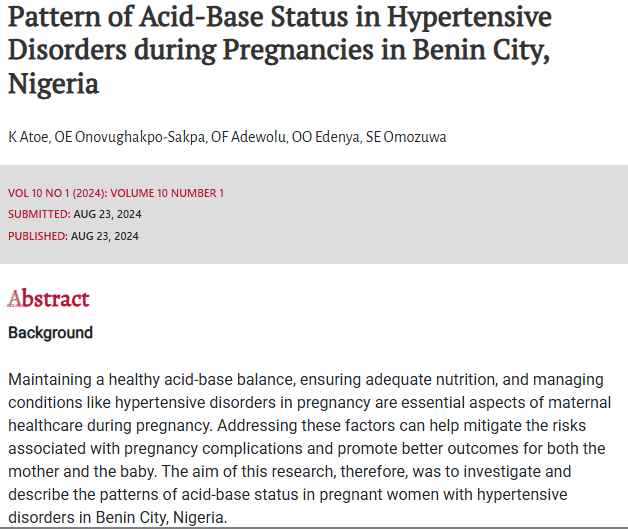
    Illustrative Image: May 2025: Paper of the Month by Atoe et al. 2024-Pattern of Acid-Base Status in Hypertensive Disorders during Pregnancies in Benin City, Nigeria
    Image Source & Credit: IJFMI
    Ownership and Usage Policy

    African Researchers AwardMay 2025: Paper of the Month by Atoe et al. 2024-Pattern of Acid-Base Status in Hypertensive Disorders during Pregnancies in Benin City, Nigeria

    A recent study by Atoe et al. (2024) titled “Pattern of Acid-Base Status in Hypertensive Disorders during Pregnancies in Benin City, Nigeria” published in the International Journal of Forensic Medical Investigation reveals that elevated lactate dehydrogenase (LDH) may serve as a potential biomarker for detecting hypertensive disorders in pregnancy.

    Elevated LDH levels, without corresponding lactate increases, may serve as a potential biomarker for hypertensive disorders in pregnancy.
    – Atoe et al. 2024

    A recent prospective case-control study conducted in Benin City, Nigeria, examined how hypertensive disorders during pregnancy—specifically preeclampsia and pregnancy-induced hypertension (PIH)—affect maternal acid-base status compared to normotensive (normal blood pressure) pregnancies. A total of 190 pregnant women were enrolled and categorized into three groups: preeclampsia, PIH, and normotensive controls. Blood samples were analyzed for plasma lactate, lactate dehydrogenase (LDH), and bicarbonate levels to assess metabolic changes linked to hypertensive conditions. The study sheds light on the biochemical patterns associated with hypertensive disorders in pregnancy, particularly the elevation of LDH without a concurrent rise in lactate levels.

    Study Design and Methodology

    This prospective case-control study was conducted to investigate the acid-base status of pregnant women with hypertensive disorders compared to normotensive pregnant women. The study was carried out at Central Hospital and the University of Benin Teaching Hospital, both located in Benin City, Nigeria. A total of 190 pregnant women were recruited for the study. The participants were categorised into three distinct groups: the Preeclampsia Group, Pregnancy-Induced Hypertension (PIH) Group, Normotensive Group. Inclusion criteria are pregnant women aged 20 to 40 years, singleton pregnancies, and gestational age of 28 weeks or more. However, there are also exclusion criteria, which are the presence of chronic illnesses such as diabetes mellitus, renal or hepatic disorders, thyroid dysfunction, and cardiovascular diseases. Multiple pregnancies. Participants were classified into their respective groups based on blood pressure measurements and urinalysis for proteinuria. Venous blood samples were collected via antecubital venipuncture and stored at -4°C for laboratory analysis. The following laboratory assessments were conducted: plasma lactate concentration, lactate dehydrogenase (LDH) enzyme activity, and plasma bicarbonate levels. Statistical analysis involved comparing acid-base status parameters across the three groups using analysis of variance (ANOVA) or appropriate non-parametric tests. A p-value of less than 0.05 was considered statistically significant. Informed consent was obtained from all participants prior to enrolment. The study protocol was reviewed and approved by the hospital’s Committee on Research Ethics (Reference No. ADM/E.22/A/VOL.VII/1469).

    What the Authors Found

    The following are the key findings of the study:

    Acid-Base Profiles and Hypertensive Disorders
    The study found no significant differences in plasma lactate and bicarbonate levels among women with preeclampsia, pregnancy-induced hypertension (PIH), and those with normotensive pregnancies. However, lactate dehydrogenase (LDH) enzyme levels were significantly elevated in cases of PIH, indicating potential cellular damage associated with hypertension in pregnancy.

    LDH-Lactate Discrepancy
    A notable and unexpected finding was the elevated LDH levels without a corresponding increase in plasma lactate. This dissociation suggests an alteration in metabolic processes in hypertensive pregnancies, where increased LDH activity does not translate into increased lactate production. This anomaly may point to underlying biochemical or physiological adaptations in response to hypertensive stress during pregnancy.

    Preeclampsia Severity and BMI Effects
    The study observed no significant variation in lactate, bicarbonate, or LDH levels between mild and severe preeclampsia cases. However, body mass index (BMI) appeared to influence bicarbonate levels—overweight women showed a notable decrease in bicarbonate concentrations—while LDH levels remained unaffected by BMI.

    Clinical Relevance and Future Directions
    Elevated LDH may serve as a potential biomarker for detecting hypertensive disorders in pregnancy. The disconnect between LDH and lactate highlights the need for further research into the metabolic mechanisms involved. Understanding this relationship could enhance diagnostic accuracy and inform better management strategies for hypertensive complications during pregnancy.

    Why is this important

    Early Diagnosis Through Biomarkers: The study highlights lactate dehydrogenase (LDH) as a potential early biomarker for hypertensive disorders in pregnancy, offering a promising tool for timely diagnosis and better monitoring, especially in resource-limited settings.

    Deeper Insight into Metabolic Dysfunction: A key finding is the discrepancy between LDH activity and lactate levels, challenging traditional markers and improving our understanding of underlying metabolic alterations in hypertensive pregnancies.

    Improved Maternal and Fetal Outcomes: By emphasising the role of acid-base balance and biochemical monitoring (e.g., LDH and bicarbonate), the study supports more targeted interventions to prevent complications like preterm birth and organ damage.

    Implications for Clinical Practice and Future Research: The research opens doors to new investigations into enzyme function, lactate metabolism, and potential therapies, offering real-world impact in regions like Nigeria where maternal mortality from hypertensive disorders remains high.

    What the Authors Recommended

    • The authors call for further research into the metabolic anomaly observed—elevated LDH levels without a corresponding rise in lactate. They suggest exploring mechanisms such as enzyme inhibition, substrate saturation, and metabolic adaptation in hypertensive pregnancies.
    • Given the significant rise in LDH in pregnancy-induced hypertension, the authors recommend clinical validation of LDH as a potential screening tool to aid in the early detection and diagnosis of hypertensive disorders in pregnancy.
    • The study supports routine monitoring of acid-base markers (LDH, bicarbonate, lactate) in hypertensive pregnant women to optimize clinical management and reduce risks of maternal and fetal complications.
    • The authors emphasise the importance of tailored clinical interventions based on trimester-specific metabolic changes, urging healthcare providers to adapt treatment plans in line with evolving acid-base dynamics throughout pregnancy.
    • To address high maternal mortality rates—especially in countries like Nigeria—the authors advocate for policy reforms that integrate acid-base monitoring into antenatal care and promote public health campaigns to raise awareness about hypertensive pregnancy disorders.

    In conclusion, the study by Atoe et al. (2024) provides critical insights into the metabolic alterations associated with hypertensive disorders in pregnancy, particularly highlighting the diagnostic potential of elevated LDH levels. The observed disconnect between LDH and lactate levels underscores the complexity of biochemical responses to hypertensive stress and calls for deeper exploration into underlying mechanisms. By advocating for the integration of acid-base monitoring into routine antenatal care, especially in high-risk regions like Nigeria, the research lays the groundwork for improved diagnostic accuracy, targeted clinical interventions, and ultimately, better maternal and fetal outcomes.

  • May 2025: Dr. Chikwe Andreas Ihekweazu – African Male Researcher of the Month

    May 2025: Dr. Chikwe Andreas Ihekweazu – African Male Researcher of the Month


    Illustrative Image: May 2025: Dr. Chikwe Andreas Ihekweazu – African Male Researcher of the Month
    Image Source & Credit: Wikipedia
    Ownership and Usage Policy

    African Researchers AwardMay 2025: Dr. Chikwe Andreas Ihekweazu – African Male Researcher of the Month

    Introduction

    Dr. Chikwe Andreas Ihekweazu is a distinguished Nigerian-German epidemiologist, public health physician, and global health leader who has dedicated his career to strengthening epidemic intelligence, preparedness, and response systems worldwide. He currently serves as the Assistant Director-General of the World Health Organization (WHO), where he heads the Division of Health Emergency Intelligence and Surveillance Systems and leads the WHO Hub for Epidemic and Pandemic Intelligence in Berlin, Germany.

    Widely recognized for transforming Nigeria’s public health landscape, Dr. Ihekweazu is credited with building the Nigeria Centre for Disease Control (NCDC) into one of Africa’s foremost national public health institutions. His work has positioned him at the forefront of the fight against infectious diseases globally, including COVID-19, tuberculosis, monkeypox, yellow fever, and emerging epidemic threats.

    Early Life and Education

    Dr. Ihekweazu was born in Germany to a Nigerian father, a physician, and a German mother, a professor. His family moved to Nigeria in the late 1970s, and he grew up in the academic town of Nsukka. He attended Federal Government College, Enugu, before earning his MBBS degree from the University of Nigeria, Nsukka.

    He pursued further training internationally, obtaining:

    • Diploma in Tropical Medicine and Hygiene, University of Heidelberg, Germany

    • Master of Public Health (MPH), Heinrich Heine University Düsseldorf, Germany

    • European Programme for Intervention Epidemiology Training (EPIET) Fellowship

    • Fellowship of the Faculty of Public Health (FFPH), United Kingdom

    These qualifications laid the foundation for his career in infectious disease epidemiology and public health leadership.

    Professional Career

    Early Career and International Experience

    Dr. Ihekweazu began his medical career in Nigeria, completing his housemanship and serving the National Youth Service Corps (NYSC) at Abia State University Teaching Hospital and Police College, Ikeja, Lagos.

    He went on to hold senior roles in leading public health institutions globally, including:

    • Robert Koch Institute (RKI), Germany – Medical Epidemiologist, leading investigations of hospital-associated infections.

    • National Health Service (NHS), UK – Public Health Analyst and later Specialist Registrar, working on surveillance, outbreak investigations, and emergency preparedness.

    • Health Protection Agency (HPA), UK – Consultant Medical Epidemiologist, managing the Regional Epidemiology Unit for Southeast England, serving over 10 million people.

    • National Institute for Communicable Diseases (NICD), South Africa – Co-Director of the Centre for Tuberculosis, where he established provincial epidemiology services and national surveillance systems.

    Through these positions, Dr. Ihekweazu gained hands-on experience in outbreak management, data-driven health intelligence, and institutional capacity-building.

    Transforming the Nigeria Centre for Disease Control (NCDC)

    In August 2016, President Muhammadu Buhari appointed Dr. Ihekweazu as the first Director-General of the NCDC. Under his leadership (2016–2021), NCDC grew from a small unit within the Ministry of Health into a world-class national public health agency, recognized across Africa.

    His achievements at NCDC include:

    • Legal Framework: Secured the passage of the NCDC Act (2018), making the Centre an independent agency.

    • Laboratory Expansion: Established the National Reference Laboratory in Abuja and expanded molecular diagnostic capacity nationwide.

    • Emergency Response: Oversaw responses to multiple outbreaks including Lassa fever, monkeypox, yellow fever, and meningitis.

    • COVID-19 Response: Led Nigeria’s public health response during the COVID-19 pandemic, expanding laboratory networks, establishing Public Health Emergency Operations Centres, and deploying real-time data systems.

    • Capacity Building: Strengthened the Nigeria Field Epidemiology Training Program (NFELTP) to train the next generation of disease detectives.

    His leadership earned international recognition, with visits from WHO Director-General Dr. Tedros Adhanom Ghebreyesus and former UK Prime Minister Tony Blair to NCDC during his tenure.

    World Health Organization (WHO)

    In November 2021, Dr. Ihekweazu was appointed Assistant Director-General for Health Emergency Intelligence and Surveillance Systems at WHO. He also heads the WHO Hub for Pandemic and Epidemic Intelligence in Berlin, a flagship initiative supported by the German government.

    At WHO, he oversees critical initiatives, including:

    • Epidemic Intelligence from Open Sources (EIOS) – Harnessing real-time data to detect health threats.

    • International Pathogen Surveillance Network (IPSN) – Coordinating global genomic surveillance.

    • Open Source Programme Office (OSPO) – Promoting open science and data sharing for global health security.

    His work underscores his philosophy that no single institution or country can prepare for future pandemics alone, advocating for cross-disciplinary and global collaboration.

    Awards and Recognitions

    Dr. Ihekweazu has received numerous awards for his leadership and contributions to public health:

    • National Productivity Order of Merit (NPOM) – Awarded by the President of Nigeria (2021).

    • Officer of the Order of the Niger (OON) – National honour awarded by the President of Nigeria (2022).

    • Honorary Doctor of Science (DSc) – Liverpool School of Tropical Medicine, UK (2022).

    • Clara Southmayd Ludlow Medal – American Society of Tropical Medicine and Hygiene (ASTMH), for advancing tropical medicine (2022).

    These recognitions highlight his outstanding service to Nigeria and his contributions to global health security.

    Publications and Advocacy

    Dr. Ihekweazu has authored over 150 peer-reviewed publications on epidemiology, infectious diseases, and public health systems. He is a strong advocate for strengthening epidemic preparedness in Africa and has served on the boards of major organizations, including:

    • Society for Family Health (Nigeria)

    • Health Advocacy Organisation – Nigeria Health Watch

    • Virchow Prize for Global Health Council

    • Editorial Boards of Epidemiology and Infection and Journal of Public Health in Africa

    He has been vocal about Africa’s vulnerability to epidemics, emphasizing the importance of investment in health systems, data, and workforce development.

    Conclusion

    Dr. Chikwe Andreas Ihekweazu is a global leader whose vision, expertise, and dedication have reshaped public health in Nigeria, Africa, and beyond. From building NCDC into a resilient national health agency to leading WHO’s pandemic intelligence hub, his work reflects a lifelong commitment to epidemic preparedness, disease surveillance, and global health security.

    His awards – including the National Productivity Order of Merit, Officer of the Order of the Niger, and the Clara Southmayd Ludlow Medal – stand as recognition of his enduring impact on health systems worldwide.

  • May 2025: Professor Tebello Nyokong – African Female Researcher of the Month

    May 2025: Professor Tebello Nyokong – African Female Researcher of the Month


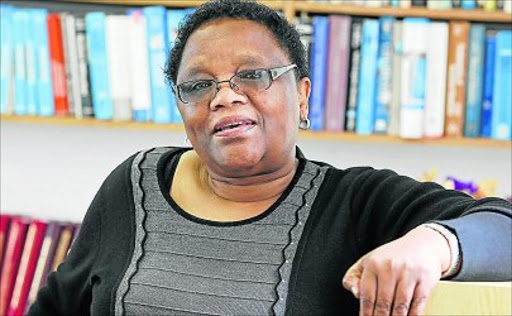
    Illustrative Image: May 2025: Professor Tebello Nyokong – African Female Researcher of the Month
    Image Source & Credit: Theherald
    Ownership and Usage Policy

    African Researchers AwardMay 2025: Professor Tebello Nyokong – African Female Researcher of the Month

    Biography and Early Life

    Professor Tebello Nyokong, OMB, FRS, HonFRSC, FRSSAf, is one of Africa’s most distinguished scientists and an international leader in the field of chemistry and nanotechnology. Born on 20 October 1951 in Maseru, Lesotho, she grew up under challenging circumstances, spending much of her childhood herding sheep in the mountains while attending school intermittently. Despite these hardships, her academic determination and early talent for mathematics and science set the foundation for an illustrious career that continues to inspire generations across the globe.

    Initially pursuing art, Nyokong switched to science two years before matric, eventually earning her BSc in Chemistry and Biology from the National University of Lesotho (1977), followed by an MSc in Chemistry from McMaster University, Canada (1981), and a PhD in Chemistry from the University of Western Ontario (1987). She later undertook postdoctoral research at the University of Notre Dame in the USA under a Fulbright Fellowship.

    Academic and Research Career

    Professor Nyokong joined Rhodes University in 1992, where she rapidly rose through the ranks from lecturer to Distinguished Professor of Chemistry. She currently serves as the Director of the Institute for Nanotechnology Innovation and holds the prestigious Department of Science and Innovation/National Research Foundation (DSI/NRF) Research Chair in Medicinal Chemistry and Nanotechnology.

    Her research is internationally acclaimed, particularly in:

    • Photodynamic Therapy (PDT): An alternative cancer treatment that uses light-sensitive drugs (photosensitizers) activated by light to destroy cancer cells without the debilitating side effects of chemotherapy.

    • Nanotechnology for Health Innovation: Development of multifunctional nanodrugs combining diagnostics and therapy (“theranostics”), using metallic, magnetic, or semiconductor nanoparticles linked to photoactive phthalocyanines for targeted drug delivery.

    • Combatting Antimicrobial Resistance (AMR): Exploring hybrid materials as photocatalysts that provide therapeutic value and microbial resistance while avoiding environmental harm.

    With over 950 scholarly publications, including journal articles, book chapters, patents, and an edited book, Professor Nyokong ranks among the most prolific scientists in South Africa. In 2007, she was recognized as one of the top three publishing scientists in South Africa. She has supervised and mentored over 170 MSc, PhD, and postdoctoral students, nurturing a new generation of African scientists.

    Leadership and Global Engagement

    Professor Nyokong has been at the forefront of advancing science and innovation not only in South Africa but also across the developing world. She has played key advisory roles on global platforms, including

    • Member of the United Nations Secretary-General’s High-Level Panel for developing support mechanisms for least developed countries.

    • Appointed by the UNESCO Director-General to the High-Level Panel on Science, Technology, and Innovation for Sustainable Development.

    Through these roles, she has contributed to shaping global policy on science, technology, and sustainable development.

    Awards and Honors

    Professor Nyokong’s groundbreaking research and leadership have earned her numerous national and international accolades, affirming her as a trailblazer in science. Some of her most prestigious honors include:

    • Order of Mapungubwe in Bronze (OMB) – South Africa’s highest national honor, awarded for exceptional achievements in science.

    • L’Oréal-UNESCO Award for Women in Science (2009) – Representing Africa and the Arab States, recognizing her pioneering contributions to cancer therapy research.

    • African Union Kwame Nkrumah Scientific Award for Scientific Excellence (2016) – Continental recognition for outstanding contributions to basic science, technology, and innovation.

    • Honorary Doctorates from McMaster University and Western University, Canada.

    • Honorary Fellow of the Royal Society of Chemistry (FRSC).

    • Fellow of the Royal Society (FRS) – one of the most prestigious recognitions in science, marking her as a global leader in her field.

    • South African Chemical Institute Gold Medal (2012).

    • National Research Foundation Lifetime Achievement Award (2013).

    • BSTEP Excellence Award (2017).

    • Linstead Lifetime Career Award in phthalocyanine chemistry.

    In addition, she has been celebrated in cultural and artistic spaces, such as being featured in Adrian Steirn’s 21 Icons Project, which depicted her journey from shepherd girl to globally celebrated scientist.

    Impact and Legacy

    Professor Nyokong’s career stands as a testament to resilience, excellence, and the power of science to transform lives. Her journey from humble beginnings in rural Lesotho to becoming a globally recognized scientist and FRS laureate reflects her commitment to breaking barriers for women and African scientists in STEM.

    Through her research, mentorship, and leadership, she continues to address some of the world’s greatest health challenges—cancer treatment and antimicrobial resistance—while strengthening Africa’s scientific innovation ecosystem.

    Her legacy is not only in her pioneering discoveries but also in the scientific community she has built, the policies she has shaped, and the inspiration she provides for young scientists, especially women, across Africa and beyond.

    Professor Tebello Nyokong remains a beacon of scientific excellence, a mentor to many, and one of Africa’s most decorated and influential chemists of the 21st century.