Category: REVIEW PAPERS

This category presents posts from ARM Magazine, featuring updates on the latest developments and showcasing selected review papers from various journals.

  • Genetic Engineering Boosts Banana Resistance to Xanthomonas Wilt: A Breakthrough for Food Security in East Africa

    Genetic Engineering Boosts Banana Resistance to Xanthomonas Wilt: A Breakthrough for Food Security in East Africa

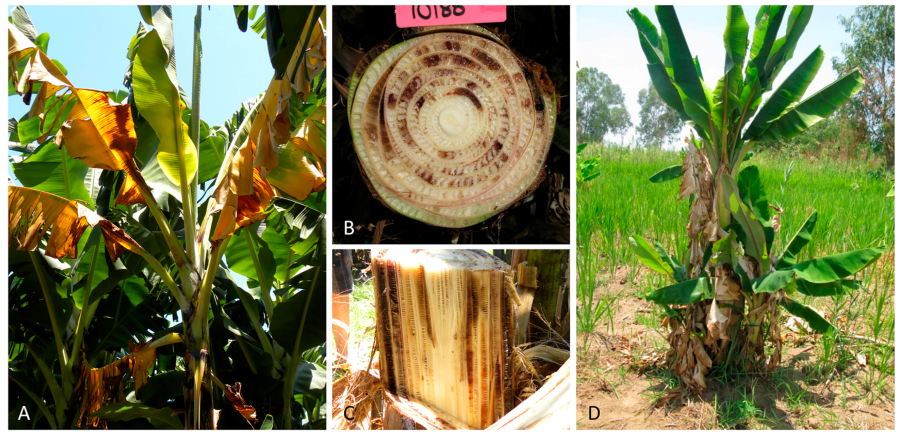
    A recent study by Musabyemungu et al. (2025) titled “Genetic Improvement of Banana for Resistance to Xanthomonas Wilt in East Africa” published in Food and Energy Security reveals that the genetically engineered banana lines expressing resistance genes (Hrap or Pflp) showed 100% resistance to Xanthomonas wilt (BXW) in greenhouse experiments.

    Genetically engineered banana lines expressing Hrap or Pflp genes showed 100% resistance to Xanthomonas wilt (BXW) in greenhouse and field trials.– Musabyemungu et al. 2025

    The article “Genetic Improvement of Banana for Resistance to Xanthomonas Wilt in East Africa” explores strategies to enhance banana resistance to Xanthomonas wilt (BXW), a devastating bacterial disease caused by Xanthomonas campestris pathovar musacearum (Xcm). BXW has severely impacted banana production in East Africa, leading to significant yield losses and threatening food security. Bananas play a crucial role in global food supply and income generation, particularly in tropical and subtropical regions. However, their cultivation faces major challenges from pests and diseases, with BXW being one of the most destructive. Traditional breeding methods for disease resistance are slow and complex due to the sterility and long generation cycles of cultivated bananas. While the wild diploid banana Musa balbisiana exhibits natural resistance to BXW, integrating this trait into commercial varieties through conventional breeding remains difficult.

    To overcome these limitations, biotechnological approaches such as genetic engineering and genome editing offer promising solutions. These methods allow for precise modification of banana genes to enhance BXW resistance. The article highlights Agrobacterium-mediated transformation as a key technique for integrating resistance genes into the banana genome, along with embryogenic cell suspension (ECS) technology for efficient plant regeneration. The ultimate goal is to develop BXW-resistant banana cultivars through biotechnology, ensuring sustainable banana production and strengthening food security in East Africa and beyond. By leveraging advanced genetic tools, scientists aim to create disease-resistant varieties that safeguard banana crops from BXW, offering long-term agricultural and economic benefits.

    What the Authors Found

    The authors of the study found that the genetically engineered banana lines expressing resistance genes (Hrap or Pflp) showed 100% resistance to Xanthomonas wilt (BXW) in greenhouse experiments. When these transgenic lines were evaluated in field trials, they demonstrated significant resistance to BXW compared to non-transgenic controls. This suggests that genetic engineering can be an effective approach to developing BXW-resistant banana cultivars, which is crucial for improving banana production and food security in East Africa

    Why is this important?

    Food Security: bananas are a staple food for millions of people, especially in tropical and subtropical regions. Developing BXW-resistant banana varieties can ensure a steady supply of this essential crop, thereby enhancing food security.

    Economic Impact: Bananas are not only a food source but also an important cash crop. BXW causes significant yield losses, impacting farmers’ incomes and livelihoods. By creating resistant varieties, the economic stability of banana farmers can be improved.

    Sustainable Agriculture: Traditional methods of controlling BXW, like using chemicals, are harmful to the environment and often ineffective. Genetic engineering offers a more sustainable and targeted approach to managing the disease, reducing the need for chemical interventions.

    Biotechnological Advancements: This study showcases the potential of biotechnological tools, such as genetic engineering and genome editing, in crop improvement. It highlights the importance of these modern techniques in overcoming the limitations of conventional breeding, especially for crops with complex breeding challenges like bananas.

    Global Relevance: While the focus is on East Africa, the development of BXW-resistant bananas has global implications. Other regions that cultivate bananas can benefit from these advancements, potentially leading to broader agricultural improvements and food security.

    What the Authors Recommended

    • The authors emphasize the need for ongoing research to further enhance the genetic resistance of bananas to BXW and other diseases. This includes exploring additional genes that could confer resistance and refining genetic engineering techniques.
    • The study suggests increased collaboration among research institutions, governments, and international organizations to secure funding and share knowledge. This can accelerate the development and deployment of BXW-resistant banana varieties.
    • The authors advocate for the adoption of biotechnological tools, such as genetic engineering and genome editing, to complement conventional breeding methods. These tools can help overcome the limitations of traditional breeding, especially for sterile crops like bananas.
    • The study recommends investing in capacity building for local researchers and farmers. This includes training programs and workshops to ensure that local communities can effectively utilize and benefit from the advancements in banana breeding.
    • The authors call for supportive policies and regulatory frameworks that facilitate the development and adoption of genetically engineered crops. This includes ensuring that these crops are safe for consumption and the environment.

    The study by Musabyemungu et al. (2025) highlights the transformative potential of genetic engineering in developing BXW-resistant banana cultivars, ensuring sustainable banana production and enhancing food security in East Africa. By leveraging advanced biotechnological tools, researchers can overcome the limitations of traditional breeding, offering a long-term solution to one of the most devastating banana diseases. Continued investment in research, collaboration, and supportive policies will be crucial in accelerating the adoption of these innovations, ultimately benefiting farmers, consumers, and the global agricultural sector.
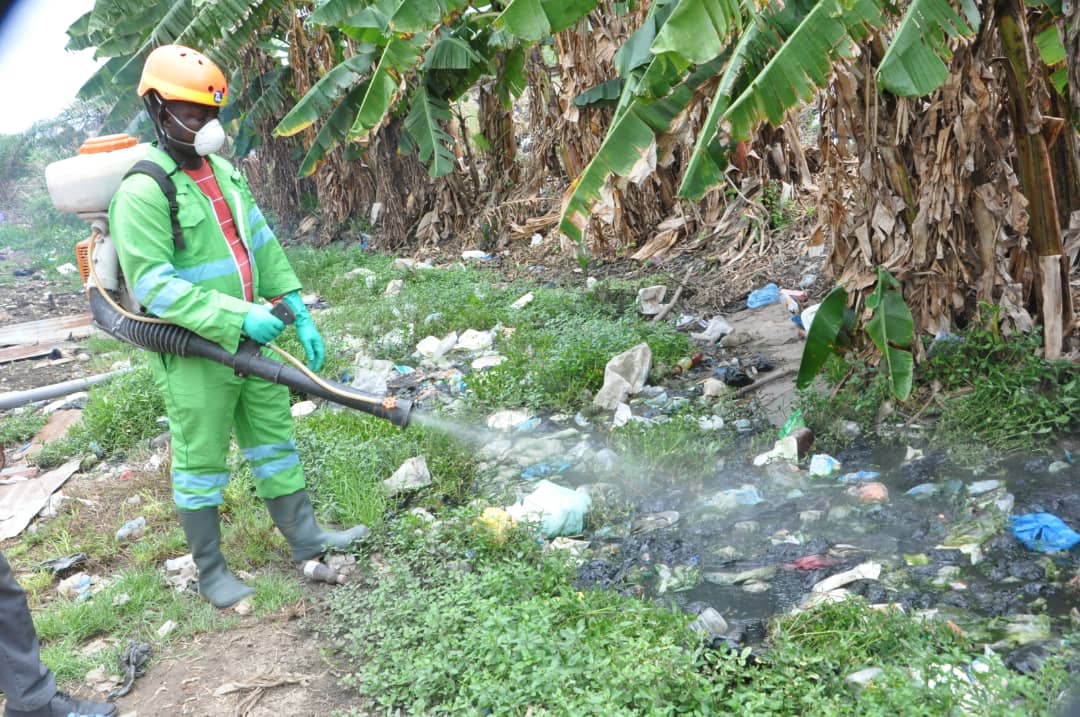

  • Elevating Larval Source Management: A Key Strategy for Malaria Control in Africa

    Elevating Larval Source Management: A Key Strategy for Malaria Control in Africa

    A recent study by Okumu et al. (2025) titled “Elevating larval source management as a key strategy for controlling malaria and other vector-borne diseases in Africa” published in Parasites & Vectors by Springer Nature reveals that LSM has the potential to be a critical tool in the fight against malaria in Africa.

    Integrating larval source management (LSM) with existing malaria control methods significantly reduces malaria transmission, mitigates insecticide resistance, and enhances sustainability through technological advancements. – Okumu et al. 2025

    This article provides an in-depth review of larval source management (LSM) as a crucial yet underutilized strategy for controlling malaria and other mosquito-borne diseases in Africa. LSM involves managing mosquito breeding sites through methods such as larviciding (the application of pesticides targeting larvae) and environmental management (modifying or eliminating mosquito habitats). While LSM has historically been advocated as a supplementary intervention, its feasibility and effectiveness remain subjects of debate.

    The World Health Organization (WHO) currently recommends LSM as an additional tool alongside core malaria control measures like insecticide-treated nets (ITNs) and indoor residual spraying (IRS). However, with progress toward malaria elimination stagnating, researchers argue for elevating LSM as a primary strategy. Mathematical modeling demonstrates that integrating LSM with existing vector control methods can significantly reduce malaria cases. Despite its potential, the widespread implementation of LSM faces several challenges, including the need for large-scale cluster-randomized controlled trials (CRTs) to generate stronger evidence, the complex and transient nature of mosquito breeding sites, and the substantial financial and human resources required for sustained interventions.

    The article highlights global success stories from countries like Brazil, Egypt, and Sudan, where LSM has been effectively employed. Technological advancements, including drones, satellite imagery, and mobile applications, are improving the feasibility and scalability of LSM, while community engagement plays a vital role in ensuring long-term success. Beyond malaria control, LSM offers broader environmental and public health benefits, such as improved sanitation and reduced nuisance mosquito populations.

    Ultimately, the article calls for increased financial and administrative support to enhance LSM implementation and recognition. It urges WHO to update its guidelines, positioning LSM as a core malaria control strategy, which could unlock new funding opportunities and drive more effective interventions. By addressing existing challenges and leveraging innovative technologies, LSM has the potential to complement current malaria control efforts and contribute significantly to disease elimination in Africa.

    How the Study was Conducted

    The study employed a comprehensive approach to assess the potential of larval source management (LSM) as a key strategy for malaria control in Africa, integrating expert discussions, literature reviews, and mathematical modeling. A global, cross-disciplinary panel of experts engaged in detailed online discussions to gather diverse perspectives on LSM’s feasibility, challenges, and effectiveness. Simultaneously, a narrative review of historical and contemporary data provided insights into best practices from countries that successfully eliminated local malaria transmission, reinforcing the impact of various LSM strategies.

    Mathematical modeling played a crucial role in evaluating LSM’s effectiveness. The study utilized two advanced transmission models: malariasimulation, an individual-based model simulating different intervention scenarios, and EMOD (Epidemiological Model), a mechanistic model incorporating mosquito life cycles, parasite transmission, and immune dynamics. These models assessed the theoretical impact of integrating LSM with existing malaria control methods, revealing that its inclusion could significantly reduce malaria cases.

    What the Authors Found

    The study found that LSM can significantly reduce mosquito populations and malaria transmission when used in conjunction with other vector control methods like insecticide-treated nets (ITNs) and indoor residual spraying (IRS). Historical and contemporary examples from various countries demonstrated the potential of LSM in reducing malaria cases and mosquito densities. The authors also posit that mathematical models used in the study showed that incorporating LSM with other vector control methods could lead to substantial reductions in malaria cases. The models demonstrated that LSM could help mitigate key biological threats such as insecticide resistance and outdoor biting. In addition, recent technological advancements, such as drones, satellite imagery, and mobile applications, were noted to enhance the feasibility and scalability of LSM.

    Why is this important?

    Current Challenges: Traditional malaria control methods such as insecticide-treated nets (ITNs) and indoor residual spraying (IRS) are facing challenges like insecticide resistance and outdoor biting mosquitoes.

    LSM Benefits: LSM offers an additional layer of protection by targeting mosquito larvae in their breeding sites, reducing mosquito populations before they become a threat to humans.

    Integration with Core Methods: The study shows that LSM can be effectively integrated with existing methods like ITNs and IRS, providing a more comprehensive approach to malaria control.

    Mitigating Biological Threats: LSM helps address key biological threats such as insecticide resistance and outdoor biting, which are not fully managed by ITNs and IRS alone.

    Improved Feasibility: The study highlights recent technological advancements like drones, satellite imagery, and mobile applications that enhance the feasibility and scalability of LSM.

    Cost-Effectiveness: These technologies can improve the identification and treatment of mosquito breeding sites, making LSM more cost-effective and efficient.

    Environmental and Health Improvements: LSM not only targets malaria but also reduces nuisance mosquitoes and improves overall environmental sanitation. This leads to broader public health benefits.

    Community Involvement: The study emphasizes the importance of community engagement in LSM efforts, fostering local ownership and sustainable implementation.

    Proven Effectiveness: Historical examples from various countries have demonstrated the effectiveness of LSM in reducing malaria transmission. The study builds on this evidence to advocate for wider adoption.

    Addressing Stagnation: With malaria control progress stagnating in recent years, the study argues that LSM offers a promising strategy to reinvigorate efforts toward malaria elimination.

    What the Authors Recommended

    The authors of the study recommend several key actions to elevate larval source management (LSM) as a primary strategy for controlling malaria and other mosquito-borne diseases in Africa. Here are the seven key recommendations the authors provided:

    • Increase financial resources and public health administration structures necessary to support LSM. This includes training, employing, and deploying local-level workforces to manage mosquito populations in scientifically driven and ecologically sensitive ways.
    • Update the World Health Organization (WHO) guidelines to recognize LSM as a key intervention. This would provide greater flexibility for funding and support countries in implementing LSM strategies appropriate to their contexts.
    • Engage local communities and leverage the local workforce for the successful implementation of LSM strategies. This includes promoting community participation and ownership of LSM efforts.
    • Leverage recent technological advancements like drones, satellite imagery, and mobile applications to enhance the feasibility and scalability of LSM. These technologies can improve the identification and treatment of mosquito breeding sites.
    • Integrate LSM with existing core malaria control methods, such as insecticide-treated nets (ITNs) and indoor residual spraying (IRS), to provide a comprehensive approach to malaria control.
    • Use alternative evaluation approaches to better capture the explicit impacts of LSM. This includes using high-quality operational data and recognizing locally distinct outcomes and tailored strategies.
    • Highlight the broader benefits of LSM, including improved sanitation and reduced densities of nuisance mosquitoes, alongside its role in malaria control.

    Larval source management (LSM) presents a promising yet underutilized strategy for malaria control in Africa. As traditional interventions face challenges such as insecticide resistance and outdoor biting, integrating LSM with existing methods offers a more comprehensive and sustainable approach to reducing malaria transmission. The study by Okumu et al. (2025) underscores the importance of updating WHO guidelines, increasing financial and technological investments, and engaging local communities to enhance the effectiveness of LSM. With the right support, LSM has the potential to reinvigorate malaria elimination efforts, improve public health, and contribute to broader environmental benefits across the continent.

  • Mathematics and Energy Diversification in Sub-Saharan Africa: Insights on GDP Growth, Education, and Sustainability

    Mathematics and Energy Diversification in Sub-Saharan Africa: Insights on GDP Growth, Education, and Sustainability

    A study by Ezekiel, U. A. (2023) titled “SUB-SAHARAN AFRICAN BRIEF HISTORY OF MATHEMATICS DEVELOPMENT AND SUB-SAHARAN ENERGY DIVERSIFICATION AND SUSTAINABILITY USING MATHEMATICAL TOOLS FOR ANALYSIS, published in BW Academic Journal reveals that there is a negative correlation between GDP growth rate and energy diversification in sub-Saharan Africa.

    There is a negative correlation between GDP growth and energy diversification in Sub-Saharan Africa, emphasizing the need for strategic reforms.– Ezekiel, U. A. 2023

    The study examines the historical evolution of mathematics in selected Sub-Saharan African countries, emphasizing its role in technological and scientific progress. The study critiques the reliance on rote learning in elementary education and advocates for a shift toward critical thinking and independent problem-solving skills in mathematics instruction.

    Additionally, the research investigates energy diversification efforts in the region using the Energy Mix Concentration Index (EMCI). It assesses the relationship between GDP growth and energy diversification, revealing that economic expansion does not necessarily lead to a more diverse energy mix. The findings underscore the importance of a well-balanced energy portfolio for sustainable economic growth and energy security. Ultimately, the study provides key recommendations for enhancing mathematics education and advancing energy diversification strategies to support long-term development in Sub-Saharan Africa.

    How the Study was Conducted

    The author employed a combination of historical and mathematical methodologies; the study provides a comprehensive analysis of these interconnected themes. The research examines the evolution of mathematics in selected Sub-Saharan African countries, highlighting both its contributions to technological advancements and the challenges posed by traditional rote learning methods. It evaluates the effectiveness of mathematics education by analyzing teacher-student ratios in primary and secondary schools, emphasizing the need for improved instructional approaches that foster critical thinking and independent problem-solving.

    To assess energy diversification, the study utilizes the Energy Mix Concentration Index (EMCI) to measure the diversity of energy sources across various African nations. It further employs mathematical tools for economic analysis, including GDP growth rate evaluations, and applies the Pearson correlation test to investigate the relationship between economic growth and energy diversification. Findings indicate that a higher GDP does not necessarily correspond with a more diverse energy mix, reinforcing the need for strategic diversification to ensure sustainable economic growth and energy security. Ultimately, the study underscores the crucial role of mathematics in fostering innovation and economic development while advocating for policies that enhance both mathematics education and energy sustainability in Sub-Saharan Africa.

    What the Authors Found

    The study discovered that there is a negative correlation between GDP growth rate and energy diversification in sub-Saharan Africa. The paper emphasizes the usefulness of mathematical tools in the critical economic analysis of GDP and energy diversification. The analysis used the Energy Mix Concentration Index (EMCI) to examine the growth rates of selected countries. In addition, the study highlights the importance of mathematics in technological and scientific development and condemns the rote learning system prevalent in elementary schools.

    Why is this important?

    Preserving Cultural Heritage: By exploring the history of mathematics in sub-Saharan Africa, the study highlights the region’s rich contributions to the field, which have often been overlooked in mainstream historical accounts.

    Improving Education: The critique of rote learning and the emphasis on critical thinking and independent reflection provide valuable insights for improving mathematics education in the region. Stronger mathematics education is crucial for developing future scientists, technologists, and innovators.

    Energy Diversification: Understanding the correlation between GDP growth and energy diversification helps policymakers and stakeholders recognize the importance of a diversified energy mix for sustainable economic growth and energy security.

    Policy Recommendations: The study provides actionable recommendations for improving mathematics education and supporting energy diversification efforts. These recommendations can guide governments, educational institutions, and international organizations in their efforts to foster development in sub-Saharan Africa.

    Technological Advancements: A well-educated population in mathematics and science is essential for technological innovations. By emphasizing the need for better mathematics education, the study supports the goal of making sub-Saharan Africa a producer of technology rather than just a consumer.

    Sustainable Development: Energy diversification is critical for ensuring a stable and sustainable energy supply, which is essential for economic development and poverty reduction. The study’s findings underscore the need for strategic planning and investment in diverse energy sources.

    What the Authors Recommended

    • The study suggests stronger teaching of primary and secondary students in mathematics.
    • The authors call for more direct government support for teachers, faculty, and infrastructure.
    • The study recommends strengthening and expanding training and research activities, especially regional networks of people and institutions.
    • Furthermore, it advocates for scholarships for graduate students and fellowships for faculty.
    • In addition, the study underscores the need for a clearer path to rewarding mathematics-based careers and support for energy diversification efforts.

    In conclusion, the study by Ezekiel, U. A. (2023) provides valuable insights into the interconnected roles of mathematics education and energy diversification in Sub-Saharan Africa. By highlighting the negative correlation between GDP growth and energy diversification, the research underscores the need for strategic policies that promote a balanced energy mix to ensure long-term economic sustainability. Additionally, the study advocates for a shift away from rote learning toward critical thinking and problem-solving in mathematics education, which is essential for fostering technological and scientific advancements. Implementing the recommended reforms in education and energy policy will be crucial for driving innovation, economic resilience, and sustainable development across the region.

  • Impact of Blockchain and Cryptocurrency on South African Banking: Challenges, Opportunities, and Recommendations

    Impact of Blockchain and Cryptocurrency on South African Banking: Challenges, Opportunities, and Recommendations

    A recent study by Sithole et al. (2025) titled “A Review of Blockchain and Cryptocurrency in the South African Banking” published in EOM Society International reveals that blockchain and cryptocurrency technologies have the potential to significantly impact the South African banking sector.

    Blockchain and cryptocurrency technologies have significant potential to impact South African banking, despite adoption challenges.– Sithole et al. 2025

    The article delves into blockchain and cryptocurrency in the South African banking sector. It explores the applications, trends, challenges, and innovations of blockchain technology and cryptocurrencies. The study aims to provide insights into how these technologies can bring value to the finance industry in South Africa. It also discusses the current state of blockchain and cryptocurrency adoption in the country, highlighting the challenges such as education and infrastructure readiness. The study is based on a literature review of sources from 2018 to 2022 and includes a survey of respondents’ views on the use of these technologies. The authors conclude that while South Africa has a long way to go in fully adopting blockchain and cryptocurrencies, there is hope for future adoption as the country continues to evolve.

    How the Study was Conducted

    The authors employed a comprehensive literature review and a survey. The authors reviewed 142 sources, including articles, reviews, conference papers, and journals, from 2018 to 2022. Out of these, 24 sources were identified as suitable for the study. The literature review focused on blockchain and cryptocurrency applications, trends, challenges, and innovations. Additionally, the study used a survey to collect data on respondents’ views on the use of blockchain and cryptocurrencies. The survey included questions about the respondents’ age, educational background, and their use of virtual currencies for economic transactions. The data collected from the survey helped to understand the current state of blockchain and cryptocurrency adoption in South Africa and the challenges faced in this process.

    What the Authors Found

    The authors found that blockchain and cryptocurrency technologies have the potential to significantly impact the South African banking sector. However, the adoption of these technologies is still in its early stages, and there are several challenges that need to be addressed. These challenges include a lack of education and awareness about blockchain and cryptocurrencies, as well as infrastructure readiness. The study also revealed that younger generations, particularly millennials and Generation Z, are more likely to be interested in and use blockchain and cryptocurrency technologies. The survey results showed that respondents with higher education levels were more likely to use these technologies.

    Why is this important?

    This study provides valuable insights into the potential impact of blockchain and cryptocurrency technologies on the South African banking sector. By understanding the current state of adoption, challenges, and opportunities, stakeholders can make informed decisions about implementing these technologies. The study highlights the need for education and infrastructure development to fully realize the benefits of blockchain and cryptocurrencies. Additionally, it offers a benchmark for other industries and countries looking to adopt similar technologies, contributing to the global understanding of blockchain and cryptocurrency applications.

    What the authors recommended

    The authors recommend several actions to enhance the adoption and implementation of blockchain and cryptocurrency technologies in South Africa:

    • Education and Awareness: Increasing education and awareness about blockchain and cryptocurrencies among the general public and within the financial sector. This includes integrating blockchain and cryptocurrency topics into educational curricula and providing training programs for professionals.
    • Infrastructure Development: Improving the technological infrastructure to support the adoption of blockchain and cryptocurrencies. This includes investing in reliable internet connectivity and cybersecurity measures to ensure safe and efficient transactions.
    • Regulatory Framework: Developing a clear and supportive regulatory framework that encourages innovation while protecting consumers. This involves collaboration between the government, financial institutions, and technology providers to create policies that foster the growth of blockchain and cryptocurrency technologies.
    • Public-Private Partnerships: Encouraging partnerships between the public and private sectors to drive the adoption of blockchain and cryptocurrencies. These partnerships can help leverage resources, expertise, and networks to promote the use of these technologies in various industries.
    • Research and Development: Supporting ongoing research and development in blockchain and cryptocurrency technologies. This includes funding research projects, fostering innovation hubs, and encouraging collaboration between academic institutions and industry players.

    In conclusion, while the adoption of blockchain and cryptocurrency technologies in the South African banking sector is still in its early stages, the potential for significant transformation is evident. The study highlights key challenges, such as the need for increased education, infrastructure development, and a clear regulatory framework. However, it also points to promising opportunities, particularly among younger generations and highly educated individuals. By addressing these challenges and fostering collaboration between the public and private sectors, South Africa can position itself as a leader in blockchain and cryptocurrency adoption, driving innovation and economic growth in the financial sector.

  • Transforming Ethiopia’s Energy Sector: The Role of Geospatial Technology in Sustainable Development

    Transforming Ethiopia’s Energy Sector: The Role of Geospatial Technology in Sustainable Development

    A recent study by Belay et al. (2025) titled “Geospatial Application in Ethiopian Energy Sector” published in the International Journal of Latest Research in Engineering and Technology (IJLRET), reveals that geospatial technology has significant potential in the Ethiopian energy sector.

    Geospatial technology can significantly improve Ethiopia’s energy sector by enhancing efficiency, resource planning, and development. – Belay et al. 2025

    The article explores the application of geospatial technology in the Ethiopian energy sector. The study highlights the importance of access to affordable and reliable electricity for economic development, employment creation, and investment. The article emphasizes the need for efficient and effective policy frameworks to achieve sustainable development goals and ensure universal electricity access in Ethiopia. Geospatial technology is widely applicable in the energy sector for resource planning, inspection, maintenance, design, and construction. It improves efficiency, stakeholder communication, and maintenance planning. The article also explores the current energy status in Ethiopia, the potential of various renewable energy sources, and the challenges faced in implementing geospatial technology. The study aims to identify the diverse applications of geospatial technology in the Ethiopian energy sector and suggests that investing in this technology is crucial for the country’s energy transformation and sustainable development.

    How the Study was Conducted

    The authors review literature on the application of geospatial technology in the Ethiopian energy sector over the past five years. The authors focused on peer-reviewed articles to establish the applications of this technology and analyzed the current energy status in Ethiopia, the literature on geospatial technology, its use, and its state in Ethiopia. The study relied on a descriptive research approach to draw conclusions on how advanced geospatial technology is applied in the Ethiopian energy sector.

    What the Authors Found

    The authors found that geospatial technology has significant potential in the Ethiopian energy sector. They identified various applications of this technology, including resource planning, inspection, maintenance, design, and construction. The study highlighted the efficiency improvements and better stakeholder communication that geospatial technology can bring to the energy sector. The authors also found that Ethiopia has a considerable endowment of renewable energy sources, such as hydroelectric power, solar energy, geothermal energy, and wind energy. However, only a small portion of these resources is currently harnessed. The study emphasized the need for Ethiopia to invest heavily in geospatial technology to achieve its goal of universal electricity access and sustainable development.

    Why is this important?

    The study highlights the potential of geospatial technology to transform the Ethiopian energy sector. By leveraging this technology, Ethiopia can improve resource planning, inspection, maintenance, design, and construction in the energy sector. This can lead to more efficient energy production, better stakeholder communication, reduced outages, and more effective maintenance planning.

    Investing in geospatial technology is crucial for Ethiopia to achieve its goal of universal electricity access and sustainable development. The study emphasizes the need for Ethiopia to harness its renewable energy sources, such as hydroelectric power, solar energy, geothermal energy, and wind energy, to provide reliable and affordable electricity to its citizens. Addressing the challenges in implementing geospatial technology, such as data sharing, internet infrastructure, and skilled personnel, is essential for the country’s energy transformation and economic growth.

    What the Authors Recommended

    • The authors recommend that Ethiopia invest heavily in geospatial technology to achieve its goal of universal electricity access and sustainable development.
    • The study suggests addressing the challenges faced in implementing this technology, such as data sharing, internet infrastructure, and skilled personnel.
    • The authors emphasize the importance of geospatial technology in improving resource planning, inspection, maintenance, design, and construction in the energy sector.
    • In addition, the authors highlight the need for efficient and effective policy frameworks to support the country’s energy transformation and ensure reliable and affordable electricity for all citizens.

    In conclusion, the integration of geospatial technology holds immense potential to revolutionize the Ethiopian energy sector. By enhancing resource planning, maintenance, and stakeholder communication, this technology can significantly improve the efficiency and effectiveness of energy production and distribution. However, for Ethiopia to fully harness its renewable energy resources and achieve universal electricity access, strategic investments in geospatial technology, infrastructure, and skilled personnel are crucial. Addressing these challenges through robust policy frameworks will not only support sustainable development but also contribute to the country’s long-term economic growth and energy security.

  • Gene–Environment Interactions in African Populations: Unlocking Personalized Nutrition and Healthcare Insights

    Gene–Environment Interactions in African Populations: Unlocking Personalized Nutrition and Healthcare Insights

    A recent study by Nienaber-Rousseau, C. (2025) titled “Understanding and applying gene–environment interactions: a guide for nutrition professionals with an emphasis on integration in African research settings,” published in Nutrition Reviews, reveals that African populations exhibit unique genetic variability and environmental exposures, which are often understudied compared to European and American populations.

    African populations’ unique genetic diversity and environmental exposures reveal critical insights for advancing personalized nutrition and noncommunicable disease prevention.– Nienaber-Rousseau, C. 2025

    The article offers an in-depth review tailored for nutrition professionals. It examines how genetics and environmental factors, particularly diet, interact to influence the development of noncommunicable diseases (NCDs) such as cardiovascular diseases, type 2 diabetes, neurological disorders, and cancer. The study underscores the unique genetic diversity and environmental exposures found within African populations, highlighting the urgent need for more research in these underrepresented groups. It provides an introduction to essential genetic concepts and methodologies for studying gene–environment interactions (GxEs). Additionally, it addresses the challenges and opportunities within the fields of nutrigenetics and nutrigenomics and evaluates the impact of direct-to-consumer genetic testing. Looking ahead, the article explores how emerging technologies like artificial intelligence and machine learning can revolutionize GxE research, enhancing its quality and reproducibility. By bridging the gap between genetics and nutrition, this study emphasizes the importance of personalized and precision nutrition approaches to improve healthcare outcomes, particularly in African research contexts.

    How the Study was Conducted

    The study on gene–environment interactions was conducted using a comprehensive approach that included various methodologies to explore the interplay between genetics and environmental factors, particularly diet, in influencing noncommunicable diseases (NCDs). The study involved the extraction of genetic information from various sources such as blood, saliva, and tissue samples. Advanced genotyping technologies like array-based chips and next-generation sequencing were used to detect genetic variations. Environmental factors, including diet, were quantified through self-reporting, direct measurements, and biomarker-based inferences. High-quality exposure data was crucial for establishing gene–environment interactions. The study utilized multiple designs, including family-based, epidemiological, population-based, and clinical trials. Family-based studies controlled for common genetic and environmental elements within familial groups, while epidemiological studies included cross-sectional, cohort, and case-control designs. Statistical models were employed to analyze interactions between genetic and environmental factors. This included additive and multiplicative models, as well as advanced techniques like machine learning to detect complex interactions. The robustness and generalizability of findings were ensured through replication across multiple studies and meta-analyses. This helped to confirm the validity of the gene–environment interactions identified. The study focused on biologically plausible candidates to reduce the likelihood of false-positive interactions. This involved examining gene variants and known biological pathways logically connected to gene function.

    What the Author Found

    The author found that African populations exhibit unique genetic variability and environmental exposures, which are often understudied compared to European and American populations. This genetic diversity provides a valuable opportunity to investigate gene–environment interactions (GxEs) and their impact on noncommunicable diseases (NCDs).

    Why is this important?

    Personalized Nutrition and Medicine: Understanding GxEs can lead to personalized nutrition and medicine, where dietary and medical recommendations are tailored to an individual’s genetic makeup. This can improve health outcomes and prevent diseases more effectively.

    Unique Genetic Variability: African populations exhibit unique genetic variability and environmental exposures. Studying these interactions can provide insights into how these factors contribute to the high burden of noncommunicable diseases (NCDs) in these populations.

    Improved Healthcare: By integrating genetics and environmental factors, healthcare professionals can develop more effective prevention and treatment strategies for NCDs such as cardiovascular diseases, type 2 diabetes, neurological disorders, and cancer.

    Advanced Research: The study highlights the need for more research in African populations, which are often understudied. This can help prevent unethical practices and enable tailored treatments that consider the unique genetic and environmental contexts of these populations.

    Future Technologies: The review discusses the potential of advanced technologies like artificial intelligence and machine learning to improve the quality and reproducibility of GxE studies. This can lead to more accurate and reliable findings, further advancing the field.

    What the Authors Recommended

    • The author argues that there is an urgent need for more research on gene–environment interactions (GxEs) in African populations. This is crucial to prevent unethical practices and enable tailored treatments that consider the unique genetic and environmental contexts of these populations.
    • The author recommends that nutrition professionals and healthcare workers should be educated in genetics and GxEs to better understand and conduct these studies. This includes introducing key genetic terms and valid methods to investigate GxEs.
    • The authors propose ways to improve the quality and reproducibility of GxE studies. This includes using advanced technologies like artificial intelligence and machine learning to enhance the accuracy and reliability of findings.
    • The potential contributions of nutrigenetics and nutrigenomics to healthcare should be explored. These fields can enhance personalized and precision nutrition, leading to better healthcare outcomes.
    • The study discusses the implications of direct-to-consumer genetic testing and the need for healthcare professionals to be adequately equipped to guide patients in interpreting and applying genetic information.
    • The authors offer insights into the future of GxE research, including the use of advanced technologies and the need for interdisciplinary collaboration to bridge the gap between genetics and nutrition

    In conclusion, the study by Nienaber-Rousseau (2025) underscores the critical importance of exploring gene–environment interactions in African populations to advance personalized nutrition and healthcare. By leveraging unique genetic diversity, emerging technologies, and interdisciplinary collaboration, this research paves the way for innovative approaches to prevent and manage noncommunicable diseases. As we bridge the gap between genetics and nutrition, the potential for tailored, effective solutions that address the specific health challenges of underrepresented populations becomes a tangible reality, promising a healthier and more equitable future for all.

  • Non-Formal Training Programs for Entrepreneurship in Sub-Saharan Africa: Insights from a 2025 Systematic Review

    Non-Formal Training Programs for Entrepreneurship in Sub-Saharan Africa: Insights from a 2025 Systematic Review

    A recent study by Leger et al. (2025) titled “The role and effectiveness of non-formal training programmes for entrepreneurship in sub-Saharan Africa: a systematic literature review,” published in Entrepreneurship & Regional Development, reveals that there is significant variation in the types and effectiveness of non-formal training programs for entrepreneurship in sub-Saharan Africa.

    Non-formal entrepreneurship training programs in sub-Saharan Africa vary widely in effectiveness, requiring contextualization and targeted approaches for success.– Leger et al. 2025

    The article examines the influence of non-formal training programs on entrepreneurship in sub-Saharan Africa, a region where entrepreneurship is increasingly viewed as a solution to unemployment and economic challenges. By analyzing 49 studies sourced from SCOPUS and EBSCO databases, the article evaluates the effectiveness of various non-formal training initiatives. The findings reveal substantial differences in the types of training offered and their overall impact. The authors underscore the importance of understanding the local entrepreneurial landscape and conducting thorough evaluations to assess program effectiveness. They advocate for a more in-depth exploration of human capital within local entrepreneurial ecosystems and stress the need for contextualized training materials and targeted participant selection to design more impactful programs.

    How the Study was Conducted

    The study employed the SCOPUS and EBSCO databases using keywords related to “training,” “entrepreneurship,” and “sub-Saharan Africa.” The authors selected 49 articles that discussed non-formal training programs in the region. The review aimed to evaluate the effectiveness of these programs and understand the context-specific entrepreneurial environment.

    What the Authors Found

    The authors found significant variation in the types and effectiveness of non-formal training programs for entrepreneurship in sub-Saharan Africa. They highlighted the importance of understanding the local entrepreneurial environment and the need for rigorous effectiveness evaluations.

    Why is this important?

    This study is important because it addresses the pressing challenges of unemployment and economic development in sub-Saharan Africa. By evaluating the effectiveness of non-formal training programs for entrepreneurship, the study provides insights into how these programs can be improved to better support local entrepreneurs. This is crucial for creating sustainable businesses, increasing job creation, and ultimately alleviating poverty in the region. The findings emphasize the need for a nuanced understanding of the local entrepreneurial environment and the importance of tailoring training programs to the specific needs of participants.

    What the Authors Recommended

    The authors recommend a deeper analysis of the role of human capital within local entrepreneurial ecosystems. The study suggests that training programs should be contextualized and tailored to the specific needs of participants. This includes considering the local entrepreneurial environment and conducting rigorous effectiveness evaluations. By doing so, training programs can be more effective in supporting entrepreneurs and fostering sustainable businesses in sub-Saharan Africa.

    In conclusion, the study by Leger et al. (2025) sheds valuable light on the diversity and effectiveness of non-formal training programs for entrepreneurship in sub-Saharan Africa. By emphasizing the importance of understanding local entrepreneurial ecosystems and tailoring training initiatives to specific participant needs, the research provides actionable insights for designing impactful programs. Addressing unemployment and fostering sustainable businesses in the region will require a nuanced approach that integrates human capital development with rigorous program evaluation. This study serves as a critical foundation for future efforts to enhance entrepreneurship as a driver of economic growth and poverty reduction in sub-Saharan Africa.

  • An African Perspective on Biodiversity Conservation: Challenges, Opportunities, and Key Strategies for the 21st Century

    An African Perspective on Biodiversity Conservation: Challenges, Opportunities, and Key Strategies for the 21st Century

    A recent study by Bezeng et al. (2025) titled “An African perspective to biodiversity conservation in the twenty-first century,” published in Philosophical Transactions B, reveals that Africa’s rich biodiversity is under significant threat due to various factors such as habitat destruction, overexploitation of natural resources, climate change, and pollution.

    Africa’s rich biodiversity is under significant threat from habitat destruction, resource overexploitation, climate change, and pollution, requiring urgent conservation.– Bezeng et al. 2025

    The article explores the unique challenges and opportunities for biodiversity conservation in Africa. The study highlights the continent’s rich biodiversity and the threats it faces, such as habitat destruction, overexploitation of natural resources, climate change, and pollution. The article emphasizes the importance of involving local communities and stakeholders in conservation efforts and highlights successful examples of community-led initiatives.

    How the Study was Conducted

    The study was conducted by contacting 49 conservationists and researchers in Africa to gather their opinions on the key challenges and recommendations for biodiversity conservation. Out of the initial list, 25 responded, and their responses were aggregated into five major recommendations. The authors of the article, along with the respondents, have extensive experience in delivering conservation outcomes in Africa, ranging from research and capacity building to advocacy and policy-making.

    What the Authors Found

    The authors found that Africa’s rich biodiversity is under significant threat due to various factors such as habitat destruction, overexploitation of natural resources, climate change, and pollution.

    Why is this important?

    This study is crucial because it addresses the urgent need for biodiversity conservation in Africa, a continent with rich biodiversity that is under significant threat. The recommendations provided by the authors aim to enhance conservation efforts, involve local communities, and integrate indigenous knowledge, which are essential for sustainable and effective conservation strategies. By implementing these recommendations, Africa can make significant strides towards preserving its unique biodiversity, fostering a healthier society, and contributing to global conservation efforts. This is not just about protecting wildlife; it’s about ensuring the well-being of African societies and the planet as a whole.

    What the Authors Recommended

    The authors recommend five key strategies to enhance biodiversity conservation in Africa:

    • Accelerate data collection and sharing: Improve data collection, sharing, and analytics to inform policy and decision-making.
    • Innovate education and capacity building: Develop innovative education and capacity-building programs for future generations.
    • Enhance and expand protected areas: Strengthen and expand protected areas, ecological networks, and legal frameworks.
    • Unlock creative funding channels: Develop new and innovative funding mechanisms for conservation initiatives.
    • Integrate indigenous and local knowledge: Incorporate indigenous and local knowledge into conservation strategies.

    In conclusion, Africa’s biodiversity is a vital global treasure that faces unprecedented challenges requiring urgent and collaborative action. By implementing the recommendations outlined in this study—accelerating data collection, fostering education, expanding protected areas, unlocking creative funding, and integrating indigenous knowledge—Africa has the potential to not only safeguard its unique ecosystems but also to set a global benchmark for sustainable and inclusive conservation. These efforts are crucial, not only for preserving the continent’s natural heritage but also for ensuring the well-being of its people and contributing to the global fight against biodiversity loss.

  • Unlocking the Potential of Tetragonia decumbens (Dune Spinach): Nutritional, Therapeutic, and Economic Benefits for Bio-Saline Agriculture in South Africa

    Unlocking the Potential of Tetragonia decumbens (Dune Spinach): Nutritional, Therapeutic, and Economic Benefits for Bio-Saline Agriculture in South Africa

    A recent study by Sogoni et al. (2025) titled “Evaluating the nutritional, therapeutic, and economic potential of Tetragonia decumbens Mill.: A promising wild leafy vegetable for bio-saline agriculture in South Africa” published in Open Agriculture reveals that Tetragonia decumbens Mill., also known as dune spinach, has significant potential for bio-saline agriculture in South Africa.

    Tetragonia decumbens (dune spinach) offers exceptional potential for bio-saline agriculture, providing nutritional, therapeutic, economic, and environmental benefits in saline conditions.– Sogoni et al. 2025

    This review explores the potential of Tetragonia decumbens Mill., commonly known as dune spinach, as a valuable crop for bio-saline agriculture in South Africa. It highlights the nutritional, therapeutic, and economic benefits of this underutilized halophyte, emphasizing its remarkable tolerance to high salinity. The article delves into its applications in human health, its role in the phytoremediation of saline soils, and its use as a natural source of dietary salt. Additionally, the review examines the plant’s morphology, ecological adaptations, propagation techniques, and cultivation requirements, aiming to encourage further research and promote the adoption of this promising wild vegetable in agricultural and commercial contexts.

    How the Study was Conducted

    The authors employed research articles from databases such as Scopus, PubMed, Web of Science, and Google Scholar. The authors used keywords like “Dune spinach,” “Tetragonia,” “Wild edible halophytes,” “Phytoremediation,” “Medicinal value of Tetragonia,” and “Nutritional value of halophytes” to find relevant articles. The initial screening of search results was based on titles and abstracts to identify potentially relevant articles. The articles used for the research were limited to original research articles written in English. The study aimed to examine the potential of domesticating wild dune spinach as a leafy vegetable, describing its morphology and ecology, propagation and cultivation requirements, and its potential benefits to human health and phytoremediation.

    What the Authors Found

    The authors found that Tetragonia decumbens Mill., also known as dune spinach, has significant potential for bio-saline agriculture in South Africa. Dune spinach is rich in essential nutrients such as sodium, potassium, calcium, magnesium, and iron. It can be a valuable source of dietary minerals. The authors also found that the plant has antioxidant and anti-inflammatory properties, which could be beneficial for human health. The study also posit that the commercial cultivation of dune spinach could provide economic benefits, especially in regions with saline soils where conventional crops struggle to grow.

    Why is this important?

    Food Security: With the global population expected to rise significantly by 2050, there is an urgent need to increase food production. Dune spinach, being a salt-tolerant plant, can be cultivated in saline soils where conventional crops struggle, thus contributing to food security.

    Nutritional Value: Dune spinach is rich in essential nutrients like sodium, potassium, calcium, magnesium, and iron. It can help address micronutrient deficiencies, which affect millions of people worldwide.

    Therapeutic Potential: The plant has antioxidant and anti-inflammatory properties, which could be beneficial for human health. This makes it a potential source of natural remedies for various health conditions.

    Phytoremediation: Dune spinach can be used to remediate saline soils by accumulating and removing toxic ions. This helps improve soil health and makes it suitable for growing other crops.

    Economic Potential: The commercial cultivation of dune spinach could provide economic benefits, especially in regions with saline soils. It can create new agricultural opportunities and improve livelihoods.

    Climate Change Adaptation: As climate change leads to increased soil salinity and water scarcity, plants like dune spinach that can thrive in such conditions become crucial for sustainable agriculture.

    What the Authors Recommended

    • The authors suggest that more studies should be conduct on the plant’s nutritional composition, therapeutic potential, and phytoremediation capabilities to support its use as a leafy vegetable and in soil remediation.
    • The study emphasize developing easy, suitable, and cost-effective propagation protocols to prevent over-harvesting and promote large-scale production.
    • The study also recommends performing field experiments to assess the plant’s growth performance and phytoremediation effects in salt-affected soils.
    • The authors also advocate increasing awareness and education about the benefits of dune spinach through agricultural education curricula and public campaigns.
    • Advocate for policy changes and improved research funding to support the cultivation and commercialization of halophytes like dune spinach.
    • In addition, publish research findings in journals, conferences, and reports to disseminate knowledge and promote the plant’s use.

    In conclusion, Tetragonia decumbens Mill., or dune spinach, emerges as a highly promising solution for addressing key challenges in agriculture, nutrition, and environmental sustainability. Its exceptional tolerance to saline conditions, coupled with its rich nutritional profile and therapeutic properties, makes it an invaluable crop for bio-saline agriculture in South Africa and beyond. By promoting its cultivation, raising awareness of its benefits, and investing in further research and development, dune spinach has the potential to contribute significantly to food security, economic growth, and climate change adaptation. This underutilized halophyte represents a beacon of hope for sustainable agricultural practices in the face of global challenges.

  • Challenges in PFAS Detection in Africa: The Impact of Mass Spectrometry Shortages and Solutions for Improved Monitoring

    Challenges in PFAS Detection in Africa: The Impact of Mass Spectrometry Shortages and Solutions for Improved Monitoring

    A recent study by Aborode et al. (2025) titled “Challenges Associated With PFAS Detection Method in Africa” published in Environmental Health Insights, reveals that the shortage of mass spectrometry (MS) instruments in Africa significantly hampers the detection and analysis of per- and polyfluoroalkyl substances (PFAS).

    Shortage of mass spectrometry instruments in Africa hinders effective PFAS detection.

    – Aborode et al. 2025

    The article explores the challenges associated with detecting per- and polyfluoroalkyl substances (PFAS) in Africa. PFAS are man-made chemicals found in various industrial and consumer products, and they pose significant environmental and human health concerns due to their persistence and adverse effects. The article highlights the shortage of mass spectrometry (MS) techniques in Africa, which are essential for accurately detecting and analyzing PFAS. This shortage hampers the ability to assess contamination levels and implement effective mitigation strategies. The article emphasizes the need for financial support, regional centers of excellence, and training programs to address the gap in PFAS monitoring in Africa. It also discusses the importance of developing targeted interventions and policies to safeguard the environment and public health from PFAS contamination. The article provides an overview of the current state of PFAS research in Africa, the instruments used for monitoring PFAS, and the limitations and challenges faced in detecting these substances on the continent.

    How the Study was Conducted

    The authors employed a comprehensive review of existing literature and data. The authors assessed the scope and impact of the shortage of mass spectrometry (MS) instruments in Africa, which are essential for accurately detecting and analyzing PFAS. They analyzed the current state of PFAS monitoring, the accessibility of MS instruments, and the technical capabilities within the continent. The study involved reviewing various analytical techniques and instruments used for PFAS detection, such as liquid chromatography-tandem mass spectrometry (LC-MS/MS), gas chromatography-mass spectrometry (GC-MS), and ion chromatography (IC). The authors also examined the limitations and challenges faced in detecting PFAS in Africa, including the lack of financial support, regional centers of excellence, and training programs. By analyzing the existing PFAS monitoring efforts and the availability of MS instruments, the study highlighted the significant underreporting of environmental data and related public health issues in Africa. The researchers proposed financial support and programs to address these difficulties and emphasized the importance of developing regional centers of excellence for PFAS monitoring using MS instruments.

    What the Authors Found

    The authors found that the shortage of mass spectrometry (MS) instruments in Africa significantly hampers the detection and analysis of per- and polyfluoroalkyl substances (PFAS). This shortage leads to underreporting of environmental data and related public health issues.

    Why is this important?

    The importance of this study lies in its potential to address significant environmental and public health challenges in Africa. Per- and polyfluoroalkyl substances (PFAS) are persistent chemicals that can accumulate in the environment and in human bodies, leading to adverse health effects such as cancer, liver damage, and immune system disruption. The shortage of mass spectrometry (MS) instruments in Africa hampers the detection and analysis of PFAS, resulting in underreporting of contamination levels and hindering effective mitigation strategies.

    By highlighting the need for financial support, regional centers of excellence, and training programs, the study aims to improve PFAS monitoring capabilities in Africa. This would enable more accurate assessment of contamination levels, better-informed policy decisions, and targeted interventions to protect both the environment and public health. Addressing the gap in PFAS monitoring is crucial for developing effective strategies to mitigate the risks associated with these harmful chemicals and ensure a safer and healthier future for African communities.

    What the Authors Recommended

    • The authors emphasize that increased funding is essential to acquire mass spectrometry (MS) instruments and other necessary equipment for PFAS monitoring.
    • The study recommends establishing regional centers dedicated to PFAS monitoring that can help centralize resources and expertise.
    • Implementing training programs to build local expertise in using MS techniques and other analytical methods.
    • Furthermore, developing and enforcing policies to manage and mitigate PFAS contamination effectively.
    • In addition, the authors emphasize encouraging collaboration between African researchers and international partners to share knowledge, resources, and best practices.

    In conclusion, the shortage of mass spectrometry instruments in Africa presents a significant barrier to effective PFAS detection and monitoring, with serious implications for both environmental health and public safety. The underreporting of PFAS contamination limits the ability to assess risks accurately and implement necessary mitigation strategies. Addressing this gap requires increased financial support, the establishment of regional centers of excellence, and the implementation of comprehensive training programs to build local expertise. By fostering international collaborations and developing targeted policies, Africa can improve its capacity to monitor and manage PFAS contamination, ultimately safeguarding the health of its communities and the environment.