Category: REVIEW PAPERS

This category presents posts from ARM Magazine, featuring updates on the latest developments and showcasing selected review papers from various journals.

  • Empowering African Women in STEM: Unveiling Challenges and Strategies for Inclusive Progress

    Empowering African Women in STEM: Unveiling Challenges and Strategies for Inclusive Progress

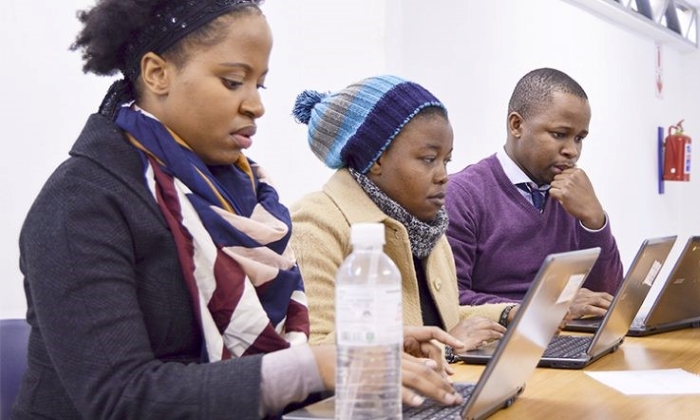
    A recent article by Siwale et al., (2023) titled “Experiences of African women in STEM careers: A systematic literature review” published in African Conference on Information Systems and Technology by DigitalCommons shows that African women in STEM careers and education face various challenges that affect their participation and retention in these fields.

    African women in STEM face interconnected challenges rooted in socio-cultural factors, necessitating inclusive interventions for improved participation, retention, and equality. – Siwale et al., 2023

    This article explores the challenges that African women face in pursuing and maintaining careers in STEM fields, which include science, technology, engineering, and mathematics. The article is based on a systematic literature review of 18 published papers that focused on gender, STEM, and education in Africa. The study suggests strategies to address the challenges and promote gender equality and diversity in STEM fields in Africa, such as creating supportive networks, fostering a culture of inclusivity, providing mentorship programs, challenging gender-based roles, and revisiting institutional cultures and policies. The study contributes to the ongoing efforts to understand and improve the participation and retention of African women in STEM disciplines.

    Eight common themes that reflect the socio-cultural and institutional factors that affect African women’s experiences in STEM.

    Work environment: The male-dominated and masculine culture of STEM workplaces that creates barriers to women’s advancement, inclusion, and recognition.
    Education system: The historical and current practices of exclusion, discrimination, and marginalization of women in STEM education, especially in higher education institutions.
    Work-life balance: The difficulty of managing professional and domestic responsibilities, especially for women who are mothers, due to the patriarchal expectations and gender roles in society.
    Gender stereotypes: The conventional and negative perceptions of women’s abilities and suitability for STEM fields, which undermine their confidence, sense of belonging, and career choices.
    Racism: The systemic and institutionalized racism that affects black women in STEM, especially in post-colonial and post-apartheid contexts, which limits their opportunities, access, and recognition.
    Sexual harassment: The prevalent and problematic issue of sexual harassment that women face in STEM spaces, which harms their well-being, safety, and dignity.
    Lack of support/mentorship: The scarcity of role models, mentors, and peers who can provide guidance, encouragement, and inspiration for women in STEM, especially for young and aspiring students and professionals.
    Self-limitations: The self-imposed boundaries and constraints that women may have due to the internalization of gender stereotypes, self-doubt, and societal expectations.

    How the study was conducted

    The study methodology is based on the guidelines by Okoli (2015) and Oosterwyk et al. (2019) for conducting a systematic literature review. The purpose, scope, and research question of the study are specified. The authors employed sources, and search criteria for finding relevant literature were identified. The study used inclusion and exclusion criteria for screening the literature, and the quality of the papers was assessed. The authors used data from the selected papers, which were extracted and coded using NVivo software, and the themes were generated. The findings and outcomes of the analysis are reported and discussed.

    What the study found

    The authors found that African women in STEM careers and education face various challenges that affect their participation and retention in these fields. These challenges include work environment, education system, work-life balance, gender-based stereotypes, racial bias, sexual harassment, inadequate support and mentoring, and self-imposed limits. The authors found that these challenges are interrelated and influenced by socio-cultural and institutional factors, such as historical legacies, patriarchal norms, and power dynamics.

    Implications of the Study

    The study highlights the socio-cultural and institutional factors that contribute to the gender gap and the leaky pipeline in STEM fields in Africa. It provides insights into the lived experiences and perspectives of African women in STEM, which are often overlooked or marginalized in the global discourse on gender and STEM. The study identifies some of the strategies and interventions that can be adopted to create a more inclusive and supportive environment for African women in STEM, such as support networks, mentorship programs, career counselling, curriculum change, policies, scholarships, and awareness campaigns. The study contributes to the ongoing efforts to promote gender equality and diversity in STEM disciplines in Africa, which can have positive impacts on the social and economic development of the continent.

    In conclusion, Siwale et al. (2023) systematic literature review sheds light on the multifaceted challenges faced by African women in STEM fields. The identified themes, ranging from workplace dynamics and educational systems to societal expectations and self-imposed limitations, underscore the intricate web of obstacles hindering women’s participation and retention. By recognizing the interconnectedness of these challenges and delving into the socio-cultural and institutional factors at play, the study provides a comprehensive understanding of the complex landscape faced by African women in STEM. Moreover, the study’s implications offer valuable insights for fostering inclusivity through targeted interventions, such as support networks, mentorship programs, and policy changes. As the call for gender equality and diversity in STEM resonates globally, this research contributes significantly to the ongoing efforts to create an empowering environment for African women, fostering positive impacts on both individual lives and the broader socio-economic development of the continent.

  • Exploring Homophobia and Xenophobia in Africa: A Comparative Study of Social Attitudes Across Five Countries

    Exploring Homophobia and Xenophobia in Africa: A Comparative Study of Social Attitudes Across Five Countries

    A recent study by Freude, L., & Waites, M. (2023). titled “Analysing homophobia, xenophobia and sexual nationalisms in Africa: Comparing quantitative attitudes data to reveal societal differences” published in Current Sociology by Sage Journals shows that social attitudes toward people outside heterosexual norms and towards immigrants and foreign workers vary across the five African countries.

    Social attitudes towardS people outside heterosexual norms and, towards immigrants and foreign workers vary across the five African countries – Freude, L., & Waites, M. 2023

    This article explores homophobia and xenophobia in Africa. It explores how social attitudes towards people outside heterosexual norms and towards immigrants and foreign workers vary across five African countries, namely Kenya, Mozambique, Nigeria, Senegal, and Zambia.

    Methodology

    The study employed a quantitative data analysis and literature review to examine the social attitudes towards people outside heterosexual norms and towards immigrants and foreign workers across five African countries: Kenya, Mozambique, Nigeria, Senegal, and Zambia. The study also explores a literature review of the historical, cultural, and political factors that shape the patterns of prejudice in each country.

    Findings of the study

    Findings for the study show that social attitudes toward people outside heterosexual norms and towards immigrants and foreign workers vary across the five African countries. The study also posits that the correlation between homophobia and xenophobia in Africa is shaped by historical, cultural, and political factors. The study highlights the importance of understanding the relationship between sexuality and nationalism in African contexts and proposes a more flexible concept of homosexuality-inclusive nationalism to analyze the relationship. Finally, the study acknowledges the limitations of quantitative methods in studying sexuality and nationalism and calls for more contextual interpretation and qualitative research.

    Implications of the study

    The study explores that Mozambique has the lowest level of homophobia and xenophobia among the five countries, and half of the respondents express inclusive attitudes towards both homosexuals and immigrants. The study posits that homophobia has increased in four of the five countries (except Senegal) between the two rounds of the survey. The study proposes that this may be attributed to various factors, such as the global economic crisis, the influence of specific religious forms, or the growth of political homophobia. The study also highlights that Senegal has the highest level of homophobia among the five countries but also the lowest level of xenophobia. The study suggests that this may be due to the role of certain Muslim religious leaders who have mobilized cultural anger against homosexuals, while the government has tried to strike a balance between religious orthodoxy and minority protection. The study claimed that Senegal has a long history of international relations and a substantial tourist industry, which may foster more tolerant attitudes toward foreigners.

    In conclusion, this comprehensive study sheds light on the intricate landscape of homophobia and xenophobia in Africa, unraveling nuanced social attitudes across five diverse countries. The findings underscore the dynamic interplay of historical, cultural, and political factors shaping prejudices. Recognizing the limitations of quantitative methods, the study calls for a more flexible approach and emphasizes the need for contextual interpretation and qualitative research to enrich our understanding. The implications are significant, pointing towards varying levels of acceptance and highlighting Mozambique’s remarkable inclusivity amidst a global rise in homophobia. As societies evolve, acknowledging these complexities becomes imperative for fostering tolerance and promoting inclusive national identities.

  • Digital Transformation Imperatives in South African Higher Education: Navigating COVID-19 and 4iR Challenges for Inclusive Innovation

    Digital Transformation Imperatives in South African Higher Education: Navigating COVID-19 and 4iR Challenges for Inclusive Innovation

    A recent study by Kanyane, M. (2023) titled “Digital work–transforming the higher education landscape in South Africa” published in New Digital Work by Springer International shows that higher education sector in South Africa needs to adapt and innovate in the face of the digital challenges and opportunities posed by Covid-19 and the Fourth Industrial Revolution (4iR).

    The higher education sector in South Africa needs to adapt and innovate in the face of the digital challenges and opportunities – Kanyane, 2023

    This article explores the challenges and opportunities of digital work and transformation in the higher education landscape in South Africa. It explores the historical and current disparities, inequality and exclusion in the access and use of digital technologies among different public universities in South Africa, especially between historically advantaged and disadvantaged institutions.

    Methodology

    The study employed a qualitative approach to explore the digital environment in the 26 public universities in South Africa and the data was collected from secondary sources, such as academic articles, books, reports, policy documents, and online media. Thematic analysis was also used to identify and interpret the key themes and patterns in the data.

    Findings of the Study

    Findings for the study shows that the higher education sector in South Africa needs to adapt and innovate in the face of the digital challenges and opportunities posed by Covid-19 and the 4iR. The study also posits that academic staff in public universities needs to develop and enhance their digital skills and competencies to effectively teach and learn in the digital society. In addition, the study posits that the government and the industry need to support and collaborate with the higher education sector to ensure digital transformation and inclusion of all institutions and learners, regardless of their historical and socio-economic backgrounds.

    Study Recommendation

    The study therefore recommends that following in order to overcome the challenges and enhance the opportunities of digital work and transformation in the higher education landscape in South Africa as follows:

    • academics needs create ethical standards for digital work and transformation in the higher education sector, such as ensuring privacy, security, and data protection.
    • academics needs to ensure transparency and accountability in the use of digital technologies and resources in the higher education sector, such as open access to information and knowledge.
    • academics needs foster public awareness and education about the benefits and risks of digital work and transformation in the higher education sector, such as promoting digital literacy and critical thinking.
    • academics needs collaborate with the government and the industry to ensure the digital transformation and inclusion of all institutions and learners, regardless of their historical and socio-economic backgrounds.

    In conclusion, the study underscores the pressing need for South African higher education to adapt and innovate in response to the digital challenges and opportunities brought about by COVID-19 and the Fourth Industrial Revolution (4iR). Addressing historical disparities, promoting digital skills among academic staff, and fostering collaboration between the government, industry, and institutions are essential steps toward a more inclusive and equitable digital transformation. The recommendations outlined in this research emphasize the importance of ethics, transparency, education, and partnership in navigating the complex landscape of digital work and transformation within the higher education sector in South Africa.

  • Environmental Migration in Sub-Saharan Africa: Drivers, Patterns, and Implications

    Environmental Migration in Sub-Saharan Africa: Drivers, Patterns, and Implications

    A study by Wolde, S. G., D’Odorico, P., & Rulli, M. C. (2023) titled “Environmental drivers of human migration in Sub-Saharan Africa” published in the Global Sustainability, a publication of the Cambridge University Press revealed that migration can be seen as a coping mechanism or adaptation strategy to climate change in sub-Saharan Africa. The paper examines how environmental changes, such as climate events, processes, and disasters, have influenced human displacement across 32 sub-Saharan African countries between 1990 and 2021.

    Migration can be seen as a coping mechanism or adaptation strategy to climate change in sub-Saharan Africa.
    – Wolde et al., 2023

    The authors out of concern for the complex and multifaceted causes and consequences of environmental migration in the region, and the lack of comprehensive and reliable data to assess its magnitude and patterns, decided to conduct this systematic literature review and meta-analysis of 87 case studies from various sources and using various methods to identify the direct and indirect environmental drivers, the geographic patterns, and the regional differences of environmental migration in sub-Saharan African countries over a 31 years period.

    The authors upon learning from evidence, developed a new conceptual framework to investigate the cascading flow of interdependences among environmental change drivers of human displacement in the region – which utilized Qualitative Comparative Analysis (QCA), statistical correlation analysis, and mosaic graphs to analyze the complex causal links and interactions among the multiple factors.

    Findings from their study show that environmental migration pattern in sub-Saharan Africa is mostly internal and regional, and is influenced by multiple direct and indirect factors. The direct environmental drivers are drought, floods, storms, and land degradation. While the indirect environmental drivers: water scarcity, food insecurity, conflict, and health risks. They noted that non-environmental drivers (such as political, economic, administrative, social, and development processes that lead to the depletion/degradation of natural resources) compound the effects of environmental change.

    However, the main environmental factors leading to human displacement are associated with high rainfall (cyclones, storms, floods, heavy rain) or water scarcity and drought, described as push factors for human displacement across 32 sub-Saharan African countries. While the authors could not provide specific findings on the direction of the migration flow, they presented a conceptual framework for investigating the cascading flow of interdependences among environmental change drivers of human displacement while reconstructing the main migration patterns across sub-Saharan Africa.

    The authors identified migration as a coping mechanism or adaptation strategy to climate change in sub-Saharan Africa when coupled with resilience-building techniques. It also explores how migration might contribute to planned relocation as a climate-change adaptation measure. It highlights the challenges and opportunities for enhancing societal resilience in sub-Saharan African countries.

    Implications of the study

    The study provides a better understanding of the complex web of environmental drivers of environmental migration in sub-Saharan Africa while highlighting sub-regional differences in the predominant environmental forcing. The study also highlights the need for a better understanding of the role played by non-environmental factors in the migration and internal displacement process in sub-Saharan Africa. The study argues that hydroclimatic changes may increase or decrease the plausibility of migration, but these outcomes highly depend on the underlying non-environmental contexts. The study suggests that policymakers and practitioners need to take into account the complex interplay of environmental and non-environmental factors when designing and implementing policies and programs aimed at reducing vulnerability and enhancing resilience to environmental change in sub-Saharan Africa.

    In conclusion, this comprehensive study sheds valuable light on the intricate dynamics of environmental migration in sub-Saharan Africa over three decades. It uncovers the diverse factors propelling human displacement, distinguishing between direct drivers like droughts and floods and indirect ones such as water scarcity and conflict. Notably, the research underscores the pivotal role of non-environmental factors in compounding these migratory patterns. Furthermore, the study introduces a groundbreaking conceptual framework, bridging the gap between environmental change and human mobility. It highlights the dual nature of migration as both a response to climate change and a potential catalyst for planned relocation and adaptation strategies. Ultimately, the findings emphasize the necessity for policymakers and practitioners to consider this intricate interplay of factors in crafting effective strategies to bolster resilience and reduce vulnerability in the face of environmental shifts across sub-Saharan Africa.

    Question for Contribution and Comments

    Dear reader, we value your input! Kindly share your thoughts, ideas, and comments regarding the question below in the comment section. Your valuable input will help shape our next article:

    “What are the ethical considerations and potential consequences of using migration as an adaptation strategy to climate change in sub-Saharan Africa, especially in the context of complex interactions with non-environmental factors?”

  • Health Chatbots in Africa: Transforming Healthcare for Underserved Populations – A Comprehensive Scoping Review 2023

    Health Chatbots in Africa: Transforming Healthcare for Underserved Populations – A Comprehensive Scoping Review 2023

    A recent article by Phiri, M., & Munoriyarwa, A. (2023) titled Health Chatbots in Africa: Scoping Review published in Journal of Medical Internet Research. The main finding of the paper is that health chatbots in Africa are very instrumental for health promotion, disease prevention, diagnosis, treatment, and self-management, and that they have the potential to improve access to health care, especially for underserved populations, by providing low-cost, convenient, and personalized services.

    This article is about health chatbots in Africa, which are computer programs that can interact with users through text or voice to provide health information, services, or support. The article is a scoping review, which means it aims to map the existing literature on this topic and identify the main themes, gaps, and challenges.

    Methods

    The methodology used in the study is based on the scoping review framework proposed by Arksey and O’Malley (2005) and refined by Levac et al. (2010) and the Joanna Briggs Institute (2015). The scoping review methodology consists of six steps:

    Identifying the research question: The authors formulated a broad research question to guide the scoping review: “What is the current state of knowledge on health chatbots in Africa?”

    Identifying relevant studies: The authors searched six electronic databases (PubMed, Scopus, Web of Science, CINAHL, Cochrane Library, and African Journals Online) and two grey literature sources (Google Scholar and OpenGrey) for studies published from January 2017 to December 2020 that reported on health chatbots in Africa. They also searched the reference lists of the included studies and contacted experts in the field for additional studies.

    Study selection: The authors screened the titles and abstracts of the retrieved studies using predefined inclusion and exclusion criteria. They then retrieved the full texts of the potentially relevant studies and assessed them for eligibility. Two reviewers independently performed the screening and selection process, and any disagreements were resolved by consensus or consultation with a third reviewer.

    Charting the data: The authors extracted data from the included studies using a standardized data extraction form. The data extraction form included information on study characteristics, chatbot characteristics, health topic, target population, purpose, functionality, design, development, deployment, evaluation, outcomes, and challenges. Two reviewers independently extracted the data, and any discrepancies were resolved by discussion or consultation with a third reviewer.

    Collating, summarizing, and reporting the results: The authors analyzed the data using descriptive statistics and thematic analysis. They presented the results in tables, figures, and narrative summaries. They also used a PRISMA-ScR flow diagram to report the study selection process and a PRISMA-ScR checklist to ensure transparent reporting of the scoping review.

    Consulting with stakeholders: The authors consulted with stakeholders from academia, industry, policy, and practice to validate and contextualize the findings of the scoping review. They conducted semi-structured interviews with 12 stakeholders who had experience or expertise in health chatbots in Africa. They used an interview guide that covered topics such as current practices, challenges, opportunities, and recommendations for health chatbots in Africa. They analyzed the interview data using thematic analysis and integrated the results with the literature review findings.

    Some of the main findings of the article are:

    • Health chatbots in Africa are mainly used for health promotion, disease prevention, diagnosis, treatment, and self-management.
    • Health chatbots in Africa have the potential to improve access to health care, especially for underserved populations, by providing low-cost, convenient, and personalized services.
    • Health chatbots in Africa face several challenges, such as lack of internet connectivity, low digital literacy, language and cultural barriers, ethical and legal issues, and limited evidence of effectiveness and impact.

    Some common examples of health chatbots in Africa are:

    • NurseBot in South Africa, which provides health information and advice to pregnant women and new mothers through WhatsApp.
    • Mum’s Companion in Zimbabwe, which provides maternal and child health information and support through Facebook Messenger.
    • Nuru in Kenya and Ghana, which provides agricultural, financial, classified ads, and health services through Facebook Messenger⁴.
    • Sexual and Reproductive Health Chatbot in Kenya, which provides sexual and reproductive health information and referrals through Facebook Messenger.
    • Medbit in Nigeria, which provides medical consultations and referrals through WhatsApp.

    Implications of the study

    • The implications of the study are that health chatbots in Africa can have positive impacts on health care delivery and health outcomes, but also face significant challenges and limitations that need to be addressed. Some of the possible implications are:
    • Health chatbots in Africa can improve access to health information and services, especially for rural and remote populations, who may have limited or no access to health facilities, health workers, or reliable sources of health information. Health chatbots can provide health education, awareness, and prevention messages, as well as diagnosis, treatment, and self-management support, through mobile phones or social media platforms that are widely used in Africa. Health chatbots can also reduce the cost and time of seeking health care, as well as the stigma and discrimination that some people may face when accessing health services.
    • Health chatbots in Africa can enhance the quality and efficiency of health care delivery, by providing personalized, tailored, and evidence-based health advice and interventions. Health chatbots can also complement and augment the role of human health workers, by providing them with decision support tools, training opportunities, and feedback mechanisms. Health chatbots can also facilitate communication and coordination among different levels of the health system, such as primary, secondary, and tertiary care.
    • Health chatbots in Africa can improve health behaviors and outcomes, by influencing the knowledge, attitudes, beliefs, and practices of users regarding various health issues. Health chatbots can also monitor and track the progress and adherence of users to health interventions, such as physical activity, healthy diet, weight management, medication intake, etc. Health chatbots can also provide emotional and social support to users, by building rapport, trust, empathy, and motivation.
    • Health chatbots in Africa can also pose several challenges and risks to health care delivery and outcomes, such as lack of internet connectivity, low digital literacy, language and cultural barriers, ethical and legal issues, and limited evidence of effectiveness and impact. Health chatbots may not be able to reach or serve all segments of the population equally, due to disparities in access to technology, infrastructure, or resources. Health chatbots may also not be able to capture or address the complexity and diversity of health needs and contexts in Africa. Health chatbots may also raise ethical and legal concerns regarding data privacy, security, consent, accountability, liability, etc. Health chatbots may also have unintended or adverse effects on health behaviors and outcomes, such as misinformation, misdiagnosis, over-reliance, or user dissatisfaction.

    In conclusion, the scoping review by Phiri and Munoriyarwa highlights the potential and challenges of health chatbots in Africa. These computer programs have demonstrated their significance in promoting health, preventing diseases, and improving access to healthcare for underserved populations. The study sheds light on the various examples of health chatbots in Africa, serving as valuable tools for health promotion and self-management. However, challenges such as internet connectivity, digital literacy, and ethical concerns must be addressed to ensure equitable and effective implementation. Overall, the findings emphasize that while health chatbots hold promise for transforming healthcare delivery in Africa, careful consideration and further research are essential to fully harness their benefits while mitigating potential risks.

    Question for Contribution and Comments

    Dear reader, we value your input! Kindly share your thoughts, ideas, and comments regarding the question below in the comment section. Your valuable input will help shape our next article:

    “Considering the diverse and complex healthcare landscape in Africa, how can health chatbots be culturally sensitive to effectively bridge the gap between traditional medical practices and modern technological solutions?”

  • Unlocking the Potential of Black Youth: The Power of African-Centered Interventions in America

    Unlocking the Potential of Black Youth: The Power of African-Centered Interventions in America

    A recent article by Lateef, H., Amoako, E. O., Nartey, P., Tan, J., & Joe, S. (2022) titled Black youth and African-centered interventions: A systematic review published in Research on Social Work Practice reveals that African-centered interventions (ACIs) may have beneficial effects for some Black youth over time, in relation to their educational attainment, mental health, and general behaviours in addition to self-esteem and ethnic identity

    Being a systematic literature review, the article reviewed 10 studies that evaluated the effectiveness of ACIs for Black youth in the United States. ACIs are based on African and African diaspora cultural values and aim to promote positive outcomes for Black youth, such as academic achievement, self-esteem, ethnic identity, and health behaviours.

    The authors conducted a comprehensive search of African-centered interventions (ACIs) using electronic bibliographic databases to identify studies completed in the United States and reported in peer-reviewed journals. A total of 10 studies were identified that met the full inclusion criteria of the review. The included studies had to be described as an outcome study, evaluation of a randomized control trial (RCT), or a behavioural health or psychosocial intervention; the intervention had to be described as an African-centered, Afrocentric, or similarly tailored intervention based on the principles of an African-derived cultural orientation for Black youth; and the study had to be published within a peer-reviewed journal. The authors assessed methodological rigor based on standards of assessing empirically validated interventions by the American Psychological Association (Chambless & Hollon, 1998; Gingerich & Eisengart, 2000; Kim, 2008)

    The article reports that seven studies showed significant effects of ACIs on some outcome variables, while three studies showed nonsignificant or mixed results. The article discusses the key components and challenges of ACIs, such as the use of African-derived values, historical trauma-related aims, communal intervention methods, and self and communal empowerment curriculum.

    Implications of the study

    The study found that ACIs may have positive outcomes in academic achievement, self-concept, cultural identity, and behaviours, but also noted the heterogeneity in methodological rigor and the need for more research.

    Some of the implications of the study are:

    • ACIs can be a culturally sensitive and relevant approach to address the needs and challenges of Black youth, especially in racialized societies where they may face discrimination, oppression, and trauma.
    • ACIs can promote a sense of belonging, empowerment, and resilience among Black youth by reconnecting them to their African heritage, values, and culture.
    • ACIs can foster positive youth development by enhancing social skills, self-esteem, ethnic identity, communalism, motivation, and social change involvement.
    • ACIs should be based on specific and nuanced African-centered frameworks that consider the diversity and intersectionality of Black youth identities and experiences.
    • ACIs should employ more rigorous methodology, such as randomized controlled trials, manualized curricula, and validated outcome measures, to establish their empirical evidence base and effectiveness.
    • ACIs should adapt to the changing needs and contexts of Black youth, such as incorporating web-based components and addressing the impact of social media on youth development.

    In conclusion, the systematic review by Lateef et al. highlights the potential benefits of African-centered interventions (ACIs) for Black youth in the United States. The study reveals that ACIs can positively impact educational attainment, mental health, self-esteem, and ethnic identity, fostering resilience and empowerment. However, it also underscores the need for more rigorous research to establish a stronger empirical evidence base. The findings emphasize the significance of culturally sensitive approaches that acknowledge the diverse experiences of Black youth and adapt to changing contexts. By embracing their African heritage and values, ACIs can address the challenges faced by Black youth in racialized societies and promote positive youth development.

    Question for Contribution and Comments

    Dear reader, we value your input! Kindly share your thoughts, ideas, and comments regarding the question below in the comment section. Your valuable input will help shape our next article:

    “How might the integration of African-centered interventions (ACIs) within educational institutions impact not only the academic achievements of Black youth, but also contribute to a broader societal shift towards greater inclusivity, cultural understanding, and social change?”