Category: REVIEW PAPERS

This category presents posts from ARM Magazine, featuring updates on the latest developments and showcasing selected review papers from various journals.

  • Machine Learning in Renewable Energy: A Comparative Study of the USA and Sub-Saharan Africa

    Machine Learning in Renewable Energy: A Comparative Study of the USA and Sub-Saharan Africa


    Illustrative Image: Machine Learning in Renewable Energy: A Comparative Study of the USA and Sub-Saharan Africa
    Image Source & Credit: MDPI
    Ownership and Usage Policy

    A recent study by Anya, A. A. (2025), titled “HARNESSING RENEWABLE ENERGY WITH MACHINE LEARNING: A COMPARATIVE STUDY OF RENEWABLE ENERGY APPROACHES IN THE USA AND SUB-SAHARAN AFRICA” published in the Journal of Advanced Research and Multidisciplinary Studies, reveals that machine learning (ML) has significantly improved renewable energy efficiency, demand forecasting, and grid stability in the United States.

    Machine learning significantly enhances renewable energy efficiency and grid stability in the U.S., while Sub-Saharan Africa faces adoption barriers.– Anya, A. A. 2025

    The study investigates the transformative role of machine learning (ML) in advancing renewable energy systems across two contrasting regions: the United States and Sub-Saharan Africa. The research emphasizes how ML technologies significantly enhance energy efficiency, enable accurate demand forecasting, and improve the stability of energy grids. In the United States, ML has already been widely adopted to optimize grid operations, manage energy consumption, and reduce waste—thanks to its robust infrastructure, financial investment, and access to vast datasets. Conversely, sub-Saharan Africa faces significant barriers to ML integration, including limited technological infrastructure, data scarcity, financial constraints, and a shortage of skilled personnel. By conducting a comparative analysis, the study highlights both the progress and the challenges in each region. While the U.S. showcases the potential of ML-driven renewable energy systems, sub-Saharan Africa presents an urgent case for intervention and support. To bridge this gap, the study proposes targeted policy recommendations: investing in education and training to build local expertise, developing data infrastructure, fostering technological growth, and encouraging regional and international collaboration. It further advocates for global partnerships, particularly the involvement of technologically advanced countries like the U.S., to facilitate knowledge transfer, joint research initiatives, and sustainable development.

    How the Study was Conducted

    The study adopted a comparative analytical approach grounded in an extensive literature review. Data were sourced from academic journals, government publications, industry reports, and documents by international energy organizations. This approach allowed the researchers to synthesize a wide range of insights concerning ML applications in renewable energy systems across both regions. A comparative framework was used to evaluate how the United States leverages ML technologies to optimize energy grids, forecast consumption, and manage energy waste. In contrast, the analysis of SSA focused on identifying barriers to ML adoption, such as technological limitations, restricted data access, financial constraints, and a shortage of skilled professionals. Key analytical techniques included literature synthesis to consolidate findings from previous research, and cross-sectional analysis to map differences in ML adoption. These differences were assessed in terms of infrastructure readiness, investment levels, and policy frameworks supporting renewable energy initiatives.

    What the Author Found

    The author found that machine learning (ML) has significantly improved renewable energy efficiency, demand forecasting, and grid stability in the United States. The country benefits from strong technological infrastructure, investment in research and development, and widespread ML adoption in renewable energy systems. In contrast, Sub-Saharan Africa (SSA), despite having immense renewable energy potential, faces substantial barriers such as inadequate infrastructure, limited access to data, and financial constraints. These factors hinder the widespread application of ML in renewable energy across the region. However, ML presents an opportunity to address these challenges by optimizing resource use, improving grid performance, and enhancing energy access.

    Why is this important

    This study is important because it highlights the transformative role that machine learning (ML) can play in optimizing renewable energy systems. With climate change and energy security being critical global challenges, the integration of ML in renewable energy can improve efficiency, enhance grid stability, and promote sustainable energy solutions.

    For the United States, the findings reinforce how advanced AI technologies help streamline energy consumption forecasting, optimize grid operations, and reduce energy waste. This ensures the country maintains its leadership in renewable energy innovation.

    For sub-Saharan Africa (SSA), the study sheds light on the region’s immense renewable energy potential and the barriers preventing ML adoption—such as inadequate infrastructure, limited data access, and financial constraints. By addressing these challenges, SSA can leverage ML to enhance energy access, optimize resource use, and improve overall energy efficiency.

    Furthermore, the study emphasizes the need for international collaboration, where advanced economies like the U.S. can support SSA through technology transfer, research partnerships, and investment in ML-driven energy solutions. If properly implemented, these strategies could bridge the technological gap and create a more sustainable and equitable global energy landscape.

    What the Author Recommended

    • The author emphasizes establishing robust data collection and sharing mechanisms to support ML applications in renewable energy and developing programs to train professionals in ML and renewable energy technologies.
    • The study advocates encouraging partnerships between SSA and technologically advanced nations like the USA to facilitate knowledge transfer.
    • The study urges the government to implement policies that incentivize investments in ML-driven renewable energy projects.
    • In addition, the USA can support SSA by providing access to advanced ML tools and software as well as expanding access to foreign direct investments and development aid to fund renewable energy initiatives.

    In conclusion, the study by Anya (2025) underscores the transformative potential of machine learning in revolutionizing renewable energy systems, particularly by enhancing efficiency, forecasting, and grid stability. While the United States demonstrates the successful integration of ML due to its robust infrastructure and resources, Sub-Saharan Africa remains constrained by critical challenges. However, with strategic investments in education, data infrastructure, and international collaboration, the region holds immense potential to harness ML for sustainable energy development. Bridging this technological divide is not only vital for regional progress but also for achieving a more equitable and resilient global energy future.

  • Genetic Diversity in Snake Venom Challenges Antivenom Development in Sub-Saharan Africa, Study Finds

    Genetic Diversity in Snake Venom Challenges Antivenom Development in Sub-Saharan Africa, Study Finds

    Illustrative Image: Genetic Diversity in Snake Venom Challenges Antivenom Development in Sub-Saharan Africa, Study Finds
    Image Source & Credit: khmertimeskh.com
    Ownership and Usage Policy

    A recent study by Ayesiga et al. (2025) titled “Genetic variability in snake venom and its implications for antivenom development in sub-Saharan Africa,” published in Transactions of The Royal Society of Tropical Medicine and Hygiene, reveals that genetic variability in snake venom significantly impacts the effectiveness of antivenoms in sub-Saharan Africa.

    Genetic variability in snake venom significantly reduces antivenom effectiveness, highlighting the need for region-specific, biotechnology-driven treatment strategies in Africa.
    -Ayesiga et al. 2025

    The study explores the complex nature of snake venom and how its genetic diversity poses significant challenges to developing effective treatments. In sub-Saharan Africa, where snakebite envenomation is a major public health issue, the development of efficient antivenoms is complicated by the vast array of venomous snake species and the genetic variability in their venom. Snake venom is composed of a wide variety of proteins and enzymes, each contributing to its toxic effects. This diversity—driven by genetic differences, environmental factors, prey availability, and evolutionary pressures—means that the composition of venom can vary significantly even within the same species. As a result, creating a universal or broadly effective antivenom becomes particularly difficult.

    Current antivenoms, such as SAIMR Polyvalent and those from Premium Serums & Vaccines, are designed to be cross-reactive across several species. However, their effectiveness is inconsistent due to the molecular differences in venom composition. The geographic distribution of venomous snakes across Africa further complicates treatment efforts, making region-specific solutions necessary. Technological innovations in biotechnology offer promising alternatives. New-generation therapies—including recombinant and monoclonal antibodies, synthetic antivenoms, and small-molecule inhibitors—are emerging as more targeted and potentially safer treatments. These approaches aim to overcome the limitations of traditional plasma-derived antivenoms, which often suffer from batch variability and limited species coverage.

    Despite these advancements, a major barrier remains: the lack of sufficient genomic research infrastructure in sub-Saharan Africa. There is an urgent need for investment in local genomic studies, advanced testing capabilities, and regional collaboration to better understand the genetic underpinnings of venom diversity. The study concludes that leveraging genomic data and biotechnological tools is crucial for developing next-generation antivenoms that are both effective and accessible. Enhancing our understanding of venom genetics can play a vital role in reducing snakebite-related deaths and improving public health outcomes across the continent.

    How the Study was Conducted

    The authors gathered and analyzed secondary data from previously published studies, scientific articles, and reports. The focus was on understanding how genetic diversity among snake species affects venom protein composition and, consequently, antivenom efficacy. By reviewing proteomic and genomic data, the study explored how venom variation complicates the production of broadly effective antivenoms.

    What the Authors Found

    The authors found that genetic variability in snake venom significantly impacts the effectiveness of antivenoms in sub-Saharan Africa. Snake venom is composed of a complex array of proteins and enzymes, and its composition varies significantly between species. This biochemical diversity is driven by genetic mutations, ecological factors, and prey availability, resulting in region-specific venom profiles. Such variability makes it difficult to create a universal antivenom that can effectively neutralize all venom types.

    Why is this important

    High Snakebite Mortality & Morbidity: Thousands of people in sub-Saharan Africa suffer from snakebites every year, leading to severe health complications and death due to the lack of effective treatment.

    Venom Complexity & Genetic Variation: The genetic variability of snake venom makes it difficult to develop a universal antivenom that works across multiple snake species.

    Challenges with Existing Antivenoms: Current antivenoms show limited cross-reactivity, meaning they may not effectively neutralize venom from all medically significant snake species.

    Need for Scientific Innovation: The study highlights the importance of biotechnological advancements such as recombinant antibodies, monoclonal antibodies, and synthetic antivenoms to improve treatment outcomes.

    Limited Research Capacity in Africa: There’s a lack of genomic research facilities and testing capacity in many African countries, which hinders progress in antivenom development.

    Potential for Future Solutions: By understanding venom genetics, researchers can design more targeted antivenoms, leading to better snakebite management and saving lives.

    What the Authors Recommended

    • The author suggests that there is an urgent need to increase genomic and proteomic studies focused on local snake species. A deeper understanding of venom variability at the molecular level will support the development of more precise and effective antivenoms.
    • Many countries in sub-Saharan Africa lack the necessary research facilities and laboratory capacity for venom analysis. Investing in modern testing infrastructure is essential for antivenom research, validation, and quality control.
    • The study encourages the adoption of advanced technologies—such as recombinant antibodies, monoclonal antibodies, and synthetic antivenoms—as promising alternatives to traditional plasma-derived antivenoms. These approaches offer improved safety, specificity, and scalability.
    • The study emphasizes collaborative partnerships between African researchers, governments, academic institutions, and pharmaceutical companies as vital. Cross-border cooperation can accelerate the sharing of data, resources, and expertise, leading to faster and more effective antivenom development.
    • Rather than relying solely on broad-spectrum solutions, the authors recommend producing targeted antivenoms that are tailored to neutralize the venoms of specific high-risk snake species prevalent in different regions.
    • Furthermore, improving community awareness of snakebite risks, prevention strategies, and emergency first-aid measures can significantly reduce fatalities. Training healthcare workers to recognize and treat envenomation effectively is also essential for improving outcomes.

    In conclusion, the study by Ayesiga et al. underscores the urgent need to rethink antivenom development strategies in sub-Saharan Africa by embracing genomic research and biotechnological innovation. As snakebite envenomation continues to pose a serious public health threat, especially in resource-limited settings, investing in region-specific solutions, modern infrastructure, and collaborative scientific efforts is essential. By advancing our understanding of venom genetics and adopting next-generation therapies, we can pave the way for more effective, accessible, and life-saving antivenoms across the continent.

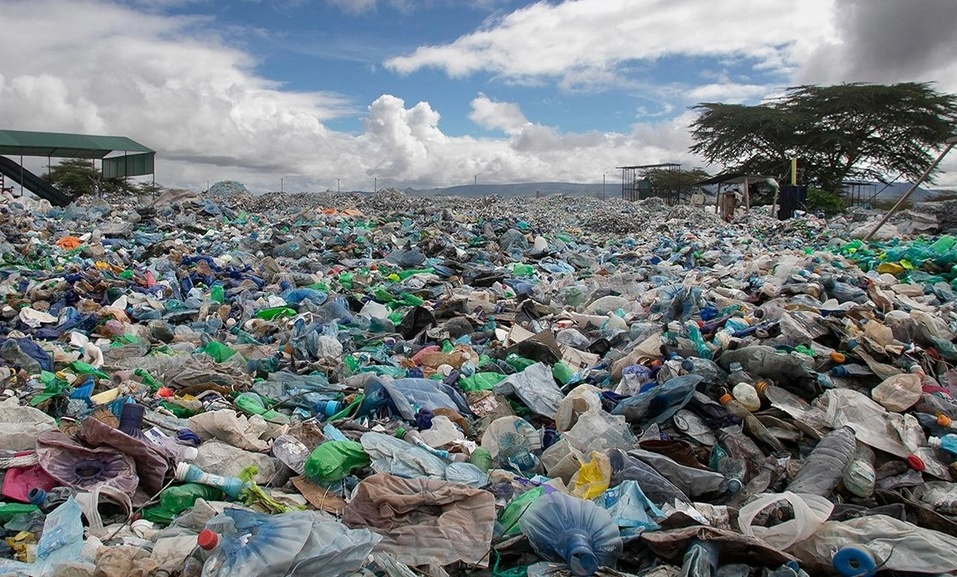
  • Comparative Study Reveals How EU and Africa Tackle Plastic Pollution Through Waste Management Policies

    Comparative Study Reveals How EU and Africa Tackle Plastic Pollution Through Waste Management Policies

    Illustrative Image: Comparative Study Reveals How EU and Africa Tackle Plastic Pollution Through Waste Management Policies
    Image Source & Credit: TONY KARUMBA/AFP via Getty Images
    Ownership and Usage Policy

    A recent study by Izuchukwu et al. (2025) titled “Assessing the Effectiveness of Waste Management Policies in Reducing Plastic Pollution: A Case Study of the EU and Africa” published in the American Journal of Social and Humanitarian Research, reveals that waste management policies play a crucial role in reducing plastic pollution, but their effectiveness varies significantly between the European Union (EU) and Africa.

    Waste management policies significantly reduce plastic pollution, with greater effectiveness in the EU than in Africa.– Izuchukwu et al. 2025

    The study examines how different waste management policies impact plastic pollution in the European Union (EU) and Africa. The authors highlight the environmental threats posed by plastic pollution, particularly to marine ecosystems, biodiversity, and human health. The research compares key policy frameworks, regulatory measures, and implementation strategies in both regions, analyzing their effectiveness in reducing plastic waste. The EU has implemented stringent regulations such as the Single-Use Plastics Directive, Extended Producer Responsibility (EPR) schemes, and Circular Economy Action Plans, which have led to measurable reductions in plastic waste and increased recycling rates. In contrast, Africa faces challenges like inadequate infrastructure, weak enforcement mechanisms, and limited financial resources. However, promising initiatives such as plastic bag bans, community-driven recycling programs, and international partnerships have emerged in several African countries. The study identifies critical factors influencing waste management efficiency, including policy enforcement, stakeholder collaboration, and financial investment.

    How the Study was Conducted

    The authors focused on examining the policy frameworks, regulatory mechanisms, and implementation strategies in both regions to assess their overall impact on reducing plastic waste. The research employed a mixed-methods approach, combining primary and secondary data collection. Sources included government reports, publications from environmental agencies, and peer-reviewed academic research. Additionally, interviews were conducted with key stakeholders such as policymakers, waste management experts, and environmental activists to gather qualitative insights into the successes and shortcomings of existing policies.

    In the EU, policies such as the Single-Use Plastics Directive, Extended Producer Responsibility (EPR) schemes, and the Circular Economy Action Plan were analyzed. In contrast, Africa’s approach was characterized by plastic bag bans, community-led recycling initiatives, and strategic international partnerships. The comparative analysis centered on policy enforcement, stakeholder collaboration, and financial investment in waste management infrastructure. To assess the outcomes, the study measured indicators such as plastic waste reduction rates, recycling efficiency, and levels of public engagement. Case studies from Germany, Sweden, Rwanda, and Kenya served as illustrative examples of successful policy implementation and innovation in plastic waste management.

    What the Authors Found

    The authors found that while both regions have made significant progress, several challenges persist. In Africa, limited infrastructure and financial constraints often hinder effective policy enforcement. In the EU, although policies are generally well-funded and systematically enforced, disparities in implementation across member states remain a concern. The study also posits that the EU has implemented strict regulations, such as the Single-Use Plastics Directive and Extended Producer Responsibility (EPR) schemes, leading to higher recycling rates and reduced plastic waste. Countries like Germany and Sweden have achieved over 60% plastic recycling rates, thanks to advanced waste collection systems and public participation.

    Why is this important

    Environmental Protection: Plastic pollution damages ecosystems, harms wildlife, and contaminates oceans. Waste management policies—such as plastic bans and recycling programs—are essential to mitigating these environmental threats.

    Human Health & Safety: Microplastics have infiltrated food, water, and even human blood, posing serious health risks. Effective waste policies help limit human exposure to these contaminants.

    Economic & Social Impact: Inefficient waste management results in losses for sectors like tourism, agriculture, and fishing. Conversely, investing in sustainable waste practices stimulates job creation and supports economic growth.

    Global Cooperation: Plastic pollution is a transnational issue requiring international collaboration. Coordinated efforts between regions can lead to more effective solutions.

    Innovation & Sustainable Alternatives: Advancing biodegradable materials and improving recycling technologies are critical steps toward reducing plastic dependency and achieving long-term sustainability.

    What the Authors Recommended

    • Governments should enhance the monitoring and enforcement of plastic bans and recycling regulations. Establishing clear penalties for non-compliance is essential to ensure accountability and drive adherence to waste management laws.
    • Increased funding is needed for waste management infrastructure, especially in developing regions. Public-private partnerships should be encouraged to support large-scale recycling and waste reduction initiatives.
    • Invest in research and development of biodegradable materials, advanced recycling technologies, and sustainable packaging solutions. Innovation is key to reducing environmental impact and transitioning to a circular economy.
    • Strengthen international collaboration by sharing best practices, aligning regulatory frameworks, and developing harmonized waste management policies to address global plastic pollution challenges collectively.
    • Implement targeted education and awareness campaigns to encourage community participation in reducing plastic waste. Informed and engaged citizens are critical to the success of sustainable waste management strategies.

    In conclusion, the study by Izuchukwu  et al. underscores the pivotal role of effective waste management policies in combating plastic pollution while highlighting the stark contrasts between the European Union and Africa. Despite differing challenges and capacities, both regions demonstrate that progress is possible through strong policy frameworks, stakeholder collaboration, and sustained investment. By learning from each other’s successes and shortcomings and fostering global cooperation, the world can move closer to reducing plastic waste and achieving long-term environmental sustainability.

  • Unlocking South Africa’s Potential: Chemistry’s Role in Healthcare and Economic Growth

    Unlocking South Africa’s Potential: Chemistry’s Role in Healthcare and Economic Growth

    A recent study by Veale et al. (2025) titled “Chemistry as a Catalyst for Transforming the Health and Wealth of South Africa” published in Angewandte Chemie International Edition, reveals that chemistry plays a crucial role in South Africa’s healthcare and economic development, but the country faces significant challenges.

    Chemistry is vital to improving South Africa’s healthcare and economy, but greater investment and equity in research are urgently needed.– Veale et al. 2025

    The study examines the role of chemistry in South Africa’s unique history and current socio-economic landscape, particularly in relation to healthcare and biomedical research. The authors highlight how the country’s rich natural resources have driven chemical industrialization but also acknowledges the constraints imposed by its colonial past. The research underscores the importance of chemistry in addressing South Africa’s infectious disease burden, which disproportionately affects disadvantaged communities. The authors argue for increased investment in chemistry research and local pharmaceutical manufacturing to improve healthcare outcomes and drive economic growth. They also emphasize the need to integrate scientific advancements with South Africa’s socioeconomic realities to create a more sustainable and equitable future.

    How the Study was Conducted

    The study was conducted as a viewpoint article, meaning it presents a broad examination of South Africa’s chemistry landscape rather than following traditional experimental methodologies. The authors analyze historical, socioeconomic, and scientific factors influencing chemical research in the country. They draw from existing literature, government initiatives, and industry trends to highlight how chemistry plays a role in healthcare and economic development. The study also discusses how South African universities contribute to chemistry research, focusing on funding challenges, diversity issues, and infrastructure needs. It argues for increased investment in research and local pharmaceutical production to improve healthcare and drive economic growth.

    What the Authors Found

    The authors found that chemistry plays a crucial role in South Africa’s healthcare and economic development, but the country faces significant challenges. Despite its rich natural resources and strong research potential, deep sociopolitical inequalities limit access to healthcare and scientific opportunities, particularly for disadvantaged communities.

    One major finding is that South Africa’s infectious disease burden remains a critical issue, and chemistry-driven biomedical research could help combat it. However, local pharmaceutical manufacturing and research infrastructure require more investment to become globally competitive. The study highlights that while South African universities contribute meaningfully to research, historically disadvantaged institutions still struggle with limited resources and funding.

    Why is this important

    This study is important because it highlights the critical role of chemistry in addressing South Africa’s healthcare challenges and economic development. It emphasizes how scientific research, particularly in medicinal chemistry, can help combat the country’s high infectious disease burden while also fostering local pharmaceutical manufacturing and innovation.

    By focusing on chemistry-driven solutions, the study advocates for a more self-sufficient approach to medicine production, reducing reliance on international pharmaceutical imports. This not only improves healthcare access but also strengthens South Africa’s economy by creating job opportunities and boosting research capabilities.

    Additionally, the study underscores the importance of integrating scientific advancements with South Africa’s socioeconomic realities, ensuring that innovations are tailored to the country’s specific healthcare needs. It calls for increased investment in chemistry research and development to enhance local expertise and improve overall public health outcomes.

    What the Authors Recommended

    • The authors argue that tailored scientific advancements integrated with South Africa’s socioeconomic realities could lead to more sustainable healthcare improvements. They advocate for increased investment in chemistry research and development, particularly in local medicine production, to reduce dependence on international pharmaceutical imports.
    • Increased funding for chemistry research would help address healthcare challenges, especially in combating infectious diseases and developing South Africa’s capacity to produce medicines locally could reduce reliance on international imports and create economic opportunities.
    • More support is needed for historically disadvantaged institutions, ensuring equitable access to resources and research opportunities as well as expanding representation in drug development could help create treatments that are better suited for African populations.

    In conclusion, the study by Veale et al. underscores the transformative potential of chemistry in shaping a healthier and more economically resilient South Africa. By investing in local research, pharmaceutical manufacturing, and inclusive scientific development, the nation can address pressing health challenges while unlocking new avenues for innovation and growth. Bridging the gap between scientific progress and socioeconomic realities is essential for building a sustainable and equitable future for all South Africans.

  • Thalassemia in Sub-Saharan Africa: Epidemiology, Diagnosis, and Urgent Public Health Solutions in Malaria-Endemic Regions

    Thalassemia in Sub-Saharan Africa: Epidemiology, Diagnosis, and Urgent Public Health Solutions in Malaria-Endemic Regions

    A recent study by Obeagu, E. I. (2025) titled “Thalassemia in Sub-Saharan Africa: epidemiology, diagnosis, and management–a narrative review” published in Annals of Medicine and Surgery, reveals that thalassemia is a significant but underrecognized public health issue in Sub-Saharan Africa, particularly due to its genetic link to malaria-endemic regions.

    Thalassemia is a widespread but underdiagnosed public health issue in malaria-endemic Sub-Saharan Africa.

    This narrative review provides a comprehensive examination of thalassemia in Sub-Saharan Africa, highlighting its epidemiological patterns, diagnostic challenges, management strategies, and future directions for improving care. Thalassemia is a hereditary blood disorder characterized by reduced hemoglobin production, resulting in chronic anemia. In Sub-Saharan Africa, the condition is particularly prevalent due to genetic factors and the region’s historical exposure to malaria.

    Beta-thalassemia is notably common in malaria-endemic areas, where a genetic link between the disorder and malaria resistance has led to a high carrier rate. However, despite its widespread presence, thalassemia remains significantly underdiagnosed. This is largely due to limited healthcare infrastructure, low disease awareness, and a frequent misdiagnosis with other forms of anemia, such as iron deficiency anemia. Diagnostic tools such as hemoglobin electrophoresis and DNA testing are essential for accurate identification but are often underutilized. Financial and logistical constraints hinder access to these diagnostic methods in many parts of the region.

    Management of thalassemia presents further challenges. Blood transfusions and iron chelation therapy are the cornerstone treatments, yet both are not widely accessible due to resource limitations. Hematopoietic stem cell transplantation (HSCT), the only potential cure, is rarely an option in Sub-Saharan Africa due to its high cost and the scarcity of specialized medical centers. Additionally, preventive strategies such as genetic counseling and prenatal screening, which could help reduce the incidence of the disease, are still poorly developed and under-implemented. The review underscores several systemic obstacles including inadequate healthcare infrastructure, a shortage of trained healthcare professionals, and minimal public awareness. These factors contribute to delayed diagnoses and suboptimal patient care.

    How the Study was Conducted

    The author carried out an extensive literature search across several major electronic databases, including PubMed, Google Scholar, Scopus, Web of Science, and African Journals Online (AJOL). To ensure relevance and comprehensive coverage, they employed targeted keywords such as “Thalassemia AND Sub-Saharan Africa,” “Alpha-thalassemia AND malaria,” and “Diagnosis of thalassemia in resource-limited settings.” This approach helped capture a wide range of studies addressing the unique challenges and patterns of thalassemia in African contexts. The review focused on literature published between 2000 and 2024, ensuring the incorporation of up-to-date findings and perspectives. Included studies comprised peer-reviewed research articles, clinical guidelines, and case studies that explored the genetics, diagnosis, and management of thalassemia in Africa, with particular attention to the interplay between malaria and thalassemic mutations. Comparative studies involving non-African populations were considered only when they provided valuable insights relevant to the African setting. Excluded from the review were studies that focused solely on non-African populations without applicable findings, articles that lacked verifiable sources or access, and research on other hemoglobinopathies with no direct link to thalassemia. The data from the selected literature were systematically analyzed to extract and synthesize key findings. The researchers identified prevailing trends, gaps in knowledge, and persistent challenges related to the diagnosis and management of thalassemia. Special attention was given to the accessibility and effectiveness of healthcare services, as well as the influence of socioeconomic and infrastructural limitations. The review culminated in a set of informed recommendations aimed at enhancing screening programs, diagnostic accuracy, and treatment accessibility across Sub-Saharan Africa.

    What the Author Found

    The authors found that thalassemia is a significant but underrecognized public health issue in Sub-Saharan Africa, particularly due to its genetic link to malaria-endemic regions.

    Why is this important

    Public Health Relevance: Thalassemia significantly contributes to anemia-related complications and reduced life expectancy in Sub-Saharan Africa, yet remains underdiagnosed and poorly managed in malaria-endemic regions.

    Healthcare System Gaps: The study exposes major infrastructural weaknesses—including limited transfusion access, a shortage of trained professionals, and inadequate screening programs—that hinder effective diagnosis and treatment.

    Urgency of Genetic Counseling: It highlights the critical need for genetic screening and prenatal care to reduce the incidence of severe thalassemia through informed reproductive decisions.

    Policy and Funding Needs: The findings advocate for policy reforms, increased government investment, and integration of thalassemia care into national health agendas to improve access and awareness.

    Direction for Future Research and Innovation: The study encourages advancements in affordable diagnostics, better treatment options, and exploration of curative therapies like gene therapy and stem cell transplantation.

    What the Author Recommended

    • The study emphasizes improved early detection through expanded access to genetic testing, hemoglobin electrophoresis, trained healthcare personnel, and newborn screening programs.
    • The author advocate ensuring the availability of blood transfusions, iron chelation therapy, and hematopoietic stem cell transplantation by developing regional programs and specialized centers.
    • Launch education campaigns, introduce widespread genetic counseling, and encourage prenatal screening to reduce severe thalassemia cases.
    • Government should invest in healthcare facilities, train more specialists, and establish national policies that integrate thalassemia care into public health systems.
    • Advance genetic research, partner with international organizations for funding and expertise, and explore innovative treatments like gene therapy.

    In conclusion, thalassemia remains a significant yet underrecognized public health issue in Sub-Saharan Africa, particularly in malaria-endemic regions where genetic factors exacerbate its prevalence. Despite its widespread presence, challenges such as limited diagnostic resources, inadequate treatment options, and a lack of public awareness hinder effective management. To address this, urgent steps must be taken to improve early detection, expand access to specialized care, and invest in preventive strategies like genetic counseling and prenatal screening. Strengthening healthcare infrastructure, training professionals, and incorporating thalassemia care into national health agendas will be crucial in mitigating the impact of this disorder. With collaborative efforts and international support, there is hope for enhancing the quality of life for those affected by thalassemia in the region.

  • Technology Adoption in Sub-Saharan Africa: Boosting Smallholder Agricultural Productivity, Food Security, and Poverty Reduction

    Technology Adoption in Sub-Saharan Africa: Boosting Smallholder Agricultural Productivity, Food Security, and Poverty Reduction

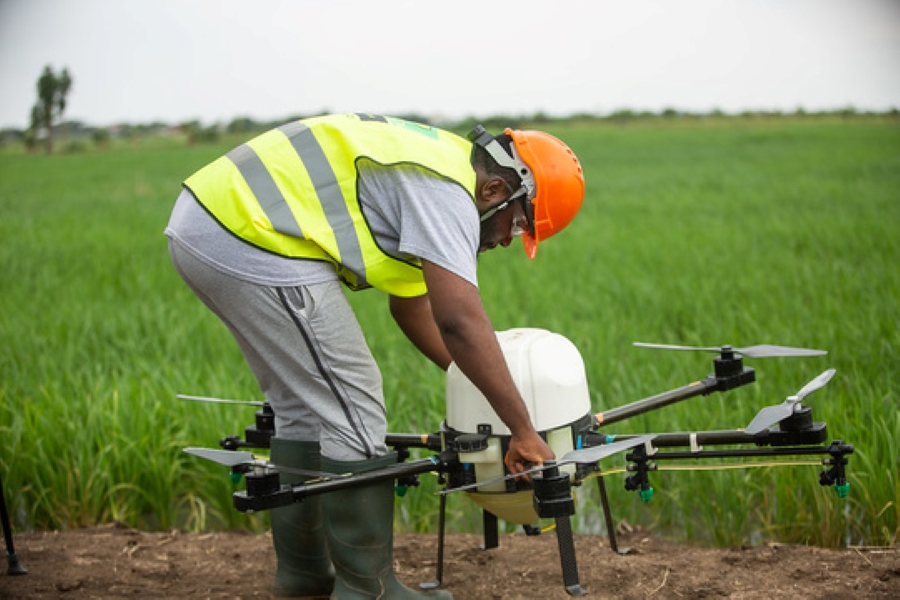
    A study by Muzari et al. (2012) titled “The impacts of technology adoption on smallholder agricultural productivity in sub-Saharan Africa: A review,” published in the Journal of Sustainable Development, reveals that sub-Saharan Africa continues to face critical food production challenges driven by factors such as low rainfall, nutrient-poor soils, limited access to irrigation, and the slow uptake of modern farming technologies.

    Technology adoption can significantly boost smallholder productivity in sub-Saharan Africa, but success depends on access, support, and awareness.– Muzari et al. 2012

    This study explores how the adoption of agricultural technologies influences productivity, poverty reduction, and environmental sustainability among smallholder farmers in Sub-Saharan Africa. It highlights both the challenges impeding progress and the transformative potential of technology in enhancing agricultural outcomes.

    Sub-Saharan Africa continues to face critical food production challenges driven by factors such as low rainfall, nutrient-poor soils, limited access to irrigation, and the slow uptake of modern farming technologies. Smallholder farmers, who form the backbone of the region’s agriculture, often struggle with high input costs, limited resources, and inadequate institutional support. The study emphasizes that adopting improved agricultural technologies—such as high-yield crop varieties, advanced soil and water management techniques, and effective weed control—can significantly boost productivity. However, successful adoption largely depends on farmers’ awareness, access to assets, and the availability of supportive institutions and infrastructure.

    Interestingly, the research also acknowledges the value of traditional farming practices. Techniques like mixed cropping are highlighted as efficient and cost-effective under specific conditions, suggesting that blending modern and traditional methods could offer practical solutions. To promote wider technology adoption, the study recommends reducing the cost of agricultural inputs, increasing financial and institutional support, enhancing agricultural extension services, and investing in rural infrastructure. Ultimately, overcoming the barriers to technology adoption could play a pivotal role in improving agricultural productivity, reducing poverty, and ensuring food security across Sub-Saharan Africa.

    How the Study was Conducted

    The authors analyze existing literature to evaluate how adopting technology affects smallholder farming in the region. Rather than presenting new fieldwork, the authors synthesize data from various studies, reports, and experiences across sub-Saharan Africa. The study focuses on key factors that influence technology adoption, including assets, income, institutions, vulnerability, awareness, labor availability, and farmer innovativeness. By comparing traditional agricultural methods with modern technologies, the authors assess improvements in productivity and efficiency. Drawing on regional examples from multiple countries, the article offers a broad overview of both the challenges and potential benefits associated with agricultural technology adoption in sub-Saharan Africa.

    What the Authors Found

    The authors found that technology adoption has significant potential to improve agricultural productivity among smallholder farmers in sub-Saharan Africa, but the process is complex and influenced by multiple factors such as high costs of technologies, socioeconomic constraints, and limited infrastructure.

    Why is this important

    Improving Agricultural Productivity: Smallholder farmers form the backbone of agriculture in sub-Saharan Africa, but their productivity has remained low due to reliance on traditional methods and limited access to modern technologies. By adopting effective agricultural technologies, these farmers can produce more food, meet local demand, and reduce dependency on imports.

    Alleviating Poverty: Increased productivity can lead to higher income for smallholder farmers. As agriculture remains the primary livelihood for most rural populations in the region, technology adoption can provide a pathway out of poverty.

    Enhancing Food Security: With population growth and climate change putting pressure on food production, adopting efficient technologies is crucial for ensuring that people have access to affordable, nutritious food.

    Environmental Sustainability: The study also emphasizes the importance of integrating traditional practices with modern technologies. This approach can help maintain soil fertility, reduce environmental degradation, and promote sustainable farming.

    Social Equity: By identifying barriers to adoption—such as lack of access to credit, education, and institutional support—the study provides actionable recommendations to make technologies accessible to all farmers, especially women and those in disadvantaged communities.

    What the Authors Recommended

    The authors make several key recommendations to enhance technology adoption and agricultural productivity among smallholder farmers in sub-Saharan Africa:

    • Governments and stakeholders should reduce the costs of critical inputs like fertilizers, improved seeds, and equipment; it is essential to make them accessible to smallholder farmers.
    • Improving access to credit and offering tailored financial packages, especially for disadvantaged groups like women-headed households, is recommended.
    • Establishing effective research-extension linkages and providing in-service training for extension workers can ensure farmers receive updated and practical information.
    • Modern technologies should be designed to complement traditional practices, leveraging their efficiency and cost-effectiveness in resource-scarce environments.
    • Developing irrigation systems, better market access, and reliable transportation infrastructure is necessary to support farming activities.
    • Institutions providing finance, insurance, and market information should be empowered to deliver services effectively to rural farmers.
    • Introducing a holistic approach that combines multiple complementary technologies can encourage adoption and yield better results.
    • Governments and stakeholders should address gender disparities, cultural practices, and societal norms to ensure inclusive technology adoption.

    In conclusion, addressing the complex challenges facing smallholder agriculture in sub-Saharan Africa requires a strategic blend of modern technology and traditional practices. By lowering barriers to access, strengthening institutional support, and investing in infrastructure and education, stakeholders can unlock the transformative potential of agricultural innovation. Empowering farmers with the tools, knowledge, and resources they need will not only boost productivity and food security but also pave the way for long-term poverty reduction and sustainable development across the region.

  • Revolutionizing Disease Research: The Importance of Drosophila melanogaster as a Model Organism in Biomedical Studies

    Revolutionizing Disease Research: The Importance of Drosophila melanogaster as a Model Organism in Biomedical Studies

    A recent study by Obafemi et al. (2025) titled “Animal models in biomedical research: Relevance of Drosophila melanogaster” published in Heliyon, reveals that Drosophila melanogaster (the fruit fly) serves as an invaluable animal model for studying human diseases due to its genetic similarities with humans.

    Drosophila melanogaster serves as an invaluable model for studying human diseases due to genetic similarities.– Obafemi et al. 2025

    The study explores the use of animal models in biomedical research, focusing particularly on the relevance of Drosophila melanogaster (the fruit fly) as a model organism. It explains how animal models—ranging from simple organisms like nematodes to complex ones like non-human primates—have been crucial for understanding the mechanisms of human diseases and developing potential treatments. The study highlights that animal models are selected based on their genetic, physiological, and anatomical similarities to humans, though results are not always directly transferable to human conditions.

    Drosophila melanogaster is emphasized as a powerful model due to its unique qualities, such as ease of genetic manipulation, short lifespan, high fecundity, and conserved genetic pathways with humans. The study explores its role in investigating various diseases, including neurodegenerative disorders, cardiovascular conditions, metabolic syndromes, and immune system-related diseases. Fruit flies have also contributed significantly to discoveries in genetics and molecular biology, leading to groundbreaking insights into human health.

    How the Study was Conducted

    The study primarily involved a comprehensive review of existing research and scientific literature on the use of Drosophila melanogaster (fruit flies) as a model organism in biomedical research. The authors examined the genetic, physiological, and anatomical similarities between Drosophila and humans to justify its relevance as an animal model for studying human diseases.

    What the Authors Found

    The authors found that Drosophila melanogaster (the fruit fly) serves as an invaluable animal model for studying human diseases due to its genetic similarities with humans. Around 75% of human disease-related genes are conserved in Drosophila, making it an effective tool for exploring the molecular mechanisms of diseases and testing potential therapeutic interventions.

    Why is this important

    Understanding Human Diseases: With about 75% of human disease-related genes having counterparts in Drosophila, this model helps scientists unravel the genetic basis and progression of numerous illnesses, such as neurodegenerative disorders, cardiovascular diseases, and metabolic syndromes.

    Development of Treatments: By using Drosophila, researchers can test potential treatments and study their effects on disease mechanisms, leading to the development of safer and more effective therapeutic interventions.

    Cost and Efficiency: Fruit flies are cost-effective, easy to handle, and reproduce rapidly. This enables high-throughput studies and accelerates the pace of scientific discoveries.

    Reduced Reliance on Complex Models: Highlighting the utility of Drosophila provides an ethical and practical alternative to using higher animals in research, addressing concerns about animal welfare while still yielding valuable insights.

    Groundbreaking Discoveries: The study underscores how research with fruit flies has already led to major breakthroughs in genetics, molecular biology, and disease modeling, some of which have earned Nobel Prizes.

    What the Authors Recommended

    • The authors argue that the fruit fly can be used to model more human diseases, including rare genetic disorders, neurodegenerative conditions, cardiovascular diseases, and metabolic syndromes.
    • The authors suggest that techniques like the GAL4/UAS system should be exploited to create precise disease models and study gene functions.
    • Drosophila’s adaptability allows for high-throughput screening of potential therapeutic compounds, offering insights into drug efficacy and toxicity.
    • The authors also advocate that the innate immune system of Drosophila provides an excellent platform for investigating host-pathogen relationships, including mechanisms of disease and immune response.
    • Furthermore, its short lifespan, high fecundity, and ease of maintenance make it an ideal model for labs aiming to reduce research costs while maintaining impactful results.
    • In addition, the authors advocate for interdisciplinary collaborations to maximize the utility of Drosophila in understanding disease mechanisms and therapeutic approaches.

    In conclusion, Drosophila melanogaster stands as a powerful and cost-effective model organism that has significantly advanced our understanding of human diseases. Its genetic similarities to humans, coupled with its ease of manipulation and rapid life cycle, make it an invaluable tool for studying a wide range of conditions, from neurodegenerative disorders to metabolic diseases. The ability to test therapeutic interventions in fruit flies accelerates the development of potential treatments while also offering an ethical and efficient alternative to more complex animal models. As research continues to evolve, the fruit fly’s role in biomedical science is likely to expand, offering further breakthroughs in the fight against human diseases.

  • Green Hydrogen in Africa: Opportunities, Challenges, and the Path to a Sustainable Future

    Green Hydrogen in Africa: Opportunities, Challenges, and the Path to a Sustainable Future

    A recent study by Dagnachew et al. (2025) titled “A green hydrogen revolution in Africa remains elusive under current geopolitical realities,” published in Climate Policy, reveals that green hydrogen could provide cost-effective energy for transportation and industry, supporting Africa’s transition to a more sustainable economy.

    Africa has immense potential for green hydrogen production, but financial, technological, and geopolitical challenges must be addressed to ensure sustainable growth.– Dagnachew et al. 2025

    The study examines the opportunities and challenges of establishing a green hydrogen economy in Africa. With abundant renewable energy resources and vast land, Africa has the potential to become a key player in green hydrogen production, driving sustainable development and industrial growth. However, geopolitical constraints and extractive economic practices could limit the continent’s ability to fully leverage this potential.

    The study highlights both the opportunities and challenges of developing a green hydrogen economy in Africa. Green hydrogen has the potential to provide affordable and sustainable energy for industrial processes and transportation, positioning the continent as a key player in the global energy transition. Major projects in Namibia, Egypt, and Mauritania showcase Africa’s technical capabilities, while estimates from Africa’s Green Hydrogen Alliance suggest that large-scale hydrogen production could drive significant GDP growth and economic benefits.

    However, several challenges hinder progress. Limited access to finance, technology, infrastructure, and policy stability poses significant barriers to scaling up hydrogen initiatives. Additionally, extractive geopolitical practices could restrict Africa’s ability to establish an independent and competitive hydrogen market. To fully realize its potential, Africa must secure equitable global partnerships, advocate for technology transfer, and attract sustainable investment to empower local economies and build resilient hydrogen infrastructure.

    How the Study was Conducted

    The authors analyzed existing reports, such as those from the Africa Green Hydrogen Alliance (AGHA) and the European Investment Bank, to assess Africa’s potential in green hydrogen production. The authors examined specific projects in countries like Namibia, Egypt, and Mauritania to highlight ongoing efforts and challenges. The study reviewed current regulations, financial incentives, and geopolitical factors affecting green hydrogen development, and contributions from multiple institutions and experts provided a multidisciplinary perspective on the topic.

    What the Authors Found

    The study found that Africa holds immense potential for developing a green hydrogen economy, leveraging its vast renewable energy resources and land to produce green hydrogen. This could enable sustainable energy access, industrial development, and economic growth.

    Why is this important

    Climate Action: Green hydrogen can significantly reduce greenhouse gas emissions by providing a clean energy source for industries and transportation. This aligns with global efforts to combat climate change and limit global warming.

    Energy Sovereignty: Developing green hydrogen can help African nations reduce their dependence on imported fossil fuels, ensuring energy security and resilience.

    Economic Growth: Leveraging Africa’s vast renewable energy resources and land, green hydrogen projects could stimulate industrial development, create jobs, and boost GDP in many African countries.

    Global Role: By asserting itself as a key player in the global green hydrogen market, Africa could shape equitable partnerships and demand technology transfer, fostering sustainable development and innovation.

    Sustainable Development Goals: Green hydrogen has the potential to accelerate progress on goals like affordable and clean energy, decent work, economic growth, and reduced inequalities.

    What the Authors Recommended

    The authors make several key recommendations to unlock Africa’s potential in green hydrogen and ensure that it leads to sustainable and equitable development:

    • Governments should create robust regulations and financial support systems to promote the adoption of green hydrogen technologies.
    • Building local demand for green hydrogen will help create sustainable jobs, stimulate industrial growth, and ensure economic benefits remain within the continent.
    • African nations should work together and with global partners to develop and operate hydrogen infrastructure, leveraging shared resources and expertise.
    • African countries must demand fair and equitable global collaborations that promote technology transfer, knowledge sharing, and investment to empower local economies.
    • Efforts should focus on accessing the technologies required for green hydrogen production, ensuring that African nations are not left dependent on external players.
    • The green hydrogen revolution should align with Africa’s broader sustainable development goals, such as Agenda 2063, which envisions a self-empowered and sustainable continent.

    Africa has the potential to become a global leader in green hydrogen production, leveraging its abundant renewable energy resources to drive economic growth, industrialization, and sustainability. However, realizing this potential requires overcoming significant challenges, including financial constraints, policy instability, and geopolitical barriers. By fostering equitable partnerships, investing in infrastructure, and advocating for technology transfer, African nations can build a resilient and competitive hydrogen economy. With the right policies and strategic investments, green hydrogen can play a transformative role in Africa’s energy transition, ensuring a cleaner, more prosperous, and self-sufficient future for the continent.

  • Hydrogen as a Clean Energy Carrier: Advancements, Challenges, and Future Potential for Net-Zero Emissions

    Hydrogen as a Clean Energy Carrier: Advancements, Challenges, and Future Potential for Net-Zero Emissions

    A recent study by Akpasi et al. (2025) titled “Hydrogen as a clean energy carrier: advancements, challenges, and its role in a sustainable energy future,” published in Clean Energy, reveals that hydrogen has significant potential as a clean energy carrier, capable of replacing fossil fuels in key industries and supporting the global transition to net zero emissions

    Hydrogen has significant potential as a clean energy carrier, but its widespread adoption depends on overcoming cost, infrastructure, scalability, and safety challenges.– Akpasi et al. 2025

    Hydrogen is emerging as a pivotal clean energy carrier with the potential to replace fossil fuels in the transition to a sustainable energy future. This study explores advancements in hydrogen production, including electrolysis, steam methane reforming, and biomass gasification, with a particular focus on green hydrogen—produced using renewable energy sources like solar and wind—to minimize carbon emissions. It also examines the economic and environmental impact of hydrogen, assessing cost factors and its role in decarbonizing key sectors such as transportation and heavy industry.

    Infrastructure and technological challenges are crucial considerations, including the development of safe and efficient storage and distribution systems, as well as the need for supportive policies and international collaboration. Additionally, hydrogen’s role in stabilizing renewable energy grids, enhancing energy security, and promoting sustainable industrial practices highlights its transformative potential in the global energy transition. Looking ahead, the study underscores hydrogen’s significance in achieving net-zero emissions by 2050 and evaluates its feasibility as a large-scale alternative to fossil fuels. By providing a comprehensive review, this research offers valuable insights into hydrogen’s versatility and the ongoing global efforts to integrate it into a low-carbon energy system.

    How the Study was Conducted

    The study employed a comprehensive review methodology to analyze hydrogen’s role as a clean energy carrier. It encompassed a thorough literature review of existing research reports and case studies on hydrogen production methods, economic and environmental impacts, and technological advancements. Various techniques, including electrolysis, steam methane reforming, and biomass gasification, were compared to assess their efficiency, cost effectiveness, and sustainability.

    A comparative analysis was conducted to evaluate different hydrogen production technologies based on key factors such as production rates, carbon emissions, and government funding. Quantitative data analysis helped identify emerging trends and challenges in hydrogen adoption. Additionally, case studies provided insights into real-world applications across industries like transportation, energy storage, and heavy manufacturing.

    The study also assessed international policies and strategies supporting hydrogen infrastructure development, examining regulatory frameworks and incentives aimed at accelerating adoption. Furthermore, technological assessments identified barriers and opportunities for scaling up hydrogen production and distribution.

    By integrating these methodologies, the study offered a holistic perspective on hydrogen’s potential to drive the energy transition, addressing both opportunities and challenges in its widespread implementation.

    What the Authors Found

    The authors found that hydrogen has significant potential as a clean energy carrier, capable of replacing fossil fuels in key industries and supporting the global transition to net zero emissions. However, its widespread adoption depends on overcoming challenges related to cost, infrastructure, scalability, and safety, which require technological advancements, government policies, and international collaboration.

    Why is this important

    Environmental Impact: It highlights hydrogen’s role in reducing greenhouse gas emissions, which is essential for meeting global climate goals like net-zero emissions by 2050.

    Energy Transition: Hydrogen can act as a bridge in transitioning from fossil fuels to renewable energy, particularly in hard-to-decarbonize sectors like steel production, aviation, and shipping.

    Grid Stability: By storing excess renewable energy, hydrogen helps stabilize energy grids, ensuring a reliable and consistent energy supply.

    Economic Opportunities: The adoption of hydrogen technology fosters innovation, creates jobs, and opens new markets, contributing to global economic development.

    Global Collaboration: The study emphasizes the importance of international cooperation and supportive policies in scaling hydrogen infrastructure and technology.

    What the Authors Recommended

    • The authors provided several recommendations to accelerate the adoption of hydrogen as a clean energy carrier and overcome existing challenges:
    • Prioritize investment in renewable energy-based hydrogen production methods like electrolysis powered by solar, wind, and hydropower to reduce reliance on fossil fuel-derived hydrogen.
    • Develop extensive hydrogen storage and distribution systems, including pipelines and refueling stations, to facilitate its use across industries and transportation.
    • Strengthen global partnerships to share technology, knowledge, and resources that promote hydrogen adoption on a larger scale.
    • Governments should enact policies and regulations that incentivize hydrogen research, development, and deployment while also addressing safety and cost barriers.
    • Prioritize hydrogen applications in sectors like heavy manufacturing, aviation, shipping, and grid stabilization, where decarbonization remains challenging.
    • Invest in R&D to improve hydrogen production efficiency, lower costs, and develop scalable technologies and increase awareness of hydrogen’s benefits through educational initiatives, showcasing its role in achieving sustainability goals and addressing climate change.

    In conclusion, hydrogen stands at the forefront of the clean energy revolution, offering a viable pathway toward a sustainable, net-zero future. While challenges such as cost, infrastructure, and scalability remain, continued advancements in technology, strategic investments, and international collaboration can accelerate its adoption. By prioritizing green hydrogen production, enhancing storage and distribution systems, and fostering supportive policies, hydrogen can play a transformative role in decarbonizing industries, stabilizing energy grids, and driving economic growth. As the world transitions away from fossil fuels, hydrogen’s versatility and potential make it a critical component in building a cleaner, more resilient global energy system.

  • Organosolv Fractionation: A Sustainable Biomass Pretreatment for High-Purity Bioenergy Production

    Organosolv Fractionation: A Sustainable Biomass Pretreatment for High-Purity Bioenergy Production

    A recent study by Bedru et al. (2025) titled “Efficient Biomass Fractionation via Organosolv for Sustainable Bioenergy Production: A Comprehensive Review,” published in the International Journal of Chemical Engineering, reveals that organosolv fractionation significantly enhances the conversion of biomass into high-purity components like cellulose, hemicellulose, and lignin.

    Organosolv fractionation significantly improves biomass conversion into high-purity cellulose, hemicellulose, and lignin, supporting sustainable bioenergy production and a circular bioeconomy.-Bedru et al. 2025

    The article explores the use of organosolv fractionation as a clean and efficient method for biomass pretreatment. It highlights how this process enhances biomass conversion into bioenergy and bio-based chemicals while adhering to green chemistry principles, such as solvent recovery and recycling.

    Biomass, consisting of materials like agricultural residues and forestry by-products, is presented as a renewable and carbon-neutral energy source. However, its complexity and the challenges of separating its main components—cellulose, hemicellulose, and lignin—necessitate efficient pretreatment methods. The article emphasizes that organosolv fractionation, which uses organic solvents for selective component separation, achieves high purity results and supports sustainable energy goals.

    The authors also compare this method to traditional pretreatment techniques, addressing its advantages and challenges, such as high operating costs and difficulties in scalability. It provides a comprehensive analysis of recent research, practical applications, and the role of organosolv fractionation in advancing the circular bioeconomy.

    How the Study was Conducted

    The study employed a systematic review methodology to analyze the efficiency of organosolv fractionation in biomass pretreatment. Researchers conducted a comprehensive search of scientific databases like Web of Science, Scopus, and Google Scholar, focusing on articles published between 2000 and 2024. They used specific keywords such as “organosolv fractionation,” “biomass pretreatment,” and “bioenergy” to identify relevant studies.

    Out of over 600 initial articles, a rigorous screening process narrowed the selection to 191 evidence-based studies. These studies were chosen based on their detailed methodologies and relevance to organosolv fractionation for bioenergy applications. The review also included quantitative analyses of performance metrics like recovery yields, solvent recycling efficiency, and component purity. This approach allowed the researchers to provide a comprehensive evaluation of organosolv fractionation, highlighting its potential for sustainable bioenergy production and its challenges, such as high operating costs and scalability issues.

    What the Authors Found

    The authors found that organosolv fractionation significantly enhances the conversion of biomass into high-purity components like cellulose, hemicellulose, and lignin. These components can be further processed into bioenergy and other value-added products, such as biopolymers, adhesives, and bio-based chemicals. They emphasized that this method aligns with green chemistry principles by facilitating solvent recovery and recycling, contributing to a circular bioeconomy.

    Why is this important

    This study is important because it addresses pressing global challenges, such as climate change, energy security, and resource sustainability. Organosolv fractionation offers a cleaner, greener way to utilize biomass for bioenergy and bio-based products, reducing our reliance on fossil fuels and lowering greenhouse gas emissions.

    By aligning with green chemistry principles, such as solvent recovery and recycling, this approach supports a circular bioeconomy. It not only benefits the environment but also has potential economic advantages by creating valuable products like biopolymers and adhesives.

    Furthermore, as the global demand for sustainable energy sources grows, innovations like organosolv fractionation are crucial for advancing renewable energy technologies and building a low-carbon future. This makes it a cornerstone of the transition towards a more sustainable world.

    What the Authors Recommended

    • The authors emphasized the need for further research to reduce the high operating costs and improve solvent recovery, which are current limitations of the process.
    • The study suggested optimizing process parameters to enhance sustainability and cost-efficiency and addressing the challenges related to the scalability of the process is critical for its industrial application.
    • The authors pointed out the potential of incorporating organosolv fractionation into integrated biorefineries to support a transition toward a low-carbon energy system.
    • In addition, the authors recommended focusing on the recovery and recycling of solvents to align with the principles of a circular bioeconomy.

    In conclusion, organosolv fractionation stands out as a highly efficient and sustainable method for biomass pretreatment, offering a cleaner pathway for bioenergy production and bio-based chemical synthesis. By enhancing the separation of high-purity cellulose, hemicellulose, and lignin, this process aligns with green chemistry principles, promoting solvent recovery and reducing environmental impact. While challenges such as high operating costs and scalability remain, continued research and technological advancements could pave the way for its broader industrial adoption. As the global demand for renewable energy grows, innovations like organosolv fractionation will play a vital role in building a low-carbon, sustainable future.