Category: REVIEW PAPERS

This category presents posts from ARM Magazine, featuring updates on the latest developments and showcasing selected review papers from various journals.

  • Sustainable Development in Sub-Saharan Africa: The Role of Continuous Engineering and Scientific Education

    Sustainable Development in Sub-Saharan Africa: The Role of Continuous Engineering and Scientific Education

    A recent study by Ukhurebor et al. (2025) titled “The role of continuous engineering and scientific education for sustainable development in Sub-Saharan Africa: Insights from Nigeria” published in Journal of Infrastructure, Policy and Development, reveals that while engineering and scientific advancements have significantly contributed to sustainable development, current practices often pose environmental threats.

    Engineering and scientific advancements have contributed to development, but current practices often harm the environment. – Ukhurebor et al. 2025

    The article explores the importance of continuous engineering and scientific education for sustainable development in Sub-Saharan Africa, with insights specifically from Nigeria. The study emphasizes the need for a paradigm shift in engineering and scientific practices to incorporate green technologies and promote sustainability. The study highlights the role of education in fostering innovative solutions to environmental challenges, advancing sustainable development, and ensuring a green economy. The study also discusses the ethical responsibilities of engineers and scientists in addressing pressing issues like climate change, resource depletion, and pollution. The article advocates for integrating sustainability into professional codes of ethics and educational curricula to prepare future generations for sustainable practices.

    How the Study was Conducted

    The study was conducted as a perspective review, analyzing existing literature and real-world events to evaluate the impact of engineering, scientific, and technological practices on sustainable development in Sub-Saharan Africa, particularly Nigeria. The authors critically examined past unsustainable strategies that contributed to environmental degradation and proposed integrating sustainability into professional codes of ethics and educational curricula.

    What the Authors Found

    The authors found that while engineering and scientific advancements have significantly contributed to sustainable development, current practices often pose environmental threats. They emphasized the need for a paradigm shift towards integrating green technologies and sustainable practices into engineering and scientific education. This shift would promote a green economy and address pressing challenges like climate change, resource depletion, and pollution.

    Why is this important

    The focus on continuous engineering and scientific education for sustainable development is essential because it addresses urgent challenges like environmental degradation, climate change, and resource depletion. Sub-Saharan Africa, including Nigeria, faces significant environmental and economic issues due to unsustainable practices. By prioritizing education and incorporating sustainable principles into professional ethics and curricula, this approach ensures that future generations of engineers and scientists are equipped to create innovative solutions that protect the environment and promote economic growth.

    Moreover, adopting green technologies and ethical practices contributes to a green economy, balancing societal needs with environmental health. This shift not only supports long-term development but also safeguards natural resources for future generations, creating a more equitable and sustainable world.

    What the Authors Recommended

    • The authors recommend integrating the TBL framework into the professional codes of ethics for engineers, emphasizing social, environmental, and economic accountability in decision-making.
    • The authors suggest incorporating courses on sustainability, green technologies, and ethics into engineering and scientific education. This aims to equip future professionals with the tools needed to balance economic growth with environmental preservation.
    • The study advocates for engineers and scientists to collaborate with professionals from other fields such as environmental science, economics, and sociology to effectively tackle sustainability challenges.
    • Encourage professionals to find creative and ethical solutions to conflicts between the needs of clients or employers and the broader community or environment.
    • Furthermore, the study stresses the importance of responsible exploration, exploitation, and management of natural resources to avoid further environmental degradation.
    • In addition, the authors call for a focus on strategies and practices that ensure sustainable growth without compromising the well-being of future generations.

    In conclusion, the study by Ukhurebor et al. (2025) underscores the critical role of continuous engineering and scientific education in driving sustainable development in Sub-Saharan Africa. By integrating sustainability principles into professional ethics and curricula, engineers and scientists can develop innovative solutions to pressing environmental challenges. Emphasizing green technologies, ethical decision-making, and interdisciplinary collaboration will not only foster economic growth but also ensure a healthier, more sustainable future for generations to come. Prioritizing education and responsible resource management is key to balancing development with environmental preservation, ultimately paving the way for a greener and more equitable world.


  • Emerging Contaminants and Sustainable Fuels: Impact on Environmental Health in Africa

    Emerging Contaminants and Sustainable Fuels: Impact on Environmental Health in Africa

    A recent study by Samsideen, S. A. (2025) titled “INVESTIGATING THE IMPACT OF EMERGING CONTAMINANTS AND SUSTAINABLE FUEL ALTERNATIVES ON ENVIRONMENTAL HEALTH IN AFRICA” published in the Crowther Journal of Arts and Humanities, reveals that emerging contaminants pose environmental and health risks, while sustainable fuel alternatives reduce pollution but present land-use challenges.

    Emerging contaminants harm environmental and human health, while sustainable fuel alternatives reduce pollution but pose land-use and food competition challenges.– Samsideen, S. A. 2025

    The study investigates the impact of emerging contaminants and sustainable fuel alternatives on environmental health in Africa. It delves into understanding how new and potentially hazardous substances (like chemicals and pollutants that were previously unknown or not considered significant) affect the environment. Additionally, it explores the role of sustainable fuel alternatives (such as biofuels or other renewable energy sources) in promoting better environmental health outcomes. The focus is to evaluate the effects these contaminants and fuels have on the ecosystem, human health, and overall sustainability in Africa. By addressing these factors, the study aims to provide insights and recommendations for mitigating negative impacts and promoting environmentally friendly practices.

    What the Author Found

    The study identified a wide range of emerging contaminants, including pharmaceuticals, personal care products, endocrine-disrupting chemicals, nanomaterials, and microplastics. These contaminants were found in various environmental media, such as water, soil, and air. The presence of these contaminants was linked to several adverse environmental and health effects. For example, endocrine-disrupting chemicals were found to cause hormonal imbalances in aquatic organisms, while microplastics were observed to accumulate in the food chain, posing risks to both wildlife and humans. The study evaluated the potential of sustainable fuel alternatives, such as biofuels, in reducing environmental pollution. It was found that these alternatives could significantly lower emissions of harmful pollutants compared to conventional fossil fuels. However, the production and use of biofuels also presented some challenges, such as land use changes and competition with food crops.

    Why is this important

    Understanding the impact of emerging contaminants and sustainable fuel alternatives on environmental health is critically important for several reasons:

    Human Health: Emerging contaminants, such as pharmaceuticals, endocrine disruptors, and microplastics, can have detrimental effects on human health. By identifying and mitigating these contaminants, we can reduce the risk of diseases and health conditions associated with exposure to harmful substances.

    Environmental Protection: These contaminants can harm ecosystems, affecting plants, animals, and microorganisms. Protecting the environment is essential for maintaining biodiversity and ensuring the sustainability of natural resources.

    Sustainable Development: Evaluating sustainable fuel alternatives, like biofuels, helps us transition away from fossil fuels, which contribute to climate change and air pollution. Promoting cleaner and renewable energy sources supports sustainable development and reduces our carbon footprint.

    Policy and Regulation: The study’s findings can inform policymakers and regulatory bodies, enabling them to implement effective regulations and policies to control the use and disposal of hazardous chemicals and promote environmentally friendly practices.

    Public Awareness: Raising awareness about emerging contaminants and sustainable fuel alternatives empowers individuals and communities to make informed decisions and adopt eco-friendly practices in their daily lives.

    Long-term Sustainability: By addressing these issues now, we can ensure a healthier and more sustainable future for generations to come. The study’s recommendations provide a roadmap for achieving environmental sustainability and protecting public health.

    What the Author Recommended

    • The author advocates implementing and enforcing stricter regulations on the use and disposal of hazardous chemicals to minimize their release into the environment.
    • Increase investment in research and development of cleaner technologies and sustainable practices to reduce the environmental impact of contaminants and promote the use of renewable energy sources.
    • Raise public awareness and educate communities about the risks associated with emerging contaminants and the benefits of sustainable fuel alternatives. This can empower individuals to make informed decisions and adopt eco-friendly practices.
    • Encourage policymakers to develop and support policies that promote the use of sustainable fuel alternatives, such as biofuels, and incentivize industries to adopt cleaner production processes.
    • Establish monitoring and assessment programs to track the presence and effects of emerging contaminants in the environment. This can help identify trends and inform future policy and regulatory decisions.
    • Foster collaboration and partnerships between governments, industries, researchers, and local communities to address environmental health challenges collectively. This can lead to more effective and comprehensive solutions.

    In conclusion, the study highlights the pressing need to address the environmental and health risks posed by emerging contaminants while promoting sustainable fuel alternatives. By implementing stricter regulations, investing in cleaner technologies, raising public awareness, and fostering collaboration, we can mitigate the harmful effects of these contaminants and transition toward a more sustainable future. Prioritizing environmental health not only protects ecosystems and human well-being but also paves the way for long-term sustainability and responsible resource management. Through informed policies and collective action, we can ensure a cleaner, healthier, and more resilient environment for future generations.

  • Cooperative Financial Literacy: Empowering Women for Economic Growth and Financial Inclusion

    Cooperative Financial Literacy: Empowering Women for Economic Growth and Financial Inclusion

    A recent study by Eseza et al. (2025) titled “The Influence of Cooperative Financial Literacy, Training and Advisory Strategies on Women’s Financial Empowerment: A Review” published in the Asian Journal of Economics, Business, and Accounting reveals that cooperative financial literacy initiatives play a crucial role in enhancing women’s financial knowledge, skills, and confidence, ultimately contributing to their financial empowerment.

    Cooperative financial literacy initiatives enhance women’s financial knowledge, skills, and confidence, leading to greater financial empowerment, inclusion, and economic growth.– Eseza et al. 2025

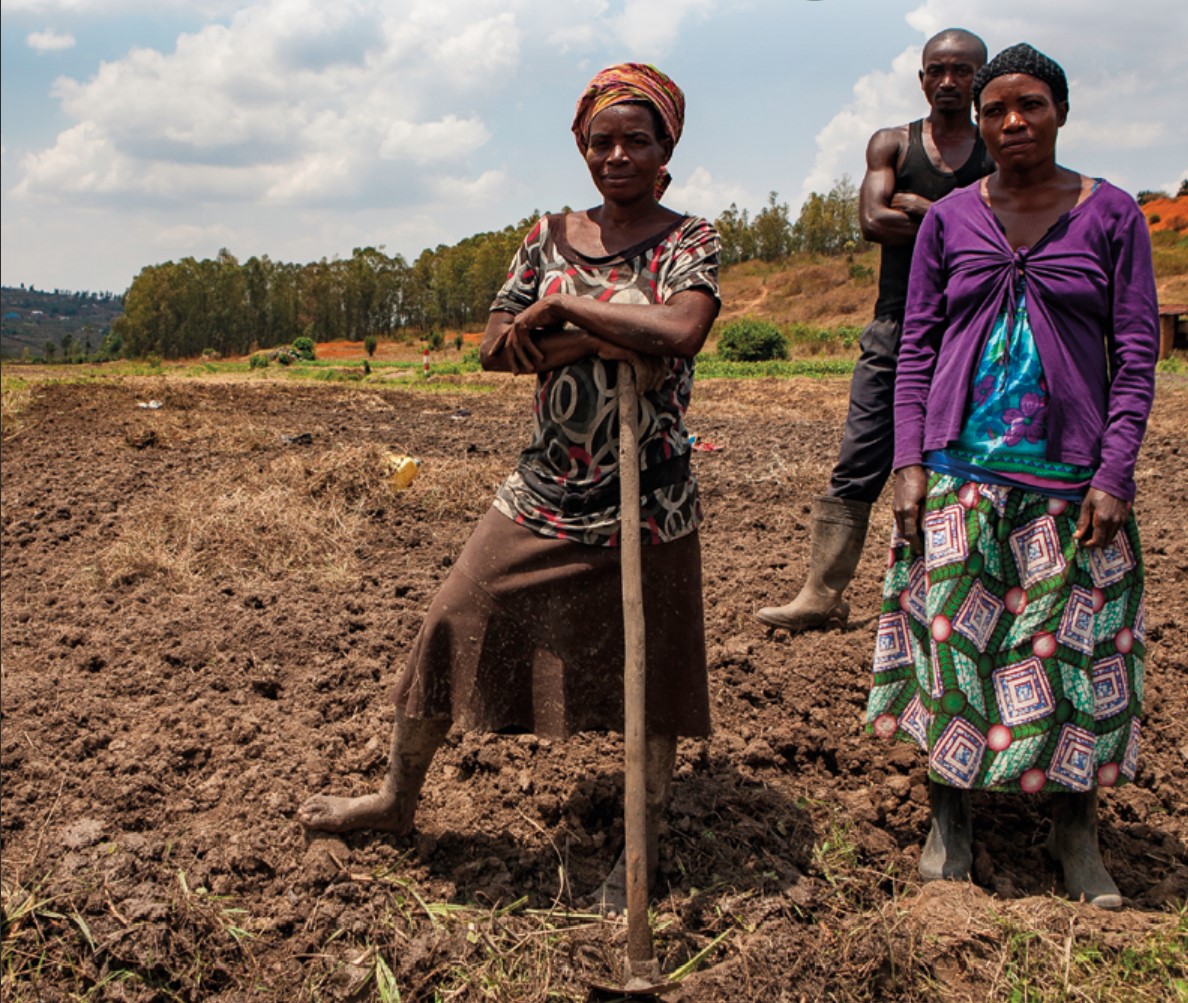
    This article examines the impact of cooperative financial literacy programs on women’s financial empowerment, particularly in rural areas. Financial empowerment is a crucial driver of gender equality and economic growth, aligning with sustainable development goals. Cooperatives, with over one billion members globally, play a vital role in fostering financial literacy and inclusion, providing accessible platforms to uplift women economically.

    Cooperative financial literacy initiatives significantly enhance women’s financial knowledge, skills, and confidence, enabling them to make informed financial decisions. Financially empowered women are more likely to invest in their families and communities, leading to improved health and education outcomes. However, women in developing economies still face considerable barriers to financial inclusion, highlighting the need for targeted strategies to address these challenges. This study provides evidence-based recommendations to shape financial literacy initiatives that contribute to economic stability, increased income, and gender equality through cooperative structures.

    How the Study was Conducted

    The authors employed a comprehensive review of existing literature, including peer-reviewed articles, reports, and gray literature. This helped them identify effective strategies, key influencing factors, and areas for future research. The study gathered data from various sources, focusing on cooperative financial literacy initiatives and their impact on women’s financial empowerment. The data included information on financial knowledge, skills, and confidence among women in rural areas. The authors used descriptive statistics to analyze the data. They examined the relationships between independent variables (cooperative financial literacy, training, and advisory strategies) and mediating variables (financial knowledge, financial attitude, and financial skills). These mediating variables were then linked to the dependent variable (financial empowerment of women). The study included an empirical review of existing research on the topic. This involved analyzing case studies and data from various regions, with a focus on developing economies. The authors developed a conceptual framework to illustrate the relationships between the variables. This framework helped them understand how cooperative financial literacy, training, and advisory strategies influence women’s financial empowerment.

    What the Authors Found

    The authors found that cooperative financial literacy initiatives play a crucial role in enhancing women’s financial knowledge, skills, and confidence, ultimately contributing to their financial empowerment. These programs equip women with essential financial concepts such as budgeting, saving, investing, and debt management, enabling them to make informed financial decisions.

    The study also posits that women who participate in financial literacy training develop greater confidence in handling financial matters and acquire practical skills that allow them to manage their finances effectively. This training also leads to increased savings rates, with financially literate women more likely to save money and invest in their businesses and families, fostering economic stability and growth. Additionally, financial empowerment has a ripple effect, as women who gain financial knowledge tend to invest in their families’ health and education, leading to improved health outcomes and higher education levels for their children, which benefits entire communities.

    Despite these advantages, women in developing economies continue to face significant barriers to financial inclusion, such as limited access to financial services, restrictive cultural norms, and inadequate financial infrastructure. Cooperatives, with their community-driven approach and extensive reach, are instrumental in overcoming these challenges by providing financial services, training, and advisory support, thereby promoting financial inclusion and empowerment.

    Why is this important?

    Economic Growth: Financially empowered women contribute significantly to economic growth. According to the World Bank, empowering women financially can boost economic growth by up to 12%. This is because financially literate and empowered women are more likely to invest in their businesses, families, and communities, leading to overall economic development.

    Poverty Reduction: Women’s financial empowerment plays a critical role in reducing poverty. Financially empowered women are better equipped to manage their resources, save for the future, and invest in income-generating activities. This helps lift families and communities out of poverty.

    Improved Health and Education: Financially empowered women are more likely to invest in their families’ health and education. Research by the International Labour Organization shows that financially empowered women lead to better health outcomes (15% increase) and higher education levels (20% increase) for their children.

    Gender Equality: Promoting women’s financial empowerment is essential for achieving gender equality. Financial literacy initiatives help bridge the gender gap in financial inclusion, providing women with the knowledge, skills, and confidence needed to participate fully in economic activities.

    Financial Inclusion: Despite the importance of financial empowerment, women in developing economies face significant barriers to financial inclusion. Cooperative financial literacy programs help address these barriers by providing women with access to financial services, training, and advisory support.

    Sustainable Development: Women’s financial empowerment is a critical component of achieving sustainable development goals. By promoting financial inclusion and literacy, we can work towards a more inclusive and sustainable future for all.

    Policy and Program Design: The findings from this study provide valuable insights for policymakers and practitioners. Evidence-based recommendations can inform the design and implementation of effective cooperative financial literacy programs, ensuring that they address the unique challenges faced by women in different regions.

    What the Authors Recommended

    • Policymakers and practitioners should focus on designing and implementing cooperative financial literacy programs that are tailored to the unique needs of women in different regions, and programs should address cultural, social, and economic barriers to financial inclusion and empowerment.
    • Enhance the capacity of cooperatives to deliver financial literacy training, advisory services, and support to women. This includes training cooperative staff and leaders to effectively manage and deliver these programs.
    • The study advocates that policymakers should utilize a community-based approach to reach women in rural areas. Cooperatives should engage community leaders and members to ensure the programs are relevant and accessible.
    • Policymakers and practitioners should incorporate technology, such as mobile banking and online training platforms, to improve access to financial literacy programs. This is particularly important in regions with limited infrastructure.
    • Establish monitoring and evaluation frameworks to assess the effectiveness of cooperative financial literacy programs. This will help identify best practices and areas for improvement.
    • Advocate for policies that support women’s financial empowerment and inclusion. This includes creating an enabling environment for cooperatives to operate effectively.
    • In addition, policymakers and practitioners should foster partnerships and collaboration between cooperatives, government agencies, non-governmental organizations, and the private sector. This will help leverage resources and expertise to enhance the impact of financial literacy programs.
    • Furthermore, policymakers and practitioners should focus on targeted efforts to improve financial inclusion among women, especially in regions with lower rates of financial literacy and inclusion.

    In conclusion, cooperative financial literacy initiatives are a powerful tool for enhancing women’s financial empowerment, particularly in developing economies. By equipping women with essential financial knowledge, skills, and confidence, these programs enable them to make informed decisions that drive economic growth, reduce poverty, and promote gender equality. Despite existing barriers, cooperatives provide an effective platform for fostering financial inclusion through training, advisory support, and accessible financial services. To maximize impact, policymakers and practitioners must implement targeted strategies, leverage technology, and foster collaboration across sectors. Investing in women’s financial literacy is not just a step toward individual empowerment—it is a catalyst for sustainable development and economic resilience for entire communities.

  • Climate Change Adaptation for Invasive Crop Pest Control in Sub-Saharan Africa: Strategies, Challenges, and Future Solutions

    Climate Change Adaptation for Invasive Crop Pest Control in Sub-Saharan Africa: Strategies, Challenges, and Future Solutions

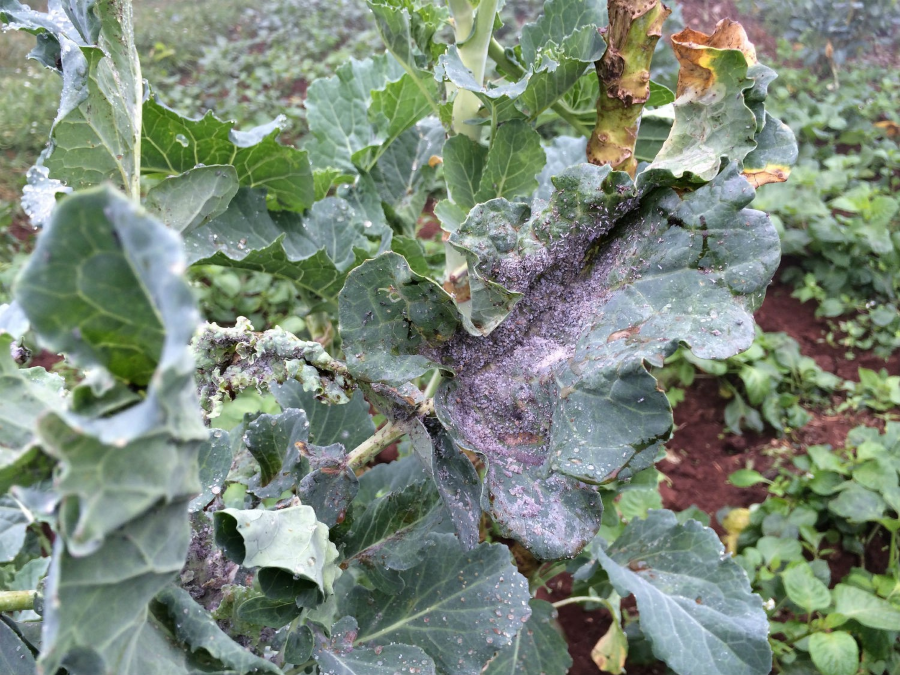
    A recent study by Assèdé et al. (2025) titled “Research progress on climate change adaptation strategies to control invasive crop pests in sub-Saharan Africa: a bibliometric and systematic review” published in Frontiers in Climate reveals that invasive pests, such as armyworms, fruit flies, and the coffee berry borer, pose significant threats to food security and farmer incomes by causing severe crop losses

    Climate-smart pest management, including IPM and agro-ecological practices, is essential for combating invasive pests in sub-Saharan Africa.– Assèdé et al. 2025

    The study provides a comprehensive analysis of research advancements in managing invasive crop pests within the context of climate change in sub-Saharan Africa. By employing bibliometric analysis, the study examines scientific publications from databases like Scopus, Dimensions, and Google Scholar, covering the period from 1991 to 2024.

    Invasive pests, such as armyworms, fruit flies, and the coffee berry borer, pose significant threats to food security and farmer incomes by causing severe crop losses. The study highlights various climate adaptation strategies to mitigate these threats, with a strong emphasis on integrated pest management (IPM), agro-ecological practices, and chemical control methods. IPM approaches include water harvesting, drip irrigation, planting resistant crop varieties, and enhancing production efficiency, while agro-ecological methods focus on reducing pest invasions through environmentally friendly techniques. Although chemical insecticides are sometimes used in emergencies, the research underscores the growing preference for biocontrol methods, agroforestry, and gender-inclusive pest management strategies.

    How the Study was Conducted

    The study employed a bibliometric and systematic review approach to evaluate research progress on climate change adaptation strategies for managing invasive crop pests in sub-Saharan Africa. Using Scopus, Dimensions, and Google Scholar databases, relevant literature was identified through key search terms such as “crop management,” “climate change,” and “adaptation,” focusing on publications from 1991 to 2024 in English or French. Selection criteria prioritized studies on integrated pest management and climate adaptation specifically within sub-Saharan Africa.

    The screening process, facilitated by the CADIMA platform, involved a two-phase inclusion/exclusion review. Initially, 103 papers were identified based on titles and abstracts, followed by a full-text review that refined the selection to 39 documents. A supplementary manual search on Google Scholar further expanded the dataset, culminating in 81 documents for final analysis.

    Data extraction and analysis included bibliometric and descriptive assessments using R software, examining publication trends, author influence, and regional contributions. Collaboration network analysis explored relationships among researchers and countries, while thematic analysis identified key research areas and their evolution over time. The study also assessed the impact of major invasive crop pests on agriculture and food security, alongside the effectiveness of various adaptation strategies such as integrated pest management, agro-ecological methods, and gender-responsive approaches. Additionally, gender-based differences in pest management adoption were analyzed, highlighting the role of social factors in adaptation strategies.

    What the Authors Found

    The authors found that invasive pests such as fall armyworms, fruit flies, and coffee berry borers cause extensive damage to crops, leading to significant yield losses and economic setbacks. These threats highlight the urgent need for effective pest management strategies. In addition, communities are employing various adaptation measures, including integrated pest management (IPM), water harvesting, drip irrigation, and planting resistant crop varieties to enhance agricultural resilience. Agro-ecological practices are proving effective in reducing pest invasions while preserving environmental sustainability. Although chemical insecticides are still used as emergency solutions, there is a notable shift toward biocontrol methods, agroforestry, and gender-specific pest management approaches.

    Why is this important?

    Food Security: Invasive crop pests can cause significant damage to crops, leading to substantial yield losses. Given the region’s heavy reliance on agriculture for food and livelihood, understanding and developing effective pest management strategies is crucial to ensuring food security and preventing hunger.

    Economic Impact: Agriculture is a significant part of the economy in sub-Saharan Africa, employing a large portion of the population. Crop losses due to pests directly affect farmers’ incomes and overall economic stability. Effective pest management strategies can mitigate these losses and support economic growth.

    Climate Change Adaptation: Climate change is exacerbating the challenges associated with pest management. Changing weather patterns can lead to the emergence of new pests and the spread of existing ones. The study’s focus on adaptation strategies helps communities prepare for and respond to these changes, enhancing their resilience.

    Sustainable Practices: The study highlights the importance of sustainable and innovative pest management practices, such as integrated pest management (IPM) and agro-ecological methods. These practices not only help control pests but also preserve the environment, promoting long-term agricultural sustainability.

    Gender Inclusivity: The study acknowledges the role of gender in pest management and the need for gender-specific approaches. By addressing the unique challenges faced by women in agriculture, the study promotes more inclusive and effective pest management strategies.

    Regional Disparities: Understanding regional disparities in research output and pest management practices helps identify gaps and areas that require more attention and resources. This knowledge can drive more targeted and effective interventions.

    Future Research: The study underscores the need for ongoing research to develop innovative and context-specific pest management strategies. This continuous effort is essential to stay ahead of evolving pest threats and changing climatic conditions.

    What the Authors Recommended

    • The study emphasizes promoting the widespread adoption of IPM practices, including water harvesting, drip irrigation, planting resistant crop varieties, and improving production efficiency, as well as providing training and resources to farmers to support the effective implementation of IPM strategies.
    • The authors advocate and encourage the use of agroecological practices that reduce pest invasions while preserving the environment, as well as developing policies and programs that promote sustainable agricultural practices and reduce reliance on chemical insecticides.
    • Conduct targeted research and development in regions with lower scientific output to address the specific pest management challenges they face and foster collaboration and knowledge exchange between regions to bridge the gap in research and implementation.
    • Incorporate gender perspectives into pest management strategies, recognizing the unique challenges and needs of women in agriculture, and provide training and support tailored to women farmers to ensure they have the resources and knowledge to effectively manage pests.
    • Invest in research and development of biocontrol methods and agroforestry practices that integrate pest management. Implement pilot projects to demonstrate the effectiveness of these approaches and encourage their adoption.
    • The study also emphasizes fostering regional and international scientific cooperation to enhance research and knowledge sharing on pest management and climate change adaptation.
    • In addition, develop collaborative projects and initiatives that bring together researchers, policymakers, and farmers to address the challenges posed by invasive crop pests.
    • Furthermore, conduct further research to assess farmers’ perceptions of the effectiveness of existing pest management practices and develop innovative and sustainable pest management strategies tailored to local contexts and climate change scenarios.

    Invasive crop pests pose a significant challenge to food security, economic stability, and agricultural sustainability in sub-Saharan Africa, a problem further intensified by climate change. This study highlights the importance of integrated pest management, agro-ecological practices, and biocontrol methods as sustainable solutions to mitigate these threats. Addressing regional disparities in research, fostering gender-inclusive strategies, and promoting scientific collaboration are crucial steps toward enhancing resilience against invasive pests. By investing in innovative, locally tailored adaptation measures, policymakers, researchers, and farmers can work together to secure a more sustainable and food-secure future for the region.

  • Life Cycle Assessment of Water & Wastewater Treatment in Africa: Environmental Impacts, Challenges & Sustainable Solutions

    Life Cycle Assessment of Water & Wastewater Treatment in Africa: Environmental Impacts, Challenges & Sustainable Solutions

    A recent study by Ogbu et al. (2025) titled “Towards environmentally sustainable water management in Africa: a comprehensive review of life cycle assessment studies in water and wastewater treatment” published in The International Journal of Life Cycle Assessment by Springer Nature reveals that LCA studies on W&WWT in Africa are concentrated in few countries, with global warming potential as the dominant impact due to fossil fuels.

    Life Cycle Assessment (LCA) studies on water and wastewater treatment in Africa are limited, with global warming potential driven by fossil fuel-based electricity as the dominant environmental impact.– Ogbu et al. 2025

    Water and wastewater treatment (W&WWT) are essential for sustainable development, yet their environmental impacts in Africa remain underexplored. A study published in The International Journal of Life Cycle Assessment provides a comprehensive evaluation of these impacts using the Life Cycle Assessment (LCA) methodology. By analyzing energy consumption, material use, and emissions across different water management systems, the review identifies key trends, challenges, and opportunities for improving sustainability in the sector.

    The study systematically reviews 41 original studies covering 131 scenarios that apply the ISO 14040/14044 LCA framework to W&WWT in Africa. Research is primarily concentrated in South Africa and Egypt, with limited representation from countries like Nigeria and Tunisia. Urban wastewater treatment is the most studied, while industrial and domestic wastewater treatment receive less attention, and water treatment studies are even scarcer. The ReCiPe and CML methodologies are the most commonly used for impact assessment, revealing that global warming potential and fossil fuel-based electricity generation are major environmental burdens.

    Key challenges include limited data availability, insufficient renewable energy integration, and a lack of material recovery efforts. Addressing these gaps is crucial for mitigating the sector’s environmental footprint. The review emphasizes the importance of incorporating LCA into engineering design, policy-making, and stakeholder engagement to drive sustainable water management. It calls for enhanced research, the establishment of performance standards, and the promotion of green innovations to foster environmentally responsible W&WWT practices across Africa.

    How the Study was Conducted

    This study conducted a systematic review of Life Cycle Assessment (LCA) studies on water and wastewater treatment (W&WWT) in Africa. Using the STARR-LCA checklist and PRISMA protocol, relevant articles were sourced from Web of Science, Scopus, and Google Scholar until October 10, 2024.

    The initial search identified 296 articles, which were filtered down to 41 studies covering 131 scenarios through a rigorous screening process. Studies were included if they applied the ISO 14040/14044 LCA methodology, assessed W&WWT processes with multiple impact categories, and considered resource recovery.

    Data extraction was performed using Covidence software, focusing on technical parameters (e.g., influent and effluent properties, treatment technology efficiency), methodological choices (e.g., system boundaries, LCIA methods, software used), and study typology (e.g., publication year, geographic distribution). The analysis revealed that most studies originated from South Africa and Egypt, emphasizing regional research trends in LCA-based sustainable water management.

    What the Authors Found

    The study highlights that Life Cycle Assessment (LCA) studies on water and wastewater treatment (W&WWT) in Africa are concentrated in a few countries, particularly South Africa and Egypt, while many other regions remain underrepresented. Additionally, it identifies global warming potential as the most significant environmental impact, largely driven by fossil fuel-based electricity use.

    Why is this important?

    1. Environmental Impact
    Water and wastewater treatment processes have significant environmental impacts. By using the Life Cycle Assessment (LCA) methodology, this study identifies the various environmental burdens, such as energy consumption, emissions, and resource depletion, associated with these processes. Understanding these impacts is crucial for developing strategies to mitigate negative effects and promote more sustainable practices.

    2. Water Scarcity
    Africa faces severe water scarcity issues exacerbated by population growth, urbanization, and climate change. Efficient and sustainable water management is essential for ensuring access to clean water for all. This study highlights the need for improved water treatment and management practices to address water scarcity challenges.

    3. Policy Development
    The study’s findings provide valuable insights for policymakers and stakeholders. By identifying gaps in data acquisition, renewable energy use, and resource recovery, the study offers concrete recommendations for policy development aimed at promoting sustainable water and wastewater treatment practices.

    4. Resource Recovery
    The potential for resource recovery from wastewater treatment processes is an emerging area of interest. This study emphasizes the importance of recovering valuable resources such as nutrients and biosolids, which can be reused in agriculture and other applications. This contributes to a circular economy and reduces the environmental footprint of treatment processes.

    5. Economic Benefits
    Sustainable water management practices can lead to economic benefits by reducing operational costs, increasing resource efficiency, and promoting innovation in the water sector. The study’s recommendations can help guide investments in green technologies and infrastructure, fostering economic growth and resilience.

    6. Public Health
    Proper treatment of water and wastewater is essential for safeguarding public health. By identifying the environmental impacts of different treatment processes, the study helps ensure that these processes do not inadvertently harm human health through pollution or contamination.

    7. Global Relevance
    While the study focuses on Africa, its findings have global relevance. Water scarcity and environmental sustainability are universal challenges, and the insights gained from this study can be applied to other regions facing similar issues. It also contributes to the global body of knowledge on sustainable water management.

    What the Authors Recommended

    • There’s a critical need to enhance data acquisition and storage systems to better understand the environmental impacts of water and wastewater treatment. Accurate data is essential for comprehensive Life Cycle Assessment (LCA) studies.
    • The study advocates for integrating renewable energy sources into water and wastewater treatment processes to reduce reliance on fossil fuels and mitigate adverse environmental impacts. This includes exploring solar, wind, and other renewable energy technologies.
    • Encouraging the recovery of valuable resources, such as nutrients and biosolids, from wastewater treatment processes is highlighted as a crucial step toward sustainability. This can contribute to a circular economy and reduce the environmental footprint of treatment facilities.
    • The authors emphasize the importance of involving stakeholders, including government agencies, industry players, and local communities, in the LCA process. Collaborative efforts can lead to better-informed decisions and more effective implementation of sustainable practices.
    • Incorporating LCA methodologies into the design and planning of water and wastewater treatment systems can help identify potential environmental impacts early on and optimize the sustainability of these systems.
    • The study calls for the development and enforcement of performance standards for green innovations in the water and wastewater sectors. These standards can guide the adoption of best practices and technologies that minimize environmental impacts.
    • Future research and policy development should focus on creating supportive frameworks that encourage sustainable water and wastewater treatment practices. Policies should address data collection, renewable energy integration, resource recovery, and stakeholder engagement.

    In conclusion, the study underscores the urgent need for sustainable water and wastewater treatment (W&WWT) practices in Africa. With global warming potential driven by fossil fuel dependence as a major environmental concern, integrating renewable energy, enhancing data acquisition, and promoting resource recovery are key steps toward reducing the sector’s footprint. Policymakers, researchers, and industry stakeholders must collaborate to implement green innovations, establish performance standards, and drive investment in sustainable water management solutions. By addressing these challenges, Africa can move toward a more resilient and environmentally responsible approach to water treatment, benefiting both people and the planet.

  • Mucosal Immunity and Pediatric RTIs: Insights from Africa on Prevention, Microbiome, and Vaccines

    Mucosal Immunity and Pediatric RTIs: Insights from Africa on Prevention, Microbiome, and Vaccines

    A recent study by Mwape et al. (2025) titled “Overview of mucosal immunity and respiratory infections in children: a focus on Africa,” published in Current Opinion in Pediatrics, reveals that the composition of the respiratory microbiome plays a critical role in the development and prevention of RTIs.

    Mucosal immunity, respiratory microbiome balance, and targeted interventions can reduce pediatric RTI burdens, especially in sub-Saharan Africa. -Mwape et al. 2025

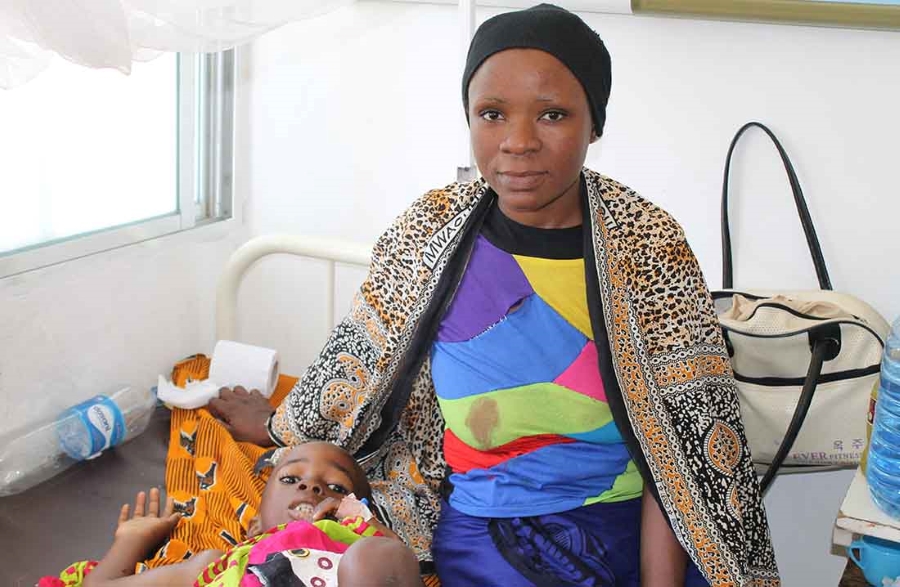
    Mucosal immunity serves as the first line of defense against respiratory tract infections (RTIs) in children by preventing pathogen entry and infection at mucosal surfaces. RTIs, particularly pneumonia, remain a leading cause of mortality in children under five, especially in low- and middle-income countries (LMICs) like those in sub-Saharan Africa. Socioeconomic factors such as poverty, malnutrition, and HIV significantly increase the burden and severity of these infections.

    The respiratory microbiome—the community of microorganisms residing in the respiratory tract—plays a critical role in RTI development. Beneficial bacteria can provide protection, while an imbalance favoring harmful bacteria increases susceptibility to infections. Vaccination remains a crucial preventive strategy, with mucosal vaccines, administered via the nasal route, showing potential in eliciting strong local immune responses at mucosal surfaces. These vaccines could be instrumental in reducing RTI-related morbidity and mortality. Beyond vaccination, nutrition and maternal health significantly influence mucosal immunity. Exclusive breastfeeding and maternal vaccination enhance a child’s immune development, providing essential protection against RTIs. Furthermore, innovative interventions, such as microbiota-based therapies and mucosal vaccine advancements, offer promising strategies for RTI prevention, particularly in resource-limited settings.

    What the Authors Found

    The authors found that sub-Saharan Africa is disproportionately affected by pediatric respiratory tract infections (RTIs), with factors such as poverty, malnutrition, and HIV significantly contributing to the high burden of these infections. The composition of the respiratory microbiome plays a critical role in the development and prevention of RTIs. Beneficial bacteria in the respiratory tract can protect against infections, while harmful bacteria can increase the risk. Additionally, mucosal immunity, which involves immune responses at mucosal surfaces like the respiratory tract, is crucial for protecting against RTIs. The study found that both innate and adaptive immune responses in the respiratory mucosa are important for defense against pathogens. Furthermore, the authors posit factors such as nutrition and maternal health significantly influence mucosal immunity in children. Exclusive breastfeeding and maternal vaccination were found to have a positive impact on the child’s immune development and protection against RTIs.

    Why is this important?

    High Burden of RTIs in Children: Respiratory tract infections (RTIs), particularly pneumonia, are a leading cause of death in children under five, especially in low- and middle-income countries (LMICs) like those in sub-Saharan Africa. Understanding and addressing this burden is crucial for improving child health and survival rates.

    Mucosal Immunity’s Role: Mucosal immunity is the first line of defense against pathogens entering the respiratory tract. By advancing our knowledge of mucosal immunity, we can develop better diagnostic tools, vaccines, and treatments to protect children from RTIs.

    Impact of Microbiome: The study highlights the significant role of the respiratory microbiome in RTI outcomes. Understanding the beneficial and harmful microorganisms in the respiratory tract can help us develop targeted interventions to prevent infections.

    Innovative Interventions: The development of mucosal vaccines and microbiota-based treatments offers promising new strategies to prevent and treat RTIs. These interventions can be particularly beneficial in resource-limited settings where access to healthcare is often limited.

    Influence of Nutrition and Maternal Health: The study underscores the importance of factors like nutrition and maternal health in shaping mucosal immunity. By addressing these factors, we can enhance children’s immune responses and reduce the risk of RTIs.

    Future Research and Clinical Applications: The findings call for further research into mucosal immunity and its clinical applications. This could lead to the development of novel diagnostic and prognostic biomarkers, as well as innovative therapies to improve RTI care.

    What the Authors Recommended

    • The authors emphasize the need for improved surveillance and data collection on respiratory tract infections (RTIs) and mucosal immunity, particularly in low- and middle-income countries (LMICs). This will help to better understand the burden and causes of RTIs in these regions.
    • The study recommends investing in the research and development of mucosal vaccines. These vaccines can induce strong local immune responses in the respiratory tract, potentially offering better protection against RTIs.
    • The authors call for the implementation of targeted interventions to address specific risk factors for RTIs in children, such as malnutrition, HIV, and poor living conditions. These interventions should be tailored to the local context and needs.
    • The study highlights the importance of improving nutritional support for children, including promoting exclusive breastfeeding and addressing micronutrient deficiencies. Proper nutrition is crucial for the development of a strong mucosal immune system.
    • Improving maternal health through vaccination and adequate healthcare is recommended, as maternal health directly impacts the child’s immune development and protection against RTIs.
    • The authors recommend further research into the respiratory microbiome and its role in RTIs. Understanding the composition and function of the respiratory microbiome can lead to new therapeutic and preventive strategies.
    • They stress the need to translate research findings into practical applications, such as developing diagnostic tools, treatments, and preventive measures that can be implemented in clinical settings.
    • The authors advocate for increased international collaboration and funding to address the global burden of RTIs in children. Collaborative efforts can lead to more effective and sustainable solutions.

    In conclusion, the study by Mwape et al. (2025) highlights the critical role of mucosal immunity and the respiratory microbiome in preventing and managing respiratory tract infections (RTIs) in children, particularly in sub-Saharan Africa. With RTIs remaining a leading cause of child mortality in low- and middle-income countries, addressing key factors such as malnutrition, maternal health, and socioeconomic disparities is essential. Advancements in mucosal vaccines, microbiota-based therapies, and targeted interventions offer promising solutions to reduce the burden of RTIs. Moving forward, increased research, international collaboration, and investment in preventive strategies will be vital in improving child health outcomes and reducing RTI-related mortality.

  • Rising Antibiotic Resistance in Shigella: A Systematic Review of ESBL and Carbapenemase-Producing Strains in Africa

    Rising Antibiotic Resistance in Shigella: A Systematic Review of ESBL and Carbapenemase-Producing Strains in Africa

    A recent study by Somda et al. (2025) titled “Molecular epidemiology of extended-spectrum beta-lactamases and carbapenemases-producing Shigella in Africa: a systematic review and meta-analysis” published in BMC Infectious Diseases by Springer Nature reveals that Shigella flexneri is the dominant ESBL and CR-producing species in Africa, with prevalent resistance genes posing a major public health threat.

    Shigella flexneri is the dominant ESBL and carbapenemase-producing species in Africa, posing a major public health threat.– Somda et al. 2025

    This systematic review and meta-analysis examines the molecular epidemiology of Shigella strains producing extended-spectrum beta-lactamase (ESBL) and carbapenemase in Africa, addressing the treatment challenges posed by multidrug-resistant Shigella infections. The study comprehensively reviews scientific literature to investigate the prevalence, species distribution, and genetic determinants of these resistant Shigella strains.

    Shigella, a member of the Enterobacterales family, is a major cause of diarrheal diseases, particularly in developing countries. Among its four serogroups (A-D), Shigella flexneri and Shigella dysenteriae are the primary culprits of bacterial dysentery. The rising prevalence of multidrug-resistant Shigella strains poses a significant global public health concern, complicating treatment options and increasing the urgency for antimicrobial resistance (AMR) surveillance.

    How the Study was Conducted

    The researchers conducted a systematic literature search of studies published in English and French from African countries between January 1999 and July 2024. The databases searched include PubMed, Scopus, Web of Science, African Journals Online (AJOL), and Google Scholar. Inclusion criteria required full-text articles that reported the prevalence of ESBL and carbapenemase-producing Shigella, detailing study populations and resistance detection methods. Data were analyzed using a binary random-effects model through comprehensive meta-analysis software.

    What the Authors Found

    The meta-analysis estimated the overall pooled prevalence of ESBL and carbapenem-resistant (CR) Shigella at 41.2%. Shigella flexneri emerged as the most prevalent ESBL and CR-producing species at 34.5%, while Shigella sonnei was the least reported at 6.7%. The most common ESBL genes detected were blaTEM (25.9%), blaOXA-1 (25.7%), and blaCTX-M (10.8%). Carbapenemase genes, such as blaNDM, blaKPC, and blaIMP, were found to be less prevalent.

    Why is this important?

    Rising Resistance: With the increasing prevalence of ESBL and carbapenemase-producing Shigella strains, these findings highlight a significant public health threat in Africa. These resistant bacteria complicate treatment options and can lead to higher morbidity and mortality rates, especially among vulnerable populations like children, the elderly, and immunocompromised individuals.

    Informed Choices: The study underscores the need for effective antimicrobial resistance (AMR) surveillance strategies. By identifying the prevalent resistance genes and Shigella species, healthcare providers can make more informed choices regarding antibiotic treatments and stewardship.

    Guiding Policies: The data from this study can help inform public health policies and strategies aimed at controlling and preventing the spread of multidrug-resistant Shigella. Policymakers can use this information to allocate resources effectively, promote vaccination, and implement robust surveillance systems.

    Future Research: The findings provide a foundation for future research on molecular epidemiology and resistance mechanisms. It also highlights the need for further studies and improved laboratory infrastructure to monitor and combat antimicrobial resistance.

    Cross-Border Relevance: Given the interconnectedness of our world, the findings have implications beyond Africa. Travelers, trade, and migration can facilitate the spread of these resistant strains to other regions, making it a global health concern.

    Raising Awareness: The study serves as an educational resource for healthcare professionals, researchers, and the general public. Awareness of the prevalence and impact of antimicrobial resistance can drive efforts to improve hygiene, sanitation, and responsible antibiotic use.

    What the Authors Recommended

    • The authors emphasize the need for effective antimicrobial resistance (AMR) surveillance strategies in Africa to monitor and control the spread of extended-spectrum beta-lactamase (ESBL) and carbapenemase-producing Shigella. This includes the implementation of robust national and regional surveillance systems.
    • There is a call for policymakers to allocate adequate resources for the monitoring and control of antimicrobial resistance. This includes funding for research, improving laboratory infrastructure, and training healthcare professionals.
    • The authors highlight the importance of raising public health awareness about the risks associated with ESBL and carbapenemase-producing Shigella. Public health campaigns can educate communities about the importance of hygiene, sanitation, and responsible antibiotic use.
    • The findings underscore the need for updated treatment guidelines that consider the prevalence of these resistant Shigella strains. Healthcare providers should be aware of the local resistance patterns to make informed decisions about antibiotic therapy.
    • The authors recommend fostering international collaboration and data sharing to combat antimicrobial resistance globally. This includes participating in global initiatives and sharing surveillance data to track the spread of resistant strains.
    • The authors encourage further research to understand the molecular mechanisms of resistance and to develop new strategies to combat Shigella infections. This includes studies on the genetic determinants of resistance and the development of new antibiotics.

    In conclusion, the study by Somda et al. (2025) highlights the alarming rise of ESBL and carbapenemase-producing Shigella in Africa, posing a significant public health challenge. The findings emphasize the urgent need for robust antimicrobial resistance (AMR) surveillance, improved laboratory infrastructure, and informed antibiotic stewardship to combat the growing threat of multidrug-resistant Shigella strains. Policymakers, healthcare professionals, and researchers must collaborate to implement effective prevention strategies, enhance public awareness, and guide treatment protocols. Given the potential for global spread, addressing this issue is not just a regional priority but a critical component of international public health efforts.

  • Intestinal Parasitic Infections in Diabetic Patients Across Africa: A Systematic Review & Meta-Analysis

    Intestinal Parasitic Infections in Diabetic Patients Across Africa: A Systematic Review & Meta-Analysis

    A recent study by Debash et al. (2025) titled “Burden of intestinal parasites among diabetic patients in Africa: a systematic review and meta-analysis,” published in BMC Infectious Diseases by Springer Nature, reveals that diabetic patients are at a higher risk of intestinal parasitic infections.

    Diabetic patients in Africa face a 31% prevalence of intestinal parasitic infections, with higher risks linked to poor hygiene and sanitation.– Debash et al. 2025

    Intestinal parasite infections (IPIs) pose a significant public health concern, particularly in regions with poor sanitation. Diabetic patients, due to their compromised immune systems, may be more vulnerable to these infections. This systematic review and meta-analysis assess the overall burden of IPIs among diabetic individuals across Africa. A comprehensive search of studies published between January 1, 2000, and August 13, 2024, was conducted, focusing on the prevalence of IPIs in diabetic patients. Sixteen studies were included in the final analysis, with data analyzed using STATA software. Subgroup analysis was performed to address variations across studies. The findings revealed that 31% of diabetic patients in Africa were affected by intestinal parasites, with the highest prevalence reported in Egypt (39%) and in case-control studies (40%). Key factors contributing to higher infection rates included poor hygiene, inadequate sanitation, and diabetes status. Given the increased risk among diabetic individuals, the study highlights the urgent need for regular screening, improved hygiene practices, and better sanitation measures to reduce the burden of IPIs. Implementing preventive strategies and raising awareness among diabetic patients is crucial in mitigating this public health challenge.

    How the Study was Conducted

    The study systematically reviewed research published between January 1, 2000, and August 13, 2024, using institutional repositories and online databases such as PubMed, ScienceDirect, Scopus, and Google Scholar. Search terms included “prevalence,” “incidence,” “intestinal parasites,” “helminths,” “protozoa,” and “Diabetes Mellitus (type I & II DM).”

    Inclusion Criteria: Original research, brief reports, case-control, cross-sectional, and hospital-based studies focusing on diabetic patients with intestinal parasites.
    Exclusion Criteria: Duplicate studies, research conducted outside Africa, studies without diabetic participants, case reports, review articles, studies with sample sizes below 30, and letters.

    Study Selection and Quality Assessment
    The search results were managed using Endnote X7, with duplicates removed systematically. Two independent reviewers screened articles based on titles and abstracts, while another set of reviewers assessed full-text publications. Quality assessment followed the Newcastle-Ottawa Scale (NOS) and Joanna Briggs Institute (JBI) criteria, categorizing studies as high quality (≥7 stars) or intermediate quality (5–7 stars).

    Data Extraction and Statistical Analysis
    Key data points—including author details, publication year, study design, sample size, country, number of cases, and parasite prevalence among diabetic patients—were extracted and recorded in an Excel file. The analysis was conducted using STATA version 17, employing:

         
    Random-effects model for significant heterogeneity (I² > 50%).
    Subgroup analysis by country and study design to refine findings.
    Egger’s test and trim-and-fill analysis to evaluate and adjust for publication bias.
    Sensitivity analysis to validate pooled prevalence estimates.

    What the Authors Found

    The study found that the overall prevalence of intestinal parasites among diabetic patients in Africa is 31% (CI: 23-38%). Geographical variation was observed, with Egypt recording the highest prevalence at 39% (CI: 26-52%) and Nigeria showing a significant prevalence of 33% (CI: 18-49%). Study design impacted the findings, as case-control studies reported a higher prevalence of 40% (CI: 28-52%), while cross-sectional studies showed a prevalence of 22% (CI: 17-27%).

    Several factors were associated with increased infection risk. Poor hygiene and sanitation significantly raised the odds of infection by 8.1 times, while diabetes mellitus itself increased the odds by 5.62 times. The most commonly reported parasites included protozoa such as Cryptosporidium species, Giardia species, and Entamoeba histolytica, as well as helminths like Ascaris lumbricoides, Trichuris trichiura, and hookworm. The study identified high heterogeneity among the included studies (I²=95.94%), indicating variability beyond random chance. While Egger’s test suggested potential publication bias, a trim-and-fill analysis showed no significant differences.

    Why is this important?

    Higher Risk for Diabetic Patients: The study reveals that diabetic patients in Africa are significantly more likely to be infected with intestinal parasites compared to non-diabetic individuals. These infections can exacerbate existing health issues and lead to severe complications.

    Impact on Immune System: Diabetic patients often have compromised immune systems, making them more susceptible to infections. Intestinal parasites can further weaken their immune response, leading to prolonged illness and more severe symptoms.

    Prevalence in Africa: With a pooled prevalence of 31%, the study highlights a considerable burden of intestinal parasites among diabetic patients in Africa. This calls for targeted public health interventions in the region.

    Preventive Measures: Emphasizing the need for better hygiene and sanitation practices can help reduce the transmission of these parasites. Public health campaigns and education programs can play a crucial role in achieving this.

    Screening and Treatment: The study underscores the importance of prioritizing diabetic patients for regular screening and early treatment of intestinal parasitic infections. This can help prevent complications and improve the overall health outcomes for these patients.

    Guidance for Healthcare Providers: The findings provide valuable insights for healthcare providers, enabling them to develop and implement effective strategies for managing and preventing intestinal parasites in diabetic patients.

    Highlighting Knowledge Gaps: The study identifies areas where further research is needed, such as the specific types of intestinal parasites affecting diabetic patients and the mechanisms underlying their increased susceptibility.

    Basis for Future Studies: The systematic review and meta-analysis serve as a foundation for future research, helping to better understand the relationship between diabetes and intestinal parasitic infections.

    What the Authors Recommended

    • The authors recommend that diabetic patients should be prioritized for regular screening of intestinal parasitic infections to facilitate early detection and treatment. This is crucial given their higher susceptibility to these infections.
    • Public health interventions should focus on improving hygiene and sanitation, particularly in areas with inadequate facilities. This can significantly reduce the transmission of intestinal parasites.
    • Develop and implement health education programs aimed at increasing awareness among diabetic patients about the transmission routes and prevention strategies for intestinal parasitic infections. Knowledge about proper hygiene practices, safe food handling, and the importance of clean water can help reduce infection rates.
    • Encourage diabetic patients to practice good personal hygiene, such as regular handwashing, especially before meals and after using the toilet. Ensure proper disposal of human excreta and solid waste to minimize environmental contamination and advise diabetic patients to avoid consuming raw or undercooked vegetables and foods that may be contaminated with parasites.
    • The authors suggest conducting more well-designed case-control and experimental studies to better understand the relationship between diabetes and intestinal parasitic infections. This can help in developing targeted interventions and improving the overall management of diabetic patients.
    • In addition, governments and health authorities should incorporate these findings into national health policies, ensuring that diabetic patients are included in public health plans for controlling intestinal parasitic infections.

    In conclusion, this study highlights the significant burden of intestinal parasitic infections among diabetic patients in Africa, with a prevalence rate of 31%. The findings underscore the urgent need for regular screening, improved hygiene, and enhanced public health interventions to mitigate infection risks. Given the vulnerability of diabetic individuals due to their compromised immune systems, targeted awareness campaigns and preventive measures are essential in reducing disease transmission. Policymakers, healthcare providers, and researchers must work collaboratively to integrate these findings into national health strategies, ensuring better health outcomes for diabetic patients. Addressing this dual burden of diabetes and parasitic infections is crucial for improving overall public health and quality of life in affected regions.

  • Entrepreneurship in Nigeria: The Impact of Traditional and Postmodern Cultures on Business Growth

    Entrepreneurship in Nigeria: The Impact of Traditional and Postmodern Cultures on Business Growth

    A recent study by Eregare et al. (2025) titled “ENTREPRENEURSHIP INSTITUTIONS IN AFRICA: A CRITICAL ANALYSIS OF TRADITIONAL AND POSTMODERN CULTURES IN NIGERIA published in OHAZURUME-Unizik Journal of Culture and Civilization reveals that both traditional and postmodern cultural elements significantly influence entrepreneurial practices in Nigeria.

    Both traditional values and postmodern influences significantly shape entrepreneurship in Nigeria, impacting business practices, innovation, and growth.– Eregare et al. 2025

    The study examines how traditional and postmodern cultural elements influence entrepreneurship in Nigeria. The study delves into the historical and cultural contexts of entrepreneurship, exploring how these factors shape business practices, values, and the overall entrepreneurial ecosystem in the country. By analyzing both traditional and modern perspectives, the study aims to provide a comprehensive understanding of the entrepreneurial landscape in Nigeria and highlight potential areas for growth and development.

    How the Study was Conducted

    The study employed a qualitative research methodology. This approach involved in-depth interviews and focus group discussions with entrepreneurs, business leaders, and cultural experts in Nigeria. The researchers aimed to gather rich, detailed insights into how traditional and postmodern cultural elements influence entrepreneurial practices. Additionally, the study utilized document analysis to review historical and contemporary literature on Nigerian entrepreneurship and cultural practices. This combination of methods allowed the researchers to develop a comprehensive understanding of the entrepreneurial landscape in Nigeria.

    What the Authors Found

    The authors found that both traditional and postmodern cultural elements significantly influence entrepreneurial practices in Nigeria. Traditional cultural values, such as community support and respect for elders, play a crucial role in shaping business practices and fostering trust among entrepreneurs. On the other hand, postmodern cultural elements, such as innovation and adaptability, drive entrepreneurial growth and modern business strategies.

    Why is this important?

    This study is important because it sheds light on the dynamic interplay between traditional and postmodern cultures in shaping entrepreneurship in Nigeria. Understanding these influences is crucial for several reasons:

    Cultural Context: It provides insights into how cultural values and practices impact business operations, decision-making, and relationships in Nigeria. This understanding can help entrepreneurs navigate cultural nuances more effectively.

    Entrepreneurial Growth: By identifying the strengths and challenges associated with traditional and postmodern cultural elements, the study can inform strategies to foster entrepreneurial growth and innovation in Nigeria.

    Policy Development: The findings can guide policymakers in creating supportive environments for entrepreneurship by considering cultural factors and addressing potential barriers.

    Economic Development: Entrepreneurship is a key driver of economic development. By leveraging cultural strengths and mitigating challenges, Nigeria can enhance its entrepreneurial ecosystem and contribute to overall economic growth.

    Global Relevance: The study’s insights can be applied to other African countries with similar cultural contexts, providing a broader understanding of how cultural elements influence entrepreneurship across the continent.

    What the Authors Recommended

    The authors recommended several strategies to enhance entrepreneurship in Nigeria:

    • Leverage Traditional Cultural Strengths: Encourage entrepreneurs to embrace traditional values such as community support, respect for elders, and collective decision-making. These values can foster trust and collaboration, which are essential for business success.
    • Promote Innovation and Adaptability: Foster a culture of innovation and adaptability by providing access to modern business tools, training, and resources. This will help entrepreneurs stay competitive in a rapidly changing market.
    • Balance Cultural Influences: Create policies and programs that balance traditional and postmodern cultural influences. This approach can help entrepreneurs navigate cultural nuances and capitalize on the strengths of both cultural elements.
    • Enhance Access to Resources: Improve access to financial resources, markets, and infrastructure. This includes providing better access to credit, electricity, and contract enforcement, which are critical for entrepreneurial success.
    • Supportive Policy Environment: Advocate for policies that support entrepreneurship and address potential barriers. This includes creating a regulatory environment that is conducive to business growth and development.
    • Education and Training: Invest in entrepreneurship education and training programs to equip aspiring entrepreneurs with the necessary skills and knowledge. This can help bridge the gap between traditional and modern business practices.

    In conclusion, the study by Eregare et al. (2025) highlights the crucial role of both traditional and postmodern cultural elements in shaping entrepreneurship in Nigeria. By understanding and leveraging these cultural influences, entrepreneurs can develop more effective business strategies, foster innovation, and contribute to economic growth. The study’s findings offer valuable insights for policymakers, business leaders, and aspiring entrepreneurs, emphasizing the need for a balanced approach that embraces both cultural heritage and modern advancements. With the right support, Nigeria’s entrepreneurial ecosystem can continue to thrive, creating sustainable opportunities for future generations.

  • Effective Job Search Strategies for Unemployed Youth in Sub-Saharan Africa’s Agro-Sector: Key Insights & Policy Recommendations

    Effective Job Search Strategies for Unemployed Youth in Sub-Saharan Africa’s Agro-Sector: Key Insights & Policy Recommendations

    A recent study by Obi, J. N., & Ojo, E. (2025) titled “A Scoping Review on Exploring Job Search Strategies for Unemployed Youth: Implications for the Agro Sector in Sub-Saharan Africa” published in Career Coaching and Employability Skills Acquisition,reveals that effective networking is crucial for job search success

    This study examines job search strategies employed by unemployed youth in Sub-Saharan Africa’s agricultural sector and highlights the obstacles they face. Given the sector’s diversity, ranging from subsistence farming to commercial agribusiness, understanding targeted job search approaches is essential.

    Effective networking, skill development, and policy support are crucial for improving youth employment opportunities in Sub-Saharan Africa’s agro-sector.

    – Obi, J. N., & Ojo, E. 2025

    Youth unemployment remains a significant challenge, particularly in rural areas, despite the agro-sector’s potential for job creation. The study explores strategies such as networking, career services, internships, and skill acquisition, all of which play a crucial role in enhancing employability. Theories of human and social capital emphasize the value of education, training, and professional connections in improving job prospects. Networking through social media, agricultural forums, and industry events is instrumental in securing employment opportunities. Additionally, internships provide hands-on experience and expand job networks, while skill development—both technical and soft skills—remains key to meeting market demands.

    However, several barriers hinder youth employment in agriculture. These include limited access to industry-relevant training, inadequate support services, and a disconnect between youth aspirations and available opportunities. Addressing these challenges requires aligning skills development programs with market needs, strengthening support services, and fostering entrepreneurship through improved access to land and financing.

    How the Study was Conducted

    This study systematically reviews existing literature to identify effective job search strategies for unemployed youth within Sub-Saharan Africa’s agro-sector. Using a structured methodology, the research examines various approaches to improving employability in this critical industry.

    The study employed a comprehensive literature search across databases such as PubMed, Scopus, and Google Scholar to gather relevant research. Studies were selected based on predefined inclusion criteria, ensuring a focus on job search strategies applicable to unemployed youth in the agro-sector. Key data, including study design, target populations, interventions, and outcomes, were extracted and analyzed through thematic analysis to identify common and effective strategies. The findings were then synthesized to provide actionable insights and recommendations for policymakers and stakeholders, aiming to enhance youth employment opportunities and promote sustainable agricultural development in the region.

    What the Authors Found

    The study found that effective networking is crucial for job search success. This includes connecting with local farmers’ associations, agricultural cooperatives, and industry professionals. Utilizing social media platforms and attending agricultural trade shows, workshops, and conferences were recommended as valuable networking opportunities.

    Why is this important?

    Addressing Youth Unemployment: Youth unemployment is a significant challenge in sub-Saharan Africa, especially in rural areas. The study sheds light on effective job search strategies that can help unemployed youth secure employment in the agro-sector. By addressing youth unemployment, the study contributes to reducing poverty and promoting economic stability.

    Promoting Agricultural Development: The agro-sector is a cornerstone of many regional economies in sub-Saharan Africa. By identifying and enhancing job search strategies, the study helps connect youth with opportunities in agriculture, promoting agricultural development and productivity.

    Skill Development: The study emphasizes the importance of skill enhancement for unemployed youth. By identifying gaps in market-relevant skills and providing recommendations for skill development, the study helps youth become more employable and better prepared for the demands of the agro-sector.

    Policy Insights: The study provides valuable insights for policymakers and stakeholders. By understanding the challenges and opportunities in the agro-sector, policymakers can develop targeted interventions and policies that support youth employment and agricultural growth.

    Empowering Youth: By offering a comprehensive examination of job search strategies, the study empowers youth to take proactive steps in their job search efforts. It provides practical recommendations for networking, internships, skill development, and more, helping youth navigate the complexities of the job market.

    Economic Progress: Connecting unemployed youth with job opportunities in the agro-sector contributes to overall economic progress. By promoting employment and entrepreneurship in agriculture, the study helps drive economic growth and development in sub-Saharan Africa.

    What the Authors Recommended

    • The authors suggest that policymakers should provide access to relevant training and education that bridges the skills gap in the agro-sector. Focus on developing both technical and soft skills that are in demand by employers.
    • Ensure that unemployed youth have access to necessary resources, such as land, financing, and technology. This will help them start and sustain agricultural businesses and improve their employability in the sector.
    • The government should encourage and support youth-led agribusinesses and promote entrepreneurship as a viable livelihood option. This includes providing mentorship, funding, and business development services.
    • Facilitate effective networking opportunities for youth. This includes connecting them with local farmers’ associations, agricultural cooperatives, and industry professionals. Encourage participation in social media platforms, agricultural trade shows, workshops, and conferences.
    • Policymakers should promote internships and practical experience opportunities in the agro-sector. Internships provide hands-on experience and expand job networks, making it easier for youth to transition into full-time employment.
    • Develop and implement policies that support skill development, access to resources, and entrepreneurial initiatives. Policymakers and stakeholders should work together to create an enabling environment for youth employment in the agro-sector.
    • The government should reform educational curricula to include practical agricultural skills such as sustainable farming practices, agribusiness management, and digital technologies. Vocational training programs should be tailored to the specific needs of the agro-sector.
    • Improve support services and programs that engage and assist youth in the agro-sector. This includes career counseling, job placement services, and access to information about job opportunities.
    • Furthermore, align youth aspirations with available job opportunities in the agro-sector. This involves raising awareness about the diverse career paths in agriculture and promoting the sector as an attractive and viable option for young people.
    • In addition, adopt a comprehensive and collaborative approach involving various stakeholders, including the private sector, government, civil society, and youth. Encourage partnerships and collective efforts to address youth unemployment and promote agricultural development.

    In conclusion, addressing youth unemployment in Sub-Saharan Africa’s agro-sector requires a multi-faceted approach that includes effective networking, skill development, access to resources, and policy-driven support. This study highlights the critical role of education, training, and professional connections in enhancing employability and fostering agricultural growth. By implementing the recommended strategies—such as facilitating internships, promoting agribusiness entrepreneurship, and aligning youth aspirations with industry opportunities—stakeholders can create a more inclusive and dynamic agricultural job market. Empowering young people with the right tools and opportunities not only reduces unemployment but also drives economic progress and sustainable agricultural development across the region.