Category: REVIEW PAPERS

This category presents posts from ARM Magazine, featuring updates on the latest developments and showcasing selected review papers from various journals.

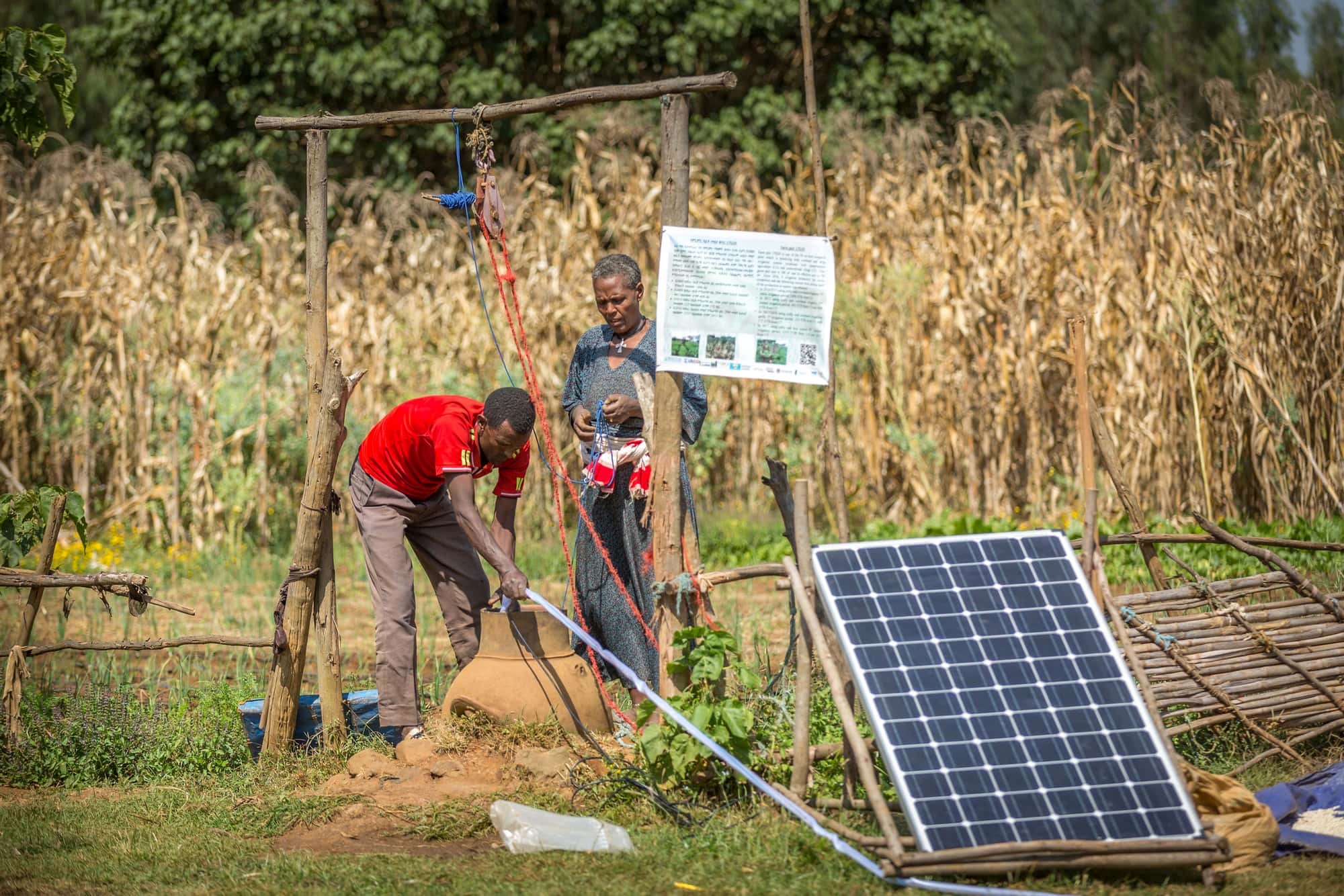
  • Unlocking Rural Prosperity: Harnessing Photovoltaic Energy for Sustainable Agricultural Growth in Sub-Saharan Africa

    Unlocking Rural Prosperity: Harnessing Photovoltaic Energy for Sustainable Agricultural Growth in Sub-Saharan Africa

    A recent study by Ogunboyo, P. T., & Ogunlade, O. (2024) titled “Review of Photovoltaic Energy Access for Sustainable Growth in the Agricultural Sector: Economic, market and Employment Opportunities for Rural Communities of Sub-Saharan African” published in Applied Photovoltaic Technology shows that the use of photovoltaic energy in agriculture could lead to economic development and employment opportunities in rural communities.

    Integrating photovoltaic energy into agriculture in Sub-Saharan Africa can drive economic development and EMPLOYMENT. –Ogunboyo, P. T., & Ogunlade, O. (2024)

    The article delves deeply into the profound Impact of Photovoltaic Energy on Agriculture. Within the agricultural landscape of Sub-Saharan Africa, the study scrutinizes how the adoption of photovoltaic solar energy can act as a catalyst for sustainable growth. This involves exploring how such energy sources can contribute to long-term agricultural practices that maintain or enhance soil fertility, conserve water resources, and minimize environmental degradation, thereby ensuring the viability of farming operations for future generations. The research extensively investigates the multifaceted economic opportunities arising from the integration of photovoltaic energy into agricultural practices. This includes analyzing the potential for revenue generation through the sale of surplus energy back to the grid, creating new markets for solar-powered agricultural technologies, and fostering entrepreneurship and job creation within rural communities through the development and maintenance of solar infrastructure. A pivotal aspect of the study involves delving into the myriad environmental benefits associated with photovoltaic energy adoption in agriculture. By tapping into this clean and inexhaustible energy source, farmers can reduce their reliance on fossil fuels, thereby mitigating greenhouse gas emissions and contributing to climate change mitigation efforts. Additionally, the study explores how the deployment of solar-powered irrigation systems and other renewable energy technologies can help conserve natural resources and protect fragile ecosystems in Sub-Saharan Africa. In addition to highlighting the transformative potential of photovoltaic energy in agriculture, the study meticulously examines the challenges and barriers that may impede its widespread adoption. These may include technological limitations, financial constraints, and regulatory hurdles. To address these challenges, the study offers a range of policy recommendations aimed at promoting the uptake of photovoltaic energy in agriculture, such as providing financial incentives for solar energy investment, facilitating access to affordable financing options for farmers, and streamlining regulatory processes to expedite the deployment of solar infrastructure. In essence, the study provides a comprehensive analysis of the complex interplay between photovoltaic energy and agriculture in Sub-Saharan Africa, shedding light on the opportunities, challenges, and policy interventions necessary to realize the full potential of this transformative energy source in driving sustainable agricultural development and rural prosperity.

    How the Study was Conducted

    This study employed a systematic review approach to investigate the integration of photovoltaic solar energy in agricultural applications, particularly focusing on its role in improving energy access and quality in rural areas of Sub-Saharan African countries. The research aimed to assess the potential impact of photovoltaic systems on agricultural practices and rural development, with a specific emphasis on the generation of employment opportunities.

    The systematic review process involved the comprehensive examination of various scholarly works, research articles, reports, and other relevant literature pertaining to photovoltaic solar energy and its electrification in agricultural contexts. A rigorous search strategy was devised to identify relevant studies from reputable academic databases, journals, and institutional repositories.

    The inclusion criteria for the review encompassed studies that discussed the application of photovoltaic systems in agricultural settings, including but not limited to solar energy utilization for cooling storages, water pumping for irrigation purposes, greenhouse heating/cooling, and crop drying. Studies focusing on economic analysis and market-related opportunities associated with photovoltaic systems were also considered.

    Upon identification of relevant literature, a thorough screening process was undertaken to select studies that met the predefined inclusion criteria. The selected studies were then critically appraised to extract key findings, methodologies, and insights pertaining to the integration of photovoltaic energy in agriculture and its potential implications for rural development in Sub-Saharan Africa.

    What the Authors Found

    The authors found that Sub-Saharan Africa has a significant potential for photovoltaic solar energy, estimated at about 10,000 GW. The authors also posit that the use of photovoltaic energy in agriculture could lead to economic development and employment opportunities in rural communities. In addition, photovoltaic solar energy is a clean, non-pollutant source of energy that can help reduce greenhouse gas emissions and combat climate change.

    Why is this Important

    Energy Access: Photovoltaic systems provide a reliable and sustainable source of energy for rural communities. In regions where traditional grid infrastructure is lacking or unreliable, solar energy can bridge the gap and improve access to electricity.
    Agricultural Productivity: Access to electricity enables farmers to use modern agricultural technologies, such as irrigation pumps, refrigeration for crop storage, and machinery. These tools enhance productivity, crop yield, and overall farm efficiency.
    Economic Growth: The adoption of photovoltaic technology creates employment opportunities. Local installation, maintenance, and operation of solar systems generate jobs, contributing to economic development in rural areas.
    Environmental Benefits: Solar energy is clean and renewable. By reducing dependence on fossil fuels, it helps mitigate climate change and minimizes environmental pollution.
    Resilience and Adaptation: Photovoltaic systems can withstand extreme weather conditions, making them suitable for remote and vulnerable regions. They enhance community resilience by providing a consistent energy supply.
    Sustainable Development Goals (SDGs): The use of solar energy aligns with several SDGs, including affordable and clean energy (SDG 7), climate action (SDG 13), and partnerships for sustainable development (SDG 17).

    What the Authors Recommend

    • The authors recommend that governments and policymakers should create favorable policies and incentives to encourage the deployment of photovoltaic systems. This includes subsidies, tax breaks, and streamlined regulations.
    • The authors suggest that policymakers should raise awareness among farmers, local communities, and relevant stakeholders about the benefits of solar energy. Educational programs can help dispel myths, address misconceptions, and promote informed decision-making.
    • The study also ought government to invest in training programs for technicians, installers, and maintenance personnel. Building local expertise ensures the effective installation and operation of photovoltaic systems.
    • In addition, the authors suggest that the government should develop innovative financing models, microcredit schemes, and community-based financing options. These mechanisms can make solar energy more accessible to small-scale farmers and cooperatives.
    • Foster collaboration between governments, NGOs, research institutions, and private sector entities. Partnerships can accelerate technology transfer, knowledge sharing, and project implementation.
    • Involve local communities in decision-making processes. Engage farmers, women’s groups, and youth to ensure that solar energy projects align with their needs and aspirations.

    In conclusion, the study underscores the immense potential of integrating photovoltaic energy into agricultural practices in Sub-Saharan Africa. By addressing energy access challenges, enhancing agricultural productivity, fostering economic growth, and mitigating environmental impact, solar energy emerges as a pivotal driver for sustainable rural development. However, realizing these benefits requires concerted efforts from governments, policymakers, stakeholders, and local communities to overcome barriers and implement supportive policies. Through collaborative action and innovative solutions, the vision of harnessing solar energy for transformative agricultural growth can be realized, leading to a brighter, greener, and more prosperous future for rural communities across the region.


  • Insights into Migration Dynamics: A Comparative Analysis of Africa and the USA

    Insights into Migration Dynamics: A Comparative Analysis of Africa and the USA

    A recent study by Akpuokwe, et al., (2024) titled “MIGRATION TRENDS AND POLICIES: A REVIEW OF AFRICAN AND USA PERSPECTIVES” published in International Journal of Applied Research in Social Sciences, shows that African and USA regions experience migration driven by economic aspirations, with individuals seeking better opportunities and improved living standards.

    Migration in Africa and the USA is driven by economic aspirations, conflicts, and environmental challenges, emphasizing the need for global cooperation.– Akpuokwe, et al., (2024)

    The International Journal of Applied Research in Social Sciences recently published an insightful exploration into migration patterns and policies in Africa and the United States. The article delves into the multifaceted reasons driving migration within Africa, encompassing economic aspirations, political instability, and environmental pressures leading to both voluntary and involuntary displacement. It sheds light on how these factors intertwine to shape migration patterns across the continent. A critical examination of the role played by the African Union in crafting migration policies within the continent is provided. Additionally, the complex immigration landscape of the USA is dissected, highlighting how societal demands and political climates influence the formulation of immigration regulations and enforcement. Through a comparative lens, the article scrutinizes migration trends and policies between Africa and the USA. It draws attention to shared themes and disparities, offering insights into how differing socio-economic contexts impact migration management strategies. Emphasizing the imperative of collaborative efforts in addressing migration challenges globally, the article advocates for inclusive, humane, and sustainable policies. It stresses the necessity of fostering international cooperation to devise comprehensive approaches that prioritize the well-being of migrating populations. The article culminates in a compelling call to action for the development of holistic migration policies that take into account the diverse needs and circumstances of migrant communities.

    How the Study was Conducted

    The authors compare migration trends and policies between Africa and the USA, identifying common themes and differences. The authors also examine various forms of migration, including economic migration, forced displacement, and asylum-seeking. The study delves into the policy frameworks of both regions, considering federal and state-level initiatives in the USA and regional integration efforts in Africa. Furthermore, the authors emphasize the importance of international cooperation to address migration challenges and promote sustainable policies.

    What the Authors Found

    The authors found that both African an USA experience migration driven by economic aspirations, with individuals seeking better opportunities and improved living standards. The authors also found that conflicts and environmental challenges lead to forced migration, affecting millions in Africa and influencing asylum-seeking in the USA.

    Why is this Important

    Informed Decision-Making: Policymakers, governments, and international organizations can use these findings to make informed decisions regarding migration management. Understanding the complexities of migration allows for targeted interventions and better resource allocation.
    Humanitarian Considerations: Recognizing the impact of forced displacement and asylum-seeking on vulnerable populations is essential. These findings highlight the need for policies that prioritize humanitarian assistance, protection, and rights.
    Global Cooperation: Migration is a global phenomenon, and cooperation between countries and regions is vital. By understanding common challenges and differences, collaborative efforts can be fostered to address migration effectively.
    Sustainable Development: Economic migration can contribute positively to both origin and destination countries. These findings underscore the importance of sustainable policies that balance economic interests with social and environmental considerations.

    What the Authors Recommend

    • The authors recommend that global cooperation develop comprehensive migration policies considering economic, humanitarian, and environmental aspects. These policies should address both voluntary economic migration and forced displacement.
    • The authors emphasize fostering international cooperation among countries and regions. Addressing migration challenges requires joint efforts, shared data, and coordinated responses.
    • The authors argue that global cooperation should prioritize the rights and well-being of migrants. Ensure access to education, healthcare, and legal protections regardless of migration status.

    In conclusion, this study provides a comprehensive examination of migration patterns and policies in Africa and the United States, highlighting the interconnected factors driving migration and the importance of collaborative, inclusive, and sustainable approaches in addressing migration challenges globally. By fostering international cooperation and prioritizing the rights and well-being of migrants, policymakers and stakeholders can work towards creating a more humane and equitable migration landscape. This research serves as a call to action for the development of holistic migration policies that consider the diverse needs and circumstances of migrant communities, ultimately promoting human dignity, social justice, and global cooperation in managing migration.

  • Comparative Validity Assessment of MHC-SF in Setswana-South Africa and Indonesia: Insights for Global Mental Health Measurement

    Comparative Validity Assessment of MHC-SF in Setswana-South Africa and Indonesia: Insights for Global Mental Health Measurement

    A recent study Omega, et al., (2024) titled “Validity Source Comparison of Mental Health Continuum-Short Form (MHC-SF) in Setswana-South Africa and Indonesia” published in the 4th International Conference on Social Science, Humanity and Public Health shows that both the Setswana-South Africa and Indonesian versions of the Mental Health Continuum-Short Form (MHC-SF) have good content validity and represent three factors well.

    The validity of the Mental Health Continuum-Short Form (MHC-SF) in various cultural contexts, particularly in Setswana-South Africa and Indonesia, has been examined in a recent study. This investigation delves into multiple facets of validity based on recommendations from prior research. In terms of content validity, both the Setswana and Indonesian versions of the MHC-SF demonstrate strength by encompassing three key dimensions of well-being: Emotional, Social, and Psychological. This indicates that the content of the assessment adequately represents the construct it intends to measure.

    the MHC-SF exhibits good validity in Setswana-South Africa and Indonesia, albeit requiring additional validation in Indonesia. – Omega, et al., 2024

    Internal structure analysis through Confirmatory Factor Analysis (CFA) reveals a favorable fit for the three-factor structure in both versions. This suggests that the items within each dimension cohere well, supporting the integrity of the instrument’s internal structure. Criterion validity, however, presents a divergence between the two versions. While the Setswana iteration shows good convergent validity, indicating its alignment with other established measures of mental health, the Indonesian version lacks thorough criterion validity tests. This underscores the importance of further validation efforts, particularly in Indonesia, to ensure the accuracy of measuring positive mental health. In terms of the response process, the Setswana version generally demonstrates sound methodology. However, there is a notable consideration regarding illiterate participants who may rely on assistants for completion, highlighting the necessity for careful evaluation in such cases. Regarding the consequences of testing, both versions prove effective in measuring positive mental health. Nonetheless, the study emphasizes the need for additional validation, particularly for the Indonesian MHC-SF, to enhance its reliability and accuracy.

    How the Study was Conducted

    The study employed a methodological approach centered around a comprehensive literature review to investigate the validity of the Mental Health Continuum-Short Form (MHC-SF) in Setswana and Indonesian contexts. This review was conducted utilizing databases such as psycnet.apa.org, Google Scholar, and Elsevier, employing specific search phrases to identify relevant papers. The study deemed to offer the most comprehensive validation were selected for comparison and analysis. The evaluation of the MHC-SF was structured around five key sources of valid evidence: content, internal structure, relation to other variables, response process, and consequences of testing. Each of these sources was scrutinized to assess the robustness and appropriateness of the MHC-SF in measuring mental health in Setswana-speaking and Indonesian populations.

    What the Authors Found

    The authors found that both the Setswana-South Africa and Indonesian versions of the Mental Health Continuum-Short Form (MHC-SF) have good content validity and represent three factors well. However, the Setswana version has good convergent validity, while the Indonesian version lacks criterion validity, suggesting it needs further validation. Both versions showed a good response process, but the Setswana version had some concerns regarding illiterate participants’ independence in answering questionnaires. The consequences of testing indicated that both scales can effectively measure positive mental health.

    Why is this Important

    Cross-Cultural Validity: By comparing the MHC-SF in Setswana-South Africa and Indonesia, the study sheds light on the scale’s applicability across different cultural contexts. Understanding how well the instrument performs in diverse populations is crucial for its global use.
    Mental Health Measurement: The MHC-SF assesses positive mental health, which is essential for a holistic understanding of well-being. Validating this scale ensures accurate measurement and helps identify individuals who may need support.
    Policy and Interventions: Accurate mental health assessment informs policy decisions and intervention strategies. If the MHC-SF is valid, it can guide resource allocation and targeted interventions to promote positive mental health.
    Research and Clinical Practice: Researchers and clinicians rely on valid instruments to study mental health trends and provide evidence-based care. Validating the MHC-SF enhances its utility in both research and clinical settings.

    What the Authors Recommend

    • Given the lack of criterion validity for the Indonesian version of the Mental Health Continuum-Short Form (MHC-SF), the authors suggest conducting additional validation studies. Specifically, they recommend exploring convergent and divergent validity to ensure accurate measurement of positive mental health in the Indonesian context.
    • The study emphasizes the need to expand the validation of the MHC-SF to other countries beyond Setswana-South Africa and Indonesia. This broader validation will enhance the scale’s applicability and cross-cultural relevance.
    • While the Setswana version demonstrated a good response process, the authors highlight the importance of evaluating the independence of illiterate participants when answering questionnaires. Future research should address this concern.
    • Validating the MHC-SF contributes to a more comprehensive understanding of mental health. The authors recommend its use in research, clinical practice, and policy decisions related to mental well-being.

    In conclusion, the study underscores the significance of assessing the validity of the Mental Health Continuum-Short Form (MHC-SF) across diverse cultural contexts. While findings demonstrate promising outcomes for both Setswana-South Africa and Indonesia, further validation efforts, particularly in Indonesia, are imperative to ensure the accuracy and reliability of mental health measurement. This research not only enhances our understanding of positive mental health but also informs policy decisions, intervention strategies, and clinical practices worldwide. Moving forward, continued validation and utilization of the MHC-SF hold immense potential in fostering global well-being and advancing mental health initiatives.

  • Addressing Human-Wildlife Conflicts in Africa: Strategies for Conservation and Coexistence

    Addressing Human-Wildlife Conflicts in Africa: Strategies for Conservation and Coexistence

    A recent study by Zumo, D. O. (2024) titled “Human-Wildlife Conflicts in Africa: A Preliminary Review” published in International Journal of Environmental Sciences indicates that human-wildlife conflicts (HWC), particularly prevalent in West Africa like Liberia, stem from competition for limited natural resources.

    Human-wildlife conflicts in Africa, particularly in West Africa, stem from competition for limited natural resources.– Zumo, D. O. (2024)

    This study explores a comprehensive review of Human-Wildlife Conflicts (HWC) in Africa, focusing on causes, impacts, and mitigation strategies. It examines the conflict between humans and wildlife in Africa due to competition for natural resources, particularly in West Africa. The author discusses various causes like habitat fragmentation, climate change, and illegal wildlife trade, along with their economic and conservation impacts.
    It explores potential solutions, including conservation efforts, community-based initiatives, and education to address these conflicts. The paper includes case studies such as the The decline in the charismatic forest-dwelling elephant population in the Democratic Republic of Congo (DRC) highlights the severity of HWC, increasing waterbuck numbers in Mozambique demonstrate the complex dynamics of human-wildlife interactions, varying lion populations near Kruger National Park underscore the need for effective conservation strategies. and highlights the importance of integrated approaches to resolve HWC. Implementing conflict resolution strategies across Africa is essential for the effective conservation of endangered mammals.

    How the Study was Conducted

    The author employed existing research and publications related to human-wildlife conflicts and the Collection of data on wildlife distribution, behavior, and natural resource availability. The author also gathers information on local communities’ perceptions and attitudes towards wildlife. Documentation of specific instances of human-wildlife conflicts as well as evaluating the damage caused to crops and livestock by wildlife aim to provide a holistic understanding of the issue, encompassing ecological, social, and economic aspects.

    What the Authors Found

    The main findings of the study indicate that human-wildlife conflicts (HWC), particularly prevalent in West Africa like Liberia, stem from competition for limited natural resources. Factors such as habitat fragmentation, climate change, and illegal wildlife trade exacerbate these conflicts, leading to economic losses, human casualties, and conservation concerns.

    Why is this Important

    Conservation efforts aimed at understanding the causes and impacts of Human-Wildlife Conflict (HWC) are crucial for developing targeted strategies to protect wildlife and human communities. HWC can lead to significant economic losses, posing risks to human safety, and threatening biodiversity. By addressing these conflicts, we can mitigate financial losses, enhance human safety, preserve biodiversity, and promote sustainable coexistence between humans and wildlife for long-term sustainability.

    What the Authors Recommend

    • The author suggests that stakeholders should engage local communities in conservation efforts. Collaborate with them to develop sustainable practices that benefit both wildlife and people.
    • The author also encourages stakeholders to raise awareness about HWC and its impact. Educate communities on coexistence measures, safety precautions, and the importance of wildlife conservation.
    • The study posits that stakeholders should implement effective conflict-resolution strategies. These may include creating buffer zones, using deterrents, and promoting non-lethal methods to prevent wildlife damage.
    • In addition, stakeholders should advocate for policies that protect wildlife habitats and regulate human activities near wildlife areas.

    In conclusion, addressing human-wildlife conflicts in Africa is imperative for the sustainable coexistence of both communities and wildlife. Through comprehensive understanding, collaborative efforts, and effective implementation of conservation strategies, we can mitigate economic losses, ensure human safety, preserve biodiversity, and foster harmonious relationships between humans and wildlife for a more resilient and balanced ecosystem. Together, we can strive towards a future where both humans and wildlife thrive in harmony.

  • Unlocking Entrepreneurship in Africa: Addressing Challenges and Driving Growth for Inclusive Development

    Unlocking Entrepreneurship in Africa: Addressing Challenges and Driving Growth for Inclusive Development

    A recent study by Odeyemi, et al., (2024) titled “ENTREPRENEURSHIP IN AFRICA: A REVIEW OF GROWTH AND CHALLENGES” published in International Journal of Management & Entrepreneurship Research, showed that entrepreneurs in Africa face challenges like infrastructure deficiencies, limited access to financing, regulatory complexities, and political instability.

    Entrepreneurs in Africa face challenges like infrastructure deficits, limited financing, regulatory complexities, and gender disparities, hindering entrepreneurial growth.– Odeyemi et al., 2024

    The article explores a comprehensive review of entrepreneurship in Africa, discussing both the growth and challenges entrepreneurs face on the continent. The authors identify factors contributing to the growth of entrepreneurship in Africa, such as a young and dynamic population, urbanization, government initiatives, international partnerships, and a culture of innovation, especially in the technology sector. The study posits that entrepreneurs in Africa face obstacles including infrastructure deficits, limited access to financing, regulatory barriers, and political instability. The review highlights educational disparities and gender inequities as significant challenges that affect the development of entrepreneurial skills and the participation of women in entrepreneurship. Entrepreneurial growth in Africa has the potential to create employment, diversify economies, and empower communities socially, contributing to sustainable development.

    What the Authors Found

    The authors found that entrepreneurs in Africa face challenges like infrastructure deficiencies, limited access to financing, regulatory complexities, and political instability. In addition, there are educational disparities and gender-related issues that affect entrepreneurship, requiring policy reforms and educational system improvements.

    Why is this Important

    Economic Growth: Entrepreneurship plays a pivotal role in driving economic growth and job creation. By understanding the growth drivers and challenges faced by entrepreneurs in Africa, policymakers and stakeholders can devise effective strategies to foster economic development.
    Inclusive Development: Addressing socio-cultural barriers and promoting entrepreneurship among marginalized communities, including women, is essential for achieving inclusive development. These findings highlight the need for targeted interventions to empower underrepresented groups.
    Policy Formulation: Policymakers can use these insights to formulate policies that encourage entrepreneurship. Streamlined regulations, improved access to financing, and practical education can create an enabling environment for aspiring entrepreneurs.
    Global Partnerships: The findings emphasize the importance of international partnerships. Collaborations between African entrepreneurs and global networks can facilitate knowledge exchange, technology transfer, and market access.

    What the Authors Recommend

    • The authors suggest that simplifying bureaucratic processes and reducing red tape can encourage more entrepreneurs to start and scale businesses. Clear and efficient regulations facilitate business operations and attract investment.
    • Access to finance remains a significant challenge for entrepreneurs. The authors propose creating financial mechanisms that cater to diverse needs, including microfinance, venture capital, and angel investors. Ensuring financial inclusion is crucial.
    • The authors further posit that strengthening entrepreneurship education at all levels is essential. Practical training, mentorship programs, and exposure to real-world business scenarios can equip aspiring entrepreneurs with the necessary skills.
    • Gender disparities persist in entrepreneurship. The authors emphasize the need for targeted support for women entrepreneurs, including access to capital, networking opportunities, and mentorship.
    • Building networks and partnerships within Africa and globally is vital. The authors emphasize Collaborations with other entrepreneurs, industry experts, and international organizations can foster knowledge exchange and market access.

    In conclusion, the study sheds light on the intricate landscape of entrepreneurship in Africa, underscoring both the remarkable growth drivers and the formidable challenges faced by entrepreneurs on the continent. Addressing infrastructure deficiencies, enhancing access to financing, streamlining regulations, and promoting inclusive development through targeted interventions are pivotal steps toward unlocking Africa’s entrepreneurial potential. By fostering an enabling environment, empowering underrepresented groups, and fostering global partnerships, Africa can harness the transformative power of entrepreneurship to drive sustainable economic growth, create employment opportunities, and uplift communities across the continent.

  • Ethical Duty: South Africa’s Role in Funding Influenza Vaccination for Older Adults

    Ethical Duty: South Africa’s Role in Funding Influenza Vaccination for Older Adults

    A recent study by Sarangarajan, R., & Ewuoso, C (2024) titled “Does the South African government have a duty to fund influenza vaccination of adults 65 Years And Older?” pulished in Frontiers in Public Health, shows that the South African government has a prima facie duty to fund influenza vaccination for adults aged 65 and older, based on principles of solidarity, reciprocity, and distributive justice rooted in Afro-communitarian ethics.

    This article delves into the ethical considerations and responsibilities of the South African government concerning the provision of influenza vaccinations for adults aged 65 years and older. It adopts an Afro-communitarian ethical framework, emphasizing principles such as solidarity, reciprocity, and distributive justice to advocate for the government’s duty in ensuring vaccine accessibility for older adults. One of the pivotal points raised in the article is the significance of influenza vaccinations in addressing the health risks faced by the aging population, particularly in developing countries like South Africa. Given the demographic shift towards an aging population globally, the importance of effective public health interventions becomes increasingly pronounced. By providing access to influenza vaccines for older adults, the government can significantly reduce the burden of influenza-related illnesses and mortality within this vulnerable demographic.

    South Africa should prioritize funding influenza vaccination for adults aged 65 and older for ethical reasons.– Sarangarajan, R., & Ewuoso, C (2024)

    Moreover, the authors underscore the policy implications of enhancing vaccine availability, particularly within resource-limited settings. By investing in vaccine procurement and distribution, policymakers can not only improve public health outcomes but also contribute to the overall well-being of society. The article thus highlights the intersection between public health policy and ethical considerations, emphasizing the need for targeted interventions to address the unique challenges faced by aging populations. In addition to its immediate policy implications, the article also delves into broader themes of social and epistemic justice. By contextualizing healthcare responsibilities within the framework of African values and ethics, the authors advocate for policies that reflect and respect diverse cultural perspectives. This perspective is particularly salient in the context of decolonizing global healthcare systems, where the dominance of Western paradigms often overlooks indigenous knowledge and values. Overall, the article serves as a thought-provoking contribution to the discourse on healthcare responsibilities and ethical governance, both within South Africa and on a global scale. By integrating ethical reflection with public health policy analysis, it seeks to influence policy decisions and foster a more inclusive and equitable approach to healthcare provision. As societies grapple with the complexities of healthcare delivery, the insights offered in this article provide a valuable framework for navigating the intersection of ethics, public health, and social justice.

    How the Study was Conducted

    The authors draw on moral norms arising from values dominant in the Global South, specifically focusing on the question of whether the South African government has a prima facie duty to fund influenza vaccination for adults aged 65 years and above. The authors utilize a philosophical analytic method, building on relevant literature retrieved from databases like PubMed, PhilPapers, and Google Scholar. Key phrases used in their research include “solidarity and African moral philosophy,” “vaccination, influenza and older adult,” and “older adult vaccination and South Africa.” The study aims to shape policies and interventions in Africa based on African values, ensuring that they reflect the communities’ values and are cohesive with their beliefs. This approach is intended to contribute to the decolonization of the health system in Africa and demonstrate the relevance of normative theories from the Global South. The authors also draw on the principles of solidarity, reciprocity, and distributive justice grounded primarily in African moral philosophy and Ubuntu philosophy, which they refer to as Afro-communitarianism.

    What the Authors Found

    The authors found that the South African government has a prima facie duty to fund influenza vaccination for adults aged 65 and older, based on principles of solidarity, reciprocity, and distributive justice rooted in Afro-communitarian ethics.

    Why is this Important

    Public Health Impact: Addressing the question of whether the South African government has a duty to fund influenza vaccination for older adults is crucial for public health. Influenza can have severe consequences for vulnerable populations, including older adults, and vaccination is a preventive measure.
    Ethical Considerations: The study engages with normative ethics, specifically Afro-communitarianism, to shape policies. By grounding their argument in African values, the authors highlight the need for ethical decision-making that reflects the community’s beliefs and values.
    Decolonization of Healthcare: The paper contributes to the ongoing process of decolonizing global healthcare. It challenges dominant Western perspectives and emphasizes the relevance of normative theories from the Global South, promoting epistemic justice.
    Policy Implications: The findings have practical implications for policy development. If the South African government recognizes its duty to fund influenza vaccination for older adults, it can lead to improved access, better health outcomes, and a more equitable healthcare system.

    What the Authors Recommend

    • The paper argues that the South African government has a prima facie duty to make influenza vaccines freely available to older adults aged 65 and above in both public and private health facilities, provided financial allocation and existing relationships allow for this.
    • The authors also suggests that the South African government should improve influenza vaccine procurement and availability, preferably by increasing manufacturing capabilities.
    • The authors emphasize the intrinsic value of promoting epistemic justice and contributing to the decolonization of the global healthcare system.

    In conclusion, this study underscores the ethical imperative for the South African government to prioritize funding for influenza vaccination among adults aged 65 and older. By embracing principles of solidarity, reciprocity, and distributive justice rooted in Afro-communitarian ethics, policymakers can not only enhance public health outcomes but also uphold cultural values and promote inclusivity within healthcare systems. Through targeted interventions and policy reforms, South Africa can set a precedent for equitable healthcare provision, aligning with the diverse needs and values of its population. This intersection of ethics, public health, and social justice stands as a beacon for transformative change, resonating not only within South Africa but also echoing globally as societies strive for more inclusive and equitable healthcare paradigms.

  • Unlocking the Future: AI and IoT in Sustainable Building Designs – Insights from Computer Science & IT Research Journal

    Unlocking the Future: AI and IoT in Sustainable Building Designs – Insights from Computer Science & IT Research Journal

    A recent study by Umoh, et al., (2024) titled “A REVIEW OF SMART GREEN BUILDING TECHNOLOGIES: INVESTIGATING THE INTEGRATION AND IMPACT OF AI AND IOT IN SUSTAINABLE BUILDING DESIGNS” published in Computer Science & IT Research Journal, shows that the integration of Artificial Intelligence (AI) and the Internet of Things (IoT) in green building designs significantly enhances energy efficiency, optimizes building performance, and contributes to environmental sustainability.

    In the recent issue of the Computer Science & IT Research Journal (Volume 5, Issue 1, January 2024), an illuminating discourse on smart green building technologies has been presented, with a particular emphasis on the integration and impact of Artificial Intelligence (AI) and the Internet of Things (IoT) in sustainable building designs. The article delves into several key aspects of this burgeoning field, offering valuable insights and implications for the future of architecture and urban development.

    The integration of AI and IoT in green buildings significantly enhances energy efficiency, optimizes performance, and contributes to environmental sustainability.– Umoh, et al., 2024

    One of the focal points of the research is the exploration of how AI and IoT synergistically contribute to energy efficiency, optimized building performance, and environmental sustainability. By leveraging AI algorithms and IoT sensors, buildings can dynamically adapt to environmental conditions, occupancy patterns, and energy demands, thereby minimizing resource consumption and operational costs while maximizing comfort and functionality for occupants. However, the article also sheds light on the challenges hindering the widespread adoption of smart green building technologies. Economic constraints, upfront investment costs, and the scarcity of skilled professionals are among the primary barriers identified. To address these impediments, the paper advocates for a multi-faceted approach, encompassing financial incentives, regulatory frameworks, and educational initiatives aimed at fostering expertise in sustainable construction practices.

    Moreover, the study delves into the economic and social ramifications of embracing smart green buildings. It evaluates the potential return on investment for stakeholders, highlighting the long-term cost savings and environmental benefits associated with sustainable architecture. Furthermore, it underscores the societal impacts of smart technologies in buildings, including improved occupant health and well-being, enhanced productivity, and community resilience in the face of climate change and natural disasters. Looking ahead, the research paints an optimistic picture of the future of sustainable architecture, driven by advancements in AI and IoT technologies. It envisions a paradigm shift in the construction industry, where smart buildings become the norm rather than the exception, and urban environments are transformed into dynamic, interconnected ecosystems that prioritize environmental stewardship and human-centric design principles.

    How the Study was Conducted

    The study employed a thorough examination of empirical data, rigorous evaluation, and synthesis of findings to identify trends, gaps, and new insights in the field of sustainable development. The authors also employed a qualitative exploration of emerging technologies and their application in the construction industry, focusing on the integration of AI and IoT in green buildings. The research adopted an interpretivist stance, utilizing methods such as semi-structured interviews and thematic analysis to understand the adoption of green business models in the construction industry. This approach allowed for a comprehensive understanding of the transformative role of AI and IoT in enhancing building performance and sustainability.

    What the Authors Found

    The authors found that the integration of Artificial Intelligence (AI) and the Internet of Things (IoT) in green building designs significantly enhances energy efficiency, optimizes building performance, and contributes to environmental sustainability.

    Why is this Important

    Environmental Impact: As the world faces climate change and resource depletion, sustainable architecture becomes crucial. Smart green buildings reduce energy consumption, minimize waste, and contribute to a healthier planet.
    Economic Benefits: Investing in green technologies can lead to long-term cost savings. Energy-efficient buildings reduce utility bills, and sustainable practices enhance property value.
    Health and Well-Being: Smart green buildings provide better indoor air quality, natural lighting, and comfortable spaces. These factors positively impact occupants’ health and productivity.
    Urban Development: As cities grow, sustainable architecture ensures efficient land use, reduces strain on infrastructure, and creates resilient communities.
    Technological Advancements: The integration of AI and IoT in buildings represents a paradigm shift. Understanding their impact helps architects, policymakers, and investors make informed decisions.

    What the Authors Recommend

    The authors recommend a multi-faceted approach to overcome challenges in the integration and impact of AI and IoT in sustainable building designs. The authors emphasize policy interventions, educational initiatives, and the development of cost-effective green building technologies. In addition, the authors also underscore the need for collaborative efforts from various stakeholders to advance sustainable architecture and building management.

    In closing, the discourse presented in the Computer Science & IT Research Journal illuminates a promising trajectory for sustainable architecture, propelled by the fusion of Artificial Intelligence and the Internet of Things. As we navigate the complexities of urban development and environmental stewardship, the integration of smart technologies in green building designs stands as a beacon of innovation and progress. With concerted efforts from policymakers, industry professionals, and society at large, we can forge a future where buildings not only sustain life but thrive in harmony with nature, fostering healthier communities and a more resilient planet for generations to come.

  • Unlocking Urban Solar Power Integration: Innovations, Smart Solutions, and Environmental Impact

    Unlocking Urban Solar Power Integration: Innovations, Smart Solutions, and Environmental Impact

    A recent study by Etukudoh, et al., (2024) titled “Solar Power Integration in Urban Areas: A Review of Design Innovations and Efficiency Enhancements” published in World Journal of Advanced Research and Reviews, show that solar power integration in urban areas is a promising strategy to address the growing energy demand while mitigating environmental impact.

    As global efforts intensify towards sustainable energy solutions, the integration of solar power systems within urban landscapes has garnered significant interest. However, urban environments present distinct challenges including space constraints, shading, and aesthetic concerns. This study offers a thorough examination of the current status of solar power integration in urban settings, highlighting design innovations and efficiency improvements. Moreover, it delves into the pivotal role of smart city initiatives in optimizing solar power integration through the utilization of data analytics, Internet of Things (IoT) devices, and artificial intelligence.

    Solar power integration in urban areas addresses challenges through design innovations, smart city concepts, yielding environmental benefits, economic viability, and efficiency enhancements. – Etukudoh, et al., 2024

    Challenges and Opportunities
    Implementing solar power systems in urban areas faces obstacles like limited space, shading, aesthetics, and high energy demand. These challenges, though daunting, offer opportunities for innovation and sustainable energy solutions.

    Design Innovations and Efficiency Enhancements
    The future of sustainable energy in cities is shaped by innovative approaches such as building-integrated photovoltaics, solar windows and skylights, solar roadways, and flexible solar panels. These advancements maximize energy capture while integrating seamlessly into urban landscapes.

    Role of Smart City Concepts
    Smart city principles play a pivotal role in optimizing solar power integration. Leveraging data analytics, IoT devices, artificial intelligence, and smart grid technologies enables efficient energy management and distribution, enhancing the overall effectiveness of solar solutions in urban environments.

    Environmental and Economic Impacts
    Solar power integration yields significant environmental benefits by reducing carbon footprints and promoting clean energy adoption. Economically, it offers viable returns on investment while stimulating social and community development through job creation and energy independence.

    How the Study was Conducted

    The authors employed a comprehensive review of the current state of solar power integration in urban areas, focusing on design innovations and efficiency enhancements. The authors used various sources, such as academic journals, books, reports, and websites, to gather relevant information and insights. The authors synthesized and analyzed the information collected from the literature review, identifying key themes, challenges, opportunities, and best practices. The authors organized information into sections, such as challenges, design innovations, efficiency enhancements, smart city concepts, environmental and economic impacts, future trends, and recommendations.

    What the Authors Found

    The authors found that solar power integration in urban areas is a promising strategy to address the growing energy demand while mitigating environmental impact. The authors posit that design innovations play a crucial role in overcoming the challenges posed by urban environments, such as limited space, shading, and aesthetic considerations. These innovations include the integration of solar panels into building facades, windows, and urban infrastructure, as well as the development of flexible and lightweight solar panels. In the content, the authors found that efficiency enhancements are equally vital for the viability of solar power integration, and technological advancements play a pivotal role in maximizing energy capture, storage, and distribution. These enhancements include improvements in photovoltaic cell technologies, energy storage solutions, intelligent grid integration, and hybrid systems that combine solar power with other renewable energy sources. In addition, the authors also found that solar power integration in urban areas has significant environmental and economic impacts, such as reducing carbon footprint, increasing economic viability and return on investment, and fostering community engagement and responsibility.

    Why is this Important

    The importance of solar power integration in urban areas lies in its potential to address critical challenges related to energy demand, environmental impact, and sustainable urban development. Below are the significance of the study:

    Energy Demand: Urban areas are hubs of economic activity, population growth, and technological advancement. As cities expand, their energy requirements increase exponentially. Solar power offers a renewable and abundant energy source that can help meet this demand without depleting finite fossil fuels.
    Environmental Impact: Traditional energy sources, such as coal and natural gas, contribute significantly to greenhouse gas emissions and air pollution. By integrating solar power into urban infrastructure, we can reduce carbon emissions, combat climate change, and improve air quality for city dwellers.
    Resource Scarcity: Urban spaces are often constrained by limited land availability. Solar power systems can be integrated into existing structures, such as rooftops, facades, and windows, making efficient use of space and minimizing the need for additional land.
    Economic Viability: Investing in solar power infrastructure can lead to long-term economic benefits. It creates jobs, stimulates local economies, and reduces dependence on imported fossil fuels. Additionally, the decreasing cost of solar technology makes it an attractive option for urban planners and investors.
    Community Engagement: Solar power projects can engage communities by promoting awareness, education, and participation. Citizens can become active stakeholders in the transition to clean energy, fostering a sense of responsibility and pride in their city’s sustainability efforts.
    Technological Advancements: Innovations in solar panel design, energy storage, and smart grid technologies are transforming the way we harness solar energy. These advancements enhance efficiency, reliability, and scalability, making urban solar integration increasingly feasible.

    In conclusion, the integration of solar power systems within urban landscapes presents a promising avenue for addressing pressing challenges related to energy demand, environmental sustainability, and economic growth. Through innovative design approaches, leveraging smart city initiatives, and embracing technological advancements, cities can unlock the full potential of solar energy integration. As we strive towards a more sustainable future, the adoption of solar power in urban areas not only mitigates environmental impact but also fosters community engagement, economic development, and technological progress. Embracing solar energy is not just about powering cities; it’s about shaping a more resilient, inclusive, and vibrant urban environment for generations to come.

  • Comparative Analysis of Epidemiological Methods: USA vs Africa – Impacts, Innovations, and Policy Recommendations

    Comparative Analysis of Epidemiological Methods: USA vs Africa – Impacts, Innovations, and Policy Recommendations

    A recent study by Olorunsogo, et al., (2024) titled “Epidemiological Statistical Methods: A Comparative Review of their Implementation in Public Health Studies in the USA and Africa” published in World Journal of Advanced Research and Reviews, shows that in Africa, epidemiological practices have emphasized community engagement and education in disease prevention, with a gradual pivot towards non-communicable diseases and mental health.

    There is a shift in epidemiological methods, with the USA emphasizing data-centric approaches, while Africa prioritizes community engagement and education.– Olorunsogo et al., 2024

    The article explores a thorough examination of epidemiological statistical methods, comparing their utilization in public health studies between the USA and Africa. The study discusses the transition from conventional approaches to advanced, data-centric methodologies in the USA, contrasting with the focus on community involvement and education in Africa. The study underscores the transformative impact of technology on epidemiological research, improving efficiency and expanding the scope of investigations.
    The study further addresses the obstacles related to data reliability and accessibility, particularly contrasting the situations in the USA and Africa. The study delves into how cultural and socioeconomic factors shape epidemiological research and public health outcomes. The authors aim to deepen insights into global health dynamics while offering recommendations for future research and public health strategies.

    How the study was conducted

    The study adopts a qualitative methodology to compare epidemiological statistical methods in the USA and Africa. The study employs qualitative methodologies to explore disease dynamics and control strategies across diverse regions. Following the principles of qualitative research, the data collection process ensures systematic and consistent analysis. Thematic analysis is utilized to discern and categorize key themes in epidemiological practices. This method enables a comprehensive comparison of epidemiological methods, considering the distinct dynamics present in various geographical contexts.

    What the authors found

    The study found a significant evolution in epidemiological methods in the United States, shifting from traditional approaches to more sophisticated, data-driven techniques. The authors found that in Africa, epidemiological practices have emphasized community engagement and education in disease prevention, with a gradual pivot towards non-communicable diseases and mental health. Furthermore, the authors found that technology plays a critical role in modern epidemiological research, enhancing efficiency and broadening the scope of investigations. In addition, the study posit that international policies significantly impact epidemiological methods, influencing public health strategies and the interplay between technology and policy.

    Why is this important

    The importance of the study lies in its comprehensive analysis of epidemiological statistical methods and their application in public health studies within the USA and Africa.
    Comparative Analysis: It compares the evolution and effectiveness of epidemiological methods between the USA and Africa, providing insights into global health dynamics.
    Technological Impact: Highlights how technology enhances modern epidemiological research, offering more efficient and broader investigations.
    Policy Influence: Discusses the significant impact of international policies on epidemiological methods and public health strategies.

    What the authors recommend

    • The authors offer recommendations for continued innovation and aligning technological advancements with policy decisions for improved public health outcomes.
    • The authors emphasize the need for ongoing innovation in epidemiological statistical methods.
    • The authors further emphasize the adoption of inclusive approaches that consider socioeconomic contexts.
    • In addition, the study ensures technological advancements align with policy decisions to steer future research and interventions toward effective public health outcomes.

    In conclusion, this study illuminates the evolving landscape of epidemiological research, juxtaposing the approaches in the USA and Africa. Through qualitative analysis, it underscores the pivotal role of community engagement, technology, and policy frameworks in shaping public health outcomes. By fostering continued innovation and aligning advancements with inclusive strategies, the path towards effective global health solutions becomes clearer. As we navigate the complexities of disease dynamics and societal contexts, the integration of diverse methodologies and collaborative efforts remains paramount in achieving sustainable improvements in public health on a global scale.

  • Unlocking Health Data Sharing in Africa: Comparative Study and Policy Recommendations

    Unlocking Health Data Sharing in Africa: Comparative Study and Policy Recommendations

    A recent article by Nienaber McKay, et al., (2024) titled “The regulation of health data sharing in Africa: a comparative study” published in Journal of Law and the Biosciences shows that all five countries have enforceable data protection laws that limit personal data processing to a specific, lawful purpose based on consent from the data subject.

    All five African countries possess enforceable data protection laws for health data sharing, emphasizing the need for robust regulatory frameworks – Nienaber McKay, et al., 2024

    This study delves into the regulation of health data sharing in Africa, a topic with far-reaching implications for healthcare, medical research, and disease surveillance. It conducts a comparative analysis of the legal and policy frameworks across five African countries: Ghana, Kenya, Nigeria, South Africa, and Uganda. Through this comparative study, the authors pinpoint the challenges and opportunities surrounding the regulation of health data sharing in Africa. The authors offer recommendations tailored to policymakers, research sponsors, researchers, and other stakeholders to enhance these regulatory frameworks. Additionally, the article explores the pivotal role of emerging digital technologies like artificial intelligence, cloud computing, and application programming interfaces in facilitating and enriching health data-sharing practices. The overarching aim of the article is to contribute to the broader discourse on the ethical, legal, and policy dimensions of health data sharing while providing insights to foster the development of more effective and harmonized regulatory frameworks across the region.

    How the Study was Conducted

    The authors employed a comparative desk-based approach to review the accessible regulatory instruments about the legal and policy frameworks of five African nations: South Africa, Ghana, Kenya, Nigeria, and Uganda. It undertakes a comparative analysis focusing on key aspects such as data protection, consent protocols, data ownership, and data-sharing agreements within these countries. In exploring the regulation of health data sharing in Africa, the study examines a spectrum of factors influencing these regulations, including technological advancements, motivational factors, economic considerations, political dynamics, legal frameworks, and ethical considerations. A pivotal component of the study involves the collection, analysis, and organization of data pertaining to the regulation of health data sharing in the five countries. This data is synthesized into a comprehensive table (Table 1), which succinctly outlines the primary features of each country’s legal and regulatory framework in this domain.

    What the Authors Found

    The authors found that all five countries have enforceable data protection laws that limit personal data processing to a specific, lawful purpose based on consent from the data subject. The authors also found that the countries vary in terms of their legal and regulatory frameworks for health data sharing, such as the provisions for cross-border transfers, data ownership, and data-sharing agreements. The authors further posit that the countries face various challenges in health data sharing, such as technical, motivational, economic, political, legal, and ethical barriers. In addition, the countries also have some enablers for health data sharing, such as dedicated legislation, appointed data processors and controllers, transparency and communication, and oversight authorities.

    Why is this Important

    Healthcare Improvement: Effective health data sharing can lead to better healthcare outcomes. When health data is shared across borders and institutions, it enables more accurate diagnoses, personalized treatment plans, and improved patient care.
    Disease Surveillance and Control: Timely sharing of health data is crucial for disease surveillance and control. It allows for early detection of outbreaks, tracking of infectious diseases, and implementation of preventive measures.
    Medical Research and Innovation: Health data sharing facilitates medical research and innovation. Researchers can access diverse datasets to study diseases, develop new treatments, and enhance medical knowledge.
    Public Health Policies: Policymakers rely on health data to formulate evidence-based public health policies. Accurate and comprehensive data informs decisions related to healthcare infrastructure, resource allocation, and preventive measures.
    Ethical Considerations: Balancing data sharing with privacy and consent is essential. Striking the right balance ensures that individuals’ rights are respected while enabling collective benefits from health data sharing.
    Global Health Challenges: In an interconnected world, health challenges transcend national boundaries. Collaborative data sharing is critical for addressing global health crises such as pandemics and emerging diseases.
    Economic and Social Impact: Efficient health data sharing contributes to economic growth by promoting research, innovation, and investment in healthcare. It also impacts social equity by ensuring equal access to healthcare services.

    What the Authors Recommend

    • The authors emphasis that policymaker should developed robust regulatory frameworks that promote health data sharing while protecting individual privacy rights in Africa.
    • The authors recommend that government should inspiring policy reform and stimulating debate around the need for regulatory reform in the region and enhancing the interaction, communication, and sharing of best practices between the data protection authorities in Africa.
    • In addition, the study suggest that stakeholders should respond to the new digital technology developments such as artificial intelligence in health care with appropriate legal and ethical safeguards.

    In conclusion, the comparative study on health data sharing in Africa underscores the critical need for robust regulatory frameworks that balance the imperatives of innovation and privacy protection. As nations navigate the complexities of data sharing, policymakers, stakeholders, and researchers must collaborate to foster transparency, uphold ethical standards, and promote inclusive access to healthcare resources. By embracing emerging technologies responsibly and fostering cross-border dialogue, Africa can pave the way for transformative advancements in healthcare delivery, disease surveillance, and medical research, ultimately enhancing the well-being of its populations and contributing to global health resilience.