Category: REVIEW PAPERS

This category presents posts from ARM Magazine, featuring updates on the latest developments and showcasing selected review papers from various journals.

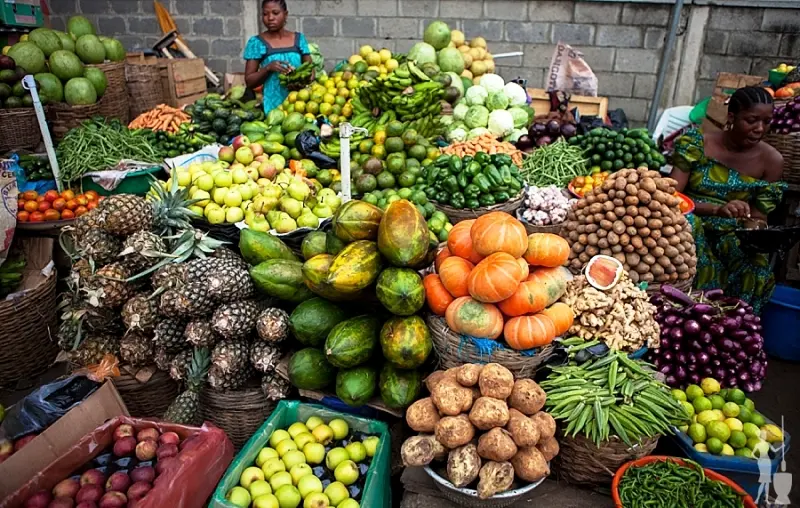
  • Unlocking Africa’s Potential: Navigating the Complexities of GM Crop Adoption for Sustainable Agriculture and Food Security

    Unlocking Africa’s Potential: Navigating the Complexities of GM Crop Adoption for Sustainable Agriculture and Food Security

    A recent study by Sadikiel Mmbando, G. (2024) titled “The Adoption of Genetically Modified Crops in Africa: the Public’s Current Perception, the Regulatory Obstacles, and Ethical Challenges” published in GM Crops & Food, by Taylor & Francis shows that the public’s view of GM crops in Africa is diverse, influenced by cultural and socio-economic contexts.

    The adoption of GM crops in Africa is influenced by cultural and socio-economic factors, facing regulatory challenges and ethical concerns, requiring harmonized approaches.– Sadikiel Mmbando, G. 2024

    The recent study delves into the adoption of genetically modified (GM) crops in Africa, providing a comprehensive exploration of the underlying factors that shape this adoption process. The study encompasses multiple dimensions, including public perception, regulatory challenges, ethical implications, and the broader impacts of GM crops on African agriculture and food security. The study identifies a wide array of beliefs and attitudes toward GM crops among African populations. Cultural and socio-economic backgrounds significantly shape these perceptions, with some communities showing enthusiasm for the technological advancements in agriculture, while others express skepticism due to traditional beliefs, fear of foreign influence, or misinformation. The study indicates that public education and awareness campaigns are crucial for shifting perceptions toward a more balanced view of GM crops. The paper explores the varying regulatory landscapes across different African nations. Some countries have stringent prohibitions on the cultivation and importation of GM crops, citing safety and environmental concerns, while others take a more permissive approach, allowing controlled adoption. The regulatory inconsistency creates a complex environment for farmers, researchers, and policymakers, complicating efforts to promote GM crops. The study suggests that harmonized regulations and international cooperation could help overcome these obstacles, fostering a more conducive environment for GM crop adoption. The study discusses the ethical issues associated with GM crops in Africa. Key concerns include the potential impact on biodiversity, with fears that GM crops could lead to monoculture and loss of genetic diversity among native plant species. Social equity is another significant ethical challenge, as the adoption of GM crops could favor larger agribusinesses, leaving small-scale farmers at a disadvantage. The authors propose that ethical guidelines and equitable practices be developed to ensure that the benefits of GM crops are shared across all segments of society. In terms of adoption, the study suggests that GM crops hold the potential to improve nutrition and food security in Africa, with the ability to enhance crop yields, resist pests, and withstand harsh climates. However, the adoption rates are relatively low, hindered by the factors mentioned above. To address this, the study advocates for increased public engagement, better harmonization of regulations across countries, and adherence to ethical principles to create a more favorable environment for GM crop adoption. These measures could lead to broader acceptance of GM crops and contribute to addressing food insecurity on a global scale. By embracing these approaches, the study argues that African nations can harness the benefits of GM crops while addressing the associated challenges, ultimately promoting sustainable agriculture and improved food security.

    How the Study was Conducted

    The author synthesized existing literature and data related to GM crops in Africa. The author analyzed studies, reports, and available information on GM crop adoption. They considered both biotic (e.g., pests, diseases) and abiotic (e.g., drought, climate change) stress factors affecting crop production.

    What the Authors Found

    The author found that the public’s view of GM crops in Africa is diverse, influenced by cultural and socio-economic contexts. The author also posit that African countries face complex regulatory environments ranging from strict prohibitions to cautious acceptance and significant ethical concerns exist regarding the use of GM crops in African agriculture.

    Why is this Important

    Food Security and Nutrition: Africa faces significant challenges related to food security and malnutrition. GM crops have the potential to enhance crop yields, improve resistance to pests and diseases, and increase nutritional content. By adopting GM crops, African countries can contribute to addressing hunger and malnutrition.
    Economic Impact: Agriculture is a major contributor to African economies. The adoption of GM crops can lead to increased agricultural productivity, reduced production costs, and improved livelihoods for farmers. It can also stimulate economic growth by creating new markets and employment opportunities.
    Environmental Sustainability: GM crops can be engineered to withstand environmental stresses such as drought, extreme temperatures, and soil salinity. By using these crops, farmers can reduce the need for chemical pesticides and fertilizers, leading to more sustainable agricultural practices.
    Scientific Advancement: Research on GM crops provides insights into genetic engineering techniques, crop breeding, and biotechnology. This knowledge can be applied beyond GM crops to address broader agricultural challenges and contribute to scientific progress.
    Ethical and Regulatory Considerations: The study highlights ethical dilemmas associated with GM crops, including concerns about biodiversity, unintended effects, and long-term impacts. Developing robust regulatory frameworks ensures responsible adoption and safe use of GM technology.
    Global Collaboration: Understanding the adoption patterns and challenges in Africa can inform global efforts to promote sustainable agriculture. Collaborative research and knowledge-sharing can lead to innovative solutions for food security worldwide.

    What the Authors Recommend

    • The author emphasizes on developing a comprehensive approach that considers ethical, environmental, and socioeconomic factors in the adoption of GM crops.
    • The author advocate on establishing coherent regulations across African nations to facilitate responsible use and research of GM crops.
    • In addition, the author also recommends on enhancing communication and participation strategies to address public concerns and misconceptions about GM crops.

    In summary, the adoption of GM crops in Africa presents a complex yet promising opportunity to address food security, economic growth, and environmental sustainability. However, this journey is fraught with regulatory inconsistencies, cultural skepticism, and ethical concerns. To navigate these challenges, African nations must embrace comprehensive strategies that prioritize public education, harmonized regulations, and ethical practices. By doing so, the continent can tap into the potential benefits of GM technology while mitigating risks, ensuring that the journey toward sustainable agriculture and improved food security is inclusive and equitable. This balanced approach will not only foster a more resilient agricultural sector in Africa but also contribute to global efforts in addressing hunger and climate change.
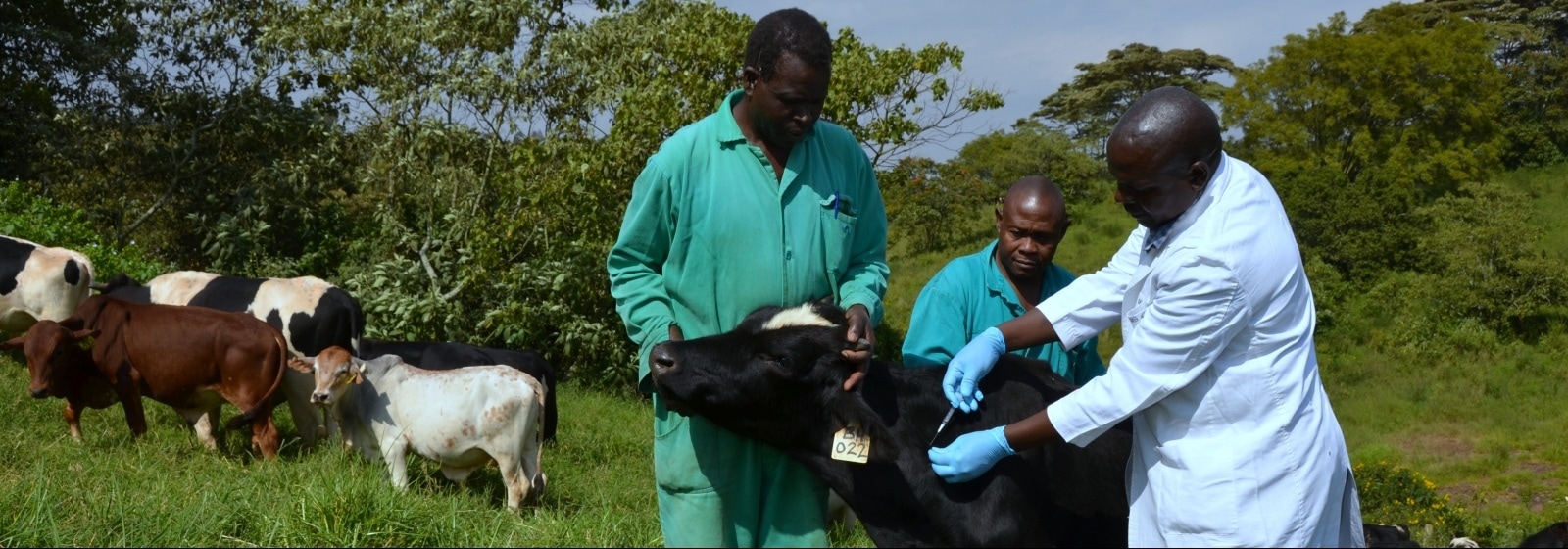
  • Livestock Disease Control in Southeast Nigeria: Key Challenges and Innovative Solutions for Biosecurity and Food Security

    Livestock Disease Control in Southeast Nigeria: Key Challenges and Innovative Solutions for Biosecurity and Food Security

    A recent study by Ikeogu, et al., (2024) titled “Prevalent Livestock Diseases in South East Nigeria and their Control Measures: A Review” published in e-Proceedings of the Faculty of Agriculture International Conference show that underreporting and inaccurate disease identification are significant challenges.

    Underreporting and inadequate diagnostic resources hinder effective livestock disease control in Southeast Nigeria, highlighting the need for improved biosecurity and digital surveillance.– Ikeogu, et al., (2024)

    In a recent study presented at the Second Faculty of Agriculture International Conference at Nnamdi Azikiwe University in Nigeria, researchers explored the intersection of digitalization, bio-conservation, and food security in the context of agriculture. The study provided critical insights into the state of livestock diseases in Southeast Nigeria, public health concerns, and innovative recommendations for improving disease control and food security through digital technologies. The study examined common livestock diseases in the region, analyzing their economic impact and implications for public health. It also reviewed current control measures and highlighted areas for improvement. The authors explore the role of digital technologies in agriculture, emphasizing their potential to improve food security and bio-conservation. This theme underlines the importance of modern technology in tracking and managing livestock health. The study addressed zoonotic diseases—illnesses that can be transmitted from animals to humans—and their public health implications. It stressed the need for robust disease surveillance and reporting systems to prevent outbreaks and protect community health.

    How the Study was Conducted

    The study evaluated livestock diseases prevalent in Southeast Nigeria based on data collected from January 2010 to June 2023 from the epidemiology unit of the Federal Department of Veterinary and Pest Control Services, Federal Ministry of Agriculture and Rural Development Abuja, Nigeria. The study reviewed notifiable diseases reported by the Nigeria Center for Disease Control through its Integrated Disease Surveillance and Response System (IDSR), which are known to be zoonotic. The authors discussed control programs that included biosecurity measures, disease surveillance in flocks and farms, seromonitoring of animals, routine vaccination, accurate diagnosis and treatment of sick animals, and stamping out flocks once a disease is detected.

    What the Authors Found

    The study found that underreporting and inaccurate disease identification are significant challenges. These issues are compounded by a lack of adequate veterinary diagnostic facilities and resources. This makes it difficult to assess the full extent of disease prevalence and economic impact. In addition, the authors found that livestock diseases have a substantial economic impact due to reduced productivity, loss of income, and increased production costs. Addressing these diseases is crucial for sustaining the economic viability of the livestock industry.

    Why is this Important

    Livestock Health and Welfare: Understanding the prevalence of diseases helps improve the health and welfare of livestock. By identifying common diseases, farmers and veterinarians can take preventive measures and provide timely treatment to reduce suffering and mortality.
    Economic Impact: Livestock diseases can have a substantial economic impact. They lead to reduced productivity, loss of income, and increased production costs. By addressing prevalent diseases, the livestock industry can enhance its economic viability.
    Public Health: Some of these diseases are zoonotic, meaning they can be transmitted from animals to humans. By controlling livestock diseases, we also mitigate the risk of human infections. For instance, Tuberculosis and Brucellosis are zoonotic diseases mentioned in the study.
    Food Security: Livestock contributes significantly to food security. Ensuring healthy livestock populations is crucial for meeting protein demands and sustaining food availability.
    Policy and Management: Policymakers can use this information to formulate effective disease control strategies. Recommendations such as improving diagnostic facilities and employing a one health approach can guide policy decisions.

    What the Authors Recommend

    • Given the challenges related to underreporting and inaccurate disease identification, the authors recommend improving veterinary diagnostic facilities. This includes investing in better equipment, training personnel, and ensuring widespread access to accurate diagnostic tools.
    • Biosecurity practices play a vital role in preventing disease spread. The study suggests implementing biosecurity measures on livestock farms, such as controlling animal movement, maintaining hygiene, and preventing contact between healthy and infected animals.
    • Regular surveillance is essential for early detection of diseases. The authors recommend establishing robust disease surveillance systems at both local and national levels. This involves monitoring disease prevalence, outbreaks, and trends.
    • Vaccination is a powerful tool for disease prevention. The study emphasizes the importance of vaccination programs tailored to specific livestock species. Properly administered vaccines can significantly reduce disease incidence.
    • The authors advocate for a “one health” approach, which recognizes the interconnectedness of human, animal, and environmental health. Collaborating across disciplines (veterinary medicine, public health, and environmental science) can lead to more effective disease control strategies.
    • To address data gaps and improve disease reporting, the study proposes developing a digital livestock information system. This system would facilitate real-time data collection, analysis, and reporting.

    In conclusion, addressing livestock diseases in Southeast Nigeria requires a multi-faceted approach that integrates digital technology, robust biosecurity practices, and comprehensive disease surveillance. This study underscores the significant challenges of underreporting and inadequate diagnostic resources, emphasizing the need for better infrastructure, consistent training, and a “one health” strategy that acknowledges the interconnectedness of animal and human health. By implementing effective control measures, investing in digital solutions, and fostering cross-disciplinary collaboration, the livestock industry can reduce disease impact, enhance food security, and safeguard public health. These measures will not only improve the economic viability of livestock farming but also contribute to a more resilient agricultural system in Nigeria.

  • Unlocking Public Health’s Future: Genomic Surveillance in Infectious Disease Control

    Unlocking Public Health’s Future: Genomic Surveillance in Infectious Disease Control

    A recent study by Anekpo, et al., (2024) titled “Application of Genomic Studies in Epidemiological Surveillance: A Mini-overview” published in the Journal of Biological Research & Biotechnology examines that the integration of genomics with epidemiological data can enhance disease control efforts and inform public health practices through targeted interventions.

    Genomic surveillance enhances infectious disease control by early detection, understanding pathogen evolution, monitoring antimicrobial resistance, and guiding precision public health interventions. -Anekpo, et al., (2024)

    Genomic technologies have ushered in a new era in public health, with whole-genome sequencing (WGS) at the forefront of efforts to track, understand, and manage infectious diseases. This transformative approach, known as genomic surveillance, uses genetic data to gain insights into pathogens’ origins, transmission patterns, and resistance mechanisms. As the world faces evolving health threats, including pandemics, this method has become indispensable in disease surveillance and control. The study discusses how genomic sequencing, particularly whole-genome sequencing (WGS), is used to track pathogens and manage outbreaks, highlighting its transformative impact on public health surveillance. The article emphasizes the struggles faced by low- and middle-income countries (LMICs), especially in Africa, in accurately diagnosing and reporting infectious diseases, despite advances in genomics. The authors underscore the critical role of epidemiological surveillance in disease tracking and monitoring, enabling timely preventive and control measures. In addition, the review acknowledges the barriers to integrating genomics into surveillance systems, such as funding, coordination, and data analysis challenges, and provides recommendations for improvement.

    How the Study was Conducted

    The authors posit that the process begins with the extraction of DNA, which is then fragmented into smaller segments. Adapters are added to the DNA fragments to facilitate attachment to the sequencing platform and provide sequencing information. Polymerase chain reaction (PCR) is used to amplify the DNA fragments, increasing the amount available for sequencing. Various technologies, including Sanger sequencing, Illumina sequencing, and newer methods like PacBio and Oxford Nanopore sequencing, are employed to read the DNA fragments and determine the nucleotide order.

    What the Authors Found

    The authors found that despite advancements, integrating genomics into surveillance systems faces significant barriers, including funding, coordination, and data integration issues. In addition, the authors found that the integration of genomics with epidemiological data can enhance disease control efforts and inform public health practices through targeted interventions.

    Why is this Important

    Early Detection and Monitoring: Genomic surveillance allows for the early detection of infectious diseases, including emerging pathogens. By analyzing the genetic material of pathogens, researchers can identify novel variants and track their spread. This information is essential for timely intervention and containment.
    Understanding Pathogen Evolution: WGS provides detailed insights into the evolution of pathogens. By comparing genomic sequences, scientists can trace the lineage of a pathogen, understand its mutational patterns, and predict its behavior. This knowledge informs vaccine development, treatment strategies, and public health policies.
    Antimicrobial Resistance (AMR): Genomic surveillance helps monitor AMR, which is a growing global concern. By analyzing the genetic basis of resistance, researchers can identify mechanisms and patterns of resistance. This information guides antibiotic stewardship and helps prevent the spread of drug-resistant strains.
    Outbreak Investigation: During outbreaks, rapid identification of the causative agent is critical. WGS allows for precise identification of pathogens, distinguishing between closely related strains. It also helps establish transmission routes, identify sources, and assess the impact of interventions.
    Precision Public Health: Integrating genomics with epidemiological data enables precision public health. By tailoring interventions based on genomic information, health authorities can target specific populations, implement effective control measures, and reduce disease burden.
    Global Collaboration: Genomic surveillance relies on international collaboration. Sharing genomic data across borders enhances our understanding of global disease dynamics. It facilitates coordinated responses to outbreaks and ensures preparedness for future health threats.

    What the Authors Recommend

    • The authors recommend increasing awareness among healthcare professionals, researchers, and policymakers about the benefits of genomic surveillance. Training programs can help build capacity and ensure effective implementation.
    • Streamlining reporting mechanisms for genomic data is crucial. The authors suggest creating user-friendly platforms and standardized formats for sharing genomic information. This simplification encourages broader participation and data exchange.
    • Providing timely feedback to stakeholders involved in genomic surveillance is essential. Researchers, public health agencies, and clinicians should receive updates on findings, variant detection, and actionable insights promptly.
    • The authors emphasize collaboration across institutions, countries, and regions. Sharing genomic data globally enhances our understanding of pathogen dynamics and facilitates coordinated responses during outbreaks.
    • The authors advocate that adequate funding and resources are necessary for successful genomic surveillance. Investment in sequencing technologies, bioinformatics tools, and personnel training ensures sustained efforts in disease monitoring.
    • The authors emphasize that Genomic surveillance should complement existing surveillance systems. Integrating genomic data with epidemiological information enhances the accuracy of outbreak investigations and informs public health decisions.

    In summary, genomic surveillance, particularly through whole-genome sequencing (WGS), has revolutionized the landscape of infectious disease tracking and public health response. Its ability to detect pathogens early, understand their evolution, monitor antimicrobial resistance, and guide precision public health interventions has proven invaluable. However, realizing the full potential of this technology requires addressing significant challenges, especially in low- and middle-income countries. Through increased funding, streamlined data sharing, international collaboration, and integration with existing surveillance systems, genomic surveillance can offer transformative insights for global health security. As we move forward, it’s crucial to build capacity, promote global cooperation, and ensure that this cutting-edge technology contributes to a safer and healthier world for all.

  • Multilateral Institutions in the Democratic Republic of Congo: Strategies for Conflict Resolution and Peacebuilding

    Multilateral Institutions in the Democratic Republic of Congo: Strategies for Conflict Resolution and Peacebuilding

    A recent article by Lumumba, A. (2024) titled “Role of Multilateral Institutions in Managing Regional Conflicts and Crises in Democratic Republic of Congo” published in Journal of International Relations shows that multilateral institutions are vital in addressing regional conflicts and crises by implementing diverse strategies such as diplomacy, humanitarian aid, peacekeeping, and development initiatives.

    Multilateral institutions are crucial in managing regional conflicts in the Democratic Republic of Congo through diplomacy, humanitarian aid, peacekeeping, and development initiatives. – Lumumba, A. (2024)

    This study explores the role of multilateral institutions in addressing regional conflicts and crises, with a specific focus on the Democratic Republic of Congo (DRC). This study seeks to understand how multilateral institutions contribute to conflict management in the DRC. The research uses a desk-based methodology, which relies on collecting and analyzing secondary data from various existing sources, such as online academic journals, publications, and library archives. The author reveals that multilateral institutions play a critical role in managing conflicts in the DRC through a range of interventions. These interventions include diplomatic efforts aimed at conflict resolution, humanitarian assistance to meet the needs of affected populations, peacekeeping operations to maintain stability, and development programs to promote long-term recovery. Despite significant challenges, these institutions remain instrumental in promoting peace and stability in the region. The study is based on three theoretical perspectives—Realism, Constructivism, and Liberal Institutionalism. Realism views multilateral institutions as mechanisms for states to pursue their interests in an anarchic international system. Constructivism emphasizes the importance of social constructs, shared norms, and identities, suggesting that these factors influence how multilateral institutions approach conflict management. Liberal Institutionalism highlights the potential for cooperation and interdependence among states, suggesting that multilateral institutions can foster collective action and resolve conflicts through dialogue and shared governance.

    How the Study was Conducted

    The author employed a desk research methodology, also known as secondary data collection. Instead of conducting new field research, the author gathered data from existing sources, which is often more cost-effective. In addition, the author accessed a variety of previously published studies and reports through online journals and library resources, providing a rich set of data without the expense of traditional fieldwork.

    What the Authors Found

    The author found that multilateral institutions are vital in addressing regional conflicts and crises by implementing diverse strategies such as diplomacy, humanitarian aid, peacekeeping, and development initiatives. Despite encountering numerous obstacles, their ongoing involvement and cooperation are key to fostering peace, stability, and sustainable development in conflict-prone areas globally.

    Why is this Important

    Conflict Resolution: Multilateral institutions play a crucial role in conflict resolution. By engaging in diplomatic efforts, humanitarian aid, peacekeeping missions, and development projects, they contribute to stability and peace in conflict-affected regions like the Democratic Republic of Congo (DRC).
    Humanitarian Impact: The study highlights how multilateral institutions provide humanitarian assistance during crises. Their interventions can save lives, alleviate suffering, and address urgent needs such as food, shelter, and medical care.
    Policy Implications: Understanding the effectiveness of multilateral institutions informs policy decisions. Policymakers can use these insights to enhance collaboration, allocate resources, and strengthen international cooperation in conflict management.
    Global Security: The DRC is just one example; similar conflicts occur worldwide. Multilateral institutions’ ability to prevent, mitigate, and resolve conflicts contributes to global security and stability.
    Future Research: The study suggests using theoretical frameworks (realism, constructivism, and liberal institutionalism) for further research. This opens avenues for scholars to explore multilateral institutions’ roles in other contexts and refine conflict management strategies.

    What the Authors Recommend

    • The author suggests that policymakers and international organizations should prioritize collaboration among multilateral institutions. By working together, they can enhance conflict management efforts, share resources, and coordinate responses effectively.
    • Diplomacy remains a powerful tool for conflict resolution. The author suggests that multilateral institutions should continue engaging in diplomatic negotiations, mediation, and dialogue to prevent and resolve conflicts.
    • Multilateral institutions often face resource limitations. The author emphasizes that policymakers should allocate adequate funding and logistical support to ensure these organizations can carry out their peacekeeping, humanitarian, and development missions effectively.
    • To maintain legitimacy, multilateral institutions should prioritize transparency in their decision-making processes. Regular reporting, evaluation, and accountability mechanisms can enhance their effectiveness.
    • The author highlights successful interventions by multilateral institutions. Policymakers should analyze these case studies and learn from best practices to improve conflict management strategies.
    • The author recommends that multilateral efforts should involve local communities, civil society organizations, and regional actors. Their insights and participation can lead to context-specific solutions and sustainable peacebuilding.

    In conclusion, multilateral institutions play a pivotal role in managing regional conflicts and crises, particularly in complex environments like the Democratic Republic of Congo. Through a combination of diplomacy, humanitarian aid, peacekeeping, and development initiatives, these institutions contribute significantly to conflict resolution and peacebuilding efforts. Despite numerous challenges, their ongoing commitment to fostering stability and promoting sustainable development is crucial for global security. The insights provided by this study offer valuable guidance for policymakers and practitioners, emphasizing the importance of collaboration, transparency, and community engagement. By learning from successful interventions and adapting strategies to local contexts, multilateral institutions can continue to make meaningful strides toward a more peaceful world.

  • Transformational Leadership and Organizational Resilience in Times of Crisis: Insights from Sudan

    Transformational Leadership and Organizational Resilience in Times of Crisis: Insights from Sudan

    A recent study by Sharief, E. (2024) titled “Leadership Styles and Organizational Resilience in Times of Crisis in Sudan” published in American Journal of Leadership and Governance, shows that transformational leadership, which is characterized by vision, inspiration, and individualized consideration, promotes organizational resilience by fostering adaptability, innovation, and employee commitment.

    Transformational leadership significantly boosts organizational resilience during crises by fostering adaptability, innovation, and employee commitment in Sudan’s challenging context.– Sharief, E. (2024)

    The study delves into Leadership Styles and Organizational Resilience during Crises in Sudan. The research investigates various leadership styles and assesses how they influence organizational performance and adaptability when crises occur. It explores approaches like transformational leadership, which inspires and motivates employees, and servant leadership, which focuses on serving others and fostering a culture of empathy and collaboration. The study centers on how organizations in Sudan demonstrate resilience when facing crises. This resilience refers to the ability of organizations to not only withstand disruptions but also to adapt, innovate, and thrive in the face of adversity. It examines factors that contribute to resilience, such as flexibility, resourcefulness, and employee engagement. The study’s focus on Sudan is crucial, given the unique socio-political and economic environment in which these organizations operate. Sudan has faced significant challenges, including political instability, economic fluctuations, and social upheaval. Understanding the specific context helps to identify how local conditions impact leadership and organizational resilience. The research explores various strategies for managing and recovering from crises. It considers how leaders in Sudan approach crises, the processes they implement for quick recovery, and the steps taken to ensure organizational continuity. Effective crisis management involves not only immediate response tactics but also long-term planning and risk assessment. Overall, the study aims to offer valuable insights into the relationship between different leadership styles and organizational resilience in the face of adversity. Focusing on the Sudanese context provides a deeper understanding of how organizations navigate crises and what leadership traits contribute to successful outcomes.

    How the Study was Conducted

    This study utilized a desk study methodology, which is a type of research design that relies on secondary data collection. This approach involves gathering information from existing sources, such as previously published studies, reports, and academic articles. The advantage of a desk study is its cost-effectiveness compared to field research, as it leverages readily available data without requiring new data collection through fieldwork or surveys. In this study, researchers examined a range of published studies and reports, accessing them through online journals, libraries, and other digital resources. This method enabled the researchers to conduct a thorough analysis of existing literature and draw insights without the need for extensive field-based research.

    What the Authors Found

    The research on leadership styles and organizational resilience in times of crisis reveals that transformational leadership, which is characterized by vision, inspiration, and individualized consideration, promotes organizational resilience by fostering adaptability, innovation, and employee commitment. Additionally, servant leadership, with its emphasis on prioritizing the needs of others, empathy, and humility, is associated with enhanced organizational resilience by building trust, collaboration, and a sense of community. This study underscores the significant role of leadership in enabling organizations to navigate turbulent environments successfully.

    Why is this Important

    Leadership and Crisis Management: The research examines the impact of different leadership styles on organizational resilience during crises. Understanding how leadership influences an organization’s ability to withstand and adapt to challenges is crucial for its survival and success.
    Theoretical Contribution: By investigating the mechanisms through which leadership affects organizational resilience, this study contributes to existing academic knowledge. It bridges gaps in the literature and provides insights that can inform future research and theory development.
    Practical Implications: The findings have practical implications for organizations in both the public and private sectors. Organizations can use this research to develop effective leadership strategies that enhance resilience. For example, leaders can learn how to foster a culture of adaptability and preparedness.

    What the Authors Recommend

    • The author recommend that organizations should invest in leadership development programs that focus on enhancing leadership skills related to crisis management and organizational resilience. This includes training leaders to adapt to changing circumstances, communicate effectively during crises, and foster a resilient organizational culture.
    • The author posit that leaders should adopt adaptive leadership styles that allow them to respond flexibly to different situations. For instance, during a crisis, leaders may need to shift from an authoritative style to a more collaborative or participative approach.
    • In addition, the author also emphasize that organizations should engage in scenario planning and preparedness exercises. Leaders can proactively identify potential risks, develop contingency plans, and ensure that the organization is ready to handle unexpected challenges.
    • Building resilience at the team level is equally important. Leaders should encourage collaboration, trust, and open communication among team members. Teams that support each other during difficult times are more likely to bounce back from setbacks.
    • After a crisis, the author advocate that organizations should conduct thorough post-mortem analyses. Leaders can learn from both successes and failures, identifying areas for improvement and adjusting their strategies accordingly.

    The study by Sharief, E. (2024) offers a comprehensive look into how various leadership styles, particularly transformational and servant leadership, can significantly impact organizational resilience during crises in Sudan’s challenging socio-political and economic landscape. The findings underscore the importance of adaptability, innovation, and employee commitment in fostering a resilient organizational culture. As crises continue to test organizations worldwide, the insights from this study offer valuable guidance for leaders and policymakers in developing strategies that promote flexibility, collaboration, and preparedness. The emphasis on leadership development, adaptive approaches, and learning from past crises provides a solid foundation for organizations aiming to not only withstand adversity but also thrive in its wake. Ultimately, this research serves as a vital resource for enhancing organizational resilience and strengthening leadership practices in times of crisis.

  • CKDu in Africa: New Insights into Chronic Kidney Disease and Public Health Impac

    CKDu in Africa: New Insights into Chronic Kidney Disease and Public Health Impac

    A recent article by Fiseha, et al., (2024) titled “Chronic kidney disease of unknown aetiology in Africa: A review of the literature” published in Nephrology by Wily Online examines that Chronic Kidney Disease of unknown aetiology (CKDu) is recognized as a significant public health issue in Africa, affecting young adults and contributing to the CKD burden.

    CKDu is a significant public health issue in Africa, affecting young adults and contributing to CKD burden.– Fiseha, et al., (2024)

    The study delves into Chronic Kidney Disease (CKD) in Africa, with a focus on a distinct form known as CKD of unknown aetiology (CKDu). It spotlights a troubling epidemic of CKDu in low- to middle-income countries, particularly affecting young adults and presenting a serious public health concern. The authors compile epidemiological evidence linking CKDu to environmental factors such as genetics, agrochemicals, and contaminated water. Additionally, the study presents statistics on CKDu’s burden in Africa, revealing a variable prevalence across different populations. The article underscores the urgent need for more research to comprehend CKDu’s impact and the contribution of environmental factors to CKD development.

    How the Study was Conducted

    The authors employed a literature search for population-based studies published from the year 2000 onwards using PubMed/Medline and the African Journals Online databases. The authors used a combination of search terms related to epidemiology, chronic kidney disease (CKD), environmental exposures, and Africa. The review included community-based studies conducted among adults in any African country that reported on CKDu, CKD attributable to CKDu, and the association of at least one environmental factor with CKD. Studies focusing on high-risk groups and traditional risk factors were excluded. Due to the limited literature base on the topic, a narrative review was deemed most appropriate to provide an overview of the existing epidemiological evidence.

    What the Authors Found

    The authors found that Chronic Kidney Disease of unknown aetiology (CKDu) is recognized as a significant public health issue in Africa, affecting young adults and contributing to the CKD burden. The authors also found that CKDu poses a serious threat to individuals, families, and communities, and places a heavy burden on healthcare systems in Africa. It is an underappreciated contributor to the overall CKD burden in the region.

    Why is this Important

    Public Health Impact: CKDu affects a significant proportion of the population in Africa, leading to morbidity and mortality. Understanding its prevalence, risk factors, and impact is crucial for public health interventions.
    Environmental Links: The study sheds light on the potential environmental factors contributing to CKDu. Identifying these factors can guide preventive measures and policies to reduce CKD burden.
    Research Gap: By emphasizing the need for more studies, the paper highlights an existing research gap. Addressing this gap will enhance our understanding of CKDu and inform evidence-based strategies.
    Global Relevance: CKDu is not limited to Africa; similar epidemics exist in other regions. Insights from this study can inform global efforts to combat CKD.

    What the Authors Recommend

    • The authors emphasize implementing robust surveillance systems to track CKDu cases, identify high-risk populations, and monitor environmental exposures. Regular health assessments can aid in early detection and management.
    • The authors also advocate raising awareness among communities, healthcare providers, and policymakers about CKDu. Educate individuals about risk factors, preventive measures, and the importance of seeking medical attention promptly.
    • The authors recommend that policymakers should address water quality issues by ensuring access to clean and safe drinking water. Regular testing and treatment of water sources can mitigate exposure to contaminants.
    • Promote safe agricultural practices, including proper pesticide use, protective gear for farmers, and sustainable farming techniques. Reducing exposure to agrochemicals is crucial.
    • Furthermore, the authors also advocate fostering collaboration between researchers, institutions, and governments. Multidisciplinary studies can deepen our understanding of CKDu and guide evidence-based interventions.

    In conclusion, addressing Chronic Kidney Disease of unknown aetiology (CKDu) in Africa is critical for safeguarding public health and enhancing the quality of life for affected populations. By focusing on robust surveillance, preventive measures, and fostering collaboration across sectors, we can gain a deeper understanding of CKDu’s causes and work towards effective interventions. Ultimately, tackling CKDu will contribute to reducing the burden of CKD, improving health outcomes, and creating a healthier future for communities in Africa and beyond.

  • Data Science in Public Health: Transforming Disease Control with Predictive Analytics in the USA and Africa

    Data Science in Public Health: Transforming Disease Control with Predictive Analytics in the USA and Africa

    A recent article by Ogugua, et al., (2024) titled “Data Science in Public Health: A Review of Predictive Analytics for Disease Control in the USA and Africa” published in World Journal of Advanced Research and Reviews, examines that there’s a significant increase in the use of predictive analytics, especially in the USA for chronic disease management and in Africa for infectious disease control.

    predictive analytics is increasingly used in the USA for chronic disease management and Africa for infectious disease control– Ogugua, et al., (2024)

    The study explores the pivotal role of data science in advancing public health, with a particular emphasis on leveraging predictive analytics to enhance disease surveillance and control. The research contrasts the focus on chronic diseases prevalent in the USA with infectious diseases primarily affecting Africa. By examining these distinct public health challenges, the study seeks to uncover innovative solutions for effective health management across different regions. The study highlights the transformative impact of predictive analytics on disease management. This technology uses historical data and machine learning algorithms to forecast disease outbreaks, trends, and potential impacts on populations. In the USA, the emphasis is on chronic diseases such as diabetes and heart disease, whereas in Africa, the focus shifts towards infectious diseases like malaria and HIV/AIDS. Predictive analytics can inform targeted interventions, resource allocation, and tailored healthcare policies. The study provides a comparative analysis of public health systems in the USA and Africa, noting key differences in healthcare infrastructure, financing, and access to resources. While the USA boasts advanced healthcare facilities and a well-structured public health system, Africa faces challenges such as limited access to healthcare, insufficient infrastructure, and inadequate funding. This disparity underscores the importance of context-specific approaches to applying data science in different settings. The ethical use of health data is a core focus of the study. The responsible handling of sensitive information is crucial, especially in ensuring patient privacy and informed consent. The research stresses the need for robust ethical frameworks to guide the use of predictive analytics in public health, safeguarding individuals’ rights while maximizing the benefits of data-driven strategies. The paper discusses the role of technological advancements in enhancing health analytics, emphasizing the potential of AI and machine learning for disease control. These technologies enable real-time data analysis, faster response times, and the identification of patterns that might otherwise go unnoticed. The study underscores how such innovations can lead to more effective disease management strategies and improved health outcomes.

    How the Study was Conducted

    The study employed specific criteria for selecting peer-reviewed literature to ensure the validity and reliability of the research outcomes. Directed qualitative content analysis was utilized, which involved interpreting and making sense of the collected data through a systematic process. The analysis was based on a variety of data sources, including industry-specific factors, optimization algorithms, and healthcare data. The study also proposed combining Data Envelopment Analysis and Spherical Fuzzy MCDM for sustainable supplier selection, illustrating the use of multi-criteria decision-making tools in qualitative analysis.

    What the Authors Found

    The authors found that there’s a significant increase in the use of predictive analytics, especially in the USA for chronic disease management and in Africa for infectious disease control. The authors also found that the future of AI and machine learning in disease control is promising, with potential for innovation and integration into healthcare and public policy.

    Why is this Important

    Improved Public Health Strategies: Understanding the role of data science and predictive analytics in public health allows policymakers and practitioners to develop more effective strategies. By leveraging data-driven insights, they can enhance disease surveillance, prevention, and control.
    Resource Allocation: With insights into trends and challenges, decision-makers can allocate resources more efficiently. For instance, identifying areas where predictive analytics can have the greatest impact helps prioritize investments.
    Global Health Equity: By comparing public health systems in the USA and Africa, the study sheds light on disparities. Addressing these inequities is crucial for achieving global health equity and ensuring that advancements benefit all populations.
    Ethical Frameworks: The ethical considerations highlighted in the study emphasize responsible data use. Establishing robust ethical frameworks ensures privacy protection, informed consent, and minimization of harm.
    Technological Advancements: Recognizing the potential of AI and machine learning in disease control encourages further research and innovation. These technologies can revolutionize healthcare delivery and policymaking.

    What the Authors Recommend

    • The authors encourage collaboration between data scientists, public health experts, and policymakers. Sharing knowledge and best practices across regions can lead to more effective disease control strategies.
    • Authors advocate for allocating resources to strengthen data infrastructure, including data collection, storage, and analysis. Robust data systems are essential for evidence-based decision-making.
    • The authors suggest investing in training programs to build data science capacity within public health institutions. Skilled professionals can drive innovation and implement data-driven solutions.
    • Integrate data science findings into public health policies. The authors recommend that policymakers should consider predictive analytics when designing health programs.

    In conclusion, the study by Ogugua et al. highlights the transformative power of predictive analytics in advancing public health, offering innovative solutions for disease control across different regions. By embracing collaboration, investing in data infrastructure, and prioritizing ethical frameworks, we can harness the full potential of data science to revolutionize healthcare and drive meaningful improvements in disease management. Through these efforts, we can work towards a healthier and more equitable global future.

  • Unlocking Competitive Edge: Digital Transformation in South Africa’s Hospitality & Tourism

    Unlocking Competitive Edge: Digital Transformation in South Africa’s Hospitality & Tourism

    A recent study by Abeba, L. (2024) titled “Role of Digital Transformation and Innovation in Enhancing the Competitiveness and Sustainability of Hospitality and Tourism Businesses in South Africa” published in International Journal of Modern Hospitality and Tourism, shows that digital technologies significantly improve customer experiences and operational efficiency in South Africa’s hospitality and tourism businesses.

    Digital technologies significantly enhance customer experiences and operational efficiency, crucial for sustaining competitiveness and viability in South Africa’s hospitality industry.– Abeba, L. (2024)

    The research delves into the influence of digital transformation and innovation on the competitive edge and long-term viability of hospitality and tourism enterprises within South Africa. Its objective is to scrutinize the ways in which digital technologies can elevate customer experiences, streamline operational processes, and bolster adaptability within the market. Employing a desktop methodology, the study draws upon secondary data gleaned from a spectrum of published studies, reports, and statistical analyses. Digital transformation and innovation emerge as pivotal elements in fortifying competitiveness and sustainability within the industry. These advancements hold the potential to revolutionize customer interactions, optimize internal operations, and fortify businesses against market fluctuations. The research underscores the significance of theoretical frameworks such as the Resource-Based View, Dynamic Capabilities, and Disruptive Innovation for guiding future investigations in this domain.

    How the Study was Conducted

    The study employs a desk research methodology, which entails gathering data from pre-existing sources, termed secondary data. This approach is selected for its cost-efficiency relative to field research. The authors rely on readily available sources such as published studies, reports, and statistical data accessible through online journals and libraries. This enables the acquisition of pertinent information without necessitating on-site investigations.

    What the Authors Found

    The author found that digital technologies significantly improve customer experiences and operational efficiency in South Africa’s hospitality and tourism businesses. The author also found that digital transformation and innovation contribute to the sustainability of the sector by enabling data-driven decisions and resource optimization and the adoption of digital strategies is essential for enhancing the competitiveness of hospitality and tourism businesses in the evolving industry landscape.

    Why is this Important

    In an ever-evolving industry, businesses need to adapt to stay relevant and survive. The study highlights how digital transformation and innovation play a pivotal role in ensuring the longevity of hospitality and tourism businesses. The adoption of digital strategies enhances the competitiveness of these businesses. By leveraging technology, they can differentiate themselves, attract more customers, and provide better services.  Sustainability is a key concern. Digital tools allow businesses to make data-driven decisions, optimize resource usage, and reduce waste. This contributes to the long-term viability of the sector. Improved customer experiences lead to repeat business and positive word-of-mouth. Digital transformation enables personalized services, streamlined processes, and efficient communication.

    What the Authors Recommend

    • The author emphasizes that businesses should actively adopt digital technologies to enhance customer experiences, streamline operations, and stay competitive. This includes implementing online booking systems, mobile apps, and data analytics tools.
    • The authors emphasize the importance of innovation. Businesses should explore novel approaches, experiment with new services, and adapt to changing market dynamics and by integrating sustainable practices, such as energy-efficient operations and waste reduction, businesses contribute to the environment and their long-term viability.
    • The authors recommend collaboration with industry peers, attending conferences, and staying informed about industry trends.

    In conclusion, the study underscores the transformative potential of digital innovation in shaping the future of South Africa’s hospitality and tourism sector. By embracing digital transformation, businesses can enhance their competitiveness, ensure sustainability, and elevate customer experiences. Through the adoption of data-driven strategies, innovative approaches, and collaborative initiatives, businesses can not only thrive in today’s dynamic landscape but also contribute to the overall growth and resilience of the industry. Embracing digitalization isn’t merely a choice but a strategic imperative for businesses looking to secure their place in an increasingly digital world.

  • Unlocking the Secrets of African Skin and Hair: A Focus on Sub-Saharan Africa’s Unique Characteristics and Research Initiatives

    Unlocking the Secrets of African Skin and Hair: A Focus on Sub-Saharan Africa’s Unique Characteristics and Research Initiatives

    A recent study by De Faverney et al., (2024) titled “Support for dermatological research in Sub‐Saharan Africa: insights from African Hair and Skin Research Programs” published in International Journal of Dermatology by Wiley Online shows that the African Hair and Skin Research Grants have led to increased publications from Sub-Saharan Africa, contributing to tailored product development and public education.

    Localized research in Sub-Saharan Africa is crucial for tailored skincare solutions.– De Faverney et al., (2024)

    The study delves into the investigation of skin and hair characteristics among individuals of African descent, particularly those from Sub-Saharan Africa (SSA). It explores the distinct physiological and structural traits of skin and hair in African populations, which can significantly impact the progression of various medical conditions. Additionally, the study highlights a grant initiative supporting indigenous research in SSA, aimed at enhancing the comprehension and management of African hair and skin. It acknowledges a surge in global research publications on African skin and hair, with an increasing number of studies originating from SSA. The research underscores the significance of collaborations between industry and academia in SSA to develop tailored products and educational campaigns for local communities. Ultimately, the study stresses the necessity for region-specific research to effectively address the unique dermatological needs of individuals in SSA.

    How the Study was Conducted

    The authors employed a comprehensive search in Scopus using specific keywords related to the five topics, with filters to narrow the search to publications from Sub-Saharan Africa (SSA) and worldwide. Publications from SSA were analyzed, and the main results were briefly summarized to provide insight into the impact of the grant program. The study aimed to provide a historical and geographical overview of developments in African hair and skin research, based on the literature search results.

    What the Authors Found

    The authors found that the African Hair and Skin Research Grants have led to increased publications from Sub-Saharan Africa, contributing to tailored product development and public education. The authors also posit that while worldwide studies on African ancestry skin and hair have increased, especially in the USA, there’s a growing body of research from Sub-Saharan Africa. In addition, the authors found that due to unique genetic, lifestyle, and environmental factors, localized research in Sub-Saharan Africa is essential for accurate data and appropriate skincare and haircare practices.

    Why is this Important

    Tailored Care: Understanding the unique characteristics of African ancestry skin and hair is crucial for providing effective and tailored care. By focusing on localized research, we can develop products and educational campaigns that address the specific needs of people in Sub-Saharan Africa (SSA).
    Health Impact: Skin and hair conditions can significantly impact an individual’s quality of life. By studying these conditions in SSA, we can improve clinical outcomes, enhance well-being, and promote better health practices.
    Representation: Historically, much of the research on skin and hair has been based on populations from other continents. This study emphasizes the importance of including SSA in dermatological research, ensuring representation and relevance for local communities.
    Industry Collaboration: The collaboration between academia and industry (such as the L’Oreal Research & Innovation grant program) facilitates advancements in skincare and haircare. By investing in localized research, we can create products that cater to diverse skin and hair types.

    What the Authors Recommend

    • The authors emphasized prioritizing and investing in localized research within Sub-Saharan Africa (SSA) to understand the unique characteristics of African ancestry skin and hair. This will lead to better clinical outcomes and tailored care.
    • The authors recommend fostering partnerships between academia and industry. Collaborations like the L’Oreal Research & Innovation grant program can drive advancements in skincare and haircare products specifically designed for SSA populations.
    • Ensure that research includes SSA populations to improve representation and relevance. By studying local genetics, lifestyle, and environmental factors, we can develop effective solutions.
    • In addition, the authors argue that developing educational campaigns to raise awareness about proper skincare and haircare practices. These campaigns should be culturally sensitive and address the specific needs of SSA communities.

    In conclusion, this study underscores the critical importance of understanding the unique characteristics of African skin and hair, particularly among individuals of Sub-Saharan descent. By prioritizing localized research, fostering collaborations between academia and industry, and ensuring representation in dermatological studies, we can pave the way for tailored care, improved health outcomes, and enhanced well-being within these communities. Through ongoing efforts and initiatives like the African Hair and Skin Research Grants, we can continue to unravel the mysteries of African skin and hair, driving advancements in skincare, haircare, and public education to better serve the diverse needs of individuals across Sub-Saharan Africa and beyond.

  • Addressing Climate Change, Flooding, and Diseases in Sub-Saharan Africa: Strategies for Resilience and Community Health

    Addressing Climate Change, Flooding, and Diseases in Sub-Saharan Africa: Strategies for Resilience and Community Health

    A recent study by Angmor, G. D. M. (2024) titled “Climate Change Flooding and Diseases in Sub Sahara Africa: Trends and Adaptions Strategies (A Review)” published in Korean Journal of Physiology and Pharmacology, shows that climate change in Sub-Saharan Africa is leading to increased temperatures, shifts in precipitation patterns, and more extreme weather events.

    Climate change in Sub-Saharan Africa is leading to increased temperatures and extreme weather events. -Angmor, G. D. M. (2024)

    The research delves into the multifaceted challenges posed by climate change, flooding, and disease outbreaks within the context of Sub-Saharan Africa. The study meticulously examines the ramifications of climate change across Sub-Saharan Africa. It scrutinizes the shifting temperatures, alterations in precipitation patterns, and the surge in extreme weather phenomena. These factors collectively contribute to a heightened risk of flooding and the proliferation of diseases within the region. There is a stark illustration of how marginalized communities bear the brunt of these environmental shifts. Socio-economic inequalities are further exacerbated, emphasizing the urgent need for comprehensive adaptation strategies that account for the diverse needs of these vulnerable populations. The study critically assesses a spectrum of adaptation initiatives. These range from the implementation of early warning systems to sustainable water management practices and community-based health interventions. The emphasis lies on empowering communities to bolster their resilience in the face of environmental adversities. A holistic approach is advocated, one that amalgamates traditional wisdom with contemporary scientific methodologies. The importance of community engagement is underscored, alongside the recognition of indigenous knowledge systems. This integrated approach not only fosters sustainable development but also serves as a cornerstone for enhancing public health outcomes across the region.

    How the Study was Conducted

    The research utilized well-known databases like Google Scholar, JSTOR, Science Direct, and Research Gate. A customized search query was created to identify relevant studies. Titles and abstracts were scanned, followed by full-text assessments to filter out off-topic records. A total of 10 studies were included in the review after a rigorous selection process.This methodological approach ensures a thorough understanding of the complex issues related to climate change, flooding, and diseases in the region.

    What the Authors Found

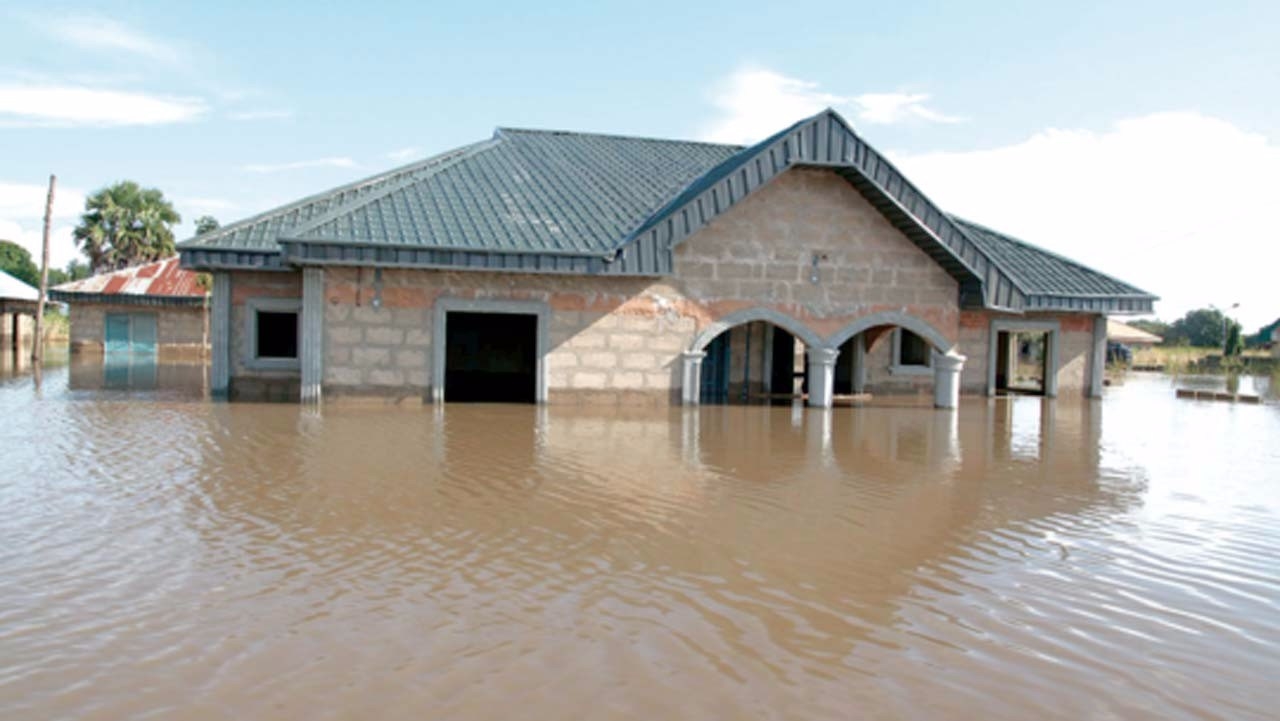
    The author found that climate change in Sub-Saharan Africa is leading to increased temperatures, shifts in precipitation patterns, and more extreme weather events. These changes are causing more frequent and intense floods, which disrupt livelihoods and infrastructure, and create environments conducive to the spread of diseases.

    Why is this Important

    Human Impact: Climate change, flooding, and diseases directly affect human lives, livelihoods, and well-being. Understanding their interconnections allows us to develop targeted interventions to mitigate their impact.
    Vulnerable Communities: Marginalized communities in Sub-Saharan Africa are disproportionately affected. By addressing these challenges, we can reduce disparities and promote social equity.
    Resilience Building: The study emphasizes the need for adaptation strategies. Building resilience at local, national, and international levels is essential to cope with the changing climate and its consequences.
    Global Health: Sub-Saharan Africa’s health is interconnected with global health. Addressing these issues contributes to global disease prevention and control.

    What the Authors Recommend

    The authors recommend several key strategies to address the challenges posed by climate change, flooding, and diseases in Sub-Saharan Africa

    • Early Warning Systems: Implement robust early warning systems to predict extreme weather events, such as floods, and disseminate timely alerts to vulnerable communities. These systems can help reduce the impact of disasters.
    • Sustainable Water Management: Enhance water resource management practices to mitigate the effects of flooding. This includes building reservoirs, improving irrigation techniques, and promoting water conservation.
    • Community-Based Health Interventions: Engage local communities in health promotion and disease prevention. Community health workers can play a crucial role in educating people about hygiene, sanitation, and disease control.
    • Integrated Approaches: Adopt an integrated approach that combines traditional knowledge with modern scientific methods. Collaborate across sectors, including health, agriculture, and disaster management, to develop holistic solutions.
    • Capacity Building: Strengthen the capacity of health systems, disaster response teams, and community organizations. Training and resources are essential for effective adaptation.

    In conclusion, the study sheds light on the interconnected challenges of climate change, flooding, and diseases in Sub-Saharan Africa, emphasizing the urgent need for comprehensive adaptation strategies. By addressing these issues, we can mitigate their impact on human lives, promote social equity, build resilience, and contribute to global health initiatives. Through collaborative efforts and integrated approaches, we can pave the way for sustainable development and improved well-being across the region.