Category: REVIEW PAPERS

This category presents posts from ARM Magazine, featuring updates on the latest developments and showcasing selected review papers from various journals.

  • Sustainable Tourism for Economic Growth in South Africa: Responsible Strategies for Local and Regional Development

    Sustainable Tourism for Economic Growth in South Africa: Responsible Strategies for Local and Regional Development

    A recent article by Wissink, H. (2023) titled “Sustainable Tourism for Local and Regional Development in South Africa: Unlocking Economic Potential through Responsible Tourism Strategies,” published in African Journal of Hospitality, Tourism and Leisure, shows that sustainable tourism can contribute to local and regional development in South Africa by generating economic growth, social empowerment, and environmental conservation.

    Sustainable tourism in South Africa fosters economic growth, social empowerment, and environmental conservation, emphasizing responsible strategies and multi-stakeholder collaboration.– Wissink, H. 2023

    This article explores the significance of promoting sustainable tourism for local and regional development in South Africa. By focusing on responsible tourism strategies, the study aims to highlight how these approaches can not only unlock the economic potential of the tourism sector but also ensure its long-term sustainability. The author delves into the concept and principles of sustainable tourism, which aim to balance economic development with environmental conservation and social well-being. The study further explores the impact of tourism on regional development and the need for a comprehensive theoretical framework to explain the relationship between them and the specific challenges and opportunities faced by developing nations like South Africa in achieving sustainable and inclusive development. The author navigates through the application of the Sustainable Development Theory (SDT) as a comprehensive framework for analyzing the interactions between tourism, the environment, the economy, and society.

    How the Study was Conducted

    The author employed 18 interviews with key stakeholders in the tourism industry, such as government officials, local communities, tourism operators, NGOs, and industry experts. The interviews aimed to gather insights, perspectives, and recommendations on responsible tourism strategies for local and regional development in South Africa. The author analyzed the interview data using thematic coding to identify common themes and subthemes emerging from the stakeholders’ responses. In addition, the study synthesised the findings to develop a comprehensive understanding of the challenges, opportunities, and recommendations for promoting sustainable tourism in South Africa.

    What the Author Found

    The author found that sustainable tourism can contribute to local and regional development in South Africa by generating economic growth, social empowerment, and environmental conservation. The author posit that responsible tourism strategies involve a multi-stakeholder approach, bringing together government bodies, tourism operators, local communities, conservation organizations, and visitors. The study found that stakeholder interviews revealed several challenges and opportunities for promoting sustainable tourism, such as community involvement, infrastructure development, cultural preservation, collaboration, and partnerships. The author further found that Sustainable Development Theory (SDT) provides a comprehensive framework for achieving balanced economic growth, social inclusion, and environmental sustainability in tourism development.

    Why is this important?

    Sustainable tourism aims to protect and conserve the environment, wildlife, and heritage of the destination, ensuring its long-term viability and attractiveness. Sustainable tourism involves and benefits local communities by creating employment opportunities, supporting local businesses, and enhancing their well-being and quality of life. Sustainable tourism contributes to local and regional economic development by diversifying the economy, increasing income and revenue, and attracting investment. By adopting responsible tourism strategies, South Africa can unlock the economic potential of its tourism industry while ensuring its sustainability and preserving its natural and cultural assets.

    What the Authors Recommend

    • The author recommends that various stakeholders, such as the government, local communities, tourism operators, and NGOs, should be involved in decision-making processes related to sustainable tourism development.
    • The study suggests that stakeholders should encourage community ownership and participation in tourism initiatives, such as homestays and local tour guide services, to ensure that local perspectives and interests are considered and that communities benefit directly from tourism revenues.
    • The author urge various stakeholders to provide training and education programs for local communities and tourism operators on sustainable tourism practices, such as environmental conservation, cultural preservation, and responsible business management.
    • The author advocate investment in infrastructure development that supports sustainable tourism growth, such as transportation networks, accommodation facilities, and public amenities, while minimising environmental impacts and enhancing accessibility and quality of life for residents and visitors.
    • The study urges various stakeholders to respect and promote local culture and heritage, such as traditions, arts, and crafts, and foster cultural exchange and appreciation among tourists and locals while avoiding cultural commodification and dilution.
    • In addition, the study proposes that stakeholders should protect and conserve natural resources and biodiversity, such as national parks and marine reserves, and implement eco-friendly practices, such as waste management and resource conservation, to reduce the environmental footprint of tourism activities.

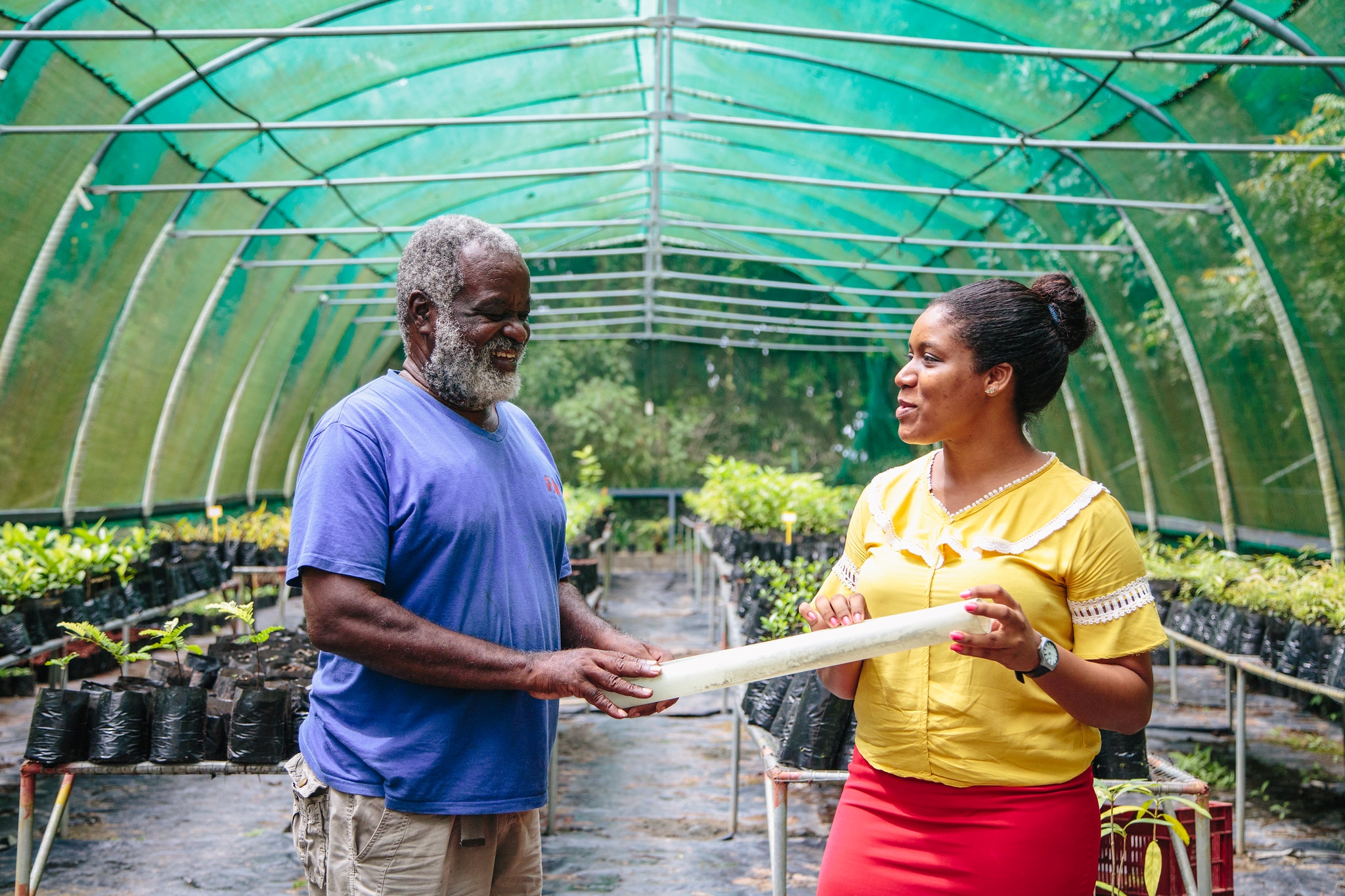
    In conclusion, the study by Wissink (2023) underscores the pivotal role of sustainable tourism in fostering local and regional development in South Africa. By emphasizing responsible tourism strategies and employing a multi-stakeholder approach, the research reveals the potential for economic growth, social empowerment, and environmental conservation. The findings advocate for inclusive decision-making processes, community participation, and comprehensive training programs to ensure the long-term sustainability of the tourism industry. As South Africa navigates the path of responsible tourism, the recommendations put forth by the authors serve as a blueprint for unlocking economic potential while preserving the nation’s rich natural and cultural heritage.

  • Empowering Widows in Africa: Unveiling Challenges, Coping Strategies, and Urgent Calls for Gender-Sensitive Interventions

    Empowering Widows in Africa: Unveiling Challenges, Coping Strategies, and Urgent Calls for Gender-Sensitive Interventions

    A recent article by Dube, M. (2023), titled “The challenges facing widows in African contexts: A literature review” published in International Journal of Research in Business and Social Science by SSBFNET, shows that widows in Africa face multiple challenges such as poverty, discrimination, violence, stigma, and health problems.

    This study explores the challenges facing widows in African contexts. The author employed the capability approach and the social exclusion framework to analyze the situation of widows in Africa and how they are deprived of basic human rights and opportunities. However, the author identifies four main challenges that widows face in Africa: poverty, stigma and discrimination, violence and abuse, and legal and policy barriers. As a result of these challenges, the author explores the coping strategies and resilience factors that widows employ to survive and thrive.

    Widows in Africa face diverse challenges, including poverty and discrimination, necessitating gender-sensitive interventions for empowerment and societal transformation– Dube, M. 2023

    The Coping Strategies and Resilience Factors that Widows Employ to Survive and Thrive

    Social support: Widows rely on their family, friends, community, and religious groups for emotional, material, and spiritual support.
    Economic empowerment: Widows engage in various income-generating activities, such as farming, trading, and crafts, to improve their financial situation and independence.
    Education and awareness: Widows seek to acquire knowledge and skills that can help them cope with their challenges, such as legal rights, health care, and literacy.

    Positive attitude and self-care: Widows adopt a positive outlook on life, practice gratitude, forgiveness, and optimism, and take care of their physical and mental well-being.

    How the Study was Conducted

    The authors employed various databases and websites for relevant articles published between 2000 and 2019, using keywords such as “widow”, “Africa”, and “challenges” and also used snowball sampling to identify additional sources from the references of the selected articles. The authors screened the titles and abstracts of the articles to exclude those unrelated to the topic, duplicated, or inaccessible. The study also explores inclusion and exclusion criteria based on the geographical location, language, and quality of the articles, and 51 articles for the final review were used. In addition, the authors employed a thematic analysis approach to identify and categorize the main themes and subthemes that emerged from the literature.

    What the Authors Found

    The author found that widows in Africa face multiple challenges such as poverty, discrimination, violence, stigma, health problems, and lack of access to education, health care, and legal rights. The challenges vary by context depending on factors such as culture, religion, ethnicity, age, education, and marital status of the widows. The study also found that there is a gap in the literature on the experiences and needs of widows in Africa, especially in relation to their psychological well-being, coping strategies, and resilience.

    Why is this Important

    This study underscores the urgency of tailored, gender-sensitive interventions to address the multifaceted challenges widows face, advocating for comprehensive strategies that empower widows to overcome societal biases and achieve their full potential. It also points to critical gaps in research and policy advocacy, urging further exploration of the unique needs of widows for more inclusive and targeted support. Widows, often vulnerable and marginalized, confront loss of rights, property, and social standing, along with enduring stigma and harmful traditions. Additionally, the study emphasizes the invisibility of widows in official records and the underrepresentation in research, necessitating a concerted effort to recognize and include them in policies and programs. The acknowledgment of widows’ diversity and resilience underscores the importance of acknowledging individual experiences, challenges, and coping mechanisms, contingent on factors like age, ethnicity, culture, and religion. Empowering and supporting widows not only enhances their lives but also positions them to contribute meaningfully to their families and communities.

    What the Authors Recommend

    • The author recommends that widows should be given access to education, skills training, microfinance, land rights, and social support networks to improve their livelihoods and autonomy.
    • The author also suggests that widows should be protected from discrimination, violence, stigma, and exclusion based on traditional customs and beliefs that undermine their dignity and human rights.
    • Widows should be represented and involved in the formulation and implementation of laws and policies that safeguard their interests and welfare, such as inheritance, marriage, and property rights.
    • In addition, the study argues that widows should be recognized and valued as productive and contributing members of society, and their issues and needs should be made visible and addressed through various media and platforms.

    In conclusion, this comprehensive exploration of the challenges facing widows in African contexts sheds light on the urgent need for tailored, gender-sensitive interventions. The study emphasizes the multifaceted nature of obstacles, ranging from poverty and discrimination to violence and legal barriers, urging a holistic approach to empower widows and address societal biases. The identified coping strategies, including social support, economic empowerment, education, and a positive attitude, underscore the resilience of widows in navigating adversity. Importantly, the study calls attention to critical gaps in research and policy advocacy, emphasizing the invisibility of widows in official records and the underrepresentation in research. The recommendations put forth advocate for access to education, skills training, and legal protection, highlighting the importance of recognizing widows as productive contributors to society. This study not only underscores the unique needs of widows but also serves as a compelling call to action for inclusive and targeted support, ensuring that widows can overcome challenges, reclaim their rights, and contribute meaningfully to their communities.

  • Clean Technologies for Climate Resilience in Africa: A Comprehensive Review and Future Directions

    Clean Technologies for Climate Resilience in Africa: A Comprehensive Review and Future Directions

    A recent article by Daka, E. (2023) titled “Adopting Clean Technologies to Climate Change Adaptation Strategies in Africa: A Systematic Literature Review” published in Environmental Management by SpringerLink shows that renewable technology transfer is a key factor in enabling the adoption of clean technologies.

    This study delves into the pivotal role that clean technologies play in mitigating the challenges posed by pollution, climate change, and environmental degradation across Africa. The study scrutinizes the influence of clean technologies on both the environment and the livelihoods of the populace. Grounded in a meticulous examination of 34 studies within the realm of environmental sciences, the study sheds light on the predicament of deforestation and the utilization of wood fuel in Africa. It elucidates how these practices contribute to greenhouse gas emissions, air pollution, and associated health hazards.

    Renewable technology transfer is crucial for clean technology adoption in Africa, facing barriers requiring infrastructure, financing, and policy support– Daka, E. 2023

    The study underscores the potential of renewable energy-based clean technologies, such as enhanced cookstoves and solar panels, to not only curtail emissions but also foster improved health outcomes and poverty alleviation. It delves into the prevailing barriers and opportunities pertaining to the transfer, adoption, and policy support for clean technologies in the African context. Additionally, the research identifies a critical gap in the existing literature, which underscores the imperative for further studies to explore the broader effects of clean technologies on both the environment and the well-being of the population.

    How the Study was Conducted

    The author employed a systematic literature review (SLR) to identify and examine pertinent peer-reviewed articles on the subject of clean technologies and climate change adaptation strategies in Africa. Adhering to the PRISMA guidelines (Moher et al., 2009), they implemented a standardized protocol for the screening, data extraction, and synthesis processes. In terms of their search strategy, the authors utilized four electronic databases (Web of Science, Scopus, ScienceDirect, and Google Scholar) and employed a combination of keywords related to clean technologies, climate change, and Africa. Additionally, the author incorporated snowballing and citation tracking techniques to uncover supplementary articles. The selection criteria applied by the authors encompassed articles that fulfilled the following conditions: (1) published in English between 2000 and 2019, (2) centered on clean technologies and climate change adaptation in Africa, (3) employed empirical or theoretical methods, and (4) presented insights into the impacts, challenges, or opportunities of clean technologies on both the environment and livelihoods. For data extraction and analysis, the authors utilized a predefined template to gather information such as title, authors, year, journal, country, technology, climate change issue, research method, and main findings from the selected articles. Subsequently, the author employed a descriptive and thematic analysis of the data to discern common themes, identify gaps, and recognize trends within the literature.

    What the Authors Found

    The author found that renewable technology transfer is a key factor in enabling the adoption of clean technologies, but it faces barriers such as a lack of infrastructure, financing, and policy support. Climate change adaptability is a crucial aspect of clean technologies, as they need to be suitable for the local context and resilient to changing climatic conditions. The study posits that climate policy is an important driver for promoting clean technologies, but it requires coordination and cooperation among different stakeholders, such as governments, donors, and communities. The study also found that technology adoption is influenced by various social, economic, and cultural factors, such as awareness, affordability, availability, and preferences of the users. The authors also identified a gap in the literature on the impact of clean technologies on the environment and people’s well-being and proposed a tool for planning and monitoring such effects.

    How is this Important

    The study explains how the unsustainable use of wood fuel for heating and cooking contributes to forest and environmental degradation, air pollution, and climate change in Africa. It also discusses the health and social impacts of these problems on the population. The study reviews the literature on how renewable energy-based clean technologies can help reduce greenhouse gas emissions and improve the environment and livelihoods in Africa. It identifies four key areas of research: technology transfer, climate change-adaptability, climate policy, and technology adoption. The study reveals a literature gap on the impact of clean technologies on the environment and people’s well-being in Africa. It proposes a planning tool that would facilitate the implementation and monitoring of clean technology interventions. It also suggests further research to incorporate this tool and evaluate its effectiveness.

    What the Authors Recommend

    • The authors propose planning a tool that would facilitate the assessment of how clean technologies are improving the environment and people’s well-being in Africa and suggest further research to incorporate monitoring its effectiveness.
    • The authors highlight the need for more research on how to facilitate the transfer and adoption of clean technologies in Africa, especially in rural areas, and also emphasize the importance of involving local communities and stakeholders in the process.
    • In addition, the authors stress the role of policy and governance in promoting the use of clean technologies and addressing the challenges of climate change in Africa and calls for more collaboration and coordination among different actors and sectors at the national and regional levels.

    In conclusion, this comprehensive exploration underscores the critical role of clean technologies in addressing the multifaceted challenges of pollution, climate change, and environmental degradation in Africa. The study, rooted in a meticulous systematic literature review, sheds light on the profound impacts of unsustainable practices such as deforestation and wood fuel use, emphasizing the urgent need for sustainable alternatives. By delving into the barriers and opportunities surrounding technology transfer, adoption, and policy support, the research highlights key considerations for fostering a cleaner and more resilient future. The findings accentuate the potential of renewable energy-based clean technologies, presenting a pathway towards reduced emissions, improved health outcomes, and poverty alleviation. However, the study also reveals existing gaps in understanding the broader effects of clean technologies on the environment and well-being, signaling a crucial need for further research and a proposed planning tool to assess and monitor these impacts. As we navigate the intersection of climate change, clean technologies, and policy, collaboration emerges as a central theme. Engaging local communities and stakeholders and fostering coordinated efforts at national and regional levels are crucial steps toward effective implementation. The study’s recommendations for continued research, innovative planning tools, and inclusive governance serve as a valuable guide for shaping a sustainable and resilient future in the face of environmental challenges in Africa.

  • Unlocking Prosperity: Navigating Digital Innovation and Entrepreneurship Challenges in Competitive Markets – A Comprehensive Review

    Unlocking Prosperity: Navigating Digital Innovation and Entrepreneurship Challenges in Competitive Markets – A Comprehensive Review

    A recent article by Kreiterling, C. (2023) titled “Digital Innovation and Entrepreneurship: A Review of Challenges in Competitive Markets” published in Journal of Innovation and Entrepreneurship by Springer shows that digital innovation and entrepreneurship have significant benefits for business and society.

    In an era where digital innovation reshapes the landscape of entrepreneurship, this study sheds light on the profound implications of this technological evolution. The article, synthesizing findings from seven carefully selected studies, delves into the dynamic relationship between digital innovation and entrepreneurship. Here’s an exclusive insight into the challenges and opportunities that entrepreneurs face in today’s competitive markets.

    The transformative power of digital innovation for entrepreneurs, enhancing economic growth, business performance, and competitiveness.– Kreiterling, C. 2023

    Unlocking Prosperity Through Digital Innovation

    The crux of the study underscores the transformative power of digital innovation as a catalyst for economic growth, improved business performance, and heightened competitiveness. Entrepreneurs leveraging digital technologies gain the ability to create value, reduce costs, enhance customer satisfaction, and access new markets. The author encapsulates real-world examples from diverse industries and regions, illustrating how digital innovation fuels GDP growth and societal transformation.

    Navigating the challenges of the digital Frontier

    Yet, the path to digital innovation is not without hurdles. Entrepreneurs grapple with regulatory barriers, funding constraints, outdated technologies, and sociopolitical considerations. The study identifies these challenges as formidable roadblocks and emphasizes the need for strategic collaborations between entrepreneurs, governments, and institutions. By working together, they can create an environment conducive to digital innovation, addressing regulatory complexities and ensuring equitable access to resources.

    How the study was conducted

    The author employed a comprehensive and systematic search of the literature using Scinapse, a powerful academic search engine and applied specific criteria to select the most relevant studies for the review. The author also performed a manual search by screening the reference lists of identified papers to detect any additional relevant studies. The author excluded grey literature, short communications, letters to editors, reports with no primary data, conference abstracts, dissertations, and secondary research from the literature review. As a result of the search strategy, the author identified 34 relevant papers for review and ultimately selected seven papers for inclusion in the review.

    What the authors found

    The author found that digital innovation and entrepreneurship have significant benefits for business and society. The paper reviews seven studies that show how digital technologies and digitalization can boost GDP growth, enhance business performance, increase competitiveness, and promote social transformation across various industries and regions.

    The study also found that digital innovation and entrepreneurship also face significant challenges and barriers. The paper identifies four main challenges that entrepreneurs encounter when leveraging digital technologies and digitalization: overcoming regulatory barriers, securing funding, dealing with outdated or obscure technologies, and considering sociopolitical implications.

    In addition, the author posits that digital innovation and entrepreneurship require collaboration and further research. The paper suggests that entrepreneurs, governments, and institutions need to work together to create a more supportive and equitable environment for digital innovation and entrepreneurship.

    How is this important

    Digital innovation can provide significant benefits for entrepreneurs, such as increased productivity, competitiveness, customer satisfaction, and market expansion. However, these benefits are not evenly distributed and may depend on factors such as access to funding, regulatory barriers, and sociopolitical conditions.

    Digital innovation can also pose significant challenges for entrepreneurs, such as high innovation costs, rapid technological changes, outdated or obscure technologies, and social and environmental impacts. Therefore, entrepreneurs need to be aware of the risks and opportunities associated with digital innovation and adopt a strategic and ethical approach to their business endeavours.

    The study provides a foundation for future research by highlighting the main trends and challenges in the field of digital innovation and entrepreneurship. However, the study also has some limitations, such as a small sample size, a geographical and industry-specific focus, a limited scope of digital technologies, a cross-sectional analysis, and heterogeneity in methodologies.

    Limitations and future research

    The study acknowledges the limitations of its small sample size, geographical and industry-specific focus, limited scope of digital technologies, cross-sectional analysis, and heterogeneity in methodologies. Therefore, it suggests that future research should address these limitations and explore the broader range of digital technologies and their effects on business growth and societal transformation.

    In conclusion, Kreiterling’s (2023) insightful exploration of the symbiotic relationship between digital innovation and entrepreneurship underscores the transformative potential within today’s competitive markets. While digital innovation propels economic growth, enhances business performance, and fosters competitiveness, entrepreneurs must navigate substantial challenges, from regulatory barriers to funding constraints. The study advocates for strategic collaborations between entrepreneurs, governments, and institutions to create an environment conducive to digital innovation. By recognizing the nuanced landscape of opportunities and risks, and with a call for further research, this review provides a solid foundation for understanding the intricate dynamics shaping the future of digital innovation and entrepreneurship.

  • Empowering African Cancer Research: Bridging Disparities and Promoting Local Impact

    Empowering African Cancer Research: Bridging Disparities and Promoting Local Impact

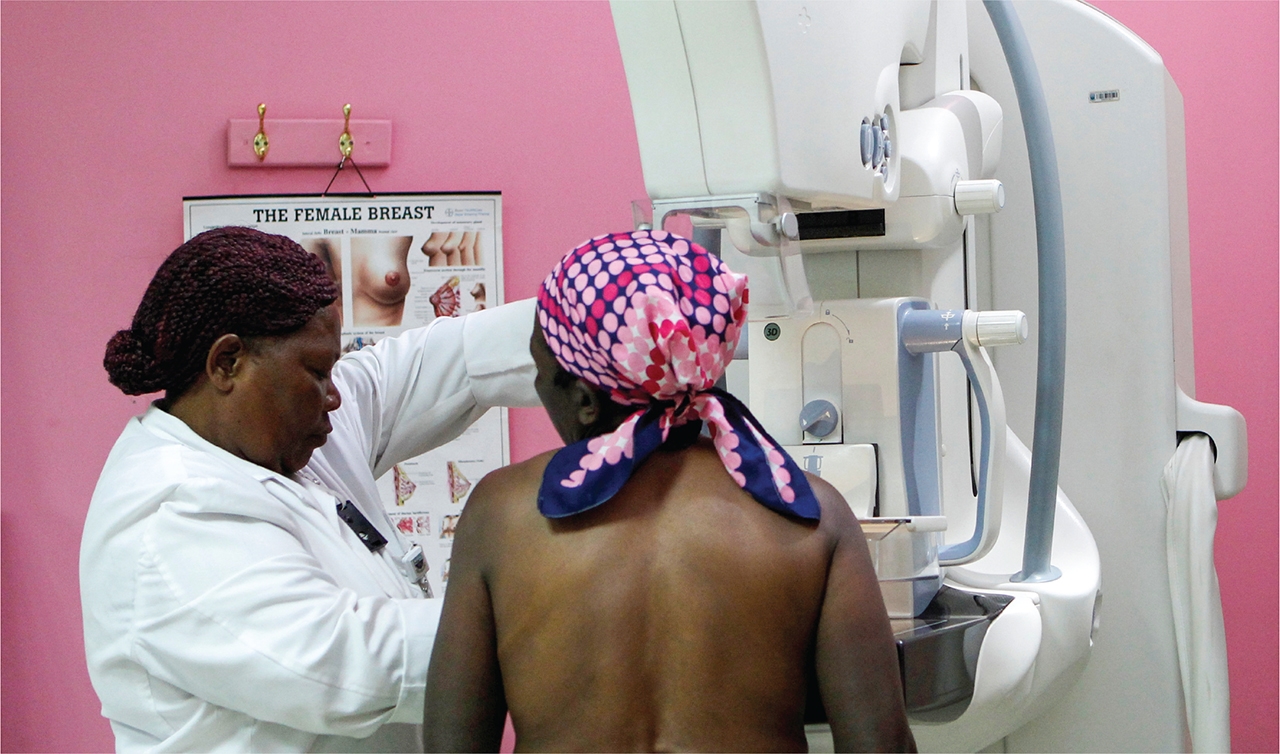
    A recent article by Rubagumya et al., (2023) titled “An analysis of the African cancer research ecosystem: tackling disparities” published in BMJ Global Health shows that African researchers depend on international funding agencies that set the research priorities and often require collaboration with high-income countries.

    Cancer research in Africa stands at a critical juncture, grappling with disparities that hinder its development and impact. This article explores the disparities in cancer research in Africa and how to address them. African researchers depend on international funding agencies that set the research priorities and often require collaboration with high-income countries (HICs). This creates power imbalances and parachutism in cancer research. The authors suggested that African governments and institutions should develop and administer their own competitive grant and fellowship schemes. The authors further describe the various challenges and imbalances that affect cancer research in Africa, such as lack of funding, infrastructure, training, representation, and local relevance.

    African cancer research faces disparities; local autonomy, funding, and collaboration are vital for impactful, context-specific advancements and equitable outcomes.– Rubagumya et al., 2023

    The Challenges and Imbalances that Affect Cancer Research in Africa

    Funding gap: Most cancer research funding comes from international agencies based in high-income countries (HICs), which often set the research priorities and impose conditions that may not align with the local needs and contexts of African countries. African researchers also face difficulties in accessing these funds due to the complex and lengthy application processes and the lack of local support and infrastructure.

    Research concentration: Cancer research in Africa is unevenly distributed, with a few countries and institutions receiving most of the resources and opportunities. This creates a vicious cycle of inequity and exclusion for other countries and institutions that may have less expertise, infrastructure, or patient populations.

    Research capacity: There is a lack of investment in the education, training, and mentorship of African researchers, especially in the field of cancer. Many clinicians who wish to conduct research have limited time, skills, and incentives to do so. There is also a shortage of research career pathways and opportunities for early-career researchers in Africa.

    Research relevance: The type of cancer research conducted in Africa is often influenced by the interests and agendas of HICs, which may not reflect the local burden, needs, and realities of cancer care in Africa. There is a need to prioritize health system strengthening, health services research, and value-based cancer care that are appropriate and feasible for the African context.

    Research dissemination: African researchers face barriers in publishing their work in high-impact journals based in HICs, which may have a publication bias against studies from low- and middle-income countries (LMICs). African researchers also have limited access to major oncology conferences, where they can network and establish collaborations. There is a need to support local journals and platforms that empower and recognize African research.

    How the study was conducted

    The authors employed a literature review of existing publications on cancer research in Africa, focusing on the topics of funding, authorship, research priorities, dissemination, and ethics. The authors also drew on their own experiences and perspectives as African researchers or collaborators in cancer research projects in Africa. The authors identified the main disparities and barriers in the cancer research ecosystem in Africa and suggested actionable steps to overcome them. In addition, the authors employed a decolonizing approach to challenge the dominant paradigms and practices of cancer research in Africa and to advocate for more local autonomy and empowerment of African researchers.

    What the Authors Found

    The authors found that sub-Saharan Africa contributes only 22% of the total cancer research papers from Africa, and most of them are from South Africa and Egypt. They also noted that African researchers are underrepresented in authorship and leadership positions in global oncology publications.

    The authors pointed out that most African countries have not met the African Union’s pledge of investing 1% of their GDP in research and development. They also argued that international funding bodies based in high-income countries (HICs) have enormous power and influence in setting global cancer research priorities, which may not align with the local needs and context of African countries.

    The authors observed that African researchers face difficulties in publishing their work in high-impact journals based in HICs, due to a documented publication bias against studies from low- and middle-income countries (LMICs).

    Why is this important

    The study highlights the need for more investment and support from African governments, societies, and institutions to fund and conduct cancer research that is appropriate for the African context and priorities. The study also calls for more collaboration and partnership between African researchers and those from high-income countries, based on mutual respect, trust, and transparency, and avoiding research parachutism and epistemic injustices. The study advocates for more training and mentorship opportunities for early-career African researchers, as well as incentives and policies, to protect their research time and career development.

    In addition, the study emphasizes the importance of health system strengthening and health services research, as well as value-based and implementation science, to improve cancer outcomes and access to care in Africa, thereby challenging the current model of academic publishing and dissemination, which is dominated by high-impact journals based in high-income countries, and suggests new tools and approaches to decolonise global oncology research, such as reflexivity statements and transparency matrices.

    What the authors recommend

    • The authors suggest that African governments should develop and administer competitive grants and fellowship schemes by African institutions and organizations.
    • The study recommends local researchers be involved in the design, conduct, and dissemination of research by local ethics committees and funding bodies.
    • Establishing and scaling up cancer research centres of excellence in African countries the authors suggest that African governments should invest in the education, training, and mentorship of early-career African researchers and provide them with protected time and incentives.
    • Furthermore, the authors argue that African governments should create an African cancer research agenda that is appropriate for the local context and led by African scholars, clinicians, and researchers.
    • The authors suggest prioritizing local journals for the dissemination of Africa-based research and adopting new tools for decolonizing academic publishing, such as the transparency matrix and structured reflexivity statements.
    • The authors recommend that African governments should promote gender equality and equity in cancer research for both participants and researchers, strengthening and encouraging South-South collaborations to address common challenges and increase capacity.

    In conclusion, addressing the disparities and challenges in cancer research in Africa requires a concerted effort from governments, institutions, and researchers. The recommendations put forth, such as developing local funding schemes, establishing research centres of excellence, and prioritizing education and mentorship, aim to empower African researchers and promote context-specific, impactful cancer research. By fostering collaboration, transparency, and a commitment to local relevance, there is potential to bridge the existing gaps, empower the next generation of researchers, and ultimately enhance cancer outcomes in the African context. The call for a paradigm shift towards autonomy, equity, and inclusivity serves as a roadmap for a more sustainable and impactful future in African cancer research.

  • Climate Change and Water Resources in Sub-Saharan Africa: A Comprehensive Review and Urgent Calls for Action

    Climate Change and Water Resources in Sub-Saharan Africa: A Comprehensive Review and Urgent Calls for Action

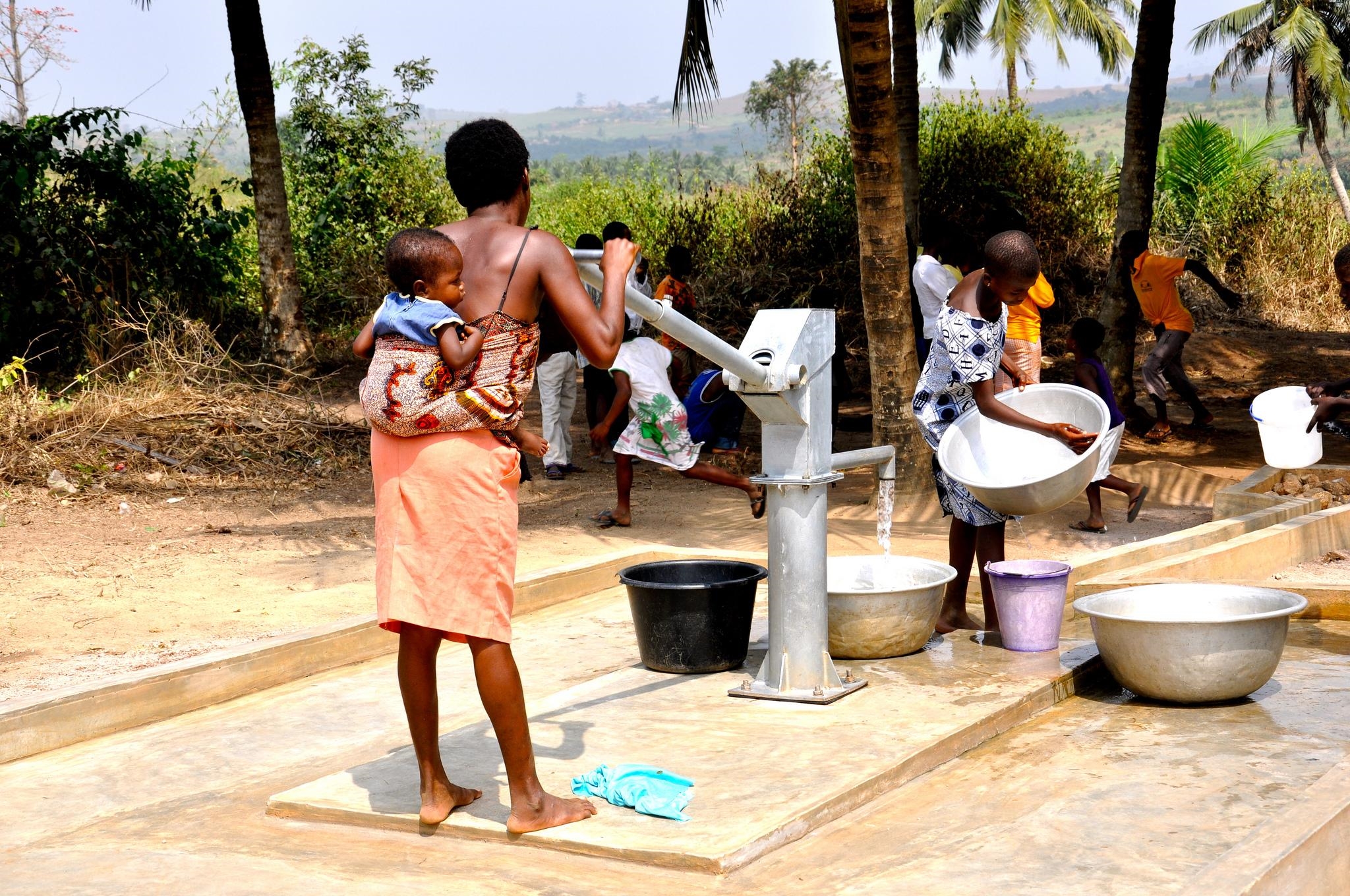
    A recent study by Turyasingura et al., (2023) titled “A Review of the Effects of Climate Change on Water Resources in Sub-Saharan Africa” published in the African Journal of Climate Change and Resource Sustainability, shows that climate change affects both the quality and quantity of water resources in Sub-Saharan Africa.

    The study reveals a lack of recent research on climate change effects on Sub-Saharan Africa’s water resources, emphasizing its critical impact.– Turyasingura et al., 2023

    As climate change intensifies globally, its impact on water resources becomes increasingly pronounced, especially in regions already grappling with water stress. This study delves into the intricate relationship between climate change and water resources in Sub-Saharan Africa, shedding light on the challenges, gaps in existing research, and innovative strategies for adaptation and mitigation. The study explores how climate change impacts water quality and quantity, such as by causing irregular rainfall, droughts, floods, and water contamination, which affect human health and livelihoods. The authors posit some possible ways to cope with and reduce the effects of climate change on water resources, such as improving water infrastructure, enhancing water governance, promoting water conservation, and increasing cooperation among stakeholders.

    How the study was conducted

    The study commences with a thorough literature review, drawing from 125 carefully selected papers spanning from 1945 to 2022. Focusing on the keywords “climate change” and “water resources,” the authors meticulously curated insights from databases such as Scopus, and Web of Science. The authors unveil a conspicuous gap in recent studies on the effects of climate change on water resources in Sub-Saharan Africa.
    Employing cutting-edge technology, the authors utilized Vos-Viewer software to conduct a comprehensive bibliometric analysis. Through intricate visualizations, including co-authorship networks, co-citation networks, co-occurrence networks, and bibliographic coupling networks, the study identifies key authors, journals, countries, institutions, and keywords in the field.

    What the authors found

    The authors found that there is a lack of studies on the effects of climate change on water resources in Sub-Saharan Africa, especially in recent years. The paper uses Vos-Viewer to map and review the existing literature and identify research gaps.

    The study found that climate change affects both the quality and quantity of water resources in Sub-Saharan Africa. The paper discusses how rainfall variability, temperature changes, and extreme events such as droughts and floods impact the availability, reliability, and usability of water sources.

    Why is this important

    The study underscores the need for urgent action to address the impact of climate change on water resources in Sub-Saharan Africa, which is already facing water stress and challenges in ensuring access to clean and sufficient water. The study suggests that bibliometric analysis using Vos-Viewer software can help identify the main authors, journals, countries, institutions, and keywords in the field of water resources and climate change and provide insights into the trends and gaps in the research. The study recommends some possible adaptation and mitigation strategies to cope with and reduce the effects of climate change on water resources, such as improving water infrastructure, enhancing water governance, promoting water conservation, and increasing cooperation among stakeholders.

    Recommendation

    The authors suggest some possible adaptation and mitigation measures to cope with the effects of climate change on water resources in Sub-Saharan Africa. These include improving water infrastructure, enhancing water governance, promoting water conservation, and increasing water awareness.

    In conclusion, the study by Turyasingura et al. (2023) provides a comprehensive examination of the intricate interplay between climate change and water resources in Sub-Saharan Africa. The findings highlight the pressing challenges posed by climate-induced shifts in water quality and quantity, further exacerbating existing issues in a region already grappling with water stress. The innovative use of bibliometric analysis through Vos-Viewer software not only uncovers significant gaps in research but also pinpoints key contributors, journals, and trends in the field. This study underscores the urgent need for targeted actions to address the impact of climate change on water resources in Sub-Saharan Africa, urging stakeholders to prioritize adaptation and mitigation strategies. By emphasizing the importance of improving water infrastructure, enhancing governance, promoting conservation, and fostering collaboration, the research offers valuable insights for policymakers, researchers, and practitioners working towards sustainable water management in the face of a changing climate.

    Question for Contribution and Comments

    Dear reader, we value your input! Kindly share your thoughts, ideas, and comments regarding the question below in the comment section. Your valuable input will help shape our next article:

    “How can we ensure equitable access to clean water in Sub-Saharan Africa amidst the escalating challenges posed by climate change? Share your innovative ideas and perspectives on fostering sustainable water management in the face of a changing climate. 💬🌍💧 #WaterSecurity #ClimateAction”

  • Empowering African Health: Genomics Advancements, COVID-19 Resilience, and Ethical Frontiers in Research

    Empowering African Health: Genomics Advancements, COVID-19 Resilience, and Ethical Frontiers in Research

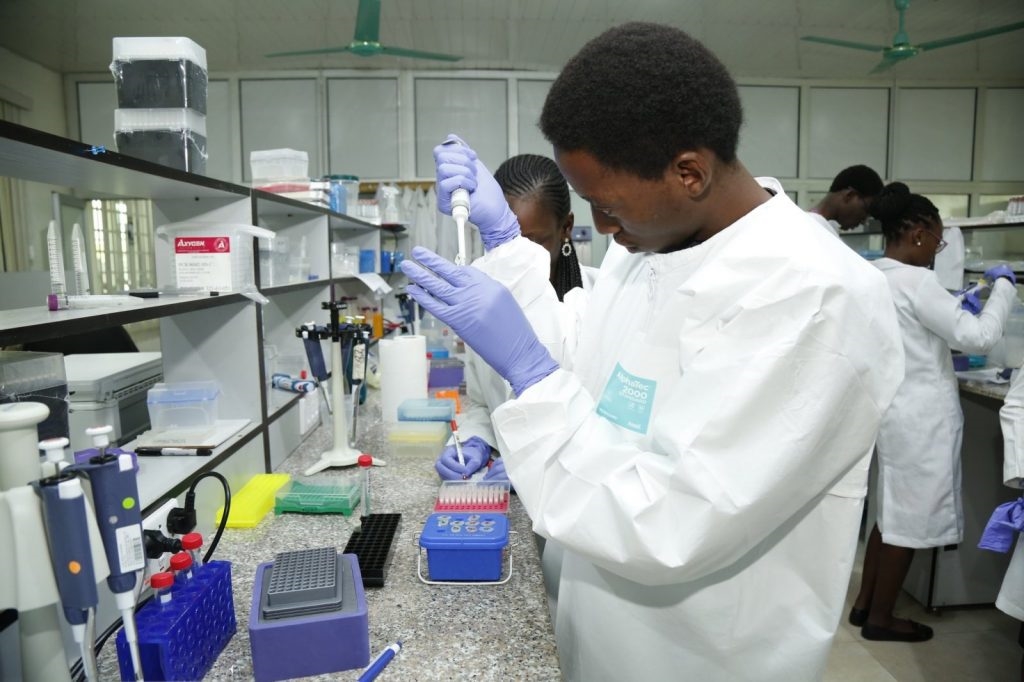
    A recent study by Ibe et al., (2023) titled “Advancing disease genomics beyond COVID-19 and reducing health disparities: what does the future hold for Africa?” published in Briefings in Functional Genomics by Oxford Academic Journal shows that genomics research in Africa has made significant progress and faced various challenges, especially in the context of the COVID-19 pandemic.

    Genomics research in Africa, amid COVID-19 challenges, advances disease diagnosis, prevention, and control, emphasizing transformative potential, ethical conduct, and collaboration.– Ibe et al., 2023

    Unlocking the genetic code of African populations has emerged as a beacon of hope in the realm of health research. This study delves into the current landscape and future trajectories of genomics research in Africa, spotlighting infectious diseases, non-communicable diseases, and the transformative impact of genomics amidst the challenges posed by the COVID-19 pandemic. The seismic shockwaves of the COVID-19 pandemic have prompted a rapid evolution in the application of genomics tools. The authors dissect how genomics has become an instrumental force in disease surveillance, diagnosis, and the quest for effective prevention and control measures. The narrative intricately weaves through the challenges encountered and the prospects that lie ahead, ensuring the lessons learned from the pandemic propel sustained advancements in genomics research. In the quest for scientific progress, ethical considerations stand as sentinels guarding the integrity of genomics research. The article navigates the complex terrain of ethical, legal, and societal issues arising from genomics endeavours in Africa. From data sharing and informed consent to the imperatives of privacy, the discourse underscores the delicate balance required to uphold ethical standards while propelling translational research that bridges the gap between discovery and application. A spotlight on genomics’ role in understanding and managing non-communicable diseases sheds light on groundbreaking insights. From cancer to HIV and TB, genomics research emerges as a powerful tool in unravelling the intricacies of diseases that disproportionately affect African populations. The authors commence with a panoramic view of the strides made in genomics research across the African continent. Pioneering initiatives and collaborative networks have played pivotal roles in fortifying capacity, and infrastructure, and fostering international collaboration. A nuanced exploration of key developments unfolds, showcasing a mosaic of efforts poised to redefine the future of African health research.

    The Key Initiatives, Networks and Collaborations that have Advanced Genomics Capacity and Innovation in Africa

    Human Heredity and Health in Africa (H3Africa): A consortium of African and international partners that aims to promote genomics research and capacity building in Africa, with a focus on common diseases and health disparities. H3Africa has established several research projects, biobanks, data-sharing platforms and training programmes across the continent.

    African Society of Human Genetics (AfSHG): A professional society that aims to promote research, education and advocacy in human genetics and genomics in Africa. AfSHG has organised several conferences, workshops and training courses on genomics and related topics, and has collaborated with other organisations to advance genomics research in Africa.

    African Genome Variation Project (AGVP): A collaborative effort to study the genetic diversity and variation of African populations using next-generation sequencing and other methods AGVP has generated genomic data from over 1,000 individuals from 18 African countries and has contributed to the development of a reference genome for African populations.

    H3ABioNet: A pan-African bioinformatics network that provides training, support and infrastructure for genomics research and data management in Africa. H3ABioNet has developed several tools, databases and platforms for genomic data analysis, sharing and visualization and has trained hundreds of African scientists and students in bioinformatics and related fields.

    African Collaborative Center for Microbiome and Genomics Research (ACCME): A research centre that focuses on the microbiome and genomics of infectious diseases in Africa, such as HIV, TB, malaria, and diarrheal diseases. ACCME has established several research projects, training programs, and collaborations across Africa and has contributed to the development of new diagnostic and therapeutic tools for infectious diseases.

    These initiatives, networks and collaborations have contributed to building genomics capacity, infrastructure and innovation in Africa, and have enabled African scientists and institutions to participate more actively and equitably in the global genomics community.

    What the authors found

    The authors found that genomics research in Africa has made significant progress and faced various challenges, especially in the context of the COVID-19 pandemic. The study found that genomics tools can be leveraged to improve disease diagnosis, surveillance, prevention and control of infectious diseases in Africa, such as COVID-19, HIV, TB, malaria and fungal infections. The authors explore how genomics research can also advance and reshape cancer research in Africa, by identifying genetic variants, biomarkers, and drug targets for common and rare cancers.

    Why is this important

    The study’s implications resonate with the potential of genomics to provide a holistic understanding of genetic and environmental factors influencing disease outcomes. From infectious diseases to non-communicable ailments, the far-reaching impact of genomics is underscored, emphasizing the need for continued collaboration, innovation, and ethical conduct. The article concludes by envisioning a future where genomics seamlessly integrates into public health systems, fostering a healthier Africa.

    In conclusion, the landscape of genomics research in Africa stands as a beacon of hope, navigating the challenges posed by infectious and non-communicable diseases, while resiliently adapting to the seismic shockwaves of the COVID-19 pandemic. The concerted efforts of key initiatives, collaborative networks, and ethical frameworks have propelled significant progress in capacity building, infrastructure, and international collaboration. As genomics tools continue to unravel the intricacies of diseases disproportionately affecting African populations, the study envisions a future where genomics seamlessly integrates into public health systems, fostering a healthier Africa. The journey from understanding genetic codes to practical applications underscores the transformative potential of genomics, urging sustained collaboration, innovation, and ethical conduct for a brighter and healthier tomorrow.

  • Navigating the Storm: Financing Disaster Risk Reduction in the Southern African Development Community

    Navigating the Storm: Financing Disaster Risk Reduction in the Southern African Development Community

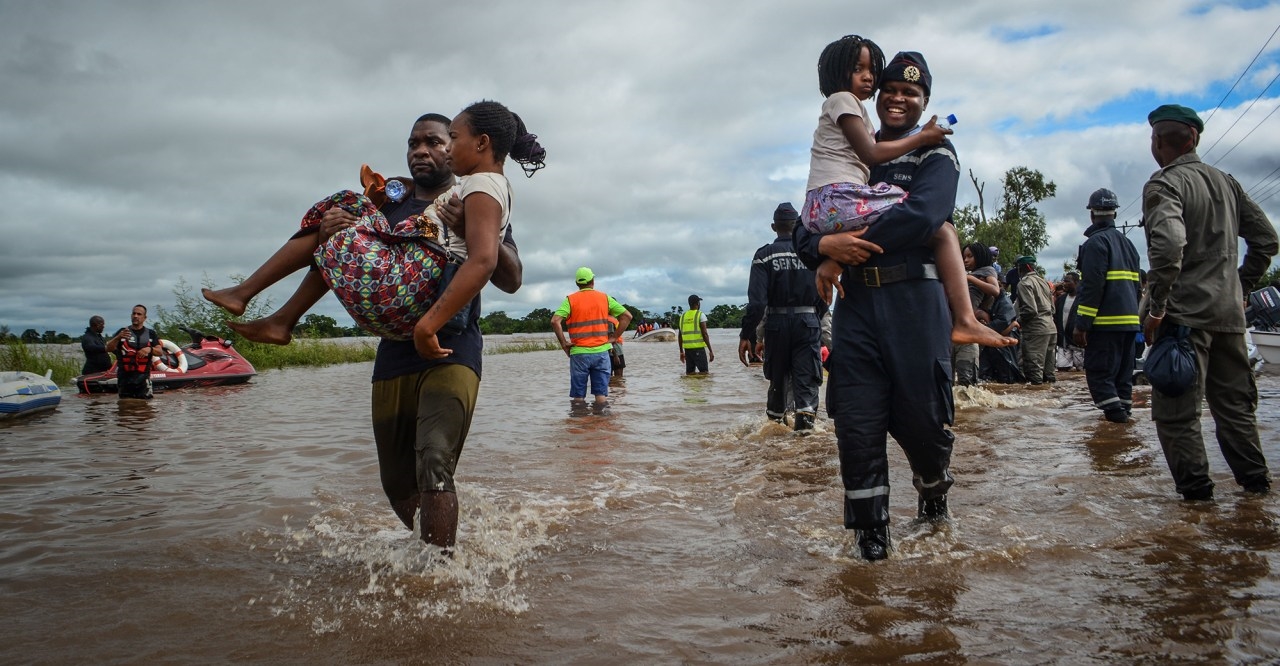
    A recent study by Coetzee et al., (2023) titled “Financing Disaster Risk Reduction: Exploring the Opportunities, Challenges, and Threats Within the Southern African Development Community Region” published in the International Journal of Disaster Risk Science by Springer shows that disaster risk reduction (DRR) is not a priority in the budget allocations of the Southern African Development Community (SADC) member states compared to disaster response and recovery.

    A budgetary imbalance, prioritizing disaster response over risk reduction in Southern African Development Community states.– Coetzee et al., 2023

    In the intricate tapestry of Southern Africa, where the delicate balance of nature meets the realities of climate change, a critical examination of disaster risk reduction (DRR) financing becomes imperative. This study sheds light on the challenges and opportunities that define the landscape of DRR funding in the Southern African Development Community (SADC) region, a space highly susceptible to the whims of natural hazards and climate fluctuations. The study canvasses the significance, benefits, and obstacles surrounding investments in DRR, particularly in developing nations. The exploration extends to the international and national policy frameworks that underpin DRR funding, with a special focus on the Sendai Framework for Disaster Risk Reduction 2015−2030. The authors explore a meticulous analysis of current policies, legislation, and governance structures in five SADC member states—Botswana, Eswatini, Namibia, South Africa, and Zimbabwe—to uncover gaps and weaknesses. From the lack of explicit direction and detail in DRR funding provisions to the absence of crucial cost-benefit analysis, the study underscores the reliance on external donors as a vulnerability in the region.

    How the study was conducted

    The study employed a qualitative approach; it engaged 67 respondents across diverse sectors in the selected countries, using purposive and snowball sampling. Face-to-face interviews and focus group discussions, guided by open-ended questionnaires, were the conduits through which the rich tapestry of experiences was unveiled. The analysis, inspired by Tesch’s eight steps, brought order and meaning to the qualitative data.

    What the authors found

    The authors found that disaster risk reduction (DRR) is not a priority in the budget allocations of the Southern African Development Community (SADC) member states, compared to disaster response and recovery. The prioritization of disaster response and recovery over prevention becomes apparent, revealing the challenges and opportunities for financing DRR in the region. The study also found that multi-faceted factors influence DRR funding, including disaster impacts, climate change, political will, and policy frameworks.

    Why is this important

    The study sets the stage for a nuanced understanding of the challenges and opportunities inherent in financing DRR in the SADC region. By providing evidence-based insights and actionable recommendations, it aims to catalyze positive change, fostering a resilient and prepared Southern Africa in the face of future disasters. This study serves as a beacon, guiding stakeholders, policymakers, and practitioners toward a collaborative, informed, and sustainable approach to disaster risk reduction in the Southern African Development Community.

    In navigating the complex landscape of disaster risk reduction (DRR) financing within the Southern African Development Community (SADC) region, this study illuminates critical disparities in budget allocations, revealing a prevailing imbalance favouring disaster response and recovery over prevention. The findings, rooted in a qualitative exploration across five SADC member states, underscore the multifaceted challenges and opportunities inherent in financing DRR. As the delicate tapestry of Southern Africa contends with the impacts of climate change and natural hazards, the study calls for a pivotal shift in priorities. The implications extend beyond mere insights, pointing towards the urgency of addressing policy and governance gaps while emphasizing the risks associated with overreliance on external donors. By providing evidence-based recommendations, this research serves as a guiding beacon for stakeholders, policymakers, and practitioners, advocating for a collaborative, informed, and sustainable approach to disaster risk reduction in the SADC region. The ultimate goal is to catalyze positive change, fostering resilience and preparedness that will fortify Southern Africa against the inevitable challenges of future disasters. Through a unified effort, this study envisions a more resilient and adaptive SADC community, equipped to navigate the storm of disaster risks and emerge stronger on the other side.

    Question for Contribution and Comments

    Dear reader, we value your input! Kindly share your thoughts, ideas, and comments regarding the question below in the comment section. Your valuable input will help shape our next article:

    “Amidst the budgetary imbalance favouring disaster response, how can Southern African nations strike a harmonious chord between immediate crisis management and the imperative long-term investment in disaster risk reduction?”

  • Safeguarding Stability: Unveiling the Dynamics of Early Warning Mechanisms in Conflict-Stricken Africa

    Safeguarding Stability: Unveiling the Dynamics of Early Warning Mechanisms in Conflict-Stricken Africa

    A recent study by NWOHU et al., (2023) titled “Early warning mechanism for conflict prevention in Africa: A study of IGAD in South Sudan” published in the International Journal of Social Science, Management, Peace and Conflict Research shows that early warning systems are essential for preventing and managing conflicts in Africa.

    The critical importance of early warning systems in conflict prevention in Africa, particularly in South Sudan.– NWOHU et al., 2023

    In the tumultuous landscape of African geopolitics, the imperative of conflict prevention stands as a beacon of hope. At the heart of this pursuit, the Intergovernmental Authority on Development (IGAD) has played a pivotal role, particularly in the case of South Sudan. This article delves into the intricate web of early warning mechanisms, assessing their evolution, challenges, and the profound implications of IGAD’s efforts in a region marred by protracted conflict.

    Defining Early Warning Mechanisms: A Constant Evolution

    Early warning mechanisms are the sentinels of peace, evolving to tackle the complex challenges faced by African nations. They encompass a range of objectives and components, adapting to the shifting sands of political, social, and economic landscapes. From humble beginnings, these mechanisms have metamorphosed into sophisticated tools wielded by regional organizations, with the ultimate goal of preventing conflicts before they escalate.

    Navigating Challenges and Opportunities

    As with any noble endeavour, the road to effective conflict prevention is fraught with challenges. Political will, institutional capacity, coordination, and communication emerge as key factors shaping the success of early warning mechanisms. In the African context, where diversity is both a strength and a challenge, the intricacies of governance and regional cooperation add layers of complexity.

    IGAD’s Odyssey in South Sudan: Assessing Impact

    The spotlight turns to IGAD’s role in South Sudan, a nation ensnared in a civil war since 2013. How has IGAD’s early warning mechanism fared in this crucible of conflict? The author’s analysis reveals both strengths and weaknesses, providing a nuanced understanding of the organization’s contribution to conflict prevention and resolution in the troubled nation.

    Methodology: A Qualitative Expedition

    The journey through the intricacies of conflict prevention employs a qualitative research design centred around a case study of South Sudan within the IGAD framework. Drawing from academic literature, official documents, and reports, the study employs content and thematic analysis, coupled with descriptive statistics, to present a comprehensive picture. At the theoretical helm of this exploration is the structural prevention approach. Focused on addressing the root causes of conflicts – poverty, inequality, governance, and human rights – this framework serves as a compass guiding the analysis. Four pillars – democracy and governance, economic cooperation and integration, social development, and environmental protection – provide a holistic lens through which IGAD’s impact is assessed.

    Key Findings: Illuminating Insights

    The study’s findings underscore the critical role of early warning systems in conflict-ridden Africa, emphasizing their indispensable nature in regions grappling with prolonged crises like South Sudan. It unveils the challenges faced by IGAD, ranging from political will to resource constraints, offering a roadmap for improvement.

    Implications: A Call to Action

    For policymakers and practitioners, the study provides actionable insights to enhance conflict prevention strategies in South Sudan and beyond. For researchers and academics, it contributes to the scholarly discourse, offering a methodological blueprint for future studies.

    Recommendations: Strengthening the Sentinel

    In the face of challenges, the paper puts forth pragmatic recommendations to fortify IGAD’s early warning mechanism. Strengthening institutional frameworks, improving data collection and analysis, enhancing communication channels, and fostering collaboration emerge as key strategies.

    In conclusion, the role of early warning mechanisms in conflict prevention is not merely a theoretical construct; it is a tangible force shaping the destiny of nations. As Africa grapples with its challenges, the story of IGAD’s endeavours in South Sudan becomes a testament to the resilience of hope in the face of adversity.

  • Unlocking Sustainable Growth: A Comprehensive Review of Biofuel Production in South Africa and Its Socio-Economic Impact

    Unlocking Sustainable Growth: A Comprehensive Review of Biofuel Production in South Africa and Its Socio-Economic Impact

    A recent study by Mvelase et al., (2023) titled “The socio-economic impact assessment of biofuels production in South Africa: A rapid structured review of literature” published in Cogent Engineering by Taylor and Francis Group shows that Biofuel production has positive socio-economic impacts on GDP, employment, income, and poverty reduction.

    Biofuel production in South Africa positively impacts the economy, employment, and poverty reduction, yet requires government support for competitiveness and sustainability. – Mvelase et al., 2023

    This study explores the socioeconomic impact assessment of biofuel production in South Africa, based on a rapid structured literature review. The article explores different types and generations of biofuels, such as first-generation (1G), second-generation (2G), third-generation (3G), and fourth-generation (4G) biofuels, and their respective feedstocks and production technologies. The study also explores methods and tools that have been applied in previous studies, such as techno-economic analysis (TEA), life cycle assessment (LCA), cost-benefit analysis (CBA), social impact assessment (SIA), computable general equilibrium model (CGEM), input-output (IO) model, machine learning (ML), artificial neural network (ANN), and geographic information system (GIS). In addition, the authors summarize the main results and implications of previous studies on the economic, environmental, and social impacts of biofuels production in different countries and regions, such as Brazil, USA, Germany, China, India, Tanzania, Mozambique, and Italy. The authors also identify the factors that influence the viability and competitiveness of biofuels, such as feedstock and capital costs, government support, market conditions, and technological innovations.

    Factors that influence the viability and competitiveness of biofuels

    Government support: Biofuel production is often not commercially viable without government support, such as subsidies, credits, grants, and tax exemptions. Government support can help reduce the feedstock and capital costs, which are the major contributors to the net cost of biofuels.
    Feedstock availability and price: The availability and price of feedstock can affect the profitability and sustainability of biofuel production. Feedstock costs account for a significant portion of the total production costs of biofuels, especially first-generation biofuels that use food crops as feedstock. Feedstock availability can also depend on the land use, climate, and agricultural practices of the region.
    Production technology and scale: The production technology and scale can affect the efficiency and cost-effectiveness of biofuel production. Advanced technologies, such as enzymatic hydrolysis, gasification, and fermentation, can improve the conversion yield and reduce the environmental impact of biofuels. However, these technologies are often expensive and require high capital investment. The production scale can also influence the economies of scale and the competitiveness of biofuels relative to conventional fuels.
    Market demand and price: The market demand and price of biofuels can affect the viability and competitiveness of biofuel production. The demand and price of biofuels depend on various factors, such as consumer preferences, environmental awareness, fuel quality standards, blending mandates, and the price of conventional fuels. The market demand and price of biofuels can also influence the investment decisions and the production capacity of biofuel producers.

    How the study was conducted

    The authors employed a rapid structured review of literature on the socio-economic impact of biofuel production, using the Scopus database and the PRISMA framework. The authors analyzed and discussed the results of the literature review, focusing on the main themes, trends, and gaps in the existing studies. The authors compared and contrasted the different methods, data sources, and indicators used to assess the socio-economic impact of biofuel production.

    What the authors found

    The authors found that biofuel selling prices are generally not competitive with conventional fuel prices, mainly due to high feedstock and capital costs. Therefore, government subsidies, credits, and grants are needed to stimulate biofuel production and ensure positive socio-economic outcomes. The study also shows that biofuel production stimulates economic growth, creates employment opportunities, improves household welfare, and reduces poverty, especially in rural areas.
    The study found that biofuel production can reduce greenhouse gas emissions and improve health and ecosystem quality, still,it can also cause land use change, loss of natural vegetation and species habitat, food insecurity, and water scarcity, depending on the feedstock, land use, and production technology.

    Why is this important

    Biofuels can offer positive socio-economic benefits such as economic growth, employment creation, improved household welfare, and poverty reduction, as well as environmental benefits such as reduced greenhouse gas emissions and better health for humans and the ecosystem. Biofuel production also involves trade-offs and challenges such as food security, land use change, water availability, and natural habitat loss, which need to be carefully considered and addressed. Biofuel production is not commercially viable without government support due to the high feedstock and capital costs and the low competitiveness of biofuel prices relative to conventional fuels. Therefore, policy interventions and financial incentives are needed to stimulate biofuel production and ensure its sustainability. Advanced biofuels from non-food feedstocks and crop residues have more potential to overcome the food vs fuel dilemma and reduce the negative impacts of biofuel production on land, water, and biodiversity. However, they require more investment in research and development and technological innovation to reduce their production costs and improve their efficiency. South Africa has a great opportunity to develop its bio-economy and biofuel industry by utilizing its abundant renewable energy resources and aligning its biofuel strategy with its national development plan. However, it also faces several barriers and gaps such as lack of empirical studies, inadequate regulatory framework, and technological constraints that need to be addressed.

    Study Recommendations

    • The authors suggest that the government should provide financial incentives, such as subsidies, credits, and grants, to stimulate biofuel production and make it more competitive with conventional fuels. The government should also guarantee a positive profit for biofuel producers by setting a minimum price or a blending mandate for biofuels.
    • The authors recommend that more resources should be allocated to R&D on biofuels, especially advanced biofuels that use non-food feedstocks and have lower environmental impacts. R&D could help improve existing technologies, reduce production costs, and develop new and eco-friendly biofuel products.
    • The study also proposes that the current biofuel regulatory framework in South Africa should be revised to include support for advanced biofuels, which are currently excluded. The document argues that advanced biofuels could offer more benefits in terms of greenhouse gas emission reduction, economic growth, and social welfare than first-generation biofuels.
    • In addition, the authors emphasize the need for a comprehensive and objective assessment of the environmental and social impacts of biofuel production in South Africa, especially on food security, water availability, and natural habitats. The authors suggest that biofuel production should be done cautiously and avoid competing with food crops for land and water resources.

    In conclusion, the study by Mvelase et al. sheds light on the multifaceted impact of biofuel production in South Africa. While presenting a compelling case for its positive socio-economic contributions, including economic growth, employment generation, and poverty reduction, the study underscores the crucial role of government support in overcoming the inherent challenges of high feedstock and capital costs. The findings highlight the intricate balance required to navigate environmental considerations, such as reduced greenhouse gas emissions, against potential drawbacks like land use change and water scarcity. The recommendations emphasize the need for strategic policy interventions, increased research and development in advanced biofuels, and a revised regulatory framework to foster a sustainable and competitive biofuel industry in South Africa. As the nation stands at the crossroads of bioeconomic potential, careful and comprehensive planning becomes paramount to maximize benefits while minimizing environmental and social risks.

    Question for Contribution and Comments

    Dear reader, we value your input! Kindly share your thoughts, ideas, and comments regarding the question below in the comment section. Your valuable input will help shape our next article:

    “Can South Africa successfully balance the promising socio-economic benefits of biofuel production with the critical environmental and social considerations, and what innovative strategies should be prioritized to navigate this complex challenge?”