Category: REVIEW PAPERS

This category presents posts from ARM Magazine, featuring updates on the latest developments and showcasing selected review papers from various journals.

  • Boosting Academic Publication Output: Insights from a Virtual Writing Retreat for Mathematics Education Lecturers

    Boosting Academic Publication Output: Insights from a Virtual Writing Retreat for Mathematics Education Lecturers

    A recent study by Mbhiza, H. W. (2024), titled “Mathematics education lecturers’ experiences of a virtual writing retreat and its impact on publication output” published in Research in Social Sciences and Technology, shows that participants achieved greater publication outputs during the retreat, with many manuscripts being ready for submission.

    Virtual writing retreats significantly increase mathematics education lecturers’ publication outputs by providing focused time, community support, and feedback – Mbhiza, H. W. 2024

    The study investigates the experiences of mathematics education lecturers participating in a virtual writing retreat and examines how this experience impacted their publication output. Employing a collaborative autoethnographic reflexivity approach, the study is framed within Wenger’s Community of Practice theory. The retreat provided a structured environment where lecturers could dedicate uninterrupted time to their writing tasks. This focused period allowed them to concentrate on their work without the usual distractions of their daily academic responsibilities. The virtual format ensured that they could access this dedicated writing time from any location, further enhancing their ability to engage deeply with their writing projects. The retreat fostered a sense of community among the participants, creating a supportive network of peers. This community of practice enabled lecturers to share their experiences, challenges, and strategies for overcoming obstacles in their writing. The collaborative environment encouraged mutual learning and provided a platform for feedback and encouragement, which was instrumental in enhancing their motivation and productivity. Another crucial factor was the emphasis on addressing reviewers’ comments post-submission. The retreat included sessions focused on understanding and effectively responding to feedback from journal reviewers. This process helped lecturers refine their manuscripts, improve the quality of their submissions, and increase the likelihood of their work being accepted for publication.

    How the study was conducted

    The author employed the collaborative autoethnographic reflexivity approach, this approach emphasizes describing, systematically presenting, and analyzing the lived experiences of multiple participants in a shared activity. All academics who participated in the writing retreat were invited to engage in reflexive conversations and provided permission for their utterances to be used for writings. The author drawn information from participants’ statements during the writing sessions and email conversations post-retreat. The author employed Fairclough’s CDA to analyze the reflective experiences, focusing on the dialectical relationship between language and society.

    What the authors found

    The author found that the virtual writing retreat was effective due to protected quality time and space to write, formation of a community of practice, and attending to reviewers’ post-review comments. The study also posit that participants achieved greater publication outputs during the retreat, with many manuscripts being ready for submission. In addition, the retreat provided a supportive environment for feedback and collaboration, enhancing the quality of the manuscripts.

    Why is this important?

    Enhanced Publication Output: The retreats provide uninterrupted time and space for academics to focus on writing, leading to increased publication outputs.
    Community of Practice: Participants form supportive communities, sharing feedback and improving each other’s work.
    Addressing Reviewers’ Comments: The retreats help participants effectively respond to journal reviewers’ feedback, improving the quality of their submissions.
    Professional Development: Academics gain insights into writing processes, reducing isolation and fostering collaboration.

    What the authors recommended

    • The author recommends that groups participating in virtual writing retreats should decide and agree on the frequency and duration of their sessions to ensure targets are met.
    • The author suggests that groups participating in virtual writing retreats should establish a clear agenda for each session, outlining processes, topics, or themes to be covered, and times for different activities.
    • Furthermore, the author advocates engaging in continuous reflection and reflexivity regarding experiences in the virtual writing space to critically examine biases, assumptions, and positionality.
    • In addition, study suggests that groups participating in virtual writing retreats should encourage the entire group to be involved in all aspects of the collaborative process, including analysis and writing phases.

    In conclusion, the study by Mbhiza (2024) underscores the significant benefits of virtual writing retreats for mathematics education lecturers. By providing dedicated, uninterrupted time for writing, fostering a supportive community of practice, and offering targeted sessions on addressing reviewers’ comments, these retreats substantially enhance publication outputs and manuscript quality. The collaborative environment not only boosts productivity but also facilitates professional development through mutual learning and feedback. The recommendations for establishing clear agendas, engaging in continuous reflexivity, and encouraging comprehensive participation highlight the importance of structured and reflective approaches to maximize the efficacy of virtual writing retreats. This innovative model offers a promising avenue for academics to overcome writing challenges and achieve greater success in their scholarly pursuits.
  • Comprehensive Study Reveals Prevalence and Distribution of Amphistomes in African Wild Ruminants

    Comprehensive Study Reveals Prevalence and Distribution of Amphistomes in African Wild Ruminants

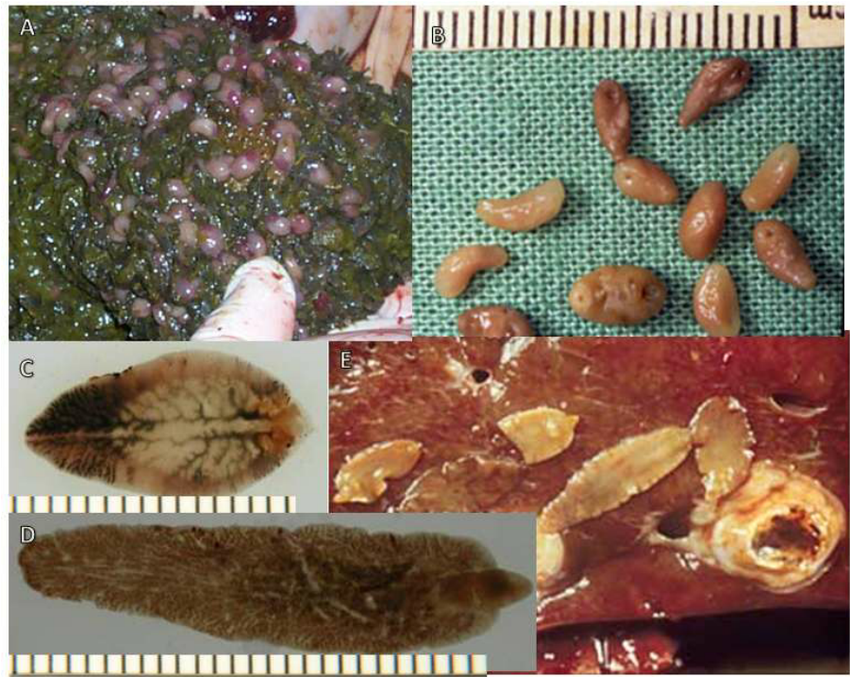
    A recent study by Sibula et al (2024) titled “Prevalence and geographical distribution of amphistomes of African wild ruminants: A scoping review” published in the International Journal for Parasitology: Parasites and Wildlife, shows that amphistome infections in wild ruminants were reported in 23 out of 54 African countries, with 38 amphistome species identified across 39 wild ruminant species.

    Amphistome infections in wild ruminants are prevalent in 23 African countries, with 38 species identified, primarily involving the Carmyerius and Calicophoron genera.– Sibula, et al 2024

    The article examines the prevalence and geographical distribution of amphistomes, commonly known as rumen flukes, in wild ruminants across Africa. It highlights that infections have been reported in 23 of the 54 African countries. A comprehensive survey identified 38 amphistome species from 11 different genera. Among these, the genus Carmyerius boasts the highest number of species, while species from the genus Calicophoron are noted for their extensive distribution across the continent. The study emphasizes the critical role of freshwater snails as intermediate hosts in the lifecycle of amphistomes. Specifically, snail species from the family Planorbidae are identified as the predominant hosts facilitating the transmission of these parasites. This relationship underscores the importance of understanding the ecology and distribution of these snail species to manage and control amphistome infections effectively. The authors advocate for more in-depth studies to accurately identify the intermediate snail hosts and amphistome species. They suggest employing both morphological and molecular techniques for precise identification. Additionally, they call for an assessment of the impact of amphistomosis (infection by amphistomes) on wildlife and mixed farming systems in Africa. This would provide valuable insights into the burden of the disease, informing better management and control strategies to mitigate its effects on livestock and wildlife health.

    How the study was conducted

    The article aimed to answer specific questions regarding the prevalence and distribution of amphistomes in wild ruminants across Africa, following the methodological framework established by Arkey and O’Malley. The research involved comprehensive searches of electronic databases, including PubMed, JSTOR, and Google Scholar, utilizing Boolean operators and specific search terms. Additionally, reference lists of relevant publications were examined to identify further pertinent studies. The inclusion criteria for the articles were as follows: field or case studies reporting on amphistomes in wild ruminants in Africa, published between 1900 and 2022, and available in English, French, or Afrikaans. From the selected articles, data were extracted and tabulated, encompassing information about the authors, geographic regions, host species, prevalence rates, and predilection sites of the amphistomes..

    What the authors found

    The authors found that amphistome infections in wild ruminants were reported in 23 out of 54 African countries, with 38 amphistome species identified across 39 wild ruminant species. The genus Carmyerius had the highest number of species, while Calicophoron species were the most widely distributed. The authors also found that the common mixed infections were between amphistomes of the same or different genera, and co-infections with other trematodes like Fasciola gigantica were noted.

    Why does this matter?

    Ecological Impact: Amphistomes can have significant ecological impacts on wild ruminants. By identifying the prevalence and distribution of these parasites, researchers can better understand their effects on host health, population dynamics, and ecosystem balance.
    Livestock Health: Amphistomes can also infect domestic livestock, affecting their productivity and well-being. Insights from this study can inform livestock management practices and disease control strategies.
    Conservation: Wildlife conservation efforts rely on accurate data about parasite prevalence. Knowing which species are affected and where they occur helps conservationists make informed decisions to protect vulnerable populations.
    One Health Approach: Understanding amphistome infections in both wild and domestic animals contributes to the One Health approach, which recognizes the interconnectedness of human, animal, and environmental health.

    What the authors recommended

    • The authors recommend conducting additional studies to confirm the identity of snail intermediate hosts and amphistome species. This can be achieved through both morphological and molecular techniques.
    • There is a need to assess the burden of amphistomosis in wildlife and mixed farming systems across Africa. Understanding the prevalence and impact of these parasites is essential for effective disease management.
    • The authors suggest that researchers should adopt a holistic approach that considers both wild ruminants and domestic livestock. By studying amphistomes in various contexts, we can develop comprehensive strategies for parasite control.

    In conclusion, the study by Sibula et al. sheds light on the significant prevalence and geographical distribution of amphistome infections in African wild ruminants, revealing the intricate relationship between these parasites and their intermediate snail hosts. By highlighting the need for precise identification techniques and further research into the impact of amphistomosis on both wildlife and livestock, the authors underscore the importance of a comprehensive approach to parasite management. This research not only contributes to the understanding of ecological and health impacts but also supports the development of effective conservation and livestock management strategies, ultimately promoting a balanced and healthy ecosystem.

  • Public Perception of Genetically Modified Crops: Insights on Trust, Risks, and Global Acceptance

    Public Perception of Genetically Modified Crops: Insights on Trust, Risks, and Global Acceptance

    A recent study by Dessie, A. M., & Zegeye, Z. B. (2024) titled “Review on: Public Perception of Biotechnology on Genetically Modified Crops, Bio Policy and Intellectual Property Rights” published in American Journal of Polymer Science and Technology by Science Publishing Group shows that public attitudes towards genetically modified (GM) crops are influenced by trust in government and scientists and distrust in biotechnology corporations.

    Public attitudes towards genetically modified crops are shaped by trust in government and scientists and distrust in biotechnology corporations globally.– Dessie, A. M., & Zegeye, Z. B. (2024

    The study explores the varying public opinions on genetically modified (GM) crops, highlighting both support and opposition based on perceived risks and benefits. The authors cover the importance of biosafety regulations and bio-policies in managing the risks associated with GM crops, including ethical and safety concerns. The study examines the status and challenges of GM crop adoption in different regions, including Africa, Latin America, Europe, North America, Asia, and Oceania. The authors further address the role of intellectual property rights in biotechnology, focusing on patents, trade secrets, and plant variety protection.

    How the study was conducted

    The study employed data from various sources, including surveys, public opinion polls, and existing literature on biotechnology and genetically modified organisms (GMOs). The data was analyzed to identify factors influencing public perception, such as socioeconomic status, education, scientific knowledge, and trust in government and corporations. The study compared public perceptions across different regions, including Europe, North America, Latin America, Africa, Asia, and Australia. The research incorporated scientific, ethical, policy, and regulatory perspectives to assess and manage the risks associated with GMOs.

    What the authors found

    The authors found that public attitudes towards genetically modified (GM) crops are influenced by trust in government and scientists and distrust in biotechnology corporations. In addition, the study shows that Europe has the strongest negative attitudes towards GM foods, while acceptance varies globally, with some regions showing moderate to high acceptance.

    Why is this important

    Food Security and Health: Genetically modified (GM) crops have the potential to address global food security challenges by increasing crop yield, improving resistance to pests and diseases, and enhancing nutritional content. Understanding public perception and acceptance is crucial for informed policy decisions.
    Environmental Impact: GM crops can reduce the need for chemical pesticides and fertilizers, benefiting the environment. However, concerns about unintended effects on ecosystems and biodiversity require careful management.
    Economic Growth: Biotechnology innovations contribute to economic growth by fostering agricultural productivity and creating jobs. Public acceptance influences investment in research and development.
    Ethical and Social Considerations: Public trust in the safety and ethical implications of GM crops affects their adoption. Transparent communication and effective biosafety regulations are essential.
    Global Collaboration: Recognizing regional differences in perception allows for targeted strategies to promote acceptance and responsible use of GM technology worldwide.

    What the authors recommended

    • The authors recommend clear labeling of GM products to inform consumers. Transparent communication about the benefits, risks, and safety measures associated with GM crops is essential.
    • The authors advocate that engaging scientists, policymakers, and the public in open discussions about biotechnology and GM crops can foster understanding and address concerns. Public awareness campaigns and educational initiatives are valuable.
    • Strengthening biosafety regulations ensures the responsible use of GM technology. Rigorous risk assessment and monitoring are crucial to prevent unintended consequences.
    • The authors emphasize the importance of intellectual property rights to incentivize research and development in biotechnology. Balancing patents with accessibility for public benefit is recommended.
    • International collaboration allows sharing of best practices, harmonization of regulations, and coordinated efforts to address global challenges related to GM crops.

    In conclusion, the study by Dessie and Zegeye provides valuable insights into the complex dynamics influencing public perception of genetically modified crops. Trust in government and scientists, alongside skepticism towards biotechnology corporations, plays a pivotal role in shaping attitudes. The findings underscore the need for transparent communication, robust biosafety regulations, and inclusive discussions among stakeholders to address concerns and foster acceptance. As GM technology holds significant potential for enhancing food security, environmental sustainability, and economic growth, understanding and addressing public perception is crucial for the responsible and beneficial deployment of biotechnology worldwide.

  • Enhancing Education in Emerging Markets: The Role of Educational Technology for Sustainable Development

    Enhancing Education in Emerging Markets: The Role of Educational Technology for Sustainable Development

    A recent study by Animashaun, et al. (2024) titled “Implementing educational technology solutions for sustainable development in emerging markets” published in International Journal of Applied Research in Social Sciences, shows that educational technology can overcome geographical barriers and reduce costs, providing access to quality education in emerging markets.

    Educational technology can overcome geographical and socio-economic barriers, providing scalable, cost-effective, quality education, crucial for sustainable development in emerging markets.– Animashaun, et al. 2024

    The article provides a thorough review of the implementation of educational technology solutions aimed at enhancing access to quality education and fostering sustainable development in emerging markets. It explores how educational technology can address barriers such as inadequate infrastructure and socio-economic disparities, ultimately offering personalized learning experiences to a broader audience. Educational technology has the potential to bridge gaps in educational access, particularly in regions where traditional infrastructure is lacking. By leveraging digital tools and platforms, students can gain access to a wealth of educational resources that were previously unavailable. This democratization of education is essential for achieving several Sustainable Development Goals (SDGs), particularly those related to inclusive and equitable quality education. The paper highlights the significant role educational technology can play in accelerating progress towards these SDGs. It underscores the importance of creating learning environments that are inclusive and equitable, ensuring that all students, regardless of their socio-economic background, have the opportunity to succeed. Educational technology can provide tailored learning experiences that adapt to the needs of individual students, thereby enhancing learning outcomes. However, the implementation of educational technology is not without its challenges. The paper identifies several obstacles, including the lack of adequate infrastructure in many emerging markets. This includes insufficient internet connectivity, limited access to digital devices, and a general lack of technological literacy among both students and educators. Additionally, socio-economic factors such as poverty and inequality can further hinder the effective use of educational technology.

    How the Study was Conducted

    The authors employ a review methodology, analyzing existing literature and studies to understand the challenges and potential of educational technology in emerging markets. It identifies infrastructural, socio-economic, and cultural barriers to education and explores how technology can address these issues. The study outlines strategies for sustainable implementation, including stakeholder engagement, capacity building, and infrastructure development. It emphasizes the importance of monitoring and evaluation frameworks to assess the impact of educational technology initiatives.

    What the Authors Found

    The authors found that educational technology can overcome geographical barriers and reduce costs, providing access to quality education in emerging markets. In addition, online tools, mobile apps, and virtual classrooms offer cost-effective alternatives to traditional education methods.

    Why is this Important

    Access to Education: Educational technology can overcome geographical barriers and reduce costs, making quality education accessible in emerging markets. This is crucial for promoting lifelong learning and economic development.
    Scalability: Online tools, mobile apps, and virtual classrooms offer scalable solutions. They can reach a large number of learners efficiently, especially in regions with limited physical infrastructure.
    Holistic Approach: The paper emphasizes a comprehensive approach. Sustainable implementation involves stakeholder engagement, capacity building, infrastructure development, cultural alignment, and continuous monitoring. This holistic perspective ensures long-term success.
    Collaboration: Partnerships among governments, private sector, NGOs, and communities are essential. Collaborative efforts leverage resources, share expertise, and ensure ownership of educational initiatives.

    What the Authors Recommended

    • The authors suggest that governments and organizations should invest in robust digital infrastructure, including reliable internet connectivity and hardware devices. This ensures that educational technology can be effectively deployed.
    • Professional development for educators is crucial. The authors suggest that teachers need training to effectively integrate technology into their teaching methods and adapt to online learning environments.
    • High-quality, culturally relevant educational content should be developed. This includes interactive modules, videos, and assessments that engage learners and align with local contexts.
    • Regular monitoring and evaluation are essential. This helps identify challenges, measure impact, and make necessary adjustments to improve the effectiveness of educational technology initiatives.
    • Collaboration between governments, private companies, and nonprofit organizations is recommended. These partnerships can pool resources, share expertise, and create sustainable solutions.

    In conclusion, the study by Animashaun et al. underscores the transformative potential of educational technology in emerging markets. By addressing geographical and socio-economic barriers, educational technology can democratize access to quality education, promoting lifelong learning and economic development. The holistic approach recommended by the authors, which includes stakeholder engagement, infrastructure development, and continuous monitoring, is essential for sustainable implementation. Collaboration between governments, private sector, and non-profit organizations will be crucial in leveraging resources and expertise to create impactful and lasting educational initiatives. As we strive towards achieving the Sustainable Development Goals, embracing educational technology can significantly accelerate progress, ensuring that all students, regardless of their background, have the opportunity to succeed and thrive in an increasingly digital world.

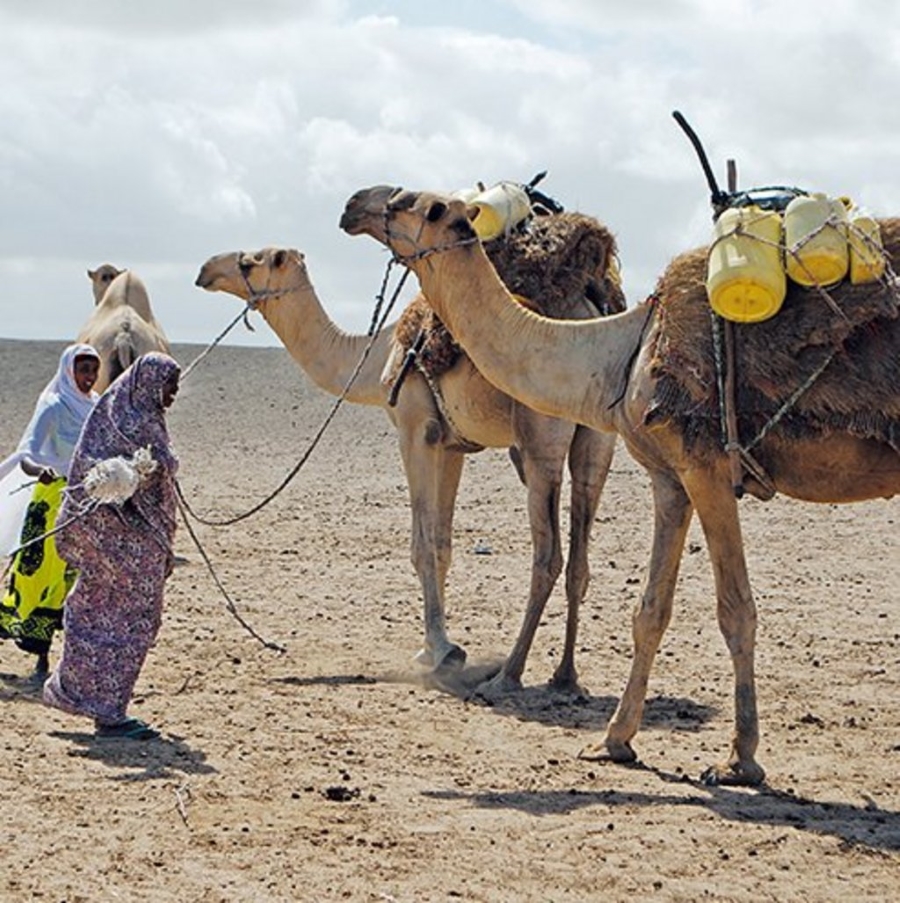
  • Adapting to Climate Change: Camel Milk Production Emerges as a Sustainable Solution in East Africa

    Adapting to Climate Change: Camel Milk Production Emerges as a Sustainable Solution in East Africa

    A recent study by George, A. S. (2024) titled “Camel Milk Production as an Adaptation to Climate Change Induced Drought in East Africa” published in Partners Universal Multidisciplinary Research Journal, shows that East Africa is severely affected by droughts due to climate change, leading to a significant decline in cattle populations.

    Camel milk production is a sustainable adaptation strategy for East African pastoralists facing climate change-induced droughts.– George, A. S. 2024

    Climate change has dramatically reshaped the landscapes and livelihoods of East Africa, with global warming triggering severe droughts that have devastated pastoralist communities. These droughts have led to a significant reduction in cow populations, jeopardizing the primary source of income and sustenance for many families. The traditional reliance on cattle is increasingly unsustainable as water sources dwindle and grazing lands become barren. In response to these challenges, East African governments and communities are turning to camels as a more viable livestock option. Camels possess physiological traits that make them far better suited to arid conditions compared to cows. They can survive with less water and endure higher temperatures, making them an ideal livestock choice in the face of prolonged droughts. This shift has given rise to initiatives promoting camel milk production as a sustainable adaptation strategy. The economic potential of camel milk is substantial. The milk from camels is not only rich in nutrients but also increasingly in demand, particularly in the Middle East. Projections indicate that the global market for camel milk could reach a value of $13 billion by 2030. This burgeoning demand offers East African pastoralists a lucrative opportunity to stabilize and grow their incomes despite the adverse effects of climate change.

    How the Study was Conducted

    The author employed a comprehensive literature review to assess camel physiological adaptations that enhance their resilience to heat stress and drought compared to cattle. Secondary data on camel milk production development and demand drivers were evaluated, including market reports and dairy consumption trends. Regional policy trends in Kenya, Ethiopia, and Somalia were analyzed, focusing on programs supporting camel dairying value chains and herd restocking initiatives. Livestock population statistics were analyzed to document changes in cattle and camel herd sizes, reflecting the impact of climate change on pastoral livelihoods.

    What the Authors Found

    The author found that East Africa is severely affected by droughts due to climate change, leading to a significant decline in cattle populations. The author also posits that Camels are more resilient to drought conditions compared to cattle, making them a suitable alternative for pastoralists. In addition, transitioning to camel milk production offers economic benefits and is a viable climate change adaptation strategy.

    Why is this Important

    Livelihood Preservation: Climate change-induced droughts threaten the livelihoods of pastoral communities in East Africa. Understanding alternative strategies, such as transitioning to camel milk production, is crucial for their survival.
    Resilience and Adaptation: The research highlights the physiological advantages of camels over cows in arid conditions. By adopting camel pastoralism, communities can better adapt to changing environmental conditions.
    Economic Opportunities: Camel milk has economic potential, with growing demand in the Middle East. Supporting this transition can boost local economies and improve farmers’ income.
    Policy Implications: The study emphasizes the need for government policies that facilitate camel milk production. Veterinary services, market access, and research are essential for successful adaptation.

    What the Authors Recommend

    • The author advocates encouraging pastoral communities to transition from cattle farming to camel milk production. This involves providing support for camel herding practices and creating awareness about the economic benefits.
    • The author suggests that governments in East Africa should develop policies that facilitate camel milk production. This includes investing in veterinary services, improving market access, and integrating camel farming into existing livestock programs.
    • The author recommends that further research is needed to understand the long-term sustainability of camel milk production. This includes studying market dynamics, consumer preferences, and herd management practices.

    In conclusion, the shift towards camel milk production represents a promising adaptation strategy for East African pastoral communities facing the harsh realities of climate change-induced droughts. Camels’ resilience to arid conditions and the burgeoning global demand for their milk offer a sustainable economic opportunity, potentially transforming livelihoods and stabilizing incomes. For this transition to be successful, it is imperative that governments and policymakers invest in supportive measures such as veterinary services, market access, and awareness campaigns. Further research is essential to ensure the long-term sustainability and profitability of this adaptation, paving the way for a resilient future in the face of climate change.

  • ECOWAS’ Battle Against Small Arms Proliferation in West Africa: A Critical Analysis of Challenges and Recommendations

    ECOWAS’ Battle Against Small Arms Proliferation in West Africa: A Critical Analysis of Challenges and Recommendations

    A recent article by Osimen, et al., (2024) titled “The Role of ECOWAS in the Fight against the Proliferation of Small Arms and Light Weapons in West-Africa Sub-Region” published in International Journal of Interdisciplinary and Multidisciplinary Research shows that the proliferation of small arms and light weapons (SALW) in West Africa has severe socio-economic and human consequences, surpassing even the threats of HIV/AIDS or COVID-19.

    SALW proliferation in West Africa causes severe socio-economic and human impacts, challenging ECOWAS despite ongoing efforts.– Osimen, et al., 2024

    This article explores the proliferation of small arms and light weapons (SALW) in the West African sub-region and the role of ECOWAS (Economic Community of West African States) in combating this issue. The article highlights the severe impact of SALW proliferation in West Africa, comparing its socio-economic and human consequences to those of HIV/AIDS or COVID-19. The authors examine ECOWAS’s actions and the ECOWAS Convention’s effectiveness in addressing SALW proliferation, noting challenges such as weak national controls and lack of international cooperation. The lack of comprehensive data and political will among states is identified as a major obstacle in resolving gun policy debates in the region.

    How the Study was Conducted

    The study involved collecting data on the number of illicit SALW in West Africa, the efforts of ECOWAS to eradicate the menace, and the effectiveness of the ECOWAS Convention. The study examined the causes of SALW proliferation, such as weak national controls and lack of international cooperation, and its socio-economic and human consequences. The study assessed the role of ECOWAS and its strategies, including the Program of Action and the Convention, in combating SALW proliferation.

    What the Authors Found

    The authors found that the proliferation of small arms and light weapons (SALW) in West Africa has severe socio-economic and human consequences, surpassing even the threats of HIV/AIDS or COVID-19. Despite ECOWAS’ efforts to eradicate this menace, over one hundred million illicit SALW continue to fuel conflicts in the region.

    Why is this Important

    Human Security: The proliferation of small arms and light weapons (SALW) poses a direct threat to human security. These weapons fuel conflicts, violence, and criminal activities, resulting in loss of life, displacement, and suffering.
    Regional Stability: West Africa faces persistent instability due to armed conflicts. Understanding the causes and consequences of SALW proliferation helps policymakers devise effective strategies to enhance regional stability.
    ECOWAS’ Role: The study sheds light on the limitations of ECOWAS’ efforts in combating SALW. By identifying gaps and challenges, it provides a roadmap for improving ECOWAS’ policies and interventions.

    What the Authors Recommend

    • The authors recommend that Member states should enhance their national controls over SALW, including stricter regulations, monitoring, and enforcement mechanisms. This involves improving licensing procedures, record-keeping, and tracing of weapons.
    • ECOWAS member states must collaborate more effectively to combat SALW proliferation. This includes sharing intelligence, coordinating border controls, and harmonizing legal frameworks to prevent illicit transfers.
    • The study emphasizes the importance of transparency among member states. Regular reporting on SALW stockpiles, transfers, and seizures can help identify trends and gaps.
    • In addition, the study emphasizes that ECOWAS should invest in capacity-building programs for law enforcement agencies, customs, and border control personnel. Training and resources are essential to effectively combat SALW trafficking.
    • Furthermore, raising awareness about the dangers of SALW and involving civil society organizations can promote advocacy for stronger regulations and disarmament efforts.

    In conclusion, the proliferation of small arms and light weapons in West Africa poses significant socio-economic and human challenges, surpassing even those presented by HIV/AIDS and COVID-19. Despite ECOWAS’ efforts through the Program of Action and the ECOWAS Convention, the region continues to grapple with the severe impacts of over one hundred million illicit SALW. To address this pressing issue, it is imperative for member states to enhance national controls, improve international cooperation, and invest in capacity-building programs. By fostering transparency, sharing intelligence, and engaging civil society, ECOWAS can develop more effective strategies to combat SALW proliferation and enhance regional stability and security.

  • Transformative Role of Biotechnology in Healthcare: Global Trends, Precision Medicine, and Equitable Access

    Transformative Role of Biotechnology in Healthcare: Global Trends, Precision Medicine, and Equitable Access

    A recent study by Anyanwu, et al., (2024) titled “The Role of biotechnology in Healthcare: A Review of Global Trends” published in World Journal of Advanced Research and Reviews, shows that biotechnology is driving transformative advancements in healthcare, particularly in diagnostics, treatment modalities, and healthcare delivery.

    Biotechnology drives transformative healthcare advancements, particularly in diagnostics, personalized medicine, and treatment, emphasizing ethical considerations and equitable global access.– Anyanwu, et al., 2024

    The article delves into a comprehensive review that explores the significant role of biotechnology in healthcare, focusing on global trends and its impact on diagnostics, treatment modalities, and healthcare delivery. It delves into various aspects such as precision medicine, personalized healthcare, diagnostic revolutions, and integrating biotechnology with artificial intelligence and data analytics. The authors also discuss collaborative research initiatives, ethical considerations, regulatory frameworks, and the need for equitable access to biotechnological advancements in healthcare systems worldwide. The authors explore gene and cell therapies, CRISPR-Cas9 technology, and the transformative potential of biotechnology in fostering a new era of proactive and personalized healthcare. The article emphasizes the importance of biotechnology in improving patient outcomes globally and addresses the disparities in adoption across different healthcare systems.

    How the Study was Conducted

    The study is a detailed examination of the multifaceted role of biotechnology in healthcare. The authors analyze global trends to understand the impact of biotechnological innovations worldwide. The study includes a critical analysis of precision medicine, diagnostics, collaborative research initiatives, therapeutic innovations, and integrating biotechnology with artificial intelligence. It addresses ethical considerations, regulatory frameworks, and accessibility challenges associated with biotechnological advancements in healthcare.

    What the Authors Found

    The authors found that biotechnology is driving transformative advancements in healthcare, particularly in diagnostics, treatment modalities, and healthcare delivery. Innovations in biotechnology are enabling personalized medicine, allowing for tailored interventions based on individual genetic profiles

    Why is this Important

    Precision Medicine: Biotechnology enables personalized medicine by tailoring treatments to an individual’s genetic makeup. This approach improves patient outcomes and reduces adverse effects.
    Diagnostic Innovations: Biotechnological advancements enhance diagnostic accuracy, allowing early disease detection and timely interventions.
    Global Impact: Collaborative research initiatives across borders accelerates progress. Biotechnology fosters global collaboration, leading to shared knowledge and improved healthcare systems.
    Ethical Considerations: Addressing ethical concerns ensures responsible use of biotechnological tools. Balancing innovation with ethical guidelines is essential.
    Equitable Access: The study emphasizes the need for equitable access to biotechnological breakthroughs. Ensuring accessibility benefits all populations.

    What the Authors Recommend

    • The authors emphasize on encouraging the adoption of precision medicine approaches that tailor treatments to individual genetic profiles. This can lead to better patient outcomes and reduced adverse effects.
    • Emphasize cross-disciplinary collaboration and global partnerships. Collaborative efforts accelerate biotechnological advancements and knowledge sharing.
    • The authors advocate on developing and adhering to ethical guidelines for biotechnological applications. Responsible use ensures societal benefits without compromising values.
    • In addition, the authors advocate for equitable access to biotechnological innovations. All populations should benefit from these advancements.

    In conclusion, the study by Anyanwu et al. underscores the transformative impact of biotechnology on healthcare, highlighting its pivotal role in advancing diagnostics, treatment modalities, and overall healthcare delivery. By fostering precision medicine and personalized care, biotechnology promises to improve patient outcomes significantly. The integration of biotechnology with artificial intelligence and data analytics further propels healthcare innovations, enabling early disease detection and timely interventions. However, the study also emphasizes the importance of ethical considerations, robust regulatory frameworks, and equitable access to ensure that the benefits of biotechnological advancements are shared globally. Through collaborative research and cross-disciplinary partnerships, the potential of biotechnology to revolutionize healthcare and promote global health equity is immense and promising.

  • Comparative Review of AI-Driven Waste Management Innovations: USA vs. Africa – Sustainable Practices, Community Engagement, and Global Collaboration

    Comparative Review of AI-Driven Waste Management Innovations: USA vs. Africa – Sustainable Practices, Community Engagement, and Global Collaboration

    A recent by Nwokediegwu, et al., (2024) titled “AI-driven waste management systems: a comparative review of innovations in the USA and Africa” published in Engineering Science & Technology Journal, shows that Africa focuses on scalable AI solutions like mobile apps for waste reporting and sensor-equipped smart bins, with an emphasis on community engagement.

    AI-driven waste management systems must be tailored to regional contexts, emphasizing community engagement and scalable solutions. -Nwokediegwu, et al., 2024

    The article is a comprehensive comparative review of AI-driven waste management systems in the USA and Africa, highlighting the distinct strategies and innovations employed in each region to address their unique waste management challenges. Advanced infrastructure utilizing AI to optimize waste collection routes, automate sorting, and predict waste generation patterns, with a focus on recycling efficiency and a circular economy. Emphasis on scalable, adaptable AI solutions like mobile apps for waste reporting and sensor-equipped smart bins, prioritizing community engagement and decentralized solutions. Examines the regional disparities in waste management infrastructures and practices, stressing the importance of tailoring AI-driven innovations to specific socio-economic and infrastructural landscapes. Discusses the challenges and opportunities in transferring AI-driven waste management solutions between regions, advocating for a holistic framework that is adaptable and scalable globally. The article underscores the transformative potential of AI in enhancing waste management systems and the need for global cooperation to develop inclusive, sustainable, and universally applicable strategies.

    How the Study was Conducted

    The study employed historical data to predict waste generation patterns, enabling effective resource allocation. It contrasts the AI technologies used in both regions, such as robotic sorting systems in the USA and mobile applications for waste reporting in Africa. The authors emphasize the role of community engagement in waste management efforts, particularly in Africa. The authors highlight the importance of customizing AI-driven innovations to the socio-economic and infrastructural landscapes of each region.

    What the Authors Found

    The authors found that in the USA, AI is used to optimize waste collection routes, automate sorting processes, and predict waste generation patterns, contributing to efficient recycling and a circular economy. The author also found that Africa focuses on scalable AI solutions like mobile apps for waste reporting and sensor-equipped smart bins, with an emphasis on community engagement.

    Why is this Important

    Sustainable Practices: By understanding the successful strategies employed in both the USA and Africa, policymakers and waste management professionals can adopt sustainable practices that optimize resource utilization and minimize environmental impact.
    Global Collaboration: The study emphasizes the need for a global framework. Collaborating across regions allows for knowledge sharing, technology transfer, and mutual learning, ultimately benefiting waste management efforts worldwide.
    Community Engagement: Recognizing the importance of community involvement in waste management, especially in Africa, highlights the role of social awareness, education, and participation in achieving effective waste reduction and recycling.
    Tailoring Solutions: Customizing AI-driven innovations to specific regional contexts ensures practical and efficient waste management solutions. What works well in one region may not be directly applicable elsewhere.

    What the Authors Recommend

    • The authors recommend that government should establish collaborative networks between waste management professionals, researchers, and policymakers across regions. This facilitates knowledge sharing, technology transfer, and mutual learning.
    • The study posits that the government should prioritize community involvement in waste management efforts. Educate and engage citizens to participate actively in waste reduction, recycling, and reporting.
    • Tailor AI-driven innovations to the specific socio-economic and infrastructural contexts of each region. What works well in one area may not be directly applicable elsewhere.
    • In addition, the study suggests promoting sustainable waste management practices, emphasizing resource optimization, circular economy principles, and environmental impact reduction.

    In conclusion, the study by Nwokediegwu et al. underscores the transformative potential of AI-driven waste management systems in addressing the distinct challenges faced by the USA and Africa. By highlighting the importance of scalable, community-centric solutions and advanced AI technologies, the authors advocate for tailored innovations that align with regional socio-economic and infrastructural contexts. The findings emphasize the need for global collaboration, sustainable practices, and active community engagement to enhance waste management efforts worldwide. Embracing these insights can lead to more efficient, environmentally friendly, and inclusive waste management strategies, paving the way for a cleaner and more sustainable future.

  • Comparative Analysis of Telecommunication Regulation: USA vs. Africa and the Role of Emerging Technologies

    Comparative Analysis of Telecommunication Regulation: USA vs. Africa and the Role of Emerging Technologies

    A recent study by Ezeigweneme, et al., (2024) titled “Review of telecommunication regulation and policy: comparative analysis USA and AFRICA” published in Computer Science & IT Research Journal, shows that floating photovoltaics can significantly supplement planned hydropower in Africa, ensuring stable and sustainable energy production.

    Floating photovoltaics can significantly enhance planned hydropower in Africa, ensuring stable and sustainable energy production.– Ezeigweneme, et al., 2024

    This study explores a comprehensive comparative analysis of telecommunication regulation and policy frameworks in the United States (USA) and various African countries. It examines the historical development of regulatory frameworks in both regions, identifying commonalities, disparities, and their impact on market dynamics. The roles and responsibilities of key regulatory bodies, notably the Federal Communications Commission (FCC) in the USA, are explored. The study assesses how regulatory objectives and policy instruments align with socio-economic contexts and their effectiveness in achieving regulatory goals. The study discusses the implications of regulatory frameworks on the deployment of emerging technologies, such as 5G, and summarizes key findings for future research. This study aims to contribute to scholarly discourse and inform policy decisions for sustainable development of the telecommunications sector.

    How the Study was Conducted

    The paper traces the development of regulatory frameworks in the USA and Africa, considering the contextual factors that shaped each region’s approach. The authors examine the roles and responsibilities of key regulatory bodies, notably the FCC in the USA, and explore diverse regulatory approaches adopted by selected African countries. The study conducts a comparative analysis of regulatory objectives and policy instruments between the USA and Africa, evaluating their alignment with socio-economic contexts and effectiveness in achieving regulatory goals.

    What the Authors Found

    The authors found that floating photovoltaics can significantly supplement planned hydropower in Africa, ensuring stable and sustainable energy production.

    Why is this Important

    Economic Development: Effective telecommunications regulation directly impacts economic growth. By fostering competition, innovation, and investment, well-designed policies can contribute to a thriving telecommunications sector.
    Social Inclusion: Access to communication services is essential for social inclusion. Regulatory frameworks that promote affordable and widespread access benefit individuals, communities, and businesses.
    Technological Advancement: Regulations shape the deployment of new technologies. For instance, 5G networks require supportive policies to enable faster speeds, low latency, and connectivity for emerging applications.
    Global Collaboration: Comparative studies encourage collaboration between regions. Policymakers can learn from each other’s successes and challenges, leading to better regulatory outcomes worldwide.

    What the Authors Recommend

    • The authors suggest that policymakers should design regulatory frameworks that consider the unique socio-economic contexts of both the USA and Africa. A one-size-fits-all approach may not be effective.
    • The authors advocate that striking the right balance between market competition and fostering innovation is crucial. Regulations should encourage healthy competition while promoting investment and technological advancement.
    • Policymakers should focus on regulations that facilitate the deployment of advanced technologies, such as 5G networks. Supporting infrastructure development and adoption is essential.
    • In addition, Comparative studies provide an opportunity for collaboration between regions. Policymakers can learn from each other’s experiences and share best practices to improve regulatory outcomes globally.

    In conclusion, the comparative analysis of telecommunication regulation and policy between the USA and Africa highlights the critical role that tailored regulatory frameworks play in fostering economic growth, social inclusion, and technological advancement. The study underscores the importance of context-specific policies, balanced competition, and innovation-friendly regulations in achieving sustainable development goals. By examining the successes and challenges in both regions, policymakers can draw valuable insights to enhance regulatory outcomes, promote the deployment of emerging technologies like 5G, and ensure stable energy production through innovative solutions such as floating photovoltaics. This collaborative approach can lead to more effective and inclusive telecommunication sectors globally.

  • Driving African Entrepreneurship: Overcoming Challenges and Fostering Growth

    Driving African Entrepreneurship: Overcoming Challenges and Fostering Growth

    A recent study by Odeyemi, et al., (2024) titled, “Entrepreneurship in Africa: A Review of Growth and Challenges” published in the International Journal of Management & Entrepreneurship Research, shows that African entrepreneurship is driven by demographic trends, urbanization, support, partnerships, and innovation, but faces infrastructure, financial, regulatory, and educational challenges.

    African entrepreneurship’s growth driven by demographics, urbanization, innovation, but hindered by infrastructure, finance, regulation challenges.– Odeyemi, et al., 2024

    The article explores a comprehensive review of entrepreneurship in Africa, discussing its growth, challenges, and socio-economic impact. The study identifies factors contributing to the growth of entrepreneurship in Africa, such as population dynamics, urbanization, government initiatives, international partnerships, and a culture of innovation. The authors posit that entrepreneurs in Africa face obstacles like infrastructure deficits, limited access to financing, regulatory complexities, and political instability. Entrepreneurial growth in Africa has significant implications for job creation, economic diversification, and social empowerment. These elements collectively provide a nuanced understanding of the entrepreneurial landscape in Africa. The study emphasizes the need for tailored support mechanisms and comprehensive strategies to foster sustainable economic development.

    What the Authors Found

    The authors found that the growth of African entrepreneurship is driven by a young and growing population, urbanization, government support, international partnerships, and a culture of innovation, especially in the tech sector. Authors also found that entrepreneurs in Africa face obstacles such as infrastructure deficits, limited access to financing, complex regulations, and political instability. In addition, educational disparities and gender inequities present additional challenges that need to be addressed to foster a robust entrepreneurial ecosystem.

    Why is this Important

    Economic Growth: Entrepreneurship drives economic growth by creating jobs, fostering innovation, and contributing to GDP. A thriving entrepreneurial ecosystem can lead to sustainable economic development.
    Poverty Alleviation: Successful entrepreneurs can lift themselves and others out of poverty. By creating employment opportunities and generating income, they contribute to poverty reduction.
    Innovation and Technology: Entrepreneurs often introduce innovative products, services, and business models. This innovation can lead to technological advancements and improve overall quality of life.
    Social Empowerment: Entrepreneurship empowers individuals, especially women and marginalized groups, by providing them with economic independence and a platform to express their creativity.
    Regional Competitiveness: A robust entrepreneurial environment enhances a country’s competitiveness on the global stage. It attracts investment, encourages collaboration, and fosters a culture of resilience.

    What the Authors Recommend

    • The authors recommend that Africa should engage in simplifying bureaucratic processes and reduce red tape for entrepreneurs. Clear and efficient regulations can encourage business growth.
    • The authors advocate improved access to capital for startups and small businesses. This could involve creating specialized funds, promoting venture capital, and supporting microfinance institutions.
    • Strengthen entrepreneurship education at all levels, from schools to universities. Equipping aspiring entrepreneurs with relevant skills and knowledge is essential.
    • Furthermore, African countries should address gender disparities by encouraging more women to participate in entrepreneurship. Initiatives like mentorship programs and funding opportunities can help.
    • In addition, the authors suggest fostering partnerships with global organizations, investors, and other countries. International collaboration can bring expertise, funding, and market access.

    In conclusion, the study underscores the dynamic landscape of entrepreneurship in Africa, highlighting its drivers such as demographic shifts and innovation culture, alongside formidable obstacles including infrastructure gaps and regulatory complexities. Addressing these challenges through targeted support mechanisms and strategic initiatives not only fosters economic growth and innovation but also holds the promise of substantial social empowerment and regional competitiveness, crucial for sustainable development across the continent.