Category: REVIEW PAPERS

This category presents posts from ARM Magazine, featuring updates on the latest developments and showcasing selected review papers from various journals.

  • Scoping Review Reveals Strong Antimicrobial Activity in Medicinal Plants for Diarrhea Treatment in Sub-Saharan Africa

    Scoping Review Reveals Strong Antimicrobial Activity in Medicinal Plants for Diarrhea Treatment in Sub-Saharan Africa

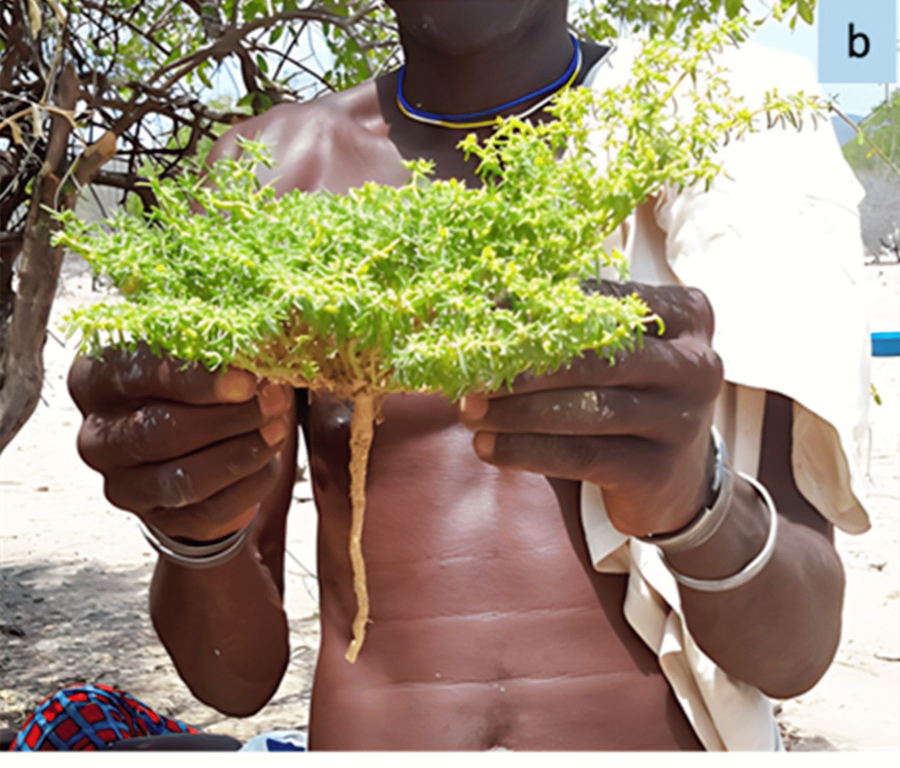
    A recent study by Plaatjie, et al. (2024) titled “A scoping review on efficacy and safety of medicinal plants used for the treatment of diarrhea in sub-Saharan Africa” published in Tropical Medicine and Health, by Springer Link, shows that Indigofera daleoides and Punica granatum showed the strongest antimicrobial activity.

    Indigofera daleoides and Punica granatum exhibit strong antimicrobial activity, offering potential as effective anti-diarrheal treatments.– Plaatjie, et al. 2024

    This article is a scoping review that explores the efficacy and safety of medicinal plants used to treat diarrhea in sub-Saharan Africa (SSA). Diarrhea remains a leading cause of illness and death in SSA, particularly due to the prevalence of antimicrobial-resistant pathogens, which complicates treatment. The review systematically maps the existing literature on various medicinal plants traditionally employed in the region for their anti-diarrheal properties. By assessing the potential of these plants, the review aims to identify natural remedies that could provide effective and safe alternatives to conventional treatments, especially in the face of rising antibiotic resistance.

    How the Study was Conducted

    The authors searched for studies published between 1990 and April 2022. The search included various databases to ensure comprehensive coverage. The review included different types of studies, such as ethnobotanical studies: These document traditional knowledge and use of medicinal plants. In vitro studies: laboratory experiments testing the plants’ effects on pathogens. In vivo studies: experiments conducted on living organisms to observe the plants’ effects. Observational studies analyze data from a population at a specific point in time. The authors extracted data on the plant species, their families, and their reported anti-diarrheal efficacy and safety. The study analyzed the data to identify the most commonly used and effective plants, as well as the geographical distribution of the studies.

    What the Authors Found

    The review identified 587 plant species from 123 families, primarily from South Africa, Ethiopia, and Uganda, with the Fabaceae family being the most studied; significant knowledge gaps exist in under-researched countries, and six anti-diarrheal compounds were isolated from Hydnora johannis, highlighting the need for further documentation and phytochemical analysis. In addition, the study also found that Indigofera daleoides and Punica granatum showed the strongest antimicrobial activity.

    Why is this Important

    Health Impact: Diarrhea is a major cause of illness and death in sub-Saharan Africa, especially among children. Finding effective treatments can significantly reduce morbidity and mortality rates.
    Antimicrobial Resistance: Many pathogens causing diarrhea are becoming resistant to conventional antibiotics. Medicinal plants offer alternative treatments that could help combat this resistance.
    Traditional Knowledge: The study documents traditional medicinal knowledge, which is valuable for preserving cultural heritage and providing insights into natural remedies that have been used for generations.
    Research Gaps: By identifying gaps in current research, the study highlights areas that need more attention, such as underresearched regions and the need for phytochemical investigations. This can guide future research efforts and funding.
    Potential for New Drugs: The identification of plants with strong anti-diarrheal properties opens the door for developing new, plant-based drugs that could be more accessible and affordable for people in sub-Saharan Africa.

    What the Authors Recommended

    • The study emphasized the need to document traditional medicinal knowledge from less-studied countries in sub-Saharan Africa. This can help preserve valuable cultural heritage and provide a broader understanding of medicinal plant use.
    • The authors recommended conducting more phytochemical investigations on widely used medicinal plants. This can help identify active compounds and understand their mechanisms of action, potentially leading to the development of new drugs.
    • The authors highlighted the importance of focusing future research efforts on regions that have received less attention. This can help fill knowledge gaps and ensure a more comprehensive understanding of medicinal plant use across the entire region.
    • The authors suggested conducting more studies on the safety and efficacy of these medicinal plants to ensure they are safe for use and effective in treating diarrhea.

    In conclusion, the scoping review by Plaatjie et al. underscores the significant potential of medicinal plants like Indigofera daleoides and Punica granatum in combating diarrhea, particularly in the context of rising antimicrobial resistance in sub-Saharan Africa. By highlighting both the efficacy and safety of these plants, the study not only preserves invaluable traditional knowledge but also paves the way for future research and the development of accessible, plant-based therapies. Continued exploration and documentation of these natural remedies are crucial for addressing health challenges in the region and beyond.

  • Integrated Care for NCDs and IDs in Sub-Saharan Africa: Challenges, Solutions, and Policy Recommendations

    Integrated Care for NCDs and IDs in Sub-Saharan Africa: Challenges, Solutions, and Policy Recommendations

    A recent study by Ibro, et al. (2024) titled “Mapping the evidence on integrated service delivery for non-communicable and infectious disease comorbidity in sub-Saharan Africa: protocol for a scoping review” published in BMJ Open, shows that Sub-Saharan Africa faces a significant burden of both non-communicable diseases (NCDs) and infectious diseases (IDs), with high comorbidity rates.

    Integrated care models are crucial for managing NCD-ID comorbidities in sub-Saharan Africa, improving patient outcomes.– Ibro, et al. 2024

    The article explores the healthcare challenges in sub-Saharan Africa (SSA) due to the simultaneous presence of infectious diseases (IDs) and non-communicable diseases (NCDs). It emphasizes the importance of developing integrated care models to manage these comorbidities effectively. The study is guided by the Joanna Briggs Institute (JBI) framework for scoping reviews and involves an extensive search of peer-reviewed and grey literature from 2018 onward. The goal is to identify and analyze integrated care models for managing NCD-ID comorbidities in SSA. The article also addresses the unique obstacles faced by healthcare systems in SSA, such as resource constraints and fragmented services, which make managing these comorbidities more challenging.

    How the Study was Conducted

    The authors searched both peer-reviewed and grey literature from 2018 onwards to gather relevant studies and data. The collected data was analyzed to identify and evaluate integrated care models for managing non-communicable diseases (NCDs) and infectious diseases (IDs) comorbidities in sub-Saharan Africa (SSA). Since the study synthesized already published data, ethical approval was not required. This approach allowed the researchers to systematically review and synthesize existing knowledge on integrated care models for NCD-ID comorbidities in SSA.

    What the Authors Found

    The authors found that Sub-Saharan Africa faces a significant burden of both non-communicable diseases (NCDs) and infectious diseases (IDs), with high comorbidity rates. The study posits that the region’s healthcare systems are often fragmented and underresourced, making it difficult to address the complex needs of patients with both NCDs and IDs. In addition, the authors also found that integrated care models are essential for improving patient outcomes, optimizing resource allocation, and reducing healthcare costs, and there is variability in the uptake and implementation of integrated care models across different countries in the region, influenced by systemic, cultural, and policy-related factors.

    Why is this Important

    Healthcare Improvement: By identifying effective integrated care models, the study aims to improve the management of patients with both non-communicable diseases (NCDs) and infectious diseases (IDs) in sub-Saharan Africa (SSA). This can lead to better health outcomes and quality of life for patients.
    Resource Optimization: Integrated care models can help optimize the use of limited healthcare resources in SSA. This is crucial in a region where healthcare systems are often under-resourced and fragmented.
    Policy and Practice: The findings can inform healthcare policies and practices, guiding the development and implementation of integrated care strategies. This can lead to more efficient and effective healthcare delivery.
    Research and Knowledge: The study contributes to the existing body of knowledge on NCD-ID comorbidities and integrated care. It highlights gaps in current research and suggests areas for future investigation.
    Global Health: Addressing the dual burden of NCDs and IDs is a global health priority. The insights from this study can be applied to other regions facing similar challenges, promoting global health equity.

    What the Authors Recommended

    • The authors emphasize the need for healthcare systems in sub-Saharan Africa to adopt and implement integrated care models to effectively manage the comorbidities of non-communicable diseases (NCDs) and infectious diseases (IDs).
    • The study calls for stronger policy support to facilitate the integration of services. This includes creating policies that promote collaboration between different healthcare sectors and stakeholders.
    • The authors highlight the importance of allocating sufficient resources to support integrated care initiatives. This includes financial, human, and infrastructure resources.
    • The authors also recommend investing in training and capacity building for healthcare workers to ensure they are equipped to deliver integrated care.
    • Continuous research and monitoring are recommended to evaluate the effectiveness of integrated care models and to identify areas for improvement.

    In conclusion, the study by Ibro et al. underscores the urgent need for integrated care models to address the dual burden of non-communicable and infectious diseases in sub-Saharan Africa. By fostering collaboration, optimizing resources, and supporting healthcare workers, these models can significantly enhance patient outcomes and strengthen healthcare systems across the region. The findings serve as a crucial call to action for policymakers, healthcare providers, and researchers to prioritize and invest in integrated care strategies, paving the way for more effective, equitable, and sustainable healthcare delivery in sub-Saharan Africa and beyond.

  • Empowering African Entrepreneurs: The Impact of Microfinancing on Growth, Innovation, and Social Equity

    Empowering African Entrepreneurs: The Impact of Microfinancing on Growth, Innovation, and Social Equity

    A recent study by Falaiye, et al. (2024) titled “A review of microfinancing’s role in entrepreneurial growth in African Nations” published in the International Journal of Science and Research Archive shows that microfinancing significantly empowers aspiring entrepreneurs, especially in marginalized communities, by providing access to capital, fostering innovation, and generating employment opportunities.

    Microfinancing significantly empowers marginalized entrepreneurs in Africa by providing access to capital, fostering innovation, and promoting gender equity.– Falaiye, et al. 2024

    Microfinancing plays a pivotal role in fostering entrepreneurial growth across African nations by offering small-scale financial services to individuals who are often excluded from traditional banking systems. These services, which include microloans, savings accounts, and insurance, are designed to help overcome significant barriers such as the lack of collateral and credit history, which typically prevent marginalized individuals from accessing financial support. By providing these essential resources, microfinancing enables aspiring entrepreneurs to start and grow their businesses, ultimately driving innovation, economic development, and job creation in their communities. One of the most profound impacts of microfinancing is its ability to empower women entrepreneurs, who often face additional challenges in accessing financial services due to cultural and societal norms. By offering financial products tailored to their needs, microfinancing not only promotes gender inclusivity but also contributes to broader social equity. Women who gain financial independence through entrepreneurship can reinvest in their families and communities, leading to improved education, health, and overall well-being. However, the article also addresses the challenges associated with the sustainability and scalability of microfinancing programs. While these programs have proven effective in many cases, their long-term success often depends on factors such as the availability of resources, the effectiveness of management, and the ability to adapt to changing economic conditions. The article identifies best practices for maximizing the impact of microfinancing, such as focusing on financial literacy training, building strong partnerships with local organizations, and implementing robust monitoring and evaluation systems to ensure that the programs are meeting their objectives.

    How the study was conducted

    The study begins with an overview of the economic landscape in African nations, highlighting barriers to entrepreneurial growth. The authors analyze case studies and empirical evidence from diverse African contexts to illustrate the impact of microfinancing on entrepreneurship. The study compares different microfinancing models, such as the Grameen Bank model and Village Savings and Loan Associations (VSLAs), to identify best practices. It critically assesses the effectiveness, challenges, and potential pitfalls of various microfinancing programs, focusing on sustainability, scalability, and regulatory frameworks

    What the authors found

    The authors found that microfinancing significantly empowers aspiring entrepreneurs, especially in marginalized communities, by providing access to capital, fostering innovation, and generating employment opportunities. In addition, microfinancing has a profound impact on empowering women entrepreneurs, promoting gender inclusivity, and contributing to social equity.

    Why is this important?

    Informed Decision-Making: Research provides evidence-based insights that help policymakers, organizations, and individuals make informed decisions. For instance, knowing which microfinancing models are most effective can guide the implementation of successful programs.
    Identifying Best Practices: Studies highlight best practices and successful strategies that can be replicated or adapted in different contexts. This can lead to more effective and sustainable programs.
    Addressing Challenges: Research identifies potential challenges and pitfalls, allowing stakeholders to anticipate and mitigate issues. This proactive approach can enhance the success and longevity of initiatives.
    Promoting Innovation: By analyzing what works and what doesn’t, research fosters innovation and continuous improvement. It encourages the development of new approaches and solutions to existing problems.
    Empowering Communities: Studies often focus on the impact of interventions on specific groups, such as women entrepreneurs. This can lead to targeted efforts that empower marginalized communities and promote social equity.

    What the authors recommended

    • The authors emphasize the importance of financial education for entrepreneurs to ensure they can effectively manage loans and investments.
    • The authors recommend developing robust regulatory frameworks to ensure the sustainability and scalability of microfinancing programs.
    • The authors highlight the need for targeted programs that support women entrepreneurs, promoting gender equity and social inclusion.
    • The integration of technology in microfinancing operations is suggested to improve efficiency, accessibility, and transparency.
    • The authors stress the importance of involving local communities in the design and implementation of microfinancing programs to ensure they meet the specific needs and contexts of the beneficiaries

    In conclusion, microfinancing serves as a powerful catalyst for entrepreneurial growth in African nations, particularly within marginalized communities. By offering vital financial resources and fostering innovation, these programs not only spur economic development but also promote social equity, especially for women entrepreneurs. However, to ensure their long-term success, it is crucial to focus on sustainability, effective management, and the adaptability of microfinancing models. As we look toward the future, the integration of technology and the involvement of local communities will be key to maximizing the impact of these initiatives, driving further progress and empowerment across the continent.

  • Prostate Cancer in Africa: Addressing Rising Incidence, Mortality, and Health Disparities Among Black Men

    Prostate Cancer in Africa: Addressing Rising Incidence, Mortality, and Health Disparities Among Black Men

    A recent study by Marais, et al. (2024) titled “Prostate Cancer Perspective: Africa versus the World” published in the South African Medical Journal, shows that prostate cancer (PCa) is more common and deadlier among black African men compared to their non-black counterparts, with a significant rise in incidence and mortality rates in recent years.

    Black African men face higher prostate cancer incidence and mortality due to disparities in healthcare access and resources.– Marais, et al. 2024

    The study reviews the global and African burden of prostate cancer (PCa), underscoring significant disparities in incidence, diagnosis, and mortality between developed countries and Africa. It emphasizes that black African men are disproportionately affected, often presenting with more advanced diseases and facing higher mortality rates due to various factors. The research highlights the stark challenges and differences in PCa screening and diagnosis practices in Africa, where limited resources and access to care exacerbate these issues. Additionally, the study draws attention to the substantial financial burden that PCa imposes on healthcare systems in resource-limited African countries, further complicating efforts to manage the disease effectively.

    How the Study was Conducted

    The authors analyzed a wide range of scientific articles, reports, and studies related to prostate cancer, focusing on global and African contexts. The authors examined statistical data on incidence, diagnosis, and mortality rates of PCa, comparing figures between developed countries and African nations. The study compared screening and diagnosis practices, highlighting differences and challenges faced in Africa. The authors evaluated the economic burden of PCa on healthcare systems, particularly in resource-limited settings in Africa. This approach allowed the researchers to identify key disparities and challenges in managing prostate cancer across different regions.

    What the Authors Found

    The authors found that prostate cancer (PCa) is more common and deadlier among black African men compared to their non-black counterparts, with a significant rise in incidence and mortality rates in recent years. The study posits that black African men often present with more advanced stages of PCa, leading to higher mortality rates. This is attributed to factors like poor access to healthcare and delayed health-seeking behavior. In addition, there is a significant disparity in resources for diagnosing and treating PCa between developed countries and Africa, affecting early detection and treatment outcomes. Furthermore, the authors posits that differences in tumor biology, genetics, and socioeconomic status contribute to the higher incidence and aggressiveness of PCa in black African men.

    Why is this important?

    Health Disparities: It highlights significant disparities in prostate cancer incidence and outcomes between African men and those in developed countries. Understanding these disparities is crucial for developing targeted interventions.
    Early Detection and Treatment: By identifying the challenges in screening and diagnosis, the study underscores the need for improved healthcare infrastructure and access in Africa. Early detection can significantly improve survival rates.
    Resource Allocation: The study’s findings on the financial burden of PCa can inform policymakers and healthcare providers about the need for better resource allocation and support for cancer care in resource-limited settings.
    Genetic and Socioeconomic Factors: Understanding the genetic and socioeconomic factors contributing to higher PCa rates in African men can lead to more personalized and effective treatment strategies.
    Global Health: Addressing the disparities in PCa care can contribute to global health equity, ensuring that all men, regardless of their location or background, have access to quality cancer care.

    What the Authors Recommended

    • The authors advocate for the implementation of more effective and widespread screening programs in Africa to facilitate early detection of PCa.
    • The authors emphasize that there is a need for significant investment in healthcare infrastructure to ensure better access to diagnostic and treatment facilities.
    • The authors recommend increasing public awareness about PCa, particularly in African communities, to encourage early health-seeking behavior.
    • In addition, the study emphasizes the importance of conducting more research to understand the genetic and environmental factors contributing to higher PCa rates in African men.
    • Furthermore, the study calls for stronger policy support and increased funding for PCa research and healthcare services in Africa.

    In conclusion, the study by Marais et al. (2024) sheds light on the alarming disparities in prostate cancer incidence and mortality among black African men compared to their counterparts in developed countries. It underscores the urgent need for improved screening, better healthcare infrastructure, and targeted interventions to address the unique genetic, socioeconomic, and healthcare challenges faced by this population. By prioritizing research, public awareness, and policy support, we can work towards reducing the burden of prostate cancer in Africa and ensuring that all men have access to the care they need, regardless of their geographical or economic circumstances.

  • Enhancing Disaster Management in Zambia: Key Findings, Strategies, and Policy Recommendations

    Enhancing Disaster Management in Zambia: Key Findings, Strategies, and Policy Recommendations

    A recent study by Chitondo, et al. (2024) titled “Disaster Management and Mitigation Strategies in Zambia: A Systematic Review” published in World Journal of Advanced Research and Reviews, shows that the existing disaster management framework in Zambia involves multiple institutions and stakeholders, but there are gaps in coordination and resource allocation.

    Zambia’s disaster management framework requires improved coordination and resource allocation among multiple institutions and stakeholders.-Chitondo, et al. 2024

    The study focuses on disaster management and mitigation strategies in Zambia, exploring a range of natural and human-induced disasters, including floods, droughts, disease outbreaks, and industrial accidents. It provides a detailed analysis of Zambia’s disaster management framework, shedding light on the key institutions, policies, and stakeholders that play a critical role in disaster preparedness, response, and recovery efforts. A central theme of the study is the importance of a comprehensive, multi-dimensional approach to disaster management. Effective strategies must encompass several key elements: preparedness, risk reduction, community engagement, innovation, and global cooperation. Preparedness involves the proactive identification of potential risks and the development of strategies to address them before disasters strike. Risk reduction focuses on minimizing the vulnerability of communities and infrastructure to disaster impacts. Community engagement is crucial, as local populations are often the first responders, and their involvement can enhance the effectiveness of disaster response efforts. Innovation plays a pivotal role in developing new tools and methods to predict, prevent, and respond to disasters more efficiently. Finally, global cooperation is essential, as disasters often transcend national borders, requiring coordinated efforts from multiple countries and international organizations.

    How the Study was Conducted

    The research employs a mixed-methods approach, combining both qualitative and quantitative analyses to provide a comprehensive understanding of the subject. Qualitative analysis involves a thorough examination of policy documents and literature, offering insights into existing frameworks and strategies. This is complemented by quantitative assessments derived from data collected through interviews, questionnaires, and project observation schedules involving 250 respondents. These methods ensure a robust and well-rounded analysis of disaster management practices in Zambia.

    What the Authors Found

    The authors found that effective disaster management requires a multi-dimensional strategy that includes preparedness, risk reduction, community engagement, innovation, and global cooperation. The authors posit that the existing disaster management framework in Zambia involves multiple institutions and stakeholders, but there are gaps in coordination and resource allocation.

    Why is this Important

    Enhanced Preparedness: By understanding the current disaster management framework and identifying gaps, the study helps improve preparedness for future disasters. This can save lives and reduce economic losses.
    Policy Improvement: The findings highlight discrepancies between policy and implementation, providing a basis for policymakers to refine and enforce more effective disaster management policies.
    Community Resilience: Emphasizing community involvement and capacity building ensures that local populations are better equipped to handle disasters. This fosters resilience and self-reliance.
    Resource Allocation: Identifying areas where resources are lacking allows for better allocation and utilization of funds and materials, ensuring that they reach the most vulnerable populations.
    Global Cooperation: The study underscores the need for international collaboration in disaster management, promoting the sharing of knowledge, technology, and resources.

    What the Authors Recommended

    • The authors suggest improving coordination among various institutions and stakeholders involved in disaster management to ensure a unified and efficient response.
    • The authors recommend fostering greater involvement of local communities in disaster preparedness and response activities. This includes leveraging local knowledge and encouraging community-based initiatives.
    • The author suggests that policymakers should invest in training and resources to build the capacity of both institutions and communities to handle disasters more effectively.
    • In addition, policymakers should encourage the use of innovative technologies and practices in disaster management to improve efficiency and effectiveness.

    In conclusion, the study by Chitondo et al. (2024) provides valuable insights into the strengths and shortcomings of Zambia’s disaster management framework. By highlighting the importance of a multi-dimensional approach that includes preparedness, risk reduction, community engagement, innovation, and global cooperation, the research underscores the need for enhanced coordination, resource allocation, and policy refinement. The findings offer a clear pathway for improving disaster management strategies, ensuring that Zambia is better equipped to handle future crises, protect its communities, and build long-term resilience.

  • Comparative Study Highlights Challenges in Environmental Legislation and Disaster Resilience: Insights from Nigeria and the USA

    Comparative Study Highlights Challenges in Environmental Legislation and Disaster Resilience: Insights from Nigeria and the USA

    A recent study by Eneh, et al. (2024) titled “Evaluating environmental legislation on disaster resilience: Data insights from Nigeria and the USA” published in the World Journal of Advanced Research and Reviews, shows that Nigeria faces significant challenges in enforcing environmental legislation due to institutional weaknesses, corruption, and inadequate resources.

    Nigeria struggles with enforcing environmental laws due to institutional weaknesses, unlike the USA, which has stronger disaster resilience.-Eneh, et al. 2024

    The study explores the role of environmental legislation in bolstering disaster resilience, offering a comparative analysis between Nigeria and the United States. By examining how these countries’ legislative frameworks influence disaster preparedness, response, and recovery, the study aims to shed light on the effectiveness of their environmental laws.
    The analysis delves into key areas such as regulatory compliance, enforcement mechanisms, stakeholder engagement, and institutional capacity. It uncovers significant differences between the two nations. In the United States, the legislative framework for environmental protection and disaster resilience is more structured, with well-established systems for enforcement and compliance. This has led to a more robust approach to managing environmental risks and responding to disasters. In contrast, Nigeria faces substantial challenges in enforcing its environmental laws. The study highlights issues such as weaker regulatory frameworks, limited institutional capacity, and lower levels of stakeholder engagement. These challenges undermine the country’s ability to effectively prepare for and respond to environmental disasters, leading to gaps in disaster resilience. By comparing these two nations, the study emphasizes the disparities in how environmental legislation is implemented and its impact on disaster resilience. It suggests that while the United States benefits from a more organized and enforceable legal framework, Nigeria must address significant hurdles to improve its disaster preparedness and response capabilities. This comparison underscores the importance of strong environmental governance in enhancing a nation’s resilience to disasters.

    How the Study was Conducted

    The authors reviewed existing literature on environmental legislation, disaster resilience, and related policies in both countries. Data was gathered from various sources, including government reports, academic articles, and international databases.
    Interviews and Surveys: Stakeholders such as policymakers, environmental experts, and community leaders were interviewed to gain insights into the practical implementation of laws. Specific case studies of past disasters in both countries were analyzed to understand the effectiveness of legislative frameworks. The data was compared to identify differences and similarities in legislative approaches and their impact on disaster resilience. The effectiveness of the legislation was evaluated based on criteria such as regulatory compliance, enforcement mechanisms, and institutional capacity.

    What the Authors Found

    The authors found that Nigeria faces significant challenges in enforcing environmental legislation due to institutional weaknesses, corruption, and inadequate resources. In contrast, the USA has more robust regulatory mechanisms and enforcement practices.
    The authors also found that in Nigeria, communities remain vulnerable to recurrent disasters, exacerbating socio-economic disparities and environmental degradation. The USA shows greater resilience and adaptive capacity due to effective disaster preparedness and response measures. Both countries need to strengthen institutional capacity, enhance public awareness, promote sustainable practices, and foster international cooperation to bolster disaster resilience.

    Why is this Important?

    Policy Improvement: By highlighting the gaps in Nigeria’s environmental legislation and enforcement, the study provides a roadmap for policymakers to strengthen laws and improve disaster resilience.
    Global Relevance: The comparative analysis with the USA offers valuable insights that can be applied to other countries facing similar challenges, promoting global best practices.
    Community Impact: Understanding the effectiveness of environmental laws helps protect vulnerable communities from the adverse effects of disasters, thereby improving their quality of life.
    Sustainable Development: Effective environmental legislation is crucial for sustainable development, ensuring that natural resources are managed responsibly and future generations are protected.
    International Cooperation: The study underscores the importance of international cooperation in addressing environmental challenges and fostering collaboration between nations to build a more resilient world.

    What the Authors Recommended

    • The authors suggest bolstering the capabilities of institutions responsible for enforcing environmental laws to ensure better compliance and effectiveness.
    • The authors advocate that increasing public awareness about environmental laws and disaster preparedness is crucial. This can be achieved through education campaigns and community engagement.
    • Encouraging sustainable practices in both the public and private sectors can help mitigate the impact of disasters and promote long-term resilience.
    • The authors emphasize the importance of international collaboration to share best practices, resources, and knowledge to tackle environmental challenges more effectively.
    • The authors suggest that updating and refining existing environmental laws to address current and emerging challenges is essential for better disaster management.

    In conclusion, the study by Eneh et al. (2024) highlights the critical role of robust environmental legislation in enhancing disaster resilience. The comparative analysis between Nigeria and the USA underscores significant disparities in the effectiveness of their legal frameworks, with the USA demonstrating stronger regulatory compliance and disaster preparedness. For Nigeria to bolster its disaster resilience, it must address institutional weaknesses, enhance enforcement mechanisms, and engage stakeholders more effectively. The study’s findings serve as a valuable roadmap for policymakers, emphasizing the need for stronger environmental governance, sustainable practices, and international collaboration to build a more resilient future for vulnerable communities.

  • Indigenous Knowledge of Fossils in Africa: Preserving Geomyths and Cultural Heritage for Geoheritage Conservation

    Indigenous Knowledge of Fossils in Africa: Preserving Geomyths and Cultural Heritage for Geoheritage Conservation

    A recent study by Benoit, et al. (2024) titled “Indigenous knowledge of palaeontology in Africa” published in Geological Society, London, Special Publications, shows that Indigenous knowledge of fossils in Africa spans from the 1800s to pre-colonial times, with some traditions dating back millennia.

    The study delves into the rich indigenous knowledge of palaeontology in Africa, focusing on the diverse traditions, geomyths, and folklore associated with fossils found across various African cultures. This body of knowledge underscores the deep-rooted human interaction with fossils that dates back to pre-colonial times and stretches back thousands of years, illustrating a long-standing connection between humans and the natural world.

    Indigenous African cultures have deep-rooted knowledge of fossils, emphasizing preservation for geoheritage conservation. – Benoit, et al. 2024/strong>

    African cultures have historically engaged with fossils not only as natural artifacts but also as integral parts of their storytelling and myth-making traditions. These geomyths and folklore serve as cultural narratives that explain the origins, significance, and mysteries of fossils, offering insights into how ancient communities understood and related to their environments. By incorporating fossils into their myths, these cultures have created a unique tapestry of stories that reflect their cosmologies, values, and historical experiences. The article emphasizes the critical importance of documenting and preserving this fossil-related folklore as a means to promote geo-heritage conservation. By acknowledging and valuing these traditional narratives, we can foster stronger connections with local communities, ensuring that their voices and perspectives are integral to conservation efforts. This approach not only enriches our understanding of palaeontology but also empowers Indigenous communities by recognizing their historical and cultural contributions to science. Furthermore, the study advocates for future research to further explore and preserve indigenous knowledge of fossils in Africa. This involves engaging with local communities, historians, and cultural practitioners to gather oral histories and stories that have been passed down through generations. By doing so, researchers can create a comprehensive record of these traditions, ensuring that they are preserved for future generations and incorporated into broader scientific and conservation frameworks.

    How the study was conducted

    The authors reviewed existing literature on Indigenous knowledge of palaeontology in Africa, focusing on traditions, geomyths, and folklore related to fossils. The authors gathered evidence from various sources, including oral traditions, archaeological records, and documented folklore. The study examined several prominent fossil-bearing sites in Africa, organizing data by site and geological age. The authors compared the African record with indigenous knowledge from other continents to highlight unique aspects and challenges.

    What the authors found

    The authors found that indigenous knowledge of fossils in Africa spans from the 1800s to pre-colonial times, with some traditions dating back millennia. Unlike other continents, Africa has a scarce record of using fossils for traditional medicine. The study posits that documenting fossil-related folklore is crucial for preserving Geo heritage and discovering new sites. In addition, Africa holds the earliest records of fossils collected by hominins, such as the Makapansgat pebble and the Erfoud manuport.

    Why is this important?

    Cultural Preservation: It helps preserve indigenous knowledge and traditions related to fossils, which are an integral part of Africa’s cultural heritage.
    Geoheritage Conservation: By documenting fossil-related folklore, the study promotes the conservation of geoheritage sites, ensuring they are protected for future generations.
    Educational Value: The findings can be used to educate both local communities and the global audience about the historical and cultural significance of fossils in Africa.
    Research Opportunities: The study opens up new avenues for research, encouraging further exploration of indigenous knowledge and its applications in palaeontology.

    What the authors recommended

    • The authors emphasize the need to document fossil-related folklore and traditions to preserve this knowledge for future generations.
    • The authors suggest involving local communities in Geo heritage conservation efforts to foster a sense of ownership and responsibility.
    • The authors encourage more research into indigenous knowledge of fossils, particularly in underexplored regions of Africa.
    • The authors recommend developing educational programs that integrate Indigenous knowledge with scientific understanding to enhance public awareness and appreciation of palaeontology.

    In conclusion, the study “Indigenous knowledge of palaeontology in Africa” by Benoit et al. (2024) underscores the rich and ancient connections between African cultures and fossils, highlighting the importance of preserving and documenting these traditions. By valuing Indigenous knowledge and integrating it with scientific research, we can deepen our understanding of palaeontology while promoting geoheritage conservation. This collaborative approach not only preserves cultural heritage but also empowers local communities, fostering a sense of ownership and responsibility for their natural history. As we continue to explore and document these unique traditions, we open new avenues for research and education, ensuring that the voices and wisdom of Indigenous peoples are respected and included in the global narrative of scientific discovery.

  • Enhancing Mental Well-Being in Sub-Saharan Africa: Key Findings and Recommendations from a Comprehensive Literature Review (2014-2022)

    Enhancing Mental Well-Being in Sub-Saharan Africa: Key Findings and Recommendations from a Comprehensive Literature Review (2014-2022)

    A recent study by Oladele, et al. (2024) titled “A Literature Review of Health and Mental Well-being Indicators and Its Assessment in Sub-Saharan Africa (2014–2022)” published in the Journal of Research and Health, shows that mental health research in South Africa began earlier and is more prevalent in academic settings, while in Nigeria, it involves various stakeholders.

    Mental health research in South Africa is more academic, while in Nigeria, it involves diverse stakeholders. – Oladele, et al. 2024

    A recent literature review titled “A Literature Review of Health and Mental Well-being Indicators and Its Assessment in Sub-Saharan Africa (2014–2022)” offers valuable insights into the factors influencing health and mental well-being (MWB) in Sub-Saharan Africa. This study underscores the necessity for a thorough evaluation to enhance both health and MWB across the region. The review delves into various factors shaping health and MWB in Sub-Saharan Africa. It highlights the importance of a detailed assessment to address the unique challenges faced by the population in this region. The study aims to provide a clearer understanding of these challenges to improve overall health and well-being.

    How the Study was Conducted

    The study conducted a literature review using the POWER framework (planning, operationalizing, writing, embedding, and reflecting). This framework guided the creation and assessment of the literature review paper. The Web of Science (WoS) database was the primary source, complemented by random Google-led searches. The search included keywords related to mental well-being (MWB), focusing on literature published between 2014 and 2022 in South Africa and Nigeria. The study involved three phases: Initialization (planning and operationalizing), impression (writing), and impact (reflection and evaluation).

    What the Authors Found

    The authors found that the key indicators of mental health and well-being include the ability to realize potential, cope with normal stresses, work productively, and engage meaningfully in the community. Mental health research in South Africa began earlier and is more prevalent in academic settings, while in Nigeria, it involves various stakeholders.

    Why is this Important?

    Contextual Relevance: It addresses the unique health and mental well-being challenges faced by populations in Sub-Saharan Africa, which are often different from those in other regions.
    Cultural Appropriateness: By highlighting the need for culturally adaptive assessment tools, the study ensures that mental health evaluations are more accurate and relevant to the local context.
    Holistic Health: Emphasizing both objective and subjective well-being provides a more comprehensive understanding of mental health, which is crucial for effective health promotion and illness prevention.
    Policy and Practice: The findings can inform policymakers and healthcare providers, helping them develop better strategies and interventions tailored to the specific needs of Sub-Saharan African communities.

    What the Authors Recommend

    • The authors advocate developing and using mental well-being assessment tools that are culturally appropriate for Sub-Saharan Africa to ensure accurate and relevant evaluations.
    • The authors emphasize adopting a holistic approach to mental health that includes both objective and subjective well-being indicators.
    • Encourage collaboration across various disciplines to create comprehensive strategies for health promotion and illness prevention.
    • Integrate mental well-being indicators into public health policies to effectively address the specific needs of sub-Saharan African populations.
    • Involve local communities in the development and implementation of mental health initiatives to ensure they are contextually relevant and sustainable.

    In conclusion, the literature review by Oladele et al. (2024) offers invaluable insights into the unique challenges and factors influencing mental health and well-being in Sub-Saharan Africa. By emphasizing the importance of culturally appropriate assessment tools and a holistic approach to mental wellness, this study provides a critical foundation for developing effective health promotion and illness prevention strategies. The recommendations call for collaborative efforts across disciplines and the integration of mental well-being indicators into public health policies, ensuring that initiatives are contextually relevant and sustainable. This comprehensive evaluation aims to improve the overall health and well-being of populations in the region, paving the way for a brighter, healthier future.

  • Enhancing Global Supply Chains: Comparative Study on Blockchain Adoption in USA and Africa

    Enhancing Global Supply Chains: Comparative Study on Blockchain Adoption in USA and Africa

    A recent study by Ejairu, et al. (2024) titled “Blockchain in global supply chains: A comparative review of USA and African practices” published in International Journal of Science and Research Archive, shows that both the USA and African countries can enhance transparency, traceability, and efficiency in supply chains through blockchain technology.

    The study conducts a comparative review of blockchain adoption in global supply chains, focusing on the USA and African countries. It examines how blockchain technology is utilized to enhance transparency, traceability, and efficiency within supply chains. Specifically, the study highlights the implementation of smart contracts to automate processes and reduce delays. In the USA, one of the primary challenges identified is the need for standardized protocols and regulatory frameworks. The lack of uniform standards across different states and industries creates inconsistencies that can hinder the seamless integration of blockchain technology. Additionally, navigating the complex regulatory landscape poses a significant barrier to widespread adoption. However, the USA has the advantage of advanced technological infrastructure and a higher level of digital literacy, which can facilitate the deployment of blockchain solutions.

    Blockchain can significantly enhance transparency, traceability, and efficiency in supply chains, despite differing challenges and opportunities in the USA and Africa. – Ejairu, et al., 2024

    Conversely, in African countries, the challenges are more centered around limited technological infrastructure and the need for capacity building. Many regions in Africa lack the necessary digital infrastructure, such as reliable internet access and advanced computing resources, which are critical for the implementation of blockchain technology. Furthermore, there is a pressing need for capacity building to equip stakeholders with the knowledge and skills required to effectively use and manage blockchain systems. Despite these challenges, there is a growing interest in leveraging blockchain to address issues such as fraud and lack of trust in supply chains. Both regions can benefit significantly from blockchain technology. By reducing fraud and improving trust among stakeholders, blockchain can enhance the overall integrity of supply chains. For instance, blockchain’s immutable ledger can provide verifiable records of transactions, thereby reducing the risk of tampering and fraud. This increased transparency can also foster greater trust among supply chain participants, from producers to consumers. The study emphasizes the importance of understanding local contexts for the successful implementation of blockchain technology. In the USA, this involves addressing regulatory and standardization issues, while in Africa, it entails developing the necessary technological infrastructure and building local capacity. Tailoring blockchain solutions to meet the specific needs and conditions of each region is crucial for maximizing their potential benefits in enhancing supply chain operations.

    How the Study was Conducted

    The study compares the adoption, challenges, and benefits of blockchain technology in supply chains between the USA and African countries. The authors draw on existing research and studies to highlight the potential of blockchain technology in enhancing supply chain efficiency, transparency, and traceability. Specific examples from the USA and Africa are examined to illustrate the practical applications and impacts of blockchain technology in different socio-economic contexts. The study identifies and analyzes the unique challenges and opportunities faced by each region in adopting blockchain technology.

    What the Authors Found

    The authors found that both the USA and African countries can enhance transparency, traceability, and efficiency in supply chains through blockchain technology. The study posits that the USA faces issues like standardizing protocols and regulatory frameworks, while Africa deals with limited technological infrastructure and capacity building. In addition, the USA has more advanced integration of blockchain, focusing on smart contracts and automation, whereas Africa is leveraging blockchain to combat counterfeit goods and fraud.

    Why is this Important

    Enhanced Transparency and Traceability: Blockchain can provide an immutable record of transactions, making it easier to track products from origin to consumer. This is crucial for ensuring product authenticity and safety.
    Efficiency Improvements: By automating processes and reducing the need for intermediaries, blockchain can streamline supply chain operations, reducing costs and time delays.
    Combatting Fraud and Counterfeiting: In regions like Africa, blockchain can help address significant issues with counterfeit goods, ensuring that consumers receive genuine products.
    Regulatory Compliance: Blockchain can help companies comply with regulatory requirements by providing a transparent and auditable trail of transactions.
    Global Collaboration: The study underscores the need for collaboration between different regions to overcome challenges and leverage blockchain’s full potential, fostering innovation and economic growth.

    What the Authors Recommended

    • The authors recommend developing standardized protocols and regulatory frameworks to ensure interoperability and compliance across different regions. This would involve creating uniform standards that facilitate seamless integration and consistent application of blockchain technology.
    • Investing in technological infrastructure and training is crucial, particularly in regions with limited resources. This includes enhancing digital infrastructure and providing education and training to build the necessary skills and knowledge among stakeholders.
    • Encouraging collaboration between governments, private sectors, and international organizations is essential. By sharing knowledge, resources, and best practices, these entities can work together to advance the adoption and effective implementation of blockchain technology.
    • Implementing pilot projects is recommended to test and refine blockchain applications in real-world supply chain scenarios. These pilot projects can help identify practical challenges and solutions, paving the way for broader deployment.
    • Raising public awareness about the benefits and potential of blockchain technology is important to gain broader acceptance and support. Educating the public on how blockchain can enhance supply chain efficiency, transparency, and security will help build a supportive environment for its adoption.

    In conclusion, the comparative study by Ejairu et al. (2024) underscores the transformative potential of blockchain technology in global supply chains, highlighting its ability to enhance transparency, traceability, and efficiency. While the USA benefits from advanced technological infrastructure and higher digital literacy, it faces regulatory and standardization challenges. Conversely, African countries confront limited technological resources and the need for capacity building yet show a growing interest in blockchain to combat fraud and enhance trust. The study calls for standardized protocols, investment in infrastructure, collaboration across sectors, pilot projects, and public awareness to fully harness blockchain’s benefits, paving the way for more secure and efficient supply chains worldwide.

  • Overcoming Physics Challenges: The Critical Role of Mathematics and Effective Teaching Strategies

    Overcoming Physics Challenges: The Critical Role of Mathematics and Effective Teaching Strategies

    A recent study by Badmus, O. T., & Jita, L. C. (2024), titled “Physics difficulty and problem-solving: Exploring the role of mathematics and mathematical symbols” published in the Interdisciplinary Journal of Education Research, shows that students face significant challenges in physics due to mathematical deficiencies and the complexity of applying mathematical concepts in physics.

    Students struggle with physics mainly due to mathematical deficiencies, emphasizing the need for integrated curricula and comprehensive teacher training in both subjects.– Badmus, O. T., & Jita, L. C. 2024

    The study titled “Physics Difficulty and Problem-Solving: Exploring the Role of Mathematics and Mathematical Symbols” delves into the significant challenges students encounter while learning physics, attributing these difficulties largely to the mathematical demands of the subject. It underscores that the complexity of physics is often intensified by the necessity to comprehend and apply mathematical principles, including the use of symbols and equations. The study suggests that a carefully structured and sequential approach to teaching both mathematics and physics can greatly enhance students’ ability to transfer knowledge between these disciplines. By aligning the teaching methods and curricula of both subjects, students can develop a more cohesive understanding, thereby improving their problem-solving skills and reducing the cognitive load associated with mastering physics concepts. Moreover, the study emphasizes the critical role of teachers in this process. It highlights the need for educators to possess strong competencies in both mathematics and physics to effectively support and guide students. Teachers with a robust understanding of both subjects can bridge the gap between the two, making it easier for students to grasp the interconnectedness and apply mathematical reasoning within the context of physics. This dual expertise enables teachers to anticipate and address common areas of difficulty, provide clearer explanations, and create more effective learning experiences for their students.

    How the study was conducted

    The authors employed theory synthesis, which integrates literature and theories, to develop a new understanding of physics difficulties by connecting separate empirical studies. The authors reviewed and analyzed literature on the nature of physics, its teaching, learning, and challenges, focusing on the application of mathematics and mathematical symbols. A comprehensive review of global and local contexts related to the study was conducted to gain a novel understanding of physics teaching and learning. No ethical issues were violated, as no primary data were collected from human participants. All intellectual works were properly cited.

    What the authors found

    The authors found that students face significant challenges in physics due to mathematical deficiencies and the complexity of applying mathematical concepts in physics. The author also found that effective physics teaching requires teachers to have strong content knowledge, pedagogical skills, and the ability to integrate mathematical concepts into physics lessons.

    Why is this important?

    Educational Improvement: By identifying the challenges students face in learning physics, especially those related to mathematics, educators can develop targeted strategies to enhance teaching and learning experiences.
    Curriculum Alignment: The study emphasizes aligning physics and mathematics curricula. When these subjects are integrated effectively, students can better grasp complex concepts.
    Teacher Training: Recognizing the need for teachers to have strong competencies in both physics and mathematics highlights the importance of teacher training programs.
    Student Success: Addressing mathematical barriers can lead to improved student performance in physics, ultimately contributing to their overall academic success.

    What the authors recommended

    • The authors suggest that physics and mathematics curricula should be aligned to facilitate better understanding and integration of mathematical concepts in physics.
    • The authors also recommend that teachers should receive training that enhances their competencies in both physics and mathematics. This will enable them to effectively teach and address students’ difficulties.
    • The authors advocate that providing step-by-step guidance to address mathematical deficiencies can help students overcome barriers and improve their problem-solving skills in physics.

    In conclusion, the study by Badmus and Jita sheds light on the critical interplay between mathematics and physics in education, revealing the significant challenges students face due to mathematical deficiencies. By advocating for a well-structured, integrated approach to teaching both subjects and emphasizing the need for teacher training in these areas, the study offers a pathway to improved student comprehension and success in physics. Addressing these mathematical barriers not only enhances problem-solving skills but also fosters a deeper understanding of complex physics concepts, ultimately contributing to the overall academic achievement and confidence of students.