Category: REVIEW PAPERS

This category presents posts from ARM Magazine, featuring updates on the latest developments and showcasing selected review papers from various journals.

  • Ecological Forest Restoration Boosts Soil Carbon Stocks and Resilience in Sub-Saharan Africa: A Systematic Review

    Ecological Forest Restoration Boosts Soil Carbon Stocks and Resilience in Sub-Saharan Africa: A Systematic Review

    A recent study by Qasha, et al. (2024) titled “Assessing the Impact of Ecological Forest Restoration on Soil Carbon Stocks in Sub-Saharan Africa: A Systematic Review” published in Carbon Management by Taylor & Francis shows that ecological restoration initiatives bolster ecosystem resilience, helping forests withstand environmental changes and disruptions.

    Ecological forest restoration in Sub-Saharan Africa significantly increases soil carbon stocks, enhancing ecosystem resilience and promoting sustainable land use. – Qasha, et al. 2024

    This article explores a systematic review evaluating the influence of ecological forest restoration on soil carbon (C) stocks across Sub-Saharan Africa (SSA). Deforestation, driven by agricultural expansion and other human activities, has played a significant role in exacerbating the global climate crisis by contributing to the release of greenhouse gases, including carbon dioxide. These emissions are key drivers of climate change. In response, ecological restoration strategies—such as agroforestry, forest and landscape restoration, and selective logging—are increasingly seen as effective means to enhance soil carbon sequestration. The review synthesizes results from 22 studies that examine these various restoration approaches. It demonstrates that ecological restoration practices not only increase soil C stocks but also contribute to improved ecosystem resilience. This increase in soil carbon helps stabilize ecosystems, making them more resistant to environmental stresses such as droughts, extreme weather events, and soil degradation. Additionally, these practices promote sustainable land use, helping communities in SSA to mitigate the impacts of climate change while supporting agricultural productivity and biodiversity conservation.

    How the Study was Conducted

    The study adhered to the Preferred Reporting Items for Systematic Reviews (PRISMA) guidelines to ensure a comprehensive and transparent synthesis of evidence. A comprehensive search was conducted across three electronic databases: Scopus, Web of Science, and Google Scholar. The search was limited to publications from 1990 to 2024. The search terms included combinations like “active forest restoration,” “ecological forest restoration,” “afforestation,” and “Soil C sequestration,” among others, using Boolean operators. Tools like Mendeley and Excel were used for exporting articles and managing references, ensuring the elimination of duplicates and the development of a streamlined reference library.

    What the Authors Found

    The authors found that ecological restoration efforts, such as agroforestry and selective logging, significantly enhance soil carbon stocks, improving ecosystem resilience and promoting sustainable land use practices. The authors further posit that restoration initiatives bolster ecosystem resilience, helping forests withstand environmental changes and disruptions.

    Why is this important?

    Climate Change Mitigation: Enhancing soil carbon stocks through restoration efforts helps sequester carbon dioxide, a major greenhouse gas, thereby contributing to climate change mitigation.
    Biodiversity Conservation: Restoring forests improves habitat quality and supports biodiversity, which is crucial for maintaining ecosystem services and resilience.
    Sustainable Land Use: By promoting sustainable practices like agroforestry, these efforts help prevent land degradation and ensure long-term productivity of the land.
    Policy and Practice: The research highlights gaps and biases in current studies, guiding future research and informing policymakers and practitioners about effective restoration strategies.
    Global Goals: These efforts align with and support the achievement of Sustainable Development Goals (SDGs), particularly SDG 13 (Climate Action) and SDG 15 (Life on Land), which are essential for global sustainability.
    Understanding these impacts helps prioritize ecological restoration as a key strategy in environmental conservation and sustainable development.

    What the Authors Recommend

    • The authors emphasize the need for more comprehensive studies covering a wider geographic area and addressing language biases to ensure a complete understanding of restoration impacts.
    • The study emphasizes that incorporating indigenous and local knowledge into restoration practices is crucial for the success and sustainability of these efforts.
    • Stronger policy frameworks and support from governments and international organizations are necessary to promote and implement effective restoration strategies.
    • Continuous monitoring and evaluation of restoration projects are essential to assess their long-term impacts and make necessary adjustments.
    • Engaging local communities in restoration activities not only enhances the effectiveness of these projects but also ensures that they are socially and economically beneficial.

    Conclusion

    In conclusion, ecological forest restoration in Sub-Saharan Africa plays a critical role in enhancing soil carbon sequestration, improving ecosystem resilience, and supporting sustainable land use. By mitigating climate change, promoting biodiversity conservation, and strengthening local communities, these restoration efforts present a powerful solution for environmental and socioeconomic challenges. However, continued research, stronger policy frameworks, and active community involvement are essential to ensure the long-term success and scalability of these initiatives, aligning with global sustainability goals.

  • Decentralized Energy in African Cities: Challenges, Opportunities, and Governance in Uganda’s Renewable Projects

    Decentralized Energy in African Cities: Challenges, Opportunities, and Governance in Uganda’s Renewable Projects

    A recent article by Hermanus, L., & Rose Cirolia, L. (2024) titled “Distributed energy technologies, decentralizing systems, and the future of African cities” published in Environment & Urbanization shows local governments often lack the capacity to significantly shape emerging infrastructure configurations, with foreign and national actors driving many projects.

    The article delves into the critical role that decentralization of renewable electricity plays in advancing decarbonization, improving energy access, and facilitating equitable transitions in African cities. It focuses on four pioneering electricity projects in Uganda, shedding light on the various stakeholders engaged in these initiatives and how they interact with the established national grid. The discussion highlights the intricate dynamics between these decentralized energy solutions and existing urban infrastructure, underscoring both the potential opportunities and the inherent challenges they present.

    Decentralized energy projects in African cities often bypass local governments, limiting their role in energy transitions.

    – Hermanus, L., and Rose Cirolia, L. 2024

    Decentralized energy systems, such as solar mini-grids, rooftop solar installations, and battery storage solutions, offer significant advantages over traditional, centralized electricity networks. They can be quicker to deploy, more resilient to outages, and better suited to remote or underserved areas. In African urban contexts, where access to reliable electricity remains a persistent challenge, such systems represent a transformative opportunity to address energy poverty while reducing reliance on fossil fuels. Moreover, decentralized systems align well with climate goals, as they encourage the use of renewable energy sources like solar and wind, which are abundant in many parts of Africa.

    The article also emphasizes the importance of governance in ensuring that decentralized systems contribute to just transitions—shifts in energy that prioritize social equity, economic inclusion, and environmental sustainability. In Uganda, for example, the projects under study involve a range of actors, including local governments, private sector innovators, non-governmental organizations, and communities themselves. These actors often collaborate with or operate independently of the incumbent grid, leading to new governance challenges and opportunities. While decentralization can empower communities and promote local ownership of energy resources, it also poses risks, such as regulatory gaps, potential conflicts with national utilities, and uneven access to the benefits of renewable technologies.

    How the Study was Conducted

    The research employs a multi-case study approach, concentrating on four distinct examples of technological innovation in energy provision in Uganda. Conducted in January 2022, the study involved 15 interviews and two focus group discussions with experts and practitioners in the electricity sector. In addition, field visits to the project sites were carried out. The collected data—interview transcripts, photos, field notes, and supplementary materials—were carefully analyzed within the study’s conceptual framework and guided by key research questions specific to the paper. The insights gained from the Ugandan case studies were further enriched by triangulating the findings with the authors’ prior experience in the energy sector and a targeted review of policy and institutional developments related to energy and urban governance over the past decade. This combined analysis provided a comprehensive understanding of how these innovative energy projects fit within broader trends in African energy transitions and governance.

    What the Authors Found

    The study reveals that local governments often lack the capacity to significantly shape emerging infrastructure configurations, with foreign and national actors driving many projects. In addition, there is a tendency for distributed technology projects to bypass local governments, reducing their ability to contribute effectively to the energy transition

    Why is this Important

    Understanding Decentralization: By highlighting the complexity and risks associated with decentralized electricity technologies, the study provides valuable insights into how these systems can be effectively implemented in African contexts, particularly in Uganda.
    Policy and Governance: The revelation that local governments often lack the capacity to shape infrastructure projects underscores the need for stronger local governance and capacity-building initiatives. This is crucial for ensuring that energy transitions are inclusive and sustainable.
    Institutional Dynamics: The tendency for projects to bypass local governments points to a significant gap in the institutional framework. Addressing this gap can help ensure that local authorities are better integrated into the planning and execution of energy projects, leading to more cohesive and effective energy policies.
    Practical Implications: The case studies of innovative projects provide practical examples of what works and what doesn’t, offering lessons that can be applied to similar contexts across Africa and other developing regions.

    What the Authors Recommend

    • The authors emphasize the need to build the capacity of local governments to engage more effectively in the planning and implementation of decentralized energy projects. This includes providing training and resources to local authorities.
    • The authors suggest developing policy frameworks that ensure local governments are integral to the decision-making process. This can help prevent the bypassing of local institutions and promote more inclusive governance.
    • Encouraging collaboration between local, national, and international stakeholders is recommended to leverage diverse expertise and resources. This can enhance the sustainability and impact of energy projects.
    • Implementing robust monitoring and evaluation mechanisms to track the progress and outcomes of decentralized energy projects is advised. This can help identify best practices and areas for improvement.
    • The authors highlight the importance of engaging local communities in the design and implementation of energy projects to ensure they meet the needs and preferences of the people they are intended to serve.

    In conclusion, the decentralization of energy technologies presents both promising opportunities and significant challenges for African cities striving toward equitable and sustainable energy transitions. While innovative projects in Uganda highlight the potential of decentralized systems to improve energy access and reduce reliance on fossil fuels, the study underscores the need for stronger local governance, inclusive policy frameworks, and effective collaboration among diverse stakeholders. Empowering local governments and communities is essential to ensuring that these technologies contribute to just transitions that prioritize social equity, economic inclusion, and long-term environmental sustainability.

  • Biogas Production and Upgrading: Renewable Energy Solutions, Technology Innovations, and Environmental Impact

    Biogas Production and Upgrading: Renewable Energy Solutions, Technology Innovations, and Environmental Impact

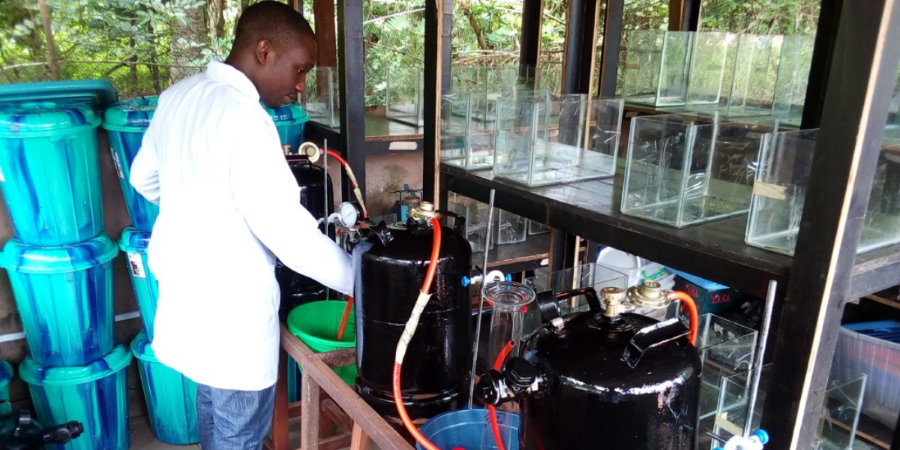
    A recent study by Ijaola, et al. (2024) titled “Biogas Production, Upgrading, and Utilization: A Comprehensive Review” published in the Journal of Engineering and Applied Sciences shows that biogas is renewable, cost-effective, and improved through co-digestion, while membrane technology offers lower costs but requires higher investment.

    Biogas is a renewable, cost-effective energy source enhanced by co-digestion and advanced upgrading technologies.– Ijaola, et al. 2024

    The article explores biogas production through anaerobic digestion (AD), a process where organic matter is broken down without oxygen. Various feedstocks, including agricultural waste, kitchen waste, and sewage sludge, are utilized. It reviews several technologies for upgrading biogas to meet quality standards, such as water scrubbing, chemical scrubbing, and membrane technology, evaluating each based-on factors like cost, methane recovery, and maintenance requirements. The environmental benefits of biogas, including reduced greenhouse gas emissions and its role as a renewable energy source, are emphasized. The article also discusses government policies that promote and support biogas production.

    How the Study was Conducted

    The study employed pressure swing adsorption (PSA), this method uses adsorbent materials like clinoptilolite to selectively adsorb gas molecules based on size and affinity. The process involves four steps: pressurization, feed, blowdown, and purge. The study also employed pressurized water scrubbing, this technique relies on the solubility of CO2 and H2S in water under high pressure and low temperature. It involves countercurrent movement of gas and liquid to enhance gas-liquid interaction. In addition, the study utilizes chemical absorption (amine scrubbing). This method uses amines like MDEA to chemically react with CO2, forming a reversible bond that allows for efficient gas separation.

    What the Authors Found

    The study posits that biogas is a renewable, environmentally friendly, and inexpensive energy source. It can be produced from various feedstocks, including municipal solid waste and microalgae, through anaerobic digestion (AD). The efficiency of biogas upgrading technologies varies. Membrane technology has lower operating and maintenance costs but requires significant investment compared to chemical absorption technology. Furthermore, the study found that microalgae offer advantages like fast growth and CO2 absorption but face challenges such as low biogas yield and VFAs buildup. Co-digestion and pretreatment can enhance biogas production.

    Why is this important?

    Environmental Impact: It addresses the global threat of climate change by promoting biogas as a renewable energy source that reduces greenhouse gas emissions and carbon footprint.
    Energy Efficiency: The study evaluates various biogas upgrading technologies, aiming to improve the quality and efficiency of biogas for different uses, from residential consumption to power generation.
    Sustainable Waste Management: It highlights the potential of biogas production from diverse feedstocks, including agricultural waste, food waste, and sewage sludge, contributing to waste reduction and resource recovery.
    Policy and Future Work: The study explores government regulations and future research directions to facilitate the broader implementation and advancement of biogas technologies.

    What the Authors Recommended

    • The authors emphasize the importance of improving biogas quality to meet consumption requirements. They suggest using efficient upgrading technologies to enhance methane recovery and reduce impurities.
    • The authors recommend that government policies and regulations should support the implementation of biogas technologies to promote sustainable energy solutions.
    • The authors encourage further research into biogas production, upgrading, and utilization to address existing challenges and improve efficiency.
    • The authors highlight the need for optimizing the use of various feedstocks, including agricultural waste, sewage sludge, and microalgae, to maximize biogas production and sustainability.

    In conclusion, biogas presents a promising renewable energy solution with significant environmental and economic benefits. By optimizing production through anaerobic digestion and leveraging advanced upgrading technologies like membrane filtration and chemical absorption, biogas can serve as a sustainable alternative to fossil fuels. Continued research, policy support, and innovation in feedstock utilization, such as co-digestion and microalgae, are essential for maximizing its potential. As global energy needs rise, biogas offers a viable path towards reducing greenhouse gas emissions, promoting efficient waste management, and driving a greener, more sustainable future.

  • Enhancing Biogas Production from Food Waste in Sub-Saharan Africa: The Role of Anaerobic Co-Digestion and Pyrolysis

    Enhancing Biogas Production from Food Waste in Sub-Saharan Africa: The Role of Anaerobic Co-Digestion and Pyrolysis

    A recent study by Emmanuel, et al. (2024) titled “Biogas generation from food waste through anaerobic digestion technology with emphasis on enhancing circular economy in Sub-Saharan Africa–A review” published in Energy Reports shows that anaerobic co-digestion of FW with animal manure and integrating pyrolysis with AD can significantly address these challenges, enhancing biogas production.

    Combining food waste with animal manure enhances biogas production and supports sustainable energy initiatives. – Emmanuel, et al. 2024

    This article examines the promising potential of generating biogas from food waste using anaerobic digestion technology in Sub-Saharan Africa, focusing on its significance in fostering a circular economy. Biogas production from food waste not only addresses waste management issues but also serves as a sustainable energy source, contributing to various socio-economic and environmental goals. The review delves into the challenges associated with utilizing food waste for biogas production. Key issues include the availability of suitable feedstock, which can be inconsistent due to seasonal variations and collection difficulties. Additionally, structural challenges such as inadequate infrastructure for waste collection, transportation, and processing can hinder the effective implementation of biogas systems. Technology limitations, including the need for efficient anaerobic digestion processes that can handle diverse waste compositions, also pose obstacles to maximizing biogas yields. To overcome these challenges, the article proposes several innovative solutions. One such approach is anaerobic co-digestion, which combines food waste with animal manure. This strategy not only enhances the nutritional content of the feedstock but also improves microbial activity, leading to higher biogas production. Another promising solution is the integration of pyrolysis with anaerobic digestion. Pyrolysis can convert organic waste into biochar, which, when used as a supplement in the digestion process, can significantly enhance biogas yields by providing a stable carbon source and improving the overall efficiency of the anaerobic digestion process. The article further emphasizes the connection between biogas production and the achievement of Sustainable Development Goal 7 (SDG7), which aims to ensure universal access to affordable, reliable, and modern energy services by 2030. By harnessing biogas as a renewable energy source, communities can reduce their reliance on fossil fuels, promote energy security, and provide cleaner alternatives for cooking and heating.

    How the Study was Conducted

    The research employed a cross-sectional design to gather data at a single point in time. The study included 500 participants selected through random sampling from the target population. Data was collected using structured questionnaires that were pre-tested for reliability and validity. The collected data was analyzed using statistical software to perform descriptive and inferential statistics.

    What the Authors Found

    The authors found that the impact of energy retrieved from food waste (FW) alone through anaerobic digestion (AD) is minimal due to feedstock, structural, and AD technology challenges. The study also found that anaerobic co-digestion of FW with animal manure and integrating pyrolysis with AD can significantly address these challenges, enhancing biogas production. In addition, the potential impact of biogas from FW can be as high as 57% in urban areas and 43% in rural areas if challenges are addressed.

    What the Authors Recommend

    • The authors emphasize that combining food waste (FW) with animal manure can significantly enhance biogas production.
    • The study advocates integrating pyrolysis with anaerobic digestion (AD) processes can improve biogas yield and quality.
    • Furthermore, overcoming feedstock, structural, and technological challenges is crucial for maximizing biogas production from FW.
    • In addition, utilizing FW for biogas can reduce environmental pollution, promote clean energy access, and support the achievement of Sustainable Development Goal 7 (SDG7).

    In conclusion, the study highlights the transformative potential of biogas generation from food waste in Sub-Saharan Africa, presenting a dual solution for waste management and sustainable energy production. By addressing the existing challenges related to feedstock availability, infrastructure, and technology, innovative approaches such as anaerobic co-digestion and the integration of pyrolysis can significantly enhance biogas yields. This not only contributes to local energy security and economic resilience but also aligns with global sustainability goals. Ultimately, harnessing biogas from food waste can pave the way for cleaner energy alternatives, reduce environmental pollution, and support communities in achieving Sustainable Development Goal 7, fostering a more sustainable and circular economy in the region.

  • Exploring Cultural Interconnectivity Between Jewish and Yoruba Traditions: Enhancing Peaceful Coexistence and Socio-Economic Development

    Exploring Cultural Interconnectivity Between Jewish and Yoruba Traditions: Enhancing Peaceful Coexistence and Socio-Economic Development

    A recent study by Okediji, et al. (2024) titled “Cultural Interaction: An Overview of the Interconnectivity Between Jewish and Yoruba Traditional Cultures” published in the African Journal of Humanities and Contemporary Education Research shows that the cultural interaction between the two societies can enhance peaceful coexistence and socio-economic development.

    Cultural interactions between Jewish and Yoruba traditions can enhance peaceful coexistence and promote socio-economic development.– Okediji, et al. 2024

    This article provides a comprehensive overview of the interconnections between Jewish and Yoruba traditional cultures, exploring how these two rich cultural traditions have influenced and intersected with each other over time. It delves into the historical backgrounds of both cultures, tracing their points of contact and interactions across different periods and regions. By examining specific cultural practices, rituals, and traditions, the article highlights notable similarities, exchanges, and mutual influences between the Jewish and Yoruba communities, offering insights into the shared elements that have shaped their cultural identities.

    How the Study was Conducted

    The study compares cultural elements from both Jewish and Yoruba traditions to identify similarities and differences and examines historical interactions and influences between the two cultures. The study reviews existing literature on both cultures to provide a comprehensive background and also includes field research to gather primary data from cultural practitioners and communities. The study used historical, anthropological, and sociocultural methodologies to reconstruct past events and analyze the cultural interactions. This approach helps to provide a thorough understanding of the cultural interactions between the Jewish and Yoruba traditions.

    What the Authors Found

    The authors found a possibility of historical contact between the Jewish and Yoruba societies, which has led to significant cultural interconnectivity and convergence. The authors posit that the cultural interaction between the two societies can enhance peaceful coexistence and socio-economic development.

    Why is this Important?

    Cultural Preservation: It helps preserve and document the rich cultural heritage of both societies, ensuring that valuable traditions and practices are not lost over time.
    Promoting Unity: Highlighting commonalities and shared histories, it fosters a sense of unity and mutual respect between different cultural groups.
    Socio-economic Development: Positive cultural exchanges can lead to collaborative efforts that boost socio-economic development and innovation.
    Conflict Resolution: Understanding and appreciating cultural interconnectivity can play a crucial role in resolving conflicts and promoting peaceful coexistence.
    Educational Value: It provides valuable insights for academic research and education, enriching our understanding of human history and cultural evolution.

    What the Authors Recommended

    • The authors emphasize and encourage cultural practices that foster development and peaceful coexistence.
    • The authors advocate for identifying and eliminating cultural practices that are detrimental to societal progress.
    • Furthermore, the study recommends continuing to use historical, anthropological, and socio-cultural methodologies to understand further and strengthen cultural interconnectivity.
    • In addition, facilitate discussions and exchanges between different cultural groups to promote mutual understanding and respect.

    In conclusion, the study by Okediji et al. underscores the profound cultural interconnectivity between Jewish and Yoruba traditions, offering valuable insights into how these shared histories can foster peaceful coexistence and socio-economic progress. By promoting mutual respect, understanding, and collaboration, cultural exchanges between diverse societies hold the potential to preserve heritage, resolve conflicts, and drive collective development. This research encourages continued exploration of such interactions, emphasizing the importance of cultural preservation and unity in an increasingly interconnected world.

  • Boosting Patient Care and Research: Key Insights and Strategies for Successful International Collaborations in Resource-Limited Settings

    Boosting Patient Care and Research: Key Insights and Strategies for Successful International Collaborations in Resource-Limited Settings

    A recent study by Mekonnen, H. D., & Topazian, M. (2024) titled “Opportunities for international collaboration in resource-limited settings: insights from Africa” published in Techniques and Innovations in Gastrointestinal Endoscopy shows that international collaborations can significantly improve patient care, research, and education, benefiting all parties involved.

    International collaborations significantly enhance patient care, research, and education in resource-limited settings through mutual benefits, cultural understanding, and communication. – Mekonnen, H. D., & Topazian, M. 2024

    The article underscores the significance of international collaborations in enhancing patient care, education, and research, particularly in resource-limited environments. It addresses the challenges posed by cultural differences, limited resources, and communication barriers, while offering strategies to overcome these obstacles. Key factors for successful partnerships are highlighted, such as mutual benefits, effective communication, and cultural understanding. The article also offers recommendations for building strong, mutually beneficial collaborations between resource-rich and resource-limited settings.

    How the Study was Conducted

    The authors interviewed colleagues who have established sustainable international collaborations to gather insights and best practices. The authors reviewed existing literature on international collaborations, focusing on clinical, educational, and research settings. Examples of successful collaborations, such as the Ethiopian Hepatitis B Program, were analyzed to identify key elements and strategies. The study developed a conceptual outline to guide the discussion on starting and nurturing successful cross-cultural collaborations.

    What the Authors Found

    The authors found that international collaborations can significantly improve patient care, research, and education, benefiting all parties involved. Understanding and respecting cultural differences is crucial for successful collaborations. The study also posits that clear communication, mutual benefit, and proper planning are essential for maintaining long-term, productive partnerships, and short-term visits and training programs can enhance local medical education and raise awareness of health issues

    Why is this important?

    Improved Patient Care: By sharing knowledge and resources, international collaborations can enhance the quality of healthcare in resource-limited settings, leading to better patient outcomes.
    Enhanced Research: Collaborations can lead to more comprehensive and diverse research, incorporating different perspectives and expertise, which can result in more robust and applicable findings.
    Educational Benefits: These partnerships often include training and educational programs that can significantly improve the skills and knowledge of healthcare professionals in resource-limited areas.
    Cultural Exchange: Understanding and respecting cultural differences can lead to more effective and harmonious collaborations, fostering mutual respect and learning.
    Sustainability: Well-planned and mutually beneficial collaborations are more likely to be sustainable, ensuring long-term benefits for all parties involved.

    What the Authors Recommended

    • The study suggests establishing open and transparent communication channels to ensure all parties are on the same page.
    • The authors also suggest setting shared objectives that benefit all collaborators, ensuring the partnership is equitable and mutually beneficial.
    • The study recommended developing long-term plans that include sustainability measures to ensure the collaboration can continue to thrive.
    • In addition, the study emphasizes continuously assessing the progress and impact of the collaboration to make necessary adjustments and improvements.

    In conclusion, international collaborations offer immense potential to transform healthcare, education, and research, particularly in resource-limited settings. By fostering mutual understanding, clear communication, and sustainable strategies, these partnerships can significantly enhance patient care and empower local healthcare systems. With a focus on long-term benefits and cultural respect, international collaborations not only address immediate challenges but also pave the way for ongoing improvements in global health outcomes.

  • Hydrogen Production, Storage, and Transportation: Key Advances and Role in a Sustainable Energy Future

    Hydrogen Production, Storage, and Transportation: Key Advances and Role in a Sustainable Energy Future

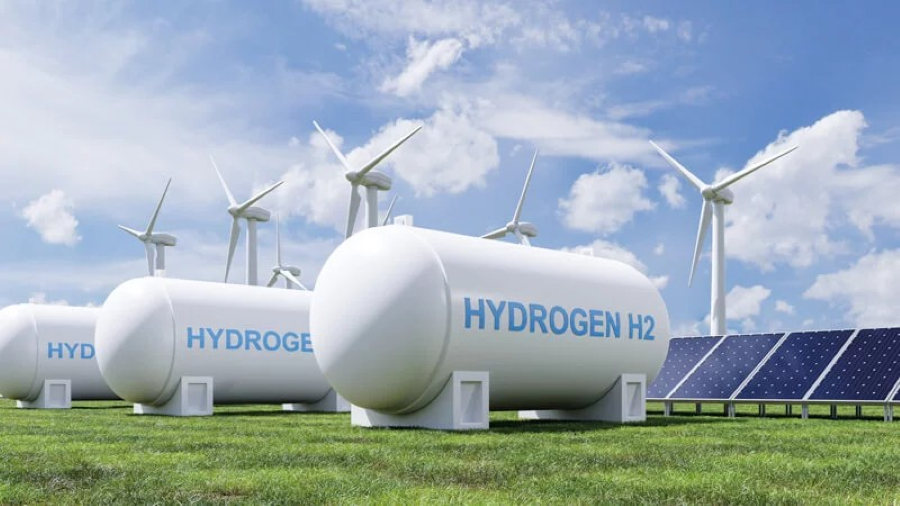
    A recent study by Rampai, et al. (2024) titled “Hydrogen production, storage, and transportation: recent advances” published in RSC Advances, shows that hydrogen is a clean energy carrier that produces only water as a by-product when used, making it a key player in reducing greenhouse gas emissions and combating climate change.

    This article offers an in-depth review of the key aspects of hydrogen production, storage, and transportation, focusing on the critical role hydrogen can play in future energy systems. It explores multiple methods of hydrogen storage, including gaseous, liquid, and solid-state options, analyzing both their benefits and the challenges associated with each. For gaseous hydrogen, the simplicity of storage is balanced against the challenge of needing high-pressure containment systems. Liquid hydrogen, while offering greater energy density, presents issues like cryogenic temperatures and energy losses during liquefaction. Solid-state hydrogen storage, using materials like metal hydrides, offers promising solutions in terms of safety and capacity but faces challenges in terms of cost and efficiency.

    Hydrogen is a promising clean energy carrier with potential to significantly reduce greenhouse gas emissions and support sustainability.– Rampai, et al. 2024

    The article delves into the concept of a hydrogen-based energy system, which is seen as a key enabler of decarbonization across various sectors such as transportation, industry, and power generation. Hydrogen can serve as a clean fuel alternative, producing no carbon emissions when used in fuel cells, thus aiding in the reduction of greenhouse gases and promoting sustainability. The discussion also touches on hydrogen’s potential within a circular economy framework, where its use contributes to creating sustainable energy loops, minimizing waste, and optimizing resource use. Moreover, the article covers different hydrogen production techniques, each with distinct advantages and drawbacks. Electrolysis, for example, which splits water into hydrogen and oxygen using electricity, is seen as a green solution when powered by renewable energy sources. Natural gas reforming, the most common method of hydrogen production today, is more economically viable but releases carbon emissions unless coupled with carbon capture and storage technologies. Biomass conversion is another option that leverages organic materials to produce hydrogen, offering a renewable but complex pathway with its own environmental considerations. Finally, the article examines the role of advanced materials, including metal hydrides, carbon-based materials, and nanomaterials, in improving hydrogen storage. These materials can significantly increase the storage capacity, safety, and efficiency of hydrogen systems. Metal hydrides, for instance, allow for safer and more compact storage, but the development of lightweight and cost-effective hydrides remains a challenge. Carbon-based materials and nanotechnology offer new frontiers for enhancing hydrogen adsorption and release properties, pushing the boundaries of storage capabilities in both gaseous and solid forms.

    How the Study was Conducted

    The authors employed an extensive review of existing literature to gather information on various hydrogen storage methods, production techniques, and advanced materials. This helped in understanding the current state of technology and identifying gaps in knowledge. Various hydrogen storage techniques were experimentally analyzed. This included testing different storage materials like metal hydrides, carbon-based materials, and nanomaterials to evaluate their storage capacity, kinetics, and safety. The study compared different hydrogen production methods such as electrolysis, natural gas reforming, and biomass conversion. The efficiency, sustainability, and environmental impact of each method were assessed. The use of nanotechnology was explored to enhance the properties of storage materials. This involved fine-tuning material properties at the molecular and atomic levels to improve hydrogen storage capacity and safety. The collected data from experiments and literature reviews were analyzed to draw conclusions about the most effective and sustainable methods for hydrogen production, storage, and transportation.

    What the Authors Found

    The study posits that hydrogen is recognized as a promising clean energy carrier, producing only water as a by-product, making it highly environmentally friendly. The envisioned hydrogen economy positions hydrogen as a crucial element in decarbonizing sectors such as transportation, industry, and power generation, thereby supporting the transition to a circular economy.

    Why is this important?

    Environmental Impact: Hydrogen is a clean energy carrier that produces only water as a by-product when used, making it a key player in reducing greenhouse gas emissions and combating climate change.
    Energy Security: Hydrogen can be produced from various sources, including renewable energy, which can help diversify the energy supply and reduce dependence on fossil fuels.
    Technological Advancements: The exploration of advanced materials and nanotechnology for hydrogen storage can lead to more efficient and safer storage solutions, which are crucial for the widespread adoption of hydrogen as an energy source.
    Economic Benefits: Developing a hydrogen economy can create new industries and job opportunities, driving economic growth and innovation.
    Decarbonization: Hydrogen has the potential to decarbonize hard-to-abate sectors like heavy industry, transportation, and power generation, supporting global efforts to achieve net-zero emissions.

    What the Authors Recommend

    • The authors emphasize the need for continued investment in R&D to improve hydrogen production methods, storage technologies, and the development of advanced materials.
    • The authors recommend strong policy support from governments to promote the adoption of hydrogen technologies. This includes subsidies, tax incentives, and regulations that encourage the use of hydrogen in various sectors.
    • Building a robust infrastructure for hydrogen production, storage, and distribution is crucial. This includes developing hydrogen refueling stations and integrating hydrogen into existing energy systems.
    • The study highlights the importance of collaboration between industry, academia, and government to drive innovation and overcome technical and economic challenges.
    • Increasing public awareness and understanding of hydrogen technologies is essential for gaining public support and acceptance.

    In conclusion, the study by Rampai et al. (2024) underscores the transformative potential of hydrogen as a clean and versatile energy carrier. By highlighting the advancements in hydrogen production, storage, and transportation, the research illustrates how hydrogen can significantly contribute to reducing greenhouse gas emissions and fostering a sustainable energy future. With ongoing research, technological innovations, and supportive policies, hydrogen holds the promise of revolutionizing various sectors, from transportation to power generation, while promoting environmental sustainability and economic growth. The study calls for continued investment and collaboration to address existing challenges and unlock the full potential of hydrogen in the global energy landscape.

  • Impact of Road Transport Infrastructure on Property Values in West Africa: A Comparative Study of Ghana and Nigeria

    Impact of Road Transport Infrastructure on Property Values in West Africa: A Comparative Study of Ghana and Nigeria

    A recent study by Alexander, C. B., & Okpakam, I. (2024) titled “The Role of Road Transport Infrastructure in Shaping Property Values in West Africa (Ghana and Nigeria): A Review of Literature” published in Frontiers in Management Science shows that improved road transport infrastructure generally leads to an increase in property values.

    Improved road transport infrastructure significantly increases property values in Ghana and Nigeria by enhancing accessibility, economic activity, and urbanization.– Alexander, C. B., & Okpakam, I. 2024

    The article explores the significant impact of road transport infrastructure on property values in West Africa, with a particular focus on Ghana and Nigeria. It investigates how the development and quality of road networks influence property values in both urban and rural settings. By providing a comparative analysis between the two countries, the article highlights the similarities and differences in how road infrastructure shapes real estate markets, contributing to broader economic development. The study delves into how improved road connectivity enhances accessibility, reduces transportation costs, and promotes economic activity, all of which drive up property values, particularly in urban areas. Conversely, rural regions often experience a different dynamic where the presence or absence of infrastructure can either stimulate or hinder real estate growth.

    How the Study was Conducted

    The study involves a comprehensive review of existing literature to understand the relationship between road transport infrastructure and property values. It compares findings from different studies conducted in Ghana and Nigeria to identify common trends and differences. The study relies on secondary data from previous research, government reports, and academic publications. An analytical framework is used to assess the impact of road transport infrastructure on property values, considering various factors such as accessibility, economic development, and urbanization.

    What the Authors Found

    The authors found that improved road transport infrastructure generally leads to an increase in property values. The study also posits that enhanced infrastructure supports economic activities, which in turn boosts property values. In addition, infrastructure development often drives urbanization, further increasing property values.

    Why is this Important?

    Economic Development: Improved infrastructure can stimulate economic growth by enhancing connectivity, reducing transportation costs, and attracting investments. This, in turn, can lead to higher property values.
    Urban Planning: Insights from such studies can guide urban planners and policymakers in making informed decisions about infrastructure development. This ensures that resources are allocated efficiently and that infrastructure projects have the maximum positive impact on communities.
    Real Estate Market: For real estate developers and investors, understanding the relationship between infrastructure and property values can help in making strategic decisions about where to invest. This can lead to more profitable ventures and sustainable development.
    Social Equity: Improved infrastructure can enhance access to essential services and amenities, contributing to a better quality of life. It can also help in reducing disparities between urban and rural areas by making remote areas more accessible and attractive for development.
    Environmental Impact: Well-planned infrastructure can reduce traffic congestion and pollution, contributing to a healthier environment. This is particularly important in rapidly urbanizing regions like West Africa.

    What the Authors Recommend

    • The authors emphasize the need for continuous investment in road transport infrastructure to support economic growth and enhance property values.
    • The authors recommend integrated urban and rural planning to ensure that infrastructure development is aligned with broader economic and social goals.
    • The study suggests policy reforms to streamline the process of infrastructure development, reduce bureaucratic hurdles, and encourage private sector participation.
    • The study highlights the importance of using data and evidence-based approaches in planning and implementing infrastructure projects.
    • Engaging local communities in the planning process is recommended to ensure that infrastructure projects meet the needs of the people and have a positive impact on their lives.
    • The authors stress the importance of sustainable infrastructure development that considers environmental impacts and promotes long-term benefits.

    In conclusion, the study by Alexander and Okpakam underscores the pivotal role of road transport infrastructure in shaping property values and driving economic growth in West Africa, particularly in Ghana and Nigeria. By improving accessibility and reducing transportation costs, enhanced infrastructure fosters urbanization and economic activity, leading to higher property values, especially in urban areas. The authors emphasize the need for continued investment, integrated planning, and policy reforms to ensure sustainable infrastructure development that benefits both urban and rural communities while minimizing environmental impact. These insights provide valuable guidance for policymakers, urban planners, and real estate investors aiming to stimulate economic growth and improve quality of life.

  • Exploring African Herbal Contraceptives: A Comprehensive Study on Natural Alternatives for Women’s Reproductive Health

    Exploring African Herbal Contraceptives: A Comprehensive Study on Natural Alternatives for Women’s Reproductive Health

    A recent study by Adedokun, et al. (2024) titled “Testaments of Female Natural Contraceptives: An Update on the Usage of African Herbal Remedies” published in Tropical Journal of Natural Product Research, shows that over 70 plants were identified with anti-pregnancy effects, including acting as abortifacients, inhibiting sperm motility, and mimicking or interfering with female reproductive hormones.

    Over 70 African plants with anti-pregnancy effects, highlighting the need for more research on their contraceptive efficacy.-Adedokun, et al. 2024

    The article delves into the use of African herbal remedies as natural contraceptives for women, providing a comprehensive update on their current status and effectiveness. It examines the rich tradition of using medicinal plants in various African cultures as a natural alternative to modern contraceptives. The article reviews the scientific evidence supporting these remedies, shedding light on their potential benefits and limitations. Additionally, it features personal testimonies from women who have used these herbal contraceptives, offering insight into their experiences, challenges, and outcomes. These firsthand accounts highlight both the successes and potential risks associated with these natural methods, emphasizing the need for further research and understanding. Through this exploration, the article underscores the importance of integrating traditional knowledge with modern scientific inquiry to enhance women’s reproductive health options.

    How the Study was Conducted

    Women who have used or are currently using African herbal remedies for contraception were selected for the study. The authors employed data through interviews and surveys, where participants shared their experiences and outcomes. The specific types of herbal remedies used were documented, including their preparation and administration methods. The effectiveness of these remedies was assessed based on the participants’ feedback and any recorded side effects. The study compared the effectiveness of these herbal remedies with conventional contraceptives.

    What the Authors Found

    The authors found that over 70 plants were identified with anti-pregnancy effects, including acting as abortifacients, inhibiting sperm motility, and mimicking or interfering with female reproductive hormones. More than 15 substances were highlighted for their contraceptive effects, such as ferutinin, quinovic acid glycosides, nimbolide, resveratrol, and gossypol.Despite the benefits, the adoption of natural contraceptives remains low due to the lack of rigorous scientific studies and clinical trials validating their efficacy and safety.

    Why is this Important

    Expanding Contraceptive Options: It provides additional contraceptive choices, especially for women in regions with limited access to conventional methods.
    Cultural Acceptance: These remedies are rooted in traditional practices, making them more culturally acceptable and easier to integrate into local healthcare practices.
    Natural Alternatives: Highlighting natural contraceptives can offer solutions with potentially fewer side effects compared to synthetic options.
    Research and Validation: The study emphasizes the need for more scientific research and clinical trials to validate the effectiveness and safety of these natural remedies.
    Policy Influence: The findings could inform health policies, encouraging the inclusion of traditional medicine in mainstream healthcare systems.

    What the Authors Recommended

    • The authors advocate for more rigorous scientific studies and clinical trials to validate the efficacy and safety of these herbal remedies.
    • The study suggests integrating these natural contraceptives into mainstream healthcare systems, especially in regions where they are culturally accepted.
    • The authors recommend that policymakers support the inclusion of traditional medicine in health policies to provide more diverse contraceptive options.
    • Furthermore, the study emphasizes the need for educational programs to raise awareness about the potential benefits and proper use of these natural contraceptives.

    In conclusion, the study by Adedokun et al. (2024) underscores the rich potential of African herbal remedies as natural contraceptives, offering a compelling alternative to conventional methods. By identifying over 70 plants with anti-pregnancy effects and highlighting key substances with proven contraceptive properties, the research opens the door to a broader range of reproductive health options. However, the low adoption of these remedies points to the urgent need for further scientific validation and clinical trials. Integrating traditional knowledge with modern scientific inquiry could significantly enhance contraceptive choices, particularly in culturally receptive regions. The study advocates for policy support and educational initiatives to raise awareness and ensure the safe, effective use of these natural alternatives. Through such efforts, we can enrich women’s reproductive health options and foster a more inclusive approach to contraceptive care.