Author: AR Managing Editor

  • Unlocking Solutions: Antivirals and Metformin as Promising Strategies to Combat Long COVID

    Unlocking Solutions: Antivirals and Metformin as Promising Strategies to Combat Long COVID

    The global impact of long-term COVID, characterized by persistent symptoms or conditions after a COVID infection, continues to underscore the urgent need for preventive and therapeutic measures. Approximately 5%-10% of COVID survivors experience long COVID, with symptoms ranging from fatigue to severe complications like heart and neurological conditions. The societal implications, including reduced workforce productivity and increased healthcare costs, make it imperative to explore innovative approaches for prevention and treatment.

    Antivirals as a Potential Solution

    Recent research has shed light on the potential role of antiviral medications in reducing the risk of long-term COVID. Observational studies have indicated that oral antiviral drugs, such as nirmatrelvir and ritonavir (Paxlovid), may lead to a 26% reduction in long-term COVID risk. Additionally, molnupiravir (Lagevrio) has shown a promising 14% decrease in the risk of persistent symptoms. Ensitrelvir, an antiviral available in Japan, is also under investigation for its potential to mitigate long COVID. These findings suggest that antiviral medications could be a crucial approach in minimizing the burden of long COVID, especially in populations at higher risk.

    Metformin as a Surprising Contender: In a noteworthy development, a randomized trial has explored the use of metformin, a commonly prescribed diabetes medication, as a potential strategy to reduce the risk of long-term COVID. Individuals with symptomatic COVID who were overweight or obese and received metformin for two weeks showed a 41% lower likelihood of developing long COVID compared to a placebo group. While the precise mechanism remains unclear, the impact on mitochondria or direct effects on the virus could be potential avenues for further investigation. This unexpected finding highlights the importance of diversifying treatment options and warrants further research.

    Understanding Long COVID

    While effective treatments for long COVID are currently lacking, advancements in understanding the underlying mechanisms have paved the way for potential diagnostic tools and targeted interventions. Major strides have been made in comprehending the physiological factors driving long COVID, providing avenues for more nuanced diagnostic approaches and tailored treatments. However, the quantity and pace of clinical trials on long COVID treatments remain insufficient, with public health policies primarily focused on preventing severe acute disease rather than the long-term effects.

    Research Gaps and Policy Responses

    Recognizing the gaps in long COVID research, some positive steps have been taken. Australia recently allocated $22 million for long COVID research, while the White House established the Office of Long COVID Research and Practice. These initiatives aim to coordinate responses and conduct randomized trials on antivirals. However, there is a pressing need for stronger global recognition and urgency in addressing long COVID. The potential long-term health and societal burden necessitates prioritized research efforts, mirroring the rapid development of COVID vaccines and antivirals.

    Conclusion

    In light of the evolving nature of COVID and the increasing prevalence of long COVID, the global response must encompass a multifaceted approach. Antiviral medications and unexpected contenders like metformin show promise in reducing the risk of long-term COVID, but more extensive research is crucial. The emphasis should extend beyond preventing acute disease to developing diagnostic tools, clinical care pathways, and targeted treatments. Recognizing the urgency, governments and health organizations worldwide must allocate resources and prioritize research to effectively tackle the looming challenge of COVID.

  • Advancing Precision Medicine in Africa: Genomic Research Initiatives, GenoPharm Innovations, and Collaborative Healthcare Solutions

    Advancing Precision Medicine in Africa: Genomic Research Initiatives, GenoPharm Innovations, and Collaborative Healthcare Solutions

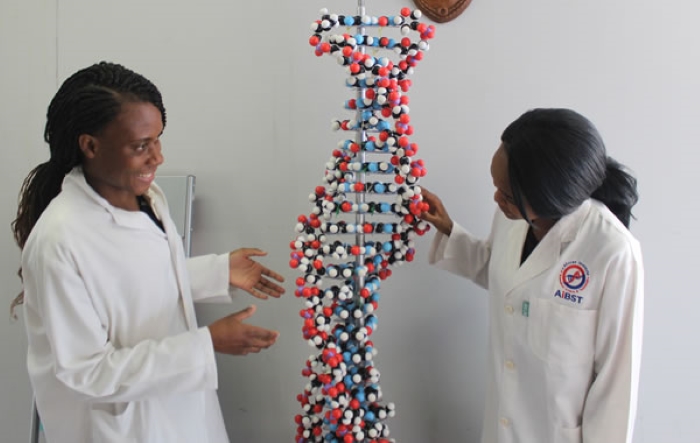
    In a recent guest column, Professor Collen Masimirembwa, the Founding President and CEO of the African Institute of Biomedical Science and Technology (AiBST), sheds light on the critical need to catalyze precision medicine in Africa. Despite being the continent with the highest genetic diversity, Africa is significantly underrepresented in genomic research, contributing only 2% of global genomic data as of 2021.

    The consequences of this underrepresentation are profound, impacting disease risk prediction and drug development, which traditionally relies heavily on data from European populations. As a result, treatments developed using such data may not be as effective for diverse African populations, leading to poor health outcomes and exacerbating existing health inequities. Clinical trials in Africa are also limited, with only 3.5% taking place on the continent, causing variations in treatment responses, especially in diseases like cancer and HIV.

    Initiatives for Genomic Research

    Recognizing the urgency of addressing this disparity, Prof. Masimirembwa emphasizes the significance of investing in building an ecosystem for developing precision medicine tailored to Africa. The African Pharmacogenomics Consortium (APC) and the African Society of Human Genetics (AfSHG) have been pivotal in spearheading initiatives like the Human Heredity and Health in Africa (H3Africa) program, which has significantly increased genomic data on African populations.

    One notable achievement is the creation of a biobank by APC member countries, housing over 20,000 samples from diverse ethnic groups. Studies from this biobank highlight the 25% greater genetic diversity in the African population compared to other groups worldwide, emphasizing the need for region-specific approaches in drug development. Prof. Masimirembwa’s team at AiBST has conducted studies on various diseases, including breast and colorectal cancers, HIV, TB, and sickle cell disease, revealing population-specific genetic variations affecting drug responses.

    GenoPharm and Precision Medicine Program

    In response to these findings, AiBST has collaborated with a biotech company to develop GenoPharm, a genetic test with approximately 120 markers predicting responses to over 100 drugs. This innovative approach aims to guide treatment decisions based on individual genetic profiles, ensuring safer and more effective outcomes. The success of pilot studies involving 500 patients has paved the way for the Implementation of Pharmacogenetic Testing for Effective Care and Treatment in Africa (iPROTECTA) program. With funding from the Calestous Juma Science Fellowship, iPROTECTA aims to enroll 6,000 patients across Kenya, Nigeria, Zimbabwe, and South Africa to test the effectiveness of precision medicine in treating tuberculosis, gastrointestinal tumors, and sickle cell disease.

    Capacity Building and Collaboration

    Beyond precision medicine, AiBST is committed to addressing broader health challenges in Africa by building an ecosystem for product development. Collaboration with Stanford University led to the creation of SPARK Africa, a network of translational scientists with a vision to commercialize life science products created by Africans. SPARK Africa provides a platform for governments, funders, and pharmaceutical companies to contribute to advancing product development on the continent.

    In conclusion, Prof. Masimirembwa’s work exemplifies a holistic approach to advancing healthcare in Africa, encompassing precision medicine, capacity-building, and collaborative innovation. By recognizing and leveraging the continent’s unique genetic diversity, Africa can play a pivotal role in shaping the future of genomic medicine and addressing its healthcare needs.

  • ICT Revolution: Boosting Tax Revenue in Southern Africa – Insights from SADC Countries (2023)

    ICT Revolution: Boosting Tax Revenue in Southern Africa – Insights from SADC Countries (2023)

    A recent article by Jemiluyi, O. O., and Jeke, L. (2023) titled “Tax Revenue Mobilization Effort in Southern African Development Community (SADC) bloc: Does ICT Matter?” published in Cogent Economics & Finance by Taylor & Francis shows that ICT indicators (internet usage and mobile cellular) have a positive and significant effect on tax revenue mobilization.

    ICT development, particularly internet usage and mobile cellular subscriptions, significantly and positively impacts tax revenue mobilization in SADC countries. – Jemiluyi and Jeke 2023

    This article explores the impact of ICT on tax revenue mobilization in the Southern African Development Community (SADC) bloc. In the dynamic landscape of Southern African economies, the intersection of information and communication technology (ICT) and taxation has emerged as a transformative force. The authors investigate whether ICT development enhances tax revenue generation in 12 SADC countries from 2001 to 2020. The authors find that ICT development, measured by internet usage and mobile cellular usage, has a positive and significant effect on tax revenue in the SADC bloc. This effect is robust for different types of taxes, such as taxes on goods and services and taxes on income, profit, and capital gains.

    How the study was conducted

    The study employed panel data from 12 SADC member countries from 2001 to 2020. The dependent variable was tax revenue as a share of GDP, and the main explanatory variable was ICT, measured by internet usage and mobile cellular subscriptions. The study employed the Fully Modified OLS (FMOLS) method to estimate the long-run relationship between tax revenue and ICT, controlling for other variables. The FMOLS method is suitable for panel data with heterogeneous and endogenous regressors. The study also tested for panel unit root, panel cointegration, and panel causality.

    What the authors found

    The authors found that ICT indicators (internet usage and mobile cellular) have a positive and significant effect on tax revenue mobilization. This is consistent for all categories of taxes examined.

    The study found that ICT enhances tax revenue by mitigating the challenges of delay, high administrative costs, evasion, and corruption associated with paper-based tax procedures. ICT also increases the tax base by generating employment and spurring productivity and innovation in the economy.

    In addition, the authors noted that the level of ICT development and usage is not uniform across the SADC countries. Some countries have better ICT infrastructure, literacy, and institutional quality than others. These factors may affect the potential benefits of ICT for revenue mobilization.

    What the authors recommend

    • The authors suggest that ICT can be a useful tool for enhancing revenue mobilization in developing countries, especially in the SADC region. The article recommends that policies aimed at fostering digital automation of tax processes should be prioritized in revenue mobilization plans of SADC countries.
    • The authors also recommend that SADC countries adopt policies that foster digital automation of tax processes, as well as sound public finance policies, to improve their revenue mobilization capacity.
    • In addition, the authors recommend that policies aimed at fostering digital automation of tax processes should be prioritized in revenue mobilization plans of SADC countries. The article also calls for further research on the mechanisms and channels through which ICT affects tax revenue.

    In conclusion, the study by Jemiluyi, O. O., and Jeke, L. sheds light on the pivotal role of Information and Communication Technology (ICT) in shaping tax revenue mobilization within the Southern African Development Community (SADC) bloc. The positive and significant impact of ICT indicators, such as internet usage and mobile cellular subscriptions, across diverse tax categories underscores the potential of digitalization in overcoming challenges associated with traditional, paper-based tax procedures. As the findings suggest, embracing digital automation not only mitigates issues related to delay, high administrative costs, evasion, and corruption but also expands the tax base by fostering employment, productivity, and innovation. However, the authors caution that the uneven levels of ICT development among SADC countries may influence the effectiveness of these benefits. Consequently, the article advocates for the prioritization of policies aimed at digital automation in revenue mobilization plans, emphasizing the need for sound public finance policies. The call for further research on the nuanced mechanisms through which ICT impacts tax revenue serves as a valuable directive for future exploration in this dynamic intersection of technology and fiscal governance.

  • Diaspora Tourism Impact: African American Tourists and Handicraft Trade in Ghana

    Diaspora Tourism Impact: African American Tourists and Handicraft Trade in Ghana

    A recent article by Afrifah, M., and Mensah, J. (2023) titled “Diaspora tourism and homeland development: exploring the impacts of African American tourists on the livelihoods of local traders in Southern Ghana” published in African Geographical Review by ResearchGate shows that African American tourists are among the major buyers of handicrafts in Ghana, but their numbers and expenditures have declined over the years.

    This article explores how African American tourists who visit Ghana to connect with their ancestral roots impact the livelihoods of local traders who sell handicrafts and souvenirs. The study identifies the types of handicrafts that are produced and consumed by African American tourists, such as beaded jewelry, Kente and adinkra fabrics, and woodcarvings. It also examines the sources and supply chains of these handicrafts, which involve local and international markets. The article further explores how much and how often African American tourists spend on handicrafts and how they bargain and negotiate with the sellers. It also discusses how the craft traders use their incomes to sustain their households and businesses. The authors assess how tour operators affect the expenditure of African American tourists and the selection of craft sellers.

    African American tourist numbers decline, influencing craft markets in Ghana; tour operators wield significant power in shaping tourist experiences.– Afrifah and Mensah 2023

    How Tour Operators Affect the Expenditure of African American Tourists

    The authors explore that tour operators affect the expenditure of African American tourists and the selection of craft sellers in the following ways:

    Tour operators have the power to choose which craft markets and sellers to visit or avoid, based on their preferences, relationships, and quality of products. This can influence the demand and income of certain craft sellers over others.

    Tour operators can also negotiate prices and discounts with craft sellers on behalf of the tourists, which can affect the profitability and competitiveness of the craft sellers.

    Tour operators can educate and inform the tourists about the history, meaning, and value of the craft products, which can influence the interest and willingness of the tourists to buy them.

    Tour operators can facilitate the transportation and delivery of craft products to tourists, which can enhance the convenience and satisfaction of the tourists and the reputation and loyalty of the craft sellers.

    How the Study was Conducted

    The study employed a qualitative research approach, entailing semi-structured in-depth interviews, observations, informal interactions, and a focus group discussion. This triangulation strategy enhanced the validity and reliability of the data. Acknowledging the positionality of the researcher also helped improve the reliability of a qualitative study. The study focused on five tourist centres in three regions of the country, including Accra, the national capital in the Greater Accra Region; Koforidua and Odumasi-Krobo in the Eastern Region; and Elmina and Cape Coast in the Central Region. These centres are in the southern half of the country and have significant attractions for African-American tourists, such as the slave castles, the Kwame Nkrumah Mausoleum, and the bead markets. The study participants included local handicraft traders, tour operators, African-American tourists, and tourism officials, all of whom were selected using a combination of purposive and snowball sampling procedures. Of the 226 participants, the majority (164) were handicraft traders, followed by tourists (47), tour operators (11), and tourism officials (4). The fieldwork took place in 2013–14, over six months, spanning the peak seasons for diaspora tourism in Ghana. Emergent themes from the data were grouped and re-grouped based on discernible relationships, patterns, and themes, which were then coded to facilitate the data analysis.

    What the authors found

    The study found that African-American tourists are among the major buyers of handicrafts in Ghana, but their numbers and expenditures have declined over the years. The study also found that they have become more savvy and frugal in bargaining for the best prices in the craft markets.

    The authors reveal that the craft trade is not very lucrative for most traders, especially in the off-peak seasons, and that they have to reinvest most of their earnings into their businesses and other basic needs. The study also shows that the supply chain of handicrafts is complex and involves local and international sources.

    The authors show that tour operators play a significant role in shaping the tourist experience and spending in Ghana, as they have the power to select, exclude, or promote certain destinations and products. The study also notes that some tour operators may engage in nepotism or favouritism in favour of certain craft sellers.

    Why is this Important

    The study provides empirical evidence on how diaspora tourism can generate economic opportunities and challenges for local communities in the host country.  It also shows how African American tourists seek to connect with their ancestral roots through purchasing and wearing Ghanaian crafts, and how local traders cater to their preferences and expectations. It identifies popular Ghanaian handicrafts that are produced for African-American tourists and examines their spending patterns and income use.

    What the Authors Recommend

    • The authors suggest that more studies are needed to explore the impacts of diaspora tourism on different aspects of development, such as education, health, infrastructure, and environment, in various African countries.
    • The authors argue that diaspora tourism can create opportunities for dialogue and collaboration between the African diaspora and the continent and enhance the sense of belonging and identity among both groups.
    • The study also suggests that local traders can improve their income and skills by developing more innovative and authentic handicrafts, forming cooperatives and networks, and accessing training and support from government and non-governmental organizations.
    • In addition, the authors also recommend that the government and other stakeholders should ensure that diaspora tourism is sustainable and inclusive and that it respects the rights and interests of local people and the environment.

    In conclusion, this study sheds light on the intricate dynamics of diaspora tourism, emphasizing the role of African-American tourists in the handicraft trade within Ghana. While the findings highlight the decline in numbers and expenditures of these tourists over the years, they also underscore the resilience and adaptability of local traders. The influence of tour operators emerges as a crucial factor in shaping the tourist experience and impacting the livelihoods of craft sellers. The intricate web of bargaining, supply chains, and the overall economic intricacies of the handicraft trade in Ghana presents a complex yet compelling narrative. As we navigate the multifaceted landscape of diaspora tourism and its effects on local economies, this research provides valuable insights for stakeholders and policymakers aiming to sustain and enhance the mutually beneficial relationship between African-American tourists and the vibrant craft markets of Southern Ghana.

  • Unlocking Prosperity: Navigating Digital Innovation and Entrepreneurship Challenges in Competitive Markets – A Comprehensive Review

    Unlocking Prosperity: Navigating Digital Innovation and Entrepreneurship Challenges in Competitive Markets – A Comprehensive Review

    A recent article by Kreiterling, C. (2023) titled “Digital Innovation and Entrepreneurship: A Review of Challenges in Competitive Markets” published in Journal of Innovation and Entrepreneurship by Springer shows that digital innovation and entrepreneurship have significant benefits for business and society.

    In an era where digital innovation reshapes the landscape of entrepreneurship, this study sheds light on the profound implications of this technological evolution. The article, synthesizing findings from seven carefully selected studies, delves into the dynamic relationship between digital innovation and entrepreneurship. Here’s an exclusive insight into the challenges and opportunities that entrepreneurs face in today’s competitive markets.

    The transformative power of digital innovation for entrepreneurs, enhancing economic growth, business performance, and competitiveness.– Kreiterling, C. 2023

    Unlocking Prosperity Through Digital Innovation

    The crux of the study underscores the transformative power of digital innovation as a catalyst for economic growth, improved business performance, and heightened competitiveness. Entrepreneurs leveraging digital technologies gain the ability to create value, reduce costs, enhance customer satisfaction, and access new markets. The author encapsulates real-world examples from diverse industries and regions, illustrating how digital innovation fuels GDP growth and societal transformation.

    Navigating the challenges of the digital Frontier

    Yet, the path to digital innovation is not without hurdles. Entrepreneurs grapple with regulatory barriers, funding constraints, outdated technologies, and sociopolitical considerations. The study identifies these challenges as formidable roadblocks and emphasizes the need for strategic collaborations between entrepreneurs, governments, and institutions. By working together, they can create an environment conducive to digital innovation, addressing regulatory complexities and ensuring equitable access to resources.

    How the study was conducted

    The author employed a comprehensive and systematic search of the literature using Scinapse, a powerful academic search engine and applied specific criteria to select the most relevant studies for the review. The author also performed a manual search by screening the reference lists of identified papers to detect any additional relevant studies. The author excluded grey literature, short communications, letters to editors, reports with no primary data, conference abstracts, dissertations, and secondary research from the literature review. As a result of the search strategy, the author identified 34 relevant papers for review and ultimately selected seven papers for inclusion in the review.

    What the authors found

    The author found that digital innovation and entrepreneurship have significant benefits for business and society. The paper reviews seven studies that show how digital technologies and digitalization can boost GDP growth, enhance business performance, increase competitiveness, and promote social transformation across various industries and regions.

    The study also found that digital innovation and entrepreneurship also face significant challenges and barriers. The paper identifies four main challenges that entrepreneurs encounter when leveraging digital technologies and digitalization: overcoming regulatory barriers, securing funding, dealing with outdated or obscure technologies, and considering sociopolitical implications.

    In addition, the author posits that digital innovation and entrepreneurship require collaboration and further research. The paper suggests that entrepreneurs, governments, and institutions need to work together to create a more supportive and equitable environment for digital innovation and entrepreneurship.

    How is this important

    Digital innovation can provide significant benefits for entrepreneurs, such as increased productivity, competitiveness, customer satisfaction, and market expansion. However, these benefits are not evenly distributed and may depend on factors such as access to funding, regulatory barriers, and sociopolitical conditions.

    Digital innovation can also pose significant challenges for entrepreneurs, such as high innovation costs, rapid technological changes, outdated or obscure technologies, and social and environmental impacts. Therefore, entrepreneurs need to be aware of the risks and opportunities associated with digital innovation and adopt a strategic and ethical approach to their business endeavours.

    The study provides a foundation for future research by highlighting the main trends and challenges in the field of digital innovation and entrepreneurship. However, the study also has some limitations, such as a small sample size, a geographical and industry-specific focus, a limited scope of digital technologies, a cross-sectional analysis, and heterogeneity in methodologies.

    Limitations and future research

    The study acknowledges the limitations of its small sample size, geographical and industry-specific focus, limited scope of digital technologies, cross-sectional analysis, and heterogeneity in methodologies. Therefore, it suggests that future research should address these limitations and explore the broader range of digital technologies and their effects on business growth and societal transformation.

    In conclusion, Kreiterling’s (2023) insightful exploration of the symbiotic relationship between digital innovation and entrepreneurship underscores the transformative potential within today’s competitive markets. While digital innovation propels economic growth, enhances business performance, and fosters competitiveness, entrepreneurs must navigate substantial challenges, from regulatory barriers to funding constraints. The study advocates for strategic collaborations between entrepreneurs, governments, and institutions to create an environment conducive to digital innovation. By recognizing the nuanced landscape of opportunities and risks, and with a call for further research, this review provides a solid foundation for understanding the intricate dynamics shaping the future of digital innovation and entrepreneurship.

  • Empowering African Cancer Research: Bridging Disparities and Promoting Local Impact

    Empowering African Cancer Research: Bridging Disparities and Promoting Local Impact

    A recent article by Rubagumya et al., (2023) titled “An analysis of the African cancer research ecosystem: tackling disparities” published in BMJ Global Health shows that African researchers depend on international funding agencies that set the research priorities and often require collaboration with high-income countries.

    Cancer research in Africa stands at a critical juncture, grappling with disparities that hinder its development and impact. This article explores the disparities in cancer research in Africa and how to address them. African researchers depend on international funding agencies that set the research priorities and often require collaboration with high-income countries (HICs). This creates power imbalances and parachutism in cancer research. The authors suggested that African governments and institutions should develop and administer their own competitive grant and fellowship schemes. The authors further describe the various challenges and imbalances that affect cancer research in Africa, such as lack of funding, infrastructure, training, representation, and local relevance.

    African cancer research faces disparities; local autonomy, funding, and collaboration are vital for impactful, context-specific advancements and equitable outcomes.– Rubagumya et al., 2023

    The Challenges and Imbalances that Affect Cancer Research in Africa

    Funding gap: Most cancer research funding comes from international agencies based in high-income countries (HICs), which often set the research priorities and impose conditions that may not align with the local needs and contexts of African countries. African researchers also face difficulties in accessing these funds due to the complex and lengthy application processes and the lack of local support and infrastructure.

    Research concentration: Cancer research in Africa is unevenly distributed, with a few countries and institutions receiving most of the resources and opportunities. This creates a vicious cycle of inequity and exclusion for other countries and institutions that may have less expertise, infrastructure, or patient populations.

    Research capacity: There is a lack of investment in the education, training, and mentorship of African researchers, especially in the field of cancer. Many clinicians who wish to conduct research have limited time, skills, and incentives to do so. There is also a shortage of research career pathways and opportunities for early-career researchers in Africa.

    Research relevance: The type of cancer research conducted in Africa is often influenced by the interests and agendas of HICs, which may not reflect the local burden, needs, and realities of cancer care in Africa. There is a need to prioritize health system strengthening, health services research, and value-based cancer care that are appropriate and feasible for the African context.

    Research dissemination: African researchers face barriers in publishing their work in high-impact journals based in HICs, which may have a publication bias against studies from low- and middle-income countries (LMICs). African researchers also have limited access to major oncology conferences, where they can network and establish collaborations. There is a need to support local journals and platforms that empower and recognize African research.

    How the study was conducted

    The authors employed a literature review of existing publications on cancer research in Africa, focusing on the topics of funding, authorship, research priorities, dissemination, and ethics. The authors also drew on their own experiences and perspectives as African researchers or collaborators in cancer research projects in Africa. The authors identified the main disparities and barriers in the cancer research ecosystem in Africa and suggested actionable steps to overcome them. In addition, the authors employed a decolonizing approach to challenge the dominant paradigms and practices of cancer research in Africa and to advocate for more local autonomy and empowerment of African researchers.

    What the Authors Found

    The authors found that sub-Saharan Africa contributes only 22% of the total cancer research papers from Africa, and most of them are from South Africa and Egypt. They also noted that African researchers are underrepresented in authorship and leadership positions in global oncology publications.

    The authors pointed out that most African countries have not met the African Union’s pledge of investing 1% of their GDP in research and development. They also argued that international funding bodies based in high-income countries (HICs) have enormous power and influence in setting global cancer research priorities, which may not align with the local needs and context of African countries.

    The authors observed that African researchers face difficulties in publishing their work in high-impact journals based in HICs, due to a documented publication bias against studies from low- and middle-income countries (LMICs).

    Why is this important

    The study highlights the need for more investment and support from African governments, societies, and institutions to fund and conduct cancer research that is appropriate for the African context and priorities. The study also calls for more collaboration and partnership between African researchers and those from high-income countries, based on mutual respect, trust, and transparency, and avoiding research parachutism and epistemic injustices. The study advocates for more training and mentorship opportunities for early-career African researchers, as well as incentives and policies, to protect their research time and career development.

    In addition, the study emphasizes the importance of health system strengthening and health services research, as well as value-based and implementation science, to improve cancer outcomes and access to care in Africa, thereby challenging the current model of academic publishing and dissemination, which is dominated by high-impact journals based in high-income countries, and suggests new tools and approaches to decolonise global oncology research, such as reflexivity statements and transparency matrices.

    What the authors recommend

    • The authors suggest that African governments should develop and administer competitive grants and fellowship schemes by African institutions and organizations.
    • The study recommends local researchers be involved in the design, conduct, and dissemination of research by local ethics committees and funding bodies.
    • Establishing and scaling up cancer research centres of excellence in African countries the authors suggest that African governments should invest in the education, training, and mentorship of early-career African researchers and provide them with protected time and incentives.
    • Furthermore, the authors argue that African governments should create an African cancer research agenda that is appropriate for the local context and led by African scholars, clinicians, and researchers.
    • The authors suggest prioritizing local journals for the dissemination of Africa-based research and adopting new tools for decolonizing academic publishing, such as the transparency matrix and structured reflexivity statements.
    • The authors recommend that African governments should promote gender equality and equity in cancer research for both participants and researchers, strengthening and encouraging South-South collaborations to address common challenges and increase capacity.

    In conclusion, addressing the disparities and challenges in cancer research in Africa requires a concerted effort from governments, institutions, and researchers. The recommendations put forth, such as developing local funding schemes, establishing research centres of excellence, and prioritizing education and mentorship, aim to empower African researchers and promote context-specific, impactful cancer research. By fostering collaboration, transparency, and a commitment to local relevance, there is potential to bridge the existing gaps, empower the next generation of researchers, and ultimately enhance cancer outcomes in the African context. The call for a paradigm shift towards autonomy, equity, and inclusivity serves as a roadmap for a more sustainable and impactful future in African cancer research.

  • Empowering Communities: Nancy Chebichii’s Journey in Combatting Household Air Pollution in Sub-Saharan Africa with CLEAN-Air(Africa)

    Empowering Communities: Nancy Chebichii’s Journey in Combatting Household Air Pollution in Sub-Saharan Africa with CLEAN-Air(Africa)

    Nancy Chebichii, a dedicated Kenyan researcher, has emerged as a key figure in addressing the pervasive issue of Household Air Pollution (HAP) in sub-Saharan Africa. Her affiliation with the NIHR Global Health Research Unit, CLEAN-Air (Africa), has positioned her at the forefront of groundbreaking research and health systems strengthening, aimed at alleviating the burden of diseases associated with HAP.

    Household Air Pollution as a Global Health Concern

    HAP, a critical global health concern, disproportionately affects low and middle-income countries. Most notably, the use of polluting solid fuels and inefficient cooking methods contributes to respiratory diseases, cardiovascular problems, and adverse pregnancy outcomes. Lack of awareness and resources has hindered the implementation of effective strategies to combat HAP.

    The Power of Health Education and Community Empowerment

    Traditional health education programs have shown promise in raising awareness and fostering behavioural change. However, the challenge lies in reaching remote areas with limited resources. Recognizing the transformative potential of digitalization, CLEAN-Air(Africa) has harnessed technology to disseminate evidence-based health information equitably, empowering communities to take charge of their well-being.

    Nancy Chebichii’s Journey

    Nancy’s journey from a public health officer to a research lead at KEMRI is marked by a pivotal encounter with CLEAN-Air(Africa). Impressed by their dedication and innovative approach, she became an integral part of the team. Her role evolved into leading health systems strengthening initiatives, including training Community Health Workers (CHWs) to combat HAP through the promotion of clean energy use.

    Digitalizing Training for Community Health

    Recognizing the need for equal access to health information, Nancy, on behalf of CLEAN-Air(Africa), collaborated with a digital partner to convert HAP prevention training materials into a digital format. This initiative, the Community Household Air Pollution Prevention Program (CHAP-PP), is a key component of Kenya’s Universal Health Care strategy. Nancy, as the face of CHAP-PP, has played a crucial role in narrating the course and a documentary, effectively bridging the information gap.

    Academic Pursuits and Future Vision

    Having completed her MSc in Epidemiology and Biostatistics, Nancy is pursuing a PhD under the CLEAN-Air(Africa) program. Her research focuses on the potential of CHWs in community messaging, the prevention of HAP-associated diseases, and the scalability of digitalized training. She envisions leveraging technology to ensure health information reaches even the most remote communities, addressing the significant global health issue of HAP affecting 3 billion people worldwide.

    The Impact of CLEAN-Air(Africa)

    Globally, 3 billion people rely on polluting fuels for cooking and heating, leading to severe health consequences. CLEAN-Air(Africa) strives to inform national policies, demonstrate positive impacts on health and climate by adopting clean household energy, and strengthen health systems for community-led prevention against HAP.

    In summary, Nancy Chebichii’s journey exemplifies the transformative power of education, community empowerment, and technological innovation in combating global health challenges, with a particular focus on addressing the pervasive issue of Household Air Pollution in sub-Saharan Africa.

  • Empowering African Scholars: The Impact of APN Research Grants on Peacebuilding and Global Discourse

    Empowering African Scholars: The Impact of APN Research Grants on Peacebuilding and Global Discourse

    The African Peacebuilding Network (APN) offers Individual Research Fellowships to African scholars, researchers, policy analysts, and practitioners focusing on conflict and peacebuilding issues. The program aims to enhance the visibility of independent African peacebuilding research globally and make this knowledge accessible to policymakers and practitioners. Here is an overview of the program:

    Program Details:

    Focus Areas for Research:

    • Causes, drivers, actors, and trajectories of violent conflict.
    • Natural resource conflict: community, national, and regional dimensions.
    • Geopolitics and histories of conflict, conflict mediation, and peace.
    • Minorities, under-represented groups, and the social dynamics of conflict and peace.
    • Climate Change, Energy Transitions, Conflict, and Peace.
    • Religion and peace.
    • Resilience, conflict prevention and transformation.
    • State and non-state armed actors, transnational crime, extremism, displacement, and migration.
    • Post-conflict elections, democratization, governance, and development.
    • Statebuilding, nation-building, identities, and the citizenship question.
    • Transitional justice, reconciliation, and peace.
    • The economic and financial dimensions of peace support operations and post-conflict reconstruction.
    • Regional Economic Communities (RECs), regionalism, and peace.
    • UN-AU-REC Partnerships and Peacebuilding Architectures.
    • Media, digital technology, AI, war, and peacebuilding.
    • Cultures, media, and art(s) of peace.
    • Women, youth, and peacebuilding.
    • Water politics, conflict, and peace.
    • Theater, Music, and Peace.
    • Human mobilities, insecurities, and peace.
    • Peace Education and African Literatures.
    • Prevention of mass atrocities.
    • Diseases, Politics, and Peace.

    Fellowship Details:

    • Duration: Six months (from June 2024 to December 2024).
    • Maximum Grant: $15,000 per fellowship.
    • Up to seventeen (17) fellowships available.
    • Women are strongly encouraged to apply.

    Fellowship Requirements:

    • Participants must engage in two mandatory workshops organized by the APN during the fellowship period.
    • Fellows are encouraged to contribute to the APN’s Working Paper and Policy Briefing Note series, as well as the program’s digital forums and social media platforms.

    Eligibility:

    • African citizens currently residing in an African country.
    • Academics: Hold a faculty or research position at an African university or research organization, with a Ph.D. obtained no earlier than January 2014.
    • Policy Analysts/Practitioners: Based in Africa at a regional or sub-regional institution, government agency, or NGO, with a master’s degree obtained before January 2019 and at least five years of research and work experience in peacebuilding-related activities.

    Application Process:

    • All applications must be submitted through the Online Open Water portal.
    • Required documents include a completed application form, research proposal, bibliography, expected publications, current CV, proposed research timeline, proposed research budget, two reference letters, and language evaluations if required.

    Empowering African Scholars: The Transformative Role of Research Grants in Peacebuilding and Development

    Research grants, such as those offered by the African Peacebuilding Network (APN), play a crucial role in empowering African scholars, researchers, policy analysts, and practitioners. Here are key points highlighting the importance of research grants to Africans:

    1. Capacity Building: Research grants contribute to the capacity building of African researchers by providing financial support and resources for undertaking field-based research. This enhances their skills, knowledge, and expertise in addressing critical issues related to conflict and peacebuilding.
    2. Local Knowledge and Perspectives: Grants enable African scholars to contribute to the production of knowledge that reflects local contexts, experiences, and perspectives. This is vital for a more comprehensive and nuanced understanding of the complex issues surrounding conflict and peacebuilding in Africa.
    3. Global Visibility: Through research grants, African scholars have the opportunity to contribute to global academic discourse. This not only enhances the visibility of African scholarship but also ensures that African voices are heard in international discussions on peacebuilding.
    4. Policy Impact: The research supported by grants has the potential to influence policy and practice. By addressing key issues related to conflict, peace, and development, African researchers can provide evidence-based recommendations that policymakers can use to formulate effective strategies for peacebuilding.
    5. Networking and Collaboration: Research grants facilitate collaboration and networking among African scholars, both within the continent and globally. This fosters a sense of community and allows for the exchange of ideas, methodologies, and best practices, contributing to the development of a vibrant research ecosystem.
    6. Addressing Local Challenges: Grants enable researchers to focus on specific challenges faced by African communities. This localized approach is essential for developing context-specific solutions that take into account the unique cultural, social, and historical factors influencing conflict and peace on the continent.
    7. Promoting Diversity of Topics: Research grants, as seen in the APN program, cover a wide range of topics related to peacebuilding. This inclusivity ensures that various dimensions of conflict, from natural resource disputes to cultural dynamics, are explored, fostering a comprehensive understanding of the complexities involved.
    8. Encouraging Interdisciplinary Research: Many research grant programs encourage interdisciplinary approaches. This fosters collaboration between scholars from different disciplines, leading to a more holistic understanding of the multifaceted issues surrounding conflict and peace.
    9. Gender Inclusivity: Grant programs often emphasize the inclusion of women researchers. This is crucial for addressing gender-specific aspects of conflict and peacebuilding, ensuring a more balanced and representative approach to research.
    10. Sustainable Impact: The research conducted with the support of grants has the potential for long-term impact. By generating valuable insights, researchers contribute not only to academic knowledge but also to the sustainable development and stability of African societies.

    In summary, research grants are instrumental in empowering African researchers, promoting diverse perspectives, and contributing to the development of effective strategies for peacebuilding in Africa. They serve as catalysts for positive change, fostering a research culture that is both locally rooted and globally impactful.

  • African Laser Centre 2024 Research Collaboration: Empowering African Scientists for Sustainable Development

    African Laser Centre 2024 Research Collaboration: Empowering African Scientists for Sustainable Development

    It’s fantastic to see the initiative taken by the African Laser Centre (ALC) in promoting laser science and technology for socio-economic development in Africa. The Research Collaboration Program for 2024 appears to be a significant opportunity for South African researchers to engage in collaborative projects with partners across the African continent.

    About the ALC

    • NEPAD flagship initiative.
    • Funded by the Department of Science and Innovation.
    • CSIR Photonics Centre is a key node of the ALC.

    Key Nodes of the ALC

    • Not explicitly mentioned in the provided text, but likely to involve various research centers and institutes across Africa.

    2024 Research Collaboration Grants

    • Focuses on promoting laser and laser-applications related research in Africa.
    • Aims to stimulate and grow laser research programs within the continent.
    • Establishes research capabilities on the African continent.
    • Supports human capacity building in laser and laser-based application sciences.
    • Facilitates research collaborations and student/researcher exchanges.
    • Provides limited support for consumables required for research projects.
    • Collaboration should be between a South African research team and an African research team outside South Africa.

    Program Objectives

    • Masters, Doctoral, and Post-doctoral studies are the key drivers.
    • Focus on laser and laser-based application research.
    • Evaluation based on approved ALC research guidelines.

    Program Resources

    • Grant scheme providing financial support.

    Documents Available

    • Program Announcement
    • Application Manual
    • Application Form

    Call For Proposals

    • Invites South African researchers planning to collaborate with partners across Africa.

    This initiative not only encourages research but also emphasizes knowledge exchange and capacity building. The inclusion of Masters, Doctoral, and Post-doctoral studies indicates a commitment to developing expertise at various academic levels.

    Fostering Progress: The Multifaceted Impact of Research Grants in Advancing African Science, Technology, and Development

    Research grants play a crucial role in advancing scientific knowledge and driving socio-economic development. For Africans, particularly in the context of the African Laser Centre (ALC) Research Collaboration Program, research grants are essential for several reasons:

    1. Promoting Local Expertise:
      • Research grants empower African researchers to contribute significantly to the global scientific community.
      • The grants support the development of local expertise in laser science and technology, fostering a sustainable research ecosystem on the continent.
    2. Capacity Building:
      • The ALC Research Collaboration Program focuses on Masters, Doctoral, and Post-doctoral studies, indicating a commitment to capacity building.
      • Grants provide opportunities for researchers to pursue advanced degrees and gain specialized skills, contributing to the overall growth of the scientific workforce in Africa.
    3. Encouraging Collaborative Research:
      • Collaboration is a key aspect of the program, fostering partnerships between South African and African research teams.
      • Research grants facilitate collaborative efforts, encouraging the exchange of ideas, methodologies, and expertise across borders.
    4. Stimulating Innovation:
      • Financial support from research grants enables scientists to conduct experiments, acquire necessary equipment, and explore innovative approaches.
      • Innovation is crucial for addressing local challenges and contributing to global scientific advancements.
    5. Addressing Local Challenges:
      • The focus on laser and laser-based applications in the ALC program suggests an intention to address specific challenges relevant to the African context.
      • Research grants provide the means to explore solutions to local issues, fostering research with direct socio-economic impact.
    6. Contributing to Sustainable Development:
      • By supporting research in laser science and technology, the program aligns with broader efforts toward sustainable development in Africa.
      • Research outcomes may have applications in areas such as healthcare, energy, and communications, positively impacting various sectors.
    7. Global Collaboration and Visibility:
      • Collaborative research supported by grants enhances the visibility of African scientists on the global stage.
      • Participation in international research projects strengthens Africa’s position in the global scientific community.
    8. Building Research Infrastructure:
      • Research grants contribute to the development and improvement of research infrastructure across Africa.
      • This includes the establishment of laboratories, acquisition of cutting-edge equipment, and the creation of conducive environments for advanced research.
    9. Attracting and Retaining Talent:
      • Adequate funding through research grants helps attract and retain talented researchers, preventing brain drain and encouraging the return of skilled professionals to Africa.

    In summary, research grants provided by the ALC Research Collaboration Program are instrumental in empowering African researchers, fostering collaboration, addressing local challenges, and contributing to the overall advancement of science, technology, and socio-economic development on the continent.

  • Unlocking Africa’s Biostatistical Excellence: Apply for Post-Doctoral Fellowships 2024 under DELTAS Africa SSACAB II Program!

    Unlocking Africa’s Biostatistical Excellence: Apply for Post-Doctoral Fellowships 2024 under DELTAS Africa SSACAB II Program!

    Are you a dedicated researcher with a passion for advancing biostatistical skills in Sub-Saharan Africa? Look no further! The Sub-Saharan African Consortium for Advanced Biostatistics (SSACAB) is thrilled to announce the opening of applications for Post-Doctoral Fellowships in Biostatistics for the 2024 academic year under the DELTAS Africa SSACAB II Programme.

    🌐 About SSACAB II Programme

    SSACAB is a collaborative initiative of six African and two northern partner institutions, with the University of the Witwatersrand, Johannesburg, as the Lead Institution. Funded by the Developing Excellence in Leadership, Training, and Science in Africa (DELTAS Africa) program, SSACAB II aims to enhance biostatistical skills in researchers, fostering a network of excellence in low and middle-income countries.

    🌟 Fellowship Details:

    • The fellowship covers a two-year Post-Doctoral program in Biostatistics.
    • Full scholarships will be provided for Seven Fellows starting from the 2024 academic year.
    • Attractive financial packages per annum are offered, with the possibility of additional funding for research costs and conference support.

    🎓 Eligibility Criteria:

    • Open to candidates with a strong background in Statistics, Mathematics, Demography, and other quantitative fields.
    • Nationals of low and middle-income countries in Sub-Saharan Africa, under 55 years old, are eligible.
    • Former DELTAS Africa SSACAB I fellows in Biostatistics are encouraged to apply.

    📚 Research Focus: Fellows are expected to concentrate on one of the seven key research questions addressing major health challenges in Sub-Saharan Africa. These questions span diverse topics, from the use of artificial intelligence in personalized treatment to addressing missing data in health research.

    🌐 Partner Institutions and Roles: The consortium consists of partner institutions, each leading specific research themes. From Wits University addressing machine learning to the University of Pretoria and South African Medical Research Council focusing on data triangulation and evidence synthesis, these partnerships ensure a comprehensive approach to biostatistical research.

    📝 Application Process: Prospective applicants should identify a potential supervisor from the research institution they are interested in. The application should include proof of a PhD obtained within the last five years, a comprehensive CV, a letter of motivation, academic transcripts, and a research proposal. Two confidential referee reports are also required.

    🔗 How to Apply: Submit your applications to the respective institutional lead. For further information and clarifications, contact pascalia.munyewende@wits.ac.za.

    🌐 Institutional Leads:

    • Lead Institution:

    Empowering Africa: Significance of the Post-Doctoral Fellowships in Biostatistics under the DELTAS Africa SSACAB II Programme

    The Call for Post-Doctoral Fellowships in Biostatistics for the 2024 academic year, part of the DELTAS Africa SSACAB II Programme, holds immense importance for individuals in the African continent. Here’s why this opportunity is a beacon of empowerment for African researchers:

    1. Capacity Building in Biostatistics:

      • Africa faces health challenges unique to its diverse population. The Post-Doctoral Fellowships aim to build a cadre of skilled biostatisticians capable of addressing these challenges.
      • By focusing on quantitative research in health-related fields, the program contributes to strengthening the continent’s capacity in a critical area of biomedical research.
    2. Addressing Research Gaps:

      • The seven key research questions tackle pressing health issues in Sub-Saharan Africa. From personalized treatment using AI to addressing missing data, the research areas directly align with the region’s healthcare needs.
      • The program facilitates research that can lead to innovative solutions and advancements in public health, contributing to a healthier and more resilient Africa.
    3. International Collaboration:

      • The collaboration between African and northern partner institutions creates a network of expertise. This not only enhances the quality of research but also fosters global partnerships critical for knowledge exchange and sustainable development.
    4. Alleviating Resource Constraints:

      • Financial packages and additional funding for research costs and conference support alleviate financial barriers for scholars. This is crucial for researchers who may face resource constraints, enabling them to focus on their work without undue financial burden.
    5. Building a Network of Excellence:

      • The program establishes a network of excellence by connecting researchers, institutions, and alumni. This network ensures continuous support, collaboration, and knowledge-sharing, fostering a community dedicated to advancing biostatistics in Africa.
    6. Contributing to Sustainable Development:

      • Biostatistics plays a pivotal role in evidence-based decision-making in healthcare. By developing expertise in this field, African researchers contribute directly to sustainable development, helping policymakers make informed choices for the well-being of their populations.
    7. Showcasing African Talent:

      • The fellowship program provides a platform for African researchers to showcase their talent and make significant contributions to global scientific discourse. It highlights the expertise within the continent and challenges stereotypes about research capabilities in Africa.

    In conclusion, the Post-Doctoral Fellowships in Biostatistics serve as a transformative opportunity for Africans. They not only address critical gaps in healthcare research but also empower individuals to become leaders in the field, fostering a sustainable and impactful future for biostatistics in Africa.