Author: AR Managing Editor

  • Clean Technologies for Climate Resilience in Africa: A Comprehensive Review and Future Directions

    Clean Technologies for Climate Resilience in Africa: A Comprehensive Review and Future Directions

    A recent article by Daka, E. (2023) titled “Adopting Clean Technologies to Climate Change Adaptation Strategies in Africa: A Systematic Literature Review” published in Environmental Management by SpringerLink shows that renewable technology transfer is a key factor in enabling the adoption of clean technologies.

    This study delves into the pivotal role that clean technologies play in mitigating the challenges posed by pollution, climate change, and environmental degradation across Africa. The study scrutinizes the influence of clean technologies on both the environment and the livelihoods of the populace. Grounded in a meticulous examination of 34 studies within the realm of environmental sciences, the study sheds light on the predicament of deforestation and the utilization of wood fuel in Africa. It elucidates how these practices contribute to greenhouse gas emissions, air pollution, and associated health hazards.

    Renewable technology transfer is crucial for clean technology adoption in Africa, facing barriers requiring infrastructure, financing, and policy support– Daka, E. 2023

    The study underscores the potential of renewable energy-based clean technologies, such as enhanced cookstoves and solar panels, to not only curtail emissions but also foster improved health outcomes and poverty alleviation. It delves into the prevailing barriers and opportunities pertaining to the transfer, adoption, and policy support for clean technologies in the African context. Additionally, the research identifies a critical gap in the existing literature, which underscores the imperative for further studies to explore the broader effects of clean technologies on both the environment and the well-being of the population.

    How the Study was Conducted

    The author employed a systematic literature review (SLR) to identify and examine pertinent peer-reviewed articles on the subject of clean technologies and climate change adaptation strategies in Africa. Adhering to the PRISMA guidelines (Moher et al., 2009), they implemented a standardized protocol for the screening, data extraction, and synthesis processes. In terms of their search strategy, the authors utilized four electronic databases (Web of Science, Scopus, ScienceDirect, and Google Scholar) and employed a combination of keywords related to clean technologies, climate change, and Africa. Additionally, the author incorporated snowballing and citation tracking techniques to uncover supplementary articles. The selection criteria applied by the authors encompassed articles that fulfilled the following conditions: (1) published in English between 2000 and 2019, (2) centered on clean technologies and climate change adaptation in Africa, (3) employed empirical or theoretical methods, and (4) presented insights into the impacts, challenges, or opportunities of clean technologies on both the environment and livelihoods. For data extraction and analysis, the authors utilized a predefined template to gather information such as title, authors, year, journal, country, technology, climate change issue, research method, and main findings from the selected articles. Subsequently, the author employed a descriptive and thematic analysis of the data to discern common themes, identify gaps, and recognize trends within the literature.

    What the Authors Found

    The author found that renewable technology transfer is a key factor in enabling the adoption of clean technologies, but it faces barriers such as a lack of infrastructure, financing, and policy support. Climate change adaptability is a crucial aspect of clean technologies, as they need to be suitable for the local context and resilient to changing climatic conditions. The study posits that climate policy is an important driver for promoting clean technologies, but it requires coordination and cooperation among different stakeholders, such as governments, donors, and communities. The study also found that technology adoption is influenced by various social, economic, and cultural factors, such as awareness, affordability, availability, and preferences of the users. The authors also identified a gap in the literature on the impact of clean technologies on the environment and people’s well-being and proposed a tool for planning and monitoring such effects.

    How is this Important

    The study explains how the unsustainable use of wood fuel for heating and cooking contributes to forest and environmental degradation, air pollution, and climate change in Africa. It also discusses the health and social impacts of these problems on the population. The study reviews the literature on how renewable energy-based clean technologies can help reduce greenhouse gas emissions and improve the environment and livelihoods in Africa. It identifies four key areas of research: technology transfer, climate change-adaptability, climate policy, and technology adoption. The study reveals a literature gap on the impact of clean technologies on the environment and people’s well-being in Africa. It proposes a planning tool that would facilitate the implementation and monitoring of clean technology interventions. It also suggests further research to incorporate this tool and evaluate its effectiveness.

    What the Authors Recommend

    • The authors propose planning a tool that would facilitate the assessment of how clean technologies are improving the environment and people’s well-being in Africa and suggest further research to incorporate monitoring its effectiveness.
    • The authors highlight the need for more research on how to facilitate the transfer and adoption of clean technologies in Africa, especially in rural areas, and also emphasize the importance of involving local communities and stakeholders in the process.
    • In addition, the authors stress the role of policy and governance in promoting the use of clean technologies and addressing the challenges of climate change in Africa and calls for more collaboration and coordination among different actors and sectors at the national and regional levels.

    In conclusion, this comprehensive exploration underscores the critical role of clean technologies in addressing the multifaceted challenges of pollution, climate change, and environmental degradation in Africa. The study, rooted in a meticulous systematic literature review, sheds light on the profound impacts of unsustainable practices such as deforestation and wood fuel use, emphasizing the urgent need for sustainable alternatives. By delving into the barriers and opportunities surrounding technology transfer, adoption, and policy support, the research highlights key considerations for fostering a cleaner and more resilient future. The findings accentuate the potential of renewable energy-based clean technologies, presenting a pathway towards reduced emissions, improved health outcomes, and poverty alleviation. However, the study also reveals existing gaps in understanding the broader effects of clean technologies on the environment and well-being, signaling a crucial need for further research and a proposed planning tool to assess and monitor these impacts. As we navigate the intersection of climate change, clean technologies, and policy, collaboration emerges as a central theme. Engaging local communities and stakeholders and fostering coordinated efforts at national and regional levels are crucial steps toward effective implementation. The study’s recommendations for continued research, innovative planning tools, and inclusive governance serve as a valuable guide for shaping a sustainable and resilient future in the face of environmental challenges in Africa.
  • Unlocking Africa’s Scientific Potential: Navigating Disparities, Challenges, and Opportunities with the AU-EU Innovation Agenda

    Unlocking Africa’s Scientific Potential: Navigating Disparities, Challenges, and Opportunities with the AU-EU Innovation Agenda

    The trajectory of scientific development in Africa has witnessed significant growth over the past two decades, as evidenced by a fivefold increase in scientific publications involving at least one African country. However, the disparities within the continent are glaring, with most nations contributing less than 2% to the total publications. South Africa remains the sole African nation among the top 50 countries in the 2023 Nature Index annual tables. The author explores the challenges and potential of the recently announced AU-EU Innovation Agenda in addressing power imbalances in science and innovation.

    Investment Disparities

    Despite the African Union’s vision of allocating 1% of GDP to research and development, only Egypt has achieved this benchmark in recent years. Limited local investment has compelled African scientists to heavily rely on international collaborations for funding and career opportunities, with many researchers collaborating with European counterparts. The study emphasizes the need for meaningful investment to drive real progress in addressing these imbalances.

    The AU-EU Innovation Agenda

    Announced in July, the AU–EU Innovation Agenda aims to enhance the innovative capacities of European and African researchers. However, the author underscores the importance of rebalancing partnerships, addressing historical inequities, and ensuring accountability on both sides for the agenda to make a substantial difference in African research.

    Promises and Pitfalls

    The agenda focuses on four priority areas for research collaboration: public health, green transition, innovation, and technology. While the potential for two-way knowledge exchange is acknowledged, concerns arise regarding the involvement of African scientists in setting the agenda. Calls for prioritizing the entire African academic and industrial landscape over elite institutions are highlighted.

    Funding Challenges

    A call for dedicated investment in the form of an Africa–EU science fund is emphasized, with the aim of supporting research collaboration between African and European researchers. Challenges related to the timeline for fund implementation, given the next EU research program in 2028, are acknowledged.

    Existing Initiatives

    Existing initiatives, such as ARISE (African Research Initiative for Scientific Excellence), are recognized for providing research grants and fostering collaborations between African and European institutions. However, governance and coordination challenges, exemplified by the 2021 crisis involving major donors, underscore the need for improved mechanisms for ensuring transparency and accountability.

    Equitable Collaboration

    The author stresses the need for live documentation of EU-AU research collaboration grants on a public website to ensure transparency and accountability. Issues of equity in global north-south collaborations are highlighted, with calls for a shift in Africa’s focus from local problems to generating scientific knowledge for global impact.

    The Role of China

    The author briefly mentions China’s increasing scientific links with African countries and the potential benefits and risks associated with such collaborations. Some researchers welcome China’s approach, while others express concerns about dependence on external powers.

    Conclusion: While the AU-EU Innovation Agenda holds promise, the author emphasizes the importance of addressing funding challenges, ensuring equitable collaboration, and prioritizing domestic research and development to empower African scientists. The need for Africa to generate scientific knowledge for the world is underscored as a critical step in rebalancing the global science ecosystem.


  • Empowering African National Regulatory Authorities: Strengthening Data Systems for Public Health Impact and Global Collaboration

    Empowering African National Regulatory Authorities: Strengthening Data Systems for Public Health Impact and Global Collaboration

    The Global Grand Challenges initiative is currently accepting applications for the “Strengthening African National Regulatory Authorities Data Systems to Enhance and Track Performance” grant. This opportunity aims to address critical challenges within African National Regulatory Agencies (NRAs) and contribute to the broader goal of achieving WHO maturity level 3 (ML3).

    Objectives

    The call for applications is driven by the need to overcome four key challenges faced by NRAs in Africa:

    1. Lack of clear internal processes for managing regulatory pathways.
    2. Absence of clearly defined Key Performance Indicators (KPIs).
    3. Inadequate data systems for capturing and reporting essential metrics.
    4. Lack of harmonized scalable solutions that can be interoperable across multiple NRAs.

    Eligibility

    Applications are invited from African NRAs, with a requirement for active collaboration between at least two NRAs per application. Proposals must address at least two of the following categories:

    1. Regulatory review process management
    2. Metrics systems and performance indicators improvement
    3. Regulatory Data Standardization and data vocabulary
    4. Artificial Intelligence (AI) centered tools

    Funding Details

    The Global Grand Challenges will fund up to 5 proposals, with each successful proposal receiving an award of up to USD $300,000 for an 18- to 24-month grant duration. At least 80% of the funding should directly benefit NRAs.

    Application Deadline: Interested parties should submit their proposals by January 31, 2024.

    Background and Opportunity

    Insufficient access to quality and affordable medical products in Africa has long been a public health challenge. The establishment of the African Medicines Agency (AMA) is a crucial step in addressing this issue by facilitating coordination and harmonization across Member States. The Bill & Melinda Gates Foundation, along with other stakeholders, has been actively supporting the harmonization of regulatory processes in Africa, emphasizing the importance of NRAs reaching WHO ML3.

    Despite progress, challenges persist, including disparities among NRAs, manual regulatory processes, and inadequate digital support. The lack of robust data systems hinders the ability to define, oversee, and report on processes, impacting organizational strategic planning.

    Funded Projects

    Successful proposals will be part of a larger coordinated program aimed at strengthening African NRAs’ data systems. Funded projects will collaborate on shared interests such as knowledge exchange and harmonization of solutions, contributing to the attainment of ML3.

    Criteria for Successful Proposals

    Proposals must:

    1. Involve at least one NRA operating at WHO ML3 level.
    2. Allocate at least 80% of the funding to NRAs.
    3. Demonstrate collaboration between at least 2 NRAs.
    4. Have the potential to impact proposed areas within the budget and timeframe.
    5. Ensure resources are procured within the first 3-4 months.
    6. Exhibit a shared commitment to collaboration, information sharing, and system advancement.
    7. Include change management and implementation plans.
    8. Demonstrate sustainability beyond the grant period.

    Exclusions

    Proposals not involving an ML3 NRA, led by non-African institutions, lacking a commitment to collaboration, exceeding the grant term, or deviating from the call’s scope will not be considered.

    Empowering African Regulatory Systems: A Strategic Initiative for Public Health, Collaboration, and Sustainable Progress

    The “Strengthening African National Regulatory Authorities Data Systems to Enhance and Track Performance” grant represents a critical initiative with significant importance for Africans, particularly in the realm of public health and access to quality medical products. Here are several key reasons why this grant is essential for African National Regulatory Authorities (NRAs) and the broader population:

    1. Public Health Impact: The grant directly addresses the longstanding public health challenge of insufficient access to quality and affordable medical products in Africa. By strengthening the data systems of NRAs, the initiative contributes to improving the regulatory processes and ensuring the availability of safe and effective medicines for the population.
    2. Harmonization and Coordination: The establishment of the African Medicines Agency (AMA) is a vital step in promoting coordination and harmonization across Member States. The grant aligns with these efforts, emphasizing the need for NRAs to reach WHO maturity level 3 (ML3). Harmonized regulatory processes are crucial for streamlining the approval and monitoring of medical products across borders.
    3. Progress Tracking and Accountability: The absence of clearly defined Key Performance Indicators (KPIs) and inadequate data systems hinder progress tracking and accountability within NRAs. This grant provides an opportunity to address these challenges, enabling NRAs to set measurable goals, track their performance, and be accountable for their regulatory activities.
    4. Digital Transformation: Inadequate digital support and manual regulatory processes have been identified as challenges. The grant encourages the use of Artificial Intelligence (AI)-centered tools and the improvement of data systems, promoting a digital transformation that can enhance efficiency, accuracy, and the overall effectiveness of regulatory processes.
    5. Knowledge Exchange and Collaboration: The call for active collaboration between at least two NRAs per application underscores the importance of knowledge exchange and collaborative efforts. Successful proposals will be part of a larger coordinated program, fostering a community of practice where NRAs can share insights, best practices and collectively contribute to strengthening regulatory systems.
    6. Financial Support for NRAs: The funding details indicate a substantial financial commitment, with each successful proposal receiving up to USD $300,000. At least 80% of the funding is required to directly benefit NRAs, providing crucial financial support to implement necessary changes and improvements.
    7. Sustainability and System Advancement: The criteria for successful proposals emphasize sustainability beyond the grant period and a shared commitment to collaboration and system advancement. This ensures that the impact of the grant extends beyond the initial funding, leading to lasting improvements in the regulatory landscape.

    In conclusion, this grant is not only a financial opportunity for NRAs but a strategic initiative that addresses critical challenges, promotes collaboration, and contributes to the overall well-being of African populations by ensuring access to safe and effective medical products. It represents a step towards a more robust and mature regulatory environment that aligns with global standards and priorities.

  • DFG Neuroscience Initiative: Fostering African-German Collaboration for Inclusive Advancements in Brain Research

    DFG Neuroscience Initiative: Fostering African-German Collaboration for Inclusive Advancements in Brain Research

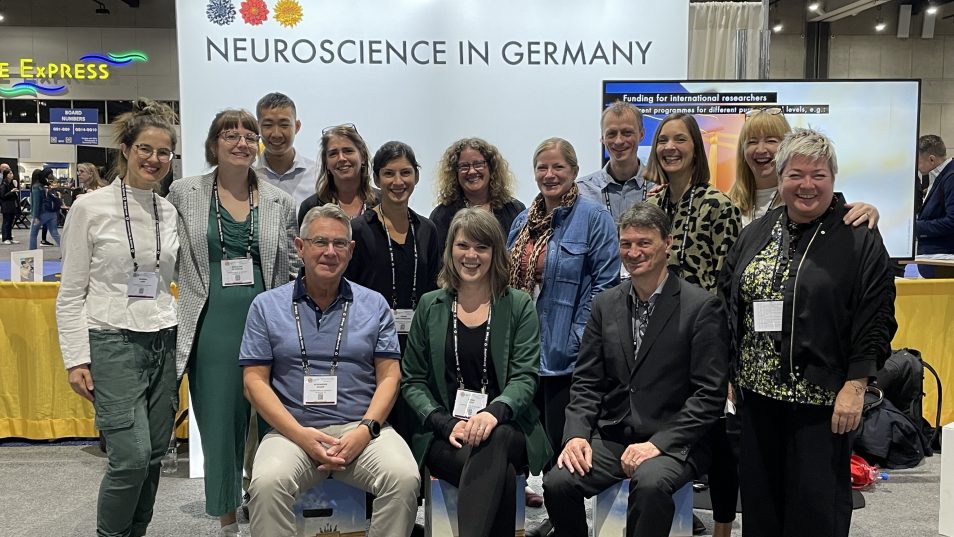
    The Deutsche Forschungsgemeinschaft (DFG), German Research Foundation, invites researchers from all African countries and Germany to partake in a significant scientific exchange in the field of neuroscience. This initiative encompasses a broad spectrum of research questions, covering basic, applied, and clinical topics. It is designed to facilitate collaboration, yet it explicitly excludes neglected tropical infectious diseases in humans and animals, along with their social and behavioral aspects.

    Aim of the Initiative

    The primary goal is for participating researchers to identify shared interests in neuroscience and cultivate novel collaborative ventures. The DFG aims to facilitate this exchange through a multi-step process:

    1. Invitation to Submit Posters:

      • Researchers are invited to submit posters reflecting their profiles, expertise, and ideas for collaborative research projects. Posters should go beyond showcasing previous projects, emphasizing current research interests. Submission deadline: February 29, 2024.
      • DFG will screen posters for compliance and compile an exclusive poster book sent to peers with accepted posters. This platform will serve as the basis for subsequent collaboration.
    2. Call for the Initiation of International Collaboration:

      • A subsequent call for DFG proposals aims to fund collaborative relationships between African and German researchers. The DFG can support bilateral or multilateral African/German researcher teams. Detailed information will be provided in a virtual meeting in June 2024. Proposals must be submitted in English by August 31, 2024.
      • Eligibility: Proposals must include a researcher from Germany and one from an African country, both having submitted accepted posters. Only German researchers fulfilling DFG eligibility requirements can submit proposals. Funds can be allocated to both German and African collaboration partners.
    3. Forum Connect and Exchange:

      • Approved travel funds will enable project partners from African countries to participate in the “Forum Connect and Exchange” in Bonn from September 22–26, 2025. This forum, organized by the DFG, aims to facilitate networking and scientific exchange, gathering lessons learned from African and German collaborations.
      • Participation is limited to applicants from Germany and their collaboration partners from African countries with funding under the Initiative for International Collaboration.

    Gender and Diversity

    The DFG strongly encourages proposals from researchers of all genders, sexual identities, ethnicities, backgrounds, career stages, universities, and research institutions, including those with disabilities or chronic illnesses. This emphasis on diversity underscores the commitment to creating an inclusive and dynamic collaborative research environment.

    Nurturing Scientific Excellence and Inclusivity: The DFG’s Neuroscience Initiative’s Impact on African Research and Collaboration

    The Deutsche Forschungsgemeinschaft’s (DFG) initiative in neuroscience, with a focus on collaboration between African and German researchers, holds significant importance for the African continent.

    1. Scientific Capacity Building:
      • The initiative provides a platform for African researchers to engage in cutting-edge neuroscience research, fostering capacity building and skill development.
      • Collaborative projects with German researchers offer opportunities for knowledge transfer and technology exchange, contributing to the advancement of neuroscience expertise in African countries.
    2. International Collaboration and Networking:
      • The initiative encourages international collaboration, allowing African researchers to establish valuable connections with their German counterparts.
      • Networking opportunities, such as the “Forum Connect and Exchange,” enable African scientists to build relationships, exchange ideas, and participate in a global scientific community.
    3. Research Visibility and Recognition:
      • By inviting researchers to submit posters and promoting collaboration, the initiative enhances the visibility of African researchers on the international stage.
      • Inclusion in the exclusive poster book and subsequent collaborative projects can lead to increased recognition of African scientists and their contributions to neuroscience.
    4. Funding Opportunities:
      • The call for proposals provides a chance for African researchers to access funding from the DFG for collaborative projects. This financial support is crucial for the implementation of research initiatives and the development of sustainable partnerships.
    5. Promoting Inclusive Research:
      • The DFG’s emphasis on diversity, including researchers of all genders, sexual identities, ethnicities, backgrounds, and abilities, aligns with the principles of inclusivity.
      • The commitment to inclusivity ensures that a broad range of perspectives and expertise are brought to neuroscience research, fostering a richer and more comprehensive scientific landscape.
    6. Addressing Health Challenges:
      • While the initiative excludes neglected tropical infectious diseases, it still contributes to addressing health challenges by focusing on neuroscience. Understanding neurological disorders and brain-related issues is crucial for improving healthcare outcomes in Africa and globally.
    7. Cultural and Social Impact:
      • The collaboration between African and German researchers promotes cultural exchange and understanding. This can lead to more culturally sensitive and context-specific research, addressing the social dimensions of neuroscience in diverse populations.
    8. Long-Term Sustainability:
      • The initiative’s multi-step process, including poster submissions, proposal calls, and collaborative forums, indicates a commitment to long-term sustainability in research partnerships. This approach fosters enduring relationships and ongoing scientific collaboration.

    In summary, the DFG’s neuroscience initiative offers African researchers a unique opportunity to participate in a global scientific community, enhance their research capabilities, and contribute to the advancement of neuroscience with a focus on inclusivity and diversity.

    Read more ……..

  • Cancer Research Institute’s Irvington Fellowship: Empowering Diversity in Immunology and Cancer Research for African American Scholars

    Cancer Research Institute’s Irvington Fellowship: Empowering Diversity in Immunology and Cancer Research for African American Scholars

    About Cancer Research Institute (CRI)

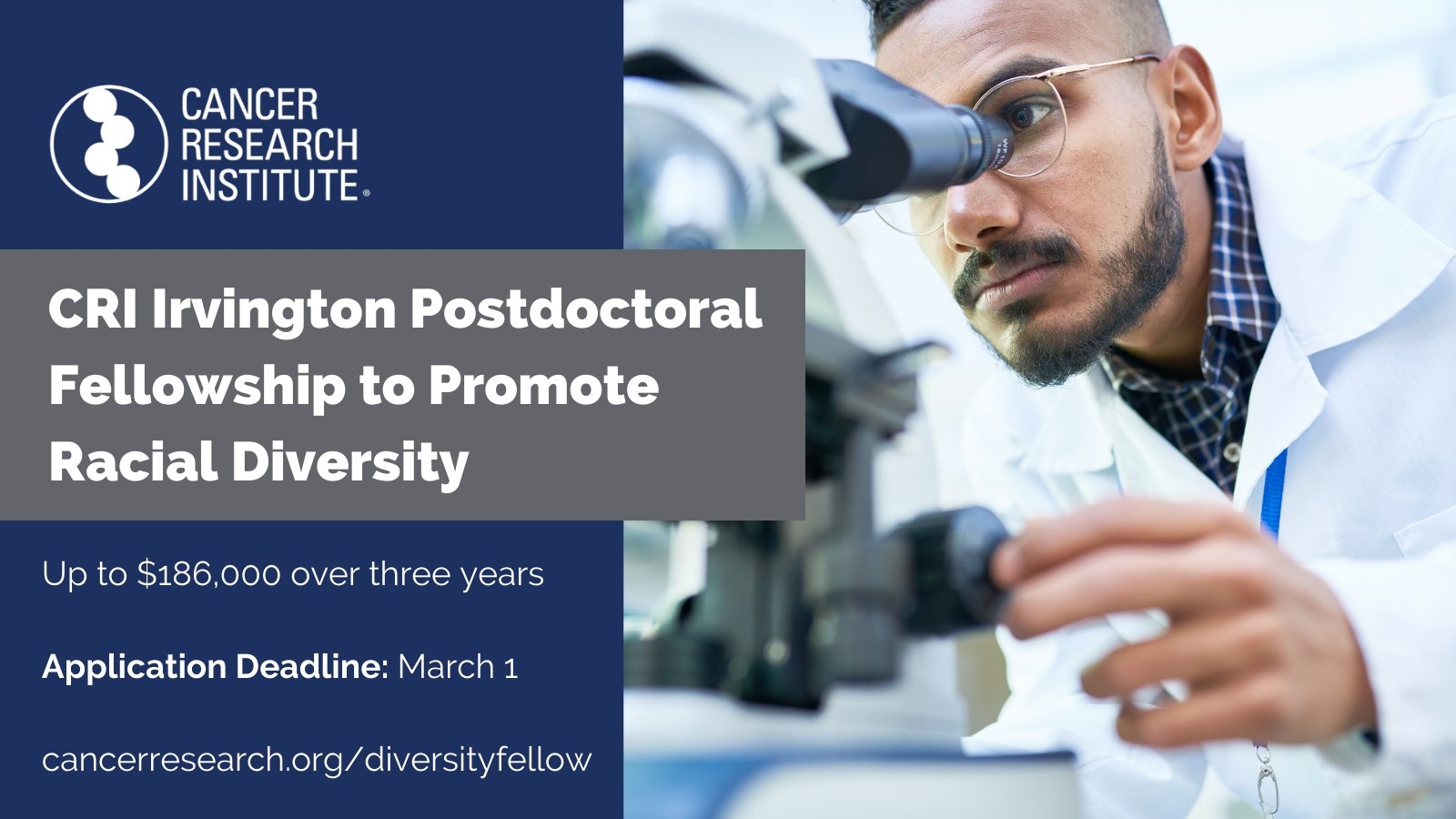
    The Cancer Research Institute (CRI) offers the Irvington Postdoctoral Fellowship to Promote Racial Diversity, presenting a unique opportunity for postdoctoral researchers in the field of immunology or cancer immunology. This initiative aims to support young scientists from underrepresented minority groups, including black or African American, Hispanic or Latino, American Indian or Alaska Native, Native Hawaiian, or other Pacific Islander individuals. Recognizing that underrepresentation can manifest differently, the fellowship also welcomes applicants from socioeconomically disadvantaged populations and other racial or ethnic groups underrepresented by their institution.

    Eligibility:

    Eligible candidates must be working at a nonprofit institution in the United States or abroad and hold a doctoral degree. The proposed research should align with the broad field of immunology, addressing the challenges posed by cancer. The fellowship requires candidates to conduct their research under the mentorship of a sponsor holding a formal appointment as an assistant professor or higher at the host institution.

    Importantly, the fellowship emphasizes diversity and inclusion, targeting individuals with fewer than five years of postdoctoral experience, excluding years of residency for M.D. applicants. Exceptions may be considered for applicants who have spent three or more years in a sponsor’s laboratory in exceptional circumstances.

    Research Focus:

    CRI seeks hypothesis-driven, mechanistic studies in immunology and tumor immunology that directly impact the understanding of the immune system’s role in cancer.

    Evaluation Process:

    A panel of scientists from the CRI Scientific Advisory Council will rigorously evaluate candidates, sponsors, training environments, and the proposed project’s nature and feasibility.

    Fellowship Details:

    • Stipend of $74,000 for the first year, $76,000 for the second year, and $78,000 for the third year.
    • An annual allowance of $5,000 is provided to the host institution for research supplies, travel, health insurance, and/or childcare.
    • No deductions for administrative overhead from the stipend or institutional allowance.
    • Payments are made monthly in U.S. currency to the host institution.

    Deadlines:

    • Application deadlines: February 15, 2024, 12:00 PM
    • RSO detailed review deadline: February 27, 2024, 12:00 PM
    • Program application deadline: March 1, 2024, 3:00 PM

    Approvals: Applicants need approvals from the Investigator, Department Head, Faculty ADR/Dean, and Research Services before submission.

    Additional Information and Contact:

    • CRI Irvington Postdoctoral Fellowship to Promote Racial Diversity Application Form is available.
    • For inquiries, contact postdoc@ucalgary.ca.

    Fostering Diversity in Immunology and Cancer Research: The Impact of CRI Irvington Postdoctoral Fellowship on African American Scholars

    The CRI Irvington Postdoctoral Fellowship to Promote Racial Diversity plays a crucial role in addressing the underrepresentation of individuals from diverse backgrounds, including African Americans, in the field of immunology and cancer research. Here are key points highlighting the importance of this postdoctoral fellowship to African American candidates:

    1. Diversity and Inclusion Focus:

      • The fellowship is specifically designed to promote racial diversity by actively encouraging applications from underrepresented minority groups, including African Americans.
      • It recognizes and addresses the historical underrepresentation of African Americans in scientific research, particularly in the fields of immunology and cancer immunology.
    2. Financial Support:

      • The fellowship offers a substantial stipend, providing financial support to postdoctoral researchers. This support is vital for individuals, including African Americans, who may face financial barriers in pursuing advanced research careers.
    3. Career Advancement and Mentorship:

      • In addition to financial assistance, the fellowship emphasizes mentoring and career advancement. This is particularly important for individuals from underrepresented backgrounds, as mentorship can significantly impact career trajectories and success.
    4. Commitment to Equity:

      • The fellowship underscores its commitment to equity, diversity, and inclusion in immuno-oncology. This commitment acknowledges the importance of diverse perspectives in driving scientific innovation and breakthroughs.
    5. Addressing Underrepresentation:

      • By explicitly welcoming applicants from socioeconomically disadvantaged populations and other racial or ethnic groups underrepresented by their institution, the fellowship recognizes that underrepresentation can manifest in various ways. This inclusive approach is essential for addressing systemic barriers.
    6. Scientific Impact:

      • The fellowship supports hypothesis-driven, mechanistic studies in immunology and tumor immunology that directly contribute to understanding the immune system’s role in cancer. African American researchers contributing to this area can make significant scientific contributions.
    7. Opportunities for advancement:

      • The fellowship is open to individuals with fewer than five years of postdoctoral experience, creating opportunities for early-career researchers, including African Americans, to advance their careers in cancer research.
    8. Community Building:

      • By fostering a racially diverse and inclusive community of scientists, the fellowship contributes to breaking down barriers and creating a supportive environment for researchers from all backgrounds.

    In summary, the CRI Irvington Postdoctoral Fellowship to Promote Racial Diversity is a significant opportunity for African American postdoctoral researchers, offering financial support, mentorship, and a platform to contribute to cutting-edge research in immunology and cancer immunology. It aligns with broader efforts to promote diversity and inclusion in scientific research, recognizing the valuable contributions that individuals from diverse backgrounds, including African Americans, can make to the field.

  • Empowering Women Researchers in Africa: VIB-IPBO’s Open Doors Fellowship Program for Sustainable Agricultural Systems

    Empowering Women Researchers in Africa: VIB-IPBO’s Open Doors Fellowship Program for Sustainable Agricultural Systems

    About VIB International Plant Biotechnology Outreach (VIB-IPBO):

    The UGent-VIB International Plant Biotechnology Outreach (VIB-IPBO) is a non-profit organization established in 2000 through a collaboration between the Vlaams Instituut voor Biotechnologie (VIB) and Ghent University. The organization’s vision is to actively engage agricultural communities in developing sustainable agricultural systems, fostering a healthy planet with social, cultural, economic, and environmental harmony.

    Open Doors Fellowship Program:

    The Open Doors Fellowship Program aims to empower women researchers in Africa by providing them with essential hard and soft skills to strengthen their positions within research institutions. The program emphasizes the importance of creating awareness and supportive environments within hosting institutions to prevent the dropout of women from STEM research. It particularly focuses on agricultural-related fields such as agro-biotechnology, plant breeding, molecular biology & genetics, microbiology, chemical ecology, and plant & soil health.

    Aims and Benefits of Open Doors Fellowship Program:

    The fellowship seeks to enhance leadership and communication skills in women researchers, expanding their networks in Africa and Belgium. By offering training opportunities, the program aims to increase the chances of these women leading and participating in new projects, accessing better research resources, and achieving greater success in publication.

    Requirements for Open Doors Fellowship Program Qualification:

    Eligible candidates include women researchers in post-doc positions or mid-career positions who face challenges in career progression due to limited access to capacity-building opportunities and international networks. Candidates must demonstrate active research in specific African countries and be employed by an (inter)national research center or university. Active research fields include agro-biotechnology, plant breeding, molecular biology & genetics, microbiology, chemical ecology, and plant & soil health.

    Documents Required for Application:

    Candidates must submit a duly filled application, a motivation letter, a maximum 3-page CV, academic transcripts, a list of publications, a letter of support from their supervisor, an official letter from the HR office of their institution, and, for Modality B applicants, a letter from the Belgian research center supporting the short research stay.

    Application Deadline: January 10, 2024

    How to Apply: Incomplete applications will be notified, and applicants will have ten days to provide missing documents. Submissions are accepted via email to ipbo@vib-ugent.be.

    Testimonial: Dr. Anique Godjo, a Research Assistant from the University of Parakou, Benin, acknowledges the program’s well-thought-out design and anticipates a positive impact on women’s research careers.

    Eligibility Criteria:

    Applicants must be post-doc female scholars or in mid-career positions, facing challenges in career progression. There are no age limits, and candidates should be national and resident in specific countries or employed by target organizations. Research fields must align with specified categories, and candidates must have an active employment contract in a higher education institution or research center in the listed countries, where they conduct research and teach.

    The VIB-IPBO Open Doors Fellowship Program stands as a beacon for empowering women researchers in Africa, fostering collaboration, and creating a conducive environment for sustained contributions to STEM fields.

    #WomenInSTEM #Empowerment #ResearchOpportunity

  • 8th MIM Pan African Malaria Conference 2024: Uniting Against Malaria – Grassroots Mobilization, Innovation, and Collaboration in Kigali, Rwanda

    8th MIM Pan African Malaria Conference 2024: Uniting Against Malaria – Grassroots Mobilization, Innovation, and Collaboration in Kigali, Rwanda

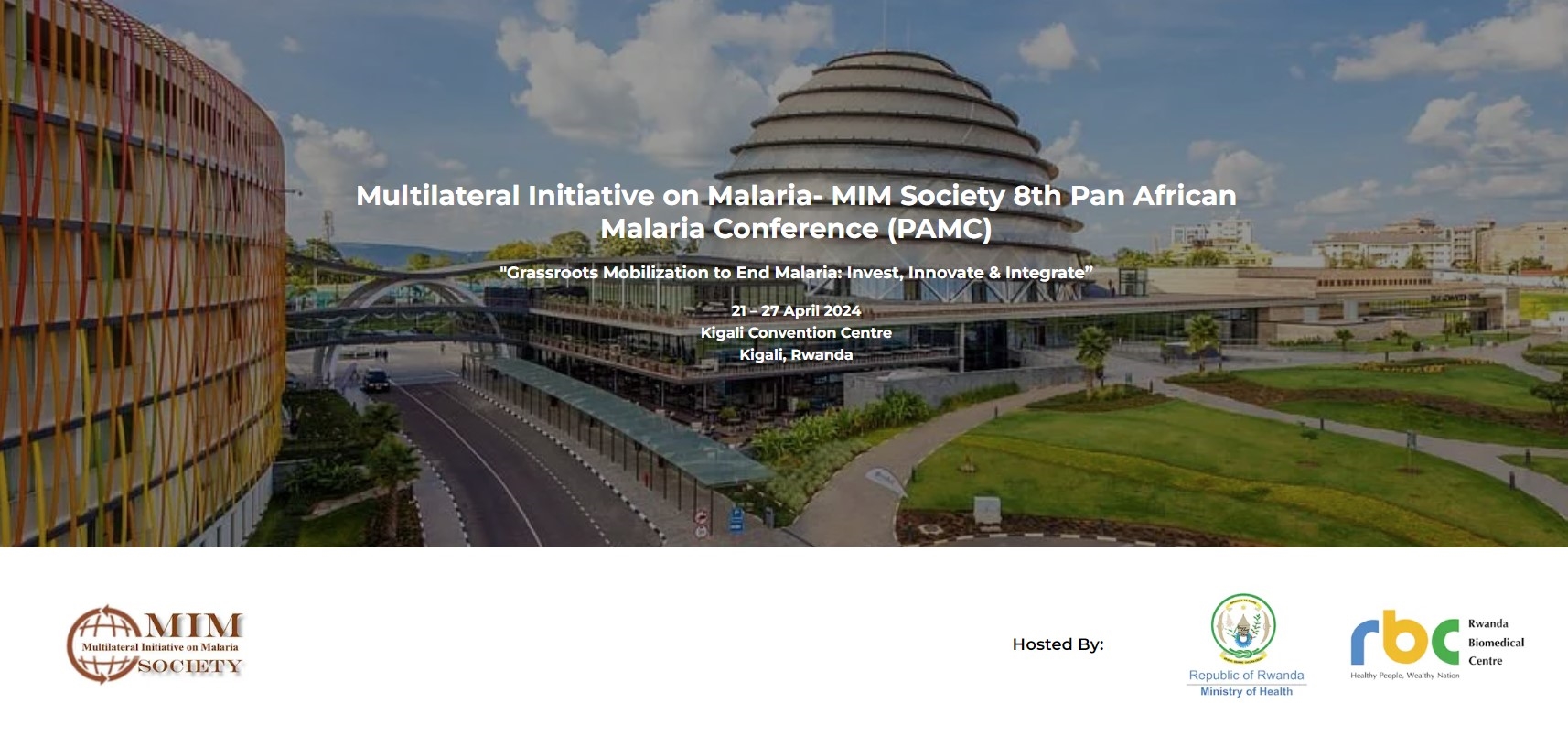
    The 8th Multilateral Initiative on Malaria (MIM) Pan African Malaria Conference, organized by the MIM Society in collaboration with the Ministry of Health (MoH)-Rwandan and the Rwanda Biomedical Center (RBC), is a pivotal event slated for April 21–27, 2024, at the Kigali Convention Centre in Rwanda. The overarching theme, “Grassroots Mobilization to End Malaria: Invest, Innovate, and Integrate,” underscores the concerted efforts required to combat malaria in Africa.

    Conference Overview:

    This conference serves as a convergence point for distinguished researchers, policymakers, and innovators to deliberate on the current state of malaria in Africa. It aims to facilitate the exchange of research findings, offering a comprehensive discussion on the challenges associated with malaria control on the continent. The platform seeks to foster a collaborative environment that encourages locally driven research and development (R&D) while emphasizing grassroots mobilization to eradicate malaria through innovative solutions, collaborations, and synergy among stakeholders.

    Abstract Thematic Areas:

    The thematic areas covered by the conference span a diverse range of critical aspects related to malaria, including parasite and systems biology, pathogenesis and co-morbidities, social and health economics, malaria genomics, epidemiology, modeling, surveillance, and impact, among others. The inclusion of these themes reflects a holistic approach to addressing malaria, considering both biological and socio-economic dimensions.

    📅 Important Dates:

    Key dates for the conference include the Abstract Submission Deadline on January 15, 2024, and a Late-Breaker Abstract Submission Window from March 1–15, 2024. Additionally, the conference organizers will announce the registration deadline in due course.

    Hosts:

    The event is strategically hosted in Kigali, Rwanda, at the Kigali Convention Centre, symbolizing the commitment of the Rwandan Ministry of Health and the Rwanda Biomedical Center in the collective effort to combat malaria.

    Call for Abstract Submissions:

    The call for abstract submissions is currently open, inviting researchers and experts to contribute their insights and findings. The conference encourages submissions across various thematic areas, promoting a diverse range of perspectives to enrich the discussions.

    💡 The Vision:

    Overall, the 8th Pan African Malaria Conference represents a crucial milestone in the ongoing battle against malaria in Africa. By fostering collaboration, innovation, and grassroots mobilization, the conference endeavors to contribute significantly to the collective goal of eradicating malaria from the continent.

    The 8th Multilateral Initiative on Malaria (MIM) Pan African Malaria Conference holds immense importance for Africans due to several key reasons:

    1. Knowledge Exchange and Collaboration: The conference serves as a unique platform for distinguished researchers, policymakers, and innovators to come together and exchange knowledge. This collaboration is crucial in developing a comprehensive understanding of the current state of malaria in Africa and facilitates the sharing of successful strategies and innovations.
    2. Holistic Approach: The inclusion of diverse thematic areas, such as Parasite and Systems Biology, Social and Health Economics, Malaria Genomics, and Epidemiology, among others, demonstrates a holistic approach to addressing malaria. This comprehensive perspective is essential in tackling the multi-faceted challenges posed by malaria in Africa.
    3. Locally Driven Solutions: The emphasis on grassroots mobilization and locally driven research and development (R&D) is a significant aspect of the conference. By encouraging African researchers to contribute and lead in addressing malaria-related issues, the conference supports the development of solutions that are culturally sensitive, context-specific, and more likely to be effective in the African context.
    4. Innovative Solutions: The overarching theme, “Grassroots Mobilization to End Malaria: Invest, Innovate & Integrate,” underscores the importance of innovation in the fight against malaria. The conference provides a platform for showcasing and discussing innovative approaches, technologies, and strategies that can contribute to the goal of eradicating malaria from the continent.
    5. Economic and Social Impact: Social and Health Economics, as one of the thematic areas, highlights the broader impact of malaria on society. Addressing the economic and social dimensions of malaria is crucial for sustainable interventions and policies that can improve the overall well-being of African communities.
    6. Symbolic Host Location: Choosing Kigali, Rwanda, as the host location sends a symbolic message of commitment. It reflects the dedication of the Rwandan Ministry of Health and the Rwanda Biomedical Center to the collective effort to combat malaria. The choice of venue emphasizes the need for a united front against malaria on the African continent.
    7. Milestone in the Battle Against Malaria: The conference represents a crucial milestone in the ongoing battle against malaria in Africa. By bringing together key stakeholders and fostering collaboration, it contributes significantly to the collective goal of eradicating malaria from the continent.

    In summary, the 8th Pan African Malaria Conference is not just a scientific gathering; it is a rallying point for Africans to unite, share expertise, and work collaboratively towards a malaria-free future for the continent. The conference’s outcomes have the potential to shape policies, drive innovations, and inspire collective action against one of the most significant health challenges facing Africa.

    For more details visit: The Multilateral Initiative on Malaria (MIM) Society 8th Pan-African Malaria Conference (PAMC)

  • Global Plastics Crisis: Africa’s Urgent Call for Action and the Imperative for a Sustainable Future

    Global Plastics Crisis: Africa’s Urgent Call for Action and the Imperative for a Sustainable Future

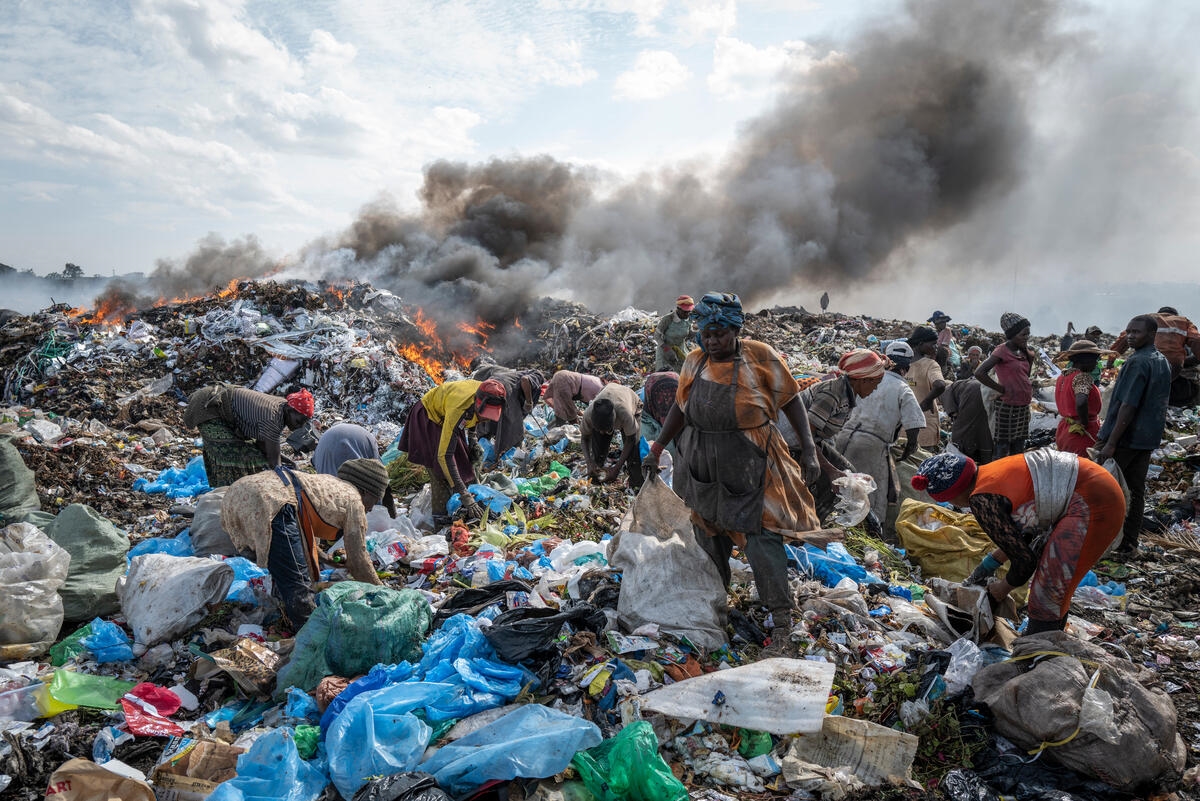
    In today’s world, plastics have become an omnipresent menace, infiltrating every aspect of our lives, from our streets and bodies to our food, soil, ecosystems, and waterways. This crisis, fueled by the profit-driven pursuits of major oil companies, spares no corner of the globe. Despite Africa being responsible for only 5% of global plastic production and 4% of consumption, the continent bears the disproportionate burden of plastic pollution through transboundary transfer of waste, a phenomenon aptly described as ‘waste colonialism.’

    While petrochemical corporations extol the virtues of plastics as cheap and convenient, the true costs remain largely invisible: biodiversity destruction, flooding, adverse impacts on human health, social injustice, and the exacerbation of the climate crisis. – Gerance Mutwol 2023

    Plastics and Health in Africa

    The improper disposal of plastic waste in African cities and villages threatens the fundamental right to health. Disturbing research from Stanford University and the Technical University of Mombasa reveals a connection between plastic waste and the spread of tropical diseases such as Malaria, chikungunya, and dengue fever. Plastic waste serves as breeding grounds for disease-carrying mosquitoes, amplifying health risks. The presence of microplastics deemed an emerging human health hazard, contributes to oxidative stress, DNA damage, organ dysfunction, and reproductive toxicity. Moreover, the common practice of burning plastic waste in some African regions releases harmful pollutants, worsening respiratory problems and contributing to air pollution-related diseases.

    Plastics and the Environment

    The visual evidence of plastic pollution is overwhelming, from the deepest parts of the ocean to the remotest stretches of land. Lions with plastic bottles and birds entangled in plastics vividly illustrate the ubiquitous nature of this crisis. Marine life, including sea turtles and dolphins, faces entanglement and ingestion, leading to starvation. Plastic pollution in rivers and lakes jeopardizes freshwater biodiversity, while terrestrial ecosystems suffer from littered landscapes, putting Africa’s overall biodiversity and health at severe risk.

    Plastics and Economy in Africa

    The economic ramifications of plastic pollution in Africa are profound. The vital tourism industry, which contributes up to 4.4% of Africa’s GDP, is adversely affected by littered beaches, deterring visitors. In Senegal, picturesque sites are marred by thousands of discarded plastic bags and bottles, impacting both marine life and tourism. Agriculture, a cornerstone of Africa’s economy, faces challenges as plastic pollution harms soil fertility and water quality, exacerbating food insecurity and causing job losses. The costs associated with cleaning up plastic pollution strain already limited resources.

    The Path Forward: A Global Plastics Treaty

    In response to these pressing issues, a pivotal moment is on the horizon—the 3rd session of negotiations (INC3) to develop a global legally binding treaty on plastic pollution. Set to take place in Nairobi, Kenya, from November 13th to 19th, 2023, this marks an unprecedented opportunity to bid farewell to the age of plastic through a tangible treaty draft, the “Zero draft.”

    A robust Global Plastics Treaty should encompass key provisions to:

    • Cut total plastic production by at least 75% by 2040, aligning with climate goals and safeguarding health, rights, and communities.
    • Address the entire lifecycle of plastics, from extraction to disposal.
    • Keep oil and gas used in plastic production in the ground, advocating for a switch to refill and reuse systems to reduce single-use plastic production.
    • Hold countries accountable for managing their own waste, putting an end to waste colonialism.
    • Ensure a just transition for workers and prioritize the health of the most affected communities.

    Parting Shot

    A formidable Global Plastics Treaty is not merely crucial for Africa—it is imperative for the entire world. It presents an unparalleled opportunity for Africa to confront plastic pollution challenges, protect unique ecosystems, and enhance the health and well-being of its people. Through collaboration with the global community, the African negotiators can usher in sustainable solutions, paving the way for a cleaner, healthier, and more prosperous continent free from the shackles of plastic for future generations.

  • Cultural Coevolution: How African Honeyguide Birds Respond to Unique Human Calls, Revealing a Millennia-Old Partnership Facing Modern Threats

    Cultural Coevolution: How African Honeyguide Birds Respond to Unique Human Calls, Revealing a Millennia-Old Partnership Facing Modern Threats

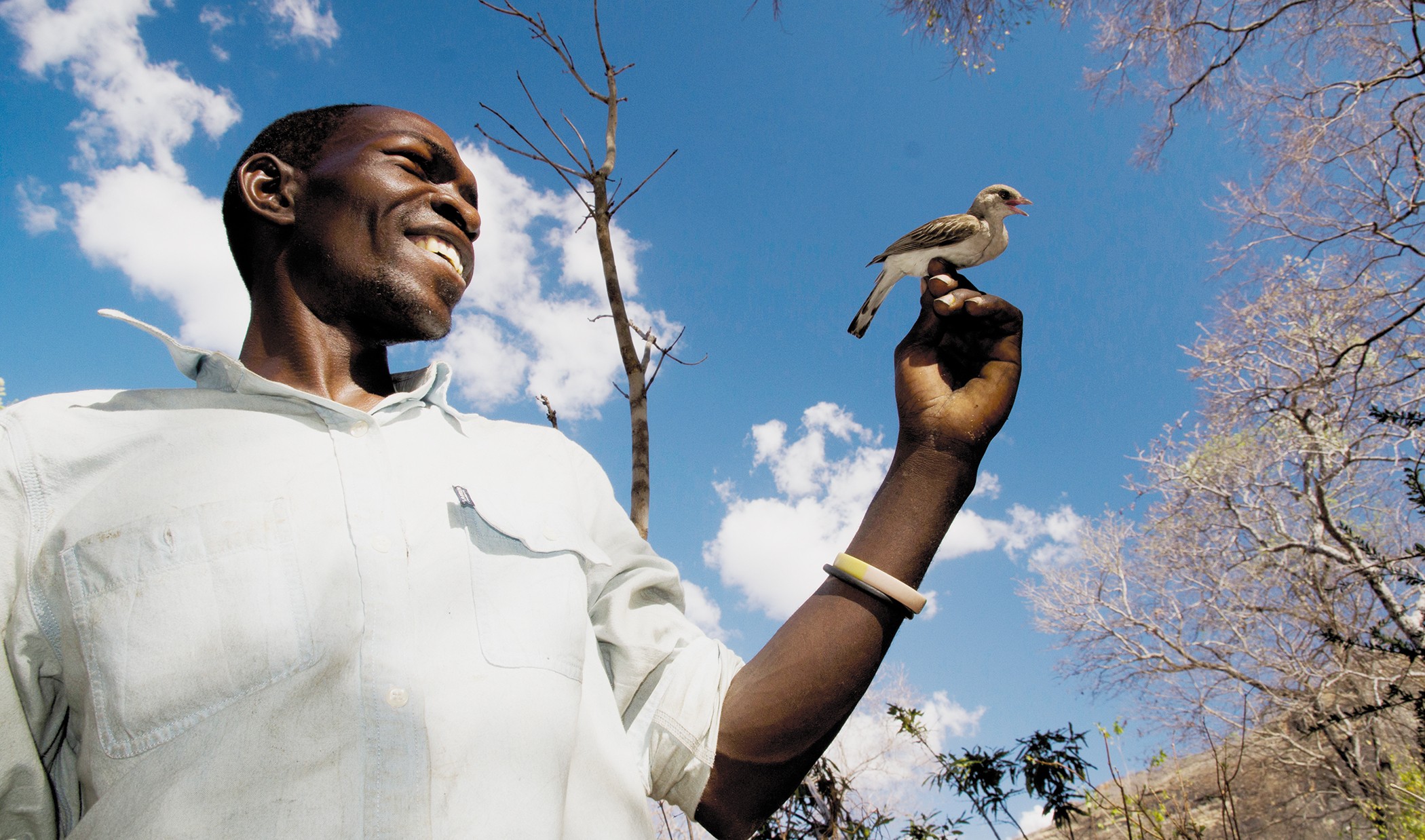
    The study explores a unique and mutually beneficial relationship between humans and honeyguide birds in Africa. The greater honeyguide, a small African bird, has been known to lead humans to wild bee nests. In return, humans open the nests to collect honey, while the honeyguides feed on the exposed beeswax. This relationship, which has likely existed for thousands of years, highlights a rare form of cooperation between humans and wild animals.

    About Honeyguide Birds

    Honeyguide birds are a group of about 17 species of birds that belong to the family Indicatoridae. They are found in the tropical regions of Africa and Asia. Honeyguides are among the few birds that can eat and digest beeswax, which is a rich source of energy for them. Some honeyguide species, such as the greater honeyguide and the scaly-throated honeyguide, have a unique relationship with humans. They guide human honey hunters to wild bee nests by making distinctive calls and flying from tree to tree. In return, the humans share some of the honey and beeswax with the birds. Honeyguides can learn and respond to different human calls that signal their readiness to hunt for honey. The calls vary across different human cultures and regions in Africa.

    How the Study was Conducted

    The study, published in Science, reveals that honeyguide birds understand and respond to culturally distinct calls made by human honey hunters in different regions of Africa. The researchers, Claire Spottiswoode and Brian Wood conducted experiments with honey hunters from the Yao cultural group in Mozambique and the Hadza cultural group in Tanzania. They played audio recordings of different honey hunter calls and observed how honeyguides from each area responded.

    What the Authors Found

    The findings indicate that honeyguides are more likely to initiate a guiding response to the distinct calls of their local human culture. For example, honeyguides in the Yao area responded more to the Yao’s trill followed by a grunt, while honeyguides in the Hadza area were more responsive to the Hadza’s melodic whistle. This suggests a form of cultural coevolution between humans and honeyguides, where the birds learn and respond to culturally specific signals.

    Why is this important?

    The study raises questions about the factors influencing cultural variations in human honey hunter calls and emphasizes the interdisciplinary nature of research in this area. The researchers hope to further explore the complexities of multi-species relationships and gain insights into the meanings embedded in collaborative communication systems between humans and birds.

    However, the article notes that this unique human-honeyguide partnership is facing threats due to recent changes such as beekeeping, urbanization, and the exclusion of people from protected wild areas. The risk of losing this ancient aspect of human interaction with the natural world underscores the importance of conservation efforts to preserve such rare and culturally significant relationships.

  • Empowering Africa’s Youth: The Vital Role of Comprehensive Climate Change Education at COP28

    Empowering Africa’s Youth: The Vital Role of Comprehensive Climate Change Education at COP28

    In recent discussions at COP28 in Dubai, academics and environmental experts emphasized the pivotal role of comprehensive climate change education, extending even to tertiary levels, as a catalyst for long-term climate solutions. Yasmine Sherif, Director of Education Cannot Wait, a UN Global Fund for Education in emergencies and protracted crises, underscored a critical perspective: the education sector itself is bearing the brunt of climate change.

    Impact on Education

    During a UN side event on December 8, Sherif articulated that the climate crisis has morphed into an education crisis, especially affecting students, particularly those in Africa. Students across all levels, including higher education, find themselves at the forefront, often being the first and worst impacted by the climate crisis. Climate-related disruptions in various parts of Africa, ranging from erratic weather to floods and landslides, are impeding learning, destroying educational infrastructure, and posing risks to the safety and well-being of both students and teachers.

    Education as a Solution

    Sherif revealed a stark statistic: more than 52% of children in climate-affected zones in Africa are compelled to stay away from schools due to the impacts of extreme weather events. The UN education expert strongly advocates for the integration of sustainability and climate education into the curricula of all institutions and at all levels. In her interactions with students and youth from Nigeria, South Sudan, the Democratic Republic of the Congo, and Ethiopia, a consistent demand emerges: the empowerment of young people in the climate movement, with education identified as the key to this empowerment.

    Advocacy and Funding

    In a bid to address these challenges, Sherif launched a compelling appeal for US$150 million to empower teachers and millions of children affected by climate change. She proposes redirecting 5% of global military expenditures towards education and the climate crisis, potentially freeing up US$100 billion annually to tackle climate change.

    Youth Empowerment

    Dr Precious Moloi-Motsepe, Chancellor of the University of Cape Town, South Africa, reinforces the idea that Africa’s youth will emerge as future climate champions. Acknowledging the anticipated severity of climate change consequences in Africa, she stresses the necessity of aligning the skills and education of the continent’s youth with the impending challenges. Drawing parallels with the transformative influence of youth in the software and digital economy, she highlights the potential for youth ideas and skills to instigate change even in traditional industries.

    Capacity Building

    Environmental experts emphasize the need for Africa to build capacity in different sectors, including water, infrastructure, energy, and agriculture, to ensure long-term climate resilience and investments. This involves training experts at the university level capable of drafting compelling project proposals to attract funding.

    Notably, universities across Africa have already taken strides in climate change education programs. Institutions like the University of Cape Town, Stellenbosch University, University of Venda, Eduardo Mondlane University, Sokoine University of Agriculture, University of Dar es Salaam, and others have initiated comprehensive climate change programs. Cameroon has introduced renewable energy aspects in all state universities.

    Holistic Approach

    Experts call for a holistic approach to education about climate change. UNESCO, in its Greening Education Partnership program, brings together 81 countries and over 1,100 organizations to address global gaps in climate change education. The initiative aims to adapt curricula, train teachers, rethink schools, and empower communities. Dr Linus Mofor, a senior environmental affairs officer at the African Climate Policy Centre, emphasizes the holistic nature of the climate crisis, spanning across various domains like forests, energy, agriculture, and water.

    Global Commitments

    The Greening Education Partnership sees commitments from 126 countries to address climate change through education. Sixty out of 81 countries plan to review their curriculum and integrate climate change and biodiversity within the next three years. Seventy out of 81 countries aim to provide training to teachers on climate education issues, highlighting the increasing global recognition of the urgent need to equip learners with the knowledge, skills, attitudes, and behaviors to effectively address the climate crisis.

    source name:University World News

    source url: Climate change and education: Two sides of the same coin (universityworldnews.com)