Author: AR Managing Editor

  • Safeguarding Stability: Unveiling the Dynamics of Early Warning Mechanisms in Conflict-Stricken Africa

    Safeguarding Stability: Unveiling the Dynamics of Early Warning Mechanisms in Conflict-Stricken Africa

    A recent study by NWOHU et al., (2023) titled “Early warning mechanism for conflict prevention in Africa: A study of IGAD in South Sudan” published in the International Journal of Social Science, Management, Peace and Conflict Research shows that early warning systems are essential for preventing and managing conflicts in Africa.

    The critical importance of early warning systems in conflict prevention in Africa, particularly in South Sudan.– NWOHU et al., 2023

    In the tumultuous landscape of African geopolitics, the imperative of conflict prevention stands as a beacon of hope. At the heart of this pursuit, the Intergovernmental Authority on Development (IGAD) has played a pivotal role, particularly in the case of South Sudan. This article delves into the intricate web of early warning mechanisms, assessing their evolution, challenges, and the profound implications of IGAD’s efforts in a region marred by protracted conflict.

    Defining Early Warning Mechanisms: A Constant Evolution

    Early warning mechanisms are the sentinels of peace, evolving to tackle the complex challenges faced by African nations. They encompass a range of objectives and components, adapting to the shifting sands of political, social, and economic landscapes. From humble beginnings, these mechanisms have metamorphosed into sophisticated tools wielded by regional organizations, with the ultimate goal of preventing conflicts before they escalate.

    Navigating Challenges and Opportunities

    As with any noble endeavour, the road to effective conflict prevention is fraught with challenges. Political will, institutional capacity, coordination, and communication emerge as key factors shaping the success of early warning mechanisms. In the African context, where diversity is both a strength and a challenge, the intricacies of governance and regional cooperation add layers of complexity.

    IGAD’s Odyssey in South Sudan: Assessing Impact

    The spotlight turns to IGAD’s role in South Sudan, a nation ensnared in a civil war since 2013. How has IGAD’s early warning mechanism fared in this crucible of conflict? The author’s analysis reveals both strengths and weaknesses, providing a nuanced understanding of the organization’s contribution to conflict prevention and resolution in the troubled nation.

    Methodology: A Qualitative Expedition

    The journey through the intricacies of conflict prevention employs a qualitative research design centred around a case study of South Sudan within the IGAD framework. Drawing from academic literature, official documents, and reports, the study employs content and thematic analysis, coupled with descriptive statistics, to present a comprehensive picture. At the theoretical helm of this exploration is the structural prevention approach. Focused on addressing the root causes of conflicts – poverty, inequality, governance, and human rights – this framework serves as a compass guiding the analysis. Four pillars – democracy and governance, economic cooperation and integration, social development, and environmental protection – provide a holistic lens through which IGAD’s impact is assessed.

    Key Findings: Illuminating Insights

    The study’s findings underscore the critical role of early warning systems in conflict-ridden Africa, emphasizing their indispensable nature in regions grappling with prolonged crises like South Sudan. It unveils the challenges faced by IGAD, ranging from political will to resource constraints, offering a roadmap for improvement.

    Implications: A Call to Action

    For policymakers and practitioners, the study provides actionable insights to enhance conflict prevention strategies in South Sudan and beyond. For researchers and academics, it contributes to the scholarly discourse, offering a methodological blueprint for future studies.

    Recommendations: Strengthening the Sentinel

    In the face of challenges, the paper puts forth pragmatic recommendations to fortify IGAD’s early warning mechanism. Strengthening institutional frameworks, improving data collection and analysis, enhancing communication channels, and fostering collaboration emerge as key strategies.

    In conclusion, the role of early warning mechanisms in conflict prevention is not merely a theoretical construct; it is a tangible force shaping the destiny of nations. As Africa grapples with its challenges, the story of IGAD’s endeavours in South Sudan becomes a testament to the resilience of hope in the face of adversity.

  • Unlocking Sustainable Growth: A Comprehensive Review of Biofuel Production in South Africa and Its Socio-Economic Impact

    Unlocking Sustainable Growth: A Comprehensive Review of Biofuel Production in South Africa and Its Socio-Economic Impact

    A recent study by Mvelase et al., (2023) titled “The socio-economic impact assessment of biofuels production in South Africa: A rapid structured review of literature” published in Cogent Engineering by Taylor and Francis Group shows that Biofuel production has positive socio-economic impacts on GDP, employment, income, and poverty reduction.

    Biofuel production in South Africa positively impacts the economy, employment, and poverty reduction, yet requires government support for competitiveness and sustainability. – Mvelase et al., 2023

    This study explores the socioeconomic impact assessment of biofuel production in South Africa, based on a rapid structured literature review. The article explores different types and generations of biofuels, such as first-generation (1G), second-generation (2G), third-generation (3G), and fourth-generation (4G) biofuels, and their respective feedstocks and production technologies. The study also explores methods and tools that have been applied in previous studies, such as techno-economic analysis (TEA), life cycle assessment (LCA), cost-benefit analysis (CBA), social impact assessment (SIA), computable general equilibrium model (CGEM), input-output (IO) model, machine learning (ML), artificial neural network (ANN), and geographic information system (GIS). In addition, the authors summarize the main results and implications of previous studies on the economic, environmental, and social impacts of biofuels production in different countries and regions, such as Brazil, USA, Germany, China, India, Tanzania, Mozambique, and Italy. The authors also identify the factors that influence the viability and competitiveness of biofuels, such as feedstock and capital costs, government support, market conditions, and technological innovations.

    Factors that influence the viability and competitiveness of biofuels

    Government support: Biofuel production is often not commercially viable without government support, such as subsidies, credits, grants, and tax exemptions. Government support can help reduce the feedstock and capital costs, which are the major contributors to the net cost of biofuels.
    Feedstock availability and price: The availability and price of feedstock can affect the profitability and sustainability of biofuel production. Feedstock costs account for a significant portion of the total production costs of biofuels, especially first-generation biofuels that use food crops as feedstock. Feedstock availability can also depend on the land use, climate, and agricultural practices of the region.
    Production technology and scale: The production technology and scale can affect the efficiency and cost-effectiveness of biofuel production. Advanced technologies, such as enzymatic hydrolysis, gasification, and fermentation, can improve the conversion yield and reduce the environmental impact of biofuels. However, these technologies are often expensive and require high capital investment. The production scale can also influence the economies of scale and the competitiveness of biofuels relative to conventional fuels.
    Market demand and price: The market demand and price of biofuels can affect the viability and competitiveness of biofuel production. The demand and price of biofuels depend on various factors, such as consumer preferences, environmental awareness, fuel quality standards, blending mandates, and the price of conventional fuels. The market demand and price of biofuels can also influence the investment decisions and the production capacity of biofuel producers.

    How the study was conducted

    The authors employed a rapid structured review of literature on the socio-economic impact of biofuel production, using the Scopus database and the PRISMA framework. The authors analyzed and discussed the results of the literature review, focusing on the main themes, trends, and gaps in the existing studies. The authors compared and contrasted the different methods, data sources, and indicators used to assess the socio-economic impact of biofuel production.

    What the authors found

    The authors found that biofuel selling prices are generally not competitive with conventional fuel prices, mainly due to high feedstock and capital costs. Therefore, government subsidies, credits, and grants are needed to stimulate biofuel production and ensure positive socio-economic outcomes. The study also shows that biofuel production stimulates economic growth, creates employment opportunities, improves household welfare, and reduces poverty, especially in rural areas.
    The study found that biofuel production can reduce greenhouse gas emissions and improve health and ecosystem quality, still,it can also cause land use change, loss of natural vegetation and species habitat, food insecurity, and water scarcity, depending on the feedstock, land use, and production technology.

    Why is this important

    Biofuels can offer positive socio-economic benefits such as economic growth, employment creation, improved household welfare, and poverty reduction, as well as environmental benefits such as reduced greenhouse gas emissions and better health for humans and the ecosystem. Biofuel production also involves trade-offs and challenges such as food security, land use change, water availability, and natural habitat loss, which need to be carefully considered and addressed. Biofuel production is not commercially viable without government support due to the high feedstock and capital costs and the low competitiveness of biofuel prices relative to conventional fuels. Therefore, policy interventions and financial incentives are needed to stimulate biofuel production and ensure its sustainability. Advanced biofuels from non-food feedstocks and crop residues have more potential to overcome the food vs fuel dilemma and reduce the negative impacts of biofuel production on land, water, and biodiversity. However, they require more investment in research and development and technological innovation to reduce their production costs and improve their efficiency. South Africa has a great opportunity to develop its bio-economy and biofuel industry by utilizing its abundant renewable energy resources and aligning its biofuel strategy with its national development plan. However, it also faces several barriers and gaps such as lack of empirical studies, inadequate regulatory framework, and technological constraints that need to be addressed.

    Study Recommendations

    • The authors suggest that the government should provide financial incentives, such as subsidies, credits, and grants, to stimulate biofuel production and make it more competitive with conventional fuels. The government should also guarantee a positive profit for biofuel producers by setting a minimum price or a blending mandate for biofuels.
    • The authors recommend that more resources should be allocated to R&D on biofuels, especially advanced biofuels that use non-food feedstocks and have lower environmental impacts. R&D could help improve existing technologies, reduce production costs, and develop new and eco-friendly biofuel products.
    • The study also proposes that the current biofuel regulatory framework in South Africa should be revised to include support for advanced biofuels, which are currently excluded. The document argues that advanced biofuels could offer more benefits in terms of greenhouse gas emission reduction, economic growth, and social welfare than first-generation biofuels.
    • In addition, the authors emphasize the need for a comprehensive and objective assessment of the environmental and social impacts of biofuel production in South Africa, especially on food security, water availability, and natural habitats. The authors suggest that biofuel production should be done cautiously and avoid competing with food crops for land and water resources.

    In conclusion, the study by Mvelase et al. sheds light on the multifaceted impact of biofuel production in South Africa. While presenting a compelling case for its positive socio-economic contributions, including economic growth, employment generation, and poverty reduction, the study underscores the crucial role of government support in overcoming the inherent challenges of high feedstock and capital costs. The findings highlight the intricate balance required to navigate environmental considerations, such as reduced greenhouse gas emissions, against potential drawbacks like land use change and water scarcity. The recommendations emphasize the need for strategic policy interventions, increased research and development in advanced biofuels, and a revised regulatory framework to foster a sustainable and competitive biofuel industry in South Africa. As the nation stands at the crossroads of bioeconomic potential, careful and comprehensive planning becomes paramount to maximize benefits while minimizing environmental and social risks.

    Question for Contribution and Comments

    Dear reader, we value your input! Kindly share your thoughts, ideas, and comments regarding the question below in the comment section. Your valuable input will help shape our next article:

    “Can South Africa successfully balance the promising socio-economic benefits of biofuel production with the critical environmental and social considerations, and what innovative strategies should be prioritized to navigate this complex challenge?”

  • Exploring the Vibrant Ojude-Oba Festival: A Sustainable Showcase of Ijebu Culture and Fashion in Nigeria

    Exploring the Vibrant Ojude-Oba Festival: A Sustainable Showcase of Ijebu Culture and Fashion in Nigeria

    A recent study by Diyaolu et al., (2023) titled “Sustainability in Ojude-Oba Dress Tradition and Tourism” published in Cogent Arts & Humanities by Taylor and Francis Group shows that Ojude-Oba festival is a cultural and touristic event that showcases the dress tradition and fashion sense of the Ijebu people in Nigeria.

    The Ojude-Oba festival showcases sustainable, age-specific dress traditions, fostering cultural identity, economic growth, and tourism development in Ijebu-Ode, Nigeria. – Diyaolu et al., 2023

    This article explores the Ojude-Oba festival, a cultural and touristic event celebrated by the Ijebu people in Nigeria. The article explores the origin and history of the festival, how it started as a homage to the Monarch of Ijebu-land in the nineteenth century, and how it has grown into a tourist attraction over the years. The study addresses the dress tradition and sustainability of the festival and how the different age groups compete in sustainable dresses designed in traditional styles called aso-egbe, made from eco-friendly local materials. In addition, the authors highlight the roles and impacts of the festival on the Ijebu people and Nigeria, including how the festival promotes culture, fashion, commerce, industry, and social cohesion among the Ijebu people and attracts visitors from home and abroad. The study, therefore, implies that the festival provides a platform for fashion innovation and expression, as well as a source of inspiration for other dress-related events.

    How the study was conducted

    The authors employed data from the Ojude-Oba festival held between 2015 and 2019 and used observation, interviews, and photography as data collection methods. The authors observed the dress items and styles of the different age groups during the festival and interviewed some of the participants and organizers of the event to obtain information on the origin, significance, and sustainability of the dress tradition. The authors employed descriptive and content analysis methods to describe the dress items and styles of the different age groups and their meanings. By examining the sustainability issues related to the dress items and styles, such as the materials, production, consumption, and disposal, the authors used the photographs as visual aids to support their analysis and interpretation. The authors presented the data using tables to show the classification and distribution of the dress items and styles among the different age groups, figures to illustrate the dress items and styles and their aesthetic features, and narratives to explain the findings and discuss the implications for tourism development and cultural preservation.

    What the study found

    The authors found that Ojude-Oba festival is a cultural and touristic event that showcases the dress tradition and fashion sense of the Ijebu people in Nigeria and the dress items used by the different age groups during the festival are made from eco-friendly local materials and reflect the class, status, age, prestige, beauty, and aesthetics of the participants. The study found that the festival has brought about tremendous development to Ijebu-Ode in trade, technology, commerce, and industry as well as building a strong patriotic spirit among the Ijebu populace. The festival has a strong potential to attract inbound tourists and enhance economic growth and development in Ogun State and Nigeria at large.

    Implications of the Study

    The study documents the dress items used by different age groups during the festival, which reflect their status, identity, and aesthetics. The dress items are made from eco-friendly local materials and designed in traditional styles. The study reveals that the festival attracts a large crowd of visitors from home and abroad who are interested in the fashion parade, the cultural shows, and the homage to the monarch. The festival also boosts the economic activities of the host community, such as trade, commerce, hospitality, and transportation. The study examines the role of art and technology in the aesthetic growth and development of the dress items used during the festival. The study notes that the dress items vary over time, depending on the creativity and innovation of the designers and the age groups.

    Study Recommendations

    • Sustaining and promoting traditional dress: The authors suggest that the government and other stakeholders should support the preservation and promotion of the traditional dress items used during the Ojude-Oba festival, as they reflect the cultural identity and heritage of the Ijebu people.
    • Enhancing tourism development: The study also recommends that the government should give deserved attention to events with a strong potential of attracting inbound tourists, such as the Ojude-Oba festival, to enhance economic growth and development among Nigerians. The authors argue that the festival has brought about tremendous development to Ijebu-Ode in trade, technology, commerce, and industry, as well as building a strong patriotic spirit among the Ijebu populace.
    • Documenting and disseminating dress items: The study further recommends that the dress items used by the age groups during the festival should be documented and disseminated for the interest of experts and non-specialist readers, as well as for the benefit of present and future generations. The authors note that the dress items play specific roles in the festival, such as communicating status, age, prestige, beauty, and aesthetics.

    In conclusion, the Ojude-Oba festival stands as a vibrant testament to the rich cultural heritage of the Ijebu people in Nigeria. Through the lens of sustainability and tradition, this study has unveiled the festival’s profound impact on the community and its potential as a tourism powerhouse. From the eco-friendly materials used in the age-group-specific dress items to the economic and technological advancements witnessed in Ijebu-Ode, the festival not only preserves cultural identity but also fosters development. The recommendations for sustaining traditional dress, promoting tourism, and documenting these cultural artifacts underscore the significance of recognizing and cherishing such festivals as vital contributors to both local heritage and national prosperity. The Ojude-Oba festival emerges not just as a celebration of tradition but as a dynamic force for cultural preservation, economic growth, and aesthetic innovation.

  • Empowering African Women in STEM: Unveiling Challenges and Strategies for Inclusive Progress

    Empowering African Women in STEM: Unveiling Challenges and Strategies for Inclusive Progress

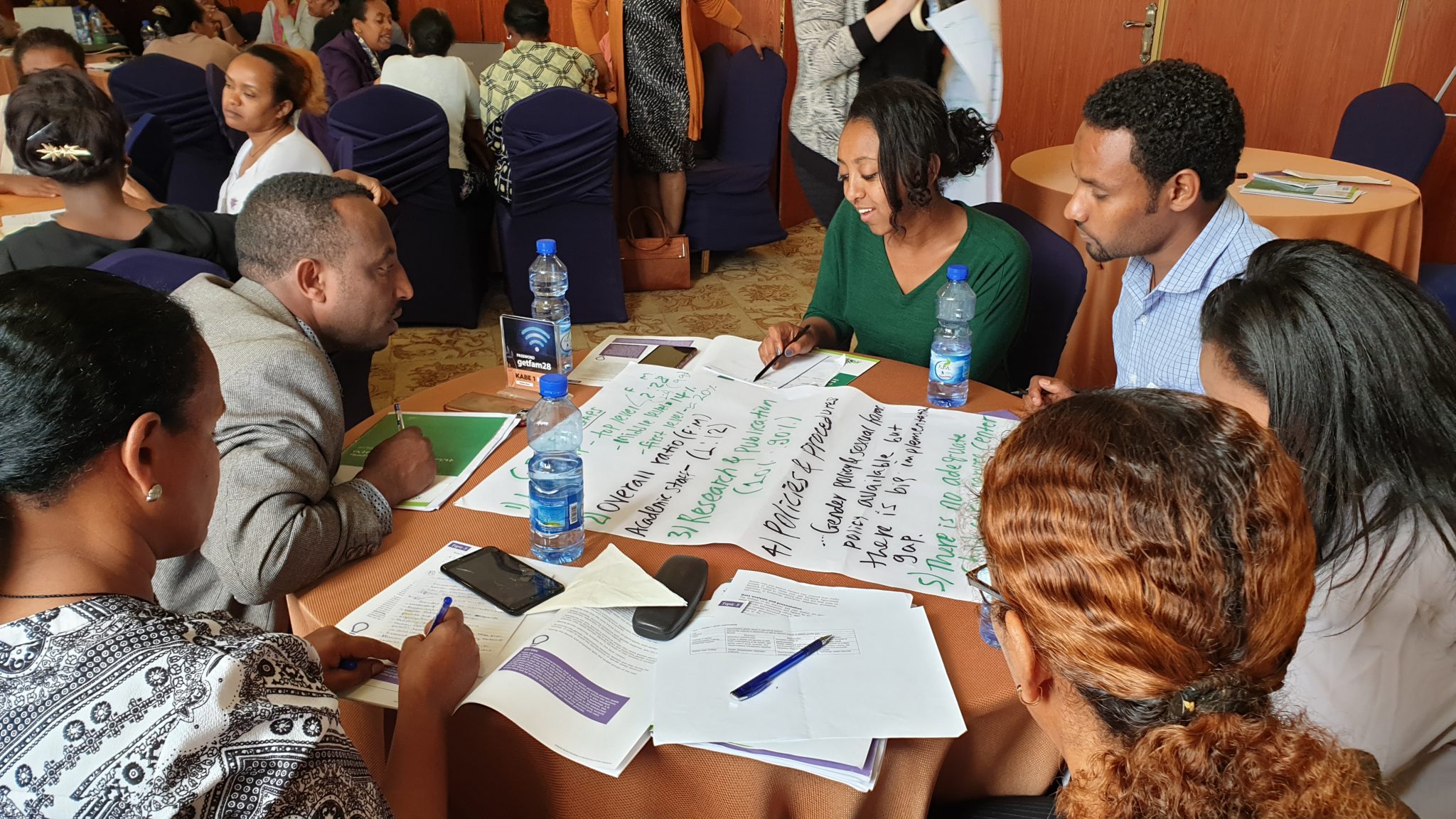
    A recent article by Siwale et al., (2023) titled “Experiences of African women in STEM careers: A systematic literature review” published in African Conference on Information Systems and Technology by DigitalCommons shows that African women in STEM careers and education face various challenges that affect their participation and retention in these fields.

    African women in STEM face interconnected challenges rooted in socio-cultural factors, necessitating inclusive interventions for improved participation, retention, and equality. – Siwale et al., 2023

    This article explores the challenges that African women face in pursuing and maintaining careers in STEM fields, which include science, technology, engineering, and mathematics. The article is based on a systematic literature review of 18 published papers that focused on gender, STEM, and education in Africa. The study suggests strategies to address the challenges and promote gender equality and diversity in STEM fields in Africa, such as creating supportive networks, fostering a culture of inclusivity, providing mentorship programs, challenging gender-based roles, and revisiting institutional cultures and policies. The study contributes to the ongoing efforts to understand and improve the participation and retention of African women in STEM disciplines.

    Eight common themes that reflect the socio-cultural and institutional factors that affect African women’s experiences in STEM.

    Work environment: The male-dominated and masculine culture of STEM workplaces that creates barriers to women’s advancement, inclusion, and recognition.
    Education system: The historical and current practices of exclusion, discrimination, and marginalization of women in STEM education, especially in higher education institutions.
    Work-life balance: The difficulty of managing professional and domestic responsibilities, especially for women who are mothers, due to the patriarchal expectations and gender roles in society.
    Gender stereotypes: The conventional and negative perceptions of women’s abilities and suitability for STEM fields, which undermine their confidence, sense of belonging, and career choices.
    Racism: The systemic and institutionalized racism that affects black women in STEM, especially in post-colonial and post-apartheid contexts, which limits their opportunities, access, and recognition.
    Sexual harassment: The prevalent and problematic issue of sexual harassment that women face in STEM spaces, which harms their well-being, safety, and dignity.
    Lack of support/mentorship: The scarcity of role models, mentors, and peers who can provide guidance, encouragement, and inspiration for women in STEM, especially for young and aspiring students and professionals.
    Self-limitations: The self-imposed boundaries and constraints that women may have due to the internalization of gender stereotypes, self-doubt, and societal expectations.

    How the study was conducted

    The study methodology is based on the guidelines by Okoli (2015) and Oosterwyk et al. (2019) for conducting a systematic literature review. The purpose, scope, and research question of the study are specified. The authors employed sources, and search criteria for finding relevant literature were identified. The study used inclusion and exclusion criteria for screening the literature, and the quality of the papers was assessed. The authors used data from the selected papers, which were extracted and coded using NVivo software, and the themes were generated. The findings and outcomes of the analysis are reported and discussed.

    What the study found

    The authors found that African women in STEM careers and education face various challenges that affect their participation and retention in these fields. These challenges include work environment, education system, work-life balance, gender-based stereotypes, racial bias, sexual harassment, inadequate support and mentoring, and self-imposed limits. The authors found that these challenges are interrelated and influenced by socio-cultural and institutional factors, such as historical legacies, patriarchal norms, and power dynamics.

    Implications of the Study

    The study highlights the socio-cultural and institutional factors that contribute to the gender gap and the leaky pipeline in STEM fields in Africa. It provides insights into the lived experiences and perspectives of African women in STEM, which are often overlooked or marginalized in the global discourse on gender and STEM. The study identifies some of the strategies and interventions that can be adopted to create a more inclusive and supportive environment for African women in STEM, such as support networks, mentorship programs, career counselling, curriculum change, policies, scholarships, and awareness campaigns. The study contributes to the ongoing efforts to promote gender equality and diversity in STEM disciplines in Africa, which can have positive impacts on the social and economic development of the continent.

    In conclusion, Siwale et al. (2023) systematic literature review sheds light on the multifaceted challenges faced by African women in STEM fields. The identified themes, ranging from workplace dynamics and educational systems to societal expectations and self-imposed limitations, underscore the intricate web of obstacles hindering women’s participation and retention. By recognizing the interconnectedness of these challenges and delving into the socio-cultural and institutional factors at play, the study provides a comprehensive understanding of the complex landscape faced by African women in STEM. Moreover, the study’s implications offer valuable insights for fostering inclusivity through targeted interventions, such as support networks, mentorship programs, and policy changes. As the call for gender equality and diversity in STEM resonates globally, this research contributes significantly to the ongoing efforts to create an empowering environment for African women, fostering positive impacts on both individual lives and the broader socio-economic development of the continent.

  • Unlocking Peace and Prosperity: Tackling Nigeria’s Resource Curse through Improved Governance and Conflict Resolution

    Unlocking Peace and Prosperity: Tackling Nigeria’s Resource Curse through Improved Governance and Conflict Resolution

    A recent article by Osawe, A. I., & Uwa, O. G. (2023) titled “Natural Resource Governance and Conflicts in Nigeria” published in British Journal of Multidisciplinary and Advanced Studies shows that Nigeria faces the resource curse, where abundant natural resources correlate with lower economic growth and development compared to resource-scarce countries.

    Nigeria’s resource curse, exacerbated by mismanaged natural resources, leads to conflicts, environmental degradation, and socio-economic challenges, hindering development and growth. – Osawe, A. I., & Uwa, O. G 2023

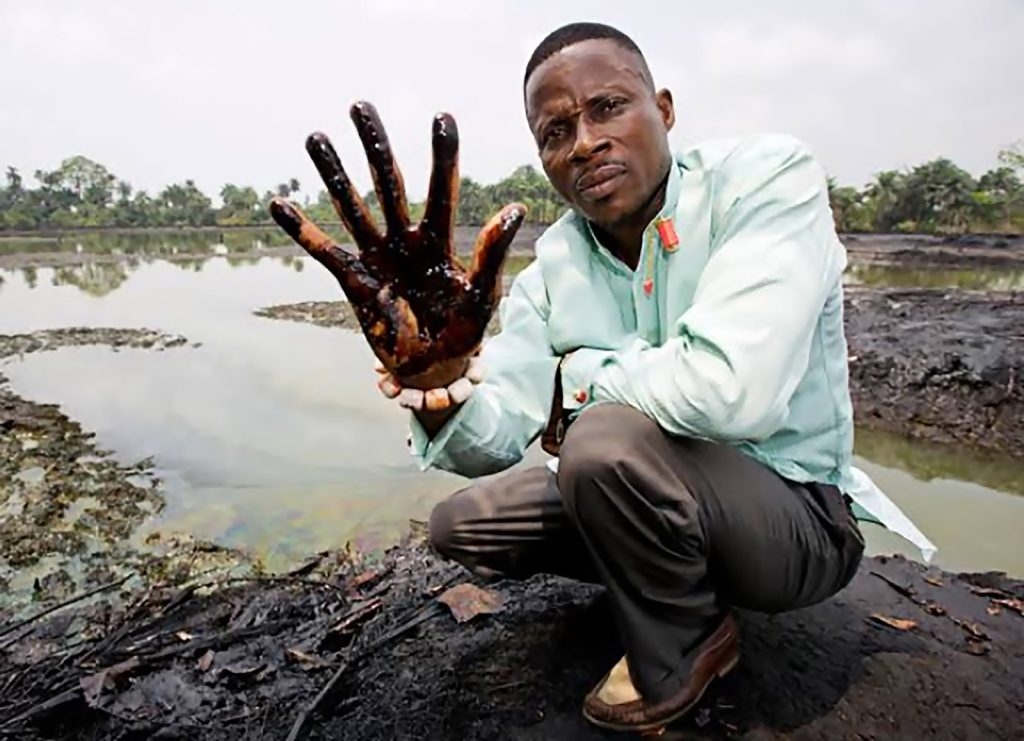
    This paper explores the relationship between natural resource governance and conflicts in Nigeria. Out of concern, the author explores how the mismanagement of natural resources, especially oil, has contributed to the emergence and escalation of violent conflicts in different regions of the country. The article posits how the oil industry has caused environmental degradation, socio-economic marginalization, and political repression in the Niger Delta region, leading to the rise of militant groups and violent confrontations with the state and oil companies. The study examines how the exploitation of solid minerals, such as gold, tin, and columbite, has triggered inter-communal clashes, land disputes, and ethnic tensions in the Middle Belt region, where many mining communities are located. It analyzes how the competition over land and water resources has fueled the conflict between farmers and herders in the North Central and Northwest regions, resulting in widespread killings, displacement, and insecurity.
    As a result of conflicts, the authors propose some policy recommendations for improving natural resource governance and promoting peacebuilding in Nigeria, such as strengthening the legal and institutional framework, enhancing transparency and accountability, ensuring equitable distribution and benefit-sharing, and fostering dialogue and participation among stakeholders.

    Methodology

    The authors employed data from various sources, such as the Nigerian Extractive Industries Transparency Initiative (NEITI), the Nigerian National Petroleum Corporation (NNPC), the Central Bank of Nigeria (CBN), the World Bank, and the International Monetary Fund (IMF). The study used descriptive statistics and correlation analysis to examine the relationship between natural resource governance and conflicts in Nigeria. The study used qualitative methods to analyse the interview data which provided insights into the causes and consequences of the conflicts. The authors presented their findings in a logical and coherent manner, using tables, figures, and maps to illustrate the data.

    Findings of the Study

    The authors found that Nigeria suffers from the resource curse, which is the paradox that countries with abundant natural resources tend to have less economic growth and worse development outcomes than countries with fewer natural resources.
    The authors found conflict dynamics in Nigeria’s oil-rich Niger Delta region, where violent clashes between local communities, militants, security forces, and oil companies have resulted in human rights violations, environmental degradation, and economic losses. The authors identified the governance challenges that hinder the effective management of natural resources in Nigeria, such as corruption, lack of transparency and accountability, weak institutions, poor service delivery, and social exclusion.

    Implications of the Study

    The study reveals that oil exploration and exploitation activities have caused severe environmental damage and health hazards to the local communities, as well as human rights abuses by the security forces and the oil companies. The study argues that the oil wealth has not translated into socio-economic development for the Niger Delta people, but rather has resulted in a paradox of poverty, corruption, and violence. The authors examine the causes and consequences of the ethnic conflicts and militancy in the Niger Delta, which have been fueled by the perceived marginalization, injustice, and environmental degradation of the region as well as the constitutional and political issues of federalism and resource control in Nigeria, which have been a source of contention and conflict between the federal government and the oil-producing states.

    Recommendations for improving natural resource governance and promoting peacebuilding in Nigeria

    • Strengthening the legal and institutional framework: The authors suggest that the Nigerian government should enact and implement laws and policies that ensure transparency, accountability, and participation in the management of natural resources. This would help to prevent corruption, mismanagement, and environmental degradation that fuel conflicts.
    • Promoting dialogue and collaboration among stakeholders: The study recommends that the government, civil society, and private sector should engage in constructive dialogue and cooperation to address the root causes and consequences of natural resource conflicts. This would foster trust, mutual understanding, and shared responsibility among different groups and interests.
    • Enhancing the capacity and role of local communities: The authors argue that local communities should be empowered and involved in the decision-making and benefit-sharing of natural resource exploitation. This would enhance their sense of ownership, protect their rights and livelihoods, and reduce their grievances and frustrations.
    • Supporting alternative livelihoods and economic diversification: The study proposes that the government and development partners should provide support and incentives for the development of alternative livelihoods and economic diversification for the people affected by natural resource conflicts. This would reduce their dependence on and competition over scarce and volatile resources and create more opportunities for peace and development.
    • Addressing the regional and international dimensions of natural resource conflicts: The study acknowledges that the natural resource conflicts in Nigeria are influenced by regional and international factors, such as cross-border smuggling, illicit trade, and foreign interference. Therefore, the authors call for more regional and international cooperation and coordination to tackle these challenges and promote peace and stability in Nigeria and beyond.

    In conclusion, the study by Osawe, A. I., & Uwa, O. G. sheds light on the intricate relationship between natural resource governance and conflicts in Nigeria. Through a comprehensive analysis, the authors reveal the alarming consequences of mismanaging abundant resources, particularly in the oil-rich Niger Delta region. The findings underscore the urgent need for a multifaceted approach, including strengthened legal frameworks, transparent governance, and inclusive dialogue among stakeholders. The study’s implications underscore the severe environmental and socio-economic repercussions, emphasizing the imperative to address root causes and foster sustainable peace. The recommended measures, ranging from empowering local communities to addressing regional and international dimensions, provide a roadmap for Nigeria to navigate the challenges of resource governance and build a more prosperous and harmonious future.

  • Market Dynamics in Nigerian Elections: A Deep Dive into Stock Reactions during Insecurity and Governance Crises

    Market Dynamics in Nigerian Elections: A Deep Dive into Stock Reactions during Insecurity and Governance Crises

    A recent article by Afego et al. (2023) titled “How do markets react to political elections during periods of insecurity and governance crises? Evidence from an African emerging democracy” published in African Journal of Economic and Management Studies by Emerald Insight shows that the Nigerian stock market reacts to political elections during periods of insecurity and governance crises.

    Differential market reactions, with strong positivity to opposition wins and weak positivity, at best, to incumbent re-elections.– Afego et al., 2023

    This paper explores how the Nigerian stock market reacts to political elections during periods of insecurity and governance crises. The authors use an event study approach to measure the abnormal returns of the stock market around the 2015 and 2019 presidential elections, which were both deemed too close to call. In exploring the means of insecurity and governance, the authors highlight that the market reacted strongly positively to a change in presidency from an incumbent to an opposition party candidate in 2015, but weakly positively, at best, to the re-election of the incumbent candidate in 2019. With respect to the election, the market reaction reflects the changes in social mood and investor expectations caused by the perceived government’s inability to deal with the issues of insecurity and corruption. However, the authors point out that the market reaction varies across sectors, with banking stocks exhibiting greater sensitivity than oil and gas stocks, and the market reaction is robust to different methods of abnormal return calculation and consistent with behavioral theories of stock market fluctuations.

    Methodology

    The authors employed an event study approach to capture the market responses to the 2015 and 2019 presidential elections in Nigeria. The authors measure abnormal returns at the aggregate and sectoral levels over several time windows before and after the respective election results are announced. The study employed the mean-adjusted return model and the market model to calculate abnormal returns and cumulative abnormal returns, based on a 220-day estimation window prior to the event window. The authors explore a comparative market reaction to the election of an opposition candidate in 2015 and the re-election of the incumbent candidate in 2019, and examine how they differ across sectors, namely banking and oil and gas.

    Findings of the Study

    The authors found that the market reacts strongly positively to a change in presidency from an incumbent to an opposition party candidate in 2015, but weakly positively, at best, to the re-election of the incumbent candidate in 2019. The authors also found that banking stocks exhibit greater sensitivity to election events than oil and gas stocks, suggesting that different types of firms may be affected differently by the political environment and social mood. In addition, the study highlights the importance of understanding how market expectations and mood are influenced by perceived government incompetence in dealing with insecurity and corruption and how these factors affect voter support and stock market valuations.

    Implications of the Study

    • The authors show that the Nigerian stock market reacts differently to incumbent and opposition candidate electoral victories during periods of insecurity and governance crises, which may reflect the changes in investor and voter mood caused by these factors.
    • The study suggests that the stock market is fairly efficient with respect to news of insecurity and governance challenges during elections, as it incorporates the perceived government inability to deal with these issues in stock prices.
    • The authors highlight the need for market regulators to monitor events around national elections to mitigate unnecessary volatilities in the stock market and for electable public officials to be aware of the potential implications of perceived government incompetence for consumer and investor confidence and voter support.
    • The study lends support to behavioral theories that argue that variations in the collective level of optimism or pessimism influence investor decisions and stock prices and corresponds with empirical findings from other fields that show that stock market returns are affected by shocks in public mood arising from various events.
    • The study contributes to the literature on political events and stock markets in sub-Saharan Africa by providing empirical insights into how the markets can have a different perception towards incumbent and opposition candidate electoral victories during periods of insecurity and governance crises.

    In conclusion, Afego et al.’s (2023) comprehensive analysis sheds light on the intricate relationship between Nigerian political elections, market dynamics, and the prevailing challenges of insecurity and governance crises. The study, employing a meticulous event study approach, reveals nuanced reactions within the stock market during critical electoral periods. The discernible disparity in market responses to incumbent and opposition victories, particularly notable in the varying sensitivities of banking and oil and gas sectors, underscores the importance of understanding investor sentiment and the impact of perceived government competence. This research not only contributes empirical insights to the sub-Saharan African literature on political events and stock markets but also advocates for increased vigilance by market regulators and heightened awareness among elected officials regarding the far-reaching implications of market volatility on consumer confidence, investor trust, and voter support. Ultimately, the study reinforces the interconnectedness of political, economic, and social factors in shaping market behaviors, offering valuable considerations for both academic discourse and practical policymaking.

  • Unlocking Sustainable Urban Infrastructure Development in Africa: Challenges, Solutions, and Recommendations

    Unlocking Sustainable Urban Infrastructure Development in Africa: Challenges, Solutions, and Recommendations

    A recent study by El-bouayady, R., & Radoine, H. (2023) titled “Urbanization and Sustainable Urban Infrastructure Development in Africa” published in Environment and Ecology Research by Horizon Research Publishing, examines the effect of urbanization and urban growth on sustainable urban infrastructure development in Africa.

    Infrastructure overload, lack of investment, deficiency & inadequacy are the primary impedements to sustainable development of urban infrastructure in Africa. – El-bouayady, R., & Radoine, H. 2023

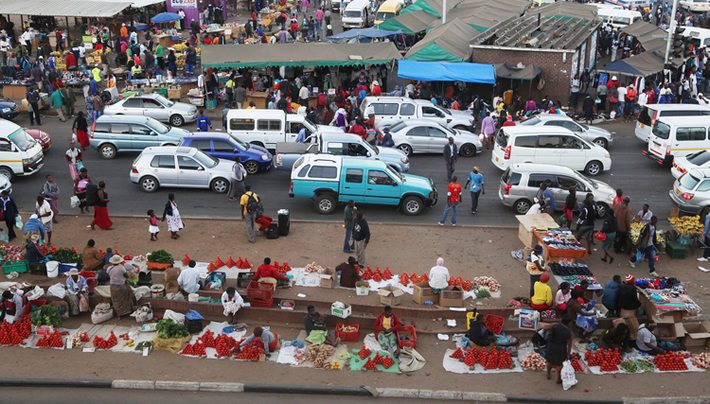
    This article explores the challenges and opportunities of urbanization and sustainable urban infrastructure development in Africa. The study provides statistics and projections on the population growth, urbanization rate, and economic development of Africa and also explains how urbanization affects the urban system and the demand for basic services. The authors define urban infrastructure as the provision of energy, transport, water, sanitation, and ICT to industries and households. The authors also argue that urban infrastructure is key to achieving environmental, social, and economic sustainability in cities. This insightful study sheds light on the gap between the current urbanization trend and urban infrastructure development in Africa and identifies the main challenges that urban infrastructure faces in terms of overload, lack of investment, deficiency, and inadequacy. The study proposes some possible solutions and recommendations to address the challenges and improve the sustainable development of urban infrastructure in Africa.

    Challenges of urbanization and urban growth on sustainable urban infrastructure development in Africa

    Energy challenge: The study shows that urbanization increases energy demand, but Africa has low access to energy resources and services. The urban population consumes more than 75% of the total energy but only accounts for 6% and 3% of the global energy and electricity demand, respectively.

    Transport challenge: The authors posit that urbanization leads to more traffic congestion, pollution, and accidents, but Africa has inadequate and inefficient transport infrastructure and services. The urban transport system is dominated by informal and unregulated modes, such as minibuses and motorcycles.

    Water and sanitation challenge: The articles explore that urbanization puts pressure on the water supply and sanitation systems, but Africa faces water scarcity, poor water quality, and low coverage of sanitation facilities. The urban population suffers from waterborne diseases, flooding, and environmental degradation.

    ICT challenge: Urbanization creates opportunities for digital innovation and connectivity, but Africa has low access to ICT infrastructure and services. The urban population lacks affordable and reliable internet, mobile phones, and computers.

    Findings of the Study

    The study explores the effect of urbanization and urban growth on sustainable urban infrastructure development on the African continent, thereby highlighting the discrepancy between the current urbanization trend and urban infrastructure development in the African region. The authors identify three main challenges that impede the sustainable development of urban infrastructure in Africa, which include infrastructure overload, lack of investment, deficiency, and inadequacy. In addition, the authors propose multiple approaches and actions to meet the sustainable development of urban infrastructure in Africa. The author’s approaches include adopting a holistic and integrated approach to urban planning and management, enhancing the governance and institutional capacity of urban authorities, mobilizing financial resources and promoting public-private partnerships, fostering innovation and technology transfer, and strengthening regional and international cooperation.

    Implications of the study

    The study provides a comprehensive assessment of the current state and future trends of urbanization and urban infrastructure in Africa, covering the energy, transport, water, sanitation, and ICT sectors. The article highlights the discrepancy between the urbanization rate and urban infrastructure development in Africa, which results in infrastructure overload, lack of investment, deficiency, and inadequacy. The authors suggest multiple approaches and actions to address the urban infrastructure challenges and achieve sustainable development goals, such as enhancing governance, financing, planning, innovation, and participation.
    It contributes to the knowledge and policy debate on urbanization and urban sustainability in Africa and offers insights and recommendations for urban practitioners, researchers, and decision-makers.

    Recommendations

    • The study suggests that Africa has a huge potential for renewable energy sources such as solar, wind, hydro, and geothermal power. These sources can reduce greenhouse gas emissions, increase energy security, and create jobs.
    • The authors argue that urban planning and governance are essential for managing urban growth, reducing urban sprawl, and enhancing the efficiency and quality of urban services. Therefore, the study suggests that urban planning should involve participatory and inclusive approaches, as well as coordination and integration among different sectors and levels of government.
    • The authors emphasize that urban infrastructure and innovation are key drivers of economic growth and social development. Investing in urban infrastructure and innovation can improve the accessibility, affordability, and reliability of urban services, such as transport, water, sanitation, and ICT. It can also foster creativity, productivity, and competitiveness in urban areas.
    • The study warns that urban areas are vulnerable to various shocks and stresses, such as climate change, natural disasters, conflicts, and pandemics. Therefore, strengthening urban resilience and adaptation can help urban areas cope with and recover from these challenges, as well as reduce their exposure and sensitivity to future risks.

    In conclusion, El-bouayady and Radoine’s study provides a comprehensive analysis of the intricate relationship between urbanization and sustainable urban infrastructure development in Africa. By highlighting challenges in energy, transport, water, sanitation, and ICT, the authors underscore the urgent need for holistic approaches and strategic actions. The findings stress the importance of innovative solutions, participatory urban planning, and investment in renewable energy to bridge the existing gaps. As urban areas face vulnerabilities, the study serves as a crucial resource, offering valuable insights and actionable recommendations to guide policymakers, researchers, and urban practitioners toward a more sustainable and resilient future for African cities.

  • Unlocking Sustainable Development: The Interplay of Transportation Infrastructure and Land-Use Rights in Edo State, Nigeria

    Unlocking Sustainable Development: The Interplay of Transportation Infrastructure and Land-Use Rights in Edo State, Nigeria

    A recent article by Obeten et al. (2023) titled “Using Spatiotemporal Price Formation to Assess the Relationship between Transferring Land-Use Rights and Transportation Infrastructure Expansions in Edo State, Nigeria” published in Direct Research Journal of Engineering and Information Technology by Direct Research Journals, examines how the growth of urban areas and transportation infrastructure affects land-use and land-cover patterns in Edo State, Nigeria.

    There is a strong correlation between transportation infrastructure expansion and land value appreciation in Edo State, Nigeria – Obeten et al., 2023

    This article explores urbanization and land-use change. The study also explores how the growth of urban areas and transportation infrastructure affects land-use and land-cover patterns in Edo State, Nigeria. Land value is the monetary worth of a piece of land, which can be influenced by various factors, such as location, accessibility, demand, supply, and land-use rights. Land-use rights are the legal rights to use, occupy, or develop a piece of land for a specific purpose, such as residential, commercial, industrial, or agricultural. Land-use rights can be transferred from one party to another through various mechanisms, such as sale, lease, inheritance, or expropriation. The study identifies the factors influencing land-use rights transfers in the context of transportation infrastructure expansions. The authors explore the uses of land-use rights data and econometric models to analyze the determinants of land-use rights transfers, such as land size, location, accessibility, and demand. The authors evaluate the potential for sustainable development in Edo State, considering the relationship between land-use rights transfers and transportation infrastructure expansions. The study uses Land-use Land-cover (LULC) maps derived from Landsat images using Support Vector Machines (SVM) to assess the changes in land use and land-cover over time.

    Methodology

    The study employed Landsat images using Support Vector Machines (SVM), a machine learning technique. The maps show the land-use and land-cover (LULC) changes in Edo State for the years 1990, 2000, 2010, and 2020. The data are obtained from various sources, such as the Nigerian National Bureau of Statistics (NBS), Edo State Ministry of Transportation, and Open Street Map. The authors obtain socio-economic data from the NBS, the Edo State Ministry of Budget and Economic Planning, and the Edo State Ministry of Education. The authors used spatiotemporal price formation analysis and geoinformation to measure the impact of road and rail networks, bus stations, and airport locations on land values. The authors calculate the area and percentage of different LULC classes, the density and accessibility of transportation infrastructure, and the spatial correlation between LULC changes and transportation infrastructure expansions. The study explore regression models to estimate the impact of transportation infrastructure expansions on land values, controlling for other factors, and discrete choice models to identify the factors influencing land-use rights transfers, such as land characteristics, location attributes, and socio-economic variables. The authors use indicators of environmental, social, and economic sustainability, such as carbon emissions, urban sprawl, poverty reduction, and economic growth, to evaluate the sustainability assessment.

    Findings of the Study

    The authors found a strong correlation between transportation infrastructure expansion and land value appreciation in Edo State, Nigeria. The authors show that transportation infrastructure expansion has a strong correlation with land value appreciation, as well as settlement expansion and land-use change. This implies that transportation infrastructure can be used as a tool to promote urban development and economic growth, but also requires careful planning and management to avoid negative environmental and social impacts. The authors argue that land-use rights transfers are influenced by various factors, such as land availability, accessibility, demand, and profitability. Land-use rights transfers can facilitate the efficient allocation of land resources and the optimal use of land potential, but also pose challenges for land governance and regulation. In addition, the authors evaluate the potential for sustainable development in Edo State, considering the relationship between transportation infrastructure expansion and land-use rights transfers.

    Recommendations

    • The authors explore the idea that the government should coordinate the development of land-use and transportation infrastructure to optimize the benefits of both sectors.
    • The authors posit that the government should improve the transparency, accountability, and efficiency of the land administration and management system. This would involve streamlining the processes of land registration, valuation, taxation, and dispute resolution, enhancing the quality and accessibility of land information, and protecting the rights and interests of all land stakeholders.
    • The study suggests that the government should establish a robust monitoring and evaluation framework to assess the impacts of land-use and transportation changes on the socio-economic and environmental aspects of Edo State. This would require collecting and analyzing relevant data on land values, land-use rights transfers, transportation infrastructure expansions, settlement patterns, and ecosystem services, using geospatial and econometric tools.
    • The study also highlights that the government should engage and consult with various stakeholders, such as landowners, developers, transport operators, civil society, and academia, in the planning and implementation of land-use and transportation policies.  In addition, the authors suggest that the government should also raise public awareness of the benefits and challenges of land-use and transportation changes and encourage responsible and efficient use of land and transport resources.

    In conclusion, the study by Obeten et al. sheds light on the intricate dynamics between transportation infrastructure expansion and land-use rights in Edo State, Nigeria. The findings underscore a significant correlation between these factors, emphasizing the potential for leveraging transportation development as a catalyst for economic growth and urban development. However, the study also highlights the need for careful planning, transparent land administration, and sustainable practices to mitigate adverse environmental and social impacts. The recommended measures, ranging from coordinated development strategies to enhanced governance and stakeholder engagement, provide a comprehensive framework for fostering sustainable development in Edo State. As we navigate the intersection of urbanization, land-use changes, and transportation evolution, thoughtful implementation of these recommendations will be crucial for realizing the full benefits while preserving the region’s ecological and societal integrity.

  • African Union’s Impact on Nigeria and Niger Republic: Achievements, Challenges, and the Path to Enhanced Regional Integration and Development

    African Union’s Impact on Nigeria and Niger Republic: Achievements, Challenges, and the Path to Enhanced Regional Integration and Development

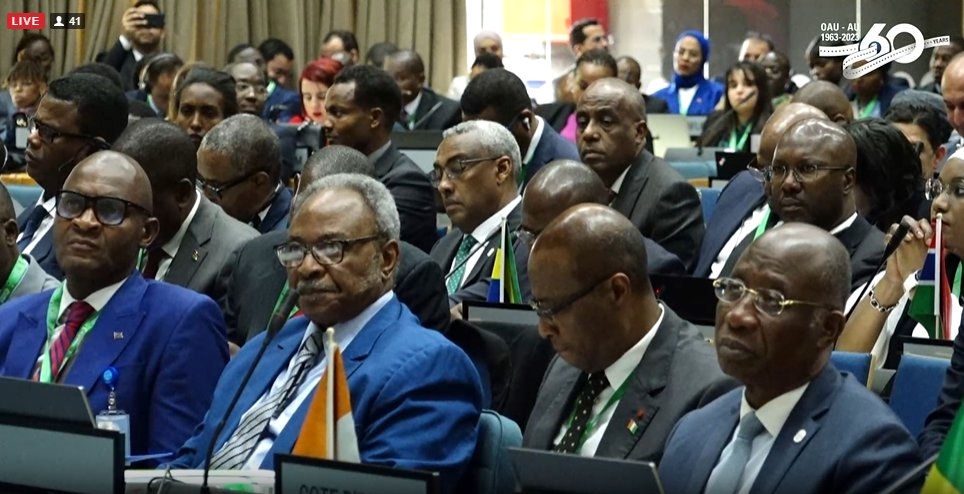
    A recent study by Rasheed, A. (2023) titled “African Union (AU) regional integration agenda and socio-economic development in West African sub-region: a study of Nigeria and Niger Republic” published in International Journal of Research in Education Humanities and Commerce by IJRECH shows that Africa Union integration agenda has achieved some positive impacts on the socio-economic development of Nigeria and the Niger Republic.

    African Union’s integration agenda positively impacts Nigeria and Niger, yet challenges persist, requiring strategic interventions – Rasheed, A. 2023

    This article explores Africa Union regional integration and development in West Africa. The study also posits how the African Union (AU) promotes regional integration and socio-economic development in the West African sub-region, focusing on the case of Nigeria and Niger Republic. In addition, the study explores the achievements, challenges, and prospects of the AU integration agenda for the two countries.

    Achievement of the AU Regional Integration Agenda for Nigeria and Niger Republic

    The study shows that AU integration agenda has achieved some positive impacts on the socio-economic development of Nigeria and the Niger Republic. Some of the achievements are:

    Trade and cooperation: The study shows that the two countries established the Nigeria-Niger Joint Commission for Cooperation in March 1971 as a strategy towards promoting their socio-economic development. The commission has facilitated various bilateral relations that border on trade, industry, culture, education, and politics.

    Security and stability: The study posits that Nigeria-Niger collaborated in addressing the security challenges posed by the Boko Haram insurgency and other terrorist groups in the region.

    Infrastructure and connectivity: The author posits that Nigeria-Niger has embarked on several joint projects to improve their infrastructure and connectivity, such as the Kano-Maradi railway project, the Zinder refinery project, and the Trans-Sahara gas pipeline project. These projects are expected to boost trade, investment, energy supply and regional integration.

    Challenges and Framework of the AU Regional Integration Agenda for Nigeria and Niger Republic

    Lack of political will: The study argues that one of the main obstacles to effective trade and integration in Africa is the reluctance of some countries to liberalize their markets and adopt protectionist policies. This hinders the implementation of the AU’s commitments and resolutions at the national level.

    Political instability and insecurity: The study explores how the resurgence of military coups especially in West Africa, poses a serious threat to the integration process and the objectives of the AU. The authors mention the cases of Sudan, Chad, Mali and Guinea as examples of countries that have experienced unconstitutional changes of government in recent years. The study also highlights the challenges of terrorism, insurgency, illicit trade and transnational crimes that affect the peace and stability of the region.

    Underdeveloped infrastructure and limited intra-African trade: The study explores the poor state of infrastructure in Africa, such as roads, railways, electricity, and telecommunications, as a major impediment to the movement of goods, services, people and capital across the continent. The authors also point out that the level of intra-African trade is very low compared to other regions, due to the lack of complementarity and competitiveness of African exports, as well as the high trade barriers and costs.

    Methodology

    The study employed a qualitative research that utilised interview data from open-ended questionnaires. Which involves collecting data from participants and asking questions that allowed them to express their opinions, experiences, and perspectives on the topic of regional integration in Africa. The study employed sourced documents data to support the interview data and adopts the integration theory of international relations as a theoretical framework to explain and understand the formation, functioning, and outcomes of regional and economic blocs in Africa.

    Findings of the Study

    The study explores how the AU’s vision of promoting unity, solidarity, and cooperation among African states affects the two West African countries that share a long border and have similar colonial and cultural experiences. The authors find that there have been a lot of achievements in terms of political, religious, socio-cultural and economic ties between Nigeria and Niger. The study also identifies major challenges that hinder the AU’s efforts to integrate the two countries and Africa at large. The authors propose a new framework for enhancing the regional integration of Nigeria and Niger based on functional cooperation and gradual integration.

    Study Recommendations

    The study, therefore, recommends the following in order to overcome the challenges and enhance the opportunities for AU regional integration agenda for Nigeria and Niger Republic are:

    • Strengthen political will and commitment: The author suggests that the two countries should demonstrate strong political will and commitment to implement the AU policies and resolutions at the national level. They should also harmonize their trade and economic policies to facilitate regional integration and cooperation.
    • Enhance intra-African trade and investment: The study posits that the countries should take advantage of the African Continental Free Trade Area (AfCFTA) to boost their trade and investment with other African countries. They should also remove trade barriers and promote the free movement of goods, services, people, and capital across the region.
    • Improve infrastructure and connectivity: This study suggests that the two countries should invest in improving their infrastructure and connectivity, such as roads, railways, ports, airports, energy, ICT, etc. This would reduce the cost of doing business, increase competitiveness, and foster regional integration and development.
    • Promote cultural and social ties: The author points out that the countries should leverage their historical and cultural linkages to promote mutual understanding, trust and solidarity among their people. They should also enhance their cooperation in the areas of education, health, culture, sports, and tourism.

    In conclusion, Rasheed’s comprehensive study sheds light on the significant strides made by the African Union’s integration agenda in fostering positive impacts on the socio-economic development of Nigeria and the Niger Republic. The achievements in trade, security collaboration, and joint infrastructure projects reflect the potential for regional growth. However, formidable challenges, such as political reluctance, instability, and underdeveloped infrastructure, loom large. The study advocates for a strengthened political will, enhanced intra-African trade, improved infrastructure, and a promotion of cultural ties as key measures to overcome obstacles and propel the AU’s regional integration agenda forward. Through a nuanced understanding of achievements, challenges, and strategic recommendations, the study paves the way for a more cohesive and prosperous future for the interconnected nations of West Africa within the African Union framework.