Author: AR Managing Editor

  • Transforming Sub-Saharan Africa’s Waste Crisis: A Call for Sustainable Solutions to Save Billions in Future Damages

    Transforming Sub-Saharan Africa’s Waste Crisis: A Call for Sustainable Solutions to Save Billions in Future Damages

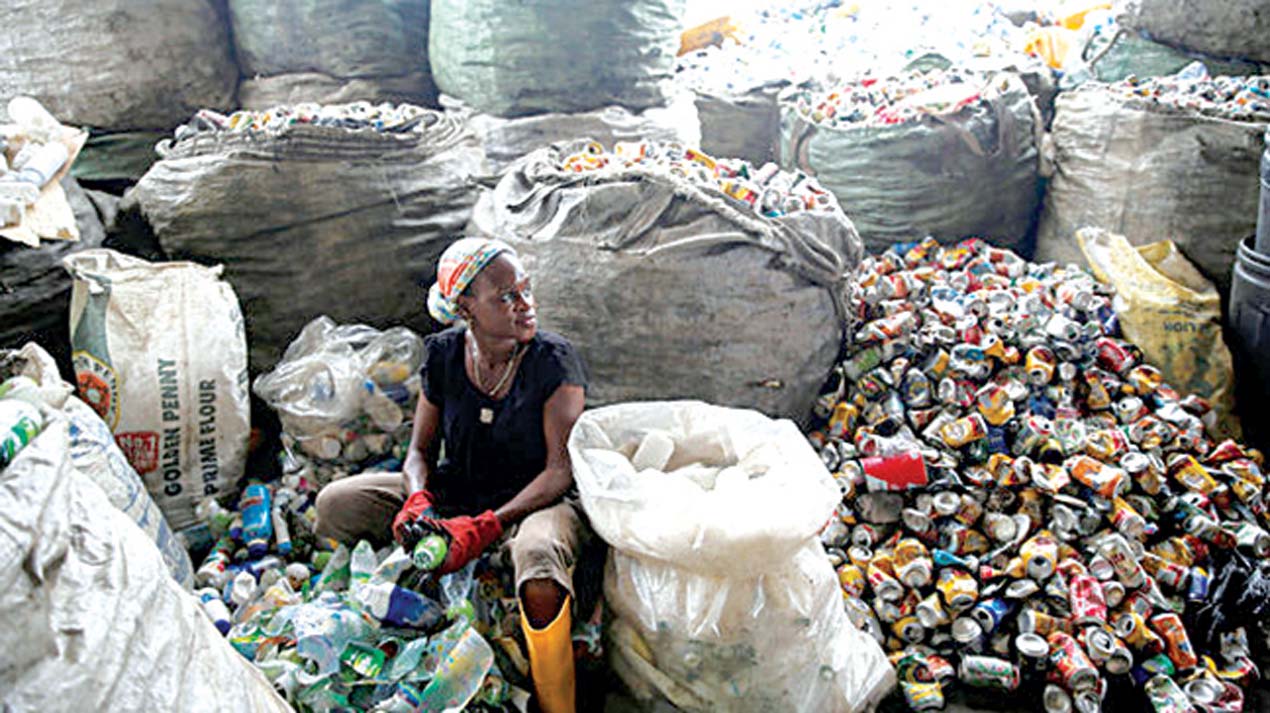
    A recent research by Nkweauseh Reginald Longfor focused on waste management in 44 sub-Saharan African countries reveals a staggering 95% of landfill sites are unregulated, leading to severe economic and environmental consequences. The uncontrolled disposal of waste, comprising 70% of municipal solid waste in many regions, not only contributes to harmful greenhouse gas emissions but also results in extensive economic damage.

    From Crisis to Catalyst: Unveiling the Economic and Environmental Imperatives for Sustainable Waste Management in Sub-Saharan Africa

    The Economic and Environmental Impact

    In sub-Saharan Africa, 24% of waste is sent to landfills, while the rest is left in open dumps, streets, rivers, and other inappropriate locations. The decomposition of this poorly managed waste releases carbon dioxide, nitrates, and hydrogen sulfides, posing threats to both air quality and water sources. The economic consequences of inadequate waste management were assessed by comparing the ongoing costs across 44 countries until 2060, considering both current practices and more efficient methods like sanitary landfills and anaerobic digestion.

    Anaerobic Digestion and Sanitary Landfills

    Anaerobic digestion, a natural process utilizing microorganisms to convert organic waste into biogas, particularly methane, emerges as a viable solution. This process has been successfully employed in Europe for two decades, generating electricity, cooking gas, and heat. Sanitary landfills, on the other hand, involve collecting landfill gas, which is approximately 50% methane and 50% carbon dioxide, for various applications. Properly implemented, these technologies significantly mitigate greenhouse gas emissions and offer organic fertilizers as byproducts.

    Landfill Gas Offsetting Economic Damage

    Capturing methane from waste and converting it into energy not only reduces its harmful impact on the atmosphere but also addresses climate change-related issues such as habitat loss, property damage, disease spread, and soil and water contamination. The research demonstrates that the cost of implementing sanitary landfill and anaerobic digestion technologies is only a fraction of the economic damage caused by methane emissions. Furthermore, methane derived from organic waste presents a renewable energy source, reducing reliance on fossil fuels and subsequently lowering energy costs while enhancing energy security.

    Calculating Future Damage

    The study predicts that if current waste disposal practices persist, the economic damage from methane emissions in sub-Saharan African countries could reach $6.7 billion by 2060. This estimate, doubling every decade from 2025 to 2060, highlights the urgency of transitioning to sustainable waste management practices.

    Countries at Risk

    Certain countries, such as Angola, Mauritius, and Cape Verde, heavily relying on landfills (70%, 90%, and 91% full, respectively), face significant economic damage. Angola, for instance, could witness economic damage rising from $153 million in 2012 to a projected $1.7 billion in 2060 due to landfill reliance. Additionally, nations with growing populations and economies, including Ethiopia, Nigeria, the Democratic Republic of Congo, South Africa, Tanzania, Madagascar, Mozambique, and Uganda, risk economic losses exceeding $2 billion each by 2060 without improved waste management practices.

    The Call for Sustainable Solutions

    To address this looming crisis, all African countries must prioritize waste reduction, reuse, recycling, and energy recovery. These initiatives not only promote public health but also contribute to a green, circular economy. Importantly, policies encouraging private investment in clean waste management practices can lead to economic, social, and environmental benefits. Sub-Saharan African countries have an opportunity to turn their waste challenges into a sustainable energy solution, saving billions in future damages and fostering a more prosperous future.

  • ALMA Consortium: Advancing African Neuroscience and Fostering Gender-Inclusive Brain Health Research for Children and Adolescents

    ALMA Consortium: Advancing African Neuroscience and Fostering Gender-Inclusive Brain Health Research for Children and Adolescents

    The African Leadership for Measuring Brain Health in Children and Adolescents (ALMA) consortium, launched by the Aga Khan University Institute for Human Development, is a significant step towards understanding and promoting early-life brain development in Africa. This initiative addresses key challenges in the field of neuroscience and aims to cultivate the next generation of African research leaders with a deep understanding of the science of the young brain.

    ALMA’s Vision for Advancing African Neuroscience

    1. Localized Evidence for Tailored Interventions: One of the primary goals of ALMA is to generate locally relevant evidence that can inform interventions tailored to the African context. This is crucial for understanding the unique needs of African children and ensuring their optimal development.
    2. Training and Gender Inclusivity: ALMA recognizes the shortage of trained experts in neuroscience, particularly female scientists. The initiative is committed to training African research scientists, with a specific focus on mentoring female neuroscientists. This approach not only addresses the gender gap in the field but also ensures diverse perspectives in neuroscience research.
    3. Establishment of Centers of Excellence: The lack of centres of excellence in the field of neurosciences focused on child and adolescent development is identified as a challenge. ALMA aims to leverage existing infrastructure to establish high-quality neuroscience centres of excellence across the African continent. These centres will provide a conducive research environment for talented African scientists.
    4. Strategic Principles: ALMA’s strategy is built on four key principles, including advancing neuroscience by incorporating the latest knowledge and approaches, training and mentoring African researchers, establishing neuroscience centres of excellence, and fostering a research culture through the dissemination of findings and engagement with policymakers and local communities.
    5. Collaborative Effort and Funding: The ALMA project is a collaborative effort involving institutions such as the University of Cape Town (South Africa), the University of Zambia, Kamuzu University of Health Sciences (Malawi), the Centre of Genomic Medicine – Massachusetts General Hospital (USA), and the University of Oxford (UK). The project is funded by the Science for Africa Foundation through the DELTAS Africa initiative, with support from Wellcome and the UK Foreign Commonwealth and Development.
    6. DELTAS Africa Initiative: The ALMA project is part of the Developing Excellence in Leadership, Training, and Science in Africa (DELTAS Africa) program. DELTAS Africa, launched in 2015, is a long-term, multimillion-dollar initiative aimed at supporting collaborative consortia led by Africa-based scientists to develop world-class research and scientific leaders on the continent while strengthening African institutions.

    In summary, the ALMA consortium is a pioneering initiative that not only seeks to advance neuroscience in Africa but also focuses on building a sustainable foundation for the development of future African neuroscientists and researchers, with a special emphasis on gender inclusivity.

  • Imperial College London and AIMS Rwanda Collaborate for Global Impact: Insights from the Global Fellows Programme in African Data Science Solutions

    Imperial College London and AIMS Rwanda Collaborate for Global Impact: Insights from the Global Fellows Programme in African Data Science Solutions

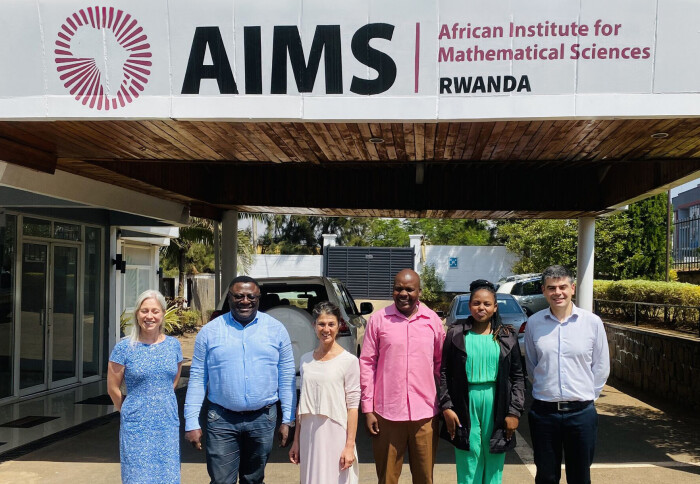
    Imperial College London and AIMS Rwanda are collaborating to address global challenges through the Global Fellows Programme, hosted by the African Institute for Mathematical Sciences (AIMS) in Rwanda. In this program, students from both institutions, with a focus on diverse disciplines such as Finance and economics, Biomedical Science, Agriculture, Urban Health, and Health Economics and Policy, engage in a five-day professional skills initiative to develop innovative solutions to critical issues in Africa.

    The participants, including 15 students from Imperial, undertake a challenge of their choice within the specified sub-themes. The program culminates in project presentations evaluated by a panel of judges, with the strongest proposal selected for further development. This collaborative effort not only fosters interdisciplinary research but also emphasizes intercultural communication, leveraging diverse academic backgrounds for effective teamwork.

    Professor Majid Ezzati from Imperial notes the program’s potential for collaboration with top-tier researchers in Africa, addressing crucial issues related to well-being, health, and sustainability. Professor Wilfred Ndifon, President of AIMS Research & Innovation Centre, expresses the aspiration for lasting connections beyond the program’s duration.

    The program includes contributions from both AIMS and Imperial coaches, facilitating discussions on post-doctoral opportunities and science entrepreneurship. Visits to the Rwanda Biomedical Centre and the National Bank of Rwanda provide insights into the country’s strategies for addressing challenges.

    Participants also benefit from talks on program sub-themes, gaining perspectives on problem-solving approaches in Africa. Beyond academic pursuits, the program offers cultural experiences, including local market trips, museum visits, and a game drive in Akagera National Park.

    Imperial PhD student Raul Pacheco highlights the rewarding experience of stepping out of his comfort zone, emphasizing the program’s social aspect. Post-program, some Imperial participants apply for research placements at AIMS Centres through the Global Fellows Fund.

    The overall aim of the collaboration is underscored by the Imperial-AIMS Rwanda Global Fellows Programme, which actively encourages doctoral researchers from both institutions to enhance professional, research, and collaborative skills. The five-day program focuses on ‘African Data Science Solutions,’ acknowledging the unique challenges and opportunities for data science on the continent.

    Participants engage in interdisciplinary and international groups, coached by experts from partner universities, to address diverse challenges such as education, healthcare, agriculture, corruption, infrastructure, and technology’s ethical aspects. The program aims to empower African researchers to lead in developing data-driven solutions, considering the distinctive context of the continent.

    In summary, the Imperial and AIMS Rwanda collaboration, manifested through the Global Fellows Programme, not only seeks to address immediate challenges but also aims to build lasting connections, foster interdisciplinary research, and empower researchers to tackle complex issues through data science solutions in Africa.

  • Drought-Resistant Sorghum Breakthrough: High-Yielding Varieties for Africa’s Dry Regions

    Drought-Resistant Sorghum Breakthrough: High-Yielding Varieties for Africa’s Dry Regions

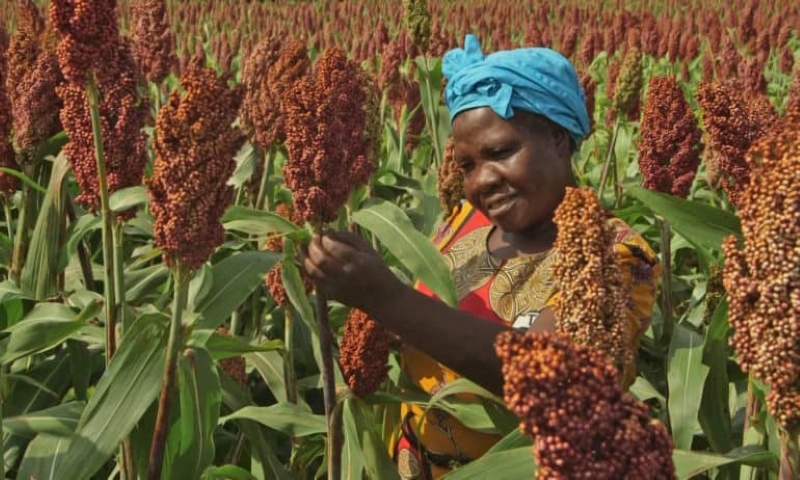
    In a recent breakthrough, a collaborative effort involving scientists from the African Centre for Crop Improvement, the Institute of Agricultural Research (IAR), the International Maize and Wheat Improvement Center (CIMMYT), and the University of Life Sciences has resulted in the development of drought-resistant, high-yielding sorghum varieties tailored for the challenging dry regions of Africa. The critical growth stages of sorghum, particularly the pre- and post-flowering periods, are often hampered by drought stress, severely impacting grain quality. Surveys conducted in Ethiopia, Burkina Faso, and Nigeria underscored the significant role of drought as a major limitation to sorghum production in Sub-Saharan Africa (SSA).

    Recognizing the urgent need to address this constraint, scientists embarked on a comprehensive study titled “Response of African Sorghum Genotypes for Drought Tolerance under Variable Environments.” The researchers evaluated 225 sorghum types under diverse conditions, including non-stressed environments and conditions simulating pre- and post-flowering period drought stress. Leveraging advanced statistical analyses such as the additive main effects and multiplicative interaction (AMMI) method, the study aimed to identify resilient and high-yielding genotypes.

    The outcomes of the research demonstrated a rich diversity in the genetic resources of sorghum, offering a pathway for selecting promising genotypes suitable for drought-prone regions. Notably, certain genotypes, including G56, G157, G8, and G152, exhibited high tolerance to pre-flowering period drought stress, while others, such as G144 and G157, displayed superior grain yield in drought-stressed environments.

    The study emphasized the significant influence of environmental conditions on grain yield, with specific genotypes identified as suitable for different growing environments. Notably, genotypes G119 and G127 stood out for their stability and high yield under non-stressed conditions, surpassing registered cultivars in performance.

    The newly identified sorghum strains not only outperform existing cultivars but also possess traits highly valued by farmers. This makes them promising candidates for future breeding programs. Farmers in drought-prone areas of sub-Saharan Africa, grappling with pre- and post-flowering period drought stress, stand to benefit substantially from the adoption of these high-yielding and drought-resistant varieties.

    In conclusion, the adoption of these newly developed sorghum varieties has the potential to enhance food production and bolster resilience among African farmers, particularly those in SSA, against the adverse impacts of climate change. This breakthrough represents a crucial step toward sustainable agriculture in arid and semi-arid regions, addressing a longstanding challenge and offering a ray of hope for improved food security.

  • Unlocking Soil’s Carbon Storage: Sustainable Farming Practices for Climate Resilience and Agricultural Prosperity

    Unlocking Soil’s Carbon Storage: Sustainable Farming Practices for Climate Resilience and Agricultural Prosperity

    Beneath our feet lies a hidden treasure—soil, the Earth’s largest carbon repository, holding approximately 2,400 billion tons of carbon in the first two meters below the surface. In the face of climate disruption, understanding and harnessing soil’s capacity for carbon storage is crucial. While soils alone cannot single-handedly address rising greenhouse gas concentrations, adopting specific farming practices can significantly contribute by preserving substantial carbon stocks underground and restoring degraded lands.

    Carbon Entry into Soils

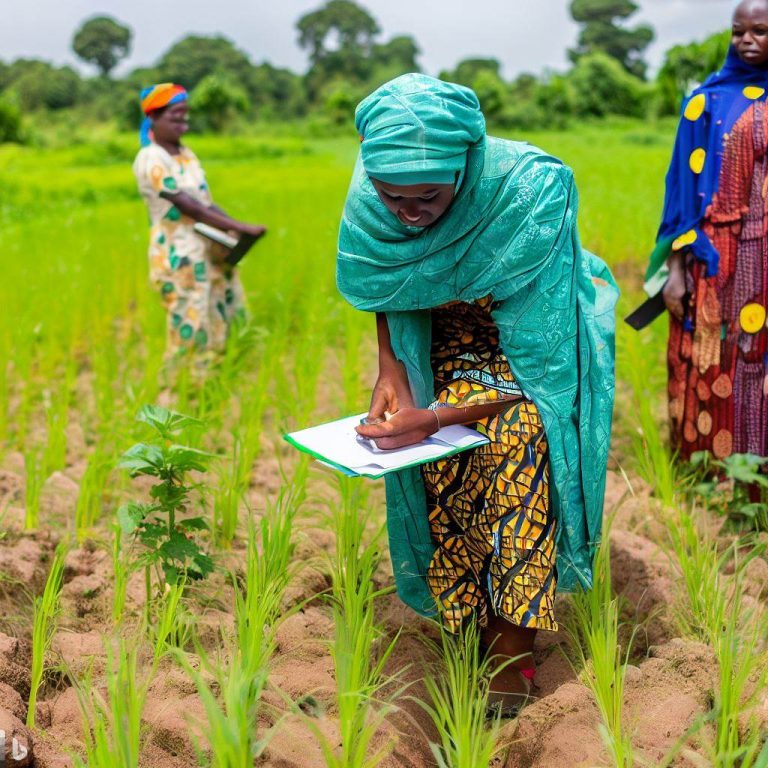
    The journey begins with photosynthesis, where plants absorb atmospheric carbon dioxide (CO2), converting it into carbon-rich molecules through solar energy. This captured carbon enters the soil through plant roots, leaves, and decomposing crop residues. Maintaining high carbon stocks in ecosystems like forests and wetlands is essential, and converting these areas into farmland can result in significant carbon loss—up to 25% or more.

    Agricultural Practices for Increased Soil Carbon Stocks:

    Several farming practices contribute to enhanced soil carbon stocks, collectively forming “conservation agriculture.” Notable practices include:

    No-till or Limited-tillage Farming:

    • Involves sowing crops without plowing the entire field.
    • Reduces soil erosion, slows organic matter decomposition, and preserves soil biodiversity.

    Permanent Soil Cover:

    Utilizes mulch from crop residues or living plant cover between crops.

    Protects against erosion, traps carbon, and supports soil wildlife.

    Crop Diversification:

    • Implemented through crop rotation or intercropping.
    • Reduces bioaggressors and diseases, enhances productivity, and fosters carbon entry through diverse crop roots.

    Results from Field Experiments

    Long-term experiments conducted in Cambodia and Zimbabwe highlight the effectiveness of combining these practices:

    Cambodia:

    • Combining no-till, direct sowing, permanent soil cover, and crop rotation led to a significant increase in soil carbon, promoting deep root systems and long-term carbon storage.

    Zimbabwe:

    • No-till practices alone showed limited benefits, with potential carbon loss.
    • No-till with mulch and crop rotation resulted in increased carbon stocks, particularly in the surface horizon.

    Challenges in Implementing Practices

    While these practices offer promise, challenges exist, especially in regions like Zimbabwe with low-input, mixed crop-livestock systems. Dilemmas arise regarding the use of crop residues for livestock feed or soil cover. Balancing these considerations demands organization, time, and energy from farmers.

    Beyond Climate Mitigation

    The benefits extend beyond climate mitigation, impacting soil fertility, crop productivity, erosion reduction, nutrient availability, and water conservation—crucial factors for farmers in the Global South facing the brunt of climate disruption.

    Conclusion: Harnessing soil’s potential as a carbon sink requires a holistic approach, combining various agricultural practices tailored to specific contexts. As we strive for sustainable agriculture, understanding and implementing these practices not only mitigate climate disruption but also address critical challenges faced by farmers worldwide.

  • Sustainable Agriculture in Ghana: Empowering Local Communities through the Adawso Pilot Community Seed Bank

    Sustainable Agriculture in Ghana: Empowering Local Communities through the Adawso Pilot Community Seed Bank

    In Africa, particularly in Ghana, the conservation and utilization of neglected and underutilized species (NUS) have been integral to local food systems for centuries. These lesser-known crops play crucial roles in food, nutrition, medicine, and income generation. However, the sustainability of NUS is under threat due to various factors such as population growth, changes in agricultural practices, and limited support in research and policy. The Adawso Pilot Community Seed Bank, a collaborative initiative, seeks to address these challenges and promote the sustainable conservation and utilization of NUS.

    Community Seed Banks:

    The concept of a community seed bank serves as a beacon for harnessing and protecting crop diversity at the grassroots level. By empowering farmers and local communities to regain control over their seeds, these seed banks strengthen cooperation among farmers and other stakeholders involved in the conservation of agricultural biodiversity. The Adawso initiative utilizes the Farmer-Based Association (FBA) managed community seed/field bank approach, placing control and management in the hands of the community, ensuring improved access to planting materials.

    Mangoase Pilot Project:

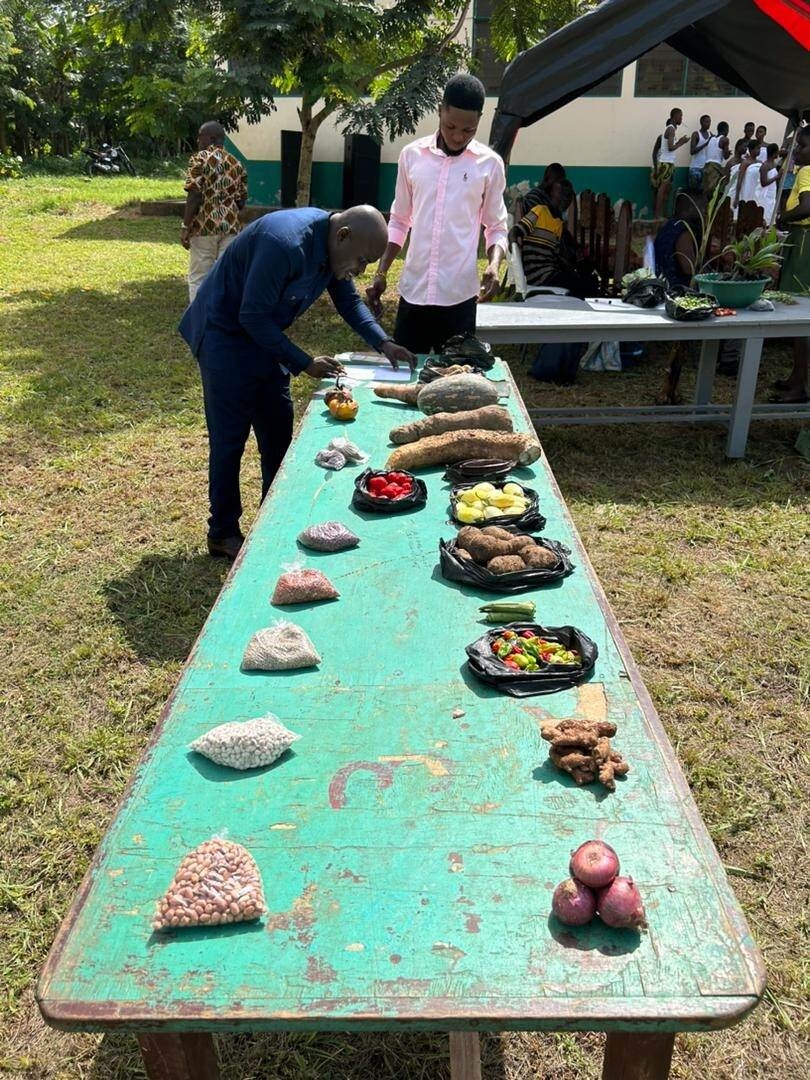
    The Mangoase community in Adawso, known for its rich diversity of root and tuber crops, cereals, legumes, fruit trees, and vegetables, became the site for the pilot project. The Nyonkopa farmer group, consisting of 120 members, actively participates in the project, with 83 men and 37 women contributing to the vibrant agricultural community.

    Crop Diversity in Mangoase:

    Farmers in Mangoase cultivate over 30 crop and tree species, showcasing a diverse range of vegetatively propagated crops, traditional and modern vegetables, and various tree crops. Despite the richness of crop varieties, the diversity is diminishing, primarily affecting crops like bananas and plantains, cassava, taro, and yam. Farmers attribute this decline to factors such as a lack of economic incentives, inadequate planting materials, delayed maturity, poor crop management, and limited knowledge about certain crops.

    New Facility and Activities:

    Collaboration among key stakeholders, including the NUS Network of Ghana, Alliance of Bioversity International and CIAT, District MoFA office, Agricultural Extension Service, and scientific institutions, aims to build farmers’ capacity in establishing and managing the community seed bank. The involvement of organizations like CSIR-PGRRI, BNARI, and UENR further enhances the project’s scientific and educational dimensions.

    Sustainable Practices and Value Addition:

    To ensure the longevity of the community seed bank, efforts will be made to explore value-addition activities for local crops. This includes enhancing the socio-economic recognition and economic value of NUS, thereby contributing to improved nutrition, health, income generation, conservation, and sustainable livelihoods within the community.

    Dissemination and Future Collaboration:

    The success and experiences gained from the Mangoase pilot project are envisioned to be disseminated to other regions of Ghana through collaboration with national institutions, universities, and other stakeholders in the seed sector. The ultimate goal is to create a ripple effect, fostering sustainable conservation and utilization practices across the country.

    Conclusion: The Adawso Pilot Community Seed Bank stands as a beacon of hope in the face of diminishing crop diversity and the challenges faced by neglected and underutilized species in Ghana. By empowering local communities and fostering collaboration among diverse stakeholders, this initiative paves the way for a more resilient and sustainable agricultural landscape, ensuring the continued well-being of both farmers and the environment.

  • Impactful Global Crop Breeding Collaboration: Insights from ILCI Workshop at Cornell University

    Impactful Global Crop Breeding Collaboration: Insights from ILCI Workshop at Cornell University

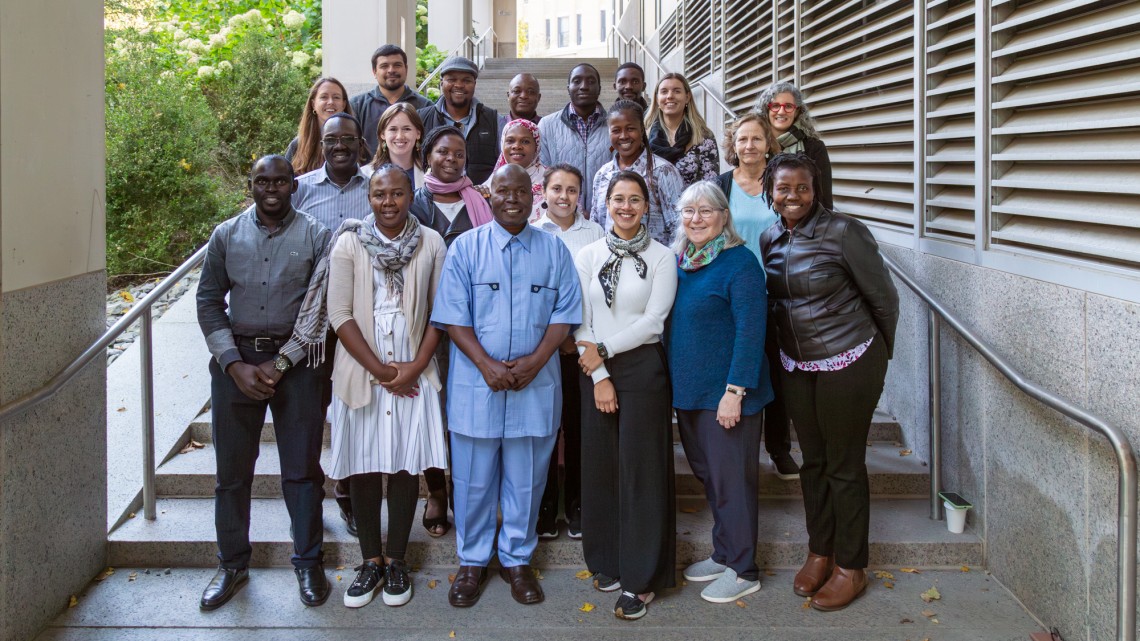
    The Innovation Lab for Crop Improvement (ILCI) recently hosted a workshop at Cornell University, bringing together sixteen scientists from various agricultural research centers worldwide. The workshop, held from October 1 to 15, was organized to enhance global crop breeding efforts and featured participants from ILCI’s Priority Setting team, Cross-Cutting themes team, and ILCI-supported Centers of Innovation in Burkina Faso, Costa Rica, Kenya, Malawi, Mozambique, Senegal, and Uganda.

    About ILCI

    The workshop at Cornell University provides information about the Center of Innovation for Crop Improvement for East and Southern Africa (CICI-ESA), focusing on cowpea improvement for yield, disease resistance, adaptation, and nutrition security. The collaborative efforts of institutions in Malawi, Mozambique, and Tanzania aim to develop more nutritious, resilient lines of cowpea by prioritizing farmer and consumer preferences and market demand.

    Aim of ILCI

    The event aimed to provide comprehensive training on essential resources such as gender-inclusive research design and utilization of the Cornell Library. Additionally, it facilitated networking opportunities and included hands-on team working sessions. According to Martina Occelli, co-lead for ILCI’s Priority Setting team, these sessions allowed researchers to delve into high-impact projects and collaboratively address challenges.

    Participants Viewpoint

    Belarmino Amadeu Faife Divage

    One of the workshop participants, Belarmino Amadeu Faife Divage from the Mozambique Agricultural Research Institute, focuses on analyzing the cowpea value chain in Mozambique. As a social scientist with a background in plant breeding, Divage aims to understand growers’ and consumers’ preferences to influence plant breeding program priorities in the country. He highlighted the importance of studying community dynamics to enhance the adoption of new varieties and technologies in Mozambique.

    Naomi Mvula

    Participants from Malawi, Naomi Mvula, a social scientist, and John Kafwambira, a plant breeder, are working on enhancing cowpea adoption to address food insecurity in their region. They expressed optimism about interdisciplinary collaboration facilitated by ILCI, believing it will contribute to addressing hunger in East Africa.

    Ibrahim Mayanja

    Ibrahim Mayanja, a research associate from Uganda, emphasized the need for a deeper understanding of trait preferences for sorghum and millet in the face of climate change. Through his work with ILCI’s East African Center of Innovation for Finger Millet and Sorghum, Mayanja aims to drive demand-driven breeding by characterizing different market segments and developing product profiles.

    Benefits of ILCI

    The workshop encouraged plant breeders and social scientists to consider multidimensional priorities in crop improvement, encompassing economic, environmental, and nutritional aspects, along with themes of gender equity, youth engagement, inclusion, and resilience. Researchers working on various crops and improvement programs across East Africa, West Africa, Central America, and the Caribbean participated, emphasizing the interdisciplinary nature of their collaboration.

    The workshop featured daily open-ended discussions with faculty members from different departments, fostering knowledge exchange and shared experiences. The two-week event concluded with poster presentations, showcasing the outcomes of the collaborative efforts.

    In conclusion, the Feed the Future Innovation Lab for Crop Improvement emphasizes a global partnership to co-develop tools, technologies, and methods in crop improvement. By collaborating with scientists and stakeholders worldwide, the lab aims to address local concerns and build equitable community impact. The approach focuses on listening to national agricultural research institutes, allowing them to define their goals and drive advancements in breeding resilient crop varieties capable of withstanding pests, diseases, and climate change. The ultimate goal is to ensure that innovations are sustainable in the long term by prioritizing and targeting unique needs identified by national programs.

  • University of Leeds and CGIAR Collaborate on Innovative Satellite Analysis Project to Boost Agricultural Resilience in Kenya and Combat Global Hunger

    University of Leeds and CGIAR Collaborate on Innovative Satellite Analysis Project to Boost Agricultural Resilience in Kenya and Combat Global Hunger

    Scientists at the University of Leeds are set to employ cutting-edge satellite analysis techniques to aid farmers in Kenya in addressing the challenges posed by global warming and environmental degradation. With approximately 4.4 million people in Kenya experiencing high levels of acute food insecurity, the impact of climate change on global hunger is a growing concern.

    The initiative is part of a broader UK government investment that leverages British science, technology, and innovation to combat global hunger. Prime Minister Rishi Sunak emphasized the need for a fundamental shift in approaching food security, with a focus on long-term solutions. He highlighted the importance of harnessing science and technology to build resilient food supplies against threats like conflict, drought, and floods.

    As part of this effort, the UK-CGIAR Science Centre was launched to drive research on flood-tolerant rice, disease-resistant wheat, and other innovations. One project receiving government funding through this initiative is iSPARK, a collaborative research project involving the University of Leeds and two African research institutes.

    The iSPARK project aims to enhance the resilience and productivity of agriculture in western Kenya. The researchers plan to analyze large datasets, combining on-the-ground intervention data from agricultural advisers with high-resolution satellite images of food-growing regions in Kenya. The integration of these datasets will enable scientists to assess the effectiveness of different interventions, identify correlations, and develop new analytic techniques using machine learning algorithms.

    The research will provide insights into sustainable agricultural practices and their resilience to changing environmental conditions. The scientists aim to develop new metrics for evaluating the success of interventions and plan to roll out three selected interventions based on the research findings.

    Dr. Aniruddha Ghosh, a Senior Scientist at Alliance Biodiversity-CIAT, emphasized the primary goal of significantly enhancing the resilience and productivity of Kenyan agriculture. By leveraging advanced satellite technology and machine learning, the researchers aim to provide actionable insights for small-scale producers to improve farming practices and enhance food security in the region.

    The University of Leeds has a history of collaboration with CGIAR on various food security projects, including iFEED and ClimBeR. CGIAR, with 50 years of global experience, has been instrumental in transforming food production and lifting millions out of hunger and poverty. The research and innovation initiatives, including a new 10-year strategy, aim to address the challenges of a sustainable, climate-resilient world free from hunger and malnutrition. The International Institute of Tropical Agriculture (IITA), a key partner, plays a crucial role in generating agricultural innovations to address Africa’s challenges of hunger, malnutrition, poverty, and natural resource degradation. Working collaboratively, these initiatives strive to achieve the Sustainable Development Goals by 2030.


  • Africa’s Vital Role in High Seas Treaty: Shaping Sustainable Oceans for Global Prosperity

    Africa’s Vital Role in High Seas Treaty: Shaping Sustainable Oceans for Global Prosperity

    The Biodiversity Beyond National Jurisdiction Treaty, commonly known as the High Seas Treaty, stands as a landmark initiative for the global protection of vast oceanic expanses. With a deadline for signing and ratification approaching, Africa’s significant role in this endeavour becomes increasingly critical. This article explores Africa’s current standing in the treaty’s adoption and emphasizes the continent’s potential to shape a sustainable future for the world’s oceans.

    Africa’s Lagging Participation

    While the African Group of Negotiators played a pivotal role in shaping the treaty, Africa lags behind in signing and ratifying it. Of the 84 countries that have signed since the treaty opened for signatures, only 12 are from Africa. The continent’s commitment is essential, representing the largest collective voting bloc at the United Nations with 54 member states.

    Importance of Swift Action

    Unlike past global treaties, the High Seas Treaty demands a speedier timeline, emphasizing the urgency of collective action. As the custodian of diverse marine life crucial for millions of people, Africa’s commitment is not only a diplomatic responsibility but a necessity for safeguarding economies and preserving cultural identities.

    Opportunities for Sustainable Blue Economies

    The treaty presents a unique opportunity for Africa to steer sustainable blue economies, aligning economic growth with environmental protection. By endorsing responsible fisheries management, sharing marine genetic resources, and exploring ocean-based renewable energy, African countries can foster economic growth while preserving marine ecosystems.

    Challenges and Solutions

    Despite the promising prospects, Africa faces challenges in implementing the treaty. Awareness campaigns and training programs are necessary at the national level to educate officials and stakeholders. Updating national policies to align with the treaty, allocating resources, and overcoming financial hurdles are key steps for effective implementation.

    Financial Constraints

    Limited financial and technical resources pose a challenge for many African countries. Addressing these resource constraints requires international collaboration, with regional economic communities playing a crucial role in facilitating technical assistance, sharing best practices, and coordinating efforts among member states.

    African Union’s Role

    At the African Union (AU) level, continued efforts are needed to build on existing successes. The AU Commission can convene the African Group of Negotiators for capacity-building initiatives, ensuring active involvement of member states. Leveraging AU’s Centres of Excellence for scientific and technological capabilities can enhance Africa’s knowledge capacity on the High Seas Treaty.

    Hope for Swift Implementation

    While multilevel implementation poses challenges, the swift adoption of the Paris Agreement offers hope for the High Seas Treaty. If successful, Africa can bridge the gap between ideation and implementation, contributing to the safeguarding of marine ecosystems and unlocking substantial economic and environmental benefits for future generations.

    In conclusion, Africa stands at a crucial juncture, holding the key to the successful implementation of the High Seas Treaty. By addressing challenges, raising awareness, and committing to sustainable practices, the continent can play a pivotal role in ensuring a thriving future for the world’s oceans.

  • Empowering African Scientists: GSK Africa Open Lab Grants for Infectious Disease Research and the Transformative Impact of Research Collaboration in Africa

    Empowering African Scientists: GSK Africa Open Lab Grants for Infectious Disease Research and the Transformative Impact of Research Collaboration in Africa

    Invitation to African Scientists:

    Are you an early-stage African scientist with a passion for researching infectious diseases? The GSK Africa Open Lab is extending an invitation for groundbreaking proposals in the realm of infectious disease epidemiology, aetiology, prevention, and control. The call specifically seeks projects addressing critical knowledge gaps and proposing mechanisms to enhance access to medicines and vaccines for infectious diseases across the African continent.

    🔬 Research Project Criteria:

    The research project, spanning population-based or clinical studies and laboratory-based analysis of field or clinical samples, should be focused on disease areas such as Malaria, Tuberculosis, Antimicrobial resistance (AMR), Enteric infections, Neglected Tropical Diseases, and emerging infectious diseases of particular relevance for Africa. Proposals must not only generate significant data but also demonstrate a commitment to bringing about change in health policy and practice.

    🏆 Aim and Benefits:

    Successful applicants stand to benefit from up to £100,000 per award, covering a project duration of up to 36 months. This financial support encompasses various project costs, including equipment, fieldwork, data collection, consumables, and research assistance. In addition to financial support, GSK offers scientific mentoring throughout the award term, tailored to the individual needs of the project. Opportunities for training activities and collaboration with global scientists aim to enrich the research experience.

    🎓 Requirements for Qualification:

    For an applicant to qualify, they must be an African scientist in the early stages of their research and academic career. The principal investigator should hold a graduate degree, with a preference for MSc, PhD, or MD. A track record in health-related research, evidenced by publications and active engagement, is a prerequisite. Applicants must be employed by a research or academic institution in Sub-Saharan Africa (SSA). The call encourages applications from historically underrepresented population groups and institutions.

    📝 Application Process:

    The application process involves a two-stage review. Interested individuals can access the preliminary concept application form on the GSK Supported Studies website after registration. The completed preliminary concept, along with a CV using the provided template, should be submitted. Recommendations for award funding will be made based on scientific merit, with only successful concept stage applicants invited to submit a full application.

    🔍 Selection Criteria:

    A scientific panel, including the advisory board of African infectious disease experts and academics, will assess completed proposals. Criteria include the eligibility of the applicant, scientific merit of the proposed project, its significance and potential impact, scalability, and the anticipated impact on the applicant’s career development.

    🌐 Global Collaboration for Scientific Excellence:

    The GSK Africa Open Lab is not just about funding; it’s a platform for African scientists to contribute significantly to infectious disease research. GSK’s commitment to scientific leadership in Africa is evident in the comprehensive support provided, from financial assistance to mentorship and global collaboration.

    Application Deadline: January 29, 2024 For detailed information and to apply, visit the GSK Supported Studies website. Seize this opportunity to make a lasting impact on infectious disease research and healthcare in Africa. 🌟

    Unleashing Potential Through Collaboration: A Path to Holistic Development in African Research

    Research collaboration plays a pivotal role in advancing scientific knowledge and driving societal progress, particularly in the African context. The significance of collaborative efforts in research extends beyond individual achievements, offering a myriad of benefits that contribute to the overall development of the continent.

    🤝 Pooling Diverse Expertise: Africa is a continent rich in cultural and scientific diversity. Collaborative research brings together experts from various fields, creating a synergy that can address complex challenges more comprehensively. By pooling diverse expertise, researchers can gain holistic insights into multifaceted issues, leading to innovative solutions.

    🌍 Global Networking and Exposure: Collaborating with international partners provides African researchers with exposure to global perspectives, methodologies, and cutting-edge technologies. This global networking opens doors for shared learning, fostering a dynamic environment where researchers can stay abreast of the latest advancements in their fields.

    🔬 Addressing Complex Challenges: Many of the challenges faced by African nations, such as infectious diseases, healthcare disparities, and environmental issues, require multidisciplinary approaches. Collaborative research allows for a more holistic examination of these challenges, leading to comprehensive and sustainable solutions that consider cultural, economic, and social nuances.

    👥 Capacity Building and Skill Transfer: Research collaboration facilitates the exchange of knowledge and skills between institutions and individuals. Through joint projects, African researchers have the opportunity to enhance their expertise, whether in scientific methodologies, data analysis, or project management. This skill transfer contributes to building a robust research infrastructure on the continent.

    🌐 Access to Funding and Resources: Collaborative projects often attract more significant funding and resources than individual endeavors. This is particularly crucial for African researchers facing resource constraints. Partnerships with global institutions increase the visibility of African research initiatives, making them more appealing to funding agencies and philanthropic organizations.

    🚀 Accelerating Scientific Discovery: Collaboration accelerates the pace of scientific discovery. By working together, researchers can share data, validate findings, and collectively push the boundaries of knowledge. This acceleration is vital for addressing urgent health concerns, such as infectious diseases, and for contributing to the global scientific community.

    📊 Influencing Policy and Practice: Collaborative research generates evidence that can influence policy and drive positive change. By engaging with policymakers, practitioners, and local communities, researchers can ensure that their findings translate into actionable policies and practices, addressing real-world issues and improving the well-being of African populations.

    In conclusion, research collaboration stands as a cornerstone for African advancement. It not only amplifies the impact of individual efforts but also fosters a culture of shared knowledge, innovation, and progress. As African researchers continue to engage in collaborative endeavors, the continent is poised to make significant contributions to global scientific discourse and shape a brighter future for its people. 🌟