Author: AR Managing Editor

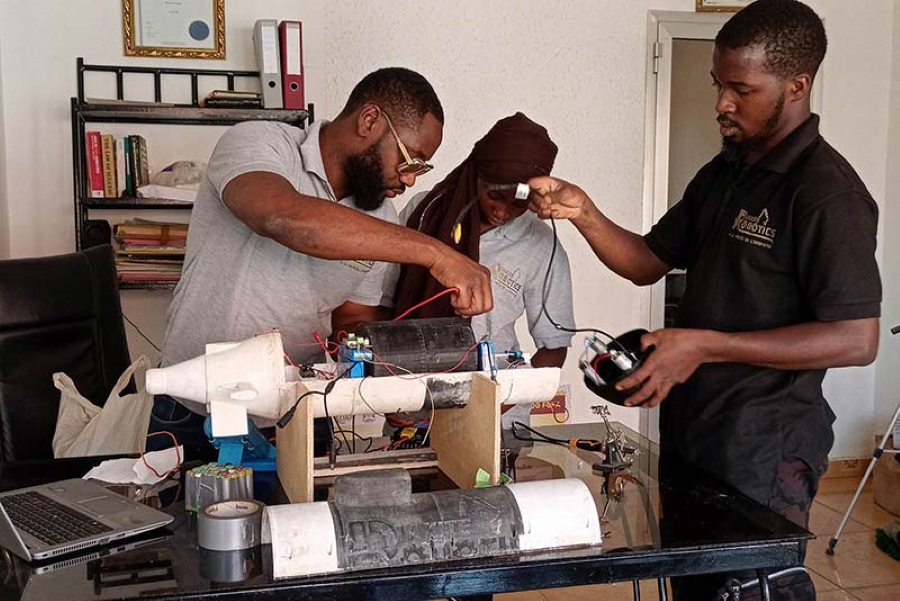
  • Pioneering Robotics Research in South Africa: Unveiling the African Robotics Unit’s Innovations in Marine Systems, Spatial Intelligence, and Biology-Inspired Robotics

    Pioneering Robotics Research in South Africa: Unveiling the African Robotics Unit’s Innovations in Marine Systems, Spatial Intelligence, and Biology-Inspired Robotics

    In the realm of robotics, South Africa may not be the first country that comes to mind, but the African Robotics Unit (ARU) at the University of Cape Town has been pioneering groundbreaking research, capitalizing on the unique opportunities presented by the country’s distinct challenges and advantages. The authors explore the multifaceted initiatives undertaken by the ARU, shedding light on their contributions to both international robotics research and local scientific endeavors.

    Location-Specific Opportunities

    South Africa’s intricate challenges, from inconsistent electricity supply to harsh climatic conditions, might appear unfavorable for robotics research. However, the ARU has identified specific opportunities within these challenges. Over the past decade, the ARU has empowered local scientists to leverage South Africa’s location-specific advantages, notably in marine systems research and biodiversity-inspired robotics.

    Autonomous Marine Systems Lab

    In collaboration with the UCT Centre for Marine and Antarctic Research for Innovation and Sustainability (MARIS), the ARU’s Autonomous Marine Systems Lab focuses on designing scalable autonomous platforms and sensors for ocean science research. South Africa’s strategic location at the convergence of the Atlantic, Southern, and Indian oceans provides a unique gateway for exploring the Southern Ocean, a vital component in understanding global climate dynamics. The lab’s recent deployment of novel waves-in-ice instruments in Antarctica represents a pioneering effort, generating a first-of-its-kind dataset for the region.

    Spatial Intelligence Lab

    The ARU’s Spatial Intelligence Lab addresses fundamental technical and social barriers hindering the widespread deployment of robots in the South African and African context. From the cost challenges associated with robotic platforms to niche problems like operating agricultural robots in extreme temperatures, the lab strives to make robotics more accessible within the Southern African context.

    Biology-Inspired Robotics

    Given South Africa’s rich biodiversity, it is unsurprising that a significant portion of the ARU’s work lies in biology-inspired robotics. Starting with Dima, a wheeled robot inspired by cheetah tail movements, the ARU has delved into rapid maneuverability. Current projects include Baleka, a quasi-direct drive bipedal robot, and Kemba, a quadruped with a unique combination of electric motors and pneumatic actuators. The ARU’s collaboration with cheetah sanctuaries and advancements in machine learning have enabled the creation of AcinoSet, the first dataset of three-dimensional reconstructions of running cheetahs.

    Growing Robotics Presence

    The ARU’s endeavors are part of a larger trend in South African research institutions. The Robotics, Autonomous Intelligence, and Learning (RAIL) Lab at the University of Witwatersrand and the Electronic Systems Lab (ESL) at Stellenbosch University contribute to the country’s growing robotics presence. These institutions focus on acquiring environmental knowledge, developing novel behaviors for autonomous systems, and expanding into automation across various domains.

    Conclusion: In a hypothetical scenario where African ingenuity could flourish unencumbered, South Africa’s robotics groups would undoubtedly lead the world. The ARU’s initiatives extend beyond robotics, shaping a brighter future for scientists in South Africa and contributing valuable insights to global research endeavors.
  • Halidou Tinto: Malaria Research Pioneer Driving Breakthroughs in Africa, Leading R21 Vaccine Trials

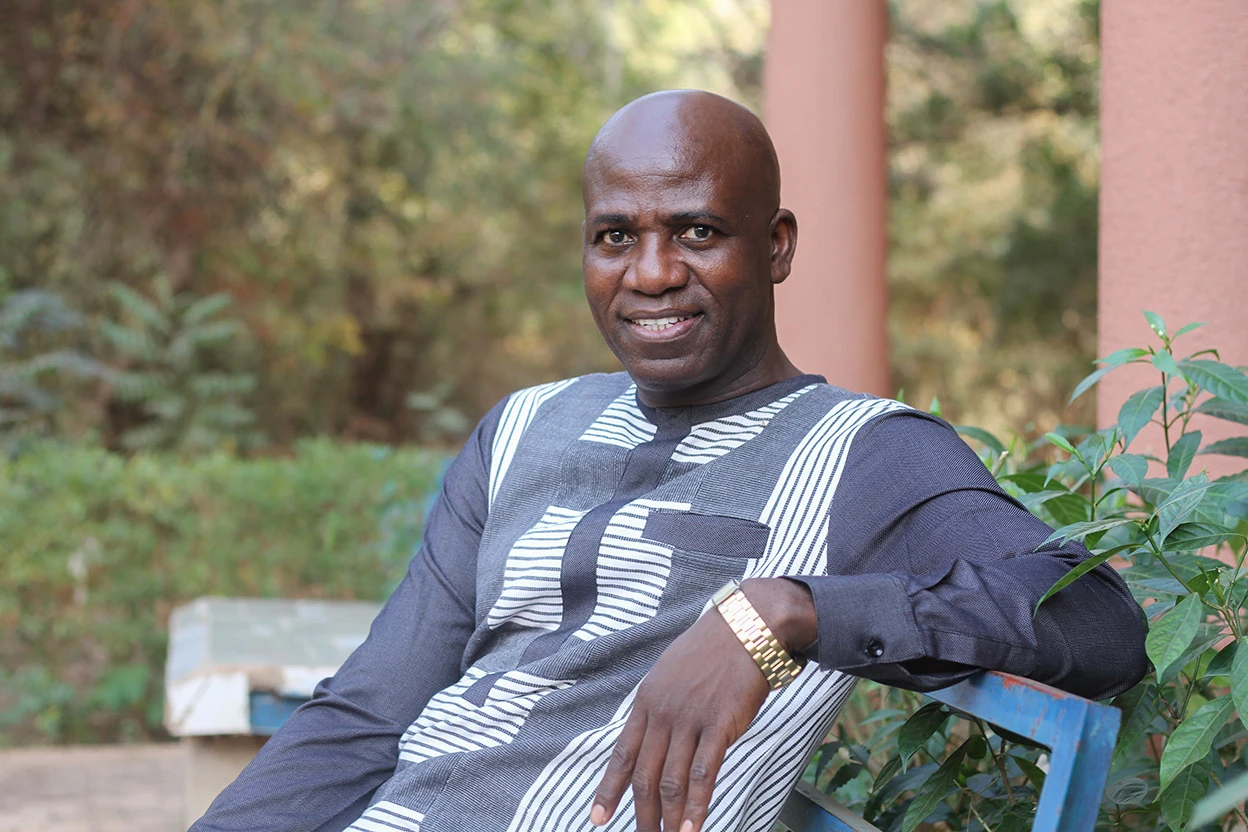
    Halidou Tinto: Malaria Research Pioneer Driving Breakthroughs in Africa, Leading R21 Vaccine Trials

    Halidou Tinto, a dedicated malaria researcher, has significantly contributed to the advancement of science and research in Africa through his extensive work in clinical trials for malaria drugs and vaccines. In a poignant intersection of his personal and professional life, Tinto’s daughter contracted malaria in October, emphasizing the severity of the disease he has been combating for over a decade.

    I find inspiration in the opportunity to save lives – the most satisfying aspect of my work. The fight against malaria is not just a scientific endeavor but a commitment to the well-being of communities in Africa.– Halidou Tinto 2023

    Tinto’s pivotal role in testing the R21 vaccine, recently recommended by the World Health Organization (WHO), marks a significant milestone in malaria prevention. This vaccine, the second of its kind, holds promise in preventing millions of deaths in Africa, where the majority of malaria infections occur, causing over 200 million cases and 500,000 deaths annually, primarily affecting children under 5 years old.

    At the helm of the Clinical Research Unit of Nanoro (CRUN) in Burkina Faso, Tinto’s diligence is credited with the success of the institute, which serves as a key testing site for R21, its precursor RTS,S, and various drugs. Tinto, who earned a PhD at the University of Antwerp, specializes in studying malaria drug resistance, reflecting his commitment to advancing scientific knowledge in Africa.

    Choosing to forgo a postdoctoral opportunity in the US, Tinto returned to Burkina Faso in 2006, contributing to the establishment of CRUN in collaboration with local scientists and clinicians. Overcoming challenges such as a lack of infrastructure, Tinto successfully integrated his clinic into the late-stage clinical trials of RTS,S in 2007. His strategic efforts, including persuading the Burkina Faso government to connect Nanoro to the national grid, played a crucial role in the approval of RTS,S in Africa, associated with a significant reduction in child mortality.

    Despite the success of RTS,S, Tinto acknowledges its limited production capacity, prompting excitement around R21. Produced by the Serum Institute of India, R21 can manufacture 100 million doses annually, making it more scalable and potentially more effective. Tinto spearheaded an influential early study on R21 in 2019, demonstrating its distinct advantages. The WHO has projected that R21 will be available across Africa by mid-2024. Meanwhile, Tinto remains actively engaged in over 30 clinical trials, including the development of two additional malaria vaccines and further studies on R21. CRUN’s expansion, with over 400 staff members and associates, stands as a testament to how research can stimulate development in Africa.

    Collaborating with researchers like Umberto D’Alessandro, Tinto finds inspiration in the opportunity to save lives, considering it the most satisfying aspect of his work. His commitment to advancing science and research in Africa, coupled with his dedication to addressing the pressing issue of malaria, positions Halidou Tinto as a prominent figure in the fight against this deadly disease.


  • Cultural Competence in Social Robots: Enhancing Acceptance and Adoption in Africa’s Growing AI Landscape

    Cultural Competence in Social Robots: Enhancing Acceptance and Adoption in Africa’s Growing AI Landscape

    A recent study by Adedayo et al. explores the importance of cultural competence in social robots to enhance their acceptance and adoption in Africa. As Africa embraces artificial intelligence (AI) for economic growth, development, education, healthcare, and more, the widespread adoption of technological innovations depends on cultural sensitivity. The focus is on social robotics, a rapidly growing field globally.

    The Crucial Role of Cultural Competence in Social Robots for Meaningful Human-Interaction in Diverse Contexts

    Cultural competence in social robots involves embedding culturally sensitive body, hand, and facial gestures. The goal is to ensure that robots can interact with people based on their cultural norms and expectations. This cultural awareness is crucial for effective human-robot interaction, especially in countries like Rwanda and South Africa, where researchers are conducting ethnographic research to understand the nuances of cultural interaction.

    Nonverbal, verbal, and spatial interactions play a vital role in human-robot engagement. Nonverbal cues, such as gestures and eye contact, vary across cultures and must be considered to avoid stereotypical interactions. Verbal communication involves not only the spoken message but also the modulation of volume and timbre to respect cultural preferences. Spatial interaction requires an understanding of proxemics, considering how individuals position themselves relative to others.

    To address these challenges, researchers at Carnegie Mellon University Africa and the University of the Witwatersrand are developing a software system for Pepper social robots. The system incorporates adaptable software primitives to generate culturally sensitive human-robot interactions. It includes components for detecting people, faces, eyes, gaze direction, hands, and voices, interpreting scenarios, and generating culturally appropriate behaviors based on an African culture ontology and knowledge base.

    The study also explores the relevance of the research for students, highlighting the AI-robotics course at CMU-Africa. Students learn about the technical challenges of synchronizing lip and facial gestures with audio output, contributing to a deeper understanding of human-robot interaction technology.

    Cultural Robots: Transforming Tech, Acceptance, and Hospitality in African Context

    The cultural competence of social robots in Africa is seen as impactful in several ways. First, it provides Africans with the opportunity to develop their understanding of technology while gaining deeper knowledge of their diverse cultures. Second, it serves as a step toward the acceptance and adoption of social robotics in Africa, overcoming resistance rooted in the mismatch between Western-centric robot designs and African cultural expectations. Lastly, culturally sensitive robots can contribute to the hospitality industry by presenting African culture to tourists, acting as cultural ambassadors, and enhancing the overall tourist experience.

    In conclusion, the research demonstrates how modern advances, such as AI, can collaborate with local traditions to improve life while respecting cultural values. Culturally competent robots provide a template for the responsible integration of technology, fostering trust and mutual understanding and paving the way for the adoption of various innovations across different sectors in a way that empowers communities on their terms.


  • Revna Biosciences: Pioneering Genomic Advancements for Personalized Medicine in Africa

    Revna Biosciences: Pioneering Genomic Advancements for Personalized Medicine in Africa

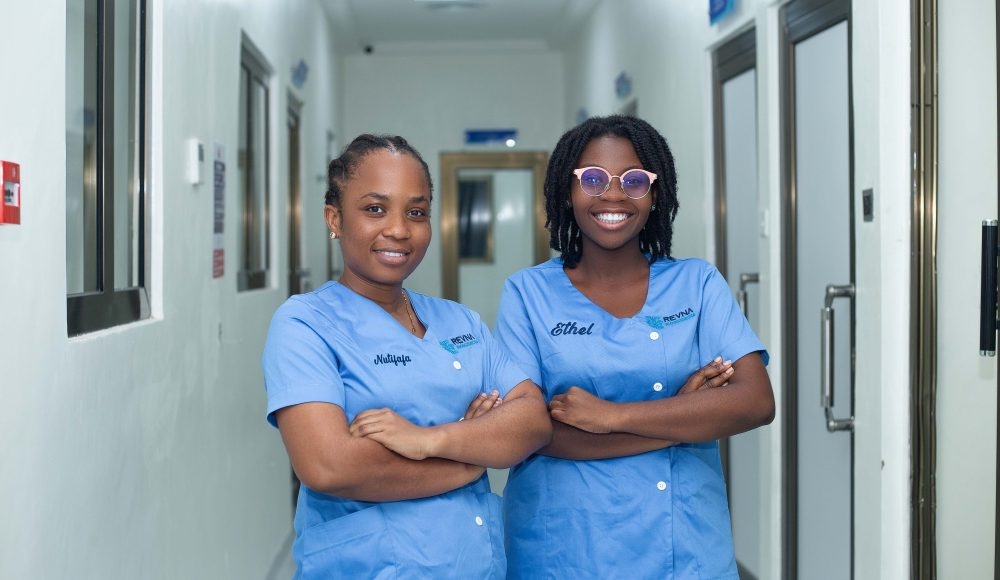
    Revna Biosciences, a startup based in Accra, Ghana, is dedicated to revolutionizing the genomics landscape in sub-Saharan Africa, with a primary focus on improving local patient care through enhanced access to personalized medicine. The company, established in 2022, has recently forged strategic partnerships with Diatech Pharmacogenetics and Qiagen to address critical knowledge and care gaps prevalent in the region.

    About Revna Biosciences

    The name “Revna” is derived from the Greek word “erevna,” meaning research or inquiry, reflecting the company’s commitment to dispel the misconception that commercial biomedical sciences cannot thrive on the African continent. The CEO and co-founder, Derrick Edem Akpalu, emphasizes the global nature of the issue, noting that people from Africa are significantly underrepresented in global genomics studies, with less than 2 percent of genomes sequenced and deposited in global databases. Despite Africa’s genetic richness, molecular diagnostic penetration in sub-Saharan Africa is limited, often occurring through external clinical trials with restricted data sharing.

    Revna’s Approach

    Revna’s approach, founded on diagnostics, clinical research, and biobanking, aims to create a comprehensive ecosystem. By addressing diagnostic needs, the company generates local public health data, fosters clinical trials, and builds a biobank across various indications. The long-term goal is to provide insights for companion diagnostics and therapeutics tailored to the African population.

    In its first year, Revna dedicated efforts to building a state-of-the-art facility and achieving ISO certification, ensuring international standards in its operations. The company has registered two molecular diagnostic test systems with the Ghana Food and Drug Authority and initiated patient testing, along with conducting clinical studies in stealth mode. Revna’s emphasis on self-sustainability led to an extensive angel round of financing, with plans to self-fund clinical studies through commercial activities, avoiding traditional venture capital pressures.

    Addressing Global Disparities

    The mantra “Where clinical goes, commercial goes” resonates with Revna’s strategy. By showcasing the need for molecular testing in the African patient population, the company aims to attract life sciences companies and therapeutics developers to the region. The treatment-naïve local population presents an opportunity for investment, and clinical trial data collected in Africa can support FDA directives on diversity in global clinical trials.

    Strategic Partnerships

    Revna has partnered with Diatech Pharmacogenetics and Qiagen to offer molecular diagnostic test services, targeting local hospitals and university research programs. The collaboration involves presenting molecular profiling panels and explaining their significance in patient-treatment matching. The company has already registered two molecular diagnostic systems with the Ghana FDA and is actively engaged in cancer clinical research.

    The collaboration with Qiagen, in particular, is viewed as part of a broader developmental plan, emphasizing not just commercial aspects but also public health and diagnostic penetration in the region. Training initiatives ensure that Revna’s scientists are well-versed in utilizing the systems, contributing to maintenance, and minimizing downtime. Qiagen’s broader strategy in Africa aligns with addressing skill gaps, increasing genomic capacity, and making diagnostics more accessible and affordable. The goal is to empower the region in precision medicine, with a focus on deepening genomic research in West Africa.

    Future Outlook

    Despite the current lag in molecular diagnostics in Africa, there is optimism about the region’s growing knowledge base in precision medicine, potentially leading to increased clinical trials. Revna aims to play a pivotal role in this transformation, keeping the community at the forefront of its work. The team is motivated by a moral imperative to bridge the gap between Africa and the rest of the world in the realm of genomics and personalized medicine. As the company moves forward, it seeks to build more collaborations, earn the trust of patients, physicians, and lab partners, and ultimately contribute to improving healthcare for both current and future generations in Africa.

  • Empowering African Research: Navigating Funding Challenges and Urging Sustainable Commitment

    Empowering African Research: Navigating Funding Challenges and Urging Sustainable Commitment

    Securing sustainable funding for research in Africa is crucial for its success. While external support has played a pivotal role, the urgent need to bolster local and government funding cannot be overstated. The article by Di Caelers and Dann Okoth explores the challenges faced by African researchers, emphasizing the necessity of diversifying funding sources and empowering local entities.

    Impact of Funding Cuts

    The consequences of funding cuts, as exemplified by the Swedish Research Council’s decision to withdraw $16.4 million in grants, extend beyond individual researchers. Ghanaian biochemist Peggy Oti-Boateng highlights that such cuts affect not only research scientists but also the students they teach. Similarly, Sue Harrison from the University of Cape Town recounts the impact of foreign funding cuts initiated by UK Research and Innovation in 2020. A recurring issue for African researchers is the exclusion of them from grant agendas. In 2021, scientists from Kenya, Nigeria, and Tanzania raised concerns about African institutions being overlooked for a significant grant awarded to PATH by the US government’s President’s Malaria Initiative. This exclusion impedes Africa’s ability to address region-specific challenges critical for influencing policy and practice.

    Broader Challenge

    The broader challenge lies in ensuring uninterrupted resources for generating knowledge and innovations to tackle Africa-specific issues. Despite Africa representing 18% of the global population, it produces only 1% to 2% of global research and innovation outputs.

    Progress and Challenges in Grant Acquisition: South Africa, Egypt, and Nigeria are making progress in securing grants, but researchers in these countries still grapple with limited financial resources. The Africa Growth Initiative’s 2023 Foresight Africa report underscores the need for high-value investments in research and development (R&D) and infrastructure.

    Unmet Commitments: Despite African Union member states committing to allocate 1% of their GDP to research and development 17 years ago, the continent’s funding remains at 0.42%, significantly below the global average of 1.7%. Notably, no country has reached the 1% target, with even South Africa, the continent’s largest spender on research and innovation, peaking at 0.85% of GDP.

    Recognition of Research’s Economic Value: Top African scientists emphasize the failure of African countries to recognize the economic value of research. Salim Abdool Karim argues that making countries competitive in science will lead to economic competitiveness, stressing the need to view research as an investment rather than an expense.

    Empowering African Researchers

    To address the challenges, there is a call to diversify funding sources, reducing reliance on foreign funding. Empowering African governments and the private sector is crucial. Joab Odhiambo raises concerns about the decreasing number of young people pursuing PhDs, highlighting potential negative implications for socio-economic development.

    Long-Term Investment and Infrastructure: Recognition of the long-term nature of research infrastructure development is crucial. Kelly Chibale’s success with the University of Cape Town Holistic Drug Discovery and Development Centre emphasizes the importance of identifying and supporting Africa’s pockets of excellence.

    Meeting Commitments: The article emphasizes the importance of African countries meeting their Abuja Declaration commitments, including allocating at least 15% of the annual budget to improving the health sector and raising national science and technology budgets to 1% of GDP.

    Conclusion:

    The article concludes by stressing that African research agendas will only be prioritized when African scientists are funded by their own countries. It calls for a departure from dependency on northern hemisphere countries, highlighting the need for sustained commitment to research funding to foster a vibrant and self-sufficient research landscape in Africa.

  • Unlocking the Mysteries of Sahara’s Green Past: Earth’s Orbital Changes Revealed as Key Driver in Climate Shifts

    Unlocking the Mysteries of Sahara’s Green Past: Earth’s Orbital Changes Revealed as Key Driver in Climate Shifts

    The Sahara Desert, now a vast expanse of arid landscapes, was once a flourishing green savannah, as evidenced by ancient rock art found in Algeria’s Tassili N’Ajjer plateau. The depictions showcase a vibrant ecosystem teeming with elephants, giraffes, rhinos, and hippos, offering a glimpse into a period called the Green Sahara or North African Humid Period, which occurred approximately 6,000–11,000 years ago.

    Scientists have identified over 230 instances of these “greenings” happening about every 21,000 years over the past eight million years, shaping the Sahara into wooded savannahs with numerous rivers and lakes spanning present-day Libya, Niger, Chad, and Mali. These events influenced species distribution and played a role in the out-of-Africa migrations of ancient humans.

    A breakthrough in climate modeling has enabled researchers to understand why these greenings occurred. A team of climate modelers and anthropologists developed a more accurate climate model that simulates atmospheric circulation over the Sahara and considers the impact of vegetation on rainfall. Their findings point to changes in Earth’s orbital precession, the slight wobbling of the planet while rotating, as the key driver behind the Sahara’s periodic greening.

    During the Green Sahara periods, Earth’s orbital precession brought the Northern Hemisphere closer to the sun during summer, resulting in warmer temperatures. Warmer air, capable of holding more moisture, intensified the West African Monsoon system, shifting the African rainbelt northwards. This increased rainfall in the Sahara, fostering the growth of savannah and wooded grassland across the desert from the tropics to the Mediterranean. The recurring wetter periods in north Africa every 21,000 years are linked to Milankovitch cycles, variations in Earth’s orbit influenced by gravitational forces from the moon and other planets. The precession cycle, specifically, appears to be the dominant driver of the Sahara’s humid phases, influencing seasonal contrasts and rainfall patterns.

    Interestingly, the study reveals that these humid periods did not coincide with ice ages when large glacial ice sheets covered polar regions. The cooling effect of the ice sheets countered the influence of precession, suppressing the expansion of the African monsoon system during those periods. The Sahara, acting as a gateway, controlled the dispersal of species between north and sub-Saharan Africa. It was open during the Green Sahara phases and closed during desert conditions. The study emphasizes the sensitivity of this ecological gate to Earth’s orbit and suggests that high-latitude ice sheets may have restricted species dispersal during glacial periods.

    Understanding the alternation of humid and arid phases in Africa’s past has significant implications for the dispersal and evolution of species, including humans. Furthermore, the research provides insights into potential future greening in response to climate change and its environmental impact, offering a tool for predicting how climate warming might influence rainfall and vegetation in the Sahara region.


  • Empowering Women in STEM: Inspiring Stories from L’Oréal-UNESCO For Women in Science Awardees in Sub-Saharan Africa 2023

    Empowering Women in STEM: Inspiring Stories from L’Oréal-UNESCO For Women in Science Awardees in Sub-Saharan Africa 2023

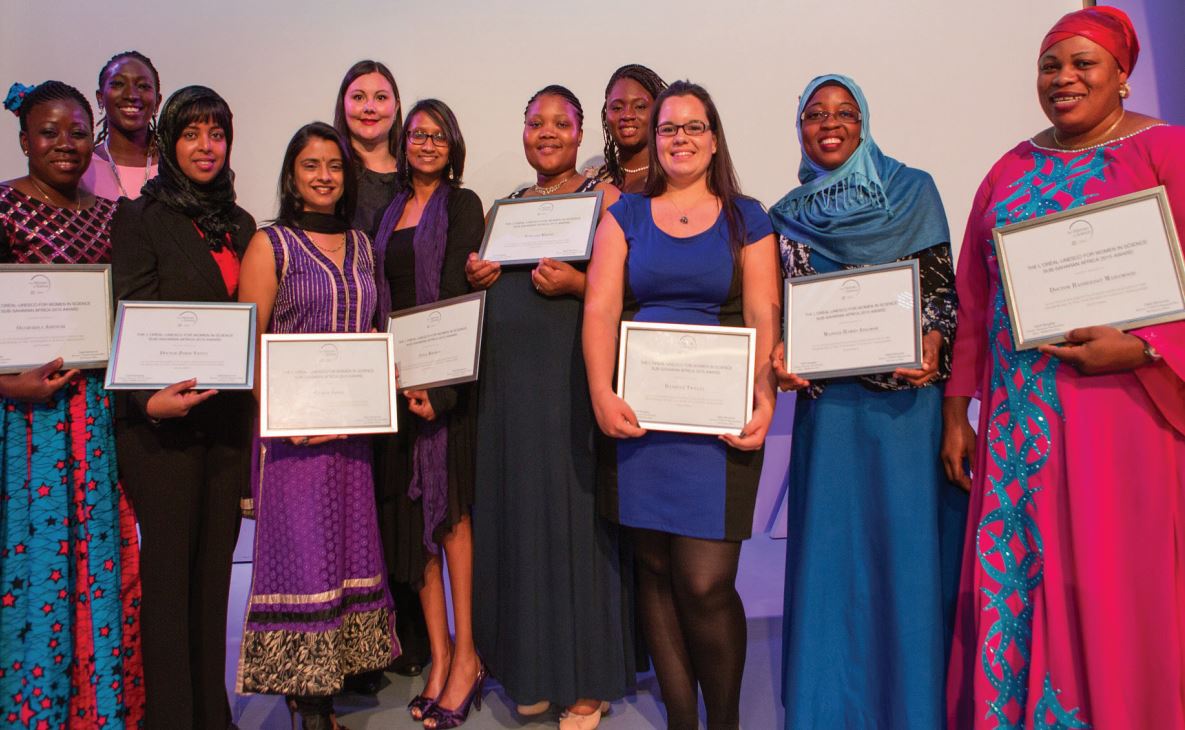
    In a momentous event on November 9, 2023, Kasane, Botswana, hosted the annual L’Oréal-UNESCO For Women in Science Young Talents Sub-Saharan Africa Awards, honoring 25 PhD candidates and five post-doctoral researchers. These exceptional women, dedicated to advancing scientific knowledge, received well-deserved recognition and financial support: €10,000 for PhD students and €15,000 for postdoctoral researchers.

    Empowering Women Through Training

    The laureates not only received awards but also participated in comprehensive training sessions. Covering topics such as leadership, negotiation, assertive communication, media skills, and combating harassment, the training aimed to equip these scientists with the tools needed for navigating their scientific journeys successfully.

    Constance Chingwaru, a second-year PhD student at Bindura University of Science Education, Zimbabwe, expressed gratitude for the informative training, foreseeing its positive impact on her scientific career.

    Tackling Global Challenges with Local Solutions

    1. Constance Chingwaru – Sustainable Pest Control in Agriculture (Zimbabwe):

    • Focus: Developing a novel biopesticide from local plants to combat the invasive fall armyworm, contributing to UN SDGs 1 (no poverty) and 2 (zero hunger).
    • Objectives: Investigating methods employed by smallholder farmers, assessing botanical interventions in laboratory and field conditions, and developing a biopesticide for sustainable maize farming.

    2. Aderonke Korede – Enhancing Shea Olein with Antioxidants (Nigeria):

    • Research: Exploring the antioxidant properties of ginger and turmeric to enhance the stability and sensory attributes of shea olein, aiming to transform it into a healthy cooking oil.
    • Vision: Bringing laboratory outcomes to marketable products, promoting a healthy and antioxidant-rich vegetable oil for African consumers.

    3. Faith Njeru – Innovative Plant Disease Detection (Kenya):

    • Area of Study: Food security and agribusiness.
    • Research Focus: Developing a cost-effective paper strip test for early plant disease detection using camel serum molecules, contributing to food security and reduced crop loss.

    4. Felicidade Noémia Xerinda Niquice—Occupational Safety in Healthcare (Mozambique):

    • Research: Assessing and managing occupational risks associated with bloodborne diseases (Hepatitis B, Hepatitis C, and HIV) among healthcare workers.
    • Significance: Addressing the high infection burden and lack of testing/treatment for Hepatitis B and C in Mozambique’s healthcare settings.

    Inspirational Stories of Determination

    1. Aderonke Korede – Breaking Age Stereotypes:

    Despite being the eldest among the awardees, turning 50 in February 2024, Korede emphasizes that age is not a barrier but rather the contribution one can make to the scientific community.

    2. Ini Adinya – Overcoming Discrimination (Nigeria):

    Adinya shares her journey of facing discrimination as a woman in science but emphasizes the rewards of resilience and hard work in her pursuit of financial models with discontinuities in the real options framework.

    Support and Inspiration Beyond Science

    1. Family Support:

    Aderonke Korede highlights the crucial support she receives from her husband, emphasizing the importance of financial support for married women pursuing STEM.

    2. Role Models:

    Felicidade Noémia Xerinda Niquice draws inspiration from her mother, Noémia Francisco Xerinda, who, as one of the few women with a mechanical engineering degree in Mozambique, serves as a source of pride and motivation.

    3. Influence of Teachers:

    Ini Adinya credits her physics and mathematics teachers for fueling her interest in science during her high school years, underscoring the significant role educators play in shaping scientific pursuits.

    The stories of these outstanding women in science not only celebrate their achievements but also shed light on the broader challenges and triumphs within STEM fields. Their dedication to tackling real-world problems reflects a commitment to sustainable development and the betterment of lives in Africa and beyond.


  • Empowering Women Through Vocational Skills: A Key to Economic Growth in Southwest Nigeria

    Empowering Women Through Vocational Skills: A Key to Economic Growth in Southwest Nigeria

    A recent article by Alabi et al., (2023) titled “Skill Development and Economic Empowerment among Women in Selected State in Southwest Nigeria, published in International Journal of Science and Academic Research, shows that skill development has significant effects on women’s economic empowerment in Southwest Nigeria.

    This article explores how different types of vocational skills (such as hairdressing, fashion design, culinary arts, computer technician, and graphic design) affect the income and productivity of women in selected states in Southwest Nigeria, using survey data and multiple regression analysis. The authors explore previous studies on women’s empowerment, skill development, and economic development and adopt change theory as the main framework to explain how skill development can enhance women’s power and agency and contribute to sustainable development. The study also shed light on the barriers and challenges that women face in accessing and benefiting from skill development programs, such as cultural norms, household responsibilities, mobility restrictions, and a lack of financial support.

    Skill development significantly enhances women’s economic empowerment, improving income and productivity, contributing to sustainable development and poverty reduction in Southwest Nigeria– Alabi et al., 2023

    The Barriers and Challenges that Women Face in Accessing and Benefiting from Skill Development Programs

    Cultural norms and gender stereotypes

    Women may face social and cultural barriers that limit their access to education and training opportunities, especially in male-dominated fields. For instance, some communities may view women’s participation in vocational training as inappropriate or unnecessary.

    Mobility restrictions and safety concerns

    Women may face mobility restrictions that prevent them from attending training sessions or workshops, especially in rural areas. They may also face safety concerns while traveling to and from training centers.

    Lack of financial support

    Women may lack the financial resources to pay for training fees, transportation, or other related expenses. They may also face discrimination when accessing credit or loans to start their own businesses.

    Household responsibilities

    Women may have to balance their training with household responsibilities, such as childcare, cooking, and cleaning. This can limit their time and energy to attend training sessions or practice their skills.

    Limited access to technology and infrastructure

    Women may face limited access to technology and infrastructure, such as computers, the internet, and electricity, which can hinder their ability to learn and practice new skills. These barriers and challenges can limit women’s access to skill development programs and hinder their economic empowerment.

    How the Study was Conducted

    The authors adopt a survey research design, administering questionnaires to 665 women across Oyo, Ogun, and Ekiti states who have participated in skill development programs. The sample size is determined using Cochran’s formula, and stratified random techniques are employed for respondent selection. Descriptive and inferential statistics, including kurtosis, skewness, mean, standard deviation, and simple percentage, are employed to analyze the data. The authors also employed correlation and regression analyses to gauge the relationship between women’s skill development and self-reliance.

    What the Authors Found

    The authors found that skill development has significant effects on women’s economic empowerment in Southwest Nigeria. The authors show that acquiring skills such as hairdressing, fashion design, culinary arts, computer technician, and graphic design can improve women’s income and productivity in the selected states of Oyo, Ogun and Ekiti. The authors also found that women’s empowerment is influenced by various contextual and structural factors. In addition, the study found that women’s empowerment contributes to sustainable development and poverty reduction. The study argues that empowering women economically can enhance their well-being, agency, and participation in decision-making, as well as improve the livelihoods of their families and communities.

    Why is this Important

    Skill development can help women improve their income, productivity, and living standards, which can contribute to poverty reduction and economic growth. Economic empowerment can enhance women’s agency, voice, and participation in decision-making, which can promote gender equality and social justice. Skill development and economic empowerment can also foster women’s creativity, innovation, and self-reliance, which can benefit their personal and professional aspirations.

    What the Authors Recommend

    • The authors recommend that governments in the three tiers of governance should focus more of their attention on empowering women through vocational training to improve their income and productivity.
    • The authors argue that the government should allocate additional funds to vocational centers to enable more women to acquire the necessary skills that will make them more productive and self-reliant.
    • The study argues that women should be encouraged to participate in skill development programs that match their interests, abilities, and market demands.
    • In addition, the author recommends that the government should provide women with adequate support and mentoring to sustain and expand their businesses after acquiring skills.

    In conclusion, the study underscores the pivotal role of vocational skills in enhancing women’s economic empowerment in Southwest Nigeria. The identified barriers and challenges, such as cultural norms and financial constraints, emphasize the urgency of targeted interventions. The findings affirm that skill development not only positively impacts women’s income and productivity but also contributes to broader societal benefits, including sustainable development and poverty reduction. As the authors recommend increased government attention, funding, and tailored support, it becomes evident that fostering women’s participation in skill development programs is a strategic pathway to fostering gender equality, economic growth, and lasting societal progress in the region.

  • Empowering Women to Alleviate Energy Poverty: Insights from Uganda’s Climatic Shocks Study

    Empowering Women to Alleviate Energy Poverty: Insights from Uganda’s Climatic Shocks Study

    A recent article by Ssennono et al., (2023) titled “Climatic shocks and multidimensional energy poverty in Ugandan households: does women empowerment play a moderating role?” published in International Journal of Sustainable Energy by Taylor & Francis, shows that climatic shocks increase energy poverty, but women empowerment reduces energy poverty amidst climatic shocks.

    Climatic shocks increase energy poverty, but women’s empowerment, especially when both genders are empowered, mitigates its impact significantly in Ugandan– Ssennono et al., 2023

    The article explores the effect of climatic shocks and women’s empowerment on multidimensional energy poverty in Uganda. The authors use panel data from the Uganda National Panel Surveys and the World Bank African Rainfall Climatology Version 2 database to analyze the relationship between these variables. The authors defined multidimensional energy poverty as the inability to realize basic energy needs due to a lack of essential capabilities or insufficient choices in accessing and using modern energy services reasonably. The study also posits that climatic shocks are unexpected weather events that outstrip the capacity of households to cope with them, such as prolonged droughts, floods, landslides, and irregular rainfall. The study posits that climatic shocks have adverse effects on microeconomic systems, the environment, and livelihoods, ultimately impacting human well-being. In addition, the authors defined women’s empowerment as the ability of women to access and manage material and social resources as well as influence issues that affect them.

    How the study was conducted

    The study employed panel data from the Uganda National Panel Surveys (UNPS) from 2013/14 to 2019/20, which provide information on household energy access, cooking solutions, modern energy appliances, women empowerment, and climatic shocks. The study also used the World Bank African Rainfall Climatology Version 2 (ARC2) database, which provides daily rainfall estimates at 10 km resolution. The authors selected a balanced panel of 1,596 households that were surveyed in all four waves of the UNPS. The sample was representative of the rural and urban populations of Uganda.
    The authors constructed a multidimensional energy poverty index (MEPI) based on four dimensions: electricity access, clean cooking, modern energy appliances, and energy expenditure. The study also measured women’s empowerment using a composite index based on six indicators: ownership of assets, decision-making, mobility, domestic violence, social participation, and access to information. The authors also employed four types of climatic shocks: drought, floods, landslides, and irregular rainfall. In addition, the authors employed a fixed effects model to estimate the effect of climatic shocks and women’s empowerment on multidimensional energy poverty, controlling for household and regional characteristics. The study also tested the moderating role of women’s empowerment in the climatic shock-energy poverty nexus using interaction terms.

    What the Authors Found

    Climatic shocks increase energy poverty. The authors found that drought, floods, landslides, and irregular rainfall have a positive and significant effect on multidimensional energy poverty, indicating that households exposed to these shocks are more likely to be energy poor.

    Women’s empowerment reduces energy poverty amidst climatic shocks. The authors found that women’s empowerment, measured by the Women Empowerment in Agriculture Index (WEAI), has a negative and significant effect on multidimensional energy poverty, implying that households with more empowered women are less likely to be energy poor. Moreover, they found that women’s empowerment moderates the effect of climatic shocks on energy poverty, such that the negative impact of shocks is lower for households with more empowered women.

    Joint empowerment of both genders is more effective in reducing energy poverty. The study found that the interaction between women empowerment and men empowerment, measured by the Men Empowerment in Agriculture Index (MEAI), has a negative and significant effect on multidimensional energy poverty, suggesting that households where both genders are empowered are better able to cope with climatic shocks and reduce their energy poverty.

    Why is this important?

    This article is important because it examines the effect of climatic shocks and women’s empowerment on multidimensional energy poverty in Uganda. Multidimensional energy poverty is a situation where households lack access to and use of modern energy services for lighting, cooking, heating, cooling, and appliances. Climatic shocks are unexpected weather events such as drought, floods, landslides, and irregular rainfall that affect the availability and affordability of energy sources and services. Women’s empowerment is the ability of women to access and manage material and social resources as well as influence issues that affect them.

    Empowering Women to Alleviate Energy Poverty: Insights from Uganda's Climatic Shocks Study

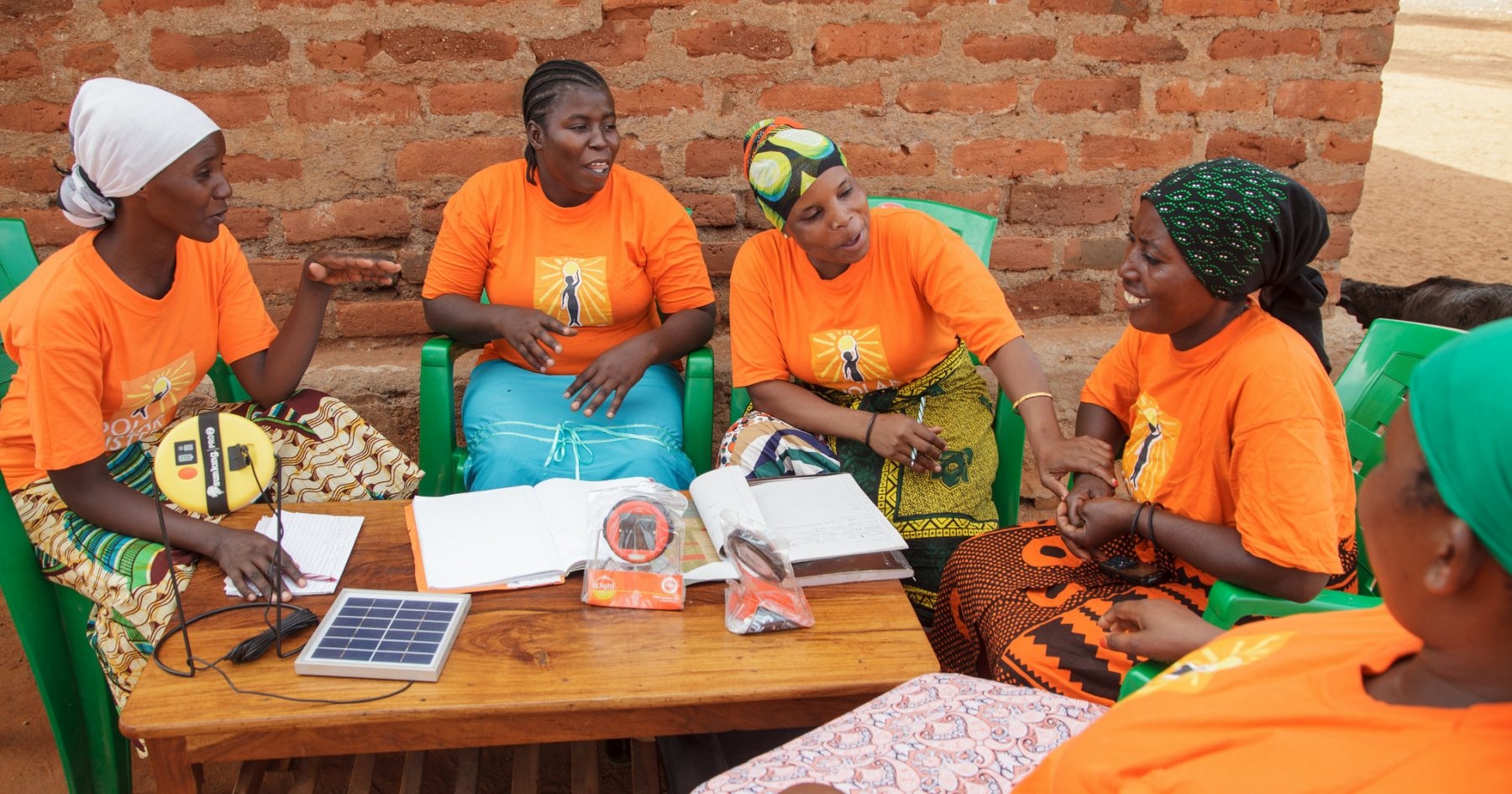
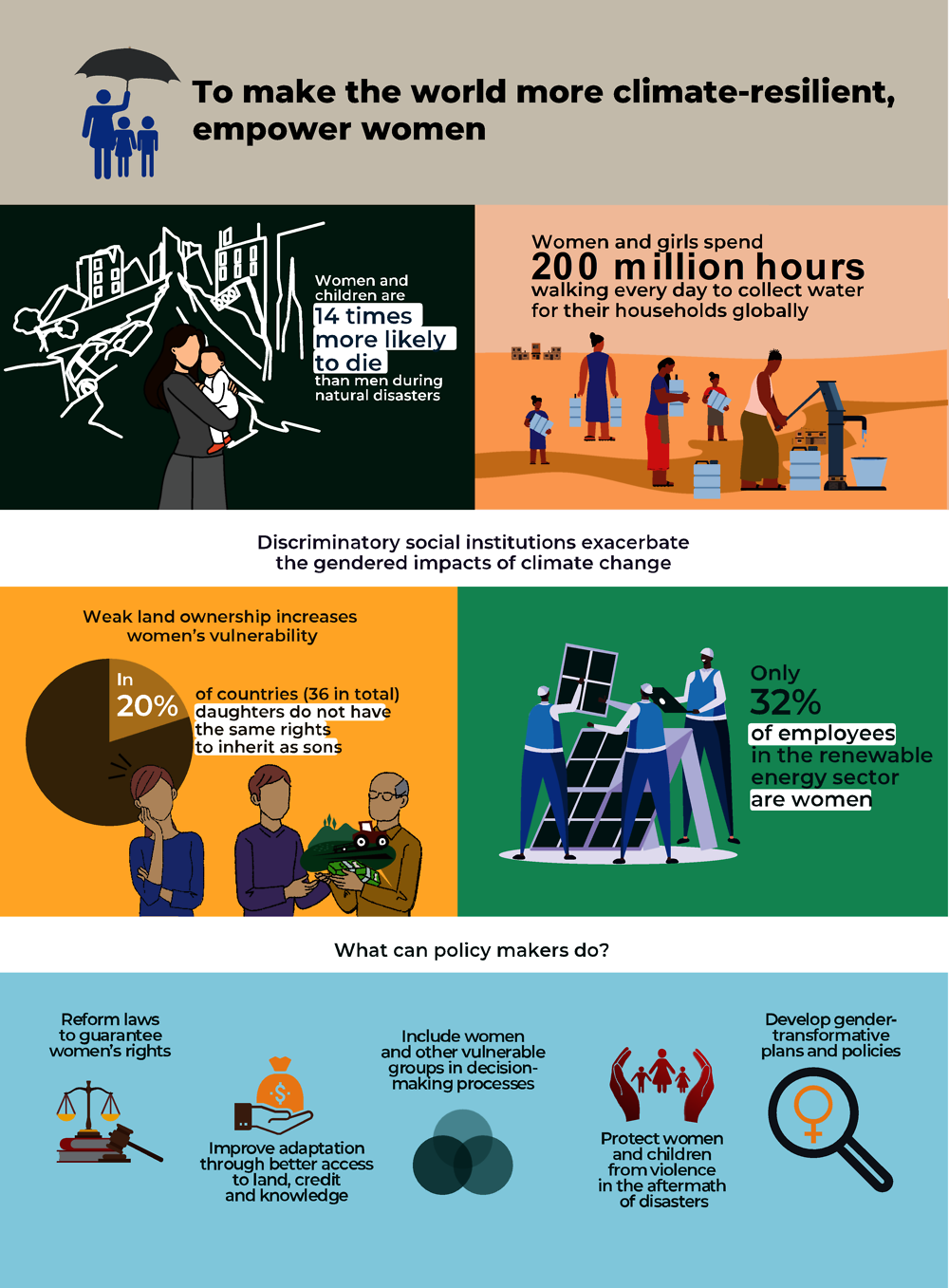
    Illustrative Image: Empowering Women to Alleviate Energy Poverty: Insights from Uganda’s Climatic Shocks Study
    Image Source & Credit: oecd-Lilibrary

    What the Authors Recommend

    • The authors suggest that the government should invest in climate-resilient infrastructure, early warning systems, and social protection programs to mitigate the adverse effects of drought, floods, landslides, and irregular rainfall on energy access and use.
    • The authors argue that empowering women in relation to men, especially in terms of economic opportunities, decision-making power, and access to resources, can improve their energy choices and reduce their vulnerability to energy poverty.
    • The authors emphasize that both men and women should be empowered in the same household to achieve optimal energy outcomes. The study proposes that gender-sensitive policies and programs should be implemented to address the existing disparities and barriers to energy access and use.

    In conclusion, Ssennono et al.’s (2023) study sheds light on the intricate dynamics between climatic shocks, women’s empowerment, and multidimensional energy poverty in Uganda. The research underscores the adverse impact of climatic shocks on energy poverty while highlighting the mitigating role of women’s empowerment. The findings emphasize the need for climate-resilient infrastructure and social protection programs. Moreover, the study advocates for gender-sensitive policies, stressing the joint empowerment of both genders as a powerful strategy to enhance resilience and reduce energy poverty in households. This research not only contributes to our understanding of the complex interplay of factors affecting energy poverty but also provides actionable recommendations for policymakers and stakeholders to foster sustainable solutions in the face of climatic challenges.

  • Empowering Widows in Africa: Unveiling Challenges, Coping Strategies, and Urgent Calls for Gender-Sensitive Interventions

    Empowering Widows in Africa: Unveiling Challenges, Coping Strategies, and Urgent Calls for Gender-Sensitive Interventions

    A recent article by Dube, M. (2023), titled “The challenges facing widows in African contexts: A literature review” published in International Journal of Research in Business and Social Science by SSBFNET, shows that widows in Africa face multiple challenges such as poverty, discrimination, violence, stigma, and health problems.

    This study explores the challenges facing widows in African contexts. The author employed the capability approach and the social exclusion framework to analyze the situation of widows in Africa and how they are deprived of basic human rights and opportunities. However, the author identifies four main challenges that widows face in Africa: poverty, stigma and discrimination, violence and abuse, and legal and policy barriers. As a result of these challenges, the author explores the coping strategies and resilience factors that widows employ to survive and thrive.

    Widows in Africa face diverse challenges, including poverty and discrimination, necessitating gender-sensitive interventions for empowerment and societal transformation– Dube, M. 2023

    The Coping Strategies and Resilience Factors that Widows Employ to Survive and Thrive

    Social support: Widows rely on their family, friends, community, and religious groups for emotional, material, and spiritual support.
    Economic empowerment: Widows engage in various income-generating activities, such as farming, trading, and crafts, to improve their financial situation and independence.
    Education and awareness: Widows seek to acquire knowledge and skills that can help them cope with their challenges, such as legal rights, health care, and literacy.

    Positive attitude and self-care: Widows adopt a positive outlook on life, practice gratitude, forgiveness, and optimism, and take care of their physical and mental well-being.

    How the Study was Conducted

    The authors employed various databases and websites for relevant articles published between 2000 and 2019, using keywords such as “widow”, “Africa”, and “challenges” and also used snowball sampling to identify additional sources from the references of the selected articles. The authors screened the titles and abstracts of the articles to exclude those unrelated to the topic, duplicated, or inaccessible. The study also explores inclusion and exclusion criteria based on the geographical location, language, and quality of the articles, and 51 articles for the final review were used. In addition, the authors employed a thematic analysis approach to identify and categorize the main themes and subthemes that emerged from the literature.

    What the Authors Found

    The author found that widows in Africa face multiple challenges such as poverty, discrimination, violence, stigma, health problems, and lack of access to education, health care, and legal rights. The challenges vary by context depending on factors such as culture, religion, ethnicity, age, education, and marital status of the widows. The study also found that there is a gap in the literature on the experiences and needs of widows in Africa, especially in relation to their psychological well-being, coping strategies, and resilience.

    Why is this Important

    This study underscores the urgency of tailored, gender-sensitive interventions to address the multifaceted challenges widows face, advocating for comprehensive strategies that empower widows to overcome societal biases and achieve their full potential. It also points to critical gaps in research and policy advocacy, urging further exploration of the unique needs of widows for more inclusive and targeted support. Widows, often vulnerable and marginalized, confront loss of rights, property, and social standing, along with enduring stigma and harmful traditions. Additionally, the study emphasizes the invisibility of widows in official records and the underrepresentation in research, necessitating a concerted effort to recognize and include them in policies and programs. The acknowledgment of widows’ diversity and resilience underscores the importance of acknowledging individual experiences, challenges, and coping mechanisms, contingent on factors like age, ethnicity, culture, and religion. Empowering and supporting widows not only enhances their lives but also positions them to contribute meaningfully to their families and communities.

    What the Authors Recommend

    • The author recommends that widows should be given access to education, skills training, microfinance, land rights, and social support networks to improve their livelihoods and autonomy.
    • The author also suggests that widows should be protected from discrimination, violence, stigma, and exclusion based on traditional customs and beliefs that undermine their dignity and human rights.
    • Widows should be represented and involved in the formulation and implementation of laws and policies that safeguard their interests and welfare, such as inheritance, marriage, and property rights.
    • In addition, the study argues that widows should be recognized and valued as productive and contributing members of society, and their issues and needs should be made visible and addressed through various media and platforms.

    In conclusion, this comprehensive exploration of the challenges facing widows in African contexts sheds light on the urgent need for tailored, gender-sensitive interventions. The study emphasizes the multifaceted nature of obstacles, ranging from poverty and discrimination to violence and legal barriers, urging a holistic approach to empower widows and address societal biases. The identified coping strategies, including social support, economic empowerment, education, and a positive attitude, underscore the resilience of widows in navigating adversity. Importantly, the study calls attention to critical gaps in research and policy advocacy, emphasizing the invisibility of widows in official records and the underrepresentation in research. The recommendations put forth advocate for access to education, skills training, and legal protection, highlighting the importance of recognizing widows as productive contributors to society. This study not only underscores the unique needs of widows but also serves as a compelling call to action for inclusive and targeted support, ensuring that widows can overcome challenges, reclaim their rights, and contribute meaningfully to their communities.