Author: AR Managing Editor

  • September 2025: Ms. Nomthandazo Sibiya-Dlomo – African Female Researcher of the Month

    September 2025: Ms. Nomthandazo Sibiya-Dlomo – African Female Researcher of the Month


    Illustrative Image: September 2025: Ms. Nomthandazo Sibiya-Dlomo – African Female Researcher of the Month
    Image Source & Credit: Durban University of Technology
    Ownership and Usage Policy
    African Researchers AwardSeptember 2025: Ms. Nomthandazo Sibiya-Dlomo – African Female Researcher of the Month

    Ms. Nomthandazo Sibiya-Dlomo is an accomplished lecturer and doctoral candidate in the Department of Chemical Engineering at the Durban University of Technology (DUT). Her outstanding contributions to science and engineering have positioned her as one of South Africa’s most promising young researchers. In recognition of her remarkable achievements, she was named one of nine winners of the Doctoral Fellows Award at the 2025 South African Women in Science Awards (SAWiSA), held in Bloemfontein on 21 August 2025.

    The prestigious SAWiSA ceremony, themed “Unpacking STEM Careers: Her Voice in Science”, honoured women scientists who exemplify excellence and serve as role models for the next generation. For Ms. Sibiya-Dlomo, the award is a culmination of resilience, determination, and an unwavering passion for research that addresses pressing environmental challenges.

    Academic and Research Journey

    Raised by her grandparents in Mangamanzini Township, Folweni, Ms. Sibiya-Dlomo’s humble beginnings instilled in her a strong work ethic and the desire to change her circumstances. Motivated by her upbringing and determined to create a better future for her children, she pursued higher education with exceptional dedication.

    She graduated Cum Laude with a Bachelor of Technology (BTech) in Chemical Engineering in 2018, followed by a master’s degree in Chemical Engineering, which she completed with a Dean’s Merit Award in 2023. Her master’s thesis, “Treatment of Industrial Effluent Using Specialised Magnetised Coagulants”, reflected her strong commitment to sustainable engineering solutions.

    Currently, she is in the third year of her Doctor of Engineering (DEng) in Chemical Engineering at DUT, supervised by Professor Sudesh Rathilal and Dr. Thembisile Mahlangu. Her doctoral research focuses on wastewater treatment, specifically investigating the use of modified agricultural waste products—such as sugar cane, banana, and orange residues—as low-cost adsorbents for the removal of heavy metal ions from industrial effluents. With over 261 citations, an h-index of 6, and an i10-index of 6, her work is already making a measurable impact in the scientific community.

    Awards and Recognitions

    Ms. Sibiya-Dlomo’s career is decorated with numerous local and international accolades:

    • 2025 SAWiSA Doctoral Fellows Award – Recognising her as one of South Africa’s top emerging women scientists.

    • 2024 Research Debut – Young Talents from Africa Prize (Eni Awards, Italy).

    • 2024 L’Oréal-UNESCO For Women in Science Young Talents Award (South Africa).

    • 2023 NRF Research Excellence Award for Next Generation Researchers.

    • NRF-DAAD In-Country Scholarship – for doctoral research excellence.

    In addition, she has published in respected journals such as Scientific African, Materials Today, Polymers, Cleaner Chemical Engineering, and Biofuels, Bioproducts and Biorefining. She has delivered five oral conference presentations, including an international presentation in Thailand.

    Overcoming Challenges

    Her academic journey has not been without obstacles. While pursuing her Master’s degree during the COVID-19 pandemic, she faced delays in research due to lab closures, procurement setbacks, and severe personal challenges, including a battle with depression. With the support of her family, colleagues, and especially her supervisor Prof. Rathilal and her close friend Ms. Gloria Amo-Duduodu, she overcame these hurdles and emerged stronger.

    She credits her husband, Mr. Khanyisani Dlomo, for breaking cultural norms and becoming her pillar of support, ensuring that she had the space and time to excel academically while balancing family responsibilities.

    Inspirational Voice for the Next Generation

    Beyond her scientific achievements, Ms. Sibiya-Dlomo is deeply committed to inspiring young women to pursue careers in Science, Technology, Engineering, and Mathematics (STEM). She believes in empowering the next generation with innovative problem-solving skills to address environmental and public health challenges.

    Reflecting on her journey, she often shares motivational advice with students:

    “To all young people, no matter your background, if you are determined and hardworking, you will never sit at home. Work hard, get good grades, and sponsors will support you in STEM.”

    She dedicates her 2025 SAWiSA award to her children, Zethembiso and Simingaye, emphasizing her mission to break barriers and build a legacy for future generations.

    Institutional and Community Recognition

    At DUT, Ms. Sibiya-Dlomo is recognised not only for her academic achievements but also for her contribution to the university’s broader mission. Professor Fulufhelo Nemavhola, Deputy Vice-Chancellor: Research, Innovation and Engagement at DUT, lauded her recognition at SAWiSA as a reflection of DUT’s commitment to research excellence and societal impact, aligned with the university’s ENVISION2030 strategy.

    Conclusion

    From her humble beginnings in Folweni to the national stage at the South African Women in Science Awards, Ms. Nomthandazo Sibiya-Dlomo exemplifies resilience, innovation, and leadership in science. Her cutting-edge research on wastewater treatment demonstrates how African scientists can harness local resources to tackle global challenges.

    As she continues her doctoral journey and expands her contributions to academia and society, she stands as a powerful role model for young women in STEM—proof that perseverance, passion, and purpose can transform not only individual lives but entire communities.
  • September 2025: Professor Dingani Moyo – African Male Researcher of the Month

    September 2025: Professor Dingani Moyo – African Male Researcher of the Month


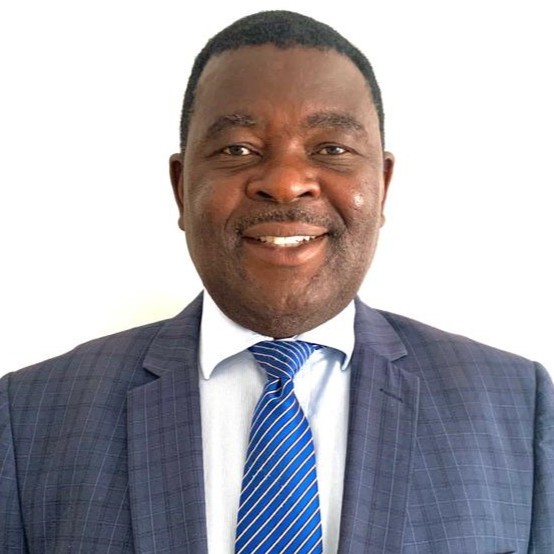
    Illustrative Image: September 2025: Professor Dingani Moyo – African Male Researcher of the Month
    Image Source & Credit: Occupational Health Southern Africa
    Ownership and Usage Policy

    Professor Dingani Moyo is a distinguished academic, physician, and global leader in occupational and environmental health. He currently serves as an associate professor at the National University of Science and Technology (NUST) in Zimbabwe and an honorary senior lecturer at the University of the Witwatersrand in South Africa. With over three decades of medical and academic experience, he has established himself as a leading voice in shaping occupational health policy, research, and practice across Africa and the globe.

    Early Life and Education

    Born in Gweru, in Zimbabwe’s Midlands Province, and raised in a rural village in Zhombe near Kwekwe, Professor Moyo’s journey is a testament to determination and excellence. He graduated as a medical doctor (MBChB) from the University of Zimbabwe in 1994, completing his internship at Mpilo Central Hospital and the United Bulawayo Hospitals in Bulawayo. He later held medical positions at Gweru Provincial Hospital before embarking on a career-defining journey in occupational health at Zimasco Pvt Ltd, the country’s largest chrome mining company at the time.

    This experience laid the foundation for an illustrious career that saw him lead health services in Botswana’s Debswana Diamond Mining Company and Norilsk Nickel’s Tati Nickel Mining Company before returning to Zimasco as Group Health Services Manager. His work in corporate occupational health inspired him to pursue advanced training and professional qualifications globally.

    Academic and Professional Qualifications

    Driven by a relentless quest for knowledge and professional excellence, Professor Moyo obtained several prestigious qualifications, including:

    Fellow of the Royal College of Physicians of Ireland (FRCP)

    Fellow of the Faculty of Occupational Medicine of Ireland (FFOM)

    Member of the Faculty of Occupational Medicine of Ireland (MFOM)

    Master (Hons) of Occupational Health and Safety, University of Newcastle, Australia

    Master of Applied Health Services Management, University of Newcastle, Australia

    Bachelor of Medicine and Bachelor of Surgery (MBChB), University of Zimbabwe

    These qualifications underpin his international recognition as a thought leader in occupational health.

    Contributions to Occupational Health and Research

    Professor Moyo’s impact extends far beyond clinical practice. His leadership has been instrumental in strengthening occupational health systems in Africa, particularly within mining and high-risk industries.

    International Commission on Occupational Health (ICOH): He was the first ICOH National Secretary for Zimbabwe (2012–2015) and has twice served on the ICOH Board (2015–2018, 2022–2024). He currently contributes to the ICOH Working Group on Modernisation of Processes and Practices.

    OSHAfrica: As a member of the Board of Trustees, he leads the Education and Competency Improvement Scientific Committee, driving capacity building across the continent.

    Regional Development: Under the East, Central, and Southern Africa Health Community (ECSA-HC), he developed mine health and safety SOPs for TB, HIV, and occupational lung diseases across nine countries. Under AUDA-NEPAD, he crafted frameworks for occupational safety, health, and environmental protection for artisanal and small-scale miners (ASMs), including national OHSE policies, handbooks, medical surveillance guidelines, and communication strategies for countries such as Lesotho and Malawi.

    Training and Mentorship: He has trained healthcare personnel in spirometry, audiometry, TB, and OLD diagnostics, while also championing postgraduate training. He is spearheading the development of a Master of Medicine degree in Occupational Medicine at NUST to build the next generation of specialists.

    Research and Publications

    Professor Moyo has authored over 50 peer-reviewed research papers and more than 60 technical reports. His research explores the health effects of asbestos exposure, occupational risks in artisanal and small-scale mining, and mitigation strategies for occupational lung diseases. His studies, conducted in collaboration with global partners such as the German Environment Agency, Wellcome Trust, and the National Natural Science Foundation of China, underscore the global relevance of his work.

    Awards and Global Recognition

    Professor Moyo’s contributions to the advancement of occupational health have earned him international acclaim. In 2024, he achieved two historic milestones:

    Elected Fellow of the Collegium Ramazzini – an exclusive international academy of no more than 180 experts worldwide, recognized for their integrity and distinguished contributions to occupational and environmental health.

    Double Award from the Society of Occupational Medicine (SOM), UK:

    Outstanding Contribution to the Global Development of Occupational Health

    Outstanding Contribution to Occupational Health Research

    These accolades affirm his position as one of the leading figures in occupational health on the world stage.

    Leadership Vision

    Today, Professor Moyo continues to consolidate his legacy by focusing on capacity development, mentorship, and regional policy frameworks. His vision is to create sustainable, context-specific occupational health systems that protect workers in Africa’s most hazardous industries while aligning with global health standards.

    Conclusion

    Professor Dingani Moyo’s career is a remarkable blend of clinical expertise, academic excellence, international leadership, and unwavering advocacy for workers’ health and safety. From his beginnings in rural Zimbabwe to global recognition as a Fellow of the Collegium Ramazzini, he embodies a rare commitment to advancing occupational health. His work continues to inspire, train, and empower professionals across Africa and beyond, making him not only an ambassador for occupational medicine but also a pioneer shaping the future of global health and safety.

  • Nature Immunology Paper Under Scrutiny: Addendum on Data Errors Sparks Debate Over Scientific Integrity and Accountability

    Nature Immunology Paper Under Scrutiny: Addendum on Data Errors Sparks Debate Over Scientific Integrity and Accountability


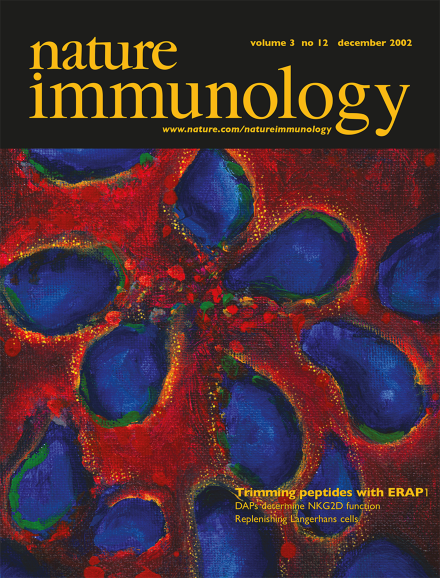
    Illustrative Image: Nature Immunology Paper Under Scrutiny: Addendum on Data Errors Sparks Debate Over Scientific Integrity and Accountability
    Image Source & Credit: RRetractionwatch
    Ownership and Usage Policy

    A 23-year-old scientific paper has once again come under scrutiny after concerns were raised about irregularities in some of its figures. The article, originally published in Nature Immunology in 2002, explored the role of Langerhans cells in normal and inflamed skin. According to Clarivate’s Web of Science, it has been cited more than 770 times, underscoring its influence in immunology research.

    The paper had already received a correction in 2003 to address two “incorrect” figures. However, more than two decades later, new issues surfaced when a commenter under the pseudonym “Archasia belfragei” flagged additional problems on PubPeer, a platform for post-publication peer review. The critique, posted in December, pointed out that some PCR bands in the article appeared “more similar than expected,” suggesting possible errors in how the data were presented.

    In April of this year, the journal issued an addendum acknowledging “possible inadvertent errors” during the assembly of PCR measurements. Miriam Merad, the lead author and now Chair of the Department of Immunology and Immunotherapy at Mount Sinai, explained that the duplication was an “unfortunate mistake” that occurred while assembling images of PCR results. She emphasized that the issue involved housekeeping genes—baseline control genes expressed by all cells—which were not central to the study’s findings.

    The research itself was carried out in the lab of Irving Weissman at Stanford University. But despite the addendum, critics argue that the notice falls short of addressing the full scope of the problem. David Sanders, a biologist at Purdue University who specializes in image analysis, described the addendum as “inadequate in multiple senses.” He noted that while the correction concerned two proteins, the questionable data involved the expression of a third protein, making the clarification incomplete.

    Sanders went further, stating: “The argument that an image concerning protein expression justifies flawed RNA expression data is absurd.” In his view, the issues with the figures were serious enough to warrant a retraction rather than a simple addendum.

    Merad, however, rejected that assessment, maintaining that “there was no misconduct here.” She stressed that the errors were the result of technical mistakes, not deliberate falsification or fabrication.

    This case also casts light on the broader issue of scientific integrity and accountability. Errors in published work do not always stem from intentional misconduct; many are inadvertent mistakes in data handling, image preparation, or figure assembly. Nonetheless, such errors can undermine confidence in scientific publications, especially when discovered long after a paper has shaped subsequent research.

    Interestingly, one of the coauthors on the 2002 Nature Immunology paper, Harvard professor Amy Wagers, has also faced similar issues in other publications. Earlier in 2025, a correction was issued for one of her papers in Nature Aging after potential image duplication was identified. The notice explained that two micrographs had been mistakenly swapped during figure preparation. Wagers did not respond to requests for comment, but her co-corresponding author, Lee Rubin of Harvard, acknowledged the mistake, saying: “We are upset that we made the mistake but feel like we rectified it quickly and openly.”

    Wagers has a history of controversies around data integrity. In 2010, she retracted a paper from Nature due to data concerns. The following year, Blood retracted another of her articles after a postdoctoral researcher admitted responsibility for duplicated data and inappropriate manipulations. That researcher was subsequently dismissed.

    Broader Implications

    This episode highlights the tension between two key principles in science: the need for transparency and correction when errors are identified, and the responsibility to uphold the highest standards of research integrity. Journals often face difficult decisions about whether to issue corrections, addenda, or full retractions. Critics argue that insufficient responses—like minimal addenda—risk diminishing public trust in the scientific record.

    The rise of post-publication review platforms such as PubPeer has empowered researchers and independent “sleuths” to scrutinize published studies years after publication. While this promotes accountability, it also raises questions about how best to address legacy errors without unfairly punishing scientists for honest mistakes.

    Ultimately, the case underscores that science is a self-correcting enterprise—but the process is often messy, contentious, and highly dependent on how transparently authors and journals respond when problems are brought to light.

  • Whitley Awards 2026 for Mid-Career Conservation Leaders in the Global South (£50,000)

    Whitley Awards 2026 for Mid-Career Conservation Leaders in the Global South (£50,000)


    Illustrative Image: Whitley Awards 2026 for Mid-Career Conservation Leaders in the Global South (£50,000)
    Image Source & Credit: Whitley Fund for Nature
    Ownership and Usage Policy

    Application Deadline: 31 October 2025

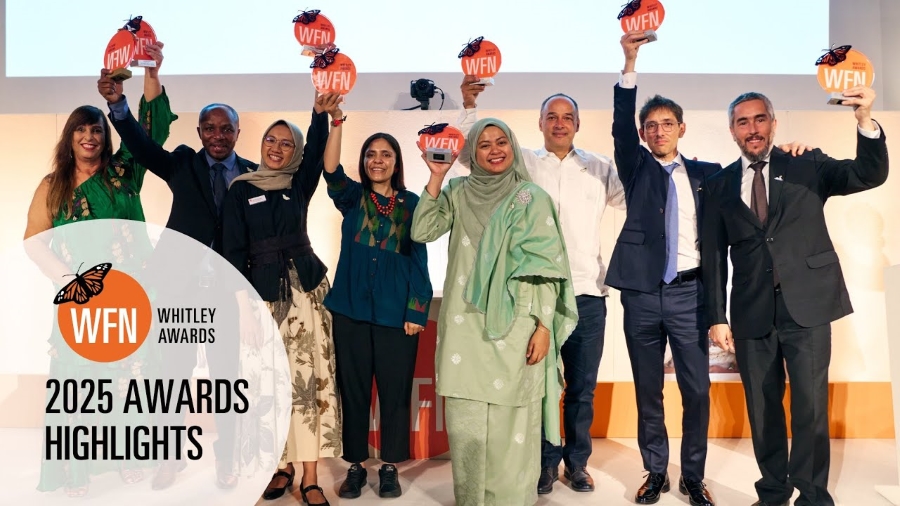
    The Whitley Awards, often described as the “Green Oscars,” are now open for applications for the 2026 cycle. This prestigious international award provides recognition and funding to outstanding grassroots conservation leaders working in the Global South. Each year, the program places a global spotlight on individuals who are making significant strides in protecting biodiversity while working closely with local communities.

    What are the Whitley Awards?

    Established by the Whitley Fund for Nature (WFN), the awards celebrate mid-career conservationists who have already demonstrated measurable impact in wildlife conservation and are ready to scale their proven projects. Unlike many grants, the Whitley Awards focus on conservation that is:

    • Locally led – applicants must be nationals of the country where they are working.

    • Community-based – projects must actively engage local people as part of the solution.

    • Scientifically grounded – initiatives must be evidence-based and focused on practical, real-world outcomes.

    The overarching concept of the Whitley Awards is to empower “conservation from within”—supporting leaders who understand the ecological, cultural, and socio-economic dynamics of their regions and who are uniquely positioned to deliver sustainable change.

    Award Value and Benefits

    • Funding Support: Each Whitley Award winner receives £50,000 GBP in project funding, disbursed over one year. This funding is intended to help expand and strengthen projects that are already proven effective.

    • Global Recognition: Winners gain international visibility through a high-profile awards ceremony and extensive media coverage.

    • Network Access: Awardees join a vibrant network of past Whitley winners, conservation experts, and potential donors, opening doors to long-term collaboration.

    • Capacity Building: Beyond funding, the award provides winners with opportunities to enhance their leadership skills, strategic planning, and outreach.

    Who Can Apply?

    The Whitley Awards are designed for dynamic, mid-career conservation leaders who are already leading impactful wildlife projects in the Global South. Applicants must:

    • Be nationals of the country in which they are carrying out their work.

    • Be leading projects that involve local communities at the grassroots level.

    • Demonstrate that their work has a solid scientific foundation and delivers measurable results.

    • Be seeking support to scale up a proven initiative, not to start a brand-new, untested project.

    Note: You do not need to be nominated or invited to apply. The awards are open to self-applicants who meet the eligibility criteria.

    Application Process

    1. Check Eligibility
      Review the eligibility criteria carefully to ensure your project aligns with the Whitley Fund for Nature’s mission. Projects that are not community-based or lack a scientific foundation will not be considered.

    2. Register for the Application Portal

      • Applicants must register via the official WFN application portal.

      • Once registered, you will receive unique login details that allow you to access and complete your application online.

    3. Prepare Supporting Documents

      • Download and complete the Logical Framework/Timeline (Word template) and Budget (Excel template) provided in the portal.

      • Upload the completed documents along with your application form.

    4. Contact Referees

      • Secure three referees who can provide references in support of your application.

      • It is the applicant’s responsibility to ensure referees submit their recommendations before the 31 October 2025 deadline.

    5. Submit Application
      Complete and save your application online. Remember that incomplete forms or outdated templates from previous years will not be accepted.

    Timeline

    • Applications Open: Now accepting submissions.

    • Deadline: Midnight (GMT), 31 October 2025.

    • Whitley Awards Ceremony: Spring 2026 in London. The event will be broadcast live and streamed globally, giving winners significant international exposure.

    Why the Whitley Awards Matter

    The Whitley Awards are not just about funding—they are about building global champions for conservation. By supporting leaders who are deeply embedded in their local contexts, the awards foster long-term conservation solutions that balance biodiversity protection with the needs of local communities. This holistic approach ensures that conservation is not imposed externally, but rather emerges from within communities themselves, increasing the likelihood of sustainable impact.


    👉 For more details and to apply, visit the Official Whitley Awards Webpage.

  • WCSFP Global Career Accelerator Program 2025 (Fully Funded) – Apply Now for Rio de Janeiro, Brazil

    WCSFP Global Career Accelerator Program 2025 (Fully Funded) – Apply Now for Rio de Janeiro, Brazil


    Illustrative Image: WCSFP Global Career Accelerator Program 2025 (Fully Funded) – Apply Now for Rio de Janeiro, Brazil
    Image Source & Credit: WCSFP
    Ownership and Usage Policy

    Deadline: September 12, 2025

    The World Congress of Science and Factual Producers (WCSFP) is now accepting applications for the 2025 Global Career Accelerator Program, a prestigious initiative designed to nurture the next generation of storytellers in science, history, natural history, wildlife, and other factual genres.

    This program is a unique platform for emerging filmmakers, digital creators, social media innovators, and multimedia producers who are eager to expand their careers on an international stage. Formerly known as the Emerging Producer Program, the initiative has been reimagined and expanded to better reflect the diverse, evolving world of factual media. Today, it welcomes applicants not only from traditional filmmaking backgrounds but also from cutting-edge creative industries such as digital media, gaming, and interactive storytelling.

    Vision of the Global Career Accelerator

    At its core, the program seeks to diversify and strengthen the global community of factual content creators. By empowering underrepresented voices and providing access to international networks, WCSFP aims to break down barriers to entry into the high-level world of science and factual storytelling.

    The initiative is not only about funding or travel—it is about building lasting professional networks, fostering mentorship, and equipping participants with the tools to bring bold, innovative ideas to audiences worldwide. Participants benefit from exposure to some of the most influential commissioning editors, producers, and industry leaders in the factual media space, paving the way for long-term collaboration and career sustainability.


    Program Benefits

    Successful applicants will be awarded one of two tiers of support:

    Tier 1 – Full Bursary

    • Complimentary registration for Congress ’25 in Rio de Janeiro

    • Fully covered travel expenses and four nights of accommodation

    • Mentorship with an experienced Congress veteran

    • Tailored one-on-one meetings with key decision-makers in the industry

    • A dedicated welcome session with established producers to help participants maximize their WCSFP experience

    • Ongoing personalized support to navigate the Congress and industry opportunities

    • Legacy benefits: discounted registration for Congress in 2026 and 2027

    • Priority consideration given to candidates from regions underrepresented at WCSFP

    Tier 2 – Partial Bursary

    • Complimentary registration for Congress ’25

    • Mentorship from an experienced Congress participant

    • Welcome and orientation sessions with leading producers

    • Tailored navigation support for WCSFP

    • Legacy benefits: discounted registration for Congress in 2026 and 2027


    Eligibility Criteria

    Applicants must:

    • Be first-time attendees of the WCSFP.

    • For Tier 1 bursaries, priority is given to:

      • Applicants from regions beyond WCSFP’s traditional attendance base (countries such as Australia, Canada, USA, UK, France, Germany, etc.), especially from underrepresented regions.

      • Applicants who have never participated in major international media markets.

    • Demonstrate experience in science, history, wildlife, or factual media in roles such as producer, associate/assistant producer, executive producer, or digital/gaming/social media content creator.

    • Show clear evidence that they are at a career stage where participation in a global event will significantly accelerate their trajectory.


    Application Requirements

    Applicants will need to prepare the following materials:

    • A short biography outlining career background and interests.

    • A current CV demonstrating relevant experience.

    • A sample of work (video or audio), provided in English or with English subtitles.

    • A letter of support from an established industry professional or senior media figure who can assess the applicant’s qualifications.

    • A personal statement, highlighting:

      • Their involvement in science, history, or non-fiction media.

      • Details of recent or ongoing projects.

      • Specific goals and motivations for attending Congress ’25.


    Why Apply?

    The Global Career Accelerator Program offers more than financial support. It is an entryway into one of the world’s most dynamic and influential gatherings of factual storytellers. For many participants, the program becomes a defining moment in their professional journey, opening doors to international co-productions, funding opportunities, mentorship relationships, and collaborations that might otherwise remain out of reach.

    By bringing together emerging voices from all corners of the world, WCSFP is shaping the future of science and factual storytelling—a future that is inclusive, innovative, and global in perspective.


    🔗 For More Information and to Apply:
    Visit the [Official WCSFP Global Career Accelerator Program Page]

  • Urban Malaria in Sub-Saharan Africa: Prevalence, Risk Factors, and Control Strategies

    Urban Malaria in Sub-Saharan Africa: Prevalence, Risk Factors, and Control Strategies


    Illustrative Image: Urban Malaria in Sub-Saharan Africa: Prevalence, Risk Factors, and Control Strategies
    Image Source & Credit: UNICEF
    Ownership and Usage Policy

    A recent study by Merga et al. (2025) titled “Urban malaria in sub-Saharan Africa: a scoping review of epidemiologic studies” published in Malaria Journal by Springer Nature reveals that urban malaria is a significant and complex public health challenge in SSA.

    Urban malaria in sub-Saharan Africa is widespread, context-specific, and driven by diverse factors, requiring localized, multi-sectoral interventions for control.
    – Merga et al. 2025

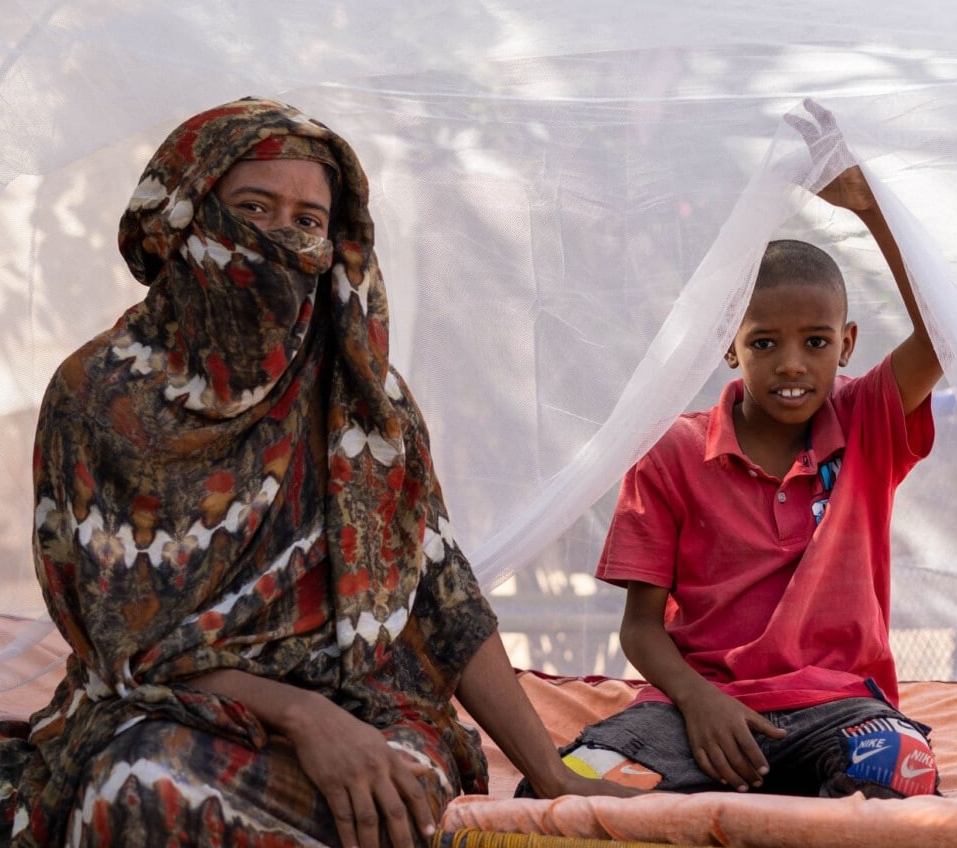
    The study provides a comprehensive investigation into how malaria behaves and spreads in urban environments across sub-Saharan Africa (SSA). Its main objectives are to map the epidemiology of urban malaria, identify research gaps, and guide effective strategies for control and elimination. The review highlights how environmental, demographic, and socioeconomic factors shape malaria transmission in urban areas, offering new insights into a traditionally rural-associated disease. The authors reveal that the prevalence of urban malaria in SSA ranges widely from 0.06% to 55%, though most studies report between 10–30%. The dominant malaria parasites identified are Plasmodium falciparum and Plasmodium vivax. Several risk factors contribute to transmission, including socioeconomic status, travel history, prior malaria infections, proximity to water sources, vegetation around homes, temperature and humidity levels, livestock ownership, and the use (or lack) of insecticide-treated nets (ITNs). Rapid and unplanned urbanization further exacerbates the problem by creating breeding grounds for mosquitoes, with the spread of Anopheles stephensi—a mosquito species highly adapted to urban environments—posing a growing threat. Interestingly, in some cases, malaria prevalence in urban areas exceeds that of rural regions, challenging traditional assumptions about malaria’s geographic distribution.

    How the Study was Conducted

    The study employed a rigorous and structured methodology to map existing evidence and highlight research gaps. Guided by the Joanna Briggs Institute (JBI) scoping review framework and the enhanced model by Levac, Colquhoun, and O’Brien, the review synthesized both qualitative and quantitative findings to address broad research questions on urban malaria. A three-step search strategy was applied across major databases including PubMed, CINAHL, ScienceDirect, Google Scholar, and the Cochrane Library. The process began with an initial search, followed by refinement of keywords from titles, abstracts, and index terms, and concluded with an expanded search across all databases as well as citation screening. Only studies published in English from 2014 onward, covering both peer-reviewed and grey literature, were considered.

    • Eligibility was determined using the PCC framework:
    • Population: Urban residents of all ages and sexes
    • Concept: Urban malaria (prevalence, incidence, risk factors)
    • Context: Sub-Saharan Africa

    Included study types ranged from observational and analytical designs to case reports, case series, cross-sectional studies, and literature reviews that met the criteria. In total, 2,437 records were identified, with an additional 24 studies from citation checks. After removing duplicates and screening abstracts and titles, 32 full-text articles were selected. Data extraction was performed independently by three reviewers using a structured JBI-based form.

    What the Authors Found

    The authors found that urban malaria in sub-Saharan Africa is widespread, complex, and highly context-dependent, driven by a combination of sociodemographic, socioeconomic, environmental, and mobility-related factors—challenging the traditional view that malaria is primarily a rural disease and requiring localized, multi-sectoral interventions for effective control.

    Why is this important

    Urbanization Fuels New Risks
    By 2050, nearly 70% of SSA’s population will live in cities, where unplanned growth creates mosquito breeding grounds and intensifies malaria risk.

    Emerging Vector Threats
    The rise of Anopheles stephensi—a city-adapted, insecticide-resistant mosquito—poses a serious danger of large-scale urban malaria outbreaks.

    Rural-Focused Policies Fall Short
    Traditional malaria strategies target rural areas, but this study shows urban malaria can be equally severe, requiring localized, data-driven interventions.

    Holistic, Adaptive Solutions Are Needed
    Because risk factors differ across cities, tailored approaches addressing socioeconomic, environmental, and behavioral drivers are vital to achieve global malaria elimination goals.

    What the Authors Recommended

    • The authors emphasise integrating health, housing, sanitation, and socioeconomic policies to reduce malaria risk through environmental management, better diagnostics, improved care, and poverty reduction.
    • The study advocates design interventions tailored to local realities by mapping high-risk urban zones, tracking mobility, and adapting to vector behavior in each city as well as invest in standardized diagnostics, robust reporting, and geospatial tools to generate accurate, timely data for guiding urban malaria control.
    • Furthermore, prioritize surveillance and containment of Anopheles stephensi, an insecticide-resistant mosquito that thrives in urban environments and threatens malaria elimination progress.
    • In addition, ensure urban malaria control is embedded in national health agendas, with funding linked to achieving the SDGs and WHO elimination targets.

    In conclusion, addressing urban malaria in sub-Saharan Africa demands innovative, context-specific, and multi-sectoral strategies that integrate health, infrastructure, and socioeconomic policies to effectively curb transmission, protect vulnerable populations, and advance global malaria elimination goals.

  • Climate Change and Infectious Diseases in Rural LMICs: A Six-Step Framework for Climate-Resilient Health Systems in East Africa

    Climate Change and Infectious Diseases in Rural LMICs: A Six-Step Framework for Climate-Resilient Health Systems in East Africa


    Illustrative Image: Climate Change and Infectious Diseases in Rural LMICs: A Six-Step Framework for Climate-Resilient Health Systems in East Africa
    Image Source & Credit: Council on Foreign Relations.
    Ownership and Usage Policy

    A recent study by Worsley-Tonks et al. (2025) titled “A framework for managing infectious diseases in rural areas in low-and middle-income countries in the face of climate change—East Africa as a case study” published in PLOS global public health, reveals that climate change is significantly intensifying infectious disease risks in rural LMICs—particularly East Africa—by expanding pathogen hazards.

    Climate change is intensifying infectious disease risks in rural LMICs, requiring climate-resilient health systems built on a six-step strategic framework.
    – Worsley-Tonks et al. 2025

    The study presents a comprehensive review that develops a strategic framework to help health systems adapt to the rising burden of infectious diseases driven by climate change. Focusing on rural communities in East Africa—regions marked by high exposure to climate-related hazards such as droughts and floods, limited access to healthcare, water, and sanitation, and a heavy burden of infectious and neglected tropical diseases (NTDs)—the framework highlights the urgent need for climate-resilient health systems.

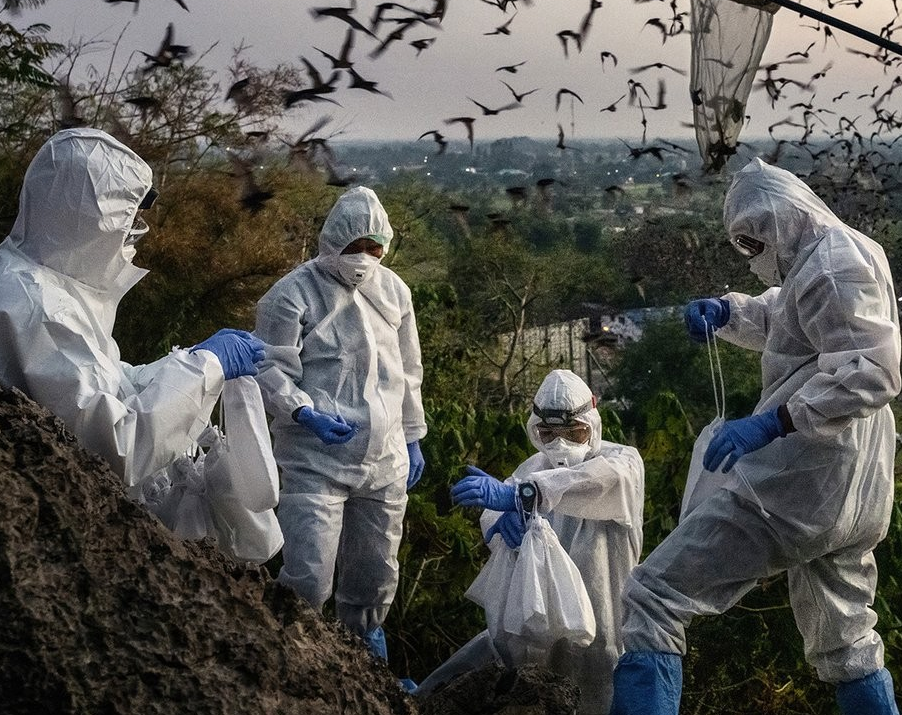
    The authors structure their approach around three pillars of infectious disease risk: pathogen hazard (the presence and behavior of disease-causing organisms), exposure (the frequency and intensity of human contact with these hazards), and vulnerability (the susceptibility of individuals and communities to illness). Climate change is reshaping the distribution of vectors like mosquitoes and wildlife reservoirs, increasing spillover risks, while environmental degradation, food insecurity, and migration further amplify exposure and vulnerability. Current health systems in low-resource settings remain ill-equipped to address these evolving challenges.

    To address this gap, the study proposes six strategic steps: (1) educating stakeholders about climate–health connections, (2) promoting interdisciplinary research on disease risk, (3) strengthening surveillance and control through technology and One Health approaches, (4) improving rural infrastructure and preserving biodiversity to reduce exposure, (5) enhancing community resilience via nutrition, vaccination, and adaptive healthcare, and (6) establishing climate–health intelligence teams to guide policy and coordinated response. While East Africa serves as the central case study, the framework is designed to be adapted across other low- and middle-income countries, tailored to local ecological and socio-economic realities. Ultimately, this work issues a clear call to action: integrating climate adaptation into global health strategies is essential to prevent escalating disease burdens in vulnerable rural populations.

    How the Study was Conducted

    This study is a comprehensive review and conceptual framework rather than an empirical field investigation. It was conducted through an extensive literature review, synthesizing existing research on climate change, infectious diseases, and rural health systems in low- and middle-income countries (LMICs), with particular emphasis on East Africa. Building on this evidence base, the authors developed a conceptual framework structured around three central components of infectious disease risk: pathogen hazard (the presence and behavior of disease-causing organisms), exposure (the ways and frequency with which people come into contact with these hazards), and vulnerability (the susceptibility of individuals and communities to illness).

    The study integrated multiple sources of information, including epidemiological data from national and regional health systems, climate data and projections, ecological and socio-economic models, and case studies from East African countries. Insights were also drawn from the One Health and Planetary Health perspectives, highlighting the interconnections between human, animal, and environmental health. To ensure scientific depth and practical relevance, the framework was developed through collaboration among a multidisciplinary team comprising epidemiologists, ecologists, public health experts, veterinarians, and climate scientists. This diversity of expertise allowed for a comprehensive model that reflects both ecological complexity and real-world health system challenges.

    What the Authors Found

    The authors found that climate change is significantly intensifying infectious disease risks in rural LMICs—particularly East Africa—by expanding pathogen hazards, increasing human exposure, and deepening community vulnerability, while current health systems remain underprepared to cope with these evolving threats.

    Why is this important

    Climate Change as a Public Health Emergency
    Shifting weather patterns, rising temperatures, and extreme events are reshaping infectious disease risks by expanding the range of vectors and wildlife reservoirs.

    Rural LMIC Communities Are Most at Risk
    East Africa and similar regions face compounded vulnerabilities—limited healthcare access, high climate exposure, and deep socio-economic challenges—while often remaining invisible to traditional surveillance systems.

    Health Systems Are Underprepared
    Most systems rely on reactive outbreak response. Without proactive, climate-adapted strategies, escalating disease burdens could undermine progress toward global health goals.

    A Globally Relevant Framework
    Although based on East Africa, the proposed six-step framework is adaptable to other LMICs, integrating One Health, biodiversity preservation, infrastructure, and community engagement.

    Strategic Roadmap for Resilience
    The framework enables governments, researchers, and health workers to predict and prevent outbreaks, strengthen rural infrastructure, reduce vulnerabilities, and build climate-resilient health systems.

    What the Authors Recommended

    • The authors emphasise building climate–health awareness among policymakers, health workers, and communities, and integrate climate literacy into health training programs.
    • The study advocates for collaboration across epidemiology, ecology, veterinary science, and climate science, and invest in studies on climate–disease interactions.
    • Leverage digital tools, mobile technologies, and One Health approaches to track and manage human, animal, and environmental health together.
    • Improve rural water, sanitation, and healthcare infrastructure while preserving biodiversity to minimize human–wildlife contact and spillover risks.
    • In addition, support nutrition, vaccination, and mental health programs, with tailored services for mobile and marginalized populations.
    • Establish dedicated units to integrate climate forecasting into health planning, strengthen preparedness, and guide evidence-based policy responses.

    In conclusion, addressing climate-driven infectious disease risks in rural LMICs demands urgent integration of climate adaptation into health systems, ensuring resilience, equity, and sustainability for vulnerable communities.

  • Recent ART Initiation Linked to Higher Mortality in HIV-Associated Cryptococcal Meningitis: Insights From African Clinical Trials

    Recent ART Initiation Linked to Higher Mortality in HIV-Associated Cryptococcal Meningitis: Insights From African Clinical Trials


    Illustrative Image: Recent ART Initiation Linked to Higher Mortality in HIV-Associated Cryptococcal Meningitis: Insights From African Clinical Trials
    Image Source & Credit: Infectious Disease Advisor
    Ownership and Usage Policy

    A recent study by Moyo et al. (2025) titled “Recent Antiretroviral Therapy Initiation Is Associated With Increased Mortality Risk in HIV–associated Cryptococcal Meningitis: An Analysis of Clinical Trial Data From Africa” published in Clinical Infectious Diseases, reveal that patients who had started ART within 14 days before their meningitis diagnosis faced a markedly higher two-week mortality rate (20.8%) compared to those on ART for longer durations or those not yet on therapy.

    Starting ART within 14 days before cryptococcal meningitis diagnosis increases mortality, but temporary ART interruption significantly improves survival outcomes.
    – Moyo et al. 2025

    The study explores the critical relationship between HIV treatment and cryptococcal meningitis, a life-threatening fungal infection. Drawing on data from over 1,400 participants in two major African clinical trials—the AMBITION trial (2018–2021) and the ACTA trial (2013–2016)—the research investigates how the timing of antiretroviral therapy (ART) initiation influences mortality outcomes. Findings reveal that patients who had started ART within 14 days before their meningitis diagnosis faced a markedly higher two-week mortality rate (20.8%) compared to those on ART for longer durations or those not yet on therapy. Notably, interrupting ART in these recent initiators reduced mortality risk (14% vs. 35% when ART was continued), underscoring the dangers of immune reconstitution inflammatory syndrome (IRIS), which can worsen outcomes.

    In contrast, individuals on ART for two weeks to six months generally showed lower fungal burdens and improved immune recovery, as reflected in higher CD4 counts. However, those on ART for more than six months but still presenting with meningitis often struggled with poor adherence or drug resistance, leading to outcomes similar to patients who had never initiated ART. The study challenges the conventional assumption that all ART-experienced patients should remain on therapy following a meningitis diagnosis. Instead, it advocates for a tailored approach to ART management, considering both the timing of ART initiation and the patient’s clinical status. Ultimately, the research highlights the complexity of managing advanced HIV in resource-limited settings and emphasizes the need for improved screening strategies and stronger adherence support to prevent late-stage complications such as cryptococcal meningitis.

    How the Study was Conducted

    The study employed a retrospective analysis of data from two major multicenter clinical trials conducted across sub-Saharan Africa: the ACTA trial (2013–2016) and the AMBITION trial (2018–2021). A total of 1,474 adults with HIV-associated cryptococcal meningitis were included, with participants recruited from six countries—Botswana, Malawi, South Africa, Uganda, Zambia, and Zimbabwe.
    Participants were categorized according to their antiretroviral therapy (ART) status at the time of diagnosis: ART-naive, recently initiated ART (within 14 days), intermediate ART duration (15 days to 6 months), or long-term ART exposure (>6 months). Mortality outcomes were assessed at two and ten weeks post-diagnosis. Additional clinical data collected included CD4 cell counts, baseline fungal burden (measured through cerebrospinal fluid cultures), and, where available, ART adherence and resistance profiles. Analytically, researchers applied multivariable logistic regression to control for confounding variables such as age, sex, baseline fungal burden, and mental status. The primary comparison focused on outcomes for patients who had recently initiated ART relative to those with longer ART exposure or no prior ART use. They also investigated the effects of interrupting ART after diagnosis within the recently initiated group. Both trials received ethical approval from relevant institutional review boards, and informed consent was obtained from all participants or their legal representatives.

    What the Authors Found

    The authors found that recent ART initiation (≤14 days before cryptococcal meningitis diagnosis) is associated with significantly higher early mortality, but temporarily interrupting ART in these patients can improve survival, underscoring the need for tailored ART strategies rather than a universal approach.

    Why is this important

    Rethinking ART Timing – While early ART is standard in HIV care, starting it within 14 days before cryptococcal meningitis diagnosis increases mortality due to IRIS.

    Personalized Treatment Approaches – Temporarily interrupting ART in recently initiated patients improves survival, highlighting the need for tailored rather than uniform treatment strategies.

    Adherence and Resistance Matter – Long-term ART alone does not guarantee protection; poor adherence and drug resistance remain major risks.

    Global Health Impact – These findings can shape updated guidelines, strengthen HIV care in resource-limited settings, and reduce preventable deaths from cryptococcal meningitis.

    What the Authors Recommended

    • The author emphasises avoiding automatically continuing ART in all cases of cryptococcal meningitis. For patients who started ART within 14 days, consider temporary interruption to lower IRIS risk and improve survival.
    • Use ART exposure length to inform care: recent initiators may need interruption, intermediate users often benefit from continuation, and long-term users should be assessed for adherence and resistance.
    • Implement routine cryptococcal antigen screening in advanced HIV patients before ART initiation, and closely monitor fungal burden, CD4 counts, and clinical status.
    • Address poor outcomes in long-term ART users through adherence support programs, resistance testing, and patient education to ensure sustained ART effectiveness.
    • Revise national and global HIV treatment protocols to incorporate flexible, evidence-based ART strategies for managing opportunistic infections such as cryptococcal meningitis.

    In conclusion, this study underscores the urgent need for flexible, evidence-based HIV treatment strategies that consider ART timing, adherence, and resistance, ultimately improving survival outcomes for patients with cryptococcal meningitis in resource-limited settings.

  • Real-World Outcomes of Oral Short-Course Regimen for Rifampicin-Resistant Tuberculosis in High HIV Settings: Insights from South Africa

    Real-World Outcomes of Oral Short-Course Regimen for Rifampicin-Resistant Tuberculosis in High HIV Settings: Insights from South Africa


    Illustrative Image: Real-World Outcomes of Oral Short-Course Regimen for Rifampicin-Resistant Tuberculosis in High HIV Settings: Insights from South Africa
    Image Source & Credit: WHO
    Ownership and Usage Policy

    A recent study by Stadler et al. (2025) titled “Treatment outcomes with an oral short course regimen for rifampicin-resistant tuberculosis in a high HIV prevalence, programmatic setting in South Africa” published in Clinical Infectious Diseases revealed that although the oral SCR has shown promise in controlled trials, its effectiveness was limited in this high-burden, programmatic setting.

    Despite rapid culture conversion, oral short-course regimens showed limited success in high HIV, resource-limited settings.– Stadler et al. 2025

    The study titled “Treatment Outcomes With an Oral Short Course Regimen for Rifampicin-resistant Tuberculosis in a High HIV Prevalence, Programmatic Setting in South Africa” examines the effectiveness of a fully oral, 7-drug short-course regimen (SCR) that includes bedaquiline and linezolid for treating rifampicin-resistant tuberculosis (RR-TB). Conducted in the Eastern Cape Province—an area with both a high TB burden and significant HIV co-infection rates—the research evaluates real-world treatment performance beyond clinical trials. Key objectives included assessing clinical and bacteriological outcomes, measuring treatment success according to WHO definitions, analyzing TB-free survival at 18 months, monitoring time to sputum culture conversion, and identifying predictors of poor outcomes, particularly in relation to HIV status. Findings revealed that although the oral SCR has shown promise in controlled trials, its effectiveness was limited in this high-burden, programmatic setting. Challenges such as delayed drug resistance testing, restricted access to diagnostic imaging, and overall implementation barriers contributed to underperformance. The study highlights the need for stronger support systems, improved risk stratification, and enhanced patient follow-up to optimize outcomes for RR-TB patients in similar contexts.

    How the Study was Conducted

    The study was a retrospective cohort analysis conducted in a real-world, programmatic setting in Eastern Cape Province, South Africa—an area with high rates of rifampicin-resistant tuberculosis (RR-TB) and HIV. Data were collected from four decentralized drug-resistant TB treatment sites, with patients enrolled between July 2018 and February 2020. The study population included adults (≥18 years) with newly diagnosed RR-TB who initiated the oral short-course regimen (SCR). Patients with prior second-line TB treatment or confirmed resistance to fluoroquinolones or bedaquiline were excluded. A total of 248 patients met the eligibility criteria.

    All participants were treated with a 7-drug, fully oral regimen consisting of bedaquiline, linezolid, levofloxacin, clofazimine, ethambutol, pyrazinamide, and high-dose isoniazid, administered for approximately 9–11 months. Data were obtained from routine programmatic sources, including clinical records, laboratory results (such as sputum cultures and drug susceptibility tests), and HIV-related information (CD4 counts and ART status). Patients were monitored for 18 months after treatment initiation to evaluate TB-free survival. The primary outcome was TB-free survival at 18 months, while secondary outcomes included WHO-defined treatment outcomes (cure, treatment completion, death, or loss to follow-up), time to sputum culture conversion, and identification of predictors of poor outcomes such as age, HIV status, and laboratory markers. The authors employed Kaplan-Meier survival methods and Cox proportional hazards models to assess survival probabilities and determine risk factors associated with unfavorable outcomes.

    What the Authors Found

    The authors found that while the oral short-course regimen (SCR) for RR-TB achieved rapid bacteriological response (96.8% culture conversion by 90 days), its overall treatment success was low (37.5%), mainly due to high mortality (21.6%) and loss to follow-up (19.4%) in a real-world, high HIV prevalence setting.

    Why is this important

    Real-World Effectiveness vs. Clinical Trials: The study highlights a significant gap between the strong outcomes seen in controlled clinical trials and the weaker results observed in resource-limited, high-burden settings. Systemic barriers—such as delayed diagnostics and inadequate patient support—limit the real-world impact of promising regimens.

    Public Health Significance: With RR-TB being one of the hardest forms of TB to treat, and South Africa facing high HIV co-infection rates, the findings underscore the urgent need to adapt strategies in regions most affected by dual epidemics.

    Clinical Insights: Predictors of poor outcomes (older age, low albumin, high bacterial load) can help clinicians identify high-risk patients. Importantly, rapid bacteriological response does not always guarantee long-term treatment success, challenging current metrics of success.

    Policy & Program Implications: The study emphasizes that effective treatment requires more than drugs—it depends on stronger health systems. Key priorities include improving diagnostic capacity, providing robust patient support, and strengthening follow-up mechanisms to reduce mortality and loss to follow-up.

    What the Authors Recommended

    • The study advocates improving patient follow-up mechanisms to reduce loss to follow-up and expanding diagnostic infrastructure (drug susceptibility testing, radiology) to enable timely, accurate treatment decisions.
    • The authors ought to use baseline clinical and laboratory markers—such as age, serum albumin, and smear status—to identify high-risk patients and provide tailored monitoring and interventions accordingly.
    • Prioritize early ART initiation and adherence support, especially for patients with advanced HIV or low CD4 counts, to improve treatment outcomes.
    • Furthermore, regularly evaluate regimen performance in programmatic settings, recognizing that early culture conversion does not always equate to long-term success. Broader indicators should be used to measure effectiveness.
    • In addition, modify treatment protocols and support structures to fit the realities of decentralized, resource-limited settings, and ensure new regimens are tested beyond clinical trials before wide-scale implementation.

    In conclusion, while the oral short-course regimen demonstrates encouraging bacteriological response, its limited effectiveness in real-world, high HIV prevalence settings underscores the critical importance of strong health systems, timely diagnostics, and tailored patient support. To truly improve outcomes for rifampicin-resistant TB, future strategies must go beyond promising drug regimens and address the structural, clinical, and programmatic barriers that shape patient survival and long-term success.

  • Nigerian Dental Journal (NDJ) Indexed in AR Index | Open Access Dentistry Research from Nigeria

    Nigerian Dental Journal (NDJ) Indexed in AR Index | Open Access Dentistry Research from Nigeria


    Illustrative Image: Nigerian Dental Journal (NDJ) Indexed in AR Index | Open Access Dentistry Research from Nigeria
    Image Source & Credit: NDJ
    Ownership and Usage Policy

    The Nigerian Dental Journal (NDJ), the official publication of the Nigerian Dental Association, continues to strengthen its role as a leading platform for oral health research in Nigeria and beyond. As of August 2025, the journal holds an ACTIVE status in the AR Index with the assigned Index Number: 160272, marking another milestone in its journey of academic and clinical impact.

    A Trusted Platform for Oral Health Research

    Since its inception in 1980, the Nigerian Dental Journal has been a reliable source of peer-reviewed knowledge dedicated to advancing oral health. The journal publishes a broad spectrum of scientific contributions including:

    • Clinical papers

    • Research articles

    • Review papers

    • Case reports

    • Technical notes (surgical techniques and technical innovations)

    • Letters to the Editor

    These contributions are aimed at dental practitioners, medical professionals, and researchers, not only in Nigeria but also across the global health sciences community.

    Indexing and Accessibility

    With its AR Index listing, NDJ gains enhanced visibility, credibility, and accessibility for authors and readers worldwide. Being indexed ensures that published articles are discoverable by a wider audience, furthering the journal’s mission to disseminate impactful research on oral health.

    The journal also embraces open access publishing under the Creative Commons Attribution 4.0 International License (CC BY 4.0), ensuring that articles are freely accessible and reusable, provided appropriate credit is given to authors.

    Publication and Review Process

    NDJ maintains a double-blinded peer review process, upholding rigorous academic and ethical standards. The review timeline typically ranges from 3–5 months per article, with 1–2 review rounds, ensuring both quality and fairness in scholarly assessment.

    Key details:

    • Frequency: Triannual (three issues per year)

    • ISSN (Print): 0189-1006

    • ISSN (Online): 3043-6613

    • Publisher: Nigerian Dental Association

    • Country of Publication: Nigeria

    Affordable Publishing for Authors

    Unlike many high-cost journals, the Nigerian Dental Journal maintains no submission fees and an affordable publication fee of $23, making it accessible for researchers in low-resource settings.

    Upholding Ethics in Publishing

    The journal has a zero-tolerance policy on plagiarism and publication misconduct, adhering to the ethical guidelines of the Committee on Publication Ethics (COPE). Authors are expected to certify that submissions are original, approved by all contributors, and meet the highest standards of research integrity.

    Editorial Leadership

    The Nigerian Dental Journal is currently led by Associate Professor Solomon Olusegun Nwhator, who serves as both the Editor-in-Chief and Managing Editor. Under his guidance, the journal continues to champion high-quality dental scholarship.

    Access and Archives

    Readers and contributors can access the journal through its official website:
    🔗 Nigerian Dental Journal Website

    The journal archive is also available online, providing access to past issues and fostering knowledge continuity for researchers and clinicians.

    Final Thoughts

    The Nigerian Dental Journal’s ACTIVE AR Index listing is a testament to its growing reputation as a trusted source of oral health knowledge. By combining rigorous peer review, open access policies, and affordable publication fees, NDJ continues to play a crucial role in supporting dental research, education, and practice across Nigeria and the international community.

    For more details visit The Nigerian Dental Journal’s index