Author: AR Managing Editor

  • Addressing the Critical Shortage of Endocrine Clinical Trials in Sub-Saharan Africa: Barriers, Impact, and Strategic Recommendations

    Addressing the Critical Shortage of Endocrine Clinical Trials in Sub-Saharan Africa: Barriers, Impact, and Strategic Recommendations

    A recent study by Azeez, T. A. (2025) titled “Deficiency of Clinical Trials on Endocrine Disorders: Perspectives from Sub-Saharan Africa” published in Nigerian Journal of Medicine reveals that Sub-Saharan Africa faces a severe shortage of endocrinologists

    Sub-Saharan Africa suffers a severe shortage of endocrine clinical trials due to systemic, cultural, and infrastructural barriers limiting evidence-based care.
    -Azeez, T. A. 2025

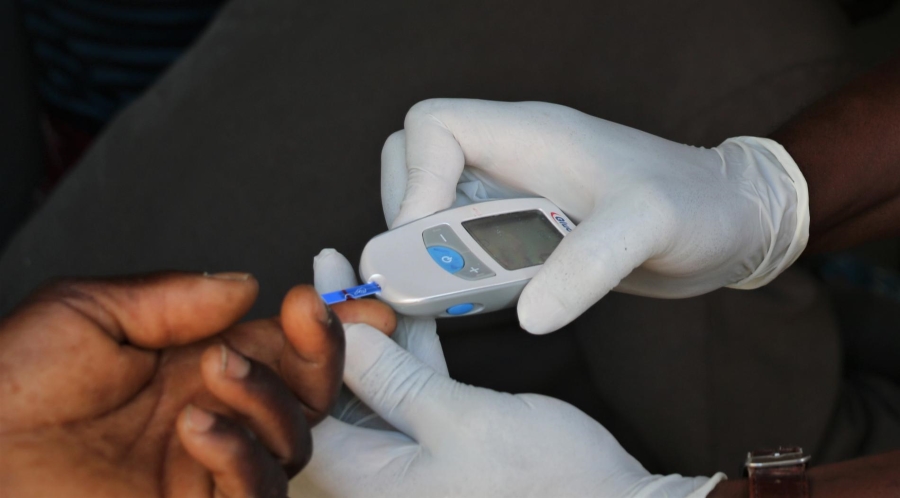
    The study provides a comprehensive review of the critical shortage of clinical trials on endocrine and metabolic disorders in the region, examining the barriers that contribute to this gap and its impact on evidence-based medical practice. Sub-Saharan Africa faces a severe shortage of endocrinologists—for instance, Nigeria has only one endocrinologist per million people compared to one per 41,000 in the U.S.—which limits research capacity and trial participation. Funding constraints further exacerbate the issue, as the continent’s clinical trial market was just $0.91 billion in 2023, prompting pharmaceutical companies to withdraw and leaving local researchers struggling to secure grants. Health priorities are heavily skewed toward infectious diseases like HIV, malaria, and tuberculosis, resulting in underfunded endocrine research.

    Limited research skills and mentorship among clinicians often lead to poorly designed trials that fail ethical review or sponsorship. Recruitment challenges arise because some endocrine disorders are rare or underdiagnosed, while community distrust—rooted in past unethical studies—complicates participation, alongside cultural barriers such as language diversity, reliance on traditional medicine, and gender-based consent restrictions. The situation is further worsened by weak collaboration and infrastructure, with minimal regional cooperation, few tertiary hospitals, and limited access to diagnostic tools and trial registries. Brain drain also depletes research leadership, as skilled professionals migrate abroad. Even when trials are conducted, results are seldom published or translated into practice due to a lack of journals, conferences, and industry support.

    How the Study was Conducted

    The authors employed a comprehensive literature search across multiple sources, including African Journal Online, Cochrane Library, PubMed, Embase, Google Scholar, Scopus, preprint servers such as medRxiv, AfricArxiv, and Research Square, as well as grey literature. Their search strategy employed keywords like “clinical trials,” “barriers,” “limitations,” “endocrinology,” “endocrine disorders,” “metabolic disorders,” and “Africa,” supplemented by specific country names (e.g., “Nigeria,” “Kenya”) and refined using Boolean operators such as “AND” and “OR.”

    The review focused on clinical trials related to screening, procedures, devices, prevention, diagnosis, and treatment of endocrine and metabolic disorders. Its primary objective was to identify and analyze the barriers that hinder clinical trial implementation in the region and propose recommendations for enhancing research capacity and output. By using this methodology, the authors were able to provide a comprehensive, evidence-informed overview of systemic challenges in Sub-Saharan Africa without conducting new fieldwork.

    What the Author Found

    The authors found that Sub-Saharan Africa faces a severe shortage of clinical trials on endocrine and metabolic disorders due to a complex interplay of systemic, cultural, and infrastructural barriers—including insufficient human resources, limited funding, weak research infrastructure, poor training and collaboration, disease-specific challenges, and community-level mistrust—hindering evidence-based endocrinology in the region.

    Why is this important

    Global Health Equity
    The absence of local clinical trials means treatment guidelines rely on data from other regions, which may not reflect African genetics, lifestyles, or healthcare contexts, leading to misaligned care and poor outcomes.

    Evidence-Based Medicine
    Clinical trials form the foundation of medical decision-making. Without local data, physicians must rely on imported evidence that may not be relevant, undermining care quality and credibility.

    Economic and Policy Impact
    The lack of trials discourages pharmaceutical investment and innovation, while governments continue to underfund non-communicable diseases, perpetuating neglect despite rising disease rates.

    Capacity Building
    Highlighting these gaps can drive training of endocrinologists, strengthen research infrastructure, and foster regional collaboration through mentorship, funding, and policy reform.

    Community Trust and Engagement
    Addressing past unethical trials and cultural concerns transparently is essential to rebuild public trust and encourage meaningful participation in research.

    Rising Disease Burden
    Non-communicable diseases like diabetes and obesity are increasing in urban Africa. Without local trials, future responses will lack evidence-based guidance.

    What the Author Recommended

    • Train and retain more endocrinologists, provide mentorship, and offer continuous education in clinical research methodologies to reduce brain drain.
    • Increase government and donor investment, establish dedicated research institutions, and improve access to diagnostic tools, reagents, and trial facilities.
    • Prioritize endocrine disorders in health policy, create legislation to encourage industrial research involvement, and develop Africa-based clinical guidelines.
    • Build regional networks among endocrinologists, promote multi-center trials, and foster partnerships with international researchers and institutions as well as educate the public on trial value and safety, address cultural barriers, and ensure ethical standards and transparency to rebuild trust.
    • Enhance access to journals, conferences, and trial registries, encourage publication of results, and support industry translation of findings into health products.

    Sub-Saharan Africa faces a critical deficit in clinical trials for endocrine and metabolic disorders due to systemic, cultural, and infrastructural barriers, and addressing these challenges through targeted training, increased funding, strengthened research infrastructure, regional collaboration, and community engagement is essential to improve evidence-based care, foster innovation, and enhance health outcomes across the continent.

  • Atypical Respiratory Viruses in Sub-Saharan Africa (2013–2023): Prevalence, Impact, and Public Health Strategies

    Atypical Respiratory Viruses in Sub-Saharan Africa (2013–2023): Prevalence, Impact, and Public Health Strategies


    Illustrative Image: Atypical Respiratory Viruses in Sub-Saharan Africa (2013–2023): Prevalence, Impact, and Public Health Strategies
    Image Source & Credit: Meridian Bioscience
    Ownership and Usage Policy

    A recent study by Agyei et al. (2025) titled “Atypical causes of respiratory virus infections in Sub-Saharan Africa from 2013–2023: a systematic review and meta-analysis” published in BMC Infectious Diseases reveals that atypical respiratory viruses (ARVs) in Sub-Saharan Africa (SSA) are underreported, underrecognized, and likely play a significant role in respiratory illnesses, particularly among children and immunocompromised individuals.

    Atypical respiratory viruses in Sub-Saharan Africa are underreported, underrecognized, and significantly impact vulnerable populations. – Agyei et al. 2025

    This systematic review and meta-analysis examined the prevalence, diagnostics, and clinical impact of atypical respiratory viruses (ARVs) in Sub-Saharan Africa, including HMPV, HBoV, Enteroviruses (EVs), Parechovirus (PeV), and Influenza C Virus (ICV). Prevalence rates were Human Metapneumovirus (HMPV 1.52%), Bocavirus (HBoV 0.4%), Enteroviruses (EVs 15%), Parechovirus (PeV 20%), and Influenza C Virus (ICV 1.3%). Co-infections with viruses like Human Rhinovirus were common. HMPV peaked in December–March, HBoV in July–August, while EVs and PeV circulated year-round. Symptoms ranged from mild (fever, cough) to severe (pneumonia, oxygen desaturation). RT-PCR was the main detection method. Limited testing infrastructure and surveillance contribute to underreporting, compounded by high vulnerability from co-infections (HIV, TB, malaria) and poor living conditions. The study highlights the hidden burden of ARVs in SSA, urging expanded surveillance, improved diagnostics, longitudinal studies on seasonal and age patterns, and integration of ARV monitoring into public health frameworks.

    How the Study was Conducted

    The study employed a systematic review and meta-analysis to evaluate the prevalence and impact of atypical respiratory viruses (ARVs) in Sub-Saharan Africa (SSA) between 2013 and 2023. Following the PRISMA 2020 guidelines, the review was registered in PROSPERO (ID: CRD42024611183) to ensure methodological transparency and adherence to protocol.

    The authors employed a comprehensive search strategy was employed across PubMed, Web of Science, Google Scholar, and the Cochrane Library using MeSH terms combined with Boolean operators (AND, OR) to capture all relevant studies. No language restrictions were applied, and only studies published within the 2013–2023 period were considered.

    Eligibility criteria were defined using the PICO framework. Participants included individuals of all ages in SSA, with exposure to ARVs such as human metapneumovirus (HMPV), human bocavirus (HBoV), enteroviruses (EVs), parechoviruses (PeV), and influenza C virus (ICV). Outcomes of interest were prevalence, clinical impact, diagnostic methods, seasonality, and co-infections. Observational, longitudinal, cross-sectional, and facility-based studies were included, while studies focusing on typical respiratory viruses, such as RSV and Influenza A, were excluded.

    From an initial 548 publications, six studies met the inclusion criteria. Study selection was independently performed by two reviewers, with a third reviewer resolving any disagreements. Data extracted included authorship, publication year, country, study period, virus prevalence, diagnostic methods, and population characteristics. Statistical analyses were conducted using StataSE 16, with meta-analyses visualized through forest and funnel plots to assess prevalence and potential publication bias.

    Diagnostics varied by country: multiplex PCR in Botswana, real-time PCR with cell culture in Senegal, conventional RT-PCR in Côte d’Ivoire, qRT-PCR in Kenya, and FilmArray and ePlex panels in Zambia. Seasonal patterns were noted, with HMPV peaking between December and March, HBoV between July and August, and EVs and PeV circulating year-round. Clinical outcomes ranged from mild symptoms, such as fever and cough, to severe cases including pneumonia and oxygen desaturation.

    Quality assessment of included studies was performed using the Newcastle-Ottawa Scale (NOS), taking into account study design, sample size, and data collection rigor.

    What the Authors Found

    The authors found that atypical respiratory viruses (ARVs) in Sub-Saharan Africa (SSA) are underreported, underrecognized, and likely play a significant role in respiratory illnesses, particularly among children and immunocompromised individuals. The study highlights that ARVs—such as HMPV, EVs, HBoV, PeV, and ICV—have measurable prevalence across the region, show distinct seasonal patterns, and often occur alongside co-infections, but limited diagnostic capacity and sparse surveillance have led to substantial underestimation of their impact.

    Why is this important

    Public Health Blind Spot: ARVs like HMPV, HBoV, EVs, PeV, and ICV are underdiagnosed in SSA, as most surveillance focuses on typical viruses like RSV and Influenza A, leaving many respiratory illnesses unexplained.

    Vulnerable Populations at Risk: Children under five, the elderly, and immunocompromised individuals are particularly susceptible, with ARVs causing severe outcomes such as pneumonia and acute lower respiratory infections (ALRI).

    Diagnostic Gaps: Limited access to advanced tools like RT-PCR means ARVs often remain undetected, hindering effective tracking, treatment, and prevention.

    Policy and Research Implications: Findings highlight the need for expanded surveillance, improved diagnostics, longitudinal studies, and data to guide vaccine development, targeted interventions, and resource allocation.

    Global Relevance: Understanding ARVs in SSA contributes to a broader global picture of respiratory disease dynamics and underscores health inequities and the need for international support in strengthening healthcare infrastructure.

    What the Authors Recommended

    • Expand access to RT-PCR and multiplex testing, invest in affordable diagnostic tools, and integrate ARV testing into routine respiratory illness diagnostics.
    • Establish national and regional ARV surveillance programs, integrate monitoring into existing frameworks for RSV and Influenza, and promote real-time data sharing across countries.
    • Implement long-term studies to understand ARV impact across age groups, investigate seasonal and geographic variations, and examine co-infections with other pathogens.
    • Use research findings to guide vaccine development, targeted interventions, and policy changes, while encouraging international collaboration and funding to support ARV research and infrastructure.
    • Prioritize ARV screening and interventions for high-risk groups—children, elderly, and immunocompromised individuals—and address socioeconomic factors that worsen respiratory illness outcomes.

    In conclusion, atypical respiratory viruses (ARVs) in Sub-Saharan Africa represent a significant but largely overlooked contributor to respiratory illnesses, particularly among vulnerable populations such as children and immunocompromised individuals. The study by Agyei et al. (2025) underscores the urgent need for expanded surveillance, improved diagnostic capacity, and targeted public health interventions to address this hidden burden. By prioritizing research, integrating ARV monitoring into existing healthcare frameworks, and investing in accessible diagnostic tools, policymakers and health systems can better detect, manage, and prevent ARV-related illnesses, ultimately reducing morbidity and strengthening regional and global respiratory health outcomes.

  • Namibia’s Community-Led Wildlife Conservation Faces Climate Change: Lessons from Desert Lions, Elephants, and Rhinos

    Namibia’s Community-Led Wildlife Conservation Faces Climate Change: Lessons from Desert Lions, Elephants, and Rhinos


    Illustrative Image: Namibia’s Community-Led Wildlife Conservation Faces Climate Change: Lessons from Desert Lions, Elephants, and Rhinos
    Image Source & Credit: Mongabay
    Ownership and Usage Policy

    Since achieving independence in 1990, Namibia has become a global model for wildlife recovery. Once devastated by colonial-era hunting, poaching, and overgrazing, the country is now celebrated for its free-roaming herds of elephants, desert-adapted lions, and black rhinos. This success is largely credited to Namibia’s community-based natural resource management (CBNRM) model, which empowers rural communities to protect wildlife while benefiting directly from conservation through tourism, small-scale hunting, and related industries.

    But this success story is facing its most formidable challenge yet: climate change. An unprecedented 11-year dry spell that only recently ended has tested the resilience of both people and wildlife, exposing vulnerabilities but also offering lessons on how to adapt in the decades ahead.

    At the heart of this challenge lies a key principle: if wildlife has tangible economic and cultural value for communities, then people will continue to protect it, even under increasingly inhospitable conditions.

    Life on the Frontline: Sesfontein Conservancy

    In northwestern Namibia, the small settlement of Sesfontein, home to fewer than 3,000 people, illustrates both the promise and fragility of the CBNRM model. The village, set amid the rocky escarpments of the Nama Karoo biome, draws visitors who hope to see desert-adapted elephants digging for water, lions prowling coastal dunes, and critically endangered black rhinos — some of the last free-ranging populations outside national parks.

    The conservancy here is one of more than 80 across Namibia. Established by local communities, conservancies grant residents rights to manage and benefit from wildlife on communal land. Once, wildlife was hunted indiscriminately, but now fees from regulated hunting, tourism lodges, and conservation partnerships flow directly back to communities. Electricity lines, schools, and jobs are visible testaments to the transformation.

    Still, climate change looms as a threat multiplier. “It is our duty to conserve the animals,” says Paul Kasupi, a Sesfontein Conservancy committee member. “But the heat is rising, and the rains are disappearing. The challenge is harder now.”

    Namibia’s Desert Specialists

    Namibia is the driest country in sub-Saharan Africa, with rainfall ranging from 600 mm in the northeast to less than 50 mm along the Skeleton Coast. Only species uniquely adapted to aridity survive here.

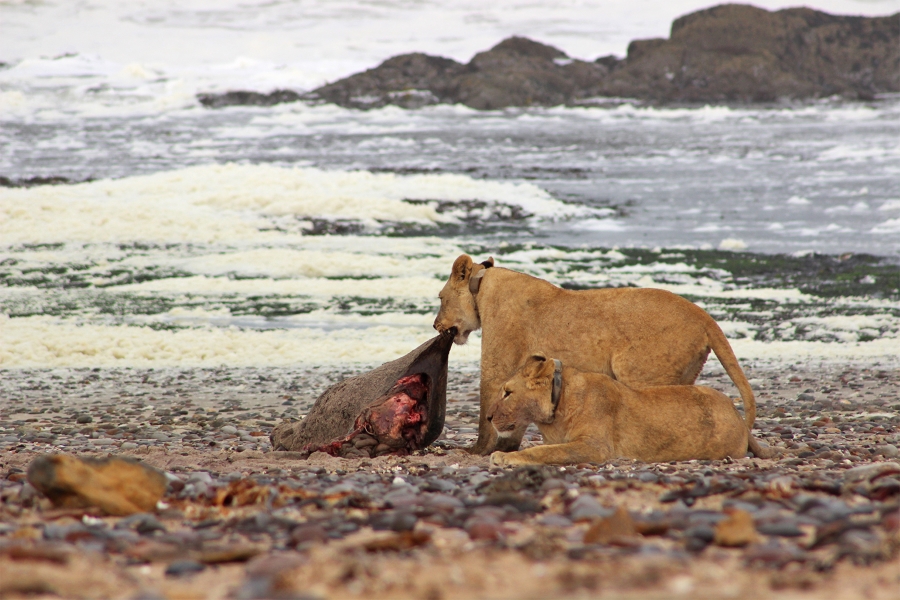
    • Desert lions roam coastal fog belts, preying on seals and seabirds.

    • Desert elephants dig wells up to a meter deep, providing water not only for themselves but for springboks, baboons, and jackals.

    • Brown hyenas and black rhinos cover vast ranges in search of food, showcasing the mobility that is critical for survival in extreme conditions.

    These adaptations evolved over millennia, but they are now being tested by changes occurring within decades.

    From Near Collapse to Recovery

    By the 1960s, Namibia’s wildlife was in collapse: fences, farming, and indiscriminate hunting reduced populations from an estimated 8–10 million animals historically to around 500,000.

    Independence brought a turning point. Namibia’s new Constitution enshrined environmental protection, making it the first African nation to do so. Communities organized into conservancies, gained control over wildlife management, and began benefiting from sustainable use.

    The results were dramatic:

    • Elephants increased from 7,000 in the 1990s to 26,000 by 2025.

    • Black rhinos rebounded, with conservancies expanding their range by 20%.

    • Lions, zebras, gemsboks, and kudus returned to landscapes where they had vanished.

    • Tourism flourished, bringing jobs, income, and pride.

    What followed was hailed as “the greatest wildlife recovery story ever told.”

    A Decade of Drought

    That recovery was tested when Namibia endured 11 consecutive years of drought — one of the longest and most severe dry spells in living memory.

    Wildlife counts plummeted:

    • Gemsbok dropped from 2,314 in 2011 to just 131 in 2023.

    • Springbok numbers fell from nearly 13,000 to about 3,300.

    • The desert lion population halved.

    • Black rhino calves died as mothers could not produce enough milk.

    Meanwhile, livestock collapsed even faster. “We lost all our cattle,” Kasupi recalls. With food and water scarce, conflict between people and wildlife escalated: lions attacked livestock, elephants raided gardens, and communities faced hunger.

    And yet — despite hardship — people did not abandon conservation. Instead, tourism lodges provided vital income, and compensation schemes for livestock losses prevented retaliatory killings of predators. While fragile, the model proved more resilient than expected.

    The Harsh Future of Climate Change

    Namibia’s climate projections are stark. By 2050, the country is expected to be 2–3°C hotter; by 2080, up to 6°C. Rainfall could decline by 10–30%, while droughts, fires, and land degradation intensify.

    • Wildlife carrying capacity in protected areas may fall by 12% by 2050, and 25% by 2080.

    • Agricultural systems are even more vulnerable, threatening food security.

    • Livelihoods based on cattle and goats may become unviable, leaving conservation as one of the few sustainable land uses.

    This creates both a crisis and an opportunity. As ecologist Chris Brown of the Namibian Chamber of Environment puts it: “If wildlife doesn’t have economic value, it will be lost. Policy must ensure it remains competitive with other land uses.”

    Building a Climate-Resilient Conservation Model

    Experts argue that Namibia must move towards adaptive, flexible, and landscape-scale conservation. Key strategies include:

    1. Expanding and connecting landscapes: Linking national parks, conservancies, and private land to allow species to roam freely in search of food and water.

    2. Data-driven wildlife management: Using rainfall, vegetation, and wildlife surveys to guide annual decisions on hunting quotas, translocations, or supplementary feeding.

    3. Flexible offtake policies: In extreme droughts, reducing populations by culling or translocation to preserve vegetation and ensure long-term survival.

    4. Diversifying the wildlife economy: Exploring sustainable meat markets, new high-value species, and even controversial debates around regulated trade in ivory and rhino horn.

    5. Community trust and empowerment: Ensuring rural Namibians continue to benefit directly from wildlife through tourism, jobs, and compensation schemes.

    Already, pilot projects are testing the removal of fences to create climate-adaptive wildlife corridors. Boreholes, reintroductions, and translocations are underway. But ultimately, the survival of both people and wildlife depends on balancing resource use with ecological limits.

    Lessons from Namibia

    Namibia’s experience offers a global lesson in conservation under climate stress. Desert-adapted elephants, lions, and rhinos may serve as pioneers of survival strategies for other species worldwide. Their resilience, honed over millennia, shows what is possible — but only if humans create the political and social frameworks to support them.

    As Simson !Uri-≠Khob of Save the Rhino Trust cautions: “Rhinos can be moved, but they are finely tuned to their habitats. The best chance is to trust the communities who live with them.”

    For Sesfontein’s Sofia /Nuas, the matter is deeply personal:
    “I want my children to see a rhino with their own eyes — not only in Etosha. Even when it gets difficult, we will stay here. And the wildlife must stay with us.”

    Namibia’s journey from near wildlife collapse to a global model of conservation underscores both the power and fragility of community-driven approaches. While climate change presents unprecedented challenges, the resilience of its people and wildlife demonstrates that adaptive strategies, local empowerment, and sustainable use can secure a future where conservation and livelihoods coexist. Ultimately, Namibia’s story is not just about saving species but about redefining how humanity can live with nature in an era of rapid environmental change.

  • Fortress Conservation in Africa: The Human Cost, Colonial Legacy, and Path Toward Community-Led Solutions”

    Fortress Conservation in Africa: The Human Cost, Colonial Legacy, and Path Toward Community-Led Solutions”


    Illustrative Image: Fortress Conservation in Africa: The Human Cost, Colonial Legacy, and Path Toward Community-Led Solutions”
    Image Source & Credit: Mongabay
    Ownership and Usage Policy

    Africa holds one of the world’s richest stores of biodiversity, from vast savannahs teeming with elephants and lions to dense forests that shelter gorillas and countless lesser-known species. Yet beneath the global fascination with African wildlife lies a lesser-told story: the human cost of conservation. For generations, African communities have borne the heavy burden of protecting these ecosystems, often while being dispossessed of their ancestral lands and criminalized for their ways of life.

    The dominant conservation narrative portrays African landscapes as pristine, empty wildernesses — best protected from people rather than with them. This idea, reinforced by colonial history, wildlife documentaries, and conservation campaigns, has entrenched the notion that Africans themselves are threats to nature, and that salvation must come from outside experts, often from the West. As Kenyan writer Binyavanga Wainaina once observed in his satirical essay How to Write About Africa, the story is always told from the perspective of the elephant, gorilla, or lion — rarely from the perspective of the people who live alongside them.

    The Colonial Legacy of Fortress Conservation

    The modern conservation estate in Africa is built upon colonial policies of land appropriation. National parks such as Serengeti (1958), Virunga (1925), Kruger (1926), and Etosha (1907) were established under the principle of fortress conservation — the idea that biodiversity can only survive if people are excluded. Communities that had long relied on these landscapes for food, water, medicine, spiritual practices, and cultural identity were expelled, often violently.

    This legacy continues in post-independence Africa. Even newer models — conservancies, wildlife management areas, and community-based resource schemes — are frequently critiqued for reproducing the same exclusionary logics. Many of these initiatives allow only marginal participation by local communities, often limited to tourism-related jobs or the sale of cultural artifacts, while the land itself is renamed, rebranded, and reallocated to more “desirable” stakeholders.

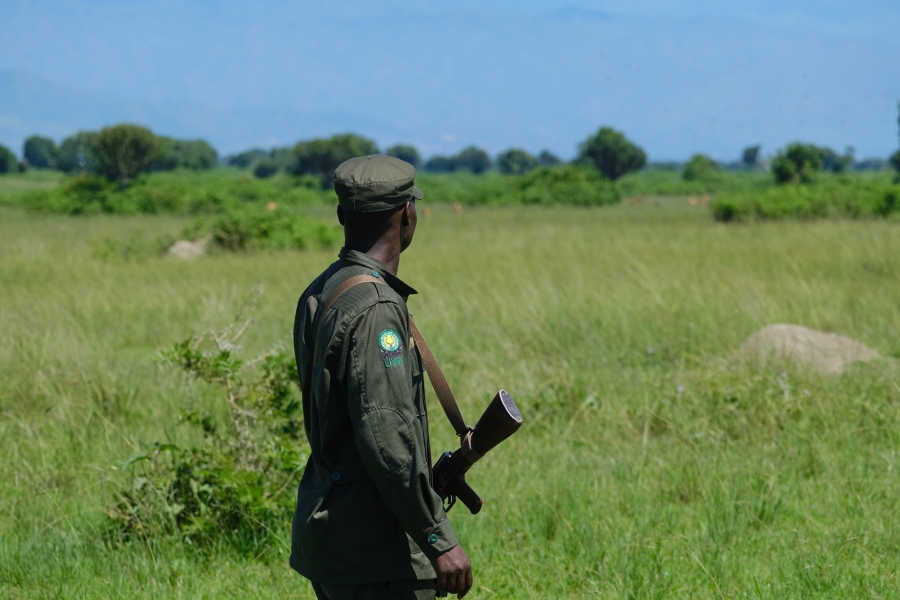
    Militarization compounds this injustice. Protected areas are patrolled by heavily armed rangers, funded largely by Western donors, creating what some scholars describe as “ecosystems of fear.” Conservation thus becomes entangled with violence, surveillance, and the denial of resource sovereignty.

    The Reality of Living With Wildlife

    For communities bordering conservation areas, wildlife is not an abstract symbol of biodiversity but a daily presence with profound consequences. Many African parks are unfenced, allowing animals to roam into nearby settlements. Crop destruction, livestock predation, and even loss of human life are common — often without compensation.

    At the 2023 Community-led Conservation Congress in Namibia, a local leader recounted the death of a woman trampled and killed by an elephant while collecting firewood. Such stories illustrate the profound costs borne by people forced to coexist with animals without adequate protection or recognition of their rights.

    Research in southern Kenya has shown that livestock predation by lions and other carnivores makes pastoralism increasingly unsustainable. Many households lose thousands of dollars’ worth of animals, forcing them to switch to farming — which in turn invites further conflict with elephants raiding crops. One pastoralist explained how elephants destroyed his entire tomato harvest overnight, despite months of investment and effort. These recurring losses are not merely economic; they also create fear, disrupt education, and erode social cohesion.

    Conservation as Extraction

    Conservation in Africa must also be understood alongside other extractive industries like mining, logging, and industrial agriculture. Like diamonds or timber, wildlife and wilderness have been commodified, often for the benefit of global tourism markets. The fortress model ignores that wildlife exists both inside and outside protected areas, and that African communities have long maintained cultural practices — such as sacred sites, totemism, and seasonal resource use — that sustain biodiversity without external intervention.

    Despite exclusion, African peoples invest an estimated $2–4 billion annually in conservation efforts, often without donor or government support. This reality challenges the assumption that conservation is something Africans must be taught. In truth, Africans are the original stewards of their lands.

    Toward a New Vision of Conservation

    For over two decades, scholars and activists have called for a shift toward community rights and human-centered approaches. The 2003 IUCN World Parks Congress in Durban highlighted the importance of Indigenous and local peoples in conservation, yet progress has been slow. Militarization persists, and colonial legacies remain entrenched.

    What is needed is a reconciliation-driven approach that acknowledges historical injustices and centers the knowledge systems, cultural practices, and aspirations of African communities. As articulated in the Laboot Declaration (2022) by Indigenous leaders of East Africa:

    “We take care of our lands. This is our land by birth. We have knowledge, that was gifted to us by our forefathers, that teaches us how to sustain our land and be sustained by it. How can someone that has never lived in our land know how to care for it?”

    At its heart, conservation must move beyond treating wildlife as more valuable than human lives. It must embrace principles of justice, equity, peace, and collaboration, recognizing that sustainable futures are built on relationships between people, animals, and landscapes.

    Instead of pouring millions into militarized enforcement, the path forward requires investing in reconciliation, restoring land rights, and supporting community-driven models that work with, not against, local people. Africans care deeply about their natural heritage — perhaps more than anyone else — and their leadership is essential for building conservation strategies that are truly sustainable.

  • Women Entrepreneurs Driving Fintech Innovation in Sub-Saharan Africa: Barriers, Strategies, and Policy Recommendations for Inclusive Growth

    Women Entrepreneurs Driving Fintech Innovation in Sub-Saharan Africa: Barriers, Strategies, and Policy Recommendations for Inclusive Growth


    Illustrative Image: Women Entrepreneurs Driving Fintech Innovation in Sub-Saharan Africa: Barriers, Strategies, and Policy Recommendations for Inclusive Growth
    Image Source & Credit: MEDA International
    Ownership and Usage Policy

    A recent study by ongesa nyamboga, T. (2025) titled “Women Entrepreneurs and Innovation Strategies: Driving Inclusive Fintech Business Growth in Sub-Saharan Africa” published in F1000Research reveals that women entrepreneurs in Sub-Saharan Africa drive inclusive fintech growth, but systemic barriers hinder scalability, requiring stronger infrastructure, policies, and ecosystems.

    Women entrepreneurs in Sub-Saharan Africa drive inclusive fintech growth, yet systemic barriers limit scalability, requiring supportive policies and stronger infrastructure.
    – ongesa nyamboga, T. 2025

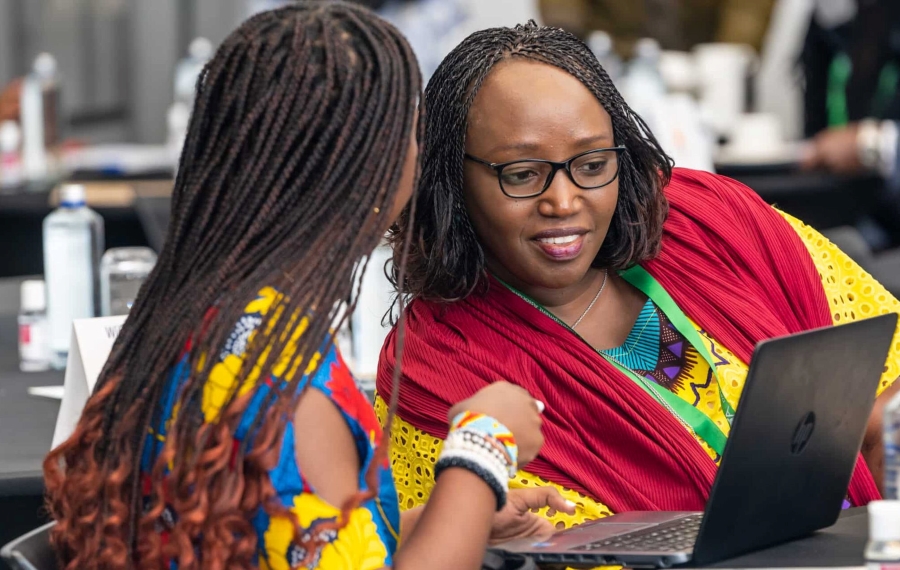
    The study examining how women-led fintech ventures are shaping inclusive economic development in the region. The study highlights the critical yet understudied role of women entrepreneurs in driving innovation, expanding financial access, and building sustainable businesses through fintech solutions. Drawing on Everett Rogers’ Diffusion of Innovations Theory, the author explains how women entrepreneurs adopt and spread financial technologies across social systems and networks. These innovators are leveraging a wide range of tools: mobile payments and microloans through platforms like M-Pesa and Numida; AI-powered credit scoring and customer profiling via JUMO; blockchain applications for secure transactions and identity verification through BitPesa and Kora; and digital payment systems integrated with e-commerce platforms such as Flutterwave and Yoco. Many also collaborate with innovation hubs like MEST and iHub, gaining access to mentorship, funding, and collaborative networks.

    Despite their progress, women entrepreneurs continue to face significant obstacles, including limited digital literacy, entrenched gender bias, restrictive regulatory frameworks, inadequate gender-disaggregated data, and infrastructure deficits—particularly in rural areas. These challenges hinder their ability to scale and sustain innovations at the same pace as male-led ventures. The study concludes that while women entrepreneurs in Sub-Saharan Africa are increasingly harnessing fintech to promote financial inclusion and market expansion, systemic barriers remain. Limitations of the research include scarce gender-specific data, reliance on case studies, and a lack of longitudinal evidence, underscoring the need for more comprehensive and sustained inquiry into this vital area of inclusive economic growth.

    How the Study was Conducted

    The study adopted a qualitative narrative review design to examine how women entrepreneurs in Sub-Saharan Africa are fostering fintech-driven business growth. A narrative literature review was conducted to synthesize existing research published between 2015 and 2025, with the analysis guided by a qualitative thematic approach aimed at identifying recurring patterns and emerging themes.

    Data collection drew on a wide range of sources, including peer-reviewed journal articles, institutional reports, policy briefs, and grey literature. Searches were conducted across leading databases such as Scopus, Google Scholar, and Web of Science, using carefully constructed keyword combinations with Boolean operators (e.g., “women entrepreneurs AND fintech,” “AI AND financial inclusion”).

    The inclusion criteria focused on publications from 2021–2025 that specifically addressed women entrepreneurs in fintech within the Sub-Saharan African context. Eligible studies also had to be written in English and cover at least one of five thematic areas: mobile technology, artificial intelligence, blockchain, digital payments and e-commerce, or innovation hubs/incubators. Conversely, studies were excluded if they lacked a gendered perspective, were unrelated to fintech, were not published in English, or failed to provide empirical or policy-based evidence.

    For data analysis, Braun and Clarke’s six-phase framework was employed. This involved familiarization with the collected data, generating initial codes, searching for themes, reviewing and refining themes, defining and naming themes, and producing the final synthesis. Both predefined themes and emergent insights were incorporated, with particular attention given to the five innovation domains.

    The study was theoretically grounded in Everett Rogers’ Diffusion of Innovations Theory, which provides a lens for understanding how new technologies and practices are adopted within social systems. Core attributes such as relative advantage, compatibility, complexity, trialability, and observability were used to interpret the spread and uptake of fintech innovations by women entrepreneurs.

    Finally, the evaluation process incorporated triangulation across academic, policy, and case study sources to ensure robustness, alongside reflexivity to minimize researcher bias. A critical appraisal framework for qualitative synthesis was also applied to strengthen the credibility and reliability of the findings.

    What the Author Found

    The author found that women entrepreneurs in Sub-Saharan Africa are key drivers of inclusive growth through fintech innovation, but their full potential is constrained by systemic barriers such as digital literacy gaps, gender bias, weak infrastructure, and fragmented policy support.

    Why is this important

    Women-Led Fintech as Economic Drivers: Women entrepreneurs are building inclusive financial ecosystems through mobile loans, AI credit scoring, and blockchain solutions, reaching underserved populations overlooked by traditional banks.

    Confronting Structural Barriers: Persistent challenges—such as gender bias, limited digital literacy, and regulatory hurdles—restrict women’s full participation, underscoring the need for supportive policies and targeted interventions.

    Advancing Sustainable Development Goals: By fostering financial inclusion, resilience, and equity, women-led fintech ventures contribute directly to poverty reduction, community empowerment, and global development priorities.

    Shaping Policy and Research Agendas: The study fills a critical gender gap in fintech research and offers actionable strategies for governments, investors, and incubators to scale inclusive innovation.

    What the Author Recommended

    The author of the study offer a set of concrete, actionable recommendations aimed at accelerating women-led fintech growth in Sub-Saharan Africa. These are aligned with the five thematic innovation areas explored in the research:

    • Increase mobile network coverage, reduce data costs, and strengthen mobile-based financial platforms to reach underserved women entrepreneurs.
    • Provide research grants, enforce ethical data policies, and improve access to AI analytics for customer profiling and credit scoring.
    • Establish clear legal frameworks, enhance transparency in cross-border payments, and support blockchain solutions that benefit women-led SMEs.
    • Ensure interoperability, reduce transaction fees, expand merchant credit access, and scale platforms that support women in online business.
    • Fund incubation programs for women, foster partnerships with fintech firms, and replicate successful mentorship and training models.
    • Implement inclusive fintech policies, expand digital literacy initiatives tailored to women, and ensure equitable access to internet and infrastructure.

    In conclusion, women entrepreneurs in Sub-Saharan Africa are pivotal drivers of inclusive fintech growth, leveraging mobile technology, AI, blockchain, and digital payment systems to expand financial access and foster sustainable economic development; however, systemic barriers such as gender bias, limited digital literacy, and infrastructure gaps continue to restrict scalability, highlighting the urgent need for supportive policies, targeted interventions, and investment in women-centered innovation ecosystems to fully realize their transformative potential.

  • FinTech and Financial Inclusion in Emerging Markets: Bibliometric Analysis, Key Insights, and Future Research Directions

    FinTech and Financial Inclusion in Emerging Markets: Bibliometric Analysis, Key Insights, and Future Research Directions


    Illustrative Image: FinTech and Financial Inclusion in Emerging Markets: Bibliometric Analysis, Key Insights, and Future Research Directions
    Image Source & Credit: Businesslive
    Ownership and Usage Policy

    A recent study by Del Sarto, N., & Ozili, P. K. (2025) titled “FinTech and financial inclusion in emerging markets: a bibliometric analysis and future research agenda” published in the International Journal of Emerging Markets reveals that FinTech is a powerful driver of financial inclusion, particularly through innovations such as mobile banking, peer-to-peer lending, and blockchain technologies.

    FinTech drives financial inclusion in emerging markets through mobile banking, peer-to-peer lending, and blockchain, while critical gaps persist.
    – Del Sarto, N., & Ozili, P. K. 2025

    This study explores how financial technology (FinTech) is reshaping access to financial services in emerging markets, offering both opportunities and challenges for sustainable economic development. The research aims to map the global knowledge landscape on FinTech and financial inclusion, highlight key trends and themes, and propose a forward-looking agenda for future inquiry. Findings reveal that FinTech is a powerful driver of financial inclusion, particularly through innovations such as mobile banking, peer-to-peer lending, and blockchain technologies. These tools are reducing barriers to finance, empowering marginalized communities, and supporting economic growth. China, the USA, and the UK emerge as leading contributors to the academic literature in this space. However, knowledge gaps remain, especially regarding the long-term effects of FinTech on financial stability and vulnerable populations.

    The study draws on several theoretical frameworks to explain FinTech’s transformative role. The Diffusion of Innovations Theory illustrates how new technologies spread across societies, while the Financial Intermediation Theory emphasizes how FinTech disrupts traditional banking models. The Institutional Theory highlights how cultural and regulatory contexts shape adoption, and the Resource-Based View (RBV) shows how FinTech firms leverage technological capabilities and human capital for competitive advantage. Adoption behavior is further explained through the Technology Acceptance Model (TAM), where perceived usefulness drives engagement. Additionally, the Bottom of the Pyramid (BoP) perspective underscores the potential of serving low-income communities in ways that are both impactful and profitable.

    Key thematic areas include gender inclusion, rural development, sustainability, and technological synergy. FinTech is empowering women through mobile money and alternative credit scoring, bridging infrastructure gaps in rural areas via mobile banking and microfinance, and contributing to the UN Sustainable Development Goals (SDGs) by fostering inclusive growth. Emerging intersections with artificial intelligence (AI) are enhancing personalization and risk management, while green finance solutions support climate change mitigation through carbon tracking and sustainable investments.

    How the Study was Conducted

    The study employed a rigorous bibliometric methodology that combined quantitative and qualitative techniques to map the research landscape on FinTech and financial inclusion in emerging markets.

    Data Collection
    The data were sourced from the Scopus database, selected for its extensive coverage of peer-reviewed literature. The search targeted publications from 2015 to April 2024 using keywords such as “fintech” or “financial technology” in combination with “financial inclusion”, “financial access”, or “inclusive finance”. To ensure relevance, the scope was limited to English-language articles and reviews within the fields of business, management, accounting, economics, econometrics, and finance. From an initial pool of 737 records, a refined sample of 313 articles was identified for analysis.

    Analytical Strategy
    A multi-layered analytical approach was adopted:

    • Performance Analysis evaluated the most productive authors, institutions, countries, and journals, measuring both scholarly output and influence.
    • Science Mapping, using VOSviewer software, visualized co-citation networks and shared references to uncover intellectual structures and thematic clusters.
    • Content Analysis provided a qualitative review of dominant themes, theoretical frameworks, and the temporal evolution of research topics.
    • Bibliographic Coupling grouped studies by shared references, revealing emerging clusters and highlighting “hot topics” in the field.

    Theoretical Frameworks
    The analysis was guided by several theoretical lenses, including Diffusion of Innovations Theory, Financial Intermediation Theory, Institutional Theory, the Resource-Based View (RBV), the Technology Acceptance Model (TAM), and the Bottom of the Pyramid (BoP) framework. These perspectives offered insights into the varying patterns of FinTech adoption and its role in advancing financial inclusion across different contexts.

    Outcome
    This integrative methodology enabled the researchers to capture both the structural and thematic dimensions of the field, providing a comprehensive overview of existing scholarship while laying the groundwork for a forward-looking research agenda tailored to the challenges and opportunities of emerging markets.

    What the Authors Found

    The authors found that FinTech is a key driver of financial inclusion in emerging markets, primarily through mobile banking, peer-to-peer lending, and blockchain technologies. It significantly lowers financial barriers and promotes inclusive economic growth. At the same time, the study highlights critical gaps—particularly around the long-term impacts of FinTech on financial stability, the needs of marginalized populations, and the development of regulatory frameworks that balance innovation with consumer protection.

    Why is this important

    Expanding Financial Access – With over 1.4 billion people still unbanked, FinTech provides low-cost, scalable tools like mobile wallets and peer-to-peer lending that reach underserved populations where traditional banking fails.

    Shaping Policy and Regulation – The study offers evidence to guide governments and financial institutions in designing policies that foster innovation while safeguarding consumers, particularly in fragile economies.

    Advancing Research Frontiers – By highlighting gaps in areas such as gender-focused inclusion, AI-driven financial tools, and climate finance, the study builds a roadmap for future scholarly inquiry.

    Promoting Equity and Development – FinTech reduces income inequality by expanding access to credit, savings, and insurance, supporting entrepreneurship and rural economic growth.

    Bridging Theory and Practice – Integrating frameworks like TAM, RBV, and BoP, the study links academic insights with real-world applications, benefiting both researchers and practitioners.

    What the Authors Recommended

    • The study emphasizes focused research on rural and gender-focused financial inclusion, sustainable development, and climate resilience by examining how tools like mobile banking, AI, and blockchain can bridge gaps and empower marginalized groups.
    • The study advocates developing context-specific frameworks that balance innovation with consumer protection, enhance financial stability, and promote digital trust through financial literacy and cybersecurity awareness.
    • Adopt mixed methods that integrate quantitative and qualitative insights, ensuring a holistic understanding of FinTech adoption and its socio-economic impacts.
    • In addition, prioritize under-represented regions (Africa, Southeast Asia, Latin America) and conduct longitudinal studies to capture the long-term effects of FinTech on financial behavior, mobility, and institutional transformation.

    In conclusion, the study by Del Sarto and Ozili (2025) underscores the transformative role of FinTech in driving financial inclusion across emerging markets. By leveraging innovations such as mobile banking, peer-to-peer lending, and blockchain, FinTech is breaking down financial barriers, empowering marginalized communities, and fostering sustainable economic growth. Yet, critical gaps remain in understanding its long-term effects on financial stability, vulnerable populations, and regulatory landscapes. Addressing these gaps through context-specific research, inclusive policies, and responsible innovation will be key to unlocking FinTech’s full potential in shaping a more equitable and resilient financial future.

  • Code-Switching in IsiXhosa Music: Preservation or Shift? Insights from Amanda Black’s Kutheni Na Study

    Code-Switching in IsiXhosa Music: Preservation or Shift? Insights from Amanda Black’s Kutheni Na Study

    A recent study by Izu, B. O., & Somlata, Z. (2025) titled “Code-Switching in IsiXhosa Music: A Mechanism for Language Preservation or Shift?.” published in CaLLs (Journal of Culture, Arts, Literature, and Linguistics) reveals that isiXhosa forms the emotional core, particularly in the chorus, reinforcing cultural identity and resonance.

    Code-switching in isiXhosa music preserves cultural identity through emotional expression but risks language shift from English dominance.– Izu, B. O., & Somlata, Z. 2025

    The study explores the sociolinguistic dynamics of code-switching within South African music, focusing on Amanda Black’s song “Kutheni Na” featuring Kwesta. The central question it raises is whether the alternation between isiXhosa, English, and isiZulu helps preserve isiXhosa or contributes to a shift toward English dominance. Grounded in three key theoretical frameworks—Myers-Scotton’s Markedness Model (language choices as reflections of social norms or intentional shifts), Fishman’s Domain Theory (the role of isiXhosa in cultural spheres like music), and Critical Discourse Analysis (language as a site of power and identity)—the research examines how multilingual expression functions in this song. Findings reveal that isiXhosa forms the emotional core, particularly in the chorus, reinforcing cultural identity and resonance. By contrast, English and isiZulu appear more prominently in the verses, especially through Kwesta’s rap, reflecting contemporary urban linguistic trends. The study identifies three types of code-switching: intersentential (between sentences), intrasentential (within sentences), and tag-switching (short insertions).

    Ultimately, the study argues that code-switching is a double-edged phenomenon. On one hand, it sustains isiXhosa’s visibility and emotional significance in mainstream music, ensuring its relevance for audiences. On the other hand, the growing prominence of English risks shifting functional dominance away from isiXhosa, particularly among younger generations. Thus, while code-switching can serve as a tool of preservation, it simultaneously poses the danger of marginalization if dominant languages overshadow indigenous ones.

    How the Study was Conducted

    The study employed a qualitative case study approach, using Amanda Black’s song “Kutheni Na” featuring Kwesta as its focal point to investigate code-switching in isiXhosa music. Rather than relying on numerical data, the researchers explored the meanings, patterns, and functions of language use within the lyrics. To collect data, the lyrics were first transcribed and then systematically analyzed. The researchers identified the presence of isiXhosa, English, and isiZulu, noting how and where each language appeared throughout the song.

    The analysis drew on discourse analysis, which enabled the researchers to examine linguistic patterns, emotional expressions, and stylistic choices embedded in the lyrics. Particular attention was given to different types of code-switching, including intersentential (between sentences), intrasentential (within a sentence), and tag-switching (short phrases inserted from another language).

    The study was further shaped by key theoretical frameworks. Myers-Scotton’s Markedness Model was applied to interpret the social motivations behind language alternation, while Fishman’s Domain Theory was used to assess whether isiXhosa retains its cultural presence within the musical domain. Additionally, Critical Discourse Analysis (CDA) provided insight into how the artists’ language use reflects broader issues of identity, power, and cultural dynamics.

    What the Authors Found

    The authors found that code-switching in isiXhosa music functions as both a mechanism for cultural preservation and a potential driver of language shift. On one hand, isiXhosa remains strongly tied to emotional expression and identity (especially in the chorus), ensuring its continued visibility in mainstream music. On the other hand, the dominance of English (and to some extent isiZulu) in functional parts of the song—like verses—suggests a risk that younger, urban audiences may gradually shift away from isiXhosa in everyday contexts.

    Why is this important

    Cultural Identity & Heritage – IsiXhosa is a carrier of history, emotion, and identity. Its presence in music underscores how art becomes a site of cultural preservation and struggle.

    Music as a Linguistic Arena – Popular music shapes youth culture; isiXhosa in songs keeps it visible and relevant, while English dominance risks eroding indigenous language use.

    Sociolinguistic Insight – The study applies theories like Fishman’s Domain Theory and Myers-Scotton’s Markedness Model to show how language use reflects power, identity, and belonging.

    Policy & Education Relevance – Findings highlight the need for stronger support of indigenous languages in education, media, and cultural production.

    Global Resonance – Although centered on isiXhosa, the study raises universal questions for multilingual societies worldwide on how to sustain local languages in an English-dominated world.

    What the Authors Recommended

    • The authors advocate encouraging the use of isiXhosa and other native languages in music, poetry, and storytelling, while integrating code-switching into education to foster linguistic flexibility and cultural awareness.
    • The study emphasises that musicians and creators should be intentional with their language choices, balancing artistic freedom with the responsibility to keep indigenous languages visible and valued.
    • Furthermore, the authors argues that policymakers and cultural institutions should fund, platform, and actively support indigenous language content while developing strategies to preserve linguistic heritage amid globalization.
    • In addition, future studies should examine diverse genres, regions, and audience perceptions to deepen understanding of how code-switching shapes language preservation and cultural identity.

    In conclusion, the study by Izu and Somlata (2025) highlights the complex role of code-switching in South African music, showing how it simultaneously preserves isiXhosa’s cultural significance while exposing it to the risk of marginalization in the face of English dominance. By situating music as both a site of identity and a battleground of linguistic power, the research underscores the urgent need for deliberate efforts in education, policy, and creative industries to protect indigenous languages. Ultimately, the future of isiXhosa and other African languages depends on striking a balance between embracing multilingual creativity and safeguarding cultural heritage in an increasingly globalized world.

  • Unlocking Africa’s Blue Economy: Sustainable Ocean Resources Driving Innovation, Jobs, and Economic Growth

    Unlocking Africa’s Blue Economy: Sustainable Ocean Resources Driving Innovation, Jobs, and Economic Growth


    Illustrative Image: Unlocking Africa’s Blue Economy: Sustainable Ocean Resources Driving Innovation, Jobs, and Economic Growth
    Image Source & Credit: Raconteur
    Ownership and Usage Policy

    Africa possesses one of the most extensive maritime territories in the world. Its oceans, seas, and inland waters stretch across nearly 20 million square kilometers—a vast resource that holds immense potential for economic growth if harnessed sustainably. Globally, initiatives like the G20 and the African Union recognize the strategic importance of the blue economy as a key driver of economic transformation on the continent.

    Nomtha Hadi, a researcher specializing in blue economies, explores the challenges and opportunities for Africa’s maritime sector in a conversation with The Conversation Africa.

    What is the Blue Economy?

    The blue economy refers to the sustainable use of oceanic and freshwater resources to generate economic growth, create jobs, and improve livelihoods. Unlike traditional economic models, the blue economy emphasizes a balance between economic development and environmental protection. This approach ensures that marine ecosystems are preserved while allowing human activities to thrive, securing long-term benefits for future generations.

    Essentially, a robust blue economy requires strategic management of often competing ecological and economic objectives. Without careful regulation, overexploitation of resources can undermine the very industries the blue economy seeks to support.

    Key Industries within Africa’s Blue Economy

    Africa’s coastline and island nations—including Mauritius, Comoros, Seychelles, and Madagascar—already support a range of emerging blue economy sectors. These include:

    • Aquaculture: Expanding fish and seafood farming to improve food security and provide livelihoods.

    • Bio-products: Creating pharmaceuticals, agrichemicals, and fertilizers from marine resources such as kelp.

    • Ocean carbon storage: Utilizing mangroves, seagrass, and saltmarshes to capture and store carbon, contributing to climate change mitigation.

    • Seawater desalination: Addressing water scarcity through sustainable technologies.

    • Marine renewable energy: Developing wind, wave, and tidal energy technologies for clean energy generation.

    The fisheries and aquaculture industries alone already feed over 200 million Africans. Across inland and marine fisheries, processing facilities, and licensed local fleets, these industries employ more than 12 million people and contribute an estimated US$24 billion annually—representing 1.26% of Africa’s total GDP and 6% of its agricultural GDP.

    Recognizing this potential, the African Union has established the 2050 Africa Integrated Maritime Strategy, which outlines how the continent can leverage its oceans for sustainable development while minimizing environmental harm. Its overarching goal is to accelerate wealth creation from Africa’s vast maritime resources.

    Challenges to Developing Africa’s Blue Economy

    Despite its promise, Africa’s blue economy faces significant obstacles. Marine ecosystems are under increasing pressure from human activity, climate change, and environmental degradation. Key challenges include:

    • Pollution: Land-based sources contribute to water contamination, affecting fisheries and marine life.

    • Illegal, unregulated, and unreported fishing: Overfishing depletes stocks, threatening both food security and industry sustainability.

    • Climate change impacts: Rising temperatures, sea level rise, ocean acidification, and loss of biodiversity threaten marine ecosystems.

    • Disease outbreaks in aquaculture and fisheries: These can reduce productivity and destabilize local economies.

    To ensure a resilient blue economy, it is crucial to address these threats through integrated policies and sustainable management practices.

    Global and Regional Initiatives: The Role of the G20

    Before assuming the G20 presidency, South Africa prioritized policies aimed at marine conservation and sustainable ocean use. Initiatives like Operation Phakisa serve as national blueprints for leveraging ocean resources for economic growth while ensuring ecological protection.

    South Africa has used its G20 presidency to advance the Ocean 20 initiative, originally launched by Brazil. Ocean 20 promotes collaboration among governments, researchers, businesses, and civil society, with a strong emphasis on community inclusion, innovation, and sustainable development.

    To transform these plans into tangible results, the following strategies are critical:

    1. Investment in research and innovation: Funding is needed for technology development, product commercialization, and training programs to accelerate blue economy growth.

    2. Skills development and lifelong learning: Workers and researchers require ongoing training to adapt to technological advancements, including artificial intelligence and automation, which are transforming ocean industries.

    3. Multi-stakeholder collaboration: Governments, businesses, investors, and communities must work together to coordinate initiatives, share resources, and ensure accountability.

    4. Cross-border cooperation: Collaborative efforts between countries can strengthen emerging industries and create economies of scale, fostering sustainable growth.

    A sustainable and prosperous blue economy cannot be built by a single government, organization, or industry. Success depends on cooperation across governments, global organizations, academia, civil society, and private enterprises—all working together to balance economic development with ecological stewardship.

    Unlocking Africa’s Ocean Potential

    Africa’s oceans are more than natural wonders—they are engines of economic opportunity, innovation, and sustainable growth. By strategically funding research, promoting innovation, fostering collaboration, and prioritizing environmental stewardship, Africa can harness its maritime resources to build resilient, inclusive, and future-ready blue economies. The continent stands at a pivotal moment: with coordinated action, Africa’s oceans could power decades of prosperity for millions of people.

  • Ghana’s Digital Revolution: How Smart IDs, AI Hubs, and Innovation Could Unlock Economic Growth and Close the Gap with South Korea

    Ghana’s Digital Revolution: How Smart IDs, AI Hubs, and Innovation Could Unlock Economic Growth and Close the Gap with South Korea


    Illustrative Image: Ghana’s Digital Revolution: How Smart IDs, AI Hubs, and Innovation Could Unlock Economic Growth and Close the Gap with South Korea
    Image Source & Credit: IFC
    Ownership and Usage Policy

    From smart national IDs to AI-powered innovation hubs, Ghana’s digital revolution is laying the foundation for a transformative economic future. By embracing digitisation, the country could fast-track growth, modernise governance, and narrow the development gap with global peers like South Korea.

    Lessons from South Korea’s Divergent Path

    Ghana and South Korea both emerged from colonial rule and war around the same period in the mid-20th century. Yet, their economic trajectories could not be more different. South Korea, once poorer and resource-constrained, is now an advanced economy with an income level almost nine times that of Ghana.

    How did this happen? After the devastation of the Korean War (1950–1953), South Korea pursued pragmatic strategies: ensuring food self-sufficiency, expanding basic education, advancing healthcare, and prioritising family planning. Fertility rates fell sharply, creating a demographic shift where the working-age population grew faster than dependents. By 2016, the ratio of workers to dependents had risen to nearly 3:1, allowing South Korea to invest in human capital and boost productivity. This laid the foundation for industrialisation, export-led manufacturing, and rapid growth.

    In contrast, Ghana’s journey has been constrained by high population growth, governance challenges, and slower technological adoption. Despite being resource-rich, Ghana’s reliance on raw material exports, especially gold, limited its ability to industrialise at scale.

    Ghana’s Demographic Transition: A Window of Opportunity

    Today, however, Ghana is entering a promising new phase. With a population of about 34 million (2023), Ghana is more urbanised (around 60%) than most African nations—a milestone South Korea only reached in the early 1980s. Urbanisation brings significant advantages: easier delivery of services, better infrastructure for digital rollouts, and concentrated hubs of innovation and productivity.

    Fertility rates have also declined to 3.4 children per woman, signalling Ghana’s approach toward its demographic dividend window—a period when the workforce significantly outnumbers dependents. This is expected to begin around 2033, earlier than in most West African countries. If managed wisely, this demographic shift could propel Ghana into upper-middle-income status by mid-century.

    But this transformation hinges on how effectively Ghana leverages digital technologies to modernise its governance systems, economic structures, and social services.

    Building the Foundations of a Digital Economy

    Over the past decade, Ghana has made notable strides in digitisation.

    1. Smart ID System (Ghana Card):
      Introduced in 2008 and rolled out nationally from 2018, the biometric-based national ID system has become the backbone of Ghana’s digital economy. With more than 18.7 million citizens enrolled by 2025, the Ghana Card serves as a unique identifier (PIN) for banking, education, SIM registration, business ownership, property transactions, and even voter registration. By linking the informal sector to formal systems, the ID enhances access to credit, enables digital transactions, and strengthens governance transparency.

    2. Digital Address System (GhanaPostGPS):
      Every 5m² of land is now digitally mapped, solving the long-standing challenge of locating addresses. This has unlocked e-commerce, drone deliveries, business registration, and financial inclusion for small enterprises.

    3. Paperless Ports & Digital Government Services:
      Linking trade documentation to PINs has reduced fraud at harbours, while government service payments are fully digitalised. Efforts are underway to digitise land records using blockchain, enhancing property rights security.

    4. Education & Skills Development:
      Supported by the World Bank, Ghana is integrating e-learning in schools and has launched the One Million Coders initiative to equip youth with critical digital skills.

    5. AI & Innovation Hubs:
      Global tech giants are recognising Ghana’s digital momentum. Google set up its first African AI research centre in Accra, while a $1 billion partnership with the UAE is paving the way for a high-tech hub hosting Microsoft and Meta by 2027.

    6. Mining Regulation Through Technology:
      To combat illegal mining, drones are now deployed by trained pilots to monitor activities, making natural resource management more transparent and safer.

    Economic Implications of Digitisation

    Digitisation has the potential to transform Ghana’s economic structure in several ways:

    • Formalising the Informal Sector: By linking mobile banking, IDs, and digital addresses, millions of small businesses can join the formal economy, access loans, and pay taxes.

    • Boosting Government Revenue: Studies suggest African countries could raise revenues by up to 20% of GDP through effective tax collection aided by digital systems.

    • Improving Service Delivery: Paperless transactions cut corruption, streamline bureaucracy, and reduce inefficiencies.

    • Enhancing Global Competitiveness: AI hubs, coding initiatives, and digital infrastructure position Ghana as a leader in Africa’s innovation economy.

    Challenges and Cautions

    Despite progress, obstacles remain. Political cycles often lead to populist spending and incomplete projects, undermining long-term plans. Initiatives like the One District One Factory (1D1F) programme faltered due to poor design and execution. Furthermore, infrastructure gaps, digital literacy disparities, and governance weaknesses could slow momentum if not addressed.

    The Road Ahead

    Ghana is at a crossroads. With favourable demographics, strong urbanisation trends, and digital foundations, the nation has an unprecedented opportunity to transform its economy. But success will require consistent governance reforms, prudent fiscal policies, and deeper investments in education, innovation, and technology adoption.

    Closing the gap with South Korea will not happen overnight—it could take decades. But the building blocks for a new growth trajectory are in place. If Ghana sustains its digital momentum and aligns it with inclusive policies, it can shift from reliance on raw materials to a diversified, technology-driven economy.

    In short, Ghana’s digital revolution is not just about modernising systems—it is about redefining its place in the global economy.

  • Drug Abuse Knowledge and Attitudes Among Secondary School Students in Owo, Nigeria: Gender and School Type Comparisons

    Drug Abuse Knowledge and Attitudes Among Secondary School Students in Owo, Nigeria: Gender and School Type Comparisons


    Illustrative Image: Drug Abuse Knowledge and Attitudes Among Secondary School Students in Owo, Nigeria: Gender and School Type Comparisons
    Image Source & Credit: Loadedvilla
    Ownership and Usage Policy

    A study by Ohis et al. (2025) titled “Assessment and comparison of the knowledge and attitudes toward drug abuse among male and female secondary school students in Owo, Ondo State” published in the African Journal of Alcohol and Drug Abuse (AJADA). reveals that secondary school students in Owo show high awareness of drug abuse but possess incomplete knowledge and misconceptions about abusable substances.

    Secondary school students in Owo show high awareness of drug abuse but retain misconceptions, highlighting the need for improved education.
    – Ohis et al. 2025

    The study examines the pressing issue of adolescent drug abuse in Nigeria, with a focus on secondary school students in Owo. The primary objectives were to assess students’ knowledge and attitudes toward drug abuse and to compare these factors across gender (male vs. female) and school type (public vs. private). Findings revealed a high level of awareness, as 97.6% of students had prior knowledge of drug abuse and 92.7% reported receiving formal education on the subject. Schools were the most common source of information (88.2%), while the perceived consequences of drug abuse were largely understood, with death cited by 79.4% of respondents as the most recognized outcome. When comparing groups, there was no statistically significant difference in knowledge or attitudes between male and female students, nor between public and private school students. However, despite the generally strong understanding of drug abuse and its risks, some misconceptions persist—for example, a number of students believed that only tablets and capsules could be abused. The study highlights the need for enhanced and standardized drug education programs that address these misconceptions, while ensuring equal attention is given to both genders and all school types. It further calls for continued research into the long-term behavioral impacts and socio-cultural factors influencing adolescent drug abuse.

    How the Study was Conducted

    The study employed a cross-sectional descriptive design, collecting data at a single point in time to evaluate and compare secondary school students’ knowledge and attitudes toward drug abuse in Owo, Ondo State, Nigeria. A total of 491 students, both male and female, aged between 13 and 19 years, were drawn from three schools: Complete Child Secondary School, Imade College, and St. Louis Grammar School.

    Data were gathered using a structured questionnaire that covered demographic details (such as age, gender, and school type), awareness and knowledge of drug abuse, sources of information about drugs, and perceptions and attitudes toward drug use. To analyze the responses, the researchers applied Z-tests to identify significant differences in knowledge and attitudes across gender (male vs. female) and school type (public vs. private), with a p-value of less than 0.05 set as the threshold for statistical significance.

    Ethical considerations were carefully observed: participation was voluntary, confidentiality was guaranteed, and students were fully informed about the study’s purpose before providing consent. This methodology offered a clear snapshot of students’ awareness and receptiveness regarding drug abuse while highlighting the potential influence of gender and school type on their perspectives.

    What the Authors Found

    The authors found that secondary school students in Owo, Ondo State, have a very high level of awareness about drug abuse, but their knowledge is incomplete and sometimes inaccurate, with common misconceptions about which substances can be abused.

    Additionally, while awareness and attitudes did not significantly differ by gender or school type, the study highlights the need for more comprehensive, standardized, and nuanced drug education to correct misconceptions and deepen students’ understanding of the consequences of drug abuse.

    Why is this important

    Early Intervention: Adolescence is a crucial stage for shaping behavior, and identifying gaps in students’ knowledge allows for timely prevention of drug abuse.

    Education System Role: Since schools are the main source of information, the study underscores the need for standardized, accurate, and engaging drug education across both public and private schools.

    Addressing Misconceptions: Despite high awareness, widespread misconceptions remain, showing that current education efforts require improvement to ensure students understand the full scope of drug abuse.

    Equity in Interventions: By finding no significant differences across gender or school type, the study highlights the importance of designing inclusive, unbiased prevention strategies.

    Policy and Social Impact: The findings provide a foundation for policymakers to develop targeted awareness campaigns, strengthen teacher training, and ultimately reduce the broader societal impact of adolescent drug abuse.

    What the Authors Recommended

    • to extend support beyond the school environment.

    In conclusion, the study by Ohis et al. (2025) reveals that while secondary school students in Owo, Ondo State, demonstrate high awareness of drug abuse, their understanding remains incomplete and clouded by misconceptions. By emphasizing standardized education, inclusive interventions, and active involvement of schools, families, and communities, Nigeria can build a stronger foundation for preventing adolescent drug abuse. These findings not only guide policymakers and educators but also highlight the urgent need for sustained research and collaborative efforts to protect young people and secure a healthier future.