Author: AR Managing Editor

  • August 2025: Paper of the Month by Kumar et al.-Green Energy Integration in India and Africa: AI, Hybrid Power Systems, and Smart Grid Optimization for Sustainable Development

    August 2025: Paper of the Month by Kumar et al.-Green Energy Integration in India and Africa: AI, Hybrid Power Systems, and Smart Grid Optimization for Sustainable Development


    Illustrative Image: Green Energy Integration in India and Africa: AI, Hybrid Power Systems, and Smart Grid Optimization for Sustainable Development
    Image Source & Credit: Scientific Reports
    Ownership and Usage Policy
    African Researchers AwardAugust 2025: Paper of the Month by Kumar et al.-Green Energy Integration in India and Africa: AI, Hybrid Power Systems, and Smart Grid Optimization for Sustainable Development

    A recent study by Kumar et al. (2025) titled “Analysis of control and computational strategies for green energy integration for sociotechnical ecological power infrastructure in Indian and African markets“, published in Scientific Reports, reveals that the integration of machine learning and deep reinforcement learning enables intelligent, real-time decision-making in decentralized, multi-agent power networks.

    AI-driven control and optimization strategies significantly enhance stability, resilience, and sustainability in hybrid energy systems.– Kumar et al. 2025

    This study explores how emerging economies such as India and African nations can develop resilient, efficient, and sustainable energy infrastructures through the integration of renewable power sources. It highlights the role of solar, wind, hydro, geothermal, biomass, and even nuclear energy in reshaping traditional grids into hybrid systems that combine both conventional and renewable sources to ensure reliability and sustainability.

    To address the inherent variability of renewable energy, the study emphasizes advanced control mechanisms, including adaptive and predictive control frameworks, load frequency control (LFC), and automatic generation control (AGC) for grid stability. Optimization plays a central role, with metaheuristic algorithms such as Firefly Optimization (FFO), Particle Swarm Optimization (PSO), and Teaching–Learning-Based Optimization (TLBO) applied to solve multi-objective challenges in dispatch, reliability, and frequency regulation. Fractional-order PID controllers are shown to surpass conventional PID systems in real-world applications, further enhancing system performance.

    The integration of machine learning and deep reinforcement learning enables intelligent, real-time decision-making in decentralized, multi-agent power networks. Alongside these innovations, the study underscores the growing importance of cyber-physical security to protect modernized grids against digital vulnerabilities.

    Case studies from India and Africa demonstrate the effectiveness of these strategies under fluctuating demand and varying weather conditions, showing measurable improvements in frequency stability and overall system resilience. Beyond technical findings, the study also provides infrastructure and policy recommendations, advocating scalable, cost-effective, and environmentally sustainable solutions to support the long-term energy needs of developing economies.

    How the Study was Conducted

    The study employed a multi-layered research and simulation framework that integrated theoretical modeling, advanced optimization algorithms, and real-world case validations to examine hybrid power system stability in India and Africa.

    A two-area hybrid power system was modeled to capture realistic operating conditions: Area 1 consisting of thermal and gas plants, and Area 2 comprising wind and gas plants. The model incorporated random load fluctuations and weather variability, ensuring the simulations reflected real-world disturbances.

    To address system stability, two control strategies were designed and evaluated: a Fractional-Order PID (FOPID) controller and a traditional PID controller. Both were tuned using metaheuristic optimization algorithms—Firefly Optimization (FFO) for FOPID and Particle Swarm Optimization (PSO) for PID—with the goal of enhancing frequency stability, tie-line power regulation, and overall resilience under dynamic operating conditions.

    An optimization framework was developed using performance indices such as the Integral of Time Multiplied Weighted Absolute Error (ITWAE) and its magnified version, ITMWAE, which accelerated convergence. These functions quantified system performance by measuring frequency deviations and tie-line power fluctuations. Additional algorithms, including Teaching–Learning-Based Optimization (TLBO) and Osprey Optimization, were applied to fine-tune controller parameters within an iterative workflow supported by a structured flowchart until convergence was achieved.

    The methodology was further validated through real-world case studies, focusing on two scenarios: (1) random load disturbances and (2) random weather variations. Across both, the FOPID-FFO controller consistently outperformed the PID-PSO controller, achieving superior frequency regulation, reduced system deviations, and lower fitness values.

    Beyond conventional control, the study also integrated cyber-physical security measures and AI-driven enhancements. A multi-agent system supported by deep reinforcement learning (DRL) was explored for decentralized control, embedding resilience into system architectures against potential cybersecurity threats.

    Finally, the methodology employed frequency response analysis and comparative fitness metrics to validate performance. Results demonstrated that the proposed strategies deliver robustness, adaptability, and computational efficiency, making them well-suited for sustainable hybrid energy integration in emerging power markets.

    What the Authors Found

    The study revealed several important insights into green energy integration for hybrid power systems in India and Africa. A major finding was that Fractional-Order PID (FOPID) controllers optimized with Firefly Optimization (FFO) significantly outperformed traditional PID controllers tuned with Particle Swarm Optimization (PSO). The FOPID-FFO controllers consistently delivered better frequency stability, faster dynamic response, and lower fitness values, even under real-world disturbances such as random load fluctuations and weather variability.

    The research further confirmed that hybrid power systems are both viable and resilient. By combining thermal, gas, wind, and nuclear sources within a two-area interconnected system, the model demonstrated strong adaptability and robustness against disturbances, validating the effectiveness of the proposed control strategies.

    Another key outcome was the demonstrated value of advanced optimization techniques. Metaheuristic algorithms, including Teaching–Learning-Based Optimization (TLBO), Firefly Optimization (FFO), and Osprey Optimization, enhanced controller tuning, minimized frequency deviations, and reduced tie-line power fluctuations. These methods strengthened overall system adaptability and convergence efficiency.

    The study also highlighted the transformative role of artificial intelligence and machine learning. Deep Reinforcement Learning (DRL) and multi-agent system architectures enabled decentralized, intelligent decision-making, thereby improving real-time adaptability, resilience, and fault tolerance in dynamic energy environments.

    Why is this important

    Expanding Energy Access and Reliability
    The study provides scalable hybrid energy models that integrate renewables with conventional sources, offering practical solutions for rural electrification, reducing blackouts, and ensuring consistent electricity access in regions like Africa and India.

    Advancing Climate-Smart Power Systems
    By incorporating solar, wind, hydro, biomass, and nuclear into hybrid grids, the research supports low-carbon development, helping emerging economies transition away from fossil fuel dependency and align with global climate goals.

    Enabling Smarter, Adaptive Grids
    AI-driven control strategies, such as Fractional-Order PID controllers and Deep Reinforcement Learning, allow power systems to handle the intermittency of renewables, ensuring stability and resilience even under unpredictable load and weather conditions.

    Securing Infrastructure Against Cyber Threats
    Recognizing the vulnerabilities of modern smart grids, the study emphasizes the integration of cyber-physical security frameworks to safeguard critical energy infrastructure from potential cyberattacks.

    Driving Economic Growth and Policy Action
    Stable and sustainable power systems are positioned as the foundation of industrialization and economic progress. The study offers actionable policy recommendations for governments and utilities in India and Africa, supported by real-world case studies that validate the effectiveness of its proposed strategies.

    What the Authors Recommended

    The authors of the study make several strategic recommendations aimed at transforming energy systems in India and Africa through intelligent integration of green energy. Their guidance spans technical, economic, and policy dimensions.

    • Adopt adaptive and predictive control frameworks, including Fractional-Order PID (FOPID) controllers, to manage renewable intermittency, stabilize frequency, and improve system resilience.
    • Use metaheuristic algorithms (FFO, PSO, TLBO) alongside AI and Deep Reinforcement Learning (DRL) in multi-agent systems to enable decentralized, real-time decision-making and enhance computational efficiency.
    • Integrate thermal, nuclear, and renewable sources into hybrid energy models, supported by smart grids and energy storage systems, to ensure reliability and adaptability under dynamic load and weather conditions.
    • Embed cybersecurity frameworks within grid operations to safeguard critical infrastructure from cyber threats, a growing risk in smart and decentralized energy networks.
    • Promote scalable, cost-effective renewable solutions, invest in microgrids and distributed energy resources (DERs), and establish supportive regulations and incentives to drive innovation and private-sector participation.
    • Prioritize frequency stability, explore hybrid optimization techniques that combine machine learning with traditional methods, and encourage international collaboration for technology transfer, research, and capacity building.

    In conclusion, the study by Kumar et al. (2025) demonstrates that integrating advanced control strategies, artificial intelligence, and hybrid renewable-conventional energy systems can transform the power landscape of emerging economies like India and Africa. By combining technical innovation with strong policy frameworks and cybersecurity measures, these regions can build resilient, adaptive, and sustainable power infrastructures. This not only advances climate-smart development but also secures reliable energy access, driving long-term economic growth and supporting global sustainability goals.

  • Sustainable Innovation Seed Accelerator Program 2025 for Seed-Stage Startups

    Sustainable Innovation Seed Accelerator Program 2025 for Seed-Stage Startups


    Illustrative Image: Sustainable Innovation Seed Accelerator Program 2025 for Seed-Stage Startups
    Image Source & Credit: UNDP
    Ownership and Usage Policy

    The Sustainable Innovation Seed Accelerator Program 2025 is now accepting applications. This intensive 8-week accelerator is designed to support seed-stage startups that are building sustainability-driven solutions across Africa. Anchored in Nairobi, Kenya, the program forms part of the UNDP’s timbuktoo initiative, a bold effort to nurture entrepreneurial ecosystems and scale climate-smart innovation across the continent.

    With a focus on sectors critical to Africa’s future—agriculture, mobility, the built environment, and energy—the program is tailored for founders developing technology-enabled approaches that combine commercial viability with environmental and social impact. It is a platform for bold and visionary startups ready to scale their ideas and contribute to building more resilient, inclusive, and sustainable African economies.


    About the Program

    The accelerator combines in-person and hybrid learning (4 weeks in Nairobi + 4 weeks hybrid), hosted at the GreenTech Hub in Nairobi. Throughout the program, founders will refine their strategies, strengthen their technical capacity, and build networks that help them grow.

    The approach is practical and hands-on:

    • Mentorship: Learn directly from experienced sustainability and growth experts.

    • Peer Learning: Collaborate with fellow founders tackling similar challenges across Africa.

    • Ecosystem Access: Connect with investors, corporate partners, and policymakers to unlock opportunities for scale.

    The goal is simple yet ambitious—to transform promising startups into scalable, sustainability-focused businesses capable of driving real change.


    Who Should Apply

    This accelerator is for entrepreneurs who are:

    • At the seed stage, actively building solutions for the African market.

    • Product-ready, having launched or recently introduced their innovations.

    • Leveraging tech or tech-enabled business models.

    • Motivated by a mission to create lasting social and environmental impact.

    • Available to join the program in Nairobi for at least 4 weeks in person.


    Benefits for Founders

    Sector-Specific Mentorship

    Gain tailored guidance from experts who have successfully scaled startups across Africa and other emerging markets.

    Local and Global Networking

    Build valuable connections with government stakeholders, corporate players, investors, and venture capitalists who can support your market growth and customer acquisition.

    Global South Founder Community

    Join a pan-African and Global South peer network, fostering collaboration and shared learning. From retreats to weekly gatherings, founders will engage in knowledge exchange and build lasting partnerships.

    Showcase and Visibility

    Culminating in a final showcase event, startups will present their solutions to an audience of investors, ecosystem leaders, and development partners, gaining visibility and potential investment opportunities.


    Program Structure

    Pre-Program

    • Priority application deadline: August 29, 2025

    • Final deadline: September 15, 2025

    • Applications are reviewed on a rolling basis, with selected startups notified before the program launch in October 2025.

    Weeks 1–2: Founders’ Retreat & Foundations of Growth
    Kick-off with an immersive retreat covering growth marketing hacks, customer profiling, positioning strategies, and startup storytelling.

    Weeks 3–4: Growth and Scaling
    Refine business models, improve product-market fit, and engage in weekly 1:1 mentor sessions to accelerate technical and commercial readiness.

    Weeks 5–7: Acceleration Deep Dive
    A hybrid phase combining in-person events and virtual mentorship, where startups will test growth experiments and strengthen operational capacity.

    Week 8: Showcase & Closing Event
    A final presentation of startup solutions to investors, ecosystem partners, and the broader community—an opportunity to gain exposure, partnerships, and funding leads.


    Why It Matters

    The Sustainable Innovation Seed Accelerator is not just about helping startups grow—it is about reshaping Africa’s development trajectory. By supporting founders who are building climate-smart and inclusive solutions, the program invests in businesses that will form the backbone of Africa’s green economy.

    The focus on technology-enabled sustainability ensures that participating startups are not only solving local problems but are also positioned to scale globally, bridging innovation gaps between Africa and the rest of the world.

    Through this initiative, UNDP’s timbuktoo is creating a pipeline of ventures that can deliver measurable impact in reducing emissions, improving livelihoods, and accelerating Africa’s transition to a sustainable, innovation-driven future.


    🔗 For More Information: Visit the Official Webpage of the Sustainable Innovation Seed Accelerator Program

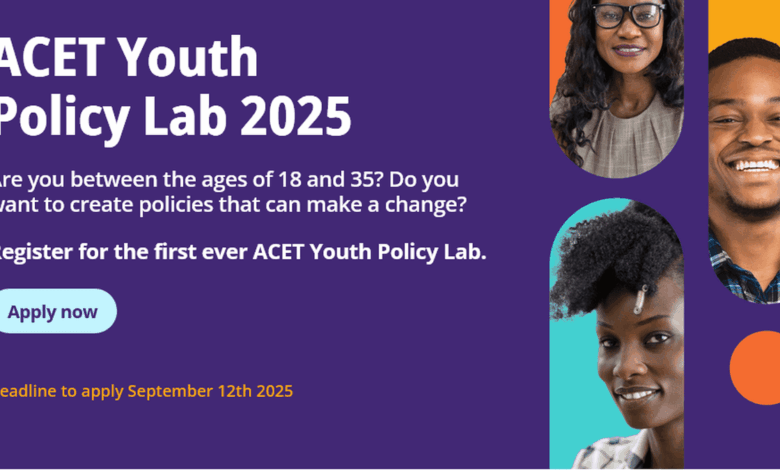
  • African Center for Economic Transformation (ACET) Youth Policy Lab 2025 – Empowering Young Africans in Policymaking

    African Center for Economic Transformation (ACET) Youth Policy Lab 2025 – Empowering Young Africans in Policymaking


    Illustrative Image: African Center for Economic Transformation (ACET) Youth Policy Lab 2025 – Empowering Young Africans in Policymaking
    Image Source & Credit: ACET
    Ownership and Usage Policy

    The African Center for Economic Transformation (ACET) is inviting applications for the 2025 Youth Policy Lab, an innovative initiative that empowers young Africans to engage meaningfully in policymaking. This program provides a unique opportunity for youth to step into the shoes of national decision-makers, simulating real-world governance challenges while crafting evidence-based solutions to pressing development issues across the continent.

    Blending the creativity and energy of a hackathon with the rigor and structure of policy design, the ACET Youth Policy Lab is not just a competition—it is a transformative learning platform. Participants, aged 18 to 35, will gain hands-on experience in policy analysis, collaborative problem-solving, and leadership while their ideas and voices are amplified across Africa’s development landscape.

    What the Program Offers

    The ACET Youth Policy Lab goes beyond brainstorming ideas. It immerses young participants in a structured policy simulation process that mirrors the complexities of real governance.

    If selected, participants will:

    • Be organized into six teams of three members each.

    • Receive a real-world policy scenario tied to an annual development theme.

    • Work under the guidance of an experienced mentor to design practical and innovative solutions.

    • Dedicate one month of virtual teamwork to produce a concise 3-page policy proposal.

    • Pitch their proposals live before a panel of expert judges, gaining visibility and feedback from development professionals.

    Who Can Apply

    The opportunity is open to African youth aged 18–35 who:

    • Are passionate about governance, policy, or development.

    • Can commit 6–8 weeks of active participation.

    • Are eager to collaborate with peers across countries and sectors.

    • Are fluent in English or French.

    • Currently reside in Ghana, Rwanda, Ethiopia, Kenya, Uganda, Nigeria, Senegal, Côte d’Ivoire, Malawi, or Niger.

    Benefits and Rewards

    By participating in the ACET Youth Policy Lab, young people not only sharpen their skills but also gain recognition and access to new opportunities.

    Key Benefits

    • First-hand experience of what it means to be a policymaker.

    • Strengthening of leadership, teamwork, and analytical skills.

    • Networking with a pan-African community of youth leaders, mentors, and experts.

    • Visibility on ACET’s platforms and connections with donors and institutions.

    Rewards and Recognition

    • Winning Team: $100 gift voucher per participant + exclusive meeting with the ACET President + internship at ACET + paper publication + event features.

    • 2nd Place Team: $70 gift voucher per participant.

    • 3rd Place Team: $50 gift voucher per participant.

    • All Finalists: Certificate of Participation + induction as a YES Ambassador.

    Post-Lab Opportunities

    The Policy Lab is only the beginning. After completion, participants will continue to benefit from ACET’s network and visibility. They will:

    • Join the YES Ambassadors Program.

    • Be invited to policy dialogues, roundtables, and publications.

    • Feature on ACET’s platforms as part of a growing Pan-African network of changemakers.

    Timeline

    • Stage 1: Applications Open – August 12 to September 12, 2025

    • Stage 2: Team Selection & Onboarding – September 15 to September 30, 2025

    • Stage 3: Mentorship & Teamwork – October 15 to October 31, 2025

    • Stage 4: Virtual Pitch Event – November 5, 2025

    • Stage 5: Follow-Up Activities – November to December 2025

    Commitment

    Participants should be prepared to dedicate 4–6 hours per week for:

    • Team meetings and collaboration.

    • Drafting and refining policy proposals.

    • Coaching and mentorship sessions.

    • Final submission of a 3-page strategy paper, including policy priorities, budget frameworks, co-financing ideas, and risk mitigation strategies.

    Why It Matters

    The ACET Youth Policy Lab is more than a competition—it is a bridge between Africa’s future leaders and current policymaking structures. In a continent where youth make up the majority of the population but remain under-represented in decision-making, this initiative ensures that young voices are not only heard but also integrated into the policy frameworks shaping Africa’s development.

    By simulating governance processes, young Africans can understand the complexity of leadership while practising innovative thinking, negotiation, and evidence-based decision-making. Ultimately, the program builds a pipeline of leaders who can drive inclusive and sustainable transformation across the continent.


    🔗 For More Information: Visit the Official Webpage of the ACET Youth Policy Lab

  • UNESCO AfriMAB-GRÓ LRT Land Restoration Fellowships 2026

    UNESCO AfriMAB-GRÓ LRT Land Restoration Fellowships 2026


    Illustrative Image: UNESCO AfriMAB-GRÓ LRT Land Restoration Fellowships 2026
    Image Source & Credit: Scholarshiptab
    Ownership and Usage Policy

    The UNESCO AfriMAB-GRÓ LRT Land Restoration Fellowships 2026 are now open for applications, offering African biosphere reserve professionals a unique opportunity to strengthen their expertise in ecosystem restoration and sustainable land management.

    Hosted at a UNESCO Category 2 Centre in Iceland, the GRÓ Land Restoration Training Programme (GRÓ LRT) is one of the world’s leading capacity-building platforms dedicated to land restoration. In 2026, at least two fully funded fellowships will be awarded to professionals actively engaged in ecological restoration across Africa’s biosphere reserves.

    This fellowship provides intensive, hands-on postgraduate-level training in Iceland and equips participants with cutting-edge scientific knowledge, practical skills, and an international professional network. Ultimately, it aims to empower African environmental leaders to bring home innovative solutions to land degradation, biodiversity loss, and climate change challenges.

    About UNESCO

    The United Nations Educational, Scientific and Cultural Organization (UNESCO) works to build peace through education, culture, science, and knowledge-sharing. By fostering global cooperation, UNESCO promotes the Sustainable Development Goals (SDGs) set out in the UN’s Agenda 2030. The AfriMAB-GRÓ LRT Fellowships are closely aligned with these goals, particularly SDG 13 (Climate Action) and SDG 15 (Life on Land), as they aim to restore degraded ecosystems, preserve biodiversity, and strengthen community resilience.

    UNESCO’s guiding principle is that peace and sustainable development must be built on dialogue, knowledge exchange, and the intellectual solidarity of humanity—not just political or economic agreements.

    About the AfriMAB-GRÓ LRT Land Restoration Fellowships

    The GRÓ LRT Programme is hosted at the Agricultural University of Iceland. Each year, it gathers professionals from around the globe for a six-month residential course in ecosystem restoration and sustainable land management.

    The programme is practice-oriented and combines:

    • Academic Coursework – exploring ecological theories and restoration science.

    • Field Training – with real-world exposure to Iceland’s innovative land reclamation projects.

    • Individual Projects – tailored research or case studies designed in collaboration with participants’ home institutions, ensuring direct impact upon return.

    Aim and Benefits

    The fellowship’s overarching aim is to build local capacity in African biosphere reserves, enabling professionals to combat land degradation and foster sustainable livelihoods.

    Benefits include:

    • Full tuition and academic expenses.

    • Round-trip international travel.

    • Comprehensive health insurance.

    • A monthly stipend to cover living costs during the programme.

    • A Postgraduate Diploma in Ecosystem Restoration and Sustainable Land Management (30 ECTS) upon completion.

    Fellows also become part of the GRÓ LRT alumni network, a growing community of environmental professionals committed to global ecological restoration.

    Eligibility Criteria

    To be considered for the 2026 AfriMAB-GRÓ LRT Fellowships, candidates must:

    • Hold a prominent professional role in ecosystem restoration within a biosphere reserve.

    • Possess at least one relevant university degree (e.g., in ecology, environmental science, or natural resource management).

    • Have a minimum of one year of experience working in a biosphere reserve.

    • Demonstrate English language proficiency.

    • Be under 40 years old (exceptions may be made for those with extensive, relevant experience in lieu of a degree).

    In addition, candidates’ home institutions must:

    • Approve a six-month study leave.

    • Guarantee continuation of salary/benefits during the fellowship.

    • Ensure that the fellow returns to their role after training, applying the skills acquired.

    Fellowship Structure

    • First 12 weeks: Coursework, lectures, seminars, and field visits across Iceland, focusing on soil conservation, land restoration, water management, biodiversity, and sustainable land use.

    • Final 12 weeks: An independent project designed in collaboration with the fellow’s home institution, ensuring results that are relevant and immediately applicable in their country.

    Application Process

    • Deadline: 15 September 2025

    • How to Apply: Submit your application via the official GRÓ LRT online portal (www.grocentre.is).

    Applications must include:

    1. A Letter of Motivation (outlining goals and expected impact).

    2. A Curriculum Vitae (CV).

    3. Endorsement from your biosphere reserve.

    4. Endorsement from your national MAB Focal Point or MAB Committee.

    Applications will be jointly reviewed by GRÓ LRT and the UNESCO MAB Secretariat. Only complete applications that meet all requirements will be considered.


    ✨ In summary, the AfriMAB-GRÓ LRT Fellowships provide more than just training—they are a capacity-building pathway for African biosphere reserve professionals to become leaders in ecological restoration. By investing in human resources and scientific expertise, UNESCO and GRÓ LRT are empowering Africa to build resilient landscapes, protect biodiversity, and secure sustainable livelihoods for future generations.

  • The British Academy International Writing Workshops 2025

    The British Academy International Writing Workshops 2025


    Illustrative Image: The British Academy International Writing Workshops 2025
    Image Source & Credit: Scholarshiptab
    Ownership and Usage Policy

    The British Academy is currently inviting applications for the International Writing Workshops 2025, an initiative designed to strengthen the research and publishing capacities of early-career scholars. These workshops will be held in priority countries including Brazil, Egypt, Indonesia, Jordan, Kenya, Malaysia, the Philippines, South Africa, Turkey, Thailand, Vietnam, and other Least Developed Countries (LDCs).

    This prestigious program seeks to provide targeted training and support that will help young researchers refine their academic writing, expand their professional networks, and increase the visibility of their research through reputable international journals and publications.

    About the British Academy

    The British Academy is the United Kingdom’s national body for the humanities and social sciences. Established with the mission to advance knowledge, mobilize intellectual expertise, and address pressing global challenges, the Academy plays a pivotal role in shaping policy and research impact. Through initiatives such as the International Writing Workshops, the Academy aims to foster global collaboration, capacity building, and the advancement of scholarship that contributes to solving the world’s most urgent problems.

    International Writing Workshops

    The International Writing Workshops provide a structured platform where early-career researchers can receive mentorship, practical training, and exposure to best practices in academic publishing. By bridging researchers across the UK and partner countries, the workshops also promote cross-cultural academic exchange and build long-term collaborative networks.

    Aims and Benefits of the International Writing Workshops

    The workshops are designed with a dual purpose:

    1. Capacity Development – to enhance the research and academic writing skills of early-career scholars, enabling them to publish in leading journals and reach broader audiences.

    2. Global Collaboration – to establish sustainable partnerships between UK-based academics and their counterparts in eligible countries, fostering equitable knowledge exchange.

    Funding and Benefits

    • Awards are capped at £30,000 per project.

    • Funding can be used to cover:

      • Travel, accommodation, and subsistence expenses.

      • Clerical assistance, consumables, and administrative support.

      • Childcare support for workshop participants.

      • Networking activities, meetings, or conference participation.

      • Costs related to contributions by non-UK based co-applicants directly involved in organizing the workshops.

    Eligibility and Requirements

    • Lead Applicant: Must hold a postdoctoral qualification (or equivalent research experience) and be based at a recognized higher education or research institution in one of the eligible countries (UK, Brazil, Egypt, Indonesia, Jordan, Kenya, Malaysia, Philippines, South Africa, Turkey, Thailand, Vietnam, or other LDCs).

    • Partnership Requirement:

      • If the Principal Investigator is based in the UK, the project must include at least one co-researcher from an eligible partner country.

      • If the Principal Investigator is based in one of the partner countries, the project must include at least one UK-based researcher.

    • ODA Eligibility: All proposals must demonstrate compliance with the Official Development Assistance (ODA) criteria, meaning projects must directly address issues that are relevant and beneficial to developing countries.

    Application Deadline

    The deadline for submission of proposals is 17 September 2025.

    How to Apply

    Interested applicants should carefully review the eligibility criteria and prepare detailed proposals that clearly highlight:

    • The intended research and writing skills development outcomes.

    • How the workshop will benefit early-career researchers in eligible countries.

    • The project’s alignment with ODA objectives.

    For more information and submission details, visit the official British Academy International Writing Workshops webpage.


    ✨ In essence, the International Writing Workshops serve as an empowering platform for early-career researchers, particularly those in developing contexts, to break barriers in academic publishing. By offering funding, mentorship, and collaborative opportunities, the British Academy is not only strengthening individual careers but also ensuring that diverse global perspectives contribute to solving shared challenges in the humanities and social sciences.

  • Sahara Impact Fund 2025: Apply Now for Grants, Mentorship & Support for African Social Entrepreneurs

    Sahara Impact Fund 2025: Apply Now for Grants, Mentorship & Support for African Social Entrepreneurs


    Illustrative Image: Sahara Impact Fund 2025: Apply Now for Grants, Mentorship & Support for African Social Entrepreneurs
    Image Source & Credit: Sahara Group Foundation
    Ownership and Usage Policy

    The Sahara Group Foundation is proud to announce the opening of applications for the 2025 Sahara Impact Fund (SIF). This pioneering program is designed to support, scale, and sustain high-impact social enterprises and changemakers who are tackling Africa’s most pressing social, economic, and environmental challenges.

    The SIF program is not just a funding opportunity—it is a holistic platform that provides financial support, mentorship, strategic guidance, and networking opportunities to ensure that social entrepreneurs across Africa can transform innovative ideas into thriving, scalable businesses that deliver measurable impact.

    Timeline: Key Dates for the 2025 SIF Cycle

    • 1 July 2025 – Launch of Application Form

    • 1 July – 31 August 2025 – Submission Window Open

    • 31 August 2025 – Application Deadline

    • 1 – 13 September 2025 – Screening and Review of Submissions

    • 27 September 2025 – Announcement of Shortlisted EXTRApreneurs (Fellows)

    • 29 September – 10 October 2025 – Site Visits and Field Assessments

    • 24 October 2025 – Announcement of Final Cohort of EXTRApreneurs (Fellows)

    • 3 – 16 November 2025 – MADAA Advisory Bootcamp (Mentorship & Support)

    • 20 November 2025 – Grand Close-Out and Showcase Event

    Objectives of the SIF Project

    The SIF Project is centered on empowering changemakers and strengthening Africa’s social enterprise ecosystem. Its objectives include:

    1. Support Innovative Social Entrepreneurs

    • Identify, fund, and nurture early-stage and growth-stage social enterprises addressing urgent community needs.

    • Provide tailored business advisory services, mentorship, and go-to-market strategies to accelerate their growth.

    2. Promote Sustainable Development

    • Drive progress toward the United Nations Sustainable Development Goals (SDGs).

    • Invest in solutions that create lasting, measurable change in climate resilience, economic empowerment, and community well-being.

    3. Foster Youth-Led Innovation & Peer Learning

    • Empower young African innovators with resources, mentorship, and exposure.

    • Create peer-to-peer learning platforms where changemakers can share knowledge and experiences.

    4. Build Strong Community Partnerships

    • Encourage collaboration between social entrepreneurs, the private sector, governments, and communities.

    • Promote joint problem-solving for systemic social and environmental challenges.

    5. Institutionalize Social Impact Thinking

    • Strengthen a culture of responsibility, sustainability, and innovation across Africa.

    • Showcase successful models of social entrepreneurship that can be replicated and scaled.

    6. Accelerate Impact Through Capacity Building

    • Offer customized advisory services, legal support, business development coaching, and brand-building expertise.

    • Provide networking opportunities with subject-matter experts to sharpen leadership and operational capacity.

    Selection Criteria

    Submissions will be assessed based on the following elements:

    • Relevance: Does the solution address a critical social, environmental, or economic issue? How urgent and impactful is it?

    • Innovation: Is the solution unique, groundbreaking, or a transformative improvement on an existing model?

    • Impact: What is the breadth and depth of its social impact on communities and the environment?

    • Scalability: Can the solution be replicated and expanded into new markets or regions?

    • Profitability: Is the idea financially viable, capable of sustaining itself, and attractive to investors or markets?

    Value Proposition

    Backing Big Ideas to Scale and Succeed.

    The Sahara Impact Fund provides a comprehensive support package valued at over $100,000 per innovator to ensure EXTRApreneurs can transform their concepts into successful enterprises. Beneficiaries will receive:

    • Grants of up to $30,000 to implement and scale their solutions.

    • Go-to-Market Support to accelerate entry into relevant markets.

    • Legal Advisory on intellectual property, patenting, and compliance.

    • Business Advisory Services to refine operational and financial models.

    • Brand Management Support to enhance visibility, credibility, and outreach.

    This unique combination of funding and ecosystem support will ensure that selected entrepreneurs are equipped to grow, scale, and thrive, ultimately contributing to resilient and sustainable African communities.

    Conclusion

    The Sahara Impact Fund (SIF) 2025 represents a bold commitment to building sustainable communities through EXTRApreneurship. By empowering Africa’s social entrepreneurs with capital, mentorship, and networks, SIF ensures that innovative ideas are not just launched but are scaled into impactful enterprises that transform lives, protect the environment, and foster inclusive growth across the continent.

    Apply for SIF here

  • CJIFA 2025 Community Empowerment Grants in Africa: Funding for Grassroots Climate Action, Sustainability, and Social Justice

    CJIFA 2025 Community Empowerment Grants in Africa: Funding for Grassroots Climate Action, Sustainability, and Social Justice


    Illustrative Image: CJIFA 2025 Community Empowerment Grants in Africa: Funding for Grassroots Climate Action, Sustainability, and Social Justice
    Image Source & Credit: CJIFA
    Ownership and Usage Policy

    The CJIFA Community Empowerment Grant Program is officially open for the 2025 cycle. This flagship initiative is designed to strengthen grassroots action, foster local engagement in climate awareness, and promote sustainable development across Africa. The program recognizes that lasting solutions to the climate crisis must begin at the community level and scale upward, bridging the gap between innovation and practical, community-driven solutions.

    By supporting grassroots organizations, community groups, and local NGOs, CJIFA aims to empower marginalized voices, amplify climate justice efforts, and create transformative change that resonates from local communities to national and regional platforms.

    A. Small Grant Scheme Purpose

    The Small Grant Scheme is tailored for high-impact, market-driven climate finance initiatives in developing economies across Africa. These grants are specifically meant for Community-Based Organizations (CBOs), Civil Society Organizations (CSOs), and local NGOs that have demonstrated the ability to achieve results despite limited resources.

    The scheme emphasizes innovation, inclusivity, and sustainability, ensuring that supported projects drive measurable change in climate action while advancing human rights and social justice.

    B. Overall Objectives

    The 2025 Grant Program is structured around four key objectives:

    1. Expand Climate Dialogue

      • Broaden and deepen national-level conversations on climate change, emphasizing its social, cultural, and economic impacts on African communities.

      • Create platforms where local perspectives influence national and regional climate policies.

    2. Enhance Accountability

      • Strengthen the capacity of grassroots groups to advocate for better service delivery.

      • Promote the rule of law, human rights, and transparency in climate-related governance.

    3. Empower Marginalized Groups

      • Build the resilience of vulnerable populations, including women, youth, indigenous people, and people living with disabilities (PLWD).

      • Support organizations that ensure inclusivity and equity in climate action.

    C. Eligible Countries

    Organizations must be based in and operate within one of the following countries:

    Burkina Faso, Ethiopia, Kenya, Nigeria, Mozambique, Senegal, Somalia, South Africa, Zambia, Ivory Coast, Gabon, Rwanda, Niger, Cameroon, Malawi, Tunisia, Botswana, Uganda, Gambia, Sierra Leone, Côte d’Ivoire, Liberia, Mauritius, Egypt, Tanzania, Morocco.

    D. Funding Overview

    • Grant Amounts: USD 5,000 – 8,000 per project.

    • Duration: Projects must run between 6 – 12 months.

    • Renewability: Annual awards, with the possibility of multi-year renewal based on performance.

    • Criteria: Projects must demonstrate innovation, cost-effectiveness, sustainability, and measurable impact.

    E. Eligibility Requirements

    Applicants must:

    1. Be a registered not-for-profit organization – strictly non-religious, non-governmental, and non-political.

    2. Have operated at grassroots level for 1–3 years.

    3. Include youth-led, women-led, or marginalized group organizations.

    4. Present innovative, inclusive, and sustainable project ideas with potential for real-world impact.

    Ineligible Applicants:

    • Individuals

    • For-profit companies

    • Religious institutions

    • Political parties

    • Government entities

    • International NGOs

    • Organizations with annual income above USD 80,000

    • Organizations headquartered outside eligible countries

    F. Thematic Priorities

    Projects must address climate resilience and environmental sustainability, while aligning with one or more of the following themes:

    1. Democracy and Rule of Law

      • Promote transparency, good governance, and anti-corruption.

      • Strengthen access to justice and rights-based frameworks.

    2. Equality and Non-Discrimination

      • Advocate for women’s empowerment.

      • Prevent and address gender-based violence.

      • Foster inclusion and diversity in community decision-making.

    3. Business and Human Rights

      • Ensure environmental and climate justice.

      • Strengthen corporate accountability to protect communities and ecosystems.

    4. Economic Empowerment

      • Build skills development programs.

      • Encourage innovative local production, value addition, and sustainable market access.

    G. Evaluation Criteria

    Applications will be assessed based on:

    1. Innovation – Does the project propose unique, creative, and impactful solutions to climate justice?

    2. Catalytic Potential – Does it significantly contribute to climate mitigation or adaptation? Can it be scaled or replicated elsewhere?

    3. Mobilization – Does the initiative engage both government and private sector actors to co-create solutions?

    4. Sustainability – Does the project demonstrate economic viability, environmental responsibility, cultural sensitivity, and political cohesion?

    5. Inclusivity – Does it actively involve women, youth, PLWD, minorities, and indigenous groups in design and execution?

    H. Application Process

    Applicants must submit the following:

    1. Online Application Form – fill in all required sections.

    2. Word-Based Proposal Template – adhere strictly to word limits.

    3. Excel-Based Budget Template – provide a clear financial breakdown.

    4. Supporting Documentation – evidence of registration, governance, and organizational capacity.

    Languages Accepted: English, French, Portuguese.

    Completed applications must be uploaded via the designated online portal.

    Conclusion

    The CJIFA 2025 Community Empowerment Grant Program offers a critical opportunity for grassroots organizations across Africa to turn bold climate ideas into action. By supporting local innovation, amplifying marginalized voices, and ensuring accountability, these grants will strengthen Africa’s resilience against climate change while promoting justice, equity, and sustainable development.

    Submit your grant application form here

  • Obesity Kuznets Curve in Africa: Economic Growth, Urbanization, Trade, and Gender-Based Health Insights (2000–2020)

    Obesity Kuznets Curve in Africa: Economic Growth, Urbanization, Trade, and Gender-Based Health Insights (2000–2020)


    Illustrative Image: Obesity Kuznets Curve in Africa: Economic Growth, Urbanization, Trade, and Gender-Based Health Insights (2000–2020)
    Image Source & Credit: The Independent
    Ownership and Usage Policy

    A recent study by Wang et al. (2025) titled “Obesity Kuznets Curve conjecture assessment in African economies: conditioning effects of urbanization, food, and trade using gender-based regional analysis” published in Globalization and Health by Springer Nature reveals that Africa currently faces a double burden of malnutrition, rising obesity alongside persistent undernutrition.

    Africa’s obesity trends follow a region- and gender-specific Kuznets Curve, requiring tailored policies addressing malnutrition.– Wang et al. 2025

    The study explores the intricate link between economic growth and obesity prevalence across 46 African countries from 2000 to 2020. It examines the Obesity Kuznets Curve (OKC) hypothesis, which proposes a non-linear, inverted U-shaped relationship between income levels and obesity rates. In essence, obesity tends to rise in the early stages of economic growth but may decline after a certain income threshold, as populations adopt healthier lifestyles. Africa currently faces a double burden of malnutrition—rising obesity alongside persistent undernutrition—making this research particularly significant. The study focuses exclusively on African economies, breaks down findings by region (Eastern, Western, Central, and Southern Africa), and investigates gender-specific trends in obesity among males, females, and both sexes combined.

    How the Study was Conducted

    The study employed a rigorous, multi-layered econometric framework to investigate the Obesity Kuznets Curve (OKC) hypothesis across 46 African countries over a 20-year period (2000–2020). Using quantitative panel data analysis, the researchers examined obesity prevalence in Eastern, Western, Central, and Southern Africa, disaggregating results by gender (males, females, and both sexes) to capture nuanced differences often hidden in aggregate data.

    The analysis drew on data from the WHO Global Health Observatory and the World Bank Development Indicators. The response variables were obesity prevalence for both sexes (OBB), males (OBM), and females (OBF), all measured for individuals aged 18 and above. Key explanatory variables included economic growth (per capita GDP in constant 2015 USD), urbanization (total urban population), trade openness (percentage of GDP from imports and exports), and the food production index (base year 2014–2016 = 100).

    Methodologically, the study progressed through a series of rigorous steps. First, cross-sectional dependence was tested using Pesaran’s PCD, CDw, and CDw+ tests to detect interdependencies among countries. Unit root tests (PMSB, CADF, and CIPS) confirmed the stationarity of variables, followed by cointegration analysis using Westerlund-Edgerton and Durbin-Hausman tests, which established the existence of long-run relationships. The Pesaran-Yamagata slope homogeneity test further revealed variations in the effects of explanatory variables across different countries.

    For model estimation, the authors applied the Bias-Corrected Method of Moments (BCMM) estimator within a dynamic fixed-effect panel model. This advanced approach accounted for unobserved heterogeneity, cross-sectional dependence, and the lagged effects of obesity prevalence, making it well-suited for complex, multi-country datasets. Robustness was ensured through Arellano-Bond autocorrelation tests (AR[2]), F-statistics for model fit, white noise residual tests, and alternative GMM estimations.

    This methodological design was not only statistically rigorous but strategically insightful. By combining macroeconomic and structural variables with gender- and region-specific analyses, the study illuminated patterns that would have been obscured in a continent-wide average, offering a deeper understanding of the economic and structural drivers of obesity in Africa.

    What the Authors Found

    The authors found that the Obesity Kuznets Curve holds true for Western, Central, and Southern Africa but not Eastern Africa, with strong regional and gender differences in how economic growth, urbanization, trade, and food production influence obesity trends.

    Why is this important

    Addressing Africa’s Double Burden of Malnutrition: The study highlights the coexistence of undernutrition and rising obesity, urging balanced interventions that tackle both without worsening either problem.

    Economic Growth Does Not Guarantee Better Health: Findings challenge the assumption that higher incomes automatically improve health, showing that economic growth can initially fuel obesity without proper policy safeguards.

    Gender-Sensitive Health Strategies Are Essential: Women face disproportionately higher obesity rates, underscoring the need for tailored nutrition programs, targeted health campaigns, and cultural- and economic-sensitive support systems.

    Urbanization and Trade as Double-Edged Swords: While boosting economies, these factors also drive obesity by increasing access to unhealthy foods, reducing physical activity, and deepening dependence on ultra-processed imports.

    Supporting Global Nutrition and Health Goals: The research provides region-specific insights that advance SDG 2 (Zero Hunger) and SDG 3 (Good Health and Well-being), making global targets more actionable in African contexts.

    A Toolkit for Evidence-Based Policy Making: Governments, NGOs, and health agencies can apply these findings to design targeted interventions, allocate resources efficiently, and monitor progress using robust data benchmarks.

    What the Authors Recommended

    The authors of the study propose a comprehensive set of policy recommendations tailored to Africa’s unique developmental and public health landscape. Their goal is to curb the rising tide of obesity while addressing the continent’s double burden of malnutrition.

    • Promote Affordable, Healthy Diets: Subsidize nutritious foods, tax ultra-processed and sugary products, and support local farmers to increase access to fresh, nutrient-rich produce.
    • Regulate Unhealthy Food Imports: Align trade policies with public health goals by controlling the influx of processed, calorie-dense foods—especially under agreements like AfCFTA.
    • Design Cities for Active Living: Incorporate pedestrian-friendly infrastructure, green spaces, and recreational facilities into urban planning to encourage active commuting and reduce sedentary lifestyles.
    • Implement Gender-Sensitive Health Programs: Create tailored interventions that reflect regional and gender-specific obesity patterns, address cultural norms, and provide community-based fitness and support networks.
    • Adopt Region-Specific Strategies: Tackle early-stage obesity risks in Western, Central, and Southern Africa while simultaneously addressing undernutrition and obesity in Eastern Africa.
    • Boost Public Awareness and Nutrition Literacy: Run education campaigns highlighting the dangers of processed foods, promote traditional diets, and encourage healthier eating habits.
    • Transform Food Production Systems: Incentivize diverse, nutrient-rich crop cultivation, preserve traditional agricultural practices, and curb gender-targeted marketing of unhealthy foods.

    In conclusion, Wang et al. (2025) provide compelling evidence that Africa’s obesity trends are shaped by complex interactions between economic growth, urbanization, trade, and gender-specific factors. Their study demonstrates that the Obesity Kuznets Curve is regionally and gender-sensitive, highlighting the need for tailored, evidence-based policies that address both undernutrition and rising obesity. By emphasizing affordable healthy diets, urban planning, trade regulation, and culturally informed health programs, the research offers actionable strategies to curb the double burden of malnutrition and advance sustainable health outcomes across the continent.

  • Urbanization and Wetland Loss in Sub-Saharan Africa: Causes, Impacts, and Sustainable Solutions

    Urbanization and Wetland Loss in Sub-Saharan Africa: Causes, Impacts, and Sustainable Solutions


    Illustrative Image: Urbanization and Wetland Loss in Sub-Saharan Africa: Causes, Impacts, and Sustainable Solutions
    Image Source & Credit: Frontiers
    Ownership and Usage Policy

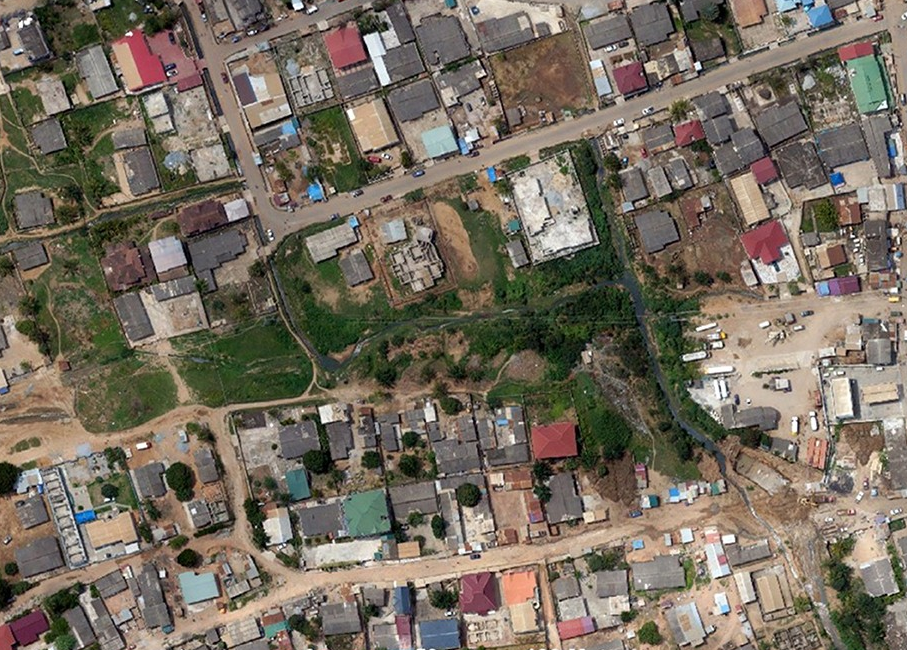
    A recent study by Mumuni et al. (2025) titled “A systematic review on the causes and effects of urbanization on wetlands in Sub-Saharan Africa” published in Urbanization, Sustainability and Society reveals that urbanization in SSA is rapidly degrading wetlands, reducing biodiversity, water quality, and livelihoods through multiple harmful urban growth patterns.

    Urbanization in Sub-Saharan Africa is rapidly degrading wetlands, threatening biodiversity, water quality, and livelihoods through unsustainable growth patterns and poor planning.
    – Mumuni et al. 2025

    This systematic review examines the causes and impacts of urbanization on wetlands in Sub-Saharan Africa, offering a comprehensive perspective to guide sustainable urban planning and conservation efforts. Rapid urban growth—driven by population expansion, economic development, and policy decisions—is placing increasing pressure on natural ecosystems, particularly wetlands. These ecologically vital areas, which provide biodiversity habitats, water purification, and flood control, are being drained, filled, polluted, and fragmented as a result of construction, infrastructure development, and waste disposal. Such degradation not only threatens environmental health but also undermines the livelihoods of communities that depend on wetlands for resources and income. By synthesizing evidence on urbanization trends, environmental consequences, and socioeconomic impacts, the review underscores the urgent need for strategies that balance urban development with the protection and sustainable management of wetland ecosystems in the region.

    How the Study was Conducted

    The study employed a systematic literature review to rigorously examine existing research on urbanization and its impacts on wetlands in Sub-Saharan Africa. Guided by PRISMA protocols for transparency and comprehensiveness, the researchers conducted a targeted search in the Scopus database for English-language publications using keywords such as “Urbanization in SSA,” “Wetlands,” and “Population growth and wetland development.” Additional sources were identified through manual reference checks of selected articles.

    From an initial pool of 968 publications, works published before 2010 were excluded, leaving 916. Titles and abstracts were then screened for relevance, resulting in 63 studies that met the inclusion criteria. Data from these articles were extracted and analyzed using abductive reasoning, with findings organized into three thematic categories: causes of urbanization, effects on wetlands, and urbanization patterns. Both deductive and inductive coding were applied to uncover recurring themes and trends, with the information systematically compiled in spreadsheets and reviewed iteratively for accuracy and depth.

    To enhance analytical insights, the authors employed VOSviewer software to visualize co-authorship networks and keyword co-occurrence, highlighting research trends and hotspots. This structured methodology enabled the synthesis of fragmented studies into a coherent understanding of how urbanization is transforming wetland ecosystems across the region.

    What the Authors Found

    The study reveals a complex and regionally diverse picture of how urbanization is affecting wetlands across Sub-Saharan Africa (SSA). Urban growth in the region is primarily driven by rapid population increases, economic development, infrastructure expansion, and rural-to-urban migration. As urban populations swell, demand for housing, industry, and transport networks often encroaches on wetlands—landscapes that are frequently undervalued and repurposed for commercial or residential use. Informal settlements also proliferate in wetland zones due to shortages of affordable housing.

    These pressures have resulted in significant ecological and socio-economic consequences. Wetlands—critical habitats for biodiversity and natural buffers against floods—are being destroyed, fragmented, or degraded. Their loss disrupts hydrological systems, increasing flood risks and diminishing water quality through pollution and reduced natural filtration. This in turn jeopardizes the livelihoods of communities that depend on wetlands for fishing, farming, and water access, deepening economic vulnerability and food insecurity.

    The study identifies five distinct urbanization patterns shaping wetland outcomes in SSA: sprawling horizontal expansion into wetland areas; densification near wetlands that accelerates pollution and runoff; proliferation of informal settlements; fragmented urban growth that severs ecological connectivity; and even planned urban expansion, which can still harm wetlands when sustainability is overlooked.

    Why is this important

    Safeguarding Critical Ecosystems: Wetlands in Sub-Saharan Africa provide essential services—filtering water, buffering floods, supporting biodiversity, and sustaining livelihoods—yet they are increasingly undervalued and converted for urban use.

    Informing Sustainable Urban Planning: The study offers evidence-based guidance for integrating wetland protection into city planning, promoting green infrastructure like artificial wetlands, and shaping policies that balance development with conservation.

    Addressing Regional Urbanization Challenges: With some of the world’s fastest-growing cities, SSA faces unplanned expansion, informal settlements, and weak conservation frameworks, making wetlands highly vulnerable to degradation.

    Highlighting Urgent Long-Term Risks: Failing to protect wetlands could exacerbate flooding, infrastructure damage, poverty, food insecurity, and climate vulnerability across the region.

    What the Authors Recommended

    The authors of the study offer a set of thoughtful and practical recommendations aimed at balancing urban growth with wetland conservation across Sub-Saharan Africa. Here’s what they propose:

    • Recognize wetlands as critical infrastructure by embedding their protection into national and local development plans, supported by strong regulatory enforcement.
    • Adopt nature-based solutions such as artificial wetlands and prioritize land-use practices that avoid wetland encroachment while preserving ecological integrity.
    • Engage residents through education, participatory conservation initiatives, and livelihood support for those dependent on wetland resources.
    • Promote cross-country collaboration within SSA and leverage international expertise, technology, and funding for wetland conservation.
    • Conduct long-term studies on urbanization’s impacts, compare effects of different urban growth patterns, and develop context-specific conservation frameworks.

    In conclusion, the study by Mumuni et al. (2025) makes it clear that the rapid pace of urbanization in Sub-Saharan Africa poses a serious and escalating threat to wetlands—ecosystems that are indispensable for biodiversity, water security, climate resilience, and community livelihoods. By synthesizing diverse research, the authors highlight not only the urgent environmental and socio-economic consequences of wetland loss but also provide actionable pathways for integrating conservation into urban development. Protecting these vital landscapes will require coordinated policy reforms, nature-based solutions, community engagement, and cross-border collaboration. Without decisive action, the region risks irreversible ecological damage and heightened vulnerability for millions of people who depend on wetlands for survival.

  • Upskilling Africa’s Youth: How the Continent Can Lead in the Fourth Industrial Revolution

    Upskilling Africa’s Youth: How the Continent Can Lead in the Fourth Industrial Revolution


    Illustrative Image: Upskilling Africa’s Youth: How the Continent Can Lead in the Fourth Industrial Revolution
    Image Source & Credit: The Youth Cafe
    Ownership and Usage Policy

    The Fourth Industrial Revolution (4IR) is not a distant vision—it is unfolding now, reshaping industries, redefining skills, and altering the very nature of work. Powered by artificial intelligence (AI), automation, advanced manufacturing, cloud computing, and the Internet of Things (IoT), this technological wave is simultaneously creating opportunities and rendering certain roles obsolete.

    Global projections paint a sobering picture: 92 million jobs are expected to be displaced by 2030—around 8% of the current global workforce. Digital access expansion alone could replace 9.1 million jobs; AI and advanced data processing could eliminate another 9.1 million; and robotics and autonomous systems could account for an additional 5.5 million losses. The unifying truth is clear—in this era, skills are the most decisive currency. Without strong digital and technical capabilities, millions risk being trapped in low-value, insecure work.

    While some regions—particularly in Europe—are acting swiftly to prepare citizens for this transformation, Africa remains behind in building the workforce competencies needed for the new economy. Yet this gap is not a fixed reality—it is a challenge laden with potential.

    Africa’s Youth: A Demographic Powerhouse at a Crossroads

    Africa is home to one of the youngest and fastest-growing populations in the world. In 2020, 22.7% of the global youth population resided on the continent—second only to Asia. This represents nearly a billion people under the age of 35, including 540.8 million aged 0–14 and 454.5 million aged 15–34. By 2030, African youth are expected to make up 42% of the world’s youth population.

    This demographic surge, if matched with the right skills and opportunities, could propel Africa into a central role in the global digital economy. But without action, it risks becoming a driver of mass unemployment and economic exclusion.

    Currently, the skill mismatch is striking:

    • Only 61% of adults in Sub-Saharan Africa can read and write with understanding.

    • Digital literacy is far lower—less than 5% of Sudanese youth can complete basic computer tasks, and Morocco’s rate is below 45%.

    • STEM graduates make up just 2% of the university-age population.

    • High-skilled workers account for only 6% of employment—compared to a global average of 24%.

    The private sector feels this gap acutely. 63% of African employers report talent shortages as their biggest barrier to growth, rising to 80% in Tunisia. Across the Middle East and North Africa, nearly half of all workplace skills will need to change by 2030.

    As Lacina Koné, CEO of Smart Africa, warns:

    “AI will not replace jobs. People who adapt to AI will replace people who do not… By 2050, 40% of the world workforce will be in Africa. But we will never reach that point unless we reskill ourselves on emerging technology.”

    The Stakes: From a Skills Gap to a Skills Advantage

    The Brookings Institution estimates that by 2030, 650 million digital training opportunities could be created in Africa—unlocking $130 billion in economic value. This is not merely about avoiding job losses; it is about transforming Africa into a skills-exporting powerhouse.

    Kenechi Okeleke, Senior Director at GSMA, reinforces the point:

    “Up to 90 million jobs may be affected, but it could create another 140 million. The precondition is readiness—training, reskilling, and upskilling.”

    But readiness is not yet the norm. Tertiary enrolment in Sub-Saharan Africa is just 9%, compared to the global average of 37%. Access to structured digital education reaches only 10–15% of youth, and even fewer receive training in advanced, future-proof skills such as programming, AI engineering, data science, or cybersecurity. Gender inequality further compounds the problem, sidelining half of Africa’s potential talent.

    What Must Be Done: A Multi-Sector, Multi-Level Response

    Addressing Africa’s 4IR readiness is not the responsibility of any single actor. It demands a collaborative ecosystem involving governments, the private sector, academia, NGOs, and communities.

    1. Governments Must Lead with Vision and Investment

    • Develop national digital skills strategies tailored to industry demand, not outdated academic structures.

    • Use public funding to attract private investment and philanthropic capital, lowering costs and expanding reach.

    • Align workforce priorities with private-sector needs, as recommended by the World Economic Forum.

    2. Public-Private Partnerships are Essential

    The Ghana–MTN partnership at MWC2025 offers a strong model. The Ministry of Communications signed an MOU with MTN Ghana to advance AI, cybersecurity, and coding skills, supporting the One Million Coders initiative.
    As Hon. Samuel Nartey George put it:

    “Government alone cannot achieve this. Public-private partnerships are essential to making this vision a reality.”

    3. Technology as an Equaliser

    • Mobile-first learning platforms and microcredentials can reach rural areas.

    • Community tech hubs and vocational centres should link training directly with job placements.

    • Promote lifelong learning so that upskilling becomes a cultural norm.

    4. Integrating Soft Skills with Technical Training

    Adaptability, creativity, problem-solving, and communication are essential for navigating a rapidly changing job market. Training programmes that combine technical and soft skills better prepare graduates for fluid career paths.

    5. Scaling Proven Initiatives

    • Rwanda’s Smart Rwanda programme integrates ICT into schools as part of a national knowledge economy vision.

    • Nigeria’s 3 Million Technical Talent programme is building a regional digital skills pipeline.

    • Microsoft plans to train 1 million South Africans in AI and cybersecurity by 2026, with millions already trained across the continent.

    The Choice Before Africa

    Africa stands at a defining moment. It can become the world’s skills reservoir, supplying talent to industries worldwide, or it can fall further behind in the digital race. The outcome depends on urgent, coordinated action—nationally, regionally, and globally.

    If governments, companies, and communities invest in reskilling, upskilling, and inclusion, Africa’s youth will not just participate in the Fourth Industrial Revolution—they will help lead it. If action is delayed, the same technological wave could deepen inequality and erode opportunities.

    The choice is clear, and the clock is ticking. The time to build Africa’s digital future is now.