Author: AR Managing Editor

  • Revolutionizing Africa’s Transportation: UNEP Report Unveils Promising Future for Electric Two- and Three-Wheelers

    Revolutionizing Africa’s Transportation: UNEP Report Unveils Promising Future for Electric Two- and Three-Wheelers

    Africa, a continent marked by its vibrant energy and bustling urban centers, is witnessing a potential revolution in its transportation sector. The focus is on motorcycle taxis, a ubiquitous and dominant force in the region. A recently launched report by the United Nations Environment Programme (UNEP) sheds light on the electrification prospects of two- and three-wheelers, presenting a promising trajectory for cleaner, more sustainable alternatives.

    Current Landscape

    Over the past three decades, Internal Combustion Engine (ICE) motorcycles have proliferated across Africa, totaling an estimated 27 million two and three-wheelers. However, 99% of these vehicles still rely on traditional ICE technology. Notably, motorcycle taxis, particularly prevalent in high-density urban areas, are emerging as a dominant segment.

    Key Insights

    Tom Courtright, Research Director at Africa e-Mobility Alliance and lead researcher for the African region in the UNEP report, highlighted the underlying potential of electric two-wheelers. Factors such as an abundance of motorcycles, lower electrification costs, and high efficiency make them a prime candidate for electrification. In contrast to the expensive conversion costs of four-wheelers, electric motorcycle conversions can cost less than $1000, as reported by Nairobi-based e-motorcycle manufacturer Roam.

    Challenges and Solutions

    Despite the immense potential, challenges loom large. Tax incentives are identified as critical for realizing the potential of electric two- and three-wheelers. Financing and investment issues, high capital costs, and delays in deploying favorable models are hurdles that need attention. The report underscores the need for addressing grid infrastructure limitations in rural areas to ensure the full-scale expansion of the sector.

    Opportunities Beyond Two-Wheelers

    While two-wheelers steal the spotlight, electric three-wheelers present significant opportunities in markets like Somalia and northern Nigeria. However, challenges such as grid infrastructure limitations, high capital costs, and delays in deploying favorable models persist.

    Future Trends and Innovations

    Researchers project that battery swapping could emerge as a noteworthy trend on the continent, offering a solution to range anxiety and charging infrastructure challenges. Startups like Spiro and Ampersand are already making strides in the electric two- and three-wheeler market. The industry, currently with less than 1% electric penetration, is witnessing the active participation of over 60 startups.

    In Conclusion, Africa’s economic growth, combined with the surge in two- and three-wheelers, suggests a promising future for electric mobility. As the continent address’s challenges and harnesses opportunities, concerted efforts in tax incentives, financing, and infrastructure development will play a pivotal role in propelling Africa towards a cleaner, more sustainable transportation future. The continent stands at the cusp of a significant transformation, and with strategic interventions, the growth of electric two- and three-wheelers is expected to continue into the foreseeable future.

  • Alarming Decline of African Raptors: Urgent Conservation Measures Needed to Safeguard Ecosystems

    Alarming Decline of African Raptors: Urgent Conservation Measures Needed to Safeguard Ecosystems

    Silhouettes of raptors once dominated African skies, but a comprehensive study published in the peer-reviewed journal Nature Ecology & Evolution reveals a staggering decline in 88% of the 42 African raptor species surveyed over the past 20 to 40 years. Conducted across sub-Saharan regions, the study indicates that 69% of these species are now more endangered or meet criteria for being threatened with extinction, sounding a critical alarm for conservation efforts.

    Darcy Ogada, the African program director at the Peregrine Fund and co-author of the study, emphasizes that these declines are observed in iconic species crucial for the continent’s ecosystems. Raptors play vital ecological roles as both apex predators and scavengers, regulating species populations and recycling nutrients. Losing these species could have profound impacts on the entire ecosystem.

    Unraveling the Threats: Understanding the Multifaceted Factors Behind the Alarming Decline of African Raptors and the Urgent Need for Conservation Action

    Factors contributing to the decline include habitat loss, poaching for food and ritual use, poisoning, electrocution, collisions with power lines and wind turbines, and climate change. Eagles and vultures are particularly vulnerable due to their long lifespans, slow breeding, and extensive range. The study also reveals significant population losses even within national parks, highlighting the existence of “paper parks,” where protections exist in name only.

    The extent of the losses is alarming, with an estimated 85% decline in secretary birds and a 90% decline in martial eagles, emphasizing the severity of the situation. The study identifies habitat loss, environmental degradation, and other threats as reaching a tipping point, even affecting species categorized as “least concern” on the International Union for Conservation of Nature Red List.

    While only five species showed population increases, the researchers suspect that the situation might be even worse for the continent’s other 60-plus raptor species. Nocturnal species like owls, facing persecution out of superstition, and those inhabiting different ecosystems like forests and swamps are likely faring poorly as well.

    Path to Preservation:

    The study suggests the need for urgent action, including revising conservation statuses, engaging local communities in biodiversity conservation, protecting more land in areas of high biodiversity, and minimizing the impact of infrastructure development on birds. To address the crisis, the researchers launched the African Raptor Leadership Grant, an education and mentorship initiative aimed at involving more Africans in raptor research and conservation.

    In conclusion, the decline of African raptors poses a significant threat to the continent’s ecosystems, necessitating immediate conservation efforts, community involvement, and strategic planning to protect these iconic species and the vital roles they play in maintaining ecological balance.


  • Revolutionizing Rice Farming: CRISPR Genome Editing Defeats Rice Yellow Mottle Virus, Boosting Crop Resilience in Africa

    Revolutionizing Rice Farming: CRISPR Genome Editing Defeats Rice Yellow Mottle Virus, Boosting Crop Resilience in Africa

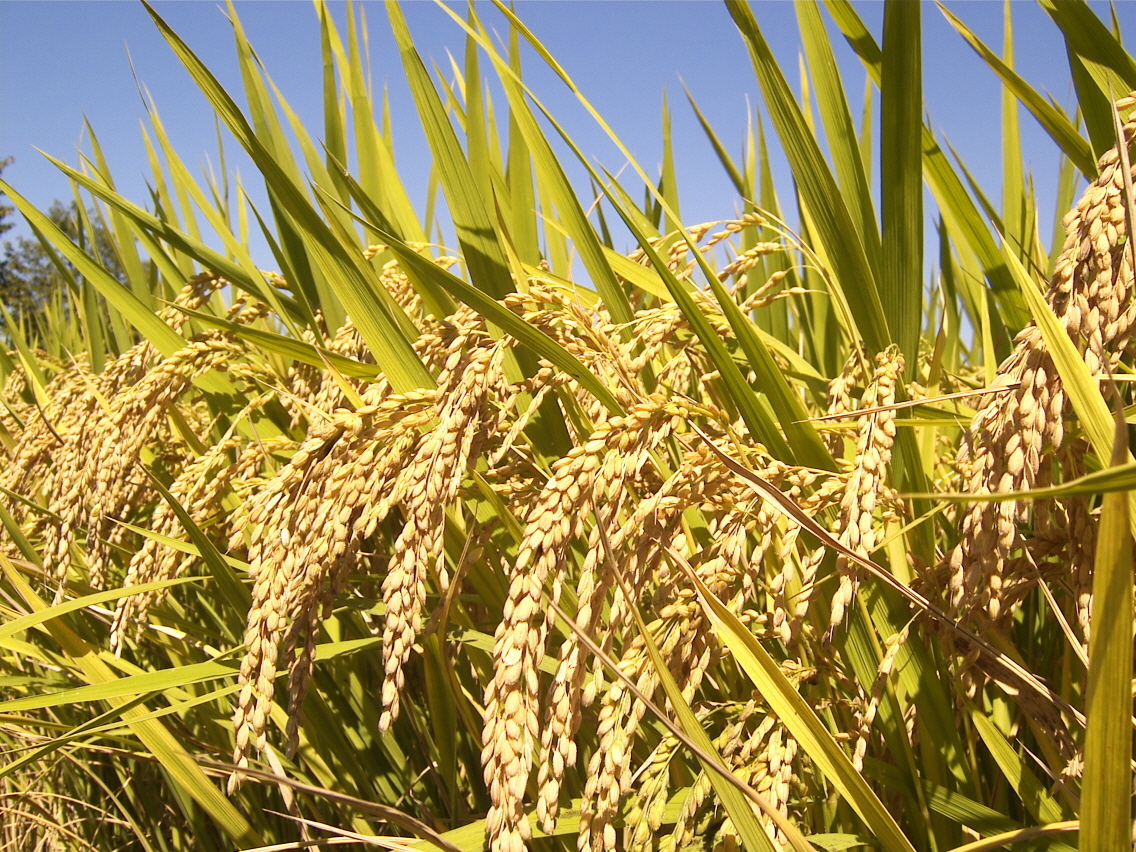
    Researchers at Heinrich Heine University Düsseldorf and the French National Research Institute for Sustainable Development have achieved a major milestone in the fight against the Rice Yellow Mottle Virus (RYMV), a primary cause of crop losses for small-scale farmers in Africa. This virus, transmitted by beetles and through direct leaf-to-leaf contact, has been responsible for significant rice harvest losses, posing a severe threat to the livelihoods of impoverished farmers in the region.

    About Rice Yellow Mottle Virus (RYMV)

    Rice Yellow Mottle Virus (RYMV) is a plant pathogenic virus that belongs to the genus Sobemovirus. It was first reported in Kenya in 1966 and has since been detected in many countries in sub-Saharan Africa. The virus has a massive impact on rice crops, causing streaking, mottling, discoloration, and malformation of leaves, as well as the death of infected young plants. Crop losses can be as high as 25–100%. The virus is most commonly transmitted by animals, wind-mediated leaf contact, and irrigation water.

    Unveiling the Genetic Arsenal: RYMV1, RYMV2, and RYMV3 – Focus on CPR5.1

    The research team employed advanced genome editing techniques to create rice lines that exhibit resistance to RYMV. This breakthrough is a crucial step toward developing locally adapted elite rice varieties capable of withstanding the virus, thereby benefiting small-scale food producers in Africa. The team identified key resistance genes, specifically RYMV1, RYMV2, and RYMV3, with particular emphasis on RYMV2, also known as CPR5.1. This resistance gene was initially found in poor-yielding African rice varieties but required transfer to high-yield Asian rice varieties commonly cultivated in Africa.

    Conventional methods of introducing the resistance gene faced challenges due to sterility issues in hybrid descendants. However, the researchers successfully utilized the CRISPR/Cas genome editing method to introduce mutations in the RYMV2 gene in an Asian rice variety, resulting in resistance to the virus. The next phase of the project involves applying the same editing approach to relevant African elite rice varieties, aiming to make them resistant and accessible to small-scale producers.

    The international research consortium, known as the “Healthy Crops” project and led by Heinrich Heine University, is dedicated to enhancing crop yields for small-scale producers in Africa and Asia. In addition to the successful development of RYMV resistance, the project has implemented effective strategies against bacterial blight in rice, demonstrating its commitment to addressing various agricultural challenges.

    The groundbreaking research findings highlight the pivotal role of targeted genome editing in the development of disease-resistant crops, offering a promising solution to mitigate the devastating impact of the Rice Yellow Mottle Virus on rice production in Africa. The interdisciplinary collaboration within the Healthy Crops project underscores the global effort to provide sustainable solutions for smallholder farmers and enhance food security in vulnerable regions. This achievement marks a significant stride towards creating resilient and thriving agricultural practices in the face of emerging threats.

    Conclusion

    In conclusion, the successful application of CRISPR genome editing techniques by the international research consortium within the ‘Healthy Crops’ project marks a significant breakthrough in the ongoing battle against the devastating Rice Yellow Mottle Virus. By identifying and harnessing key resistance genes, particularly RYMV2 (CPR5.1), the research team has paved the way for the development of resilient, disease-resistant rice varieties tailored to the needs of small-scale farmers in Africa. This accomplishment not only addresses the immediate threat posed by the virus but also underscores the global commitment to sustainable agriculture, offering hope for enhanced food security and thriving farming practices in vulnerable regions. The collaborative efforts exemplify the power of scientific innovation in creating transformative solutions for the challenges faced by agriculture, reinforcing the path towards a more resilient and secure future for farmers and their communities.

  • Empowering Africa: The Urgent Imperative for Local Vaccine Production and Health Security

    Empowering Africa: The Urgent Imperative for Local Vaccine Production and Health Security

    In an article penned by Thelma Chioma Abeku on January 10, 2024, the imperative for Africa to embark on vaccine production for its populace takes center stage. UN Secretary-General Antonio Guterres underscored the significance of vaccine equity in February 2021, emphasizing it as the “biggest moral test before the global community.” This resonated during the COVID-19 pandemic, exposing the vulnerability of Africa’s health systems and amplifying the need for self-reliance in addressing public health challenges.

    The 3rd International Conference on Public Health in Africa (CPHIA) in Zambia delved into the challenges and opportunities associated with advancing local production in vaccines, diagnostics, and therapeutics. The African Union, along with member states and partners, set an ambitious goal of achieving at least 60 percent vaccine manufacturing on the continent by 2040. Just as good governance entails providing national security and infrastructure, vaccine production is framed as a global public good essential for safeguarding community health.

    The article acknowledges the pivotal role played by institutions such as the Institut Pasteur in Dakar, dedicated to researching infectious diseases affecting Africa. While commendable, there’s a consensus that more needs to be done to drive the vaccine manufacturing process forward. Africa bears a significant burden of infectious diseases globally, necessitating a local, African-led approach to innovation in vaccine production for self-sufficiency.

    Challenges to Overcome

    The challenges outlined include the need for collaboration to address infrastructure gaps and create a conducive ecosystem for manufacturing facilities. H.E Dr. Jean Kaseya, Director General of the Africa Centre for Disease Control, stressed the importance of a robust ecosystem capable of producing vaccines and medical products in a harmonized manner. This underscores the call for significant investments in research and development, driven by collaborations between governments, the private sector, and international partners.

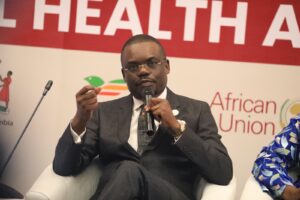
    H.E Dr. Jean Kaseya, Director General of the Africa Centre for Disease Control, stressed the importance of a robust ecosystem capable of producing vaccines and medical products in a harmonized manner

    Illustrative Image: H.E Dr. Jean Kaseya, Director General of the Africa Centre for Disease Control, stressed the importance of a robust ecosystem capable of producing vaccines and medical products in a harmonized manner
    Image Source & Credit: African Union
    Ownership and Usage Policy

    Regulatory processes also emerge as a crucial point, emphasizing the necessity to streamline regulations across African countries for cross-border collaboration and adherence to international quality benchmarks. The article advocates for the need to assure vaccine demand and distribution alongside prioritizing research and development, aligning the vaccine production agenda with the needs of Africa’s growing population.

    Ms. Shingai Machingaidze, Ag. Chief Science Officer at the Africa Centre for Diseases Control, stresses Africa’s need to take the lead in vaccine development for diseases prevalent on the continent rather than relying on external assistance. The author highlights the positive impact of Gavi, the Vaccine Alliance’s $1.8 billion pledge to strengthen Africa’s vaccine manufacturing efforts, including the establishment of the African Vaccine Manufacturing Accelerator (AVMA).

    The Way Forward

    To move forward, Prof. Abderrahmane Maaroufi, Director of Institut Pasteur Maroc, outlines four pillars for African vaccine manufacturing: political commitment, capacity building, effective regulation, and sustained funding. Political commitment involves mobilizing local manufacturers and firms through efficient public-private partnerships, with Morocco serving as an example. Capacity building emphasizes enhancing human competencies and infrastructure to support manufacturing activities across the continent. Establishing robust regulatory systems and sustaining funding through mechanisms like public-private partnerships are crucial for ensuring high-quality products and local resource mobilization.

    As the vaccine manufacturing landscape evolves, African leaders are encouraged to promote knowledge sharing, technological transfer, and collaboration between high-income and lower-middle-income countries. This, the author argues, will enable Africa to redefine its global health role by leading in local vaccine, diagnostics, and therapeutic manufacturing, ensuring health security through strategic investments and partnerships.

  • World Bank’s Holistic Approach to Alleviate Food and Nutrition Crises in Sahel and Horn of Africa: Achievements, Challenges, and Future Goals

    World Bank’s Holistic Approach to Alleviate Food and Nutrition Crises in Sahel and Horn of Africa: Achievements, Challenges, and Future Goals

    In the Sahel and Horn of Africa regions, where persistent food and nutrition crises are exacerbated by drought, conflict, and fragility, the World Bank is intensifying its efforts to address the challenges. The approach is multifaceted, involving financial support, technical assistance, and analytics. The Bank’s commitment of $45 billion, including $13.2 billion for West and Central Africa and $10.6 billion for East Africa, underscores its dedication to enhancing food and nutrition security.

    Key Highlights of World Bank Interventions:

    • In Burkina Faso, Chad, and Mali, 1.8 million beneficiaries received food rations and vouchers, while 8 million people in Ethiopia were provided with food and cash assistance.
    • Anti-locust assistance in Kenya, Djibouti, and Ethiopia covered 3.3 million hectares of land, benefiting food production.
    • Drought impacts on 1.6 million pastoralists in Djibouti, Ethiopia, Kenya, and Somalia were mitigated.
    • Somalia experienced a 200 percent increase in households able to consume two meals a day after receiving assistance post-2017 drought.

    Challenges:

    • The global food and nutrition crisis has intensified since 2014, affecting 221 million people across 54 IDA countries.
    • Causes include conflict, population displacements, weather extremes, disrupted food systems, regional trade barriers, poor policies, and COVID-19 fallout.
    • The war in Ukraine has further escalated food prices and volatility.

    World Bank Approach:

    • The Bank employs a multi-sectoral approach, addressing short-term and long-term needs in four areas: supporting food production, facilitating trade, assisting vulnerable households, and investing in sustainable food and nutrition security.
    • Financing, technical assistance, and analytics are deployed across sectors to ensure a comprehensive response.
    • Notable programs like the West Africa Food System Resilience Program (FSRP) and FSRP for Eastern and Southern Africa aim to increase food system resilience.

    Results and Regional Solutions:

    • In the G5 Sahel, emergency measures, including CERCs, CRW ERF, and reallocation, reached almost 5 million beneficiaries.
    • In the Horn of Africa, programs like the Emergency Locust Response Program (ELRP) supported swarm surveillance and control, benefiting countries like Kenya, Ethiopia, and Djibouti.
    • Country-specific projects, such as the Kenya Climate Smart Agriculture Project and the National Agriculture Rural Inclusive Growth Project, target farmers, particularly women, with input, extension services, and market access.

    Social Protection and Collaboration:

    • Social protection programs, like Somalia’s Baxnaano initiative, play a vital role in supporting vulnerable households facing high food prices and shortages.
    • The World Bank collaborates with various partners, including the Global Alliance on Food Security (GAFS), regional organizations (AU, IGAD, ECOWAS), and country-level partners like WFP, FAO, UNICEF, UNOCHA, and ICRC.

    Looking Ahead:

    • The World Bank emphasizes the impact of climate change on food security and has identified Food and Nutrition Security as one of its global challenges.
    • The Global Challenge Program on Food and Nutrition Security aims to strengthen food stability, availability, utilization, and access while enhancing crisis preparedness and early warning systems.
    • Future goals include improving sustainable impacts of public spending and mobilizing private investment in resilient food systems to break the cycle of food and nutrition insecurity by 2030.

    In conclusion, the World Bank’s unwavering commitment and multifaceted approach to addressing food and nutrition crises in the Sahel and Horn of Africa regions demonstrate a dedicated effort to tackle complex challenges. Through financial support, technical assistance, and collaborative initiatives, the Bank has made significant strides in providing immediate relief and building long-term resilience. Despite persistent challenges such as conflict, climate change, and global disruptions, the World Bank’s integrated strategies and partnerships with various organizations pave the way for a more sustainable and secure future. As the world faces evolving crises, the Bank’s forward-looking goals underscore its determination to break the cycle of food and nutrition insecurity, emphasizing the importance of global collaboration, innovation, and holistic solutions for lasting impact.

  • Empowering Africa: Grassroots AI Movement Shapes Future Amidst Challenges and Collaboration

    Empowering Africa: Grassroots AI Movement Shapes Future Amidst Challenges and Collaboration

    In the heart of South Africa, where universities are scarce, racial disparities persist, and economic challenges prevail, a burgeoning community of AI enthusiasts is reshaping the landscape. Spearheading this movement is the University of Johannesburg, which recently hosted the 2023 Southern African Conference for Artificial Intelligence Research. The conference, centered on human-centered AI, took place against the backdrop of the Gauteng Province’s red-dirt landscape, teeming with wildlife and rich human ancestral history.

    Avishkar Bhoopchand, a South African research engineer at Google DeepMind in London, noted the unique dynamics propelling AI in Africa. While big tech dominates North America and government policies steer AI in Europe, Africa is witnessing a surge driven by what locals term “grassroots AI.” This movement, characterized by a diverse network of students, professors, researchers, industry practitioners, and enthusiasts, has organically evolved to address the challenges faced by the continent.

    Vukosi Marivate, Associate Professor of Computer Science at the University of Pretoria, emphasized the need for agility in the face of geopolitical realities, advocating for a sprint rather than a walk. With too few universities, historical racial inequities, and a growing population of low-income students, the grassroots AI movement fills crucial gaps, outpacing traditional institutions.

    In the context of South Africa’s higher education landscape, where universities are limited, and racial disparities persist due to historical legacies, grassroots AI becomes a vital support system. The movement transcends borders, with individuals and institutions collaborating to accelerate AI research in Africa. Marivate’s vision extends beyond academic boundaries, creating a mental map that overlays the continent with resources and expertise to support AI students.

    What began as a grassroots effort is now attracting global attention from tech giants like Google, Apple, and OpenAI. The challenge, however, lies in ensuring that African AI researchers transition from being mere observers to active contributors and shapers of technological advances. The current juncture, despite its challenges, holds immense promise for the future.

    South Africa’s higher education challenges extend beyond limited seats, touching upon racial disparities ingrained in the system. Only 8 percent of South Africans aged 25 to 64 hold bachelor’s, master’s, or doctoral degrees, reflecting the difficulties in accessing higher education. Additionally, historical inequities in education persist, with certain schools lacking the necessary resources to prepare students adequately.

    Educational opportunities across sub-Saharan Africa face limitations, with insufficient computing curricula and unreliable infrastructure. Despite these obstacles, African AI enthusiasts are eager to participate in the global AI boom. However, the preference of companies like Google DeepMind for university graduates poses a challenge for those without degrees, even if they possess excellent coding skills.

    Grassroots AI Movement:

    The grassroots AI movement becomes a lifeline for aspiring AI researchers, offering support beyond institutional constraints. Marivate’s concept of a mental map underscores the importance of networking and collaboration across the continent. The movement’s impact reaches beyond academic pursuits, providing a bubble for computer science students to focus on their research without undue obstacles.

    Deep Learning Indaba:

    The Deep Learning Indaba, an annual conference initiated less than a decade ago, has played a pivotal role in fostering collaboration among African AI researchers. Starting with a few attendees, the conference has grown into a significant gathering, engaging over 3,000 participants annually. Despite some challenges faced by grassroots gatherings, Indaba has been instrumental in putting African AI on the global map.

    Future Prospects and Funding:

    Foreign investments, such as the UK’s £80 million and the Bill and Melinda Gates Foundation’s $30 million, signal a recognition of Africa’s AI potential. However, Marivate urges Africans to “think bigger—much bigger” and take ownership of their AI path. The continent’s burgeoning population, coupled with a lag in AI readiness, presents both a challenge and an opportunity. The call is clear: Africans must build AI research capacity rapidly while shaping the trajectory of their AI development.

    In the midst of South Africa’s diverse wildlife, the collaborative spirit among African AI researchers mirrors the symbiotic relationships observed in nature. Wildebeests and zebras collaborate to thrive in their ecosystem, and similarly, Africans are called upon to collaborate and be counted in the global AI race. The road ahead may be challenging, but the grassroots AI movement, with its resilience and collaborative ethos, is steering Africa toward a future where it actively contributes to the unfolding AI narrative.

    Conclusion: The grassroots AI movement and initiatives like the Deep Learning Indaba underscore Africa’s determination to actively participate in the global AI landscape. While challenges persist, the collaborative spirit and community-driven approach demonstrate the potential for African researchers to make significant contributions to AI development, both locally and internationally.

  • Global Conference on Air Pollution and Health: Addressing Challenges, Fostering Collaboration, and Empowering Africa for Clean Air and Sustainable Development

    Global Conference on Air Pollution and Health: Addressing Challenges, Fostering Collaboration, and Empowering Africa for Clean Air and Sustainable Development

    The overwhelming evidence is clear: air pollution, both ambient and household, stands as a formidable threat to global public health. Each year, an alarming toll of 7 million lives is taken by noncommunicable diseases, ranging from respiratory and cardiovascular issues to pulmonary diseases and cancer. The ramifications of polluted air extend beyond immediate health concerns, linking to conditions like low birth weight, diabetes, cognitive impairment, and mental health impacts.

    Interconnected Global Challenges

    Air pollution is intricately woven into a complex web of global challenges that converge on public health. The combustion of fossil fuels in various sectors, coupled with the lack of access to clean and sustainable energy for households and healthcare facilities, as well as emissions from agriculture and mismanagement of waste, contribute to high levels of air pollution. This not only exacerbates the climate emergency but also intensifies the health crisis, creating a profound social, environmental, and health challenge.

    Far-reaching Consequences:

    Directly addressing air pollutants promises substantial improvements in both short-term and long-term public health. Comprehensive policy actions to tackle air pollution across sectors have a ripple effect, positively impacting the environment, economic prosperity, job creation, children’s well-being, and gender equity. Implementing such measures leaves an enduring legacy, transforming countries and cities worldwide.

    Triple-win Solutions:

    Implementing well-known and readily available solutions to address air pollution offers a triple-win scenario. Apart from improving health outcomes, these solutions drive sustainable economic development and contribute to mitigating climate change. The collective nature of air pollution necessitates collaborative, cross-border actions, requiring nations and sectors to identify and implement evidence-based policies, innovative financing mechanisms, and effective delivery models.

    Success Stories and Solutions:

    Examples from around the globe underscore the positive impact of targeted interventions. Shifting from coal-fired power plants to renewable energy in Ontario, Canada, led to marked improvements in public health, particularly among asthmatic children. Stricter air quality regulations and targets set by the European Union align with global guidelines, demonstrating the importance of international cooperation.

    In Medellin, Colombia, an enhanced public transport system and a shift to cleaner fuels resulted in a healthier population, cleaner air, increased physical activity, reduced congestion, and fewer traffic injuries. Somalia’s leap to solar energy in healthcare facilities showcases progress towards universal health coverage, emergency preparedness, and a reduced environmental footprint.

    Kenya’s implementation of smart meter technology for clean cooking is improving health, reducing household air pollution, minimizing the risk of injuries, and saving time for productive activities and education.

    Intersectoral Cooperation:

    Intersectoral cooperation emerges as a key strategy, offering an opportunity to harness synergies and ensure policy coherence and cost savings. International and regional cooperation becomes fundamental to ensure clean air globally, resulting in millions of lives saved and reduced global warming.

    Upcoming Global Conference:

    The upcoming Global Conference on Air Pollution and Health, scheduled for October 29-31, 2024, in Accra, Ghana, aims to accelerate action for clean air, clean energy access, and climate mitigation. With pre- and post-conference sessions on October 28 and November 1, the conference will focus on sharing the latest evidence, taking stock of global progress, showcasing co-benefits, mobilizing health professionals, mitigating the environmental footprint, and leveraging finance for a just energy transition.

    Key Objectives and Participants:

    Key objectives of the conference include sharing evidence, assessing progress, showcasing co-benefits, mobilizing health professionals, mitigating the environmental footprint, leveraging finance, and driving commitments for air pollution reduction by 2030 and beyond. Participants include experts, key stakeholders, and representatives of Member States, including health and environment ministers, officials from national agencies, health professionals, mayors, and critical sector representatives.

    Conference Sessions and Activities:

    The conference will feature dynamic sessions on health evidence, policies and interventions, governance and health sector leadership, as well as advocacy and awareness raising. It will delve into the health effects of air pollution, showcase political actions to improve air quality, and strengthen cooperation among stakeholders.

    Empowering Africa: Tackling Air Pollution Challenges through Collaboration, Sustainability, and Global Solidarity

    The importance of addressing air pollution holds particular significance for Africans due to the unique challenges faced by the continent. The interconnected global challenges associated with air pollution resonate profoundly in Africa, and the upcoming Global Conference on Air Pollution and Health in Accra, Ghana, takes on added significance for several reasons:

    1. Health Impact on Vulnerable Populations:
      • African nations often have a higher prevalence of vulnerable populations, including children and the elderly, who are more susceptible to the adverse health effects of air pollution. Addressing this issue becomes crucial for ensuring the well-being of these demographic groups.
    2. Agricultural Dependence:
      • Many African countries heavily rely on agriculture, and emissions from this sector contribute to air pollution. The conference can shed light on sustainable practices that mitigate the environmental impact of agriculture, promoting cleaner air and healthier communities.
    3. Energy Access Challenges:
      • Access to clean and sustainable energy remains a challenge in many African regions. The conference’s focus on clean energy access aligns with the need to provide reliable energy sources that not only improve health outcomes but also contribute to economic development.
    4. Urbanization and Air Quality in Cities:
      • Rapid urbanization in African cities has led to increased industrialization and vehicular traffic, contributing to elevated levels of air pollution. The conference’s emphasis on policy actions and interventions can guide African cities in implementing measures to improve air quality.
    5. Climate Change Resilience:
      • Africa is particularly vulnerable to the impacts of climate change, and air pollution exacerbates this vulnerability. Addressing both issues concurrently, as highlighted in the conference objectives, can contribute to building resilience in African communities.
    6. Multi-Sectoral Collaboration:
      • Intersectoral cooperation is vital for Africa, where various sectors, including agriculture, energy, and healthcare, are interconnected. The conference’s emphasis on collaboration aligns with the need for integrated solutions that address multiple challenges simultaneously.
    7. Capacity Building and Knowledge Transfer:
      • The conference provides an opportunity for African nations to engage with experts, share experiences, and gain insights into successful interventions from around the world. This knowledge transfer can empower African countries in developing context-specific strategies to combat air pollution.
    8. International Solidarity:
      • International and regional cooperation, as emphasized in the conference, is fundamental for Africa. Clean air knows no borders, and concerted global efforts are essential to ensure clean air across continents, with positive implications for health and climate resilience in Africa.

    In summary, the Global Conference on Air Pollution and Health holds immense importance for Africans as it addresses challenges unique to the continent, offering a platform for collaboration, knowledge exchange, and the formulation of targeted policies to safeguard public health and the environment.


  • Global Health Security Initiative: Pandemic Fund’s $500 Million Call for Proposals 2024 – Strengthening Early Warning Systems, Laboratories, and Public Health Capacities

    Global Health Security Initiative: Pandemic Fund’s $500 Million Call for Proposals 2024 – Strengthening Early Warning Systems, Laboratories, and Public Health Capacities

    The Pandemic Fund is pleased to announce its second Call for Proposals (CfP) starting December 22, 2023. This call invites eligible countries, regional entities, and implementing entities to submit proposals for potential projects to be supported by an initial funding of US$500 million. The online application portal will open in late February 2024, with the deadline for submission on May 17, 2024.

    Objectives:

    The primary focus remains on high-impact investments in early warning and disease surveillance systems, laboratory systems, and the strengthening of human resources and public health capacities. The Pandemic Fund aims to enhance global readiness to prevent, prepare for, and respond to health emergencies.

    Timeline and Process:

    • December 22, 2023: CfP announced, Guidance Note released.
    • Late February 2024: Technical evaluation criteria, scoring methodology, and application template released. Online portal opens.
    • May 17, 2024: Deadline for proposal submission.
    • June – August 2024: Technical Advisory Panel reviews eligible proposals.
    • September – October 2024: Governing Board reviews proposals, announces selected projects based on the number of submissions.

    Priority Areas:

    The second CfP prioritizes investments in early warning and disease surveillance systems, laboratory systems, and human resources/public health capacities. Emphasis is placed on community engagement, civil society involvement, gender equity, and a One Health approach.

    Types of Proposals:

    Three types of proposals will be accepted: single-country, multi-country, and regional entity proposals.

    Key Application Documents: Refer to the Call for Proposals Guidance Note, Results Framework, and Guiding Principles for Co-financing, Co-investment, and Country Ownership.

    Information Sessions: The Pandemic Fund will organize information sessions following the release of the application portal, template, and updated evaluation criteria in late February 2024.

    Submission Instructions: Complete the Funding Proposal Template on the Pandemic Fund’s application portal (live in late February).

    Language of Submission: All proposals and accompanying documents should be submitted in English. Translation assistance is encouraged.

    Privacy Notice:

    Participants must provide personal details, collected by the World Bank, for the selection process. Data will be destroyed three years after completion, except for selected proposals, which may be published. The World Bank processes details in accordance with the Privacy Notice.

    Eligible Countries and Regional Entities:

    All countries eligible for financing from IDA and IBRD are eligible to apply. Exceptions apply to the 16 countries awarded single-country grants in the first CfP. Regional entities include specialized technical institutions and regional development communities. (eligible countries)

    Implementing Entities:

    Financing will be channeled through approved Implementing Entities. Proposals must identify at least one from the list of thirteen currently approved entities.

    For detailed eligibility criteria and other requirements, refer to the Guidance Note. Information sessions will be conducted post-portal release. Stay tuned for updates. The Pandemic Fund looks forward to impactful proposals that contribute to global health security.

    Download the Call for Proposals – Guidance Note here.

    Visit the Pandemic Fund’s website for more information- here

  • Empower Your Impact: NELGA Research Communication Workshop 2024 – Bridging Gaps in African Land Governance

    Empower Your Impact: NELGA Research Communication Workshop 2024 – Bridging Gaps in African Land Governance

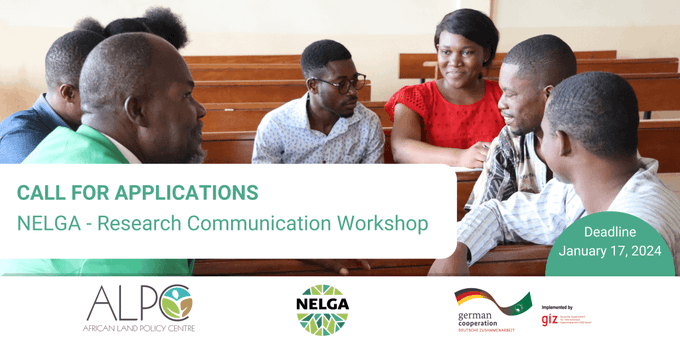
    The NELGA Research Communication Workshop invites applications for its upcoming event designed to enhance the visibility and accessibility of NELGA’s research findings, fostering improved collaboration between research and policy in the realm of land governance in Africa.

    Workshop Objectives: The workshop, scheduled for a 3-day physical gathering between February and March 2024 in Dar es Salaam, Tanzania, seeks to empower participants with practical skills and strategies for effectively communicating research findings. Key objectives include:

    1. Understanding the Land Policy Development Process:
      • Explore the role of national research agendas in shaping land policy.
      • Improve comprehension of the complexities involved in the development of land policies.
    2. Research Strategy Development:
      • Equip participants with tools for stakeholder analysis, knowledge management, and effective communication.
      • Foster the development of research strategies that contribute to informed decision-making.
    3. Skills Enhancement:
      • Enhance skills in producing high-quality, evidence-based research outputs, such as policy briefs.
      • Disseminate best practices in policy brief development for wider impact.
    4. Policy Dialogue Engagement:
      • Provide insights into effective engagement with decision-makers through policy dialogues.
      • Encourage participants to actively contribute to policy dialogues in the context of land governance.

    Benefits: PROMAN, under the GIZ-SLGA program, will cover travel costs and accommodation for successful applicants. Additionally, participants will receive personalized coaching and mentorship sessions post-workshop.

    Eligibility Criteria: Prospective participants should hold a Master’s degree or an equivalent, be active members of NELGA with ongoing research projects on land governance in Africa, and demonstrate a commitment to contributing to policy dialogues and research communication in the context of land governance.

    How to Apply: Applicants are encouraged to showcase their passion and understanding of land governance and research communication through three application formats:

    1. Written Application: Submit a motivational letter (maximum 400 words).
    2. Video Introduction: Create a short video (not exceeding 3 minutes).
    3. Visual Representation: Develop a visual representation (e.g., infographic, conceptual map, or digital presentation).

    Application Guidelines: Applicants should introduce themselves, emphasizing their background in land governance and expressing why the workshop is crucial for bridging communication gaps. They should detail their experience in land governance research and policymaking, their interest in the workshop, and how they plan to apply the skills gained.

    Workshop Details:

    • Date: February-March 2024 (TBC)
    • Time: 3 Days on site
    • Location: Dar es Salaam, Tanzania (TBC)
    • Application Deadline: January 17th, 2024, 4 pm EAT.

    Participation in this workshop promises not only to broaden horizons but also to empower individuals to make a meaningful impact in the field of land governance. Applicants are encouraged to share this opportunity within their networks. Apply by January 17th, 2024, 4 pm EAT for a chance to be part of this transformative experience.

    For More Information:

    Visit the Official Webpage of the NELGA Research Communication Workshop

  • Navigating African Migration: AU Policies, Geopolitical Security, and Collaborative Solutions for a Transformed, Inclusive, and Secure Continent

    Navigating African Migration: AU Policies, Geopolitical Security, and Collaborative Solutions for a Transformed, Inclusive, and Secure Continent

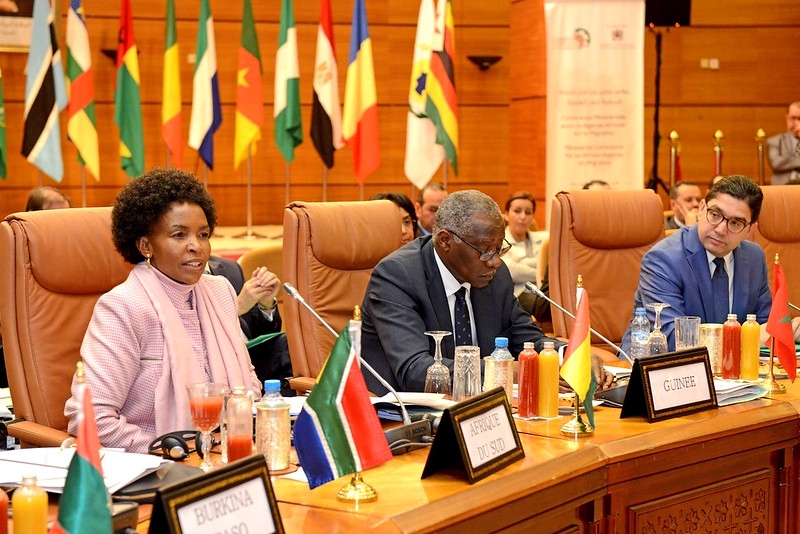
    A recent article by Omilusi, M. (2023) titled “African Union’s Migration Governance Framework, the Refugee Crisis and Challenges for Geopolitical Security” published in Turkish Journal of Diaspora Studies, examines that migration within Africa is predominantly intra-continental, influenced by demographic, economic, political, environmental, and conflict factors.

    Intra-continental migration in Africa, influenced by diverse factors, poses geopolitical security threats, demanding collaborative regional efforts for effective governance.– Omilusi, M. 2023

    This article explores migration and displacement issues in Africa, with a focus on the African Union’s migration policy frameworks, the refugee crisis, and the challenges for geopolitical security. The author posits that migration in Africa is characterized by diverse patterns and causes, such as conflict, violence, environmental degradation, socio-economic factors, and regional integration. The African Union has developed various policy instruments and initiatives to address migration governance and protection, such as the Migration Policy Framework for Africa, the Kampala Convention, and the Rabat Process. The study further explores that forced migration poses significant threats to national and regional stability and security, as well as humanitarian and development challenges, especially in sub-regions such as the Horn of Africa, the Great Lakes region, and the Lake Chad Basin. Emphasizing responsibility-sharing, the study underscores the need for collaborative efforts to provide lasting solutions for refugees, addressing both immediate challenges and root causes of displacement.

    How the Study was Conducted

    The author employed an in-depth desk review of migration-related issues in Africa, using secondary sources such as academic literature, policy documents, reports, and media articles. The study adopts a regional approach to analyze the different migration patterns, trends, and challenges in Africa, focusing on the role of the African Union and its policy frameworks. The study employs a critical discourse analysis to examine the gaps and limitations of the existing migration policy frameworks and their implementation at the national and regional levels. The author further employed a geopolitical security perspective to explore the implications of forced migration and refugee flows for the stability and development of the continent and its sub-regions.

    What the Authors Found

    The study reveals that migration within Africa is predominantly intra-continental, influenced by demographic, economic, political, environmental, and conflict factors. Despite the African Union’s establishment of various migration policies and legal frameworks for governance and protection, challenges persist in their implementation. Forced migration jeopardizes both geopolitical security and human rights, necessitating regional cooperation and global solidarity. Addressing the multifaceted challenges of African migration requires effective regional integration, cooperation, and shared responsibility, offering potential for developmental and societal transformation.

    Why is this important?

    Migration holds potential for positive economic and social impacts, like remittances, skills transfer, and trade. However, challenges such as brain drain, human trafficking, and social exclusion exist. Effective migration governance is crucial to optimize benefits and minimize costs for both origin and destination countries. Security concerns arise, especially in irregular, forced, or mixed migration scenarios. Governance can address root causes like conflict, poverty, and climate change, safeguarding migrants’ rights and dignity. Coordination among national, regional, and international actors is vital to prevent and resolve migration-related conflicts. While migration enriches cultural diversity, integration challenges may arise, making governance essential for fostering inclusion, mutual respect, and understanding. It also supports voluntary return and reintegration when conditions permit.

    What the Authors Recommend

    • The authors suggest that African countries should adopt and implement the AU’s migration policy frameworks, enhance conflict prevention and resolution, and support host countries and communities with adequate resources and assistance.
    • The authors argue that African countries need to improve their data collection and analysis on migration trends, drivers, and impacts, and share information and best practices among regional and global actors.
    • The authors propose that African countries should provide refugees with access to education, health, social services, and employment opportunities, as well as durable solutions such as voluntary repatriation, resettlement, and local integration.
    • The authors emphasize that African countries should address the political, socio-economic, and environmental factors that trigger mass migration, and invest in human development and security for their citizens.

    In conclusion, the study underscores the complexity of migration within Africa, shaped by diverse factors ranging from demographic shifts to environmental challenges and conflicts. While the African Union has implemented various policy frameworks to govern and protect migrants, challenges persist in their effective implementation. Forced migration emerges as a significant threat to both geopolitical security and human rights, necessitating collaborative efforts at regional and global levels. The findings emphasize the importance of enhanced regional integration, cooperation, and shared responsibility to address the multifaceted challenges of African migration. The recommendations put forth highlight the critical need for adopting and implementing AU migration policies, improving data collection, providing essential services to refugees, and addressing root causes through investments in human development and security. Ultimately, effective governance is pivotal in optimizing the positive impacts of migration while minimizing its associated costs, ensuring a balanced and inclusive approach that fosters societal transformation and mutual understanding.