Author: AR Managing Editor

  • Unlocking Africa’s Rice Sector: Sustainable Agronomic Practices for Enhanced Productivity

    Unlocking Africa’s Rice Sector: Sustainable Agronomic Practices for Enhanced Productivity

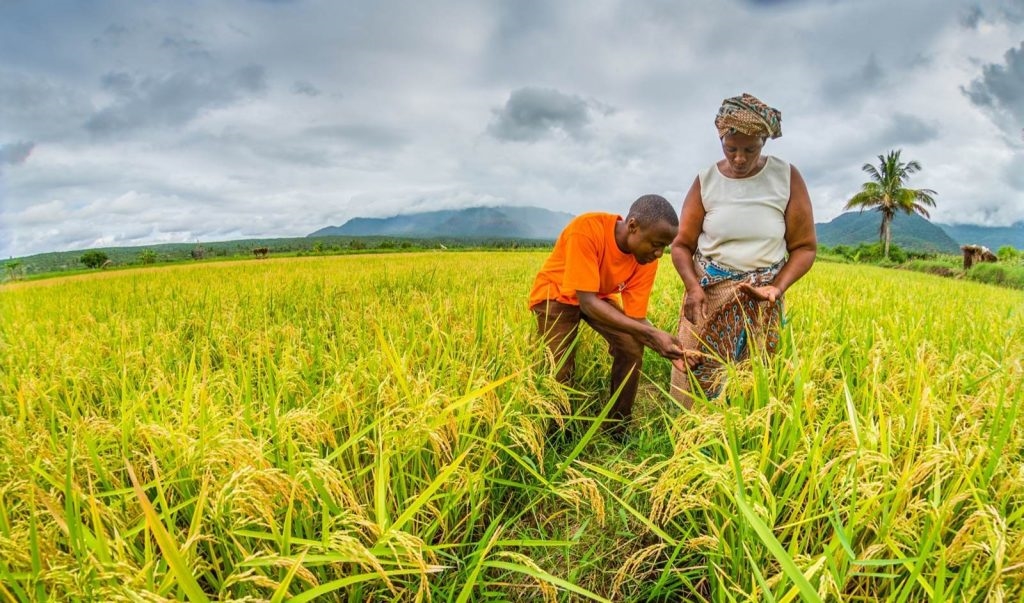
    A recent study, led by international scientists and published in the prestigious journal Nature Communications, sheds light on significant opportunities for Africa’s rice sector to enhance its productivity without resorting to extensive land conversion. The research, which involved contributions from the University of Nebraska-Lincoln, Huazhong Agricultural University, Africa Rice Center, and Wageningen University and Research, underscores the potential for Africa to increase its rice yields through improved agronomic practices.

    Currently, Africa’s rice production meets only about 60% of the continent’s demand, leading to heavy dependence on rice imports, which account for nearly 40% of consumption. With Africa’s population growth and rising rice consumption projected to double demand over the next 25 years, the continent faces challenges in ensuring food security and reducing import reliance.

    The study emphasizes that enhancing agronomic practices, such as land development, soil and plant nutrition, weed control, and water management, presents a viable path to boost rice yields across Africa. By leveraging advanced techniques like process-based crop simulation modeling and comprehensive on-the-ground data collection, researchers found that Africa’s current rice yield is substantially lower than its potential with improved practices.

    Importantly, the research indicates that by intensifying rice production without expanding cultivation areas, Africa can meet future demand projections without exacerbating environmental concerns related to land conversion. This approach not only enhances food security but also mitigates the continent’s vulnerability to external supply disruptions and price fluctuations in the global rice market.

    Moreover, the collaborative effort received support from the Bill and Melinda Gates Foundation, underscoring the importance of international partnerships in addressing food security challenges. The findings of the study have practical implications not only for Africa but also for global agriculture. The process-based crop simulation modeling approach highlighted in the research is deemed a valuable tool for evaluating and identifying opportunities for crop improvement, with relevance extending to producers worldwide, including those in Nebraska.

    The study’s implications extend beyond academic research, highlighting the significance of global cooperation in agricultural innovation and food security. It underscores the role of sustainable agronomic practices in addressing pressing challenges such as food insecurity, import dependence, and environmental sustainability, while paving the way for enhanced agricultural productivity and stability both in Africa and globally.

    In conclusion, the collaborative study underscores the critical role of sustainable agronomic practices in enhancing Africa’s rice sector productivity without expanding cultivation areas. By leveraging advanced techniques and international partnerships, the research offers a pathway towards addressing food security challenges, reducing import dependence, and ensuring environmental sustainability. The findings not only benefit Africa but also hold significance for global agriculture, emphasizing the importance of cooperative efforts in fostering innovation and stability in food production worldwide.

  • Join the HIVR4P 2024 Journalist Fellowship Programme: Covering Biomedical HIV Prevention Advances in Lima, Peru

    Join the HIVR4P 2024 Journalist Fellowship Programme: Covering Biomedical HIV Prevention Advances in Lima, Peru

    Are you a journalist passionate about shedding light on the latest advancements and challenges in biomedical HIV prevention? Look no further! The HIVR4P 2024 Journalist Fellowship Programme invites applications from journalists worldwide to attend the prestigious HIVR4P 2024 conference in Lima, Peru. This fully funded opportunity aims to empower journalists to cover cutting-edge research in HIV prevention and generate impactful media coverage, particularly in communities heavily affected by the epidemic.

    Eligibility Criteria

    Journalists aged 18 and above, affiliated with recognized print, radio, broadcast, or online media outlets, are eligible to apply. Priority will be given to applicants who:

    • Work for national or international media outlets with broad regional or global reach.
    • Have the endorsement of their media organizations to cover the conference.
    • Exhibit a strong commitment to reporting on HIV and infectious diseases.
    • Represent outlets with a track record in global health reporting, particularly HIV.
    • Are based in resource-limited settings or regions heavily impacted by HIV.
    • Belong to key populations or are living with HIV.
    • Possess proficient English language skills.

    Selected journalist fellows must commit to attending the entire conference from October 6th to 10th, including any supplementary media training sessions.

    Fellowship Benefits

    The in-person plus virtual journalist fellowship encompasses:

    • Registration for in-person access to all conference sessions and satellite events.
    • Online access to live-streamed sessions, recordings, and on-demand content.
    • Prepaid economy class return ticket from the nearest international airport.
    • Accommodation in a single room at a budget hotel for the conference duration.
    • Tailored media training and related activities.

    Application Process

    Participation in the application process is free of charge. Applicants must complete the application forms and submit all supporting documentation in English. Applications will be accepted until April 10, 2024, 23:59 Central European Summer Time (CEST). All submissions will be evaluated equally, irrespective of the timing of submission.

    In closing, the HIVR4P 2024 Journalist Fellowship Programme offers a unique opportunity for passionate journalists to immerse themselves in the latest advancements and challenges in biomedical HIV prevention. Through comprehensive coverage and impactful storytelling, fellows can contribute to the global dialogue on HIV prevention and make a difference in communities heavily affected by the epidemic. Don’t miss this chance to join us in Lima, Peru, and be part of shaping the future of HIV prevention. Apply now and become a catalyst for change through journalism.

    Don’t miss this opportunity to join us in Lima, Peru, and contribute to the global conversation on HIV prevention. Apply now to be part of the HIVR4P 2024 Journalist Fellowship Programme!

    For More Information: Scholarships | HIVR4P 2024 | International AIDS Society (IAS) (iasociety.org)

  • Unlock Global Opportunities: Apply for International Collaboration Grants 2024 with the British Council

    Unlock Global Opportunities: Apply for International Collaboration Grants 2024 with the British Council

    The International Collaboration Grants 2024, facilitated by the British Council, represent an opportunity for collaborative projects between the United Kingdom and a wide range of countries and territories around the world. The grants aim to foster international cooperation and partnerships across various fields such as education, culture, arts, science, and social development.

    Objective: The primary objective of the grants is to promote collaboration and exchange between the UK and participating countries and territories. By facilitating partnerships, the program seeks to support projects that address shared challenges, promote mutual understanding, and contribute to positive social impact.

    Application Deadline: Tuesday, April 30, 2024, 11:59 PM GMT.

    Kindly note the application deadline: April 30th, 2024, 23:59 GMT. If you reside in Vietnam, the deadline technically extends to May 1st, 2024, 6:59 BST +7 (daylight savings time). Please be mindful of the timezone and date.

    List of Participating Countries and Territories: The UK collaborates with: Albania, Algeria, Argentina, Bangladesh, Bosnia & Herzegovina, Brazil, China, Colombia, Cuba, Egypt, Ethiopia, India, Indonesia, Iraq, Jordan, Kazakhstan, Kenya, Kosovo, Lebanon, Libya, Malaysia, Mexico, Montenegro, Morocco, Myanmar, Nepal, Nigeria, North Macedonia, Occupied Palestinian Territories, Pakistan, Peru, Philippines, Senegal, Serbia, South Africa, Sri Lanka, Syria, Thailand, Tunisia, Turkey, Uganda, Ukraine, Uzbekistan, Venezuela, Vietnam, Yemen, Zimbabwe.

    How to Apply: To apply, you must create a free Submittable account or sign in using Google or Facebook credentials to access the application form. The form supports collaboration, allowing you to invite your project partner to contribute. You’ll find the collaboration link in the top right-hand corner under ‘Invite Collaborators’.

    You can save a draft of your work if you wish to complete the form at a later time. Drafts are editable until the submission date. Once submitted, applications cannot be accessed for further edits. For optimal performance, please use Google Chrome, Firefox, or Safari as Internet Explorer is not supported.

    We will communicate with you via email regarding your submission. Ensure that notification emails from Submittable are added to your safe list, and regularly check the email associated with your Submittable account. For technical queries, refer to the Submitter Resource Center or reach out to Submittable’s Customer Support team.

    The Grant Agreement: The British Council’s standard terms and conditions are detailed in the Terms and Conditions of the Grant Agreement (“Grant Agreement”). If your application receives a grant, additional terms and conditions specific to the ICG program, project deliverables, and project location will apply. An exemplar ICG grant contract will be available for download on our website from February 15, 2024, with specific terms shared upon program award.

    Should you have any concerns or queries regarding the Grant Agreement, submit a clarification request to CollabGrants@BritishCouncil.org by the application deadline. The British Council reserves the right to make no changes to the Grant Agreement.

    Please note that the British Council is not obligated to consider any clarifications/amendments to the Grant Agreement requested after the application deadline.

    For non-technical inquiries, contact CollabGrants@britishcouncil.org. Kindly anticipate a high volume of enquiries, with staff aiming to respond within three working days.

    Overall, the International Collaboration Grants 2024 program represents a valuable opportunity for individuals, organizations, and institutions to engage in meaningful international collaboration, exchange expertise, and address global challenges through collective action. It underscores the importance of cooperation and partnership in advancing shared goals and fostering positive relations among nations and communities worldwide.

    For further details click here.

  • Unlocking Health Data Sharing in Africa: Comparative Study and Policy Recommendations

    Unlocking Health Data Sharing in Africa: Comparative Study and Policy Recommendations

    A recent article by Nienaber McKay, et al., (2024) titled “The regulation of health data sharing in Africa: a comparative study” published in Journal of Law and the Biosciences shows that all five countries have enforceable data protection laws that limit personal data processing to a specific, lawful purpose based on consent from the data subject.

    All five African countries possess enforceable data protection laws for health data sharing, emphasizing the need for robust regulatory frameworks – Nienaber McKay, et al., 2024

    This study delves into the regulation of health data sharing in Africa, a topic with far-reaching implications for healthcare, medical research, and disease surveillance. It conducts a comparative analysis of the legal and policy frameworks across five African countries: Ghana, Kenya, Nigeria, South Africa, and Uganda. Through this comparative study, the authors pinpoint the challenges and opportunities surrounding the regulation of health data sharing in Africa. The authors offer recommendations tailored to policymakers, research sponsors, researchers, and other stakeholders to enhance these regulatory frameworks. Additionally, the article explores the pivotal role of emerging digital technologies like artificial intelligence, cloud computing, and application programming interfaces in facilitating and enriching health data-sharing practices. The overarching aim of the article is to contribute to the broader discourse on the ethical, legal, and policy dimensions of health data sharing while providing insights to foster the development of more effective and harmonized regulatory frameworks across the region.

    How the Study was Conducted

    The authors employed a comparative desk-based approach to review the accessible regulatory instruments about the legal and policy frameworks of five African nations: South Africa, Ghana, Kenya, Nigeria, and Uganda. It undertakes a comparative analysis focusing on key aspects such as data protection, consent protocols, data ownership, and data-sharing agreements within these countries. In exploring the regulation of health data sharing in Africa, the study examines a spectrum of factors influencing these regulations, including technological advancements, motivational factors, economic considerations, political dynamics, legal frameworks, and ethical considerations. A pivotal component of the study involves the collection, analysis, and organization of data pertaining to the regulation of health data sharing in the five countries. This data is synthesized into a comprehensive table (Table 1), which succinctly outlines the primary features of each country’s legal and regulatory framework in this domain.

    What the Authors Found

    The authors found that all five countries have enforceable data protection laws that limit personal data processing to a specific, lawful purpose based on consent from the data subject. The authors also found that the countries vary in terms of their legal and regulatory frameworks for health data sharing, such as the provisions for cross-border transfers, data ownership, and data-sharing agreements. The authors further posit that the countries face various challenges in health data sharing, such as technical, motivational, economic, political, legal, and ethical barriers. In addition, the countries also have some enablers for health data sharing, such as dedicated legislation, appointed data processors and controllers, transparency and communication, and oversight authorities.

    Why is this Important

    Healthcare Improvement: Effective health data sharing can lead to better healthcare outcomes. When health data is shared across borders and institutions, it enables more accurate diagnoses, personalized treatment plans, and improved patient care.
    Disease Surveillance and Control: Timely sharing of health data is crucial for disease surveillance and control. It allows for early detection of outbreaks, tracking of infectious diseases, and implementation of preventive measures.
    Medical Research and Innovation: Health data sharing facilitates medical research and innovation. Researchers can access diverse datasets to study diseases, develop new treatments, and enhance medical knowledge.
    Public Health Policies: Policymakers rely on health data to formulate evidence-based public health policies. Accurate and comprehensive data informs decisions related to healthcare infrastructure, resource allocation, and preventive measures.
    Ethical Considerations: Balancing data sharing with privacy and consent is essential. Striking the right balance ensures that individuals’ rights are respected while enabling collective benefits from health data sharing.
    Global Health Challenges: In an interconnected world, health challenges transcend national boundaries. Collaborative data sharing is critical for addressing global health crises such as pandemics and emerging diseases.
    Economic and Social Impact: Efficient health data sharing contributes to economic growth by promoting research, innovation, and investment in healthcare. It also impacts social equity by ensuring equal access to healthcare services.

    What the Authors Recommend

    • The authors emphasis that policymaker should developed robust regulatory frameworks that promote health data sharing while protecting individual privacy rights in Africa.
    • The authors recommend that government should inspiring policy reform and stimulating debate around the need for regulatory reform in the region and enhancing the interaction, communication, and sharing of best practices between the data protection authorities in Africa.
    • In addition, the study suggest that stakeholders should respond to the new digital technology developments such as artificial intelligence in health care with appropriate legal and ethical safeguards.

    In conclusion, the comparative study on health data sharing in Africa underscores the critical need for robust regulatory frameworks that balance the imperatives of innovation and privacy protection. As nations navigate the complexities of data sharing, policymakers, stakeholders, and researchers must collaborate to foster transparency, uphold ethical standards, and promote inclusive access to healthcare resources. By embracing emerging technologies responsibly and fostering cross-border dialogue, Africa can pave the way for transformative advancements in healthcare delivery, disease surveillance, and medical research, ultimately enhancing the well-being of its populations and contributing to global health resilience.

  • Livestock Solutions for Sustainable Agri-Food Systems Transformation in Africa: Challenges, Opportunities, and Strategies

    Livestock Solutions for Sustainable Agri-Food Systems Transformation in Africa: Challenges, Opportunities, and Strategies

    A study by Paul, et al., (2023) titled “Livestock solutions to regenerate soils and landscapes for sustainable agri-food systems transformation in Africa” published in Outlook on Agriculture by Sage Publication shows that livestock systems are vital for food security, nutrition, and livelihoods in Africa, but they also have a large environmental footprint and face multiple challenges from climate change, land degradation, and population growth.

    Livestock systems in Africa offer pathways to sustainability, balancing environmental challenges with soil regeneration, landscape restoration, and climate resilience– Paul, et al., 2023

    This article explores the role of livestock systems in regenerating soils and landscapes for sustainable agri-food systems transformation in Africa. The study posits that livestock can contribute to soil health, carbon sequestration, biodiversity conservation, and livelihoods. The study also presents three case studies of livestock interventions in Kenya, east Africa, and southern Africa, and identifies four critical steps for achieving lasting change at a continental scale. Examples of livestock solutions include improved forages, manure management, grazing management, and agroforestry, which can deliver multiple benefits for people and the planet, such as increased productivity, income, resilience, and ecosystem services. Four critical steps are required for scaling up livestock solutions in Africa, namely: (1) establishing a shared vision among stakeholders; (2) prioritizing context-specific entry points; (3) fostering synergies between technical and social gains; and (4) building long-term institutions for sustained impact. The authors also delve into the challenges and opportunities for scaling up livestock solutions and conclude that livestock solutions can be key catalysts for sustainable agri-food systems transformation that merit accelerated public and private investments.

    Challenges and Opportunities Associated with Scaling up Livestock Solutions for Soil Health and Landscape Restoration in Africa

    Challenges:
    Environmental Footprint: Livestock systems have a significant environmental impact, including greenhouse gas emissions, land degradation, and water use. Balancing livestock production with environmental sustainability is a challenge.

    Climate Change Resilience: Climate change poses risks to livestock systems through extreme weather events, changing rainfall patterns, and heat stress. Adapting livestock practices to withstand these challenges is crucial.

    Land Degradation: Overgrazing, deforestation, and soil erosion contribute to land degradation. Managing livestock grazing and restoring degraded lands require innovative approaches.

    Biodiversity Loss: Intensive livestock production can harm local ecosystems and biodiversity. Ensuring livestock practices coexist with wildlife and natural habitats is essential.

    Social Equity: Livestock ownership and benefits are not evenly distributed. Addressing social inequities and empowering smallholders are critical for sustainable livestock solutions.

    Opportunities:
    Carbon Sequestration: Livestock systems can sequester carbon through improved grazing management, agroforestry, and soil conservation practices. This contributes to climate change mitigation.

    Soil Health: Livestock manure enriches soil nutrients, enhancing crop productivity. Integrating livestock and crop systems can improve soil health.

    Agroecological Approaches: Promoting agroecology, where livestock and crops complement each other, fosters sustainable practices. Crop residues as livestock feed and manure as soil amendments are examples.

    Livelihood Diversification: Livestock provide income diversification for rural communities. Supporting livestock-based livelihoods can reduce poverty and enhance resilience.

    Knowledge Sharing: Platforms for knowledge exchange, farmer-to-farmer learning, and research collaboration can accelerate adoption of best practices.

    How the Study was Conducted

    The authors employed a combination of new analyses of original data, a quantitative search in Web of Science, and literature review to explore the role of livestock systems in sustainable agri-food systems transformation in Africa. The authors conducted an international livestock expert survey in 2019 with 94 experts from policy, research, and development with work expertise from Africa, to assess the importance, challenges, and opportunities of livestock systems in Africa. The authors also performed a quantitative literature search on the Web of Science to examine the research interest and investment in Africa, livestock, and environmental issues between 1945 and 2018, using specific search strings for each environmental dimension. The authors further reviewed the existing literature on the potential of livestock solutions to regenerate soils and restore degraded landscapes, such as improved forages, grazing management, and agroforestry systems. In addition, the authors presented case studies of successful livestock solutions from different regions of Africa, such as the Northern Rangelands Trust in Kenya, the Alliance of Bioversity International and CIAT in east Africa, and the EverGreen Agriculture Partnership in west Africa.

    What the Authors Found

    The authors found that livestock systems are vital for food security, nutrition, and livelihoods in Africa, but they also have a large environmental footprint and face multiple challenges from climate change, land degradation, and population growth. The authors further posit that livestock solutions can regenerate soils and restore degraded landscapes, by increasing carbon sequestration, improving soil health, enhancing water use efficiency, and supporting biodiversity conservation.

    Why is this Important

    Sustainable Agri-Food Systems: The study highlights the critical role of livestock systems in achieving sustainable agri-food systems. Livestock contribute significantly to food security, nutrition, and livelihoods in Africa. Understanding how to harness their potential while minimizing negative environmental impacts is crucial for long-term sustainability.

    Soil Regeneration and Landscape Restoration: Livestock solutions can play a pivotal role in regenerating soils and restoring degraded landscapes. By improving soil health, enhancing carbon sequestration, and supporting biodiversity conservation, livestock systems contribute to ecosystem resilience and productivity.

    Climate Change Mitigation: As the world faces the challenges of climate change, finding ways to mitigate its impact is essential. Livestock solutions that enhance carbon sequestration and reduce greenhouse gas emissions can contribute to global efforts in combating climate change.

    Livelihoods and Resilience: Livestock systems provide livelihoods for millions of people in Africa. By promoting sustainable practices, we can enhance the resilience of communities, improve income opportunities, and ensure food security.

    Scalability and Investment: The study identifies critical steps for scaling up livestock solutions across the continent. Accelerated public and private investments in livestock systems can drive lasting change, benefiting both people and the environment.

    Strategies for Livestock-Centric Sustainable Agri-Food Systems: Recommendations for Policy, Practice, and Collaboration

    • Establish a shared vision among stakeholders to recognize the role of livestock in sustainable agri-food systems transformation and align policies and investments accordingly.
    • Prioritize critical entry points for livestock solutions, such as improved forages, grazing management, and manure management, that can deliver multiple benefits for productivity, resource use efficiency, and ecosystem services.
    • Foster synergies between technical and social gains, such as increased income, food security, nutrition, and social inclusion, that can motivate adoption and scaling of livestock solutions.
    • Build long-term institutions for sustained impact, such as partnerships, platforms, and networks, that can facilitate knowledge exchange, capacity building, and innovation.

    In conclusion, the study underscores the pivotal role of livestock systems in Africa’s journey towards sustainable agri-food systems. Despite facing environmental challenges, livestock solutions offer a pathway to soil regeneration, landscape restoration, and climate resilience. By prioritizing collaboration, innovation, and investment, we can harness the potential of livestock to not only enhance food security and livelihoods but also preserve ecosystems for generations to come. Embracing sustainable practices and fostering inclusive partnerships are key to realizing a future where agriculture thrives harmoniously with nature, ensuring prosperity for both people and the planet.
  • Climate Variability Impact on Ethiopian Agriculture: Adaptation Strategies & Recommendations

    Climate Variability Impact on Ethiopian Agriculture: Adaptation Strategies & Recommendations

    A study by Demem, M. S. (2023) titled “Impact and adaptation of climate variability and change on small-holders and agriculture in Ethiopia: A review” published in Heliyon shows that climate variability and change have significantly affected crop and livestock production, fisheries, and aquaculture, and food security in Ethiopia.

    Climate variability profoundly impacts Ethiopian agriculture, requiring context-specific, agroecology-based strategies to enhance small-holder farmers’ adaptive capacity and resilience– Demem, M. S. et al., 2023

    Climate variability and change pose significant challenges to small-holder farmers and agriculture in Ethiopia, as highlighted in a recent article. The impact of these changes extends across various aspects of agricultural production, including crop and livestock farming, fisheries, and aquaculture, ultimately affecting food security in the country. Studies cited in the article demonstrate how climate-related hazards such as droughts, floods, pests, diseases, and temperature fluctuations have adversely affected agricultural productivity and income for rural households. These challenges have heightened the vulnerability and food insecurity of small-holder farmers across Ethiopia. In response to these challenges, farmers have adopted various adaptation strategies tailored to their specific contexts. These strategies encompass a range of practices including soil and water conservation, utilization of improved crop and livestock varieties, tree planting, crop diversification, adjustments to planting dates, irrigation, and livelihood diversification. Additionally, integrating livestock with crop production and employing agronomic practices have been instrumental in mitigating the impacts of climate variability. However, the adoption of these adaptation strategies is influenced by a multitude of factors, including socio-economic, institutional, and biophysical considerations. Factors such as gender, age, education, family size, livestock ownership, farm size, access to extension services, credit, markets, climate information, and agroecological zones play crucial roles in determining the success and uptake of adaptation measures. The study emphasizes the necessity for more context-specific and disaggregated studies to better understand the impacts of climate variability and change on agriculture in Ethiopia. Future research should account for the diverse agroecological zones, farming systems, and livelihoods present in the country. Moreover, there is a need to explore the interactions and synergies among different adaptation strategies to inform more effective policy and program design.

    How the Study was Conducted

    The author employed secondary data from various sources such as peer-reviewed journal articles, books, and technical reports from Google and Google Scholar. The study focused on topics related to climate variability and change impacts and adaptation on small-holders and agriculture in Ethiopia. The authors also employed a desk review of relevant literature and coherently paraphrased the information. The study also employed reference management software, Mendeley, to organize and arrange the references.
    In addition, the author presented the findings in the form of narration, tables, and figures. The study also provided some basic information and knowledge for conducting a scientific study on the thematic area.

    What the Authors Found

    The author found that climate variability and change have significantly affected crop and livestock production, fisheries and aquaculture, and food security in Ethiopia. The author posits that smallholder farmers have practiced various adaptation strategies to cope with the impacts of climate variability and change, such as soil and water conservation, improved crop and livestock variety, tree planting, irrigation, crop diversification, and livelihood diversification. The study also highlights that the major factors influencing farmers’ adaptation choices include age, education, farm size, livestock ownership, extension service, credit service, market access, and climate information.

    Why is this Important

    Food Security: Agriculture is the backbone of Ethiopia’s economy, and small-holder farmers play a vital role in ensuring food security for the nation. Climate-related challenges directly affect crop yields, livestock production, and fisheries. By studying these impacts, policymakers and practitioners can develop strategies to enhance food security and reduce vulnerability.

    Livelihoods: Small-holder farmers heavily rely on agriculture for their livelihoods. Climate variability disrupts traditional farming practices, affecting income, employment, and overall well-being. Understanding adaptation strategies helps farmers maintain their livelihoods and build resilience against climate shocks.

    Sustainable Development: Sustainable agricultural practices are essential for long-term development. By identifying effective adaptation measures, Ethiopia can promote sustainable farming techniques, conserve natural resources, and mitigate climate-related risks.

    Policy Formulation: Evidence-based policies are crucial for addressing climate challenges. Research on adaptation strategies informs policymakers about the most effective interventions. It guides the allocation of resources, development of extension services, and implementation of climate-smart policies.

    Resilience Building: Strengthening the resilience of small-holder farmers is essential for coping with climate change. Knowledge about successful adaptation practices empowers farmers to make informed decisions, adopt new technologies, and withstand environmental shocks.

    What the Authors Recommend

    The authors recommend the following actions to address the impact and adaptation of climate variability and change on small-holders and agriculture in Ethiopia

    • The authors suggest that scholars should conduct their studies in a disaggregate way for impact and adaptation to climate-related problems and the corresponding factors across agroecologies in Ethiopia.
    • The authors propose that adaptation strategies should be designed and targeted based on agro-ecological zones instead of recommending and implementing uniform interventions.
    • The authors emphasize that institutional factors such as extension service, credit service, and market access should be given consideration and implementing at grass root level.
    • The authors stress that actions should be taken to improve the adaptive capacity of smallholder farmers reduce the vulnerability of the country to current and projected climate change and variability and increase production and productivity.

    In conclusion, the study underscores the critical impact of climate variability and change on Ethiopia’s agriculture and small-holder farmers. Through a comprehensive analysis of adaptation strategies and influential factors, it highlights the urgent need for context-specific research, targeted interventions, and institutional support to bolster resilience and ensure sustainable agricultural development. By heeding these recommendations and fostering collaboration among stakeholders, Ethiopia can navigate the challenges posed by climate change, safeguard food security, and fortify the livelihoods of its rural communities.

  • Determinants of Child Undernutrition in Southern Africa: A Scoping Review Analysis

    Determinants of Child Undernutrition in Southern Africa: A Scoping Review Analysis

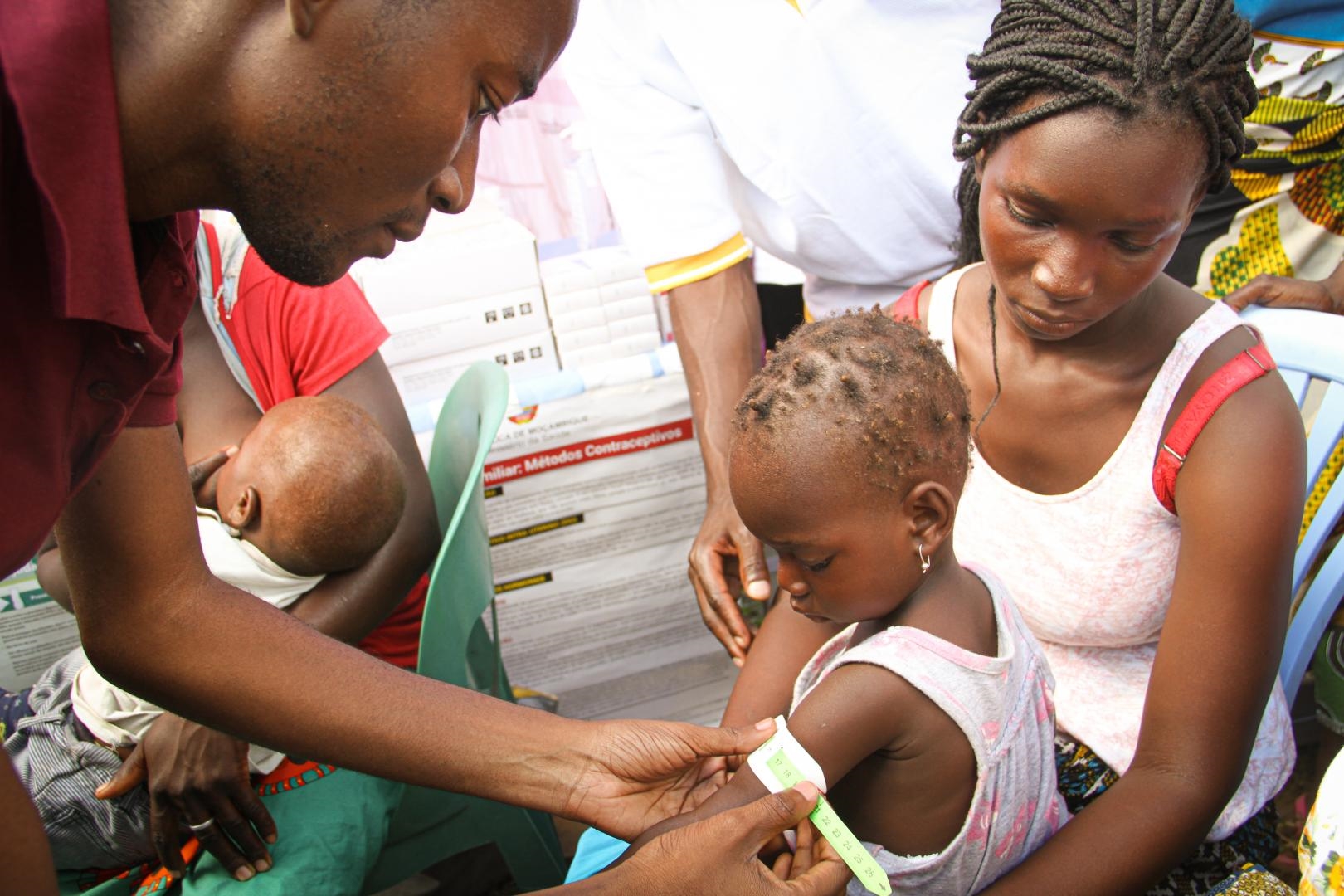
    A recent article by Mukisa, et al., (2024) titled “Determinants of undernutrition in children under five years in the Southern Africa sub-region: a scoping review” published in Journal of Health Research shows that stunting was the most prevalent form of undernutrition, ranging from 18% to 48% across the sub-region.

    Stunting prevails as the primary form of child undernutrition in Southern Africa, necessitating targeted interventions, research, and policy development– Mukisa, et al., 2024

    This article delves into the determinants of undernutrition among children under the age of five in the Southern Africa sub-region, employing a scoping review of existing literature. Adhering to the Joanna Briggs Institute (JBI) framework for conducting scoping reviews, the authors present their findings following the PRISMA Extension for Scoping Reviews (PRISMA-SCR). It encompasses diverse sources such as peer-reviewed articles, unpublished reports, dissertations, and case studies, all published in English between January 2000 and November 2022. The study primarily focuses on five countries within the sub-region: South Africa, Namibia, Botswana, Lesotho, and Eswatini. The study posits that the prevalence of undernutrition among children under five years old is notably high and varies across the sub-region, with stunting emerging as the predominant form of undernutrition. It identifies four tiers of factors influencing child undernutrition: maternal, child, household, and community-related factors. Moreover, the article underscores the implications of these factors for policy and program development while stressing the necessity for further research on maternal and child nutrition in the sub-region.

    How the Study was Conducted

    The authors adhered to the Joanna Briggs Institute (JBI) framework for conducting scoping reviews and presented their findings using the PRISMA Extension for Scoping Reviews (PRISMA-SCR). They established eligibility criteria for evidence sources based on participant type, concept, context, and source type. The authors employed searches across various electronic databases, government ministry portals, and reference lists of identified studies to locate relevant articles published in English from January 2000 to November 2022. Eligible articles were selected through a two-step screening process involving title and abstract screening, followed by full-text screening. Any discrepancies among reviewers were resolved through consensus or mediation. Data from the included articles were extracted and organized using a piloted data extraction form and Excel software. The extracted data encompassed details such as author, publication year, study design, location, setting, sample size, participants, intervention, and key findings. The authors analyzed the data through narrative synthesis and thematic analysis methods, presenting the findings in tabulated form and narrative style.

    What the Authors Found

    The authors found that stunting was the most prevalent form of undernutrition, ranging from 18% to 48% across the sub-region. South Africa had the highest stunting prevalence, followed by Lesotho and Eswatini. In addition, the authors found that there was a paucity of research on maternal and child nutrition in the sub-region, especially in Namibia and Botswana.

    Why is this Important

    Public Health Impact: Undernutrition has severe consequences for child health and development. Stunting, wasting, and underweight can lead to long-term health issues, cognitive impairments, and reduced productivity in adulthood. Addressing undernutrition is essential for achieving Sustainable Development Goal 2 (Zero Hunger) and improving overall population health.

    Policy and Program Development: The identified determinants provide valuable insights for policymakers and program implementers. By understanding the factors influencing child nutrition, targeted interventions can be designed to address specific challenges. For instance, maternal education and household wealth play critical roles, suggesting the need for educational programs and poverty alleviation strategies.

    Research Priorities: The knowledge gaps highlighted by the authors underscore the need for further research. Investigating the impact of HIV, food insecurity, and climate change on child undernutrition is essential. Researchers, funding agencies, and stakeholders should prioritize these areas to generate evidence for effective interventions.

    Intersectoral Collaboration: The multifaceted nature of undernutrition requires collaboration across sectors. Health, education, agriculture, and social welfare departments must work together to create comprehensive solutions. This study emphasizes the importance of intersectoral coordination.

    What the Authors Recommend

    • The authors note that there is a significant lack of quality research on maternal and child nutrition in the sub-region, especially in countries other than South Africa. Therefore, the authors suggest that more studies are needed to understand the determinants, consequences, and interventions for undernutrition and that scoping reviews can be a useful tool to synthesize existing evidence and identify knowledge gaps.
    • The authors emphasize that undernutrition is a multifaceted problem that requires the involvement and engagement of various stakeholders, including policymakers, politicians, health workers, community members, and end-users. The authors call for prioritizing nutrition in related sectoral policies and programs and fostering effective partnerships across different levels and sectors.
    • The authors highlight that there are proven interventions that can address the basic, underlying, and root causes of undernutrition, such as improving maternal and child feeding and care practices, promoting exclusive breastfeeding, providing micronutrient supplementation, and ensuring food security and sanitation. The authors urge countries to adopt and implement these interventions at policy, health-system, and community levels, and to monitor and evaluate their impact.

    In conclusion, this comprehensive scoping review sheds light on the multifaceted nature of child undernutrition in Southern Africa. By employing rigorous methodologies and synthesizing existing literature, the study underscores the urgent need for targeted interventions, research prioritization, and policy development to address the underlying determinants of undernutrition. With a focus on maternal, child, household, and community-related factors, the findings emphasize the critical role of intersectoral collaboration and evidence-based interventions in combating undernutrition and improving child health outcomes. Moving forward, concerted efforts from policymakers, researchers, healthcare professionals, and community stakeholders are essential to mitigate the long-term consequences of undernutrition and ensure the well-being of children across the Southern Africa sub-region.

  • Unlocking Wetland Monitoring in Southern Africa: Satellite Data Insights and Recommendations

    Unlocking Wetland Monitoring in Southern Africa: Satellite Data Insights and Recommendations

    A recent article by Gxokwe, et al., (2024) titled “Available satellite data for monitoring small and seasonally flooded wetlands in semi‐arid environments of southern Africa” published in Ecohydrology by Wiley examines that there is a substantial amount of satellite data available on the Google Earth Engine platform that can be used to monitor small and seasonally flooded wetlands in semi-arid environments of southern Africa.

    This article explores the availability of satellite data for monitoring small and seasonally flooded wetlands in semi-arid environments of southern Africa, using the Nylsvley floodplain as a case study. The authors aim to evaluate the number and quality of satellite scenes from different sources (Landsat, Sentinel-1 and Sentinel-2) on the Google Earth Engine (GEE) platform for the period of 2000 to 2020. The study delves into assessing the accuracy of wetland classification using different cloud-cover percentages (0%, 1-10%, 11-25%, and 26-50%) for both the dry and wet seasons. The study highlights the benefits and challenges of using cloud-computing platforms such as GEE for wetland monitoring. The authors posit that there is a substantial amount of archival satellite data available for wetland monitoring, with satisfactory classification accuracies for most scenes. However, some inaccuracies were observed for certain classes, such as bare surface and long grass, due to the spatial resolution of the data.

    Abundant satellite data on Google Earth Engine facilitates effective monitoring of small wetlands in semi-arid southern Africa, enabling conservation insights– Gxokwe, et al., 2023

    The Benefits and Challenges of Using Cloud-computing Platforms like Google Earth Engine (GEE) for Wetland Monitoring

    Benefits

    Data Accessibility: Cloud platforms provide easy access to a vast repository of satellite imagery and other geospatial data. Researchers and practitioners can retrieve data without the need for extensive local storage or specialized hardware.

    Scalability: GEE allows scalable processing of large datasets. It can handle massive amounts of data, making it suitable for analyzing time-series data and monitoring changes over extended periods.

    Real-Time Analysis: Cloud platforms enable near real-time analysis, allowing for timely responses to environmental events. Wetland managers can monitor floods, droughts, and other critical conditions promptly.

    Collaboration: GEE facilitates collaboration among researchers, institutions, and agencies. Multiple users can work on shared projects, exchange code, and validate results collaboratively.

    Algorithm Development: Researchers can develop and test custom algorithms within the platform. This flexibility supports innovative approaches to wetland monitoring.

    Challenges

    Data Quality and Availability: While cloud platforms offer extensive data, the quality and availability of specific datasets can vary. Users must carefully select suitable imagery and account for any limitations.

    Processing Costs: Although GEE provides free access, processing costs may apply for large-scale analyses. Users should be aware of potential expenses, especially for resource-intensive tasks.

    Learning Curve: GEE has a steep learning curve for beginners. Users need to understand JavaScript or Python scripting, as well as the platform’s functionalities.

    Spatial and Temporal Resolution: Satellite data may have limitations in spatial resolution (pixel size) and temporal resolution (frequency of acquisitions). Balancing these trade-offs is essential for wetland monitoring.

    Privacy and Security: Cloud platforms handle sensitive data. Ensuring data privacy and security is crucial, especially when working with proprietary or confidential information.

    How the Study was Conducted

    The study employed Google Earth Engine (GEE) to access and process satellite images from Landsat TM, ETM+, OLI, Sentinel-1, and Sentinel-2 from 2000 to 2020. The images were filtered and screened based on varying cloud-cover percentages and clipped to the extent of the Nylsvley floodplain. The study applied the Random Forest (RF) algorithm to classify the wetland land cover types using the spectral and textural features of the satellite images. The classification results were validated using reference data from field surveys and high-resolution imagery. The overall accuracy (OA) and the kappa coefficient (KC) were calculated to evaluate the classification performance. The authors analyzed the temporal and spatial variations of the wetland land cover types and their relationship with rainfall and river flow data. The wetland extent and inundation frequency were derived from the satellite images from previous studies.

    What the Authors Found

    The authors found that there is a substantial amount of satellite data available on the Google Earth Engine platform that can be used to monitor small and seasonally flooded wetlands in semi-arid environments of southern Africa. The study also found that Sentinel-2 and Landsat-7 had the highest number of images with low cloud cover (0% to 20%) for the study period (2000 to 2020), followed by Sentinel-1 and Landsat-5.

    Why is this Important

    Wetland Conservation: Wetlands play a vital role in maintaining ecological balance, supporting biodiversity, and providing essential ecosystem services such as water purification, flood control, and carbon sequestration. Understanding their dynamics is essential for effective conservation and sustainable management.

    Climate Change Resilience: Semi-arid environments are particularly vulnerable to climate change impacts. Monitoring wetlands helps assess their resilience to changing climate conditions, including variations in rainfall patterns and water availability.

    Land Use Planning: Accurate wetland mapping and classification inform land use planning and development decisions. Knowing where wetlands are located and how they change over time helps prevent their degradation due to urbanization or agricultural expansion.

    Policy and Decision-Making: Governments, policymakers, and environmental agencies can use this information to formulate effective policies, allocate resources, and prioritize wetland conservation efforts.

    Scientific Research: The study contributes valuable data to the scientific community, enabling further research on wetland dynamics, hydrological processes, and ecosystem functioning.

    What the Authors Recommend

    • The authors suggest that combining different satellite products, such as optical and radar data, can improve the accuracy and reliability of wetland classification and mapping, as well as capture the temporal dynamics of wetland eco-hydrology.
    • The authors mention that other wetland indicators, such as vegetation indices, soil moisture and water quality, can be derived from satellite data and integrated with wetland extent to provide a more comprehensive assessment of wetland status and functioning.
    • The authors imply that the availability of satellite data for monitoring wetland eco-hydrology can support wetland conservation and management efforts, by providing timely and spatially explicit information on wetland conditions and trends, as well as identifying potential threats and opportunities for wetland restoration and enhancement.

    In conclusion, the study underscores the transformative potential of satellite data and cloud-computing platforms like Google Earth Engine (GEE) in advancing wetland monitoring efforts, particularly in semi-arid regions of southern Africa. By harnessing a wealth of satellite imagery and innovative classification techniques, researchers can better understand wetland dynamics, inform conservation strategies, and support sustainable land management practices. With continued collaboration and technological advancements, satellite-based monitoring holds promise for enhancing ecosystem resilience, informing policy decisions, and safeguarding critical wetland habitats for generations to come.