Author: AR Managing Editor

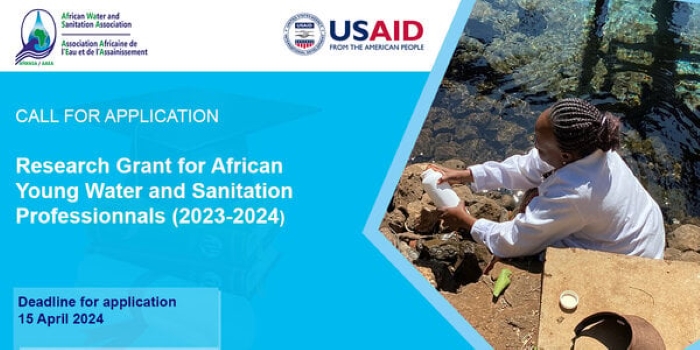
  • Empowering African Youth: AFWASA-USAID Research Grants for Sustainable Water Solutions

    Empowering African Youth: AFWASA-USAID Research Grants for Sustainable Water Solutions

    In collaboration with USAID, the African Water and Sanitation Association (AFWASA) is proud to announce research grants tailored for Young Water and Sanitation Professionals. These grants aim to bolster capacity within the African water-sanitation-hygiene sector (Africap) by fostering research initiatives among master’s level students and engineers nearing completion of their training. Each grant, valued at a maximum of $1,000 USD, supports research endeavors resulting in a comprehensive scientific report addressing themes pertinent to the Water, Hygiene, and Sanitation sector.

    Throughout the academic years spanning 2016-2019, AFWASA allocated sixty scholarships to students hailing from eleven countries across West and Central Africa. Building on this initiative, additional scholarships will be disbursed across the African continent over a three-year period (2021-2024). Notably, for the 2022-2023 academic year, USAID contributed fifteen scholarships, aligning with Africap’s mission, while the Bill and Melinda Gates Foundation through SAO CWIS awarded five scholarships to young women to bridge the gender gap in water, sanitation, and hygiene research.

    Research Themes

    For the academic year 2023-2024, the following themes have been identified for scholarship recipients:

    1. Approaches to reducing Unrevenue Water in water companies
    2. Improvement of Water Quality
    3. Water services in low-income urban areas
    4. Improvement of urban & peri-urban sanitation
    5. Use of ICT (digital tools) in water and sanitation services
    6. Water Resource Management
    7. Water, Sanitation, and Gender
    8. Circular economy
    9. Climate change

    Benefits

    Each scholarship recipient is entitled to a maximum of $1,000 USD. Sixty percent (60%) of this amount is disbursed upon finalization and approval of the detailed research plan, endorsed by the research supervisor and submitted to the AFWASA Research and Capacity Building Program. The remaining forty percent (40%) is released upon submission of the electronic copy of the final research report.

    Application Process

    Prospective candidates are required to formulate their research topics based on one of the themes outlined in the call for applications. To be eligible, applicants must meet the following criteria:

    • Citizenship of a sub-Saharan African country eligible for USAID funding
    • Good academic standing with their institution
    • Submission of an application file including:
      • Copy of student card or registration receipt for the current year (Master 2)
      • Bachelor’s degree
      • Curriculum vitae (maximum 3 pages)
      • Three letters of recommendation (one from the academic supervisor) certifying enrollment in Master 2
      • The project sheet, available for download on the official webpage

    Application Deadline: April 15, 2024

    AFWASA-USAID Research Grants: Empowering African Youth for Sustainable Water Solutions

    The research grants provided by AFWASA in collaboration with USAID hold significant importance for young Africans in several ways:

    1. Capacity Building: The grants aim to bolster the capacity of young professionals in the water-sanitation-hygiene sector in Africa. By providing financial support for research initiatives, the program helps students and engineers near the completion of their training to gain practical experience and expertise in addressing critical issues within the sector.
    2. Empowerment: The grants empower young Africans to conduct research on topics that are pertinent to the development and sustainability of water, hygiene, and sanitation services in their respective communities and countries. This empowerment is crucial for fostering local expertise and ownership in addressing the unique challenges faced by African nations in the water and sanitation sector.
    3. Knowledge Creation and Innovation: Through research, scholarship recipients have the opportunity to contribute new knowledge, innovative solutions, and best practices to the field of water, hygiene, and sanitation. By exploring themes such as water quality improvement, sanitation in urban areas, and the use of digital tools in service delivery, scholars can generate insights that inform policy, practice, and technology development.
    4. Addressing Gender Disparities: The grants also address gender disparities by providing specific scholarships to young women. By encouraging female participation in water, sanitation, and hygiene research, the program helps bridge the gender gap in STEM fields and promotes gender equality in the sector.
    5. Partnerships and Collaboration: The collaboration between AFWASA, USAID, and other organizations such as the Bill and Melinda Gates Foundation demonstrates the importance of partnerships in addressing complex development challenges. By leveraging resources and expertise from multiple stakeholders, the program can achieve greater impact and sustainability in its efforts to improve water and sanitation services across Africa.

    In conclusion, the AFWASA-USAID Research Grants represent a pivotal opportunity for African youth to drive sustainable change in the water, hygiene, and sanitation sector. Through capacity building, empowerment, and collaboration, these grants not only address critical challenges but also foster innovation and gender equality. As we look forward, the impact of these initiatives promises to shape a more resilient and inclusive future for communities across the African continent.

    For More Information:

    Visit the Official Webpage of the USAID Research Grants.

  • Unlocking the Silent Crisis: HIV Among Older Adults in Rural South Africa – Insights from Haalsa Project

    Unlocking the Silent Crisis: HIV Among Older Adults in Rural South Africa – Insights from Haalsa Project

    In rural South Africa, a significant and often neglected issue has emerged: a considerable portion of older adults are living with HIV. Despite the nation’s robust antiretroviral therapy programs, which have provided treatment to over 5 million people, there remains a gap in addressing HIV among older demographics.

    Traditionally, HIV prevention efforts have primarily targeted adolescents and young adults, leaving older populations underserved and vulnerable. However, research, notably the Health and Aging in Africa: Longitudinal Studies in South Africa (Haalsa), is shedding light on the realities of HIV among adults over 40. The Haalsa project, conducted by the University of the Witwatersrand and Harvard University, has been pivotal in understanding the dynamics of HIV in older populations. Through a decade-long study of over 5,000 adults in rural South Africa, key insights have been uncovered.

    One striking revelation is the prevalence of sexual activity among older adults, with 56% reporting sexual activity in the past 24 months. Moreover, condom usage varies significantly among different HIV status groups, indicating a need for tailored prevention strategies. HIV-related stigma remains a pervasive issue among older adults, hindering testing and treatment engagement. A quarter of respondents reported experiencing stigma, emphasizing the importance of destigmatizing HIV and promoting testing, especially through methods such as self-testing, which offers privacy and autonomy.

    In terms of treatment, Haalsa’s findings underscore the significance of viral suppression for healthy aging. Older adults with virally suppressed HIV exhibit significantly longer life expectancies compared to those with unsuppressed HIV. Moving forward, interventions must be tailored to address the unique needs of older adults at risk of or living with HIV in rural South Africa. These interventions should include targeted prevention strategies, awareness campaigns, and support services aimed at achieving and maintaining viral suppression.

    Ultimately, addressing the overlooked HIV crisis among older South Africans in rural areas requires a multifaceted approach that prioritizes awareness, destigmatization, and access to testing and treatment services. By doing so, we can work towards reducing HIV transmission and promoting healthy aging in these communities and beyond.

  • Understanding Late Pregnancy-Related Mortality in Sub-Saharan Africa: Insights and Recommendations

    Understanding Late Pregnancy-Related Mortality in Sub-Saharan Africa: Insights and Recommendations

    A recent study by Gazeley, et al., (2024) titled “Pregnancy‐related mortality up to 1 year postpartum in sub‐Saharan Africa: an analysis of verbal autopsy data from six countries” Published in BJOG: An International Journal of Obstetrics & Gynaecology, by Wiley-online, shows that there was a significant increase in deaths from HIV, TB, other infectious diseases, and non-communicable diseases beyond 42 days postpartum.

    Late pregnancy-related mortality significantly increases due to HIV, TB, and other diseases.– Gazeley et al., 2024

    A recent study investigates pregnancy-related mortality in Sub-Saharan Africa, focusing on the causes of death during pregnancy and the first 42 days postpartum compared to those occurring between 43 days and 1 year postpartum. The study analyzes verbal autopsy data from Health and Demographic Surveillance Systems spanning six countries, examining deaths from 2000 to 2019. The research reveals a notable portion of late pregnancy-related deaths occurring beyond 42 days postpartum, attributed to HIV, TB, other infectious diseases, and non-communicable diseases. Furthermore, the study underscores the necessity for improved integration of non-obstetric care throughout the stages of pregnancy and the postpartum period in regions with high mortality rates. It emphasizes the importance of understanding the causes of death during the extended postpartum period to develop effective prevention strategies.

    How the study was conducted

    The study employed longitudinal, prospective data from 10 Health and Demographic Surveillance Systems (HDSS) spanning six countries in sub-Saharan Africa. The data encompassed a 20-year period from 2000 to 2019. The study focused on women aged 10–54 years who experienced deaths up to 1 year postpartum, provided that the end date of pregnancy was known, and a verbal autopsy interview was conducted. Two verbal autopsy algorithms, InterVA5 and InSilicoVA, were employed to determine the most probable underlying cause of death. These causes were then categorized according to adapted International Classification of Diseases-Maternal Mortality categories. Multinomial regression served as the statistical tool to compare differences in causes of death within 42 days versus 43–365 days postpartum, with adjustments made for HDSS and time period.

    What the authors found

    The authors found that there was a significant increase in deaths from HIV, TB, other infectious diseases, and non-communicable diseases beyond 42 days postpartum. The authors further posit that the impact of HIV and TB on late pregnancy-related mortality was most pronounced in Southern Africa.

    Why is this important

    Maternal Health: Maternal health is a global priority. High rates of maternal mortality impact not only the well-being of mothers but also their families and communities. The extended postpartum period (beyond 42 days) is often overlooked. This study sheds light on the risks during this time, emphasizing the need for continued care. Identifying specific causes of late pregnancy-related deaths informs targeted interventions. Addressing HIV, TB, and other diseases can save lives. Integrating non-obstetric care with maternal health services is essential. Strengthening health systems can prevent avoidable deaths. Understanding regional variations helps tailor interventions. Southern Africa faces unique challenges that require targeted strategies.

    What the authors recommend

    • The authors emphasize the need for better integration of non-obstetric care with ante-, intra-, and postpartum care in high-burden settings. The authors suggest that health system failures are a crucial factor in the circumstances of late pregnancy-related deaths and need to be addressed.

    In conclusion, this study illuminates critical insights into late pregnancy-related mortality in Sub-Saharan Africa, emphasizing the importance of sustained maternal health care beyond the conventional postpartum period. The findings underscore the urgent need for integrated health systems that address non-obstetric factors contributing to maternal mortality. By prioritizing targeted interventions and addressing regional variations, we can mitigate the impact of HIV, TB, and other diseases, ultimately saving lives and fostering healthier communities.

  • Unlocking Economic Growth: Impact of High-Speed Internet on Foreign Direct Investment in Africa

    Unlocking Economic Growth: Impact of High-Speed Internet on Foreign Direct Investment in Africa

    A recent article by Mensah, J. T., & Traore, N. (2024) titled “Infrastructure Quality and FDI Inflows: Evidence from the Arrival of High-Speed Internet in Africa” published in The World Bank Economic Review, indicate that access to high-speed Internet induces foreign direct investment (FDI), particularly in the banking and technology sectors.

    Access to high-speed internet induces FDI, particularly in banking and technology sectors, emphasizing the pivotal role of infrastructure in development– Mensah, J. T., & Traore, N. 2024

    This article explores the impact of infrastructure quality on foreign direct investment (FDI) in developing countries. Specifically, it investigates how the arrival of high-speed internet in Africa triggered FDI into the region. The study also explores the role of complementary infrastructure, such as access to electricity and road connectivity, in amplifying the impact of internet connectivity on investment. The authors indicate that access to high-speed internet induces FDI, particularly in the service sector, with subsectors like finance, technology, retail, and health services benefiting the most. Additionally, improvements in governance quality and incumbent firm performance are plausible mechanisms for this impact.

    How the Study was Conducted

    The researchers aim to estimate the causal impact of high-speed internet connectivity on FDI inflows. The authors exploit variations in access to high-speed internet caused by the gradual arrival of submarine fiber-optic internet cables across African countries. Additionally, they consider spatial differences in terrestrial fiber cable networks within African locations. The authors utilize project-level data on FDI from fDiMarkets, a subsidiary of the Financial Times. This dataset covers the period from 2003 to 2018 and provides detailed information on FDI announcements, sectors, investors, capital investment, and job creation. The treatment group comprises subnational districts connected to high-speed internet via submarine cables, while the control group consists of districts lacking such connectivity. The staggered arrival of submarine cables acts as the treatment variable. The study analyzes FDI across various sectors, including services (finance, technology, retail, health), manufacturing, and other subsectors. Outcome variables include binary indicators for FDI presence, the number of FDI projects, and the monetary value of FDI. District-level fixed effects are incorporated to control for unobserved heterogeneity. Additional controls such as distance to the coast, total road length, and electricity grid network density are included to account for other factors that might influence FDI inflows. An event study is conducted to track trends in FDI receipts before and after the introduction of high-speed internet. The results indicate a rise in FDI inflows subsequent to internet connectivity. The authors perform robustness checks, including alternative standard error clustering and expanding the sample to encompass countries with prior connections to first-generation submarine cables.

    What the Authors Found

    The main findings of the study indicate that access to high-speed Internet induces foreign direct investment (FDI), particularly in the banking and technology sectors. However, the impact is mainly observed in countries with reliable electricity infrastructure, highlighting the role of complementarities in the impact of infrastructure.

    Why is this Important

    Research and Policy Implications: The article explores the impact of high-speed Internet connectivity on foreign direct investment (FDI) in Africa. Understanding this relationship has significant implications for policymakers, investors, and development organizations. It sheds light on how improving infrastructure quality, such as Internet access, can attract investment and foster economic growth.
    Infrastructure Development: The study highlights the role of complementary infrastructure (such as electricity and roads) in amplifying the impact of Internet connectivity. Policymakers can use this information to prioritize investments in infrastructure development to enhance the business environment and attract FDI.
    Sector-Specific Insights: The article identifies which sectors benefit the most from high-speed Internet. For example, the finance and technology services sectors experience significant positive effects. This knowledge can guide investment promotion efforts and sector-specific policies.
    Economic Growth: FDI is a crucial driver of economic growth, as it brings technology transfer, job creation, and capital inflows. By understanding how Internet connectivity affects FDI, countries can strategically invest in infrastructure to boost their economies.
    Digital Transformation: The arrival of high-speed Internet via submarine cables transformed Africa’s digital landscape. It enabled financial technologies (Fintech), digital entrepreneurship, and e-commerce. Recognizing this transformation helps policymakers and businesses adapt to the digital era.

    What the Authors Recommend

    • The authors suggest that policymakers in developing countries should prioritize investment promotion initiatives to reduce transaction costs for investors. Complementary infrastructure, such as access to electricity and roads, plays a crucial role in amplifying the impact of Internet connectivity on investment. Therefore, investing in infrastructure development is essential.
    • High-speed Internet connectivity has a significant impact on FDI, particularly in the service sector. Subsectors like finance, technology, retail, and health services benefit the most from Internet connectivity. The authors recommend that policymakers should encourage investment in these areas.
    • Improving the quality of governance can make countries more attractive for investment.
      Increased performance of incumbent firms, driven by Internet connectivity, signals high returns on investment and encourages FDI inflows.
    • In addition, the authors posit that policymakers should support digital entrepreneurship and create an enabling environment for tech start-ups. Investments in technology services, fintech, and other digital sectors can drive economic growth.

    In conclusion, the research presented underscores the transformative power of high-speed internet connectivity on foreign direct investment in Africa. By illuminating the positive impact on various sectors, from finance to technology, the study underscores the importance of strategic infrastructure development. Complementary investments in electricity and road networks emerge as crucial factors in amplifying the benefits of internet access. As policymakers prioritize investment promotion and digital entrepreneurship, fostering an enabling environment becomes paramount. Ultimately, embracing the digital era and bolstering infrastructure can propel Africa’s economic growth and competitiveness on the global stage.

  • Understanding and Addressing the Global Obesity Epidemic: Causes, Consequences, and Solutions

    Understanding and Addressing the Global Obesity Epidemic: Causes, Consequences, and Solutions

    In the modern world, obesity and overweight have emerged as critical health issues, affecting individuals across all ages and regions. These conditions, characterized by excessive fat deposits, not only impact physical health but also pose significant challenges to societal well-being.

    The Magnitude of the Problem

    As of 2022, the prevalence of obesity and overweight has reached alarming levels. Statistics reveal that 1 in 8 individuals worldwide grapple with obesity, marking a substantial increase since 1990. Shockingly, adolescent obesity has quadrupled within the same timeframe, underscoring the gravity of the situation. In absolute terms, approximately 2.5 billion adults and 390 million children and adolescents are classified as overweight. Moreover, the prevalence of obesity among adults has more than doubled since 1990, with devastating consequences for public health.

    Defining Obesity and Overweight

    The diagnosis of obesity and overweight is primarily based on the Body Mass Index (BMI), a metric derived from an individual’s weight and height. For adults, a BMI greater than or equal to 25 signifies overweight, while a BMI exceeding 30 indicates obesity. Similarly, for children and adolescents, BMI-for-age measurements are used to determine overweight and obesity status.

    Causes and Consequences

    The root causes of obesity and overweight are multifaceted, stemming from a complex interplay of environmental, genetic, and socio-economic factors. An environment conducive to overeating and sedentary lifestyles exacerbates the problem, perpetuating a cycle of weight gain and health complications. Notably, the health risks associated with obesity extend beyond physical ailments to encompass psychological distress and societal stigma.

    Health Impacts and Economic Burden

    The health consequences of obesity are dire, contributing to a myriad of noncommunicable diseases such as cardiovascular disorders, diabetes, and certain cancers. Alarmingly, childhood obesity not only jeopardizes immediate health but also predisposes individuals to a lifetime of chronic ailments. Moreover, the economic ramifications of the obesity epidemic are staggering, with projected costs soaring into trillions of dollars by 2030.

    Addressing the Challenge

    Addressing obesity and overweight requires a multifaceted approach spanning individual interventions, healthcare initiatives, and policy reforms. At the individual level, adopting healthy lifestyle practices from an early age can mitigate the risk of obesity-related complications. Health practitioners play a pivotal role in promoting healthy behaviors and providing comprehensive obesity management services. Furthermore, concerted efforts are needed to create supportive environments that prioritize healthy eating and active living.

    A Call to Action

    Recognizing the urgency of the obesity crisis, the World Health Organization (WHO) has spearheaded global initiatives aimed at combating this pervasive threat. Through targeted interventions and policy advocacy, WHO endeavors to halt the rise of obesity and foster a culture of health and well-being worldwide.

    In conclusion, tackling the obesity epidemic requires collaborative efforts at all levels of society. By prioritizing prevention, promoting healthy behaviors, and fostering supportive environments, we can stem the tide of obesity and safeguard the health of future generations.

  • Groundbreaking Initiative: African Scientists Secure $7.2M for TB and Malaria Research

    Groundbreaking Initiative: African Scientists Secure $7.2M for TB and Malaria Research

    In a monumental stride towards combating tuberculosis (TB) and malaria, a consortium of African scientists has secured a groundbreaking US$7.2 million investment from LifeArc and the Bill & Melinda Gates Foundation. This substantial funding injection will drive forward the Grand Challenges Africa Drug Discovery Accelerator Programme (GC ADDA), marking a pivotal moment in the continent’s contribution to global health initiatives.

    Addressing Critical Health Challenges

    Malaria and TB stand as formidable adversaries to public health in Africa, claiming the lives of nearly one million individuals annually. Despite strides made in combating these diseases, the emergence of drug-resistant strains underscores the urgent need for innovative solutions. With malaria cases on the rise and TB presenting multidrug-resistant forms, the imperative for novel treatments becomes increasingly pressing.

    The GC ADDA Initiative

    The Grand Challenges Africa Drug Discovery Accelerator Programme (GC ADDA) embodies a concerted effort to propel drug discovery projects forward in Africa while fostering a collaborative network of scientific expertise. By pooling resources and expertise, the initiative aims to advance global health agendas while empowering African researchers to lead the charge against endemic diseases.

    Leadership in Drug Discovery

    At the forefront of malaria drug discovery efforts are Dr. Richard Amewu from the University of Ghana and Prof. Lyn-Marié Birkholtz from the University of Pretoria. Their pioneering work seeks to harness existing knowledge and capacities to develop innovative antimalarial drugs tailored to African contexts. Supported by a network of esteemed scientists across the continent, including Prof. Fabrice Boyom in Cameroon and Prof. Amanda Rousseau in South Africa, this collaborative effort epitomizes the spirit of collective action in scientific innovation.

    Tackling Multidrug-Resistant TB

    In the battle against multidrug-resistant TB, Prof. Erick Strauss of Stellenbosch University leads a multidisciplinary team dedicated to exploring uncharted avenues in drug discovery. Their endeavor, complemented by partnerships with institutions such as Rhodes University and the University of KwaZulu-Natal, underscores the importance of interdisciplinary collaboration in addressing complex health challenges.

    Fostering Scientific Excellence

    The Pan Africa DMPK Centre of Excellence, under the guidance of Professor Collen Masimirembwa, serves as a cornerstone of support for both malaria and TB research endeavors. Additionally, Dr. Fidele Ntie-Kang’s initiative to screen natural products for disease-fighting potential exemplifies Africa’s rich reservoir of biodiversity as a source of therapeutic innovation.

    A Milestone in African Science

    The grant represents a significant milestone in Africa’s scientific landscape, signaling a paradigm shift towards self-reliance and innovation in addressing pressing health concerns. Through strategic partnerships and collaborative frameworks, African scientists are poised to redefine the trajectory of drug discovery on the continent.

    Conclusion

    As African scientists embark on this transformative journey, their efforts underscore the profound impact of localized solutions in combating global health challenges. With unwavering dedication and collective resolve, the GC ADDA initiative heralds a new era of scientific innovation and progress in Africa’s fight against TB and malaria.

  • Empowering African Scholarship: The Significance of AR Index and AJEIN in Academic Discourse

    Empowering African Scholarship: The Significance of AR Index and AJEIN in Academic Discourse

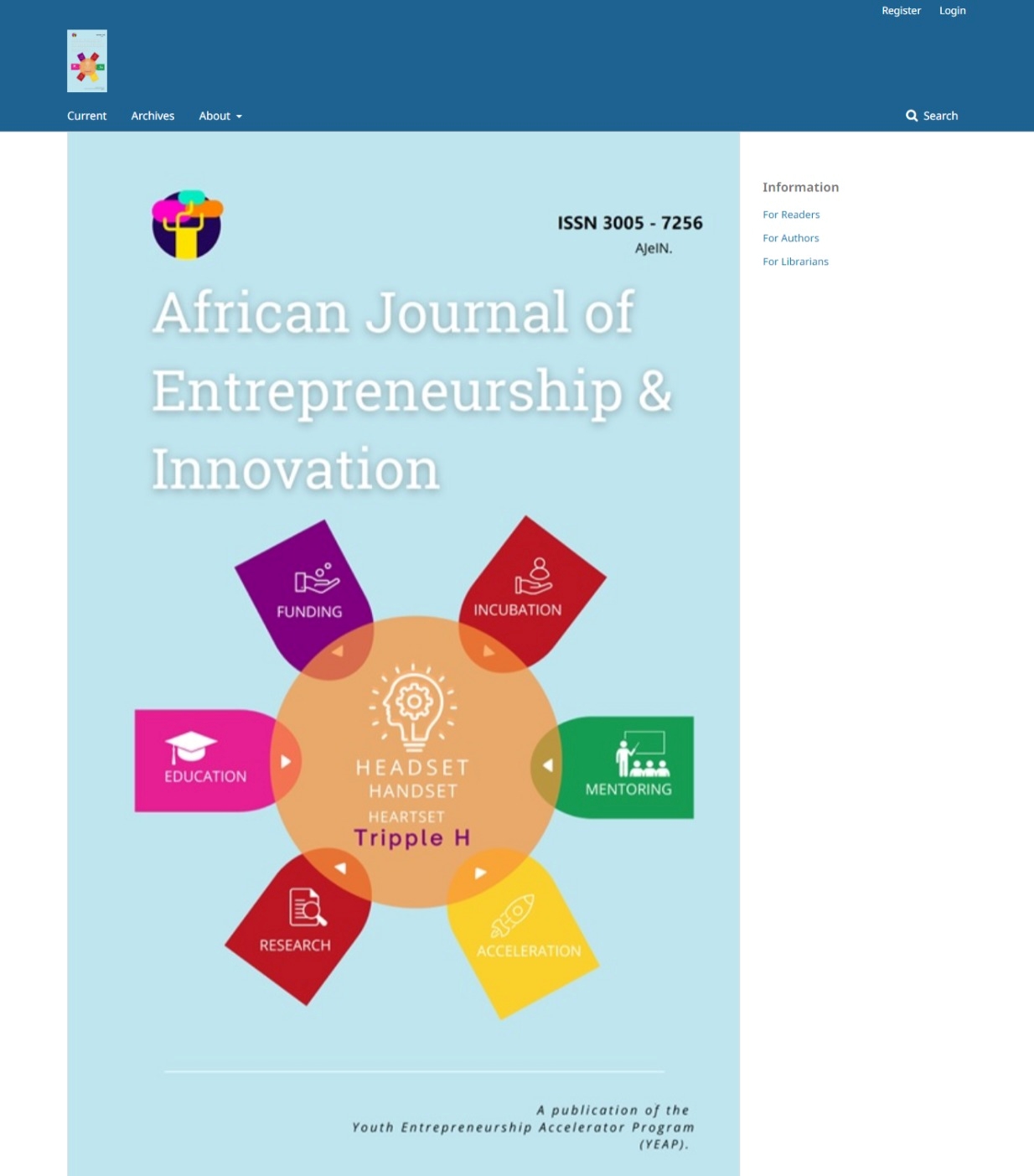
    In the dynamic landscape of academia, the representation of diverse perspectives and voices is paramount. For far too long, African scholarship has been underrepresented in global discourse. However, initiatives like the African Research (AR) Index are actively working to change that narrative. One notable journal making strides in this arena is the African Journal of Entrepreneurship and Innovation (AJEIN), now proudly indexed in the AR Index.

    The Significance of AR Index

    The AR Index stands as a beacon for the recognition and dissemination of African research. It serves as a comprehensive directory, ensuring the visibility and accessibility of scholarly work emanating from the continent. With a focus on journal publishers dedicated to African research, the AR Index plays a crucial role in bridging knowledge gaps, promoting inclusivity, and fostering collaborations among researchers worldwide.

    Elevating African Scholarship: AJEIN in Focus

    The African Journal of Entrepreneurship and Innovation (AJEIN) exemplifies the commitment to excellence in African scholarship. Published by the Entrepreneurship Educators Foundation of Eastern Africa and affiliated with the University of Nairobi, AJEIN provides a platform for researchers, practitioners, and students to explore the realms of entrepreneurship and innovation within African contexts.

    Key Highlights of AJEIN

    • Scope: AJEIN delves into the intricate domains of entrepreneurship, innovation, and ecosystems. Through high-quality theoretical and empirical case studies, literature reviews, and book reviews, it enriches scholarly discourse in management sciences.
    • Accessibility: Embracing the principles of open access, AJEIN ensures that valuable insights are not confined within academic circles but are accessible to a global audience. This commitment to accessibility aligns with the ethos of the AR Index, fostering equitable representation and cultural diversity in academia.
    • Peer Review Process: With a double-blinded review system, AJEIN maintains the highest standards of academic integrity and publication ethics. Rigorous peer review ensures the credibility and reliability of published research, contributing to the advancement of knowledge in entrepreneurship and innovation.
    • Engagement: AJEIN actively engages scholars, practitioners, and stakeholders across diverse disciplines. By facilitating discourse and collaboration, it catalyzes innovation, fosters evidence-based policymaking, and promotes sustainable development in Africa and beyond.

    Implications of Indexing in AR Index

    The inclusion of AJEIN in the AR Index signifies a pivotal moment in the recognition and elevation of African scholarship. It amplifies the voices of African researchers, promotes cultural diversity, and advances the quality and relevance of scholarly work. Moreover, indexing in the AR Index enhances the visibility and citation impact of AJEIN, facilitating broader dissemination and recognition of research findings.

    Conclusion

    The African Journal of Entrepreneurship and Innovation’s inclusion in the AR Index is not merely a symbolic gesture; it is a testament to the resilience, ingenuity, and scholarly excellence of African researchers. As we celebrate this milestone, let us reaffirm our commitment to fostering inclusive scholarly discourse, promoting equitable representation, and advancing the frontiers of knowledge. Together, we can empower African scholars, inspire innovation, and shape a brighter future for academia and society at large.

    Visit the journal in AR index: African Journal of Entrepreneurship and Innovation (AJeIN)

  • African Development Finance Journal: Elevating African Scholarship on Global Stage | AR Index Recognition

    African Development Finance Journal: Elevating African Scholarship on Global Stage | AR Index Recognition

    In the realm of scholarly communication, the recognition and dissemination of African research are pivotal for fostering global knowledge exchange and promoting diverse perspectives. The African Research (AR) Index stands as a beacon of this endeavor, serving as a comprehensive directory and database dedicated to journal publishers disseminating African research. Within this index, the African Development Finance Journal (ADFJ) holds a significant position, embodying the essence of African scholarship and contributing to the advancement of developmental finance discourse.

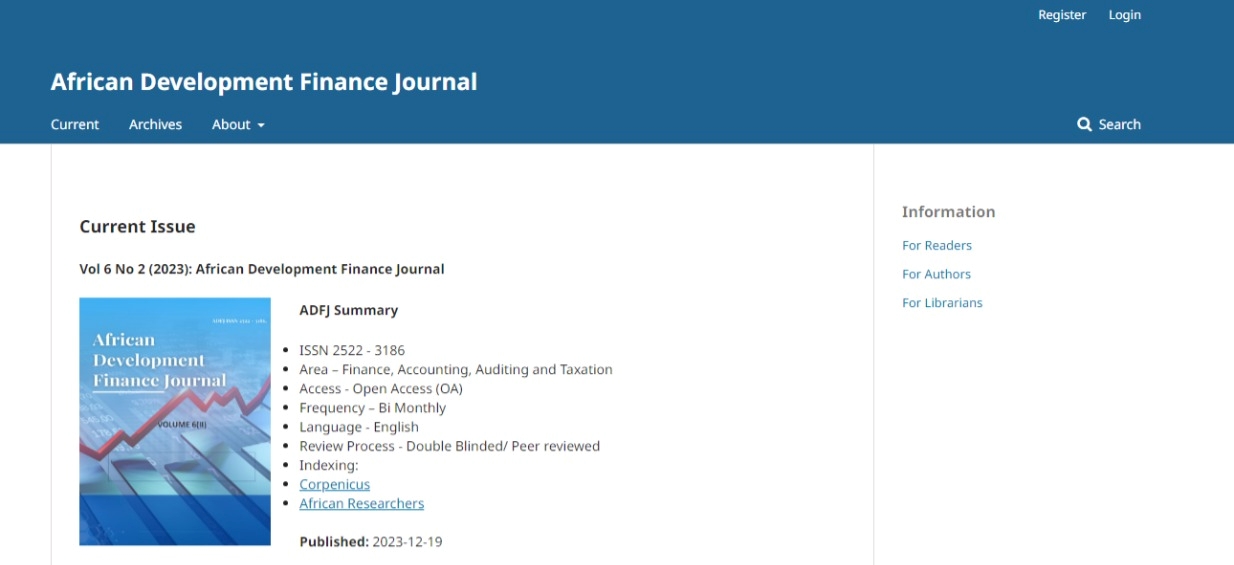
    The African Development Finance Journal (ADFJ) is not just a scholarly publication; it symbolizes the intellectual rigor and innovative spirit thriving within African academic circles. Published bimonthly by the Department of Finance and Accounting at the esteemed University of Nairobi, ADFJ provides a platform for researchers, academicians, professionals, practitioners, and students to engage in rigorous discourse on financial management, corporate finance, public finance, and development finance.

    Indexed within the AR Index, ADFJ gains increased visibility and accessibility on the global academic stage. This recognition not only acknowledges the scholarly merit of ADFJ but also underscores the importance of African perspectives in shaping contemporary debates on finance and development. Through the AR Index, African researchers find a conduit to showcase their work, thereby bridging knowledge gaps and fostering a more inclusive scholarly discourse.

    The significance of ADFJ being listed in the AR Index extends beyond mere recognition. It signifies a commitment to equitable representation and cultural diversity in academic discourse. By providing a platform for African scholars to share their insights and research findings, ADFJ contributes to a more nuanced understanding of financial dynamics within the African context.

    Moreover, the inclusion of ADFJ in the AR Index serves as a catalyst for collaboration and cross-pollination of ideas among researchers worldwide. It fosters partnerships between African scholars and their counterparts, paving the way for interdisciplinary approaches to addressing complex financial challenges facing the continent.

    The journal’s commitment to publication ethics and rigorous peer review processes further enhances its credibility and reliability as a scholarly resource. Upholding the highest standards of academic integrity, ADFJ ensures that published research is original, devoid of plagiarism, and adheres to ethical guidelines.

    In essence, the indexing of African Development Finance Journal in the AR Index represents a milestone in the elevation of African scholarship onto the global stage. It amplifies African voices, promotes cultural diversity, and enriches the academic landscape with fresh insights and perspectives. As we strive towards a more inclusive and equitable scholarly community, the recognition of journals like ADFJ underscores the invaluable contributions of African researchers towards advancing knowledge and promoting sustainable development across the continent and beyond.

    Visit the journal in AR index: African Development Finance Journal

  • ICPPA 2024: Advancing NCD Prevention & Management in Africa with PEN-Plus Strategy

    ICPPA 2024: Advancing NCD Prevention & Management in Africa with PEN-Plus Strategy

    This event serves as a vital platform for exploring collaborative opportunities to integrate the PEN-Plus initiative with existing public health programs in the region. Attended by high-level policymakers, global and regional experts, development partners, private sector representatives, civil society organizations, and NCD focal points from Ministries of Health across the region, ICPPA aims to foster meaningful dialogue and action.

    ICPPA 2024 Tracks

    Track 1: Ending the Neglect of Noncommunicable Diseases (NCDs) across the life course in Africa.

    Track 2: Policy Frameworks and Strategies for Integrating NCD Interventions in Primary Health Care (PHC): from WHO PEN to PEN-Plus

    Track 3: PEN-Plus Unveiled: Pioneering Regional Strategies, Opportunities, and Frontiers Track 4: Engage, Empower, Excel: Community-Centric and Person-Centered NCD Care for All

    Track 5: Rising to the challenge of NCDs financing in Africa.

    About ICPPA 2024

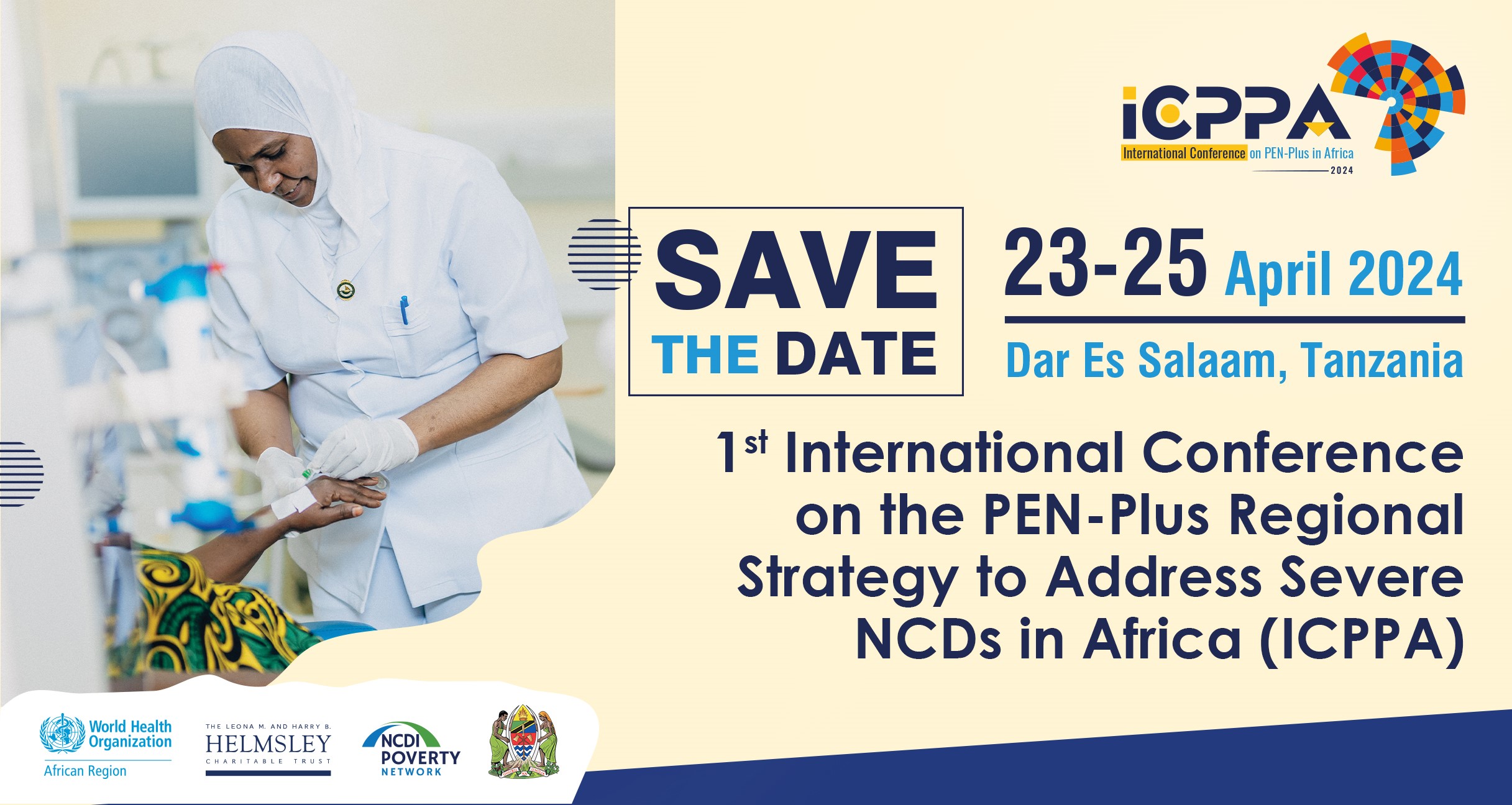
    Organized by the WHO Regional Office for Africa, ICPPA 2024 brings together global, regional, and national experts, policymakers, donors, and partners to accelerate and scale up the implementation of the PEN-Plus strategy in Africa.

    About PEN-Plus Strategy

    The PEN-Plus strategy complements the WHO PEN intervention by focusing on severe spectrum NCDs, such as type 1 diabetes, rheumatic heart disease, sickle cell disease, and palliative care for advanced malignancies. While WHO PEN targets primary health care, PEN-Plus interventions extend to first-level referral facilities, equipping health workers with training, mentorship, and necessary resources to deliver quality care. PEN-Plus emphasizes a patient-centered approach, integrating palliative care and psychosocial support.

    Privacy Policy of WHO for ICPPA

    At WHO, we prioritize the privacy and security of your personal information. Your data is collected to ensure a personalized event experience, communicate relevant information, and enhance future events based on participant feedback. We adhere to a strict non-disclosure policy, safeguarding your information for internal use only.

    Conference Provisional Agenda

    The agenda includes plenary sessions, panel discussions, presentations, and scientific sessions covering various aspects of NCD prevention, management, financing, and advocacy. Notable highlights include sessions on NCD epidemiology, policy frameworks, PEN-Plus implementation experiences, community-centric care, and financing challenges.

    Call for Abstracts

    Authors are invited to submit abstracts reflecting on NCD prevention, management, and integrated health systems. Accepted abstracts will contribute to discussions on creating resilient and sustainable health systems for chronic and severe NCD interventions in Africa.

    Side Events

    ICPPA 2024 offers captivating side events aligned with conference themes, providing additional opportunities for networking, learning, and collaboration.

    Date: 23 – 25 April 2024

    Location: Dar Es Salaam, Tanzania

    Overall, ICPPA 2024 serves as a critical forum to advance the agenda of NCD prevention and management in Africa, bringing together stakeholders to drive meaningful action and change.

  • Advancing African Science: Innovative Funding Models and Urgent Calls for R&D Investment

    Advancing African Science: Innovative Funding Models and Urgent Calls for R&D Investment

    Africa stands at a pivotal juncture in its scientific advancement, with innovative funding systems emerging as critical tools to combat inequities within its research landscape. Susan Gichoga, a grants officer at the Science for Africa Foundation in Nairobi, Kenya, advocates for a transformative approach to funding African research and development (R&D). She highlights the pressing need for African countries to increase investment in R&D, emphasizing that while external grants currently sustain much of the continent’s scientific endeavors, true sovereignty in research can only be achieved through internal commitment and financial backing.

    Gichoga underscores the inherent limitations of merit-based grant systems, which often favor researchers and institutions from affluent nations, perpetuating disparities in access and opportunity. To address this imbalance, she champions the hub-and-spoke model as a promising paradigm shift in funding allocation. In this model, a central hub, typically an African research institution, receives funding and strategically distributes resources to satellite institutions or “spokes,” fostering collaboration and knowledge exchange.

    Central to the hub-and-spoke model is its emphasis on diversity and equity. Gichoga emphasizes the importance of inclusivity in grant allocation, advocating for a balanced distribution of funding across diverse research entities. By prioritizing African institutions and fostering global partnerships, this model aims to democratize access to research opportunities while amplifying the continent’s scientific voice on the world stage.

    DELTAS Africa, spearheaded by the Science for Africa Foundation, exemplifies the successful implementation of the hub-and-spoke model, with support from prominent international funders like Welcome and the UK Foreign, Commonwealth, and Development Office. Through DELTAS Africa, Gichoga highlights the strides made towards gender parity and inclusive representation within the scientific community, challenging conventional norms and promoting a more equitable research ecosystem.

    However, Gichoga acknowledges the inherent complexities and challenges of implementing such innovative funding mechanisms. Cultural differences, administrative hurdles, and performance evaluation pose significant obstacles to effective grant management. Nonetheless, she contends that the benefits outweigh the challenges, as evidenced by the model’s ability to enhance proposal quality, foster collaboration, and maximize research impact.

    Paul Adepoju, echoing Gichoga’s sentiments, emphasizes the urgency of bolstering R&D investment across the continent. As president of the African Development Bank, Adepoju advocates for a paradigm shift in Africa’s approach to research funding, citing the continent’s dismal track record in R&D expenditure compared to the global average. He underscores the critical role of research in addressing Africa’s unique public health challenges and reducing reliance on imported pharmaceuticals.

    Advancing African Science: Innovative Funding Models and Urgent Calls for R&D Investment

    Illustrative Image: Advancing African Science: Innovative Funding Models and Urgent Calls for R&D Investment
    Image Source & Credit: Carb-X
    Ownership and Usage Policy

    Adepoju’s call to action resonates with Janet Midega and her colleagues, who emphasize the integral link between higher education and scientific research. They highlight the need for African universities to expand their research infrastructure and integrate teaching with hands-on scientific inquiry. However, they lament the pervasive challenges facing many African universities, including inadequate funding, resource shortages, and prolonged periods of unrest.

    In response to these challenges, Adepoju emphasizes the imperative of stable learning environments and well-supported faculty to drive meaningful scientific progress. He underscores the detrimental impact of protracted strikes and institutional instability on knowledge dissemination and scientific innovation, advocating for greater governmental accountability and investment in higher education.

    In conclusion, Gichoga and Adepoju offer a compelling vision for advancing African science through innovative funding models, collaborative partnerships, and sustained investment in research and development. Their impassioned advocacy underscores the transformative potential of equitable funding mechanisms to catalyze scientific innovation, address systemic inequities, and propel Africa towards a more prosperous and sustainable future.