Author: AR Managing Editor

  • Unlocking the Future: AI and IoT in Sustainable Building Designs – Insights from Computer Science & IT Research Journal

    Unlocking the Future: AI and IoT in Sustainable Building Designs – Insights from Computer Science & IT Research Journal

    A recent study by Umoh, et al., (2024) titled “A REVIEW OF SMART GREEN BUILDING TECHNOLOGIES: INVESTIGATING THE INTEGRATION AND IMPACT OF AI AND IOT IN SUSTAINABLE BUILDING DESIGNS” published in Computer Science & IT Research Journal, shows that the integration of Artificial Intelligence (AI) and the Internet of Things (IoT) in green building designs significantly enhances energy efficiency, optimizes building performance, and contributes to environmental sustainability.

    In the recent issue of the Computer Science & IT Research Journal (Volume 5, Issue 1, January 2024), an illuminating discourse on smart green building technologies has been presented, with a particular emphasis on the integration and impact of Artificial Intelligence (AI) and the Internet of Things (IoT) in sustainable building designs. The article delves into several key aspects of this burgeoning field, offering valuable insights and implications for the future of architecture and urban development.

    The integration of AI and IoT in green buildings significantly enhances energy efficiency, optimizes performance, and contributes to environmental sustainability.– Umoh, et al., 2024

    One of the focal points of the research is the exploration of how AI and IoT synergistically contribute to energy efficiency, optimized building performance, and environmental sustainability. By leveraging AI algorithms and IoT sensors, buildings can dynamically adapt to environmental conditions, occupancy patterns, and energy demands, thereby minimizing resource consumption and operational costs while maximizing comfort and functionality for occupants. However, the article also sheds light on the challenges hindering the widespread adoption of smart green building technologies. Economic constraints, upfront investment costs, and the scarcity of skilled professionals are among the primary barriers identified. To address these impediments, the paper advocates for a multi-faceted approach, encompassing financial incentives, regulatory frameworks, and educational initiatives aimed at fostering expertise in sustainable construction practices.

    Moreover, the study delves into the economic and social ramifications of embracing smart green buildings. It evaluates the potential return on investment for stakeholders, highlighting the long-term cost savings and environmental benefits associated with sustainable architecture. Furthermore, it underscores the societal impacts of smart technologies in buildings, including improved occupant health and well-being, enhanced productivity, and community resilience in the face of climate change and natural disasters. Looking ahead, the research paints an optimistic picture of the future of sustainable architecture, driven by advancements in AI and IoT technologies. It envisions a paradigm shift in the construction industry, where smart buildings become the norm rather than the exception, and urban environments are transformed into dynamic, interconnected ecosystems that prioritize environmental stewardship and human-centric design principles.

    How the Study was Conducted

    The study employed a thorough examination of empirical data, rigorous evaluation, and synthesis of findings to identify trends, gaps, and new insights in the field of sustainable development. The authors also employed a qualitative exploration of emerging technologies and their application in the construction industry, focusing on the integration of AI and IoT in green buildings. The research adopted an interpretivist stance, utilizing methods such as semi-structured interviews and thematic analysis to understand the adoption of green business models in the construction industry. This approach allowed for a comprehensive understanding of the transformative role of AI and IoT in enhancing building performance and sustainability.

    What the Authors Found

    The authors found that the integration of Artificial Intelligence (AI) and the Internet of Things (IoT) in green building designs significantly enhances energy efficiency, optimizes building performance, and contributes to environmental sustainability.

    Why is this Important

    Environmental Impact: As the world faces climate change and resource depletion, sustainable architecture becomes crucial. Smart green buildings reduce energy consumption, minimize waste, and contribute to a healthier planet.
    Economic Benefits: Investing in green technologies can lead to long-term cost savings. Energy-efficient buildings reduce utility bills, and sustainable practices enhance property value.
    Health and Well-Being: Smart green buildings provide better indoor air quality, natural lighting, and comfortable spaces. These factors positively impact occupants’ health and productivity.
    Urban Development: As cities grow, sustainable architecture ensures efficient land use, reduces strain on infrastructure, and creates resilient communities.
    Technological Advancements: The integration of AI and IoT in buildings represents a paradigm shift. Understanding their impact helps architects, policymakers, and investors make informed decisions.

    What the Authors Recommend

    The authors recommend a multi-faceted approach to overcome challenges in the integration and impact of AI and IoT in sustainable building designs. The authors emphasize policy interventions, educational initiatives, and the development of cost-effective green building technologies. In addition, the authors also underscore the need for collaborative efforts from various stakeholders to advance sustainable architecture and building management.

    In closing, the discourse presented in the Computer Science & IT Research Journal illuminates a promising trajectory for sustainable architecture, propelled by the fusion of Artificial Intelligence and the Internet of Things. As we navigate the complexities of urban development and environmental stewardship, the integration of smart technologies in green building designs stands as a beacon of innovation and progress. With concerted efforts from policymakers, industry professionals, and society at large, we can forge a future where buildings not only sustain life but thrive in harmony with nature, fostering healthier communities and a more resilient planet for generations to come.
  • Unlocking Africa’s Development Potential: The Migration Policy Framework for Sustainable Growth

    Unlocking Africa’s Development Potential: The Migration Policy Framework for Sustainable Growth

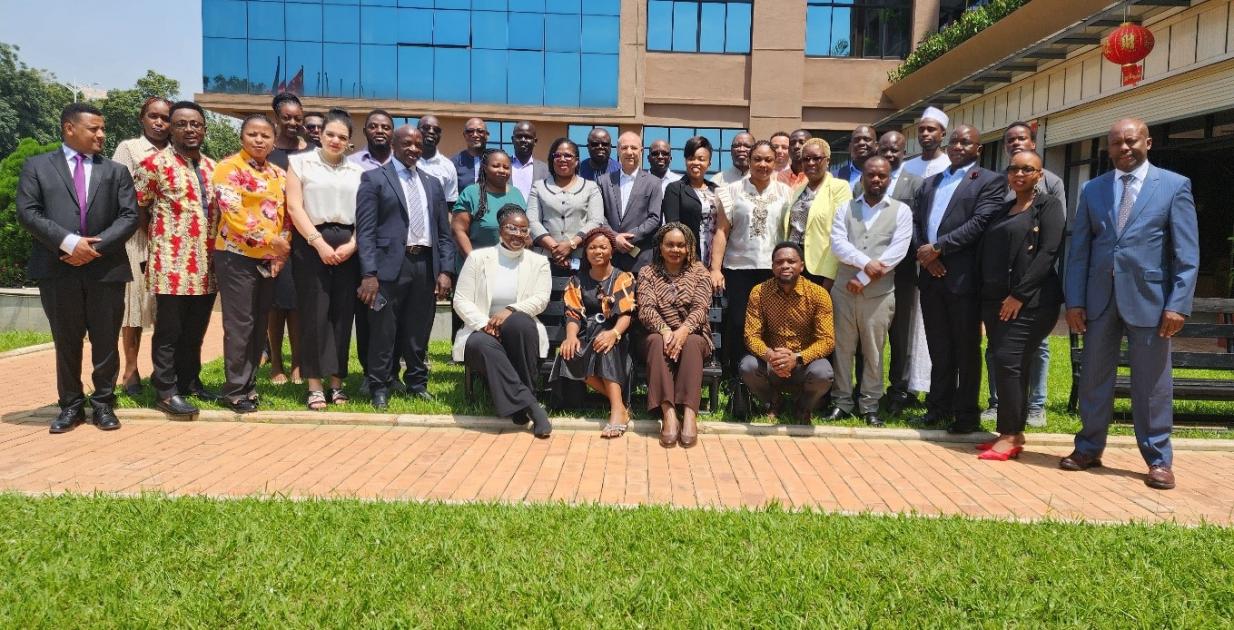
    Migration in Africa has undergone significant transformations in recent years, reflecting a complex interplay of socio-economic, political, and security factors. Across the continent, migration has evolved beyond a mere phenomenon to a dynamic survival strategy for communities grappling with poor living conditions, political instability, conflict, and civil unrest. Notably, the feminization of migration, the surge in youth migration, and the proliferation of irregular migratory flows, including human trafficking and migrant smuggling, underscore the multifaceted nature of this trend.

    Recognizing the potential benefits of migration for development, the African Union (AU) has developed the Migration Policy Framework for Africa (2018–2030). This framework offers comprehensive guidelines to AU Member States and Regional Economic Communities (RECs) for managing migration in a coherent manner, thereby harnessing its potential for development.

    The framework addresses eight thematic areas crucial for effective migration management:

    1. Migration Governance: Establishing robust governance structures to oversee migration policies and practices at national and regional levels, ensuring coherence and effectiveness.
    2. Labour Migration and Education: Developing transparent and gender-responsive policies to facilitate regular labour migration, integrating migrants into the labour market, and providing social protection for migrant workers.
    3. Diaspora Engagement: Fostering policies and conditions conducive to diaspora participation in the development of their countries of origin, recognizing their potential contributions to national and continental development.
    4. Border Governance: Strengthening cross-border cooperation in security, immigration, and development to promote effective border governance and stimulate economic integration.
    5. Irregular Migration: Addressing the root causes of irregular migration through expanding legal migration pathways, raising awareness about the dangers of irregular migration, and enhancing transnational cooperation to combat migrant smuggling and human trafficking.
    6. Forced Displacement: Developing mechanisms to support and protect populations displaced by conflict, persecution, and environmental disasters, ensuring their rights and dignity are upheld.
    7. Internal Migration: Understanding and addressing the drivers and impacts of internal migration within African countries, ensuring the protection and rights of internal migrants.
    8. Migration and Trade: Leveraging migration to facilitate trade and economic integration, particularly in the context of initiatives like the Continental Free Trade Area and the AU Free Movement of Persons Protocol.

    Central to the framework is the recognition of migration as a potential driver of development, particularly through the remittances sent by migrants to their home countries. Remittances not only provide vital support to families but also contribute to poverty reduction and investments in education, health, and income-generating activities.

    Moreover, the framework emphasizes the importance of addressing the securitization of migration and borders without resorting to border closures or hindering integration efforts. Instead, it advocates for intensified cross-border cooperation in security, immigration, and development to ensure effective border governance while promoting economic integration.

    In conclusion, by adopting a coherent and comprehensive approach to migration management, African nations and regional bodies can harness the potential of migration for sustainable development, thereby realizing the aspirations outlined in Agenda 2063.

  • Unlocking Libya’s Oil Potential: Overcoming Challenges for Sustainable Growth

    Unlocking Libya’s Oil Potential: Overcoming Challenges for Sustainable Growth

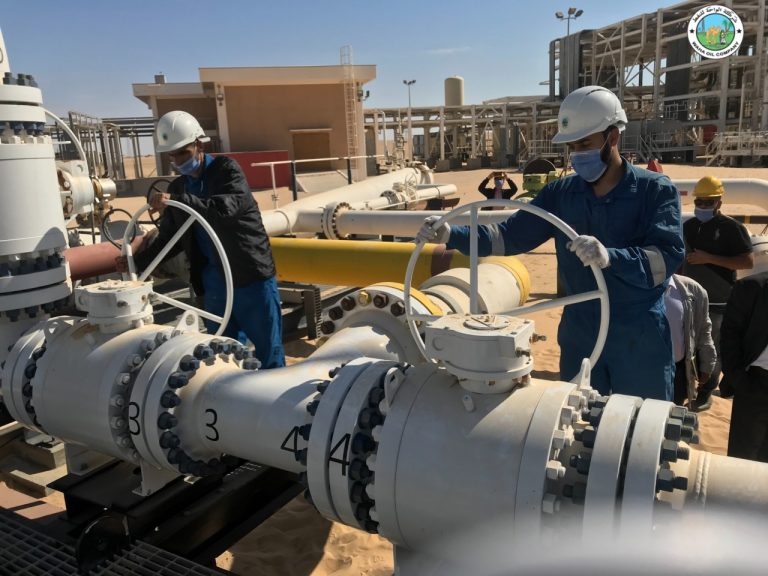
    Libya, once a dominant force in the global oil market, now faces substantial hurdles in realizing its oil potential, stemming from a tumultuous history marked by political turmoil, sanctions, and internal strife. Back in 1970, Libya stood as the world’s second-largest Arab oil producer, boasting a production peak of nearly 3.4 million barrels per day (mb/d). However, more than fifty years later, its current production stands at a mere 32 percent of that peak, ranking it 18th globally. Despite harboring aspirations to reach an output of 2 million barrels per day by 2030, the nation’s progress has been stymied by political and governance challenges.

    Over the last four decades, Libya’s proven oil reserves have doubled, solidifying its status as Africa’s largest reserve holder. Yet, the country’s ability to capitalize on this wealth has been hampered by persistent political instability and governance issues. Oil revenue constitutes a staggering 98 percent of government income and 60 percent of the GDP, leaving the economy highly susceptible to fluctuations in the sector.

    Libya’s turbulent past, characterized by periods of international isolation, sanctions, and internal conflicts, has deterred potential investors in the oil sector. Ongoing political fragmentation, with rival governments based in Tripoli and eastern Libya, further complicates matters. Key oil production facilities are distributed along these political lines, falling under different authorities’ jurisdictions.

    Despite holding oil reserves that could sustain production for nearly 340 years at current levels, the lack of investment and a fractured government pose significant threats to realizing Libya’s potential. The nation’s influence on global oil markets has dwindled drastically, with its market share plummeting from 7 percent in 1970 to a mere 1.2 percent in 2022.

    While Libya maintains its status as an oil exporter, primarily to Europe, persistent political and security risks, combined with governance deficiencies, present substantial challenges for international oil companies. Initiatives aimed at attracting investors, such as the planned oil and gas licensing round in 2024, must address these above-ground risks. The resurgence of international oil companies could bolster production yet achieving the ambitious 2 million barrels per day target by 2030 remains uncertain. The International Energy Agency (IEA) projects modest growth, forecasting a reach of 1.2 million barrels per day by 2028, underscoring the critical need for improved governance and stability for Libya to leverage its significant oil reserves, particularly as the energy transition gains momentum.

  • Unlocking Urban Solar Power Integration: Innovations, Smart Solutions, and Environmental Impact

    Unlocking Urban Solar Power Integration: Innovations, Smart Solutions, and Environmental Impact

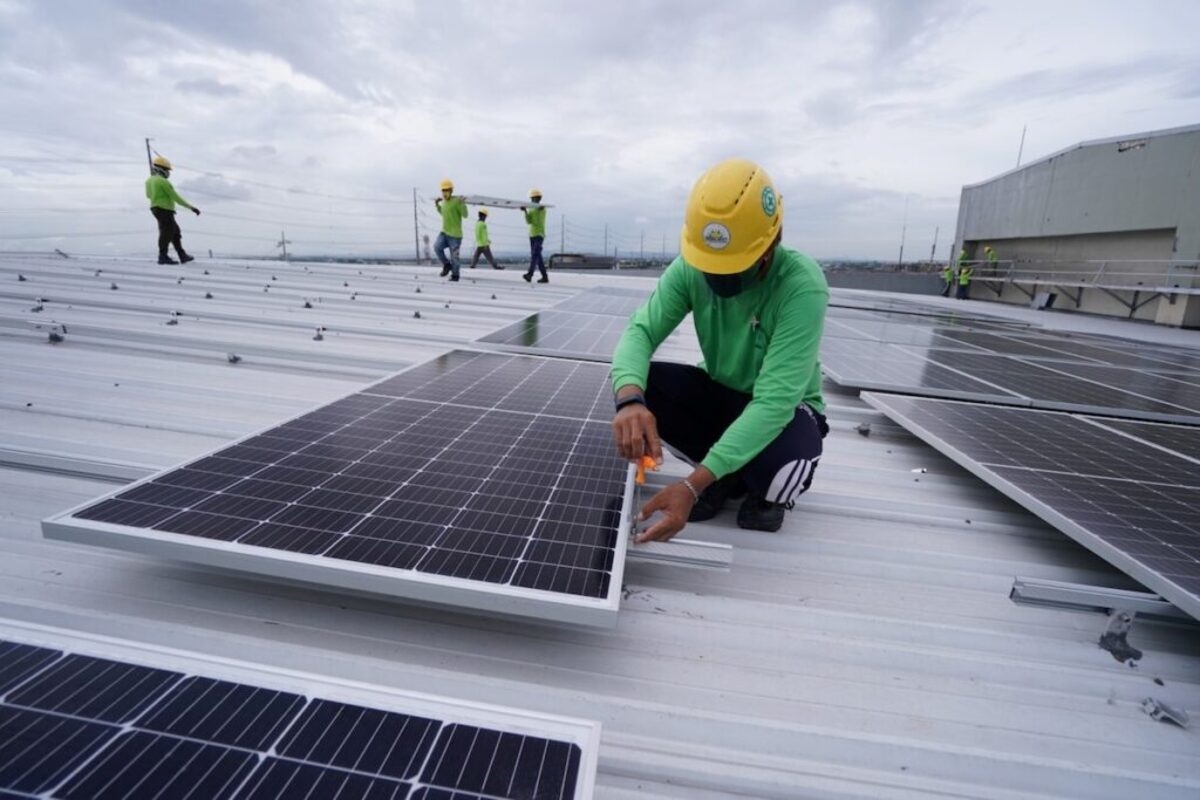
    A recent study by Etukudoh, et al., (2024) titled “Solar Power Integration in Urban Areas: A Review of Design Innovations and Efficiency Enhancements” published in World Journal of Advanced Research and Reviews, show that solar power integration in urban areas is a promising strategy to address the growing energy demand while mitigating environmental impact.

    As global efforts intensify towards sustainable energy solutions, the integration of solar power systems within urban landscapes has garnered significant interest. However, urban environments present distinct challenges including space constraints, shading, and aesthetic concerns. This study offers a thorough examination of the current status of solar power integration in urban settings, highlighting design innovations and efficiency improvements. Moreover, it delves into the pivotal role of smart city initiatives in optimizing solar power integration through the utilization of data analytics, Internet of Things (IoT) devices, and artificial intelligence.

    Solar power integration in urban areas addresses challenges through design innovations, smart city concepts, yielding environmental benefits, economic viability, and efficiency enhancements. – Etukudoh, et al., 2024

    Challenges and Opportunities
    Implementing solar power systems in urban areas faces obstacles like limited space, shading, aesthetics, and high energy demand. These challenges, though daunting, offer opportunities for innovation and sustainable energy solutions.

    Design Innovations and Efficiency Enhancements
    The future of sustainable energy in cities is shaped by innovative approaches such as building-integrated photovoltaics, solar windows and skylights, solar roadways, and flexible solar panels. These advancements maximize energy capture while integrating seamlessly into urban landscapes.

    Role of Smart City Concepts
    Smart city principles play a pivotal role in optimizing solar power integration. Leveraging data analytics, IoT devices, artificial intelligence, and smart grid technologies enables efficient energy management and distribution, enhancing the overall effectiveness of solar solutions in urban environments.

    Environmental and Economic Impacts
    Solar power integration yields significant environmental benefits by reducing carbon footprints and promoting clean energy adoption. Economically, it offers viable returns on investment while stimulating social and community development through job creation and energy independence.

    How the Study was Conducted

    The authors employed a comprehensive review of the current state of solar power integration in urban areas, focusing on design innovations and efficiency enhancements. The authors used various sources, such as academic journals, books, reports, and websites, to gather relevant information and insights. The authors synthesized and analyzed the information collected from the literature review, identifying key themes, challenges, opportunities, and best practices. The authors organized information into sections, such as challenges, design innovations, efficiency enhancements, smart city concepts, environmental and economic impacts, future trends, and recommendations.

    What the Authors Found

    The authors found that solar power integration in urban areas is a promising strategy to address the growing energy demand while mitigating environmental impact. The authors posit that design innovations play a crucial role in overcoming the challenges posed by urban environments, such as limited space, shading, and aesthetic considerations. These innovations include the integration of solar panels into building facades, windows, and urban infrastructure, as well as the development of flexible and lightweight solar panels. In the content, the authors found that efficiency enhancements are equally vital for the viability of solar power integration, and technological advancements play a pivotal role in maximizing energy capture, storage, and distribution. These enhancements include improvements in photovoltaic cell technologies, energy storage solutions, intelligent grid integration, and hybrid systems that combine solar power with other renewable energy sources. In addition, the authors also found that solar power integration in urban areas has significant environmental and economic impacts, such as reducing carbon footprint, increasing economic viability and return on investment, and fostering community engagement and responsibility.

    Why is this Important

    The importance of solar power integration in urban areas lies in its potential to address critical challenges related to energy demand, environmental impact, and sustainable urban development. Below are the significance of the study:

    Energy Demand: Urban areas are hubs of economic activity, population growth, and technological advancement. As cities expand, their energy requirements increase exponentially. Solar power offers a renewable and abundant energy source that can help meet this demand without depleting finite fossil fuels.
    Environmental Impact: Traditional energy sources, such as coal and natural gas, contribute significantly to greenhouse gas emissions and air pollution. By integrating solar power into urban infrastructure, we can reduce carbon emissions, combat climate change, and improve air quality for city dwellers.
    Resource Scarcity: Urban spaces are often constrained by limited land availability. Solar power systems can be integrated into existing structures, such as rooftops, facades, and windows, making efficient use of space and minimizing the need for additional land.
    Economic Viability: Investing in solar power infrastructure can lead to long-term economic benefits. It creates jobs, stimulates local economies, and reduces dependence on imported fossil fuels. Additionally, the decreasing cost of solar technology makes it an attractive option for urban planners and investors.
    Community Engagement: Solar power projects can engage communities by promoting awareness, education, and participation. Citizens can become active stakeholders in the transition to clean energy, fostering a sense of responsibility and pride in their city’s sustainability efforts.
    Technological Advancements: Innovations in solar panel design, energy storage, and smart grid technologies are transforming the way we harness solar energy. These advancements enhance efficiency, reliability, and scalability, making urban solar integration increasingly feasible.

    In conclusion, the integration of solar power systems within urban landscapes presents a promising avenue for addressing pressing challenges related to energy demand, environmental sustainability, and economic growth. Through innovative design approaches, leveraging smart city initiatives, and embracing technological advancements, cities can unlock the full potential of solar energy integration. As we strive towards a more sustainable future, the adoption of solar power in urban areas not only mitigates environmental impact but also fosters community engagement, economic development, and technological progress. Embracing solar energy is not just about powering cities; it’s about shaping a more resilient, inclusive, and vibrant urban environment for generations to come.

  • Addressing Africa’s Rising Cyber Threats: AI-Powered Attacks and Critical Infrastructure Vulnerabilities

    Addressing Africa’s Rising Cyber Threats: AI-Powered Attacks and Critical Infrastructure Vulnerabilities

    In recent years, Africa has witnessed a surge in cyber threats, with cybercriminals increasingly targeting critical infrastructure and employing sophisticated techniques powered by artificial intelligence (AI). This trend underscores the evolving nature of cyber warfare and the need for robust cybersecurity measures across the continent.

    Changing Landscape of Cyber Threats

    Despite a decrease in overall cyber threats across several major economies in Africa, countries like Kenya and South Africa have experienced significant spikes in specific types of cyber-attacks. Ransomware attacks in Kenya rose by 68%, while phishing attacks targeting sensitive information surged by 29% in South Africa.

    Cyber attackers are now leveraging advanced technologies, including AI and large language models (LLMs), to conduct more convincing social engineering attacks. Maher Yamout, lead security researcher at Kaspersky, highlights the alarming trend of cybercriminals incorporating AI into their toolkits to enhance the effectiveness of their tactics.

    The Role of AI in Cyber Attacks

    The use of AI technologies such as LLMs has lowered the barrier to entry for cybercriminals, enabling them to create convincing phishing emails, synthetic identities, and deepfake content. These AI-powered threats pose significant challenges to cybersecurity experts, requiring organizations to continually adapt their defense strategies to combat evolving attack vectors.

    However, the rise of AI-driven cyber threats exacerbates existing social and economic inequalities. Issues such as biased facial recognition systems, financial fraud, and AI-powered targeting disproportionately impact African citizens, highlighting the need for comprehensive regulatory frameworks and ethical guidelines in AI development and deployment.

    Targeting Critical Infrastructure

    Critical infrastructure systems in Africa are increasingly vulnerable to cyber-attacks, with a significant percentage of operational technology (OT) computers encountering threats. Cybercriminals and nation-state groups exploit vulnerabilities in OT systems, posing risks to economic stability, public safety, and national security.

    As tensions escalate on economic, political, and climate fronts, hacktivism has emerged as a prominent threat. Diverse motives drive hacktivist groups, ranging from country-specific protests to socio-cultural and macro-economic agendas like eco-hacktivism, complicating the threat landscape further.

    Rise of Mobile Threats

    Mobile devices serve as the primary gateway to the Internet for many Africans, making them susceptible to mobile threats. In 2023, Kaspersky reported a 10% increase in threats targeting mobile devices, including ransomware and SMS phishing attacks.

    The normalization of remote work globally has contributed to the rise in mobile threats, posing additional challenges for organizations. Protecting remote employees requires robust security measures and adherence to best practices to safeguard personal and corporate data.

    Mitigating Cyber Risks

    To mitigate cyber risks effectively, organizations must prioritize patching software, managing credentials, and securing endpoints. Proactive measures such as regular training and certification of cybersecurity personnel can enhance their capabilities in preventing and responding to cyber-attacks.

    In conclusion, the escalation of cyber threats and the proliferation of AI-powered attacks underscore the urgent need for collaborative efforts among governments, organizations, and cybersecurity experts to bolster Africa’s cyber resilience. By adopting proactive strategies and leveraging emerging technologies responsibly, Africa can navigate the evolving cybersecurity landscape and mitigate the risks posed by sophisticated cyber threats.

  • Understanding the Dynamics of China’s Digital Investments in Africa: Bridging Divides, Navigating Dependencies, and Geopolitical Implications

    Understanding the Dynamics of China’s Digital Investments in Africa: Bridging Divides, Navigating Dependencies, and Geopolitical Implications

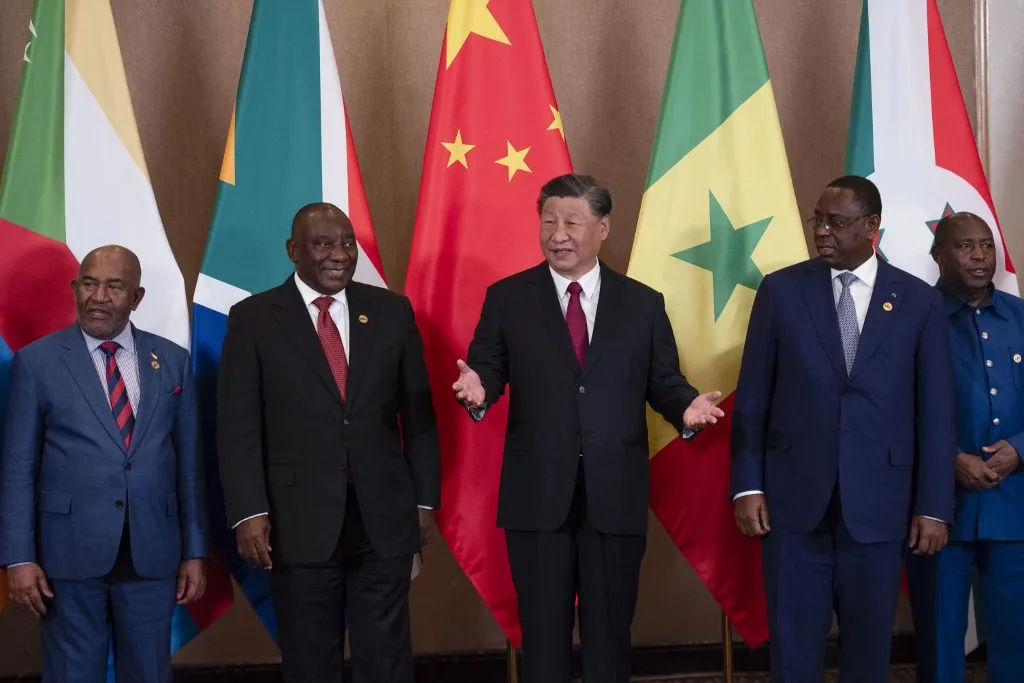
    In recent years, the relationship between Africa and China has evolved into a complex interplay of digital development and geopolitical influence. While Chinese tech investments have significantly advanced Africa’s digital infrastructure, the partnership is not without its concerns and implications.

    Bridging the Digital Divide:

    Digital technologies offer immense potential for socio-economic development in African countries. They facilitate access to essential services like healthcare, education, and financial inclusion. However, the continent faces significant hurdles in realizing these benefits, including inadequate infrastructure and financial constraints.

    China has emerged as a crucial partner in Africa’s digital transformation journey. Through various initiatives and investments, Chinese companies have played a pivotal role in expanding Africa’s fiber-optic networks and data centers, thereby improving connectivity and access to the internet.

    The Cost of Dependency

    While Chinese involvement has accelerated Africa’s digital progress, it has also raised concerns about long-term dependency and potential geopolitical ramifications. Many African countries rely heavily on Chinese technology and financing for their digital infrastructure projects. This dependency raises questions about sovereignty and the ability of African nations to chart their own technological futures.

    Chinese companies like Huawei and ZTE offer attractive full-package solutions, including financing, which can be enticing for cash-strapped African governments. However, such arrangements may come with strings attached, including adherence to Chinese technological standards and norms.

    Geopolitical Implications

    China’s digital investments in Africa are part of its broader global strategy, including the Belt and Road Initiative and the Digital Silk Road. Through these initiatives, China aims to extend its influence and promote its technological standards globally. This could potentially reshape the digital landscape and challenge Western dominance in the technology sector.

    Moreover, concerns have been raised about the security implications of Chinese-made infrastructure. There are fears that Chinese equipment could be used for espionage or surveillance purposes, compromising the privacy and security of African citizens.

    Seeking Solutions

    To mitigate the risks associated with overreliance on Chinese technology, African countries must diversify their infrastructure suppliers and foster interoperability. By promoting competition and flexibility in the market, African nations can reduce their vulnerability to geopolitical pressures and technological lock-in.

    Additionally, there is a need for greater investment in domestic technological capacity-building. African countries should strive to develop their own infrastructure and expertise, reducing dependence on external actors and ensuring greater control over their digital futures.

    In conclusion, while China’s digital support has been instrumental in bridging Africa’s digital divide, it also raises important questions about sovereignty, security, and long-term sustainability. African countries must navigate these complexities carefully, striving for a balance between progress and autonomy in the digital age.

  • SARChI Impact: Prof. Umezuruike Linus Opara’s Journey in Postharvest Technology and Africa’s Research Legacy

    SARChI Impact: Prof. Umezuruike Linus Opara’s Journey in Postharvest Technology and Africa’s Research Legacy

    The South African Research Chairs Initiative (SARChI) has been a cornerstone of research and innovation in South Africa since its establishment in 2006 by the Department of Science and Technology and the National Research Foundation (NRF). This initiative, spanning up to 15 years, aims to foster excellence in research and innovation across public universities and science councils in the country.

    Over the years, SARChI has awarded 275 chairs to 23 public universities and nine science councils, representing a significant investment in research capacity. As chairs reach the end of their tenure, questions arise about their impact and the future of the research networks they’ve cultivated. One such chair, held by Professor Umezuruike Linus Opara, focused on Postharvest Technology. Opara’s journey from a farming village in rural Nigeria to becoming a Distinguished Professor at Stellenbosch University exemplifies the transformative power of education and dedication to research.

    Throughout his tenure as a SARChI Chair, Opara achieved remarkable milestones, including publishing extensively, receiving prestigious awards, and earning recognition as a highly cited researcher. His work in Postharvest Technology addresses critical aspects of the agri-food system, emphasizing the importance of efficient handling, packaging, and distribution of crops to maximize their value.

    SARChI Impact: Prof. Umezuruike Linus Opara's Journey in Postharvest Technology and Africa's Research Legacy

    Illustrative Image: SARChI Impact: Prof. Umezuruike Linus Opara’s Journey in Postharvest Technology and Africa’s Research Legacy
    Image Source & Credit: Stellenbosch, South Africa
    Ownership and Usage Policy

    A key aspect of SARChI is capacity-building, and Opara’s legacy includes supervising numerous master’s and doctoral students from South Africa and beyond. His commitment to mentorship and nurturing talent has created a network of researchers poised to contribute to agricultural development across the continent. The establishment of the Africa Institute for Postharvest Technology at Stellenbosch University ensures continuity and sustainability beyond Opara’s tenure. This institute serves as a platform to build on the achievements of the SARChI Chair, fostering research, and collaboration in Postharvest Technology.

    Opara’s Afrocentric approach underscores his belief in Africa’s potential to address its developmental challenges through homegrown solutions. He advocates for leveraging the continent’s abundant natural resources and investing in human capital development to drive innovation and progress. Looking ahead, Opara envisions dedicating his remaining active years to traveling across Africa, sharing knowledge, and inspiring others to realize the continent’s potential. His journey exemplifies the impact of SARChI in nurturing research excellence and fostering a new generation of academics committed to Africa’s development.

  • Comparative Analysis of Epidemiological Methods: USA vs Africa – Impacts, Innovations, and Policy Recommendations

    Comparative Analysis of Epidemiological Methods: USA vs Africa – Impacts, Innovations, and Policy Recommendations

    A recent study by Olorunsogo, et al., (2024) titled “Epidemiological Statistical Methods: A Comparative Review of their Implementation in Public Health Studies in the USA and Africa” published in World Journal of Advanced Research and Reviews, shows that in Africa, epidemiological practices have emphasized community engagement and education in disease prevention, with a gradual pivot towards non-communicable diseases and mental health.

    There is a shift in epidemiological methods, with the USA emphasizing data-centric approaches, while Africa prioritizes community engagement and education.– Olorunsogo et al., 2024

    The article explores a thorough examination of epidemiological statistical methods, comparing their utilization in public health studies between the USA and Africa. The study discusses the transition from conventional approaches to advanced, data-centric methodologies in the USA, contrasting with the focus on community involvement and education in Africa. The study underscores the transformative impact of technology on epidemiological research, improving efficiency and expanding the scope of investigations.
    The study further addresses the obstacles related to data reliability and accessibility, particularly contrasting the situations in the USA and Africa. The study delves into how cultural and socioeconomic factors shape epidemiological research and public health outcomes. The authors aim to deepen insights into global health dynamics while offering recommendations for future research and public health strategies.

    How the study was conducted

    The study adopts a qualitative methodology to compare epidemiological statistical methods in the USA and Africa. The study employs qualitative methodologies to explore disease dynamics and control strategies across diverse regions. Following the principles of qualitative research, the data collection process ensures systematic and consistent analysis. Thematic analysis is utilized to discern and categorize key themes in epidemiological practices. This method enables a comprehensive comparison of epidemiological methods, considering the distinct dynamics present in various geographical contexts.

    What the authors found

    The study found a significant evolution in epidemiological methods in the United States, shifting from traditional approaches to more sophisticated, data-driven techniques. The authors found that in Africa, epidemiological practices have emphasized community engagement and education in disease prevention, with a gradual pivot towards non-communicable diseases and mental health. Furthermore, the authors found that technology plays a critical role in modern epidemiological research, enhancing efficiency and broadening the scope of investigations. In addition, the study posit that international policies significantly impact epidemiological methods, influencing public health strategies and the interplay between technology and policy.

    Why is this important

    The importance of the study lies in its comprehensive analysis of epidemiological statistical methods and their application in public health studies within the USA and Africa.
    Comparative Analysis: It compares the evolution and effectiveness of epidemiological methods between the USA and Africa, providing insights into global health dynamics.
    Technological Impact: Highlights how technology enhances modern epidemiological research, offering more efficient and broader investigations.
    Policy Influence: Discusses the significant impact of international policies on epidemiological methods and public health strategies.

    What the authors recommend

    • The authors offer recommendations for continued innovation and aligning technological advancements with policy decisions for improved public health outcomes.
    • The authors emphasize the need for ongoing innovation in epidemiological statistical methods.
    • The authors further emphasize the adoption of inclusive approaches that consider socioeconomic contexts.
    • In addition, the study ensures technological advancements align with policy decisions to steer future research and interventions toward effective public health outcomes.

    In conclusion, this study illuminates the evolving landscape of epidemiological research, juxtaposing the approaches in the USA and Africa. Through qualitative analysis, it underscores the pivotal role of community engagement, technology, and policy frameworks in shaping public health outcomes. By fostering continued innovation and aligning advancements with inclusive strategies, the path towards effective global health solutions becomes clearer. As we navigate the complexities of disease dynamics and societal contexts, the integration of diverse methodologies and collaborative efforts remains paramount in achieving sustainable improvements in public health on a global scale.

  • Empowering African Women and Youth in Agriculture: Insights from CABI’s Research

    Empowering African Women and Youth in Agriculture: Insights from CABI’s Research

    A recent study led by CABI sheds light on the involvement of African women and young individuals in agricultural service provision, as outlined in the CABI Agriculture and Bioscience journal. By amalgamating a literature review with ongoing action research conducted in Kenya, the study delves into the fundamental characteristics, advantages, and drawbacks of business models aimed at engaging women and youth in agricultural service provision across Africa.

    The findings underscore that while involving African women and youth in agricultural service provision isn’t a universal solution to the array of challenges they encounter, such as limited decision-making power in production processes and income generation, it has proven beneficial in various respects. The researchers argue that certain business models have effectively contributed to economic empowerment, increased entrepreneurial activities, and enhanced the skill sets of women and young individuals involved as service providers.

    Successful business models, according to the study, are those that are localized and community-centric, driven by market demands, and deeply integrated within value chains. Nonetheless, challenges persist due to a multitude of factors. Thus, the study emphasizes the imperative for multi-sectoral, inter-institutional collaborations that secure funding and advocate for private sector involvement to ensure sustainability.

    Notably, women comprise 55% of Africa’s agricultural workforce, while nearly 60% of the continent’s population was under the age of 25 in 2019, making Africa the world’s youngest continent. Dr. Mariam Kadzamira, the lead author of the study and Senior Researcher at CABI, stresses the pivotal role that women and youth play in Africa’s agricultural landscape. She highlights the necessity for sustained engagement and empowerment through dedicated funding, which should encompass continuous capacity building and access to affordable credit for service providers.

    Dr. Monica Kansiime, co-author and Deputy Director of Development and Outreach for Africa at CABI, underscores the importance of industry and private sector involvement in incorporating women and youth into their business strategies and networks. She emphasizes the need for market-driven approaches that not only benefit agribusinesses but also tap into the abundant yet underutilized human resource represented by local women and youth.

    The study suggests that future research should focus on expanding the evidence base to ascertain the impact of including women and youth in agricultural service provision on agricultural policies. Additionally, there’s a need to assess the gender dynamics within successful agricultural service business models and identify strategies to overcome socio-cultural barriers, institutional constraints, and financial obstacles that hinder women’s participation in agriculture.

    In conclusion, the researchers advocate for comprehensive transdisciplinary research to validate the insights gleaned from action research and similar initiatives. They underscore the importance of quantifying the remuneration of service providers and evaluating the willingness of farmers to pay for services rendered by local women and youth compared to other providers. Such efforts are crucial for fostering inclusive and sustainable agricultural development across Africa.

  • Decoding the Alliance of Sahel States: West Africa’s Geopolitical Shift and Implications

    Decoding the Alliance of Sahel States: West Africa’s Geopolitical Shift and Implications

    In a profound geopolitical shift, Burkina Faso, Mali, and Niger announced the formation of the Alliance of Sahel States (AES) on 16 September 2023, marking a pivotal moment in West African politics. This alliance, forged amidst internal turmoil and external pressures, has reverberations that challenge established regional dynamics and international relations.

    The Decision to Form the Alliance

    The decision to establish the AES was catalyzed by a series of military coups and unrest within the member states. Mali experienced successive coups led by Colonel Assimi Goita, while Burkina Faso faced its own political upheaval with two military takeovers in 2022. Similarly, Niger witnessed the overthrow of its democratically elected president, Mohamed Bazoum, further exacerbating instability across the region. The underlying catalyst for these coups was the failure of governments to address longstanding grievances, including poverty, inequality, and corruption. Moreover, the erosion of trust between these nations and former colonial powers, notably France, strained diplomatic relations and fueled anti-colonial sentiment.

    The Withdrawal from ECOWAS

    A significant consequence of the AES’s formation was the withdrawal of Burkina Faso, Mali, and Niger from the Economic Community of West African States (ECOWAS). This withdrawal disrupted decades of regional integration efforts and signaled a rupture in established political alliances. The AES’s departure from ECOWAS underscored a broader reconfiguration of power dynamics within West Africa. It highlighted the waning influence of traditional actors such as France and the potential for emerging powers like Russia to fill the void left by receding Western presence.

    Security Imperatives and Economic Cooperation

    Central to the AES’s mandate is a commitment to mutual defense and security cooperation, particularly in regions plagued by insurgency and political violence. The Liptako-Gourma Charter, signed by the alliance members, exemplifies their shared resolve to address the security challenges emanating from their porous borders and volatile territories. However, beyond its security dimensions, the AES also aspires to foster economic collaboration among its member states. With a combined population of millions and vast untapped resources, the alliance holds the promise of economic revitalization and poverty alleviation. Yet, realizing this potential requires robust financial and technical support, as well as coherent economic policies that prioritize inclusive growth and development.

    Implications for Regional and Global Dynamics

    The emergence of the AES has profound implications for both regional and global actors. It signals a shifting geopolitical landscape where traditional alliances are tested, and new alignments emerge. France’s diminishing influence in the Sahel region, coupled with Russia’s expanding footprint, portends a potential proxy competition for strategic interests and resources. Moreover, the AES’s formation underscores the complexities of post-colonial statehood and the enduring legacy of colonialism in shaping regional dynamics. It reflects a broader quest for autonomy and self-determination among African nations, albeit within a framework of regional cooperation and solidarity.

    Looking Ahead

    As the AES navigates its nascent stages, key questions remain about its sustainability and efficacy. Can the alliance transcend geopolitical rivalries and internal discord to realize its vision of a secure and prosperous Sahel region? Will external powers respect the sovereignty and agency of member states, or will the region become embroiled in a new era of proxy conflicts? Ultimately, the success of the Alliance of Sahel States hinges on its ability to balance security imperatives with economic aspirations, navigate complex geopolitical dynamics, and forge a path towards inclusive and sustainable development. As West Africa stands at a crossroads, the AES represents both a beacon of hope and a harbinger of uncertain times ahead.

    In conclusion, the formation of the Alliance of Sahel States (AES) marks a pivotal moment in West African politics, reflecting a region grappling with internal turmoil and external pressures. As Burkina Faso, Mali, and Niger unite to address longstanding grievances and pursue security and economic cooperation, they challenge established regional dynamics and international relations. The AES’s emergence underscores the complexities of post-colonial statehood and the quest for autonomy within a framework of regional solidarity. As the alliance navigates its nascent stages, the path ahead is fraught with uncertainties yet brimming with potential. The success of the AES hinges on its ability to balance security imperatives with economic aspirations, navigate complex geopolitical dynamics, and forge a path towards inclusive and sustainable development in the Sahel region.