Author: AR Managing Editor

  • Rural South Africa Antibiotic Misuse: Patients’ Misunderstanding of Antibiotics and Antimicrobial Resistance (AMR) – Pilot Study Insights

    Rural South Africa Antibiotic Misuse: Patients’ Misunderstanding of Antibiotics and Antimicrobial Resistance (AMR) – Pilot Study Insights

    A recent study by Sono et al. (2025) titled “Pilot study to evaluate patients’ understanding of key terms and aspects of antimicrobial use in a rural province in South Africa findings and implications” published in Advances in Human Biology, reveals patients in rural South Africa misunderstand antibiotics and antimicrobial resistance, face language barriers, and often access antibiotics without prescriptions.

    Patients in rural South Africa poorly understand antibiotics and AMR, face language barriers, and often access antibiotics without prescriptions.
    – Sono et al. 2025

    The study investigates patients’ comprehension of critical concepts related to antibiotics and antimicrobial resistance (AMR), particularly when these ideas are communicated in their native languages. The research aimed to assess understanding of terms like “antibiotic” and “AMR,” identify communication challenges between pharmacists and patients due to language barriers, and pre-test a questionnaire translated into Sepedi, Tshivenda, and Xitsonga, based on an earlier English version. Findings from the pilot revealed that 11 out of 15 patients in Part 1 received antibiotics, with 8 obtaining them without prescriptions from independent pharmacies. Misconceptions were common: some patients believed antibiotics were for “cleansing” infections, including sexually transmitted infections, while many thought AMR meant their bodies were resistant to antibiotics. Additionally, 67% of participants believed antibiotics could treat colds and coughs. Overall, terms like “antibiotic” and “AMR” were poorly understood in native languages, highlighting significant knowledge gaps. To address these issues, the revised questionnaire will be used in a larger main study, with interviews conducted in patients’ preferred languages to improve comprehension and ensure more accurate data collection.

    How the Study was Conducted

    The study was conducted as a pilot evaluation to assess patients’ understanding of antibiotics and antimicrobial resistance (AMR) in a rural South African province, with a focus on how these concepts are interpreted in native languages. It was carried out across 10 pharmacies—five chain and five independent—with a total of 30 patients divided into three language groups: Sepedi, Tshivenda, and Xitsonga. Each language group included 10 participants, split into two groups of five for different sections of the questionnaire.

    The questionnaire consisted of two parts. Part 1 explored patients’ experiences with purchasing antibiotics, particularly without prescriptions, while Part 2 assessed understanding of antibiotics and AMR, including relevant terminology and concepts. To ensure clarity and comfort, the questionnaire was translated from English into the three local languages, and interviews were conducted in each patient’s preferred language.

    Data collection involved voluntary, face-to-face interviews at the pharmacies, with responses recorded by the researchers. The study also observed whether antibiotics were dispensed with or without prescriptions.

    The pilot aimed to identify misunderstandings or confusion around antibiotic use and AMR, evaluate how well key terms translate into local languages, and refine the questionnaire for a larger, more comprehensive follow-up study.

    What the Authors Found

    The authors found that patients in this rural South African province have poor understanding of antibiotics and antimicrobial resistance, compounded by language barriers, misconceptions about appropriate use, and frequent access to antibiotics without prescriptions.

    Why is this important

    Public Health Impact: Misuse of antibiotics, especially in rural communities, accelerates antimicrobial resistance, making infections harder to treat.

    Language and Cultural Barriers: Key medical terms like “antibiotic” and “AMR” often don’t translate clearly, leading to misunderstandings and poor health decisions.

    Pharmacy Practices: Independent pharmacies frequently dispense antibiotics without prescriptions, highlighting regulatory gaps and the need for provider education.

    Foundation for Future Action: The study informs better communication strategies, improved research tools, and shared responsibility among patients, healthcare workers, and governments to combat AMR.

    What the Authors Recommended

    • Ensure key terms like “antibiotic” and “AMR” are clearly explained in English and local languages, making them culturally and linguistically accessible.
    • Include questions that distinguish between bacterial and viral infections to assess patients’ understanding of when antibiotics are appropriate.
    • The study highlight that antibiotic stewardship requires collaboration among patients, healthcare workers, and government authorities.
    • Furthermore, conduct interviews in patients’ preferred languages to enhance comprehension, comfort, and accuracy of responses.

    The pilot study highlights critical gaps in patients’ understanding of antibiotics and AMR in rural South Africa, emphasizing the need for culturally and linguistically tailored education, improved pharmacy practices, and collaborative efforts among patients, healthcare workers, and authorities to promote responsible antibiotic use and combat antimicrobial resistance.

  • Angola’s Fight Against Sleeping Sickness: Progress, Strategies, and Path to Eliminating Gambiense Human African Trypanosomiasis by 2030

    Angola’s Fight Against Sleeping Sickness: Progress, Strategies, and Path to Eliminating Gambiense Human African Trypanosomiasis by 2030


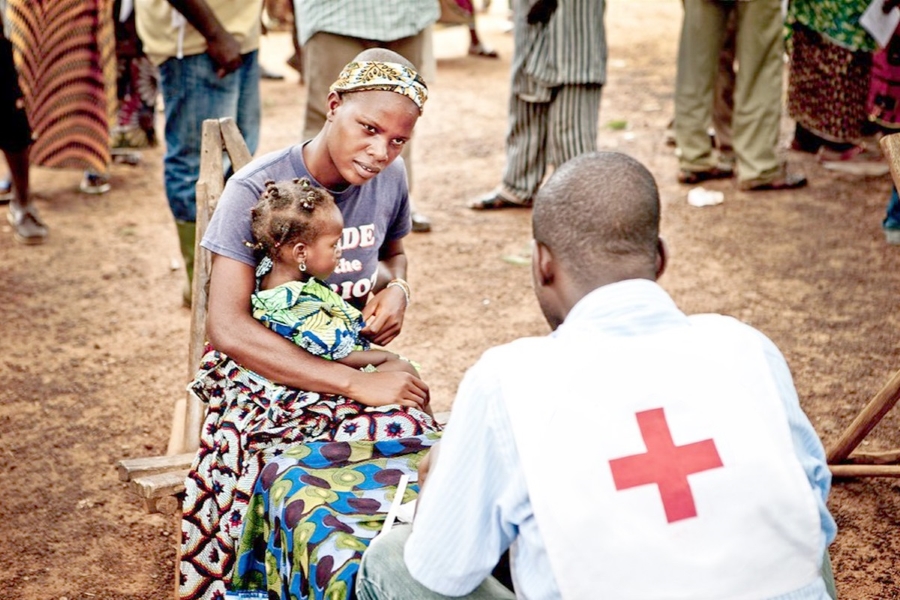
    Illustrative Image: Angola’s Fight Against Sleeping Sickness: Progress, Strategies, and Path to Eliminating Gambiense Human African Trypanosomiasis by 2030
    Image Source & Credit: WHO
    Ownership and Usage Policy

    A recent study by Ouma et al. (2025) titled “Bold strides towards the elimination of gambiense human African trypanosomiasis (gHAT) as a public health problem—A case study of Angola” published in PLOS Neglected Tropical Diseases, reveals Angola drastically reduced gHAT cases, nearing WHO validation for elimination as a public health problem, targeting complete eradication by 2030.

    Angola has dramatically reduced gHAT cases through integrated control strategies and is on track for WHO-validated elimination by 2030.
    – Ouma et al. 2025

    Gambiense human African trypanosomiasis (gHAT), commonly known as sleeping sickness, is a chronic parasitic disease caused by Trypanosoma brucei gambiense and transmitted by tsetse flies. Angola has historically been one of the most affected countries, with major epidemics recorded in the 1920s–1940s and again in the 1990s–2000s. Today, up to one-third of the country’s population remains at risk, particularly across seven endemic provinces. The disease was first reported in Angola in 1871, with organized control efforts beginning in 1901. Early colonial-era interventions included bush clearing, patient isolation, and mass drug administration. These measures were later reinforced by the introduction of mobile teams and large-scale chemotherapy programs in the mid-20th century, which brought significant reductions in case numbers. Following Angola’s civil war, the government revitalized its HAT control program in 2002 through the Instituto de Combate e Controlo das Tripanossomiases (ICCT).

    Key strategies included active and passive screening with rapid diagnostic tests, intensified vector control using traps and insecticide spraying, and community awareness campaigns. Strong international partnerships with organizations such as Trypa-NO!, DNDi, and WHO further strengthened Angola’s response. As a result, annual cases fell dramatically—from an average of 3,496 between 1990 and 2006 to just 56 between 2016 and 2023. Surveillance and treatment coverage also expanded, with 157 health facilities now equipped to diagnose and manage gHAT. The introduction of fexinidazole, the first all-oral treatment for sleeping sickness, simplified patient care and improved accessibility. Despite these successes, challenges remain. Civil conflict, the COVID-19 pandemic, and continued population movement through tsetse-infested areas have disrupted progress. Animal reservoirs and surveillance gaps also pose risks, contributing to occasional fluctuations in case numbers. Looking ahead, Angola aims to eliminate gHAT as a public health problem by 2030. Planned strategies include intensifying vector control, strengthening surveillance, enhancing cross-border collaborations, and preparing a technical dossier for WHO validation. This case study highlights Angola’s remarkable progress and offers valuable lessons for other endemic countries committed to eliminating sleeping sickness.

    How the Study was Conducted

    The study employed a retrospective case analysis of Angola’s national efforts to eliminate gambiense human African trypanosomiasis (gHAT), covering the period 1901 to 2023. Using a descriptive approach, the researchers compiled historical and recent data on control activities, programmatic milestones, epidemiological trends, and strategic interventions. Data sources included national surveillance records from the Instituto de Combate e Controlo das Tripanossomiases (ICCT), reports from WHO, DNDi, and Trypa-NO!, as well as published literature and internal program documents. The analytical focus centered on case detection trends, screening coverage, treatment outcomes, the deployment and impact of vector control, the expansion of health infrastructure and diagnostic capacity, and the introduction of new treatments such as fexinidazole. Progress was assessed against WHO elimination targets, particularly reducing incidence to fewer than one case per 10,000 population in endemic areas, sustaining surveillance and response capacity, and preparing for the validation of elimination as a public health problem. This integrated approach allowed the study to document Angola’s achievements, highlight ongoing challenges, and outline priorities for the final steps toward the full elimination of gHAT.

    What the Authors Found

    The study found that Angola has achieved a dramatic reduction in gambiense human African trypanosomiasis (gHAT) cases and is now on the verge of eliminating the disease as a public health problem, positioning itself for WHO validation and aiming for full elimination by 2030.

    Why is this important

    Global and Scientific Significance
    Angola’s near-elimination of gHAT demonstrates that neglected tropical diseases can be controlled in resource-limited settings, aligning with WHO’s 2030 roadmap. The study also documents proven strategies—such as mobile screening, oral treatments, and vector control—that can be replicated elsewhere.

    National Public Health Triumph
    Angola’s transition from epidemic outbreaks to near-elimination strengthens its health infrastructure, enhances resilience against future vector-borne diseases, and marks a major milestone in national health progress.

    Broader Lessons for Disease Control
    The integrated approaches—rapid diagnostics, community engagement, surveillance, and cross-border coordination—offer transferable lessons for tackling other neglected diseases like leishmaniasis and Chagas disease.

    Policy and Investment Blueprint
    By showcasing what works in real-world contexts, the study provides actionable guidance for policymakers, donors, and NGOs, reinforcing the case for sustained investment in elimination programs globally.

    What the Authors Recommended

    • The study emphasises expanding passive surveillance nationwide, maintains active screening in high-risk areas, and improves data systems for early detection and monitoring.
    • The authors advocate scaling up tsetse fly control using traps and insecticide-treated targets while integrating efforts with community participation to ensure sustainability.
    • Guarantee availability of RDTs and fexinidazole in all endemic zones, alongside training health workers in case management and differential diagnosis.
    • Strengthen coordination with neighboring countries through shared surveillance data, harmonized control strategies, and measures to prevent reintroduction via migration.
    • Develop and submit a technical dossier documenting progress, case data, and surveillance capacity to support validation of elimination as a public health problem.
    • In addition, secure ongoing government backing and international funding, embedding gHAT elimination within broader health system strengthening and NTD programs.

    Angola’s remarkable progress in reducing gHAT cases demonstrates that sustained surveillance, effective treatment, community engagement, and strategic vector control can bring neglected tropical diseases to the brink of elimination, offering a model for other endemic countries and reinforcing global health efforts toward the 2030 targets.

  • Digital Mental Health Interventions for African Youth: Systematic Review Protocol Highlights Urgent Need, Equity, and Scalable Solutions

    Digital Mental Health Interventions for African Youth: Systematic Review Protocol Highlights Urgent Need, Equity, and Scalable Solutions


    Illustrative Image: Digital Mental Health Interventions for African Youth: Systematic Review Protocol Highlights Urgent Need, Equity, and Scalable Solutions
    Image Source & Credit: CSMonitor
    Ownership and Usage Policy

    A recent study by Mokaya et al. (2025) titled “Digital mental health interventions for adolescents and young people (10–24 years) in Africa: A protocol for a systematic review of mental health outcomes, engagement, and equity considerations” published in Wellcome Open Research, reveals that mental health problems are rising among African youth, but access to care is limited.

    Digital mental health interventions for African youth are promising but require rigorous evaluation, equity, and youth-centered design.– Mokaya et al. 2025

    This study is a systematic review protocol examining digital mental health interventions (DMHIs) for adolescents and young people (AYP) aged 10–24 years in Africa. Mental health challenges such as depression, anxiety, and stress are highly prevalent among African youth, yet access to care remains limited due to severe shortages of mental health professionals, persistent stigma, and weak integration of services into primary healthcare. Against this backdrop, digital solutions—ranging from mobile apps and SMS-based support to online counseling—offer a potentially scalable and accessible way to address these gaps. The review aims to identify and describe DMHIs developed or used in African contexts, assess their impact on outcomes such as symptom reduction, emotional regulation, and psychological well-being, and evaluate feasibility factors including user engagement, acceptability, and affordability. It also seeks to explore equity considerations, such as gender inclusivity and disparities in digital access.

    Africa presents a particularly urgent case: the continent has one of the lowest psychiatrist-to-population ratios in the world (0.05 per 100,000), faces deep-rooted stigma around mental illness, and experiences uneven technological access despite rapid digital growth. DMHIs could therefore play a critical role in bridging care gaps, but their effectiveness and inclusivity must be rigorously assessed. Ultimately, this review will deliver a comprehensive synthesis of existing evidence, offering insights into what works, for whom, and under what conditions. Its findings will provide essential guidance for policymakers, developers, and health professionals in shaping effective, equitable, and youth-centered digital mental health strategies across Africa.

    What the Authors Found

    The authors found that mental health problems are rising among African youth, but access to care is limited. Digital tools (like apps, SMS programs, and online platforms) appear promising, yet evidence on their effectiveness, inclusivity, and feasibility in African contexts is still unclear. This review aims to systematically gather and evaluate that evidence.

    Why is this important

    Urgent Need: Africa faces a severe shortage of mental health professionals, leaving adolescents and young people—who are highly vulnerable to depression, anxiety, and stress—without adequate support.

    Digital Opportunity: With rapid growth in mobile and internet use, digital platforms (apps, SMS, online tools) offer a scalable, accessible, and youth-friendly way to deliver mental health care.

    Policy and Practice Impact: This review will identify which digital interventions are effective, highlight gaps in current approaches, and guide governments, NGOs, and developers in making evidence-based investments.

    Equity and Inclusion: The study emphasizes designing interventions that are affordable, culturally relevant, and inclusive of marginalized groups such as girls, rural youth, and those with limited digital access.

    What the Authors Recommended

    • Governments, NGOs, and health systems should invest in digital mental health interventions (DMHIs) as cost-effective, scalable, and accessible options for low-resource settings.
    • Design DMHIs to be gender-inclusive, affordable, and accessible for youth with limited connectivity or digital literacy, using low-bandwidth tools like SMS and voice-based platforms.
    • Embed mental health support within primary care systems, using digital tools as complementary aids rather than standalone solutions.
    • Conduct more rigorous studies with standardized outcome measures and long-term follow-up to better understand effectiveness, feasibility, and user engagement.
    • Involve adolescents and young people in designing, testing, and implementing digital tools to ensure relevance, usability, and stronger engagement.
    • In addition, governments should invest in African-led research, training, and infrastructure to support sustainable innovation in digital mental health.

    In conclusion, digital mental health interventions offer a promising pathway to address the growing mental health challenges faced by adolescents and young people across Africa. By leveraging mobile apps, SMS programs, and online platforms, these tools can provide scalable, accessible, and youth-friendly support in contexts where traditional mental health services are limited. However, their success depends on ensuring cultural relevance, equity, affordability, and active engagement with young users. This systematic review underscores the urgent need for rigorous evidence, inclusive design, and policy investment to harness digital solutions effectively, ultimately guiding governments, NGOs, and health professionals in building sustainable, youth-centered mental health strategies across the continent.

  • Huawei Partners with African Nations to Drive Inclusive Education Through AI and Digital Technologies

    Huawei Partners with African Nations to Drive Inclusive Education Through AI and Digital Technologies


    Illustrative Image: Huawei Partners with African Nations to Drive Inclusive Education Through AI and Digital Technologies
    Image Source & Credit: Techafricanews
    Ownership and Usage Policy

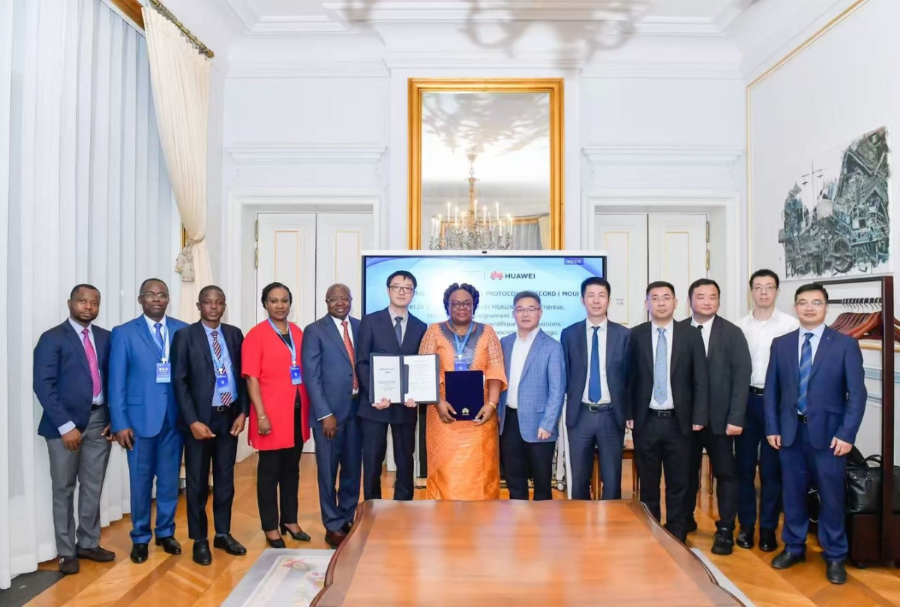
    At the Global Smart Education Conference 2025, held in Beijing from August 18 to 20, Huawei made a strong commitment to the future of inclusive education in Africa. The event brought together education ministry officials, policymakers, and university representatives from more than 30 African countries, including Egypt, Algeria, Senegal, the Democratic Republic of the Congo (DRC), and Cameroon.

    A key highlight was the inaugural African Inclusive Education Forum, where Huawei signed several Memorandums of Understanding (MoUs) and Letters of Intent (LOIs) with African governments and institutions. These agreements aim to deepen cooperation on integrating digital and intelligent technologies into Africa’s education systems, with a focus on building ecosystems that make learning accessible to all.

    Breaking Barriers with Technology

    Digital and AI-driven innovations are transforming education globally by making learning more personalized, efficient, and adaptive. For Africa—where disparities in infrastructure, resources, and geographical access remain pressing challenges—these technologies hold the potential to level the playing field. Through tools such as smart classrooms, affordable cloud terminals, campus connectivity, and AI-driven digital teachers, Huawei envisions breaking down barriers that prevent learners from disadvantaged regions or backgrounds from accessing quality education.

    Ye Ziping, Vice President and Chief Digital Officer of Huawei Northern Africa, emphasized the company’s commitment to “designing targeted inclusive education solutions” tailored to the realities of African countries. By combining technological expertise with local needs, Huawei seeks to ensure equitable access to education and empower every student and teacher.

    Building Skills for the Digital Era

    The conference underscored that ICT talent development is central to long-term success. Over the past decade, Huawei has collaborated with more than 3,000 universities worldwide, established Huawei ICT Academies, and trained over one million students. These efforts highlight a recognition that the future of education is not just about hardware and connectivity but also about human capacity-building.

    Peter Zhang, Vice President of Huawei’s Global Public Sector BU, reiterated that technology must go hand-in-hand with talent cultivation to drive sustainable growth in the education sector. By working with partners, Huawei plans to expand training opportunities and prepare African youth for the digital economy.

    Lessons from China’s Experience

    China’s own journey in digital education was showcased at the conference by Professor Wu Yonghe, Director of CELTSC under China’s Ministry of Education. He noted that national policies, aligned with local implementation, have enabled AI to be integrated into every stage of the teaching process—from lesson planning and classroom instruction to student assessment. This integration has improved both the quality and inclusivity of education, benefiting millions of students and teachers.

    Huawei’s Inclusive Solutions for Africa

    Liu Yue, Director of Inclusive Education at Huawei Northern Africa, detailed the company’s end-to-end “device-pipe-cloud-intelligence” approach. By combining hardware, connectivity, and cloud-based solutions, Huawei aims to extend the classroom beyond physical walls, bridging urban-rural divides and enhancing educational equity.

    The initiatives include:

    • Smart classrooms equipped with digital tools.

    • Affordable cloud-based terminals to widen access.

    • Campus connectivity solutions to ensure seamless learning.

    • AI-driven platforms that personalize education for students.

    By leveraging these tools, Huawei hopes to accelerate Africa’s transition toward digital-intelligent education ecosystems aligned with the UN’s goal of universal access to quality education.

    Strengthening Partnerships in Africa

    Several significant agreements were signed during the event. In the DRC, Minister Prof. Dr. Sombo Ayanne Safi Mukuna Marie-Thérèse signed an LOI with Huawei to expand digital infrastructure for universities, introduce smart classrooms, and establish a joint innovation lab to nurture local digital talent.

    In Senegal, Minister of National Education Moustapha Mamba Guirassy signed an MoU with Huawei and Sonatel to boost digital teaching equipment, infrastructure, and talent development. These partnerships illustrate a growing recognition across African governments that digital transformation in education is essential for future growth.

    Toward a Shared Digital Future

    The event also allowed African delegates to visit education industry showcases in Beijing, Shenzhen, and Dongguan, where they exchanged experiences with Chinese peers. These interactions highlighted the shared challenges and opportunities of digital education.

    Ultimately, Huawei’s pledge reflects a broader vision: technology as a tool of empowerment. By investing in inclusive education, Huawei and its partners seek to build a future where every African learner—regardless of location, background, or resources—can access high-quality education and thrive in the digital era.

  • Closing the Gender Gap in African Tech: Pathways to Parity in STEM, Leadership, and Entrepreneurship

    Closing the Gender Gap in African Tech: Pathways to Parity in STEM, Leadership, and Entrepreneurship


    Illustrative Image: Closing the Gender Gap in African Tech: Pathways to Parity in STEM, Leadership, and Entrepreneurship
    Image Source & Credit: Devdiscourse
    Ownership and Usage Policy

    Africa’s technology sector is one of the most promising frontiers for economic transformation. With digital innovation fueling entrepreneurship, creating new jobs, and redefining industries, technology is often described as the engine of Africa’s future. Yet, this engine risks stalling if half of its potential drivers—women—remain marginalized.

    While Africa outperforms many regions in women’s participation in STEM education and entrepreneurship, significant gender gaps persist at three critical stages of women’s professional journeys: the transition from school to work, progression into leadership, and access to entrepreneurial financing. Unless these leaks in the talent pipeline are plugged, the continent may fall short of its vision for an inclusive digital economy.

    Africa’s Mixed Record on Women in Tech

    Globally, women remain underrepresented in technology. They account for just 28.2 percent of STEM careers, with their numbers thinning out as they climb the career ladder. Only one in ten senior leaders in global STEM fields are women. Africa fares slightly better, but the challenges are strikingly similar.

    • Education: Nearly half (47 percent) of Africa’s STEM graduates are women—the highest proportion in the world. This remarkable achievement reflects targeted policies, grassroots initiatives like She Code Africa, Africa Code Week, and Women Techsters, and a growing awareness among women that STEM offers pathways to economic security and social mobility.

    • Workforce: Despite the strong educational pipeline, only 23 to 30 percent of tech roles are filled by women. Their representation shrinks further in leadership, where fewer than 20 percent of C-suite tech positions are held by women, and just 3 percent of billion-dollar African companies have female tech executives.

    • Entrepreneurship: Africa has the highest share of women entrepreneurs globally, with women founding 26 percent of all businesses. Yet in the tech start-up ecosystem, only 10 percent of companies have a woman CEO, and women-led ventures attract barely 1 percent of total funding.

    This paradox—high participation in education and entrepreneurship but weak representation in leadership and finance—suggests systemic barriers that are cultural, institutional, and financial in nature.

    The Drop-Off: Why Women Exit the Tech Pipeline

    1. School to Work Transition

    The journey from classroom to career is where Africa experiences one of its biggest talent leaks. While women are excelling in STEM education, fewer than half secure tech roles. Stereotypes portraying technology as “masculine,” unconscious biases during recruitment, and a lack of female mentors contribute to this fall-off. Many talented graduates are lost to other industries or pushed into non-technical roles.

    2. Workforce Progression and Leadership

    For women who do enter the sector, advancement is not guaranteed. Barriers include:

    • Bias in promotion and evaluation: For every 100 men promoted to manager in tech, only 52 women achieve the same.

    • Work-life balance pressures: Caregiving and domestic roles disproportionately fall on women, reducing career flexibility.

    • Mentorship gaps: Limited access to networks and sponsors narrows the path to senior roles.

    These hurdles explain why only 12 percent of tech leadership roles in Africa are held by women, despite strong entry-level participation.

    3. Funding for Women Entrepreneurs

    Perhaps the sharpest inequality lies in start-up financing. In 2024, women-led African start-ups received only 1 percent of tech funding—$21 million compared to $2.1 billion for men-led ventures. This funding gap has persisted for years, fueled by biased investor perceptions, limited networks, and risk-averse funding practices.

    The result is a vicious cycle: women innovators with promising ideas are unable to scale, further reinforcing the stereotype that male-led ventures are more successful.

    Closing the Loop: Pathways to Parity

    The good news is that Africa’s strong foundation—a relatively high proportion of women STEM graduates and entrepreneurs—means parity is within reach. To close the loop, three levers are key:

    1. Strengthen the School-to-Work Pipeline

    • Industry–academia partnerships: Align curricula with market needs to ensure graduates are job-ready.

    • Scholarships, internships, and apprenticeships: Give women exposure to practical experience and industry networks.

    • Role models and mentorship: Early mentorship can counter stereotypes and inspire young women to pursue tech careers.

    • Data-driven recruitment: Companies should use insights to forecast skill demands and strategically hire more women talent.

    2. Reform Workplace Cultures and Leadership Pathways

    • Inclusive policies: Flexible work, return-to-work programs, and childcare support can keep women in the workforce.

    • Bias training: Standardized recruitment and promotion practices reduce discrimination.

    • Pay equity audits: Regular reviews ensure fair compensation.

    • Sponsorship programs: Pairing senior leaders with high-potential women can accelerate leadership transitions.

    3. Expand Access to Funding for Women Founders

    • Dedicated funds and grants: Public and private stakeholders can create gender-focused financing instruments.

    • Mentorship on fundraising: Training women founders in investor relations and pitching can improve outcomes.

    • Visibility initiatives: Platforms like the Female Innovation Index can highlight and celebrate women-led ventures.

    • Investor accountability: Setting diversity goals for funding allocation can shift systemic imbalances.

    Why Gender Parity Matters

    The case for women’s inclusion is more than moral—it is economic and strategic. Research consistently shows that:

    • Diverse leadership improves business performance, driving innovation and better decision-making.

    • Women-led businesses create more jobs and generate higher revenues relative to investment levels.

    • A balanced workforce strengthens resilience, enabling companies to adapt faster in times of disruption—an essential advantage as AI and automation reshape Africa’s labor markets.

    If Africa succeeds in plugging the leaks in women’s professional journeys, it could unleash a wave of tech-enabled growth that is more inclusive, resilient, and globally competitive.

    Conclusion: From Potential to Parity

    Africa already stands out for its relatively strong showing on women’s participation in STEM education and entrepreneurship. Yet unless systemic inequalities are addressed, the continent risks wasting this advantage.

    Closing the loop requires bold, data-driven leadership from governments, businesses, investors, and civil society. By redesigning recruitment systems, transforming workplace cultures, and rebalancing funding flows, Africa can position women not just as participants in the digital economy, but as leaders shaping its future.

    Gender parity in tech is not a distant aspiration—it is an achievable milestone. The sooner Africa closes the loop, the sooner it can unlock the full dividend of its digital transformation.

  • Transforming Education in West Africa: How ICAP and Growth Mindset Can Redefine Classroom Engagement

    Transforming Education in West Africa: How ICAP and Growth Mindset Can Redefine Classroom Engagement


    Illustrative Image: Transforming Education in West Africa: How ICAP and Growth Mindset Can Redefine Classroom Engagement
    Image Source & Credit: Technext
    Ownership and Usage Policy

    In September 2025, HolonIQ’s Education in 2030 report highlighted an urgent reality: global education systems must evolve to meet the demands of a rapidly changing world. For West Africa, where educational inequality, infrastructure gaps, and cultural complexities intersect, this evolution cannot simply mirror Western models. It must be uniquely African.

    The work of two leading scholars—Michelene Chi, with her ICAP engagement framework, and Carol Dweck, with her research on growth mindset—provides critical foundations for rethinking learning. But their ideas, while powerful, cannot be transplanted wholesale. They must be adapted, expanded, and reimagined to suit West African realities, where classrooms are often overcrowded, technology is scarce, and cultural values shape learning in distinct ways.

    As an edtech product designer working across Nigeria and West Africa through DO Take Action, I have seen both the promise and the limitations of applying these frameworks without adaptation. The task before us is not only to move students from passive to active learning, but to redefine what “engagement” and “mindset” mean in communities where education itself is contested, fragile, and yet profoundly valued.

    The Reality Check: Classroom Conditions in West Africa

    Statistics paint part of the challenge:

    • Only 25% of higher education students in Sub-Saharan Africa pursue STEM, and less than 30% of those are women.

    • In Nigeria, 10.5 million children aged 5–14 are out of school, and only 61% of 6–11 year-olds attend primary school regularly.

    • As of 2018, fewer than 10% of Nigerian universities had video conferencing facilities, and the system faced a 30% teacher deficit.

    But numbers only tell half the story. In practice, I encounter classrooms with more than 60 students to one teacher, intermittent electricity, and minimal access to teaching aids. Here, “interactive learning” cannot look like it does in Silicon Valley or London. It must look like children huddled around a single phone for research, or like students inventing learning games with chalk and borrowed notebooks.

    This is where Chi’s ICAP framework—which categorizes learning into Passive, Active, Constructive, and Interactive modes—requires contextual expansion.

    ICAP in Context: From Individual to Collective Engagement

    Chi’s original ICAP framework assumes engagement is largely individual. But in West Africa, learning is inherently communal. Peer groups, family networks, and cultural traditions shape how students engage. Through my work, I’ve observed a Community-ICAP Model better suited for our context:

    1. Collective Passive: Large-group listening, often with shared cultural cues and peer reinforcement that make even “passive” learning more dynamic than in Western settings.

    2. Resourceful Active: Students creatively engage limited materials—sharing a single textbook among five, pooling funds for data bundles, or improvising lab experiments with household tools.

    3. Culturally Constructive: Students build knowledge by connecting formal content with indigenous knowledge systems—such as linking coding logic to local storytelling traditions or agricultural practices.

    4. Networked Interactive: Collaboration expands beyond classrooms, involving family, community leaders, and peers across social networks. Knowledge is not just exchanged; it is validated communally.

    This shift highlights that engagement in African classrooms is not just about individual cognition, but about social resilience and cultural adaptation.

    Growth Mindset Meets Cultural Reality

    Carol Dweck’s growth mindset research argues that students thrive when they believe abilities can be developed through effort. For West Africa, this principle is both inspiring and insufficient on its own.

    Why? Because believing in one’s potential is hard when systemic barriers—poverty, gender discrimination, poor infrastructure—persist. For instance:

    • In north-eastern and north-western Nigeria, female primary net attendance rates hover below 48%.

    • Families face hidden costs—levies, uniforms, supplies—that undermine the promise of “free” basic education.

    Here, nurturing a growth mindset is not just about telling girls they can succeed in STEM; it’s about removing structural barriers and showing that their communities believe in their potential.

    From my Master’s studies in Social and Public Policy, I’ve learned that mindset shifts must align with systems change. For growth mindset to take root, three strategies are essential:

    • Economic scaffolding: Subsidizing data, designing offline tools, and reducing cost barriers.

    • Cultural bridging: Linking STEM learning to traditional crafts, farming methods, or local entrepreneurship.

    • Peer network activation: Building learning communities that extend beyond school hours into family and neighborhood life.

    When growth mindset is embedded in both psychology and policy, it becomes a transformative force.

    Technology as an Enabler—But Designed for Constraint

    Chi and Dweck both note the role of technology in enhancing engagement. Yet in West Africa, technology cannot assume consistent electricity, connectivity, or device access.

    Practical design principles for “Technology-Enhanced ICAP” in Africa include:

    • Offline-first design: Apps that work fully offline and sync only when connectivity is available.

    • Shared device models: Protocols for equitable use of one device among many learners.

    • Voice-based learning: Tools that leverage oral traditions and low literacy levels.

    • Data-light interfaces: Solutions optimized for minimal bandwidth.

    At DO Take Action, some of our most effective STEM apps integrate local storytelling traditions, bilingual interfaces (English + indigenous languages), and group problem-solving features. Technology works best when it amplifies cultural practices instead of replacing them.

    From Classrooms to Systems: Scaling ICAP and Growth Mindset

    True transformation requires moving beyond isolated classroom interventions toward systemic change:

    1. Teacher Capacity Building: Training teachers not just in engagement methods, but in how to adapt these methods for overcrowded, under-resourced classrooms.

    2. Community Partnerships: Positioning parents, elders, and community leaders as co-educators who reinforce growth mindset cultures at home.

    3. Policy Reform: Advocating for assessment systems that reward effort, creativity, and collaboration rather than reinforcing fixed-ability sorting.

    4. Infrastructure Investment: Building sustainable edtech ecosystems designed for Africa’s realities, not retrofitted from Western contexts.

    The African Union’s 2024 Year of Education initiative—focused on creating “an African fit for the 21st century”—offers a powerful policy window. But seizing this opportunity requires aligning ICAP and growth mindset with African-centered educational design.

    Conclusion: Redefining Engagement for African Futures

    The promise of Chi’s ICAP framework and Dweck’s growth mindset is real. But for West Africa, their power lies not in replication, but in reinvention. Engagement here means community as much as individual effort. Growth mindset here means resilience against systemic barriers as much as personal belief.

    Our future depends on designing learning environments that are culturally resonant, technologically adaptive, and structurally supportive. This is not a story of Africa catching up to the West—it is a story of Africa charting its own educational future, one that leverages cultural strengths, overcomes infrastructural weaknesses, and empowers the next generation of innovators and leaders.

    If we succeed, West African classrooms will not just move “beyond passive learning”—they will redefine what global educational engagement looks like in the 21st century.

  • How Government Digitalization Shapes Democracy: Risks, Lessons, and Global Approaches

    How Government Digitalization Shapes Democracy: Risks, Lessons, and Global Approaches


    Illustrative Image: How Government Digitalization Shapes Democracy: Risks, Lessons, and Global Approaches
    Image Source & Credit: Biometricupdate
    Ownership and Usage Policy

    The accelerating shift toward digital government services is often framed as a leap toward modernization and efficiency. But according to new research from the University of Basel in Switzerland, rushing this transformation can actually expose democracies to vulnerabilities—empowering central authorities, eroding transparency, and leaving citizens with fewer safeguards against misuse of power.

    This concern lies at the heart of The Road to Automated Democracy, a monitoring report released in June 2025 by the Public Institutions and Administration Research Forum (e-PIAF). The study analyzes how four countries—Switzerland, Germany, Estonia, and the United Kingdom—are implementing digital governance and what it means for democracy.

    “Switzerland’s slow, decentralized digital transformation can protect democracy,” explains Christian R. Ulbrich, co-director of e-PIAF and co-author of the report.

    Digitalization as a Double-Edged Sword

    The report underscores a paradox: while digitalization can make government services more efficient and accessible, it also tends to concentrate decision-making power in fewer institutions and individuals. This concentration undermines democratic checks and balances if not carefully managed.

    The sequence of adoption is telling. Ulbrich notes that new technologies are typically introduced first within intelligence services and police agencies—sectors already associated with surveillance and control—before spreading to tax authorities and broader administrative functions. This raises the risk of embedding authoritarian practices into digital governance systems.

    Estonia: A Trailblazer with Hidden Risks

    Estonia is often celebrated as the global leader in e-governance, having introduced electronic identity cards in the early 2000s and pushing toward a fully digital state. Yet, its rapid progress came at a cost. Public debates over privacy, civil liberties, and long-term democratic safeguards were often bypassed in the rush to digitize.

    A recent example illustrates the risks. Earlier this year, Estonia’s Police and Border Guard Board began using a nationwide network of automatic number plate recognition (ANPR) cameras to track offenders. While efficient, the decision triggered political backlash. By August, the country’s Data Protection Inspectorate (AKI) ordered the police to comply with stronger privacy standards.

    Moreover, Estonia exports its digital model abroad. Its flagship X-Road data exchange platform has been adopted by countries such as Saudi Arabia—raising concerns that authoritarian governments could exploit the technology without incorporating democratic safeguards like transparency or independent oversight.

    Germany and the UK: Two Different Approaches

    Germany has taken the opposite path. Its “cautious and fragmented” strategy aims to avoid the centralization of power by involving multiple stakeholders across federal and state levels. While this slows progress and creates bureaucratic complexity, it reflects an intentional choice to balance efficiency with democratic accountability. For instance, German citizens can use an alternative digital identity method—the ELSTER certificate—alongside the e-ID card, ensuring that no single system monopolizes access.

    The UK, meanwhile, chose early adoption but leaned heavily on private-sector solutions. Authentication and service access are centralized through the GOV.UK platform, but much of the infrastructure relies on commercial providers like Microsoft. While this offers convenience, it creates long-term dependency on corporate vendors and weakens state control over its own digital backbone.

    Switzerland: A Model for Democracy-Friendly Digitalization

    Switzerland stands apart. Its digitalization efforts are slower and less visible, but the report suggests they may be more sustainable for democracy. Rather than rushing toward flashy solutions, Switzerland has focused on digitizing the institutions most central to democratic governance: courts and parliaments.

    For example, the Swiss Parliament has launched CuriaPlus, a database that links directly to official data sources, enhancing legislative transparency. Similarly, the Swiss Federal Supreme Court is experimenting with artificial intelligence tools, but these are built on open-source, self-hosted platforms rather than proprietary black-box systems.

    In a symbolic test of its democratic model, Switzerland is also preparing for a national referendum on electronic identity (e-ID) on September 28, giving citizens a direct voice in shaping the country’s digital future.

    Lessons for Democracy and Digital Governance

    The Road to Automated Democracy report concludes that early adopters like Estonia may now be locked into their initial technological choices, making reforms harder. In contrast, latecomers such as Switzerland and Germany may benefit from learning from others’ mistakes, designing systems that are not only efficient but also resilient against authoritarian misuse.

    The key takeaway is that digitalization is not neutral. The design choices behind identity systems, data platforms, and administrative networks inevitably shape the balance of power within a democracy. Speed and efficiency are not enough; inclusivity, transparency, and citizen participation are essential for ensuring that digital states remain democratic states.

    In conclusion: Digital government can either strengthen democracy or hollow it out, depending on whether societies prioritize checks and balances alongside innovation.

  • Numerical Analysis of Magnetohydrodynamic Silver Nanofluid Flow in Cylindrical Coordinates: Heat Transfer, Magnetic Field Effects, and Applications

    Numerical Analysis of Magnetohydrodynamic Silver Nanofluid Flow in Cylindrical Coordinates: Heat Transfer, Magnetic Field Effects, and Applications


    Illustrative Image: Numerical Analysis of Magnetohydrodynamic Silver Nanofluid Flow in Cylindrical Coordinates: Heat Transfer, Magnetic Field Effects, and Applications
    Image Source & Credit: MDPI
    Ownership and Usage Policy

    A recent study by Ojo et al. (2025) titled “NUMERICAL ANALYSIS OF ENERGY TRANSFER ON MAGNETOHYDRODYNAMIC SILVER NANOFLUID FLOW IN CYLINDRICAL COORDINATE” published in Open Journal of Physical Science (ISSN: 2734-2123), reveals that applying a magnetic field alters silver nanofluid flow in cylinders, enhancing thermal conductivity yet reducing velocity and modifying boundary layer behavior.

    Magnetic fields enhance silver nanofluid thermal conductivity but reduce velocity, significantly influencing heat transfer in cylindrical systems. – Ojo et al. 2025

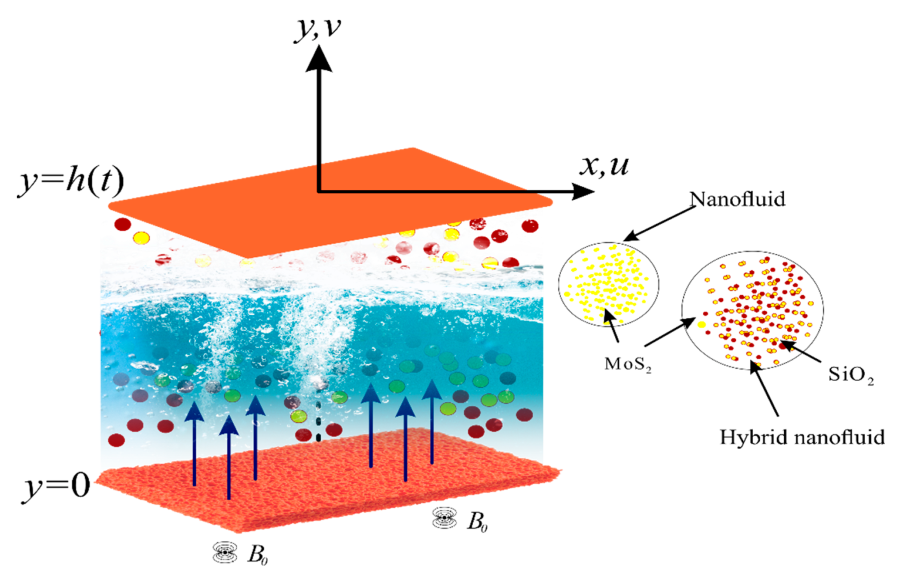
    The study explores the intricate relationship between fluid dynamics, magnetic fields, and heat transfer. Focusing on silver nanofluids—fluids infused with silver nanoparticles renowned for their superior thermal conductivity—the research investigates how these advanced materials respond to magnetic influences in cylindrical systems such as pipes, reactors, and biomedical devices. At its core, the study applies magnetohydrodynamics (MHD) to numerically simulate the transfer of energy within silver nanofluids under varying conditions. By analyzing parameters such as magnetic field strength, fluid velocity, and thermal conductivity, the research provides key insights into how magnetic forces shape fluid behavior and heat transport efficiency. The findings hold significant promise for real-world applications, ranging from industrial cooling systems and energy technologies requiring precise thermal regulation to biomedical innovations, including drug delivery mechanisms controlled by magnetic fields.

    How the Study Was Conducted

    The study employed a numerical simulation approach, where mathematical models were developed and solved computationally rather than through physical experiments. The governing equations were derived from the fundamental principles of fluid dynamics and heat transfer, including the continuity equation for mass conservation, momentum equations modified to account for magnetic effects, and the energy equation to describe heat transfer. Since the system under consideration resembled pipe-like structures, the equations were expressed in cylindrical coordinates. To capture the influence of magnetic fields, the Lorentz force was incorporated into the momentum equations. A uniform transverse magnetic field was assumed, which directly impacted both the motion of the silver nanofluid and its heat transfer behavior. Silver nanoparticles were chosen for the study because of their exceptionally high thermal conductivity. The fluid’s effective thermophysical properties were modeled by combining the characteristics of the base fluid with those of the nanoparticles. The system of equations was solved numerically using the finite difference method, a reliable technique for approximating differential equations. Appropriate boundary conditions were applied to simulate realistic flow scenarios within the cylindrical framework. The simulations generated graphical results that highlighted the variations in velocity, temperature distribution, and heat transfer rates under different operating conditions, particularly changes in magnetic field strength and nanoparticle concentration.

    What the Authors Found

    The authors found that applying a magnetic field significantly modifies the flow and heat transfer of silver nanofluids in cylindrical systems, with silver nanoparticles enhancing thermal conductivity but the magnetic field suppressing velocity and altering boundary layer behavior.

    Why is this important

    Engineering Efficiency – Silver nanofluids enhance cooling in electronics, reactors, and machinery, while magnetic fields enable fine-tuned thermal control.

    Biomedical Applications – Insights help optimize nanoparticle behavior for targeted drug delivery and hyperthermia cancer treatments.

    Environmental & Energy Impact – Improved heat transfer reduces energy use, supporting clean energy and sustainability.

    Scientific Contribution – Advances magnetohydrodynamics by linking fluid mechanics, electromagnetism, and thermodynamics for innovative technologies.

    What the Authors Recommended

    • While silver nanoparticles showed promising thermal performance, the authors suggested investigating other nanoparticle materials to compare efficiency and cost-effectiveness.
    • They recommended conducting physical experiments to validate the numerical results and strengthen the reliability of the simulation models.
    • Future work should focus on optimizing parameters such as magnetic field strength, nanoparticle concentration, and flow geometry to maximize heat transfer.
    • The authors encouraged tailoring the model to real-world systems like biomedical devices, heat exchangers, and microfluidic channels for more targeted insights.
    • In addition, they proposed incorporating factors like radiation, chemical reactions, or variable viscosity to make the model more comprehensive and realistic.

    In conclusion, this study demonstrates how silver nanofluids under magnetic influence can revolutionize heat transfer technologies, offering transformative benefits across engineering, biomedical, and energy applications while paving the way for more efficient, sustainable, and innovative solutions.

  • Effect of Radiation and Chemical Reactions on Ozone Layer Healing: Insights from Mathematical Modeling and Climate Policy

    Effect of Radiation and Chemical Reactions on Ozone Layer Healing: Insights from Mathematical Modeling and Climate Policy


    Illustrative Image: Effect of Radiation and Chemical Reactions on Ozone Layer Healing: Insights from Mathematical Modeling and Climate Policy
    Image Source & Credit: MIT
    Ownership and Usage Policy

    A recent study by Ojo, A. S., & Egbo, C. A. (2025) titled “EFFECT OF RADIATION AND CHEMICAL REACTION ON OZONE LAYER HEALING” published in Open Journal of Physical Science (ISSN: 2734-2123), reveals that radiation accelerates ozone healing, while chemical reactions can either hinder or support recovery, depending on conditions.

    Radiation accelerates ozone healing, while chemical reactions either hinder or support recovery, highlighting pollution reduction’s importance for atmospheric restoration.
    – Ojo, A. S., & Egbo, C. A. (2025

    The study examines how environmental factors—particularly radiation and chemical interactions—affect the recovery of the ozone layer. Its primary goal is to understand how solar or cosmic radiation influences ozone restoration and how atmospheric chemical reactions, especially those involving ozone-depleting substances such as chlorofluorocarbons (CFCs) and nitrogen oxides, either accelerate or hinder this healing process. The research focuses on the interaction between radiation and atmospheric molecules, analyzing how incoming energy drives ozone formation or depletion, alongside the complex chemical dynamics that govern these processes. It also explores the natural and human-driven mechanisms that contribute to ozone recovery. By uncovering these dynamics, the study provides valuable insights for environmental protection and climate policy. Its findings could strengthen global initiatives such as the Montreal Protocol, improve strategies for reducing harmful pollutants, and enhance predictions about future ozone recovery trends—crucial for safeguarding life on Earth against harmful ultraviolet radiation.

    How the Study was Conducted

    The authors employed a mathematical modeling approach to investigate ozone layer healing. They formulated differential equations to describe the variation of ozone concentration over time, incorporating radiation intensity and chemical reaction rates as key variables. By adjusting parameters such as reaction rate constants, radiation absorption coefficients, and initial ozone levels, they conducted a parameter analysis to evaluate their influence on ozone recovery. The equations were then solved using numerical simulation techniques, generating data that illustrated how ozone concentration evolved under different conditions. These outcomes were interpreted graphically, with plots showing ozone variation over time across multiple scenarios. Finally, a comparative evaluation was carried out, contrasting cases with and without radiation and chemical reactions to demonstrate their individual and combined impacts on the healing process.

    What the Authors Found

    The study revealed several critical insights into the dynamics of ozone recovery. Radiation, particularly from the sun, was shown to accelerate healing by energizing oxygen atoms, enabling them to recombine into ozone molecules. Chemical reactions, however, produced mixed outcomes: while pollutants such as chlorofluorocarbons (CFCs) and nitrogen oxides hindered recovery by breaking down ozone, natural reactions in cleaner atmospheric conditions supported its formation. The research further highlighted the importance of the combined effects of radiation and chemistry, emphasizing that reducing harmful emissions while maintaining natural radiation exposure is key to optimizing ozone restoration. Importantly, the mathematical models employed were able to replicate real-world ozone behavior, validating both the methodology and the study’s conclusions.

    Why is this important

    Protects Human Health: A healthy ozone layer reduces UV exposure, which helps prevent skin cancer, cataracts, and immune system suppression.

    Safeguards Ecosystems: UV radiation can damage crops, marine life (especially plankton), and disrupt food chains. Healing the ozone layer helps preserve biodiversity.

    Informs Climate Policy: By showing how radiation and chemical reactions affect ozone dynamics, the study supports smarter environmental regulations and global agreements like the Montreal Protocol.

    Predicts Future Trends: The mathematical models used can forecast how quickly the ozone layer might recover under different scenarios, helping scientists and policymakers plan ahead.

    Highlights Human Impact: It underscores how pollutants like CFCs and nitrogen oxides can delay healing, reinforcing the need for continued vigilance in reducing emissions.

    What the Authors Recommended

    • The authors emphasize the importance of minimizing the release of harmful chemicals like chlorofluorocarbons (CFCs), halons, and nitrogen oxides that disrupt ozone formation.
    • The study encouraging the use of eco-friendly technologies and renewable energy sources can reduce the chemical pollutants that interfere with ozone healing.
    • The study reinforces the value of international protocols especially the Montreal Protocol as effective tools for regulating and phasing out ozone-depleting substances.
    • Continued scientific investigation into the interactions between radiation and atmospheric chemistry is recommended to refine predictive models and improve policy decisions.
    • Educating communities about the importance of the ozone layer and how everyday actions affect it can foster more responsible environmental behavior.

    In conclusion, the study by Ojo and Egbo (2025) underscores the delicate balance between natural processes and human activity in shaping the future of the ozone layer. By demonstrating how radiation accelerates healing while harmful chemical reactions delay it, the research highlights both the progress achieved through global agreements like the Montreal Protocol and the urgent need for continued vigilance in reducing pollutant emissions. Through mathematical modeling and scientific insight, this work not only advances understanding of ozone dynamics but also provides a roadmap for policymakers, scientists, and communities to safeguard the planet from harmful ultraviolet radiation and ensure a healthier environment for generations to come.

  • Call for Research Proposals: FutureWORKS Collective West & Central Africa – Digital Transformation, Climate Change, and the Future of Work

    Call for Research Proposals: FutureWORKS Collective West & Central Africa – Digital Transformation, Climate Change, and the Future of Work


    Illustrative Image: Call for Research Proposals: FutureWORKS Collective West & Central Africa – Digital Transformation, Climate Change, and the Future of Work
    Image Source & Credit: USSER UG
    Ownership and Usage Policy

    Thematic Focus

    The hub encourages proposals that reflect interdisciplinary approaches, include a gender perspective, and give visibility to disadvantaged groups in labour markets such as women, gender-diverse populations, youth, migrants, ethnic minorities, and workers in vulnerable conditions.

    Priority will be given to projects that:

    • Incorporate comparative cross-country analysis within the region

    • Engage with one or more of the following focus areas:

      • Digital technologies and their impact on the world of work

      • Climate change mitigation and adaptation, particularly as they affect labour markets

      • The future of work in agriculture-based economies, a key sector in West and Central Africa


    Proposal Requirements

    Each submission should include both a narrative proposal and a detailed budget.

    Narrative Proposal Components:

    • Title of Proposed Study

    • Participating Institutions / Implementing Organization

    • Principal Investigator(s) (with emphasis on gender diversity in research teams)

    • Abstract

    • Context and Background

    • Research Problem and Justification

    • Objectives and Research Questions

    • Research Design and Methodology

    • Proposed Interventions

    • Project Timeline (illustrated with a chart)

    • Expected Results and Dissemination Strategy

    • Policy Impact Plan

    • Potential Users and Uses of the Research

    • Outreach Strategy

    • Partner Organization Profile(s)

    • Team Profiles of core members

    Budget: Clear financial plan aligned with project scope.


    Evaluation Criteria

    Proposals will be assessed on the basis of:

    • Relevance to the program’s thematic focus

    • The rigor and feasibility of the research design

    • The degree of gender inclusivity and representation of vulnerable groups

    • Comparative and cross-country perspectives

    • Potential for policy influence and practical impact


    Application Timeline

    • Call Opens: September 2025

    • Deadline for Submission: September 30, 2025

    • Review and Selection: Following submission, proposals will undergo a competitive review process.

    👉 [Apply Here]


    Why This Matters

    The future of work in West and Central Africa will be shaped by three powerful forces:

    1. Digital Transformation – Automation, AI, and digital platforms are disrupting traditional employment structures while creating new forms of work.

    2. Climate Change – The twin imperatives of mitigation and adaptation are altering livelihoods, especially in agriculture, which remains the backbone of many economies in the region.

    3. Labour Market Inequalities – Persistent structural barriers continue to disadvantage women, youth, and informal workers.

    By investing in locally led, evidence-based research, the FutureWORKS Collective aims to strengthen policy frameworks, equip governments and communities with data-driven insights, and empower vulnerable groups to adapt to and benefit from these transformations.


    ✨ Conceptual Note:
    The FutureWORKS initiative is more than a funding call—it represents a paradigm shift in research on labour and development. By rooting research in the Global South, it challenges traditional knowledge hierarchies where insights are often imported rather than locally produced. It values contextual relevance, gender equity, and policy linkages, ensuring that research is not only academic but also actionable. This positions the program as a bridge between evidence and policymaking, enabling West and Central Africa to navigate the future of work with resilience, inclusivity, and innovation.