Author: AR Managing Editor

  • Unlocking the Hidden Value of Bambara Groundnut Waste: How Valorization Drives Sustainability, Food Security, and Economic Empowerment in Africa.

    Unlocking the Hidden Value of Bambara Groundnut Waste: How Valorization Drives Sustainability, Food Security, and Economic Empowerment in Africa.


    Illustrative Image: Unlocking the Hidden Value of Bambara Groundnut Waste: How Valorization Drives Sustainability, Food Security, and Economic Empowerment in Africa.
    Image Source & Credit: Croptrust
    Ownership and Usage Policy

    A recent study by Lungaho et al. (2025) titled “From Discard to Resource: Unlocking the Environmental and Nutritional Value of Bambara Groundnut Waste“, published in Frontiers in Sustainable Food Systems, reveals that effective management and valorization of Bambara groundnut waste can play a vital role in promoting environmental sustainability, food and nutrition security, and economic empowerment, especially across Africa.

    Valorizing Bambara groundnut waste transforms agricultural residues into valuable resources, boosting sustainability, food security, and economic growth. – Lungaho et al. 2025

    The study explores how the by-products of Bambara groundnut including shells, haulms (stems and leaves), and processing offals, can be transformed from agricultural waste into valuable resources that drive sustainability and economic growth. The study emphasizes that effective management and valorization of Bambara groundnut waste can play a vital role in promoting environmental sustainability, food and nutrition security, and economic empowerment, especially across Africa. By aligning with the principles of the circular economy, such innovations also contribute directly to the UN Sustainable Development Goals, particularly Zero Hunger and Climate Action. Through a detailed review of existing research, the authors identified several promising ways to repurpose Bambara groundnut waste. These include:

    • Bioenergy Production: Converting waste into biogas or bioethanol to provide clean, renewable energy and reduce dependence on fossil fuels.
    • Soil Amendments: Using compost and biochar derived from the waste to improve soil fertility and cut down the use of synthetic fertilizers.
    • Bio-Based Materials: Developing eco-friendly products such as bioplastics and adsorbents for water purification.
    • Nutrient Extraction: Utilizing the high protein, fiber, and bioactive compound content in residues to produce animal feed and functional foods.

    Together, these approaches reduce environmental pollution, enhance soil regeneration, and open new income-generating opportunities for farmers. However, the study also highlights key challenges to large-scale adoption, including limited infrastructure, technical know-how, and financial capacity among smallholder farmers, as well as weak policy frameworks and cultural perceptions that often discourage waste reuse. Ultimately, the authors argue that reframing Bambara groundnut waste from an environmental burden to a valuable resource can yield wide-ranging benefits—lower greenhouse gas emissions, improved soil health, greater food security, and job creation—while fostering a more sustainable and circular agricultural system for Africa’s future.

    How the Study was Conducted

    This systematic review followed PRISMA guidelines, searching Google Scholar, Web of Science, PubMed, and Scopus (May-June 2025) for studies on Bambara groundnut waste valorization. The review identified integrated valorization pathways, challenges, and relevant case studies, providing a comprehensive analysis of Bambara groundnut waste potential.

    What the Authors Found

    The authors found that Bambara groundnut waste, including shells, haulms, and processing offals is a valuable, underutilized resource with significant environmental, nutritional, and economic potential. Instead of being treated as agricultural residue, this waste can be transformed through four key valorisation pathways—bioenergy production, soil amendment, bio-based materials, and nutrient extraction—to create renewable energy, improve soil fertility, produce sustainable materials, and enhance food and feed nutrition. Overall, the study shows that valorizing Bambara groundnut waste supports circular economy practices, reduces greenhouse gas emissions, strengthens rural livelihoods, and advances multiple UN Sustainable Development Goals (SDGs) such as Zero Hunger, Climate Action, and Responsible Consumption and Production.

    Why is this important

    Enhancing Food and Nutrition Security
    Valorizing Bambara groundnut waste can help tackle hunger and malnutrition by creating alternative food and feed sources, reducing post-harvest losses, and improving food availability and affordability—especially in resource-limited regions of Africa.

    Protecting the Environment and Climate
    Transforming Bambara groundnut waste into compost, biochar, or bioenergy reduces methane emissions, prevents open burning, restores soil fertility, and supports climate-resilient agriculture—contributing to environmental sustainability and climate change mitigation.

    Driving the Circular Economy
    The study promotes a “waste-to-wealth” model where agricultural by-products are recycled and reused instead of discarded. This approach shifts African agriculture from a linear “produce–use–dispose” system to a regenerative, circular economy that benefits both people and the planet.

    Creating Rural Economic Opportunities
    Waste valorization opens new income streams for farmers through the sale of compost, animal feed, and bioenergy. It also generates rural employment and reduces farming costs, promoting economic empowerment, particularly among smallholder farmers and women.

    Advancing Sustainable Innovation and Global Goals
    The research provides a foundation for developing low-cost green technologies, shaping supportive policies, and fostering collaboration across sectors. It advances key UN Sustainable Development Goals (SDGs) — including No Poverty, Zero Hunger, Responsible Consumption and Production, and Climate Action — through sustainable agricultural innovation.

    What the Authors Recommended

    • Governments should promote waste valorization and circular economy practices through tax incentives, subsidies, and supportive regulations. Policies should prioritize bio-based products, set quality standards for compost and bioplastics, and encourage sustainable use of agricultural residues.
    • Research institutions such as IITA should develop affordable, scalable technologies for bioenergy, composting, and nutrient extraction. Further studies on the nutritional composition and safe processing of Bambara groundnut waste are needed, along with efforts to transfer these technologies to rural communities.
    • Collaboration among farmers, universities, NGOs, private companies, and government agencies is essential. Such partnerships can combine expertise, pool resources, and create new markets for products like organic fertilizers, animal feed, and bioplastics.
    • Implement training programs and public awareness campaigns to equip farmers, processors, and extension workers with skills in composting, biochar production, bioenergy generation, and nutrient extraction. Education should also address cultural barriers to using agricultural waste.
    • Expand access to microcredit, grants, and investment funds for smallholders and start-ups focused on waste valorization. Encourage the creation of community-based enterprises that process Bambara groundnut residues for profit.
    • Strengthen collaboration between African nations and international organizations such as CGIAR, FAO, and AUDA-NEPAD to align policies, share research, and mobilize funding. Advocate for Bambara groundnut to be recognized as a strategic crop for Africa’s food security and sustainable development.

    In conclusion, the study by Lungaho et al. (2025) highlights the transformative potential of Bambara groundnut waste as a catalyst for sustainable development across Africa. By turning agricultural by-products into valuable resources such as bioenergy, compost, bioplastics, and nutrient-rich feeds, this research underscores the power of innovation in advancing food security, environmental protection, and rural livelihoods. Embracing waste valorization not only supports the circular economy and reduces ecological footprints but also empowers farmers and communities to build a greener, more resilient future.


  • Authoritarian Parenting and Its Impact on Children’s Emotional Well-Being and Academic Performance: Insights from a Ugandan Study.

    Authoritarian Parenting and Its Impact on Children’s Emotional Well-Being and Academic Performance: Insights from a Ugandan Study.


    Illustrative Image: Authoritarian Parenting and Its Impact on Children’s Emotional Well-Being and Academic Performance: Insights from a Ugandan Study.
    Image Source & Credit: Regain
    Ownership and Usage Policy

    A recent study by Mugyenyi et al. (2025) titled “The Impact of Authoritarian Parenting on Children’s Psychological Well-Being and Academic Performance” published in the International Journal of Multidisciplinary Research and Growth Evaluation reveals that most children experienced moderate levels of authoritarian parenting, characterized by high control and low emotional warmth.

    Authoritarian parenting harms children’s emotional well-being and academic performance, while supportive parenting fosters higher self-esteem, confidence, and academic success.
    – Mugyenyi et al. 2025

    This study explored how strict and controlling (authoritarian) parenting affects children’s emotional health and academic achievement among primary school pupils. The research found that most children experienced moderate levels of authoritarian parenting, characterized by high control and low emotional warmth. Results showed significant negative correlations between authoritarian parenting and both psychological well-being (r = -0.472, p < 0.01) and academic performance (r = -0.389, p < 0.01). Conversely, psychological well-being was positively associated with academic performance (r = 0.531, p < 0.01). Pupils from authoritarian homes had an average academic score of 56.4%, compared to 71.5% among those from non-authoritarian homes. The findings indicate that children raised under authoritarian parenting are more likely to suffer from low self-esteem, increased anxiety, and poorer academic outcomes. The study further emphasizes that emotional well-being is a strong predictor of academic success and that supportive, balanced parenting fosters better psychological and educational development. However, the study acknowledges certain limitations, including its cross-sectional design—which limits causal inference—its reliance on self-reported data, which may introduce bias, and its focus on a single urban area, reducing generalizability to other contexts.

    How the Study was Conducted

    The study used a quantitative cross-sectional survey to explore the relationship between authoritarian parenting, children’s psychological well-being, and academic performance among 306 Primary Seven pupils in Makindye Division, Kampala District, Uganda.

    Participants were selected using multi-stage sampling to ensure representation from both public and private schools. Data were gathered through three tools:

    The Parenting Styles and Dimensions Questionnaire (PSDQ) to assess authoritarian traits.

    A child-adapted Psychological Well-Being Scale to measure emotional and social health.

    School exam records to evaluate academic performance.

    A pilot study, expert reviews, and Cronbach’s alpha (≥ 0.7) confirmed the validity and reliability of the instruments. Data collection took place during school hours, with voluntary participation and permission from authorities.

    Analysis was done using SPSS, employing descriptive statistics, Pearson correlation, and linear regression to test relationships among variables. Ethical approval, confidentiality, and informed consent were strictly observed.

    Overall, the study systematically examined how strict and controlling parenting affects pupils’ emotional well-being and academic outcomes in Makindye Division.

    What the Authors Found

    The authors found that authoritarian parenting – marked by strict control, low warmth, and limited child involvement — negatively affects both children’s psychological well-being and academic performance.

    Specifically:

    Children from authoritarian homes had lower self-esteem, emotional health, and social interaction.

    They also scored significantly lower in school subjects compared to those from supportive homes.

    A positive link was found between emotional well-being and academic success, showing that emotionally healthy children perform better academically.

    Why is this important

    It Highlights Parenting as a Key Factor in Child Development

    The study shows that how parents raise their children — especially the balance between control and emotional warmth — deeply affects a child’s mental health and school success. This means parenting is not just a family matter; it’s a critical part of children’s education and emotional growth.

    It Connects Emotional Well-Being to Academic Success

    By proving that children’s psychological health strongly influences academic performance, the study emphasizes that education isn’t only about teaching facts — it’s also about supporting children emotionally. This insight encourages schools to pay attention to counseling, emotional support, and teacher sensitivity.

    It Raises Awareness About the Harms of Authoritarian Parenting

    In many Ugandan (and broader African) households, strict and controlling parenting is often seen as “discipline.”
    This research challenges that belief by showing that excessive control can cause anxiety, low self-esteem, and poor academic outcomes, helping parents recognize the value of empathy and open communication.

    It Guides Schools and Policymakers

    TThe findings highlight the need for parent education programs, school-based emotional support initiatives, and national policies that integrate family and mental health strategies to create more child-friendly and emotionally supportive learning environments.

    It Fills a Research Gap in Uganda

    Most prior studies on parenting styles come from Western or Asian contexts.
    This study provides Ugandan-based evidence, helping educators and policymakers understand how cultural and socio-economic factors shape parenting and child outcomes locally.

    What the Authors Recommended

    • Promote Positive Parenting Education: Establish community-based programs to teach caregivers the importance of emotional warmth, open communication, and balanced discipline, while discouraging harsh or authoritarian practices.
    • Enhance Emotional Support in Schools: Integrate counseling services, social–emotional learning activities, and teacher training to support pupils’ mental and emotional well-being, particularly those from stressful home environments.
    • Train Teachers and Caregivers: Provide professional development to help teachers understand the impact of family environments, identify emotional distress, and create safe, inclusive classrooms that foster both academic and emotional growth.
    • Implement Policy-Level Interventions: Encourage policymakers to incorporate parenting education and mental health support into national education strategies, promote family-centered initiatives, and allocate funding for school counseling programs.
    • Encourage Future Research: Conduct longitudinal and large-scale studies across diverse settings to explore how cultural and socio-economic factors influence parenting styles and children’s development.

    In conclusion, the study by Mugyenyi et al. (2025) provides compelling evidence that authoritarian parenting—characterized by high control and low emotional warmth—negatively affects children’s emotional well-being and academic performance. By demonstrating the close link between psychological health and learning outcomes, the research highlights the urgent need for positive parenting education, emotional support in schools, and policy interventions that prioritize children’s holistic development. Ultimately, fostering empathy, open communication, and balanced discipline within families and classrooms can create a more nurturing environment where children thrive both emotionally and academically.

  • October 2025: Dr. Thomas K. Karikari – African Male Researcher of the Month

    October 2025: Dr. Thomas K. Karikari – African Male Researcher of the Month


    Illustrative Image: October 2025: Dr. Thomas K. Karikari – African Male Researcher of the Month
    Image Source & Credit: University of Pittsburgh
    Ownership and Usage Policy

    Profile Overview

    Dr. Thomas K. Karikari is a Ghanaian-born neuroscientist, internationally acclaimed for his pioneering contributions to biofluid biomarker research in Alzheimer’s disease and related neurodegenerative disorders. He serves as Assistant Professor of Psychiatry and Director of the Biofluid Biomarker Laboratory at the University of Pittsburgh, where his work bridges the worlds of molecular neuroscience, clinical chemistry, and translational medicine.

    Renowned for developing accessible, blood-based diagnostic tools for early detection and monitoring of Alzheimer’s disease, Dr. Karikari’s scientific vision focuses on transforming complex laboratory innovations into real-world, equitable healthcare solutions—particularly for resource-limited and community-based settings.

    In 2025, Dr. Karikari was honored among the “Top Ten African Scholars to Watch” by The Africa Report and recognized as a 2025 Highly Cited Researcher by Clarivate, cementing his status as one of the most influential neuroscientists of his generation. He also received the Chancellor’s Distinguished Research Award from the University of Pittsburgh and previously earned the Astrup Prize in Clinical Chemistry and the Best Alzheimer Publication Award from the Swedish Alzheimer Foundation.

    Research and Leadership

    At the helm of the Karikari Laboratory, located at UPMC Western Psychiatric Hospitals, Dr. Karikari leads an interdisciplinary team dedicated to unraveling the biochemical and molecular mechanisms that drive neurodegenerative diseases. His laboratory employs advanced mass spectrometry and biochemical assays to identify, validate, and clinically implement biomarkers that can transform how Alzheimer’s and related diseases are diagnosed and monitored.

    Among his notable scientific achievements are:

    • Development of the first commercially available plasma p-tau181 assay, now a global standard in Alzheimer’s biomarker diagnostics.

    • Creation of innovative immunoassay methods for plasma p-tau212, p-tau217, and p-tau231—markers now pivotal in research and therapeutic trials.

    • Introduction of a plasma brain-derived tau marker, selectively quantifying tau originating from the central nervous system, providing a more accurate measure of brain pathology.

    • Establishment of a streamlined immunoprecipitation–mass spectrometry method for quantifying plasma amyloid beta peptides, enhancing diagnostic precision and efficiency.

    These breakthroughs have undergone rigorous validation across international research cohorts and are now extensively applied in clinical diagnostics, prognostic evaluations, and Alzheimer’s therapeutic trials.

    Translational Impact and Clinical Innovation

    Beyond discovery science, Dr. Karikari is deeply invested in ensuring that diagnostic technologies are accessible and scalable. He has developed preanalytical and collection protocols that simplify blood and cerebrospinal fluid (CSF) sampling—making biomarker testing feasible in community-based and low-resource environments.

    His work directly supports the mission of the National Institute on Aging’s Alzheimer’s Program Project Grant, where he leads the Fluid Biomarker Core, coordinating large-scale studies that handle and analyze thousands of biospecimens.

    Professional Roles and Affiliations

    • Assistant Professor of Psychiatry, University of Pittsburgh

    • Director, Biofluid Biomarker Laboratory

    • Head, Mass Spectrometry Program and Single Molecule Array Biomarker Program

    • Lead, Fluid Biomarker Core, National Institute on Aging Alzheimer’s Program Project Grant

    Professional Affiliations:

    • Member, International Society to Advance Alzheimer’s Research and Treatment (ISTAART)

    • Member, Committee for Aid in Education in Neurochemistry, International Society for Neurochemistry

    Awards and Recognitions

    • 2025 Top Ten African Scholars to Watch (The Africa Report)

    • 2025 Highly Cited Researcher, Clarivate Analytics

    • Chancellor’s Distinguished Research Award, University of Pittsburgh

    • Astrup Prize in Clinical Chemistry, Nordic Federation for Clinical Chemistry

    • Best Alzheimer Publication Award, Swedish Alzheimer Foundation (multiple years)

    • Best Alzheimer Publication Award, Swedish Alzheimer Foundation

    • Distinguished Contributions to Neurochemistry Award, University of Gothenburg

    Education and Training

    • PhD in Neuroscience, University of Warwick, Life Sciences

    • Advanced Training in Clinical Neurochemistry, University of Gothenburg

    Scientific Vision and Philosophy

    For Dr. Karikari, science is not just discovery—it’s translation. His vision is to build diagnostic bridges that connect advanced neuroscience to clinical practice in every corner of the world.

    “The most interesting and rewarding aspect of our work is identifying new biomarker candidates and innovating diagnostic tools for some of the world’s most debilitating diseases. We feel most accomplished when we develop simple and accessible blood-based biomarker tools to support early disease detection and treatment,”
    Dr. Thomas K. Karikari, The Africa Report

  • October 2025: Professor Jill Hanass-Hancock – African Female Researcher of the Month

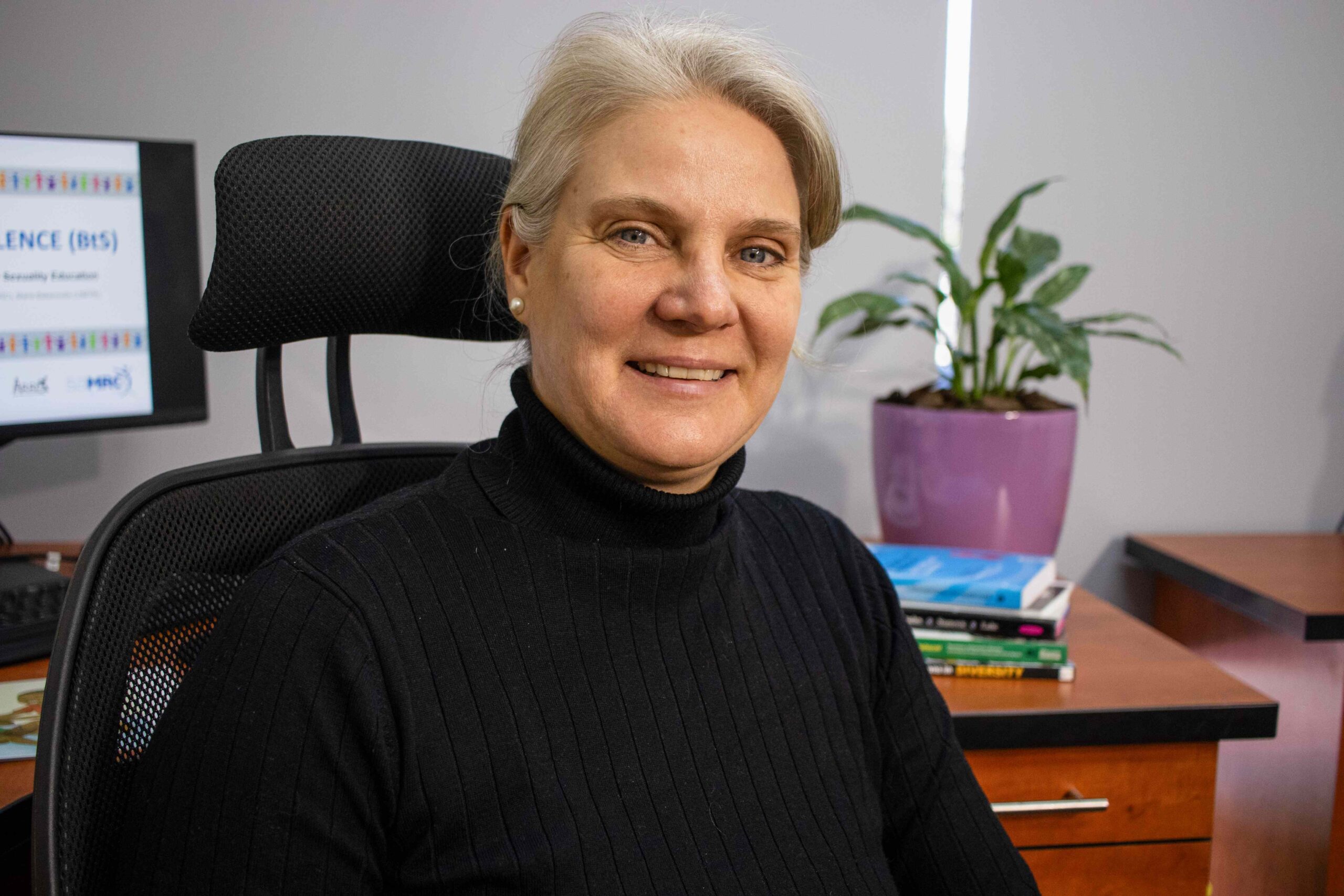
    October 2025: Professor Jill Hanass-Hancock – African Female Researcher of the Month


    Illustrative Image: October 2025: Professor Jill Hanass-Hancock – African Female Researcher of the Month
    Image Source & Credit: DSTI
    Ownership and Usage Policy

    The Department of Science, Technology and Innovation (DSTI) proudly honours Professor Jill Hanass-Hancock as the Distinguished Woman Researcher in the Human and Social Sciences at the South African Women in Science Awards (SAWiSA) 2025. This prestigious recognition celebrates her outstanding contributions to advancing disability-inclusive health systems, HIV prevention, and gender equity through innovative and transformative research.

    Prof. Hanass-Hancock is a Chief Specialist Scientist at the South African Medical Research Council (SAMRC) and an Honorary Professor at the University of KwaZulu-Natal (UKZN) School of Health Sciences. For over two decades, her research has bridged the fields of public health, disability studies, and social justice, addressing the vulnerabilities faced by people with disabilities—particularly women—in relation to HIV, gender-based violence (GBV), and health inequities.

    A Visionary Leader in Disability-Inclusive Research

    Prof. Hanass-Hancock’s work has been instrumental in transforming how health systems understand and respond to disability. She has led groundbreaking initiatives to integrate disability-disaggregated data into health and development frameworks across sub-Saharan Africa, influencing policies and interventions that promote inclusivity.

    Her research has produced several practical tools and models now used globally. Among these is the Disability Awareness Checklist, designed to help healthcare providers assess and improve accessibility in their services. This tool has been successfully adapted and implemented in countries such as Uganda and the United Arab Emirates (UAE), demonstrating its global relevance.

    She has also developed pioneering frameworks to measure the extra costs associated with disability and designed inclusive comprehensive sexuality education (CSE) programmes, such as Breaking the Silence, which are aligned with United Nations (UN) standards and adaptable across diverse cultural contexts. These innovations ensure that individuals with disabilities are not left behind in global health and education initiatives.

    Global Impact and Policy Influence

    Prof. Hanass-Hancock’s research has significantly influenced international efforts to promote disability inclusion in health, education, and social protection systems. Her evidence-based advocacy has informed the work of major global organizations, including UNICEF and the Missing Billion Initiative, which aim to ensure that persons with disabilities are included in global development agendas.

    In South Africa, her leadership has been pivotal in ensuring that people with disabilities are fully represented in the National Strategic Plan on HIV, Tuberculosis (TB), and Sexually Transmitted Infections (STIs) 2023–2028. She also played a key role in developing a disability-inclusive Global Fund application for 2024, marking a milestone for inclusive health policy in the region.

    Scholarship, Mentorship, and Capacity Building

    A prolific scholar, Prof. Hanass-Hancock has authored more than 90 peer-reviewed publications in leading journals, including The Lancet, Disability and Health Journal, and the Journal of the International AIDS Society. Her academic influence extends beyond publication—she has served as a mentor and supervisor to numerous emerging researchers, many of whom are persons with disabilities.

    Her mentorship record includes two postdoctoral fellows, six PhD graduates, and ten master’s students, alongside several DSTI–Human Sciences Research Council (HSRC) interns and Disability Data Initiative fellows. This dedication to capacity building demonstrates her commitment to nurturing the next generation of inclusive researchers and advocates.

    Innovative Knowledge Translation and Public Engagement

    Beyond academia, Prof. Hanass-Hancock is celebrated for her innovative approaches to knowledge translation—turning research findings into actionable change. Her methods include film productions, training workshops, disability sporting events, and public awareness campaigns.

    She is a regular contributor to national steering committees and public engagement platforms, such as the Disability Networking Zones at international HIV/AIDS conferences. Through these platforms, she amplifies the voices of people with disabilities and advocates for their inclusion in public health policy and practice.

    Recognition and Scholarly Excellence

    Prof. Hanass-Hancock holds a B2 rating from the National Research Foundation (NRF), a mark of her high standing in the academic community. She is a sought-after keynote speaker at international conferences, where she continues to influence global dialogues on disability-inclusive development, health equity, and social transformation.

    Her recognition at the South African Women in Science Awards 2025 underscores her enduring impact as a researcher, mentor, and advocate. By centering disability inclusion within the broader context of health and human rights, she has redefined how equity and access are understood in research and policy.

    A Legacy of Inclusion and Empowerment

    Prof. Jill Hanass-Hancock’s work embodies the spirit of SAWiSA—celebrating women who lead with excellence, transform their fields, and uplift others through innovation and empathy. Her tireless efforts to bridge the gap between research and real-world impact continue to shape inclusive policies and empower marginalized communities.

    Her journey is not only one of academic distinction but also of humanitarian purpose—proving that science, when inclusive, becomes a powerful instrument for dignity, equality, and change.

  • Morocco’s Green Tech Revolution: Powering Africa’s Sustainable Future

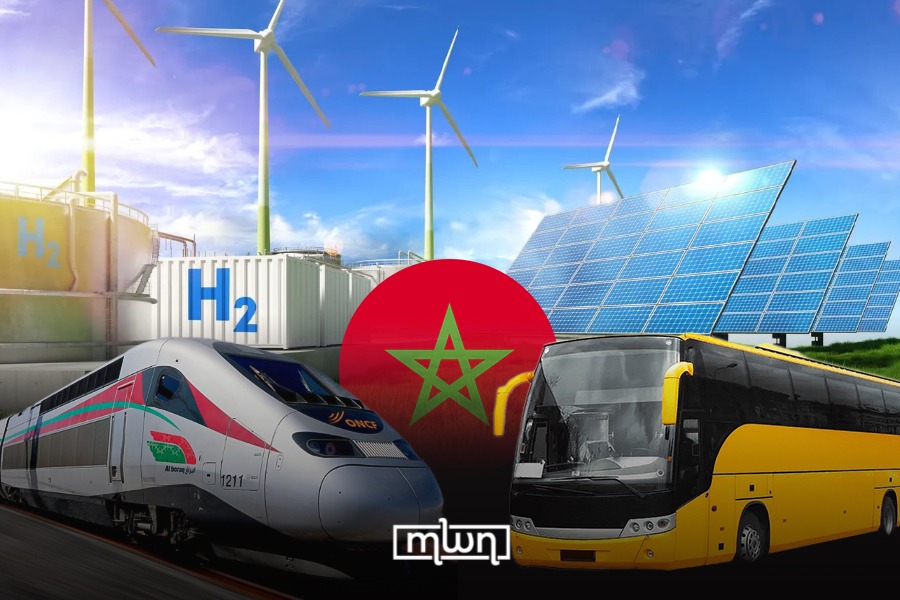
    Morocco’s Green Tech Revolution: Powering Africa’s Sustainable Future


    Illustrative Image: Morocco’s Green Tech Revolution: Powering Africa’s Sustainable Future
    Image Source & Credit: Moroccoworldnews
    Ownership and Usage Policy

    Introduction

    As the world grapples with climate change and the urgent need for cleaner energy systems, Morocco is steadily emerging as a hub for sustainable innovation in Africa. With its ambitious renewable energy targets, cutting-edge research institutions, and rapidly expanding green technology sector, the country is positioning itself as a vital bridge between Africa and Europe in the clean energy transition.

    At the heart of this movement is Professor Ahmed Chebak, Director of the Green Tech Institute (GTI) and Professor of Electrical Engineering at University Mohammed VI Polytechnic (UM6P). Through his leadership and vision, Morocco is not only investing in renewable energy infrastructure but also cultivating the next generation of scientists, engineers, and innovators who will drive Africa’s sustainability agenda.

    Morocco’s Renewable Energy Ambitions

    Morocco has committed to an ambitious trajectory in renewable energy development. The country aims to generate 52% of its electricity from renewable sources by 2030 and an even more striking 80% by 2050. These targets are supported by multi-billion-dollar investments in solar, wind, and emerging green hydrogen technologies.

    By 2027, Morocco plans to add 6.5 GW of solar and wind capacity, significantly reducing its reliance on fossil fuels and aligning its development strategy with the United Nations Sustainable Development Goals (SDGs). This push not only addresses Morocco’s growing domestic energy demand but also strengthens its role as a clean energy exporter in regional and global markets.

    The Role of UM6P and the Green Tech Institute

    The University Mohammed VI Polytechnic (UM6P) in Benguerir is more than just a university; it is a living laboratory for sustainability. With a curriculum deeply tied to industry and innovation, UM6P focuses on solving Africa’s pressing challenges in energy, agriculture, climate, and digital technology.

    The Green Tech Institute (GTI), founded in collaboration with the Green Energy Park, is central to Morocco’s renewable energy vision. Its mission extends beyond traditional academics—it develops hands-on training programs, research partnerships, and applied projects that bridge the gap between academia and industry.

    For example:

    • Living Labs & Smart Campuses: UM6P’s African Supercomputing Centre, partly powered by renewable energy, supports advanced research in genomics, climate modeling, and sustainable agriculture.

    • Specialized Programs: GTI’s Master’s in Electrical Engineering for Renewable Energies and Smart Grids (RESMA) equips students with the skills needed to integrate renewables into modern power systems.

    • Practical Experience: Students engage directly with digital twins, smart grids, and simulation-based energy modeling, ensuring they are industry-ready upon graduation.

    Driving Innovation: Smart Grids, Digital Twins, and Energy Storage

    One of the most transformative areas of Morocco’s energy transition lies in smart grid technologies and digital twins. Smart grids enable real-time monitoring and optimization of electricity systems by incorporating AI, IoT, and advanced sensors, while digital twins provide virtual replicas of power systems for predictive analysis, testing, and efficiency optimization.

    GTI equips students and researchers to work with these advanced tools, preparing them to:

    • Design and manage resilient grid systems.

    • Improve energy efficiency and reduce losses.

    • Integrate renewable energy sources into existing infrastructure.

    Equally crucial is Morocco’s investment in advanced battery storage technologies, which help manage the intermittency of solar and wind energy. This includes new ventures in electric vehicle (EV) batteries—leveraging Morocco’s rich reserves of cobalt and phosphates, essential minerals for the global battery industry.

    Pioneering Green Hydrogen and Sustainable Mobility

    Perhaps the most exciting frontier for Morocco is its work in green hydrogen. Through collaborations with Chariot Hydrogen and Oort Energy, UM6P is piloting electrolyser projects that aim to scale up hydrogen production. Green hydrogen has the potential to revolutionize industries such as transport, agriculture, and manufacturing by offering a zero-emissions fuel alternative.

    Morocco’s strong automotive industry also benefits from this green transition. A new EV battery gigafactory in Tangier underscores the country’s commitment to sustainable mobility. Research at GTI is focused on:

    • EV-smart grid integration, ensuring that electric vehicles can both consume and feed energy back into the grid.

    • Hydrogen storage solutions for transport, enhancing Morocco’s role in the future of green mobility.

    • Electric traction systems design, preparing engineers for the next wave of automotive innovation.

    Academia-Industry Collaboration: Building a Green Economy

    The GTI model thrives on collaboration. By working with global leaders such as Capgemini Engineering, EDF Renouvelables, and Managem, UM6P ensures that research innovations are rapidly transferred into practical, scalable solutions.

    These partnerships:

    • Support research in hydrogen production and renewable integration.

    • Provide students with real-world industry experience.

    • Accelerate the commercialization of renewable technologies in Africa.

    This dynamic ecosystem allows Morocco to export both technology and talent, further strengthening its position as a continental leader in sustainability.

    Looking Ahead: Morocco as a Green Energy Hub

    According to Professor Chebak, the most promising innovations for accelerating the global energy transition include:

    • Advanced Battery Storage: Solving intermittency challenges of renewable energy.

    • AI-Powered Smart Grids: Enhancing efficiency, reliability, and resilience.

    • Green Hydrogen Applications: Creating sustainable fuels for hard-to-decarbonize sectors.

    Through investments in these technologies, Morocco is not only securing its own energy independence but also creating opportunities for Africa to leapfrog into a climate-resilient future.

    Conclusion

    Morocco’s bold green technology strategy—anchored by UM6P and GTI—demonstrates how education, innovation, and industry collaboration can transform a country into a renewable energy powerhouse. By combining its geographical advantages, resource wealth, and intellectual capital, Morocco is building a future where Africa does not just adopt sustainable technologies but actively shapes the global green economy.

    With initiatives spanning solar, wind, smart grids, hydrogen, EVs, and digital innovation, Morocco is paving the way for an energy-secure and sustainable continent, proving that Africa can lead the world in the transition to clean energy.

  • Sungrow Showcases Advanced Solar & Storage Solutions to Accelerate Africa’s Clean Energy Transition at Solar & Storage Live 2025

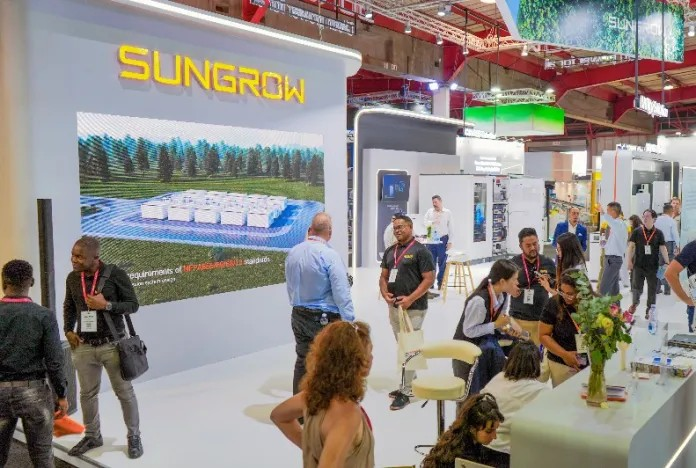
    Sungrow Showcases Advanced Solar & Storage Solutions to Accelerate Africa’s Clean Energy Transition at Solar & Storage Live 2025


    Illustrative Image: Sungrow Showcases Advanced Solar & Storage Solutions to Accelerate Africa’s Clean Energy Transition at Solar & Storage Live 2025
    Image Source & Credit: Solarquarter
    Ownership and Usage Policy

    As Africa accelerates its journey toward sustainable, affordable, and reliable power, Sungrow — a global pioneer in solar inverters and energy storage systems — is positioning itself at the forefront of this transformation. At the Solar & Storage Live Africa 2025 event, the company showcased its most advanced innovations designed to stabilize power grids, reduce energy costs, and expand access to clean electricity across the continent.

    Powering Africa’s Just and Sustainable Energy Transition

    Africa’s energy transition is not simply about replacing fossil fuels with renewables; it is about ensuring energy security, affordability, and inclusivity in regions that often face unstable grids, high tariffs, and unequal access to electricity. Speaking at the event, Ezzat Sankari, Channel Business Director for MEA & CA at Sungrow, reiterated the company’s mission to deliver scalable, cost-effective, and long-lasting clean energy solutions.

    “By combining cutting-edge technology with local partnerships, Sungrow ensures that renewable energy is not only sustainable but also accessible to industries, communities, and households across Africa,” Sankari emphasized.

    Transformative Solutions for Diverse Sectors

    One of Sungrow’s flagship offerings making waves in Africa is the PowerStack 200CS hybrid system, integrated with the SG150CX string inverter. This combination is already in operation in shopping malls, eco-lodges, and data centres, ensuring seamless transitions between grid and off-grid supply. Its ability to stabilise frequency, reduce peak demand charges, and lower operational costs makes it particularly valuable for energy-intensive industries like mining, manufacturing, and digital infrastructure.

    Beyond individual businesses, Sungrow has also spearheaded large-scale projects across Africa.

    • In South Africa, a 516 MWh energy storage system has been deployed to strengthen grid resilience and reduce load-shedding.

    • In Ghana, Sungrow supported a major rooftop solar project, cutting emissions while powering urban infrastructure.

    • In South Africa’s mining sector, two 100MW solar projects are reducing both costs and carbon footprints, showing how renewable adoption directly fuels economic competitiveness.

    Storage as the Backbone of a Resilient Energy Future

    A highlight of Sungrow’s exhibition was the unveiling of the PowerTitan 2.0 energy storage system. Unlike traditional batteries, this next-generation solution leverages AI-driven energy dispatch to balance supply and demand more intelligently. By storing excess solar and wind energy and shifting it to peak demand periods, PowerTitan 2.0 not only reduces reliance on fossil fuel peaker plants but also stabilises grid frequency and prevents blackouts.

    This technology is particularly significant for South Africa’s Just Energy Transition (JET) goals, where phasing out coal must be balanced with providing reliable power for households, industries, and essential services. Advanced storage ensures that renewable energy remains dependable, affordable, and capable of supporting industrial growth without sacrificing stability.

    Bridging the Energy Gap in Underserved Communities

    Sungrow’s mission also extends beyond industrial players and national grids. Across rural and peri-urban Africa, millions remain underserved by electricity infrastructure. Sungrow is deploying solar-plus-storage microgrids and household systems that power clinics, schools, small businesses, and community services. These decentralized solutions foster economic resilience and social equity, enabling communities to grow even in regions where the national grid remains weak or absent.

    “By bridging the energy gap, we’re not just powering homes — we’re powering opportunities, businesses, and futures,” Sankari noted.

    Built for Africa’s Environment and Future Needs

    Africa presents unique challenges for renewable deployment — from extreme heat in the Sahel to high humidity in coastal regions and pervasive dust in arid zones. Sungrow’s products are engineered to withstand these environmental stresses, ensuring durability and reliability in real-world African conditions.

    Moreover, Sungrow’s portfolio is built on the principle of scalability. Whether it’s a homeowner seeking energy independence, a business optimizing costs, or a nation building gigawatt-scale solar farms, Sungrow provides customized solutions that evolve alongside Africa’s growing demand for energy.

    Toward a Greener, More Resilient Africa

    By prioritizing innovation, scalability, and long-term resilience, Sungrow is helping Africa leapfrog traditional energy pathways. The company’s solutions go beyond simply providing renewable power — they enable energy sovereignty, reduce dependency on fossil fuels, and ensure that Africa’s growth is powered sustainably.

    As Sankari concluded:
    “Through advanced technology, global expertise, and deep local engagement, Sungrow remains committed to building a cleaner, more reliable, and economically inclusive energy future for Africa.”

  • IUO Journal of Pharmaceutical Sciences: Now Indexed in AR Index

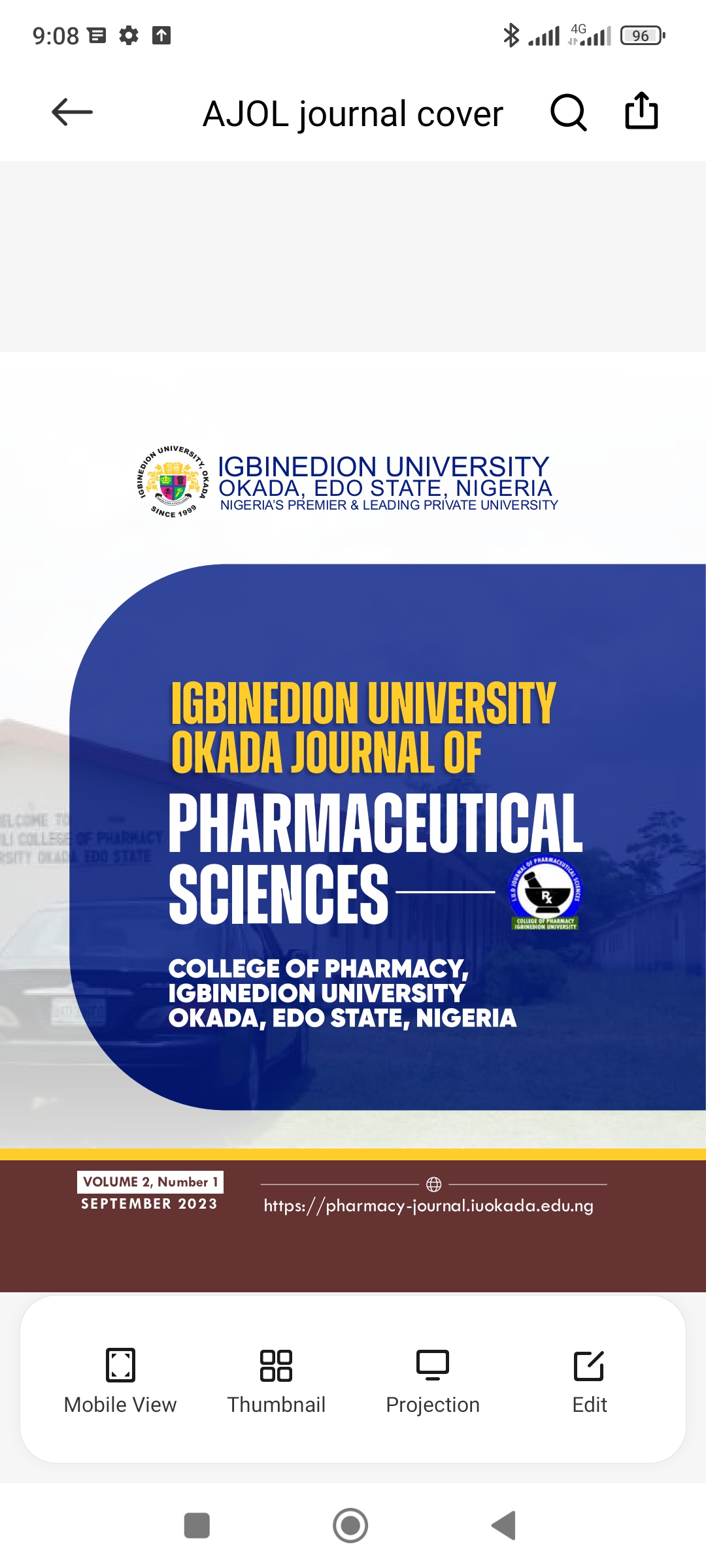
    IUO Journal of Pharmaceutical Sciences: Now Indexed in AR Index

    The IUO Journal of Pharmaceutical Sciences (IUO J Pharm Sci), published by the College of Pharmacy, Igbinedion University, Okada, Edo State, Nigeria, has continued to strengthen its reputation as a credible platform for pharmaceutical and biomedical research. As of September 2025, the journal proudly holds an ACTIVE status in the AR Index (Index Number: 642986), a recognition that further cements its visibility and credibility in the global research community.

    About the Journal

    Launched in 2022, the IUO Journal of Pharmaceutical Sciences is a bi-annual, peer-reviewed, open access journal (published every May and November). It is dedicated to advancing scholarship across a wide range of disciplines in the pharmaceutical and biomedical sciences. While its core focus is pharmaceutical sciences, Medicinal Plants, and Biomedical Research, it also welcomes contributions in related subject areas such as:

    • Ethnobotany

    • Pharmaceutics

    • Pharmaceutical Chemistry

    • Analytical Chemistry

    • Medicinal Chemistry

    • Pharmacognosy

    • Pharmacology

    • Toxicology

    • Hospital and Clinical Pharmacy

    Commitment to Quality

    IUO J Pharm Sci maintains a rigorous double-blinded peer review system with a review duration of 1–2 months per article and 1–2 rounds per submission. Each manuscript undergoes evaluation by at least two expert reviewers before acceptance. Authors receive detailed feedback for improvement, and once corrections are made, accepted articles proceed to galley proof preparation, DOI assignment, and final publication on the official journal website.

    Open Access and Ethical Standards

    The journal operates under an open access model (CC0 license), ensuring free accessibility of research findings to the global community. It also upholds strict publication ethics: manuscripts must be original, unpublished, and not under consideration elsewhere. Once submitted, authors are expected to adhere to the journal’s policies without withdrawal during the review process.

    Journal Fees

    IUO J Pharm Sci is committed to affordability for researchers, charging:

    • Submission Fee: $10

    • Publication Fee (APC): $50

    This makes it one of the most accessible journals in its field, ensuring inclusivity for authors across diverse backgrounds.

    Editorial Leadership

    The journal is led by Professor Adebayo Gbolade, serving both as the Editor-in-Chief and Managing Editor. His academic expertise and leadership ensure that the journal maintains high scholarly standards.

    Key Journal Information

    Why AR Indexing Matters

    Being listed in the AR Index significantly boosts the visibility, credibility, and accessibility of IUO J Pharm Sci. Researchers worldwide can now easily discover, cite, and build upon studies published in the journal. For African scholarship, this represents an important step toward global research recognition while also contributing to the development of local scientific communities.

    Conclusion

    The IUO Journal of Pharmaceutical Sciences is more than just a publication—it is a growing hub of pharmaceutical and biomedical research in Africa. Its AR Indexing milestone reflects the journal’s commitment to quality, open access, and advancing knowledge that can impact healthcare and scientific development both within Nigeria and beyond.

    For researchers in the pharmaceutical sciences, IUO J Pharm Sci offers a credible, affordable, and globally recognized platform for publishing groundbreaking work.

    For more details visit AR Index

  • Africa Women Conference 2025: Legacy Meets Innovation in Johannesburg

    Africa Women Conference 2025: Legacy Meets Innovation in Johannesburg


    Illustrative Image: Africa Women Conference 2025: Legacy Meets Innovation in Johannesburg
    Image Source & Credit: Africa Women Conference
    Ownership and Usage Policy

    The Africa Women Conference (AWC) will host its 9th edition in Johannesburg, South Africa, from November 5–7, 2025, under the timely and powerful theme: “Legacy Meets Innovation: Women Forging New Pathways for Africa’s Sustainable Development.”

    Since its launch in 2018, the AWC has evolved into one of Africa’s most influential platforms for the advancement of women. It has consistently provided a space for dialogue, policy engagement, and innovation that empowers African women to lead in shaping sustainable solutions for the continent’s progress. Over the years, the conference has attracted leaders from diverse fields—policymakers, academics, entrepreneurs, and development organizations—uniting them around a shared goal: to harness the potential of African women as catalysts for inclusive development.


    A Platform for Transformation

    The founding vision of the AWC has always been clear: to equip women of African descent with a forum for designing Afrocentric solutions to Africa’s challenges. Unlike many global gatherings that superimpose external strategies, AWC emphasizes indigenous knowledge, homegrown innovation, and partnerships rooted in Africa’s social realities. Its mission resonates strongly with the Sustainable Development Goals (SDGs), particularly those addressing gender equality, education, governance, and economic empowerment.

    Since its inception, the conference has been hosted in various countries—including the United States, Namibia, Morocco, Rwanda, The Gambia, and Zambia—each edition spotlighting themes ranging from digital inclusion to sustainable governance. These gatherings have reinforced the message that empowering women is not just a moral imperative but also a strategic necessity for Africa’s future.


    2025 Focus: Where Heritage Meets the Future

    The 2025 edition will place women at the center of a bold vision: how to blend Africa’s enduring legacy with cutting-edge innovation. This approach acknowledges that the continent’s future cannot be built by abandoning its roots; rather, it must be forged by integrating cultural heritage, indigenous knowledge systems, and modern technologies.

    Key discussions will include:

    • Re-imagining African Education in the AI Era: How can Africa harness artificial intelligence for education without losing its cultural context? The focus will be on merging technology-driven learning with local realities to ensure inclusivity and relevance.

    • Cross-Border Cooperation for Young Women: Building continental and regional networks to empower young African women, transcending geographical and socio-economic borders, and creating a united front for leadership.

    • Inclusive Governance and Innovation: Leveraging AI, big data, and indigenous systems of knowledge to drive electoral fairness, improve security, and enhance youth participation in governance.

    This theme—Legacy Meets Innovation—captures a deep truth: Africa’s sustainable development lies in the synergy of the wisdom of the past and the tools of the future.


    What Awaits Participants

    The three-day conference will offer a dynamic blend of intellectual engagement, practical training, and cultural celebration. Participants can expect:

    • Keynote Addresses from leading African and global thought leaders on innovation, governance, and women’s leadership.

    • Panel Discussions exploring critical issues such as gender inclusion, technology adoption, policy frameworks, and social equity.

    • Skill-Building Workshops equipping women with leadership, digital, and entrepreneurial skills.

    • Networking Sessions designed to foster collaborations among women entrepreneurs, policymakers, advocates, and development partners.

    • Exhibitions and Cultural Showcases that highlight Africa’s diverse heritage and the creativity of women-led innovations across the continent.


    A Gathering Beyond Borders

    The AWC 2025 is expected to attract a truly global audience, drawing representatives from across Africa and the diaspora. Participants will include government agencies, civil society organizations, women entrepreneurs, international partners such as UN Women and the African Union, and leading voices in academia and finance. This gathering of diverse stakeholders underlines the AWC’s role as a continental platform that bridges sectors, nations, and generations.


    Continuing a Legacy of Impact

    From its inaugural edition in New York in 2018 themed “Repositioning Africa: Roles of Women in Sustainable Development” to its 2024 conference in Lusaka, Zambia, which focused on “Digital Advancement: Harnessing Its Potentials for the African Woman”, the Africa Women Conference has consistently initiated conversations that translate into actionable commitments.

    Each edition contributes to a growing legacy—a legacy of shifting narratives about African women, transforming them from passive recipients of aid to architects of Africa’s development future.


    The Bigger Concept: Women as Architects of Africa’s Sustainable Future

    At its heart, the Africa Women Conference represents more than a single annual gathering. It embodies a movement of empowerment, resilience, and innovation. It acknowledges that the true drivers of Africa’s progress are its people—and within that, the women who carry legacies of resilience while navigating rapidly changing global dynamics.

    By blending legacy with innovation, AWC 2025 affirms a powerful idea: Africa’s sustainable development will not be imported—it will be imagined, built, and led by Africans themselves, with women at the forefront.

  • Pan African Conference on Teacher Education (PACTED 2025)

    Pan African Conference on Teacher Education (PACTED 2025)


    Illustrative Image: Pan African Conference on Teacher Education (PACTED 2025)
    Image Source & Credit: African Union
    Ownership and Usage Policy

    INVITATION TO MEDIA REPRESENTATIVES

    The Pan African Conference on Teacher Education (PACTED 2025) is set to convene in Addis Ababa, Ethiopia, from 01–03 October 2025. This landmark event will gather policymakers, educators, researchers, development partners, and civil society to deliberate on the future of teacher education in Africa.

    Organized by the African Union Commission’s Department of Education, Science, Technology and Innovation (ESTI), with the support of the European Union (EU) through the Regional Teachers Initiative for Africa (RTIA), the conference provides a strategic continental platform to address challenges and opportunities in teaching, with teachers at the center of Africa’s education transformation.


    WHY PACTED 2025 MATTERS

    Teacher education is the backbone of Africa’s educational systems. However, across the continent, challenges such as teacher shortages, uneven professional development opportunities, inadequate policy alignment, and insufficient recognition of teachers’ contributions continue to hinder progress.

    PACTED 2025 directly addresses these concerns by linking teacher training and professional development with broader continental commitments, including:

    • The African Union Decade of Accelerated Action for the Transformation of Education and Skills Development in Africa (2025–2034).

    • Agenda 2063 and the Sustainable Development Goals (SDGs).

    • Strategic frameworks like the Continental Education Strategy for Africa (CESA 26–35), the Continental Strategy for Technical and Vocational Education and Training (CTVET-34), and the Science, Technology, and Innovation Strategy for Africa (STISA-34).

    These frameworks collectively prioritize systemic reform, professionalization of teachers, foundational learning, digital transformation, green skills, and the integration of science, technology, and innovation (STI) in education.

    PACTED 2025 coincides with three major milestones:

    • African Union Continental Teachers Awards 2025 – celebrating excellence and innovation in teaching.

    • Launch of the African Union Teacher Community of Practice (CoP) Platform – a digital hub for collaboration, resource sharing, and professional growth.

    • Commemoration of World Teachers’ Day 2025 – spotlighting the vital role of teachers as architects of Africa’s education renaissance.


    OBJECTIVES

    PACTED 2025 will be a transformative event, not merely celebratory, but deeply strategic. The conference aims to:

    1. Strengthen Teacher Education Systems by aligning national policies with AU frameworks to prepare teachers for foundational learning, STEM education, and digital transformation.

    2. Enhance Collaboration through the launch of the Teacher CoP Platform, enabling networking and knowledge exchange across countries.

    3. Promote Recognition and Career Development via continental standards that support mobility, continuous learning, and teacher valorisation.

    4. Foster Multi-Stakeholder Partnerships to mobilize resources for education reform and skills development aligned with Africa’s demographic and technological realities.

    5. Address Critical Challenges such as teacher shortages, gender inequities, retention issues, and the integration of ICT in classrooms.

    6. Encourage Policy Innovation through evidence-based discussions and best practice sharing.

    7. Inspire Renewed Commitment from AU Member States toward investment in teacher training, professional growth, and management systems.


    EXPECTED OUTCOMES

    By the close of PACTED 2025, the following outcomes are anticipated:

    • Operationalization of the AU Decade of Education (2024–2034) and its flagship frameworks (CESA, CTVET, STISA).

    • Establishment of harmonized teacher qualification frameworks and standards across Africa.

    • Increased visibility and recognition of teachers as catalysts of change and continental development.

    • Strengthened teacher management systems, including recruitment, training, and continuous professional development.

    • Broad participation in the Teacher CoP Platform, creating sustainable regional and continental teacher networks.

    • Documentation and dissemination of innovative practices in teacher education and professionalization.

    • Renewed advocacy for investment in teacher training as a cornerstone of education reform.


    PARTICIPANTS

    PACTED 2025 will bring together a broad spectrum of stakeholders, including:

    • African Union Commission and AU Member States representatives.

    • National governments and policymakers.

    • Teachers, educators, and teacher unions.

    • Development partners and international organizations.

    • Academic and research institutions.

    • Civil society organizations and NGOs.

    • Private sector actors, industry leaders, and technology innovators.

    • Students and learners.

    • Media and communication partners.


    MEDIA CONTACTS

    For press and media inquiries, please reach out to:

    • Mr. Maqhawe Freedom Thwala | Digital Communications Officer | Department of Education, Science, Technology and Innovation, African Union Commission | 📧 ThwalaM@africanunion.org | Addis Ababa, Ethiopia.

    • Mr. Gamal Eldin Ahmed A. Karrar | Senior Communication Officer | Information and Communication Directorate (ICD), African Union Commission | 📧 GamalK@africanunion.org


    🌍 Conceptual Foundation of PACTED 2025

    At its core, PACTED 2025 recognizes that teachers are the heartbeat of Africa’s development agenda. By investing in teacher training, recognition, and professional development, Africa can drive systemic reform in education, ensure inclusive and equitable access, and build the skills base required for industrialization, digital transformation, and sustainable growth.

    The conference reflects a shift in focus from fragmented national efforts to coordinated continental action—where teachers are not just service providers but agents of change, innovators, and partners in shaping the continent’s future.

    In essence, PACTED 2025 is more than a conference—it is the launchpad of Africa’s Decade of Education transformation, situating teachers at the center of the journey toward knowledge-driven, sustainable, and inclusive development.

  • Q-Methodology Reveals Diverse Stakeholder Perspectives on Public Health in Mozambique’s Large-Scale Mining Sector

    Q-Methodology Reveals Diverse Stakeholder Perspectives on Public Health in Mozambique’s Large-Scale Mining Sector


    Illustrative Image: Q-Methodology Reveals Diverse Stakeholder Perspectives on Public Health in Mozambique’s Large-Scale Mining Sector
    Image Source & Credit: Miningreview
    Ownership and Usage Policy

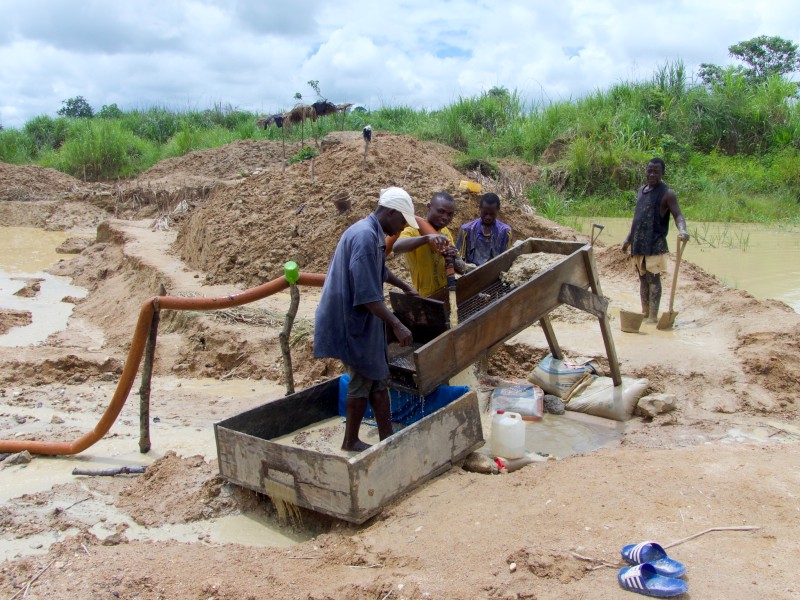
    A recent study by Proksik et al. (2025) titled “Using Q‐methodology for policy research and stakeholder engagement to strengthen public health in large‐scale mining in Mozambique” published in Sustainable Development reveals that sstakeholders in Mozambique’s mining regions hold four distinct public health perspectives, revealing diverse priorities, institutional distrust, and need for inclusive policies.

    Mozambique’s mining stakeholders hold four distinct public health perspectives, highlighting diverse priorities, institutional distrust, and need for inclusive policies.– Proksik et al. 2025

    The study investigates how public health concerns in mining regions can be more effectively addressed through inclusive policy-making and stakeholder engagement. The research aims to understand diverse stakeholder perspectives on health issues related to large-scale mining, systematically capture and analyze these viewpoints using Q-methodology, and inform more responsive and inclusive public health policies in Mozambique’s mining sector. A wide range of stakeholders were engaged, including community members living near mining sites, health professionals, government officials, and mining company representatives. This diversity helped uncover conflicting priorities as well as areas of consensus. Key insights from the study highlighted concerns over environmental degradation, lack of healthcare access, and poor regulatory enforcement. While some stakeholders emphasized the economic benefits of mining, others prioritized health and ecological sustainability. The Q-methodology analysis revealed four distinct viewpoints, each reflecting different values and priorities.

    How the Study was Conducted

    The study employed Q-methodology, a structured approach designed to capture subjective viewpoints and uncover patterns in stakeholder perspectives on public health in mining regions. The researchers began by developing a set of statements related to public health and mining, drawn from literature, interviews, and policy documents. Participants were then asked to rank these statements on a scale from “most agree” to “most disagree” through a Q-sort process, creating a forced distribution that reflected their personal views.

    A total of 34 stakeholders participated, representing a diverse mix of perspectives, including community members living near mining sites, health professionals, government officials, and mining company representatives. This diversity ensured that a broad spectrum of opinions and experiences was captured.

    Each participant’s Q-sort was analyzed using factor analysis, which grouped similar sorting patterns and revealed four distinct viewpoints, each representing shared perspectives among subsets of participants. These factors were then interpreted to understand the underlying values and priorities of stakeholders regarding public health and mining.

    The study was conducted in Tete Province, Mozambique, a region heavily impacted by large-scale mining. All research activities were carried out with ethical approval and informed consent, ensuring transparency and respect for participants.

    What the Authors Found

    The authors found that stakeholders in Mozambique’s large-scale mining regions hold four distinct perspectives on public health—community-centered concern, institutional responsibility, economic optimism, and skeptical engagement—highlighting diverse priorities, shared distrust in institutions, and the need for inclusive, context-sensitive policy-making.

    Why is this important

    Real-World Relevance – Large-scale mining drives economic growth but poses serious health and environmental risks, often sidelining public health concerns.

    Inclusive Policy-Making – Q-methodology captures diverse stakeholder perspectives, including marginalized groups, ensuring policies reflect community experiences rather than just corporate or government interests.

    Practical Implications – Insights from the study can guide targeted, accepted health interventions and foster trust between institutions and communities for sustainable development.

    Methodological Innovation – Applying Q-methodology in public health provides a replicable model for other sectors facing stakeholder conflicts, such as agriculture, energy, or urban planning.

    What the Authors Recommended

    • The study suggests that policymakers should include community members, health professionals, government officials, and mining companies to ensure context-sensitive, socially legitimate health interventions.
    • The study suggests that policymakers should use methods like Q-methodology to capture stakeholder viewpoints and bridge gaps between technical experts and local communities.
    • The study suggests that policymakers should enhance transparency, enforce health-protective regulations, and promote intersectoral collaboration to address complex public health challenges.
    • In addition, implement stronger safeguards and monitoring systems to mitigate environmental degradation and associated health risks.
    • Furthermore, apply Q-methodology in other resource-rich or conflict-prone sectors, such as agriculture, urban planning, and energy development.

    The study demonstrates that understanding diverse stakeholder perspectives through Q-methodology is essential for designing inclusive, context-sensitive public health policies in Mozambique’s mining regions, fostering trust, mitigating health risks, and promoting sustainable development.