Author: AR Managing Editor

  • FfD4 and Resource Taxation: Why the Fourth Financing for Development Conference Must Prioritize Fair Tax Policies on Natural Resources

    FfD4 and Resource Taxation: Why the Fourth Financing for Development Conference Must Prioritize Fair Tax Policies on Natural Resources

    The Critical Role of Resource Taxation in Financing Development at the Fourth Financing for Development Conference (FfD4)

    The Fourth Financing for Development Conference (FfD4), scheduled for July 2025, represents a pivotal moment for global economic and financial discussions. Among the core issues that demand urgent attention is the taxation of natural resources. To optimize domestic resource mobilization and enhance equitable economic growth, negotiators must ensure that resource taxation is an integral part of the FfD4 agenda. This issue has profound implications for developing economies, fiscal stability, and sustainable development.

    Why Resource Taxation Must Be a Priority at FfD4

    The zero draft of the outcome document for FfD4 underscores the significance of taxation in sustainable financing and emphasizes international tax cooperation. However, it falls short in explicitly addressing a fundamental issue: the taxation of natural resources. For many resource-rich developing nations, revenues from natural resources—including minerals, oil, and gas—are a crucial pillar of government income. The sector is also a key area where illicit financial flows, tax avoidance, and profit shifting occur, thereby undermining economic stability and growth prospects.

    The Addis Ababa Action Agenda (AAAA), the outcome document from the Third Financing for Development Conference, recognized this challenge and called for greater transparency, fair tax policies, and stronger governance of extractive industries. Neglecting resource taxation in FfD4 would mark a significant policy regression and limit the ability of governments to strengthen domestic resource mobilization.

    The Economic Impact of Natural Resource Revenues

    Many developing economies heavily rely on revenues from natural resource extraction. According to World Bank data from 2021, natural resource rents accounted for more than 10% of the gross domestic product (GDP) in 20 lower- and middle-income countries and more than 4% of GDP in over 40 countries. The 2024 International Monetary Fund (IMF) Regional Economic Outlook identifies 15 sub-Saharan African economies as resource-intensive, meaning a substantial portion of their economic output is derived from extractive industries.

    Despite the financial potential of resource taxation, significant revenue gaps persist in many developing nations. Some of the major obstacles include:

    • Excessive tax incentives: Many governments offer generous tax breaks to attract foreign investment, often at the expense of long-term fiscal sustainability.
    • Weak governance and enforcement mechanisms: Inefficient tax administration and regulatory loopholes allow for revenue leakages.
    • Poorly constructed contracts: Many extractive industry agreements favor multinational corporations, limiting the host country’s ability to collect fair revenues.
    • Aggressive tax planning and profit shifting: Multinational companies exploit loopholes in international tax systems to minimize tax liabilities.
    • Inadequate fiscal policies: Outdated and inflexible tax laws fail to maximize government revenue from extractive industries.

    IMF research has revealed that African countries alone lose an estimated USD 470 million to USD 730 million annually in corporate income tax due to multinational tax avoidance. A case study in Mongolia demonstrated the potential for revenue recovery when a transfer pricing audit of a major mining company resulted in a tax assessment of USD 228 million and the rejection of USD 1.5 billion in carried forward losses.

    A Unique Opportunity for Reform at FfD4

    With the global push for an energy transition and increasing competition for critical minerals, many nations now have a strategic opportunity to reform their resource taxation frameworks. Countries rich in essential minerals such as lithium, cobalt, and rare earth elements have the potential to renegotiate contracts and implement progressive tax policies to ensure a fairer distribution of economic benefits.

    The international community has shown strong support for increased revenue sharing from resource extraction. For instance:

    • The United Nations Secretary-General’s Panel on Critical Energy Transition Minerals (2024) recommends accelerating benefit-sharing, value addition, and fair taxation of critical minerals.
    • South Africa’s G20 presidency is advocating for harnessing critical minerals to drive inclusive growth and sustainable development, launching an initiative focused on responsible resource management.
    • The African Development Bank emphasizes the importance of value addition in the critical minerals sector to enhance domestic revenue generation and complement existing tax income.

    What the FfD4 Zero Draft Is Missing

    The current FfD4 zero draft emphasizes several critical tax and resource mobilization strategies, including broadening the tax base, improving tax administration, and incorporating environmental and climate considerations. However, unlike the Addis Ababa Action Agenda, it does not explicitly acknowledge the role of natural resource taxation in sustainable development.

    The draft does mention critical minerals in the section on trade and value chains, but it fails to emphasize the importance of fair fiscal terms in extractive industries. Encouraging domestic value addition is vital for resource-rich economies, but it must go hand in hand with ensuring a just taxation framework that guarantees predictable and adequate revenue flows for governments.

    Recommendations: Strengthening the FfD4 Framework on Resource Taxation

    To ensure that resource taxation is adequately addressed at FfD4, we propose the following amendments to the draft outcome document:

    1. Addition to the section on “Fiscal Systems and Alignment with Sustainable Development” 

      Natural resources such as minerals and metals should serve as a cornerstone of economic development and domestic revenue generation. We support strong resource governance, equitable sharing of financial benefits, domestic value addition, and effective government oversight to maximize sustainable economic growth.

    2. Revised wording in the section on “Trade in Critical Minerals and Commodities” 

      We stress the importance of providing support to developing countries to negotiate commodity contracts with terms that offer predictability and stability for investment, while also ensuring adequate and reliable government revenues and the flexibility to adapt to changing economic conditions.

    By explicitly incorporating these elements into the FfD4 agenda, the international community can help developing countries harness their natural resource wealth more effectively, reducing revenue leakages and promoting sustainable economic growth.

    Conclusion: A Call for Action on Resource Taxation

    The Fourth Financing for Development Conference presents a vital opportunity to reinforce the role of resource taxation in domestic revenue mobilization. As nations strive to achieve sustainable development goals, ensuring fair and transparent taxation of extractive industries is imperative. FfD4 must take decisive action to strengthen governance frameworks, curb illicit financial flows, and promote a fairer distribution of resource wealth, setting the stage for a more equitable global financial system.


  • March 2025: Dr. Priscilla Kolibea Mante – African Female Researcher of the Month

    March 2025: Dr. Priscilla Kolibea Mante – African Female Researcher of the Month

    African Researchers AwardMarch 2025: Dr. Priscilla Kolibea Mante – African Female Researcher of the Month

    Dr. Priscilla Kolibea Mante is an esteemed Ghanaian neuropharmacologist, researcher, and educator at the Kwame Nkrumah University of Science and Technology (KNUST). Renowned for her groundbreaking contributions to neuroscience and ethnopharmacology, Dr. Mante specializes in researching plant-based therapeutic options for managing drug-resistant epilepsy and neurocysticercosis. She is celebrated for her significant work in neuropharmacology, particularly her studies on the anticonvulsant properties of the plant alkaloid cryptolepine and its solid-lipid nanoparticles.

    Beyond her scientific achievements, Dr. Mante is a passionate advocate for women in STEM and a mentor dedicated to nurturing the next generation of scientists. Her outstanding contributions have earned her numerous accolades, including the prestigious L’Oréal-UNESCO For Women in Science International Rising Talent Award—a historic achievement as the only African recipient in 2019.

    Early Life and Education

    Dr. Priscilla Mante’s academic journey began at Wesley Girls’ Senior High School in Cape Coast, Ghana, where she exhibited exceptional aptitude in science. She later pursued higher education at the Kwame Nkrumah University of Science and Technology (KNUST), Ghana, earning a PhD in Pharmacology in 2013. Her doctoral research focused on the anticonvulsant potential of Antiaris toxicaria, a plant native to Ghana, emphasizing its role in central nervous system therapeutics.

    Seeking to expand her expertise, Dr. Mante furthered her postdoctoral studies at the University of Michigan Medical School, USA, where she was awarded the University of Michigan STEM Seed Grant. This opportunity allowed her to refine her research on plant-based neuropharmacological treatments and solidify her reputation as a leading scientist in neuroscience.

    Groundbreaking Research in Neuropharmacology

    Dr. Mante’s research aims to improve the management of neurological disorders through plant-based medicines. Her work primarily focuses on drug-resistant epilepsy and neurocysticercosis, conditions that remain significant health challenges in many parts of Africa. She investigates alternative therapies derived from traditional medicinal plants, with a particular focus on the anticonvulsant properties of cryptolepine, an alkaloid extracted from Cryptolepis sanguinolenta.

    One of her most remarkable scientific contributions is the development of solid-lipid nanoparticles to enhance cryptolepine’s ability to penetrate the central nervous system more effectively, thereby improving its anticonvulsant properties. This research is a major step toward making plant-based neurotherapeutics more effective in treating epilepsy, especially in underserved regions where conventional treatments may be less accessible or effective. Beyond epilepsy, Dr. Mante’s research extends to pain management, anxiety, and depression, further solidifying her status as a leading neuropharmacologist.

    Awards and Recognition

    Dr. Priscilla Kolibea Mante’s exceptional contributions to science have been recognized both locally and internationally. Some of her most notable accolades include:

    L’Oréal-UNESCO For Women in Science International Rising Talent Award (2019): This prestigious award recognized her as one of the world’s 15 most promising women scientists and the only African recipient that year. She also made history as the first scientist from KNUST to receive this honor.

    L’Oréal-UNESCO For Women in Science Sub-Saharan Africa Post-Doctoral Fellowship (2018): She was one of only two postdoctoral recipients among 14 fellows selected from five African countries, chosen from over 480 applicants.

    OWSD Early Career Fellowship (2019): Awarded by the Organization for Women in Science for the Developing World, this fellowship supported her research on plant-based treatments for neurological disorders.

    Leadership and Advocacy for Women in Science

    Beyond her research, Dr. Mante is a respected leader and advocate for women in STEM. She has served in multiple influential roles, including:

    Chair of the Ghana Young Academy (2019–2022), where she led efforts to promote young scientists in Ghana.

    Co-Chair of the Global Young Academy (2022–Present, re-elected for a second term in 2023)—furthering global collaboration among early-career researchers.

    Chairperson of the Academic, Social, and Research Pharmacists Association of Ghana (2023-Present).

    Member of the Governing Board of the Pharmaceutical Society of Ghana (2023–2025).

    Steering Committee Member for the World Science Forum 2024.

    Dr. Mante actively mentors young scientists, emphasizing the importance of women’s inclusion in senior scientific roles. She strongly believes that gender biases should not hinder women’s progress in science, famously stating:

    “THE WORLD WILL MAKE ROOM FOR US. THE MORE WOMEN PUSH FOR SENIOR ROLES, THE HARDER IT WILL BE TO IGNORE THEM.”

    Impact and Future Contributions

    Dr. Priscilla Kolibea Mante’s research has far-reaching implications, particularly for the advancement of plant-based neuropharmacological treatments. By providing alternative, affordable, and effective treatments for epilepsy and neurocysticercosis, she is contributing to improving healthcare accessibility in Africa and beyond.

    Her role as a mentor and advocate ensures that more women and young scientists are inspired to pursue careers in STEM and contribute to solving critical global health challenges. With continued research, leadership, and advocacy, Dr. Mante is poised to make even greater strides in the scientific world.

    Conclusion

    Dr. Priscilla Kolibea Mante is a trailblazer in neuropharmacology, a role model for aspiring scientists, and a beacon of excellence in African science. Her dedication to finding innovative solutions for neurological disorders, combined with her unwavering advocacy for women in STEM, has earned her international recognition and respect. As she continues to break barriers and contribute to scientific advancements, her impact will undoubtedly shape the future of medicine and inspire generations to come.

  • Blockchain in Renewable Energy: Key Success Factors & Impact in Sub-Saharan Africa

    Blockchain in Renewable Energy: Key Success Factors & Impact in Sub-Saharan Africa

    A recent study by David et al. (2025) titled “Evaluating the use of blockchain technology and identifying critical success factors for the successful implementation of renewable energy projects in sub-Saharan Africa,” published in the International Journal of Sustainable Energy, reveals that social sustainability factors play the most crucial role in the success of renewable energy projects.

    Social sustainability is the most crucial success factor for renewable energy projects, with blockchain enhancing project efficiency and transparency.– David et al. 2025

    The study explores how blockchain technology can enhance renewable energy systems (RES) to ensure energy security in the region. Using a mixed-methods approach—including bibliometric analysis, mean response ranking, and structural equation modeling—the research examines both the potential and real-world applications of blockchain in renewable energy and electric power transmission. Key findings indicate that social sustainability factors play the most crucial role in the success of renewable energy projects. Additionally, blockchain technology acts as a moderator, positively influencing the relationship between critical success factors and project success criteria. Grounded in sociotechnical system theory, the study underscores the need for a balanced integration of social and technical systems to optimize blockchain-driven renewable energy solutions. By shedding light on these dynamics, this research advances the understanding of how blockchain technology can facilitate renewable energy projects, bolster energy security, and support sustainable development goals in sub-Saharan Africa.

    How the Study was Conducted

    The study employed a mixed-methods research approach, integrating both qualitative and quantitative methodologies to comprehensively analyze the application of blockchain technology in renewable energy systems (RES).

    The qualitative aspect involved a bibliometric analysis, which examined existing literature to identify key trends, research gaps, and areas of focus related to blockchain and RES. This provided a foundational understanding of current knowledge and potential applications.

    The quantitative analysis utilized two primary techniques: Mean Response Ranking and Structural Equation Modeling (SEM). Mean Response Ranking was applied to evaluate and prioritize critical success factors (CSF) based on expert and stakeholder input, highlighting the most significant determinants of renewable energy project success. SEM, conducted using SPSS and SMATPLS software, explored the complex interrelationships between CSFs, project success criteria, and the moderating role of blockchain technology, ensuring statistically robust findings.

    A strong emphasis was placed on social sustainability, which emerged as the most influential CSF for the success of renewable energy initiatives in sub-Saharan Africa. Through a combination of literature review, expert insights, and advanced statistical analysis, the study provided a comprehensive understanding of how blockchain technology can enhance the efficiency and success of RES projects by optimizing key success factors and their interdependencies.

    What the Authors Found

    The study found that social sustainability factors are the most influential critical success factors (CSFs) for the successful implementation of renewable energy projects in sub-Saharan Africa, and blockchain technology enhances their effectiveness by moderating the relationship between CSFs and project success criteria.

    Why is this important?

    Energy Security: Sub-Saharan Africa faces significant energy challenges, including frequent power outages, limited access to electricity, and reliance on fossil fuels. By exploring how blockchain technology can enhance renewable energy projects, this study offers solutions to improve energy security, ensuring a stable and sustainable energy supply.

    Sustainable Development: Renewable energy projects contribute to achieving the United Nations’ Sustainable Development Goals (SDGs), particularly Goal 7 (Affordable and Clean Energy). The study’s findings support the adoption of clean energy sources, reducing greenhouse gas emissions, and promoting environmental sustainability.

    Technological Innovation: Blockchain technology is a rapidly evolving field with the potential to transform various industries. This study highlights its application in the energy sector, showcasing innovative ways to improve transparency, efficiency, and reliability in renewable energy projects.

    Social Impact: The study identifies social sustainability as a critical success factor for renewable energy projects. This emphasizes the importance of considering social dimensions, such as community acceptance and participation, in the successful implementation of these projects.

    Policy and decision-making: The research provides valuable insights for policymakers, stakeholders, and project managers in sub-Saharan Africa. By understanding the critical success factors and the role of blockchain technology, decision-makers can develop strategies and policies to support successful renewable energy projects.

    Addressing Research Gaps: There has been limited research on the critical success factors for renewable energy projects in sub-Saharan Africa. This study fills that gap by providing region-specific insights and recommendations, contributing to the body of knowledge in this field.

    What the Authors Recommended

    • The authors recommend the integration of blockchain technology into renewable energy projects to enhance transparency, efficiency, and reliability. Blockchain can facilitate the management of renewable energy resources and ensure secure transactions.
    • The authors highlight the importance of prioritizing social sustainability factors in renewable energy projects. Engaging local communities, ensuring equitable access, and addressing social concerns are crucial for project success.
    • The study advocates for a balanced approach that considers both social and technical systems. Optimizing renewable energy with blockchain technology requires understanding and managing the interplay between these systems.
    • The authors suggest that policymakers should develop supportive policies and regulatory frameworks that encourage the adoption of blockchain technology in renewable energy projects. This includes providing incentives, removing barriers, and fostering innovation.
    • Investing in capacity-building and training programs for stakeholders involved in renewable energy projects is recommended. This will ensure that they have the necessary skills and knowledge to effectively implement and manage blockchain-enabled projects.
    • The study calls for further research to explore the potential applications of blockchain technology in different aspects of renewable energy systems. This includes investigating new use cases, assessing scalability, and understanding long-term impacts.

    In conclusion, the study by David et al. (2025) highlights the transformative potential of blockchain technology in enhancing renewable energy projects in sub-Saharan Africa. By identifying social sustainability as the most critical success factor, the research underscores the need for community engagement, equitable access, and inclusive policies to drive sustainable energy solutions. The findings emphasize blockchain’s role in improving transparency, efficiency, and reliability, offering a pathway to greater energy security and alignment with global sustainability goals. As technological innovation continues to shape the renewable energy landscape, integrating blockchain-driven solutions presents a promising opportunity for policymakers, stakeholders, and researchers to optimize energy systems and foster long-term development in the region.

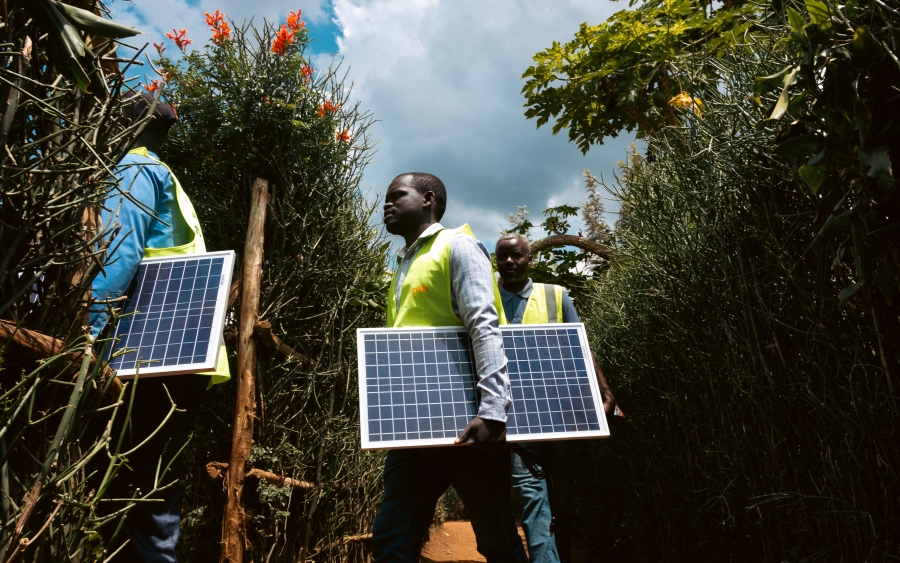
  • Decentralized Renewable Energy: Best Strategy to Mitigate Energy Inequality in Sub-Saharan Africa

    Decentralized Renewable Energy: Best Strategy to Mitigate Energy Inequality in Sub-Saharan Africa

    A recent study by Ighravwe, D. E., & Olanrewaju, O. A. (2025) titled “Evaluating the desirability of energy inequality mitigation strategies within underserved communities in sub-Saharan Africa,” published in Discover Sustainability by Springer Nature, reveals that decentralized renewable energy solutions are the most effective strategy for mitigating energy inequality in underserved communities in sub-Saharan Africa.

    Decentralized renewable energy solutions are the most effective strategy for mitigating energy inequality in underserved sub-Saharan African communities, enhancing sustainability and access.– Ighravwe, D. E., & Olanrewaju, O. A. 2025

    This study examines the effectiveness of various strategies to mitigate energy inequality in underserved communities across sub-Saharan Africa. Researchers Desmond Eseoghene Ighravwe and Oludolapo Akanni Olanrewaju employ a multi-criteria decision-making (MCDM) framework to assess and prioritize these strategies. The authors utilized Fuzzy Analytical Hierarchical Process (FAHP) to determine the relative importance of different evaluation criteria. The study also deployed the VIKOR Method to identify the most suitable socio-economic factors and strategies for reducing energy inequality. The research evaluates nine socio-economic criteria and ten mitigation strategies, comparing them through the VIKOR method alongside other techniques such as Fuzzy PROMETHEE and Fuzzy TOPSIS. The results highlight decentralized renewable energy solutions as the most effective approach for addressing energy inequality in the suburban case study.

    How the Study was Conducted

    This study employed a multi-criteria decision-making (MCDM) framework to assess the effectiveness of various energy inequality mitigation strategies within underserved communities in sub-Saharan Africa. By integrating the fuzzy analytical hierarchical process (FAHP) and VIKOR methods, the research aimed to determine the significance of socio-economic criteria and identify the most viable strategies for reducing energy inequality.

    The study began with an extensive literature review on technical and socio-economic aspects of energy inequality mitigation. Based on this review, a comprehensive MCDM framework was developed, incorporating nine socio-economic criteria and ten potential mitigation strategies. To ensure relevance and accuracy, six energy sector experts—each with an average of 11 years of experience—were consulted to evaluate the importance of the selected criteria.

    Using FAHP, the researchers quantified the significance of these socio-economic criteria, leveraging fuzzy sets to manage uncertainty in expert assessments. The VIKOR method was then applied to rank the mitigation strategies, providing a compromise solution based on alternative utility and regret values. To validate the robustness of the approach, the results were compared with other MCDM methods such as Fuzzy PROMETHEE and Fuzzy TOPSIS.

    The framework was tested in a case study of a suburban community with historically poor access to stable electricity, negatively impacting economic activities and quality of life. The analysis revealed that decentralized renewable energy solutions emerged as the most effective strategy for mitigating energy inequality. A sensitivity analysis further confirmed the reliability of these findings.

    What the Authors Found

    The authors found that decentralized renewable energy solutions are the most effective strategy for mitigating energy inequality in underserved communities in sub-Saharan Africa. This conclusion was supported by the VIKOR method and reinforced by aggregated results from multiple decision-making methods (VIKOR, PROMETHEE, and TOPSIS). Additionally, cross-subsidization models were identified as another viable strategy, particularly through the TOPSIS method. However, decentralized renewable energy solutions consistently emerged as the best approach for providing affordable and reliable energy access to low-income households.

    Why is this Important?

    Energy Access: Millions of people in sub-Saharan Africa lack reliable and affordable energy access. This study addresses a critical issue impacting their daily lives, economic opportunities, and overall well-being.

    Sustainable Development: Energy inequality is a barrier to sustainable development. By identifying effective mitigation strategies, this research supports efforts to achieve the United Nations’ Sustainable Development Goals (SDGs), particularly Goal 7, which aims to ensure access to affordable, reliable, sustainable, and modern energy for all.

    Environmental Impact: Many underserved communities rely on fossil fuels and firewood, contributing to environmental degradation and climate change. The study’s focus on decentralized renewable energy solutions helps promote cleaner, sustainable energy sources that reduce carbon emissions.

    Policy Guidance: The findings provide valuable insights for policymakers, investors, and other stakeholders on the best strategies to address energy inequality. This guidance can help shape more effective policies and investment initiatives tailored to the unique needs of sub-Saharan Africa.

    Health Benefits: Dependence on unclean energy sources like firewood can lead to severe health issues, including respiratory problems. By promoting cleaner energy solutions, this study contributes to improving public health in underserved communities.

    Economic Growth: Access to reliable energy is crucial for economic development. The study’s recommendations can help create jobs, stimulate local economies, and reduce socio-economic disparities in the region.

    What the Authors Recommended

    • The authors suggest prioritizing decentralized renewable energy solutions, such as mini-grids, to provide affordable and reliable energy to low-income households. These systems can significantly improve energy access and sustainability in underserved communities.
    • Implementing cross-subsidization schemes is recommended to reduce the financial burden on low-income households. This approach involves making energy more affordable for underserved communities by redistributing costs among different consumer groups.
    • The authors emphasize the need for public-private partnerships to improve energy infrastructure in underserved communities. Collaborations between governments, private companies, and non-governmental organizations can attract investments and drive sustainable energy projects.
    • Formulating and implementing energy policies that promote equitable access to energy is crucial. These policies should address the specific needs of underserved communities and encourage the adoption of renewable energy technologies.
    • Providing education and training programs to enhance local capacity for renewable energy technologies is essential. These programs can help build the necessary skills and knowledge within communities to maintain and operate renewable energy systems.
    • Offering financial support through microfinance programs can enable low-income households to afford renewable energy systems. These programs can provide loans or subsidies to help households invest in clean energy technologies.
    • Promoting regional cooperation to pool energy resources and address energy inequality collectively. By working together, neighboring communities can share resources and knowledge to improve energy access and sustainability.

    In conclusion, this study underscores the critical role of decentralized renewable energy solutions in addressing energy inequality in underserved communities across sub-Saharan Africa. By leveraging advanced decision-making frameworks such as FAHP and VIKOR, the research highlights the most effective strategies for expanding energy access, promoting sustainability, and fostering economic growth. The findings provide valuable insights for policymakers, investors, and stakeholders, emphasizing the need for targeted policies, cross-subsidization models, and public-private partnerships. Implementing these recommendations can drive meaningful progress toward achieving energy equity, improving public health, and supporting sustainable development goals. Ultimately, prioritizing decentralized renewable energy solutions is a key step toward a cleaner, more inclusive, and energy-secure future for all.

  • March 2025: Professor Ihsen Yengui – African Male Researcher of the Month

    March 2025: Professor Ihsen Yengui – African Male Researcher of the Month

    African Researchers AwardMarch 2025: Professor Ihsen Yengui – African Male Researcher of the Month

    Introduction

    Professor Ihsen Yengui is a distinguished Tunisian mathematician and a leading expert in the field of constructive commutative algebra. His pioneering research and contributions to the advancement of mathematics in Tunisia and across Africa have earned him international recognition. In 2024, he was awarded the prestigious TWAS-Mohammad A. Hamdan Award, which includes a USD 5,000 prize, in acknowledgment of his significant contributions to mathematical research and his unwavering dedication to training the next generation of young mathematicians in Tunisia and sub-Saharan Africa.

    Early Life and Academic Excellence

    Born and raised in Tunisia, Ihsen Yengui demonstrated an exceptional aptitude for mathematics from an early age. His talent was evident when he won a regional Maghreb Olympic Medal in mathematics as a young student, marking the beginning of a stellar academic career. His passion for mathematics led him to pursue higher education in the field, where he specialized in constructive commutative algebra, a crucial area of abstract algebra with applications in computational mathematics and logic.

    Academic and Research Career

    Professor Yengui is currently a professor at the University of Sfax, one of Tunisia’s leading institutions for higher education and research. His work in constructive commutative algebra has made a profound impact on mathematical sciences, contributing to the theoretical foundations and practical applications of the discipline.

    Throughout his career, he has been committed to advancing mathematical knowledge in Tunisia and beyond. His research has been published in leading international journals, and his contributions have been recognized by numerous prestigious awards and fellowships.

    One of his most notable achievements includes receiving the African Mathematical Union (AMU) Prize for young African mathematicians. This recognition highlights his exceptional work and influence within the mathematical community on the African continent. In addition, he was awarded the Georg-Forster Fellowship by the Alexander von Humboldt Foundation in Germany, further solidifying his reputation as a world-class mathematician.

    Commitment to Mathematics Education and Mentorship

    Beyond his research, Professor Yengui is deeply invested in mathematical education and mentorship. He has played a crucial role in training and guiding young mathematicians in Tunisia and sub-Saharan Africa, ensuring the development of future leaders in the field. His mentorship has inspired numerous students to pursue careers in mathematics, research, and academia.

    Upon receiving the 2024 TWAS-Mohammad A. Hamdan Award, Professor Yengui expressed his deep gratitude, stating:

    “I am extremely honoured to receive this recognition award. It really encourages me in my commitment to training young mathematicians from Tunisia and sub-Saharan Africa and emboldens me to pursue with enthusiasm my mathematical research work while remaining in Tunisia.”

    His dedication to staying in Tunisia and continuing his research despite numerous global opportunities demonstrates his commitment to fostering mathematical excellence within his home country and the broader African continent.

    Impact and Legacy

    Professor Ihsen Yengui’s influence extends beyond academia; he is a role model and an inspiration for aspiring mathematicians in Africa and beyond. His work has not only contributed to theoretical mathematics but has also strengthened the research infrastructure in Tunisia and provided invaluable opportunities for young mathematicians in Africa.

    By receiving the 2024 TWAS-Mohammad A. Hamdan Award, he joins an elite group of scientists recognized for their outstanding contributions to science and education. His continued efforts in research and mentorship will undoubtedly leave a lasting impact on the global mathematical community.

    Conclusion

    Professor Ihsen Yengui stands as a towering figure in mathematics, particularly in constructive commutative algebra. His groundbreaking research, dedication to mentorship, and passion for advancing mathematics in Tunisia and sub-Saharan Africa make him a well-deserving recipient of the 2024 TWAS-Mohammad A. Hamdan Award. As he continues his work, he remains a beacon of inspiration, proving that dedication and perseverance in scientific research can transform not only individual lives but entire academic communities.

  • Wiley’s International Wound Journal Retracts 27 Papers Over Manipulated Peer Review, More Expected

    Wiley’s International Wound Journal Retracts 27 Papers Over Manipulated Peer Review, More Expected

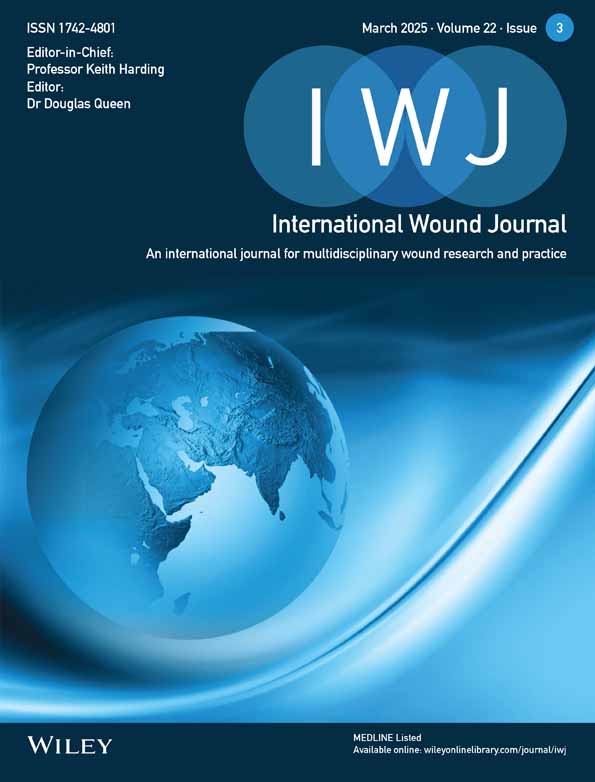
    In a significant development highlighting ongoing challenges in academic publishing, the International Wound Journal, a medical journal under the renowned publisher Wiley, has retracted at least 27 papers since June 2023. The primary reason cited for these retractions is the discovery of “manipulated” or “compromised” peer review processes. Given the gravity of the issue, Wiley has confirmed that an extensive investigation is underway, and additional retractions are anticipated as the inquiry progresses.

    A spokesperson for Wiley informed Retraction Watch that the probe into manipulated peer review within the International Wound Journal remains active. The publisher is methodically examining irregularities in the peer review process that have compromised the integrity of published research.

    The first documented retraction in this ongoing case involved a paper published in November 2023, titled “Analysis of the Association Between Serum Levels of 25(OH)D, Retinol Binding Protein, and Cyclooxygenase-2 and the Disease Severity in Patients with Diabetic Foot Ulcers.” This study was formally retracted on June 14, 2023, after Wiley and the journal’s editor-in-chief determined, through a rigorous internal review, that the peer review process for this article had been manipulated. Notably, the authors of the paper failed to respond to the retraction notice. Corresponding author Liwei Bai from The First Affiliated Hospital of Xinxiang Medical University in Weihui, China, also did not reply to inquiries from Retraction Watch.

    The Role of External Whistleblowers and Papermill Activity

    Although Wiley asserts that its investigation was initiated independently through its standard review channels, a significant number of the retractions—20 in total—reference an external third party. These particular retraction notices acknowledge that Wiley was alerted to suspicious patterns in multiple papers by an outside entity. These papers shared notable similarities in formatting and structure, prompting further scrutiny. Following a detailed assessment, Wiley determined that the peer review and publication processes for these articles had been deliberately manipulated, necessitating their removal from the journal’s archives.

    Additionally, five papers that were retracted on November 12, 2023, were found to have been accepted solely on the basis of a flawed and compromised peer review system. The lack of genuine, rigorous peer evaluation meant that these articles failed to meet the necessary scholarly standards, making their retraction unavoidable.

    Surge in Submissions and the Struggle Against Papermills

    The International Wound Journal, which recently transitioned to an open-access publication model, has been experiencing an unprecedented increase in submission volume. According to a September 2023 editorial marking the journal’s 20th anniversary, the journal expanded from eight to ten editions in 2023. The editorial further outlined plans to increase publication frequency to 12 issues in 2024 in response to the surge in manuscript submissions. Additionally, the editors announced their intention to introduce several special issues to complement the regular editions.

    However, this surge in submissions has not been without consequences. In an August 2023 editorial, the journal’s editors candidly acknowledged that a portion of the increased submission volume was directly linked to “papermill” activity—a term referring to organized operations that produce and sell fraudulent research papers, often involving fabricated data, fake authorship, and artificially manipulated peer review processes. The editorial noted:

    “This has challenged our submission and review process. To manage this, we are implementing significant back-end processes to identify and reject such content. We are also creating the largest single editorial board for any wound care journal, to strengthen our review process to enhance its effectiveness. This has become necessary to ensure the continued quality of our journal, especially considering the threat that ‘papermill type’ activity may have on our overall subject area. This is a global challenge to the world of academic and clinical research. It is something that the IWJ does not take lightly, and we are working diligently in playing our part to minimize its impact in the world of wound care.”

    A Larger Crisis in Academic Publishing

    The retractions at the International Wound Journal underscore a broader issue plaguing academic publishing: the increasing sophistication of fraudulent research and the challenge of maintaining scientific integrity in an era of mass submissions and automated workflows. The rise of predatory publishers, the pressure to publish for career advancement, and the emergence of fraudulent research mills have collectively contributed to the crisis.

    Peer review manipulation is particularly concerning because it erodes trust in the scientific process. When fraudulent papers make their way into reputable journals, they can mislead researchers, distort medical understanding, and potentially harm clinical practices. Wiley’s actions indicate a strong commitment to rooting out such misconduct, but the fact that so many papers were affected suggests that significant vulnerabilities exist in the traditional peer review system.

    The International Wound Journal has responded by tightening its editorial policies, expanding its board, and implementing advanced screening methods to detect fraud. However, the problem extends beyond a single journal or publisher—it is a systemic issue requiring industry-wide reforms.

    As the Wiley investigation continues, further retractions are likely, and the academic community will be watching closely to see how journals worldwide strengthen their defenses against scientific fraud.

  • Tropical Journal of Pharmaceutical Research: A Prestigious AR-Indexed Journal Advancing Pharmaceutical Sciences

    Tropical Journal of Pharmaceutical Research: A Prestigious AR-Indexed Journal Advancing Pharmaceutical Sciences

    The Tropical Journal of Pharmaceutical Research (TJPR) stands as a leading peer-reviewed journal dedicated to promoting high-quality research in pharmaceutical sciences and allied disciplines. Published by the Pharmacotherapy Group at the University of Benin, Nigeria, this esteemed journal is widely recognized for its commitment to fostering scientific knowledge and collaboration across academia, the pharmaceutical industry, and healthcare professionals.

    AR Index Recognition: A Mark of Excellence

    As of February 2025, the Tropical Journal of Pharmaceutical Research has been officially listed as an ACTIVE journal in the AR Index under the AR Index Number: 949580. This recognition solidifies TJPR’s reputation as a credible and impactful journal within the scientific community. Being part of the AR Index ensures increased visibility and accessibility for researchers worldwide, enhancing the dissemination of groundbreaking pharmaceutical and biomedical research.

    Scope and Focus of the Journal

    TJPR seeks to encourage research that is of both tropical and international relevance. The journal publishes articles in pharmaceutical sciences and related fields, including:

    • Biotechnology
    • Cell and Molecular Biology
    • Drug Utilization (including Adverse Drug Events)
    • Medical and Life Sciences
    • Related Engineering Fields

    While the journal primarily focuses on original research papers, it also welcomes comprehensive review articles that address pressing topics in pharmaceutical sciences.

    Key Journal Information

    • Title: Tropical Journal of Pharmaceutical Research (Trop J Pharm Res)
    • Publisher: Pharmacotherapy Group, University of Benin, Nigeria
    • Affiliation: Faculty of Pharmacy, University of Benin, Benin City, Nigeria
    • ISSN (Online): 1596-9827 | ISSN (Print): 1596-5996
    • Publication Frequency: Monthly
    • Review Type: Single-Blind Peer Review (1-2 rounds per article)
    • Open Access: Yes, under CC Attribution 4.0 International License

    Journal Fees & Open Access Policy

    TJPR follows an Open Access publishing model, ensuring that its research is freely accessible to the global scientific community. However, authors should note the following publication fees:

    • Submission Fee: None
    • Publication Fee:
      • Normal Track: $600
      • Fast Track: $1,000

    These fees help maintain the journal’s high standards and enable its open-access model, allowing widespread dissemination of valuable research.

    Peer-Review Process & Ethical Standards

    The Tropical Journal of Pharmaceutical Research maintains a rigorous peer-review process, ensuring the publication of only high-quality research. Manuscripts typically undergo 1-2 rounds of review, with an estimated review duration of 1-2 months per article. The journal’s ethical standards align with the Committee on Publication Ethics (COPE) Best Practice Guidelines, ensuring integrity, originality, and transparency in research publications.

    Editorial Team & Contact Information

    TJPR is led by a team of distinguished scholars:

    • Editor-in-Chief: Professor Augustine O. Okhamafe
    • Managing Editor: Professor Patrick Erah

    For inquiries and manuscript submissions, researchers can contact the editorial team via:

    Why Publish with TJPR?

    Publishing with the Tropical Journal of Pharmaceutical Research offers several advantages:

    1. Global Visibility: Indexed in AR Index, ensuring worldwide recognition.
    2. High-Impact Research: Covers cutting-edge topics in pharmaceutical sciences.
    3. Rapid Peer-Review: Single-blind review process with a timely publication schedule.
    4. Open Access Advantage: Research is freely available to scholars and professionals globally.
    5. Multidisciplinary Collaboration: Encourages interactions among pharmaceutical scientists, healthcare professionals, and the industry.

    Final Thoughts

    The Tropical Journal of Pharmaceutical Research continues to be a pivotal platform for researchers in pharmaceutical sciences, offering a gateway for high-quality, peer-reviewed publications. With its active AR Index listing, TJPR has strengthened its credibility, ensuring that published research reaches a global audience and contributes significantly to scientific advancements.

    For more details, visit AR Index Profile

  • EUIWNMC 2025: International Conference on Wireless Networks & Mobile Communication – March 4-5, Victoria, Seychelles

    EUIWNMC 2025: International Conference on Wireless Networks & Mobile Communication – March 4-5, Victoria, Seychelles

    📍 Victoria, Seychelles | 🗓 March 4–5, 2025

    About the Conference

    The International Conference on Wireless Networks and Mobile Communication (EUIWNMC 2025) will take place in the beautiful city of Victoria, Seychelles, on March 4–5, 2025. This prestigious event, organized by Eurasia Web, aims to bring together researchers, academicians, industry professionals, and technology experts to discuss and explore the latest advancements, challenges, and solutions in the rapidly evolving fields of wireless networks and mobile communication.

    In an era where wireless communication is the backbone of modern digital infrastructure, this conference will serve as an essential platform for knowledge exchange, collaborative research, and networking opportunities. Attendees will gain insights into emerging technologies, such as 5G and 6G networks, edge computing, the Internet of Things (IoT), mobile security, and artificial intelligence-driven communication systems.

    Objectives of EUIWNMC 2025

    • Addressing Key Challenges: Deliberating on the evolving challenges in wireless networks and mobile communication, including network security, scalability, spectrum efficiency, and latency issues.
    • Showcasing Cutting-Edge Innovations: Presenting groundbreaking research and industry-driven solutions to enhance connectivity, network reliability, and user experience.
    • Encouraging Global Collaboration: Fostering international research partnerships between academia, industry, and government sectors.
    • Discussing Future Trends: Exploring emerging technologies like 6G, AI-driven wireless systems, smart antennas, quantum communication, and ultra-reliable low-latency communication (URLLC).

    Who Should Attend?

    • Researchers and academicians specializing in wireless networks, telecommunications, and mobile computing.
    • Industry professionals and engineers working on wireless infrastructure, networking protocols, and cybersecurity.
    • Policymakers and regulatory bodies shaping the future of telecommunications and wireless connectivity.
    • Students and emerging scholars looking for career opportunities and academic collaborations in this domain.

    Key Topics of Discussion

    • 5G and 6G Technologies: Advancements, deployment challenges, and real-world applications.
    • IoT and Smart Connectivity: Integrating IoT devices with wireless networks for seamless automation.
    • Network Security and Privacy: Cybersecurity threats, encryption techniques, and mitigation strategies.
    • Edge Computing & Cloud Integration: Optimizing data processing for real-time applications.
    • Mobile Communication Protocols: Innovations in radio frequency, spectrum allocation, and latency reduction.
    • AI & Machine Learning in Wireless Networks: Enhancing efficiency through intelligent algorithms and automation.
    • Quantum Communication & Cryptography: Future-proofing wireless communication through quantum security.
    • Satellite & Space-Based Networks: Advancements in global connectivity and communication beyond terrestrial infrastructure.

    Important Dates

    • Paper Submission Deadline: February 20, 2025
    • Registration Deadline: February 25, 2025
    • Conference Dates: March 4–5, 2025

    Registration & Contact Information

    For more details on submission guidelines, conference schedules, and registration, visit Eurasia Web or contact the Conference Coordinator at 📧 info@eurasiaweb.com.

    Join us at EUIWNMC 2025 for an unparalleled experience of learning, networking, and innovation in wireless networks and mobile communication.

  • Community-Based Wildlife Tourism in South Africa: Environmental Justice, Land Dispossession, and Neocolonial Dependencies

    Community-Based Wildlife Tourism in South Africa: Environmental Justice, Land Dispossession, and Neocolonial Dependencies

    A recent study by van Megen, L., & Anthony, B. P. (2025) titled “Exploring Community-Based Wildlife Tourism from an Environmental Justice Perspective: A Case Study of the Wild Olive Tree Camp in South Africa,” published in Human Ecology, reveals that community-based wildlife tourism (CBWT) provides short-term benefits like employment and financial gains but risks reinforcing neocolonial dependencies and long-term inequalities.

    Community-based wildlife tourism provides short-term economic benefits but reinforces neocolonial dependencies, limiting local agency, land rights, and long-term sustainability in South Africa.– van Megen, L., & Anthony, B. P. (2025

    The article “Exploring Community-Based Wildlife Tourism from an Environmental Justice Perspective: A Case Study of the Wild Olive Tree Camp in South Africa” by Lizzy van Megen and Brandon P. Anthony examines the intersection of community-based wildlife tourism (CBWT) and environmental justice (EJ) within the Kruger to Canyons Biosphere Region, South Africa. The study explores whether CBWT can foster equitable land management and provide lasting benefits to local communities while critiquing its potential to reinforce neocolonial dependencies. Using an environmental justice framework, the research delves into historical land dispossession, apartheid-era segregation, and the neoliberal conservation model, which often prioritizes market-driven approaches over local empowerment. The authors investigate how tourism management structures contribute to power imbalances, limiting local agency, knowledge access, and land rights. The study also critiques “green grabbing” and territorialization—processes that have historically marginalized indigenous communities from their lands under the guise of conservation. Ultimately, this research contributes to broader environmental justice scholarship by contextualizing South Africa’s historical and socio-political realities within modern conservation efforts. It calls for a fundamental restructuring of tourism governance to ensure sustainable community-led economies that restore agency over environmental resources and break cycles of dependence. The findings offer critical insights for policymakers and conservation practitioners striving for a more inclusive and just tourism model.

    How the Study was Conducted

    The study employs a qualitative case study methodology to examine the role of community-based wildlife tourism (CBWT) in promoting equitable land management through an environmental justice (EJ) lens. Focusing on the Wild Olive Tree Camp (WOTC) in the Kruger to Canyons Biosphere Region, South Africa, the research explores historical land dispossession, conservation challenges, and tourism’s role in shaping local livelihoods. The Wild Olive Tree Camp was selected due to its historical significance in land dispossession and conservation efforts. The Manyeleti Game Reserve (MGR), where the camp is situated, serves as a microcosm of broader socio-political struggles related to post-apartheid land ownership, access to environmental resources, and the integration of local communities into tourism economies. The research was conducted between April and July 2023, involving 23 participants across five categories:Tourists visiting WOTC, Staff of WOTC, Citizens of Welverdiend, Managers in the WOTC business, and employers in the regional wildlife tourism industry. Data was gathered using semi-structured interviews (lasting between 30 and 90 minutes) and a focus group discussion. Participants were recruited through snowball sampling, ensuring diverse perspectives. The study was conducted in collaboration with local organizations, including the University of Witwatersrand, K2C NPC, and Indalo Inclusive.

    Participants provided written or verbal consent, with anonymity ensured through coded identifiers based on their group. Ethical compliance emphasized confidentiality and transparency, fostering community trust and collaboration in the research process. Using thematic analysis, interview transcripts were coded into themes such as land claims, conservation benefits, tourism-related dependencies, economic challenges, and environmental justice perspectives. The study aimed to: assess local perceptions of post-apartheid land ownership structures in Manyeleti Game Reserve. Evaluate how CBWT contributes to or disrupts neocolonial power dynamics. Analyze the short- and long-term impacts of neoliberal mechanisms on tourism and local communities.

    What the Authors Found

    The study found that community-based wildlife tourism (CBWT) provides short-term benefits like employment and financial gains but risks reinforcing neocolonial dependencies and long-term inequalities. Local communities acknowledge tourism’s benefits but remain affected by historical land dispossession, calling for greater integration of Indigenous knowledge into conservation. Fences around protected areas symbolize colonial exclusion, restricting both physical and psychological access to land. The COVID-19 pandemic exposed economic vulnerabilities, highlighting the need for local economic resilience over global reliance. Wildlife is seen as a renewable resource essential for both tourism and community well-being. While tourists often hold misconceptions about rural South Africa, CBWT can reshape global perspectives through direct engagement. The study urges a critical reassessment of CBWT structures to ensure greater local autonomy and sustainable community-led economies.

    Why is this important?

    Addressing Historical Injustices
    The research highlights the need to acknowledge and address historical trauma related to land dispossession and segregation in South Africa. By promoting equitable land management and the inclusion of local communities, the study seeks to rectify past injustices and create fair opportunities for all.

    Promoting Environmental Justice
    The study contributes to the broader environmental justice framework by examining how CBWT can help distribute environmental resources and benefits more equitably. This is crucial for ensuring that marginalized communities have access to and can benefit from their natural resources.

    Restructuring Power Dynamics
    By analyzing the neoliberal approach to conservation and tourism, the study emphasizes the importance of restructuring power imbalances in tourism management. This aims to ensure that local communities have a say in how their lands and resources are used, leading to more sustainable and just practices.

    Enhancing Community Well-being
    The practical implications of the study suggest that CBWT can provide short-term economic benefits to local communities, enhancing employment opportunities and community morale. This is significant for improving the quality of life for individuals living in these regions.

    Informing Policy and Practice
    The study provides valuable insights for policymakers and practitioners on how to develop more inclusive and equitable conservation and tourism practices. By integrating Indigenous knowledge systems and addressing neocolonial dependencies, the research offers a pathway toward more sustainable and just environmental management.

    Educational Value
    The findings of the study underscore the importance of educating stakeholders about the historical and contemporary challenges in conservation and tourism. This can foster a more inclusive approach and encourage the integration of diverse perspectives in environmental management.

    What the Authors Recommended

    • The authors recommend acknowledging historical trauma from segregation and apartheid to foster equitable land management and conservation.
    • The study emphasizes the need to restructure power imbalances in tourism by ensuring fair access to land rights and knowledge for local communities.
    • To promote sustainability and justice, the author advocates for the integration of Indigenous knowledge into conservation efforts.
    • Community empowerment should be prioritized through job creation and initiatives that enhance local morale. Additionally, inclusive policies must be developed to support land restitution and ensure equitable conservation practices.
    • Lastly, the authors stress the importance of educating stakeholders on both historical and contemporary challenges in tourism and conservation to encourage a more just and inclusive approach.

    In conclusion, the study by van Megen and Anthony sheds critical light on the complexities of community-based wildlife tourism (CBWT) in South Africa, highlighting both its potential benefits and inherent challenges. While CBWT offers short-term economic opportunities, it also risks perpetuating historical inequalities and neocolonial dependencies if not carefully restructured. By integrating Indigenous knowledge, addressing land dispossession, and empowering local communities, tourism can become a vehicle for true environmental justice rather than a continuation of exclusionary conservation models. Moving forward, policymakers, conservationists, and stakeholders must collaborate to ensure tourism fosters sustainable, community-led economies that restore agency and create lasting change.

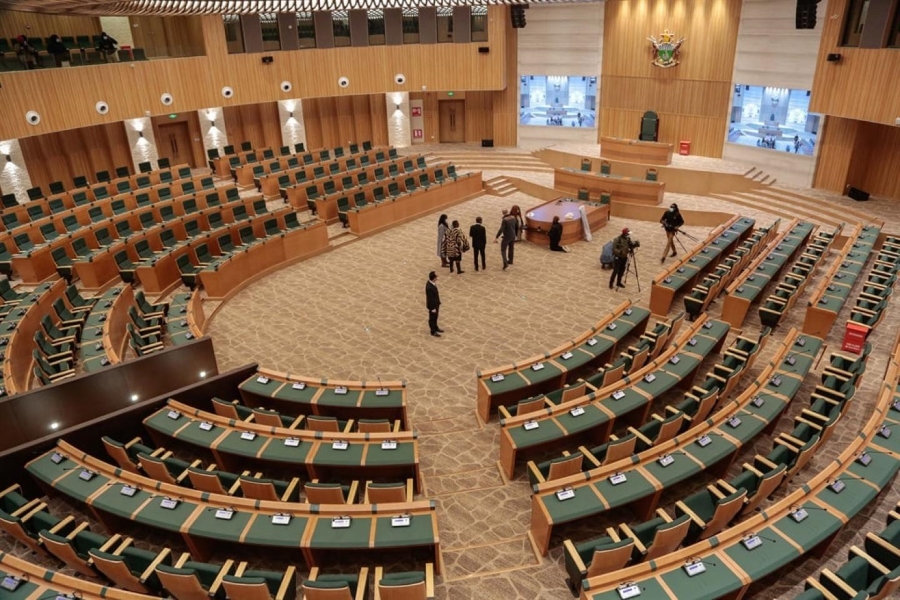
  • Strengthening Zimbabwe’s Parliament in Foreign Policy: Challenges, Solutions, and the Path to Effective Governance

    Strengthening Zimbabwe’s Parliament in Foreign Policy: Challenges, Solutions, and the Path to Effective Governance

    A study by Gwakwara et al. (2022) titled “Bolstering the role of the legislature for efficient, effective, and sustainable foreign policy-making and execution: A case study of Parliament of Zimbabwe” published in the African Journal of Democracy and Governance reveals that the Parliament of Zimbabwe plays a role in foreign policy-making but is overshadowed by executive dominance, limiting its oversight and effectiveness.

    Zimbabwe’s Parliament plays a role in foreign policy-making but is overshadowed by executive dominance, limiting its effectiveness.– Gwakwara et al 2022

    The article examines the critical function of Zimbabwe’s Parliament in shaping and implementing foreign policy. Grounded in social contract theory and role theory, the study presents a model to strengthen Parliament’s influence in foreign policy-making. Using a mixed-method approach, the research incorporates interviews, newspaper articles, official documents, and scholarly literature to analyze parliamentary diplomacy’s role in the formulation of foreign policy. A key focus is on the Portfolio Committee on Foreign Affairs and International Trade, which serves as a crucial link between the legislative and executive branches. However, the study highlights several challenges, including executive dominance, lack of consultation, political patronage, the whipping system, and insufficient expertise and resources among parliamentarians. To address these issues, the authors propose a model aimed at improving the Parliament-Executive interface in foreign policy-making. This model advocates for greater capacitation, enhanced consultation, structured decision-making processes, strengthened checks and balances, and robust parliamentary oversight. Ultimately, the article underscores the need to empower the legislature to play a more active and effective role in Zimbabwe’s foreign policy landscape.

    How the Study was Conducted

    The study adopted a mixed-method approach, integrating both qualitative and quantitative research methods. The authors conducted interviews with a convenient sample of 70 respondents. These included 15 current and former Members of Parliament (MPs), 15 current and former officers of Parliament, 15 officers from the Ministry of Foreign Affairs and International Trade, 5 former presiding officers and premiers, 5 former ambassadors, and 15 opinion leaders. The authors assessed newspaper articles, official documents, and other relevant literature on the role of Parliament in foreign policy formulation and execution. In addition, the study employed a narrative/interpretative approach for the analysis of data. This involved analyzing and interpreting the qualitative data gathered from interviews and document analysis to derive meaningful insights and patterns. The combination of these methods provided a comprehensive understanding of the role of the Parliament of Zimbabwe in foreign policy formulation and execution, as well as the challenges and opportunities it faces.

    What the Authors Found

    The study found that while the Parliament of Zimbabwe plays a role in foreign policy formulation and execution, it is often overshadowed by the Executive, which makes unilateral decisions without adequate consultation. Parliament’s responsibilities include oversight, policy formulation, resource allocation for the Ministry of Foreign Affairs, and setting performance targets for ambassadors. However, challenges such as executive dominance, lack of expertise and resources, patronage, and the whipping system limit its effectiveness.

    Why is this important?

    Strengthening Democracy: Empowering the legislature in foreign policy-making ensures a more balanced distribution of power between the branches of government. This helps maintain checks and balances, which are fundamental to a democratic system.

    Accountability: By involving Parliament in foreign policy decisions, the Executive is held accountable for its actions. This transparency can lead to more thoughtful and deliberate policy-making that is in the best interests of the country.

    Informed Decisions: The study highlights the need for better training and resources for parliamentarians. An informed and knowledgeable Parliament can make more effective contributions to foreign policy, which can enhance the country’s international relations and overall governance.

    Representation of Interests: Parliamentarians represent the interests of their constituents. By playing a more active role in foreign policy, they ensure that the perspectives and needs of the populace are considered in international relations.

    Reducing Executive Overreach: The study addresses the issue of Executive dominance. By proposing a model for a better Parliament-Executive interface, it seeks to reduce unilateral decisions by the Executive and promote a more collaborative approach.

    Regional and International Influence: Stronger parliamentary diplomacy can enhance a country’s influence in international forums. This can lead to better outcomes in negotiations and international agreements, benefiting the country’s strategic interests.

    Sustainable Policies: Including Parliament in the policy-making process can lead to more sustainable and comprehensive foreign policies. Policies that have broad support and input from diverse viewpoints are more likely to be effective and enduring.

    What the Authors Recommended

    • The authors suggest that there should be more comprehensive training for parliamentarians to deepen their understanding of foreign policy and equip them with the necessary skills and knowledge to effectively participate in foreign policy-making and execution.
    • Strengthening the existing institutional structures, such as the Portfolio Committee on Foreign Affairs and International Trade, is crucial. This involves ensuring that these committees are well-resourced and have the authority to effectively link Parliament and the Executive on foreign policy matters.
    • The Executive should regularly consult Parliament on foreign policy issues. Establishing a more collaborative relationship between the Parliament and the Executive can ensure that foreign policy decisions benefit from diverse viewpoints and are more representative of the nation’s interests.
    • Implementing a robust system of checks and balances to prevent the Executive from making unilateral decisions without Parliament’s input. This can help maintain accountability and transparency in the foreign policy-making process.
    • Parliament should play a more significant role in the appointment of ambassadors and other key government officials involved in foreign policy. This can ensure that these appointments are based on merit and align with the nation’s strategic interests.
    • Encouraging parliamentarians to actively participate in inter-parliamentary engagements and international forums. This can enhance Zimbabwe’s influence on the global stage and ensure that the country’s foreign policy positions are effectively communicated and advocated for.
    • The authors propose a model that emphasizes capacitation, consultation, decision-making, checks and balances, and oversight. This model aims to foster a more collaborative and effective approach to foreign policy formulation and execution.

    In conclusion, the study by Gwakwara et al. (2022) highlights the crucial yet constrained role of Zimbabwe’s Parliament in foreign policy-making. While Parliament has oversight responsibilities, executive dominance limits its effectiveness. The research underscores the need for a more balanced governance approach, advocating for greater consultation, institutional strengthening, and enhanced parliamentary oversight. By implementing the proposed model, Zimbabwe can foster a more democratic, transparent, and inclusive foreign policy process. Strengthening Parliament’s role will not only improve accountability but also contribute to more sustainable and strategically sound international engagements, ultimately benefiting the nation as a whole.