Tag: climate change

  • Sustainable Transport in Johannesburg: Challenges, Opportunities, and Solutions for a Greener Future

    Sustainable Transport in Johannesburg: Challenges, Opportunities, and Solutions for a Greener Future

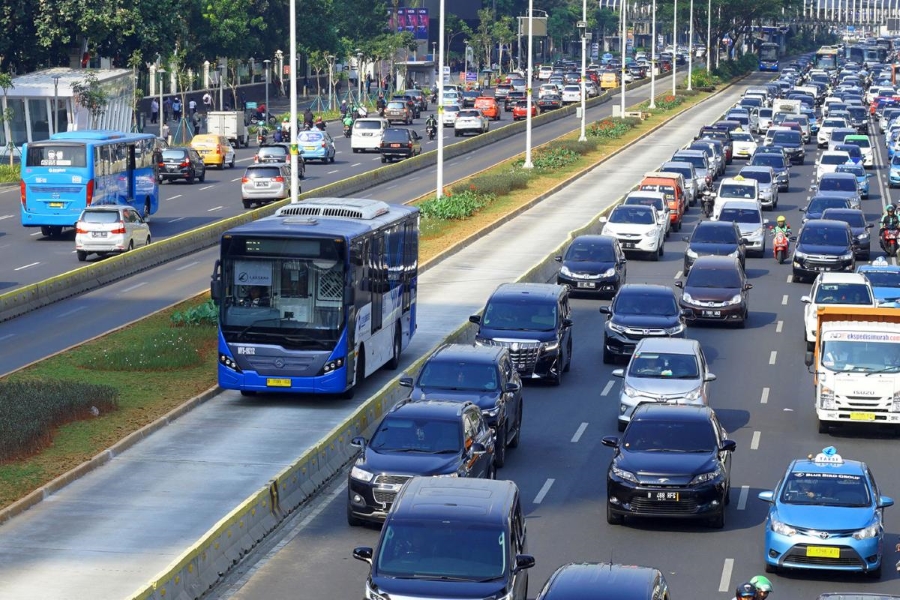
    A recent study by Thaba, S. C. (2025) titled “Possibilities of sustainable transport in the City of Johannesburg (CoJ) in South Africa” published in Proceedings of the International Conference on Industrial Engineering and Operations Management shows that the major challenges hindering sustainable transport include poverty, unemployment, and high crime rates.

    Poverty, unemployment, and crime hinder sustainable transport in Johannesburg, requiring renewable energy and socio-economic reforms.– Thaba, S. C. 2025

    The article delves into the prospects of establishing sustainable transport in Johannesburg, South Africa. It examines both the challenges and opportunities associated with creating a transport system that is eco-friendly, reliable, affordable, and safe for both people and the environment. Through exploratory research, the study assesses the current state of transportation in South Africa, identifying key obstacles to progress. These include overpopulation, socio-economic challenges such as poverty and unemployment, and high crime rates within the city. The article highlights initiatives by the Department of Transport (DoT) aimed at providing effective and integrated transport services. These efforts include promoting the use of clean fuels such as natural gas and biofuels. Furthermore, the study underscores the importance of integrated planning strategies, increased investment in renewable energy, and addressing underlying socio-economic issues to achieve a sustainable transport system in Johannesburg.

    How the Study was Conducted

    The author employed descriptive research; this method was used to describe and understand the current status of sustainable transport in Johannesburg. It involved collecting data and information to describe “what exists” with respect to variables or conditions in the situation.The author also employed exploratory research; this method was chosen due to the early development of literature on sustainable transport in South Africa. It aimed to lay the groundwork for future studies and to understand more about the idea of sustainable transport. The study focused on the experiences of the City of Johannesburg (CoJ). Data was collected using observation methods, including attending conference seminars and workshops on transport to observe and take notes. The research relied on qualitative data, where collected information was described, discussed, and evaluated to come up with findings and recommendations.

    What the Author Found

    The author found that the major challenges hindering sustainable transport include poverty, unemployment, and high crime rates. These socio-economic issues make it difficult to implement sustainable transport solutions effectively. The study also posits that there is a significant potential for using renewable energy sources like biofuels and biogas to replace fossil fuels in the transport sector. However, the production of biofuels is currently at a very small scale, and most of the manufacturers are small and medium-sized enterprises (SMMEs) that are unlicensed. The transport sector needs to focus on enterprise and supplier development to create sustainable job opportunities. This includes supporting the production and use of renewable energy sources within the transport sector.

    Why is this important?

    Environmental Impact: Sustainable transport reduces reliance on fossil fuels, which helps mitigate climate change and environmental degradation. This is crucial for a city like Johannesburg, which faces significant pollution and environmental challenges.

    Socio-Economic Benefits: By focusing on renewable energy and enterprise development, the study highlights ways to create job opportunities and reduce poverty. This is particularly important in Johannesburg, where high unemployment and poverty rates are major concerns.

    Health and Safety: Sustainable transport systems can improve public health by reducing air pollution and promoting active modes of transport like cycling and walking. Additionally, addressing safety concerns for cyclists and pedestrians can make the city more livable.

    Economic Growth: Investing in sustainable transport can boost economic growth by improving mobility, reducing traffic congestion, and supporting local businesses involved in renewable energy production.

    Future Planning: The study provides a framework for future research and policy development, helping to guide the city towards a more sustainable and resilient transport system.

    What the Author Recommended

    • The author recommends that the transport sector should shift its focus from merely providing transport services to addressing poverty and unemployment through sustainable enterprise and supplier development.
    • There should be a strong push towards using renewable energy sources, such as biofuels and biogas, to replace fossil fuels in the transport sector. This can help reduce environmental impact and promote sustainability.
    • The study advocates support for small and medium-sized enterprises (SMMEs) involved in the production of renewable energy should be increased. This can create job opportunities and stimulate economic growth within local communities.
    • Stakeholders, including government, the private sector, and higher education institutions, should collaborate to develop a sound value chain for renewable energy. This can ensure a sustainable market for renewable energy within Johannesburg.
    • In addition, the author emphasizes there should be integrated planning strategies that consider socio-economic challenges and aim to create a sustainable transport system that benefits all citizens.

    In conclusion, achieving sustainable transport in Johannesburg requires addressing deeply rooted socio-economic challenges while leveraging renewable energy and innovative planning strategies. By fostering collaboration among stakeholders and investing in enterprise development, the city can create a transport system that is environmentally friendly, economically viable, and socially inclusive. This approach not only enhances mobility but also contributes to poverty alleviation, job creation, and long-term urban resilience. With the right policies and initiatives, Johannesburg has the potential to become a model for sustainable urban transport in Africa.

  • Celebrating 30 Years of ECOFAC: Achievements and Challenges in Central Africa’s Biodiversity Conservation

    Celebrating 30 Years of ECOFAC: Achievements and Challenges in Central Africa’s Biodiversity Conservation

    The Support Program for the Preservation of Biodiversity and Fragile Ecosystems in Central Africa (ECOFAC) has reached a significant milestone—celebrating three decades of conservation efforts in the region. Launched in 1992 by the European Union (EU), ECOFAC has made notable strides in biodiversity protection, conservation of endangered species, and the reduction of poaching, though it has faced considerable challenges along the way. A comprehensive evaluation report highlights both its successes and areas for improvement, providing insights into the complex dynamics of biodiversity conservation in Central Africa.

    The Evolution of ECOFAC

    ECOFAC, now in its sixth and final phase, has been the EU’s longest-running program in Central Africa, having invested over EUR 250 million into the region’s environmental conservation. Implemented under the coordination of the Economic Community of Central African States (ECCAS), ECOFAC has spanned several countries including Cameroon, the Democratic Republic of Congo (DRC), Gabon, Central African Republic (CAR), Chad, Sao Tomé & Principe, Equatorial Guinea, and the Republic of Congo (RoC). Its overarching mission has been to balance the sustainability of forest ecosystems with the rational use of natural resources, contributing to both environmental protection and socio-economic development.

    From the outset, ECOFAC sought to increase knowledge of Central Africa’s forest ecosystems, raise awareness of conservation issues, train specialists, and restore protected areas. It has also focused on poverty reduction, enhancing local infrastructure, and improving surveillance to combat illegal activities such as poaching and deforestation. The program’s broad goals reflect a holistic approach to sustainable development, striving to harmonize conservation efforts with economic growth in the region.

    Evaluating ECOFAC’s Impact

    The recent evaluation of ECOFAC’s three-decade journey involved a multifaceted assessment that used a triangulation approach. Data was collected through 15 in-depth interviews, a global survey of 371 experts, satellite imagery analysis, and case studies of two protected areas—Gabon’s Lopé National Park and Cameroon’s Dja Wildlife Reserve. This approach allowed the evaluators to measure both direct and indirect impacts across a range of domains: species and habitat conservation, socio-economic development, institutional capacity, resilience to climate change, and more.

    Martin Tchamba, a researcher involved in the report, emphasized the effectiveness of this method in gaining a comprehensive understanding of the program’s outcomes. However, he also noted limitations, including a lack of full representation of all ECOFAC stakeholders and challenges with satellite data analysis. These limitations highlight the complexities of measuring conservation success, particularly in such vast and ecologically diverse areas.

    Key Achievements of ECOFAC

    Despite the challenges of implementation, ECOFAC has recorded significant achievements. One of the most notable successes has been the expansion of protected areas. Prior to ECOFAC’s launch, there were 103 protected areas covering 497,345 square kilometers. Today, there are 233 protected areas spanning 835,814 square kilometers, with 28 of these areas having joined the ECOFAC program. This expansion is crucial for conserving biodiversity, especially in a region where many species are endangered.

    The program has also made strides in improving the protection of wildlife, with 41 percent of threatened species and 29 percent of endemic species benefiting from enhanced conservation measures. Moreover, the establishment of wildlife corridors has improved connectivity between protected areas, facilitating the movement of species and enhancing biodiversity. These efforts have helped to combat the growing threat of habitat fragmentation, which is a major concern in the region.

    ECOFAC has also contributed to the reduction of deforestation and degradation of critical habitats. In some areas, it has helped to slow the conversion of forests into agricultural land, though challenges persist. The development of tourism in protected areas, such as Lopé National Park, has created new income-generating opportunities for local communities, further integrating conservation with socio-economic development.

    Challenges and Limitations

    Despite these successes, ECOFAC’s evaluation report underscores several ongoing challenges in the region. The population pressures around protected areas have been steadily increasing, leading to conflicts between human activities (such as agriculture and livestock grazing) and wildlife conservation. These conflicts continue to pose a significant threat to biodiversity, and conservation efforts must account for the social and economic needs of local communities to be truly effective.

    Moreover, the issue of poaching remains prevalent, with illegal hunting still a serious problem, especially in areas with limited enforcement capacity. The rise of heavily armed poachers and illegal miners, combined with climate change impacts, further complicates the conservation landscape. As Richard Eba’a Atyi, a senior scientist at CIFOR, points out, the geographical distribution of threatened species has worsened, requiring more robust management and protection strategies.

    The Future of Conservation in Central Africa: NaturAfrica

    As ECOFAC draws to a close, the EU has introduced a new initiative for 2024—NaturAfrica, which is set to replace ECOFAC. NaturAfrica is a forward-looking program that emphasizes a people-centered approach to biodiversity conservation across the African continent. Unlike ECOFAC, which primarily focused on protected areas, NaturAfrica aims to integrate conservation into broader societal development, recognizing the critical role that local communities, Indigenous peoples, and national governments play in sustaining natural resources.

    NaturAfrica will build on the lessons learned from ECOFAC, seeking to address the socio-economic and ecological challenges that remain in the region. It aims to empower communities to take active roles in conservation, promote sustainable land-use practices, and foster collaboration among various stakeholders.

    Conclusion: A Legacy of Progress and Challenges

    ECOFAC’s legacy in Central Africa is one of significant progress, but also one of lessons learned. It has made substantial contributions to the protection of biodiversity, the establishment of protected areas, and the development of conservation-related infrastructure. However, challenges such as population pressures, human-wildlife conflict, poaching, and the impacts of climate change remain significant barriers to long-term success.

    As ECOFAC transitions to NaturAfrica, it is clear that conservation in Central Africa must continue to evolve, integrating both environmental and socio-economic factors to ensure sustainable outcomes. The experience gained from ECOFAC offers invaluable insights into the complexities of conservation in this ecologically diverse and resource-rich region. Moving forward, a more holistic, inclusive, and adaptive approach will be crucial to preserving the natural heritage of Central Africa for future generations.

  • FOLAREP: Kenya’s Bold Strategy for Tackling Land Degradation and Climate Change

    FOLAREP: Kenya’s Bold Strategy for Tackling Land Degradation and Climate Change

    Tackling Land Degradation in Kenya: A Critical Priority

    Land degradation and climate change are global crises that directly affect over 1.3 billion people worldwide, particularly those residing on degraded agricultural lands. These challenges are drivers of food insecurity, poverty, and environmental instability, necessitating urgent and innovative solutions. Kenya is no exception, grappling with severe deforestation, intense land-use competition, overgrazing, and erratic climatic changes. The country faces alarming annual forest loss of approximately 5,000 hectares, underscoring the critical need for effective and sustainable strategies to restore degraded ecosystems.

    Restoring these landscapes is more than an environmental goal—it is a nature-based solution with far-reaching implications for local, national, and global efforts to combat climate change. Forest and landscape restoration (FLR) is emerging as a comprehensive approach to address these challenges. FLR combines ecological restoration with the socio-economic well-being of communities, offering an integrated pathway to enhance biodiversity, productivity, ecosystem services, and the overall quality of life for affected populations.

    FOLAREP: A Strategic Framework for Restoration

    In a landmark effort to combat land degradation, the Center for International Forestry Research and World Agroforestry (CIFOR-ICRAF) has partnered with the Food and Agriculture Organization (FAO) and the African Wildlife Foundation (AWF) to implement the Forest and Landscape Restoration Implementation Action Plan (FOLAREP) 2024–2032. This initiative focuses on Taita-Taveta and Makueni counties, located in Kenya’s arid and semi-arid regions, where land degradation and deforestation have severely impacted ecosystems and livelihoods.

    FOLAREP aligns with Kenya’s National Landscape and Ecosystem Restoration Strategy and supports the country’s commitment to global restoration targets such as the Bonn Challenge and the AFR100. These initiatives aim to restore 5.1 million hectares of degraded land by 2030, with the broader national goal of restoring 10.6 billion hectares by 2032. The plan’s domestication at the county level in Taita-Taveta and Makueni represents a crucial step toward achieving these ambitious objectives.

    Funded by the UK PACT Nature-based Solutions Project, FOLAREP focuses on bridging policy gaps and enhancing institutional capacity to deliver nature-based solutions. This initiative integrates technical expertise, local knowledge, and community participation to ensure sustainable and inclusive restoration outcomes.

    Developing FOLAREP: A Collaborative Process

    Taita-Taveta and Makueni counties were selected for the initial implementation of FOLAREP due to their significant restoration potential and vulnerability to degradation. The domestication process began in November 2023 with the formation of technical working groups comprising diverse stakeholders, including national agencies, county governments, community representatives, and environmental experts.

    The participatory approach ensures that the perspectives, needs, and aspirations of all stakeholders are integrated into the plan. A series of workshops, consultations, and technical reviews have guided the formulation of the restoration strategies, emphasizing inclusivity and collaboration at every stage.

    In Taita-Taveta County, a milestone was achieved during a two-part workshop held in September 2024. The County Executive Committee and County Assembly endorsed the FOLAREP plan after extensive sensitization and deliberation. This approval marked the transition to the implementation phase, with Governor Andrew Mwadime voicing strong support for the initiative. The plan is now being finalized for official signing and launch.

    Makueni County has also made significant progress, completing the formulation stages and adapting the national strategy to its unique local context. The county aims to restore 200,000 hectares of degraded land, leveraging FLR techniques to enhance environmental resilience and socio-economic outcomes.

    Transformative Goals and Long-Term Vision

    The Taita-Taveta FOLAREP aims to restore 226,420 hectares of degraded landscapes, incorporating forests, rangelands, croplands, riparian zones, grasslands, and urban areas. By employing integrated FLR techniques, this plan will accelerate Kenya’s national restoration objectives and serve as a replicable model for other counties.

    Governor Andrew Mwadime emphasized the importance of collaboration in addressing the pressing challenges facing his county. “Our equitable share, given our large land area and small population, falls short of adequately supporting essential services. Therefore, I deeply value the support of our esteemed partners in achieving sustainable restoration outcomes,” he remarked.

    A Model for Sustainable Development

    The success of FOLAREP in Taita-Taveta and Makueni is expected to provide evidence-based recommendations for scaling up restoration efforts across Kenya. By addressing both ecological and institutional challenges, the initiative aims to deliver nature-based solutions that enhance ecosystem health, improve livelihoods, and build community resilience against climate change.

    In conclusion, the Forest and Landscape Restoration Implementation Action Plan (FOLAREP) exemplifies Kenya’s commitment to tackling land degradation and climate change through collaborative, evidence-based, and nature-driven approaches. By restoring degraded landscapes in Taita-Taveta and Makueni counties, the initiative not only aligns with global restoration targets but also strengthens local ecosystems, enhances livelihoods, and promotes long-term sustainability. As a model for future restoration efforts, FOLAREP underscores the transformative power of partnerships and integrated strategies in securing a greener, more resilient future for Kenya and beyond.

  • December 2024: Professor Caroline Ncube – African Female Researcher of the Month

    December 2024: Professor Caroline Ncube – African Female Researcher of the Month

    African Researchers AwardDecember 2024: Professor Caroline Ncube – African Female Researcher of the Month
    Overview

    Professor Caroline Ncube is an esteemed academic at the University of Cape Town (UCT), where she serves as a professor in the Faculty of Law. Her groundbreaking work in intellectual property (IP) law has established her as a thought leader in understanding and leveraging IP to foster societal and economic progress. With a career spanning significant academic contributions, thought leadership, and impactful teaching, Professor Ncube’s work exemplifies the transformative power of legal scholarship in addressing global challenges.

    In recognition of her contributions, Professor Ncube was named the 2024 Distinguished Women Researcher in Humanities and Social Sciences by the South African Women in Science Awards (SAWiSA). This prestigious honor from the Department of Science and Innovation (DSI) highlights her pivotal role in advancing innovation and addressing critical issues through her research.

    Academic and Research Excellence

    Professor Ncube’s research focuses on intellectual property law and its intersections with innovation and development. She has a keen interest in the societal impacts of IP, particularly in:

    • Education: Exploring how IP can improve access to educational resources and support inclusive learning environments.
    • Health: Investigating how IP frameworks can enhance the development and dissemination of healthcare innovations.
    • Climate Change: Analyzing the role of IP in driving sustainable solutions for environmental challenges.
    • Economic Development: Highlighting the ways IP can serve as a tool for fostering entrepreneurship and economic resilience, especially in developing nations.

    Her research is distinguished by its multidisciplinary approach, bridging law, social justice, and sustainable development. Her commitment to knowledge dissemination extends beyond academia, as she actively engages policymakers and industry leaders to promote equitable and inclusive IP systems.

    Award Recognition: SAWiSA 2024

    The 2024 SAWiSA awards ceremony, held in Mbombela, Mpumalanga, celebrated women leaders in science, technology, engineering, and mathematics (STEM). The event’s theme, “Transition towards an Innovation Economy: The Role of Women Leaders in STEM,” emphasized inclusivity and the often-overlooked contributions of women to diverse innovation sectors.

    Upon receiving the award, Professor Ncube remarked:

    “Being among all the finalists of the 2024 SAWiSA awards was a great affirmation. Just looking around and seeing generations of women in science all on a mission to heal the nation and world with their work was so inspiring. It shows us what women in science and academia can achieve and what those following us can also achieve. Igama lamakhosikazi malibongwe (Praise be to womankind).”

    Leadership and Impact

    Professor Ncube has consistently demonstrated leadership in her field by mentoring emerging scholars and promoting diversity in legal research. Her work embodies a vision of inclusive legal systems that empower marginalized communities and support global equity in innovation.

    Her influence extends to the Emerging Researcher Programme (ERP) at UCT, which supports early-career researchers, particularly women, in strengthening their academic capabilities. This initiative reflects her commitment to fostering a diverse and dynamic academic landscape.

    Thought Leadership and Advocacy

    Professor Ncube is a sought-after voice in national and international forums on intellectual property. Her ability to connect legal theory with practical applications has positioned her as an advocate for progressive IP policies that prioritize public good over private monopoly. She collaborates with stakeholders across sectors, including governments, non-governmental organizations, and private industries, to ensure that IP laws support sustainable and equitable innovation.

    Inspiring Future Generations

    As an award-winning researcher, mentor, and advocate, Professor Caroline Ncube continues to inspire future generations of women in STEM and law. Her work not only addresses critical global challenges but also underscores the importance of empowering women leaders to drive innovation and societal transformation.

    Her recognition as a 2024 SAWiSA Distinguished Women Researcher solidifies her legacy as a beacon of excellence in intellectual property law and a champion for inclusive innovation economies.

  • Achieving Sustainable Development: Africa’s Path from Fossil Fuels to Renewable Energy

    Achieving Sustainable Development: Africa’s Path from Fossil Fuels to Renewable Energy

    The global energy landscape is undergoing a transformative shift, transitioning from fossil fuel dominance to renewable energy sources. This evolution reshapes economies, societies, and the environment, presenting an unparalleled opportunity to drive sustainable development and promote good governance. However, this transition demands critical reflection and strategic action to harmonize the intricate interplay between energy systems, economic growth, and environmental sustainability.

    The Energy-Economy-Environment Nexus

    Energy systems serve as the lifeblood of modern economies, fueling industrialization, creating jobs, and improving livelihoods. Yet, this development often comes at the cost of environmental degradation. Balancing these competing priorities—economic growth, energy access, and environmental sustainability—requires robust governance frameworks characterized by transparency, accountability, and strategic foresight.

    In Africa, energy access is particularly critical. The continent’s energy poverty is a significant impediment to achieving its development potential. According to the World Bank’s 2022 Energy Access Report, Nigeria alone has one of the largest energy deficits globally, with 85 million individuals lacking access to the national power grid. This scenario reflects a broader challenge across sub-Saharan Africa, where over 600 million people live without electricity and 900 million rely on traditional biomass fuels like wood and charcoal for cooking. These unsustainable practices exacerbate deforestation and indoor air pollution, leading to severe health and environmental consequences, including an estimated 600,000 premature deaths annually (WHO, 2022).

    Energy poverty impacts economic growth, education, healthcare, and gender equity, perpetuating inequality and hindering progress. Without access to affordable and reliable energy, the continent cannot achieve its industrialization and innovation goals. This underscores the urgent need for inclusive policies and investments to address energy poverty while fostering economic growth and environmental preservation.

    Insights from Research: Understanding the Nexus

    The relationship between energy consumption, economic growth, and environmental sustainability is multifaceted. Academic hypotheses such as the growth hypothesis, conservation hypothesis, and feedback hypothesis illustrate these dynamics. While some studies highlight that economic growth drives energy consumption, others suggest a two-way causality where energy systems and economic activities influence each other. Research specific to Africa reveals that energy consumption promotes short-term economic growth but often leads to increased carbon emissions, raising critical questions about policy priorities. Should the focus be on economic growth, or should policies prioritize reducing the carbon footprint of energy production?

    Governance and Corruption: The Role of Leadership

    Effective governance is the cornerstone of managing the energy-economy-environment nexus. Corruption undermines energy policies, reduces efficiency, and impedes the adoption of renewable energy. Empirical studies reveal that countries with lower corruption levels achieve better energy efficiency and policy implementation. In Africa, the lack of institutional capacity and governance challenges exacerbates energy poverty and environmental degradation. For instance, Nigeria, Africa’s largest economy, relies heavily on inefficient backup generators due to inadequate grid power, contributing to significant carbon emissions and deforestation.

    Climate Change: A Global Responsibility with Local Impacts

    Despite contributing only 3–4% of global greenhouse gas emissions, Africa bears the brunt of climate change’s adverse effects, including rising sea levels, droughts, and extreme weather conditions. These phenomena threaten livelihoods, reduce agricultural output, and exacerbate health and nutrition challenges across the continent. Climate change also undermines hydropower systems, further complicating energy access. Addressing these challenges requires a holistic approach, where Africa leverages its abundant natural resources to balance development needs and environmental sustainability.

    The Promise of Renewable Energy

    Renewable energy offers a transformative solution. Africa’s vast solar, wind, and hydropower potential could meet the continent’s growing energy demand sustainably. According to the International Renewable Energy Agency (IRENA), 76% of Africa’s energy could come from renewable sources by 2040. However, achieving this potential requires significant investment in infrastructure, innovation, and research. Currently, sub-Saharan Africa receives less than 1.5% of global renewable energy investments, highlighting the need for equitable financing mechanisms and international collaboration.

    The Path Forward: Good Governance and International Cooperation

    Good governance is essential for driving the energy transition. African governments must develop comprehensive energy transition plans that integrate economic growth, environmental sustainability, and social equity. Public-private partnerships, innovative financing, and technology transfer can accelerate the adoption of renewable energy. International cooperation is critical to bridging the financing gap, particularly in countries like Nigeria, where achieving net-zero emissions by 2060 will require an estimated $1.9 trillion with $410 billion above usual expenditures.

    Transparency, accountability, and community engagement must underpin governance frameworks to ensure policies are inclusive and effective. By fostering trust and collaboration among stakeholders, governments can create an enabling environment for sustainable energy development.

    Conclusion: A Collective Responsibility

    The energy transition is not merely a technological shift but a socio-economic imperative. It offers a pathway to prosperity, resilience, and sustainability, especially for Africa, which stands at the crossroads of opportunity and challenge. By embracing renewable energy, fostering good governance, and strengthening international partnerships, Africa can secure a sustainable future for its people while contributing meaningfully to global climate action.

    What we do today will define the legacy we leave for future generations. Let us consume better, innovate boldly, and govern responsibly to build a world where energy drives progress without compromising the planet. Sustainable development is not a distant ideal but an achievable goal if we act decisively and inclusively.

  • 2025 Doctoral Dissertation Proposal Fellowship: Support for Peacebuilding Research in Africa

    2025 Doctoral Dissertation Proposal Fellowship: Support for Peacebuilding Research in Africa

    Deadline: January 31, 2025

    The Social Science Research Council (SSRC) is offering its Doctoral Dissertation Proposal Development Fellowships to support doctoral students in advancing their research towards completion, especially for those working in the social sciences. These fellowships target students within Ghana, Kenya, Nigeria, South Africa, Tanzania, and Uganda, with a specific focus on dissertation proposals that address the complex themes of peacebuilding, security, and development in conflict-affected or fragile contexts.

    Purpose and Objectives
    The fellowship aims to foster the next generation of African social science researchers by supporting innovative and impactful dissertation research projects. The program also seeks to cultivate academic contributions that can enhance global scholarly discussions while supporting the advancement of peace, security, and development research across the African continent.

    Research Themes and Priorities

    Eligible research topics span several crucial areas, which may include but are not limited to the following themes:

    1. Climate, Environment, and Resources
      • The intersection of climate change and peacebuilding, exploring how shifts in climate impact regional stability and resources.
      • Energy transitions, natural resource management, and the social and political dimensions of hydropolitics.
      • Analyzing community, national, and regional dynamics of conflict over natural resources.
    2. Justice, Peace, and International Cooperation
      • Peace education initiatives and their role in shaping peaceful African futures.
      • Collaborative frameworks among regional and international entities (UN, AU, EU, RECs) in peace operations and the architecture of peacebuilding.
      • Mechanisms for transitional justice, peacebuilding, and reconciliation efforts in post-conflict regions.
    3. Identity, Nationalism, and Social Cohesion
      • The impact of national and regional identities, cultural diversity, and religion on citizenship and state-building processes.
      • The role of marginalized groups, including women and youth, in peacebuilding and national cohesion.
    4. Governance, Conflict, and Stakeholder Involvement
      • Examining African peace interventions, both military and non-military, and regional norms for addressing conflict.
      • Interconnections between governance, political transitions, and conflict, focusing on elections, governance, and post-conflict rebuilding.
      • Structural causes of violent conflict, transnational crime, and the role of small arms and light weapons in regional security.
    5. Technology, Media, and Arts in Peacebuilding
      • The implications of AI and the fourth industrial revolution on peace and conflict.
      • Digital media’s role in community advocacy and peace promotion, including ethical considerations in knowledge production.
      • The impact of arts—such as music, theater, and other media—on peace narratives and community reconciliation.

    Fellowship Benefits and Program Structure

    Successful applicants, or fellows, will be awarded up to $3,000 USD to support activities crucial for developing their dissertation proposals, such as pre-fieldwork expenses, literature review materials, and professional support for project planning.

    1. Six-Month Developmental Phase:
      Fellows commit to a six-month period to develop their dissertation proposals with an emphasis on creating scholarly contributions relevant to peace, security, and development.
    2. Interactive Workshops:
      Fellows will participate in two workshops in July and January. These workshops, held across African regions, are designed to refine research questions, align research methods with objectives, and engage critically with relevant literature.
    3. Contribution to African Scholarship and Digital Platforms:
      Fellows will contribute insights to SSRC’s digital forums, including Kujenga Amani, Facebook, and X (formerly Twitter), helping to project African perspectives in peace and development.
    4. Community and Mentorship:
      Fellows join a network of African scholars, benefiting from peer mentorship and interaction with experienced academics. This community offers substantial professional development and networking opportunities.

    Eligibility Requirements

    • African Citizenship and Residence: Applicants must be African citizens currently residing in Africa.
    • Doctoral Enrollment: Candidates must be enrolled in a PhD program at an accredited university in one of the eligible countries or be in the process of enrolling.
    • Educational Background: Candidates must hold a master’s degree by the time of application.

    Application Materials

    Applicants must submit the following materials through the SSRC Application Portal by January 31, 2025:

    • A draft of their dissertation proposal.
    • Updated Curriculum Vitae (CV), with no page limit, to reflect relevant academic and professional experiences.
    • Proof of master’s degree or equivalent certification.
    • A proposed research timeline and budget.

    All materials must be submitted in English. In cases where academic records or references are in another language, a certified English translation should be provided in a single, collated document.

    For more information, visit Social Science Research Council.

  • Sustainable Industrialization in Africa: How Renewable Energy Mitigates Environmental Impact of Manufacturing

    Sustainable Industrialization in Africa: How Renewable Energy Mitigates Environmental Impact of Manufacturing

    A recent study by Aquilas, et al. (2024) titled “Industrialization and environmental sustainability in Africa: The moderating effects of renewable and non-renewable energy consumption” published in Heliyon, shows that manufacturing value added has a negative and significant effect on environmental sustainability in Africa.

    Renewable energy use in Africa’s manufacturing sector reduces environmental impact, supporting sustainable industrial growth and climate goals. – Aquilas, et al. 2024

    This article explores the impact of industrialization on environmental sustainability in Africa, with a focus on how renewable and non-renewable energy consumption influence this relationship. Industrial activities, essential for economic growth, often present a challenge to environmental sustainability due to increased emissions, pollution, and resource depletion. However, the study finds that this negative impact can be alleviated by integrating renewable energy sources into industrial processes. When manufacturing and other industrial activities are powered by renewable energy—such as solar, wind, or hydropower—the environmental footprint of these activities is reduced. This approach not only lowers greenhouse gas emissions but also minimizes other environmental risks associated with conventional energy sources. By harnessing renewable energy, industrial growth in Africa could become both sustainable and resilient, offering an opportunity to achieve economic goals without compromising the health of ecosystems. This pathway aligns with global efforts to meet sustainable development goals, particularly those focused on affordable and clean energy and climate action. Conversely, reliance on non-renewable energy sources, like fossil fuels, supports rapid industrial growth but may lead to long-term environmental degradation. The combustion of fossil fuels contributes significantly to air pollution, global warming, and resource scarcity. While non-renewable energy is often more accessible and cost-effective, its environmental costs make it unsustainable for the future. Thus, the transition to renewable energy becomes essential for Africa’s industrial landscape if the region aims to balance economic growth with environmental preservation.

    How the Study was Conducted

    The study employed annual time series data from 2000 to 2022 for 46 African countries. Data sources include the Global Footprint Network, World Bank’s World Development Indicators, and the Food and Agricultural Organization. The dependent variable is the Load Capacity Factor (LCF), a measure of environmental sustainability. Independent variables include manufacturing value-added, renewable energy consumption, GHG emissions, population, openness, total natural resources rents, and GDP per capita. The study employs robust panel fixed effects regression and generalized least squares (GLS) methods to analyze the data, addressing issues like cross-section dependence, heteroskedasticity, and autocorrelation. The empirical model is based on the STIRPAT model and pollution haven hypothesis, incorporating interaction terms to explore the moderating effects of renewable and non-renewable energy on the relationship between manufacturing and environmental sustainability.

    What the Authors Found

    The study found that manufacturing value added has a negative and significant effect on environmental sustainability in Africa. When manufacturing activities are powered by renewable energy, they have a positive effect on environmental sustainability. The authors also found that impact of non-renewable energy on manufacturing and the environment is mixed. While clean fossil fuels like natural gas can support manufacturing without significant harm in the short term, their long-term use is unsustainable.

    Why is this important?

    Environmental Sustainability: It highlights the critical balance between industrial growth and environmental health. Understanding how industrial activities impact the environment helps in formulating strategies to mitigate negative effects.
    Policy Guidance: The findings provide valuable insights for policymakers in Africa. By emphasizing the benefits of renewable energy, the study offers a pathway to sustainable industrialization, which is crucial for long-term economic development.
    Energy Transition: The study underscores the importance of transitioning from non-renewable to renewable energy sources. This transition is vital for reducing greenhouse gas emissions and combating climate change.
    Economic Growth: Sustainable industrialization can drive economic growth without compromising environmental integrity. This is particularly important for developing regions like Africa, where economic development is often prioritized.
    Global Relevance: While focused on Africa, the study’s implications are globally relevant. It contributes to the broader discourse on sustainable development and the role of renewable energy in achieving it.

    What the Authors Recommended

    • The author emphasizes increasing the range of manufactured products to boost economic growth while ensuring environmental sustainability.
    • The study advocates shifting the energy mix towards renewable sources to power industrial activities, reducing the negative environmental impact.
    • The authors posit that governments should implement policies that encourage the use of renewable energy in manufacturing and other industrial sectors.
    • Furthermore, invest in technologies that enhance energy efficiency and reduce greenhouse gas emissions in the industrial sector.
    • In addition, collaborate with international organizations and other countries to share best practices and technologies for sustainable industrialization.

    In conclusion, the study by Aquilas et al. highlights the critical role of renewable energy in enabling sustainable industrial growth across Africa. By transitioning from non-renewable energy sources to cleaner, renewable options, African nations can mitigate the environmental costs of industrialization while driving economic development. This approach not only aligns with global sustainable development goals but also presents a viable pathway for resilient growth that preserves natural resources and promotes environmental health. As policymakers, industries, and international partners collaborate to advance this energy transition, Africa has a unique opportunity to lead in sustainable industrialization, fostering a future where economic progress harmonizes with environmental preservation.

  • Urban Mining: A Sustainable Solution for Resource Recovery and Waste Management in Cities

    Urban Mining: A Sustainable Solution for Resource Recovery and Waste Management in Cities

    Urban mining offers a sustainable approach to resource recovery by treating waste as a valuable resource rather than a problem. As cities consume more and generate unprecedented volumes of waste, the urgency to find solutions to resource scarcity and waste management grows. Traditional mining methods deplete natural resources, often with environmental and financial consequences. Urban mining, by contrast, focuses on recovering valuable materials like metals and plastics from urban waste, reducing the need to dig new resources from the earth. This method can apply to various waste streams, from electronic waste (e-waste) to building materials.

    The Importance of Urban Mining Amidst a Global Waste Crisis

    The global environmental crisis is driven by pollution, waste, climate change, and biodiversity loss, pushing societies to rethink how they handle resources. Inger Andersen, the Executive Director of the United Nations Environment Programme (UNEP), has called for a shift in perspective: instead of treating waste as a problem, we should see it as a resource. Urban mining is a key part of this shift, as it allows valuable materials to be recovered from discarded products and infrastructure.

    Urban mines, or stores of valuable materials in waste, are often found in cities, where discarded electronics, appliances, and construction materials contain significant amounts of metals and other reusable components. For example, e-waste is a goldmine for materials like gold, copper, and lithium, often at concentrations higher than those found in naturally occurring ores. The UN’s Global E-waste Monitor estimates that roughly USD 62 billion worth of recoverable resources was discarded globally as e-waste in 2022 alone, underlining the potential of urban mining.

    Types of Waste Recovered in Urban Mining

    Urban mining involves retrieving materials from waste streams like buildings, electronics, infrastructure, and consumer goods. Recyclable materials include metals (gold, copper, lithium, aluminum, steel), glass, and plastic, which can be recovered using mechanical or chemical processes. This avoids the environmental and financial costs of disposing of these materials. In Australia, for instance, 10% of waste is classified as hazardous, and rising landfill costs reflect the difficulty of finding disposal sites as urban spaces become limited.

    The demand for raw materials has skyrocketed and is predicted to double by 2060, according to OECD forecasts. Urban mining addresses this growing demand by salvaging materials from waste, which both reduces environmental impact and creates economic opportunities in areas like recycling infrastructure, labor, and product design.

    Global Progress on Urban Mining

    Urban mining has gained momentum globally, with different regions focusing on distinct types of waste. In Europe, for example, construction and demolition waste (accounting for over a third of the region’s waste) is a primary focus. The European Commission’s urban mining strategy targets a 70% recovery rate for non-hazardous construction and demolition waste by 2030. Meanwhile, Asia concentrates on e-waste, though recycling rates vary widely. For example, East Asia recycles 20% of its e-waste, while South Asia and Southeast Asia lag behind, with much lower rates.

    In Australia, efforts are concentrated on construction materials, achieving an impressive 80% recovery rate for demolition waste by 2022. However, e-waste recovery remains at just one-third of the potential, indicating room for improvement. In Africa, initiatives such as the Nairobi Declaration on E-waste and the Durban Declaration on E-waste Management have emerged, emphasizing the growing value of urban mining for sustainable development.

    Environmental and Economic Benefits of Urban Mining

    Urban mining directly addresses greenhouse gas emissions and the pressures of resource extraction. By sourcing materials from local waste, cities can minimize the transportation costs and emissions associated with shipping raw materials over long distances. The practice supports the shift toward a circular economy, where materials are reused or recycled instead of being discarded. “Deposit and return” schemes, like those in Sydney, Darwin, and San Francisco, reward citizens for returning items like e-waste for recycling, promoting sustainable consumption.

    For example, San Francisco has committed to halving its landfill disposal and incineration rates by 2030 while reducing solid waste generation by 15%. By embracing urban mining and similar circular economy strategies, cities can manage their waste more effectively, reduce dependency on finite resources, and create jobs in recycling and materials recovery industries.

    Challenges and the Role of Policy in Urban Mining

    Despite its promise, urban mining faces challenges that need attention from policymakers. Governments can incentivize urban mining by implementing policies, regulations, and recycling targets. For instance, the European Union has set ambitious recycling goals: 80% for ferrous metals and 60% for aluminum packaging. Australia’s 2019 legislation prohibits landfills from accepting e-waste (anything with a plug, battery, or cord), setting an example of regulatory support.

    Product design is another critical factor. Manufacturers must balance product efficiency with recyclability. Urban mining research promotes sustainable product design that prioritizes easy-to-recycle components and efficient energy use. Product stewardship programs, which assign responsibility for recycling to manufacturers, encourage such designs, ultimately influencing consumer behavior and reducing waste generation.

    Moving Toward a Sustainable, Circular Economy

    As the world embraces urban mining, better information and data on available resources are essential. Platforms like the Urban Mine Platform, ProSUM, and the Waste and Resource Recovery Data Hub collect and centralize data on e-waste, batteries, vehicles, and construction waste. This helps stakeholders make informed decisions on waste management, urban mining initiatives, and sustainable practices.

    Urban mining represents a critical step toward a circular economy, where resources are continuously repurposed, reducing the demand for raw material extraction. This sustainable approach supports global goals for reduced waste, lower emissions, and increased resource independence. By making urban mining a central part of waste management strategies, cities worldwide can transform waste into a valuable resource, creating a sustainable future.

  • GMOs in Africa: Addressing Food Security, Safety, and Sustainability Amid Growing Challenges

    GMOs in Africa: Addressing Food Security, Safety, and Sustainability Amid Growing Challenges

    A study by Gbashi, et al. (2021) titled “Food safety, food security and genetically modified organisms in Africa: a current perspective” published in the Biotechnology and Genetic Engineering Reviews by Taylor & Francis shows that Genetically Modified Organisms (GMOs) offer opportunities to improve crop yields, resistance to pests, and nutritional quality, which can help address food insecurity.

    GMOs offer promising solutions for improving food security in Africa, yet adoption remains cautious due to safety concerns.-Gbashi, et al. 2021

    This article delves into the pressing challenges of food safety and security in Africa, with a particular focus on the potential role of genetically modified organisms (GMOs) in addressing these issues. Africa is grappling with severe food insecurity, driven by multiple complex factors, including widespread poverty, the impacts of climate change, and rapid population growth, which together threaten the region’s ability to achieve stable food supplies. The COVID-19 pandemic has compounded these challenges by disrupting food supply chains, reducing household incomes, and limiting access to essential resources, intensifying hunger and malnutrition across the continent. In this context, GMOs present a promising yet controversial solution. By enabling crops with higher yields, enhanced resistance to pests and diseases, and improved nutrient profiles, genetically modified crops could play a critical role in combating food insecurity and addressing malnutrition. For example, pest-resistant GMO varieties can reduce the need for chemical pesticides, potentially lowering production costs and environmental impacts, while nutrient-fortified GMOs can help address deficiencies in key vitamins and minerals, particularly in vulnerable populations. Despite these potential benefits, the adoption of GMOs in Africa remains cautious and gradual. Concerns around GMO safety, environmental impacts, and the potential influence of multinational corporations have led to varied opinions among policymakers, farmers, and the public. While some stakeholders argue that GMOs can be part of a sustainable solution to food insecurity, others worry about potential health risks and the loss of traditional farming practices. Consequently, the path toward integrating GMOs into African agriculture is complex, requiring careful consideration of both the scientific evidence and the socioeconomic context.

    How the Study was Conducted

    The study on food safety and security challenges in Africa, particularly focusing on GMOs, was conducted through a comprehensive review of existing literature and data. The researchers analyzed various sources, including scientific journals, policy documents, and reports from international organizations. They also considered case studies from different African countries to understand the practical implications and outcomes of GMO adoption.

    What the Authors Found

    The authors found that Africa faces significant food security challenges, with 20% of its population undernourished. Factors include poverty, climate change, and conflicts. The study also found that Genetically Modified Organisms (GMOs) offer opportunities to improve crop yields, resistance to pests, and nutritional quality, which can help address food insecurity. Despite the benefits, the adoption of GMOs in Africa has been slow due to safety concerns and contrasting views.

    Why is this important?

    Food Security: With a significant portion of Africa’s population facing hunger and malnutrition, finding sustainable solutions like GMOs can help improve food availability and quality.
    Economic Impact: Enhancing agricultural productivity through GMOs can boost the economy by increasing farmers’ incomes and reducing reliance on food imports.
    Environmental Benefits: GMOs can reduce the need for chemical pesticides and fertilizers, leading to more sustainable farming practices and less environmental degradation.
    Health Improvements: By enhancing the nutritional content of crops, GMOs can help combat nutrient deficiencies and improve overall public health.
    Policy Development: The study’s recommendations can guide policymakers in creating supportive frameworks for the safe and effective adoption of GMOs, ensuring that the benefits are maximized while addressing safety concerns.

    What the Authors Recommended

    • The authors advocate implementing consistent and effective biosafety regulations across African countries to ensure the safe use of GMOs.
    • The authors emphasize developing policies that encourage the adoption of GMOs while addressing safety concerns and public perceptions and investing in research and development, as well as training for farmers and stakeholders, to effectively utilize GMO technology.
    • In addition, the authors emphasize encouraging collaboration between governments, international organizations, and the private sector to support GMO initiatives and share best practices.

    In conclusion, while genetically modified organisms hold significant potential to address Africa’s food security and nutritional challenges, the path forward demands careful consideration. By implementing robust biosafety regulations, fostering collaboration between key stakeholders, and prioritizing public education, African countries can maximize the benefits of GMOs while addressing public concerns. Through balanced and informed policy decisions, GMOs could serve as a sustainable and transformative tool in the fight against hunger, malnutrition, and economic instability across the continent.

  • Impact of Climate Change on Cereal Production in Sub-Saharan Africa: How Financial Development Can Boost Food Security

    Impact of Climate Change on Cereal Production in Sub-Saharan Africa: How Financial Development Can Boost Food Security

    A recent study by Appiah-Otoo, et al. (2024) titled “Impact of climate change on food security in Sub-Saharan Africa: Can financial development offset the damages? published in the Cogent Food & Agriculture, shows that carbon dioxide emissions negatively affect cereal production in Sub-Saharan Africa (SSA)

    Financial development can offset the negative impact of CO₂ emissions on cereal production in Sub-Saharan Africa.– Appiah-Otoo, et al. 2024

    The article highlights the detrimental impact of climate change, particularly through carbon dioxide (CO₂) emissions, on cereal production in Sub-Saharan Africa (SSA). With rising CO₂ levels exacerbating unpredictable weather patterns, droughts, and other climate-related disruptions, the region faces significant challenges in maintaining food security. The decline in cereal production, a staple food source for millions, threatens both rural livelihoods and the overall food supply, raising concerns about hunger and malnutrition in an already vulnerable area. However, the study also examines the role of financial development, particularly in the form of increased access to domestic credit, as a potential solution to mitigating these adverse effects. The availability of credit can empower farmers by allowing them to invest in climate-resilient agricultural practices, such as adopting improved seeds, irrigation systems, and sustainable farming techniques. By enhancing their capacity to cope with and adapt to changing environmental conditions, farmers can maintain or even increase their cereal production. The research emphasizes a crucial point: financial development must reach a certain threshold before its benefits in combating climate change become significant. Once this level of credit availability is achieved, it can effectively counterbalance the negative impacts of CO₂ emissions on cereal yields. In regions where financial systems are underdeveloped, however, these benefits remain out of reach. The authors advocate for targeted financial reforms in SSA countries, focusing on expanding credit access to farming communities. This could involve policy interventions that encourage banks and microfinance institutions to lend to small-scale farmers, subsidized loan programs, or investment in agricultural insurance schemes. By increasing the flow of financial resources to the agricultural sector, SSA nations could foster greater resilience against climate change and improve food security. These measures would help farmers overcome barriers to modernizing their operations, ensuring a stable cereal supply in the face of mounting environmental challenges.

    How the Study was Conducted

    The authors employed data on cereal production, carbon dioxide emissions, and financial development indicators from various sources, including international databases and national statistics. The study employed econometric models to analyze the relationship between carbon dioxide emissions, financial development, and cereal production. These models helped in understanding how financial development can mitigate the negative impacts of climate change on agriculture. The study included a threshold analysis to determine the level of financial development needed to offset the adverse effects of carbon dioxide emissions on cereal production. This involved identifying a specific point beyond which financial development starts to have a positive impact. To ensure the reliability of their findings, the researchers conducted various robustness checks. These checks involved using different model specifications and data subsets to confirm the consistency of the results.

    What the Authors Found

    The authors found that carbon dioxide emissions negatively affect cereal production in Sub-Saharan Africa (SSA) and financial development, represented by domestic credit, mitigates the negative effects of CO2 emissions on cereal production. In addition, beyond a threshold value of 2.698, financial development helps SSA mitigate the adverse impact of CO2 emissions on cereal production.

    Why is this important

    Food Security: Cereal production is a critical component of food security in Sub-Saharan Africa. Understanding how to mitigate the negative impacts of climate change on agriculture can help ensure a stable food supply for the region.
    Climate Change Adaptation: The findings highlight the role of financial development in helping countries adapt to the adverse effects of climate change. By expanding access to credit, farmers can invest in technologies and practices that improve resilience to climate-related challenges.
    Policy Guidance: The study provides valuable insights for policymakers. By identifying the threshold level of financial development needed to counteract the negative effects of carbon dioxide emissions, the research offers a clear target for financial reforms and investments.
    Economic Development: Enhancing financial development can stimulate broader economic growth. By supporting the agricultural sector, which is a significant part of many SSA economies, financial development can contribute to overall economic stability and development.
    Sustainable Development Goals (SDGs): The study’s recommendations align with several SDGs, including zero hunger, climate action, and decent work and economic growth. Implementing the suggested financial reforms can help SSA countries progress towards these global goals.

    What the Authors Recommend

    • The authors advocate implementing financial reforms to expand credit supply to farming communities. This can help farmers invest in better technologies and practices to improve productivity.
    • The study emphasizes developing policies that support financial development, ensuring that credit is accessible and affordable for farmers.
    • Encourage investments in the agricultural sector, particularly in areas that can help mitigate the impacts of climate change, such as irrigation systems, resilient crop varieties, and sustainable farming practices.
    • Strengthen the capacity of financial institutions to provide tailored financial products and services that meet the specific needs of the agricultural sector.
    • Establish mechanisms to monitor and evaluate the effectiveness of financial development initiatives in supporting agricultural productivity and food security.

    In conclusion, the study by Appiah-Otoo et al. (2024) highlights the pressing challenge of climate change on cereal production in Sub-Saharan Africa, emphasizing the negative impact of rising CO₂ emissions on food security. However, the research also offers hope by demonstrating that financial development, particularly through improved access to credit, can mitigate these effects by empowering farmers to adopt climate-resilient practices. By reaching the necessary threshold of financial development, SSA countries can enhance agricultural productivity, ensure food security, and foster economic stability in the face of ongoing environmental challenges. Targeted financial reforms and investment in the agricultural sector are key to achieving these goals, ultimately contributing to sustainable development and resilience against climate change.