Tag: climate change

  • Allianz Climate Risk Research Award 2025 – Applications Now Open

    Allianz Climate Risk Research Award 2025 – Applications Now Open


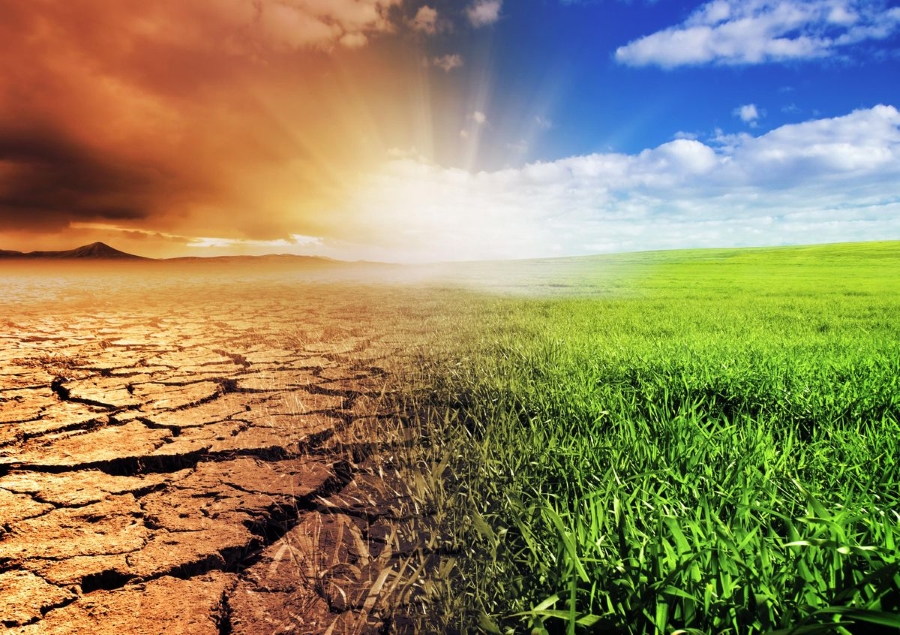
    Illustrative Image: Allianz Climate Risk Research Award 2025 – Applications Now Open
    Image Source & Credit: allianz.com
    Ownership and Usage Policy

    Are you a PhD candidate, early-career researcher, or recent doctoral graduate working at the intersection of climate change and extreme weather events? The Allianz Climate Risk Research Award 2025 is a prestigious global opportunity designed to recognize and support young scientists who are addressing some of the most urgent environmental challenges of our time.

    🌍 About the Award

    Established in 2017, the Allianz Climate Risk Award aims to spotlight pioneering research that improves our understanding of climate change-related extreme weather events and explores innovative technological solutions to enhance resilience. This annual competition is an initiative of Allianz Re, the reinsurance unit of the Allianz Group, and encourages scientific excellence while fostering dialogue between academia and the insurance industry.

    The 2025 edition is open to PhD students, postdoctoral researchers, and recent PhD graduates (within two years of completing their degree). It provides a platform for emerging researchers to present their findings, connect with experts, and influence policy and practice in climate risk mitigation.

    🧠 Eligible Research Topics

    Applicants must focus on one or both of the following themes:

    • Understanding and mitigating risks associated with extreme weather events worsened by climate change (e.g., floods, hurricanes, and droughts).

    • Developing or applying technological solutions to improve community or infrastructure resilience in the face of these events.

    📝 Application Requirements

    Candidates must submit:

    • A non-technical essay (maximum 800 words) summarizing their research, its objectives, and its real-world impact. The essay should be accessible to a broad, non-specialist audience. (Examples can be found in the 2024 Compendium on the Allianz Re website.)

    • A CV outlining academic and research credentials.

    • A letter of recommendation from an academic advisor or supervisor.

    • Completed and signed application forms.

    • All documents should be sent via email to: climaterisk-award@allianz.com.

    ✈️ Key Benefits

    • Top 10 shortlisted applicants will be featured in an official Compendium published by Allianz Re, providing global exposure for their work.

    • Three finalists will receive fully funded travel to Munich, Germany, to present their research at the Allianz Climate Risk Award Event on December 2, 2025.

    • Cash prizes:

      • Winner: EUR 7,000

      • Runners-up: EUR 3,000 each

    • Opportunities for networking, collaboration, and communication with leaders in climate science, reinsurance, and policy.

    Finalists are expected to actively participate in media and communications related to the award, including interviews and online engagement.

    📅 Important Dates

    • Call for Applications Opens: July 1, 2025

    • Submission Deadline: August 31, 2025

    • Finalists Announced: Late September 2025

    • Award Ceremony: December 2, 2025, in Munich, Germany

    🔗 Learn More

    For further details, past winners, and inspiration from previous submissions, visit the official award page:
    👉 Allianz Climate Risk Research Award – Official Website

  • Critical Review of Social Policy’s Role in Peacebuilding in MENA: Why It Matters but Isn’t Enough for Lasting Stability

    Critical Review of Social Policy’s Role in Peacebuilding in MENA: Why It Matters but Isn’t Enough for Lasting Stability

    A recent study by Jawad et al. (2025) titled “A critical review of the state-of-the-art on social policy, conflict and peace in the Middle East and North Africa region: Why social policy matters for peace and why it is also not enough” published in World Development reveals that social policy plays a crucial role in shaping peace in the Middle East and North Africa (MENA) region, but it is not enough on its own to ensure long-term stability.

    Social policy can support peace in MENA, but lasting stability requires integrated approaches addressing inequality, governance, and climate challenges.
    – Jawad et al. 2025

    This study critically examines the complex role of social policy in conflict and peacebuilding across the Middle East and North Africa (MENA) region. It highlights how social policies—encompassing welfare systems, social protection, and service delivery—can serve as both instruments for promoting peace and tools for political manipulation. When designed and implemented effectively, these policies can foster positive peace by addressing structural inequalities, promoting social justice, and encouraging cooperation. However, when misused, they can sustain negative peace—a fragile stability that masks unresolved grievances—by reinforcing social divisions, entrenching state control, and perpetuating marginalization. The study underscores the intersection of social policy with broader regional challenges such as climate change, economic disparity, and state fragility. These factors can intensify existing tensions and undermine peacebuilding efforts if not addressed holistically. While there are notable instances in the MENA region where social policy has contributed to reconciliation and stability, the overall record remains mixed, with many cases revealing its use for consolidating power rather than healing societies. Ultimately, the study argues that social policy alone cannot achieve lasting peace. It calls for stronger collaboration between social policy practitioners and security actors to design more integrated and sustainable peacebuilding strategies that move beyond surface-level solutions to tackle the root causes of conflict.

    How the Study was Conducted

    This study employed a comprehensive desk-based review to analyze the relationship between social policy and peacebuilding in the Middle East and North Africa (MENA) region. Drawing from a wide range of interdisciplinary sources, the research synthesized literature from academic databases such as Scopus, Web of Science, and Google Scholar, integrating insights from sociology, peace studies, international development, and conflict resolution. To ground the analysis in regional realities, the study incorporated data from the Arab Barometer Surveys, offering valuable perspectives on public attitudes toward peace and social policy. It also examined historical and political contexts, exploring how state formation, governance structures, and political dynamics have shaped the use and impact of social policies in conflict-affected settings. In-depth case studies of Syria, Yemen, and Sudan further enriched the analysis, revealing how social policy intersects with structural inequalities and climate change in ways that can either exacerbate or mitigate conflict. This multifaceted approach allowed for a nuanced understanding of social policy as both a potential driver of positive peace—through social justice and inclusion—and a mechanism for negative peace or political control.

    What the Authors Found

    The research underscores the pivotal yet limited role of social policy in fostering peace in the Middle East and North Africa (MENA) region. While social policies that enhance welfare, social protection, and service delivery can promote positive peace by reducing inequalities and strengthening social cohesion, they are not sufficient on their own to guarantee long-term stability. The study highlights that such policies can be politically manipulated, serving as tools for social control rather than genuine peacebuilding—resulting in hegemonic pacification rather than true reconciliation. Additionally, climate change and structural inequalities, compounded by state fragility, further complicate the effectiveness of social interventions.

    Why is this important

    Better Peacebuilding Strategies – Traditional approaches focus heavily on security and military interventions. This study argues that social policies can create stability by reducing inequalities, improving welfare, and promoting social cohesion.

    Understanding Hidden Risks – Factors like climate change, state fragility, and structural inequalities can worsen conflicts. A broader approach to peace must consider social and environmental risks, not just political stability.

    Preventing Conflict Instead of Just Managing It – Many policies aim to control violence without addressing underlying grievances. By studying social policy, experts can find ways to resolve tensions before they turn into full-scale conflicts.

    Improving Governance – Social policies can either support positive change or be manipulated for social control and political co-option. Recognizing this helps governments design fairer systems that genuinely improve lives.

    Creating Inclusive Peace Efforts – The study calls for greater collaboration between security policymakers and social welfare actors. A combined approach can build lasting peace, rather than just temporary stability.

    What the Authors Recommended

    • The authors argue that governments should prioritize welfare, social protection, and equitable service delivery to reduce inequalities that fuel conflict.
    • The study emphasizes that policymakers should ensure social policies promote justice, rather than being manipulated for political gain or hegemonic pacification.
    • Recognizing that climate change and state fragility worsen conflicts, policies must incorporate environmental and economic resilience into peace efforts.
    • The study further posits that security and social policy experts must work together to design long-term strategies that sustain peace, not just prevent violence.
    • In addition, peace-sensitive social policies should be tailored to specific conflicts, considering local grievances, governance structures, and historical injustices.

    In conclusion, the study by Jawad et al. (2025) provides a compelling analysis of the dual role social policy plays in both advancing and obstructing peace in the MENA region. While social policies have the potential to address deep-rooted inequalities and foster inclusive development, their effectiveness is limited without broader structural reforms and cross-sector collaboration. Sustainable peace requires more than welfare programs—it demands integrated strategies that confront environmental, political, and economic challenges head-on. By aligning social policy with genuine peacebuilding goals and partnering with security and governance actors, the region can move beyond temporary fixes toward lasting, transformative stability.

  • Climate Change Adaptation and Disaster Risk Reduction in Africa: A Comprehensive PRISMA Review

    Climate Change Adaptation and Disaster Risk Reduction in Africa: A Comprehensive PRISMA Review


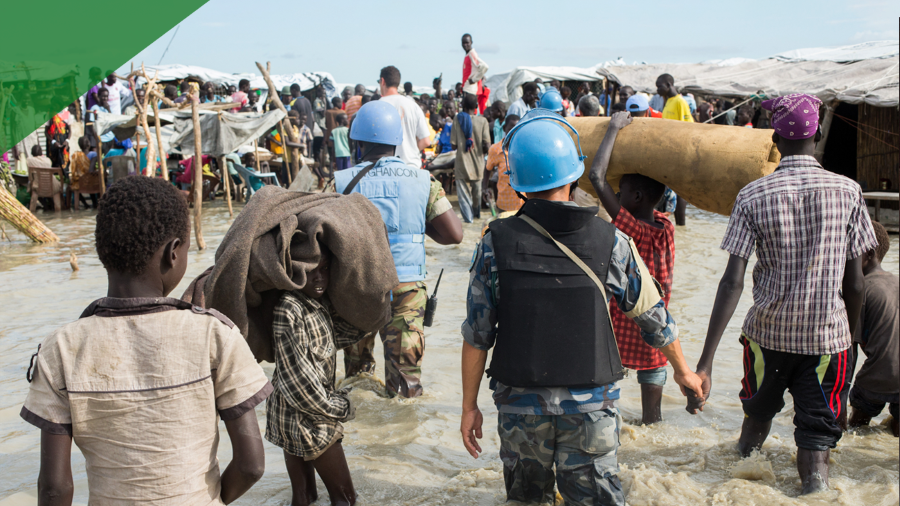
    Illustrative Image: Climate Change Adaptation and Disaster Risk Reduction in Africa: A Comprehensive PRISMA Review
    Image Source & Credit: East African Community.
    Ownership and Usage Policy

    A recent study by Saber et al. (2025) titled “A comprehensive review of climate change adaptation and disaster risk reduction in Africa” published in Journal of Water and Climate Change reveals that Africa is already experiencing significant impacts from climate change—such as extreme weather events, agricultural disruption, and land degradation

    Africa faces severe climate impacts, but adaptation efforts are hindered by weak institutions, limited funding, and insufficient regional cooperation.
    – Saber et al. 2025

    This study is a comprehensive review of climate change adaptation and disaster risk reduction (DRR) efforts across 12 African countries, including Uganda, Nigeria, Ghana, Sierra Leone, Senegal, Benin, Ethiopia, Comoros, Malawi, Mali, the Democratic Republic of Congo, and Kenya. Using the PRISMA framework, the researchers analyzed 257 peer-reviewed studies and identified key themes such as climate-related disasters, biophysical vulnerabilities, socio-economic impacts, national adaptation plans, and adaptation measures. The findings highlight how climate change has already affected these countries, with Uganda, Ethiopia, and Malawi facing severe flooding and droughts, while Mali and Senegal struggle with desertification. Agricultural challenges due to droughts are prevalent in Nigeria, Kenya, and Mali, necessitating resilient crops and improved irrigation methods. The study emphasizes regional cooperation, particularly for transboundary risks like Congo Basin floods, and underscores the importance of scaling up climate finance in countries like Ghana and Sierra Leone. Strengthening health systems to combat climate-sensitive diseases is also a major recommendation. Common barriers to effective adaptation and DRR include weak institutional capacity, limited funding, and low public awareness.

    How the Study was Conducted

    This study employed a systematic review methodology guided by the PRISMA framework (Preferred Reporting Items for Systematic Reviews and Meta-Analyses) to assess climate change adaptation and disaster risk reduction (DRR) efforts across 12 African countries: Uganda, Nigeria, Ghana, Sierra Leone, Senegal, Benin, Ethiopia, Comoros, Malawi, Mali, the Democratic Republic of Congo, and Kenya. These countries were selected to represent a broad spectrum of geographic, ecological, socio-economic, and political conditions—capturing varying degrees of vulnerability to climate-related hazards. An extensive literature search was conducted using multiple academic databases, including Scopus, Web of Science, Google Scholar, and ResearchGate. Carefully constructed search strings combined relevant keywords such as climate change adaptation, disaster risk reduction, and climate mitigation with Boolean operators (“AND,” “OR”) to narrow and refine results. The initial search identified 674 records. These were rigorously screened in several stages: Duplicates and irrelevant studies were removed, exclusions included non-peer-reviewed papers, book chapters, literature reviews, and unpublished documents.

    Data from the selected studies were extracted and categorized into key thematic areas: Climate-related disasters, such as floods, droughts, and extreme temperature events, biophysical vulnerabilities, examining the exposure of ecological and physical systems, Socio-economic impacts, assessing how climate stressors affect livelihoods, infrastructure, and economic stability, National Adaptation Plans (NAPs), evaluating the effectiveness and implementation of policy frameworks, Adaptation measures, identifying both successful strategies and the challenges encountered, Historical climate data, including trends in temperature and rainfall patterns, were also analyzed to contextualize the findings within each country.

    To ensure the validity and robustness of the review, thematic coding was employed for data organization. Additionally, citation tracking—both backward (references cited by included studies) and forward (studies citing the included ones)—was used to identify supplementary relevant literature. The entire review process followed the PRISMA flowchart, ensuring a systematic, transparent, and replicable approach to study selection and synthesis.

    What the Authors Found

    The authors found that Africa is already experiencing significant impacts from climate change—such as extreme weather events, agricultural disruption, and land degradation—but efforts to adapt and reduce disaster risk are hindered by limited funding, weak institutions, low public awareness, and fragmented regional cooperation. Addressing these barriers is critical for building resilience across the continent.

    Why is this important

    Protecting Lives and Livelihoods: Climate-related disasters—such as floods, droughts, and extreme heat—are already affecting millions of people across Africa. Without proper adaptation strategies, communities will continue to suffer from food insecurity, displacement, and economic hardship.

    Strengthening Climate Resilience: The study identifies gaps in disaster risk reduction (DRR), such as weak institutional capacity and limited funding, which hinder effective responses to climate threats. By addressing these challenges, governments and stakeholders can build stronger, more resilient communities.

    Informing Policy and Decision-Making: The research provides evidence-based insights into what works and what doesn’t in climate adaptation efforts. Policymakers can use these findings to implement more effective strategies tailored to local conditions.

    Encouraging Regional Cooperation: Many climate challenges—like transboundary floods and desertification—go beyond national borders. The study underscores the importance of countries working together to tackle shared risks through collaborative climate action.

    Advocating for Climate Finance: The study emphasizes the need to scale up climate finance, especially in countries like Ghana and Sierra Leone. Increased funding can support innovative adaptation projects, sustainable infrastructure, and community-based solutions.

    Promoting Sustainable Development: Addressing climate change is crucial for Africa’s long-term economic stability. Sustainable practices in agriculture, energy, and land use can help boost productivity, create jobs, and protect ecosystems.

    Raising Awareness: Public awareness and education play a key role in disaster preparedness and adaptation efforts. The findings stress the need for more community engagement to ensure people understand climate risks and take proactive measures.

    What the Authors Recommended

    • The authors advocate the need to invest in satellite-based monitoring, community observation networks, and improved meteorological services to provide timely and accurate forecasts for floods, droughts, and other climate-related hazards.
    • The authors emphasize the need to scale up funding for climate resilience projects, particularly in vulnerable countries, and improve access to international adaptation and mitigation finance mechanisms.
    • Enhance institutional frameworks and coordination between national and local governments to effectively implement and enforce climate and disaster risk policies.
    • The study also emphasizes support the adoption of drought-resistant crops, modern irrigation, agroforestry, and sustainable land-use practices to protect food security and combat desertification.
    • In addition, strengthen collaboration across borders to address shared climate risks, such as flooding in the Congo Basin, and encourage the exchange of best practices among African nations.
    • Furthermore, improve healthcare systems to address climate-sensitive diseases and launch grassroots education programs that engage communities in adaptation and disaster preparedness efforts.

    In conclusion, the study by Saber et al. (2025) provides a critical and timely analysis of climate change adaptation and disaster risk reduction across diverse African contexts. By highlighting both the urgent challenges and promising strategies, it underscores the need for increased investment, stronger institutions, regional cooperation, and community engagement. As the continent continues to face escalating climate threats, translating these insights into action will be essential for safeguarding livelihoods, enhancing resilience, and securing a sustainable future for all Africans.
  • May 2025: Professor (Mrs.) Ibiyinka A. Fuwape – African Female Researcher of the Month

    May 2025: Professor (Mrs.) Ibiyinka A. Fuwape – African Female Researcher of the Month



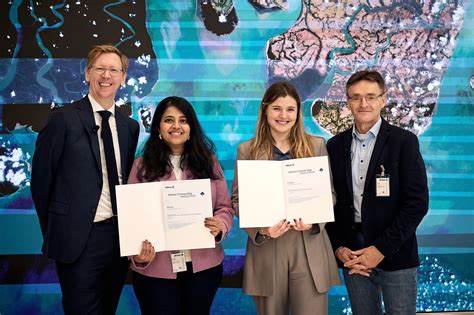
    Illustrative Image: May 2025: Professor (Mrs.) Ibiyinka A. Fuwape – African Female Researcher of the Month

    Image Source & Credit: Michael & Cecilia Ibru University
    Ownership and Usage Policy
    African Researchers AwardMay 2025: Professor (Mrs.) Ibiyinka A. Fuwape – African Female Researcher of the Month

    Overview

    Professor (Mrs.) Ibiyinka A. Fuwape is a distinguished Nigerian physicist, academic administrator, and advocate for women in science. A professor of physics with over three decades of experience, she has made groundbreaking contributions in nonlinear dynamics, atmospheric physics, climate change, and biophysics. Her remarkable research, leadership, and mentorship have earned her prestigious awards both nationally and internationally. She is the second substantive Vice-Chancellor of Michael and Cecilia Ibru University and a leading voice for gender equality in STEM across Africa.

    Early Life and Education

    Born in Lagos State on December 8, 1962, to the family of David Ademokun, Ibiyinka Fuwape began her academic journey at Reagan Memorial Baptist Girls Primary School, Yaba. She continued her secondary education at Methodist Girls’ High School, where she obtained her Ordinary Level certificate. From 1979 to 1981, she studied at Queen’s College, Yaba, earning her Higher School Certificate.

    Professor Fuwape proceeded to the University of Ibadan, where she distinguished herself academically. She graduated with a first-class Bachelor of Science degree in physics in 1984, emerging as the best graduating student in the entire university. She obtained her master’s degree in 1986 and her Ph.D. in theoretical physics in 1989 from the same institution.

    Academic and Professional Career

    Professor Fuwape began her academic career as an assistant lecturer at the Federal University of Technology, Akure (FUTA) in 1989. Over the years, she rose through the ranks, attaining full professorship in October 2003. At FUTA, she held several key academic and administrative positions, including

    • Acting Head and later Head of the Physics Department (for nine years)

    • Dean, School of Sciences (2011–2015)—the first person to serve in this capacity at the university

    • Member of the University Senate (2003–2017), and Chairman of the Senate during the 2014/2015 academic session

    • Winner of the Dean of the Year Award in 2012

    Her leadership journey reached a new milestone when she was appointed as the Vice-Chancellor of Michael and Cecilia Ibru University, a private institution committed to innovation and academic excellence.

    Research and Scientific Contributions

    Professor Fuwape is globally recognized for her pioneering research in

    • Nonlinear Dynamics and Chaos Theory

    • Coupled Oscillator Systems

    • Neuronal Systems and Biophysics

    • Lower and Upper Atmospheric Research

    • Climate Change and Air Quality Modelling

    Her current research focuses on the chaotic dynamics of the lower atmosphere, an area with significant implications for climate prediction, agriculture, and environmental policy. She heads the Condensed Matter Research Group at FUTA and has published over 100 peer-reviewed journal articles, book chapters, and conference papers.

    Her scientific excellence has led to collaborations with renowned institutions, including:

    • Abdus Salam International Centre for Theoretical Physics (ICTP), Trieste, Italy—Associate Member (1992–1996)

    • Ohio University, Athens, USA—Visiting Scholar (2007–2009)

    Awards and Recognitions

    Professor Fuwape has been consistently recognized for her outstanding academic and scientific achievements:

    • African Union Kwame Nkrumah Regional Award for Scientific Excellence (AUKNASE), 2020 Edition

      • Honoured for her high-impact research in climate change, biophysics, and air quality

      • Recognized as one of Africa’s foremost scientists whose work significantly contributes to sustainable development on the continent

    • Marshak Lectureship Award – American Physical Society (2018)

      • Delivered a notable lecture titled “Women in Physics in Nigeria and Other Sub-Saharan African Countries: Progress and Challenges”

    • Fellow, American Physical Society (2022)

      • Recognized for decades of leadership in advancing women in physics, and applying physics to solve societal issues in climate, finance, and agriculture

    • Fellow, Nigerian Institute of Physics and Nigerian Geophysical Society

    • Schlumberger Faculty for the Future Fellow (2006)

    Leadership in Promoting Women in Science

    A passionate advocate for gender equity in STEM, Professor Fuwape has worked tirelessly to empower women scientists in Nigeria and across Africa. Her leadership roles include:

    • Team Leader, International Union of Pure and Applied Physics (IUPAP) Working Group for Women in Physics—Nigeria (Since 2002)

    • President, Organization of Women in Science for the Developing World (OWSD), Nigeria Chapter (Since 2018)

    • Organizer of numerous workshops and mentorship programs for girls and women in STEM

    Through these platforms, she has mentored and inspired countless young women to pursue and excel in scientific careers.

    Board Memberships and Policy Contributions

    In addition to her academic and scientific engagements, Professor Fuwape contributes to educational policy and governance in Nigeria. She currently serves on the board of the Joint Admissions and Matriculation Board (JAMB) and chairs one of its subcommittees on examinations. She has also served on the governing councils of various Nigerian universities, influencing policy, quality assurance, and institutional development.

    Legacy and Impact

    Professor Ibiyinka Fuwape’s life work exemplifies the power of science for societal good. Her blend of rigorous academic research, policy advocacy, and passionate mentorship continues to impact generations of scientists, especially women in Africa. With her remarkable intellect, resilience, and commitment to excellence, she stands as a beacon of inspiration, raising the profile of African science and redefining possibilities for women in academia.

  • Strengthening Urban Food Security in Africa: The Role of Urban Planning in Lesotho, Zimbabwe, and South Africa

    Strengthening Urban Food Security in Africa: The Role of Urban Planning in Lesotho, Zimbabwe, and South Africa

    A recent study by Matooane et al. (2025) titled “The Role of Urban Planning in Strengthening Urban Food Security in Africa: Insights from Lesotho, Zimbabwe and South Africa,” published in Urban Forum by Springer Nature, reveals that urban planning significantly impacts food security in African cities by addressing challenges like urban agriculture, infrastructure deficits, food distribution networks, and spatial inequalities.

    The article finds that urban planning significantly impacts food security in African cities by addressing agriculture, infrastructure, and inequalities.– Matooane et al. 2025

    This study examines how urban planning can enhance food security within African cities, specifically focusing on Lesotho, Zimbabwe, and South Africa. It explores the role of urban agriculture, food distribution networks, spatial inequalities in food access, and collaborative governance to address food insecurity, which is exacerbated by rapid urbanization, poverty, and climate change. The research provides a comparative analysis of these three countries, showing both the challenges and opportunities in urban planning for food systems. It emphasizes the importance of integrating food-sensitive planning into urban development, which includes zoning for urban agriculture, supporting food markets, and investing in infrastructure like transportation, water, and electricity to improve food access and distribution. Additionally, it highlights the need for participatory planning, where local communities and informal food market stakeholders are involved in decision-making.

    How the Study was Conducted

    The study employed a qualitative methodology based on a desktop review approach. This method involved systematically examining existing knowledge, policies, and literature related to urban planning and food security. The researchers focused on peer-reviewed academic articles, policy reports, government publications, and grey literature. They also consulted databases like Web of Science, Scopus, and Google Scholar, alongside reports from international organizations such as the United Nations, FAO, and the World Bank. The inclusion criteria emphasized studies within the African context, particularly those addressing urban planning practices and food security outcomes. The data was analyzed using thematic analysis, which involved identifying key themes, patterns, and trends. Emerging themes included urban food production, food markets and access, infrastructure, and planning for food distribution and climate change. Additionally, the study employed a comparative case study method to highlight similarities and differences between the selected countries—Lesotho, Zimbabwe, and South Africa. This approach provided valuable insights into how diverse urban planning practices impact food security in varying socio-political contexts.

    What the Authors Found

    The study found that urban planning significantly impacts food security in African cities by addressing challenges like urban agriculture, infrastructure deficits, food distribution networks, and spatial inequalities. The authors posit that urban agriculture remains largely underutilized across Lesotho, Zimbabwe, and South Africa due to zoning restrictions, water shortages, and infrastructure challenges. Its formal recognition in planning policies can enhance food security, especially for marginalized communities. In addition, poor infrastructure, including roads and storage facilities, exacerbates food spoilage and limits access in Zimbabwe and Lesotho. South Africa demonstrated better investments in agri-parks and cold storage facilities, though challenges persist.

    Why is this important

    Mitigating Hunger and Poverty: Food insecurity is a pressing issue that affects millions across Africa, exacerbating malnutrition, poverty, and inequality. Addressing food security through urban planning can help create more equitable access to nutritious food and alleviate these challenges.

    Resilience in the Face of Climate Change: Climate change is disrupting food systems worldwide, and African cities are particularly vulnerable. Urban planning can integrate climate-adaptive strategies, such as sustainable agriculture and resilient food distribution networks, to safeguard food security against environmental shocks.

    Sustainable Urban Development: Rapid urban growth often leads to overcrowded informal settlements with inadequate infrastructure. Integrating food-sensitive approaches into urban planning ensures that cities grow sustainably, balancing housing, infrastructure, and food production.

    Economic Empowerment: Urban food markets and agriculture provide livelihoods for many. By formally supporting these systems, cities can boost local economies, reduce unemployment, and empower marginalized communities.

    Public Health and Well-being: Inequitable access to food often leads to reliance on processed and unhealthy options. Proper urban planning promotes access to fresh produce, improving diets and overall public health.

    What the Authors Recommended

    • The authors suggest that policymakers should integrate food security into urban development policies, zoning regulations, and land use plans as well as designate zones for urban agriculture, community gardens, and local food markets, protecting these areas from encroachment.
    • The authors suggest that policymakers should prioritize investments in infrastructure that supports urban food systems, such as water supply, sanitation, electricity, and transport networks. Build facilities like agri-parks and food hubs to improve food storage, processing, and distribution efficiency.
    • Establish community engagement platforms like participatory budgeting to involve marginalized groups in urban planning and provide secure trading spaces and legal protections for informal food vendors.
    • Support urban and peri-urban agriculture to reduce reliance on external food sources and enhance resilience to climate change. Invest in flood-resistant roads, sustainable water-efficient irrigation, and renewable energy for food markets and storage.
    • Formalize and support food markets by improving infrastructure and services such as water, sanitation, and electricity. Leverage digital technologies to connect producers and consumers, reduce transaction costs, and enhance market transparency.
    • In addition, the authors advocate that policymakers should reform urban planning policies to include food security objectives at all levels as well as promote equitable land-use planning to reduce spatial inequalities in food access.

    In conclusion, integrating food-sensitive urban planning is crucial for enhancing food security in African cities. By addressing key challenges such as urban agriculture, infrastructure deficits, and spatial inequalities, cities in Lesotho, Zimbabwe, and South Africa can create more resilient, sustainable, and equitable food systems. Policymakers must prioritize investments in infrastructure, support urban agriculture, and foster participatory planning to ensure that all communities have access to nutritious food, especially in the face of climate change and rapid urbanization. With the right strategies, urban planning can play a transformative role in tackling food insecurity and promoting long-term urban sustainability across the continent.

  • Hydrogen as a Clean Energy Carrier: Advancements, Challenges, and Future Potential for Net-Zero Emissions

    Hydrogen as a Clean Energy Carrier: Advancements, Challenges, and Future Potential for Net-Zero Emissions

    A recent study by Akpasi et al. (2025) titled “Hydrogen as a clean energy carrier: advancements, challenges, and its role in a sustainable energy future,” published in Clean Energy, reveals that hydrogen has significant potential as a clean energy carrier, capable of replacing fossil fuels in key industries and supporting the global transition to net zero emissions

    Hydrogen has significant potential as a clean energy carrier, but its widespread adoption depends on overcoming cost, infrastructure, scalability, and safety challenges.– Akpasi et al. 2025

    Hydrogen is emerging as a pivotal clean energy carrier with the potential to replace fossil fuels in the transition to a sustainable energy future. This study explores advancements in hydrogen production, including electrolysis, steam methane reforming, and biomass gasification, with a particular focus on green hydrogen—produced using renewable energy sources like solar and wind—to minimize carbon emissions. It also examines the economic and environmental impact of hydrogen, assessing cost factors and its role in decarbonizing key sectors such as transportation and heavy industry.

    Infrastructure and technological challenges are crucial considerations, including the development of safe and efficient storage and distribution systems, as well as the need for supportive policies and international collaboration. Additionally, hydrogen’s role in stabilizing renewable energy grids, enhancing energy security, and promoting sustainable industrial practices highlights its transformative potential in the global energy transition. Looking ahead, the study underscores hydrogen’s significance in achieving net-zero emissions by 2050 and evaluates its feasibility as a large-scale alternative to fossil fuels. By providing a comprehensive review, this research offers valuable insights into hydrogen’s versatility and the ongoing global efforts to integrate it into a low-carbon energy system.

    How the Study was Conducted

    The study employed a comprehensive review methodology to analyze hydrogen’s role as a clean energy carrier. It encompassed a thorough literature review of existing research reports and case studies on hydrogen production methods, economic and environmental impacts, and technological advancements. Various techniques, including electrolysis, steam methane reforming, and biomass gasification, were compared to assess their efficiency, cost effectiveness, and sustainability.

    A comparative analysis was conducted to evaluate different hydrogen production technologies based on key factors such as production rates, carbon emissions, and government funding. Quantitative data analysis helped identify emerging trends and challenges in hydrogen adoption. Additionally, case studies provided insights into real-world applications across industries like transportation, energy storage, and heavy manufacturing.

    The study also assessed international policies and strategies supporting hydrogen infrastructure development, examining regulatory frameworks and incentives aimed at accelerating adoption. Furthermore, technological assessments identified barriers and opportunities for scaling up hydrogen production and distribution.

    By integrating these methodologies, the study offered a holistic perspective on hydrogen’s potential to drive the energy transition, addressing both opportunities and challenges in its widespread implementation.

    What the Authors Found

    The authors found that hydrogen has significant potential as a clean energy carrier, capable of replacing fossil fuels in key industries and supporting the global transition to net zero emissions. However, its widespread adoption depends on overcoming challenges related to cost, infrastructure, scalability, and safety, which require technological advancements, government policies, and international collaboration.

    Why is this important

    Environmental Impact: It highlights hydrogen’s role in reducing greenhouse gas emissions, which is essential for meeting global climate goals like net-zero emissions by 2050.

    Energy Transition: Hydrogen can act as a bridge in transitioning from fossil fuels to renewable energy, particularly in hard-to-decarbonize sectors like steel production, aviation, and shipping.

    Grid Stability: By storing excess renewable energy, hydrogen helps stabilize energy grids, ensuring a reliable and consistent energy supply.

    Economic Opportunities: The adoption of hydrogen technology fosters innovation, creates jobs, and opens new markets, contributing to global economic development.

    Global Collaboration: The study emphasizes the importance of international cooperation and supportive policies in scaling hydrogen infrastructure and technology.

    What the Authors Recommended

    • The authors provided several recommendations to accelerate the adoption of hydrogen as a clean energy carrier and overcome existing challenges:
    • Prioritize investment in renewable energy-based hydrogen production methods like electrolysis powered by solar, wind, and hydropower to reduce reliance on fossil fuel-derived hydrogen.
    • Develop extensive hydrogen storage and distribution systems, including pipelines and refueling stations, to facilitate its use across industries and transportation.
    • Strengthen global partnerships to share technology, knowledge, and resources that promote hydrogen adoption on a larger scale.
    • Governments should enact policies and regulations that incentivize hydrogen research, development, and deployment while also addressing safety and cost barriers.
    • Prioritize hydrogen applications in sectors like heavy manufacturing, aviation, shipping, and grid stabilization, where decarbonization remains challenging.
    • Invest in R&D to improve hydrogen production efficiency, lower costs, and develop scalable technologies and increase awareness of hydrogen’s benefits through educational initiatives, showcasing its role in achieving sustainability goals and addressing climate change.

    In conclusion, hydrogen stands at the forefront of the clean energy revolution, offering a viable pathway toward a sustainable, net-zero future. While challenges such as cost, infrastructure, and scalability remain, continued advancements in technology, strategic investments, and international collaboration can accelerate its adoption. By prioritizing green hydrogen production, enhancing storage and distribution systems, and fostering supportive policies, hydrogen can play a transformative role in decarbonizing industries, stabilizing energy grids, and driving economic growth. As the world transitions away from fossil fuels, hydrogen’s versatility and potential make it a critical component in building a cleaner, more resilient global energy system.

  • Sustainable Development in Sub-Saharan Africa: The Role of Continuous Engineering and Scientific Education

    Sustainable Development in Sub-Saharan Africa: The Role of Continuous Engineering and Scientific Education

    A recent study by Ukhurebor et al. (2025) titled “The role of continuous engineering and scientific education for sustainable development in Sub-Saharan Africa: Insights from Nigeria” published in Journal of Infrastructure, Policy and Development, reveals that while engineering and scientific advancements have significantly contributed to sustainable development, current practices often pose environmental threats.

    Engineering and scientific advancements have contributed to development, but current practices often harm the environment. – Ukhurebor et al. 2025

    The article explores the importance of continuous engineering and scientific education for sustainable development in Sub-Saharan Africa, with insights specifically from Nigeria. The study emphasizes the need for a paradigm shift in engineering and scientific practices to incorporate green technologies and promote sustainability. The study highlights the role of education in fostering innovative solutions to environmental challenges, advancing sustainable development, and ensuring a green economy. The study also discusses the ethical responsibilities of engineers and scientists in addressing pressing issues like climate change, resource depletion, and pollution. The article advocates for integrating sustainability into professional codes of ethics and educational curricula to prepare future generations for sustainable practices.

    How the Study was Conducted

    The study was conducted as a perspective review, analyzing existing literature and real-world events to evaluate the impact of engineering, scientific, and technological practices on sustainable development in Sub-Saharan Africa, particularly Nigeria. The authors critically examined past unsustainable strategies that contributed to environmental degradation and proposed integrating sustainability into professional codes of ethics and educational curricula.

    What the Authors Found

    The authors found that while engineering and scientific advancements have significantly contributed to sustainable development, current practices often pose environmental threats. They emphasized the need for a paradigm shift towards integrating green technologies and sustainable practices into engineering and scientific education. This shift would promote a green economy and address pressing challenges like climate change, resource depletion, and pollution.

    Why is this important

    The focus on continuous engineering and scientific education for sustainable development is essential because it addresses urgent challenges like environmental degradation, climate change, and resource depletion. Sub-Saharan Africa, including Nigeria, faces significant environmental and economic issues due to unsustainable practices. By prioritizing education and incorporating sustainable principles into professional ethics and curricula, this approach ensures that future generations of engineers and scientists are equipped to create innovative solutions that protect the environment and promote economic growth.

    Moreover, adopting green technologies and ethical practices contributes to a green economy, balancing societal needs with environmental health. This shift not only supports long-term development but also safeguards natural resources for future generations, creating a more equitable and sustainable world.

    What the Authors Recommended

    • The authors recommend integrating the TBL framework into the professional codes of ethics for engineers, emphasizing social, environmental, and economic accountability in decision-making.
    • The authors suggest incorporating courses on sustainability, green technologies, and ethics into engineering and scientific education. This aims to equip future professionals with the tools needed to balance economic growth with environmental preservation.
    • The study advocates for engineers and scientists to collaborate with professionals from other fields such as environmental science, economics, and sociology to effectively tackle sustainability challenges.
    • Encourage professionals to find creative and ethical solutions to conflicts between the needs of clients or employers and the broader community or environment.
    • Furthermore, the study stresses the importance of responsible exploration, exploitation, and management of natural resources to avoid further environmental degradation.
    • In addition, the authors call for a focus on strategies and practices that ensure sustainable growth without compromising the well-being of future generations.

    In conclusion, the study by Ukhurebor et al. (2025) underscores the critical role of continuous engineering and scientific education in driving sustainable development in Sub-Saharan Africa. By integrating sustainability principles into professional ethics and curricula, engineers and scientists can develop innovative solutions to pressing environmental challenges. Emphasizing green technologies, ethical decision-making, and interdisciplinary collaboration will not only foster economic growth but also ensure a healthier, more sustainable future for generations to come. Prioritizing education and responsible resource management is key to balancing development with environmental preservation, ultimately paving the way for a greener and more equitable world.

  • Emerging Contaminants and Sustainable Fuels: Impact on Environmental Health in Africa

    Emerging Contaminants and Sustainable Fuels: Impact on Environmental Health in Africa

    A recent study by Samsideen, S. A. (2025) titled “INVESTIGATING THE IMPACT OF EMERGING CONTAMINANTS AND SUSTAINABLE FUEL ALTERNATIVES ON ENVIRONMENTAL HEALTH IN AFRICA” published in the Crowther Journal of Arts and Humanities, reveals that emerging contaminants pose environmental and health risks, while sustainable fuel alternatives reduce pollution but present land-use challenges.

    Emerging contaminants harm environmental and human health, while sustainable fuel alternatives reduce pollution but pose land-use and food competition challenges.– Samsideen, S. A. 2025

    The study investigates the impact of emerging contaminants and sustainable fuel alternatives on environmental health in Africa. It delves into understanding how new and potentially hazardous substances (like chemicals and pollutants that were previously unknown or not considered significant) affect the environment. Additionally, it explores the role of sustainable fuel alternatives (such as biofuels or other renewable energy sources) in promoting better environmental health outcomes. The focus is to evaluate the effects these contaminants and fuels have on the ecosystem, human health, and overall sustainability in Africa. By addressing these factors, the study aims to provide insights and recommendations for mitigating negative impacts and promoting environmentally friendly practices.

    What the Author Found

    The study identified a wide range of emerging contaminants, including pharmaceuticals, personal care products, endocrine-disrupting chemicals, nanomaterials, and microplastics. These contaminants were found in various environmental media, such as water, soil, and air. The presence of these contaminants was linked to several adverse environmental and health effects. For example, endocrine-disrupting chemicals were found to cause hormonal imbalances in aquatic organisms, while microplastics were observed to accumulate in the food chain, posing risks to both wildlife and humans. The study evaluated the potential of sustainable fuel alternatives, such as biofuels, in reducing environmental pollution. It was found that these alternatives could significantly lower emissions of harmful pollutants compared to conventional fossil fuels. However, the production and use of biofuels also presented some challenges, such as land use changes and competition with food crops.

    Why is this important

    Understanding the impact of emerging contaminants and sustainable fuel alternatives on environmental health is critically important for several reasons:

    Human Health: Emerging contaminants, such as pharmaceuticals, endocrine disruptors, and microplastics, can have detrimental effects on human health. By identifying and mitigating these contaminants, we can reduce the risk of diseases and health conditions associated with exposure to harmful substances.

    Environmental Protection: These contaminants can harm ecosystems, affecting plants, animals, and microorganisms. Protecting the environment is essential for maintaining biodiversity and ensuring the sustainability of natural resources.

    Sustainable Development: Evaluating sustainable fuel alternatives, like biofuels, helps us transition away from fossil fuels, which contribute to climate change and air pollution. Promoting cleaner and renewable energy sources supports sustainable development and reduces our carbon footprint.

    Policy and Regulation: The study’s findings can inform policymakers and regulatory bodies, enabling them to implement effective regulations and policies to control the use and disposal of hazardous chemicals and promote environmentally friendly practices.

    Public Awareness: Raising awareness about emerging contaminants and sustainable fuel alternatives empowers individuals and communities to make informed decisions and adopt eco-friendly practices in their daily lives.

    Long-term Sustainability: By addressing these issues now, we can ensure a healthier and more sustainable future for generations to come. The study’s recommendations provide a roadmap for achieving environmental sustainability and protecting public health.

    What the Author Recommended

    • The author advocates implementing and enforcing stricter regulations on the use and disposal of hazardous chemicals to minimize their release into the environment.
    • Increase investment in research and development of cleaner technologies and sustainable practices to reduce the environmental impact of contaminants and promote the use of renewable energy sources.
    • Raise public awareness and educate communities about the risks associated with emerging contaminants and the benefits of sustainable fuel alternatives. This can empower individuals to make informed decisions and adopt eco-friendly practices.
    • Encourage policymakers to develop and support policies that promote the use of sustainable fuel alternatives, such as biofuels, and incentivize industries to adopt cleaner production processes.
    • Establish monitoring and assessment programs to track the presence and effects of emerging contaminants in the environment. This can help identify trends and inform future policy and regulatory decisions.
    • Foster collaboration and partnerships between governments, industries, researchers, and local communities to address environmental health challenges collectively. This can lead to more effective and comprehensive solutions.

    In conclusion, the study highlights the pressing need to address the environmental and health risks posed by emerging contaminants while promoting sustainable fuel alternatives. By implementing stricter regulations, investing in cleaner technologies, raising public awareness, and fostering collaboration, we can mitigate the harmful effects of these contaminants and transition toward a more sustainable future. Prioritizing environmental health not only protects ecosystems and human well-being but also paves the way for long-term sustainability and responsible resource management. Through informed policies and collective action, we can ensure a cleaner, healthier, and more resilient environment for future generations.

  • Life Cycle Assessment of Water & Wastewater Treatment in Africa: Environmental Impacts, Challenges & Sustainable Solutions

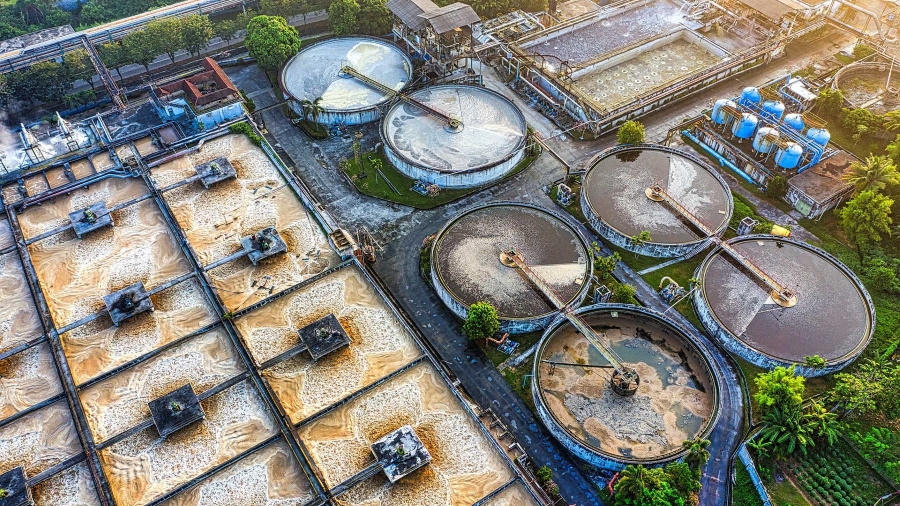
    Life Cycle Assessment of Water & Wastewater Treatment in Africa: Environmental Impacts, Challenges & Sustainable Solutions

    A recent study by Ogbu et al. (2025) titled “Towards environmentally sustainable water management in Africa: a comprehensive review of life cycle assessment studies in water and wastewater treatment” published in The International Journal of Life Cycle Assessment by Springer Nature reveals that LCA studies on W&WWT in Africa are concentrated in few countries, with global warming potential as the dominant impact due to fossil fuels.

    Life Cycle Assessment (LCA) studies on water and wastewater treatment in Africa are limited, with global warming potential driven by fossil fuel-based electricity as the dominant environmental impact.– Ogbu et al. 2025

    Water and wastewater treatment (W&WWT) are essential for sustainable development, yet their environmental impacts in Africa remain underexplored. A study published in The International Journal of Life Cycle Assessment provides a comprehensive evaluation of these impacts using the Life Cycle Assessment (LCA) methodology. By analyzing energy consumption, material use, and emissions across different water management systems, the review identifies key trends, challenges, and opportunities for improving sustainability in the sector.

    The study systematically reviews 41 original studies covering 131 scenarios that apply the ISO 14040/14044 LCA framework to W&WWT in Africa. Research is primarily concentrated in South Africa and Egypt, with limited representation from countries like Nigeria and Tunisia. Urban wastewater treatment is the most studied, while industrial and domestic wastewater treatment receive less attention, and water treatment studies are even scarcer. The ReCiPe and CML methodologies are the most commonly used for impact assessment, revealing that global warming potential and fossil fuel-based electricity generation are major environmental burdens.

    Key challenges include limited data availability, insufficient renewable energy integration, and a lack of material recovery efforts. Addressing these gaps is crucial for mitigating the sector’s environmental footprint. The review emphasizes the importance of incorporating LCA into engineering design, policy-making, and stakeholder engagement to drive sustainable water management. It calls for enhanced research, the establishment of performance standards, and the promotion of green innovations to foster environmentally responsible W&WWT practices across Africa.

    How the Study was Conducted

    This study conducted a systematic review of Life Cycle Assessment (LCA) studies on water and wastewater treatment (W&WWT) in Africa. Using the STARR-LCA checklist and PRISMA protocol, relevant articles were sourced from Web of Science, Scopus, and Google Scholar until October 10, 2024.

    The initial search identified 296 articles, which were filtered down to 41 studies covering 131 scenarios through a rigorous screening process. Studies were included if they applied the ISO 14040/14044 LCA methodology, assessed W&WWT processes with multiple impact categories, and considered resource recovery.

    Data extraction was performed using Covidence software, focusing on technical parameters (e.g., influent and effluent properties, treatment technology efficiency), methodological choices (e.g., system boundaries, LCIA methods, software used), and study typology (e.g., publication year, geographic distribution). The analysis revealed that most studies originated from South Africa and Egypt, emphasizing regional research trends in LCA-based sustainable water management.

    What the Authors Found

    The study highlights that Life Cycle Assessment (LCA) studies on water and wastewater treatment (W&WWT) in Africa are concentrated in a few countries, particularly South Africa and Egypt, while many other regions remain underrepresented. Additionally, it identifies global warming potential as the most significant environmental impact, largely driven by fossil fuel-based electricity use.

    Why is this important?

    1. Environmental Impact
    Water and wastewater treatment processes have significant environmental impacts. By using the Life Cycle Assessment (LCA) methodology, this study identifies the various environmental burdens, such as energy consumption, emissions, and resource depletion, associated with these processes. Understanding these impacts is crucial for developing strategies to mitigate negative effects and promote more sustainable practices.

    2. Water Scarcity
    Africa faces severe water scarcity issues exacerbated by population growth, urbanization, and climate change. Efficient and sustainable water management is essential for ensuring access to clean water for all. This study highlights the need for improved water treatment and management practices to address water scarcity challenges.

    3. Policy Development
    The study’s findings provide valuable insights for policymakers and stakeholders. By identifying gaps in data acquisition, renewable energy use, and resource recovery, the study offers concrete recommendations for policy development aimed at promoting sustainable water and wastewater treatment practices.

    4. Resource Recovery
    The potential for resource recovery from wastewater treatment processes is an emerging area of interest. This study emphasizes the importance of recovering valuable resources such as nutrients and biosolids, which can be reused in agriculture and other applications. This contributes to a circular economy and reduces the environmental footprint of treatment processes.

    5. Economic Benefits
    Sustainable water management practices can lead to economic benefits by reducing operational costs, increasing resource efficiency, and promoting innovation in the water sector. The study’s recommendations can help guide investments in green technologies and infrastructure, fostering economic growth and resilience.

    6. Public Health
    Proper treatment of water and wastewater is essential for safeguarding public health. By identifying the environmental impacts of different treatment processes, the study helps ensure that these processes do not inadvertently harm human health through pollution or contamination.

    7. Global Relevance
    While the study focuses on Africa, its findings have global relevance. Water scarcity and environmental sustainability are universal challenges, and the insights gained from this study can be applied to other regions facing similar issues. It also contributes to the global body of knowledge on sustainable water management.

    What the Authors Recommended

    • There’s a critical need to enhance data acquisition and storage systems to better understand the environmental impacts of water and wastewater treatment. Accurate data is essential for comprehensive Life Cycle Assessment (LCA) studies.
    • The study advocates for integrating renewable energy sources into water and wastewater treatment processes to reduce reliance on fossil fuels and mitigate adverse environmental impacts. This includes exploring solar, wind, and other renewable energy technologies.
    • Encouraging the recovery of valuable resources, such as nutrients and biosolids, from wastewater treatment processes is highlighted as a crucial step toward sustainability. This can contribute to a circular economy and reduce the environmental footprint of treatment facilities.
    • The authors emphasize the importance of involving stakeholders, including government agencies, industry players, and local communities, in the LCA process. Collaborative efforts can lead to better-informed decisions and more effective implementation of sustainable practices.
    • Incorporating LCA methodologies into the design and planning of water and wastewater treatment systems can help identify potential environmental impacts early on and optimize the sustainability of these systems.
    • The study calls for the development and enforcement of performance standards for green innovations in the water and wastewater sectors. These standards can guide the adoption of best practices and technologies that minimize environmental impacts.
    • Future research and policy development should focus on creating supportive frameworks that encourage sustainable water and wastewater treatment practices. Policies should address data collection, renewable energy integration, resource recovery, and stakeholder engagement.

    In conclusion, the study underscores the urgent need for sustainable water and wastewater treatment (W&WWT) practices in Africa. With global warming potential driven by fossil fuel dependence as a major environmental concern, integrating renewable energy, enhancing data acquisition, and promoting resource recovery are key steps toward reducing the sector’s footprint. Policymakers, researchers, and industry stakeholders must collaborate to implement green innovations, establish performance standards, and drive investment in sustainable water management solutions. By addressing these challenges, Africa can move toward a more resilient and environmentally responsible approach to water treatment, benefiting both people and the planet.

  • Critical Insights on Social Policy and Peacebuilding in MENA: Challenges, Opportunities, and Future Directions

    Critical Insights on Social Policy and Peacebuilding in MENA: Challenges, Opportunities, and Future Directions

    A recent study by Jawad et al. (2025) titled “A critical review of the state-of-the-art on social policy, conflict, and peace in the Middle East and North Africa region: Why social policy matters for peace and why it is also not enough” published in World Development by Science Direct, shows that social policy plays a crucial role in fostering peace in the Middle East and North Africa (MENA) region, but it also has limitations.

    Social policy fosters peace in MENA by addressing inequalities but faces limitations, including potential misuse for control and co-option.– Jawad et al. 2025

    The article critically examines the intersections between social policy, conflict, and peace in the Middle East and North Africa (MENA) region. It emphasizes the importance of social policy in fostering peace but also highlights its limitations. The paper situates itself within the conceptual framework of positive peace and assesses the role of social policy in a landscape of compounding risks, such as climate change, environmental degradation, structural inequality, and state fragility, which negatively affect peace. The authors advocate for a broader perspective on social policy’s role in peacebuilding, arguing that it should be seen as a comprehensive framework for action rather than just focusing on welfare, protection, and service delivery. They also address the mixed record of social policy in relation to war and peace, noting that while it can be a positive tool, it can also be used for social control or political co-option, leading to negative forms of peace.

    How the Study was Conducted

    The study was conducted through a comprehensive desk-based review of the literature in the Middle East and North Africa (MENA) region. The authors critically assessed the current state of knowledge on the intersections between social policy and peace, situating their analysis within the conceptual framework of positive peace. They examined the role of social policy in a landscape of compounding risks, such as climate change, environmental degradation, structural inequality, and state fragility. The authors conducted a thorough literature search using major databases like Scopus, Web of Science, and Google Scholar. They reviewed peace studies, climate security literature, sociological, international development, and international relations literatures on peacebuilding, social policy literature, and perceptions of peace among MENA citizens, including searches of the Arab Barometer Surveys and literature on riots. The study also incorporated empirical insights from the MENA region as part of an ongoing AHRC-GCRF research project. This approach allowed the authors to develop new arguments that align with and enhance current global policy shifts among security studies scholars and international policy actors.

    What the Authors Found

    The authors found that social policy plays a crucial role in fostering peace in the Middle East and North Africa (MENA) region, but it also has limitations. They highlighted that social policy can act as a positive, peace-sensitive tool, promoting social cohesion and addressing structural inequalities. However, it can also be used for social control or political co-option, leading to negative forms of peace. The authors also noted the mixed record of social policy in relation to war and peace, acknowledging that while it can be a positive tool, it can also maintain law and order in ways that reflect hegemonic pacification.

    Why is this important?

    This study is important because it highlights the critical role of social policy in fostering peace in the Middle East and North Africa (MENA) region. It emphasizes that social policy can promote social cohesion and address structural inequalities, which are essential for building positive peace. However, it also points out the limitations of social policy, such as its potential use for social control or political co-option, leading to negative forms of peace.

    Understanding the role of social policy in peacebuilding is crucial for policymakers, researchers, and practitioners working in conflict-affected regions. It provides insights into how social policy interventions can be designed to address the root causes of conflict and promote sustainable peace. Additionally, the study’s focus on the compounding risks of climate change, environmental degradation, structural inequality, and state fragility underscores the need for comprehensive and context-specific social policy frameworks.

    By advocating for a broader perspective on social policy’s role in peacebuilding, the study contributes to the ongoing global policy shifts among security studies scholars and international policy actors. It also calls for future research to explore what types of social policy interventions work in different conflict situations and to develop better peace-sensitive social policy indicators. This knowledge is vital for creating effective strategies to promote peace and stability in the MENA region and beyond.

    What the Authors Recommended

    • The authors suggest a greater focus on identifying what types of social policy interventions work best at different points in time and in various conflict situations. This involves understanding the specific contexts and conditions under which social policies can effectively contribute to peacebuilding.
    • The authors emphasize the need for a better understanding of peace-sensitive social policy indicators. This includes developing metrics and indicators that can accurately measure the impact of social policies on peace and conflict dynamics.
    • The study advocates for a broader and more critical perspective on the role of social policy in peacebuilding. This means viewing social policy as a comprehensive framework for action, rather than just focusing on welfare, protection, and service delivery.
    • The authors highlight the importance of addressing structural inequalities through social policy. This involves creating policies that promote social cohesion, reduce inequalities, and foster positive peace.
    • In addition, the authors call for greater interactions and dialogue between advocates of both security and social pathways to peace. This interdisciplinary approach can help bridge the gap between different fields and create more holistic and effective peacebuilding strategies.

    In conclusion, the study by Jawad et al. (2025) underscores the complex yet pivotal role of social policy in fostering peace within the MENA region. While social policy has the potential to address structural inequalities, promote social cohesion, and contribute to positive peace, its limitations, such as susceptibility to political co-option and its use as a tool for social control, cannot be overlooked. By advocating for a more comprehensive, context-sensitive approach to social policy and emphasizing the development of peace-sensitive indicators, the study provides valuable insights for policymakers, researchers, and peacebuilders. Ultimately, addressing the compounding risks of conflict in the MENA region requires a holistic framework that bridges the gap between social and security strategies, paving the way for sustainable peace and stability.