Tag: climate change

  • Sustainable African Coastal Fisheries: Research Trends, Governance Challenges, and Priority Action Pathways for Resilient Communities

    Sustainable African Coastal Fisheries: Research Trends, Governance Challenges, and Priority Action Pathways for Resilient Communities


    Illustrative Image: Sustainable African Coastal Fisheries: Research Trends, Governance Challenges, and Priority Action Pathways for Resilient Communities
    Image Source & Credit: Panorama
    Ownership and Usage Policy

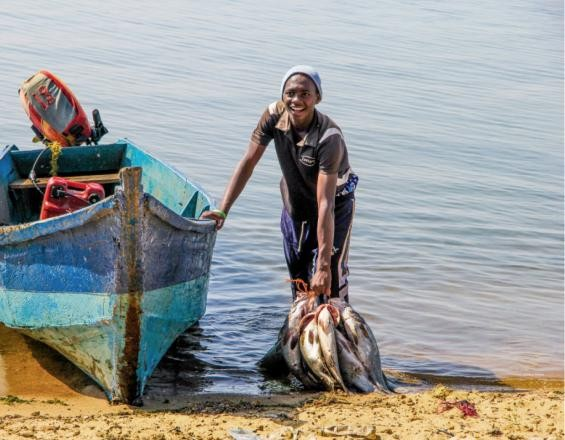
    A recent study by Etta et al. (2025) titled “A bibliometric analysis of the marine fishing landscape in Africa and its implications for sustainable coastal communities’ resilience and governance to the increasing human-environmental risks” published in Anthropocene Coasts reveals a decline in marine fishing research in recent years, with most influential studies led by institutions outside Africa.

    Africa’s coastal fisheries face declining research, fragmented governance, environmental threats, and underrepresentation of social and gender dimensions, undermining sustainability.
    – Etta et al. 2025

    The study provides a comprehensive examination of marine fishing across Africa’s coastal zones, highlighting its contributions to livelihoods, sustainability, and development, while identifying the key challenges that threaten these benefits. The research analyzes trends in African marine fishing studies, maps systemic and thematic governance issues, and proposes a Priority Action Pathway (PAP) to guide sustainable transformations in coastal communities. Findings reveal a decline in marine fishing research in recent years, with most influential studies led by institutions outside Africa. Research remains heavily skewed toward fisheries science, with limited attention to the social dimensions of fishing communities. Governance is fragmented, leaving coastal communities with low resilience due to outdated ecological tools and weak policy frameworks. Illegal, unreported, and unregulated (IUU) fishing, particularly in West Africa, further undermines sustainability. Gender dynamics are also a concern, as women play significant roles in small-scale fisheries but remain underrepresented in research and policy decisions.

    How the Study was Conducted

    The study employed a structured, multi-phase methodology that combined a systematic literature review (SLR) with bibliometric analysis to investigate marine fishing dynamics in Africa’s coastal zones. Initially, a comprehensive SLR was conducted using Scopus, covering publications from 1963 to 2024. The search targeted documents related to marine fishing, sustainability, and governance across all African coastal countries, using keywords such as “marine,” “fishing,” “coastal”, alongside country-specific names like Morocco, Ghana, Nigeria, and Kenya. The review included a wide range of document types, including articles, books, book chapters, conference papers, and reviews, resulting in a total of 1,066 documents.

    Following the SLR, a bibliometric analysis was performed using Biblioshiny in R Studio. Citation data, abstracts, keywords, funding information, references, and author affiliations were extracted to examine research productivity, citation impact, and authorship relevance. The analysis also explored collaboration networks among authors, institutions, and countries, as well as keyword co-occurrence, thematic mapping, and both conceptual and social structures within the research field.

    Key metrics from the bibliometric analysis revealed 3,908 authors, 3,013 keywords, a mean of 4.7 co-authors per document, and an annual research growth rate of 7.55%. International collaborations accounted for 45.4% of studies, with an average of 24.67 citations per document and a total of 59,279 references.

    This integrated approach enabled the identification of research gaps, particularly in underrepresented areas such as social science and governance, clarified collaboration patterns, and informed the development of a Priority Action Pathway (PAP) to guide sustainable transformations in African coastal fisheries.

    What the Authors Found

    The authours found that while Africa’s marine fishing sector has immense potential for supporting livelihoods, food security, and economic growth, it faces systemic challenges—including declining research leadership by African institutions, underrepresentation of social and gender dimensions, fragmented governance, environmental threats like IUU fishing and climate change, and limited local resilience—which collectively undermine its sustainability. African coastal fisheries are highly valuable but structurally vulnerable, requiring coordinated research, governance reform, and inclusive, transdisciplinary approaches to ensure sustainable management.

    Why is this important

    Critical Role of Marine Fishing: Supports food security, nutrition, and employment for millions, particularly women in small-scale fisheries, while contributing significantly to economic growth (exports rose from $7.9B in 1976 to $192B in 2022).

    Threats to Sustainability: Illegal, unregulated, and unreported (IUU) fishing, climate change, and over-commercialization are degrading marine ecosystems, with vulnerable communities lacking access to modern tools and governance frameworks.

    Underrepresentation of African Voices: Most influential research on African marine fisheries is conducted by non-African authors, limiting relevance to local policies and community needs.

    Fragmented Governance: Current policies focus narrowly on fisheries science, neglecting social and ecological dimensions, which hinders sustainable management.

    Priority Action Pathway (PAP): Offers a roadmap to strengthen regional collaboration, promote transdisciplinary research, empower fisherwomen, and enhance resilience and sustainability in African coastal fisheries.

    What the Authors Recommended

    • The authors emphasized integrating marine social science with fisheries science to address socioecological complexities beyond biological and economic factors.
    • The study advocates fostering partnerships among African coastal countries, institutions, and researchers to share data, innovations, and policy strategies and recognize and support fisherwomen’s roles in value chains and align policies with FAO gender empowerment guidelines.
    • Furthermore, they ought to develop inclusive, community-focused governance frameworks and provide accessible tools and training to address climate change, IUU fishing, and other human-environmental risks.
    • In addition, establish funding pathways for community-led initiatives, long-term research, and sustainable marine infrastructure to support resilient coastal economies.

    In conclusion, Africa’s coastal fisheries hold immense potential to support livelihoods, food security, and economic growth, yet they face significant systemic challenges, including declining local research leadership, fragmented governance, environmental threats, and underrepresentation of social and gender dimensions. Addressing these issues requires a coordinated, transdisciplinary approach that integrates marine social science with fisheries science, strengthens regional collaboration, empowers fisherwomen, and develops inclusive, community-focused governance frameworks. By implementing the Priority Action Pathway and investing in sustainable research and infrastructure, African coastal communities can enhance resilience, safeguard marine ecosystems, and ensure that the continent’s fisheries continue to provide social, economic, and ecological benefits for generations to come.
  • How Satellite Technology Is Helping Preserve Earth’s Mangrove Forests and Combat Climate Change

    How Satellite Technology Is Helping Preserve Earth’s Mangrove Forests and Combat Climate Change


    Illustrative Image: How Satellite Technology Is Helping Preserve Earth’s Mangrove Forests and Combat Climate Change
    Image Source & Credit: National Geographic
    Ownership and Usage Policy

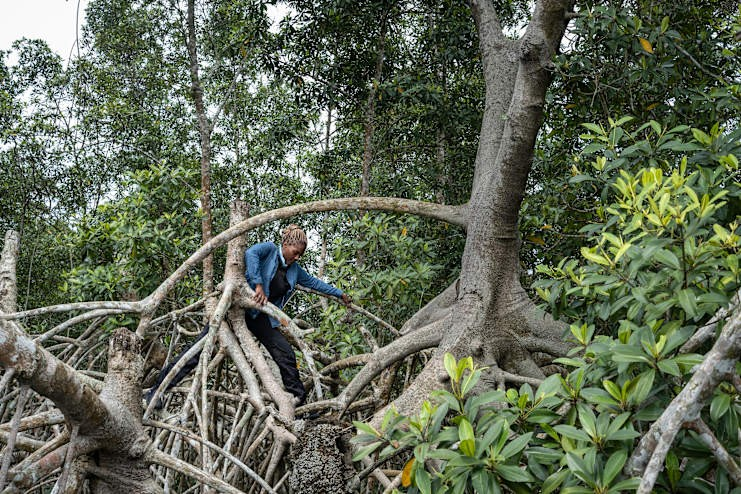
    Beneath the canopy of twisted roots and salt-soaked leaves, coastal wetlands hide worlds that few humans ever get to see. These mysterious mangrove forests—thriving at the delicate intersection between land and sea—are some of Earth’s most valuable yet least accessible ecosystems. Their dense roots, muddy terrain, and briny waters make them difficult to navigate on foot. But behind their wild tangle lies one of nature’s most remarkable climate solutions: a natural mechanism for capturing and storing vast amounts of carbon.

    Mangroves are not ordinary trees. They are powerful carbon sinks, capable of storing up to ten times more carbon than most tropical rainforests. By trapping carbon in their soils and biomass for centuries, they play an outsized role in mitigating climate change. Yet, these crucial ecosystems are disappearing at an alarming rate—cleared for coastal development, aquaculture, and infrastructure, and further threatened by intensifying cyclones and rising sea levels.

    National Geographic Explorer and former NASA scientist Dr. Lola Fatoyinbo is on a mission to protect these overlooked guardians of the planet. Her pioneering research uses satellite remote sensing—a blend of cutting-edge technology and planetary observation—to study mangroves from above. For regions where even the most determined field scientists struggle to tread, satellites become the eyes of discovery.

    From her orbital vantage point, Fatoyinbo employs LiDAR (Light Detection and Ranging) and radar imaging to measure mangrove height, density, and canopy structure, as well as to quantify how much carbon they absorb and store. These technologies send electromagnetic pulses toward Earth’s surface, allowing researchers to reconstruct detailed, three-dimensional maps of mangrove ecosystems. Such insights are crucial for tracking changes over time—whether from deforestation, natural disasters, or climate-related impacts—and for identifying areas most in need of conservation.

    This marriage of ecology and space science represents a transformative shift in how humanity understands and manages its natural resources. Remote sensing allows scientists to monitor global biodiversity at a scale never before possible—without physically disturbing fragile environments. In the case of mangroves, it reveals how these forests grow, adapt, and sustain life in environments often deemed inhospitable.

    Fatoyinbo’s connection to her work is deeply personal. Growing up in Ivory Coast and Benin, she witnessed firsthand the toll of deforestation and pollution—environmental issues that disproportionately affect low-income communities. These experiences sparked her determination to use science for social and ecological justice. Later, as a university student, a single satellite image of Africa changed her trajectory forever. “When I saw that first image of Africa from space,” she recalls, “I realized that this data could unlock an entirely new way of exploring Earth—especially the places most overlooked or hardest to reach.”

    Her passion bridges the gap between outer space and the mud-laden shores of coastal Africa. While her satellites orbit thousands of kilometers above Earth, Fatoyinbo often journeys into the mangrove forests herself, collecting ground-truth data to verify what satellites record. These expeditions—often involving days wading through thick mud and tangled roots—are essential for calibrating remote observations, ensuring that the data truly reflects reality on the ground.

    Mangroves, meanwhile, are not only carbon reservoirs but the foundation of rich, interdependent ecosystems. Their submerged roots provide shelter and breeding grounds for fish, mollusks, and crustaceans that sustain local fisheries and communities. Above water, monkeys, birds, and even large predators like tigers find refuge among the dense foliage. In many coastal regions, mangroves serve as natural barriers, protecting human settlements from storm surges, erosion, and flooding. When these forests vanish, the consequences ripple across both ecological and human systems.

    Fatoyinbo’s work is more than a scientific pursuit—it’s a call to reimagine exploration itself. Her research demonstrates that space-based observation is not detached from Earth’s struggles but rather a powerful ally in solving them. By studying our planet from above, she reveals connections between technology, climate resilience, and human well-being.

    In her view, protecting mangroves means protecting the delicate balance between atmosphere, ocean, and land. It means harnessing innovation to restore ecosystems that quietly safeguard the planet’s future. Fatoyinbo’s story exemplifies a new era of environmental science—where the frontier of space meets the frontlines of conservation, and where understanding Earth from orbit becomes a means of healing it from within.

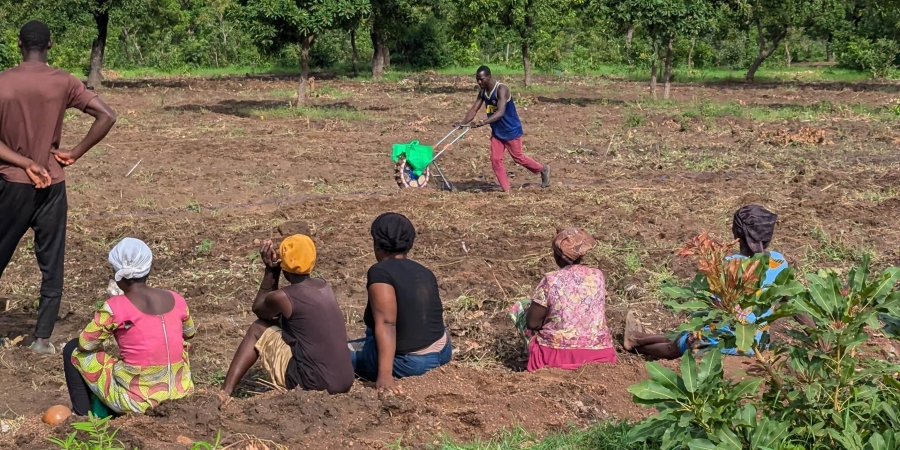
  • How Africa’s Traditional Farming Practices Can Feed the World and Restore the Planet

    How Africa’s Traditional Farming Practices Can Feed the World and Restore the Planet


    Illustrative Image: How Africa’s Traditional Farming Practices Can Feed the World and Restore the Planet
    Image Source & Credit: TRT AFRIKA
    Ownership and Usage Policy

    Introduction: A Growing World, A Pressing Challenge

    The world’s population has expanded at an unprecedented rate since the Industrial Revolution. In 1950, there were just 2.5 billion people on the planet; by November 2022, that number had reached 8 billion. Projections by the United Nations estimate that the global population will rise to approximately 9.7 billion by 2050, and peak around 10.4 billion by the mid-2080s.

    Nowhere is this growth more rapid than in Africa. From a population of 283 million in 1960, the continent now hosts about 1.5 billion people, with forecasts suggesting that figure will double to 2.5 billion by 2050. More than half of the world’s population growth between 2022 and 2050 will occur in Africa alone.

    Such demographic change presents enormous challenges — especially in food security. Feeding a rapidly growing population while sustaining natural ecosystems has become a global priority, enshrined in Sustainable Development Goal 2 (Zero Hunger). However, Africa’s agricultural systems face an uphill battle: soil degradation, erratic climate conditions, pests, and poor access to markets all threaten productivity.

    To sustainably meet global food needs, the world’s agricultural output will need to double by 2050. But how can this be achieved without further degrading the environment? Increasingly, the answer points toward Africa’s smallholder farmers and traditional agricultural practices — time-tested systems that enhance productivity while protecting ecosystems.

    Africa’s Agricultural Backbone: Smallholders and Traditional Practices

    Across Africa, smallholder farmers account for over 60% of the agricultural labor force and produce nearly 80% of the continent’s food. These farmers operate on limited land, often using low-cost and indigenous methods refined over centuries of observation and adaptation to local environments.

    Traditional African agricultural techniques include:

    • Crop rotation – alternating crops on the same land to maintain soil fertility.

    • Cover cropping – planting vegetation to protect the soil between main crops.

    • Agroforestry – integrating trees with crops or livestock to enrich soil and prevent erosion.

    • Mulching and composting – recycling organic waste into natural fertilizer.

    • Fallowing and shifting cultivation – allowing land to rest and regenerate after cultivation cycles.

    Far from being outdated, these approaches offer sophisticated ecological and agronomic benefits. They restore soil fertility, encourage microbial diversity, enhance water retention, and reduce erosion. Over time, they also increase carbon sequestration, helping mitigate climate change while improving crop resilience and yield stability.

    These methods form the essence of regenerative agriculture, a concept now celebrated in global sustainability circles but deeply rooted in Africa’s agrarian traditions.

    The Industrial Agriculture Dilemma

    Since the 1970s, many global agricultural policies have favored large-scale, industrial farming — characterized by heavy mechanization, monocropping, and extensive use of chemical fertilizers and pesticides. While these systems can deliver high short-term yields, they also bring significant environmental and social costs.

    Industrial agriculture:

    • Depletes soil nutrients and reduces biodiversity.

    • Pollutes water systems through agrochemical runoff.

    • Emits large amounts of greenhouse gases, especially nitrous oxide from fertilizers.

    • Contributes to “hidden hunger” — where crops are high in calories but low in essential nutrients.

    In developing regions, these systems also tend to displace smallholder farmers, increase rural inequality, and erode local knowledge systems. The long-term impacts are degraded soils and unsustainable dependence on imported chemical inputs.

    The Food and Agriculture Organization (FAO) warns that up to 90% of the world’s arable soils could be degraded by 2050 if current industrial practices persist—an alarming signal that the global food system must evolve.

    Reviving Traditional Systems for Modern Sustainability

    The path forward lies not in discarding modern science but in harmonizing it with Africa’s traditional ecological knowledge. Smallholder agricultural systems embody a holistic understanding of the land — one that integrates soil health, water conservation, and biodiversity.

    When combined with modern innovations (such as improved seed varieties, organic certification, and digital extension services), traditional methods can form the foundation for climate-smart, regenerative agriculture.

    For example:

    • Crop diversification reduces pest outbreaks and stabilizes yields under climate stress.

    • Organic soil management improves carbon retention, creating both climate and productivity gains.

    • Community seed banks and indigenous crops preserve genetic diversity and resilience.

    These approaches turn farms into living ecosystems rather than extractive factories — ensuring food systems that are productive, adaptive, and sustainable.

    Policy and Investment: Unlocking the Potential

    Despite their promise, smallholder and traditional farming systems face structural challenges: limited access to credit, markets, and extension services. Moreover, traditional methods often yield benefits only after several seasons, making it difficult for resource-poor farmers to adopt them without short-term incentives.

    Governments and development partners can change this dynamic through policy innovation and targeted investment:

    • Incentives and subsidies for farmers practicing regenerative or eco-friendly agriculture.

    • Crop insurance and risk-sharing schemes to protect farmers during the transition period.

    • Market linkages through off-taker agreements that guarantee buyers for sustainably produced crops.

    • Education and extension programs to promote awareness of the environmental and health benefits of traditional practices.

    Countries like Kenya, Rwanda, and Ghana are already experimenting with such models. Kenya’s Food Systems Resilience Program, Rwanda’s Voice for Change Partnership, and Ghana’s Planting for Food and Jobs (PFJ) all emphasize resilience, nutrition, and smallholder support. Similarly, Ghana’s School Feeding Program integrates local produce into school meals, creating a direct market for small farmers while improving child nutrition.

    If scaled effectively, these initiatives can create a circular system where eco-friendly farming, healthy consumption, and local economic development reinforce one another.

    Conclusion: Africa’s Gift to the Future

    Feeding a global population of nearly 10 billion will not be achieved through technology or industrial expansion alone. It requires reimagining how food is produced — and by whom. Africa’s smallholder farmers and their traditional practices offer a blueprint for a sustainable, regenerative, and inclusive food system.

    By recognizing, investing in, and scaling these indigenous agricultural systems, the world can achieve two simultaneous goals: ending hunger and healing the planet.

    Africa’s traditional agriculture is not a relic of the past — it is the pathway to the future of global food security.

  • Postdoctoral Fellowship Opportunity at the African Energy Leadership Centre (AELC)

    Postdoctoral Fellowship Opportunity at the African Energy Leadership Centre (AELC)


    Illustrative Image: Postdoctoral Fellowship Opportunity at the African Energy Leadership Centre (AELC)
    Image Source & Credit: Wits Business School
    Ownership and Usage Policy

    Empowering Africa’s Energy Future through Research, Innovation, and Leadership

    Established in 2017, the African Energy Leadership Centre (AELC) — based at the Wits Business School, University of the Witwatersrand, Johannesburg, South Africa — stands as a pioneering institution and the first of its kind on the African continent. The Centre’s mission is to cultivate a new generation of energy leaders who can think strategically, act decisively, and drive sustainable solutions for the rapidly evolving African energy landscape.

    The AELC integrates research, education, and industry engagement to address Africa’s pressing energy challenges. Its initiatives focus on fostering innovation, shaping energy policy, and strengthening leadership capacity across the energy value chain — from traditional fossil fuels to renewable and alternative energy sources.


    Call for Applications: Postdoctoral Research Fellowship (2026)

    The AELC invites applications from highly motivated and visionary scholars for a postdoctoral research fellowship focused on energy systems and the upstream petroleum sector. The ideal candidate will demonstrate a strong grasp of the oil and gas industry, encompassing both onshore and offshore exploration and production activities, while maintaining an integrated understanding of how global trends – including technology disruptions, environmental transitions, and shifting consumption patterns – impact energy systems.

    This position offers an exciting opportunity to conduct interdisciplinary and industry-relevant research that bridges science, engineering, economics, and policy. The successful candidate will contribute to AELC’s growing body of work that informs government, regulatory authorities, private sector actors, and academia on the pathways to achieving a resilient, sustainable, and inclusive African energy sector.


    Key Focus Areas

    Applicants should have the capacity and interest to:

    • Develop a comprehensive understanding of the oil and gas sector, including the dynamics of exploration, production, distribution, and market interactions.

    • Model and analyze real-time energy systems, accounting for technological disruptions, policy interventions, and climate-induced market fluctuations.

    • Investigate how the energy value chain can be optimized to balance economic growth, environmental protection, and social well-being in South Africa and the broader African region.

    • Generate data-driven insights that inform energy infrastructure development, particularly in regions where existing systems are under stress.


    Eligibility Criteria

    Applicants must meet the following requirements:

    • Hold a Doctoral Degree (completed within the last five years) in a relevant discipline, including Energy Management, Natural Sciences (Environmental, Chemical, Earth, or Marine Sciences), Petroleum or Chemical Engineering, Economics, or related fields.

    • Demonstrate a proven research record through publications or strong evidence of potential to publish in peer-reviewed journals.

    • Present a clear and innovative research agenda aligned with AELC’s focus on energy sector transformation, particularly in the Oil and Gas Industry.

    • Possess strong analytical, written, and communication skills, along with computer literacy and collaborative research experience.


    Fellowship Duties and Expectations

    The selected Postdoctoral Research Fellow will:

    • Conduct industry-oriented research examining the impacts of technological change, regulatory evolution, stakeholder dynamics, climate change, and market interventions on energy supply and demand.

    • Produce high-quality research outputs, including peer-reviewed journal articles, policy briefs, and conference presentations that contribute to the body of knowledge in energy leadership and management.

    • Participate in postgraduate teaching and supervision within the Centre’s academic programmes, helping to mentor emerging scholars and industry professionals.

    • Engage with stakeholders across academia, government, and industry to promote data-driven solutions and advance collaborative research initiatives.

    • Utilize advanced modeling and simulation tools to support informed decision-making in the energy sector.


    Fellowship Benefits and Duration

    • Duration: 12 months, with the potential for renewal based on performance and available funding.

    • Start Date: 1 January 2026.

    • Support: The University of the Witwatersrand will provide essential research facilities, conference support, a competitive stipend, and medical aid coverage during the fellowship period.


    Application Requirements

    Interested applicants should submit the following documents:

    1. A detailed curriculum vitae highlighting academic achievements, publications, and relevant research or professional experience.

    2. Certified copies of academic qualifications and identification (ID or passport).

    3. A motivational statement outlining the applicant’s research interests, alignment with AELC’s goals, and proposed research direction within the energy sector.


    Submission and Enquiries

    Application Deadline: 30 November 2025

    Submit Applications To:
    Ms. Elizabeth Moshwane
    📧 elizabeth.moshwane@wits.ac.za

    For Enquiries, Contact:
    Dr. Steven Mathetsa – steven.mathetsa@wits.ac.za
    Dr. Goitsione Olifant – goitsione.olifant@wits.ac.za


    About the AELC

    The African Energy Leadership Centre (AELC) is committed to shaping Africa’s energy future through leadership development, research excellence, and strategic industry engagement. It serves as a collaborative hub that brings together academia, government, and the private sector to co-create solutions that drive the transition toward cleaner, smarter, and more equitable energy systems.

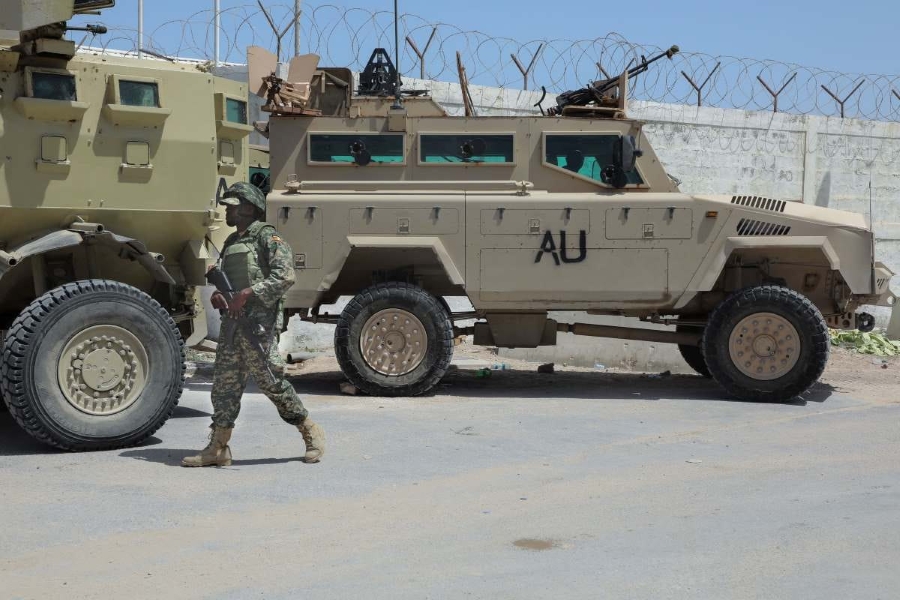
  • Global Security in Crisis: Why Governments Must Fund Peace, Not Just War

    Global Security in Crisis: Why Governments Must Fund Peace, Not Just War


    Illustrative Image: Global Security in Crisis: Why Governments Must Fund Peace, Not Just War
    Image Source & Credit: Crisisgroup
    Ownership and Usage Policy

    A Planet Under Siege

    Global security is in a state of profound crisis. Indicators across nearly every region reveal an alarming deterioration in peace and stability. In 2024, the world experienced the highest number of state-based armed conflicts since the end of the Second World War in 1946. Military expenditure, already rising for a decade, surpassed a staggering US$2.7 trillion, reflecting the world’s growing dependence on arms rather than diplomacy.

    But behind these numbers lies a more troubling reality — a world increasingly defined by fear, polarization, and ecological collapse. Millions of people, particularly women and children, continue to bear the brunt of armed conflict. As global tensions multiply, the fragile gains in human rights, democracy, and gender equality are being systematically eroded.

    Interlinked Crises: Climate, Conflict, and Collapse

    The world is not only grappling with more wars — it is also confronting the compounding effects of climate change, food insecurity, and social fragmentation. These crises are intertwined. Rising global temperatures exacerbate water scarcity, food shortages, and mass displacement — conditions that make conflict more likely.

    The United Nations Summit for the Future in 2024 sought to address what Secretary-General António Guterres described as “the collapse of the post-Cold War multilateral system.” Yet, even as global leaders meet to discuss cooperation, the underlying structure of peacekeeping, mediation, and diplomacy continues to weaken.

    Moreover, militaries themselves are among the world’s largest polluters. The environmental footprint of warfare — from the destruction of ecosystems to carbon emissions from military operations — constitutes a form of ecocide. The irony is striking: the very systems built to “defend” humanity are accelerating the planet’s destruction.

    The Global Arms Race Intensifies

    In response to growing insecurity, governments have overwhelmingly chosen militarization over mediation. The 2025 NATO summit exemplified this trend, with member states pledging to allocate up to 5% of GDP to defence and security expenditures by 2035. This follows a decade of consistent military expansion in Europe, the United States, China, and Russia.

    In Europe, fears of Russian aggression after the 2022 invasion of Ukraine continue to shape political priorities. Russian drones have recently violated NATO airspace, deepening anxieties and justifying further rearmament. Meanwhile, China has increased military spending for 30 consecutive years, and the United States — the world’s largest spender — continues to pour billions into global conflicts, including extensive aid to Israel amid accusations of genocide in Gaza.

    The logic is circular: insecurity justifies arms spending, and arms spending fuels insecurity.

    The Cost of Neglecting Peace

    While defence budgets soar, institutions dedicated to peacebuilding are being dismantled or defunded. The United States Institute of Peace (USIP) — established by Congress under President Ronald Reagan — was shuttered in early 2025 under the Trump administration. Although its closure is being contested in court, its dissolution symbolizes a broader pattern: peace is no longer politically profitable.

    Peace organizations face shrinking budgets, donor fatigue, and a shift toward short-term, project-based funding that undermines their ability to pursue structural and long-term peacebuilding. Women-led peace initiatives are especially underfunded, despite the 25th anniversary of the UN Women, Peace and Security Agenda, which recognizes women’s indispensable role in preventing and resolving conflicts.

    The result is devastating. From Afghanistan, where the Taliban’s rule institutionalizes gender apartheid, to Palestine, where international observers have described the systematic killing of women and girls as a femigenocide, the erosion of peace and gender justice go hand in hand.

    The Fragmentation of Global Peace Architecture

    The architecture of global peace — institutions, treaties, norms, and diplomatic mechanisms — is eroding under the weight of nationalism and great-power rivalry. Humanitarian crises are escalating not only because of violence but also because international coordination has broken down.

    In this fragmented world, the pursuit of peace is often replaced by what analysts call “deal-making”: transactional negotiations that prioritize immediate political or military gains over long-term stability and justice. Temporary ceasefires or “tactical pauses” are substituted for genuine peace agreements. The emphasis has shifted from resolution to containment.

    Such practices undermine the core principles of liberal peacemaking — inclusivity, impartiality, and sustainability — and create the illusion of stability while perpetuating cycles of violence.

    Investing in Peace: A Strategic Imperative

    The idea that military power ensures safety is a myth. History has shown that arms build deterrence, not peace. Without addressing the root causes of violence — inequality, injustice, political exclusion, and environmental degradation — no amount of defence spending can secure the future.

    True security is multidimensional. It requires not only national defence but also:

    • Investment in peace research and early warning systems to identify and de-escalate conflicts before they erupt.

    • Support for mediation and reconciliation processes that prioritize dialogue over dominance.

    • Empowerment of women and marginalized communities, whose participation is proven to enhance the durability of peace agreements.

    • Sustainable development and climate adaptation, which reduce the structural drivers of instability.

    As Chris Coulter, Executive Director of the Berghof Foundation, aptly notes:

    “A truly secure world needs dialogue and peacebuilding, not just defence budgets.”

    A Call for a Paradigm Shift

    Humanity stands at a crossroads. Governments must confront an uncomfortable truth: investing in war has become easier than investing in peace. Yet, the moral and existential cost of this imbalance grows daily.

    If the current trajectory continues — with defence budgets expanding while peace institutions wither — the international order will face irreversible decline. The alternative is clear: redirect a portion of the world’s vast military expenditure toward peacebuilding, education, diplomacy, and climate resilience.

    In doing so, the global community can redefine what it means to be secure — not through domination, but through cooperation, justice, and human dignity.

    The survival of our species depends not on how many weapons we can build, but on how much peace we can create.

  • Enhancing Climate Resilience in Ghana: PRISMA Review Reveals Agricultural and Non-Agricultural Adaptation Strategies Driving Sustainability

    Enhancing Climate Resilience in Ghana: PRISMA Review Reveals Agricultural and Non-Agricultural Adaptation Strategies Driving Sustainability


    Illustrative Image: Enhancing Climate Resilience in Ghana: PRISMA Review Reveals Agricultural and Non-Agricultural Adaptation Strategies Driving Sustainability
    Image Source & Credit: Alliance Bioversity & CIAT
    Ownership and Usage Policy

    A recent study by Takal et al. (2025) titled “Enhancing resilience to climate change: a comprehensive PRISMA review of agricultural and non-agricultural adaptation strategies for Ghana“, published in Cogent Social Sciences, reveals that Ghanaian farmers employ a wide range of agricultural adaptation strategies to cope with climate variability and uncertainty.

    Ghanaian communities, especially farmers, are adapting to climate change through diverse strategies but face barriers from weak institutions and limited resources.– Takal et al. 2025

    The study presents a systematic examination of how Ghanaian communities, particularly smallholder farmers, are responding to the escalating threats posed by climate change. Using the PRISMA methodology (Preferred Reporting Items for Systematic Reviews and Meta-Analyses), the study rigorously analyzes 20 empirical studies published between 2012 and 2024 to assess existing adaptation strategies, identify knowledge and policy gaps, and propose ways to strengthen national and community-level resilience. The findings reveal that Ghanaian farmers employ a wide range of agricultural adaptation strategies to cope with climate variability and uncertainty. Key measures include crop diversification to reduce dependence on single crops, the adoption of drought-resistant varieties, and adjustments in planting schedules to align with shifting rainfall patterns. Additionally, improved irrigation systems and agroforestry practices are used to conserve water, enhance soil fertility, and support biodiversity, while soil moisture conservation techniques such as mulching and zero-tillage further boost productivity and sustainability.

    In the livestock sector, farmers adopt complementary strategies such as mixed farming systems combining stall-feeding with open grazing, seasonal migration to access better pasture, and the breeding of heat-tolerant and disease-resistant animals. They also manage water and shade resources to minimize heat stress and rely on emergency fodder reserves during drought periods. Beyond agriculture, non-farming communities demonstrate innovative non-agricultural adaptation strategies that enhance resilience and livelihood security. These include seasonal labor migration to urban areas to diversify income sources, small-scale enterprises and dry-season gardening to cushion economic shocks, and the strengthening of community associations and cultural practices that foster social cohesion, shared learning, and mutual support in times of stress.

    How the Study was Conducted

    The study used a systematic review guided by the PRISMA framework to ensure a transparent and replicable process. Researchers searched Web of Science and ProQuest, focusing on empirical studies published in English (2012–2024) about climate change adaptation in Ghana. Out of 336 articles, only 20 met the inclusion criteria after a detailed screening and full-text review. Data were then analyzed to identify agricultural and non-agricultural adaptation strategies. By following PRISMA, the study ensured rigour, credibility, and comprehensive insight into how Ghanaian communities are responding to climate change.

    What the Authors Found

    The author found that Ghanaian communities particularly farmers are actively adapting to climate change through diverse agricultural, livestock, and non-agricultural strategies, but their efforts are limited by inadequate institutional support, poor infrastructure, and lack of access to technology and climate education.

    Why is this important

    Climate Change’s Growing Impact on Ghana
    Ghana faces rising temperatures, declining rainfall, and reduced water availability—conditions that threaten agriculture, livelihoods, and food security for millions, particularly smallholder farmers with limited resources.

    Farmers as Agents of Adaptation
    The study reveals that Ghanaian farmers are actively responding to climate stress through innovative strategies such as drought-resistant crops, agroforestry, and diversified livestock systems, strengthening resilience and sustainability.

    Persistent Gaps in Knowledge and Policy Support
    Despite local innovation, adaptation is hindered by poor access to technology, weak extension services, limited climate education, and inadequate institutional frameworks—highlighting the need for stronger policy and capacity-building efforts.

    Beyond Agriculture: Social and Economic Resilience
    Non-agricultural strategies like seasonal migration, income diversification, and community-based support systems play vital roles in helping households cope with climate impacts.

    Lessons for Wider Application
    Using the PRISMA framework, the study provides a replicable, evidence-based blueprint for strengthening climate adaptation in Ghana and other vulnerable regions across Sub-Saharan Africa.

    What the Authors Recommended

    • Expand climate education for all age groups, enhance agricultural extension services, and provide specialized training for local officials and farmers to promote informed, climate-smart decision-making.
    • Establish dedicated climate adaptation bodies, integrate climate risks into national development plans, eliminate maladaptive subsidies, and introduce market-based incentives like carbon credits and climate insurance.
    • Promote agroforestry, drought-resistant crops, efficient irrigation systems, and soil moisture conservation through practices such as mulching, zero-tillage, and organic farming.
    • Encourage the breeding of heat- and disease-tolerant animals, improve water and shade access, promote pasture rotation, and train herders in fodder conservation and adaptive livestock management.
    • Recognize seasonal migration as a valid coping mechanism, and foster income diversification through small businesses, dry-season gardening, and craft enterprises to reduce overdependence on farming.
    • Document and preserve indigenous knowledge, encourage community-based learning, and create platforms for sharing successful adaptation practices across regions to amplify local resilience efforts.

    In conclusion, the study underscores that while Ghanaian communities are demonstrating remarkable innovation and resilience in adapting to climate change, achieving lasting sustainability will depend on stronger institutional support, inclusive policies, and enhanced access to education, technology, and climate-smart resources.

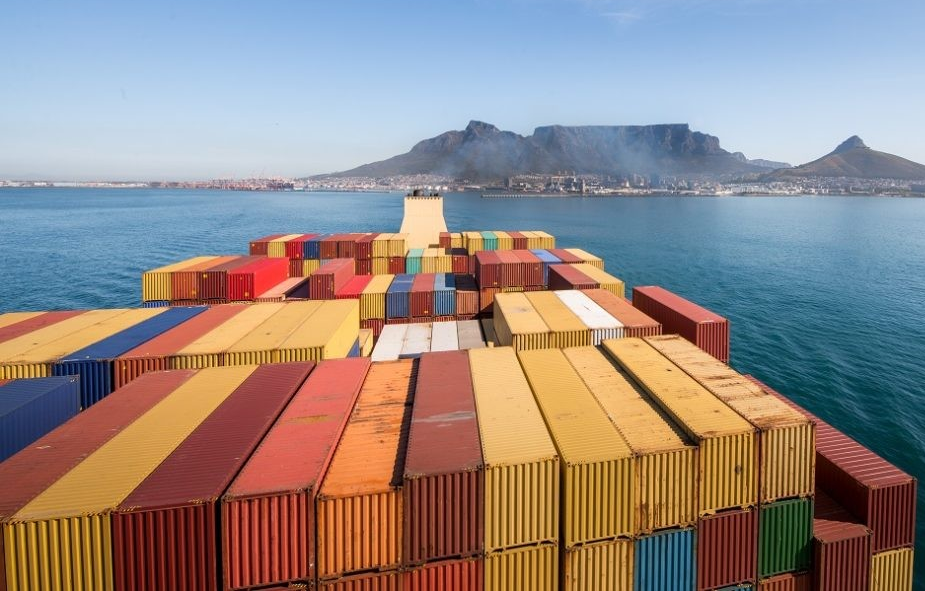
  • Unlocking Africa’s Blue Economy: Sustainable Ocean Resources Driving Innovation, Jobs, and Economic Growth

    Unlocking Africa’s Blue Economy: Sustainable Ocean Resources Driving Innovation, Jobs, and Economic Growth


    Illustrative Image: Unlocking Africa’s Blue Economy: Sustainable Ocean Resources Driving Innovation, Jobs, and Economic Growth
    Image Source & Credit: Raconteur
    Ownership and Usage Policy

    Africa possesses one of the most extensive maritime territories in the world. Its oceans, seas, and inland waters stretch across nearly 20 million square kilometers—a vast resource that holds immense potential for economic growth if harnessed sustainably. Globally, initiatives like the G20 and the African Union recognize the strategic importance of the blue economy as a key driver of economic transformation on the continent.

    Nomtha Hadi, a researcher specializing in blue economies, explores the challenges and opportunities for Africa’s maritime sector in a conversation with The Conversation Africa.

    What is the Blue Economy?

    The blue economy refers to the sustainable use of oceanic and freshwater resources to generate economic growth, create jobs, and improve livelihoods. Unlike traditional economic models, the blue economy emphasizes a balance between economic development and environmental protection. This approach ensures that marine ecosystems are preserved while allowing human activities to thrive, securing long-term benefits for future generations.

    Essentially, a robust blue economy requires strategic management of often competing ecological and economic objectives. Without careful regulation, overexploitation of resources can undermine the very industries the blue economy seeks to support.

    Key Industries within Africa’s Blue Economy

    Africa’s coastline and island nations—including Mauritius, Comoros, Seychelles, and Madagascar—already support a range of emerging blue economy sectors. These include:

    • Aquaculture: Expanding fish and seafood farming to improve food security and provide livelihoods.

    • Bio-products: Creating pharmaceuticals, agrichemicals, and fertilizers from marine resources such as kelp.

    • Ocean carbon storage: Utilizing mangroves, seagrass, and saltmarshes to capture and store carbon, contributing to climate change mitigation.

    • Seawater desalination: Addressing water scarcity through sustainable technologies.

    • Marine renewable energy: Developing wind, wave, and tidal energy technologies for clean energy generation.

    The fisheries and aquaculture industries alone already feed over 200 million Africans. Across inland and marine fisheries, processing facilities, and licensed local fleets, these industries employ more than 12 million people and contribute an estimated US$24 billion annually—representing 1.26% of Africa’s total GDP and 6% of its agricultural GDP.

    Recognizing this potential, the African Union has established the 2050 Africa Integrated Maritime Strategy, which outlines how the continent can leverage its oceans for sustainable development while minimizing environmental harm. Its overarching goal is to accelerate wealth creation from Africa’s vast maritime resources.

    Challenges to Developing Africa’s Blue Economy

    Despite its promise, Africa’s blue economy faces significant obstacles. Marine ecosystems are under increasing pressure from human activity, climate change, and environmental degradation. Key challenges include:

    • Pollution: Land-based sources contribute to water contamination, affecting fisheries and marine life.

    • Illegal, unregulated, and unreported fishing: Overfishing depletes stocks, threatening both food security and industry sustainability.

    • Climate change impacts: Rising temperatures, sea level rise, ocean acidification, and loss of biodiversity threaten marine ecosystems.

    • Disease outbreaks in aquaculture and fisheries: These can reduce productivity and destabilize local economies.

    To ensure a resilient blue economy, it is crucial to address these threats through integrated policies and sustainable management practices.

    Global and Regional Initiatives: The Role of the G20

    Before assuming the G20 presidency, South Africa prioritized policies aimed at marine conservation and sustainable ocean use. Initiatives like Operation Phakisa serve as national blueprints for leveraging ocean resources for economic growth while ensuring ecological protection.

    South Africa has used its G20 presidency to advance the Ocean 20 initiative, originally launched by Brazil. Ocean 20 promotes collaboration among governments, researchers, businesses, and civil society, with a strong emphasis on community inclusion, innovation, and sustainable development.

    To transform these plans into tangible results, the following strategies are critical:

    1. Investment in research and innovation: Funding is needed for technology development, product commercialization, and training programs to accelerate blue economy growth.

    2. Skills development and lifelong learning: Workers and researchers require ongoing training to adapt to technological advancements, including artificial intelligence and automation, which are transforming ocean industries.

    3. Multi-stakeholder collaboration: Governments, businesses, investors, and communities must work together to coordinate initiatives, share resources, and ensure accountability.

    4. Cross-border cooperation: Collaborative efforts between countries can strengthen emerging industries and create economies of scale, fostering sustainable growth.

    A sustainable and prosperous blue economy cannot be built by a single government, organization, or industry. Success depends on cooperation across governments, global organizations, academia, civil society, and private enterprises—all working together to balance economic development with ecological stewardship.

    Unlocking Africa’s Ocean Potential

    Africa’s oceans are more than natural wonders—they are engines of economic opportunity, innovation, and sustainable growth. By strategically funding research, promoting innovation, fostering collaboration, and prioritizing environmental stewardship, Africa can harness its maritime resources to build resilient, inclusive, and future-ready blue economies. The continent stands at a pivotal moment: with coordinated action, Africa’s oceans could power decades of prosperity for millions of people.

  • Climate Change and Infectious Diseases in Rural LMICs: A Six-Step Framework for Climate-Resilient Health Systems in East Africa

    Climate Change and Infectious Diseases in Rural LMICs: A Six-Step Framework for Climate-Resilient Health Systems in East Africa


    Illustrative Image: Climate Change and Infectious Diseases in Rural LMICs: A Six-Step Framework for Climate-Resilient Health Systems in East Africa
    Image Source & Credit: Council on Foreign Relations.
    Ownership and Usage Policy

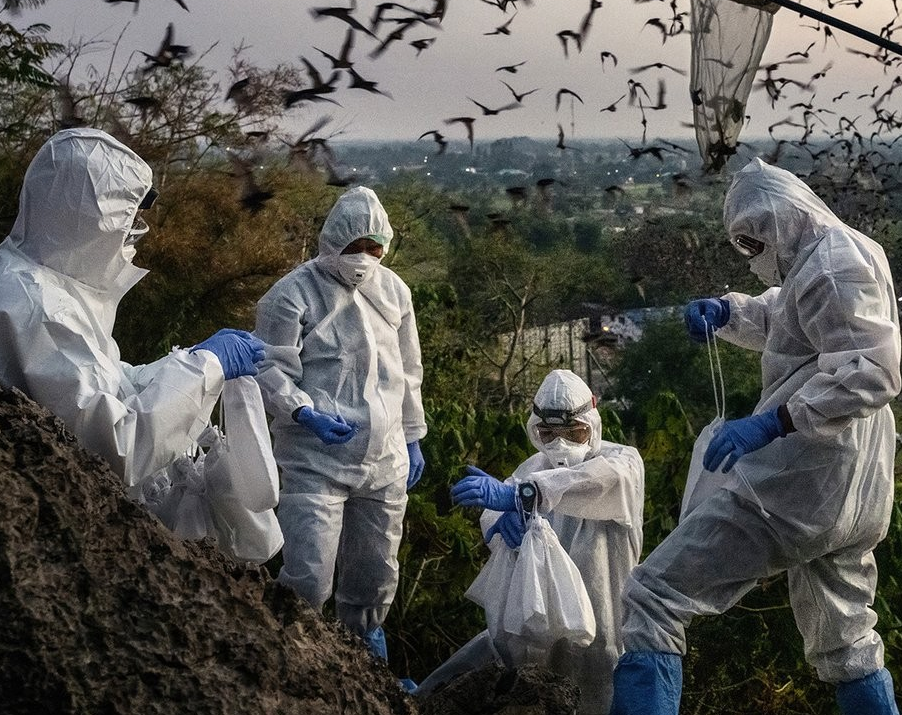
    A recent study by Worsley-Tonks et al. (2025) titled “A framework for managing infectious diseases in rural areas in low-and middle-income countries in the face of climate change—East Africa as a case study” published in PLOS global public health, reveals that climate change is significantly intensifying infectious disease risks in rural LMICs—particularly East Africa—by expanding pathogen hazards.

    Climate change is intensifying infectious disease risks in rural LMICs, requiring climate-resilient health systems built on a six-step strategic framework.
    – Worsley-Tonks et al. 2025

    The study presents a comprehensive review that develops a strategic framework to help health systems adapt to the rising burden of infectious diseases driven by climate change. Focusing on rural communities in East Africa—regions marked by high exposure to climate-related hazards such as droughts and floods, limited access to healthcare, water, and sanitation, and a heavy burden of infectious and neglected tropical diseases (NTDs)—the framework highlights the urgent need for climate-resilient health systems.

    The authors structure their approach around three pillars of infectious disease risk: pathogen hazard (the presence and behavior of disease-causing organisms), exposure (the frequency and intensity of human contact with these hazards), and vulnerability (the susceptibility of individuals and communities to illness). Climate change is reshaping the distribution of vectors like mosquitoes and wildlife reservoirs, increasing spillover risks, while environmental degradation, food insecurity, and migration further amplify exposure and vulnerability. Current health systems in low-resource settings remain ill-equipped to address these evolving challenges.

    To address this gap, the study proposes six strategic steps: (1) educating stakeholders about climate–health connections, (2) promoting interdisciplinary research on disease risk, (3) strengthening surveillance and control through technology and One Health approaches, (4) improving rural infrastructure and preserving biodiversity to reduce exposure, (5) enhancing community resilience via nutrition, vaccination, and adaptive healthcare, and (6) establishing climate–health intelligence teams to guide policy and coordinated response. While East Africa serves as the central case study, the framework is designed to be adapted across other low- and middle-income countries, tailored to local ecological and socio-economic realities. Ultimately, this work issues a clear call to action: integrating climate adaptation into global health strategies is essential to prevent escalating disease burdens in vulnerable rural populations.

    How the Study was Conducted

    This study is a comprehensive review and conceptual framework rather than an empirical field investigation. It was conducted through an extensive literature review, synthesizing existing research on climate change, infectious diseases, and rural health systems in low- and middle-income countries (LMICs), with particular emphasis on East Africa. Building on this evidence base, the authors developed a conceptual framework structured around three central components of infectious disease risk: pathogen hazard (the presence and behavior of disease-causing organisms), exposure (the ways and frequency with which people come into contact with these hazards), and vulnerability (the susceptibility of individuals and communities to illness).

    The study integrated multiple sources of information, including epidemiological data from national and regional health systems, climate data and projections, ecological and socio-economic models, and case studies from East African countries. Insights were also drawn from the One Health and Planetary Health perspectives, highlighting the interconnections between human, animal, and environmental health. To ensure scientific depth and practical relevance, the framework was developed through collaboration among a multidisciplinary team comprising epidemiologists, ecologists, public health experts, veterinarians, and climate scientists. This diversity of expertise allowed for a comprehensive model that reflects both ecological complexity and real-world health system challenges.

    What the Authors Found

    The authors found that climate change is significantly intensifying infectious disease risks in rural LMICs—particularly East Africa—by expanding pathogen hazards, increasing human exposure, and deepening community vulnerability, while current health systems remain underprepared to cope with these evolving threats.

    Why is this important

    Climate Change as a Public Health Emergency
    Shifting weather patterns, rising temperatures, and extreme events are reshaping infectious disease risks by expanding the range of vectors and wildlife reservoirs.

    Rural LMIC Communities Are Most at Risk
    East Africa and similar regions face compounded vulnerabilities—limited healthcare access, high climate exposure, and deep socio-economic challenges—while often remaining invisible to traditional surveillance systems.

    Health Systems Are Underprepared
    Most systems rely on reactive outbreak response. Without proactive, climate-adapted strategies, escalating disease burdens could undermine progress toward global health goals.

    A Globally Relevant Framework
    Although based on East Africa, the proposed six-step framework is adaptable to other LMICs, integrating One Health, biodiversity preservation, infrastructure, and community engagement.

    Strategic Roadmap for Resilience
    The framework enables governments, researchers, and health workers to predict and prevent outbreaks, strengthen rural infrastructure, reduce vulnerabilities, and build climate-resilient health systems.

    What the Authors Recommended

    • The authors emphasise building climate–health awareness among policymakers, health workers, and communities, and integrate climate literacy into health training programs.
    • The study advocates for collaboration across epidemiology, ecology, veterinary science, and climate science, and invest in studies on climate–disease interactions.
    • Leverage digital tools, mobile technologies, and One Health approaches to track and manage human, animal, and environmental health together.
    • Improve rural water, sanitation, and healthcare infrastructure while preserving biodiversity to minimize human–wildlife contact and spillover risks.
    • In addition, support nutrition, vaccination, and mental health programs, with tailored services for mobile and marginalized populations.
    • Establish dedicated units to integrate climate forecasting into health planning, strengthen preparedness, and guide evidence-based policy responses.

    In conclusion, addressing climate-driven infectious disease risks in rural LMICs demands urgent integration of climate adaptation into health systems, ensuring resilience, equity, and sustainability for vulnerable communities.

  • How African Youth Can Drive the Green Energy Revolution and Achieve Sustainable Development Goals

    How African Youth Can Drive the Green Energy Revolution and Achieve Sustainable Development Goals

    Africa stands at a defining crossroads. With its rapidly growing youth population and the urgent global demand to address climate change, the continent is uniquely positioned to lead a green energy revolution. This transformation is not only essential for meeting climate goals but also for unlocking inclusive, sustainable development and creating millions of jobs for young people.

    Achieving Sustainable Development Goal 7 (SDG 7)—ensuring access to affordable, reliable, sustainable, and modern energy—offers Africa the chance to shape a dynamic green economy. In this economy, young people will not just participate; they will be the innovators, entrepreneurs, and leaders driving the transition.

    A Global Challenge, An African Opportunity

    Globally, more than 666 million people remain without electricity, and Sub-Saharan Africa is home to 18 of the top 20 energy access–deficit countries. The scale of the challenge is vast, but so too is the potential. As the world accelerates toward net-zero pathways, the International Energy Agency (IEA) projects that clean energy, energy efficiency, and low-emissions technologies will create over 30 million jobs by 2030. A significant share of these opportunities lies within Africa, where the demand for energy solutions intersects with an abundant pool of energetic and innovative youth.

    Green Economy on the Rise: But Are Youth Ready?

    Sectors like renewable energy, energy efficiency, and sustainable cooling are expanding at an unprecedented rate. For example, the sustainable cooling market in developing economies is projected to double to $600 billion annually by 2050. This growth is spurring the demand for professionals such as sustainability analysts, energy efficiency specialists, solar technicians, cold-chain developers, and green entrepreneurs.

    Yet, the biggest barrier is clear: the green skills gap. Only 13% of today’s workforce possesses the competencies required for a meaningful green transition. From energy auditors to environmental engineers, demand outstrips supply. This highlights the urgent need for youth-focused upskilling programs, mentorship opportunities, and career pathways that align with the realities of the green economy.

    Spotlight on Innovation: Cooling the Planet

    Recognizing this skills and opportunity gap, Sustainable Energy for All (SEforALL) and Shortlist Futures launched a series of webinars under the banner “Activating Africa’s Green Economy Through Youth Employment.” The first session, “Cooling the Planet: Jobs in Energy Efficiency & Cold Chain Solutions,” spotlighted promising career paths in energy access, efficiency, healthcare cooling, sustainable agriculture, and cold-chain logistics.

    Speakers underscored how energy efficiency is not merely a technical upgrade but a transformative driver of economic growth and job creation. Elizabeth Wangeci-Chege, an Energy Efficiency & Cooling Specialist at SEforALL, stressed the need for policies like green procurement standards and mandatory efficiency regulations to catalyze demand for skilled workers, particularly energy auditors.

    Other youth innovators shared inspiring examples. Denis Karema, CEO of SokoFresh, highlighted the importance of solving real market problems, especially within Africa’s agricultural supply chains. Similarly, Durodoluwa Femi-Ajala, co-founder of CoolCycle, shared how her initiative repurposes diesel generator casings and integrates solar energy to provide farmers with sustainable irrigation and cold storage solutions—simultaneously reducing carbon emissions and improving rural livelihoods.

    These stories reflect a broader truth: youth-led innovation is already reshaping Africa’s energy future.

    Preparing the Next Generation of Green Leaders

    For young people aspiring to join the green economy, the pathway is threefold:

    1. Build Technical and Green Skills—Pursue training in energy auditing, solar technologies, sustainable agriculture, cooling systems, and environmental engineering.

    2. Develop Soft and Entrepreneurial Skills—As emphasized by Dwayne Asembo of Shortlist Futures, financial literacy, adaptability, and communication are vital to sustaining green ventures and attracting investment.

    3. Embrace Networks and Partnerships—Engaging with platforms such as Mission Efficiency, SEforALL, and Shortlist Futures opens access to resources, mentors, and Africa’s largest climate careers job board.

    Entrepreneurship also holds immense promise. Opportunities abound in cold storage, efficient appliances, sustainable food systems, and community energy solutions. Youth can seize these gaps by co-creating solutions with communities and building scalable businesses that address Africa’s unique challenges.

    Creating an Enabling Ecosystem

    However, youth cannot carry the green transition alone. Policymakers, investors, and industry leaders must create an enabling environment that accelerates their participation. This means:

    • Investing in skills development programs and vocational training.

    • Designing youth-centered mentorship and apprenticeship pathways.

    • Supporting green entrepreneurship through financing mechanisms and innovation funds.

    • Implementing policies and regulations that open new markets for sustainable solutions.

    Conclusion: Africa at the Forefront of the Global Transition

    The stakes are high, but so are the rewards. Empowering young Africans with the right skills, entrepreneurial support, and enabling policies will not only position the continent as a global leader in the green economy but also deliver inclusive prosperity.

    In Africa’s youth lies the potential to power communities, reshape industries, and build a sustainable energy future for all. The green revolution is not a distant vision—it is a present-day opportunity waiting for bold, skilled, and empowered young leaders to claim it.

  • Climate-Smart Water Management: Boosting Rice Production and Food Security in East Africa

    Climate-Smart Water Management: Boosting Rice Production and Food Security in East Africa


    Illustrative Image: Climate-Smart Water Management: Boosting Rice Production and Food Security in East Africa
    Image Source & Credit: WFP
    Ownership and Usage Policy

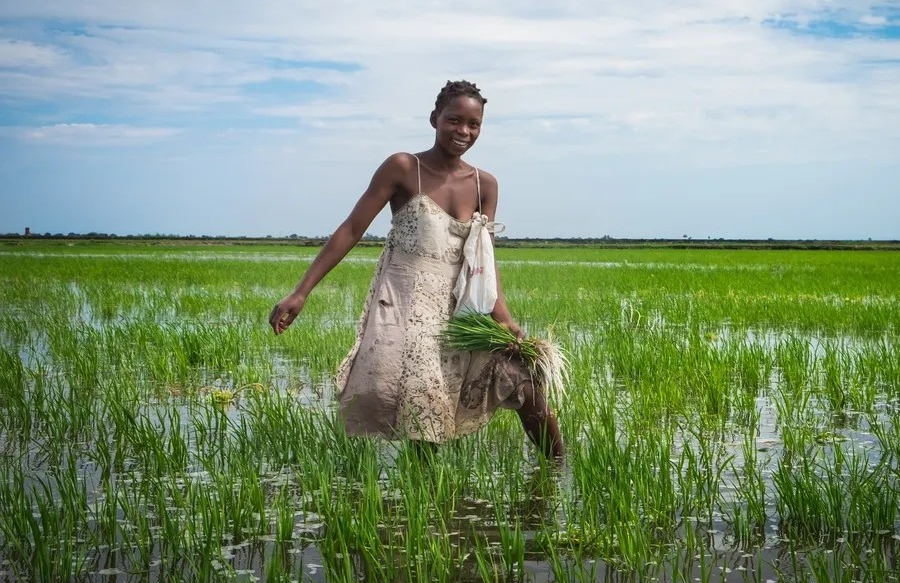
    A recent study by Bwire et al. (2025) titled “Water management for rice production: a key component of food security in East Africa” published in Discover Water reveals that more than 90% of rice is produced by smallholder farmers using traditional rain-fed or flooded methods, leaving production highly vulnerable to water scarcity.

    Water scarcity threatens East Africa’s rice production, and adopting climate-smart irrigation is crucial to boost yields, resilience, and regional food security.
    – Bwire et al. 2025

    Rice is rapidly emerging as a staple crop in East Africa, particularly in Uganda, Kenya, Tanzania, and Ethiopia. Despite its growing importance, more than 90% of rice is produced by smallholder farmers using traditional rain-fed or flooded methods, leaving production highly vulnerable to water scarcity. Climate change, poor irrigation infrastructure, and erratic rainfall have made water availability a major constraint, threatening yields and exacerbating food insecurity. The region’s reliance on imports underscores the production gap—East Africa brings in over 500,000 tons of rice annually, primarily from Asia, despite having significant agricultural potential. This dependency persists due to limited technical knowledge among farmers, inadequate funding and infrastructure, weak policy support, poor institutional coordination, and gender disparities in access to resources.

    The study identifies three climate-smart irrigation practices with potential to transform rice production:

    • Alternate Wetting and Drying (AWD): Cuts water use and methane emissions in paddy fields.
    • System of Rice Intensification (SRI): Boosts yields while reducing water and input requirements.
    • Drip Irrigation: Highly efficient for upland rice but hindered by high costs and low awareness.

    These challenges intersect with broader regional issues. Over 70 million people in East Africa are undernourished, and agriculture faces mounting climate risks, including droughts, rising temperatures, and unpredictable rainfall. Civil unrest, migration, and climate-induced displacement further strain food systems. Effective water management, combined with investment in irrigation, farmer training, and supportive policies, is critical to strengthening rice production and ensuring long-term food security in the region.

    How the Study was Conducted

    The study was a comprehensive literature review and synthesis of existing research, reports, and data on water management and rice production in East Africa, focusing on four key rice-producing countries—Uganda, Kenya, Tanzania, and Ethiopia. Drawing on peer-reviewed scientific literature, government and NGO reports, agricultural statistics from FAO and other databases, as well as case studies and field-level experimental trials, the authors examined a wide range of interlinked issues.

    The review explored the impacts of climate change on water availability and rice farming, the adoption and performance of climate-smart irrigation technologies such as alternate wetting and drying (AWD), the System of Rice Intensification (SRI), and drip irrigation, as well as the socioeconomic and institutional barriers that hinder technology uptake. It also assessed food security trends, historical and ongoing irrigation development efforts, and the effectiveness of various water management strategies.

    A comparative analysis was conducted to evaluate rice production trends, irrigation practices, and food insecurity across the four countries. The authors reviewed results from experimental and pilot projects involving AWD, SRI, and drip irrigation, integrated regional climate models and drought indicators to assess vulnerability, and examined relevant national policies, land tenure systems, and institutional frameworks. The socioeconomic context—covering gender roles, migration patterns, poverty, and civil unrest—was also considered as a critical factor shaping food security outcomes.

    However, the study faced limitations, as much of the available data came from small-scale trials or single-site studies, restricting the generalizability of findings. Additional challenges included gaps in up-to-date irrigation and yield statistics and a lack of high-resolution climate and agricultural data for the region.

    What the Authors Found

    The study found that water scarcity—worsened by climate change—is the biggest constraint on rice production in East Africa, and while climate-smart irrigation technologies could greatly improve yields and water efficiency, their adoption remains extremely low due to cost, limited awareness, and weak institutional support. Without urgent improvements in water management, farmer training, and governance, food insecurity will persist despite growing rice demand and production potential.

    Why is this important

    Food Security at Stake – Over 70 million people in East Africa are undernourished, and rice is emerging as a staple; boosting local production is essential for nutrition and livelihoods.

    High Climate Vulnerability – Frequent droughts, erratic rainfall, and rising temperatures are undermining traditional farming, making climate-smart water management critical.

    Water Management as a Game-Changer – Rice is highly water-intensive; technologies like AWD, SRI, and drip irrigation can significantly improve yields, yet poor infrastructure and governance hinder progress despite abundant water resources.

    Economic and Social Benefits – Increasing domestic rice production can cut annual imports of over 500,000 tons, save foreign exchange, empower smallholder farmers, and address gender inequalities in agriculture.

    Urgent Need for Action – Without timely interventions in technology adoption, farmer training, and policy reform, climate change will worsen food insecurity, drive migration, and heighten conflict risks.

    What the Authors Recommended

    • Provide training, on-site demonstrations, and farmer field schools to promote climate-smart irrigation (AWD, SRI, drip), while ensuring women have equal access to resources and decision-making.
    • Rehabilitate and expand irrigation schemes, promote affordable smallholder-friendly tools like solar pumps and drip kits, and develop systems for rainwater harvesting and storage.
    • Create integrated ICT platforms for real-time farming advice, establish early warning systems for drought, and expand long-term research on water-saving technologies and their environmental impacts.
    • Strengthen water governance, improve inter-ministerial coordination, secure land rights, and align policies across agriculture, water, and the environment to support sustainable rice production.
    • Facilitate cross-country knowledge exchange and build public–private partnerships to scale proven water management solutions across East Africa.

    In conclusion, adopting climate-smart water management in East Africa’s rice sector offers a transformative path to boost yields, reduce imports, and strengthen food security, but urgent investment, policy reform, and inclusive farmer support are essential to realize this potential.