



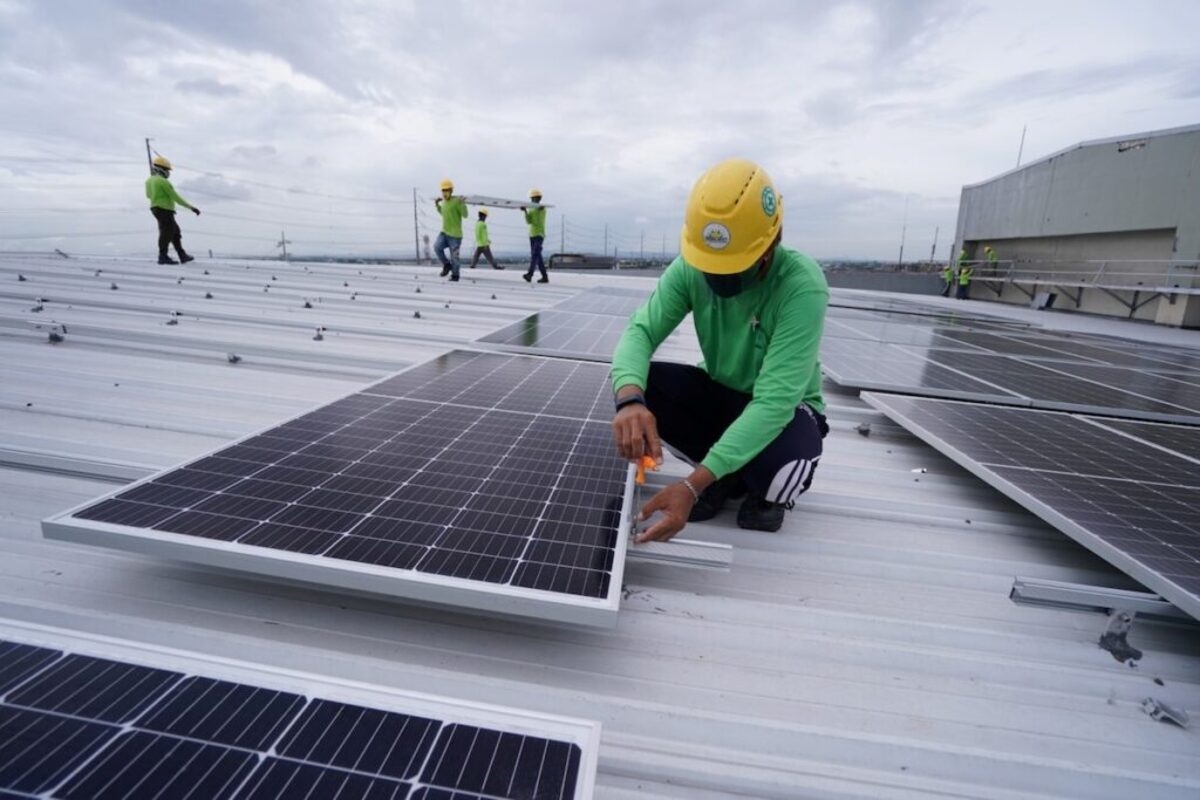
A recent study by Etukudoh, et al., (2024) titled “Solar Power Integration in Urban Areas: A Review of Design Innovations and Efficiency Enhancements” published in World Journal of Advanced Research and Reviews, show that solar power integration in urban areas is a promising strategy to address the growing energy demand while mitigating environmental impact.
As global efforts intensify towards sustainable energy solutions, the integration of solar power systems within urban landscapes has garnered significant interest. However, urban environments present distinct challenges including space constraints, shading, and aesthetic concerns. This study offers a thorough examination of the current status of solar power integration in urban settings, highlighting design innovations and efficiency improvements. Moreover, it delves into the pivotal role of smart city initiatives in optimizing solar power integration through the utilization of data analytics, Internet of Things (IoT) devices, and artificial intelligence.
“
Solar power integration in urban areas addresses challenges through design innovations, smart city concepts, yielding environmental benefits, economic viability, and efficiency enhancements. – Etukudoh, et al., 2024
Challenges and Opportunities
Implementing solar power systems in urban areas faces obstacles like limited space, shading, aesthetics, and high energy demand. These challenges, though daunting, offer opportunities for innovation and sustainable energy solutions.
Design Innovations and Efficiency Enhancements
The future of sustainable energy in cities is shaped by innovative approaches such as building-integrated photovoltaics, solar windows and skylights, solar roadways, and flexible solar panels. These advancements maximize energy capture while integrating seamlessly into urban landscapes.
Role of Smart City Concepts
Smart city principles play a pivotal role in optimizing solar power integration. Leveraging data analytics, IoT devices, artificial intelligence, and smart grid technologies enables efficient energy management and distribution, enhancing the overall effectiveness of solar solutions in urban environments.
Environmental and Economic Impacts
Solar power integration yields significant environmental benefits by reducing carbon footprints and promoting clean energy adoption. Economically, it offers viable returns on investment while stimulating social and community development through job creation and energy independence.
How the Study was Conducted
The authors employed a comprehensive review of the current state of solar power integration in urban areas, focusing on design innovations and efficiency enhancements. The authors used various sources, such as academic journals, books, reports, and websites, to gather relevant information and insights. The authors synthesized and analyzed the information collected from the literature review, identifying key themes, challenges, opportunities, and best practices. The authors organized information into sections, such as challenges, design innovations, efficiency enhancements, smart city concepts, environmental and economic impacts, future trends, and recommendations.
What the Authors Found
The authors found that solar power integration in urban areas is a promising strategy to address the growing energy demand while mitigating environmental impact. The authors posit that design innovations play a crucial role in overcoming the challenges posed by urban environments, such as limited space, shading, and aesthetic considerations. These innovations include the integration of solar panels into building facades, windows, and urban infrastructure, as well as the development of flexible and lightweight solar panels. In the content, the authors found that efficiency enhancements are equally vital for the viability of solar power integration, and technological advancements play a pivotal role in maximizing energy capture, storage, and distribution. These enhancements include improvements in photovoltaic cell technologies, energy storage solutions, intelligent grid integration, and hybrid systems that combine solar power with other renewable energy sources. In addition, the authors also found that solar power integration in urban areas has significant environmental and economic impacts, such as reducing carbon footprint, increasing economic viability and return on investment, and fostering community engagement and responsibility.
Why is this Important
The importance of solar power integration in urban areas lies in its potential to address critical challenges related to energy demand, environmental impact, and sustainable urban development. Below are the significance of the study:
Energy Demand: Urban areas are hubs of economic activity, population growth, and technological advancement. As cities expand, their energy requirements increase exponentially. Solar power offers a renewable and abundant energy source that can help meet this demand without depleting finite fossil fuels.
Environmental Impact: Traditional energy sources, such as coal and natural gas, contribute significantly to greenhouse gas emissions and air pollution. By integrating solar power into urban infrastructure, we can reduce carbon emissions, combat climate change, and improve air quality for city dwellers.
Resource Scarcity: Urban spaces are often constrained by limited land availability. Solar power systems can be integrated into existing structures, such as rooftops, facades, and windows, making efficient use of space and minimizing the need for additional land.
Economic Viability: Investing in solar power infrastructure can lead to long-term economic benefits. It creates jobs, stimulates local economies, and reduces dependence on imported fossil fuels. Additionally, the decreasing cost of solar technology makes it an attractive option for urban planners and investors.
Community Engagement: Solar power projects can engage communities by promoting awareness, education, and participation. Citizens can become active stakeholders in the transition to clean energy, fostering a sense of responsibility and pride in their city’s sustainability efforts.
Technological Advancements: Innovations in solar panel design, energy storage, and smart grid technologies are transforming the way we harness solar energy. These advancements enhance efficiency, reliability, and scalability, making urban solar integration increasingly feasible.
In conclusion, the integration of solar power systems within urban landscapes presents a promising avenue for addressing pressing challenges related to energy demand, environmental sustainability, and economic growth. Through innovative design approaches, leveraging smart city initiatives, and embracing technological advancements, cities can unlock the full potential of solar energy integration. As we strive towards a more sustainable future, the adoption of solar power in urban areas not only mitigates environmental impact but also fosters community engagement, economic development, and technological progress. Embracing solar energy is not just about powering cities; it’s about shaping a more resilient, inclusive, and vibrant urban environment for generations to come.













 The African Research (AR) Index is a comprehensive scholarly directory and database focused explicitly on journal publishers that publish and disseminate African research.