Category: CONFERENCE UPDATES

This category features a post from ARM Magazine, spotlighting updates on the latest conferences in Africa.

  • Unlocking Africa’s Space Potential: NewSpace Africa Conference 2024

    Unlocking Africa’s Space Potential: NewSpace Africa Conference 2024

    The NewSpace Africa Conference stands as a premier gathering of luminaries, entrepreneurs, investors, and key players within the African space and satellite industry. In a global landscape where private-sector initiatives are driving space commercialization, this event serves as a focal point for exploring the burgeoning opportunities within Africa’s space sector, transcending traditional geopolitical boundaries and welcoming diverse market players.

    The African space industry’s trajectory is marked by significant growth, with a valuation of USD 19.49 billion in 2021, projected to reach USD 22.64 billion by 2026. This expansion is propelled by the increasing involvement of African nations in space endeavors, investment in space enterprises, and the proliferation of over 270 NewSpace companies across the continent. These companies are pioneering space technologies and offering services that cater to various sectors, including telecommunications, defense, agriculture, and healthcare, among others.

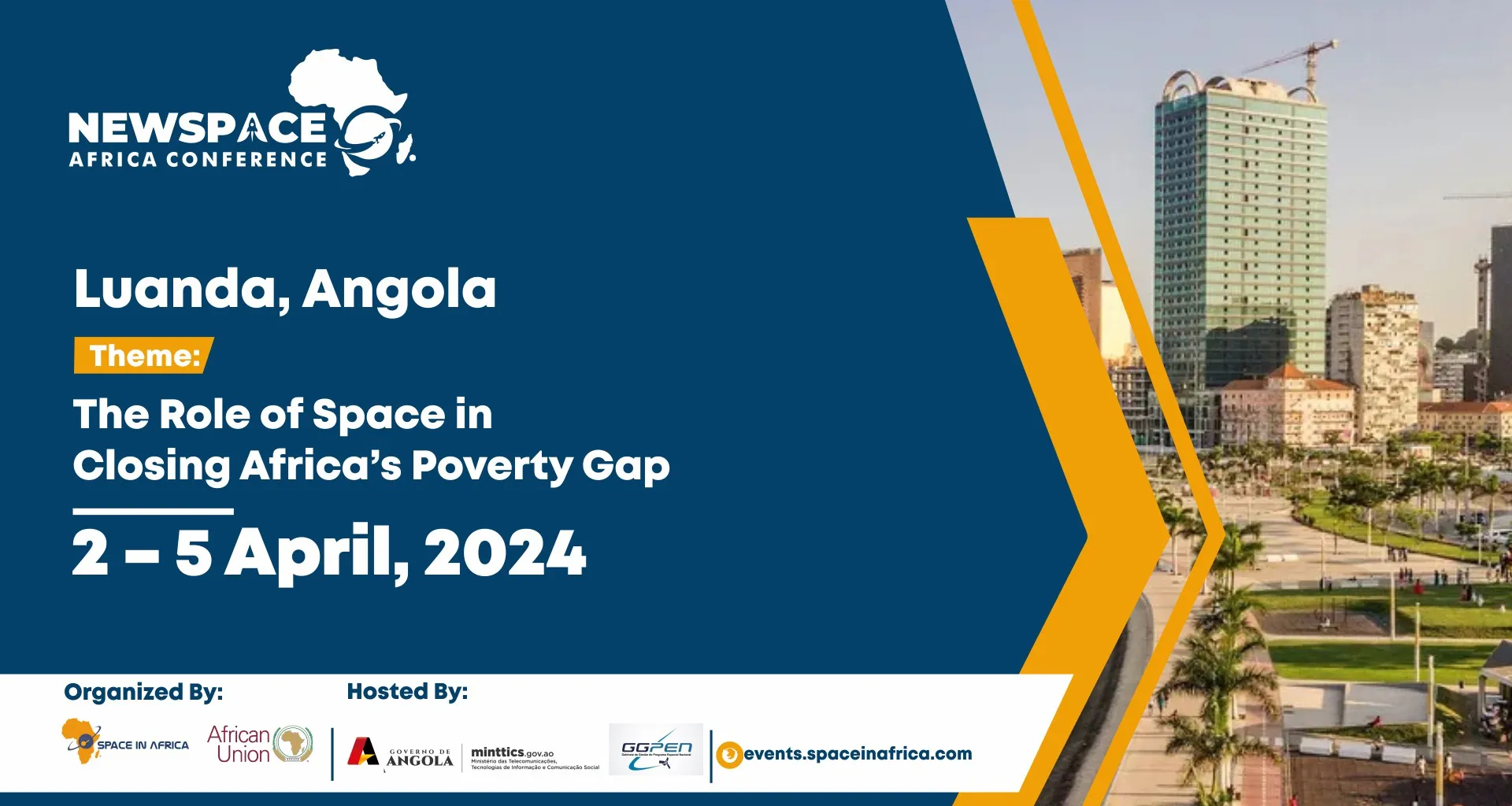
    The NewSpace Africa Conference, scheduled for April 2-5, 2024, at the Talatona Convention Centre in Luanda, Angola, presents a unique opportunity for stakeholders to converge and explore the vast potential of Africa’s space industry.

    Why Participate

    1. Interact, Build, Connect, and Network: The conference serves as a hub for forging new relationships and collaborations within the African space and satellite ecosystem. By facilitating interactions between government officials, industry leaders, academia, and investors, the event aims to propel the industry forward through meaningful partnerships.

    2. Exhibit Your Organization: Exhibitors gain a platform to showcase their latest products, innovations, and services to a diverse audience. This exhibition space fosters engagement with potential clients, partners, and collaborators, highlighting how their offerings contribute to advancing the industry.

    3. Stay Abreast of Industry Developments: As a unified platform, the conference brings together professionals from various segments of the space industry. This convergence fosters dialogue and collaboration, driving creative solutions to the challenges and opportunities within Africa’s space sector.

    Who Will Attend

    • Heads of Africa Space Agencies and Top Executives: Leaders shaping the direction of space exploration in Africa.
    • National Ministries and Government Officials: Policymakers and representatives from ministries of science, technology, and communications.
    • NewSpace Companies: Entrepreneurs driving innovation and commercialization within the industry.
    • Universities and Research Institutions: Academic institutions contributing to research and development in space technologies.
    • Young Professionals and Students: The next generation of talent entering the space sector.
    • Members of the Press: Media representatives covering developments in Africa’s space industry.

    In summary, the NewSpace Africa Conference provides a platform for collaboration, innovation, and exploration, driving the advancement of Africa’s space and satellite industry towards a future of unprecedented growth and opportunity.

    For more details visit: Home – NewSpace Africa Conference 2024 (spaceinafrica.com)

  • Empowering Africa’s Financial Future: Join FinTech Summit Africa 2024 for Innovation, Inclusion, and Impact

    Empowering Africa’s Financial Future: Join FinTech Summit Africa 2024 for Innovation, Inclusion, and Impact

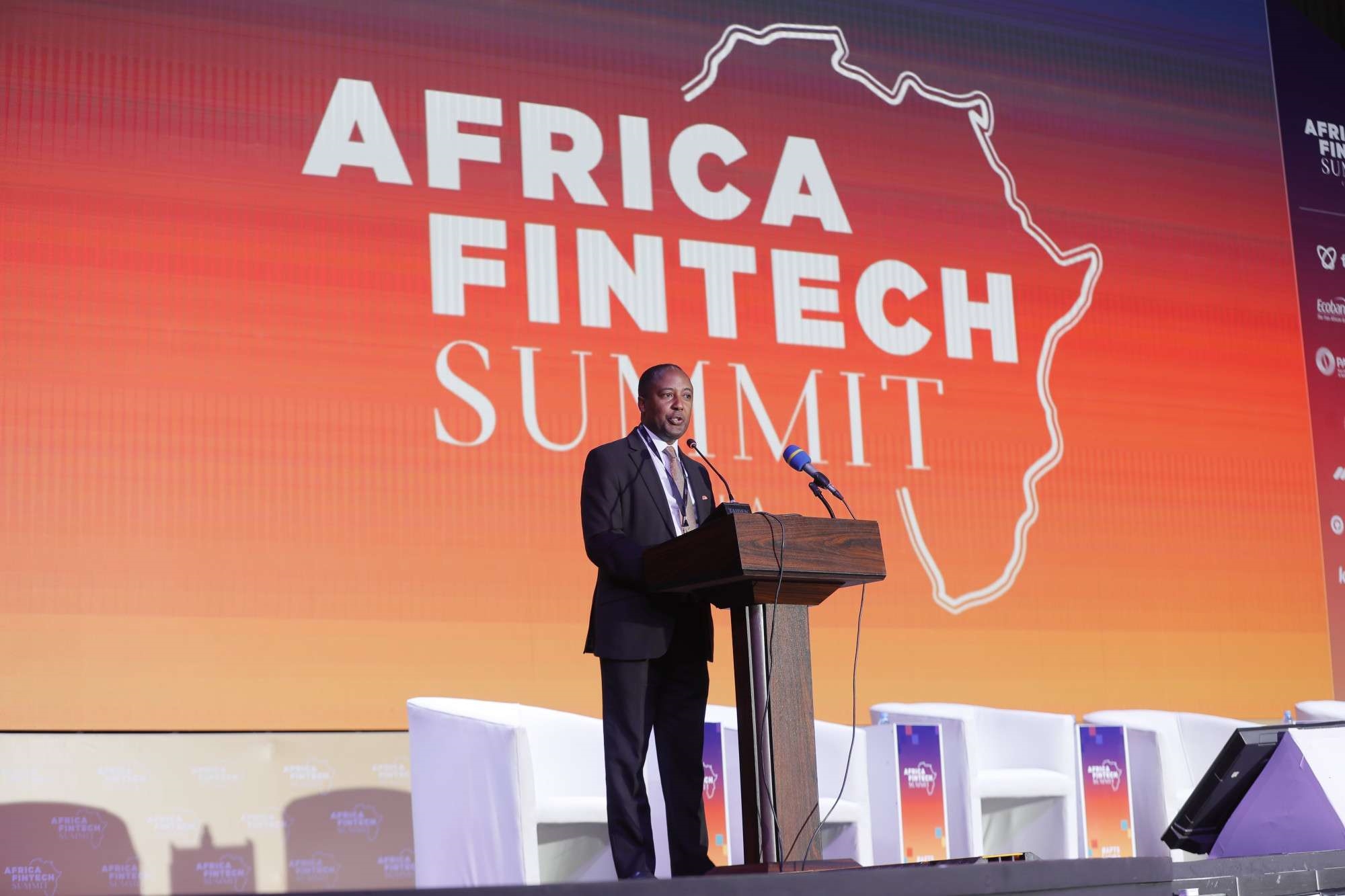
    The FinTech Summit Africa 2024 is a premier event aimed at fostering dialogue, collaboration, and innovation within the financial technology sector across the African continent. This summit serves as a platform for industry leaders, policymakers, entrepreneurs, investors, and other stakeholders to explore emerging trends, share insights, and discuss strategies for advancing financial inclusion, driving economic growth, and leveraging technology for positive social impact.

    Date: 26-27 June 2024
    Time: 09:00-17:00 SAST
    Venue: Hilton Sandton, Johannesburg, South Africa

    Empowering Africa Through Innovation, Inclusion, and Impact

    Join us at the FinTech Summit Africa 2024 where we delve into the transformative potential of financial technology in Africa. This summit is not just a gathering of minds; it’s a platform dedicated to showcasing the latest trends, solutions, and groundbreaking innovations that are reshaping the FinTech landscape across the continent.

    Why Attend?

    • Exploring Trends and Innovations: Discover the cutting-edge technologies and disruptive ideas that are shaping the future of the FinTech industry in Africa. From AI and data analytics to blockchain and cryptocurrencies, explore the frontier of financial innovation.
    • Financial Inclusion and Accessibility: Addressing the pressing need for financial inclusivity, we’ll discuss strategies to provide affordable and sustainable financial services to all segments of society, especially the underserved and unbanked communities.
    • Impact on Economic Growth: Understand the real-world impact of FinTech innovations on economic development, poverty reduction, and social empowerment throughout Africa. Learn from success stories and identify pathways for positive change.

    Themes Covered

    • Latest Trends and Innovations: Dive into the newest trends, solutions, and disruptive ideas shaping the FinTech landscape.
    • Financial Inclusion and Accessibility: Explore strategies for making financial services accessible to all, including underserved communities.
    • AI and Data Analytics: Understand the role of AI and data analytics in revolutionizing financial services and decision-making processes.
    • RegTech and Compliance: Discuss the intersection of regulatory technology, cybersecurity, and data privacy in the financial sector.
    • Sustainable Finance Solutions: Explore sustainable finance practices that promote environmental and social responsibility.
    • Digital Banking and Payments: Analyze the future of digital banking, payments, and cross-border transactions in Africa.
    • Customer Experience and Personalization: Learn how FinTech is reshaping the customer experience and personalizing financial services.
    • Insurtech and Insurance Innovation: Discover innovations in insurance technology and the future of the insurance industry.
    • Embedded Finance and Digital Transformation: Explore the concept of embedded finance and digital transformation within FinTech companies.
    • Cybersecurity Challenges and Mitigation: Address cybersecurity challenges facing the BFSI sector and strategies for mitigation.
    • Open Banking: Discuss the opportunities and challenges of open banking in Africa.

    Who Should Attend?

    C-Level Executives from financial institutions in Africa, including:

    • Head of Compliance
    • Head of Risk
    • Chief Information Officers
    • Chief Digital Officers
    • Chief Technology Officers
    • Chief Financial Officers
    • Heads of Investment
    • Investment Bankers
    • Head of Fintech
    • Insurance Technologies Managers
    • IT Infrastructure Managers
    • IT Security Managers
    • Governance, Risk, and Compliance Managers
    • Payment Systems Managers
    • Digital Banking Managers
    • Delivery Channel Managers
    • Chief Investment Officers
    • Operational Risk Managers
    • IT Managers
    • Call Center Managers

    Join Us

    Be part of the conversation that shapes the future of finance in Africa. Contact us for more details and secure your spot at FinTech Summit Africa 2024. Let’s empower Africa together through innovation, inclusion, and impact. FintechSummit – Fintech

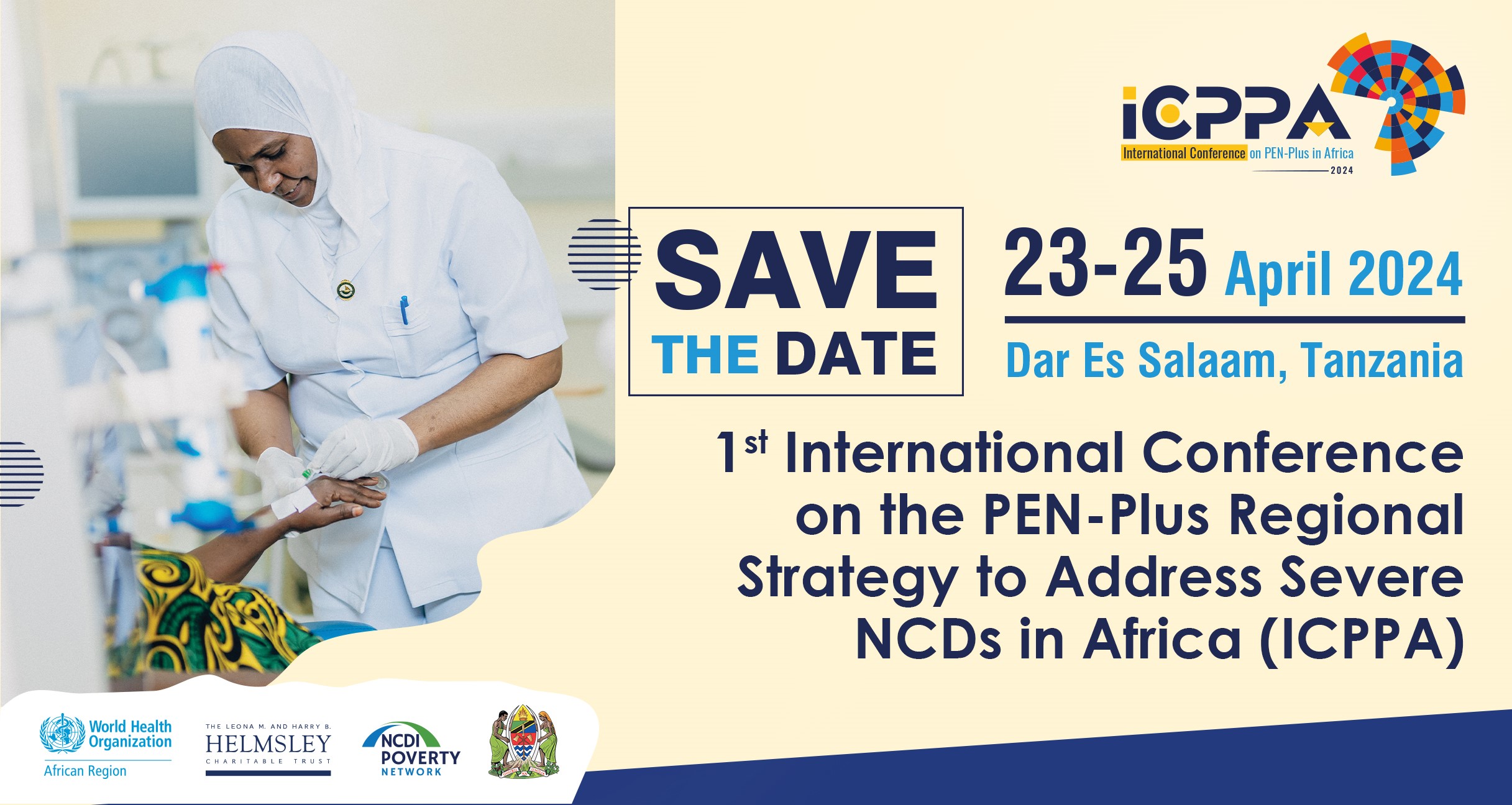
  • ICPPA 2024: Advancing NCD Prevention & Management in Africa with PEN-Plus Strategy

    ICPPA 2024: Advancing NCD Prevention & Management in Africa with PEN-Plus Strategy

    This event serves as a vital platform for exploring collaborative opportunities to integrate the PEN-Plus initiative with existing public health programs in the region. Attended by high-level policymakers, global and regional experts, development partners, private sector representatives, civil society organizations, and NCD focal points from Ministries of Health across the region, ICPPA aims to foster meaningful dialogue and action.

    ICPPA 2024 Tracks

    Track 1: Ending the Neglect of Noncommunicable Diseases (NCDs) across the life course in Africa.

    Track 2: Policy Frameworks and Strategies for Integrating NCD Interventions in Primary Health Care (PHC): from WHO PEN to PEN-Plus

    Track 3: PEN-Plus Unveiled: Pioneering Regional Strategies, Opportunities, and Frontiers Track 4: Engage, Empower, Excel: Community-Centric and Person-Centered NCD Care for All

    Track 5: Rising to the challenge of NCDs financing in Africa.

    About ICPPA 2024

    Organized by the WHO Regional Office for Africa, ICPPA 2024 brings together global, regional, and national experts, policymakers, donors, and partners to accelerate and scale up the implementation of the PEN-Plus strategy in Africa.

    About PEN-Plus Strategy

    The PEN-Plus strategy complements the WHO PEN intervention by focusing on severe spectrum NCDs, such as type 1 diabetes, rheumatic heart disease, sickle cell disease, and palliative care for advanced malignancies. While WHO PEN targets primary health care, PEN-Plus interventions extend to first-level referral facilities, equipping health workers with training, mentorship, and necessary resources to deliver quality care. PEN-Plus emphasizes a patient-centered approach, integrating palliative care and psychosocial support.

    Privacy Policy of WHO for ICPPA

    At WHO, we prioritize the privacy and security of your personal information. Your data is collected to ensure a personalized event experience, communicate relevant information, and enhance future events based on participant feedback. We adhere to a strict non-disclosure policy, safeguarding your information for internal use only.

    Conference Provisional Agenda

    The agenda includes plenary sessions, panel discussions, presentations, and scientific sessions covering various aspects of NCD prevention, management, financing, and advocacy. Notable highlights include sessions on NCD epidemiology, policy frameworks, PEN-Plus implementation experiences, community-centric care, and financing challenges.

    Call for Abstracts

    Authors are invited to submit abstracts reflecting on NCD prevention, management, and integrated health systems. Accepted abstracts will contribute to discussions on creating resilient and sustainable health systems for chronic and severe NCD interventions in Africa.

    Side Events

    ICPPA 2024 offers captivating side events aligned with conference themes, providing additional opportunities for networking, learning, and collaboration.

    Date: 23 – 25 April 2024

    Location: Dar Es Salaam, Tanzania

    Overall, ICPPA 2024 serves as a critical forum to advance the agenda of NCD prevention and management in Africa, bringing together stakeholders to drive meaningful action and change.

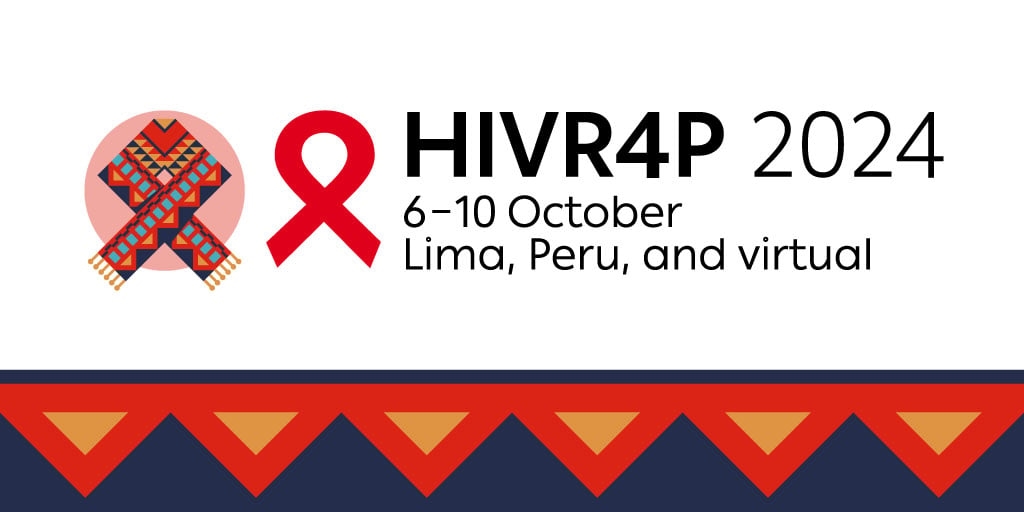
  • Join the HIVR4P 2024 Journalist Fellowship Programme: Covering Biomedical HIV Prevention Advances in Lima, Peru

    Join the HIVR4P 2024 Journalist Fellowship Programme: Covering Biomedical HIV Prevention Advances in Lima, Peru

    Are you a journalist passionate about shedding light on the latest advancements and challenges in biomedical HIV prevention? Look no further! The HIVR4P 2024 Journalist Fellowship Programme invites applications from journalists worldwide to attend the prestigious HIVR4P 2024 conference in Lima, Peru. This fully funded opportunity aims to empower journalists to cover cutting-edge research in HIV prevention and generate impactful media coverage, particularly in communities heavily affected by the epidemic.

    Eligibility Criteria

    Journalists aged 18 and above, affiliated with recognized print, radio, broadcast, or online media outlets, are eligible to apply. Priority will be given to applicants who:

    • Work for national or international media outlets with broad regional or global reach.
    • Have the endorsement of their media organizations to cover the conference.
    • Exhibit a strong commitment to reporting on HIV and infectious diseases.
    • Represent outlets with a track record in global health reporting, particularly HIV.
    • Are based in resource-limited settings or regions heavily impacted by HIV.
    • Belong to key populations or are living with HIV.
    • Possess proficient English language skills.

    Selected journalist fellows must commit to attending the entire conference from October 6th to 10th, including any supplementary media training sessions.

    Fellowship Benefits

    The in-person plus virtual journalist fellowship encompasses:

    • Registration for in-person access to all conference sessions and satellite events.
    • Online access to live-streamed sessions, recordings, and on-demand content.
    • Prepaid economy class return ticket from the nearest international airport.
    • Accommodation in a single room at a budget hotel for the conference duration.
    • Tailored media training and related activities.

    Application Process

    Participation in the application process is free of charge. Applicants must complete the application forms and submit all supporting documentation in English. Applications will be accepted until April 10, 2024, 23:59 Central European Summer Time (CEST). All submissions will be evaluated equally, irrespective of the timing of submission.

    In closing, the HIVR4P 2024 Journalist Fellowship Programme offers a unique opportunity for passionate journalists to immerse themselves in the latest advancements and challenges in biomedical HIV prevention. Through comprehensive coverage and impactful storytelling, fellows can contribute to the global dialogue on HIV prevention and make a difference in communities heavily affected by the epidemic. Don’t miss this chance to join us in Lima, Peru, and be part of shaping the future of HIV prevention. Apply now and become a catalyst for change through journalism.

    Don’t miss this opportunity to join us in Lima, Peru, and contribute to the global conversation on HIV prevention. Apply now to be part of the HIVR4P 2024 Journalist Fellowship Programme!

    For More Information: Scholarships | HIVR4P 2024 | International AIDS Society (IAS) (iasociety.org)

  • Global Conference on Air Pollution and Health: Addressing Challenges, Fostering Collaboration, and Empowering Africa for Clean Air and Sustainable Development

    Global Conference on Air Pollution and Health: Addressing Challenges, Fostering Collaboration, and Empowering Africa for Clean Air and Sustainable Development

    The overwhelming evidence is clear: air pollution, both ambient and household, stands as a formidable threat to global public health. Each year, an alarming toll of 7 million lives is taken by noncommunicable diseases, ranging from respiratory and cardiovascular issues to pulmonary diseases and cancer. The ramifications of polluted air extend beyond immediate health concerns, linking to conditions like low birth weight, diabetes, cognitive impairment, and mental health impacts.

    Interconnected Global Challenges

    Air pollution is intricately woven into a complex web of global challenges that converge on public health. The combustion of fossil fuels in various sectors, coupled with the lack of access to clean and sustainable energy for households and healthcare facilities, as well as emissions from agriculture and mismanagement of waste, contribute to high levels of air pollution. This not only exacerbates the climate emergency but also intensifies the health crisis, creating a profound social, environmental, and health challenge.

    Far-reaching Consequences:

    Directly addressing air pollutants promises substantial improvements in both short-term and long-term public health. Comprehensive policy actions to tackle air pollution across sectors have a ripple effect, positively impacting the environment, economic prosperity, job creation, children’s well-being, and gender equity. Implementing such measures leaves an enduring legacy, transforming countries and cities worldwide.

    Triple-win Solutions:

    Implementing well-known and readily available solutions to address air pollution offers a triple-win scenario. Apart from improving health outcomes, these solutions drive sustainable economic development and contribute to mitigating climate change. The collective nature of air pollution necessitates collaborative, cross-border actions, requiring nations and sectors to identify and implement evidence-based policies, innovative financing mechanisms, and effective delivery models.

    Success Stories and Solutions:

    Examples from around the globe underscore the positive impact of targeted interventions. Shifting from coal-fired power plants to renewable energy in Ontario, Canada, led to marked improvements in public health, particularly among asthmatic children. Stricter air quality regulations and targets set by the European Union align with global guidelines, demonstrating the importance of international cooperation.

    In Medellin, Colombia, an enhanced public transport system and a shift to cleaner fuels resulted in a healthier population, cleaner air, increased physical activity, reduced congestion, and fewer traffic injuries. Somalia’s leap to solar energy in healthcare facilities showcases progress towards universal health coverage, emergency preparedness, and a reduced environmental footprint.

    Kenya’s implementation of smart meter technology for clean cooking is improving health, reducing household air pollution, minimizing the risk of injuries, and saving time for productive activities and education.

    Intersectoral Cooperation:

    Intersectoral cooperation emerges as a key strategy, offering an opportunity to harness synergies and ensure policy coherence and cost savings. International and regional cooperation becomes fundamental to ensure clean air globally, resulting in millions of lives saved and reduced global warming.

    Upcoming Global Conference:

    The upcoming Global Conference on Air Pollution and Health, scheduled for October 29-31, 2024, in Accra, Ghana, aims to accelerate action for clean air, clean energy access, and climate mitigation. With pre- and post-conference sessions on October 28 and November 1, the conference will focus on sharing the latest evidence, taking stock of global progress, showcasing co-benefits, mobilizing health professionals, mitigating the environmental footprint, and leveraging finance for a just energy transition.

    Key Objectives and Participants:

    Key objectives of the conference include sharing evidence, assessing progress, showcasing co-benefits, mobilizing health professionals, mitigating the environmental footprint, leveraging finance, and driving commitments for air pollution reduction by 2030 and beyond. Participants include experts, key stakeholders, and representatives of Member States, including health and environment ministers, officials from national agencies, health professionals, mayors, and critical sector representatives.

    Conference Sessions and Activities:

    The conference will feature dynamic sessions on health evidence, policies and interventions, governance and health sector leadership, as well as advocacy and awareness raising. It will delve into the health effects of air pollution, showcase political actions to improve air quality, and strengthen cooperation among stakeholders.

    Empowering Africa: Tackling Air Pollution Challenges through Collaboration, Sustainability, and Global Solidarity

    The importance of addressing air pollution holds particular significance for Africans due to the unique challenges faced by the continent. The interconnected global challenges associated with air pollution resonate profoundly in Africa, and the upcoming Global Conference on Air Pollution and Health in Accra, Ghana, takes on added significance for several reasons:

    1. Health Impact on Vulnerable Populations:
      • African nations often have a higher prevalence of vulnerable populations, including children and the elderly, who are more susceptible to the adverse health effects of air pollution. Addressing this issue becomes crucial for ensuring the well-being of these demographic groups.
    2. Agricultural Dependence:
      • Many African countries heavily rely on agriculture, and emissions from this sector contribute to air pollution. The conference can shed light on sustainable practices that mitigate the environmental impact of agriculture, promoting cleaner air and healthier communities.
    3. Energy Access Challenges:
      • Access to clean and sustainable energy remains a challenge in many African regions. The conference’s focus on clean energy access aligns with the need to provide reliable energy sources that not only improve health outcomes but also contribute to economic development.
    4. Urbanization and Air Quality in Cities:
      • Rapid urbanization in African cities has led to increased industrialization and vehicular traffic, contributing to elevated levels of air pollution. The conference’s emphasis on policy actions and interventions can guide African cities in implementing measures to improve air quality.
    5. Climate Change Resilience:
      • Africa is particularly vulnerable to the impacts of climate change, and air pollution exacerbates this vulnerability. Addressing both issues concurrently, as highlighted in the conference objectives, can contribute to building resilience in African communities.
    6. Multi-Sectoral Collaboration:
      • Intersectoral cooperation is vital for Africa, where various sectors, including agriculture, energy, and healthcare, are interconnected. The conference’s emphasis on collaboration aligns with the need for integrated solutions that address multiple challenges simultaneously.
    7. Capacity Building and Knowledge Transfer:
      • The conference provides an opportunity for African nations to engage with experts, share experiences, and gain insights into successful interventions from around the world. This knowledge transfer can empower African countries in developing context-specific strategies to combat air pollution.
    8. International Solidarity:
      • International and regional cooperation, as emphasized in the conference, is fundamental for Africa. Clean air knows no borders, and concerted global efforts are essential to ensure clean air across continents, with positive implications for health and climate resilience in Africa.

    In summary, the Global Conference on Air Pollution and Health holds immense importance for Africans as it addresses challenges unique to the continent, offering a platform for collaboration, knowledge exchange, and the formulation of targeted policies to safeguard public health and the environment.
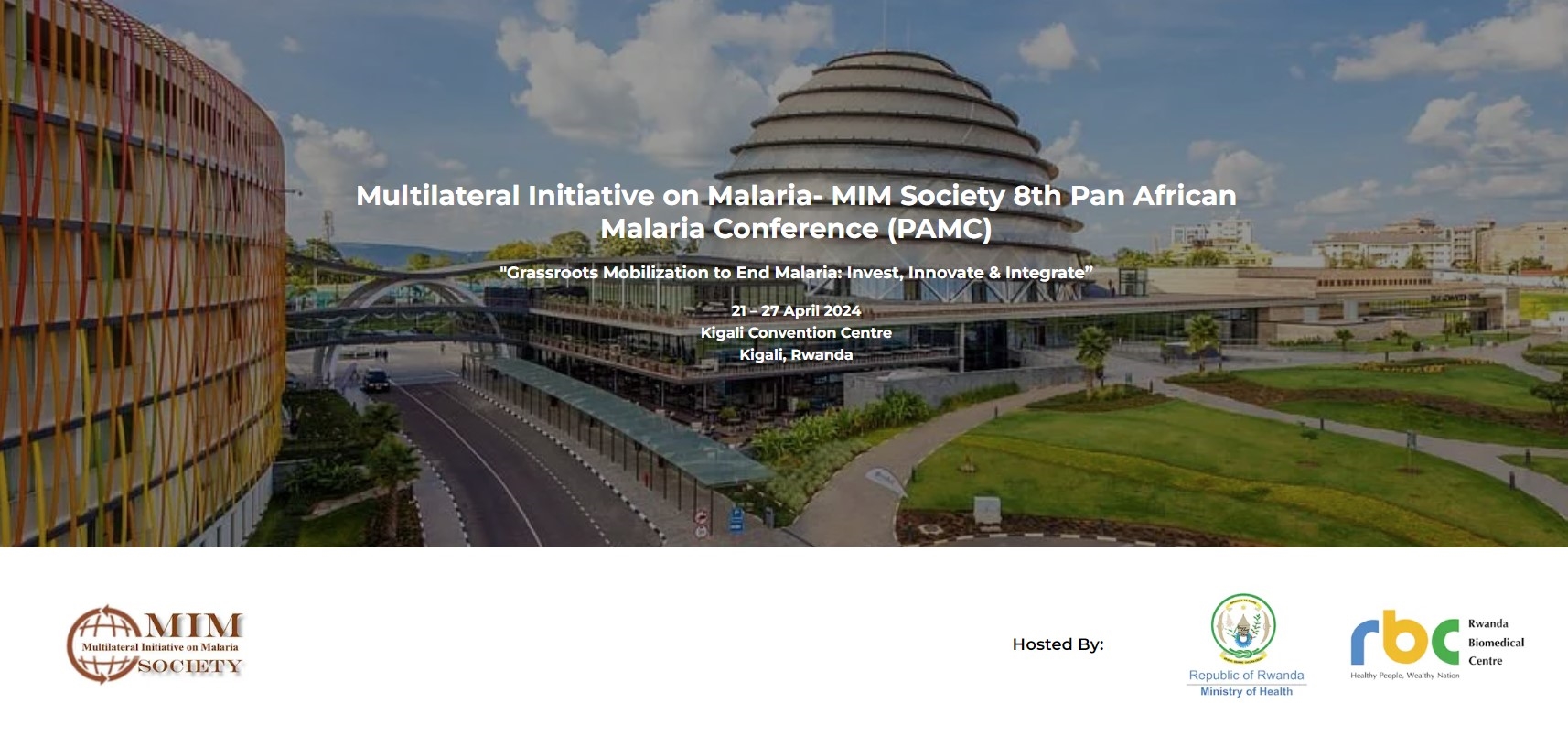
  • 8th MIM Pan African Malaria Conference 2024: Uniting Against Malaria – Grassroots Mobilization, Innovation, and Collaboration in Kigali, Rwanda

    8th MIM Pan African Malaria Conference 2024: Uniting Against Malaria – Grassroots Mobilization, Innovation, and Collaboration in Kigali, Rwanda

    The 8th Multilateral Initiative on Malaria (MIM) Pan African Malaria Conference, organized by the MIM Society in collaboration with the Ministry of Health (MoH)-Rwandan and the Rwanda Biomedical Center (RBC), is a pivotal event slated for April 21–27, 2024, at the Kigali Convention Centre in Rwanda. The overarching theme, “Grassroots Mobilization to End Malaria: Invest, Innovate, and Integrate,” underscores the concerted efforts required to combat malaria in Africa.

    Conference Overview:

    This conference serves as a convergence point for distinguished researchers, policymakers, and innovators to deliberate on the current state of malaria in Africa. It aims to facilitate the exchange of research findings, offering a comprehensive discussion on the challenges associated with malaria control on the continent. The platform seeks to foster a collaborative environment that encourages locally driven research and development (R&D) while emphasizing grassroots mobilization to eradicate malaria through innovative solutions, collaborations, and synergy among stakeholders.

    Abstract Thematic Areas:

    The thematic areas covered by the conference span a diverse range of critical aspects related to malaria, including parasite and systems biology, pathogenesis and co-morbidities, social and health economics, malaria genomics, epidemiology, modeling, surveillance, and impact, among others. The inclusion of these themes reflects a holistic approach to addressing malaria, considering both biological and socio-economic dimensions.

    📅 Important Dates:

    Key dates for the conference include the Abstract Submission Deadline on January 15, 2024, and a Late-Breaker Abstract Submission Window from March 1–15, 2024. Additionally, the conference organizers will announce the registration deadline in due course.

    Hosts:

    The event is strategically hosted in Kigali, Rwanda, at the Kigali Convention Centre, symbolizing the commitment of the Rwandan Ministry of Health and the Rwanda Biomedical Center in the collective effort to combat malaria.

    Call for Abstract Submissions:

    The call for abstract submissions is currently open, inviting researchers and experts to contribute their insights and findings. The conference encourages submissions across various thematic areas, promoting a diverse range of perspectives to enrich the discussions.

    💡 The Vision:

    Overall, the 8th Pan African Malaria Conference represents a crucial milestone in the ongoing battle against malaria in Africa. By fostering collaboration, innovation, and grassroots mobilization, the conference endeavors to contribute significantly to the collective goal of eradicating malaria from the continent.

    The 8th Multilateral Initiative on Malaria (MIM) Pan African Malaria Conference holds immense importance for Africans due to several key reasons:

    1. Knowledge Exchange and Collaboration: The conference serves as a unique platform for distinguished researchers, policymakers, and innovators to come together and exchange knowledge. This collaboration is crucial in developing a comprehensive understanding of the current state of malaria in Africa and facilitates the sharing of successful strategies and innovations.
    2. Holistic Approach: The inclusion of diverse thematic areas, such as Parasite and Systems Biology, Social and Health Economics, Malaria Genomics, and Epidemiology, among others, demonstrates a holistic approach to addressing malaria. This comprehensive perspective is essential in tackling the multi-faceted challenges posed by malaria in Africa.
    3. Locally Driven Solutions: The emphasis on grassroots mobilization and locally driven research and development (R&D) is a significant aspect of the conference. By encouraging African researchers to contribute and lead in addressing malaria-related issues, the conference supports the development of solutions that are culturally sensitive, context-specific, and more likely to be effective in the African context.
    4. Innovative Solutions: The overarching theme, “Grassroots Mobilization to End Malaria: Invest, Innovate & Integrate,” underscores the importance of innovation in the fight against malaria. The conference provides a platform for showcasing and discussing innovative approaches, technologies, and strategies that can contribute to the goal of eradicating malaria from the continent.
    5. Economic and Social Impact: Social and Health Economics, as one of the thematic areas, highlights the broader impact of malaria on society. Addressing the economic and social dimensions of malaria is crucial for sustainable interventions and policies that can improve the overall well-being of African communities.
    6. Symbolic Host Location: Choosing Kigali, Rwanda, as the host location sends a symbolic message of commitment. It reflects the dedication of the Rwandan Ministry of Health and the Rwanda Biomedical Center to the collective effort to combat malaria. The choice of venue emphasizes the need for a united front against malaria on the African continent.
    7. Milestone in the Battle Against Malaria: The conference represents a crucial milestone in the ongoing battle against malaria in Africa. By bringing together key stakeholders and fostering collaboration, it contributes significantly to the collective goal of eradicating malaria from the continent.

    In summary, the 8th Pan African Malaria Conference is not just a scientific gathering; it is a rallying point for Africans to unite, share expertise, and work collaboratively towards a malaria-free future for the continent. The conference’s outcomes have the potential to shape policies, drive innovations, and inspire collective action against one of the most significant health challenges facing Africa.

    For more details visit: The Multilateral Initiative on Malaria (MIM) Society 8th Pan-African Malaria Conference (PAMC)

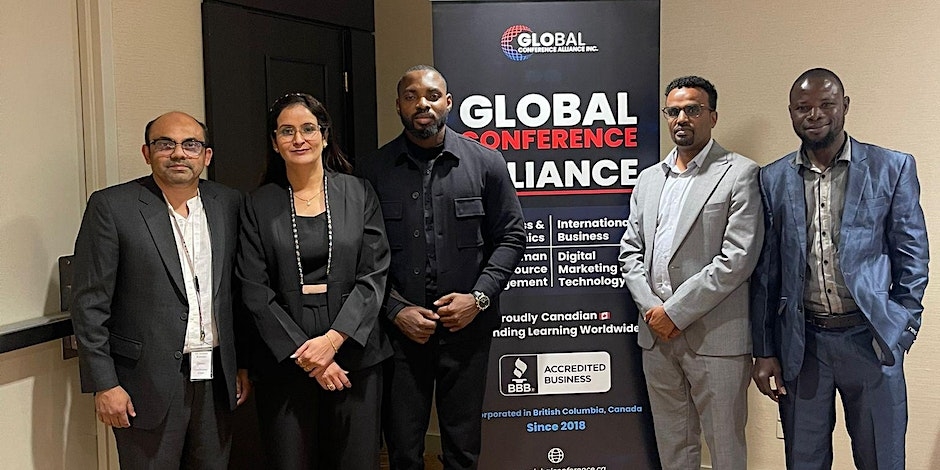
  • Empowering Africa’s Tech Renaissance: Unveiling Opportunities at the 1st Global Conference on African Business and Technology (GCABT) in Vancouver 2024

    Empowering Africa’s Tech Renaissance: Unveiling Opportunities at the 1st Global Conference on African Business and Technology (GCABT) in Vancouver 2024

    In the heart of Vancouver, Canada, a transformative event is set to unfold from April 26-28, 2024 – the 1st Global Conference on African Business and Technology (GCABT). This groundbreaking conference, organized by the Global Conference Alliance Inc., is poised to bring together the brightest minds in business and technology to explore and shape Africa’s digital future.

    Conference Overview:

    GCABT aims to bridge the realms of business and technology, spotlighting Africa’s burgeoning tech hubs and the transformative power of digital solutions across various sectors. The event promises a collaborative platform for leaders, investors, and innovators to engage in dialogues that promote investment, inclusivity, and sustainable growth.

    Why Attend?

    For entrepreneurs, business leaders, and technology professionals, GCABT offers a unique vantage point to grasp emerging trends, tap into lucrative investment avenues, and engage with Africa’s brightest minds. The conference promises unparalleled insights, collaboration opportunities, and a chance to contribute to the continent’s dynamic digital narrative.

    Benefits of Attendance:

    Attendees can take advantage of numerous benefits, including the opportunity for publication, access to abstract proceedings, a conference bag with essential materials, networking opportunities with a diverse pool of participants from over 40 countries, and technical sessions providing insights into diverse fields.

    GCABT goes beyond the standard conference experience by offering Best Paper and Presentation Awards, a photo session to capture memories with fellow attendees, and an optional city tour to explore the vibrant host city’s culture and history.

    Conference Mission:

    The core mission of GCABT is to co-create an African narrative that is dynamic, resilient, and influential on the global stage. The conference seeks to celebrate successes, address challenges, and lay the groundwork for Africa to remain at the forefront of global technological advancements.

    Join the Movement:

    Entrepreneurs, investors, policymakers, educators, researchers, and anyone passionate about Africa’s future are invited to be part of this pivotal event. By attending GCABT, you not only gain new insights and establish valuable connections but also contribute to the shaping of Africa’s digital transformation journey.

    Registration:

    Secure your spot at the 1st GCABT by registering before the Early Bird deadline on January 27, 2024. Don’t miss this golden opportunity to be at the forefront of Africa’s tech renaissance.

    Transforming Futures: The Crucial Role of GCABT in Advancing Business and Technology for Africans

    Africa’s dynamic landscape of business and technology is undergoing a profound transformation, and at the forefront of this evolution stands the 1st Global Conference on African Business and Technology (GCABT), scheduled for April 26-28, 2024, in Vancouver, Canada. This conference emerges not only as a gathering of minds but as a critical catalyst for the empowerment of Africans in the realms of business and technology.

    Unlocking Business Opportunities:

    GCABT is a gateway to unparalleled insights into Africa’s business sectors. Entrepreneurs, business leaders, and technology professionals attending the conference gain a unique vantage point to decode emerging trends, explore vast opportunities, and position their ventures at the forefront of global advancements. The conference becomes a hub for unveiling the potential of African businesses on the world stage.

    Global Networking and Collaboration:

    At the core of GCABT is the opportunity for networking with a diverse pool of participants from over 40 countries worldwide. This diversity creates an environment conducive to collaboration, paving the way for partnerships that transcend borders. For Africans, this global networking is instrumental in establishing connections with international experts, investors, and potential collaborators, fostering cross-cultural innovation.

    Investment and Funding Opportunities:

    For startups and businesses eager to scale, GCABT provides a platform to tap into lucrative investment avenues. The conference serves as a bridge connecting entrepreneurs with potential investors keen on contributing to Africa’s burgeoning tech landscape. Exhibitors, in particular, can showcase their innovations to a global audience, attracting attention and potential funding for their ventures.

    Celebrating Successes and Addressing Challenges:

    GCABT is not just a conference; it’s a celebration of successes and a forum for tackling challenges. By spotlighting achievements and addressing prevalent issues, the conference contributes to the blueprinting of a resilient and influential African narrative. It ensures that Africa remains at the forefront of global technological advancements, with a focus on harnessing local talents and resources.

    Shaping the Digital Narrative:

    The conference mission aligns with the aspiration to co-create an African narrative that is dynamic and influential globally. By bringing together leaders, participants, investors, and innovators, GCABT actively contributes to shaping Africa’s digital narrative. It positions the continent as a force to be reckoned with, embracing digital solutions to address socio-economic challenges.

    Conclusion:

    GCABT isn’t just an event; it’s a catalyst for transformation. Whether you are an entrepreneur, a business leader, or a technology professional, this conference offers a golden opportunity to decode Africa’s digital narrative, explore opportunities, and position yourself or your venture at the forefront of global advancements.

  • CARI 2024: Bridging Continents in Computer Science and Applied Mathematics – A Decades-Long Partnership for African Scholars and Global Innovation

    CARI 2024: Bridging Continents in Computer Science and Applied Mathematics – A Decades-Long Partnership for African Scholars and Global Innovation

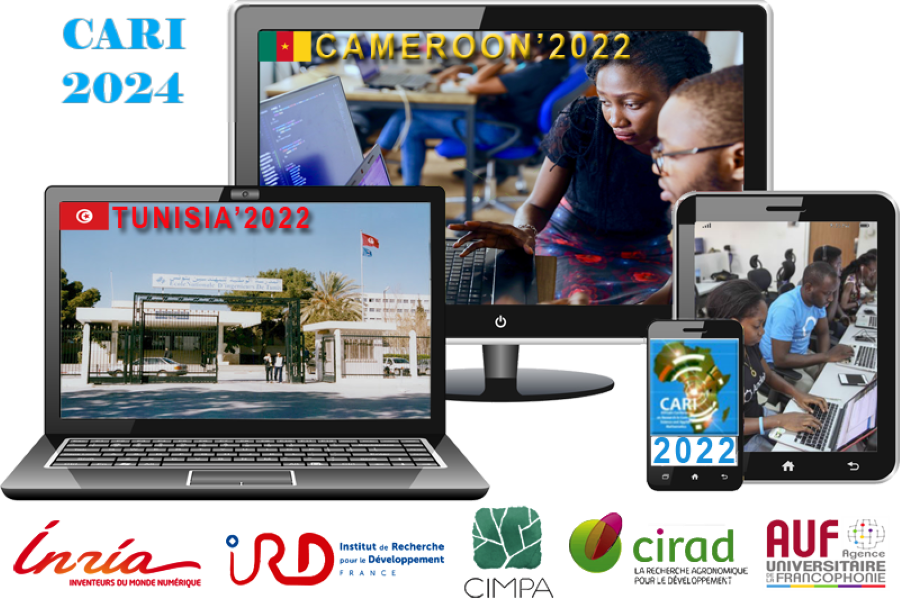
    The African Conference on Research in Computer Science and Applied Mathematics (CARI) is a distinguished biennial event that serves as a vital platform for fostering collaboration, knowledge exchange, and scientific advancement within the fields of computer science and applied mathematics. The upcoming edition, CARI 2024, promises to build upon a rich history spanning 32 years, reflecting a steadfast commitment to scientific partnership between France and Africa.

    Organizers and Partnerships

    CARI 2024 is organized under the auspices of the African Society in Digital Science (ASDS). The conference proudly collaborates with esteemed institutions such as the Institut National de Recherche en Informatique et en Automatique (Inria), the Institut de Recherche pour le Développement (IRD), and the Centre de coopération Internationale en Recherche Agronomique pour le Développement (CIRAD).

    Conference Vision and Objectives

    More than a mere scientific gathering, CARI embodies a dynamic environment for cooperation, bringing together African researchers, industry professionals, and decision-makers in computer science and applied mathematics. The overarching vision is to contribute to technological development, environmental awareness, and effective natural resource management through cutting-edge research.

    Conference Timeline and Venue

    CARI 2024 is scheduled to take place in November 2024, hosted by the University of Bejaia in Algeria. The conference timeline is structured to facilitate meaningful participation and engagement, with the opening of the submission site in October 2023, a submission deadline in January 2024, notifications of acceptance by May 15, 2024, and the final version due on July 01, 2024.

    Submission Guidelines

    Authors are invited to submit original works that are not simultaneously under consideration elsewhere. Papers can be submitted in either English or French, reflecting the conference’s commitment to inclusivity. The submission process adheres to specific guidelines outlined on the official CARI website, with accepted papers published in the HAL archive.

    Conference Tracks and Topics

    CARI 2024 is structured around two distinct tracks – Computer Science and Applied Mathematics. The conference covers an extensive array of topics, including but not limited to data management systems, artificial intelligence, numerical analysis, mathematical modeling, and more. This diversity ensures a comprehensive exploration of contemporary issues in both disciplines.

    Special Issue in ARIMA Journal

    Acknowledging and celebrating exceptional contributions, CARI 2024 will select some of the best papers for inclusion in a special issue of the ARIMA journal. This provides an additional avenue for recognizing and disseminating high-impact research presented at the conference.

    Encouraging Innovation and Collaboration

    CARI 2024 actively encourages the presentation of methodological contributions in Computer Science and Applied Mathematics. The conference serves as a forum for students, academics, and industrial researchers to discuss recent trends, share innovative research directions, and contribute to the ongoing development of these dynamic fields.

    32 Years of Scientific Partnership

    With a history spanning over three decades, CARI represents a lasting scientific partnership between France and Africa. This longstanding commitment underscores the conference’s role as a cornerstone in the advancement of digital science on the African continent.

    Empowering African Scholars: CARI 2024 as a Catalyst for Global Collaboration, Innovation, and Sustainable Development

    1. Knowledge Exchange and Collaboration:

      • CARI 2024 serves as a critical platform for African scholars to engage in meaningful knowledge exchange and collaboration. It brings together researchers, decision-makers, and industry professionals, fostering an environment where ideas are shared, collaborations are formed, and networks are established.
    2. Technological Development:

      • The conference places a strong emphasis on research that can contribute to technological development. This focus is particularly relevant for African scholars as it provides an opportunity to showcase and discuss innovations that can address the unique challenges faced by the continent.
    3. Environmental Awareness and Resource Management:

      • CARI 2024 recognizes the importance of research in environmental awareness and natural resource management. African scholars can contribute to discussions on sustainable practices, innovative technologies, and strategies for managing natural resources effectively, aligning with the continent’s needs.
    4. International Exposure and Recognition:

      • Participating in CARI allows African scholars to gain international exposure for their research. The collaboration with French research institutes and international organizations enhances visibility, potentially leading to collaborations beyond the conference and increasing the global impact of African research.
    5. Publication Opportunities:

      • The conference offers scholars the opportunity to publish their original research in the HAL archive and potentially in the special issue of the ARIMA journal. This dissemination of research contributes to building a robust body of knowledge and enhances the academic visibility of African scholars.
    6. Capacity Building and Skill Development:

      • CARI 2024 provides a forum for capacity building and skill development. By engaging with cutting-edge research presented at the conference, African scholars can enhance their skills, stay abreast of the latest trends, and contribute to the development of expertise within the continent.
    7. Inclusivity through Language Options:

      • CARI recognizes linguistic diversity by accepting papers in both English and French. This inclusive approach accommodates scholars who are more comfortable expressing their research findings in their native language, thereby ensuring a diverse range of perspectives and contributions.
    8. Forum for Students:

      • CARI 2024 creates a space for students to actively participate and engage with seasoned academics and industry professionals. This interaction is invaluable for students, offering them a chance to showcase their work, gain feedback, and potentially lay the foundation for future research collaborations.
    9. Addressing African Challenges:

      • The conference explicitly encourages contributions dedicated to African issues. This focus allows scholars to direct their research towards addressing challenges specific to the continent, fostering solutions that are contextually relevant and impactful.
    10. Long-Standing Scientific Partnership:

    • With a history spanning 32 years, CARI represents a long-standing scientific partnership between France and Africa. For African scholars, this continuity signifies a commitment to sustained collaboration, providing a stable and reputable platform for the advancement of digital science.

    In essence, CARI 2024 is not just a conference; it is a conduit for African scholars to contribute to the global discourse, address local challenges, and actively participate in the advancement of digital science, ultimately shaping the trajectory of research and innovation on the African continent.

  • Transforming Healthcare in Africa: ASLM2023 – The Ultimate Gathering of Lab Experts in Cape Town!

    Transforming Healthcare in Africa: ASLM2023 – The Ultimate Gathering of Lab Experts in Cape Town!

    The African Society for Laboratory Medicine (ASLM) is an independent, non-profit organization founded in 2011 in Addis Ababa. It aims to improve access to high-quality diagnostic services in Africa and promote the health of African communities in the short and long term. Endorsed by the African Union (AU) and supported by various African Ministers of Health, ASLM focuses on enhancing professional laboratory practice, science, and networks to achieve its vision of a healthier Africa.

    ASLM has a clear vision to create a healthier Africa by providing quality laboratory services for everyone and a mission to improve clinical and public health outcomes on the continent through improved laboratory practice and networks.

    To achieve its goals, ASLM operates based on five strategic pillars:

    Laboratory Networks: Strengthening laboratory networks and systems to better support clinical and public health functions.

    Laboratory Workforce: Enhancing the capabilities and expertise of the laboratory workforce in Africa.

    Quality of Laboratory Services: Improving the quality of laboratory services to meet national, regional, and international standards and achieve accreditation.

    Regulatory Systems: Promoting and supporting harmonized national and regional regulatory systems for diagnostic products, technologies, and services.

    Communication & Knowledge Management: Strengthening data collection, analysis, and sharing capacity, as well as communication platforms and advocacy to promote the laboratory profession and evidence-based laboratory medicine in Africa.

    ASLM hosts a biennial conference known as ASLM2023, scheduled to take place from December 12 to December 15, 2023, in Cape Town, South Africa. This conference offers a face-to-face meeting opportunity, allowing participants to stay updated on the latest developments, discuss critical topics related to laboratory medicine, diagnostics, clinical science, and public health in Africa. ASLM2023 provides a platform for sharing research, experiences, and opinions with the global medical laboratory community, clinical experts, and public health leaders. More information regarding abstract submissions and registration will be made available in the future.

    ASLM plays a vital role in advancing laboratory medicine in Africa, with its focus on collaboration, capacity building, quality improvement, and knowledge dissemination. The upcoming ASLM2023 conference is an essential event for stakeholders in the field to come together, learn from each other, and contribute to the improvement of healthcare services on the continent.