Author: AR Managing Editor

  • Neem Compounds as Potential Covid-19 Treatments: In-Silico Study on ACE2 Inhibition

    Neem Compounds as Potential Covid-19 Treatments: In-Silico Study on ACE2 Inhibition

    A study by Ozioko et al. (2024) titled “Druggability and molecular docking of essential secondary metabolites from Azadirachta indica leaf against angiotensin converting enzyme-2: Covid-19 in focus‘ published in African Journal of Pharmaceutical Research and Development reveals that Azadirachta indica compounds strongly inhibit ACE2, showing high druggability and potential as natural therapeutics for Covid-19 based on in-silico analysis.

    Azadirachta indica (neem) compounds strongly inhibit ACE2, showing high druggability and potential as natural therapeutic agents for Covid-19 based on in-silico analysis. – Ozioko et al. 2024

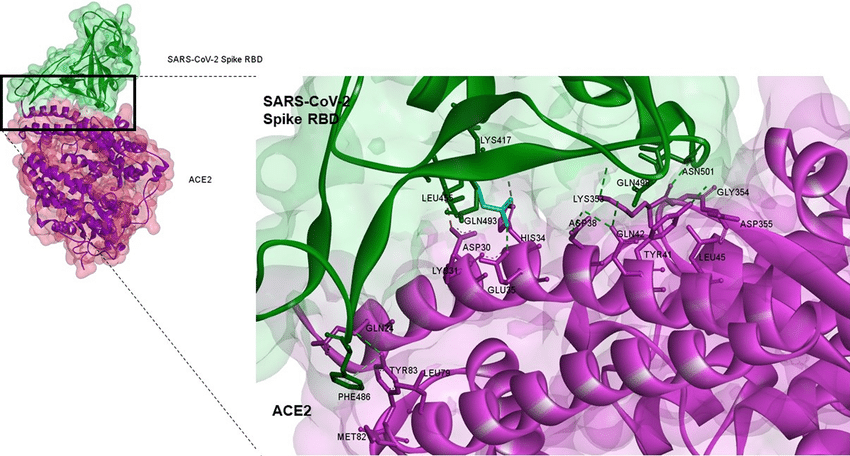
    The study explores the potential use of compounds derived from the leaves of Azadirachta indica, also known as neem, as inhibitors of the enzyme ACE2 (angiotensin converting enzyme-2). This enzyme is crucial in the infection process of the SARS-CoV-2 virus, which causes Covid-19. By analyzing the druggability and performing molecular docking studies on these metabolites, the researchers aim to identify effective compounds that can potentially prevent the virus from binding to the ACE2 enzyme, thereby hindering the infection process. This research contributes to the ongoing efforts to find novel therapeutic agents for the treatment and prevention of Covid-19.

    How the Study was Conducted

    The authors began by conducting a literature survey and mining databases, such as the National Center for Biotechnology Information (NCBI), to identify known compounds from Azadirachta indica (neem) and FDA-approved drugs for Covid-19. From the literature and database mining, 12 secondary metabolites from Azadirachta indica and 5 FDA-approved drugs were selected for further analysis. The druggability of these compounds was assessed using tools like SwissADME and ADMETlab to predict their drug-like properties and potential as therapeutic agents. The authors performed molecular docking experiments using tools such as Autodock Vina and UCSF Chimera to simulate how these compounds interact with the ACE2 enzyme. The docking results were visualized and analyzed using Discovery Studio to identify the best candidates based on their binding affinities. The study identified several compounds from Azadirachta indica, such as desacetylnimbin, azadiradione, nimbin, nimbolide, nimbinene, and azadirone, as potent inhibitors of ACE2 with high druggability potentials. These compounds showed the lowest free energy (binding score) and were considered valuable natural bioactive compounds for targeting ACE21.

    What the Authors Found

    The authors found that several compounds from Azadirachta indica, such as desacetylnimbin, azadiradione, nimbin, nimbolide, nimbinene, and azadirone, were identified as potent inhibitors of the ACE2 enzyme. These compounds showed the lowest free energy (binding score), indicating strong binding affinity and potential effectiveness in preventing the SARS-CoV-2 virus from binding to ACE2. The identified compounds exhibited high druggability potentials based on in-silico analysis using tools like SwissADME and ADMETlab. This suggests that these natural bioactive compounds have favorable properties for drug development. The study compared these compounds with FDA-approved drugs for Covid-19 and found that the selected neem metabolites showed promising results, potentially offering new therapeutic options for treating Covid-19.

    Why is this important

    Covid-19 Treatment: Identifying effective compounds against ACE2 is crucial in the fight against Covid-19. ACE2 serves as the entry point for the SARS-CoV-2 virus into human cells, so finding inhibitors can potentially prevent or reduce the infection.

    Natural Compounds: The study focuses on secondary metabolites from Azadirachta indica (neem), a plant with a long history of medicinal use. Using natural bioactive compounds can offer safer and more affordable therapeutic options compared to synthetic drugs.

    Drug Discovery: The research contributes to drug discovery by identifying new potential therapeutic agents. This can lead to the development of novel treatments not only for Covid-19 but also for other diseases where ACE2 plays a role.

    Public Health: Effective treatments for Covid-19 can help control the spread of the virus, reduce the burden on healthcare systems, and save lives. This study adds to the pool of potential treatment options, enhancing our ability to combat the pandemic.

    Scientific Advancement: The methodology used in this study, combining literature survey, in-silico analysis, and molecular docking, showcases an effective approach for identifying drug candidates. This can be applied to other studies, advancing the field of drug discovery and development.

    What the Authors Recommended

    The authors recommend further experimental validation and development of the identified compounds from Azadirachta indica (neem) as potential therapeutic agents for Covid-19. Specifically, they suggest:

    In-vitro and In-vivo Studies: Conducting in-vitro (test tube or cell culture) and in-vivo (animal) studies to confirm the efficacy and safety of the identified compounds, such as desacetylnimbin, azadiradione, nimbin, nimbolide, nimbinene, and azadirone.

    • Clinical Trials: If the in-vitro and in-vivo studies are successful, proceed with clinical trials to evaluate the compounds’ effectiveness and safety in humans.
    • Collaboration: Encouraging collaboration between researchers, pharmaceutical companies, and healthcare professionals to expedite the development and testing of these potential therapeutic agents.
    • Further Research: Continuing research to explore other bioactive compounds from Azadirachta indica and other medicinal plants for potential therapeutic applications against Covid-19 and other diseases.

    This study highlights the promising potential of Azadirachta indica (neem) compounds as natural inhibitors of the ACE2 enzyme, a critical target in the fight against Covid-19. Through in-silico analysis and molecular docking, several bioactive metabolites demonstrated strong binding affinity and high druggability, positioning them as viable candidates for further research. While these findings are encouraging, the authors emphasize the need for in-vitro and in-vivo validation, followed by clinical trials, to confirm their efficacy and safety. With continued research and collaboration, neem-derived compounds could pave the way for novel, affordable, and effective therapeutic options for Covid-19 and related diseases, contributing to global public health efforts.
  • Elevating Larval Source Management: A Key Strategy for Malaria Control in Africa

    Elevating Larval Source Management: A Key Strategy for Malaria Control in Africa

    A recent study by Okumu et al. (2025) titled “Elevating larval source management as a key strategy for controlling malaria and other vector-borne diseases in Africa” published in Parasites & Vectors by Springer Nature reveals that LSM has the potential to be a critical tool in the fight against malaria in Africa.

    Integrating larval source management (LSM) with existing malaria control methods significantly reduces malaria transmission, mitigates insecticide resistance, and enhances sustainability through technological advancements. – Okumu et al. 2025

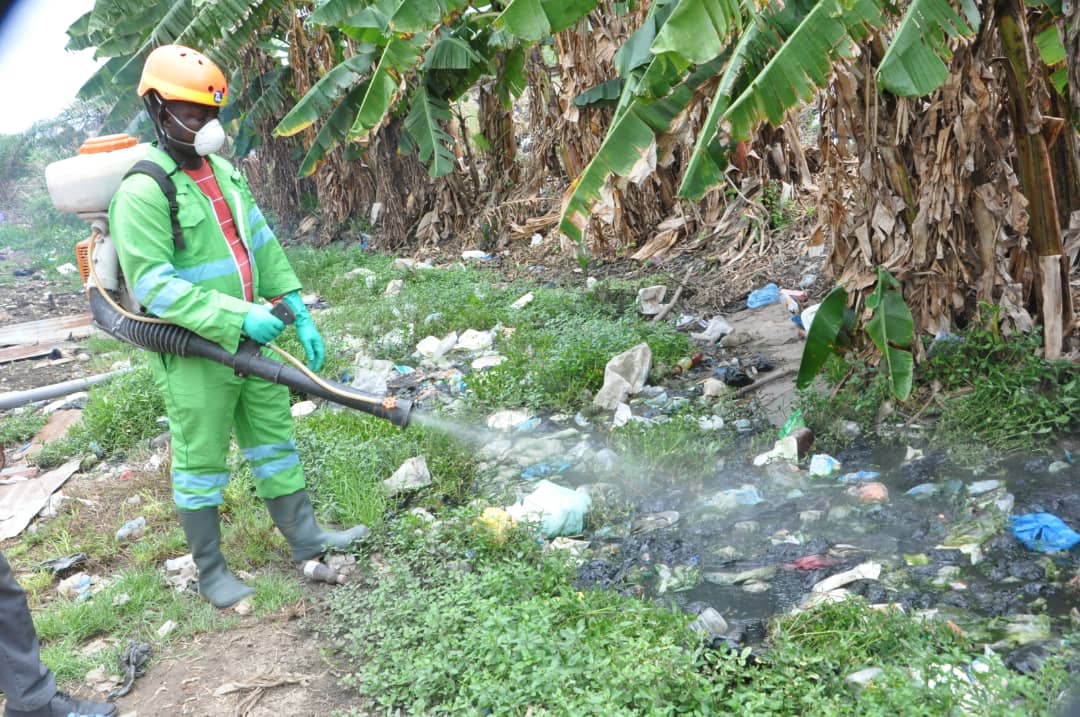
    This article provides an in-depth review of larval source management (LSM) as a crucial yet underutilized strategy for controlling malaria and other mosquito-borne diseases in Africa. LSM involves managing mosquito breeding sites through methods such as larviciding (the application of pesticides targeting larvae) and environmental management (modifying or eliminating mosquito habitats). While LSM has historically been advocated as a supplementary intervention, its feasibility and effectiveness remain subjects of debate.

    The World Health Organization (WHO) currently recommends LSM as an additional tool alongside core malaria control measures like insecticide-treated nets (ITNs) and indoor residual spraying (IRS). However, with progress toward malaria elimination stagnating, researchers argue for elevating LSM as a primary strategy. Mathematical modeling demonstrates that integrating LSM with existing vector control methods can significantly reduce malaria cases. Despite its potential, the widespread implementation of LSM faces several challenges, including the need for large-scale cluster-randomized controlled trials (CRTs) to generate stronger evidence, the complex and transient nature of mosquito breeding sites, and the substantial financial and human resources required for sustained interventions.

    The article highlights global success stories from countries like Brazil, Egypt, and Sudan, where LSM has been effectively employed. Technological advancements, including drones, satellite imagery, and mobile applications, are improving the feasibility and scalability of LSM, while community engagement plays a vital role in ensuring long-term success. Beyond malaria control, LSM offers broader environmental and public health benefits, such as improved sanitation and reduced nuisance mosquito populations.

    Ultimately, the article calls for increased financial and administrative support to enhance LSM implementation and recognition. It urges WHO to update its guidelines, positioning LSM as a core malaria control strategy, which could unlock new funding opportunities and drive more effective interventions. By addressing existing challenges and leveraging innovative technologies, LSM has the potential to complement current malaria control efforts and contribute significantly to disease elimination in Africa.

    How the Study was Conducted

    The study employed a comprehensive approach to assess the potential of larval source management (LSM) as a key strategy for malaria control in Africa, integrating expert discussions, literature reviews, and mathematical modeling. A global, cross-disciplinary panel of experts engaged in detailed online discussions to gather diverse perspectives on LSM’s feasibility, challenges, and effectiveness. Simultaneously, a narrative review of historical and contemporary data provided insights into best practices from countries that successfully eliminated local malaria transmission, reinforcing the impact of various LSM strategies.

    Mathematical modeling played a crucial role in evaluating LSM’s effectiveness. The study utilized two advanced transmission models: malariasimulation, an individual-based model simulating different intervention scenarios, and EMOD (Epidemiological Model), a mechanistic model incorporating mosquito life cycles, parasite transmission, and immune dynamics. These models assessed the theoretical impact of integrating LSM with existing malaria control methods, revealing that its inclusion could significantly reduce malaria cases.

    What the Authors Found

    The study found that LSM can significantly reduce mosquito populations and malaria transmission when used in conjunction with other vector control methods like insecticide-treated nets (ITNs) and indoor residual spraying (IRS). Historical and contemporary examples from various countries demonstrated the potential of LSM in reducing malaria cases and mosquito densities. The authors also posit that mathematical models used in the study showed that incorporating LSM with other vector control methods could lead to substantial reductions in malaria cases. The models demonstrated that LSM could help mitigate key biological threats such as insecticide resistance and outdoor biting. In addition, recent technological advancements, such as drones, satellite imagery, and mobile applications, were noted to enhance the feasibility and scalability of LSM.

    Why is this important?

    Current Challenges: Traditional malaria control methods such as insecticide-treated nets (ITNs) and indoor residual spraying (IRS) are facing challenges like insecticide resistance and outdoor biting mosquitoes.

    LSM Benefits: LSM offers an additional layer of protection by targeting mosquito larvae in their breeding sites, reducing mosquito populations before they become a threat to humans.

    Integration with Core Methods: The study shows that LSM can be effectively integrated with existing methods like ITNs and IRS, providing a more comprehensive approach to malaria control.

    Mitigating Biological Threats: LSM helps address key biological threats such as insecticide resistance and outdoor biting, which are not fully managed by ITNs and IRS alone.

    Improved Feasibility: The study highlights recent technological advancements like drones, satellite imagery, and mobile applications that enhance the feasibility and scalability of LSM.

    Cost-Effectiveness: These technologies can improve the identification and treatment of mosquito breeding sites, making LSM more cost-effective and efficient.

    Environmental and Health Improvements: LSM not only targets malaria but also reduces nuisance mosquitoes and improves overall environmental sanitation. This leads to broader public health benefits.

    Community Involvement: The study emphasizes the importance of community engagement in LSM efforts, fostering local ownership and sustainable implementation.

    Proven Effectiveness: Historical examples from various countries have demonstrated the effectiveness of LSM in reducing malaria transmission. The study builds on this evidence to advocate for wider adoption.

    Addressing Stagnation: With malaria control progress stagnating in recent years, the study argues that LSM offers a promising strategy to reinvigorate efforts toward malaria elimination.

    What the Authors Recommended

    The authors of the study recommend several key actions to elevate larval source management (LSM) as a primary strategy for controlling malaria and other mosquito-borne diseases in Africa. Here are the seven key recommendations the authors provided:

    • Increase financial resources and public health administration structures necessary to support LSM. This includes training, employing, and deploying local-level workforces to manage mosquito populations in scientifically driven and ecologically sensitive ways.
    • Update the World Health Organization (WHO) guidelines to recognize LSM as a key intervention. This would provide greater flexibility for funding and support countries in implementing LSM strategies appropriate to their contexts.
    • Engage local communities and leverage the local workforce for the successful implementation of LSM strategies. This includes promoting community participation and ownership of LSM efforts.
    • Leverage recent technological advancements like drones, satellite imagery, and mobile applications to enhance the feasibility and scalability of LSM. These technologies can improve the identification and treatment of mosquito breeding sites.
    • Integrate LSM with existing core malaria control methods, such as insecticide-treated nets (ITNs) and indoor residual spraying (IRS), to provide a comprehensive approach to malaria control.
    • Use alternative evaluation approaches to better capture the explicit impacts of LSM. This includes using high-quality operational data and recognizing locally distinct outcomes and tailored strategies.
    • Highlight the broader benefits of LSM, including improved sanitation and reduced densities of nuisance mosquitoes, alongside its role in malaria control.

    Larval source management (LSM) presents a promising yet underutilized strategy for malaria control in Africa. As traditional interventions face challenges such as insecticide resistance and outdoor biting, integrating LSM with existing methods offers a more comprehensive and sustainable approach to reducing malaria transmission. The study by Okumu et al. (2025) underscores the importance of updating WHO guidelines, increasing financial and technological investments, and engaging local communities to enhance the effectiveness of LSM. With the right support, LSM has the potential to reinvigorate malaria elimination efforts, improve public health, and contribute to broader environmental benefits across the continent.

  • Mathematics and Energy Diversification in Sub-Saharan Africa: Insights on GDP Growth, Education, and Sustainability

    Mathematics and Energy Diversification in Sub-Saharan Africa: Insights on GDP Growth, Education, and Sustainability

    A study by Ezekiel, U. A. (2023) titled “SUB-SAHARAN AFRICAN BRIEF HISTORY OF MATHEMATICS DEVELOPMENT AND SUB-SAHARAN ENERGY DIVERSIFICATION AND SUSTAINABILITY USING MATHEMATICAL TOOLS FOR ANALYSIS, published in BW Academic Journal reveals that there is a negative correlation between GDP growth rate and energy diversification in sub-Saharan Africa.

    There is a negative correlation between GDP growth and energy diversification in Sub-Saharan Africa, emphasizing the need for strategic reforms.– Ezekiel, U. A. 2023

    The study examines the historical evolution of mathematics in selected Sub-Saharan African countries, emphasizing its role in technological and scientific progress. The study critiques the reliance on rote learning in elementary education and advocates for a shift toward critical thinking and independent problem-solving skills in mathematics instruction.

    Additionally, the research investigates energy diversification efforts in the region using the Energy Mix Concentration Index (EMCI). It assesses the relationship between GDP growth and energy diversification, revealing that economic expansion does not necessarily lead to a more diverse energy mix. The findings underscore the importance of a well-balanced energy portfolio for sustainable economic growth and energy security. Ultimately, the study provides key recommendations for enhancing mathematics education and advancing energy diversification strategies to support long-term development in Sub-Saharan Africa.

    How the Study was Conducted

    The author employed a combination of historical and mathematical methodologies; the study provides a comprehensive analysis of these interconnected themes. The research examines the evolution of mathematics in selected Sub-Saharan African countries, highlighting both its contributions to technological advancements and the challenges posed by traditional rote learning methods. It evaluates the effectiveness of mathematics education by analyzing teacher-student ratios in primary and secondary schools, emphasizing the need for improved instructional approaches that foster critical thinking and independent problem-solving.

    To assess energy diversification, the study utilizes the Energy Mix Concentration Index (EMCI) to measure the diversity of energy sources across various African nations. It further employs mathematical tools for economic analysis, including GDP growth rate evaluations, and applies the Pearson correlation test to investigate the relationship between economic growth and energy diversification. Findings indicate that a higher GDP does not necessarily correspond with a more diverse energy mix, reinforcing the need for strategic diversification to ensure sustainable economic growth and energy security. Ultimately, the study underscores the crucial role of mathematics in fostering innovation and economic development while advocating for policies that enhance both mathematics education and energy sustainability in Sub-Saharan Africa.

    What the Authors Found

    The study discovered that there is a negative correlation between GDP growth rate and energy diversification in sub-Saharan Africa. The paper emphasizes the usefulness of mathematical tools in the critical economic analysis of GDP and energy diversification. The analysis used the Energy Mix Concentration Index (EMCI) to examine the growth rates of selected countries. In addition, the study highlights the importance of mathematics in technological and scientific development and condemns the rote learning system prevalent in elementary schools.

    Why is this important?

    Preserving Cultural Heritage: By exploring the history of mathematics in sub-Saharan Africa, the study highlights the region’s rich contributions to the field, which have often been overlooked in mainstream historical accounts.

    Improving Education: The critique of rote learning and the emphasis on critical thinking and independent reflection provide valuable insights for improving mathematics education in the region. Stronger mathematics education is crucial for developing future scientists, technologists, and innovators.

    Energy Diversification: Understanding the correlation between GDP growth and energy diversification helps policymakers and stakeholders recognize the importance of a diversified energy mix for sustainable economic growth and energy security.

    Policy Recommendations: The study provides actionable recommendations for improving mathematics education and supporting energy diversification efforts. These recommendations can guide governments, educational institutions, and international organizations in their efforts to foster development in sub-Saharan Africa.

    Technological Advancements: A well-educated population in mathematics and science is essential for technological innovations. By emphasizing the need for better mathematics education, the study supports the goal of making sub-Saharan Africa a producer of technology rather than just a consumer.

    Sustainable Development: Energy diversification is critical for ensuring a stable and sustainable energy supply, which is essential for economic development and poverty reduction. The study’s findings underscore the need for strategic planning and investment in diverse energy sources.

    What the Authors Recommended

    • The study suggests stronger teaching of primary and secondary students in mathematics.
    • The authors call for more direct government support for teachers, faculty, and infrastructure.
    • The study recommends strengthening and expanding training and research activities, especially regional networks of people and institutions.
    • Furthermore, it advocates for scholarships for graduate students and fellowships for faculty.
    • In addition, the study underscores the need for a clearer path to rewarding mathematics-based careers and support for energy diversification efforts.

    In conclusion, the study by Ezekiel, U. A. (2023) provides valuable insights into the interconnected roles of mathematics education and energy diversification in Sub-Saharan Africa. By highlighting the negative correlation between GDP growth and energy diversification, the research underscores the need for strategic policies that promote a balanced energy mix to ensure long-term economic sustainability. Additionally, the study advocates for a shift away from rote learning toward critical thinking and problem-solving in mathematics education, which is essential for fostering technological and scientific advancements. Implementing the recommended reforms in education and energy policy will be crucial for driving innovation, economic resilience, and sustainable development across the region.

  • Antimicrobial Resistance in South Africa: Study Reveals Self-Purchasing of Antibiotics & Language Barriers

    Antimicrobial Resistance in South Africa: Study Reveals Self-Purchasing of Antibiotics & Language Barriers

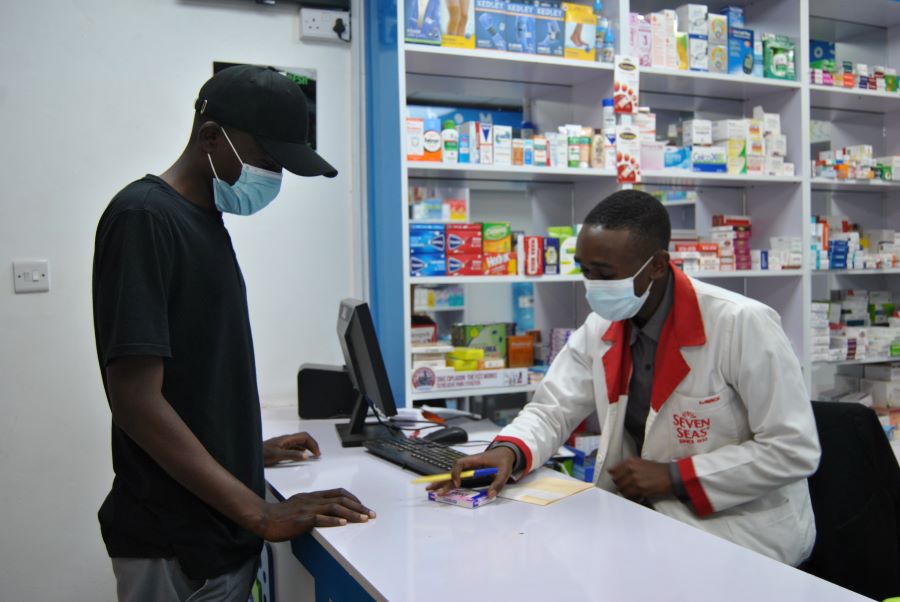
    A recent study by Sono et al. (2025) titled “Pilot study to evaluate patients’ understanding of key terms and aspects of antimicrobial use in a rural province in South Africa: Findings and Implications” published in Advances in Human Biology reveals widespread self-purchasing of antibiotics in independent pharmacies and significant language barriers affecting patient understanding of antimicrobial resistance.

    Widespread self-purchasing of antibiotics in independent pharmacies and significant language barriers affecting patient understanding of antimicrobial resistance in South Africa.– Sono et al. 2025

    Antimicrobial resistance (AMR) is a growing global public health crisis, particularly in low- and middle-income countries like South Africa. Addressing this issue requires an in-depth understanding of patients’ knowledge and concerns about antibiotics and AMR, especially in diverse linguistic communities. This pilot study aims to assess patient comprehension of key terms and concepts related to antimicrobial use through a pre-test of a questionnaire translated into Sepedi, Tshivenda, and Xitsonga.

    The study involved translating an existing English-language questionnaire into the three native languages with the assistance of linguistic experts. A total of 30 patients (5 per language for Parts 1 and 2) were interviewed outside 10 pharmacies—both chain and independent—to evaluate their understanding of antibiotics and AMR. The interviews revealed critical language barriers, with terms like ‘antibiotic’ and ‘AMR’ posing comprehension challenges. Additionally, the study highlighted the widespread practice of self-purchasing antibiotics in independent pharmacies, with 8 out of 15 patients receiving antibiotics without a prescription.

    How the Study was Conducted

    This study was conducted in a rural province of South Africa, where 30 patients were interviewed across 10 community pharmacies, including both chain and independent pharmacies. The primary objective was to assess patients’ understanding of antibiotics and antimicrobial resistance (AMR) using a translated questionnaire in Sepedi, Tshivenda, and Xitsonga.

    The English questionnaire was translated by linguistic experts fluent in both the source and target languages. It comprised two parts: Part 1 examined the extent of antibiotic purchases without a prescription and the reasons behind this practice, while Part 2 assessed patients’ knowledge of antibiotics and AMR.

    Participants were selected through convenient and purposive sampling, focusing on individuals who spoke one of the three target languages. Patients exiting the pharmacies with medication bags were invited to participate, provided with study details, and asked for written informed consent before the interviewer-administered questionnaire was conducted. Separate patient groups were engaged for Parts 1 and 2 of the questionnaire.

    Follow-up interviews were conducted to gather feedback on the questionnaire, with patients sharing their overall impressions and identifying questions that were difficult to understand. Their suggestions were documented to refine the questionnaire for future use.

    Collected data were entered into a Microsoft Excel® spreadsheet and analyzed descriptively using frequencies and percentages. Ethical approval was granted by the Sefako Makgatho University Research Ethics Committee, ensuring that all patient responses remained confidential and securely stored.

    What the Authors Found

    The study revealed a high prevalence of self-purchasing antibiotics, with 11 out of 15 patients in Part 1 receiving antibiotics—8 of whom obtained them without a prescription. Notably, only independent pharmacies engaged in dispensing antibiotics without prescriptions, highlighting a critical area for regulatory intervention.

    Patient interviews uncovered significant challenges in understanding key medical terminology, particularly in native languages. Terms such as ‘antibiotic’ and ‘antimicrobial resistance (AMR)’ were often misunderstood, contributing to misconceptions about antibiotic use. One patient, for example, mentioned purchasing antibiotics for the ‘cleansing’ of sexually transmitted infections, underscoring the need for improved health education.

    Why is this important?

    Antimicrobial Resistance (AMR): AMR is a growing global health threat. It directly contributed to 1.27 million deaths worldwide in 2019 alone. Addressing AMR is critical to preventing it from becoming the next pandemic.

    Misuse and Overuse of Antibiotics: The study highlights the prevalent issue of self-purchasing antibiotics without a prescription, especially from independent pharmacies. Misuse and overuse of antibiotics accelerate the development of AMR, making infections harder to treat.

    Patient Education and Health Literacy: Understanding patients’ knowledge and misconceptions about antibiotics and AMR is crucial. The study identifies language barriers and knowledge gaps, emphasizing the need for targeted health literacy programs in native languages.

    Policy and Regulatory Implications: The findings underscore the need for stricter enforcement of regulations to prevent the dispensing of antibiotics without prescriptions. This can help curb the misuse of antibiotics and reduce AMR.

    Cultural and Linguistic Contexts: By translating the questionnaire into native languages, the study acknowledges the diverse linguistic landscape of South Africa. It highlights the importance of culturally and linguistically appropriate communication in healthcare.

    Informing Future Studies: The study provides valuable insights that will inform the main study and future research. The revised questionnaires will help better assess patients’ understanding and guide interventions to improve antibiotic use and combat AMR.

    Public Health Impact: Ultimately, improving the appropriate use of antibiotics can lead to better health outcomes and reduce the burden of AMR on healthcare systems. Addressing these issues is vital for the well-being of communities in South Africa and beyond.

    What the Authors Recommended

    • Independent pharmacies were identified as the primary source of antibiotics without prescriptions. The authors recommend stricter enforcement of regulations to curb this practice. Regular monitoring and audits of pharmacies are suggested to ensure compliance with prescription-only antibiotic sales.
    • The study emphasizes the need for ongoing health literacy education for both pharmacists and patients, particularly in native languages. This includes explaining key terms like ‘antibiotic’ and ‘antimicrobial resistance (AMR)’ clearly. Implementing campaigns to educate the public on the dangers of misusing antibiotics and the importance of completing prescribed courses.
    • The authors recommend revising the questionnaires to include explanations for key terms in both English and the native languages. This helps ensure that patients understand the questions better. Incorporating questions to address common misconceptions, such as whether antibiotics can treat colds and influenza, to improve understanding.
    • Ensuring that health communication materials are translated accurately and adapted to the cultural context of the target population. This includes using everyday language to explain medical terms.
    • In addition, developing and implementing policies that support the appropriate use of antibiotics and reduce AMR. This includes guidelines for antibiotic prescription and dispensing practices. The government should take a proactive role in promoting antibiotic stewardship and ensuring that regulations are enforced effectively.

    The study by Sono et al. (2025) highlights critical gaps in antibiotic regulation, patient education, and language accessibility in South Africa’s rural healthcare landscape. The widespread self-purchasing of antibiotics, particularly from independent pharmacies, underscores the urgent need for stricter enforcement of prescription regulations. Additionally, significant language barriers hinder patient understanding of key medical concepts, exacerbating the risk of antibiotic misuse and antimicrobial resistance (AMR). Addressing these challenges requires a multifaceted approach, including targeted health literacy programs, culturally appropriate communication, and robust policy interventions. By improving patient education and enforcing pharmacy regulations, South Africa can take crucial steps toward mitigating AMR and promoting responsible antibiotic use.

  • Unlocking the Power of the Weighted Average Method for Solving Nonlinear PDEs: Insights from the Burger-Fisher Equation

    Unlocking the Power of the Weighted Average Method for Solving Nonlinear PDEs: Insights from the Burger-Fisher Equation

    A study by Loyinmi et al. (2025) titled “Exploring the Efficacy of the Weighted Average Method for Solving Nonlinear Partial Differential Equations: A Study on the Burger-Fisher Equation” published in EDUCATUM Journal of Science, Mathematics, and Technology reveals that WAM provides a stable and accurate numerical approach for solving the Burger-Fisher equation, making it a valuable tool for researchers dealing with nonlinear PDEs.

    The Weighted Average Method (WAM) is a stable, accurate, and reliable numerical approach for solving nonlinear partial differential equations. – Loyinmi et al. 2025

    The study “Exploring the Efficacy of the Weighted Average Method for Solving Nonlinear Partial Differential Equations: A Study on the Burger-Fisher Equation” investigates the effectiveness of the Weighted Average Method (WAM) in solving the Burger-Fisher equation, a nonlinear partial differential equation (PDE) that plays a crucial role in fields such as fluid dynamics, population dynamics, and chemical kinetics. This equation integrates aspects of both the Burgers equation and Fisher equation, making it essential for modeling convection, diffusion, and reaction processes, particularly in phenomena like shock wave formation and turbulence.

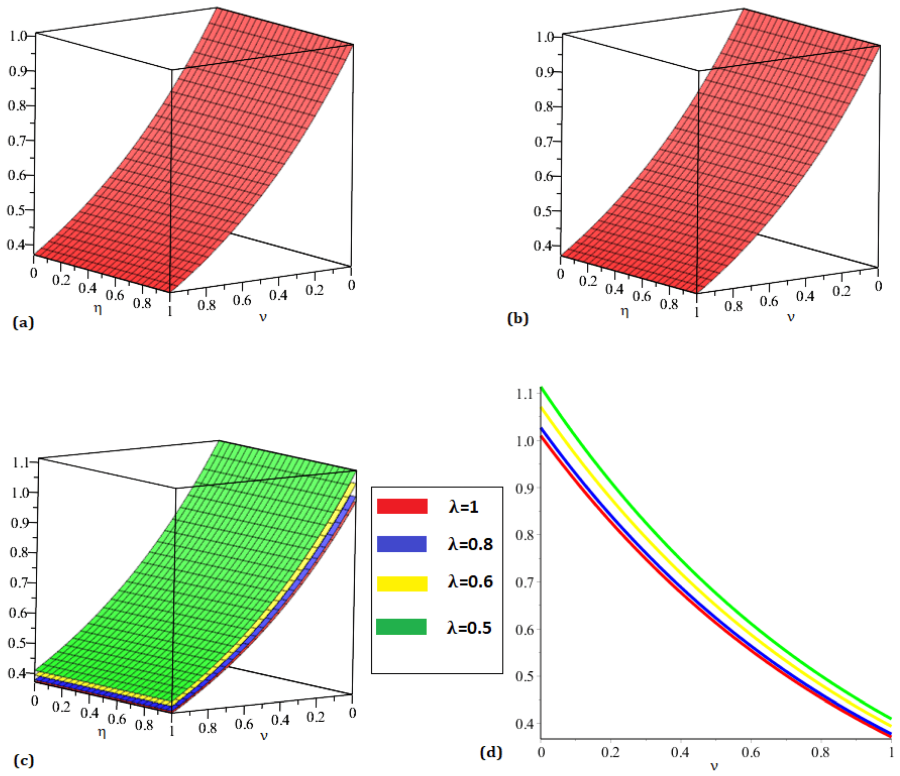
    The Weighted Average Method discretizes spatial and temporal derivatives using a combination of forward, backward, and central differences. Its numerical implementation involves solving a tridiagonal matrix system at each time step, demanding substantial computational resources. To facilitate this, the study employs MATLAB and MAPLE for numerical computations. Comprehensive convergence and stability analyses validate the method’s reliability and accuracy, with comparisons against exact solutions revealing minimal errors, reinforcing the method’s effectiveness.

    The findings demonstrate that WAM provides a stable and accurate numerical approach for solving the Burger-Fisher equation, making it a valuable tool for researchers dealing with nonlinear PDEs. The study underscores the importance of fine-tuning numerical parameters and leveraging computational techniques to enhance accuracy. Ultimately, this research contributes to the advancement of numerical methods, offering practical insights for solving complex mathematical models in various scientific and engineering applications.

    How the Study was Conducted

    The weighted average method discretizes both spatial and temporal derivatives using a combination of forward, backward, and central differences. The method’s implementation involves solving a tridiagonal matrix system at each time step, requiring significant computational resources. Mathematical software like MATLAB and MAPLE are utilized for computations. The convergence and stability analyses are conducted to ensure the method’s reliability and accuracy. The study compares numerical solutions obtained via the weighted average method with exact solutions, finding negligible errors that confirm the method’s accuracy.

    What the Authors Found

    The authors findings demonstrate that WAM is a highly accurate, stable, and practical numerical method for addressing complex nonlinear PDEs. These results have significant implications for scientific and engineering applications, offering a robust computational tool for solving challenging mathematical problems.

    Why is this important?

    Advancing Numerical Methods: The Weighted Average Method (WAM) is demonstrated to be highly accurate and reliable for solving nonlinear partial differential equations (PDEs), like the Burger-Fisher equation. This contributes to the advancement of numerical methods, providing researchers with a powerful tool for addressing complex mathematical problems.

    Practical Applications: The Burger-Fisher equation models phenomena such as convection, diffusion, and reaction processes, which are fundamental in various scientific disciplines like fluid dynamics, population dynamics, and chemical kinetics. The ability to solve this equation accurately has practical implications in these fields, aiding in the development of predictive models and enhancing our understanding of these processes.

    Improving Computational Techniques: By utilizing mathematical software like MATLAB and MAPLE to implement the Weighted Average Method, the study highlights the importance of leveraging computational resources. This approach ensures high accuracy and stability in solving nonlinear PDEs, which is essential for practical applications and further research.

    Cross-Disciplinary Relevance: The study’s findings are not limited to the Burger-Fisher equation alone but have broader implications for other nonlinear PDEs encountered in diverse scientific and engineering fields. The principles and methodologies developed in this research can be applied to a wide range of problems, making the study valuable across multiple disciplines.

    Improving Accuracy in Predictions: Accurate numerical solutions to nonlinear PDEs, like those provided by the Weighted Average Method, are crucial for developing reliable predictive models. These models are essential for understanding and forecasting behaviors in complex systems, from fluid flow and heat transfer to biological processes and chemical reactions.

    Foundation for Further Studies: The study’s rigorous analysis of stability and convergence, as well as its demonstration of the practical utility of the Weighted Average Method, provides a solid foundation for future research. Researchers can build on these findings to develop even more efficient and accurate numerical methods for solving nonlinear PDEs.

    What the Authors Recommended

    Based on the finding, the authors recommend the following:

    • Parameter Optimization: Researchers should focus on fine-tuning numerical parameters, such as the time step size (Δ𝑡) and spatial step size (Δ𝑥), to achieve optimal accuracy when using the Weighted Average Method (WAM) for solving nonlinear PDEs like the Burger-Fisher equation.
    • Computational Resources: The study emphasizes the importance of leveraging computational resources effectively. Utilizing mathematical software like MATLAB and MAPLE can help manage the computational demands of solving the tridiagonal matrix system at each time step.
    • Application to Other Nonlinear PDEs: The authors suggest that the Weighted Average Method, demonstrated to be effective for the Burger-Fisher equation, could be applied to other nonlinear partial differential equations. This can further validate the method’s robustness and versatility across different scientific and engineering fields.
    • Further Research: The study encourages future research to build on their findings by exploring the application of WAM to more complex and higher-dimensional nonlinear PDEs. This could expand the method’s applicability and contribute to the development of more advanced numerical techniques.
    • Practical Implementations: Practitioners and researchers are encouraged to use the Weighted Average Method for practical applications in fields such as fluid dynamics, population dynamics, and reaction-diffusion systems. The method’s high accuracy and stability make it a valuable tool for developing reliable predictive models.
    • Stability and Convergence Analyses: The authors recommend conducting thorough stability and convergence analyses for any numerical method applied to nonlinear PDEs. Ensuring the method’s reliability through these analyses is crucial for achieving precise numerical approximations.

    In conclusion, the study by Loyinmi et al. (2025) highlights the effectiveness of the Weighted Average Method (WAM) as a stable and accurate numerical approach for solving nonlinear partial differential equations like the Burger-Fisher equation. By leveraging advanced computational tools such as MATLAB and MAPLE, the research underscores the importance of optimizing numerical parameters and conducting rigorous stability and convergence analyses. The findings not only contribute to the advancement of numerical methods but also have far-reaching implications across various scientific and engineering disciplines, from fluid dynamics to chemical kinetics. As researchers continue to refine and expand the applications of WAM, this study serves as a valuable foundation for future developments in computational mathematics and predictive modeling.

  • February 2025: Paper of the month by Jimoh, M. O., & Olukunle, O. J. 2012 – Enhancing Food Security in Nigeria: The Impact of an Automated Cassava Peeling Machine on Efficiency and Productivity


    February 2025: Paper of the month by Jimoh, M. O., & Olukunle, O. J. 2012 – Enhancing Food Security in Nigeria: The Impact of an Automated Cassava Peeling Machine on Efficiency and Productivity
    African Researchers AwardFebruary 2025: Paper of the month by Jimoh, M. O., & Olukunle, O. J. 2012 – Enhancing Food Security in Nigeria: The Impact of an Automated Cassava Peeling Machine on Efficiency and Productivity

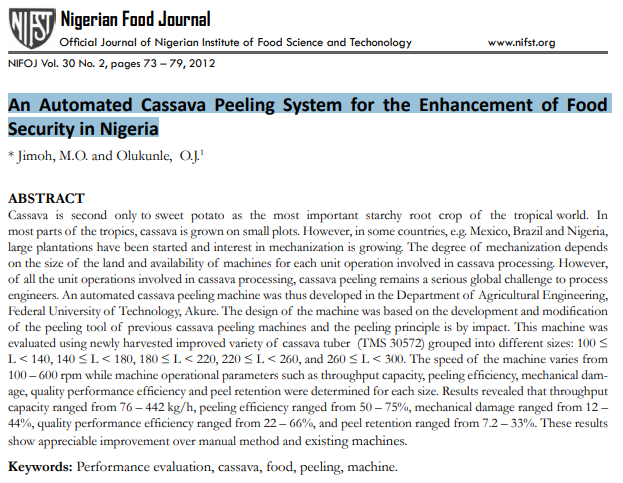
    A study by Jimoh, M. O., & Olukunle, O. J. (2012) titled “An automated cassava peeling system for the enhancement of food security in Nigeria” published in the Nigerian Food Journal reveals that the adoption of automated machines could significantly enhance the efficiency and productivity of small-scale cassava processors, thereby enhancing food security in Nigeria.

    The automated cassava peeling machine significantly improves efficiency, reduces labor intensity, minimizes spoilage, and enhances productivity, benefiting small-scale cassava processors in Nigeria.– Jimoh, M. O., & Olukunle, O. J. 2012

    The article explores the development and evaluation of an automated cassava peeling machine. The machine aims to improve food security in Nigeria by addressing the challenges associated with manual cassava peeling. The article highlights the importance of cassava as a staple food in Nigeria and other tropical regions. It also outlines the various unit operations involved in cassava processing, with a particular focus on peeling, which is identified as a major bottleneck. The machine was designed to be affordable and efficient, capable of peeling different varieties, shapes, and sizes of cassava tubers. The performance evaluation showed that the machine had a throughput capacity ranging from 76 to 442 kg/h, peeling efficiency between 50% and 75%, and mechanical damage ranging from 12% to 44%. Overall, the article emphasizes the potential of the automated cassava peeling machine to enhance food security by reducing labor intensity and improving processing efficiency.

    How the Study was Conducted

    The experiment utilized the International Institute of Tropical Agriculture’s (IITA) high-yielding tropical manioc selection (TMS 30572), a cassava variety known for its resistance to pests and diseases. The tubers were harvested at full maturity (18 months) and categorized into five size classes based on length: 100 ≤ L < 140 mm, 140 ≤ L < 180 mm, 180 ≤ L < 220 mm, 220 ≤ L < 260 mm, and 260 ≤ L < 300 mm. A cassava peeling machine was designed with considerations for affordability, adaptability to various cassava shapes and sizes, construction from readily available materials, and enhanced efficiency in reducing labor input compared to traditional peeling methods. The machine aimed to achieve higher capacity than manual operations.

    The peeling machine comprised a 200 mm diameter roller with a length of 900 mm, supported by a 25 mm diameter shaft. Cutting blades were mounted on the roller at a 30° inclination and spaced 70 mm apart, while an auger facilitated both rotary and linear motion of the tubers during peeling. Additional components included a hopper, frame, monitor, and chute. Motion was powered by a variable-speed 7HP Honda petrol engine, operating within a speed range of 100 to 600 rpm.

    Performance evaluation was conducted by measuring throughput capacity (Tc), calculated as the weight of cassava fed into the machine (Wt) divided by processing time (T). Peeling efficiency was determined by the proportion of peel collected (Mpc) relative to the total weight of the cassava (Ms). Mechanical damage was assessed based on the weight of the tuber portion removed along with the peel (Mf) compared to the weight of the completely peeled tuber (Mc). Peel retention was evaluated through material balance and expressed as a percentage. Quality performance efficiency was analyzed using statistical methods and regression models to determine the influence of tuber size and roller speed on peeling effectiveness.

    The experimental setup involved feeding cassava tubers individually into the hopper and assessing performance across various passes. Operational parameters, including throughput capacity, peeling efficiency, mechanical damage, quality performance efficiency, and peel retention, were recorded for each tuber size class and machine speed.

    What the Authors Found

    The authors found that the machine showed considerable improvements over manual methods and existing machines, and the auger and monitors were effective in improving the peeling process. The study also posits that the adoption of this machine could significantly enhance the efficiency and productivity of small-scale cassava processors, thereby enhancing food security in Nigeria.

    Why is this important?

    Efficiency and Productivity: The machine significantly increases the efficiency of cassava peeling, reducing labor intensity and time required. This ensures that cassava, a staple food for millions in Nigeria, is processed more quickly and reliably, helping to meet the demand for food.

    Reducing Spoilage: Cassava tubers deteriorate quickly after harvest. By speeding up the peeling process, the machine helps prevent spoilage, ensuring more tubers make it to the market and onto plates.

    Cost-Effective: The machine is designed to be affordable for local farmers, enabling them to process cassava more efficiently without incurring high costs.

    Job Creation: The production, maintenance, and operation of these machines can create job opportunities in rural areas, boosting local economies.

    Accessibility: Small-scale farmers often struggle with manual peeling, which is labor-intensive and slow. This machine provides them with a practical solution to improve their processing capabilities.

    Increased Production: With more efficient peeling, farmers can process larger quantities of cassava, leading to increased production and potential for higher incomes.

    Innovation: The development of this machine represents a step forward in agricultural mechanization, encouraging further innovation and modernization in the sector.

    Scalability: The machine’s design and principles can be adapted and scaled for other crops and regions, fostering broader agricultural advancements.

    Resource Efficiency: By reducing wastage and improving processing methods, the machine contributes to more sustainable agricultural practices.

    Reduced Labor Intensity: The machine alleviates the burden on manual labor, which is often carried out by women and children, promoting better working conditions and freeing up time for other productive activities.

    What the Authors Recommended

    • The authors recommend that small-scale cassava processors adopt this machine to enhance their processing capabilities. The machine’s efficiency can help reduce spoilage and increase the productivity of cassava processing, which is crucial since cassava tubers deteriorate quickly after harvest.
    • The authors emphasize the need for continued research to further optimize the design of the machine. This includes improving peeling efficiency and reducing mechanical damage to the tubers.
    • The principles and design of the automated cassava peeling machine could be adapted for use with other root and tuber crops. Further research is recommended to explore this potential.
    • The authors emphasize the importance of training programs for local farmers and processors. These programs should focus on the operation, maintenance, and benefits of using the automated peeling machine.
    • The authors suggest that government policies should support the adoption of agricultural mechanization technologies, including the automated cassava peeling machine. Policies could include subsidies, grants, or low-interest loans to make these machines more accessible to farmers.
    • In addition, the authors recommend conducting a comprehensive economic evaluation of the machine’s impact on cassava processing. This analysis should consider factors such as cost savings, increased productivity, and potential income generation for farmers.

    The development of an automated cassava peeling machine presents a transformative solution for small-scale cassava processors in Nigeria, significantly improving efficiency, reducing labor intensity, and minimizing post-harvest losses. By accelerating the peeling process, this innovation not only enhances productivity but also ensures that more cassava reaches the market in optimal condition, bolstering food security. Furthermore, its affordability and adaptability make it a viable option for local farmers, fostering economic growth and job creation in rural communities. With continued research, policy support, and farmer training programs, the widespread adoption of this technology could revolutionize cassava processing and contribute to a more sustainable and modernized agricultural sector in Nigeria.

  • Six Nigerian Scientists Honored with Prestigious US PECASE Award for Groundbreaking Research

    Six Nigerian Scientists Honored with Prestigious US PECASE Award for Groundbreaking Research

    Six Nigerian scientists have been awarded the Presidential Early Career Award for Scientists and Engineers (PECASE), the highest honor conferred by the United States government on early-career professionals in science and engineering. This prestigious award, established in 1996 by former U.S. President Bill Clinton, recognizes outstanding contributions to research and innovation that drive scientific and technological advancements.

    The 2025 PECASE recipients include Dr. Tomi Akindele, Dr. Azeez Butali, Dr. Ijeoma Opara, Dr. Oluwasanmi Koyejo, Dr. Abidemi Ajiboye, and Dr. Eno Ebong. They were among the 400 scientists and engineers honored by President Joe Biden for their groundbreaking research in healthcare, engineering, and artificial intelligence.

    The recognition of these six Nigerians highlights not only their individual achievements but also the immense potential of Nigerian scientists on the global stage. Nigeria’s President Bola Tinubu has applauded their accomplishments, emphasizing that this award is a testament to the ability of Nigerians to excel both at home and internationally.

    Meet the Awardees and Their Contributions to Science and Engineering

    1. Dr. Tomi Akindele (Nuclear Engineering & National Security Applications)

    Dr. Tomi Akindele is a postdoctoral researcher at the Lawrence Livermore National Laboratory in the United States. Her work focuses on applying fundamental physics principles to nuclear non-proliferation and safeguards. Specifically, she conducts research on kilo-ton detectors filled with water-based liquid scintillators, which helps in detecting nuclear materials and ensuring compliance with nuclear security agreements.

    Dr. Akindele holds a Ph.D. in Nuclear Engineering from the University of California, Berkeley, and a B.S. in Nuclear Engineering from Texas A&M University. She has received several awards, including the Nuclear Science and Security Consortium Fellowship.

    2. Dr. Azeez Butali (Oral Genetics & Craniofacial Research)

    Dr. Azeez Butali is a Professor of Oral Pathology, Radiology, and Medicine at the College of Dentistry, University of Iowa. His research focuses on genetic epidemiology and craniofacial disorders, particularly the study of orofacial clefts (such as cleft lip and palate) in populations of African descent.

    His academic journey began at the University of Lagos, Nigeria, where he earned a degree in dentistry. He later pursued a Ph.D. in genetics epidemiology and completed a postdoctoral fellowship in craniofacial genetics at the University of Iowa.

    Dr. Butali has made significant contributions to public health, setting up eleven research centers across Nigeria to collect genetic data on cleft lip and palate patients. His work has earned him prestigious awards, including the NIH Pathway to Independence Award from the National Institute of Dental and Craniofacial Research (NIDCR).

    On receiving the PECASE award, he expressed gratitude to President Biden and dedicated the honor to children with orofacial clefts and their caregivers.

    3. Dr. Ijeoma Opara (Public Health & Substance Use Prevention)

    Dr. Ijeoma Opara is an Associate Professor of Public Health in the Department of Social & Behavioral Sciences at Yale School of Public Health. She is also the founder and director of the Substance Abuse & Sexual Health Lab.

    Her research focuses on preventing HIV/AIDS, sexually transmitted infections (STIs), and substance abuse among urban youth, particularly Black girls. She specializes in community-based participatory research, ensuring that the voices of marginalized groups are integrated into health interventions.

    Dr. Opara earned a Ph.D. in Family Science & Human Development from Montclair State University, a Master of Social Work from New York University, and a Master of Public Health (Epidemiology) from New York Medical College. She has received multiple awards from institutions like the American Public Health Association and the National Council on Family Relations.

    Upon receiving the PECASE award, she expressed deep gratitude, stating that being recognized for her work in urban communities and youth substance use prevention was a true blessing.

    4. Dr. Oluwasanmi Koyejo (Machine Learning & Artificial Intelligence in Healthcare)

    Dr. Oluwasanmi “Sanmi” Koyejo is an Assistant Professor of Computer Science at Stanford University. His research is centered on trustworthy machine learning with applications in neuroscience and healthcare.

    Dr. Koyejo earned a Ph.D. in Electrical and Computer Engineering from the University of Texas at Austin. Over the years, he has received numerous accolades, including a Best Paper Award at the Uncertainty in Artificial Intelligence (UAI) Conference, the Skip Ellis Early Career Award, and a Sloan Fellowship.

    Currently, he serves on the board of Black in AI, an organization dedicated to increasing diversity in artificial intelligence research.

    5. Dr. Abidemi Ajiboye (Brain-Computer Interfaces & Neuroprosthetics)

    Dr. Abidemi Ajiboye is a Professor of Biomedical Engineering and Associate Chair at the Case School of Engineering. His research focuses on brain-computer interfaces (BCI), which are advanced neuroprosthetic technologies designed to help people with severe nervous system injuries, such as spinal cord injuries and strokes.

    His goal is to develop BCI systems that enable more natural movement control in individuals using artificial limbs and functional electrical stimulation (FES) devices. Dr. Ajiboye has received several Career Development Awards from the U.S. Department of Veterans Affairs.

    He earned dual bachelor’s degrees in biomedical and electrical engineering, with a minor in computer science, from Duke University.

    6. Dr. Eno Ebong (Biomechanics & Cardiovascular Engineering)

    Dr. Eno Ebong is an Associate Professor of Chemical Engineering, Bioengineering, and Biology at Northeastern University. She also serves as the Associate Chair for Graduate Studies in Chemical Engineering.

    Her research focuses on endothelial mechanotransduction, a process that studies how blood vessel cells respond to mechanical forces. Understanding this mechanism is crucial for combating cardiovascular diseases and other conditions involving vascular dysfunction.

    Dr. Ebong holds an S.B. in Mechanical Engineering from MIT and both M.Eng. and Ph.D. degrees in biomechanics from Rensselaer Polytechnic Institute. She has received multiple honors, including the prestigious NSF Career Award for her “EMBRACE STEM” project, which aims to increase diversity in STEM education and research.

    The Significance of PECASE and the Future of Nigerian Scientists

    The Presidential Early Career Award for Scientists and Engineers (PECASE) is a major milestone in the careers of these six Nigerian scientists. It acknowledges their leadership, innovation, and potential to drive global scientific progress. Their achievements highlight Nigeria’s contribution to the global scientific community and serve as inspiration for future generations of African researchers.

    Their groundbreaking work in nuclear engineering, genetics, public health, artificial intelligence, neuroprosthetics, and biomechanics is paving the way for medical, technological, and societal advancements.

    As the world continues to tackle complex scientific challenges, these Nigerian scientists are at the forefront, proving that African talent has a critical role in shaping the future of global science and technology.

  • Four UCT Researchers Inducted into the World Academy of Sciences for Groundbreaking Contributions

    Four UCT Researchers Inducted into the World Academy of Sciences for Groundbreaking Contributions

    Recognizing Scientific Excellence on a Global Stage

    In a landmark achievement for South African academia, four distinguished researchers from the University of Cape Town (UCT) have been elected as Fellows of the World Academy of Sciences (TWAS). They are the only South Africans to receive this prestigious recognition in 2024.

    Based in Trieste, Italy, TWAS is an esteemed international organization dedicated to advancing science in developing countries. Founded in 1983 by Nobel Laureate Abdus Salam, the academy fosters scientific research, education, and policy development, particularly in regions where resources and funding for research may be limited. Each year, TWAS selects accomplished scientists from around the world who have made outstanding contributions to their fields and whose work has had a significant impact on scientific progress and societal development.

    This year, the election of 74 new Fellows marks the largest induction in the history of TWAS, a testament to the increasing global recognition of scientific innovation, particularly in the Global South. The four UCT scholars—Professors Alison Lewis, Ntobeko Ntusi, Harald Winkler, and Liesl Zühlke—have been recognized for their pioneering research in engineering, medical science, climate policy, and paediatric cardiology. Their election not only highlights their individual excellence but also places South Africa’s scientific community on the global map.

    Meet the UCT Fellows: Leaders in Science and Innovation

    Professor Alison Lewis: Advancing Hydrometallurgy and Crystallization Science

    Professor Alison Lewis, the Dean of UCT’s Faculty of Engineering and the Built Environment (EBE), is an internationally renowned expert in hydrometallurgy and industrial crystallization. Her groundbreaking work has led to major innovations in mineral processing, water purification, and sustainable extraction technologies.

    Under her leadership, UCT established the Crystallization and Precipitation Research Unit (CPU), which has gained global recognition for tackling complex industrial crystallization challenges—issues that impact sectors ranging from mining to pharmaceuticals. Her research has provided industry-changing insights into reducing waste, improving efficiency, and developing environmentally friendly extraction methods.

    In recognition of her contributions, Professor Lewis has been honored with multiple accolades, including the Water Research Commission Legends Award, the Africa Water Leadership Award, and the Distinguished Woman Scientist Award. She is a Fellow of the South African Academy of Engineering (SAAE) and the Academy of Science of South Africa (ASSAf), and she holds membership in the National Academy of Engineering (NAE) in the United States—a rare distinction for a South African scientist.

    Professor Ntobeko Ntusi: Leading Medical Research and Cardiology Innovations

    A prominent figure in South African medical research, Professor Ntobeko Ntusi is the President and CEO of the South African Medical Research Council (SAMRC). Formerly the head of UCT’s Department of Medicine and Groote Schuur Hospital, he has led pioneering studies on cardiovascular disease, with a special focus on cardiomyopathy in African populations.

    His research has shed light on the genetic, clinical, and epidemiological factors influencing heart diseases, particularly those linked to autoimmune disorders and HIV-related cardiovascular conditions. His work has helped define the mechanisms of myocardial fibrosis, heart inflammation, and structural heart disease, contributing to improved diagnostic and treatment strategies worldwide.

    During the COVID-19 pandemic, Professor Ntusi played a leading role in studying the immunological and cardiovascular impacts of the virus, helping shape South Africa’s medical response. His scientific leadership extends internationally—he is a Fellow of the Royal College of Physicians (RCP) and a member of ASSAf, highlighting his influence on global cardiology and public health.

    Professor Harald Winkler: A Climate Policy Pioneer with a Global Impact

    An expert in the intersection of climate change, social justice, and sustainable development, Professor Harald Winkler is a leading scholar in Policy Research in International Services and Manufacturing (PRISM) at UCT’s School of Economics. His research has provided critical evidence for climate policy formation in South Africa and beyond.

    Professor Winkler has played a key role in shaping international climate negotiations, having served as an advisor to the South African delegation at United Nations Framework Convention on Climate Change (UNFCCC) conferences. His contributions have been widely cited in high-impact journals, and his h-index—a metric measuring academic influence—reflects the significance of his work.

    A notable highlight of his career is his involvement with the Intergovernmental Panel on Climate Change (IPCC), which was collectively awarded the Nobel Peace Prize alongside Al Gore. Recently, he co-facilitated the Global Stocktake under the Paris Agreement, a crucial process for assessing global climate action and commitments. His tenure as joint Editor-in-Chief of Climate Policy further solidifies his reputation as a global thought leader in climate governance.

    Professor Liesl Zühlke: Transforming Paediatric Cardiology and Family-Centred Care

    A distinguished paediatric cardiologist and director of the Children’s Heart Disease Research Unit, Professor Liesl Zühlke is at the forefront of research on childhood heart diseases in Africa. She has dedicated her career to understanding and treating rheumatic heart disease (RHD) and congenital heart defects, two of the most pressing cardiovascular issues in the region.

    Professor Zühlke leads the Partnerships for Children with Heart Disease in Africa (PROTEA) study, an ambitious multinational project investigating the genetic and epidemiological factors behind congenital heart disease. By integrating family-centred care models into treatment protocols, she has revolutionized the management of paediatric cardiology in low-resource settings.

    Her leadership extends beyond research—she has served as President of the Paediatric Cardiac Society of South Africa (PCSSA) and the South African Heart Association. Additionally, she has chaired taskforces on paediatric and rheumatic heart disease under the Pan-African Society of Cardiology (PASCAR), helping shape continental health policies.

    UCT’s Growing Influence in Global Science

    The election of these four UCT researchers to TWAS is a significant achievement, reinforcing the university’s standing as a global hub for scientific excellence. Their work not only advances knowledge in their respective fields but also has a direct impact on sustainable development, public health, and environmental resilience in South Africa and beyond.

    As members of TWAS, these scholars will contribute to international collaborations, mentor emerging researchers, and help bridge the gap between science and policy in the Global South. Their recognition is a powerful reminder of the transformative potential of scientific research when driven by innovation, social responsibility, and a commitment to addressing real-world challenges.

    🚀 With South African science on the rise, these UCT pioneers are leading the way toward a brighter, more sustainable future.

  • 30 Trailblazing African Women Scientists Honored at the 2023 L’Oréal-UNESCO For Women in Science Awards

    30 Trailblazing African Women Scientists Honored at the 2023 L’Oréal-UNESCO For Women in Science Awards

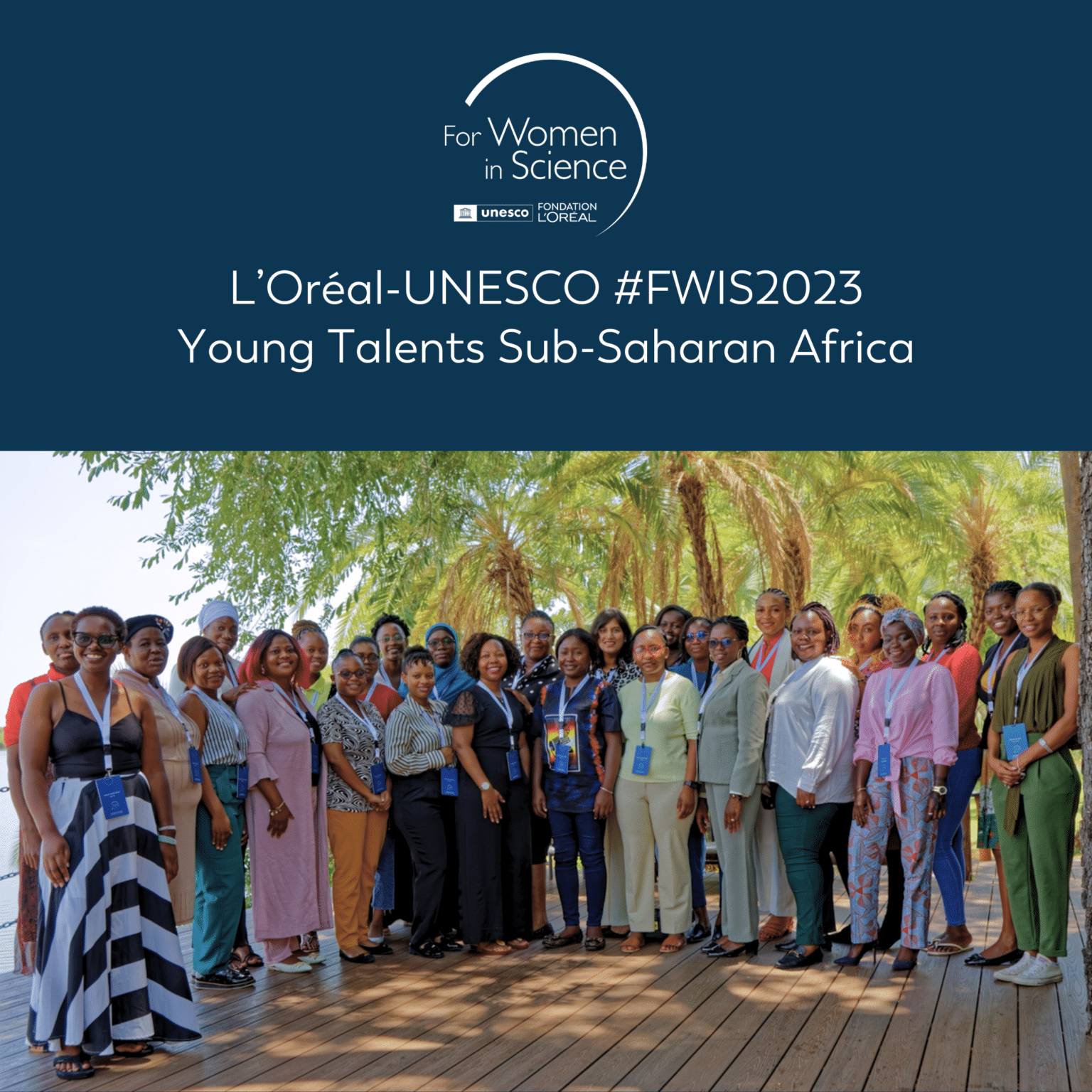
    Paris, 8th November 2023 The Fondation L’Oréal and UNESCO have proudly announced the 30 winners of the 14th edition of the L’Oréal UNESCO For Women in Science Young Talents Sub-Saharan Africa Awards. This prestigious recognition honors the groundbreaking work of African women scientists and reaffirms the importance of gender equality in science.

    Empowering Women Scientists: A Crucial Step for Africa and the World

    Scientific research remains a pivotal force in addressing global challenges, yet Africa contributes only 2.5% to the world’s scientific workforce. In an era marked by escalating social, economic, environmental, and health crises, it is imperative to harness all available scientific expertise. Women scientists, often underrepresented in academia and research, play an essential role in driving progress.

    For the 14th consecutive year, the L’Oréal UNESCO For Women in Science Young Talents Sub-Saharan Africa Awards recognize the outstanding contributions of female researchers. This year, the program has expanded, awarding 30 promising young scientists—25 PhD candidates and 5 postdoctoral researchers—a significant increase from previous editions. These laureates, representing 17 African nations, including first-time participants from Cabo Verde and Lesotho, exemplify the resilience and innovation required to tackle pressing scientific challenges.

    Honoring Excellence in Scientific Research

    Selected from a competitive pool of 632 applicants, these brilliant women were chosen by a distinguished panel of 10 experts led by Professor Aggrey Ambali, Director of Technical Cooperation and Program Funding at the African Union Development Agency (AUDA-NEPAD). Their research spans a diverse range of disciplines, including biochemistry, epidemiology, ecology, artificial intelligence, and public health. By pioneering new methodologies and solutions, these scientists are making substantial contributions to the advancement of knowledge and the improvement of life in Africa and beyond.

    Fanta Yadang Sabine Adeline, one of the 2023 awardees, aptly stated, “The future of Africa is in the hands of its scientists.” This sentiment is echoed by her fellow laureates, whose groundbreaking work is poised to reshape various scientific fields and inspire future generations.

    Encouraging Scientific Dialogue and Mentorship

    Providing visible role models for young women is essential to fostering future generations of scientists. To facilitate this, the Young Talents engaged in an intergenerational dialogue on the morning of November 8th with Botswana’s First Lady, H.E. Mrs. Neo Jane Masisi, alongside 150 school students. This knowledge exchange session aimed to inspire young girls to pursue careers in science and technology, bridging the gender gap in STEM fields.

    The L’Oréal-UNESCO Young Talents Sub-Saharan Africa Programme

    Established in 2000, the L’Oréal-UNESCO For Women in Science Young Talents program has provided over 250 grants annually across more than 110 countries. The initiative not only funds promising researchers but also advocates for the vital inclusion of women in scientific advancements. Over the past 25 years, the partnership between UNESCO and the Fondation L’Oréal has recognized more than 4,100 female scientists at different career stages, celebrating their contributions to scientific progress.

    As Lidia Brito, Assistant Director-General for Natural Sciences at UNESCO, emphasized, “The L’Oréal-UNESCO Young Talents are the very future of science. We look forward to working with them to further reinforce the pivotal role of women in science for a sustainable and inclusive future.”

    The 2023 laureates will receive financial grants of €10,000 for PhD candidates and €15,000 for postdoctoral researchers. This funding will aid them in advancing their projects and overcoming financial barriers to research. Beyond monetary support, the program offers leadership training, equipping these scientists with the skills needed to navigate professional challenges, including gender biases and work-life balance constraints.

    A Call for Collective Action

    Scientific progress cannot afford to overlook half of humanity’s potential. “Enabling women scientists to emerge in the public arena and be recognized for the quality of their work requires urgent action,” said Alexandra Palt, CEO of the Fondation L’Oréal. “It is everyone’s responsibility—institutions, companies, and civil society—to ensure that women receive the recognition they deserve.”

    Meet the 2023 L’Oréal-UNESCO For Women in Science Young Talents: A Glimpse into Their Research

    Southern Africa

    • Bhamini SREEKEESSOON (Mauritius): Harnessing tidal energy for a sustainable future.
    • Bonolo Bonita PHINIUS (Botswana): Fighting hepatitis B through innovative research.
    • Constance CHINGWARU (Zimbabwe): Developing biopesticides from native plants.
    • Felicidade NIQUICE (Mozambique): Enhancing occupational health and safety in hospitals.
    • Maria Nelago KANYAMA (Namibia): Using AI to combat water scarcity.
    • Mesha MBISANA (Botswana): Improving food safety to promote better health.
    • Nthabeleng HLAPISI (Lesotho): Advancing phototherapies for cancer treatment.

    Central Africa

    • Fanta Sabina Adeline YADANG (Cameroon): Exploring medicinal treatments for neurodegenerative diseases.
    • Hadidjatou DAIROU (Cameroon): Investigating the healing properties of native plants for cardiovascular disease.
    • Lydie Kamga MESSADO (Cameroon): Conservation of orchids in rainforests.

    East Africa

    • Cheryl KERAMA (Kenya): Studying sugar regulation’s impact on tuberculosis.
    • Devotha Godfrey NYAMBO (Tanzania): Using machine learning to prevent infectious diseases in livestock.
    • Esther UWIMAANA (Uganda): Towards a tuberculosis vaccine.
    • Mwende Mbilo (Kenya): Innovating to enhance solar energy solutions.
    • Naelijwa Mshanga (Tanzania): Improving nutrition for women and children.

    West Africa

    • Aderonke KOREDE (Nigeria): Studying the health benefits of natural ingredients.
    • Bernice Konadu AGYEMAN (Ghana): Improving drinking water quality.
    • Dorcas Atibilla (Ghana): Analyzing mosquito behavior to fight malaria.
    • Fatou Lo Niang (Senegal): Using machine learning to prevent cardiovascular diseases.
    • Ini ADINYA (Nigeria): Applying mathematics to optimize investments.
    • Pamela Borges (Cabo Verde): Advancing breast cancer research through gene studies.
    • Temitope ABIOLA (Nigeria): Enhancing biodiesel efficiency through metabolic engineering.

    Conclusion

    The L’Oréal-UNESCO For Women in Science Young Talents Sub-Saharan Africa Awards celebrate scientific excellence and reaffirm the crucial role of women in research. By empowering these outstanding researchers, the program is paving the way for a more inclusive and innovative scientific community that will benefit Africa and the world. The continued support of institutions, governments, and the private sector is vital to ensuring that women in science receive the recognition, funding, and opportunities they deserve.

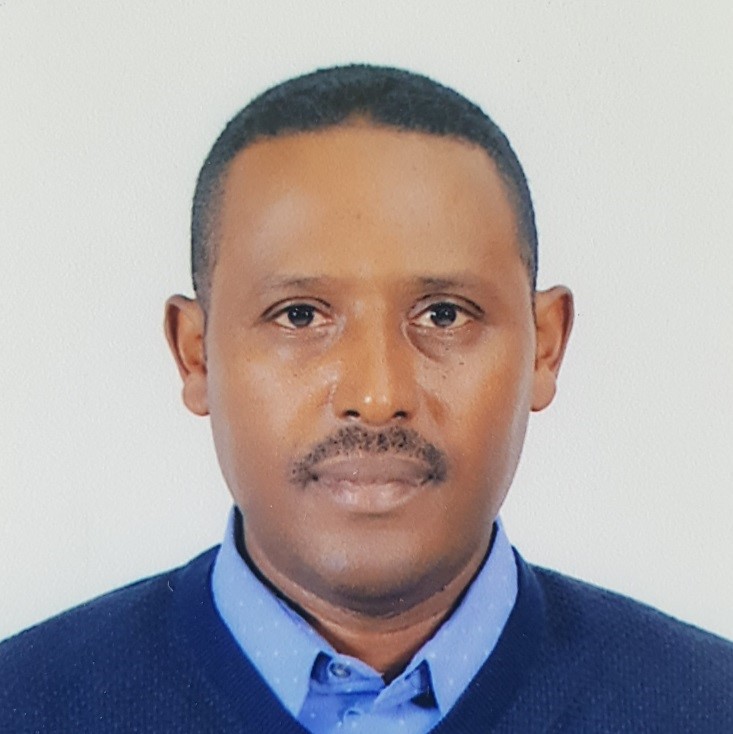
  • February 2025: Moti Jaleta Debello – African Male Researcher of the Month

    February 2025: Moti Jaleta Debello – African Male Researcher of the Month

    African Researchers AwardFebruary 2025: Moti Jaleta Debello – African Male Researcher of the Month

    Moti Jaleta Debello, an esteemed agricultural economist from Ethiopia, has made significant contributions to the field of agricultural economics, particularly in smallholder farming, agricultural technology adoption, and food security. His outstanding research and dedication to improving the livelihoods of farmers in the global South have earned him the prestigious 2026 TWAS-Siwei Cheng Award in Economic Sciences, which he shares with other distinguished scholars. The award, which includes a monetary prize of USD 5,000 and a commemorative plaque, recognizes his pioneering work in understanding smallholder farmers’ behavior and the institutional influences on agricultural technology adoption, commercialization, and food security.

    Academic and Professional Journey

    Moti Jaleta Debello has devoted over two decades to agricultural research, focusing on the challenges and opportunities faced by smallholder farmers in Africa. He holds an extensive background in agricultural economics and has been working with the International Maize and Wheat Improvement Center (CIMMYT) since 2011. At CIMMYT, he has played a pivotal role in several research initiatives aimed at enhancing smallholder productivity and resilience in Eastern and Southern Africa.

    Currently, he coordinates an International Fund for Agricultural Development (IFAD)-funded project focused on improving smallholder wheat productivity through sustainable intensification in Rwanda and Zambia. His research has been instrumental in shaping agricultural policies and interventions that support smallholder farmers in adopting innovative and sustainable farming practices.

    Research Focus and Contributions

    Moti Jaleta Debello’s research primarily explores the economic and behavioral factors influencing smallholder farmers’ decisions regarding production, investment, consumption, and marketing. His key areas of expertise include:

    • Adoption and Impact Assessment: Evaluating the adoption and impact of improved agricultural technologies, particularly in maize and wheat production systems.
    • Agricultural Policy and Institutional Effects: Studying how institutional frameworks affect agricultural development and smallholder farmers’ access to resources and technologies.
    • Value Chains and Market Development: Assessing the role of agricultural markets and value chain development in enhancing smallholder commercialization and food security.
    • Crop-Livestock Interactions: Investigating the sustainability of cereal-based mixed farming systems in smallholder agriculture.
    • Conservation Agriculture: Conducting impact assessments on conservation agriculture-based practices as a means of promoting sustainable intensification in maize and wheat farming systems.

    Moti Jaleta is known for his hands-on approach to research, engaging directly with farmers to understand their challenges, aspirations, and decision-making processes. He believes that agricultural research should be a collaborative learning experience, where insights from field studies translate into policies and innovations that empower smallholders.

    Recognition and Impact

    The 2026 TWAS-Siwei Cheng Award in Economic Sciences recognizes Moti Jaleta’s dedication to advancing agricultural economics and his significant contributions to improving food security in Africa. His research has informed key agricultural policies and interventions, helping smallholder farmers increase productivity, adapt to climate challenges, and integrate into broader markets.

    Expressing his gratitude for receiving the award, Moti Jaleta stated: “I am honored to be selected to receive this prestigious TWAS Award in recognition of my efforts in agricultural research over the last two decades. This is very inspiring and motivating for further research into the challenges and opportunities around smallholders’ uptake of agricultural innovations in the global South.”

    His work continues to inspire policymakers, researchers, and development practitioners who seek to create sustainable solutions for smallholder farmers. Through his commitment to agricultural innovation and economic research, Moti Jaleta Debello remains a driving force in shaping the future of sustainable agriculture in Africa and beyond.