Category: REVIEW PAPERS

This category presents posts from ARM Magazine, featuring updates on the latest developments and showcasing selected review papers from various journals.

  • The State of Neuroscience in East Africa: Challenges, Innovations, and Future Opportunities for Strengthening Research and Healthcare Capacity

    The State of Neuroscience in East Africa: Challenges, Innovations, and Future Opportunities for Strengthening Research and Healthcare Capacity


    Illustrative Image: The State of Neuroscience in East Africa: Challenges, Innovations, and Future Opportunities for Strengthening Research and Healthcare Capacity
    Image Source & Credit: aiforgood
    Ownership and Usage Policy

    A recent study by Nageyle et al. (2025) titled “The status of neuroscience in East Africa: A narrative review” published in the East African Journal of Neurological Sciences reveals that East Africa faces a major yet underdiagnosed burden of neurological disorders, but growing innovation, collaboration, and education efforts offer hope for strengthening neuroscience capacity in the region.

    East Africa faces a major neurological disease burden, but growing innovation, education, and collaboration offer hope for strengthening neuroscience capacity.
    – Nageyle et al. 2025

    The study provides an in-depth analysis of the current landscape of neuroscience across East African nations, exploring their achievements, persistent challenges, and future opportunities. The review assesses the state of neuroscience in East Africa, focusing on the prevalence of neurological disorders, the status of education and training, research infrastructure, technological advancements, and collaborative initiatives. It seeks to identify barriers hindering progress and propose strategic solutions to strengthen neuroscience research, education, and healthcare delivery in the region. Neurological disorders such as epilepsy, stroke, dementia, and neuroinfections (including HIV, tuberculosis, and cerebral malaria) represent a significant public health burden across East Africa. However, diagnosis and treatment are often delayed due to outdated technology, inadequate diagnostic tools, and limited access to specialized care. In the area of education and training, progress is evident through the establishment of new residency and fellowship programs—particularly in Ethiopia and Kenya—but major gaps persist. There remains a shortage of trained neuroscientists and clinicians, fragmented curricula, and few postgraduate opportunities in neuroscience. Moreover, the brain drain phenomenon continues to deprive the region of skilled professionals who migrate for better career prospects abroad.

    When it comes to research infrastructure, the review highlights chronic underfunding and an overreliance on international collaborators and institutions. Only a small proportion of neuroscience research in East Africa is locally financed, and the region trails behind other parts of Africa, such as South Africa and Egypt, in terms of research productivity and innovation. Despite these challenges, technological advancements are gradually transforming the field. The adoption of CT scans, MRI, and telemedicine has improved diagnosis and treatment options, while a growing interest in using indigenous animal models for neuropharmacological and genetic studies marks an important step toward contextually relevant research. Collaborations have also played a pivotal role in building capacity and awareness. Regional and global partnerships—such as those led by PAANS (Pan African Association of Neurological Sciences), SONA (Society of Neuroscientists of Africa), and WFNS (World Federation of Neurosurgical Societies)—have strengthened training, mentorship, and knowledge exchange. Initiatives like Brain Awareness Week and inter-university programs are helping to foster regional solidarity and public engagement in neuroscience.

    How the Study was Conducted

    The study employed a narrative review approach, meaning the authors synthesized existing literature and data rather than conducting new experiments or collecting original data. To achieve this, they systematically searched multiple electronic databases—PubMed, Google Scholar, and Scopus—using a comprehensive search strategy that incorporated Medical Subject Headings (MeSH) and relevant keywords. These keywords covered geographic descriptors such as “Eastern Africa” and specific country names, as well as neuroscience-related domains including neurology, neurophysiology, and neurosurgery, alongside research-specific terms like reviews, publications, and systematic reviews. The review included studies and reports published between 2010 and 2015, drawing from peer-reviewed journals, organizational reports, case studies, and data from neuroscience initiatives and collaborations. The authors focused on four key areas: identifying systemic barriers to neuroscience development, highlighting successful interventions and innovations, and proposing actionable recommendations to strengthen neuroscience education, research, and healthcare across East Africa.

    What the Authors Found

    The authors found that while East Africa faces a high and underdiagnosed burden of neurological disorders, progress in neuroscience is constrained by limited funding, training, and infrastructure—but emerging innovations, collaborations, and educational initiatives offer significant potential to strengthen the field across the region.

    Why is this important

    Rising Public Health Burden
    Neurological disorders such as epilepsy, stroke, dementia, and neuroinfections are increasing across East Africa, leading to long-term disability, reduced quality of life, and greater strain on healthcare systems.

    Gaps in Education and Training
    A shortage of neuroscience programs, qualified educators, and research infrastructure limits the region’s ability to develop skilled professionals capable of addressing neurological challenges locally.

    Economic and Social Implications
    Underinvestment and brain drain hinder innovation, while the growing burden of neurological disorders reduces productivity and drives up healthcare costs, slowing national development.

    Untapped Research Potential
    East Africa’s genetic and ecological diversity offers unique opportunities for neuroscience discoveries through locally relevant research and indigenous animal models with global significance.

    Power of Collaboration
    Expanding regional and international partnerships can strengthen training, attract funding, and integrate East Africa more fully into the global neuroscience research community.

    What the Authors Recommended

    • The authors emphasise developing and expanding postgraduate neuroscience programmes, updating curricula with practical and interdisciplinary content, training more specialists, and creating clear career pathways to retain skilled professionals within the region.
    • Strengthen domestic and diversified funding for neuroscience through government support and public–private partnerships, while upgrading laboratories, equipment, and data systems to support high-quality research and education.
    • Deepen partnerships with global and African neuroscience organizations and universities to facilitate joint research, training, policy development, and access to advanced technologies and publication opportunities.
    • Expand the use of modern neuroimaging tools, adopt tele-neurology to reach remote areas, and integrate genetic and pharmacological studies using indigenous models to enhance locally relevant research.
    • Align neuroscience research with regional health priorities, advocate for supportive government policies, promote public engagement, and encourage local leadership and authorship in scientific publications.

    In conclusion, the study highlights that while East Africa faces significant challenges in addressing its growing neurological disease burden, the region’s expanding educational programs, technological adoption, and collaborative networks provide a strong foundation for building a sustainable and self-reliant neuroscience ecosystem capable of transforming healthcare and research outcomes for future generations.
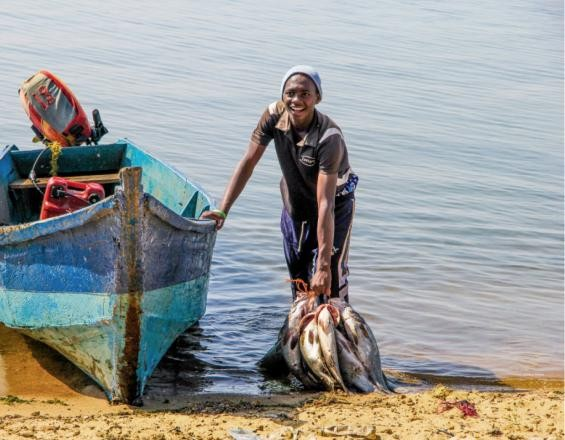

  • Sustainable African Coastal Fisheries: Research Trends, Governance Challenges, and Priority Action Pathways for Resilient Communities

    Sustainable African Coastal Fisheries: Research Trends, Governance Challenges, and Priority Action Pathways for Resilient Communities


    Illustrative Image: Sustainable African Coastal Fisheries: Research Trends, Governance Challenges, and Priority Action Pathways for Resilient Communities
    Image Source & Credit: Panorama
    Ownership and Usage Policy

    A recent study by Etta et al. (2025) titled “A bibliometric analysis of the marine fishing landscape in Africa and its implications for sustainable coastal communities’ resilience and governance to the increasing human-environmental risks” published in Anthropocene Coasts reveals a decline in marine fishing research in recent years, with most influential studies led by institutions outside Africa.

    Africa’s coastal fisheries face declining research, fragmented governance, environmental threats, and underrepresentation of social and gender dimensions, undermining sustainability.
    – Etta et al. 2025

    The study provides a comprehensive examination of marine fishing across Africa’s coastal zones, highlighting its contributions to livelihoods, sustainability, and development, while identifying the key challenges that threaten these benefits. The research analyzes trends in African marine fishing studies, maps systemic and thematic governance issues, and proposes a Priority Action Pathway (PAP) to guide sustainable transformations in coastal communities. Findings reveal a decline in marine fishing research in recent years, with most influential studies led by institutions outside Africa. Research remains heavily skewed toward fisheries science, with limited attention to the social dimensions of fishing communities. Governance is fragmented, leaving coastal communities with low resilience due to outdated ecological tools and weak policy frameworks. Illegal, unreported, and unregulated (IUU) fishing, particularly in West Africa, further undermines sustainability. Gender dynamics are also a concern, as women play significant roles in small-scale fisheries but remain underrepresented in research and policy decisions.

    How the Study was Conducted

    The study employed a structured, multi-phase methodology that combined a systematic literature review (SLR) with bibliometric analysis to investigate marine fishing dynamics in Africa’s coastal zones. Initially, a comprehensive SLR was conducted using Scopus, covering publications from 1963 to 2024. The search targeted documents related to marine fishing, sustainability, and governance across all African coastal countries, using keywords such as “marine,” “fishing,” “coastal”, alongside country-specific names like Morocco, Ghana, Nigeria, and Kenya. The review included a wide range of document types, including articles, books, book chapters, conference papers, and reviews, resulting in a total of 1,066 documents.

    Following the SLR, a bibliometric analysis was performed using Biblioshiny in R Studio. Citation data, abstracts, keywords, funding information, references, and author affiliations were extracted to examine research productivity, citation impact, and authorship relevance. The analysis also explored collaboration networks among authors, institutions, and countries, as well as keyword co-occurrence, thematic mapping, and both conceptual and social structures within the research field.

    Key metrics from the bibliometric analysis revealed 3,908 authors, 3,013 keywords, a mean of 4.7 co-authors per document, and an annual research growth rate of 7.55%. International collaborations accounted for 45.4% of studies, with an average of 24.67 citations per document and a total of 59,279 references.

    This integrated approach enabled the identification of research gaps, particularly in underrepresented areas such as social science and governance, clarified collaboration patterns, and informed the development of a Priority Action Pathway (PAP) to guide sustainable transformations in African coastal fisheries.

    What the Authors Found

    The authours found that while Africa’s marine fishing sector has immense potential for supporting livelihoods, food security, and economic growth, it faces systemic challenges—including declining research leadership by African institutions, underrepresentation of social and gender dimensions, fragmented governance, environmental threats like IUU fishing and climate change, and limited local resilience—which collectively undermine its sustainability. African coastal fisheries are highly valuable but structurally vulnerable, requiring coordinated research, governance reform, and inclusive, transdisciplinary approaches to ensure sustainable management.

    Why is this important

    Critical Role of Marine Fishing: Supports food security, nutrition, and employment for millions, particularly women in small-scale fisheries, while contributing significantly to economic growth (exports rose from $7.9B in 1976 to $192B in 2022).

    Threats to Sustainability: Illegal, unregulated, and unreported (IUU) fishing, climate change, and over-commercialization are degrading marine ecosystems, with vulnerable communities lacking access to modern tools and governance frameworks.

    Underrepresentation of African Voices: Most influential research on African marine fisheries is conducted by non-African authors, limiting relevance to local policies and community needs.

    Fragmented Governance: Current policies focus narrowly on fisheries science, neglecting social and ecological dimensions, which hinders sustainable management.

    Priority Action Pathway (PAP): Offers a roadmap to strengthen regional collaboration, promote transdisciplinary research, empower fisherwomen, and enhance resilience and sustainability in African coastal fisheries.

    What the Authors Recommended

    • The authors emphasized integrating marine social science with fisheries science to address socioecological complexities beyond biological and economic factors.
    • The study advocates fostering partnerships among African coastal countries, institutions, and researchers to share data, innovations, and policy strategies and recognize and support fisherwomen’s roles in value chains and align policies with FAO gender empowerment guidelines.
    • Furthermore, they ought to develop inclusive, community-focused governance frameworks and provide accessible tools and training to address climate change, IUU fishing, and other human-environmental risks.
    • In addition, establish funding pathways for community-led initiatives, long-term research, and sustainable marine infrastructure to support resilient coastal economies.

    In conclusion, Africa’s coastal fisheries hold immense potential to support livelihoods, food security, and economic growth, yet they face significant systemic challenges, including declining local research leadership, fragmented governance, environmental threats, and underrepresentation of social and gender dimensions. Addressing these issues requires a coordinated, transdisciplinary approach that integrates marine social science with fisheries science, strengthens regional collaboration, empowers fisherwomen, and develops inclusive, community-focused governance frameworks. By implementing the Priority Action Pathway and investing in sustainable research and infrastructure, African coastal communities can enhance resilience, safeguard marine ecosystems, and ensure that the continent’s fisheries continue to provide social, economic, and ecological benefits for generations to come.

  • Impact of Wildlife Trade Restrictions on Iconic Species in Southern Africa: Law Enforcement, Community Engagement, and Conservation Policy Insights

    Impact of Wildlife Trade Restrictions on Iconic Species in Southern Africa: Law Enforcement, Community Engagement, and Conservation Policy Insights


    Illustrative Image: Impact of Wildlife Trade Restrictions on Iconic Species in Southern Africa: Law Enforcement, Community Engagement, and Conservation Policy Insights
    Image Source & Credit: Wild Africa
    Ownership and Usage Policy

    A recent study by Hiller, C., & ’t Sas‐Rolfes, M. (2025) titled “Systematic review of the impact of restrictive wildlife trade measures on conservation of iconic species in southern Africa” published in Conservation Biology reveals that effective law enforcement is crucial in determining conservation success.

    Wildlife trade restrictions alone are insufficient; effective conservation requires law enforcement, community engagement, and socioeconomic integration.– Hiller, C., & ’t Sas‐Rolfes, M. 2025

    The study examines how restrictive wildlife trade measures such as bans, quotas, and moratoriums impact the conservation of iconic species in the Southern African Development Community (SADC) region. Focusing on elephants (Loxodonta sp.), rhinoceroses (Ceratotherium simum, Diceros bicornis), lions (Panthera leo), and pangolins (Manis sp.), the study goes beyond ecological outcomes to assess the social, economic, and behavioural dimensions of conservation policy. At its core, the study seeks to determine whether trade restrictions truly aid conservation or whether, in some contexts, they may inadvertently hinder it. The findings reveal that trade bans and restrictions yield mixed results. While some species experienced short-term ecological recoveries following the introduction of bans, these gains were often undermined by negative socioeconomic impacts—particularly in rural communities where wildlife plays a vital role in livelihoods. In many cases, loss of income and economic opportunity heightened incentives for illegal hunting and poaching, ultimately counteracting conservation goals.

    The review highlights that effective law enforcement is crucial in determining conservation success. Well-resourced, consistent enforcement efforts—especially those that increase the likelihood of detection—proved far more effective than imposing severe penalties. Moreover, demand reduction campaigns in consumer nations like China and Vietnam have shown promise in lowering demand for ivory and rhino horn, yet persistent illegal markets continue to erode progress. Importantly, the study identifies a significant research gap: the socioeconomic consequences of trade restrictions remain underexplored. Limited evidence suggests that blanket bans can disrupt rural livelihoods, food security, and social stability, particularly in regions where wildlife-based economies are central to development. Overall, Hiller and ’t Sas-Rolfes argue that trade restrictions are not universally beneficial. Instead, conservation strategies must be context-specific, integrating both ecological and human development objectives. In southern Africa—where many conservation frameworks are grounded in sustainable use models—rigid trade bans may be counterproductive unless they are coupled with strong enforcement, community incentives, and socioeconomic support mechanisms. The study ultimately calls for balanced, evidence-driven policies that recognize the intricate links between wildlife conservation, human welfare, and economic sustainability.

    How the Study was Conducted

    The authors employed a systematic review using the PRISMA framework to evaluate the impact of wildlife trade restrictions in Southern Africa. They developed a custom analytical framework assessing input variables (trade bans, quotas, and enforcement) and outcome variables, including direct conservation effects, indirect impacts (poaching and public attitudes), and socioeconomic outcomes (livelihoods and GDP).

    Their literature search (1970–2020) spanned peer-reviewed databases, gray literature, and Google Scholar, focusing on SADC countries and species like elephants, rhinos, lions, and pangolins. From 6,277 publications, 46 studies met strict inclusion criteria for valid, evidence-based analysis.

    Using qualitative thematic analysis, studies were grouped by species, country, and intervention type, revealing key themes such as law enforcement, demand reduction, and livelihood impacts. The review provides a comprehensive synthesis of how wildlife trade restrictions affect both biodiversity conservation and socioeconomic systems in the region.

    What the Authors Found

    The authors found that wildlife trade restrictions in southern Africa have mixed and context-dependent effects: while short-term conservation gains are possible, especially with international trade bans, long-term success depends heavily on effective law enforcement, community engagement, and complementary demand-side measures. Restrictions alone are often insufficient, and neglecting socioeconomic impacts or the disruption of illegal networks can undermine conservation goals.

    Why is this important

    Conservation Isn’t One-Size-Fits-All: Many global policies—like CITES trade bans—are designed with broad goals in mind. But southern African countries often favor sustainable use models, where wildlife is managed as a renewable resource. This study shows that blanket trade restrictions can clash with local realities, potentially undermining conservation efforts rather than helping them.

    Local Communities Are Central to Success: Wildlife conservation doesn’t happen in a vacuum. It affects—and is affected by—rural livelihoods, cultural practices, and economic needs. The study highlights that ignoring these factors can lead to unintended consequences, like increased poaching or loss of community support for conservation.

    Trade Bans Alone Aren’t Enough: The review found that trade restrictions only work when paired with strong enforcement, community engagement, and demand reduction. Without these, bans may fail to protect species or even worsen the situation by driving trade underground.

    Evidence-Based Policy Is Essential: By systematically reviewing 50 years of research, the authors provide a data-driven foundation for future policy decisions. This helps governments, NGOs, and international bodies avoid repeating ineffective strategies and instead invest in what works.

    What the Authors Recommended

    • The authors emphasise combining supply-side measures (laws, quotas, protected areas), transaction-chain interventions (intelligence-led enforcement, disrupting trafficking networks), and demand-side actions (legal deterrents, public campaigns) to address the full wildlife trade chain.
    • The study advocates strengthening enforcement and monitoring inside protected areas, improving institutional capabilities for prosecution and convictions, and enhancing early detection systems.
    • Collaborate with communities in and around wildlife areas, support their role in stewardship, and ensure conservation policies do not undermine rural livelihoods.
    • Furthermore, implement rigorous impact evaluations, adopt counterfactual and context-sensitive research approaches, and address knowledge gaps, particularly regarding socioeconomic effects and criminal networks.
    • In addition, the authors suggest recognizing the value of locally governed sustainable wildlife economies and avoiding imposing restrictions that conflict with local management unless backed by strong evidence.
    In conclusion, the systematic review by Hiller and ’t Sas-Rolfes underscores that wildlife trade restrictions in Southern Africa are not a one-size-fits-all solution. While bans and quotas can yield short-term ecological gains, lasting conservation success hinges on robust law enforcement, community engagement, and demand-side interventions. Policies that overlook the socioeconomic realities of local communities risk unintended consequences, including increased poaching and diminished support for conservation efforts. The study highlights the need for context-specific, evidence-driven strategies that balance biodiversity protection with human development, advocating for integrated approaches that strengthen enforcement, empower communities, and address both supply- and demand-side challenges in the wildlife trade. By embracing these nuanced strategies, southern African nations can more effectively safeguard iconic species while supporting sustainable livelihoods.
  • Impact of Data Privacy Regulations on Cybersecurity in Nigeria and Africa: NDPR, Malabo Convention, and Best Practices

    Impact of Data Privacy Regulations on Cybersecurity in Nigeria and Africa: NDPR, Malabo Convention, and Best Practices


    Illustrative Image: Impact of Data Privacy Regulations on Cybersecurity in Nigeria and Africa: NDPR, Malabo Convention, and Best Practices
    Image Source & Credit: Innovation-village
    Ownership and Usage Policy

    A recent study by Asere et al. (2025) titled “The Effects of Data Privacy Regulations on Cybersecurity Practices in Nigeria and Africa” published in the Journal of Cyberspace Studies reveals that Nigeria’s Data Protection Regulation (NDPR) and the African Union’s Malabo Convention have positively influenced cybersecurity practices, particularly within large organizations.

    Data privacy regulations like Nigeria’s NDPR and the AU Malabo Convention significantly improve cybersecurity, though SMEs and fragmented laws face challenges.
    – Asere et al. 2025

    This study examines the influence of data privacy regulations on cybersecurity practices across Nigeria and other African nations, focusing on the interaction between legal frameworks and technical defences. It addresses the central question: Do privacy laws genuinely enhance cybersecurity?

    Regulatory Impact
    Nigeria’s Data Protection Regulation (NDPR) and the African Union’s Malabo Convention have positively influenced cybersecurity practices, particularly within large organizations. Compliance with these frameworks has prompted the adoption of stronger security measures, improved data handling practices, and heightened organizational awareness of cyber risks. Similarly, countries with comprehensive privacy laws, such as South Africa with POPIA, demonstrate higher levels of cybersecurity maturity. Empirical evidence from Kenya’s financial sector indicates a 25% reduction in cyber incidents following regulatory implementation.

    Sectoral and Organizational Disparities
    Despite these gains, challenges remain. Small and medium-sized enterprises (SMEs) often struggle with compliance due to limited technical expertise and financial resources. Sectoral differences are notable: banking and telecommunications sectors tend to achieve higher compliance rates, while healthcare and education lag behind. Cross-border collaboration is also hindered by fragmented privacy laws across African nations, limiting regional cybersecurity coordination.

    Enforcement and Awareness Challenges
    Inconsistent enforcement, political instability, and insufficient funding undermine the effectiveness of privacy regulations. Moreover, low awareness among organizations, particularly in informal sectors, continues to impede adherence to cybersecurity best practices.

    Theoretical Frameworks
    This review draws on Regulatory Compliance Theory, which suggests that organizations comply with regulations primarily due to legal obligations and reputational concerns, and the Risk Management Framework (RMF), which emphasizes proactive risk assessment and mitigation as central to robust cybersecurity strategies.

    Gaps and Research Opportunities
    Key research gaps include the lack of studies on SMEs and informal sectors, limited comparative analyses across African jurisdictions, and insufficient exploration of sector-specific impacts—especially in healthcare and education. Additionally, there is a need to understand how data privacy regulations influence innovation and technology startups.

    How the Study was Conducted

    This study employed a qualitative, exploratory approach through a Systematic Literature Review (SLR) to examine the impact of data privacy regulations on cybersecurity practices in Nigeria and across Africa. Rather than collecting new data, existing literature, policies, and frameworks were analyzed to identify patterns, challenges, and outcomes.

    Relevant literature was sourced from academic databases (IEEE Xplore, SpringerLink, ScienceDirect, Google Scholar, ResearchGate), regional platforms (African Journals Online), and official websites (NITDA, NCC, AU, ECOWAS). The search used keywords including: “Data privacy regulations in Nigeria,” “Cybersecurity practices in Africa,” “GDPR and African data protection laws,” “Impact of data protection on cybersecurity,” and “Nigerian Data Protection Regulation (NDPR).”

    Inclusion criteria encompassed studies addressing both data privacy laws and cybersecurity in Nigeria or Africa, including peer-reviewed articles, government reports, and policy papers published in English. Studies were excluded if they focused solely on cybersecurity without regulatory context, lacked African relevance, were duplicates, or were non-English publications.

    A thematic analysis was conducted, with findings coded into key themes such as regulatory frameworks, compliance challenges, enforcement mechanisms, and cybersecurity outcomes. Synthesizing these themes allowed for comprehensive insights into the role of data privacy regulations in shaping cybersecurity strategies.

    The study relied solely on publicly available secondary data. Ethical standards were maintained through proper citation and adherence to academic integrity.

    What the Authors Found

    The authors found that data privacy regulations in Nigeria and across Africa (e.g., NDPR and the Malabo Convention) have positively influenced cybersecurity practices by encouraging organizations to adopt stronger, more proactive measures. However, the effectiveness of these regulations is limited by enforcement gaps, resource constraints—particularly for SMEs—fragmented legal frameworks, and socio-political barriers, meaning that while progress is evident, full cybersecurity resilience has not yet been achieved.

    Why is this important

    Digital Growth and Vulnerability
    Africa is experiencing rapid internet penetration, mobile adoption, and digital service expansion. However, this growth increases exposure to cyber threats, especially as many countries still lack robust data privacy laws.

    Importance of Data Privacy Regulations
    Legal frameworks like Nigeria’s NDPR and the AU’s Malabo Convention provide the mandate for organizations to protect personal data, driving investments in cybersecurity infrastructure and building trust in digital platforms.

    Risks of Weak Regulation
    Without effective laws, Africa faces rising cybercrime, particularly affecting SMEs and vulnerable sectors such as healthcare and education. Fragmented legal frameworks also hinder cross-border collaboration and cybersecurity enforcement.

    Strategic Implications for the Continent
    Strengthening regulations, building capacity in regulatory bodies, and harmonizing laws across nations are essential for a resilient and secure African digital ecosystem.

    What the Authors Recommended

    • Enhance the technical capacity, funding, and autonomy of regulatory bodies like Nigeria’s NITDA to ensure effective enforcement of data privacy laws, including regular audits and compliance checks.
    • Promote cross-border collaboration and alignment of data privacy regulations across African nations to tackle transnational cyber threats and build a unified digital security framework.
    • Provide small and medium-sized enterprises with targeted assistance, such as subsidized cybersecurity tools, training programs, and simplified compliance guidelines, to prevent weak links in the digital ecosystem.
    • Launch public campaigns to educate citizens and businesses on data privacy rights and cybersecurity best practices, and integrate these topics into academic curricula to develop skilled professionals.
    • Equip regulatory staff with up-to-date technical knowledge and skills to monitor, assess, and respond to evolving cyber threats effectively.
    • Support local research on cybersecurity trends and data protection challenges, and encourage innovation hubs to develop indigenous cybersecurity solutions tailored to African contexts.
    • Encourage organizations to implement risk-based frameworks to prioritize threats, allocate resources efficiently, and strengthen overall cybersecurity resilience.

    In conclusion, data privacy regulations such as Nigeria’s NDPR and the African Union’s Malabo Convention have played a pivotal role in strengthening cybersecurity practices across Africa. While large organizations show notable improvements in data protection and risk management, challenges persist for SMEs, healthcare, and education sectors due to limited resources, fragmented legal frameworks, and enforcement gaps. Addressing these barriers through regulatory capacity building, cross-border harmonization, targeted support for smaller enterprises, and increased public awareness is essential. By fostering a proactive, risk-based approach to cybersecurity, African nations can enhance digital trust, protect sensitive data, and build a resilient, secure digital ecosystem that supports sustainable technological growth.

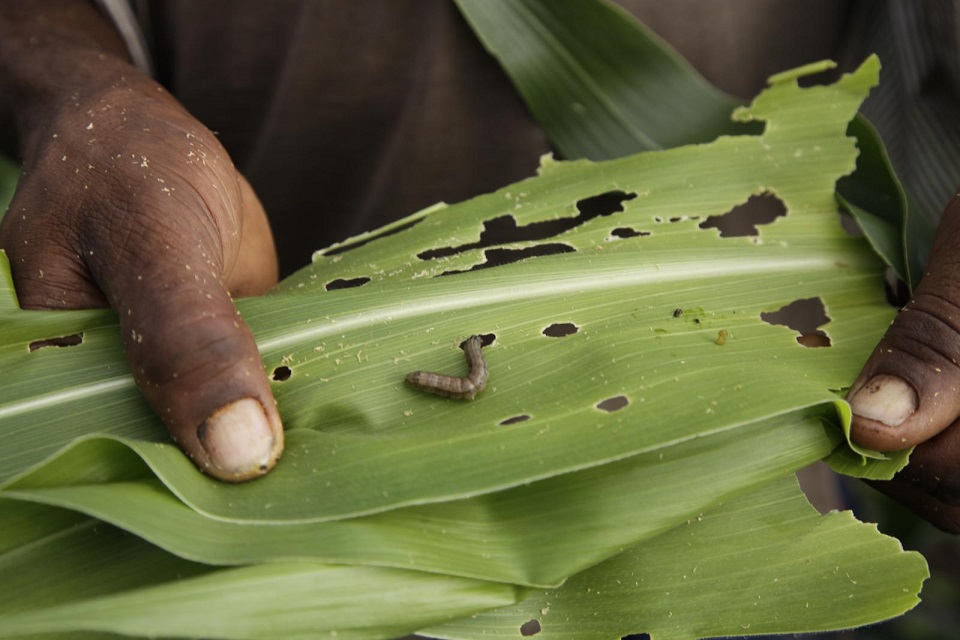
  • Integrated Pest Management: Sustainable Solution to Combat Fall Armyworm (Spodoptera frugiperda) Threatening Africa’s Food Security

    Integrated Pest Management: Sustainable Solution to Combat Fall Armyworm (Spodoptera frugiperda) Threatening Africa’s Food Security


    Illustrative Image: Integrated Pest Management: Sustainable Solution to Combat Fall Armyworm (Spodoptera frugiperda) Threatening Africa’s Food Security
    Image Source & Credit: FAO
    Ownership and Usage Policy

    A recent study by Togola et al. (2025) titled “Fall armyworm (Spodoptera frugiperda) in Africa: Insights into biology, ecology and impact on staple crops, food systems and management approaches“. published in Frontiers in Agronomy reveals that Integrated Pest Management (IPM) is the most sustainable and effective strategy to control fall armyworm in Africa.

    Integrated Pest Management (IPM) is the most sustainable and effective strategy to control fall armyworm in Africa.– Togola et al. 2025

    The study offers an in-depth analysis of the invasive pest’s spread, its devastating effects on agriculture, and the strategies for sustainable control across the continent. Originally native to the Americas, the fall armyworm (FAW) was first detected in Africa in 2016 and has since become one of the most destructive agricultural pests. It attacks more than 350 plant species, with maize—a staple food for millions in sub-Saharan Africa—being the most severely affected. FAW undergoes four developmental stages—egg, larval (six instars), pupal, and adult—with growth that is highly influenced by temperature and humidity. Its nocturnal feeding behavior, high reproductive capacity (females lay up to 1,500 eggs), and cannibalistic nature make it particularly resilient. Moreover, Africa’s favorable climate, overlapping cropping systems, and lack of native natural enemies have enabled the pest’s rapid establishment and spread. The Enemy Release Hypothesis helps explain this expansion, as the absence of local predators has left FAW populations largely unchecked.

    The pest’s invasion has had profound agronomic and economic consequences. It causes significant damage to maize, rice, sorghum, and sugarcane, leading to yield losses of up to 67% in some regions. Annual economic losses are estimated at $13 billion across sub-Saharan Africa, posing a serious threat to food security and the livelihoods of smallholder farmers. Additionally, the heavy reliance on chemical pesticides has disrupted ecosystems, harming beneficial insects and degrading environmental health.

    To mitigate these impacts, the study emphasizes the adoption of Integrated Pest Management (IPM) as a sustainable and holistic solution. This approach combines several complementary strategies:

    • Monitoring and Surveillance: Employing pheromone traps, remote sensing technologies, and AI-driven monitoring tools to track pest populations and predict outbreaks.
    • Cultural Practices: Implementing crop rotation, intercropping, and push-pull systems to disrupt pest life cycles and reduce infestation levels.
    • Host Plant Resistance: Breeding and promoting maize varieties and hybrids that are tolerant or resistant to FAW.
    • Mechanical and Physical Control: Handpicking larvae, applying ash or sand to whorls, and using traps for adult moths.
    • Biological Control: Utilizing natural enemies such as parasitoids, predators, entomopathogenic fungi, viruses, and botanical insecticides.
    • Chemical Control: Applying insecticides only as a last resort, with strict adherence to resistance management and refuge strategies to preserve long-term efficacy.

    Overall, the study highlights that while the fall armyworm poses a severe and ongoing threat to Africa’s food systems, a coordinated, science-based, and environmentally responsible IPM framework offers the most effective pathway toward sustainable management and agricultural resilience.

    How the Study was Conducted

    The study presents a comprehensive literature review that synthesizes a wide range of peer-reviewed studies, reports, and field data on the fall armyworm (Spodoptera frugiperda), focusing on its biology, ecology, spread, and impact across Africa. Drawing from field observations, experimental results, climate models, and socioeconomic assessments, the authors provide an integrated understanding of the pest’s behavior, environmental influences, and management strategies—particularly emphasizing Integrated Pest Management (IPM) approaches.

    Authored through multidisciplinary collaboration among experts from the International Maize and Wheat Improvement Center (CIMMYT), Texas A&M University, the International Institute of Tropical Agriculture (IITA), and the Kenya Agricultural and Livestock Research Organization (KALRO), the study combines expertise in entomology, agronomy, plant breeding, and pest management.

    By comparing findings across regions and cropping systems, the researchers identify key patterns in FAW behavior and spread, assess the effectiveness of various control methods, and highlight critical knowledge gaps and future research needs. Beyond academic insights, the study places strong emphasis on practical implications, offering actionable and scalable solutions aimed at policymakers, extension agents, researchers, and smallholder farmers.

    Ultimately, this review serves as a knowledge bridge—linking scientific research with field-based applications to promote sustainable, evidence-driven management of fall armyworm infestations across Africa.

    What the Authors Found

    The study found that the fall armyworm (Spodoptera frugiperda) has become a highly adaptable and destructive invasive pest in Africa, capable of rapid reproduction, long-distance migration, and severe crop damage—particularly to maize—posing a major threat to food security. However, the study concludes that Integrated Pest Management (IPM), combining biological, cultural, technological, and regional approaches, offers the most sustainable and effective strategy for controlling its spread and impact.

    Why is this important

    Safeguarding Africa’s Staple Crops:The study underscores the urgent need to protect key staples like maize, rice, and sorghum from fall armyworm infestations that can cause yield losses of up to 67%, threatening food supplies for hundreds of millions across sub-Saharan Africa.

    Strengthening Economic Resilience: With annual crop losses estimated at $13 billion, the research highlights the pest’s devastating impact on smallholder farmers—reducing income, deepening poverty, and destabilizing rural economies.

    Advancing Scientific Understanding: By analyzing FAW’s biology, ecology, and adaptive behavior, the study provides a scientific foundation for predicting outbreaks, designing targeted interventions, and breeding resistant crop varieties, especially under changing climatic conditions.

    Promoting Sustainable Pest Management: It advocates for Integrated Pest Management (IPM) as the most sustainable solution—combining cultural, biological, and technological methods to minimize pesticide use, protect ecosystems, and ensure long-term agricultural health.

    Fostering Regional and Global Collaboration: The study emphasizes the need for coordinated surveillance, farmer education, and research partnerships across borders, recognizing FAW as a transboundary pest that requires collective action.

    Guiding Future Agricultural Policy: Its findings serve as a roadmap for policymakers—informing investments in research, extension services, and climate-smart agricultural technologies to build a more resilient and food-secure Africa.

    What the Authors Recommended

    • The study emphasised adopting IPM as the foundation for FAW control by combining cultural practices (crop rotation, intercropping, push-pull systems), biological control agents (parasitoids, predators, entomopathogens), mechanical removal methods, and the use of FAW-tolerant maize hybrids—while reserving chemical pesticides as a last resort.
    • The authors advocate establishing robust surveillance networks using field scouting, pheromone traps, remote sensing, satellite imagery, and digital tools like FAMEWS, supported by community-based monitoring to enable rapid detection and response.
    • Promote the widespread use of FAW-tolerant maize hybrids developed by CIMMYT and partners, while investing in advanced molecular breeding approaches such as marker-assisted and genomic selection to accelerate resistance breeding.
    • Expand the use of Bt maize where appropriate and explore next-generation biotechnologies—such as RNA interference (RNAi) and CRISPR-Cas9 gene editing—to develop environmentally safe and durable resistance solutions.
    • In addition, foster coordinated action among African governments, research institutions, NGOs, and farmers through joint surveillance programs, data sharing, training initiatives, and harmonized policies to manage this transboundary pest effectively.
    • Furthermore, invest in farmer training and capacity building via field demonstrations, ICT tools, and local-language materials, while addressing climate and socioeconomic challenges to ensure equitable access to sustainable pest management solutions.

    In conclusion, the study by Togola et al. (2025) reinforces that Africa’s battle against the fall armyworm demands a coordinated, science-driven, and environmentally sustainable approach. By embracing Integrated Pest Management (IPM) and fostering collaboration among farmers, researchers, and policymakers, the continent can protect its staple crops, enhance food security, and build long-term agricultural resilience in the face of this persistent pest threat.

  • AI in African Healthcare: Key Trends, Challenges, and Opportunities for Sustainable Innovation

    AI in African Healthcare: Key Trends, Challenges, and Opportunities for Sustainable Innovation


    Illustrative Image: AI in African Healthcare: Key Trends, Challenges, and Opportunities for Sustainable Innovation
    Image Source & Credit: Talent Africa
    Ownership and Usage Policy

    A recent study by Kondo et al. (2025) titled “Exploring the status of artificial intelligence for healthcare research in Africa: a bibliometric and thematic analysis” published in AI and Ethics, by Springer Nature, reveals that advancing AI in African healthcare requires locally driven research, robust infrastructure, ethical practices, and equitable global collaboration.

    Advancing AI in African healthcare requires local leadership, robust infrastructure, ethical practices, and equitable global collaboration.-Kondo et al. 2025

    The study examines how Artificial Intelligence (AI) is being applied in healthcare research across Africa, offering a comprehensive overview of publication trends, key contributors, and emerging themes in this rapidly evolving field. Its primary goal is to quantify and analyze the volume of AI-related healthcare publications, identify leading authors, institutions, countries, and journals, and uncover the dominant technologies and themes shaping Africa’s AI healthcare landscape. It also highlights major challenges, gaps, and opportunities to guide future research and development.

    Thematic Insights

    The most frequently used keywords included machine learning, artificial intelligence, COVID-19, epidemiology, malaria, and tuberculosis. Emerging areas of focus such as digital health, deep learning, and global health point to the growing diversification of AI applications within healthcare. Foundational themes—AI, machine learning, Africa, and COVID-19—remain central yet continue to evolve, reflecting both growing interest and developmental potential.

    Challenges and Gaps

    Despite these advancements, the study identified several persistent challenges. A digital divide limits access to essential infrastructure in many regions, while a shortage of skilled AI specialists and healthcare professionals constrains innovation and application. Underrepresentation of African researchers and institutions in global AI healthcare literature remains a critical concern, as does the issue of ethical bias in AI models, often stemming from non-representative datasets that fail to capture Africa’s diverse populations.

    How the Study was Conducted

    The study used a bibliometric analysis to quantitatively examine academic literature on the application of Artificial Intelligence (AI) in healthcare across Africa. This approach helped identify research patterns, trends, collaborations, and thematic developments within the field.

    Data were collected from Lens.org, with the search conducted on April 9, 2022, using the query:

    (“Artificial Intelligence” OR “Machine Learning” OR “Deep Learning” OR “Natural Language Processing”) AND “Health*” AND “Africa”. Only English-language publications indexed in Lens.org and published up to April 9, 2022, were included, while non-English articles, those published after this date, and papers from other databases were excluded.

    The bibliometric analysis followed a four-step process:

    • Identification – Relevant literature was gathered using specific keywords related to AI and healthcare.
    • Analysis – Publication metrics such as authorship, citations, and keyword co-occurrence were examined to understand scholarly impact and research focus.
    • Presentation – The results were visualized using specialized bibliometric mapping tools.
    • Contextualization – The findings were interpreted within the broader context of AI research and its healthcare applications in Africa.

    For data processing and visualization, the researchers employed several tools. VOSviewer was used to map co-authorship networks and keyword co-occurrence patterns, while Bibliometrix generated thematic maps, topic trends, and three-field plots linking authors, keywords, and sources. Microsoft Excel was used for statistical summaries and the creation of visual charts showing publication trends, citation counts, and institutional productivity.

    The analysis measured and visualized a range of bibliometric indicators, including annual publication outputs, types of publication outlets (such as journals and conferences), subject areas (e.g., computer science, medicine, biology), top journals and publishers, leading countries and institutions, as well as keyword trends and thematic clusters.

    What the Authors Found

    The analysis identified over 5,300 AI and healthcare-related publications, with a remarkable surge in output beginning after the year 2000. Journals accounted for about 80% of all publications, followed by conference papers, book chapters, and technical reports, confirming that scholarly journals remain the main communication channel for disseminating AI healthcare research.

    The research revealed that the most active subject areas were Computer Science (1,070 publications), Medicine (881), and Biology (524), with Psychology, Public Health, and Business also contributing significantly. Among the leading journals, the Annals of Tropical Medicine and Public Health topped the list, while Elsevier emerged as the most prolific global publisher in this domain.

    In terms of geographical distribution, South Africa, Nigeria, and Kenya were the leading African contributors, while globally, the UK, USA, and South Africa dominated the field. Harvard University was identified as the most active institution worldwide, producing 143 publications, and notably, the University of Cape Town was the only African university to appear in the global top ten.

    Why is this important

    Spotlighting Africa’s Role in Global AI Healthcare: The study highlights Africa’s position in the global AI healthcare landscape, showcasing contributions from countries like South Africa, Nigeria, and Kenya. It also reveals under-representation from other regions, calling for more inclusive participation across the continent.

    Guiding Strategic Investment and Policy: By mapping research trends, institutions, and funding sources, the study provides a roadmap for governments and organizations to strengthen AI infrastructure. It offers evidence-based insights for policymakers to support AI education, research, ethical standards, and targeted funding toward neglected diseases and technologies.

    Accelerating Context-Specific Innovation: Recognising Africa’s unique healthcare challenges—such as infectious diseases, limited medical resources, and specialist shortages—the study encourages the development of AI tools tailored to local contexts. It promotes research on diseases like malaria and tuberculosis and advocates for affordable, scalable AI solutions for underserved communities.

    Empowering Local Institutions and Researchers: The findings show that most top institutions and leading authors in AI healthcare are based outside Africa. This underscores the need for capacity building within African universities and research centers, greater international collaboration, and support for emerging African researchers to drive innovation from within the continent.

    Addressing Ethical and Equity Concerns: The study emphasizes that AI systems must be trained on diverse, representative datasets to avoid bias. It calls for ethical frameworks and inclusive data practices that ensure fair access, transparency, and equitable benefits for all regions.

    What the Authors Recommended

    • Despite rapid global progress, Africa still lags in AI adoption within clinical care. Governments and health systems must design targeted strategies that address local challenges such as limited infrastructure, data scarcity, and workforce shortages, ensuring AI solutions are practical, scalable, and contextually relevant.
    • Empower African universities and research institutions to lead in AI-driven healthcare innovation. Support the development of region-specific models aligned with Africa’s disease burden—such as malaria, tuberculosis, and neglected tropical diseases—and ensure their findings are high-quality and citable to boost global visibility.
    • Foster equitable partnerships between African institutions and global leaders (e.g., Harvard, Oxford) to enable knowledge exchange, joint research, and capacity building. Encourage cross-border projects that position African scholars as equal contributors in the global AI health research ecosystem.
    • Invest in robust electronic health record systems, internet connectivity, and data governance frameworks. Strengthen healthcare data collection, storage, and interoperability to create reliable datasets for training and deploying AI models effectively across the continent.
    • Promote bias mitigation by using diverse datasets representing African populations. Frame AI as a driver of health equity and social justice, not just efficiency. Secure long-term funding through local and global partnerships to sustain research, implementation, and bibliometric monitoring for continuous improvement.

    In conclusion, the study by Kondo et al. (2025) offers a vital roadmap for advancing AI-driven healthcare across Africa. By uncovering publication trends, highlighting key contributors, and addressing pressing challenges such as data gaps, limited infrastructure, and ethical bias, the research underscores the urgent need for inclusive, locally led innovation. Strengthening institutional capacity, fostering equitable global partnerships, and investing in robust data ecosystems will be essential to unlocking AI’s full potential for improving health outcomes across the continent. Ultimately, the study calls for a future where AI in healthcare not only advances technology but also promotes equity, resilience, and sustainable development in Africa.

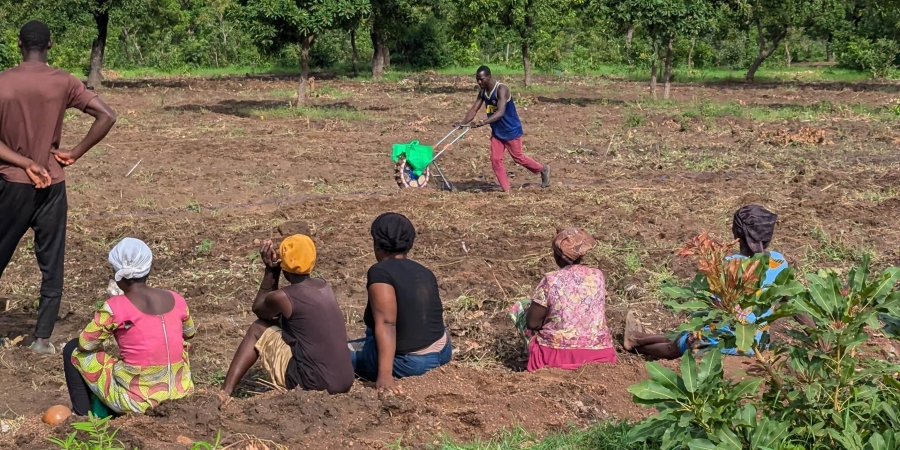
  • Enhancing Climate Resilience in Ghana: PRISMA Review Reveals Agricultural and Non-Agricultural Adaptation Strategies Driving Sustainability

    Enhancing Climate Resilience in Ghana: PRISMA Review Reveals Agricultural and Non-Agricultural Adaptation Strategies Driving Sustainability


    Illustrative Image: Enhancing Climate Resilience in Ghana: PRISMA Review Reveals Agricultural and Non-Agricultural Adaptation Strategies Driving Sustainability
    Image Source & Credit: Alliance Bioversity & CIAT
    Ownership and Usage Policy

    A recent study by Takal et al. (2025) titled “Enhancing resilience to climate change: a comprehensive PRISMA review of agricultural and non-agricultural adaptation strategies for Ghana“, published in Cogent Social Sciences, reveals that Ghanaian farmers employ a wide range of agricultural adaptation strategies to cope with climate variability and uncertainty.

    Ghanaian communities, especially farmers, are adapting to climate change through diverse strategies but face barriers from weak institutions and limited resources.– Takal et al. 2025

    The study presents a systematic examination of how Ghanaian communities, particularly smallholder farmers, are responding to the escalating threats posed by climate change. Using the PRISMA methodology (Preferred Reporting Items for Systematic Reviews and Meta-Analyses), the study rigorously analyzes 20 empirical studies published between 2012 and 2024 to assess existing adaptation strategies, identify knowledge and policy gaps, and propose ways to strengthen national and community-level resilience. The findings reveal that Ghanaian farmers employ a wide range of agricultural adaptation strategies to cope with climate variability and uncertainty. Key measures include crop diversification to reduce dependence on single crops, the adoption of drought-resistant varieties, and adjustments in planting schedules to align with shifting rainfall patterns. Additionally, improved irrigation systems and agroforestry practices are used to conserve water, enhance soil fertility, and support biodiversity, while soil moisture conservation techniques such as mulching and zero-tillage further boost productivity and sustainability.

    In the livestock sector, farmers adopt complementary strategies such as mixed farming systems combining stall-feeding with open grazing, seasonal migration to access better pasture, and the breeding of heat-tolerant and disease-resistant animals. They also manage water and shade resources to minimize heat stress and rely on emergency fodder reserves during drought periods. Beyond agriculture, non-farming communities demonstrate innovative non-agricultural adaptation strategies that enhance resilience and livelihood security. These include seasonal labor migration to urban areas to diversify income sources, small-scale enterprises and dry-season gardening to cushion economic shocks, and the strengthening of community associations and cultural practices that foster social cohesion, shared learning, and mutual support in times of stress.

    How the Study was Conducted

    The study used a systematic review guided by the PRISMA framework to ensure a transparent and replicable process. Researchers searched Web of Science and ProQuest, focusing on empirical studies published in English (2012–2024) about climate change adaptation in Ghana. Out of 336 articles, only 20 met the inclusion criteria after a detailed screening and full-text review. Data were then analyzed to identify agricultural and non-agricultural adaptation strategies. By following PRISMA, the study ensured rigour, credibility, and comprehensive insight into how Ghanaian communities are responding to climate change.

    What the Authors Found

    The author found that Ghanaian communities particularly farmers are actively adapting to climate change through diverse agricultural, livestock, and non-agricultural strategies, but their efforts are limited by inadequate institutional support, poor infrastructure, and lack of access to technology and climate education.

    Why is this important

    Climate Change’s Growing Impact on Ghana
    Ghana faces rising temperatures, declining rainfall, and reduced water availability—conditions that threaten agriculture, livelihoods, and food security for millions, particularly smallholder farmers with limited resources.

    Farmers as Agents of Adaptation
    The study reveals that Ghanaian farmers are actively responding to climate stress through innovative strategies such as drought-resistant crops, agroforestry, and diversified livestock systems, strengthening resilience and sustainability.

    Persistent Gaps in Knowledge and Policy Support
    Despite local innovation, adaptation is hindered by poor access to technology, weak extension services, limited climate education, and inadequate institutional frameworks—highlighting the need for stronger policy and capacity-building efforts.

    Beyond Agriculture: Social and Economic Resilience
    Non-agricultural strategies like seasonal migration, income diversification, and community-based support systems play vital roles in helping households cope with climate impacts.

    Lessons for Wider Application
    Using the PRISMA framework, the study provides a replicable, evidence-based blueprint for strengthening climate adaptation in Ghana and other vulnerable regions across Sub-Saharan Africa.

    What the Authors Recommended

    • Expand climate education for all age groups, enhance agricultural extension services, and provide specialized training for local officials and farmers to promote informed, climate-smart decision-making.
    • Establish dedicated climate adaptation bodies, integrate climate risks into national development plans, eliminate maladaptive subsidies, and introduce market-based incentives like carbon credits and climate insurance.
    • Promote agroforestry, drought-resistant crops, efficient irrigation systems, and soil moisture conservation through practices such as mulching, zero-tillage, and organic farming.
    • Encourage the breeding of heat- and disease-tolerant animals, improve water and shade access, promote pasture rotation, and train herders in fodder conservation and adaptive livestock management.
    • Recognize seasonal migration as a valid coping mechanism, and foster income diversification through small businesses, dry-season gardening, and craft enterprises to reduce overdependence on farming.
    • Document and preserve indigenous knowledge, encourage community-based learning, and create platforms for sharing successful adaptation practices across regions to amplify local resilience efforts.

    In conclusion, the study underscores that while Ghanaian communities are demonstrating remarkable innovation and resilience in adapting to climate change, achieving lasting sustainability will depend on stronger institutional support, inclusive policies, and enhanced access to education, technology, and climate-smart resources.

  • Unlocking the Hidden Value of Bambara Groundnut Waste: How Valorization Drives Sustainability, Food Security, and Economic Empowerment in Africa.

    Unlocking the Hidden Value of Bambara Groundnut Waste: How Valorization Drives Sustainability, Food Security, and Economic Empowerment in Africa.


    Illustrative Image: Unlocking the Hidden Value of Bambara Groundnut Waste: How Valorization Drives Sustainability, Food Security, and Economic Empowerment in Africa.
    Image Source & Credit: Croptrust
    Ownership and Usage Policy

    A recent study by Lungaho et al. (2025) titled “From Discard to Resource: Unlocking the Environmental and Nutritional Value of Bambara Groundnut Waste“, published in Frontiers in Sustainable Food Systems, reveals that effective management and valorization of Bambara groundnut waste can play a vital role in promoting environmental sustainability, food and nutrition security, and economic empowerment, especially across Africa.

    Valorizing Bambara groundnut waste transforms agricultural residues into valuable resources, boosting sustainability, food security, and economic growth. – Lungaho et al. 2025

    The study explores how the by-products of Bambara groundnut including shells, haulms (stems and leaves), and processing offals, can be transformed from agricultural waste into valuable resources that drive sustainability and economic growth. The study emphasizes that effective management and valorization of Bambara groundnut waste can play a vital role in promoting environmental sustainability, food and nutrition security, and economic empowerment, especially across Africa. By aligning with the principles of the circular economy, such innovations also contribute directly to the UN Sustainable Development Goals, particularly Zero Hunger and Climate Action. Through a detailed review of existing research, the authors identified several promising ways to repurpose Bambara groundnut waste. These include:

    • Bioenergy Production: Converting waste into biogas or bioethanol to provide clean, renewable energy and reduce dependence on fossil fuels.
    • Soil Amendments: Using compost and biochar derived from the waste to improve soil fertility and cut down the use of synthetic fertilizers.
    • Bio-Based Materials: Developing eco-friendly products such as bioplastics and adsorbents for water purification.
    • Nutrient Extraction: Utilizing the high protein, fiber, and bioactive compound content in residues to produce animal feed and functional foods.

    Together, these approaches reduce environmental pollution, enhance soil regeneration, and open new income-generating opportunities for farmers. However, the study also highlights key challenges to large-scale adoption, including limited infrastructure, technical know-how, and financial capacity among smallholder farmers, as well as weak policy frameworks and cultural perceptions that often discourage waste reuse. Ultimately, the authors argue that reframing Bambara groundnut waste from an environmental burden to a valuable resource can yield wide-ranging benefits—lower greenhouse gas emissions, improved soil health, greater food security, and job creation—while fostering a more sustainable and circular agricultural system for Africa’s future.

    How the Study was Conducted

    This systematic review followed PRISMA guidelines, searching Google Scholar, Web of Science, PubMed, and Scopus (May-June 2025) for studies on Bambara groundnut waste valorization. The review identified integrated valorization pathways, challenges, and relevant case studies, providing a comprehensive analysis of Bambara groundnut waste potential.

    What the Authors Found

    The authors found that Bambara groundnut waste, including shells, haulms, and processing offals is a valuable, underutilized resource with significant environmental, nutritional, and economic potential. Instead of being treated as agricultural residue, this waste can be transformed through four key valorisation pathways—bioenergy production, soil amendment, bio-based materials, and nutrient extraction—to create renewable energy, improve soil fertility, produce sustainable materials, and enhance food and feed nutrition. Overall, the study shows that valorizing Bambara groundnut waste supports circular economy practices, reduces greenhouse gas emissions, strengthens rural livelihoods, and advances multiple UN Sustainable Development Goals (SDGs) such as Zero Hunger, Climate Action, and Responsible Consumption and Production.

    Why is this important

    Enhancing Food and Nutrition Security
    Valorizing Bambara groundnut waste can help tackle hunger and malnutrition by creating alternative food and feed sources, reducing post-harvest losses, and improving food availability and affordability—especially in resource-limited regions of Africa.

    Protecting the Environment and Climate
    Transforming Bambara groundnut waste into compost, biochar, or bioenergy reduces methane emissions, prevents open burning, restores soil fertility, and supports climate-resilient agriculture—contributing to environmental sustainability and climate change mitigation.

    Driving the Circular Economy
    The study promotes a “waste-to-wealth” model where agricultural by-products are recycled and reused instead of discarded. This approach shifts African agriculture from a linear “produce–use–dispose” system to a regenerative, circular economy that benefits both people and the planet.

    Creating Rural Economic Opportunities
    Waste valorization opens new income streams for farmers through the sale of compost, animal feed, and bioenergy. It also generates rural employment and reduces farming costs, promoting economic empowerment, particularly among smallholder farmers and women.

    Advancing Sustainable Innovation and Global Goals
    The research provides a foundation for developing low-cost green technologies, shaping supportive policies, and fostering collaboration across sectors. It advances key UN Sustainable Development Goals (SDGs) — including No Poverty, Zero Hunger, Responsible Consumption and Production, and Climate Action — through sustainable agricultural innovation.

    What the Authors Recommended

    • Governments should promote waste valorization and circular economy practices through tax incentives, subsidies, and supportive regulations. Policies should prioritize bio-based products, set quality standards for compost and bioplastics, and encourage sustainable use of agricultural residues.
    • Research institutions such as IITA should develop affordable, scalable technologies for bioenergy, composting, and nutrient extraction. Further studies on the nutritional composition and safe processing of Bambara groundnut waste are needed, along with efforts to transfer these technologies to rural communities.
    • Collaboration among farmers, universities, NGOs, private companies, and government agencies is essential. Such partnerships can combine expertise, pool resources, and create new markets for products like organic fertilizers, animal feed, and bioplastics.
    • Implement training programs and public awareness campaigns to equip farmers, processors, and extension workers with skills in composting, biochar production, bioenergy generation, and nutrient extraction. Education should also address cultural barriers to using agricultural waste.
    • Expand access to microcredit, grants, and investment funds for smallholders and start-ups focused on waste valorization. Encourage the creation of community-based enterprises that process Bambara groundnut residues for profit.
    • Strengthen collaboration between African nations and international organizations such as CGIAR, FAO, and AUDA-NEPAD to align policies, share research, and mobilize funding. Advocate for Bambara groundnut to be recognized as a strategic crop for Africa’s food security and sustainable development.

    In conclusion, the study by Lungaho et al. (2025) highlights the transformative potential of Bambara groundnut waste as a catalyst for sustainable development across Africa. By turning agricultural by-products into valuable resources such as bioenergy, compost, bioplastics, and nutrient-rich feeds, this research underscores the power of innovation in advancing food security, environmental protection, and rural livelihoods. Embracing waste valorization not only supports the circular economy and reduces ecological footprints but also empowers farmers and communities to build a greener, more resilient future.

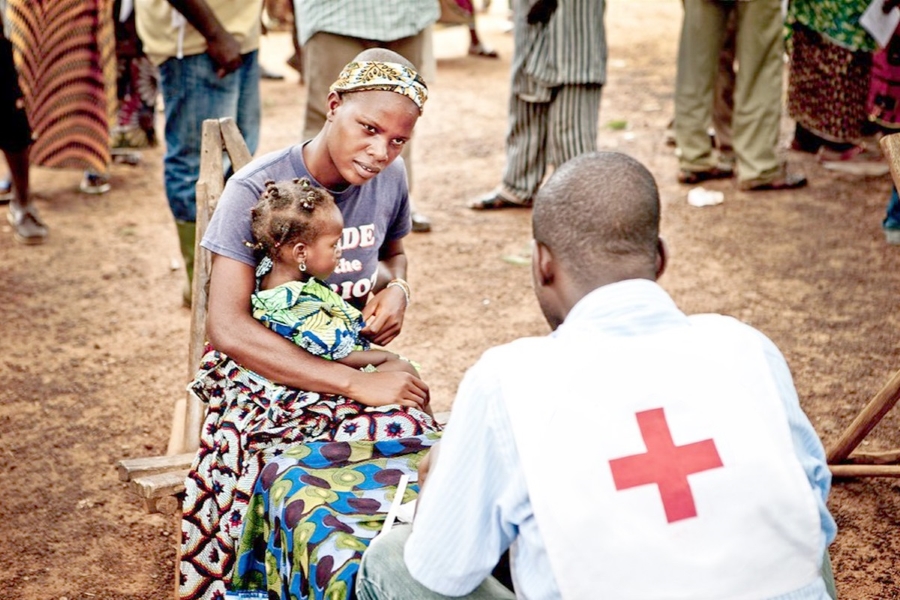
  • Angola’s Fight Against Sleeping Sickness: Progress, Strategies, and Path to Eliminating Gambiense Human African Trypanosomiasis by 2030

    Angola’s Fight Against Sleeping Sickness: Progress, Strategies, and Path to Eliminating Gambiense Human African Trypanosomiasis by 2030


    Illustrative Image: Angola’s Fight Against Sleeping Sickness: Progress, Strategies, and Path to Eliminating Gambiense Human African Trypanosomiasis by 2030
    Image Source & Credit: WHO
    Ownership and Usage Policy

    A recent study by Ouma et al. (2025) titled “Bold strides towards the elimination of gambiense human African trypanosomiasis (gHAT) as a public health problem—A case study of Angola” published in PLOS Neglected Tropical Diseases, reveals Angola drastically reduced gHAT cases, nearing WHO validation for elimination as a public health problem, targeting complete eradication by 2030.

    Angola has dramatically reduced gHAT cases through integrated control strategies and is on track for WHO-validated elimination by 2030.
    – Ouma et al. 2025

    Gambiense human African trypanosomiasis (gHAT), commonly known as sleeping sickness, is a chronic parasitic disease caused by Trypanosoma brucei gambiense and transmitted by tsetse flies. Angola has historically been one of the most affected countries, with major epidemics recorded in the 1920s–1940s and again in the 1990s–2000s. Today, up to one-third of the country’s population remains at risk, particularly across seven endemic provinces. The disease was first reported in Angola in 1871, with organized control efforts beginning in 1901. Early colonial-era interventions included bush clearing, patient isolation, and mass drug administration. These measures were later reinforced by the introduction of mobile teams and large-scale chemotherapy programs in the mid-20th century, which brought significant reductions in case numbers. Following Angola’s civil war, the government revitalized its HAT control program in 2002 through the Instituto de Combate e Controlo das Tripanossomiases (ICCT).

    Key strategies included active and passive screening with rapid diagnostic tests, intensified vector control using traps and insecticide spraying, and community awareness campaigns. Strong international partnerships with organizations such as Trypa-NO!, DNDi, and WHO further strengthened Angola’s response. As a result, annual cases fell dramatically—from an average of 3,496 between 1990 and 2006 to just 56 between 2016 and 2023. Surveillance and treatment coverage also expanded, with 157 health facilities now equipped to diagnose and manage gHAT. The introduction of fexinidazole, the first all-oral treatment for sleeping sickness, simplified patient care and improved accessibility. Despite these successes, challenges remain. Civil conflict, the COVID-19 pandemic, and continued population movement through tsetse-infested areas have disrupted progress. Animal reservoirs and surveillance gaps also pose risks, contributing to occasional fluctuations in case numbers. Looking ahead, Angola aims to eliminate gHAT as a public health problem by 2030. Planned strategies include intensifying vector control, strengthening surveillance, enhancing cross-border collaborations, and preparing a technical dossier for WHO validation. This case study highlights Angola’s remarkable progress and offers valuable lessons for other endemic countries committed to eliminating sleeping sickness.

    How the Study was Conducted

    The study employed a retrospective case analysis of Angola’s national efforts to eliminate gambiense human African trypanosomiasis (gHAT), covering the period 1901 to 2023. Using a descriptive approach, the researchers compiled historical and recent data on control activities, programmatic milestones, epidemiological trends, and strategic interventions. Data sources included national surveillance records from the Instituto de Combate e Controlo das Tripanossomiases (ICCT), reports from WHO, DNDi, and Trypa-NO!, as well as published literature and internal program documents. The analytical focus centered on case detection trends, screening coverage, treatment outcomes, the deployment and impact of vector control, the expansion of health infrastructure and diagnostic capacity, and the introduction of new treatments such as fexinidazole. Progress was assessed against WHO elimination targets, particularly reducing incidence to fewer than one case per 10,000 population in endemic areas, sustaining surveillance and response capacity, and preparing for the validation of elimination as a public health problem. This integrated approach allowed the study to document Angola’s achievements, highlight ongoing challenges, and outline priorities for the final steps toward the full elimination of gHAT.

    What the Authors Found

    The study found that Angola has achieved a dramatic reduction in gambiense human African trypanosomiasis (gHAT) cases and is now on the verge of eliminating the disease as a public health problem, positioning itself for WHO validation and aiming for full elimination by 2030.

    Why is this important

    Global and Scientific Significance
    Angola’s near-elimination of gHAT demonstrates that neglected tropical diseases can be controlled in resource-limited settings, aligning with WHO’s 2030 roadmap. The study also documents proven strategies—such as mobile screening, oral treatments, and vector control—that can be replicated elsewhere.

    National Public Health Triumph
    Angola’s transition from epidemic outbreaks to near-elimination strengthens its health infrastructure, enhances resilience against future vector-borne diseases, and marks a major milestone in national health progress.

    Broader Lessons for Disease Control
    The integrated approaches—rapid diagnostics, community engagement, surveillance, and cross-border coordination—offer transferable lessons for tackling other neglected diseases like leishmaniasis and Chagas disease.

    Policy and Investment Blueprint
    By showcasing what works in real-world contexts, the study provides actionable guidance for policymakers, donors, and NGOs, reinforcing the case for sustained investment in elimination programs globally.

    What the Authors Recommended

    • The study emphasises expanding passive surveillance nationwide, maintains active screening in high-risk areas, and improves data systems for early detection and monitoring.
    • The authors advocate scaling up tsetse fly control using traps and insecticide-treated targets while integrating efforts with community participation to ensure sustainability.
    • Guarantee availability of RDTs and fexinidazole in all endemic zones, alongside training health workers in case management and differential diagnosis.
    • Strengthen coordination with neighboring countries through shared surveillance data, harmonized control strategies, and measures to prevent reintroduction via migration.
    • Develop and submit a technical dossier documenting progress, case data, and surveillance capacity to support validation of elimination as a public health problem.
    • In addition, secure ongoing government backing and international funding, embedding gHAT elimination within broader health system strengthening and NTD programs.

    Angola’s remarkable progress in reducing gHAT cases demonstrates that sustained surveillance, effective treatment, community engagement, and strategic vector control can bring neglected tropical diseases to the brink of elimination, offering a model for other endemic countries and reinforcing global health efforts toward the 2030 targets.

  • Digital Mental Health Interventions for African Youth: Systematic Review Protocol Highlights Urgent Need, Equity, and Scalable Solutions

    Digital Mental Health Interventions for African Youth: Systematic Review Protocol Highlights Urgent Need, Equity, and Scalable Solutions


    Illustrative Image: Digital Mental Health Interventions for African Youth: Systematic Review Protocol Highlights Urgent Need, Equity, and Scalable Solutions
    Image Source & Credit: CSMonitor
    Ownership and Usage Policy

    A recent study by Mokaya et al. (2025) titled “Digital mental health interventions for adolescents and young people (10–24 years) in Africa: A protocol for a systematic review of mental health outcomes, engagement, and equity considerations” published in Wellcome Open Research, reveals that mental health problems are rising among African youth, but access to care is limited.

    Digital mental health interventions for African youth are promising but require rigorous evaluation, equity, and youth-centered design.– Mokaya et al. 2025

    This study is a systematic review protocol examining digital mental health interventions (DMHIs) for adolescents and young people (AYP) aged 10–24 years in Africa. Mental health challenges such as depression, anxiety, and stress are highly prevalent among African youth, yet access to care remains limited due to severe shortages of mental health professionals, persistent stigma, and weak integration of services into primary healthcare. Against this backdrop, digital solutions—ranging from mobile apps and SMS-based support to online counseling—offer a potentially scalable and accessible way to address these gaps. The review aims to identify and describe DMHIs developed or used in African contexts, assess their impact on outcomes such as symptom reduction, emotional regulation, and psychological well-being, and evaluate feasibility factors including user engagement, acceptability, and affordability. It also seeks to explore equity considerations, such as gender inclusivity and disparities in digital access.

    Africa presents a particularly urgent case: the continent has one of the lowest psychiatrist-to-population ratios in the world (0.05 per 100,000), faces deep-rooted stigma around mental illness, and experiences uneven technological access despite rapid digital growth. DMHIs could therefore play a critical role in bridging care gaps, but their effectiveness and inclusivity must be rigorously assessed. Ultimately, this review will deliver a comprehensive synthesis of existing evidence, offering insights into what works, for whom, and under what conditions. Its findings will provide essential guidance for policymakers, developers, and health professionals in shaping effective, equitable, and youth-centered digital mental health strategies across Africa.

    What the Authors Found

    The authors found that mental health problems are rising among African youth, but access to care is limited. Digital tools (like apps, SMS programs, and online platforms) appear promising, yet evidence on their effectiveness, inclusivity, and feasibility in African contexts is still unclear. This review aims to systematically gather and evaluate that evidence.

    Why is this important

    Urgent Need: Africa faces a severe shortage of mental health professionals, leaving adolescents and young people—who are highly vulnerable to depression, anxiety, and stress—without adequate support.

    Digital Opportunity: With rapid growth in mobile and internet use, digital platforms (apps, SMS, online tools) offer a scalable, accessible, and youth-friendly way to deliver mental health care.

    Policy and Practice Impact: This review will identify which digital interventions are effective, highlight gaps in current approaches, and guide governments, NGOs, and developers in making evidence-based investments.

    Equity and Inclusion: The study emphasizes designing interventions that are affordable, culturally relevant, and inclusive of marginalized groups such as girls, rural youth, and those with limited digital access.

    What the Authors Recommended

    • Governments, NGOs, and health systems should invest in digital mental health interventions (DMHIs) as cost-effective, scalable, and accessible options for low-resource settings.
    • Design DMHIs to be gender-inclusive, affordable, and accessible for youth with limited connectivity or digital literacy, using low-bandwidth tools like SMS and voice-based platforms.
    • Embed mental health support within primary care systems, using digital tools as complementary aids rather than standalone solutions.
    • Conduct more rigorous studies with standardized outcome measures and long-term follow-up to better understand effectiveness, feasibility, and user engagement.
    • Involve adolescents and young people in designing, testing, and implementing digital tools to ensure relevance, usability, and stronger engagement.
    • In addition, governments should invest in African-led research, training, and infrastructure to support sustainable innovation in digital mental health.

    In conclusion, digital mental health interventions offer a promising pathway to address the growing mental health challenges faced by adolescents and young people across Africa. By leveraging mobile apps, SMS programs, and online platforms, these tools can provide scalable, accessible, and youth-friendly support in contexts where traditional mental health services are limited. However, their success depends on ensuring cultural relevance, equity, affordability, and active engagement with young users. This systematic review underscores the urgent need for rigorous evidence, inclusive design, and policy investment to harness digital solutions effectively, ultimately guiding governments, NGOs, and health professionals in building sustainable, youth-centered mental health strategies across the continent.