Category: ARM ARTICLES

This category presents a post from ARM Magazine, spotlighting African researchers and their contributions.

  • RocketNet powers ahead to bring Fibre to Namibians

    RocketNet powers ahead to bring Fibre to Namibians

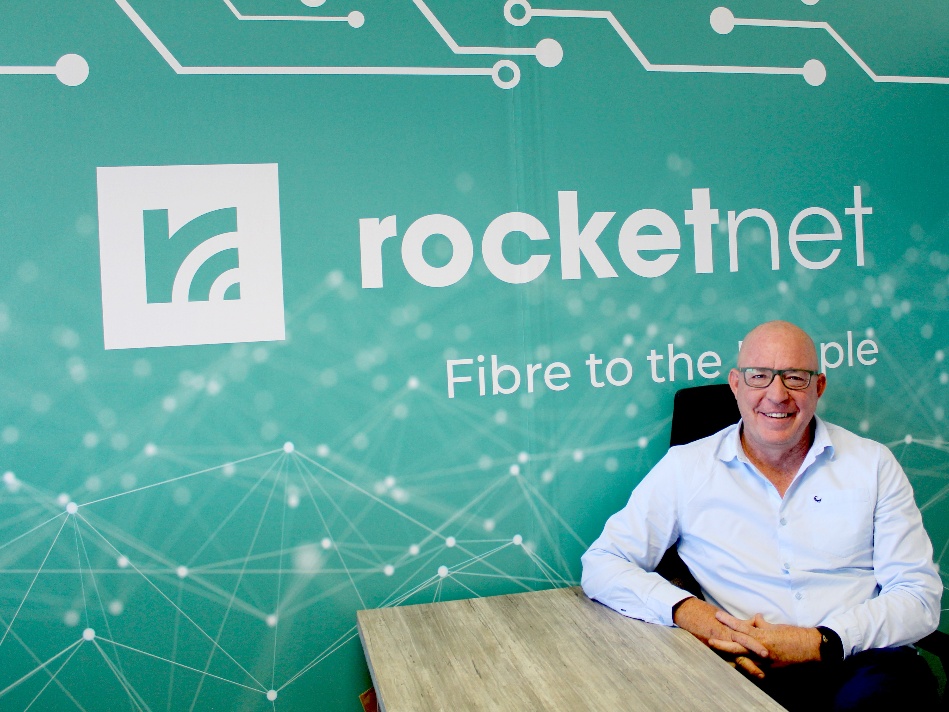
    Windhoek, 28 April 2025 – RocketNet, a dynamic Namibian Internet Service Provider, is transforming connectivity by delivering fast, affordable Fibre Internet to underserved Namibian communities. Founded in 2019 by Xander Erasmus with a vision to bridge the digital divide in areas such as Osona Village, RocketNet has since expanded its reach to include other previously overlooked areas and towns in Namibia.

    Despite initial delays due to the COVID-19 pandemic and funding constraints, RocketNet persevered and began commercial operations in January 2024. With just a small team of four, the company hit the ground running, determined to change the face of Fibre-connectivity in Namibia.

    By forming a strategic partnership with Lightstruck, the first privately owned open-access Fibre Network Operator in Namibia, RocketNet was able to start offering fibre to the communities. While Telecom Namibia (TN) holds the distinction of being the country’s first open-access Fibre Network Operator, Lightstruck is the first in the private sector to champion this model. RocketNet’s first major project with Lightstruck launched in Khomasdal on 26 June 2024.

    An intense and po-active rollout campaign followed, expanding RocketNet’s footprint to Osona Village, Rocky Crest, Rehoboth, and Dorado Park. Building on that success, the towns of Walvis Bay and Swakopmund soon followed.

    RocketNet’s community-first approach is central to its success. By hiring local, community-based sales teams and engaging directly with residents, the company has significantly expanded its customer base within a few months. The company also introduced affordable packages ranging from 10 Mbps to 100 Mbps, all with unlimited data.

    Understanding the challenges around affordable international bandwidth, RocketNet partnered with Oryx Fibre to establish an independent and diverse route to the Sub-Sea cables. This bold move allows RocketNet to deliver cost-effective, high-capacity data to homes and businesses.

    With new connectivity already reaching Windhoek’s Central Business District, Swakopmund, and the Walvis Bay industrial area, RocketNet is also expanding its offerings to the enterprise sector. A dedicated team now works with companies to provide reliable, high-speed Internet and help them connect to major platforms like Google, Microsoft Azure, and Amazon Web Services (AWS). These are the tools many businesses use for cloud storage, emails, video conferencing, and running their day-to-day operations.

    To further improve Internet access in remote parts of the country, RocketNet has partnered with Qkon and OneWeb to offer Low Earth Orbit (LEO) satellite-based connectivity. Unlike traditional satellites that orbit far from Earth, LEO satellites operate much closer, allowing for faster, more stable Internet connections. This advanced technology is ideal for areas where fibre cables can’t reach, such as remote lodges and out-of-town business branches, bringing high-speed Internet to even the most remote corners of Namibia.

    “As per RocketNet’s slogan, our purpose is to bring fibre to the people, and we are succeeding in this mission. Whether it’s a home in Windhoek or a lodge deep in the bush, we believe everyone in Namibia deserves access to reliable, affordable Internet,” says Founder and CEO, Xander Erasmus.

    With offices in Windhoek, Osona, and Rehoboth, and representatives in Swakopmund and Walvis Bay, RocketNet continues to position itself as a reliable and innovative alternative for both home and business Internet solutions in Namibia.

    For more information:
    Media Contact:
    Xander Erasmus
    Chief Executive Officer
    xander@rocketnetnam.com

  • AI for Africa by Africans The Need for Africa-Centric AI Tools in Local Languages

    AI for Africa by Africans The Need for Africa-Centric AI Tools in Local Languages

    Last month, I wrote an article about African Artificial Intelligence (AAI), I wanted to start a conversation about how one size does not fit all. ‘One-size-fits-all’ solutions are rarely the answer; in fact, they usually leave everyone disappointed. The feedback on the first article about AAI prompted me to think about the challenges of AI and its implementation to benefit Africans.

    A significant issue with AI, and something that mathematician and data scientist Cathy O’Neill wrote a book called, Weapons of Math Destruction – How Big Data Increases Inequality and Threatens Democracy, is the built-in bias of AI. We are living in the age of the algorithm. Increasingly, the decisions that affect our lives, where we go to school, whether we get a car loan, and how much we pay for health insurance are being made not by humans but by AI models.

    In theory, this should lead to greater fairness: everyone is judged according to the same rules, and bias is eliminated. But, as we know, every individual and their circumstances are different. One of the biggest problems is that these ‘models’ can cause significant harm and reinforce discrimination. For example, if a poor student can’t get a loan because a lending model deems them too risky (by where they live), they are then cut off from the kind of education that could pull them out of poverty, and a vicious spiral ensues.

    One of the major challenges we face here in Africa when using and integrating AI is that it is not made with Africans in mind or our diverse languages. As large language models (LLMs) dominate AI development, we must consider whether we should rely solely on these tools or create ‘African AI tools and models tailored to the continent’s unique needs. Africa is home to over 2,000 distinct languages and thousands of dialects spoken across 54 countries. However, Africa’s languages are woefully underrepresented in mainstream AI tools. LLMs are powerful, but their capabilities are shaped by their training data. Who is training them in Swahili, Yoruba, Afrikaans, or Oshiwambo?

    Our dream as a Namibian ICT company is to see Africa-specific AI tools prioritizing local languages, such as the African Artificial Intelligence (AAI) tool. Creating and training tools can bridge the gap between technology and those currently excluded due to language limitations. A farmer in rural Kenya or Namibia should be able to ask an AI tool about agricultural best practices in their native tongue and receive comprehensible, culturally relevant advice. Just imagine how transformative that could be for the communities.

    Beyond the practical benefits of an AAI tool, there are economic benefits as well. Creating an AAI represents an opportunity for economic growth and innovation. Developing AAI capabilities would stimulate local tech industries, create jobs, and build expertise across Africa. It also reduces reliance on external providers and protects the continent’s digital sovereignty. African nations, depending solely on imported AI tools, can exacerbate dependency and economic imbalance. Investing in developing Africa-specific AI tools empowers local innovators and ensures that technological advancements align with Africa’s priorities.

    If we are to develop and bridge the digital divide, creating AAI tools in local languages is not without its challenges. Building and training AI models requires vast amounts of data and investment. Efforts would also need to be made to digitize and curate linguistic resources while addressing ethical concerns such as consent and privacy.

    Funding is another critical factor; developing AI tools is capital-intensive, and African nations must prioritize investment in technology alongside other pressing needs. Collaboration between governments, private sector players, and international organizations should be the way forward.

    Africa could power an AI revolution and empower itself. Its linguistic and cultural diversity, combined with its unique socio-economic landscape, necessitates the development of AI tools tailored to local needs. The potential benefits of AAI far outweigh the obstacles. We can make it happen as a continent.

    Written by Kehad Snydewel: Managing Director, Green Enterprise Solutions

    Contact:
    Kehad Snydewel
    Managing Director, Green Enterprise Solutions
    Email: kehad@green.com.na

    About Green Enterprise Solutions (Pty) Ltd
    Founded in 2010, Green Enterprise Solutions is a proudly Namibian ICT company dedicated to empowering corporate Namibia with cutting-edge technology. Owned and managed by previously disadvantaged Namibians, Green aligns its goals with Vision 2030 and the National Development Plan 6 (NDP6). Our services span application development, cybersecurity, managed services, and data center technologies—all delivered with a commitment to sustainable, locally-driven growth.

  • African Agrifood Leaders Gain Sustainable Food System Insights in Ireland Through FAO’s HASTEN Initiative

    African Agrifood Leaders Gain Sustainable Food System Insights in Ireland Through FAO’s HASTEN Initiative

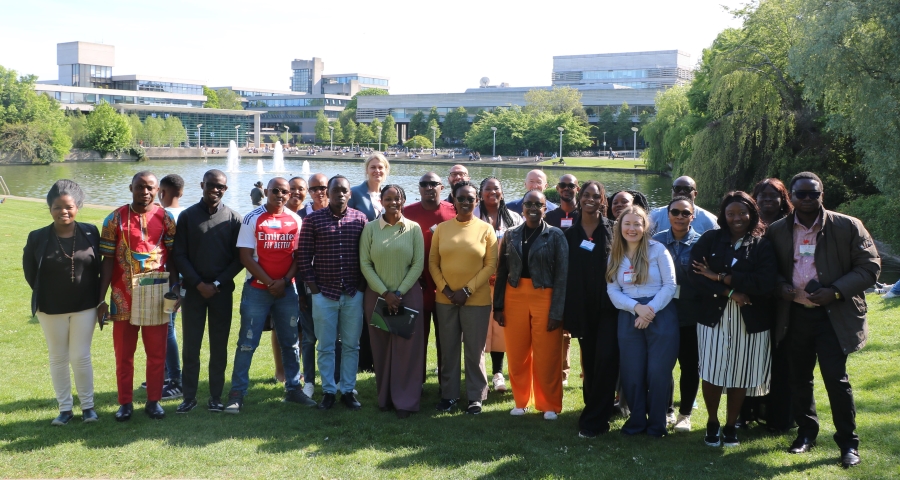
    DUBLIN, IRELAND – 8 May 2025 – A cohort of 22 emerging agrifood leaders from Lesotho, Rwanda, and Sierra Leone have completed a pivotal study visit to Ireland under the auspices of the FAO HASTEN initiative—Harnessing SDG-based Agrifood System Transformation through the Empowerment of the Next-Generation of Agrifood Leadership in Africa. Held from 28 April to 3 May 2025, the visit marked a significant milestone in advancing youth-driven transformation of agrifood systems across Africa.

    The week-long visit was hosted by Sustainable Food Systems Ireland (SFSI), a collaborative platform comprising five Irish government bodies and led by Ireland’s Ministry of Agriculture, Food and the Marine. This immersive experience provided participants with in-depth exposure to Ireland’s highly coordinated, innovative, and sustainable agrifood system—characterized by inclusive governance, multi-stakeholder collaboration, and science-driven policy integration.

    “This visit is not just a learning journey—it’s a launchpad for transformation,” said Stefanos Fotiou, Director of the FAO Office for the Sustainable Development Goals. “We are cultivating leaders equipped with the systems thinking, collaborative mindset, and technical knowledge needed to drive sustainable, SDG-aligned change in their home countries.”

    Deep Dive into Ireland’s Agrifood Innovation Ecosystem

    Participants engaged with a diverse range of Irish institutions at the forefront of agrifood innovation and sustainability. These included:

    • Department of Agriculture, Food and the Marine

    • Teagasc (Irish Agriculture and Food Development Authority)

    • Bord Bia (Irish Food Board)

    • Enterprise Ireland

    • University College Dublin (UCD)

    The group visited farms practicing regenerative, climate-smart, and technology-enhanced agriculture, providing firsthand exposure to nature-based solutions, emission-reduction strategies, biodiversity enhancement, and integrated land use practices. The visits also highlighted Ireland’s robust agricultural extension systems that support farmers in adopting and scaling up sustainable innovations.

    A Blueprint for Coordinated Agrifood Governance

    A central theme of the study visit was the importance of coordinated governance and cross-sectoral integration. Ireland’s approach to aligning public institutions, academia, private enterprises, and research bodies around common food system goals left a strong impression on the delegates.

    “The Ministry of Agriculture cannot build a resilient food system alone,” reflected Maleloko Molefi, Deputy Principal Secretary in Lesotho’s Ministry of Agriculture and Food Security. “This visit helped me understand the value of a national strategy that brings all actors to the table.”
    “The synergy between the government, private sector, and academia here is inspiring,” said Franklyn Belmoh of Sierra Leone’s Scaling Up Nutrition and Food Systems Coordination Unit. “It’s a model that drives inclusive innovation and bridges knowledge gaps—something we need to replicate at home.”

    Spotlighting Youth and Women-Led Agripreneurship

    The delegation explored models of green entrepreneurship, with a particular focus on youth and women-led ventures. These initiatives showcased the potential of peer-led innovation ecosystems to accelerate transformation and unlock opportunities for young Africans in agriculture.

    “I’m inspired to build a youth agripreneurs’ community back home,” said Adja Fatou Diop Ndiay, a Sierra Leonean entrepreneur. “When young people support each other, share visibility, and hold each other accountable, real change happens.”

    Education, Research, and Community: A Tripartite Approach

    Ireland’s integration of scientific research, higher education, and community engagement emerged as a powerful framework for sustainable food systems. The delegation explored how universities, research centres, extension services, and rural communities are interlinked to ensure that innovation is locally relevant and impactful.

    “Science, education, and community engagement must go hand-in-hand,” emphasized Lisa Raisa, Lecturer at the Rwanda Institute for Conservation Agriculture. “This trip confirmed that collaborative, community-based learning is key to transformation.”

    Laying the Foundation for Local Action

    The study tour concluded with each participant formulating personal and national action plans, grounded in the Irish experience but tailored to the specific contexts of Lesotho, Rwanda, and Sierra Leone. These plans emphasize:

    • Improved inter-institutional coordination

    • Enhanced youth and women’s empowerment

    • Expansion of public-private-academic partnerships

    • Integration of transdisciplinary approaches in national food systems planning

    The FAO will continue to support these leaders through peer-learning networks, national capacity-building workshops, and a regional lecture series later in 2025. These follow-up initiatives will focus on:

    • Creating supportive ecosystems for agrifood SMEs

    • Strengthening stakeholder engagement strategies

    • Translating lessons from Ireland into actionable local strategies

    “This visit embodied the values of the HASTEN initiative—systems thinking, inclusive governance, and collaborative leadership,” said Hajnalka Petrics, Lead Technical Officer of the HASTEN Project. “Participants return not only with technical insights but also with renewed confidence, bold visions, and strong networks to drive sustainable change.”

    About the FAO HASTEN Initiative

    The HASTEN Project, an initiative of the Food and Agriculture Organization of the United Nations (FAO), is designed to catalyse transformational change in Africa’s agrifood systems by empowering a new generation of leaders. Implemented in Lesotho, Rwanda, and Sierra Leone, HASTEN promotes

    • Transdisciplinary systems thinking

    • Capacity development to analyze SDG interlinkages

    • Development of inclusive, accountable institutions

    • Strengthening of private sector contributions to sustainable development

    The project is part of the FAO’s Flexible Voluntary Contribution (FVC) subprogramme and is anchored in strategic partnerships with national governments, academia, research institutions, investors, and youth-led enterprises. Through initiatives like this study tour, HASTEN is shaping a future where Africa’s agrifood leaders are not only equipped with knowledge but also empowered to lead transformational, SDG-aligned change.

  • How Africa’s Traditional Farming Practices Can Solve Global Food Insecurity and Climate Challenges

    How Africa’s Traditional Farming Practices Can Solve Global Food Insecurity and Climate Challenges

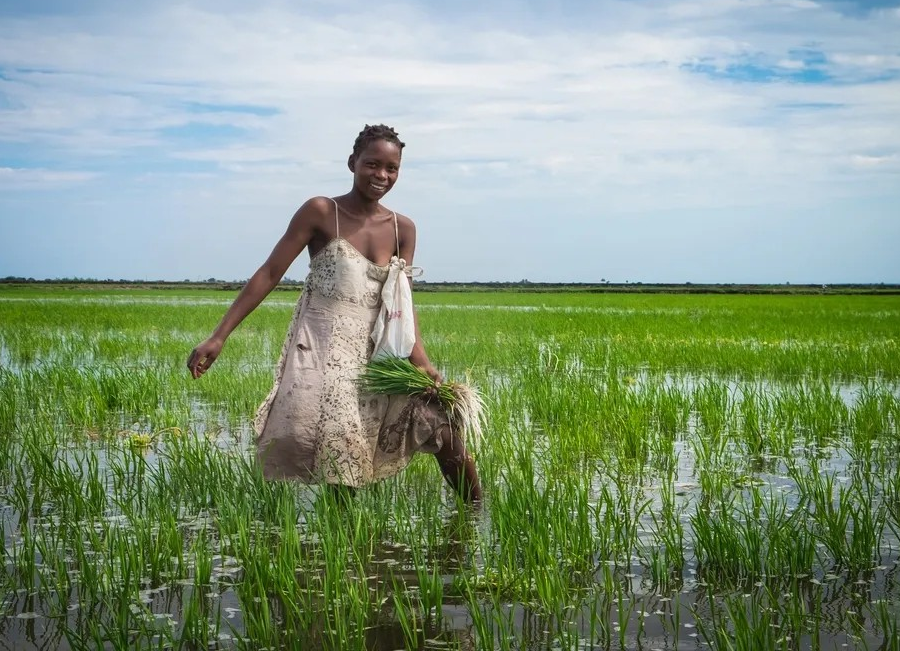
    Illustrative Image: How Africa’s Traditional Farming Practices Can Solve Global Food Insecurity and Climate Challenges
    Image Source & Credit: Getty Image

    As the world’s population continues to rise rapidly, questions of how to sustainably feed billions of people while preserving the environment have become more urgent than ever. The global population, which stood at 2.5 billion in 1950, reached 8 billion by 2022 and is expected to climb to 9.7 billion by 2050. Africa, in particular, will experience the most dramatic demographic shift, with its population projected to double to 2.5 billion within that timeframe.

    This surging population presents immense challenges for food systems, especially in regions already grappling with poverty, malnutrition, and food insecurity. Sub-Saharan Africa and parts of Asia remain the most affected, with a large percentage of the world’s food-insecure and malnourished populations. To address these challenges, global food systems must be transformed — not just expanded. While technological innovations and industrial-scale agriculture have dominated food production in the Global North, these approaches are not without serious drawbacks. Meanwhile, Africa’s traditional agricultural practices, often overlooked, offer time-tested, sustainable methods that can help feed the world and restore environmental balance.

    The Underestimated Power of Smallholder and Traditional Farming

    Across Africa, smallholder farmers — those working on plots typically less than two hectares — make up the backbone of the agricultural sector. These farmers have long relied on traditional methods passed down through generations. Far from being outdated, these practices represent ecologically sound strategies that promote soil fertility, conserve biodiversity, and adapt to shifting climate conditions.

    Key traditional practices include:

    • Crop rotation and diversification, which interrupt pest cycles and enhance nutrient uptake.

    • Cover cropping and mulching, which protect soil from erosion and maintain moisture.

    • Shifting cultivation and fallowing, which allow land to regenerate.

    • Use of compost, animal manure, and crop residues, which enrich soil without chemical input.

    These techniques form the essence of agroecology — a farming approach that works with natural ecosystems rather than attempting to dominate them. Agroecological practices enhance long-term productivity, improve resilience to climate shocks, and reduce dependency on synthetic inputs like chemical fertilizers and pesticides.

    Environmental Sustainability and Soil Health

    One critical yet often understated advantage of traditional agriculture is its role in soil health and regeneration. Healthy soils are the foundation of all productive agriculture. Unlike industrial systems that often degrade soil through intensive tilling and agrochemical use, traditional systems focus on soil preservation and natural enrichment.

    For instance:

    • Fallowing allows soil to rest and recover nutrients.

    • Organic manure improves soil structure and supports microbial activity.

    • Agroforestry, where trees are planted among crops, enhances carbon sequestration and creates microclimates conducive to crop growth.

    The Food and Agriculture Organization (FAO) warns that more than 90% of arable soils globally could suffer from degradation by 2050 if current practices continue. Africa’s traditional farming methods, if revitalized and scaled up, can be the antidote to this looming crisis.

    Rethinking the Role of Industrial Agriculture

    While industrial agriculture has undeniably boosted food production in some regions, its consequences cannot be ignored. The model relies heavily on monocultures and synthetic inputs, leading to:

    • Loss of biodiversity.

    • Soil depletion and nutrient mining.

    • Water pollution from agrochemical runoff.

    • Greenhouse gas emissions contribute to climate change.

    Moreover, industrial systems often fail to serve smallholder farmers. They require significant capital investment, reduce farmer autonomy, and prioritize export crops over local food security. The debate isn’t about choosing between traditional and industrial agriculture but recognizing the unique strengths of traditional systems in promoting sustainability, resilience, and food sovereignty — particularly in contexts like Africa.

    Policy Support and Incentives: A Critical Gap

    Despite their immense promise, traditional agricultural practices face serious challenges. One of the biggest is the lack of immediate economic return, which drives farmers to adopt short-term strategies like chemical inputs to ensure faster yields. To reverse this trend, governments and development partners must create enabling environments:

    • Subsidies and incentives for farmers adopting agroecological methods.

    • Extension services and farmer education focused on sustainable practices.

    • Research investments into improving indigenous techniques.

    • Market access, including off-taker agreements for sustainably grown produce.

    • Inclusion in national policies, such as food security, climate adaptation, and nutrition strategies.

    Countries like the United States have made strides by offering insurance and subsidies for regenerative farming. Africa can take a similar path by aligning agricultural policies with traditional knowledge systems and ecological farming.

    Nutrition, Health, and School Feeding

    Beyond yields, traditional farming systems produce diverse, nutrient-rich crops that can combat hidden hunger and improve public health. Unlike industrial systems that favor calorie-dense but nutrient-poor staples, traditional agriculture supports dietary diversity. For instance, Ghana’s school feeding program demonstrates how integrating locally grown, ecologically farmed foods into public institutions can enhance child nutrition while providing reliable markets for smallholder farmers.

    Raising Awareness and Reframing the Narrative

    An essential part of scaling up traditional agriculture is changing the way it’s perceived. Too often, it is dismissed as backward or inefficient. Yet, these systems are resilient, adaptive, and sustainable, and they represent the kind of farming the future demands. Public education campaigns, curriculum reforms, and community programs can help reshape perceptions and build demand for sustainable, eco-friendly produce.

    Conclusion: A Game Changer for the 21st Century

    Africa’s traditional agricultural practices, far from being relics of the past, are essential tools for the future. They offer practical solutions to soil degradation, biodiversity loss, malnutrition, and food insecurity. With the right investments, policy support, and public awareness, smallholder farmers can lead the global transition toward a more sustainable and equitable food system. In the race to feed a growing population without destroying the planet, Africa’s age-old farming wisdom could be the most valuable asset we have yet to fully embrace.

    By Dr. Peter Asare-Nuamah | April 11, 2025

  • Global Food Security 2025: World Bank Strategies, Data, and Solutions to Combat Food Insecurity

    Global Food Security 2025: World Bank Strategies, Data, and Solutions to Combat Food Insecurity

    The State of Global Food Security

    Food insecurity continues to affect hundreds of millions globally, driven by compounding challenges such as armed conflicts, economic instability, climate change, and disruptions to agricultural systems. According to the latest World Bank data, acute food insecurity persists, especially in conflict-affected regions of East and Central Africa.

    • Sudan: Over 25 million people face acute food insecurity, including famine conditions in multiple regions.

    • Democratic Republic of Congo: 27.7 million people are food insecure, with 4 million in emergency conditions.

    • Other hotspots include Gaza, Haiti, Lebanon, and Yemen, where ongoing conflicts continue to disrupt food supply chains and livelihoods.

    Rising Food Prices and Inflation Trends

    Global food price inflation remains a pressing concern. Between December 2024 and March 2025, the following trends were noted:

    • 78.9% of low-income countries reported food inflation over 5%.

    • Inflation in upper-middle-income countries rose significantly (13 percentage points).

    • In 60% of 162 countries, food prices increased faster than overall inflation.

    Cereal prices are mixed:

    • Maize: 9% higher year-on-year, 26% above January 2020 levels.

    • Wheat: 4% lower year-on-year, 3% below January 2020.

    • Rice: 29% lower year-on-year, but 5% higher than January 2020.

    Despite price fluctuations, global supply remains stable, with no major food shortages expected in the near term, thanks in part to steady harvests in key regions like South America.

    Structural Challenges in Food Systems

    A critical issue raised by a recent World Bank blog is the misalignment of agricultural subsidies with nutrition goals. Globally, over $800 billion in public support is directed toward staple grains, sugar, and meat—while healthier options like fruits, vegetables, and dairy receive far less investment. This perpetuates poor nutritional outcomes and weakens the resilience of food systems.

    Gaps in Social Protection

    The World Bank’s State of Social Protection 2025 report highlights a troubling reality: 2 billion people in low- and middle-income countries lack adequate social safety nets. This leaves vulnerable populations exposed to food crises, particularly during economic or climatic shocks.

    World Bank’s Multifaceted Response

    The World Bank is actively supporting food and nutrition security projects in 90 countries, blending short-term emergency responses with long-term resilience-building strategies such as:

    Social Protection & Emergency Support

    • Central African Republic: $50M Emergency Food Security Response – 329,000 farmers receive seeds, tools, and training.

    • Guinea-Bissau: $15M project – 72,000 farmers benefit from climate-resilient inputs; 8,000 households receive food aid via cash transfers.

    • Egypt: $500M – Supports wheat imports and nutritional outcomes amid global shocks.

    Climate-Smart Agriculture & Rural Development

    • Honduras:

      • COMRURAL II & III – Boosts market access for 6,287 small-scale producers.

      • PROSASUR – Improves dietary diversity in impoverished communities.

    • Malawi: $95M AGCOM Project – Strengthens agricultural commercialization and crisis response.

    • Burundi: $60M – Enhances food security and community development for refugees and host communities.

    Regional and Multi-Country Resilience Programs

    • Eastern and Southern Africa: $2.75B Food Systems Resilience Program – Enhances crisis response and long-term productivity.

    • West Africa: $766M + $345M – Strengthens regional food markets and digital advisory services.

    • Sahel Region: $175M – Supports irrigation development for over 130,000 farmers.

    • AICCRA (Africa-wide): $60M – Reaches nearly 3M farmers with climate-smart agriculture tools.

    Country-Specific Programs

    • Yemen: $150M – Supports food security and livelihoods.

    • Jordan: $125M – Enhances climate resilience in agriculture.

    • Bolivia: $300M – Promotes climate-smart practices and food access.

    • Tunisia: $130M – Mitigates Ukraine war impact by supporting critical imports.

    • Chad, Ghana, Sierra Leone: $315M – Boosts preparedness and systemic resilience.

    Global Coordination and Policy Reform

    The Global Alliance for Food Security, co-convened by the World Bank and the G7 in 2022, continues to play a vital role in global response coordination. The Global Food and Nutrition Security Dashboard provides real-time data for policymakers.

    In a joint statement issued in 2023, the heads of major international organizations (FAO, IMF, WBG, WFP, WTO) urged the international community to:

    1. Rescue hunger hotspots.

    2. Facilitate global trade and improve food market efficiency.

    3. Reform harmful subsidies and redirect support toward nutrition and resilience.

    Conclusion: A Call for Collective Action

    The global food crisis is not just a challenge of supply, but a complex interplay of inequality, conflict, climate disruption, and policy misalignment. The World Bank’s multifaceted approach—ranging from emergency relief to systemic reform—emphasizes building resilience, boosting productivity, and ensuring equitable access to food.

    To combat food insecurity effectively, global cooperation, evidence-based policymaking, and targeted investment in sustainable agriculture and social protection are essential. Only through integrated solutions can we secure the right to food for all and meet the 2030 global hunger and nutrition targets.

  • Small High-Intensity Farms, Food Forests, and Gardens: A Sustainable Path to Food Security, Employment, and Climate Resilience in Namibia

    Small High-Intensity Farms, Food Forests, and Gardens: A Sustainable Path to Food Security, Employment, and Climate Resilience in Namibia

    Introduction

    As the world faces an increasing challenge of food insecurity, climate change, and economic instability, it is essential to find innovative, sustainable solutions to address these growing issues. One such approach is the implementation of small high-intensity farms, food forests, and gardens in every village. This model offers a sustainable path to food security, job creation, and a reliable source of income for rural communities. In stark contrast to industrial agriculture, which often leads to environmental degradation, economic disparity, and limited access to affordable food for the majority, these local, small-scale farming initiatives can be transformative for both individuals and nations.

    The Case Against Industrial Agriculture

    Industrial agriculture, dominated by large-scale monocropping systems, relies heavily on chemical fertilizers, pesticides, and high resource consumption. While it has been touted for its ability to produce large quantities of food, it has several significant drawbacks. Monoculture farming requires vast stretches of land, leading to deforestation, habitat loss, and a reduction in biodiversity. Over time, these practices degrade soil health and increase dependency on synthetic inputs, which harm the environment and increase costs for farmers. Moreover, industrial agriculture consolidates economic power in the hands of large agribusinesses, leaving small farmers unable to compete or access fair market prices.

    The consequences of this system extend beyond environmental degradation. Villagers, often the most vulnerable populations, are priced out of industrial food markets. While industrial food may be abundant, the local population struggles to afford it due to economic disparities. As such, a fundamental shift is needed to empower rural populations to become more self-sufficient and productive. This approach, involving the integration of small, sustainable farming systems, addresses not only food security but also the broader issue of economic inequality.

    The Power of Permaculture and Local Organic Farming

    Permaculture offers a holistic, sustainable farming approach that can revolutionize food production. Rather than relying on external inputs and chemical fertilizers, permaculture systems emphasize building healthy ecosystems where plants, animals, and microorganisms work together. For example, nitrogen-fixing plants like legumes can be strategically planted to enrich the soil for neighboring crops. This reduces dependency on artificial fertilizers and enhances soil fertility naturally.

    The use of permaculture techniques also improves energy efficiency. For instance, strategically placing water sources uphill can create gravity-fed irrigation systems, reducing the need for external energy inputs. Local organic farming, empowered by permaculture principles, strengthens local economies by reducing reliance on imported inputs and markets. Successful implementations, like those in Kenya’s Molo region, demonstrate the transformative power of permaculture. Farmers have doubled their yields through training and the adoption of these sustainable practices.

    Food Forests in Arid Regions

    In regions facing droughts and water scarcity, food forests present a viable solution. In Senegal, for example, food forests are thriving in arid regions similar to Namibia’s climate. By utilizing drought-resistant species and applying permaculture techniques, these forests provide year-round food while combating desertification and improving soil health. This model has successfully reduced dependency on traditional agriculture, fostering food security in even the harshest environments.

    One example is the Great Green Wall project in Senegal, which is helping to combat desertification by establishing food forests in the Sahel region. These forests employ drought-resistant trees such as baobab and moringa, providing both food and medicinal resources year-round. This layered approach allows for optimal use of land, with deep-rooted trees accessing groundwater and shallow-rooted vegetables benefiting from shade and moisture retention. Such food forests are also being implemented in Namibia, where they offer a model for enhancing food security in arid climates.

    Fodder Production for Livestock

    For livestock farmers, access to affordable, high-quality feed is a constant challenge. Local fodder production offers an innovative solution to this issue, reducing costs and improving livestock health. Hydroponic systems, which allow for the rapid growth of barley or sorghum, offer a way to produce nutrient-rich feed in just a few days. In northern Namibia, perennial grasses like Brachiaria are being used to improve milk yields and reduce overgrazing, further enhancing the sustainability of livestock farming.

    Additionally, plants like lucerne (alfalfa) and purslane offer drought-tolerant, high-nutrient feed for livestock, perfect for Namibia’s arid conditions. Water-based, fast-growing plants such as duckweed and azolla provide protein-rich supplements that thrive in minimal water, ensuring a sustainable feed supply for animals even in water-scarce regions. These systems not only improve livestock health but also reduce the need for expensive commercial feed, making farming more economically viable.

    Integrating Animals and Insects into Farming Systems

    Integrating animals such as chickens, goats, and pigs into farming systems creates a diverse ecosystem that benefits both crops and livestock. Chickens can help manage pests while also providing manure that fertilizes the soil. Goats and pigs contribute to land preparation, with their natural digging behaviors aiding in soil aeration and weed control. Insects like black soldier flies can also be utilized to convert organic waste into high-protein feed for poultry and fish, closing nutrient loops within the farming system and minimizing waste.

    Aquaponics: A Symbiotic System for Urban and Rural Areas

    Aquaponics, which combines fish farming with hydroponic crop cultivation, is an excellent solution for small-scale, sustainable food production. In Nairobi, rooftop aquaponics systems are providing both vegetables and fish for urban communities, creating a symbiotic relationship between fish and plants. The fish waste provides nutrients for the plants, and the plants help purify the water for the fish, dramatically reducing water use compared to traditional agriculture. This system not only conserves water but also increases food security by providing two food sources in a single closed-loop system.

    Aquaponics is also ideal for areas with limited access to arable land or water resources. By operating on minimal inputs, often with solar-powered pumps, aquaponics systems can function off-grid, making them suitable for remote or underdeveloped areas. The combination of fish and vegetables offers a diverse and nutritious food source, contributing to both food security and sustainable farming practices.

    Success Stories from Kenya and Zimbabwe

    The success of small high-intensity farms has been demonstrated in Kenya and Zimbabwe. In the Nyando Basin, farmers have adopted climate-smart agriculture, integrating crops, trees, and livestock to improve resilience to changing weather patterns. Similarly, Zimbabwe’s Chikukwa Ecological Land Use Community Trust has transformed degraded land into productive, biodiverse farms through permaculture, restoring food security and providing income for local communities. These examples underscore the potential of small farms to drive both environmental restoration and economic development.

    Urban Solutions: Greywater Food Circles

    Urban areas also stand to benefit from sustainable farming practices. In Windhoek, greywater food circles offer a simple yet effective solution for addressing water scarcity and food insecurity. These circular planting systems, often centered around fruit trees, reuse household wastewater from showers, sinks, and washing machines to irrigate food-producing plants. By making use of nutrient-rich greywater, these systems support the growth of vegetables, herbs, and fruit trees in urban backyards, maximizing water reuse and reducing waste. This sustainable urban agriculture solution helps enhance food production while conserving water resources in areas facing extreme water shortages.

    National Benefits of Small High-Intensity Farms for Namibia

    The widespread adoption of small high-intensity farms, food forests, and gardens across Namibia would have profound implications for the nation’s prosperity and sustainability. These systems offer numerous benefits, from improved nutrition and education outcomes to job creation and climate resilience.

    Nutritional Benefits and Improved Educational Outcomes

    Access to fresh, diverse, and organic food is critical for the health and cognitive development of children. Proper nutrition during childhood has been linked to better academic performance and improved attendance rates. By fostering the growth of small farms and food forests, Namibia can combat malnutrition and ensure that its youth are well-nourished, setting them up for success in school and life.

    Reducing Urbanization and Eradicating Poverty

    The decentralization of food production through small high-intensity farms reduces the pressure on urban centers, where overcrowding and poverty often lead to social instability. By creating employment opportunities in rural areas, these farms empower local communities and reduce the need for migration to cities. This helps alleviate urban poverty and fosters more balanced, regional development.

    Improving Health and Wellbeing

    In addition to the economic and nutritional benefits, engaging in farming can have significant mental health benefits. Working with the land, whether through planting, harvesting, or animal husbandry, fosters a connection to nature and provides a sense of purpose and achievement. This can reduce stress, anxiety, and depression, contributing to overall health and wellbeing. A healthier population, both physically and mentally, will reduce the burden on healthcare systems, leading to lower medical costs and improved public health outcomes.

    Fighting Climate Change: Enhancing Resilience to Drought and Flooding

    Namibia’s vulnerability to climate change, particularly its susceptibility to droughts and floods, can be mitigated by adopting small high-intensity farming systems. These systems, built on permaculture principles, are designed to be resilient to extreme weather events. Techniques such as rainwater harvesting, greywater reuse, soil conservation, and crop diversification increase the ability of these farms to adapt to changing weather patterns. The integration of trees and improved soil health also helps prevent flooding and combat desertification, ensuring consistent agricultural yields even in unpredictable conditions.

    Conclusion

    The adoption of small high-intensity farms, food forests, and gardens across Namibia offers a comprehensive, sustainable solution to many of the nation’s most pressing challenges. This approach not only secures food security and reduces poverty but also enhances education, public health, and climate resilience. By empowering rural communities and promoting sustainable farming practices, Namibia can create a prosperous, self-sufficient, and resilient future for its people. This model provides an opportunity for long-term national growth, ensuring that future generations inherit a thriving, equitable, and environmentally sustainable nation.

  • Can Agriculture 4.0 Transform Food Security and Curb Deforestation in Sub-Saharan Africa?

    Can Agriculture 4.0 Transform Food Security and Curb Deforestation in Sub-Saharan Africa?

    As sub-Saharan Africa (SSA) grapples with the dual challenge of feeding a rapidly growing population and preserving its shrinking natural ecosystems, agricultural policy discourse is increasingly focused on achieving food self-sufficiency. However, this goal must be balanced against the backdrop of extensive forest degradation, much of which is driven by the expansion of agricultural land.

    A promising solution lies in the transformative potential of Agriculture 4.0—a suite of emerging technologies that includes precision farming, the Internet of Things (IoT), cloud computing, big data analytics, drones, robotics, and biotechnology innovations. While these technologies are often developed and applied in high-income countries (HICs), there is growing recognition of their relevance for low- and middle-income countries (LMICs), particularly in Africa.

    What is Agriculture 4.0?

    Agriculture 4.0 represents the next evolutionary phase of farming, characterized by the integration of digital technologies into every aspect of the agricultural value chain. These tools enable smarter, data-driven decisions—optimizing inputs, improving yields, and minimizing environmental impact.

    For instance:

    • Precision seeding ensures optimal plant spacing for higher yield density.

    • Soil mapping and diagnostics enable farmers to apply the right type and quantity of fertilizers and other inputs.

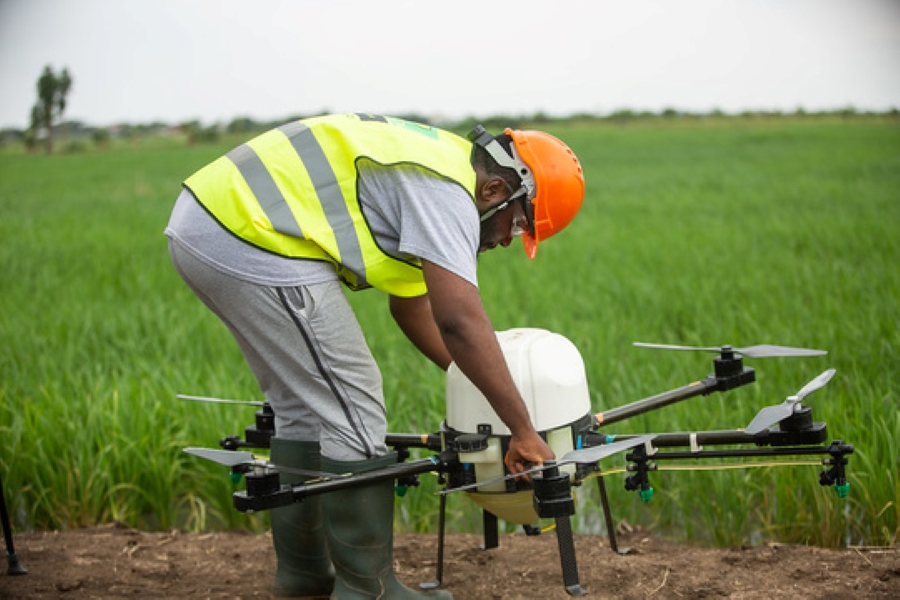
    • Drones assist in real-time crop monitoring and pest control.

    • Cloud-based data systems help farmers track and forecast weather patterns and crop growth.

    Collectively, these technologies have the potential to help SSA farmers produce more food on existing farmland, thereby reducing the pressure to clear forests and natural habitats for cultivation.

    Is Sub-Saharan Africa Ready for Agriculture 4.0?

    In their recent perspective paper, the authors examine SSA’s readiness for adopting Agriculture 4.0 across five critical dimensions:

    1. Scale—The potential to reach large numbers of smallholder farmers is limited by fragmentation and variability in farm size and location.

    2. Finance and Capital Investment—Access to affordable financing remains a barrier. Investment is required not only in technology but also in supporting infrastructure and services.

    3. Leapfrog Technologies and Digital Infrastructure—Although mobile penetration is increasing, many rural areas lack reliable internet connectivity and power supply.

    4. Institutions, Governance, and Ethics—Robust frameworks are needed to manage data privacy, ensure fair access, and uphold farmer rights, especially regarding land tenure and resource use.

    5. Education and Skills—There is a need for widespread farmer education and extension services to bridge the digital literacy gap and foster local innovation.

    Despite these hurdles, the authors find that significant potential exists for SSA to adopt smart farming technologies that boost food production without expanding cultivated areas.

    A Double-Edged Sword?

    Interestingly, while Agriculture 4.0 can promote more efficient and sustainable farming practices, it may also have unintended consequences. Increased profitability and productivity could make agriculture a more attractive livelihood, potentially incentivizing further land expansion unless carefully managed. This underscores the importance of coupling technological adoption with sound land governance and clear property rights.

    Moreover, ethical considerations around the use of data—especially when managed by third-party tech providers—raise concerns about transparency, farmer autonomy, and digital exclusion. There is also the risk that over-reliance on digital tools could disconnect farmers from the traditional, intuitive understanding of their landscapes, with potential repercussions for sustainability and resilience.

    A Path Forward

    Projects like Sentinel, which focuses on Ethiopia, Ghana, and Zambia, are working to address these complex interlinkages between food security, biodiversity conservation, and inequality reduction. By supporting integrated approaches to agricultural development, such initiatives aim to inform policies that foster equitable, environmentally sound, and technologically inclusive farming systems.

    The key question remains: Can sub-Saharan Africa harness the power of Agriculture 4.0 to meet its food demands without sacrificing its forests and biodiversity?

    The answer depends not just on technology itself, but on creating an enabling environment—through education, governance, infrastructure, and investment—that allows innovation to thrive in contextually appropriate, inclusive, and sustainable ways.

  • Africa’s Path to Self-Reliance: Lessons from U.S. Aid Cuts and Strategies for Sustainable Healthcare

    Africa’s Path to Self-Reliance: Lessons from U.S. Aid Cuts and Strategies for Sustainable Healthcare

    The abrupt termination of billions of dollars in U.S. foreign aid has sent shockwaves across Africa’s scientific and healthcare communities. With the cessation of 90% of all awards from the U.S. Agency for International Development (USAID) on 25 February, disease control programs have been halted, clinical trials disrupted, and thousands of local researchers and health workers displaced. As the ramifications of this decision unfold, it has sparked urgent discussions about Africa’s dependence on foreign donors and the need to establish self-sustaining health and scientific funding mechanisms.

    Salim Abdool Karim, director of the Centre for the AIDS Programme of Research in South Africa, describes the aid withdrawal as a wake-up call. “We have to become self-reliant. We cannot keep depending on foreign countries to fund essential programs,” he asserts. This sentiment is echoed by molecular biologist Christian Happi, who sees this crisis as an opportunity for African governments to take responsibility for healthcare funding. “Let this be a lesson. The era of waiting for external support must end.”

    The Devastating Impact of the Aid Cuts

    The U.S. had allocated approximately $12 billion in aid to sub-Saharan Africa in 2024, with a significant portion dedicated to health and humanitarian efforts. Programs such as the President’s Malaria Initiative (PMI), vital vaccination campaigns, and the President’s Emergency Plan for AIDS Relief (PEPFAR) have suffered severe setbacks. South Africa, which has the highest number of people living with HIV globally, stands to lose $439.5 million in PEPFAR funding this fiscal year alone. The abrupt withdrawal of funds is described by experts as “deliberately brutal, disruptive, and chaotic.”

    Africa’s reliance on foreign health aid extends beyond the U.S. The Global Fund to Fight AIDS, Tuberculosis, and Malaria allocates around 70% of its $5 billion annual budget to African nations. Gavi, the Vaccine Alliance, contributed approximately $1.2 billion in 2023 for vaccines targeting over 20 infectious diseases. These dependencies highlight the vulnerability of the continent’s healthcare systems when external funding streams are interrupted.

    A Legacy of Dependence and the Path to Self-Reliance

    Historically, many African nations inherited healthcare systems designed primarily for colonial administrators rather than the local population. This historical imbalance has persisted, with global health funders often directing investments toward high-profile diseases rather than holistic healthcare improvements. Francisca Mutapi, co-director of the Global Health Academy at the University of Edinburgh, argues that external funding has shaped Africa’s healthcare priorities, sometimes at the expense of comprehensive and locally-driven strategies. “When you lack self-determination, you end up following others’ agendas,” she notes.

    Furthermore, political and economic influences accompany foreign aid. Catherine Kyobutungi, executive director of the African Population and Health Research Center, observes that donor nations often wield aid as a political tool, shaping African policies to align with their strategic interests. “Foreign aid is not free; it comes with expectations and influence over domestic policies,” she says.

    Despite a 2001 pledge by African Union member states to allocate at least 15% of their national budgets to health, the average remains a mere 5.7% as of 2021. Waste and corruption have also eroded funds that could have bolstered domestic healthcare capacity, notes Nigerian virologist Oyewale Tomori.

    Strategies for Sustainable Health Financing in Africa

    While the crisis poses immediate challenges, it also presents an opportunity for African nations to adopt long-term solutions for sustainable healthcare financing. Some governments have already taken steps toward self-sufficiency. Nigeria has approved an additional $200 million in health funding to offset the shortfall from U.S. aid cuts, and Kenya, Botswana, and Cameroon have pledged to mobilize domestic resources for HIV care.

    Several strategic approaches could help African nations achieve financial autonomy in healthcare:

    1. Tax-Based Healthcare Financing: Countries can introduce new revenue-generating mechanisms such as tobacco taxes, modeled after Zimbabwe’s “AIDS levy,” which has funded HIV programs since 1999.
    2. Public-Private Partnerships: Collaborations between governments and private entities, such as Kenya’s 2015 agreement with GE Healthcare for radiology services, can enhance healthcare infrastructure.
    3. Regional Pharmaceutical Manufacturing: Africa’s reliance on imported medications makes it vulnerable to supply chain disruptions. Establishing regional pharmaceutical hubs with harmonized regulatory frameworks could reduce dependence on external drug sources.
    4. Philanthropic and Community-Based Funding: Encouraging African philanthropists and community-driven health initiatives could bridge funding gaps.
    5. Investment in Local Scientific Research: Strengthening research institutions and funding local innovations can ensure that Africa’s health challenges are addressed from within rather than relying on external solutions.

    Conclusion: Turning Crisis into Opportunity

    The withdrawal of U.S. aid, while devastating in the short term, underscores an urgent need for Africa to build resilient healthcare and scientific infrastructures. Moving forward, African nations must take decisive steps to secure independent health funding and foster homegrown solutions to public health challenges. The center of gravity for Africa’s health development should reside in Africa itself. As Happi aptly states, “We must solve our own crises. Our future depends on it.”

  • Why Africa Needs More Women Scientists to Tackle Health Challenges

    Why Africa Needs More Women Scientists to Tackle Health Challenges

    Africa faces enormous health challenges from the persistent threats of malaria and HIV to neglected tropical diseases and maternal health crises. Addressing these challenges requires an inclusive and diverse scientific workforce, yet women remain vastly underrepresented in health research.

    We are two African women scientists working in infectious disease and tropical medicine research. Over the course of our careers, we have led groundbreaking clinical trials, shaped policy, and contributed to life-saving diagnostic tools and treatments. We have mentored the next generation of African researchers, ensuring that the continent’s scientific progress continues.

    Despite these achievements, we often find ourselves among the few, if not the only, African women in decision-making rooms where critical policies and scientific breakthroughs are discussed. This gender imbalance is not just a matter of fairness—it directly impacts the quality and relevance of research.

    Women’s Underrepresentation in Research Has Dire Consequences

    Women make up only 31% of researchers in sub-Saharan Africa, according to a report by UN Women. This lack of representation creates critical blind spots in scientific inquiry and healthcare policy.

    Diseases such as schistosomiasis and soil-transmitted helminths, which have severe reproductive health consequences, are under-researched from a gender perspective. Similarly, while women constitute 64% of adults living with HIV in Africa, there remains a gap in research focused on sex-specific responses to treatment and prevention.

    One of the most glaring issues is the exclusion of women of childbearing age from clinical trials. This practice, based on outdated concerns about fetal health and legal liabilities, leaves many women without access to life-saving treatments or forces them to rely on limited or unsafe medical options. If science is to serve all of society, it must reflect the needs of all its members.

    The Systemic Barriers Women Face in Science

    African culture and societal norms significantly contribute to the gender disparity in science. Leadership—whether in politics, business, or academia—is still largely seen as a male domain. Many young girls are conditioned to be reserved, not to take up space, and to pursue supportive roles rather than leadership positions.

    Even when women do break into the field, structural barriers persist. A 2022 study found that women submit fewer grant applications than men, and when they do, they receive significantly less funding. In fact, 63% of research awards go to men, and grants awarded to men tend to be of higher monetary value than those given to women.

    Some African nations, including Ghana, Rwanda, and Mozambique, have attempted to address these disparities through hiring quotas and other policies. However, these efforts have not been enough to overcome entrenched cultural and systemic biases. Women in Africa continue to shoulder a disproportionate burden of domestic responsibilities, often juggling careers in science with unpaid care work and household duties. Without affordable childcare, flexible work policies, and a cultural shift toward recognizing women as leaders, many women either abandon their scientific careers or fail to advance.

    Accelerating Change: Solutions to Close the Gender Gap

    1. Mentorship and Career Support

    Mentorship is one of the most powerful tools for breaking barriers. Having role models and guidance can significantly change the trajectory of a woman’s career in science.

    Consider Dr. Loyce Faith Nangiro, a young Ugandan doctor who received the 2025 Women in Global Health Award. Despite significant obstacles in her education, she found mentors who not only guided her but also helped pay her tuition. Instead of staying in the city to build a comfortable career, she returned to Karamoja, Uganda, to work at a local hospital treating visceral leishmaniasis—one of the deadliest parasitic diseases after malaria.

    This story underscores the impact of mentorship. Initiatives such as the Women in Global Health Programme, the L’Oréal-UNESCO For Women in Science Programme, and the Mwele Malecela Mentorship Programme are providing opportunities for African women in science—but we need more.

    2. Male Allies and Institutional Support

    Advancing gender equity in science is not just a women’s fight. Male allies—mentors, colleagues, and policymakers—must actively support their female counterparts. This means advocating for women in hiring processes, ensuring fair distribution of research funding, and challenging biases in academic and research institutions.

    Research shows that women-led teams in science often produce more collaborative, innovative, and inclusive research. Institutions must take deliberate steps to increase female representation in leadership roles by offering leadership training, fair funding opportunities, and research grants specifically targeted at women-led projects.

    3. Representation and Visibility

    Women’s contributions to science must be celebrated and showcased. One of us leads Women in Vector Control, a program that highlights the work of female scientists tackling malaria and dengue. Research has shown that when women actively participate in disease vector control, community health improves.

    Platforms such as the Africa Health Agenda International Conference (AHAIC) are also playing a critical role by recognizing young African women who are solving major health challenges. The more women are seen in leadership positions, the more young girls will be inspired to enter the field.

    4. Gender Equality in Research and Funding

    Institutions must implement clear policies and targets for gender equity in hiring, research funding, and academic publishing. Grant-awarding bodies must track and report on gender disparities to ensure that women researchers are not sidelined.

    Research must also be more inclusive of women’s health needs, particularly in clinical trials. Women of childbearing age should no longer be automatically excluded from drug development research.

    Africa’s Scientific Future Depends on Women Scientists

    African women scientists have already demonstrated their ability to lead groundbreaking research and shape global health solutions. However, we cannot afford to wait another 133 years—the projected timeline for gender parity—to fully integrate women into Africa’s scientific workforce.

    If we are serious about solving Africa’s greatest health challenges, we must accelerate action now. By investing in mentorship, challenging institutional biases, amplifying female leadership, and ensuring equitable access to research funding, we can build a scientific ecosystem that truly serves Africa’s entire population.

    The future of African health research—and the lives it will save—depends on it.

    About the Authors

    Dr. Damaris Matoke-Muhia is a biotechnologist, a senior principal research scientist in infectious and neglected tropical diseases, and the Deputy Director of the Biotechnology Programme at the Kenya Medical Research Institute (KEMRI).

    Dr. Monique Wasunna is a physician, an infectious disease and tropical medicine specialist, and the Africa Ambassador for the Drugs for Neglected Diseases initiative (DNDi).

  • Tether and Quidax Partner to Boost Blockchain Education and Financial Inclusion in Africa

    Tether and Quidax Partner to Boost Blockchain Education and Financial Inclusion in Africa

    Quidax, one of Africa’s leading cryptocurrency exchanges, has joined forces with Tether, the global leader in digital asset technology, to spearhead an initiative aimed at enhancing blockchain education across the African continent. This strategic collaboration is designed to equip individuals and businesses with the knowledge and tools necessary to effectively leverage digital assets, with an initial focus on Nigeria and Ghana.

    Through this initiative, Quidax and Tether aspire to educate over 15,000 people on the intricacies of blockchain technology, Bitcoin, and stablecoins. The collaboration will roll out a comprehensive educational campaign encompassing financial literacy programs, expert-led discussions, interactive workshops, and community-driven engagement strategies. These efforts aim to demystify cryptocurrency, enabling users to navigate the digital asset landscape with confidence and security.

    Bridging the Knowledge Gap in Africa’s Crypto Economy

    As interest in cryptocurrency continues to rise across Africa, stablecoins such as USDT (Tether) have emerged as a critical solution for individuals and businesses seeking financial stability. Given the economic volatility that affects many African nations, USDT offers a secure means of preserving value and facilitating seamless cross-border transactions.

    “Stablecoins like USDT provide a reliable store of value and a frictionless way to conduct business transactions, especially in regions experiencing currency fluctuations,” stated Buchi Okoro, CEO of Quidax. “By partnering with Tether, we are addressing the knowledge gap that exists within the digital economy and ensuring that more people across Africa can benefit from blockchain technology.”

    Empowering Financial Inclusion Through Blockchain

    Tether, as the issuer of the most widely adopted stablecoin, remains committed to fostering financial education and promoting financial inclusion. The company recognizes Africa as one of the fastest-growing crypto markets, with Nigeria and Ghana standing out as key players in blockchain adoption. By collaborating with Quidax, Tether aims to empower individuals and businesses with essential financial knowledge that enables them to participate meaningfully in the digital economy.

    “At Tether, we believe financial education is the foundation for economic empowerment,” said Paolo Ardoino, CEO of Tether. “Africa is a hub of innovation and blockchain adoption, and we are dedicated to ensuring that individuals and businesses across the continent have access to the necessary tools and knowledge to navigate this evolving landscape. This partnership with Quidax represents a step toward building a more inclusive financial ecosystem.”

    The Role of Blockchain in Africa’s Economic Future

    The digital revolution in Africa is being propelled by technological advancements and a young, tech-savvy population eager to explore new financial opportunities. Blockchain technology, with its ability to provide secure, transparent, and decentralized financial solutions, has the potential to address many of the continent’s longstanding economic challenges.

    For small businesses, freelancers, and entrepreneurs, stablecoins and blockchain-based transactions present an opportunity to bypass traditional financial hurdles, such as high remittance fees and limited access to banking services. By providing education on these topics, Quidax and Tether seek to lay the groundwork for a more robust and accessible financial system that benefits everyday users, investors, and businesses alike.

    About Quidax

    Quidax is an African-founded cryptocurrency exchange that enables users to seamlessly buy, sell, store, and transfer digital assets. The platform also supports over-the-counter (OTC) trading and provides fintech companies with tools to integrate cryptocurrency services through a dedicated API. Since its official launch in 2018, Quidax has expanded its user base to more than 70 countries, positioning itself as a key player in Africa’s crypto ecosystem.

    About Tether

    Tether is a pioneering force in stablecoin technology, committed to revolutionizing the financial landscape through secure, accessible, and efficient digital assets. As the issuer of the largest and most transparent stablecoin in the market, Tether plays a vital role in fostering financial inclusion and resilience. By leveraging blockchain and peer-to-peer technology, Tether continues to build sustainable infrastructure that bridges the gap between traditional finance and decentralized finance, ultimately benefiting underserved communities worldwide.

    By joining forces to advance blockchain education, Quidax and Tether are paving the way for a more informed and financially empowered African population. Their shared mission is to harness the potential of digital assets to drive economic transformation and create a more inclusive financial future for all.