Tag: youth employment

  • Call for Research Proposals: FutureWORKS Collective West & Central Africa – Digital Transformation, Climate Change, and the Future of Work

    Call for Research Proposals: FutureWORKS Collective West & Central Africa – Digital Transformation, Climate Change, and the Future of Work


    Illustrative Image: Call for Research Proposals: FutureWORKS Collective West & Central Africa – Digital Transformation, Climate Change, and the Future of Work
    Image Source & Credit: USSER UG
    Ownership and Usage Policy

    Thematic Focus

    The hub encourages proposals that reflect interdisciplinary approaches, include a gender perspective, and give visibility to disadvantaged groups in labour markets such as women, gender-diverse populations, youth, migrants, ethnic minorities, and workers in vulnerable conditions.

    Priority will be given to projects that:

    • Incorporate comparative cross-country analysis within the region

    • Engage with one or more of the following focus areas:

      • Digital technologies and their impact on the world of work

      • Climate change mitigation and adaptation, particularly as they affect labour markets

      • The future of work in agriculture-based economies, a key sector in West and Central Africa


    Proposal Requirements

    Each submission should include both a narrative proposal and a detailed budget.

    Narrative Proposal Components:

    • Title of Proposed Study

    • Participating Institutions / Implementing Organization

    • Principal Investigator(s) (with emphasis on gender diversity in research teams)

    • Abstract

    • Context and Background

    • Research Problem and Justification

    • Objectives and Research Questions

    • Research Design and Methodology

    • Proposed Interventions

    • Project Timeline (illustrated with a chart)

    • Expected Results and Dissemination Strategy

    • Policy Impact Plan

    • Potential Users and Uses of the Research

    • Outreach Strategy

    • Partner Organization Profile(s)

    • Team Profiles of core members

    Budget: Clear financial plan aligned with project scope.


    Evaluation Criteria

    Proposals will be assessed on the basis of:

    • Relevance to the program’s thematic focus

    • The rigor and feasibility of the research design

    • The degree of gender inclusivity and representation of vulnerable groups

    • Comparative and cross-country perspectives

    • Potential for policy influence and practical impact


    Application Timeline

    • Call Opens: September 2025

    • Deadline for Submission: September 30, 2025

    • Review and Selection: Following submission, proposals will undergo a competitive review process.

    👉 [Apply Here]


    Why This Matters

    The future of work in West and Central Africa will be shaped by three powerful forces:

    1. Digital Transformation – Automation, AI, and digital platforms are disrupting traditional employment structures while creating new forms of work.

    2. Climate Change – The twin imperatives of mitigation and adaptation are altering livelihoods, especially in agriculture, which remains the backbone of many economies in the region.

    3. Labour Market Inequalities – Persistent structural barriers continue to disadvantage women, youth, and informal workers.

    By investing in locally led, evidence-based research, the FutureWORKS Collective aims to strengthen policy frameworks, equip governments and communities with data-driven insights, and empower vulnerable groups to adapt to and benefit from these transformations.


    ✨ Conceptual Note:
    The FutureWORKS initiative is more than a funding call—it represents a paradigm shift in research on labour and development. By rooting research in the Global South, it challenges traditional knowledge hierarchies where insights are often imported rather than locally produced. It values contextual relevance, gender equity, and policy linkages, ensuring that research is not only academic but also actionable. This positions the program as a bridge between evidence and policymaking, enabling West and Central Africa to navigate the future of work with resilience, inclusivity, and innovation.

  • Effective Job Search Strategies for Unemployed Youth in Sub-Saharan Africa’s Agro-Sector: Key Insights & Policy Recommendations

    Effective Job Search Strategies for Unemployed Youth in Sub-Saharan Africa’s Agro-Sector: Key Insights & Policy Recommendations

    A recent study by Obi, J. N., & Ojo, E. (2025) titled “A Scoping Review on Exploring Job Search Strategies for Unemployed Youth: Implications for the Agro Sector in Sub-Saharan Africa” published in Career Coaching and Employability Skills Acquisition,reveals that effective networking is crucial for job search success

    This study examines job search strategies employed by unemployed youth in Sub-Saharan Africa’s agricultural sector and highlights the obstacles they face. Given the sector’s diversity, ranging from subsistence farming to commercial agribusiness, understanding targeted job search approaches is essential.

    Effective networking, skill development, and policy support are crucial for improving youth employment opportunities in Sub-Saharan Africa’s agro-sector.

    – Obi, J. N., & Ojo, E. 2025

    Youth unemployment remains a significant challenge, particularly in rural areas, despite the agro-sector’s potential for job creation. The study explores strategies such as networking, career services, internships, and skill acquisition, all of which play a crucial role in enhancing employability. Theories of human and social capital emphasize the value of education, training, and professional connections in improving job prospects. Networking through social media, agricultural forums, and industry events is instrumental in securing employment opportunities. Additionally, internships provide hands-on experience and expand job networks, while skill development—both technical and soft skills—remains key to meeting market demands.

    However, several barriers hinder youth employment in agriculture. These include limited access to industry-relevant training, inadequate support services, and a disconnect between youth aspirations and available opportunities. Addressing these challenges requires aligning skills development programs with market needs, strengthening support services, and fostering entrepreneurship through improved access to land and financing.

    How the Study was Conducted

    This study systematically reviews existing literature to identify effective job search strategies for unemployed youth within Sub-Saharan Africa’s agro-sector. Using a structured methodology, the research examines various approaches to improving employability in this critical industry.

    The study employed a comprehensive literature search across databases such as PubMed, Scopus, and Google Scholar to gather relevant research. Studies were selected based on predefined inclusion criteria, ensuring a focus on job search strategies applicable to unemployed youth in the agro-sector. Key data, including study design, target populations, interventions, and outcomes, were extracted and analyzed through thematic analysis to identify common and effective strategies. The findings were then synthesized to provide actionable insights and recommendations for policymakers and stakeholders, aiming to enhance youth employment opportunities and promote sustainable agricultural development in the region.

    What the Authors Found

    The study found that effective networking is crucial for job search success. This includes connecting with local farmers’ associations, agricultural cooperatives, and industry professionals. Utilizing social media platforms and attending agricultural trade shows, workshops, and conferences were recommended as valuable networking opportunities.

    Why is this important?

    Addressing Youth Unemployment: Youth unemployment is a significant challenge in sub-Saharan Africa, especially in rural areas. The study sheds light on effective job search strategies that can help unemployed youth secure employment in the agro-sector. By addressing youth unemployment, the study contributes to reducing poverty and promoting economic stability.

    Promoting Agricultural Development: The agro-sector is a cornerstone of many regional economies in sub-Saharan Africa. By identifying and enhancing job search strategies, the study helps connect youth with opportunities in agriculture, promoting agricultural development and productivity.

    Skill Development: The study emphasizes the importance of skill enhancement for unemployed youth. By identifying gaps in market-relevant skills and providing recommendations for skill development, the study helps youth become more employable and better prepared for the demands of the agro-sector.

    Policy Insights: The study provides valuable insights for policymakers and stakeholders. By understanding the challenges and opportunities in the agro-sector, policymakers can develop targeted interventions and policies that support youth employment and agricultural growth.

    Empowering Youth: By offering a comprehensive examination of job search strategies, the study empowers youth to take proactive steps in their job search efforts. It provides practical recommendations for networking, internships, skill development, and more, helping youth navigate the complexities of the job market.

    Economic Progress: Connecting unemployed youth with job opportunities in the agro-sector contributes to overall economic progress. By promoting employment and entrepreneurship in agriculture, the study helps drive economic growth and development in sub-Saharan Africa.

    What the Authors Recommended

    • The authors suggest that policymakers should provide access to relevant training and education that bridges the skills gap in the agro-sector. Focus on developing both technical and soft skills that are in demand by employers.
    • Ensure that unemployed youth have access to necessary resources, such as land, financing, and technology. This will help them start and sustain agricultural businesses and improve their employability in the sector.
    • The government should encourage and support youth-led agribusinesses and promote entrepreneurship as a viable livelihood option. This includes providing mentorship, funding, and business development services.
    • Facilitate effective networking opportunities for youth. This includes connecting them with local farmers’ associations, agricultural cooperatives, and industry professionals. Encourage participation in social media platforms, agricultural trade shows, workshops, and conferences.
    • Policymakers should promote internships and practical experience opportunities in the agro-sector. Internships provide hands-on experience and expand job networks, making it easier for youth to transition into full-time employment.
    • Develop and implement policies that support skill development, access to resources, and entrepreneurial initiatives. Policymakers and stakeholders should work together to create an enabling environment for youth employment in the agro-sector.
    • The government should reform educational curricula to include practical agricultural skills such as sustainable farming practices, agribusiness management, and digital technologies. Vocational training programs should be tailored to the specific needs of the agro-sector.
    • Improve support services and programs that engage and assist youth in the agro-sector. This includes career counseling, job placement services, and access to information about job opportunities.
    • Furthermore, align youth aspirations with available job opportunities in the agro-sector. This involves raising awareness about the diverse career paths in agriculture and promoting the sector as an attractive and viable option for young people.
    • In addition, adopt a comprehensive and collaborative approach involving various stakeholders, including the private sector, government, civil society, and youth. Encourage partnerships and collective efforts to address youth unemployment and promote agricultural development.

    In conclusion, addressing youth unemployment in Sub-Saharan Africa’s agro-sector requires a multi-faceted approach that includes effective networking, skill development, access to resources, and policy-driven support. This study highlights the critical role of education, training, and professional connections in enhancing employability and fostering agricultural growth. By implementing the recommended strategies—such as facilitating internships, promoting agribusiness entrepreneurship, and aligning youth aspirations with industry opportunities—stakeholders can create a more inclusive and dynamic agricultural job market. Empowering young people with the right tools and opportunities not only reduces unemployment but also drives economic progress and sustainable agricultural development across the region.

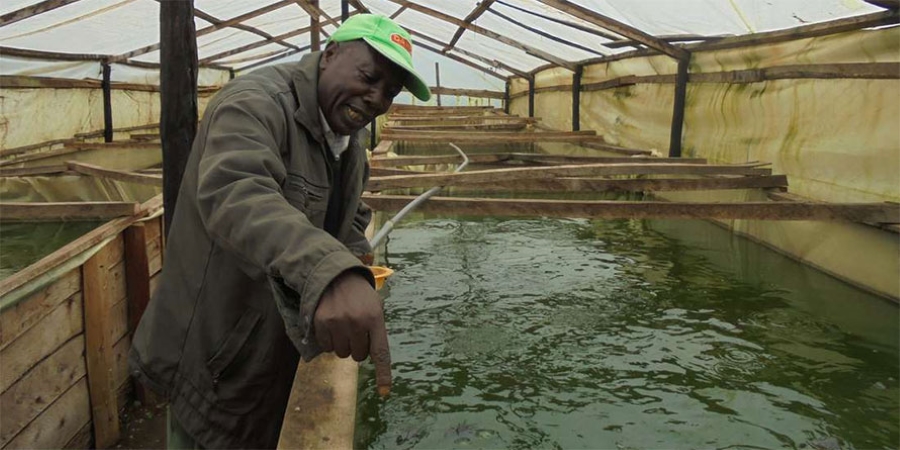
  • Transforming Rural Livelihoods: The Impact of Aquaculture in Seke Rural District, Zimbabwe

    Transforming Rural Livelihoods: The Impact of Aquaculture in Seke Rural District, Zimbabwe

    A recent study by Chipfakacha, C. T. (2024) titled “Aquaculture the New Way of Creating Sustainable Livelihoods Among Rural Populations in Africa. A Case of Seke Rural District Zimbabwe” published in the International Journal of Agricultural Extension and Rural Development Studies, shows that aquaculture has provided a sustainable livelihood for rural populations, especially in areas affected by drought and poor harvests.

    Aquaculture significantly enhances sustainable livelihoods, food security, and employment opportunities for rural populations in Zimbabwe’s Seke District.– Chipfakacha, C. T. 2024

    This article delves into the pivotal role of aquaculture in fostering sustainable livelihoods for rural populations in Africa, with a specific emphasis on the Seke Rural District in Zimbabwe. By examining the emergence of fish farming as a viable alternative to traditional agricultural practices, the article illustrates the numerous benefits associated with aquaculture, including enhanced nutrition and increased employment opportunities, particularly for the youth. Aquaculture has become an essential component of rural development in Seke, addressing food security issues while diversifying income sources for local communities. The nutritional advantages of fish farming are particularly significant, as fish is a valuable source of protein and essential fatty acids, contributing to improved dietary diversity and health outcomes in the region. However, the article also highlights several challenges that aquaculture farmers in Seke face. Water availability remains a critical issue, as many areas struggle with inconsistent access to reliable water sources necessary for fish farming. Additionally, a lack of proper training and technical knowledge among farmers hinders the effective management of aquaculture operations. Economic constraints further exacerbate these challenges, limiting the capacity of farmers to invest in the necessary infrastructure, equipment, and inputs required for successful fish farming. Recognizing the significance of these challenges, the article underscores the crucial role of government and non-governmental organizations (NGOs) in supporting the growth of aquaculture in Seke. Such support can take various forms, including financial assistance, capacity-building training programs, and the provision of essential resources. The author advocates for comprehensive measures to enhance aquaculture practices, such as implementing government subsidies to reduce the financial burden on farmers, developing educational programs to equip them with the necessary skills and knowledge, and promoting better land utilization strategies that optimize the available resources for aquaculture. By addressing these challenges and leveraging the potential of aquaculture, rural communities in Seke can not only improve their economic standing but also work towards achieving sustainable development and food security in the region. The article ultimately calls for a concerted effort among stakeholders to foster a conducive environment for aquaculture to thrive, ensuring that it serves as a catalyst for positive change in the livelihoods of rural populations across Africa.

    How the Study was Conducted

    The author distributed surveys and questionnaires to local fish farmers to gather data on their practices, challenges, and benefits experienced by aquaculture. In-depth interviews were conducted with key stakeholders, including farmers, government officials, and representatives from NGOs, to gain insights into the support systems and policies affecting aquaculture. The author visited various fish farms to observe the farming practices, infrastructure, and environmental conditions firsthand. The collected data was analyzed using statistical tools to identify trends, correlations, and significant factors influencing the success of aquaculture in the region.

    What the Author Found

    The author found that aquaculture has provided a sustainable livelihood for rural populations, especially in areas affected by drought and poor harvests. Fish farming has helped supplement diets with high-protein fish, offering a healthier alternative to red meat. The practice has created jobs, particularly for the youth, who are involved in pond construction and maintenance. In addition, aquaculture has enabled better use of land, including wetlands, which helps preserve the environment and prevent illegal land sales

    Why is this Important?

    Sustainable Livelihoods: Aquaculture has provided a reliable source of income and food security for rural populations, especially in areas affected by drought and poor harvests.
    Nutritional Benefits: Fish farming has improved the nutritional intake of the community by providing a high-protein alternative to red meat.
    Job Creation: The practice has created employment opportunities, particularly for the youth, who are involved in pond construction and maintenance.
    Land Utilization: Aquaculture has enabled better use of land, including wetlands, which helps in preserving the environment and preventing illegal land sales.

    What the Authors Recommended

    • The author suggests increased government involvement through subsidies and funding to help farmers access necessary resources and infrastructure.
    • The study advocates implementing educational programs to train farmers in modern aquaculture techniques and best practices.
    • The study emphasizes improving access to local and regional markets to ensure farmers can sell their produce at fair prices.
    • In addition, developing better water management systems to ensure a reliable water supply for fish farming, especially in drought-prone areas.
    • Furthermore, it encourages further research into sustainable aquaculture practices and the development of resilient fish species.

    In conclusion, the study by Chipfakacha (2024) highlights the transformative potential of aquaculture in Seke Rural District, Zimbabwe, as a viable solution for enhancing sustainable livelihoods among rural populations. By providing a reliable source of income, improving dietary diversity, and creating employment opportunities, fish farming has emerged as a critical strategy for addressing food insecurity, particularly in regions plagued by drought and poor agricultural yields. However, to fully harness the benefits of aquaculture, it is essential to overcome the challenges of water availability, lack of training, and economic constraints. Through increased government intervention, capacity-building initiatives, and improved access to markets, stakeholders can foster an environment where aquaculture thrives. Ultimately, with a collaborative approach and a commitment to sustainable practices, aquaculture can serve as a catalyst for positive change, contributing to the overall development and resilience of rural communities across Africa.