Tag: World Bank

  • World Bank Water Strategy: Securing Water for People, Food, and Planet Through Innovation and Investment

    World Bank Water Strategy: Securing Water for People, Food, and Planet Through Innovation and Investment


    Illustrative Image: World Bank Water Strategy: Securing Water for People, Food, and Planet Through Innovation and Investment
    Image Source & Credit: Flickr
    Ownership and Usage Policy

    Water: The Cornerstone of Sustainable Development and Human Prosperity

    Water is the bedrock of life and a cornerstone for building a liveable planet. It is fundamental to human survival, agricultural productivity, economic advancement, and ecosystem stability. Yet, this invaluable resource is facing escalating threats from climate change, population growth, and poor management. The world is at a critical juncture: if we are to eradicate poverty and ensure a sustainable future, we must radically transform the way we manage, use, and value water.

    Recognizing this urgency, the World Bank has launched a comprehensive new global water strategy. This ambitious roadmap aims to secure water for people, for food, and for the planet—aligning with broader global development goals and climate adaptation efforts.

    Water Investment as a Driver of Economic Growth

    Water is far more than a natural resource—it is a vital economic input. It supports job creation, industrial output, public health, and gender equity. In regions where water access is stable and sustainable, productivity in agriculture, energy, and manufacturing flourishes. Conversely, water scarcity can devastate livelihoods, as demonstrated by Cape Town’s 2018 drought, which led to the loss of 20,000 agricultural jobs.

    Conversely, investments in water security create transformative opportunities. For instance, in the Democratic Republic of Congo, an expansive water access program is projected to generate approximately 30,000 jobs. Similarly, access to clean water and sanitation services alleviates public health burdens and enables women—who often bear the brunt of water collection responsibilities—to pursue education and employment.

    Ultimately, investing in water is investing in people. It’s about building resilient, inclusive economies that thrive under the pressures of climate variability and global economic shifts.

    Bridging the Financing Gap

    Securing universal access to safe water and sanitation is not just a policy challenge—it’s a financial one. Achieving the Sustainable Development Goals for water requires an estimated annual investment of $131–$140 billion, nearly double current levels. This financing challenge cannot be met by public resources alone. A bold, coordinated approach involving both the public and private sectors is essential.

    The World Bank’s flagship report, Funding a Water-Secure Future, underscores several systemic inefficiencies: low budget utilization, misallocated subsidies, and weak institutional capacity. Strengthening public institutions, introducing performance-based utility reforms, and deploying smart subsidies that benefit the poor can vastly improve sector performance and attract greater volumes of private and international capital.

    Unlocking the Power of Private Sector Innovation

    Private enterprises play an indispensable role in reimagining how we finance and deliver water services. Their ability to innovate—through advanced technologies, performance-based contracts, and blended finance models—offers promising solutions to longstanding water challenges.

    The World Bank is actively enabling this participation by improving regulatory environments, offering de-risking mechanisms, and fostering transparent governance. These initiatives not only reduce investor risk but also build the foundation for impactful, large-scale private sector engagement.

    Harnessing Innovation for Resilient Water Systems

    Technological innovation holds immense potential to revolutionize the water sector—but adoption has lagged, particularly in low- and middle-income countries. Only a fraction of water utilities currently utilize cutting-edge tools like artificial intelligence, predictive analytics, or digital twin modelling.

    Modern sensor technologies and data platforms could transform water quality monitoring, optimize distribution networks, and reduce waste. To accelerate progress, national policies must foster an innovation ecosystem—one that promotes research, scales viable solutions, and equips water professionals with the skills needed to adapt.

    By embedding innovation at the heart of water management, we can create smarter, more efficient, and climate-resilient water systems.

    A Global Strategy for Water Security

    The World Bank’s updated water strategy integrates its technical expertise, partnerships, and financial instruments to deliver water for three interconnected objectives:

    1. Water for People: Achieving universal access to water, sanitation, and hygiene (WASH) services.

    2. Water for Food: Enhancing water efficiency in agriculture to secure food systems and smallholder livelihoods.

    3. Water for Planet: Managing water resources sustainably to reduce risks and preserve ecosystems.

    Through its new Fast Track Water Security and Climate Adaptation program, the World Bank is scaling up and accelerating water solutions. This program fosters rapid innovation deployment and cross-sectoral partnerships—bridging public and private actors to confront water crises at scale.

    Transformative Impact in Action

    Indonesia: Irrigation Modernization for Agricultural Prosperity

    In Indonesia, the Strategic Irrigation Modernization and Urgent Rehabilitation Project is rehabilitating 250,000 hectares of irrigation systems across 10 provinces. By formalizing service delivery through transparent irrigation agreements, the initiative empowers 350,000 farmers to demand accountability, boosting productivity and incomes—vital for the over 3 million Indonesians reliant on agriculture.

    Brazil: Turning Crisis into Resilience

    After a decade-long drought, Brazil invested in proactive drought management with World Bank support. The Brazil Drought Monitor—now nationwide—relies on a coalition of federal and state actors to produce monthly drought maps, guiding timely policy responses. This system represents a model of scalable climate resilience infrastructure.

    India: The World’s Largest Dam Rehabilitation Program

    India’s ambitious dam rehabilitation initiative spans 500 dams with plans to improve all 6,200. These upgrades include Emergency Action Plans and stakeholder-inclusive safety protocols. Additionally, the project supports the creation of the world’s first postgraduate dam safety program—building national capacity for long-term water infrastructure stewardship.

    Sahel Region: Climate-Resilient Farming for Food Security

    In Africa’s Sahel region, where 99% of farmland is rainfed, the Sahel Irrigation Initiative is transforming agriculture. Using modern irrigation tools like drip systems and solar pumps, the project is improving the livelihoods of nearly 400,000 farmers. Stories like that of Fattah Hassan Dubaal in Chad—whose okra yields increased fiftyfold—demonstrate the power of reliable water access to uplift entire communities.

    Ethiopia: Menstrual Health, Sanitation, and Education

    The One WaSH National Program in Ethiopia has built 227 menstrual hygiene rooms in over 1,000 schools. These gender-sensitive facilities have significantly improved school attendance among girls. Addressing menstrual stigma and integrating hygiene education into school curricula are critical to inclusive education.

    Egypt: Expanding Rural Sanitation

    In Egypt, the Sustainable Rural Sanitation Services Program has already improved access for over 1 million people. By investing in treatment infrastructure and connecting more households to the sewer network, the project strengthens governance and service delivery in the sanitation sector. It also laid the groundwork for Egypt’s National Water and Sanitation Strategy.

    Toward a Water-Secure Future

    Water flows through every facet of human development. Ensuring its availability, quality, and sustainable use is not merely a technical challenge—it is a moral imperative and economic necessity. The World Bank, as the largest multilateral financier of water in developing countries, is mobilizing its $27 billion portfolio to catalyze change at scale.

    Through bold investments, institutional reform, and innovation, the new global water strategy seeks to deliver water solutions that empower people, nourish economies, and preserve the planet. Only through such integrated and accelerated efforts can we secure a future where water continues to sustain life, dignity, and development for all.
  • Impact of Infrastructure and Urbanization on Poverty Dynamics in Nigeria: Insights from a 2024 Study

    Impact of Infrastructure and Urbanization on Poverty Dynamics in Nigeria: Insights from a 2024 Study

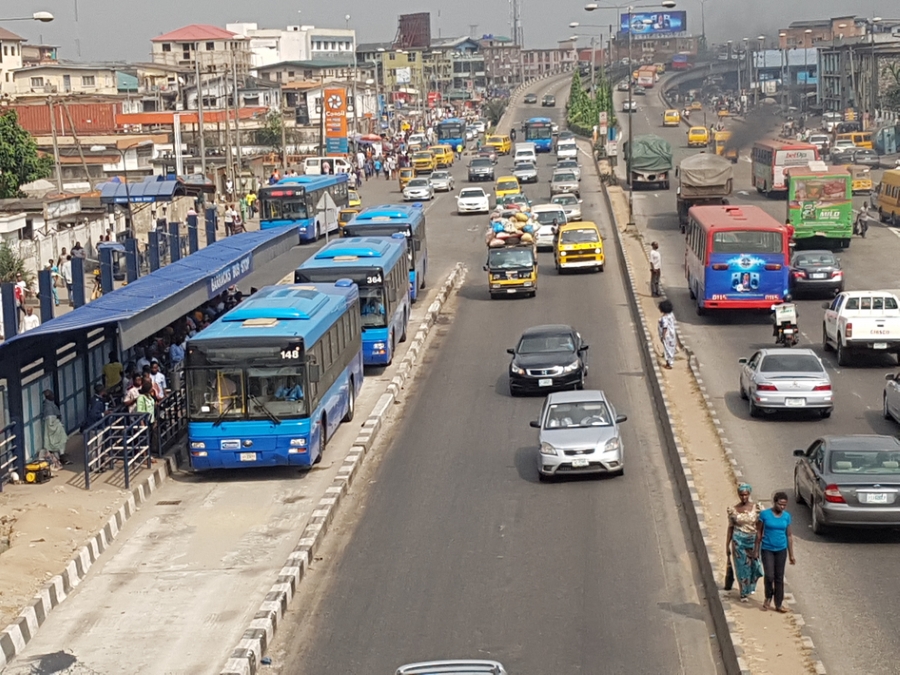
    A recent study by Nwikpugi, J. B. (2024) titled “Modeling the relationship between infrastructure, urbanization, and poverty dynamics in Nigeria” published in Faculty of Natural and Applied Sciences Journal of Mathematical Modeling and Numerical Simulation, shows that urbanization had a short-term negative effect on economic development by increasing poverty.

    Urbanization initially reduces poverty but hinders long-term economic development, while telecommunication infrastructure significantly contributes to increased poverty in Nigeria.– Nwikpugi, J. B. 2024

    The article provides an in-depth analysis of how infrastructure and urbanization impact poverty dynamics in Nigeria. The research delves into the influence of urbanization and infrastructure development, particularly focusing on roads, electric power, and telecommunication, on poverty levels in Nigeria over a period spanning from 1990 to 2022. The study aims to understand the nuanced effects of these factors on economic conditions and poverty rates within the country. The study reveals a complex relationship between urbanization and poverty. In the short term, urbanization appears to have a positive impact, potentially reducing poverty levels. This could be due to the creation of job opportunities and improved access to services in urban areas. However, in the long run, urbanization is found to impede economic development. This long-term hindrance may result from issues such as overpopulation, strain on urban infrastructure, and inadequate urban planning, which can exacerbate poverty. On the other hand, the study identifies telecommunication infrastructure as a significant factor contributing to poverty. The reasons for this negative impact might include the high costs of telecommunication services and inadequate coverage in rural areas, which can limit economic opportunities and access to information for the impoverished population.

    How the Study was Conducted

    The study utilized annual time series data from the Central Bank of Nigeria (CBN), the Statistical Bulletin, the World Bank, and the Debt Management Office (DMO) covering the period from 1990 to 2022. Urbanization was represented by the Urban Population Growth (UPG) rate, while infrastructure was denoted by the number of cemented roads (PRD), electric power supply (EPS), and telecommunication infrastructure (TCI). The poverty headcount served as the dependent variable. The series underwent integration at orders zero and one, as determined by an Augmented Dickey-Fuller stationarity test on the variables. The Autoregressive Distributed Lag (ARDL) approach based on bounds cointegration test was used to ascertain the long-term relationship between the variables. The study employed the Aik model to analyze the impact of infrastructure and urbanization on poverty. The ARDL method was used for estimation, ensuring that the estimated model did not depart from the fundamental tenet of the classical least squares. Post-estimation tests were conducted to check for normality, serial correlation, and heteroskedasticity.

    What the Authors Found

    The author found that urbanization had a short-term negative effect on economic development by increasing poverty. The study also found that the provision of telecommunication infrastructure was identified as the primary cause of poverty.

    Why is this Important

    Policy Implications: Understanding the impact of infrastructure and urbanization on poverty dynamics informs policy decisions. Policymakers can use these insights to design targeted interventions that address poverty effectively.
    Sustainable Development Goals (SDGs): The study aligns with SDG 1 (No Poverty) and SDG 9 (Industry, Innovation, and Infrastructure). By identifying the role of infrastructure in poverty reduction, it contributes to global efforts to eradicate poverty and promote sustainable development.
    Investment Priorities: The recommendation to enhance road infrastructure, telecommunication facilities, and electric power supply highlights areas where investment is needed. Allocating resources strategically can lead to positive economic outcomes.
    Long-Term Planning: Recognizing the short-term negative impact of urbanization on poverty emphasizes the need for long-term planning. Balancing urbanization with poverty reduction efforts is essential for sustainable development.

    What the Authors Recommend

    • The author suggests that investing in better road networks can improve connectivity, facilitate trade, and enhance economic growth. This includes both urban and rural roads.
    • The author also recommends that strengthening telecommunication infrastructure can boost access to information, e-commerce, and digital services. It plays a crucial role in poverty reduction.
    • The author advocates access to reliable electricity is essential for economic activities, education, and healthcare. Efforts should focus on expanding and stabilizing the power grid.
    • In addition, the study argues that while urbanization can contribute to economic growth, policymakers should manage it carefully to avoid short-term negative effects on poverty. Balancing urban development with poverty reduction efforts is crucial.

    In conclusion, the study by Nwikpugi (2024) provides crucial insights into the intricate relationship between infrastructure, urbanization, and poverty dynamics in Nigeria. By highlighting both the short-term and long-term impacts of urbanization and the pivotal role of infrastructure development, particularly in roads, electric power, and telecommunication, this research offers valuable guidance for policymakers. To achieve sustainable economic growth and effectively reduce poverty, strategic investments and careful urban planning are essential. These findings underscore the importance of targeted interventions and long-term planning to balance the benefits of urbanization with the goal of poverty alleviation, aligning with broader sustainable development objectives.

  • World Bank’s Holistic Approach to Alleviate Food and Nutrition Crises in Sahel and Horn of Africa: Achievements, Challenges, and Future Goals

    World Bank’s Holistic Approach to Alleviate Food and Nutrition Crises in Sahel and Horn of Africa: Achievements, Challenges, and Future Goals

    In the Sahel and Horn of Africa regions, where persistent food and nutrition crises are exacerbated by drought, conflict, and fragility, the World Bank is intensifying its efforts to address the challenges. The approach is multifaceted, involving financial support, technical assistance, and analytics. The Bank’s commitment of $45 billion, including $13.2 billion for West and Central Africa and $10.6 billion for East Africa, underscores its dedication to enhancing food and nutrition security.

    Key Highlights of World Bank Interventions:

    • In Burkina Faso, Chad, and Mali, 1.8 million beneficiaries received food rations and vouchers, while 8 million people in Ethiopia were provided with food and cash assistance.
    • Anti-locust assistance in Kenya, Djibouti, and Ethiopia covered 3.3 million hectares of land, benefiting food production.
    • Drought impacts on 1.6 million pastoralists in Djibouti, Ethiopia, Kenya, and Somalia were mitigated.
    • Somalia experienced a 200 percent increase in households able to consume two meals a day after receiving assistance post-2017 drought.

    Challenges:

    • The global food and nutrition crisis has intensified since 2014, affecting 221 million people across 54 IDA countries.
    • Causes include conflict, population displacements, weather extremes, disrupted food systems, regional trade barriers, poor policies, and COVID-19 fallout.
    • The war in Ukraine has further escalated food prices and volatility.

    World Bank Approach:

    • The Bank employs a multi-sectoral approach, addressing short-term and long-term needs in four areas: supporting food production, facilitating trade, assisting vulnerable households, and investing in sustainable food and nutrition security.
    • Financing, technical assistance, and analytics are deployed across sectors to ensure a comprehensive response.
    • Notable programs like the West Africa Food System Resilience Program (FSRP) and FSRP for Eastern and Southern Africa aim to increase food system resilience.

    Results and Regional Solutions:

    • In the G5 Sahel, emergency measures, including CERCs, CRW ERF, and reallocation, reached almost 5 million beneficiaries.
    • In the Horn of Africa, programs like the Emergency Locust Response Program (ELRP) supported swarm surveillance and control, benefiting countries like Kenya, Ethiopia, and Djibouti.
    • Country-specific projects, such as the Kenya Climate Smart Agriculture Project and the National Agriculture Rural Inclusive Growth Project, target farmers, particularly women, with input, extension services, and market access.

    Social Protection and Collaboration:

    • Social protection programs, like Somalia’s Baxnaano initiative, play a vital role in supporting vulnerable households facing high food prices and shortages.
    • The World Bank collaborates with various partners, including the Global Alliance on Food Security (GAFS), regional organizations (AU, IGAD, ECOWAS), and country-level partners like WFP, FAO, UNICEF, UNOCHA, and ICRC.

    Looking Ahead:

    • The World Bank emphasizes the impact of climate change on food security and has identified Food and Nutrition Security as one of its global challenges.
    • The Global Challenge Program on Food and Nutrition Security aims to strengthen food stability, availability, utilization, and access while enhancing crisis preparedness and early warning systems.
    • Future goals include improving sustainable impacts of public spending and mobilizing private investment in resilient food systems to break the cycle of food and nutrition insecurity by 2030.

    In conclusion, the World Bank’s unwavering commitment and multifaceted approach to addressing food and nutrition crises in the Sahel and Horn of Africa regions demonstrate a dedicated effort to tackle complex challenges. Through financial support, technical assistance, and collaborative initiatives, the Bank has made significant strides in providing immediate relief and building long-term resilience. Despite persistent challenges such as conflict, climate change, and global disruptions, the World Bank’s integrated strategies and partnerships with various organizations pave the way for a more sustainable and secure future. As the world faces evolving crises, the Bank’s forward-looking goals underscore its determination to break the cycle of food and nutrition insecurity, emphasizing the importance of global collaboration, innovation, and holistic solutions for lasting impact.

  • Global Health Security Initiative: Pandemic Fund’s $500 Million Call for Proposals 2024 – Strengthening Early Warning Systems, Laboratories, and Public Health Capacities

    Global Health Security Initiative: Pandemic Fund’s $500 Million Call for Proposals 2024 – Strengthening Early Warning Systems, Laboratories, and Public Health Capacities

    The Pandemic Fund is pleased to announce its second Call for Proposals (CfP) starting December 22, 2023. This call invites eligible countries, regional entities, and implementing entities to submit proposals for potential projects to be supported by an initial funding of US$500 million. The online application portal will open in late February 2024, with the deadline for submission on May 17, 2024.

    Objectives:

    The primary focus remains on high-impact investments in early warning and disease surveillance systems, laboratory systems, and the strengthening of human resources and public health capacities. The Pandemic Fund aims to enhance global readiness to prevent, prepare for, and respond to health emergencies.

    Timeline and Process:

    • December 22, 2023: CfP announced, Guidance Note released.
    • Late February 2024: Technical evaluation criteria, scoring methodology, and application template released. Online portal opens.
    • May 17, 2024: Deadline for proposal submission.
    • June – August 2024: Technical Advisory Panel reviews eligible proposals.
    • September – October 2024: Governing Board reviews proposals, announces selected projects based on the number of submissions.

    Priority Areas:

    The second CfP prioritizes investments in early warning and disease surveillance systems, laboratory systems, and human resources/public health capacities. Emphasis is placed on community engagement, civil society involvement, gender equity, and a One Health approach.

    Types of Proposals:

    Three types of proposals will be accepted: single-country, multi-country, and regional entity proposals.

    Key Application Documents: Refer to the Call for Proposals Guidance Note, Results Framework, and Guiding Principles for Co-financing, Co-investment, and Country Ownership.

    Information Sessions: The Pandemic Fund will organize information sessions following the release of the application portal, template, and updated evaluation criteria in late February 2024.

    Submission Instructions: Complete the Funding Proposal Template on the Pandemic Fund’s application portal (live in late February).

    Language of Submission: All proposals and accompanying documents should be submitted in English. Translation assistance is encouraged.

    Privacy Notice:

    Participants must provide personal details, collected by the World Bank, for the selection process. Data will be destroyed three years after completion, except for selected proposals, which may be published. The World Bank processes details in accordance with the Privacy Notice.

    Eligible Countries and Regional Entities:

    All countries eligible for financing from IDA and IBRD are eligible to apply. Exceptions apply to the 16 countries awarded single-country grants in the first CfP. Regional entities include specialized technical institutions and regional development communities. (eligible countries)

    Implementing Entities:

    Financing will be channeled through approved Implementing Entities. Proposals must identify at least one from the list of thirteen currently approved entities.

    For detailed eligibility criteria and other requirements, refer to the Guidance Note. Information sessions will be conducted post-portal release. Stay tuned for updates. The Pandemic Fund looks forward to impactful proposals that contribute to global health security.

    Download the Call for Proposals – Guidance Note here.

    Visit the Pandemic Fund’s website for more information- here