Tag: Wistar rats

  • Health Benefits of African Yam Bean: Enhancing Liver, Kidney, and Antioxidant Functions – Insights from Wistar Rat Study

    Health Benefits of African Yam Bean: Enhancing Liver, Kidney, and Antioxidant Functions – Insights from Wistar Rat Study

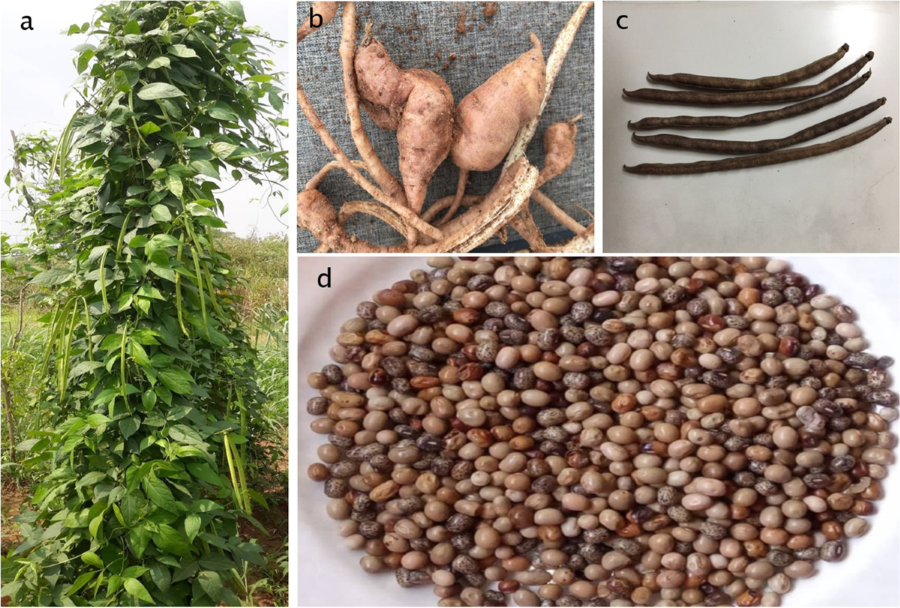
    A recent study by Chiaka-Onyemeze et al. (2025) titled “Biochemical and histological evaluation of kidney, liver, and hematological indices in normal Wistar rats administered dietary formulations of roasted Sphenotylis stenocarpa seeds (African yam bean)” published in the International Journal of Plant-Based Pharmaceuticals reveals that moderate consumption of roasted Sphenostylis stenocarpa seeds (African yam bean) enhances hepatic and renal well-being in Wistar rats.

    Moderate consumption of roasted African yam bean seeds enhances liver and kidney health, boosts antioxidants, and reduces oxidative stress. – Chiaka-Onyemeze et al. 2025

    The study explores the biochemical and histological impact of dietary formulations containing roasted Sphenostylis stenocarpa seeds, commonly known as African yam beans, on kidney and liver functions, as well as hematological parameters in healthy Wistar rats. The findings reveal that moderate consumption of these seeds promotes hepatic and renal health by significantly enhancing antioxidant enzyme activity and improving blood health markers. Additionally, the research highlights a notable reduction in lipid peroxidation and oxidative stress, which are linked to various chronic conditions. These results suggest that African yam beans may serve as a functional food ingredient with potential benefits in managing lifestyle diseases such as hypertension and diabetes, offering a natural approach to improving overall health and preventing oxidative damage.

    How the Study was Conducted

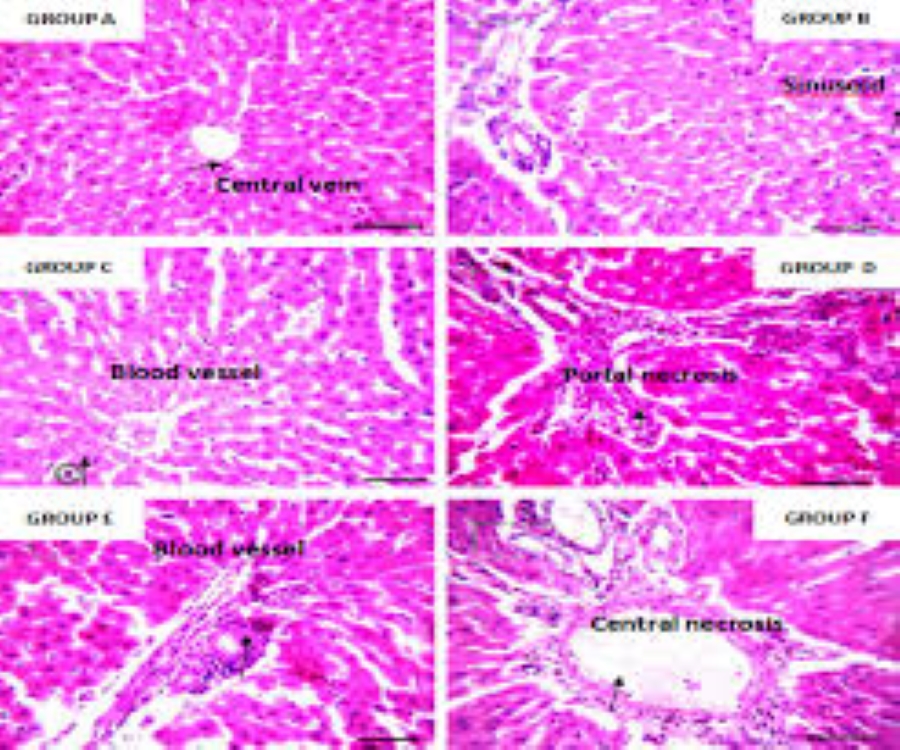
    The study was conducted using a variety of methods to evaluate the effects of roasted Sphenostylis stenocarpa seeds (African yam bean) on kidney, liver, and hematological indices in Wistar rats. Fresh seeds of S. stenocarpa were collected from a farm in Orba village, Enugu, Nigeria. The seeds were roasted at about 300°C for an hour, then pulverized into fine particles. Twenty-five Wistar rats were used in the study. They were acclimatized for fourteen days under optimal conditions and then randomly assigned into five groups of five rats each. The rats were fed different diet formulations of roasted S. stenocarpa seeds mixed with standard rat chow at specified ratios (10%, 20%, 30%, and 40%) for five weeks. Blood samples were collected for hematological analysis using a Sysmex KX-21N hematology analyzer. Liver function markers, lipid profile indices, and kidney function parameters were determined using a Roche Cobas 6000 biochemistry analyzer. Liver and kidney tissues were excised, fixed in 10% buffered formalin, and processed for histological examination. Photomicrographs were captured to assess the state of the liver and kidney tissues. Data were analyzed using one-way and two-way analysis of variance (ANOVA) with the SPSS tool. The significance level was set at p = 0.05.

    What the Authors Found

    The authors found that moderate consumption of roasted Sphenostylis stenocarpa seeds (African yam bean) enhances hepatic and renal well-being in Wistar rats. The study posits that there was a significant increase in the activity of catalase, superoxide dismutase, and glutathione peroxidase in the liver, indicating enhanced antioxidant defense mechanisms. The level of malondialdehyde (MDA), a marker of lipid peroxidation, decreased significantly, suggesting reduced oxidative stress.

    Why is this important?

    Nutritional Value: The African yam bean is an underutilized legume with high nutritional value. The study highlights its potential as a dietary component that can enhance liver and kidney health, improve antioxidant enzyme activity, and boost hematological indices.

    Health Benefits: The findings suggest that moderate consumption of roasted Sphenostylis stenocarpa seeds can help manage conditions like hypertension and diabetes by improving lipid profiles and reducing oxidative stress.

    Scientific Validation: The study provides scientific validation for the traditional use of African yam bean in African folklore as a remedy for various diseases. This can lead to increased acceptance and utilization of this legume in modern diets.

    Food Security: By promoting the use of underutilized legumes like the African yam bean, the study contributes to food security, especially in regions plagued by food insecurity. It offers an affordable and nutritious food source that can help combat malnutrition.

    Future Research: The study opens avenues for further research into the long-term effects of consuming roasted African yam bean seeds and their potential benefits for human health.

    What the Authors Recommended

    • The authors suggest incorporating roasted African yam bean seeds into the diet to enhance hepatic and renal well-being, improve antioxidant enzyme activity, and boost hematological indices.
    • The authors highlight the potential of these seeds in managing conditions like hypertension and diabetes, given their ability to improve lipid profiles and reduce oxidative stress.
    • The study recommends further research to assess the long-term effects of consuming roasted African yam bean seeds, especially in individuals with hypertension, diabetes, or renal impairment.
    • The authors emphasize the importance of careful dietary recommendations, particularly regarding sodium and chloride levels, to avoid potential risks such as electrolyte imbalances.
    • The study advocates for increased awareness and utilization of underutilized legumes like the African yam bean to promote food security and combat malnutrition.

    In conclusion, the study by Chiaka-Onyemeze et al. underscores the significant health benefits of roasted Sphenostylis stenocarpa seeds (African yam bean), particularly in enhancing hepatic and renal functions while reducing oxidative stress and improving hematological indices. These findings not only validate the traditional use of this underutilized legume but also highlight its potential as a functional food ingredient for managing chronic conditions such as hypertension and diabetes. By promoting the dietary incorporation of African yam beans, this research contributes to food security, nutritional diversity, and the global fight against malnutrition, paving the way for further studies to explore its long-term effects on human health.

  • January 2025: Paper of the Month by Chiaka-Onyemeze et al. 2025 – African Yam Bean Benefits: Study Reveals Hepatic and Renal Health Boost in Wistar Rats
    January 2025: Paper of the Month by Chiaka-Onyemeze et al. 2025 – African Yam Bean Benefits: Study Reveals Hepatic and Renal Health Boost in Wistar Rats

    African Researchers AwardJanuary 2025: Paper of the Month by Chiaka-Onyemeze et al. 2025 – African Yam Bean Benefits: Study Reveals Hepatic and Renal Health Boost in Wistar Rats

    A recent study by Chiaka-Onyemeze et al. (2025) titled “Biochemical and histological evaluation of kidney, liver, and hematological indices in normal Wistar rats administered dietary formulations of roasted Sphenotylis stenocarpa seeds (African yam bean)” published in the International Journal of Plant-Based Pharmaceuticals reveals that moderate consumption of roasted Sphenostylis stenocarpa seeds (African yam bean) enhances hepatic and renal well-being in Wistar rats.

    Moderate consumption of roasted African yam bean seeds enhances liver and kidney health, boosts antioxidants, and reduces oxidative stress. – Chiaka-Onyemeze et al. 2025

    The study explores the biochemical and histological impact of dietary formulations containing roasted Sphenostylis stenocarpa seeds, commonly known as African yam beans, on kidney and liver functions, as well as hematological parameters in healthy Wistar rats. The findings reveal that moderate consumption of these seeds promotes hepatic and renal health by significantly enhancing antioxidant enzyme activity and improving blood health markers. Additionally, the research highlights a notable reduction in lipid peroxidation and oxidative stress, which are linked to various chronic conditions. These results suggest that African yam beans may serve as a functional food ingredient with potential benefits in managing lifestyle diseases such as hypertension and diabetes, offering a natural approach to improving overall health and preventing oxidative damage.

    How the Study was Conducted

    The study was conducted using a variety of methods to evaluate the effects of roasted Sphenostylis stenocarpa seeds (African yam bean) on kidney, liver, and hematological indices in Wistar rats. Fresh seeds of S. stenocarpa were collected from a farm in Orba village, Enugu, Nigeria. The seeds were roasted at about 300°C for an hour, then pulverized into fine particles. Twenty-five Wistar rats were used in the study. They were acclimatized for fourteen days under optimal conditions and then randomly assigned into five groups of five rats each. The rats were fed different diet formulations of roasted S. stenocarpa seeds mixed with standard rat chow at specified ratios (10%, 20%, 30%, and 40%) for five weeks. Blood samples were collected for hematological analysis using a Sysmex KX-21N hematology analyzer. Liver function markers, lipid profile indices, and kidney function parameters were determined using a Roche Cobas 6000 biochemistry analyzer. Liver and kidney tissues were excised, fixed in 10% buffered formalin, and processed for histological examination. Photomicrographs were captured to assess the state of the liver and kidney tissues. Data were analyzed using one-way and two-way analysis of variance (ANOVA) with the SPSS tool. The significance level was set at p = 0.05.

    What the Authors Found

    The authors found that moderate consumption of roasted Sphenostylis stenocarpa seeds (African yam bean) enhances hepatic and renal well-being in Wistar rats. The study posits that there was a significant increase in the activity of catalase, superoxide dismutase, and glutathione peroxidase in the liver, indicating enhanced antioxidant defense mechanisms. The level of malondialdehyde (MDA), a marker of lipid peroxidation, decreased significantly, suggesting reduced oxidative stress.

    Why is this important?

    Nutritional Value: The African yam bean is an underutilized legume with high nutritional value. The study highlights its potential as a dietary component that can enhance liver and kidney health, improve antioxidant enzyme activity, and boost hematological indices.

    Health Benefits: The findings suggest that moderate consumption of roasted Sphenostylis stenocarpa seeds can help manage conditions like hypertension and diabetes by improving lipid profiles and reducing oxidative stress.

    Scientific Validation: The study provides scientific validation for the traditional use of African yam bean in African folklore as a remedy for various diseases. This can lead to increased acceptance and utilization of this legume in modern diets.

    Food Security: By promoting the use of underutilized legumes like the African yam bean, the study contributes to food security, especially in regions plagued by food insecurity. It offers an affordable and nutritious food source that can help combat malnutrition.

    Future Research: The study opens avenues for further research into the long-term effects of consuming roasted African yam bean seeds and their potential benefits for human health.

    What the Authors Recommended

    • The authors suggest incorporating roasted African yam bean seeds into the diet to enhance hepatic and renal well-being, improve antioxidant enzyme activity, and boost hematological indices.
    • The authors highlight the potential of these seeds in managing conditions like hypertension and diabetes, given their ability to improve lipid profiles and reduce oxidative stress.
    • The study recommends further research to assess the long-term effects of consuming roasted African yam bean seeds, especially in individuals with hypertension, diabetes, or renal impairment.
    • The authors emphasize the importance of careful dietary recommendations, particularly regarding sodium and chloride levels, to avoid potential risks such as electrolyte imbalances.
    • The study advocates for increased awareness and utilization of underutilized legumes like the African yam bean to promote food security and combat malnutrition.

    In conclusion, the study by Chiaka-Onyemeze et al. underscores the significant health benefits of roasted Sphenostylis stenocarpa seeds (African yam bean), particularly in enhancing hepatic and renal functions while reducing oxidative stress and improving hematological indices. These findings not only validate the traditional use of this underutilized legume but also highlight its potential as a functional food ingredient for managing chronic conditions such as hypertension and diabetes. By promoting the dietary incorporation of African yam beans, this research contributes to food security, nutritional diversity, and the global fight against malnutrition, paving the way for further studies to explore its long-term effects on human health.

  • Therapeutic Potential of Justicia Carnea Leaf Extract in Diabetes Management: A Histopathological Study on Pancreas, Liver, and Kidneys

    Therapeutic Potential of Justicia Carnea Leaf Extract in Diabetes Management: A Histopathological Study on Pancreas, Liver, and Kidneys

    A recent study by Ojeaburu, S. I., & Eimoga, N. (2024) titled “Histopathological Investigation of the Effects of Methanol Extract of Justicia Carnea Leaves on the Pancreas, Liver, and Kidney of Streptozotocin-Induced Diabetic Wistar Rats” published in the International Journal of Research and Scientific Innovation examined that the methanol extract of Justicia carnea leaves had significant therapeutic potential in managing diabetes mellitus and its complications in the pancreas, liver, and kidney of streptozotocin-induced diabetic Wistar rats.

    The methanol extract of Justicia carnea leaves effectively restores pancreatic, liver, and kidney health in streptozotocin-induced diabetic rats.Ojeaburu, S. I., and Eimoga, N. 2024

    The article examines the therapeutic potential of Justicia carnea leaf extract in managing diabetes, focusing on its effects on the pancreas, liver, and kidneys in diabetic rats. The study utilized methanol extract of the leaves and investigated its impact on diabetes induced in rats using streptozotocin (STZ). Thirty-six male Wistar rats were divided into six groups: a control group and five experimental groups, which were induced with diabetes and treated with varying doses of the methanol extract or metformin. Results revealed that the Justicia carnea extract significantly restored normal histopathological features in the pancreas, liver, and kidneys of diabetic rats. This suggests the extract’s potential as an effective antidiabetic treatment. The study also posit that the methanol extract of Justicia carnea leaves holds promise for the development of antidiabetic drugs or as a complementary therapy to existing treatments

    How the Study was Conducted

    Collection and Preparation of Plant Sample
    Fresh leaves of Justicia carnea were harvested, washed, air-dried, and pulverized. The methanol extract was obtained through maceration over 72 hours, filtered, and condensed using a rotary evaporator. The final extract was stored at -4°C until use.

    Experimental Design
    Thirty-six male Wistar rats were divided into six groups:

    Group 1: Normal control, received only water and grower’s pellet.

    Group 2: Diabetic untreated group.

    Group 3: Diabetic group treated with 50 mg/kg body weight (bw) of metformin.

    Groups 4, 5, and 6: Diabetic groups treated with 100, 200, and 500 mg/kg bw of methanol extract of Justicia carnea leaves, respectively.

    Induction of Diabetes
    Diabetes was induced by intraperitoneal injection of 50 mg/kg bw of streptozotocin (STZ). Rats with fasting blood glucose levels >200 mg/dL were considered diabetic.

    Administration of Extracts
    The methanol extract of Justicia carnea was orally administered to the rats daily for 21 days.

    Histological Study
    After 21 days of treatment, the rats were sacrificed, and the pancreas, liver, and kidney were harvested. The organs were processed for histopathological screening using hematoxylin and eosin staining for microscopic evaluation. The authors employed acute toxicity test using the Lorke method to determine the safety of the methanol extract. The test involved administering varying doses of the extract to rats and observing them for signs of toxicity and mortality. Data were expressed as mean ± standard error of mean and analyzed using SPSS. Statistical significance was assumed at p < 0.05.

    What the Authors Found

    The authors found that the methanol extract of Justicia carnea leaves had significant therapeutic potential in managing diabetes mellitus and its complications in the pancreas, liver, and kidney of streptozotocin-induced diabetic Wistar rats. The authors also found that the diabetic rats showed degenerating islets, vascular congestion, and stenosis. However, treatment with Justicia carnea extract resulted in the regeneration of islets and amelioration of these conditions. The 100 mg/kg body weight dose was particularly effective in restoring normal pancreatic histology. In addition, diabetic rats exhibited severe vascular ulceration, congestion, and periportal infiltrates of inflammatory cells. Treatment with Justicia carnea extract helped restore normal hepatocytes, portal veins, and bile ducts. The 100 mg/kg body weight dose was most effective in reversing liver damage. Furthermore, the authors also posit that the diabetic rats had interstitial congestion, glomerular shrinkage, and tubular necrosis. The Justicia carnea extract treatment normalized these conditions, with the 100 mg/kg body weight dose showing the best results in restoring kidney histology.

    Why is this important?

    Potential Antidiabetic Treatment: The findings suggest that the methanol extract of Justicia carnea leaves could be a promising candidate for developing new antidiabetic drugs or as an adjunct to existing treatments. This is significant given the global rise in diabetes cases and the need for effective treatments.

    Organ Protection: The study demonstrated that the extract helped restore normal histopathological features in the pancreas, liver, and kidney of diabetic rats. This indicates its potential to protect these vital organs from diabetes-induced damage, which is crucial for improving the quality of life and health outcomes for diabetic patients.

    Natural Medicine: Justicia carnea is a plant widely used in traditional medicine. This research provides scientific validation for its traditional use and highlights the importance of exploring natural remedies for modern medical conditions.

    Further Research: The study opens avenues for further research and clinical trials to fully explore the potential of Justicia carnea as an antidiabetic treatment. It also emphasizes the need for standardized dosing regimens and understanding the mechanisms of action.

    Economic Impact: Developing effective treatments from locally available plants like Justicia carnea can be cost-effective and accessible, especially in regions where access to conventional medicine is limited.

    What the Authors Recommended

    • The methanol extract of Justicia carnea leaves shows significant therapeutic potential in managing diabetes mellitus and its complications. The authors propose it as a potential candidate for developing antidiabetic drugs or as an adjunct to existing treatments.
    • The authors emphasize the need for further research and clinical trials to fully explore the potential of Justicia carnea. This includes establishing standardized dosing regimens for therapeutic applications and determining the mechanism of action of the leaf extract.
    • The study highlights the importance of determining the optimal dose for therapeutic use. The 100 mg/kg body weight dose was particularly effective in ameliorating diabetes-induced damage across all examined organs.
    • In addition, understanding the mechanism by which Justicia carnea exerts its antidiabetic effects is crucial. This will help in developing more effective treatments and ensuring the safety and efficacy of the extract.

    In conclusion, the study by Ojeaburu and Eimoga highlights the significant therapeutic potential of the methanol extract of Justicia carnea leaves in managing diabetes mellitus and its complications. By demonstrating its ability to restore normal histopathological features in the pancreas, liver, and kidneys, the research provides compelling evidence for its use as a natural and effective antidiabetic treatment. These findings not only validate the traditional medicinal use of Justicia carnea but also open avenues for further research and clinical applications. With its promising efficacy, safety profile, and accessibility, Justicia carnea extract could serve as a valuable addition to diabetes care, potentially improving health outcomes and offering an affordable alternative for regions with limited access to conventional therapies.