Tag: water security

  • Resolving the GERD Dispute: How Worldviews and the Water-Energy-Food Nexus Can Foster Nile Basin Cooperation

    Resolving the GERD Dispute: How Worldviews and the Water-Energy-Food Nexus Can Foster Nile Basin Cooperation


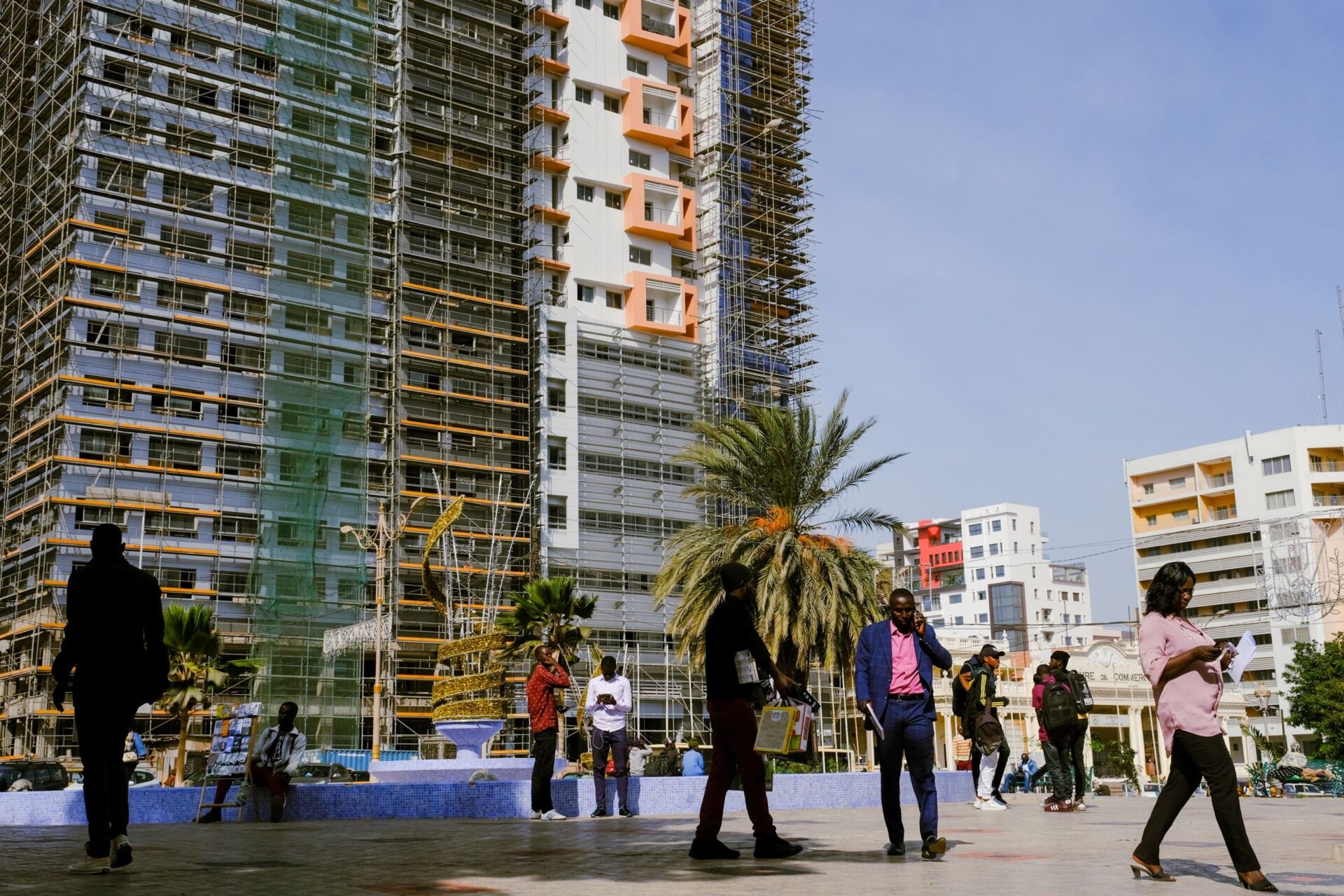
    Illustrative Image: Resolving the GERD Dispute: How Worldviews and the Water-Energy-Food Nexus Can Foster Nile Basin Cooperation
    Image Source & Credit: The exchange Africa
    Ownership and Usage Policy

    A recent study by Endaylalu, G. A., & Arsano, Y. (2024) titled “Grand Ethiopian Renaissance Dam Project Controversies: Understanding the Role of Worldviews and Nexus” published in African Anthropologist reveals that contrasting national worldviews and siloed sectoral approaches fuel the GERD dispute, but a nexus framework offers pathways toward cooperative solutions.

    This article investigates why the Grand Ethiopian Renaissance Dam (GERD) has become a focal point of contention among Ethiopia, Egypt, and Sudan. Rather than treating the dispute purely as a technical or legal issue, the authors introduce an integrated worldview–nexus framework to uncover deeper drivers of conflict and avenues for cooperation.

    Contrasting national worldviews and siloed planning drive the GERD conflict, but a nexus approach offers pathways for regional cooperation.
    – Endaylalu, G. A., & Arsano, Y. 2024

    Background and Motivation
    Ethiopia, positioned on the Blue Nile (Abbay), possesses immense untapped hydropower potential—estimated at around 45,000 MW. Under the Ethiopian People’s Revolutionary Democratic Front (EPRDF) regime (1991–2018), the country aggressively pursued hydropower expansion, growing capacity from just 370 MW in 1991 to over 5,200 MW by 2023. GERD, the flagship of this strategy, symbolizes Ethiopia’s ambition to lift millions out of poverty, energize its industrial base, and strengthen national unity. However, this upstream project has provoked strong reactions from downstream Egypt, which relies on the Nile for over 90% of its freshwater, and from Sudan, which has adopted a cautious, shifting stance.

    Core Concepts Worldview
    At the heart of the GERD dispute lie contrasting national worldviews—coherent belief systems that shape how countries perceive, value, and manage water.

    Ethiopia’s Development-Centered Worldview sees water as a vital engine for national transformation. Grounded in modern hydraulic thinking, this worldview emphasizes capturing every drop of water for economic development, particularly through hydropower. GERD is not merely a dam; it is a symbol of progress, self-reliance, and political legitimacy.

    Egypt’s Water Security-Centered Worldview treats the Nile as the country’s lifeblood—integral to its identity, agriculture, and very survival. With deep historical ties to the 1959 Nile Waters Agreement, Egypt views any upstream interference as a threat to its rightful share and national security. GERD, in this context, is perceived as a destabilizing force that challenges Egypt’s historical entitlements.

    Sudan’s Middle-Ground Worldview is more ambivalent. On one hand, GERD offers tangible benefits like cheap electricity and flood regulation. On the other, concerns over dam safety and downstream irrigation impacts create hesitation. Sudan’s position shifts depending on domestic priorities and regional political alignments, at times leaning toward Egypt, at other times toward Ethiopia.

    The Nexus Approach: Connecting Water, Energy, and Food
    To move beyond zero-sum thinking, the nexus approach offers a pathway for integrated planning. Rather than treating water, energy, and food as separate sectors, this paradigm recognizes their interdependence. For example, hydropower from GERD could stabilize regional power supply and support irrigation in both Ethiopia and Sudan. Yet, rapid dam filling might reduce downstream water availability, harming agriculture in Egypt and Sudan.

    The nexus framework emphasizes managing trade-offs and synergies across sectors and borders. It calls for coordinated, transboundary planning and investment—breaking free from siloed national strategies. Through this lens, the GERD dispute is not just about water flows but about conflicting development paths, fragmented governance, and missed opportunities for cooperation.

    How the Study was Conducted

    The study adopts a qualitative case study approach centered on the Grand Ethiopian Renaissance Dam (GERD), selected for its geopolitical significance, scale, and far-reaching impacts across water, energy, food, and environmental sectors. The research draws on diverse data sources and analytical tools to uncover how competing national worldviews and sectoral priorities shape the regional discourse around GERD.

    Data Collection Methods
    The research relied on two primary data collection methods: semi-structured interviews and document analysis.

    A total of 38 purposively selected resource persons were interviewed across multiple governance levels:

    Regional level: Experts from the Eastern Nile Technical Regional Office (ENTRO)

    National level: Officials and experts from key Ethiopian ministries (Water & Energy, Foreign Affairs, Agriculture, Irrigation), Ethiopian Electric Power, the Environmental Protection Authority, the GERD Public Participation Council, and academia

    In addition, a broad range of documents were reviewed, including:

    Official Ethiopian strategies and plans (e.g., Climate-Resilient Green Economy Strategy, Abbay Basin Master Plan)

    Technical documents such as feasibility studies, power system expansion blueprints, and electrification programs

    Legal texts like Egypt’s 2014 Constitution and the 1959 Nile Waters Agreement

    Government communications, such as public statements, letters to the UN Security Council, and relevant UNSC resolutions

    Reports by national and international panels of experts, the Eastern Africa Power Pool, and the U.S. Bureau of Reclamation

    Academic and grey literature on Nile hydropolitics, transboundary water governance, hydropower, and the water-energy-food nexus

    Analytical Framework
    Two interlinked frameworks guide the analysis:

    Worldview Analysis – Examines each riparian state’s framing of GERD through five dimensions: ontology (what exists), epistemology (how knowledge is produced), axiology (values), anthropology (human-nature relations), and societal vision. This lens helps reveal how Ethiopia, Egypt, and Sudan differently conceptualize the dam’s purpose, benefits, and risks.

    Nexus Analysis – Applies a water-energy-food-environment (WEFE) nexus perspective to identify cross-sector linkages, trade-offs, and potential synergies in hydropower development, highlighting both national dependencies and regional interdependencies.

    Data Processing and Interpretation
    Interview transcripts were thematically coded based on core worldview dimensions and nexus linkages. Documentary materials were analyzed for discursive cues, such as language that securitizes water use or frames development as a national imperative. A comparative synthesis then traced points of convergence and divergence in the three countries’ worldviews and planning practices.

    What the Authors Found

    The authors found contrasting national worldviews and siloed sectoral approaches fuel the GERD dispute, but a nexus framework offers pathways toward cooperative solutions.

    Why is this important

    Integrated Worldview–Nexus Framework Uncovers Root Causes: The study reveals that deeply held national worldviews—such as Ethiopia’s developmental imperative and Egypt’s existential water concerns—are central to the GERD deadlock. Recognizing these foundational beliefs is essential to overcoming zero-sum politics.

    Breaks Down Disciplinary Silos in River Basin Management: By using a nexus approach, the research demonstrates that water, energy, food, and environmental issues are deeply interconnected and cannot be addressed in isolation. Integrated planning is key to identifying synergies and managing trade-offs.

    Provides Concrete Tools for Negotiators and Policymakers: The study offers actionable solutions such as joint impact assessments, coordinated dam filling schedules, benefit-sharing mechanisms, and trust-building workshops that address the concerns of all riparian states.

    Creates a Scalable Model for Global Transboundary Disputes: Beyond the Nile, this framework serves as a transferable blueprint for resolving conflicts in other shared river basins like the Mekong, Amazon, and Danube by highlighting the role of competing narratives and cross-sector integration.

    Supports Sustainable Development and Conflict Prevention: Aligning upstream energy goals with downstream food and ecological needs contributes to the SDGs and helps prevent conflict. Institutionalizing nexus thinking across ministries and borders strengthens resilience and regional cooperation.

    What the Authors recommended

    • The authors advocates implementing a Basin-Wide Nexus Approach; Integrate water, energy, food, and environmental planning to identify shared benefits and manage trade-offs—such as aligning dam operations with regional irrigation, power, and flow needs.
    • The study emphasizes establishing negotiation forums that involve technical experts, policymakers, and civil society from all riparian states, while recognizing and respecting each country’s unique historical and cultural worldview.
    • Collaboratively model various dam operation and drought scenarios, openly exchange data, and align expectations on water availability, energy generation, and agricultural impacts.
    • Link cooperation to tangible rewards—such as hydropower trade, flood control, and drought relief—while providing safeguards for downstream users and incentives for upstream stakeholders.
    • In addition, reform national agencies to support cross-sector coordination, establish a legal framework for a Nile-wide authority, and invest in training and regular workshops to foster trust, technical capacity, and conflict resolution.

    In conclusion, the GERD dispute is not merely a technical or legal impasse but a reflection of deeper, competing national worldviews and fragmented sectoral planning. By adopting an integrated worldview–nexus framework, the study highlights the urgent need for collaborative, cross-sectoral, and transboundary approaches that recognize interdependencies and shared interests. Moving from confrontation to cooperation requires not just political will but a fundamental shift in how the Nile Basin countries perceive and manage their shared resources.

  • World Bank Water Strategy: Securing Water for People, Food, and Planet Through Innovation and Investment

    World Bank Water Strategy: Securing Water for People, Food, and Planet Through Innovation and Investment


    Illustrative Image: World Bank Water Strategy: Securing Water for People, Food, and Planet Through Innovation and Investment
    Image Source & Credit: Flickr
    Ownership and Usage Policy

    Water: The Cornerstone of Sustainable Development and Human Prosperity

    Water is the bedrock of life and a cornerstone for building a liveable planet. It is fundamental to human survival, agricultural productivity, economic advancement, and ecosystem stability. Yet, this invaluable resource is facing escalating threats from climate change, population growth, and poor management. The world is at a critical juncture: if we are to eradicate poverty and ensure a sustainable future, we must radically transform the way we manage, use, and value water.

    Recognizing this urgency, the World Bank has launched a comprehensive new global water strategy. This ambitious roadmap aims to secure water for people, for food, and for the planet—aligning with broader global development goals and climate adaptation efforts.

    Water Investment as a Driver of Economic Growth

    Water is far more than a natural resource—it is a vital economic input. It supports job creation, industrial output, public health, and gender equity. In regions where water access is stable and sustainable, productivity in agriculture, energy, and manufacturing flourishes. Conversely, water scarcity can devastate livelihoods, as demonstrated by Cape Town’s 2018 drought, which led to the loss of 20,000 agricultural jobs.

    Conversely, investments in water security create transformative opportunities. For instance, in the Democratic Republic of Congo, an expansive water access program is projected to generate approximately 30,000 jobs. Similarly, access to clean water and sanitation services alleviates public health burdens and enables women—who often bear the brunt of water collection responsibilities—to pursue education and employment.

    Ultimately, investing in water is investing in people. It’s about building resilient, inclusive economies that thrive under the pressures of climate variability and global economic shifts.

    Bridging the Financing Gap

    Securing universal access to safe water and sanitation is not just a policy challenge—it’s a financial one. Achieving the Sustainable Development Goals for water requires an estimated annual investment of $131–$140 billion, nearly double current levels. This financing challenge cannot be met by public resources alone. A bold, coordinated approach involving both the public and private sectors is essential.

    The World Bank’s flagship report, Funding a Water-Secure Future, underscores several systemic inefficiencies: low budget utilization, misallocated subsidies, and weak institutional capacity. Strengthening public institutions, introducing performance-based utility reforms, and deploying smart subsidies that benefit the poor can vastly improve sector performance and attract greater volumes of private and international capital.

    Unlocking the Power of Private Sector Innovation

    Private enterprises play an indispensable role in reimagining how we finance and deliver water services. Their ability to innovate—through advanced technologies, performance-based contracts, and blended finance models—offers promising solutions to longstanding water challenges.

    The World Bank is actively enabling this participation by improving regulatory environments, offering de-risking mechanisms, and fostering transparent governance. These initiatives not only reduce investor risk but also build the foundation for impactful, large-scale private sector engagement.

    Harnessing Innovation for Resilient Water Systems

    Technological innovation holds immense potential to revolutionize the water sector—but adoption has lagged, particularly in low- and middle-income countries. Only a fraction of water utilities currently utilize cutting-edge tools like artificial intelligence, predictive analytics, or digital twin modelling.

    Modern sensor technologies and data platforms could transform water quality monitoring, optimize distribution networks, and reduce waste. To accelerate progress, national policies must foster an innovation ecosystem—one that promotes research, scales viable solutions, and equips water professionals with the skills needed to adapt.

    By embedding innovation at the heart of water management, we can create smarter, more efficient, and climate-resilient water systems.

    A Global Strategy for Water Security

    The World Bank’s updated water strategy integrates its technical expertise, partnerships, and financial instruments to deliver water for three interconnected objectives:

    1. Water for People: Achieving universal access to water, sanitation, and hygiene (WASH) services.

    2. Water for Food: Enhancing water efficiency in agriculture to secure food systems and smallholder livelihoods.

    3. Water for Planet: Managing water resources sustainably to reduce risks and preserve ecosystems.

    Through its new Fast Track Water Security and Climate Adaptation program, the World Bank is scaling up and accelerating water solutions. This program fosters rapid innovation deployment and cross-sectoral partnerships—bridging public and private actors to confront water crises at scale.

    Transformative Impact in Action

    Indonesia: Irrigation Modernization for Agricultural Prosperity

    In Indonesia, the Strategic Irrigation Modernization and Urgent Rehabilitation Project is rehabilitating 250,000 hectares of irrigation systems across 10 provinces. By formalizing service delivery through transparent irrigation agreements, the initiative empowers 350,000 farmers to demand accountability, boosting productivity and incomes—vital for the over 3 million Indonesians reliant on agriculture.

    Brazil: Turning Crisis into Resilience

    After a decade-long drought, Brazil invested in proactive drought management with World Bank support. The Brazil Drought Monitor—now nationwide—relies on a coalition of federal and state actors to produce monthly drought maps, guiding timely policy responses. This system represents a model of scalable climate resilience infrastructure.

    India: The World’s Largest Dam Rehabilitation Program

    India’s ambitious dam rehabilitation initiative spans 500 dams with plans to improve all 6,200. These upgrades include Emergency Action Plans and stakeholder-inclusive safety protocols. Additionally, the project supports the creation of the world’s first postgraduate dam safety program—building national capacity for long-term water infrastructure stewardship.

    Sahel Region: Climate-Resilient Farming for Food Security

    In Africa’s Sahel region, where 99% of farmland is rainfed, the Sahel Irrigation Initiative is transforming agriculture. Using modern irrigation tools like drip systems and solar pumps, the project is improving the livelihoods of nearly 400,000 farmers. Stories like that of Fattah Hassan Dubaal in Chad—whose okra yields increased fiftyfold—demonstrate the power of reliable water access to uplift entire communities.

    Ethiopia: Menstrual Health, Sanitation, and Education

    The One WaSH National Program in Ethiopia has built 227 menstrual hygiene rooms in over 1,000 schools. These gender-sensitive facilities have significantly improved school attendance among girls. Addressing menstrual stigma and integrating hygiene education into school curricula are critical to inclusive education.

    Egypt: Expanding Rural Sanitation

    In Egypt, the Sustainable Rural Sanitation Services Program has already improved access for over 1 million people. By investing in treatment infrastructure and connecting more households to the sewer network, the project strengthens governance and service delivery in the sanitation sector. It also laid the groundwork for Egypt’s National Water and Sanitation Strategy.

    Toward a Water-Secure Future

    Water flows through every facet of human development. Ensuring its availability, quality, and sustainable use is not merely a technical challenge—it is a moral imperative and economic necessity. The World Bank, as the largest multilateral financier of water in developing countries, is mobilizing its $27 billion portfolio to catalyze change at scale.

    Through bold investments, institutional reform, and innovation, the new global water strategy seeks to deliver water solutions that empower people, nourish economies, and preserve the planet. Only through such integrated and accelerated efforts can we secure a future where water continues to sustain life, dignity, and development for all.

  • LEAWEF Multilateral Research Programme: Funding Call for Sustainable Water, Energy & Food Solutions

    LEAWEF Multilateral Research Programme: Funding Call for Sustainable Water, Energy & Food Solutions

    Introduction to the LEAWEF Research Programme

    The Long-term Europe–Africa Water, Energy, and Food (WEF) Nexus Multilateral Research Programme (LEAWEF) is a groundbreaking international initiative dedicated to advancing research and cooperation in sustainable resource management. This initiative underscores the interconnected nature of water, energy, and food security, emphasizing integrated solutions that foster sustainability, equity, and resilience.

    By leveraging the WEF Nexus approach, the programme aims to optimize resource interdependencies and ensure sustainable transitions in supply and distribution. It provides a vital platform for international collaboration among researchers, policymakers, and industry stakeholders, promoting long-term solutions to critical global challenges.

    Objective of the Call

    The interrelationship between water, energy, and food is fundamental to sustainable development. Their production and distribution are intricately linked, necessitating an integrated approach to ensure long-term stability. The LEAWEF call for proposals aims to:

    • Strengthen international research cooperation.
    • Foster the development of innovative and sustainable solutions.
    • Enhance the societal impact of scientific research.
    • Identify pathways for rapid and effective sustainability transitions.

    Key Research Areas

    This funding call aligns with the broader objectives of the LEAWEF programme and focuses on two critical subthemes:

    1. Climate Change Adaptation
      • Exploring resilient agricultural and water management practices.
      • Investigating climate-resilient energy sources and systems.
      • Assessing socio-economic implications of climate adaptation strategies.
    2. Just Energy Transitions
      • Developing equitable and inclusive energy policies.
      • Promoting renewable energy innovations and accessibility.
      • Integrating community-driven approaches for energy sustainability.

    Applicants are encouraged to address one or both subthemes while embedding their research within the broader WEF Nexus framework.

    Eligibility and Consortium Requirements

    The LEAWEF research programme is open to knowledge institutions, societal stakeholders, and practitioners who are committed to forming multi-disciplinary research consortia. Eligible consortia must:

    • Include applicants from at least three participating countries.
    • Incorporate at least one practitioner partner from a public, semi-public, or private institution.
    • Represent expertise across the entire research spectrum, from fundamental science to applied and practice-based research.

    Participating Countries and Funding Organizations

    The following countries and their respective funding organizations are supporting this call:

    • Burkina Faso: Fonds National de la Recherche et de l’Innovation pour le Développement (FONRID)
    • Côte d’Ivoire: Fonds pour la Science, la Technologie et l’Innovation (FONSTI)
    • Ethiopia: Ministry of Innovation and Technology (MinT)
    • Ghana: Ministry of Environment, Science, Technology and Innovation (MESTI)
    • Kenya: National Research Fund (NRF)
    • Mozambique: Fundo Nacional de Investigacao (FNI)
    • Netherlands: Dutch Research Council (NWO)
    • South Africa: National Research Foundation (NRF)
    • Tanzania: Tanzania Commission for Science and Technology (COSTECH)
    • Zimbabwe: Research Council of Zimbabwe (RCZ)

    Key Dates and Milestones

    • Information Webinar: 7 October 2024
      • Time: 11:00 – 12:30 CEST/SAST, 12:00 – 13:30 EAT, 09:00 – 10:30 GMT
      • This session will provide details on call conditions, national eligibility, and application procedures. Register Here
    • Online Matchmaking Session: 7 November 2024
      • Time: 12:00 – 14:00 CET, 13:00 – 15:00 SAST, 14:00 – 16:00 EAT, 10:00 – 12:00 GMT
      • Designed to connect potential applicants and stakeholders. Attendees will be automatically invited if they register on the B2Match Platform.
    • Partnership Request Submission Deadline: 4 November 2024 (14:00 CET)
      • Registered initiatives will be invited to present their ideas during the matchmaking session. Submit a Request Here
    • Concept Note Submission Deadline: 11 February 2025 (14:00 CET)
    • Full Proposal Submission Deadline: 14 July 2025 (14:00 CEST)

    How to Apply

    A detailed description of the call, including aims, objectives, and selection criteria, can be found in the Call for Proposals document. Interested applicants must:

    1. Formulate a multidisciplinary research consortium.
    2. Develop a concept note addressing one or both subthemes.
    3. Submit the concept note before the deadline.
    4. If selected, proceed with the development and submission of a full research proposal.

    Contact Information

    For any queries regarding the LEAWEF research programme and funding call, please contact the Joint Call Secretariat at LEAWEF@nwo.nl.

    This funding opportunity is a significant step towards fostering sustainable, impactful research in the critical sectors of water, energy, and food security. By collaborating across disciplines and borders, we can drive meaningful change and ensure a resilient future for communities worldwide.

    For further details, including full eligibility criteria and application guidelines, visit the LEAWEF Programme Website.

  • Understanding the Urgent Intersection of Climate Change and Public Health in Africa: Insights from Dr. Ishaku Akyala

    Understanding the Urgent Intersection of Climate Change and Public Health in Africa: Insights from Dr. Ishaku Akyala

    Infectious diseases and public health epidemiologist Dr. Ishaku Akyala, speaking with Science Nigeria, emphasized the dire consequences of climate change on public health in Africa. He highlighted how extreme weather events like floods and heatwaves are significantly increasing disease burdens and fatalities across the continent. These impacts disproportionately affect vulnerable populations such as the poor, women, and children, who struggle with waterborne diseases, malnutrition, and mental health issues.

    Akyala stressed the urgent need for action to address these health challenges and implement strategies to mitigate climate change’s effects. He advocated for enhanced sensitization efforts to educate health systems, governments, and professionals about the intricate relationship between climate change and human health. Interdisciplinary research is crucial for understanding and tackling climate-related health impacts effectively. Raising awareness among the public and policymakers is essential, as governments and health systems must implement coping and adaptation strategies. These strategies should focus on improving water and food security, enhancing healthcare infrastructure, and strengthening disease surveillance and response systems.

    Despite Africa’s vulnerability to climate change, Akyala emphasized the importance of prioritizing recommended actions to better prepare for and mitigate its health impacts. This approach is crucial for safeguarding the well-being of African populations and achieving the UN Sustainable Development Goals related to environmental sustainability. Recent reports from organizations like the Intergovernmental Panel on Climate Change (IPCC) and agreements like the Paris Agreement underscore the urgent need for action to address climate-related disasters in Africa. Sensitizing public health systems and policymakers to these challenges and understanding the link between climate change and human health are vital for effective preparedness and response efforts.

  • November 2023: Dr. Petra Holden – African Female Researcher of the Month

    November 2023: Dr. Petra Holden – African Female Researcher of the Month

    African Researchers Award
    November 2023: Dr. Petra Holden – African Female Researcher of the Month

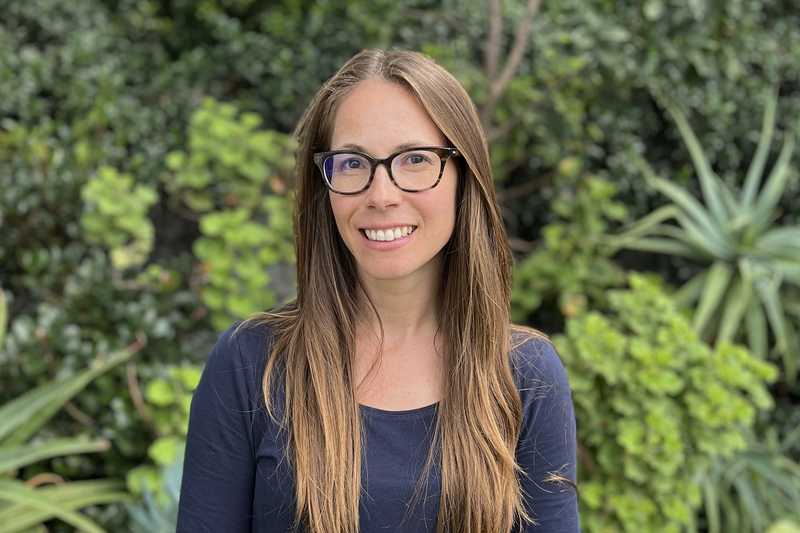
    Dr. Petra Holden, a transdisciplinary conservation scientist based at the African Climate and Development Initiative (ACDI) at the University of Cape Town (UCT), has been awarded the AXA XL Climate Water Nexus Award for her research on equitable nature-based solutions for a sustainable climate future. The award, resulting from a collaboration between the AXA Research Fund and AXA XL, recognizes innovative, transdisciplinary research that highlights the link between freshwater, ecosystem services, and climate change.

    Dr. Holden’s research focuses on southern African ecosystems, specifically examining landscapes critical for clean water provision, biodiversity, and local and indigenous livelihoods. Her work involves comparing findings from southern Africa to cases around the globe, identifying similarities, contrasts, and knowledge gaps related to nature-based solutions. The research aims to understand and analyze local and regional enablers that facilitate equitable and sustainable nature-based solutions for water security, carbon sequestration, biodiversity, and climate change adaptation.

    One significant aspect of Dr. Holden’s research is its impact on the successful implementation of nature-based solutions, accounting for social equity processes and the sustainability of ecosystem services within a changing climate. Her findings emphasize the importance of policy and practice engaging with mechanisms to scale and finance equitable and sustainable nature-based solutions that address both local and global challenges.

    The prize, awarded to Dr. Holden, will contribute to supporting her research, particularly in understanding the changes required to support equitable and sustainable nature-based solutions at local levels. Dr. Holden aims to broaden and deepen the understanding of various types of knowledge, including experiential, local, and indigenous knowledge, to enhance the impact of her research on practice and policy.

    One notable application of Dr. Holden’s research involves catchment restoration in the mountains of the southwestern Cape, demonstrating how managing alien tree infestation could have lessened the impact of climate change on low river flows during the Cape Town “Day Zero” drought. The study highlights the role of nature-based solutions, such as catchment restoration, in addressing the impacts of climate change on water resources.

    This recognition builds on Dr. Holden’s previous accomplishments, including receiving the Frontiers Planet Prize in 2023 for her work on nature-based solutions. Her contributions extend to providing science advisory support to policy and practice, serving on international advisory panels for gender-inclusive nature-based solutions, and advising the South African National Biodiversity Institute on accessing international climate finance for nature-based solution projects and programs.

    In summary, Dr. Petra Holden’s research is making valuable contributions to the field of transdisciplinary conservation science, with a focus on nature-based solutions that promote social equity, water security, ecosystem services, biodiversity, and climate change adaptation. Her recognition through awards like the AXA XL Climate Water Nexus Award and the Frontiers Planet Prize underscores the importance and impact of her work on addressing planetary environmental challenges.