Tag: water management

  • Climate-Smart Water Management: Boosting Rice Production and Food Security in East Africa

    Climate-Smart Water Management: Boosting Rice Production and Food Security in East Africa


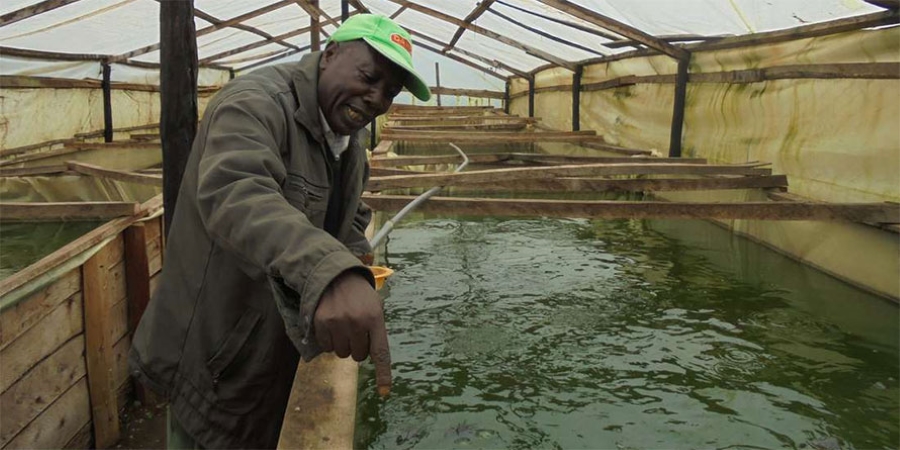
    Illustrative Image: Climate-Smart Water Management: Boosting Rice Production and Food Security in East Africa
    Image Source & Credit: WFP
    Ownership and Usage Policy

    A recent study by Bwire et al. (2025) titled “Water management for rice production: a key component of food security in East Africa” published in Discover Water reveals that more than 90% of rice is produced by smallholder farmers using traditional rain-fed or flooded methods, leaving production highly vulnerable to water scarcity.

    Water scarcity threatens East Africa’s rice production, and adopting climate-smart irrigation is crucial to boost yields, resilience, and regional food security.
    – Bwire et al. 2025

    Rice is rapidly emerging as a staple crop in East Africa, particularly in Uganda, Kenya, Tanzania, and Ethiopia. Despite its growing importance, more than 90% of rice is produced by smallholder farmers using traditional rain-fed or flooded methods, leaving production highly vulnerable to water scarcity. Climate change, poor irrigation infrastructure, and erratic rainfall have made water availability a major constraint, threatening yields and exacerbating food insecurity. The region’s reliance on imports underscores the production gap—East Africa brings in over 500,000 tons of rice annually, primarily from Asia, despite having significant agricultural potential. This dependency persists due to limited technical knowledge among farmers, inadequate funding and infrastructure, weak policy support, poor institutional coordination, and gender disparities in access to resources.

    The study identifies three climate-smart irrigation practices with potential to transform rice production:

    • Alternate Wetting and Drying (AWD): Cuts water use and methane emissions in paddy fields.
    • System of Rice Intensification (SRI): Boosts yields while reducing water and input requirements.
    • Drip Irrigation: Highly efficient for upland rice but hindered by high costs and low awareness.

    These challenges intersect with broader regional issues. Over 70 million people in East Africa are undernourished, and agriculture faces mounting climate risks, including droughts, rising temperatures, and unpredictable rainfall. Civil unrest, migration, and climate-induced displacement further strain food systems. Effective water management, combined with investment in irrigation, farmer training, and supportive policies, is critical to strengthening rice production and ensuring long-term food security in the region.

    How the Study was Conducted

    The study was a comprehensive literature review and synthesis of existing research, reports, and data on water management and rice production in East Africa, focusing on four key rice-producing countries—Uganda, Kenya, Tanzania, and Ethiopia. Drawing on peer-reviewed scientific literature, government and NGO reports, agricultural statistics from FAO and other databases, as well as case studies and field-level experimental trials, the authors examined a wide range of interlinked issues.

    The review explored the impacts of climate change on water availability and rice farming, the adoption and performance of climate-smart irrigation technologies such as alternate wetting and drying (AWD), the System of Rice Intensification (SRI), and drip irrigation, as well as the socioeconomic and institutional barriers that hinder technology uptake. It also assessed food security trends, historical and ongoing irrigation development efforts, and the effectiveness of various water management strategies.

    A comparative analysis was conducted to evaluate rice production trends, irrigation practices, and food insecurity across the four countries. The authors reviewed results from experimental and pilot projects involving AWD, SRI, and drip irrigation, integrated regional climate models and drought indicators to assess vulnerability, and examined relevant national policies, land tenure systems, and institutional frameworks. The socioeconomic context—covering gender roles, migration patterns, poverty, and civil unrest—was also considered as a critical factor shaping food security outcomes.

    However, the study faced limitations, as much of the available data came from small-scale trials or single-site studies, restricting the generalizability of findings. Additional challenges included gaps in up-to-date irrigation and yield statistics and a lack of high-resolution climate and agricultural data for the region.

    What the Authors Found

    The study found that water scarcity—worsened by climate change—is the biggest constraint on rice production in East Africa, and while climate-smart irrigation technologies could greatly improve yields and water efficiency, their adoption remains extremely low due to cost, limited awareness, and weak institutional support. Without urgent improvements in water management, farmer training, and governance, food insecurity will persist despite growing rice demand and production potential.

    Why is this important

    Food Security at Stake – Over 70 million people in East Africa are undernourished, and rice is emerging as a staple; boosting local production is essential for nutrition and livelihoods.

    High Climate Vulnerability – Frequent droughts, erratic rainfall, and rising temperatures are undermining traditional farming, making climate-smart water management critical.

    Water Management as a Game-Changer – Rice is highly water-intensive; technologies like AWD, SRI, and drip irrigation can significantly improve yields, yet poor infrastructure and governance hinder progress despite abundant water resources.

    Economic and Social Benefits – Increasing domestic rice production can cut annual imports of over 500,000 tons, save foreign exchange, empower smallholder farmers, and address gender inequalities in agriculture.

    Urgent Need for Action – Without timely interventions in technology adoption, farmer training, and policy reform, climate change will worsen food insecurity, drive migration, and heighten conflict risks.

    What the Authors Recommended

    • Provide training, on-site demonstrations, and farmer field schools to promote climate-smart irrigation (AWD, SRI, drip), while ensuring women have equal access to resources and decision-making.
    • Rehabilitate and expand irrigation schemes, promote affordable smallholder-friendly tools like solar pumps and drip kits, and develop systems for rainwater harvesting and storage.
    • Create integrated ICT platforms for real-time farming advice, establish early warning systems for drought, and expand long-term research on water-saving technologies and their environmental impacts.
    • Strengthen water governance, improve inter-ministerial coordination, secure land rights, and align policies across agriculture, water, and the environment to support sustainable rice production.
    • Facilitate cross-country knowledge exchange and build public–private partnerships to scale proven water management solutions across East Africa.

    In conclusion, adopting climate-smart water management in East Africa’s rice sector offers a transformative path to boost yields, reduce imports, and strengthen food security, but urgent investment, policy reform, and inclusive farmer support are essential to realize this potential.

  • World Bank Water Strategy: Securing Water for People, Food, and Planet Through Innovation and Investment

    World Bank Water Strategy: Securing Water for People, Food, and Planet Through Innovation and Investment


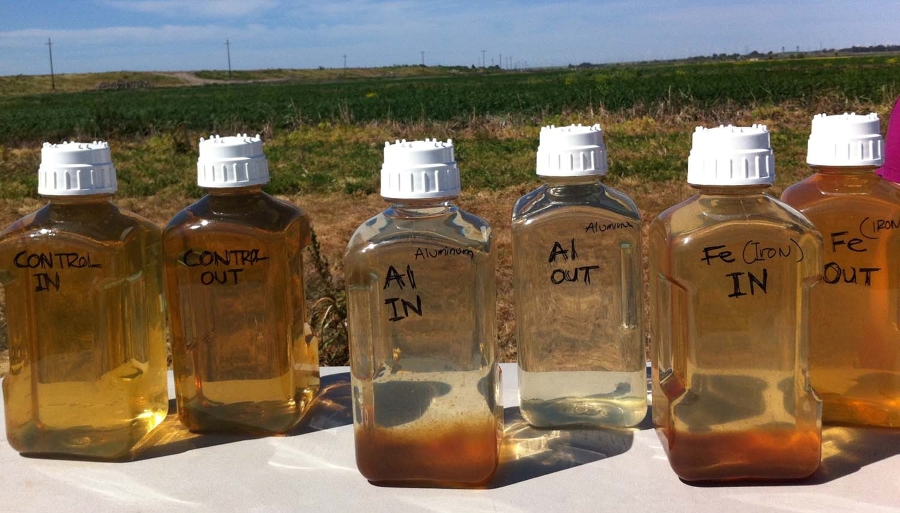
    Illustrative Image: World Bank Water Strategy: Securing Water for People, Food, and Planet Through Innovation and Investment
    Image Source & Credit: Flickr
    Ownership and Usage Policy

    Water: The Cornerstone of Sustainable Development and Human Prosperity

    Water is the bedrock of life and a cornerstone for building a liveable planet. It is fundamental to human survival, agricultural productivity, economic advancement, and ecosystem stability. Yet, this invaluable resource is facing escalating threats from climate change, population growth, and poor management. The world is at a critical juncture: if we are to eradicate poverty and ensure a sustainable future, we must radically transform the way we manage, use, and value water.

    Recognizing this urgency, the World Bank has launched a comprehensive new global water strategy. This ambitious roadmap aims to secure water for people, for food, and for the planet—aligning with broader global development goals and climate adaptation efforts.

    Water Investment as a Driver of Economic Growth

    Water is far more than a natural resource—it is a vital economic input. It supports job creation, industrial output, public health, and gender equity. In regions where water access is stable and sustainable, productivity in agriculture, energy, and manufacturing flourishes. Conversely, water scarcity can devastate livelihoods, as demonstrated by Cape Town’s 2018 drought, which led to the loss of 20,000 agricultural jobs.

    Conversely, investments in water security create transformative opportunities. For instance, in the Democratic Republic of Congo, an expansive water access program is projected to generate approximately 30,000 jobs. Similarly, access to clean water and sanitation services alleviates public health burdens and enables women—who often bear the brunt of water collection responsibilities—to pursue education and employment.

    Ultimately, investing in water is investing in people. It’s about building resilient, inclusive economies that thrive under the pressures of climate variability and global economic shifts.

    Bridging the Financing Gap

    Securing universal access to safe water and sanitation is not just a policy challenge—it’s a financial one. Achieving the Sustainable Development Goals for water requires an estimated annual investment of $131–$140 billion, nearly double current levels. This financing challenge cannot be met by public resources alone. A bold, coordinated approach involving both the public and private sectors is essential.

    The World Bank’s flagship report, Funding a Water-Secure Future, underscores several systemic inefficiencies: low budget utilization, misallocated subsidies, and weak institutional capacity. Strengthening public institutions, introducing performance-based utility reforms, and deploying smart subsidies that benefit the poor can vastly improve sector performance and attract greater volumes of private and international capital.

    Unlocking the Power of Private Sector Innovation

    Private enterprises play an indispensable role in reimagining how we finance and deliver water services. Their ability to innovate—through advanced technologies, performance-based contracts, and blended finance models—offers promising solutions to longstanding water challenges.

    The World Bank is actively enabling this participation by improving regulatory environments, offering de-risking mechanisms, and fostering transparent governance. These initiatives not only reduce investor risk but also build the foundation for impactful, large-scale private sector engagement.

    Harnessing Innovation for Resilient Water Systems

    Technological innovation holds immense potential to revolutionize the water sector—but adoption has lagged, particularly in low- and middle-income countries. Only a fraction of water utilities currently utilize cutting-edge tools like artificial intelligence, predictive analytics, or digital twin modelling.

    Modern sensor technologies and data platforms could transform water quality monitoring, optimize distribution networks, and reduce waste. To accelerate progress, national policies must foster an innovation ecosystem—one that promotes research, scales viable solutions, and equips water professionals with the skills needed to adapt.

    By embedding innovation at the heart of water management, we can create smarter, more efficient, and climate-resilient water systems.

    A Global Strategy for Water Security

    The World Bank’s updated water strategy integrates its technical expertise, partnerships, and financial instruments to deliver water for three interconnected objectives:

    1. Water for People: Achieving universal access to water, sanitation, and hygiene (WASH) services.

    2. Water for Food: Enhancing water efficiency in agriculture to secure food systems and smallholder livelihoods.

    3. Water for Planet: Managing water resources sustainably to reduce risks and preserve ecosystems.

    Through its new Fast Track Water Security and Climate Adaptation program, the World Bank is scaling up and accelerating water solutions. This program fosters rapid innovation deployment and cross-sectoral partnerships—bridging public and private actors to confront water crises at scale.

    Transformative Impact in Action

    Indonesia: Irrigation Modernization for Agricultural Prosperity

    In Indonesia, the Strategic Irrigation Modernization and Urgent Rehabilitation Project is rehabilitating 250,000 hectares of irrigation systems across 10 provinces. By formalizing service delivery through transparent irrigation agreements, the initiative empowers 350,000 farmers to demand accountability, boosting productivity and incomes—vital for the over 3 million Indonesians reliant on agriculture.

    Brazil: Turning Crisis into Resilience

    After a decade-long drought, Brazil invested in proactive drought management with World Bank support. The Brazil Drought Monitor—now nationwide—relies on a coalition of federal and state actors to produce monthly drought maps, guiding timely policy responses. This system represents a model of scalable climate resilience infrastructure.

    India: The World’s Largest Dam Rehabilitation Program

    India’s ambitious dam rehabilitation initiative spans 500 dams with plans to improve all 6,200. These upgrades include Emergency Action Plans and stakeholder-inclusive safety protocols. Additionally, the project supports the creation of the world’s first postgraduate dam safety program—building national capacity for long-term water infrastructure stewardship.

    Sahel Region: Climate-Resilient Farming for Food Security

    In Africa’s Sahel region, where 99% of farmland is rainfed, the Sahel Irrigation Initiative is transforming agriculture. Using modern irrigation tools like drip systems and solar pumps, the project is improving the livelihoods of nearly 400,000 farmers. Stories like that of Fattah Hassan Dubaal in Chad—whose okra yields increased fiftyfold—demonstrate the power of reliable water access to uplift entire communities.

    Ethiopia: Menstrual Health, Sanitation, and Education

    The One WaSH National Program in Ethiopia has built 227 menstrual hygiene rooms in over 1,000 schools. These gender-sensitive facilities have significantly improved school attendance among girls. Addressing menstrual stigma and integrating hygiene education into school curricula are critical to inclusive education.

    Egypt: Expanding Rural Sanitation

    In Egypt, the Sustainable Rural Sanitation Services Program has already improved access for over 1 million people. By investing in treatment infrastructure and connecting more households to the sewer network, the project strengthens governance and service delivery in the sanitation sector. It also laid the groundwork for Egypt’s National Water and Sanitation Strategy.

    Toward a Water-Secure Future

    Water flows through every facet of human development. Ensuring its availability, quality, and sustainable use is not merely a technical challenge—it is a moral imperative and economic necessity. The World Bank, as the largest multilateral financier of water in developing countries, is mobilizing its $27 billion portfolio to catalyze change at scale.

    Through bold investments, institutional reform, and innovation, the new global water strategy seeks to deliver water solutions that empower people, nourish economies, and preserve the planet. Only through such integrated and accelerated efforts can we secure a future where water continues to sustain life, dignity, and development for all.

  • Cost-Effective Tools for Water Quality Monitoring in Rural Communities: Insights from H₂S Testing and Sanitary Inspections

    Cost-Effective Tools for Water Quality Monitoring in Rural Communities: Insights from H₂S Testing and Sanitary Inspections

    A recent study by Murei, et al. (2024) titled “Selection of a diagnostic tool for microbial water quality monitoring and management of faecal contamination of water sources in rural communities” published in Science of the Total Environment, shows that the hydrogen sulphide (H2S) test and sanitary inspections are cost-effective and suitable tools for monitoring faecal contamination in rural areas at the household level.

    Hydrogen sulphide tests and sanitary inspections are cost-effective tools for monitoring faecal contamination in rural water sources.– Murei, et al. 2024

    The article, titled “Selection of a Diagnostic Tool for Microbial Water Quality Monitoring and Management of Faecal Contamination of Water Sources in Rural Communities,” focuses on assessing and selecting effective tools for microbial water quality monitoring in rural settings. Conducted by researchers from Tshwane University of Technology and the University of South Africa, the study explores various methods to monitor water quality at multiple levels. These include sanitary inspections, hydrogen sulphide (H₂S) tests, the enumeration of faecal indicator bacteria, and advanced molecular techniques like qPCR for detecting host-associated genetic markers and pathogens.

    How the Study was Conducted

    The study employed a multi-faceted methodology. Authors from the Tshwane University of Technology and the University of South Africa conducted a comprehensive evaluation of various microbial water quality monitoring tools. The authors utilized methods such as sanitary inspections, hydrogen sulphide (H2S) tests, enumeration of faecal indicator bacteria, and advanced molecular techniques like qPCR for detecting host-associated genetic markers and pathogens. This approach allowed the authors to assess the effectiveness and suitability of different tools for monitoring faecal contamination in rural areas at the household level.

    What the Authors Found

    The authors found that the hydrogen sulphide (H2S) test and sanitary inspections are cost-effective and suitable tools for monitoring faecal contamination in rural areas at the household level.

    Why is this important?

    Health and Safety: Monitoring and managing faecal contamination in water sources is crucial for preventing waterborne diseases, which can have severe health impacts, especially in rural areas.

    Cost-Effective Solutions: The study identifies cost-effective tools like the hydrogen sulphide (H2S) test and sanitary inspections, which are accessible and practical for rural communities.

    Advanced Techniques: By incorporating advanced molecular techniques like qPCR, the study provides a comprehensive approach to water quality monitoring, ensuring more accurate and reliable results.

    Empowering Communities: Providing rural communities with effective tools and knowledge for water quality monitoring empowers them to take control of their water resources and improve their overall quality of life.

    Sustainable Development: Ensuring access to clean water is a fundamental aspect of sustainable development, contributing to better health, economic growth, and environmental sustainability.

    What the Authors Recommended

    • The authors advocates implementing affordable and practical tools like the hydrogen sulphide (H2S) test and sanitary inspections for routine monitoring.
    • Utilizing advanced molecular techniques such as qPCR for detecting host-associated genetic markers and pathogens to complement traditional methods.
    • The authors suggest that the government should engage local communities in the monitoring process to ensure they understand and can act on the results.
    • Furthermore, the study advocates providing training and resources to local stakeholders to build technical expertise and ensure the sustainability of monitoring efforts and combining simple, cost-effective methods with advanced techniques to create a comprehensive monitoring strategy.

    In conclusion, the study by Murei et al. provides a valuable framework for addressing microbial water contamination in rural communities through cost-effective, accessible, and scientifically robust methods. By highlighting the practicality of the hydrogen sulphide (H₂S) test and sanitary inspections, alongside advanced molecular techniques like qPCR, this research empowers local communities to take proactive steps in safeguarding their water sources. The recommendations for government and stakeholder engagement underscore the importance of community involvement and sustainable practices, which are essential for lasting improvements in water quality management. This study ultimately contributes to the broader goal of enhancing public health, fostering community resilience, and supporting sustainable development initiatives in rural areas.

  • Transforming Rural Livelihoods: The Impact of Aquaculture in Seke Rural District, Zimbabwe

    Transforming Rural Livelihoods: The Impact of Aquaculture in Seke Rural District, Zimbabwe

    A recent study by Chipfakacha, C. T. (2024) titled “Aquaculture the New Way of Creating Sustainable Livelihoods Among Rural Populations in Africa. A Case of Seke Rural District Zimbabwe” published in the International Journal of Agricultural Extension and Rural Development Studies, shows that aquaculture has provided a sustainable livelihood for rural populations, especially in areas affected by drought and poor harvests.

    Aquaculture significantly enhances sustainable livelihoods, food security, and employment opportunities for rural populations in Zimbabwe’s Seke District.– Chipfakacha, C. T. 2024

    This article delves into the pivotal role of aquaculture in fostering sustainable livelihoods for rural populations in Africa, with a specific emphasis on the Seke Rural District in Zimbabwe. By examining the emergence of fish farming as a viable alternative to traditional agricultural practices, the article illustrates the numerous benefits associated with aquaculture, including enhanced nutrition and increased employment opportunities, particularly for the youth. Aquaculture has become an essential component of rural development in Seke, addressing food security issues while diversifying income sources for local communities. The nutritional advantages of fish farming are particularly significant, as fish is a valuable source of protein and essential fatty acids, contributing to improved dietary diversity and health outcomes in the region. However, the article also highlights several challenges that aquaculture farmers in Seke face. Water availability remains a critical issue, as many areas struggle with inconsistent access to reliable water sources necessary for fish farming. Additionally, a lack of proper training and technical knowledge among farmers hinders the effective management of aquaculture operations. Economic constraints further exacerbate these challenges, limiting the capacity of farmers to invest in the necessary infrastructure, equipment, and inputs required for successful fish farming. Recognizing the significance of these challenges, the article underscores the crucial role of government and non-governmental organizations (NGOs) in supporting the growth of aquaculture in Seke. Such support can take various forms, including financial assistance, capacity-building training programs, and the provision of essential resources. The author advocates for comprehensive measures to enhance aquaculture practices, such as implementing government subsidies to reduce the financial burden on farmers, developing educational programs to equip them with the necessary skills and knowledge, and promoting better land utilization strategies that optimize the available resources for aquaculture. By addressing these challenges and leveraging the potential of aquaculture, rural communities in Seke can not only improve their economic standing but also work towards achieving sustainable development and food security in the region. The article ultimately calls for a concerted effort among stakeholders to foster a conducive environment for aquaculture to thrive, ensuring that it serves as a catalyst for positive change in the livelihoods of rural populations across Africa.

    How the Study was Conducted

    The author distributed surveys and questionnaires to local fish farmers to gather data on their practices, challenges, and benefits experienced by aquaculture. In-depth interviews were conducted with key stakeholders, including farmers, government officials, and representatives from NGOs, to gain insights into the support systems and policies affecting aquaculture. The author visited various fish farms to observe the farming practices, infrastructure, and environmental conditions firsthand. The collected data was analyzed using statistical tools to identify trends, correlations, and significant factors influencing the success of aquaculture in the region.

    What the Author Found

    The author found that aquaculture has provided a sustainable livelihood for rural populations, especially in areas affected by drought and poor harvests. Fish farming has helped supplement diets with high-protein fish, offering a healthier alternative to red meat. The practice has created jobs, particularly for the youth, who are involved in pond construction and maintenance. In addition, aquaculture has enabled better use of land, including wetlands, which helps preserve the environment and prevent illegal land sales

    Why is this Important?

    Sustainable Livelihoods: Aquaculture has provided a reliable source of income and food security for rural populations, especially in areas affected by drought and poor harvests.
    Nutritional Benefits: Fish farming has improved the nutritional intake of the community by providing a high-protein alternative to red meat.
    Job Creation: The practice has created employment opportunities, particularly for the youth, who are involved in pond construction and maintenance.
    Land Utilization: Aquaculture has enabled better use of land, including wetlands, which helps in preserving the environment and preventing illegal land sales.

    What the Authors Recommended

    • The author suggests increased government involvement through subsidies and funding to help farmers access necessary resources and infrastructure.
    • The study advocates implementing educational programs to train farmers in modern aquaculture techniques and best practices.
    • The study emphasizes improving access to local and regional markets to ensure farmers can sell their produce at fair prices.
    • In addition, developing better water management systems to ensure a reliable water supply for fish farming, especially in drought-prone areas.
    • Furthermore, it encourages further research into sustainable aquaculture practices and the development of resilient fish species.

    In conclusion, the study by Chipfakacha (2024) highlights the transformative potential of aquaculture in Seke Rural District, Zimbabwe, as a viable solution for enhancing sustainable livelihoods among rural populations. By providing a reliable source of income, improving dietary diversity, and creating employment opportunities, fish farming has emerged as a critical strategy for addressing food insecurity, particularly in regions plagued by drought and poor agricultural yields. However, to fully harness the benefits of aquaculture, it is essential to overcome the challenges of water availability, lack of training, and economic constraints. Through increased government intervention, capacity-building initiatives, and improved access to markets, stakeholders can foster an environment where aquaculture thrives. Ultimately, with a collaborative approach and a commitment to sustainable practices, aquaculture can serve as a catalyst for positive change, contributing to the overall development and resilience of rural communities across Africa.