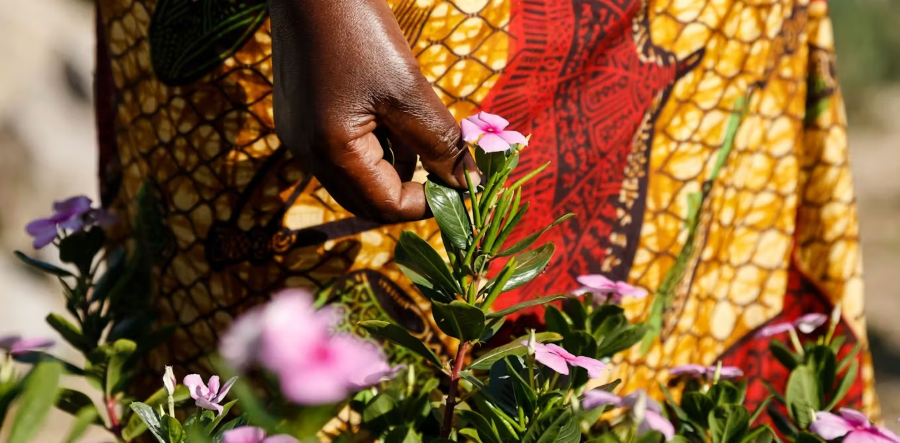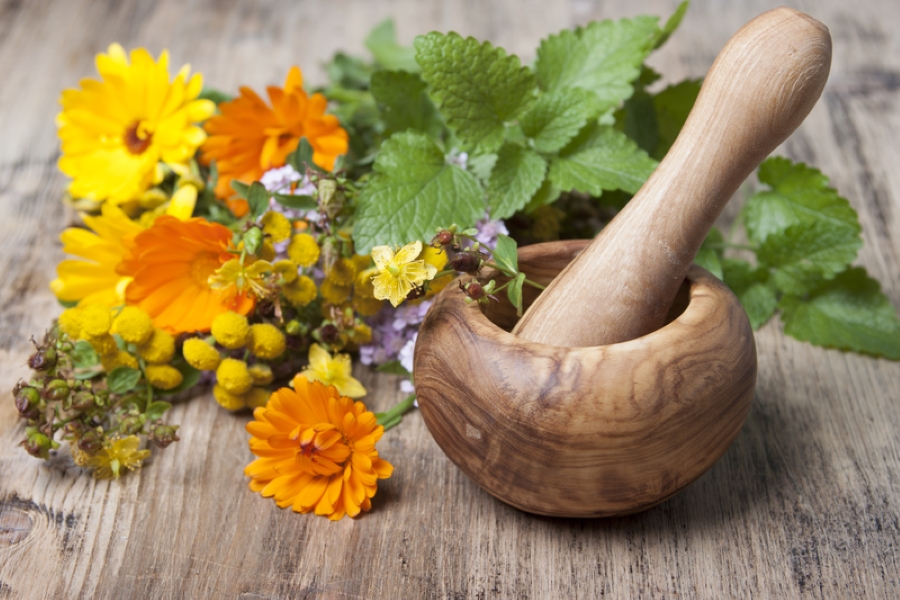
Illustrative Image: Traditional Medicine Meets Modern Science: WHO’s 2025–2034 Global Integration Strategy
Image Source & Credit: Herbal Education
Ownership and Usage Policy
In a landmark move that bridges millennia-old healing wisdom with 21st-century science, the World Health Organization (WHO) has formally approved a new strategy to integrate Traditional, Complementary, and Integrative Medicine (TCIM) into national healthcare systems worldwide. The strategy, endorsed during the 78th World Health Assembly in Geneva, lays out a roadmap for 2025 to 2034 that aims to standardize, regulate, and research traditional medicine while respecting its cultural origins.
This decision represents a significant milestone for advocates of traditional medicine, particularly in regions such as Asia, Africa, the Middle East, and Latin America, where these practices are deeply woven into the fabric of everyday life. Iran hailed the strategy as a “visionary yet realistic roadmap,” recognizing the centuries-old medical traditions embedded in its own heritage.
A Balancing Act: Tradition Meets Science
While celebrating the cultural and historical significance of traditional medicine, WHO’s new strategy also emphasizes the necessity of aligning these practices with modern scientific evidence. The document positions traditional medicine as a “vast repository of accumulated knowledge,” but insists on evidence-based validation as a prerequisite for integration into formal healthcare systems.
“The strategy seeks to harness the potential contribution of TCIM to health and well-being based on evidence,” the document states. “It is also designed to prevent misinformation, disinformation, and malinformation.”
This dual commitment—honoring ancestral knowledge while ensuring scientific validity—highlights the delicate balance WHO must maintain. The European Union, which raised several concerns during the discussion, underscored the need to eliminate “harmful or inefficient practices” that may masquerade as legitimate alternative medicine. Poland, speaking on behalf of the EU’s 27 member states, emphasized that while traditional medicine can offer valuable insights, safety and efficacy must never be compromised.
Global Use, Local Knowledge
Over 80% of the global population across more than 170 of WHO’s 194 member states reportedly rely on some form of traditional medicine. Even in developed nations such as France and Canada, usage rates approach 50%. Many pharmaceutical products—up to 40%, according to WHO—trace their origins to traditional remedies, underscoring the significant yet underappreciated contribution of indigenous practices to modern medicine.
“This strategy reflects an overdue recognition of the contribution of traditional medicine and Indigenous knowledge systems to global health,” said Dr. Bruce Aylward, WHO’s Assistant Director-General for Universal Health Coverage. He also reaffirmed WHO’s commitment to support nations in identifying culturally appropriate ways to integrate their traditional practices.
Challenges Ahead: Regulation, Research, and Resources
Despite the ambitious scope of the strategy, formidable challenges lie ahead. Chief among them is the task of building an evidence base for thousands of traditional practices that have historically been transmitted orally or codified outside Western scientific paradigms. Many forms of traditional medicine—such as acupuncture, certain herbs, and mindfulness—already have a solid scientific backing. However, others lack rigorous, peer-reviewed studies to support their efficacy or safety.
Tido von Schoen-Angerer, President of the Traditional, Complementary and Integrative Healthcare Coalition (TCIH), highlighted the importance of cross-sectoral collaboration and the need to protect Indigenous epistemologies. He welcomed the inclusion of provisions to protect traditional knowledge and cultures, but cautioned that much of the sector still lacks adequate scientific validation.
The civil society group Medicus Mundi International Network voiced concern that the strategy could inadvertently favor Western scientific standards at the expense of indigenous ways of knowing. “Centering ‘evidence-based’ validation risks displacing practices rooted in land, culture, and spirituality,” said a representative from the organization.
Funding Gap: Big Ideas, Little Money
Although the strategy encourages countries to develop national research agendas and allocate resources to traditional medicine, it falls short of making firm financial commitments. WHO itself is grappling with a $1.5 billion budget deficit, following substantial cuts to its core operations. As such, its role in the strategy is largely limited to providing technical support and developing regulatory guidelines.
This financial gap is a critical issue. Without sufficient investment in clinical trials, pharmacological studies, and regulatory frameworks, the integration of traditional medicine into national healthcare systems may falter. For instance, India has committed $85 million over ten years to support the WHO Global Centre for Traditional Medicine in Jamnagar, but few other countries have followed suit.
Historically, areas like women’s health and indigenous health have struggled to secure adequate funding. For comparison, only 10% of the U.S. National Institutes of Health (NIH) budget is directed toward women’s health research. A similar lack of investment in traditional medicine could jeopardize WHO’s ambitious goals.
Setting Standards: A Global Challenge
One of the strategy’s primary goals is the creation of a global regulatory and standardization framework for traditional medicine, both in oral and codified forms. However, harmonizing these diverse systems is a daunting task. Practices vary widely between regions, from traditional Chinese medicine and Ayurveda to African herbalism and Polynesian healing rituals.
“We urge WHO to support countries in developing context-sensitive methodologies, including those that encompass non-codified and oral traditions, to ensure scientific rigour,” said a delegate from Thailand.
The EU emphasized the importance of avoiding conflicts of interest when engaging with TCIM industries, urging WHO to adhere strictly to its Framework of Engagement with Non-State Actors (FENSA). Concerns about commercialization and industry influence are particularly acute, given recent scandals involving misleading health claims.
Protecting Authenticity, Preventing Abuse
Another key issue is ensuring that legitimate traditional practices are not undermined by fraud and exploitation. In countries like India, firms such as Patanjali have faced legal action for marketing unproven remedies under the guise of Ayurveda. Weak regulatory frameworks in many countries allow such companies to thrive while genuine traditional healers remain under-resourced and unrecognized.
Small island nations such as Micronesia and Comoros stressed the importance of preserving indigenous knowledge systems, especially where TCIM is often the only accessible form of healthcare. “Our traditional medicine is rooted in local customs, indigenous knowledge and natural resources,” said a delegate from Micronesia. “We see these practices as important to supporting our health systems and advancing universal health coverage.”
Thailand also argued for benefit-sharing mechanisms to ensure that any commercial gains from indigenous knowledge and biodiversity are fairly distributed—an ongoing point of contention with pharmaceutical corporations.
Conclusion: Bridging Past and Future
WHO’s Traditional Medicine Strategy 2025–2034 marks a pivotal shift in global health policy. By acknowledging the deep cultural roots and widespread use of traditional medicine while insisting on scientific validation, the organization is charting a path that seeks to balance respect for tradition with the rigor of evidence-based care.
However, this path is fraught with complexity. The lack of funding, regulatory ambiguity, and epistemological clashes between Western science and indigenous knowledge pose significant hurdles. Success will depend not only on political will and scientific inquiry but also on a genuine commitment to equity, cultural sensitivity, and inclusion.
The WHO has opened the door. It is now up to member states—and the global health community at large—to walk through it with care, collaboration, and conscience.