
Tag: tourism industry

  • Sustainable Tourism for Economic Growth in South Africa: Responsible Strategies for Local and Regional Development

    Sustainable Tourism for Economic Growth in South Africa: Responsible Strategies for Local and Regional Development

    A recent article by Wissink, H. (2023) titled “Sustainable Tourism for Local and Regional Development in South Africa: Unlocking Economic Potential through Responsible Tourism Strategies,” published in African Journal of Hospitality, Tourism and Leisure, shows that sustainable tourism can contribute to local and regional development in South Africa by generating economic growth, social empowerment, and environmental conservation.

    Sustainable tourism in South Africa fosters economic growth, social empowerment, and environmental conservation, emphasizing responsible strategies and multi-stakeholder collaboration.– Wissink, H. 2023

    This article explores the significance of promoting sustainable tourism for local and regional development in South Africa. By focusing on responsible tourism strategies, the study aims to highlight how these approaches can not only unlock the economic potential of the tourism sector but also ensure its long-term sustainability. The author delves into the concept and principles of sustainable tourism, which aim to balance economic development with environmental conservation and social well-being. The study further explores the impact of tourism on regional development and the need for a comprehensive theoretical framework to explain the relationship between them and the specific challenges and opportunities faced by developing nations like South Africa in achieving sustainable and inclusive development. The author navigates through the application of the Sustainable Development Theory (SDT) as a comprehensive framework for analyzing the interactions between tourism, the environment, the economy, and society.

    How the Study was Conducted

    The author employed 18 interviews with key stakeholders in the tourism industry, such as government officials, local communities, tourism operators, NGOs, and industry experts. The interviews aimed to gather insights, perspectives, and recommendations on responsible tourism strategies for local and regional development in South Africa. The author analyzed the interview data using thematic coding to identify common themes and subthemes emerging from the stakeholders’ responses. In addition, the study synthesised the findings to develop a comprehensive understanding of the challenges, opportunities, and recommendations for promoting sustainable tourism in South Africa.

    What the Author Found

    The author found that sustainable tourism can contribute to local and regional development in South Africa by generating economic growth, social empowerment, and environmental conservation. The author posit that responsible tourism strategies involve a multi-stakeholder approach, bringing together government bodies, tourism operators, local communities, conservation organizations, and visitors. The study found that stakeholder interviews revealed several challenges and opportunities for promoting sustainable tourism, such as community involvement, infrastructure development, cultural preservation, collaboration, and partnerships. The author further found that Sustainable Development Theory (SDT) provides a comprehensive framework for achieving balanced economic growth, social inclusion, and environmental sustainability in tourism development.

    Why is this important?

    Sustainable tourism aims to protect and conserve the environment, wildlife, and heritage of the destination, ensuring its long-term viability and attractiveness. Sustainable tourism involves and benefits local communities by creating employment opportunities, supporting local businesses, and enhancing their well-being and quality of life. Sustainable tourism contributes to local and regional economic development by diversifying the economy, increasing income and revenue, and attracting investment. By adopting responsible tourism strategies, South Africa can unlock the economic potential of its tourism industry while ensuring its sustainability and preserving its natural and cultural assets.

    What the Authors Recommend

    • The author recommends that various stakeholders, such as the government, local communities, tourism operators, and NGOs, should be involved in decision-making processes related to sustainable tourism development.
    • The study suggests that stakeholders should encourage community ownership and participation in tourism initiatives, such as homestays and local tour guide services, to ensure that local perspectives and interests are considered and that communities benefit directly from tourism revenues.
    • The author urge various stakeholders to provide training and education programs for local communities and tourism operators on sustainable tourism practices, such as environmental conservation, cultural preservation, and responsible business management.
    • The author advocate investment in infrastructure development that supports sustainable tourism growth, such as transportation networks, accommodation facilities, and public amenities, while minimising environmental impacts and enhancing accessibility and quality of life for residents and visitors.
    • The study urges various stakeholders to respect and promote local culture and heritage, such as traditions, arts, and crafts, and foster cultural exchange and appreciation among tourists and locals while avoiding cultural commodification and dilution.
    • In addition, the study proposes that stakeholders should protect and conserve natural resources and biodiversity, such as national parks and marine reserves, and implement eco-friendly practices, such as waste management and resource conservation, to reduce the environmental footprint of tourism activities.
    In conclusion, the study by Wissink (2023) underscores the pivotal role of sustainable tourism in fostering local and regional development in South Africa. By emphasizing responsible tourism strategies and employing a multi-stakeholder approach, the research reveals the potential for economic growth, social empowerment, and environmental conservation. The findings advocate for inclusive decision-making processes, community participation, and comprehensive training programs to ensure the long-term sustainability of the tourism industry. As South Africa navigates the path of responsible tourism, the recommendations put forth by the authors serve as a blueprint for unlocking economic potential while preserving the nation’s rich natural and cultural heritage.

  • Global Plastics Crisis: Africa’s Urgent Call for Action and the Imperative for a Sustainable Future

    Global Plastics Crisis: Africa’s Urgent Call for Action and the Imperative for a Sustainable Future

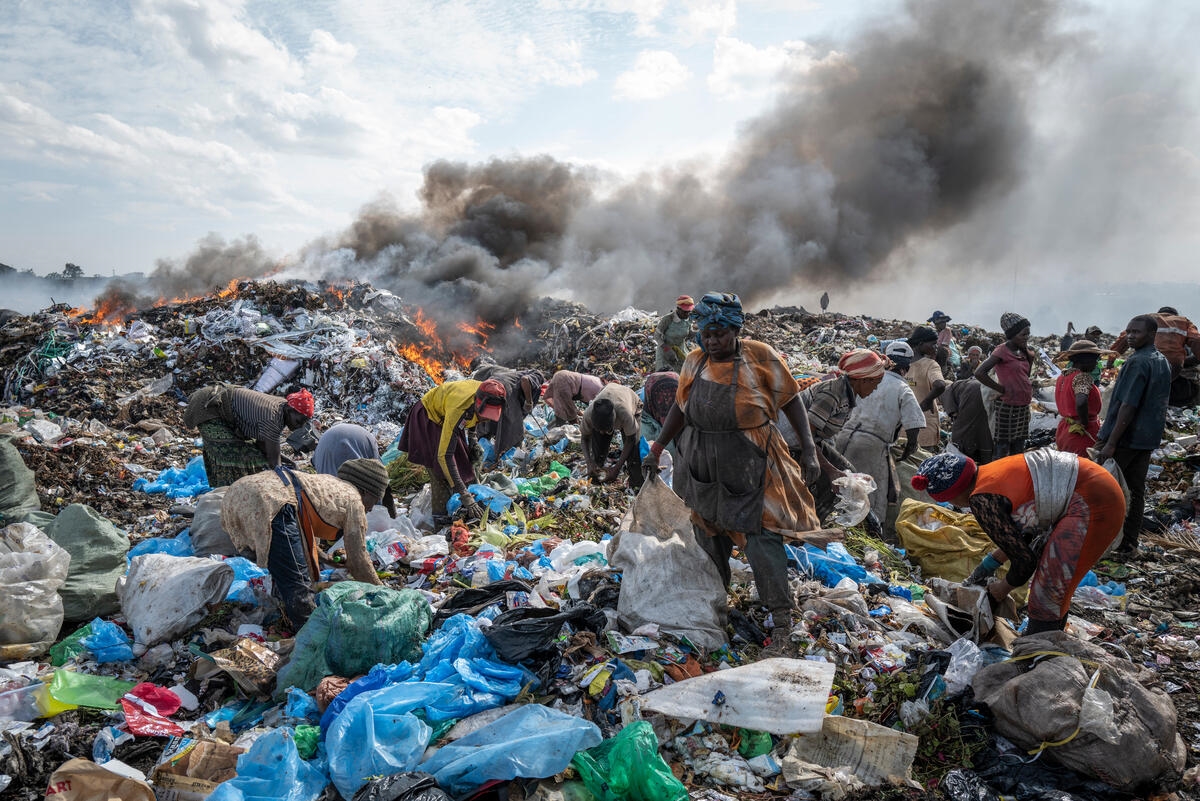
    In today’s world, plastics have become an omnipresent menace, infiltrating every aspect of our lives, from our streets and bodies to our food, soil, ecosystems, and waterways. This crisis, fueled by the profit-driven pursuits of major oil companies, spares no corner of the globe. Despite Africa being responsible for only 5% of global plastic production and 4% of consumption, the continent bears the disproportionate burden of plastic pollution through transboundary transfer of waste, a phenomenon aptly described as ‘waste colonialism.’

    While petrochemical corporations extol the virtues of plastics as cheap and convenient, the true costs remain largely invisible: biodiversity destruction, flooding, adverse impacts on human health, social injustice, and the exacerbation of the climate crisis. – Gerance Mutwol 2023

    Plastics and Health in Africa

    The improper disposal of plastic waste in African cities and villages threatens the fundamental right to health. Disturbing research from Stanford University and the Technical University of Mombasa reveals a connection between plastic waste and the spread of tropical diseases such as Malaria, chikungunya, and dengue fever. Plastic waste serves as breeding grounds for disease-carrying mosquitoes, amplifying health risks. The presence of microplastics deemed an emerging human health hazard, contributes to oxidative stress, DNA damage, organ dysfunction, and reproductive toxicity. Moreover, the common practice of burning plastic waste in some African regions releases harmful pollutants, worsening respiratory problems and contributing to air pollution-related diseases.

    Plastics and the Environment

    The visual evidence of plastic pollution is overwhelming, from the deepest parts of the ocean to the remotest stretches of land. Lions with plastic bottles and birds entangled in plastics vividly illustrate the ubiquitous nature of this crisis. Marine life, including sea turtles and dolphins, faces entanglement and ingestion, leading to starvation. Plastic pollution in rivers and lakes jeopardizes freshwater biodiversity, while terrestrial ecosystems suffer from littered landscapes, putting Africa’s overall biodiversity and health at severe risk.

    Plastics and Economy in Africa

    The economic ramifications of plastic pollution in Africa are profound. The vital tourism industry, which contributes up to 4.4% of Africa’s GDP, is adversely affected by littered beaches, deterring visitors. In Senegal, picturesque sites are marred by thousands of discarded plastic bags and bottles, impacting both marine life and tourism. Agriculture, a cornerstone of Africa’s economy, faces challenges as plastic pollution harms soil fertility and water quality, exacerbating food insecurity and causing job losses. The costs associated with cleaning up plastic pollution strain already limited resources.

    The Path Forward: A Global Plastics Treaty

    In response to these pressing issues, a pivotal moment is on the horizon—the 3rd session of negotiations (INC3) to develop a global legally binding treaty on plastic pollution. Set to take place in Nairobi, Kenya, from November 13th to 19th, 2023, this marks an unprecedented opportunity to bid farewell to the age of plastic through a tangible treaty draft, the “Zero draft.”

    A robust Global Plastics Treaty should encompass key provisions to:

    • Cut total plastic production by at least 75% by 2040, aligning with climate goals and safeguarding health, rights, and communities.
    • Address the entire lifecycle of plastics, from extraction to disposal.
    • Keep oil and gas used in plastic production in the ground, advocating for a switch to refill and reuse systems to reduce single-use plastic production.
    • Hold countries accountable for managing their own waste, putting an end to waste colonialism.
    • Ensure a just transition for workers and prioritize the health of the most affected communities.

    Parting Shot

    A formidable Global Plastics Treaty is not merely crucial for Africa—it is imperative for the entire world. It presents an unparalleled opportunity for Africa to confront plastic pollution challenges, protect unique ecosystems, and enhance the health and well-being of its people. Through collaboration with the global community, the African negotiators can usher in sustainable solutions, paving the way for a cleaner, healthier, and more prosperous continent free from the shackles of plastic for future generations.