Tag: stakeholders

  • Enhancing Disaster Management in Zambia: Key Findings, Strategies, and Policy Recommendations

    Enhancing Disaster Management in Zambia: Key Findings, Strategies, and Policy Recommendations

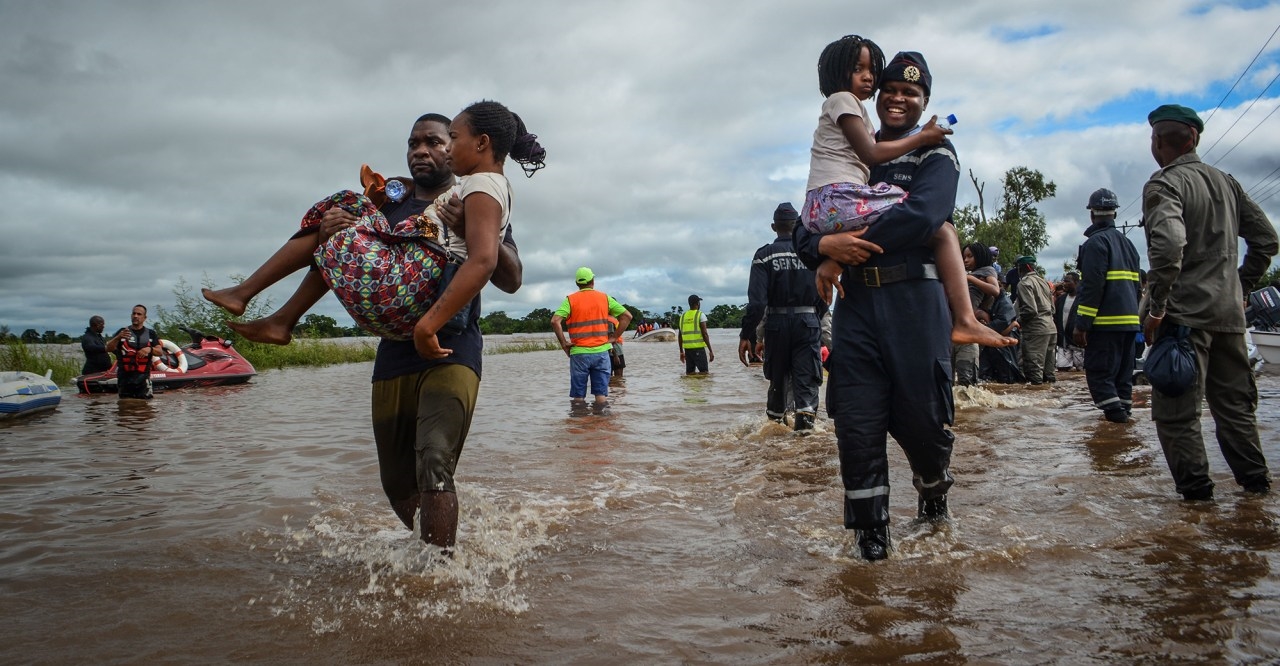
    A recent study by Chitondo, et al. (2024) titled “Disaster Management and Mitigation Strategies in Zambia: A Systematic Review” published in World Journal of Advanced Research and Reviews, shows that the existing disaster management framework in Zambia involves multiple institutions and stakeholders, but there are gaps in coordination and resource allocation.

    Zambia’s disaster management framework requires improved coordination and resource allocation among multiple institutions and stakeholders.-Chitondo, et al. 2024

    The study focuses on disaster management and mitigation strategies in Zambia, exploring a range of natural and human-induced disasters, including floods, droughts, disease outbreaks, and industrial accidents. It provides a detailed analysis of Zambia’s disaster management framework, shedding light on the key institutions, policies, and stakeholders that play a critical role in disaster preparedness, response, and recovery efforts. A central theme of the study is the importance of a comprehensive, multi-dimensional approach to disaster management. Effective strategies must encompass several key elements: preparedness, risk reduction, community engagement, innovation, and global cooperation. Preparedness involves the proactive identification of potential risks and the development of strategies to address them before disasters strike. Risk reduction focuses on minimizing the vulnerability of communities and infrastructure to disaster impacts. Community engagement is crucial, as local populations are often the first responders, and their involvement can enhance the effectiveness of disaster response efforts. Innovation plays a pivotal role in developing new tools and methods to predict, prevent, and respond to disasters more efficiently. Finally, global cooperation is essential, as disasters often transcend national borders, requiring coordinated efforts from multiple countries and international organizations.

    How the Study was Conducted

    The research employs a mixed-methods approach, combining both qualitative and quantitative analyses to provide a comprehensive understanding of the subject. Qualitative analysis involves a thorough examination of policy documents and literature, offering insights into existing frameworks and strategies. This is complemented by quantitative assessments derived from data collected through interviews, questionnaires, and project observation schedules involving 250 respondents. These methods ensure a robust and well-rounded analysis of disaster management practices in Zambia.

    What the Authors Found

    The authors found that effective disaster management requires a multi-dimensional strategy that includes preparedness, risk reduction, community engagement, innovation, and global cooperation. The authors posit that the existing disaster management framework in Zambia involves multiple institutions and stakeholders, but there are gaps in coordination and resource allocation.

    Why is this Important

    Enhanced Preparedness: By understanding the current disaster management framework and identifying gaps, the study helps improve preparedness for future disasters. This can save lives and reduce economic losses.
    Policy Improvement: The findings highlight discrepancies between policy and implementation, providing a basis for policymakers to refine and enforce more effective disaster management policies.
    Community Resilience: Emphasizing community involvement and capacity building ensures that local populations are better equipped to handle disasters. This fosters resilience and self-reliance.
    Resource Allocation: Identifying areas where resources are lacking allows for better allocation and utilization of funds and materials, ensuring that they reach the most vulnerable populations.
    Global Cooperation: The study underscores the need for international collaboration in disaster management, promoting the sharing of knowledge, technology, and resources.

    What the Authors Recommended

    • The authors suggest improving coordination among various institutions and stakeholders involved in disaster management to ensure a unified and efficient response.
    • The authors recommend fostering greater involvement of local communities in disaster preparedness and response activities. This includes leveraging local knowledge and encouraging community-based initiatives.
    • The author suggests that policymakers should invest in training and resources to build the capacity of both institutions and communities to handle disasters more effectively.
    • In addition, policymakers should encourage the use of innovative technologies and practices in disaster management to improve efficiency and effectiveness.

    In conclusion, the study by Chitondo et al. (2024) provides valuable insights into the strengths and shortcomings of Zambia’s disaster management framework. By highlighting the importance of a multi-dimensional approach that includes preparedness, risk reduction, community engagement, innovation, and global cooperation, the research underscores the need for enhanced coordination, resource allocation, and policy refinement. The findings offer a clear pathway for improving disaster management strategies, ensuring that Zambia is better equipped to handle future crises, protect its communities, and build long-term resilience.


  • Enhancing Mental Well-Being in Sub-Saharan Africa: Key Findings and Recommendations from a Comprehensive Literature Review (2014-2022)

    Enhancing Mental Well-Being in Sub-Saharan Africa: Key Findings and Recommendations from a Comprehensive Literature Review (2014-2022)

    A recent study by Oladele, et al. (2024) titled “A Literature Review of Health and Mental Well-being Indicators and Its Assessment in Sub-Saharan Africa (2014–2022)” published in the Journal of Research and Health, shows that mental health research in South Africa began earlier and is more prevalent in academic settings, while in Nigeria, it involves various stakeholders.

    Mental health research in South Africa is more academic, while in Nigeria, it involves diverse stakeholders. – Oladele, et al. 2024

    A recent literature review titled “A Literature Review of Health and Mental Well-being Indicators and Its Assessment in Sub-Saharan Africa (2014–2022)” offers valuable insights into the factors influencing health and mental well-being (MWB) in Sub-Saharan Africa. This study underscores the necessity for a thorough evaluation to enhance both health and MWB across the region. The review delves into various factors shaping health and MWB in Sub-Saharan Africa. It highlights the importance of a detailed assessment to address the unique challenges faced by the population in this region. The study aims to provide a clearer understanding of these challenges to improve overall health and well-being.

    How the Study was Conducted

    The study conducted a literature review using the POWER framework (planning, operationalizing, writing, embedding, and reflecting). This framework guided the creation and assessment of the literature review paper. The Web of Science (WoS) database was the primary source, complemented by random Google-led searches. The search included keywords related to mental well-being (MWB), focusing on literature published between 2014 and 2022 in South Africa and Nigeria. The study involved three phases: Initialization (planning and operationalizing), impression (writing), and impact (reflection and evaluation).

    What the Authors Found

    The authors found that the key indicators of mental health and well-being include the ability to realize potential, cope with normal stresses, work productively, and engage meaningfully in the community. Mental health research in South Africa began earlier and is more prevalent in academic settings, while in Nigeria, it involves various stakeholders.

    Why is this Important?

    Contextual Relevance: It addresses the unique health and mental well-being challenges faced by populations in Sub-Saharan Africa, which are often different from those in other regions.
    Cultural Appropriateness: By highlighting the need for culturally adaptive assessment tools, the study ensures that mental health evaluations are more accurate and relevant to the local context.
    Holistic Health: Emphasizing both objective and subjective well-being provides a more comprehensive understanding of mental health, which is crucial for effective health promotion and illness prevention.
    Policy and Practice: The findings can inform policymakers and healthcare providers, helping them develop better strategies and interventions tailored to the specific needs of Sub-Saharan African communities.

    What the Authors Recommend

    • The authors advocate developing and using mental well-being assessment tools that are culturally appropriate for Sub-Saharan Africa to ensure accurate and relevant evaluations.
    • The authors emphasize adopting a holistic approach to mental health that includes both objective and subjective well-being indicators.
    • Encourage collaboration across various disciplines to create comprehensive strategies for health promotion and illness prevention.
    • Integrate mental well-being indicators into public health policies to effectively address the specific needs of sub-Saharan African populations.
    • Involve local communities in the development and implementation of mental health initiatives to ensure they are contextually relevant and sustainable.

    In conclusion, the literature review by Oladele et al. (2024) offers invaluable insights into the unique challenges and factors influencing mental health and well-being in Sub-Saharan Africa. By emphasizing the importance of culturally appropriate assessment tools and a holistic approach to mental wellness, this study provides a critical foundation for developing effective health promotion and illness prevention strategies. The recommendations call for collaborative efforts across disciplines and the integration of mental well-being indicators into public health policies, ensuring that initiatives are contextually relevant and sustainable. This comprehensive evaluation aims to improve the overall health and well-being of populations in the region, paving the way for a brighter, healthier future.

  • Youth Bulge in Africa: Challenges and Opportunities for Peacebuilding – Insights from Zimbabwe’s Empowerment Programs

    Youth Bulge in Africa: Challenges and Opportunities for Peacebuilding – Insights from Zimbabwe’s Empowerment Programs

    A recent study by Yingi E. (2023) titled “Youth Bulge as a Peacebuilding Opportunity for Africa: The Case of Zimbabwe’s Youth Empowerment Programmes” published in the Journal of Asian and African Studies by Sage Journals, shows that youth bulge in Africa poses a serious challenge to socioeconomic development and stability.

    Investing in comprehensive youth empowerment can mitigate the risk of youth involvement in violence, fostering positive change and peace.– Yingi E. 2023

    In recent years, Africa has witnessed a demographic shift characterized by a significant youth bulge—a phenomenon that holds the potential for both peril and promise. This study delves into the intricate relationship between the burgeoning youth population in Africa and the imperative for comprehensive youth empowerment programs as pivotal components of sustainable peacebuilding efforts. The authors focus on the case study of Zimbabwe, a nation grappling with high youth unemployment and marginalization, and scrutinize the impact of government and stakeholder-driven youth empowerment initiatives on the country’s peace process.

    Challenges Faced by Zimbabwe’s Youth Empowerment Programme

    Lack of political will: The government has not shown enough commitment and support to implement the youth empowerment policies and programs. The youth empowerment agenda has been politicized and used as a tool for patronage and manipulation by the ruling party.

    Political interference: The youth empowerment programs have been influenced by the interests and agendas of the political elites, who have used them to mobilize and recruit youth for violence and intimidation. The youth empowerment programmes have also been marred by corruption, nepotism, and favouritism.

    The marginalisation of the youth in decision-making: The youth have been excluded from the processes of designing, implementing, and evaluating the youth empowerment programmes. The youth have not been given a voice and a platform to express their needs, aspirations, and challenges. The youth empowerment programmes have not been responsive and relevant to the realities and contexts of the youth.

    How the study was conducted

    The study employed a rigorous mixed-methods approach, seamlessly blending quantitative and qualitative analyses to provide a nuanced understanding of the complex dynamics at play. The author explores primary data through a survey administered to 400 participating youths and semi-structured interviews with 20 key stakeholders across government, civil society, academia, and the private sector. Complemented by secondary data from literature, reports, and policy documents, the study employed both descriptive statistics and thematic analysis to draw comprehensive insights.

    What the authors found

    The study found that investing in youth development and empowerment can reduce the risk of youth involvement in violence and conflict and enhance their role as agents of positive change and peace. The study acknowledges that the youth bulge in Africa poses a serious challenge to socioeconomic development and stability, especially in contexts of unemployment, poverty, and marginalisation. However, the study also found that the youth bulge can be a source of innovation, growth, and development if the youth are given the opportunities and resources to realize their potential.

    Why is this important

    The study highlights the importance of involving the youth in decision-making and governance processes that affect their lives and futures. The study criticises the lack of political will, political interference, and marginalisation of the youth in Zimbabwe, and urges for a more inclusive and democratic environment that respects the rights and voices of the youth. The study frames youth empowerment as a human rights issue that is essential for the dignity and well-being of youth. The author asserts that youth have the right to education, employment, health, participation, and protection from violence and discrimination. The study also emphasizes the responsibility of the state and other stakeholders to fulfil these rights and to ensure that the youth are not exploited, manipulated, or abused. In addition, the author appeals for a human rights-based approach to youth empowerment that respects the diversity and agency of the youth.

    Recommendation

    The author suggests that youth empowerment programs should include education, skills training, entrepreneurial support, and political participation. The author calls for a demographic dividend approach that harnesses the youth bulge as an asset rather than a liability. The study also advocates for the implementation of the African Youth Charter and the United Nations Security Council Resolution 2250, which recognise the youth as key partners in peace and security.

    In conclusion, Yingi’s (2023) study sheds light on the complex interplay between the youth bulge and peacebuilding in Africa, using Zimbabwe as a case study. The findings underscore the dual nature of the youth demographic, presenting both challenges and opportunities for socioeconomic development and stability. The identified challenges within Zimbabwe’s youth empowerment programs, such as political interference, lack of political will, and youth marginalization, highlight systemic issues that need urgent attention.

    The study convincingly argues for a paradigm shift towards a more inclusive, democratic, and human rights-based approach to youth empowerment. It emphasizes the crucial role of youth in decision-making processes and governance, framing youth empowerment not merely as a developmental strategy but as a fundamental human rights issue. The call for the implementation of education, skills training, entrepreneurial support, and political participation in youth empowerment programs aligns with a holistic approach aimed at realizing the potential inherent in the youth bulge.

    Furthermore, the study’s endorsement of a demographic dividend approach and the implementation of international frameworks like the African Youth Charter and UN Security Council Resolution 2250 reflects a broader vision for leveraging the youth bulge as an asset rather than a liability in the pursuit of sustainable peace and development.

    Ultimately, this research contributes valuable insights to the ongoing discourse on youth, peace, and development, urging stakeholders to reevaluate and recalibrate their strategies to address the pressing challenges and harness the transformative potential embedded in Africa’s youth bulge.

  • Navigating the Storm: Financing Disaster Risk Reduction in the Southern African Development Community

    Navigating the Storm: Financing Disaster Risk Reduction in the Southern African Development Community

    A recent study by Coetzee et al., (2023) titled “Financing Disaster Risk Reduction: Exploring the Opportunities, Challenges, and Threats Within the Southern African Development Community Region” published in the International Journal of Disaster Risk Science by Springer shows that disaster risk reduction (DRR) is not a priority in the budget allocations of the Southern African Development Community (SADC) member states compared to disaster response and recovery.

    A budgetary imbalance, prioritizing disaster response over risk reduction in Southern African Development Community states.– Coetzee et al., 2023

    In the intricate tapestry of Southern Africa, where the delicate balance of nature meets the realities of climate change, a critical examination of disaster risk reduction (DRR) financing becomes imperative. This study sheds light on the challenges and opportunities that define the landscape of DRR funding in the Southern African Development Community (SADC) region, a space highly susceptible to the whims of natural hazards and climate fluctuations. The study canvasses the significance, benefits, and obstacles surrounding investments in DRR, particularly in developing nations. The exploration extends to the international and national policy frameworks that underpin DRR funding, with a special focus on the Sendai Framework for Disaster Risk Reduction 2015−2030. The authors explore a meticulous analysis of current policies, legislation, and governance structures in five SADC member states—Botswana, Eswatini, Namibia, South Africa, and Zimbabwe—to uncover gaps and weaknesses. From the lack of explicit direction and detail in DRR funding provisions to the absence of crucial cost-benefit analysis, the study underscores the reliance on external donors as a vulnerability in the region.

    How the study was conducted

    The study employed a qualitative approach; it engaged 67 respondents across diverse sectors in the selected countries, using purposive and snowball sampling. Face-to-face interviews and focus group discussions, guided by open-ended questionnaires, were the conduits through which the rich tapestry of experiences was unveiled. The analysis, inspired by Tesch’s eight steps, brought order and meaning to the qualitative data.

    What the authors found

    The authors found that disaster risk reduction (DRR) is not a priority in the budget allocations of the Southern African Development Community (SADC) member states, compared to disaster response and recovery. The prioritization of disaster response and recovery over prevention becomes apparent, revealing the challenges and opportunities for financing DRR in the region. The study also found that multi-faceted factors influence DRR funding, including disaster impacts, climate change, political will, and policy frameworks.

    Why is this important

    The study sets the stage for a nuanced understanding of the challenges and opportunities inherent in financing DRR in the SADC region. By providing evidence-based insights and actionable recommendations, it aims to catalyze positive change, fostering a resilient and prepared Southern Africa in the face of future disasters. This study serves as a beacon, guiding stakeholders, policymakers, and practitioners toward a collaborative, informed, and sustainable approach to disaster risk reduction in the Southern African Development Community.

    In navigating the complex landscape of disaster risk reduction (DRR) financing within the Southern African Development Community (SADC) region, this study illuminates critical disparities in budget allocations, revealing a prevailing imbalance favouring disaster response and recovery over prevention. The findings, rooted in a qualitative exploration across five SADC member states, underscore the multifaceted challenges and opportunities inherent in financing DRR. As the delicate tapestry of Southern Africa contends with the impacts of climate change and natural hazards, the study calls for a pivotal shift in priorities. The implications extend beyond mere insights, pointing towards the urgency of addressing policy and governance gaps while emphasizing the risks associated with overreliance on external donors. By providing evidence-based recommendations, this research serves as a guiding beacon for stakeholders, policymakers, and practitioners, advocating for a collaborative, informed, and sustainable approach to disaster risk reduction in the SADC region. The ultimate goal is to catalyze positive change, fostering resilience and preparedness that will fortify Southern Africa against the inevitable challenges of future disasters. Through a unified effort, this study envisions a more resilient and adaptive SADC community, equipped to navigate the storm of disaster risks and emerge stronger on the other side.

    Question for Contribution and Comments

    Dear reader, we value your input! Kindly share your thoughts, ideas, and comments regarding the question below in the comment section. Your valuable input will help shape our next article:

    “Amidst the budgetary imbalance favouring disaster response, how can Southern African nations strike a harmonious chord between immediate crisis management and the imperative long-term investment in disaster risk reduction?”